


Understanding Body Recovery: Why Some People Heal Faster
Scientific reasons why factors like age, nutrition, and genetics affect healing speed.
Scientific reasons why factors like age, nutrition, and genetics affect healing speed.
%402x.svg)
We’ve all seen it. Two people follow the same training plan, suffer the same minor injury, or push through an identical bout of flu. Yet, their paths diverge starkly afterward. One is back in action, seemingly refreshed and stronger, within days. The other lingers in a fog of fatigue, discomfort, and stalled progress for weeks. This discrepancy isn’t just bad luck or mental fortitude; it’s a profound biological puzzle. Why do some bodies orchestrate a swift, efficient recovery symphony while others seem to lose the sheet music entirely?
In our modern pursuit of peak performance—whether in the gym, at work, or in life—recovery has moved from an afterthought to the main event. It’s the silent, unseen work that determines the success of all the visible effort. Yet, it remains shrouded in mystery and generic advice. “Get more sleep,” “eat your protein,” “take a rest day.” While true, these platitudes ignore the intricate, personalized tapestry of human physiology. Recovery isn’t a passive state; it’s an active, dynamic process directed by your nervous system, fueled by your metabolism, and reflected in everything from your heart rate to your body temperature.
The answer to the recovery riddle lies in data. Not guesswork, but quantifiable, personalized insights into your body’s unique language. This is where the paradigm shifts from generalized wellness to precision recovery. By understanding the core pillars that govern healing—sleep architecture, nervous system balance, metabolic flexibility, and cellular repair—we can move beyond wondering why we feel drained and start engineering the conditions for rapid rejuvenation.
This exploration is your guide to that inner landscape. We’ll dismantle the black box of recovery, revealing the physiological and lifestyle levers that separate those who heal fast from those stuck in a slow lane. And we’ll introduce the tools, like advanced wellness technology from innovators like Oxyzen, that translate this knowledge from theory into your daily, actionable reality. The journey to mastering your recovery begins with a single question: What is your body trying to tell you?
We live in a culture that glorifies the grind. Hustle, burnout, and “no days off” are worn as badges of honor. Yet, this mindset fundamentally misunderstands human biology. Performance—physical, cognitive, and emotional—is not generated in the moment of effort. It is uncovered during recovery. Every workout, every work project, every stressful event creates a physiological debt. The quality of your repayment plan determines your future capacity.
Think of your body not as a machine that depletes with use, but as a living system that adapts to stress. When you lift weights, you aren’t building muscle in the gym; you are creating microscopic tears. When you solve complex problems, you aren’t strengthening neural pathways at your desk; you are exhausting neurotransmitters. The actual construction—the muscle repair, the myelin sheath formation, the hormonal rebalancing—happens afterward, when you are at rest. Without adequate recovery, you are constantly withdrawing from a biological bank account without making deposits, heading inexorably toward bankruptcy, often called overtraining, illness, or injury.
The stakes extend far beyond the athletic arena. In professional life, poor recovery manifests as brain fog, diminished creativity, and emotional volatility. In personal life, it erodes patience, joy, and resilience. Chronic, unrecovered stress elevates cortisol, disrupts blood sugar regulation, compromises immune function, and accelerates systemic inflammation. This is the antithesis of wellness; it is a slow-moving breakdown.
Embracing recovery as a superpower means flipping the script. It means viewing sleep, nutrition, and downtime not as unproductive luxuries, but as the most productive investments you can make. The individual who heals faster isn’t just getting back to baseline quicker; they are creating a higher baseline over time. This is the principle of supercompensation—the body, given the right resources and time, doesn’t just repair itself to its previous state, it fortifies itself against future similar stress. Faster recovery enables more frequent, higher-quality stress application (i.e., training, learning), leading to exponential growth. For a deeper look at how this balance fuels long-term progress, consider the insights in our analysis of how exercise and recovery balance affects long-term fitness gains.
The first step to wielding this superpower is measurement. You cannot manage what you do not measure. For generations, we’ve measured effort with precision: weights lifted, miles run, hours worked. Now, technology allows us to measure recovery with equal precision. This is the dawn of a new era in personal optimization.
The Foundation of All Healing: The Unseen Role of Sleep Architecture
If recovery is a cathedral, sleep is its foundation. It is non-negotiable, fundamental, and complex. Yet, most people view sleep as a monolithic block of “unconscious time.” This misunderstanding is a primary reason recovery rates vary so widely. Healing isn’t just about sleep quantity; it’s about sleep quality and, more specifically, its architecture—the cyclical pattern of sleep stages your brain and body journey through each night.
Sleep is divided into two primary types: Non-Rapid Eye Movement (NREM) and Rapid Eye Movement (REM). NREM sleep is further broken into three stages (N1, N2, N3), with N3, known as slow-wave or deep sleep, being the most physically restorative. During deep sleep, human growth hormone (HGH) is released in pulses. HGH is a master repair hormone, driving protein synthesis, muscle growth, tissue repair, and bone building. This is when the physical damage from the day is meticulously patched up. Meanwhile, REM sleep, often associated with vivid dreams, is the cognitive and emotional restoration phase. It’s crucial for memory consolidation, learning, and mood regulation.
Someone who sleeps eight hours but has fragmented sleep—constantly interrupted by apnea, environmental noise, or poor sleep hygiene—may never string together the sustained periods of deep and REM sleep needed for optimal repair. Their body is trying to heal in a chaotic construction site. In contrast, an individual with robust, undisrupted sleep architecture cycles through these restorative stages efficiently, maximizing the healing potential of every hour in bed.
Factors that sabotage sleep architecture are numerous: blue light exposure before bed, which suppresses melatonin; an inconsistent sleep schedule, which confuses the circadian rhythm; alcohol consumption, which fragments the second half of the sleep cycle; and high stress levels, which elevate cortisol and inhibit the transition into deep sleep. The individual who heals faster is often the one who has optimized their sleep environment and habits to protect this sacred architecture.
Modern wellness technology, like the advanced sensors in a smart ring, has revolutionized our ability to monitor this architecture unobtrusively. By tracking metrics like heart rate variability (HRV), resting heart rate (RHR), and body temperature throughout the night, these devices can estimate sleep stages and provide a Recovery Quality Score that reflects how restorative your sleep truly was. This moves you from guessing (“I was in bed for 7 hours”) to knowing (“I achieved 1.5 hours of deep sleep and my nervous system is showing signs of full recharge”). You can explore the specifics of this morning insight in our dedicated article on your Recovery Quality Score your smart ring provides each morning.
While sleep is the foundation, the autonomic nervous system (ANS) is the master conductor of your body’s recovery orchestra. The ANS operates below your conscious control, regulating heart rate, digestion, respiratory rate, and countless other processes. It has two primary branches: the sympathetic (“fight or flight”) and the parasympathetic (“rest and digest”). Recovery is fundamentally a parasympathetic-dominant state.
The key to understanding your ANS balance lies in a single, powerful metric: Heart Rate Variability (HRV). Contrary to what one might assume, a healthy heart does not beat with the monotonous regularity of a metronome. The time interval between heartbeats fluctuates slightly, increasing as you inhale (speeding up) and decreasing as you exhale (slowing down). This variability is a sign of a resilient, adaptable nervous system. A higher HRV typically indicates strong parasympathetic tone and a body ready to handle stress and recover effectively. A lower, less variable HRV suggests sympathetic dominance—a state of chronic stress, fatigue, or incomplete recovery.
This is a core differentiator between fast and slow healers. An individual with high HRV has a nervous system that can swiftly downshift from the stress of a workout or a demanding day into a deep, restorative state. Their body efficiently directs resources toward repair. An individual with chronically low HRV is stuck in a subtle but persistent “fight or flight” mode. Even when they are physically still, their biology is in a state of alert, diverting energy away from long-term repair and toward perceived short-term survival needs. Their recovery processes are perpetually deprioritized.
HRV is exquisitely sensitive. It responds to physical training, emotional stress, dehydration, illness, and even digestion. This makes it a perfect, real-time biomarker for your recovery status. By tracking HRV trends—not just daily numbers—you can answer critical questions: Did that extra workout help or hinder my adaptation? Am I fighting off a virus before symptoms appear? Is my current life stress overwhelming my system?
Using this data, you can practice true nervous system hygiene. Techniques like coherent breathing (aiming for 5-6 breaths per minute), meditation, and mindful movement can actively stimulate the parasympathetic nervous system, boosting HRV. More importantly, you can learn to respect the signals. A consistently depressed HRV is your body’s most direct memo: Pull back. The recovery debt is mounting. Learning to listen to this data is the essence of modern, intelligent training and living. For a practical guide on how to adjust your activities based on this feedback, see our post on how to adjust exercise based on your smart ring recovery score.
Your cells are miniature factories, and recovery is their production shift. The raw materials for this shift come from your diet, and the efficiency of the factories is governed by your metabolism and the inflammatory environment in your body. This biochemical realm is where the rubber of nutrition meets the road of repair.
At the core of physical recovery is protein synthesis—the process of building and repairing muscle tissue. This requires adequate high-quality protein intake, particularly leucine, an amino acid that acts as a key trigger for the muscle-building machinery. However, simply consuming protein isn’t enough. The body must be in an anabolic (building) state, not a catabolic (breaking down) state. This anabolic state is heavily influenced by hormones like insulin (which shuttles nutrients into cells) and is optimally activated when the hormonal milieu is favorable—typically after training and during deep sleep.
Inflammation is a double-edged sword. Acute, localized inflammation is a necessary and helpful part of the healing process. It’s the body’s emergency response team, clearing out damaged cells and initiating repair. However, chronic, systemic inflammation is a recovery killer. It’s like having a constant, low-grade alarm blaring throughout the body, disrupting hormonal signals, impairing immune function, and damaging healthy tissues. Diets high in processed sugars, refined oils, and low in phytonutrients fuel this systemic fire. Conversely, diets rich in omega-3 fatty acids (from fish, flax), antioxidants (from colorful fruits and vegetables), and spices like turmeric actively combat it.
The fast healer likely has a metabolism that is flexible—efficient at switching between burning carbohydrates and fats for fuel—and an inflammatory profile that is well-modulated. They provide their body with the precise building blocks needed for repair at the right times, and they avoid the dietary patterns that create metabolic and inflammatory roadblocks.
Hydration is a frequently overlooked but critical component of this biochemical engine. Water is the solvent for every metabolic reaction. Even mild dehydration can thicken blood, increase heart rate, reduce blood volume, and significantly impair the transport of nutrients to repair sites and the removal of metabolic waste products. It makes every recovery process less efficient.
Tracking this domain is more nuanced, but technology provides clues. Resting heart rate can creep up with dehydration or inflammation. Heart rate variability can drop in response to poor dietary choices that spike blood sugar and cause oxidative stress. Morning body temperature, tracked over time, can indicate hormonal imbalances or low-grade infections that hamper recovery. By correlating these biometrics with dietary and lifestyle logs, you build a powerful feedback loop, discovering which foods truly fuel your recovery and which sabotage it. To understand how this data helps validate your approach, read about how your wellness ring validates your recovery strategies.
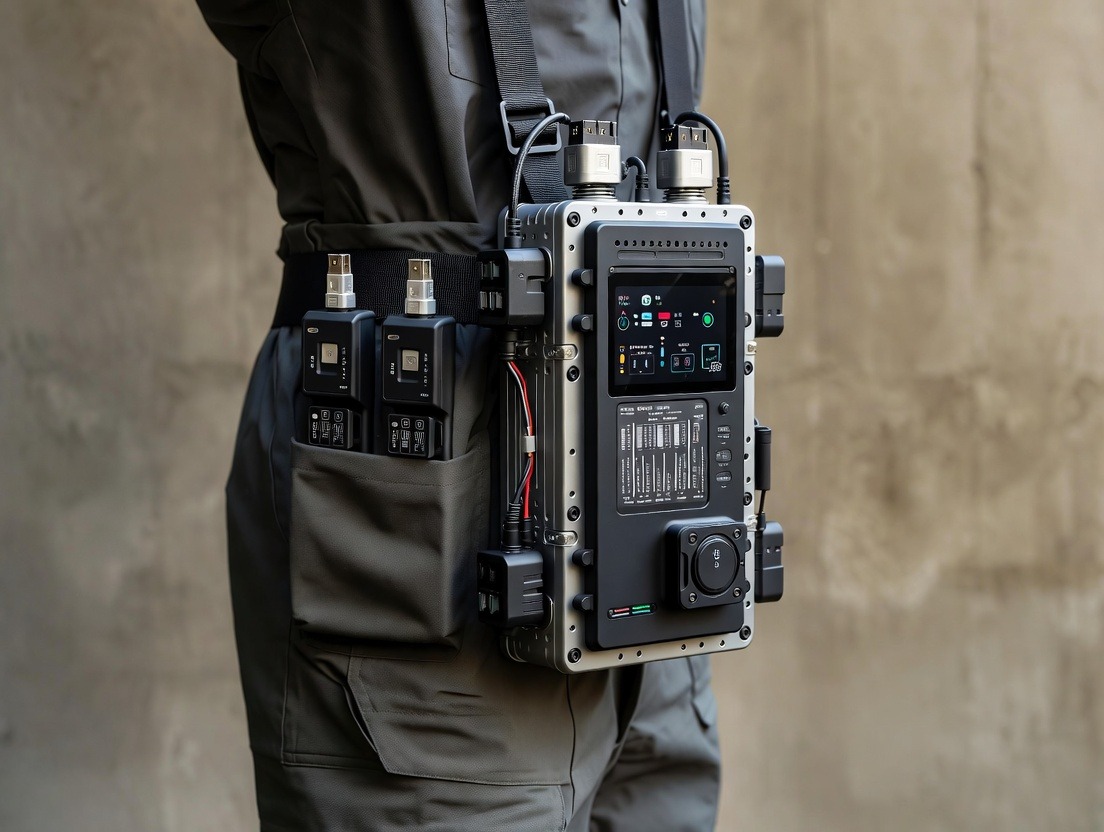
Physical training is a form of stress—a hormetic stress, meaning a beneficial dose that triggers adaptation. But it is not the only stressor. Psychological stress, whether from work, relationships, or financial worries, activates the exact same physiological pathways. The hypothalamus-pituitary-adrenal (HPA) axis does not differentiate between the stress of a deadlift and the stress of a deadline. It releases cortisol, the primary stress hormone, in response to both.
Cortisol, in acute bursts, is adaptive. It mobilizes energy, sharpens focus, and modulates inflammation. The problem for modern humans is the relentless, chronic drip of cortisol from non-physical stressors. Elevated cortisol over long periods is catastrophic for recovery. It is catabolic, breaking down muscle tissue for energy. It antagonizes anabolic hormones like testosterone and growth hormone. It disrupts sleep architecture, particularly by suppressing deep sleep. It impairs immune function and promotes fat storage, especially visceral fat.
This is perhaps the most significant hidden variable in recovery speed. Two individuals may follow identical training and nutrition plans. If one is managing a high-pressure job or personal turmoil while the other is in a period of low psychological stress, their recovery trajectories will be worlds apart. The stressed individual is trying to rebuild while the biochemical blueprint for demolition (high cortisol) is still active.
Fast healers are often masters of stress management, not necessarily stress avoidance. They employ deliberate practices to downregulate the nervous system and lower cortisol: meditation, spending time in nature, engaging in hobbies, practicing gratitude, and fostering social connections. They understand that managing life stress is not separate from their fitness goals; it is integral to them.
Biometric tracking makes the invisible visible. You can literally see the impact of a stressful day on your nervous system via a lowered HRV and an elevated resting heart rate. You can observe how poor sleep after a stressful event creates a compounding negative effect. This data provides the objective motivation to prioritize mental recovery with the same rigor as physical recovery. It closes the false dichotomy between “mind” and “body,” showing they are one interconnected system. For strategies on using data to prevent systemic fatigue, our blog discusses the smart ring data that prevents burnout and plateau.
For decades, recovery has been guided by subjective feeling: “I’m still sore,” “I feel tired,” “I think I need another day off.” While intuition is valuable, it is often unreliable. Fatigue can mask itself as laziness; overreaching can feel like invincibility. The human perception of recovery is notoriously poor, influenced by mood, motivation, and the previous day’s experiences.
The modern revolution in recovery is the shift from subjective feeling to objective data. This is the realm of biomarker tracking—the continuous, passive monitoring of physiological signals that tell the true story of your internal state. This is where a device like the Oxyzen smart ring transitions from a piece of technology to a personal recovery coach.
Key biomarkers for recovery include:
The magic is not in any single metric, but in the trends and correlations. Seeing your HRV trend downward over three days while your RHR trends upward, despite “feeling fine,” is an undeniable signal from your body to incorporate more rest. Noticing that your deep sleep percentage plummets after evening alcohol consumption provides a personal, data-driven reason to modify behavior.
This precision eliminates the “one-size-fits-all” recovery plan. It reveals your personal patterns, your unique responses to different stressors, and your ideal windows for applying stress and seeking rest. It answers the question, “What does optimal recovery look like for me?” This personalized feedback loop is the ultimate tool for the individual seeking to heal faster and perform better. To see how this applies to structuring your training, explore our guide on how to use your wellness ring to plan your training week.
In the quest to understand variable recovery rates, we must honestly confront the factors that set our baseline. While lifestyle choices are powerful levers, they are not the entire story. Age and genetics are the foundational architecture upon which we build.
Age: The biological reality is that recovery capacity generally declines with age. This is due to a number of factors: a natural decline in anabolic hormones like testosterone and growth hormone, a decrease in mitochondrial density and efficiency (the energy powerhouses of cells), a gradual loss of muscle mass (sarcopenia), and a reduced elasticity of tissues. The body’s ability to manage inflammation and oxidative stress also becomes less efficient. This doesn’t mean older individuals cannot recover well; it means the margins for error are smaller. Precision in sleep, nutrition, and stress management becomes exponentially more important. The fast-healing older athlete is almost always a master of consistency and intelligent lifestyle design.
Genetics: Our DNA provides the script. Some people are genetically predisposed to have a more robust inflammatory response, more efficient mitochondria, or a higher natural baseline for HRV. They may synthesize protein more effectively or clear metabolic waste faster. Genetics can influence muscle fiber type, joint resilience, and even psychological resilience to stress. It’s the hand you’re dealt.
However—and this is crucial—genetics are not destiny. They are the starting line, not the finish line. The field of epigenetics teaches us that lifestyle choices directly influence how our genes are expressed. You may have a genetic predisposition for higher inflammation, but an anti-inflammatory diet and regular exercise can suppress those genes. You may have a lower genetic ceiling for muscle growth, but you can absolutely reach your personal maximum through intelligent training and recovery.
The goal is not to lament the factors you cannot control, but to optimize the vast array of factors you can control with unprecedented precision. This is the great equalizer. While a 20-year-old with favorable genetics may recover quickly on a mediocre lifestyle, a 50-year-old with focused habits, guided by precise data, can absolutely out-recover them. Your focus should be on playing your own hand masterfully, not coveting someone else’s. For those navigating demanding training cycles, understanding these principles is key, as discussed in our resource on exercise and recovery balance for competition seasons.
With an understanding of the core physiological systems, we arrive at the practical levers—the daily behaviors that amplify or inhibit your innate recovery capacity. Fast healers don’t just rest more; they train, eat, and move between sessions with intention.
Training Smart (The Input): Recovery is dictated first by the quality of the stress applied. Poorly programmed training is the fastest way to dig a recovery hole. Smart training incorporates principles of periodization—varying volume and intensity over weeks and months to allow for adaptation. It includes deload weeks, planned reductions in training stress to facilitate supercompensation. This proactive approach prevents the need for reactive, extended breaks due to burnout or injury. Using a wellness ring to monitor your readiness allows for dynamic adjustment of your daily training load, a concept known as autoregulation. If your biomarkers are low, you can swap a high-intensity session for a technique-focused or active recovery day. This is the essence of smart ring approach to training load management.
Nutrition Timing (The Fuel Schedule): When you eat can be as important as what you eat for recovery. The post-exercise “anabolic window” (roughly 30-90 minutes after training) is a period of heightened insulin sensitivity and cellular openness to nutrients. Consuming a combination of protein and carbohydrates during this window can dramatically enhance muscle protein synthesis and replenish glycogen stores, jump-starting the repair process. Similarly, spacing protein intake evenly throughout the day (every 3-4 hours) provides a steady stream of amino acids for ongoing repair. The last meal before sleep is also strategic; a small protein-rich snack can provide amino acids for overnight repair without disrupting sleep with heavy digestion.
Active Recovery (The Circulation Boost): Complete inactivity is rarely the best path to recovery (except in cases of severe fatigue or injury). Active recovery—low-intensity movement like walking, cycling, swimming, or yoga—increases blood flow without imposing significant metabolic or mechanical stress. This enhanced circulation delivers fresh nutrients and oxygen to recovering tissues and helps flush out metabolic byproducts like lactic acid. It also stimulates the parasympathetic nervous system, promoting relaxation. A daily step goal, tracked by your wearable, is a foundational active recovery habit.
These amplifiers work synergistically. Smart training creates a manageable recovery demand. Strategic nutrition provides the raw materials. Active recovery optimizes the delivery system. When all three are aligned with the feedback from your biomarkers, you create a virtuous cycle of stress and renewal that propels you forward. For an advanced application of these principles, examine the protocols in our piece on deload week strategy smart ring recovery protocol.
We cannot discuss the science of recovery without crossing the bridge into the realm of the mind. The placebo effect—where a belief in a treatment’s efficacy produces a real physiological improvement—is a powerful testament to the mind-body connection. Its sinister twin, the nocebo effect, is where negative expectations worsen outcomes.
In the context of recovery, mindset is a potent modulator. An individual who believes they are a fast healer, who views soreness as a sign of positive adaptation, and who approaches rest with a sense of strategic purpose, may actually create a more favorable biochemical environment for repair. Optimism and a sense of control can lower perceived stress and cortisol levels. Conversely, someone who catastrophizes every ache, fears rest will lead to detraining, and feels victimized by their slow recovery, may be activating stress pathways that actively impede the healing process.
This isn’t about “positive thinking” as a cure-all. It’s about the tangible impact of psychological states on physiology. Practices like visualization—mentally rehearsing perfect movement or visualizing inflammation subsiding—have been shown to influence motor neuron activity and even immune response. Mindfulness meditation directly trains the nervous system to become more resilient to stress, improving HRV.
The data from a wellness tracker can actually strengthen this mind-body bridge in a positive way. When you see an objective “Recovery Ready” score, it provides permission to train hard with confidence. When you see a “Recovery Needed” score, it provides permission to rest without guilt, reframing the rest day from a failure to a strategic, data-driven part of the plan. This transforms recovery from a vague hope into a measurable, trusted process, reducing anxiety and empowering positive expectation. This psychological component is a critical part of the holistic picture, explored in our article on the exercise and recovery balance the sleep performance recovery triangle.
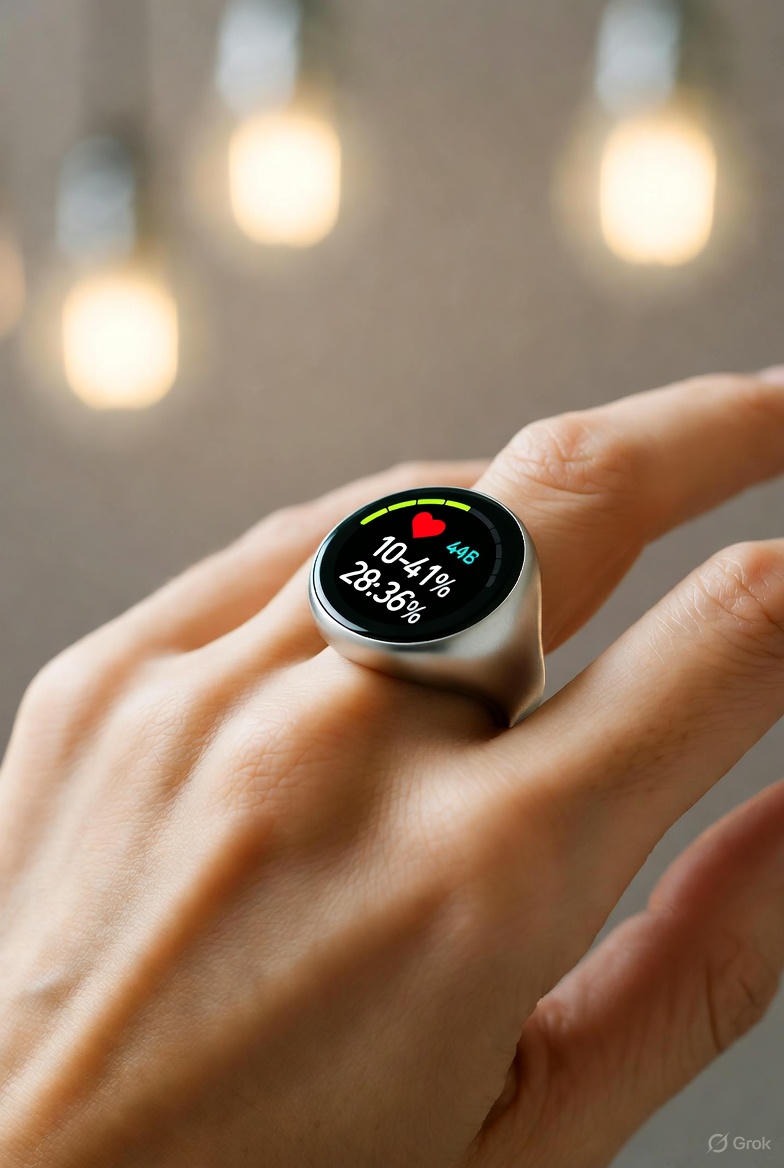
Imagine your body as a sophisticated financial institution. Every bout of stress—physical, mental, or emotional—is a withdrawal. Every period of deep, restorative recovery is a deposit. Recovery Debt is what you owe when your withdrawals consistently outpace your deposits. It's not mere tiredness; it's a quantifiable, systemic deficit that impairs function, stifles progress, and heightens injury risk. While acute fatigue from a single hard workout is normal and desirable, recovery debt is the chronic, compounded version that lingers for weeks or months.
This debt accumulates stealthily. It's the extra project at work during a heavy training block. It's the poor sleep during a period of personal stress. It's the decision to "push through" a series of low-readiness days because the calendar says you must train. Each stressor may seem manageable in isolation, but their effects are additive, taxing the same central regulatory systems: the autonomic nervous system (ANS), the HPA axis, and the immune system.
The individual who heals faster is often exceptionally adept at managing this ledger. They possess an acute awareness of their balance and make immediate "deposits" when they sense an overdraft approaching. They don't wait for catastrophic failure—overtraining syndrome, illness, or injury—to force a correction. Instead, they use subtle, early-warning signs to guide micro-adjustments.
The primary currency of this debt is not just muscular fatigue, but neurological and hormonal strain. Symptoms manifest in predictable ways:
Technology is the modern accountant for this biological ledger. A smart wellness ring doesn't just track single data points; it analyzes the trends that signal mounting debt. By watching for a consistent 5-7 day downtrend in HRV coupled with an uptrend in RHR, it can alert you to accumulating fatigue long before you "feel" completely burnt out. This allows for proactive intervention—a strategic rest day, a deload week, or a focus on sleep hygiene—to make a substantial deposit before the debt compounds. For a detailed exploration of how wearables track this, our article on recovery debt how your smart ring tracks accumulated fatigue provides a comprehensive breakdown.
Managing recovery debt is the cornerstone of sustainable progress. It’s the practice of balancing ambition with biology, ensuring your drive to achieve doesn't bankrupt your capacity to heal.
If recovery is a symphony, hormones are the musicians. Their timing, amplitude, and harmony dictate whether the music is one of chaotic noise or beautiful, restorative melody. Four key players conduct this complex performance: Cortisol, Testosterone, Human Growth Hormone (HGH), and Insulin. Understanding their roles and interactions is crucial to unlocking faster healing.
Cortisol – The Stress Conductor: As discussed, cortisol is essential in acute doses. It mobilizes energy, increases alertness, and modulates inflammation. For recovery, its diurnal rhythm is critical. It should be high in the morning to help you wake up and steadily decline throughout the day, reaching its lowest point at night to allow for the secretion of other restorative hormones. Chronic stress flattens this rhythm, leading to elevated evening cortisol, which directly antagonizes deep sleep and the release of HGH and testosterone. The fast healer protects this rhythm through routine, light exposure management, and stress-reduction practices.
Testosterone – The Anabolic Foreman: Primarily anabolic (building), testosterone drives protein synthesis, muscle repair, bone density, and red blood cell production. It's a key signal for the body to invest resources in repair and growth. Intense training can acutely raise testosterone, but chronic overtraining and high cortisol levels suppress it. Adequate sleep (particularly REM sleep), healthy fats, strength training, and managing life stress are all vital for maintaining optimal testosterone levels for recovery.
Human Growth Hormone (HGH) – The Nighttime Repair Crew: HGH is the star of the recovery show, but it works the night shift. Over 75% of its daily secretion occurs during deep, slow-wave sleep (N3). It stimulates tissue growth, muscle repair, and fat metabolism. It's why children need so much sleep to grow, and why adults need it to rebuild. Anything that fragments deep sleep—alcohol, caffeine too late, sleep apnea, or high evening cortisol—directly sabotages your primary HGH release and thus, your physical repair capacity.
Insulin – The Nutrient Shuttle: Often vilified, insulin is a crucial recovery hormone when managed properly. Post-exercise, muscles are highly sensitive to insulin. Its role is to shuttle glucose and amino acids into muscle cells, replenishing glycogen stores and providing the raw materials for protein synthesis. Strategic consumption of carbohydrates and protein after training leverages this insulin sensitivity for optimal repair.
The Harmony and Discord: These hormones exist in a delicate push-pull. Cortisol and testosterone/HGH often have an inverse relationship; when one is chronically high, the others are suppressed. The goal for rapid recovery is to amplify the anabolic signals (Testosterone, HGH, smart Insulin use) and minimize the chronic catabolic signal (Cortisol).
Lifestyle is the lever. Consistent sleep schedules, targeted nutrition, intelligent training periodization, and mindfulness directly tune this hormonal orchestra. Wearable data provides the feedback. For instance, a consistently elevated nighttime heart rate and low HRV are indirect biomarkers of a dysregulated cortisol rhythm. By addressing the lifestyle factors driving that data, you work to restore hormonal harmony. For a deep dive into the hormonal approach to balancing stress and repair, explore our resource on exercise and recovery balance the hormone optimization approach.
Inflammation is a word loaded with negative connotations in the wellness world. Yet, it is a fundamental and essential component of recovery. The key to mastering it is understanding the crucial difference between its acute and chronic forms—and learning to navigate the spectrum between them.
Acute Inflammation: The Emergency Response Team. This is the localized, short-term, and beneficial inflammation. When you strain a muscle, get a cut, or challenge your muscles with a workout, your body dispatches inflammatory cytokines, prostaglandins, and white blood cells to the site. This process, marked by temporary redness, heat, swelling, and pain, serves critical functions:
This acute response is a sign of a healthy, responsive immune system. It’s a necessary fire that must burn cleanly and briefly to facilitate healing.
Chronic Inflammation: The Slow-Burning Arsonist. Problems arise when this inflammatory response becomes systemic, low-grade, and persistent. This is chronic inflammation. It's not localized to an injury site; it's a smoldering fire throughout the body, damaging healthy tissues, blood vessels, and organs. It is a primary driver of slowed recovery, persistent soreness, joint pain, and increased injury risk.
Sources of chronic inflammation are often lifestyle-based:
Chronic inflammation directly sabotages recovery by:
The individual who heals faster is adept at promoting acute inflammation when needed and ruthlessly suppressing chronic inflammation. Their strategy is two-pronged:
Biomarkers can offer clues about inflammatory status. While wearables don't measure cytokines directly, elevated resting heart rate and depressed HRV over time can be surrogate markers of a heightened inflammatory state. Furthermore, tracking how long your metrics take to normalize after a stressor can indicate your inflammatory resilience. Managing this spectrum is non-negotiable for elite recovery, a principle applied in demanding disciplines like exercise and recovery balance for CrossFit and HIIT training.
All recovery processes are energy-intensive. Repairing muscle fibers, synthesizing new proteins, powering immune cells—these are costly metabolic endeavors. The currency for all of this is a molecule called Adenosine Triphosphate (ATP). And the power plants that produce over 90% of your body's ATP are the mitochondria.
Mitochondrial health is, therefore, the bedrock of recovery speed. You can have perfect hormones, minimal inflammation, and great sleep, but if your cellular power plants are inefficient or depleted, the repair work simply cannot proceed at an optimal pace.
Mitochondria and Recovery:
What Damages Mitochondria?
How to Build Better Mitochondria (Mitochondrial Biogenesis):
The great news is that mitochondria are highly adaptable. They respond to demand. The primary stimulus for creating new, healthier mitochondria is exercise, specifically:
Nutritional Support:
The fast healer is, at their core, a guardian of their cellular energy. They train in a way that builds robust mitochondrial networks, fuel their body with nutrients that support these organelles, and avoid the lifestyle factors that damage them. The payoff is a body that not only has the hormonal signal to repair but also the cellular energy to execute that signal powerfully. This foundational energy work is critical for all types of athletes, as detailed in our guide on exercise and recovery balance for strength training programs.

One of the most revolutionary discoveries in modern physiology is the profound influence of the gut microbiome—the trillions of bacteria, viruses, and fungi living in your digestive tract—on virtually every aspect of health, including recovery. This isn't just about digestion; it's about a constant, bidirectional conversation along the gut-brain axis that regulates inflammation, neurotransmitter production, and even stress resilience.
The Gut as an Immune and Endocrine Organ:
Your gut houses about 70% of your immune system. The composition of your microbiome directly teaches your immune system how to respond. A diverse, balanced microbiome promotes a well-regulated immune response—swift and effective against threats, but not overly aggressive (which would mean excessive inflammation). An imbalanced microbiome (dysbiosis) is linked to systemic inflammation and autoimmunity, creating a pro-inflammatory state that hinders recovery.
Furthermore, gut bacteria produce a vast array of metabolites and neurotransmitters. For example, certain species produce short-chain fatty acids (SCFAs) like butyrate, which have potent anti-inflammatory effects and strengthen the gut lining. Others are involved in the production of serotonin (over 90% of which is made in the gut) and GABA, which influence mood, sleep, and stress response.
How Gut Health Impacts Recovery:
Cultivating a Recovery-Friendly Microbiome:
Fast healers often unknowingly support their gut health through key habits:
While a wellness ring doesn't directly measure your microbiome, its data is a downstream readout of gut health's effects. Poor HRV, elevated resting heart rate, and disrupted sleep can all be exacerbated by gut dysbiosis and inflammation. When you improve your gut health, you often see corresponding improvements in these recovery biomarkers. Nurturing this internal ecosystem is a masterstroke in holistic recovery strategy.
We've now explored the multi-system complexity of recovery: nervous system, hormones, inflammation, cellular energy, and gut health. This complexity is precisely why generic advice fails. The perfect recovery protocol for a 25-year-old endurance athlete is useless for a 50-year-old strength trainee under high work stress. Personalization is the final, and most important, frontier.
Creating your unique recovery blueprint involves a continuous cycle of Stress Application → Biomarker Feedback → Intelligent Adaptation.
Step 1: Establish Your Baselines. This is the critical first step that most people skip. What is your normal resting heart rate? What is your typical HRV range? How much deep sleep do you usually get? Without knowing your normal, you cannot identify meaningful deviations. This requires consistent tracking over a few weeks during a period of stable, manageable stress.
Step 2: Apply Stress and Observe the Response. Introduce a new stressor—a harder workout, a longer run, a busy work week—and watch how your biomarkers respond. The key metrics are:
Step 3: Adapt Based on the Data. This is where you become the architect of your own recovery.
Example of a Personalized Protocol:
Let's say your baseline HRV is 60ms. After heavy leg day, it drops to 50ms but recovers to 60ms by the next morning. This is a good response. However, after a similar leg day combined with three nights of poor sleep due to work stress, your HRV drops to 45ms and is still only at 55ms two mornings later. Your personalized insight? Sleep deprivation dramatically impairs your specific recovery from heavy training. Your protocol must prioritize sleep above almost all else during intense training blocks.
This is the power of a data-informed, personalized approach. It transforms recovery from a guessing game into a strategic practice. It answers questions like: Do I need 7 or 9 hours of sleep? Should I eat carbs after training? Is yoga or walking better for my active recovery? The data holds the answers for you. To see this principle of personalized discovery in action, read about the personalized exercise recovery balance your smart ring discovers.
The recovery optimization landscape is filled with devices and modalities promising faster healing. From cryotherapy and pneumatic compression to infrared saunas and electrical stimulation, it's easy to get lost in the hype. The key is to evaluate these tools through the lens of the core recovery principles we've established: Do they positively influence nervous system balance, reduce harmful inflammation, improve sleep, or support cellular energy? Let's examine the evidence behind popular tools.
1. Cold Exposure (Cryotherapy, Ice Baths, Cold Plunges):
2. Heat Therapy (Saunas, Infrared Saunas, Hot Baths):
3. Photobiomodulation (Red Light Therapy):
4. Pneumatic Compression (Normatec, etc.):
The Guiding Principle:
The most advanced tool is useless if the fundamentals are broken. No amount of cryotherapy can compensate for chronic sleep deprivation. No sauna session can offset a diet fueling systemic inflammation. Use these modalities as adjuvants—force multipliers for a solid foundation of sleep, nutrition, and stress management. Let your biomarker data guide you. If a tool consistently improves your sleep score or morning HRV, it's valuable for you. If not, it may be unnecessary. This pragmatic, data-driven approach is what defines the modern recovery strategist, a mindset we explore in our guide to exercise and recovery balance mastery optimizing your training life.

Recovery does not occur in a vacuum. It is profoundly influenced by the world around us and our connection to it. The social and environmental dimension—often overlooked in purely physiological models—can be the difference between a sluggish and a speedy return to full capacity.
The Social Component: Community and Support.
Humans are social creatures, and our biology reflects this. Positive social connections buffer against stress. Feeling supported, whether by a training partner, coach, family, or friends, lowers perceived stress and cortisol levels. Conversely, loneliness and social isolation are potent stressors linked to higher inflammation and poorer health outcomes.
The Environmental Component: Nature, Light, and Temperature.
Your physical environment constantly sends signals to your nervous system.
The Mindset Component: Reframing Rest.
This brings us full circle to psychology, but in a cultural context. The individual who heals faster has often done the internal work to reframe rest from a sign of weakness to a sign of strategic intelligence. They have broken free from the "grind culture" narrative. They view the recovery day not as a lost day of productivity, but as the day the gains are made. They view sleep not as downtime, but as a performance-enhancing activity. This shift in mindset removes the psychological guilt and stress associated with taking necessary recovery time, making the practice more sustainable and effective.
Creating a recovery-conducive life means engineering your social and environmental inputs as deliberately as your training plan. It means seeking supportive connections, getting sunlight, spending time outdoors, and crafting a sleep sanctuary. When your environment is aligned with your recovery goals, every facet of your life becomes part of the healing process. For real-world examples of how this holistic approach is applied at the highest levels, you can read about how pro athletes use wellness rings for exercise recovery balance.
Superb recovery isn't about bouncing back from a single event; it's about building a system that ensures resilience over weeks, months, and years. This is the concept of recovery periodization—the strategic, long-term planning of your recovery just as you would periodize your training. It acknowledges that recovery capacity is not static; it ebbs and flows with life stress, training cycles, and seasons.
The traditional training periodization model moves through phases: a base-building (volume) phase, an intensity phase, a peaking phase, and a transition (active rest) phase. Each phase places different demands on the body and, consequently, requires a different recovery emphasis.
Beyond the training cycle, consider the seasonal periodization of recovery. Winter may call for more sleep and introspection (aligning with natural circadian shifts for less daylight). Summer may allow for more outdoor activity and social connection. The individual who heals faster doesn't just think in 24-hour cycles; they think in macro-cycles, proactively scheduling dedicated recovery weeks every 4-8 weeks, regardless of how they "feel," to prevent debt from ever becoming unmanageable.
This strategic approach requires a shift from a reactive to a proactive mindset. You are not waiting to be broken down to fix yourself; you are scheduling maintenance to prevent breakdowns. Your wellness data is the guide for this periodization. Observing long-term trends in your Recovery Quality Score or HRV baseline can tell you when your body is ready for a new training block or desperately needs a transition phase. For a precise protocol on implementing this, our guide on deload week strategy smart ring recovery protocol offers a data-driven framework.
With a myriad of data points available—HRV, RHR, sleep stages, temperature, SpO2, activity strain—the challenge becomes synthesis. Raw data is noise; interpreted trends are knowledge. Building your personal recovery dashboard means learning which metrics matter most for you and how to read their story.
The Core Dashboard for Most Individuals:
Advanced Metrics & Correlations:
The Art of Interpretation: Context is King.
A low HRV score on Monday morning means something entirely different if you ran a marathon on Sunday versus if you spent Sunday on the couch. Your dashboard must be contextualized with your own notes: training load, perceived stress, diet, and subjective feelings. The goal is to identify your unique patterns:
This dashboard becomes your daily conversation with your body. It turns abstract feelings into actionable intelligence. To see which specific metrics are most predictive, our analysis of smart ring metrics that predict recovery quality provides a detailed look.
We are on the cusp of a revolution that will make today's recovery tracking seem rudimentary. The future lies in moving from descriptive analytics (telling you what happened) to predictive and prescriptive analytics (telling you what will happen and what you should do about it).
Predictive Analytics: Soon, algorithms will not just report your morning readiness but forecast it. By analyzing your multi-week data trends alongside your calendar (scheduled intense workouts, work deadlines, travel), AI could predict: "Based on your current stress load and projected sleep, your recovery capacity will be critically low on Thursday. We recommend moving your high-intensity session to Tuesday." It could predict the onset of illness 24-48 hours before symptoms appear by detecting subtle, early shifts in HRV, RHR, and temperature that the human eye would miss.
Integrated Health Platforms: Your recovery data won't live in a silo. It will integrate with your electronic health records, bloodwork, and genetic data. Imagine your wearable detecting a pattern suggestive of low iron stores, prompting you to get a blood test, which then allows an algorithm to tailor your nutrition and training recommendations to address the deficiency directly. This is the convergence of wearable tech and personalized functional medicine.
Dynamic, Real-Time Prescriptions: Beyond a simple "red, yellow, green" score, future systems will offer dynamic prescriptions. "Your HRV is 15% below baseline today. Prescription: 30-minute Zone 1 walk, 10-minute meditation at 6 PM, advance bedtime by 45 minutes, and increase electrolyte intake. Avoid upper body strength training." The system will learn what prescriptions work best for you to improve specific biomarkers.
Non-Invasive, Continuous Blood Biomarkers: The next frontier is non-invasive sensing of biomarkers like blood glucose, cortisol, lactate, and inflammatory cytokines through sweat, saliva, or optical sensors. This would provide a real-time window into the exact biochemical state hampering or helping your recovery.
For the consumer, this means recovery becomes a seamless, automated, and hyper-personalized aspect of life. The technology, like that being developed at the forefront by teams such as Oxyzen, will act less like a tool and more like an always-on, deeply intuitive health guardian. The goal is to remove the guesswork entirely, allowing you to focus on living while the system manages the background optimization of your biology.
Ultimately, mastering recovery is not about adding more "recovery tasks" to an overburdened schedule. It is about weaving recovery-supporting habits into the very fabric of your daily existence. It's a lifestyle design challenge. The fast healer isn't someone who does extraordinary things; they are someone who does the ordinary, fundamental things with extraordinary consistency and intention.
The Pillars of a Recovery-Centric Lifestyle:
This holistic view reframes recovery. It's not something you do; it's something you live. Every choice, from your morning light exposure to your evening social interaction, is either a deposit into or a withdrawal from your recovery account. The journey, as explored in resources like our blog, is about becoming conscious of these micro-transactions and engineering a life where deposits flow in effortlessly.
Even with perfect data and intention, you will hit plateaus. Illness, injury, life crises, or simply unexplained periods of low biomarkers will occur. The true test of a recovery master is not their performance during an upswing, but their resilience during a downturn.
The Plateau Response Protocol:
Cultivating Resilience: This requires a mindset that views setbacks as data collection periods, not failures. A prolonged recovery from an injury becomes a masterclass in listening to your body. A period of burnout becomes a non-negotiable lesson in boundary setting. The data from your wearable provides an objective anchor during these times, proving that you are not "lazy"—your physiology is objectively stressed. Trusting this data allows you to surrender to the necessary rest without guilt, accelerating the true healing process. For strategies to navigate these challenging phases, our article on smart ring data that prevents burnout and plateau offers practical guidance.
Theory finds its truth in application. Let's examine how these universal recovery principles manifest differently across various archetypes, guided by biomarker feedback.
Archetype 1: The High-Stress Professional (Sedentary Job, Mentally Demanding)
Archetype 2: The Masters Athlete (50+, Competitive, Training 6+ hours/week)
Archetype 3: The New Parent (Sleep-Deprived, Time-Poor)
These cases illustrate that the principles (sleep, nervous system, inflammation) are universal, but their application is hyper-personal. Your life context dictates your recovery priorities. For example, the balance for a marathoner, as detailed in exercise and recovery balance for marathon training, looks vastly different from the CrossFit athlete's protocol.
Knowledge is powerless without action. This 30-day plan is designed to help you install the foundational habits of a fast healer, using biomarker feedback to guide your journey.
Days 1-7: The Baseline & Awareness Phase
Days 8-14: The Sleep Optimization Phase
Days 15-21: The Nervous System Tuning Phase
Days 22-30: The Nutrition & Hydration Integration Phase
This actionable plan, supported by the objective feedback from your wearable, creates a powerful feedback loop. You are no longer following generic advice; you are running personal experiments and discovering your unique formula. For ongoing support and refinement of your approach, the community and resources at Oxyzen can be your companion on this journey.
The question that launched this exploration—"Why do some people heal faster?"—has revealed itself to be a gateway into the most profound aspects of human physiology and self-mastery. The answer is not a secret gene or a single miracle supplement. It is the cumulative result of conscious, daily, data-informed choices that align your lifestyle with your biology's innate need for balance.
The fast healer is an architect. They understand their body's unique blueprints—its stress responses, its restorative patterns, its warning signals. They use tools, not as crutches, but as precision instruments to measure, adjust, and optimize. They respect the non-negotiable primacy of sleep, they nurture their nervous system like a precious garden, they fuel their cells with intention, and they design a life that supports repair rather than constantly demanding it.
This journey transforms your relationship with your body from one of confrontation to one of collaboration. You are no longer fighting against fatigue, soreness, and plateaus. You are learning the language your body speaks through heartbeats, breaths, and temperature shifts. You are responding to its whispers so it never has to scream.
The modern landscape of recovery, illuminated by technology from pioneers like Oxyzen, offers an unprecedented opportunity. It allows us to move beyond the age of "pushing through" and into the new era of flowing with—intelligently applying stress where we are strong, and gracefully receiving rest where we are vulnerable. This is the path to not just faster healing, but to sustained vitality, enduring performance, and a profound sense of partnership with the only body you will ever have.
Your recovery is not a footnote to your performance; it is the very text of your long-term health. Start listening, start measuring, and start building. Your future, resilient self will thank you.
This concludes the full, in-depth exploration of "Understanding Body Recovery: Why Some People Heal Faster." From foundational science to advanced protocols and personalized action plans, this guide provides the comprehensive framework needed to master the art and science of recovery. For continued learning, personal stories, and the latest insights, we invite you to join the conversation and explore the full range of resources available on the Oxyzen blog.
Your Trusted Sleep Advocate (Sleep Foundation — https://www.sleepfoundation.org/)
Discover a digital archive of scholarly articles (NIH — https://www.ncbi.nlm.nih.gov/
39 million citations for biomedical literature (PubMed — https://pubmed.ncbi.nlm.nih.gov/)
experts at Harvard Health Publishing covering a variety of health topics — https://www.health.harvard.edu/blog/)
Every life deserves world class care (Cleveland Clinic -
https://my.clevelandclinic.org/health)
Wearable technology and the future of predictive health monitoring. (MIT Technology Review — https://www.technologyreview.com/)
Dedicated to the well-being of all people and guided by science (World Health Organization — https://www.who.int/news-room/)
Psychological science and knowledge to benefit society and improve lives. (APA — https://www.apa.org/monitor/)
Cutting-edge insights on human longevity and peak performance
(Lifespan Research — https://www.lifespan.io/)
Global authority on exercise physiology, sports performance, and human recovery
(American College of Sports Medicine — https://www.acsm.org/)
Neuroscience-driven guidance for better focus, sleep, and mental clarity
(Stanford Human Performance Lab — https://humanperformance.stanford.edu/)
Evidence-based psychology and mind–body wellness resources
(Mayo Clinic — https://www.mayoclinic.org/healthy-lifestyle/)
Data-backed research on emotional wellbeing, stress biology, and resilience
(American Institute of Stress — https://www.stress.org/)


