Preventive Wellness Guide: The Cardiovascular Protection Plan
A plan for cardiovascular protection.
The Heart of Everything: Your Definitive Preventive Wellness Guide to Cardiovascular Protection
Imagine a world where the leading cause of death is no longer a silent, creeping threat. A world where heart attacks and strokes are rare, tragic anomalies instead of statistical certainties. This isn't a distant utopia—it's a future we can build, one heartbeat at a time. The cornerstone of this future is a profound paradigm shift: moving from reactive treatment to proactive, empowered prevention.
For decades, cardiovascular health has been governed by a model of crisis management. We wait for warning signs—chest pain, soaring blood pressure, a concerning doctor's visit—before we act. By then, the underlying disease, atherosclerosis (the buildup of plaque in arteries), may have been progressing stealthily for 20 or 30 years. The new era of preventive wellness flips this script entirely. It’s about listening to the subtle, daily language of your body and nurturing your cardiovascular system long before pathology whispers its first symptom.
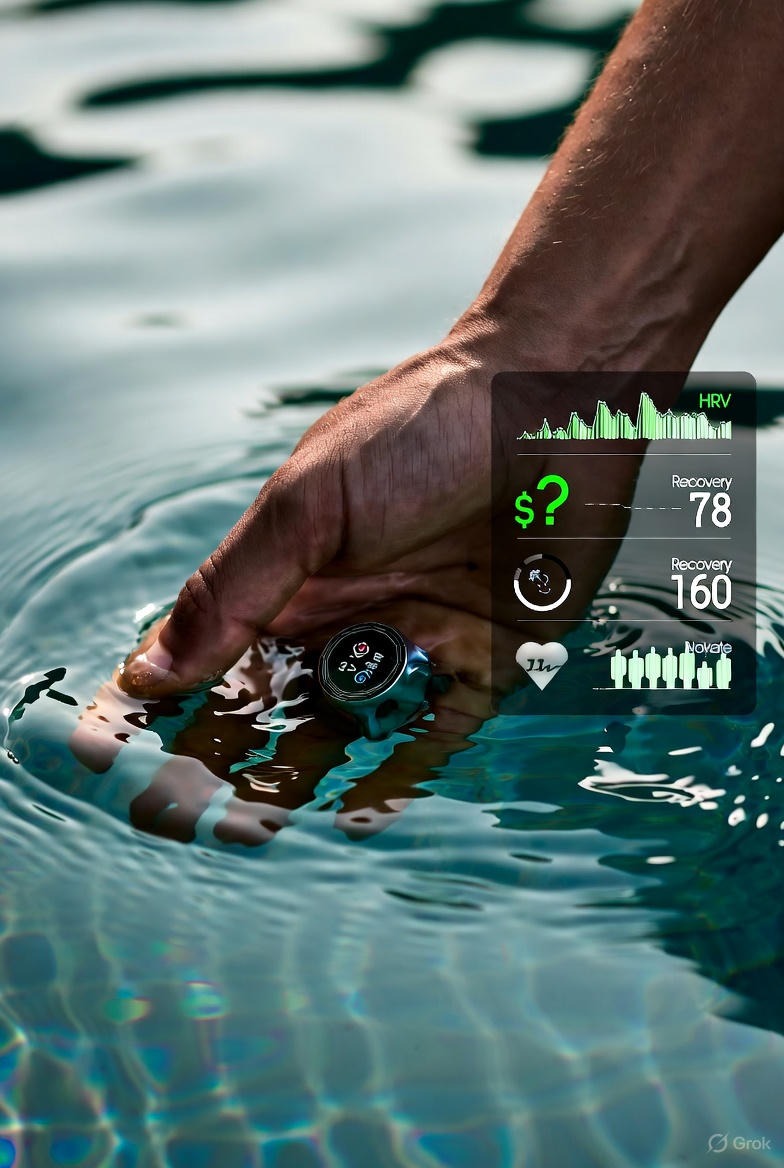
This guide, The Cardiovascular Protection Plan, is your architectural blueprint for that future. It synthesizes the pillars of modern science—nutrition, movement, sleep, stress management, and metabolic health—into a cohesive, actionable strategy. But it also introduces a critical, modern tool: continuous, personalized bio-data. This is where technology transforms intention into precision. A device like the Oxyzen smart ring isn't just an accessory; it's a 24/7 guardian, translating the rhythms of your heart rate variability (HRV), blood oxygen saturation (SpO₂), resting heart rate, sleep architecture, and activity levels into a personalized narrative of your heart's resilience.
Your journey doesn't start at a diagnosis; it starts today, with understanding. Consider this guide your comprehensive manual for building a fortress of cardiovascular health, equipped with both timeless wisdom and cutting-edge insight. Let's begin by laying the most crucial foundation: understanding the very system we aim to protect and fortify.
Understanding Your Cardiovascular System: The Engine of Life
To protect something, you must first appreciate its magnificent complexity. Your cardiovascular system is not merely a "plumbing network"; it's a dynamic, intelligent, and tirelessly responsive ecosystem. At its center is the heart, a four-chambered muscular pump that contracts roughly 100,000 times a day, propelling over 2,000 gallons of blood through a 60,000-mile network of vessels—from vast arteries to capillaries finer than a human hair.
Blood is the life-giving river. It carries oxygen from your lungs, nutrients from your digestive system, hormones from your endocrine glands, and immune cells to sites of need. Simultaneously, it ferries away metabolic waste products like carbon dioxide. This entire process is exquisitely regulated. Your heart rate accelerates to fuel a sprint and slows to conserve energy during rest. Your blood vessels constrict or dilate to maintain optimal pressure and direct flow where it's needed most.
The silent enemy of this system is atherosclerosis. Think of it not as simple "clogging," but as a chronic inflammatory response within the artery walls. It begins with subtle damage to the delicate endothelial lining, often from sustained high blood pressure, toxic particles from cigarette smoke, or high levels of oxidized LDL ("bad") cholesterol in the bloodstream. This damage triggers an inflammatory cascade: LDL cholesterol particles infiltrate the artery wall, become oxidized, and the body sends immune cells (macrophages) to clean them up. These cells become engorged, forming "foam cells," and a fibrous plaque begins to grow within the artery wall itself.
This process is insidious. For decades, plaques grow silently, narrowing the artery's passage (a condition called stenosis) without causing a single symptom. The crisis—a heart attack or stroke—occurs when a plaque suddenly ruptures. The body perceives this rupture as an injury and forms a rapid blood clot to seal it. This clot can completely block the already-narrowed artery, cutting off oxygen to the heart muscle (heart attack) or brain (ischemic stroke).
Key Metrics of Heart Health:
Resting Heart Rate (RHR): A lower RHR (typically 60-100 bpm, with fit individuals often in the 50s or 40s) generally indicates more efficient heart function and better cardiovascular fitness.
Heart Rate Variability (HRV): This is not about your average heart rate, but the subtle, millisecond variations between each heartbeat. High HRV indicates a robust, adaptable autonomic nervous system—your body can smoothly switch between stress (sympathetic) and recovery (parasympathetic) modes. Low HRV is a significant marker of chronic stress, fatigue, and cardiovascular risk.
Blood Pressure: The force of blood against artery walls. Sustained high pressure (hypertension) is a primary driver of endothelial damage.
Blood Oxygen Saturation (SpO₂): The percentage of oxygen-carrying hemoglobin in your blood. Consistently low levels, especially during sleep, can indicate issues like sleep apnea, which severely strains the cardiovascular system.
Inflammatory Markers: While measured via blood tests (e.g., hs-CRP), their effects are reflected in overall systemic strain.
This is where a paradigm of data-informed prevention becomes revolutionary. Instead of waiting for hypertension to be diagnosed at a yearly physical, what if you could see the real-time impact of a poor night's sleep or a stressful workday on your nervous system? Tools like the Oxyzen smart ring provide this window, tracking HRV, RHR, and SpO₂ continuously to give you feedback on how your lifestyle choices are directly affecting your engine of life. For a deeper look at how this technology works, explore our article on the science behind modern health tracking technology.
Understanding the system is step one. Step two is arming yourself with the most powerful diagnostic tool ever created, which is already on your wrist—or finger.
The Silent Signals: How to Read Your Body's Early Warning Signs
Your body is a master communicator, but it speaks in a dialect of subtle cues, not shouts. A heart attack is often a final, desperate scream after years of whispered warnings have gone unheeded. The art of preventive cardiology lies in becoming fluent in this early-warning language. These signals aren't just "symptoms" in the traditional sense; they are patterns, trends, and deviations from your personal baseline that signal systemic strain.
Let's decode the most critical whispers:
1. The Patterns of Fatigue and Recovery Persistent, unexplained fatigue is not a badge of busyness; it's a potential red flag. When your cardiovascular system is under strain—from poor circulation, inefficient oxygen delivery, or systemic inflammation—your entire body's energy production falters. Pay attention: Is your fatigue relieved by rest, or does it cling to you? Do you wake up feeling as tired as when you went to bed? This could point to poor sleep quality (like sleep apnea) or an overtaxed heart. Conversely, how quickly do you recover from physical exertion? A prolonged elevated heart rate after a moderate workout suggests poor cardiovascular conditioning.
2. Subtle Changes in Breathing Shortness of breath (dyspnea) that occurs with less and less exertion is a classic sign. It's not just about being "out of shape." It can indicate that your heart is struggling to pump blood efficiently, causing fluid to back up into the lungs. Also, note if you need more pillows to sleep comfortably or wake up gasping for air—both can be signs of heart failure.
3. The Mystery of Discomfort Heart distress rarely presents as Hollywood-style chest-clutching pain. It’s more often described as pressure, tightness, squeezing, fullness, or an ache. Crucially, this discomfort can radiate to the jaw, neck, back, or arms (particularly the left arm). It can also masquerade as indigestion or a burning sensation. For women, symptoms are frequently even more atypical: overwhelming fatigue, nausea, lightheadedness, or discomfort in the abdomen.
4. The Rhythms of Circulation Swelling (edema) in the feet, ankles, legs, or abdomen can signal that your heart isn't pumping effectively, causing fluid to pool. Cold extremities or a bluish tint to the skin (cyanosis) indicate poor peripheral circulation.
5. The Digital Biomarkers: Your Quantifiable Whispers This is where modern technology transforms self-awareness. These are signals you cannot feel, but that speak volumes about your cardiovascular resilience:
A Downward Trend in HRV: Consistently low or declining HRV is one of the strongest indicators of autonomic nervous system imbalance and systemic stress, a major precursor to cardiovascular issues.
A Creeping Resting Heart Rate: If your RHR is gradually increasing over weeks or months, despite no change in fitness, it can signal dehydration, overtraining, chronic stress, or the onset of illness.
Nocturnal Blood Oxygen Dips: Frequent drops in SpO₂ during sleep, tracked by a device like Oxyzen, are a primary indicator of obstructive sleep apnea, a condition that dramatically increases the risk of hypertension, atrial fibrillation, and heart failure.
Poor Sleep Architecture: Consistently low deep sleep (the restorative phase) and REM sleep, visible in detailed sleep tracking, hinder physiological repair, increase inflammation, and disrupt hormonal balance—all enemies of heart health.
The goal is to move from noticing symptoms to observing patterns. A single night of poor sleep is a blip; a trend of low deep sleep with elevated morning RHR is a data point that demands a lifestyle intervention. By using a device that offers continuous vs. periodic monitoring, you move from a fragmented snapshot to a cohesive, real-time story of your health. This empowers you to connect cause and effect: "That week of high work stress directly correlated with my lowest HRV readings of the month." You can then read about how real users have applied these insights in our customer testimonials.
Listening is vital, but it's only half the equation. We must now feed this complex system the building blocks it needs to thrive, not just survive.
The Foundational Pillar: An Anti-Inflammatory, Heart-Protective Diet
Food is not just calories; it's information and medicine. Every meal sends instructions to your genes, modulates inflammation, and directly impacts the endothelial lining of your arteries. The heart-protective diet is not a temporary "regimen"; it's a sustainable, pleasurable pattern of eating designed to reduce inflammation, improve lipid profiles, lower blood pressure, and provide antioxidant protection.
Core Principle: Prioritize Plants, Embrace Healthy Fats, Minimize Processed Foods. This isn't a complex formula. The majority of your plate should be filled with colorful, fiber-rich plants, complemented by quality proteins and fats.
1. The Power of Phytonutrients and Fiber Vegetables, fruits, legumes, and whole grains are the bedrock. Their soluble fiber (found in oats, barley, beans, apples, citrus) acts like a sponge in your gut, binding to cholesterol-rich bile acids and ushering them out of the body. Insoluble fiber (in whole grains, vegetables) promotes gut health, which is intimately linked to systemic inflammation. The vibrant colors in plants come from phytonutrients—compounds like flavonoids and carotenoids that have potent antioxidant and anti-inflammatory effects. Actionable Tip: Aim for a "rainbow" daily and include at least 30 grams of fiber.
2. Fats: The Good, The Bad, and The Ugly
Embrace: Monounsaturated fats (olive oil, avocados, nuts) and omega-3 polyunsaturated fats. Omega-3s, especially from fatty fish (saldom, mackerel, sardines), are powerful anti-inflammatories. They help reduce triglycerides, lower blood pressure slightly, and may make plaque less likely to rupture. Plant-based omega-3s (ALA from flax, chia, walnuts) are also beneficial.
Limit: Excess omega-6 polyunsaturated fats (from many vegetable oils like corn and soybean oil) which can promote inflammation when not balanced with omega-3s.
Avoid: Artificial trans fats (partially hydrogenated oils) entirely. They raise LDL, lower HDL ("good") cholesterol, and increase inflammation.
3. The Protein Priority Shift focus from red and processed meats (linked to inflammation and heart disease) to plant proteins (lentils, chickpeas, tofu), fatty fish, and lean poultry. The Mediterranean diet's success is partly attributed to this protein shift.
4. Salt, Sugar, and the Inflammatory Cascade
Sodium: Excess sodium draws water into the bloodstream, increasing blood volume and pressure, straining artery walls. Read labels; most hidden sodium comes from processed foods, not your salt shaker.
Added Sugars: High intake, especially from sugary drinks, leads to fatty liver disease, insulin resistance, elevated triglycerides, and inflammation—a perfect storm for cardiovascular disease.
5. Functional Foods & Supplements (Food-First)
Garlic: Contains allicin, which may help lower blood pressure and slow atherosclerosis.
Berries: Packed with anthocyanins, linked to improved arterial stiffness and blood pressure.
Dark Chocolate (>70% cocoa): Flavonols can improve blood flow and lower blood pressure.
Green Tea: Rich in catechins, associated with lower cholesterol and improved artery function.
Consider: A high-quality fish oil supplement if you don't eat fatty fish regularly, and possibly a vitamin D supplement, as deficiency is linked to higher CVD risk.
The Data-Driven Dietary Link: This is where your wellness ring becomes a powerful accountability partner. After adopting a whole-foods, anti-inflammatory diet for a few weeks, watch your biomarkers. Do you see an improvement in your morning HRV? Has your resting heart rate trended downward? Do you sleep more soundly? This positive feedback loop turns abstract dietary advice into a personalized, validated success story. For more on building daily habits that create lasting change, our blog offers 50 tips for healthy aging a smart ring can help implement.
Nutrition builds the foundation. Next, we must train the system to be resilient, efficient, and strong through purposeful movement.
Movement as Medicine: The Exercise Prescription for a Strong Heart
If diet provides the building blocks, exercise is the master regulator and fortifier of the cardiovascular system. Physical activity is not optional for heart health; it is non-negotiable, potent medicine with a dose-dependent response. The right "prescription" improves nearly every single risk factor for heart disease.
The Multifaceted Benefits of Exercise:
Strengthens the Heart Muscle: Like any muscle, the heart becomes stronger and more efficient with training, pumping more blood with each beat (increasing stroke volume). This leads to a lower resting heart rate.
Improves Vascular Function: Exercise stimulates the production of nitric oxide, a compound that helps arteries dilate, improving blood flow and lowering blood pressure.
Manages Weight & Composition: Reduces visceral fat (the dangerous fat around organs), a major source of inflammation.
Enhances Insulin Sensitivity: Helps muscles use glucose more effectively, fighting metabolic syndrome.
Reduces Inflammation: Regular activity lowers levels of inflammatory markers like C-reactive protein (CRP).
Boosts HRV: Consistent training, with adequate recovery, improves autonomic nervous system balance, raising HRV.
The Optimal Heart-Health Exercise Protocol: A balanced regimen includes three key components, akin to a pyramid.
1. The Base: Consistent, Moderate-Intensity Aerobic Exercise (Zone 2 Training) This is the cornerstone. "Zone 2" is a pace where you can hold a conversation but not sing. It's typically 60-70% of your maximum heart rate. At this intensity, your body efficiently burns fat for fuel and creates profound mitochondrial adaptations. Aim for 150+ minutes per week. Activities: brisk walking, cycling, swimming, jogging.
Smart Ring Insight: Use your device to observe your heart rate during a brisk walk. Is it sustainably in that moderate zone? Over time, you'll notice your heart rate for the same pace decreases—a clear sign of improved fitness.
2. The Peak: High-Intensity Interval Training (HIIT) HIIT involves short bursts of all-out effort (85-95% max HR) followed by recovery periods. Studies show it can improve cardiovascular fitness, insulin sensitivity, and arterial health more efficiently than steady-state cardio alone. Example: After a warm-up, alternate 30 seconds of sprinting with 60-90 seconds of walking, repeat 6-8 times. Aim for 1-2 sessions per week.
Smart Ring Insight: Post-HIIT, monitor your heart rate recovery (HRR)—how quickly your heart rate drops in the first minute after stopping. Faster HRR is a strong indicator of good cardiovascular health and autonomic function.
3. The Support: Resistance Training Muscle is metabolically active tissue. Building strength improves glucose metabolism, supports joint health for lifelong activity, and helps maintain functional independence. Aim for 2 sessions per week targeting major muscle groups.
Smart Ring Insight: Note how strength training impacts your sleep. Quality resistance work often leads to increased deep sleep, which is crucial for repair and recovery.
4. The Glue: Non-Exercise Activity Thermogenesis (NEAT) This is the calories you burn from all non-sleeping, non-exercise movement: walking, standing, fidgeting. Increasing NEAT is one of the most powerful tools for metabolic health. Take walking breaks, use a standing desk, park farther away.
Smart Ring Insight: Set a movement alert on your device. Seeing your step count or active minutes can nudge you to hit your daily NEAT goals, a foundational habit detailed in our guide on activity and movement tracking basics.
The Critical Caveat: Recovery More is not always better. Overtraining suppresses the immune system, raises cortisol (a stress hormone), and can lower HRV, increasing cardiovascular strain. Listen to your body and your data. If your RHR is elevated by 5-10 bpm above your normal morning average and your HRV is low, it’s a sign to prioritize rest, gentle movement, or sleep. This balance is the essence of training smart, not just hard.
With the body fueled and conditioned, we must now address its most profound restoration cycle: sleep. This is where the heart finds its essential respite.
The Restorative Power of Sleep: Your Heart's Nightly Reset
Sleep is the cornerstone of repair. It is not a passive state but a dynamic, orchestrated process where the cardiovascular system gets its most profound rest and reset. Chronic sleep deprivation or poor-quality sleep is not a badge of honor; it is a direct assault on heart health, influencing every major risk factor.
Sleep Architecture and the Heart: A full sleep cycle (90-120 minutes) includes stages of light sleep, deep sleep (slow-wave sleep), and REM (rapid eye movement) sleep. Each plays a role:
Deep Sleep: This is the most restorative phase. Blood pressure drops, breathing slows, and the body focuses on physical repair, tissue growth, and immune strengthening. It’s a period of low stress-hormone output.
REM Sleep: Brain activity increases, dreaming occurs, and this stage is crucial for cognitive and emotional processing. Heart rate and blood pressure can become variable during REM.
The Cardiovascular Cost of Poor Sleep:
Blood Pressure Surge: During normal sleep, blood pressure dips by 10-20% ("nocturnal dipping"). This gives arteries a break. Without this dip (non-dipping), the risk of future cardiovascular events rises significantly. Chronic short sleep is strongly linked to hypertension.
Inflammation Elevation: Sleep loss triggers the release of pro-inflammatory cytokines like interleukin-6 (IL-6) and C-reactive protein (CRP), fueling the fire of atherosclerosis.
Metabolic Dysregulation: Poor sleep disrupts the hormones leptin (satiety) and ghrelin (hunger), leading to increased cravings for high-calorie, high-carb foods. It also impairs insulin sensitivity, pushing you toward metabolic syndrome.
The Sleep Apnea Crisis: Obstructive Sleep Apnea (OSA), where breathing repeatedly stops and starts, is a cardiovascular emergency. Each apnea causes oxygen deprivation (hypoxia), spikes in blood pressure, and surges of stress hormones. OSA is independently linked to hypertension, atrial fibrillation, heart failure, and stroke.
Building a Heart-Healthy Sleep Sanctuary: Your sleep hygiene is as important as your dental hygiene.
Consistency is King: Go to bed and wake up at the same time every day, even on weekends. This regulates your circadian rhythm.
Craft a Ritual: The hour before bed should be a wind-down: dim lights, avoid screens (blue light suppresses melatonin), read a book, practice gentle stretching or meditation.
Optimize Your Environment: Cool (65-68°F), dark, and quiet. Consider blackout curtains and a white noise machine.
Limit Stimulants: Avoid caffeine after 2 PM and heavy meals/alcohol close to bedtime, as they can disrupt sleep architecture.
Daylight & Movement: Get bright natural light exposure in the morning and regular daily exercise (but not too close to bedtime).
Quantifying Your Sleep for Heart Health: This is a prime example of where a smart ring becomes an indispensable diagnostic tool. A device like Oxyzen tracks not just how long you sleep, but how well.
Monitor Your Sleep Stages: Are you getting sufficient deep and REM sleep? A trend of low deep sleep is a red flag for inadequate physical recovery.
Track Your Nightly SpO₂: This is critical. Frequent, significant dips in blood oxygen can be a primary indicator of undiagnosed sleep apnea. Seeing this data can be the catalyst for a life-saving sleep study.
Correlate Sleep with Morning Readiness: Your device's "readiness" or "recovery" score, often based on HRV, RHR, and sleep data, tells you how well-rested your cardiovascular system is. A low score after a short sleep is a clear signal to prioritize recovery that day.
Sleep is the ultimate biohack. By prioritizing it, you directly lower inflammation, balance hormones, and give your heart the nightly vacation it requires. For a comprehensive look at how to enable this kind of proactive monitoring, read how to enable preventive health monitoring with your device.
Yet, even with perfect sleep, a constant state of psychological stress can unravel all our efforts. We must now address the mind-heart connection.
Mastering Stress: The Mind-Heart Connection and Nervous System Regulation
If diet, exercise, and sleep are the hardware of cardiovascular health, then stress management is the operating system. Chronic psychological stress is not a "soft" issue; it provokes a direct, measurable, and damaging physiological cascade known as the "fight-or-flight" response, mediated by the sympathetic nervous system and hormones like cortisol and adrenaline.
How Chronic Stress Breaks the Heart:
Direct Physiological Impact: Stress hormones cause immediate increases in heart rate and blood pressure. Chronically, this leads to hypertension, inflammation, and endothelial dysfunction. Cortisol promotes the accumulation of visceral fat and increases blood sugar.
Behavioral Pathways: Stress often drives unhealthy coping mechanisms—overeating comfort foods, smoking, excessive alcohol consumption, and physical inactivity—all of which compound cardiovascular risk.
Autonomic Nervous System (ANS) Imbalance: A healthy heart is governed by a balanced ANS, smoothly alternating between sympathetic (stress, action) and parasympathetic (rest, digest, repair) tone. Chronic stress traps the ANS in a sympathetic-dominant state, leading to low Heart Rate Variability (HRV), a key biomarker of cardiovascular risk and all-cause mortality.
The Goal is Not Stress Elimination, but Stress Resilience. You cannot avoid stress, but you can change your body's response to it. The aim is to strengthen your parasympathetic ("rest-and-digest") nervous system and improve your ability to return to baseline after a stressor.
Evidence-Based Techniques for Nervous System Regulation:
1. Breathwork: The Direct Line to the ANS Conscious breathing is the fastest way to influence your autonomic state.
Box Breathing (Navy SEAL Technique): Inhale for 4 seconds, hold for 4, exhale for 4, hold for 4. Repeat. This immediately engages the parasympathetic system.
Coherent Breathing: Inhale for 5-6 seconds, exhale for 5-6 seconds. Aim for 5-6 breaths per minute. This rhythm maximizes HRV and is profoundly calming.
Practice: Incorporate 5-10 minutes of deliberate breathwork daily, or use it in moments of acute stress.
2. Mindfulness & Meditation Regular practice reduces activity in the amygdala (the brain's fear center), decreases cortisol, and increases gray matter in areas associated with emotional regulation. It cultivates the "pause" between stimulus and reaction.
Start Simple: Use a guided app for 10 minutes a day. Focus on the breath, noticing when the mind wanders and gently bringing it back.
3. Nature Immersion (Forest Bathing) Spending time in nature, particularly among trees, has been shown to lower cortisol, heart rate, and blood pressure. It’s a multisensory parasympathetic reset.
4. Gratitude Practice Actively reflecting on things you are grateful for shifts neurological pathways away from fear and lack (sympathetic) toward safety and abundance (parasympathetic). Keep a nightly gratitude journal.
5. Digital Biofeedback: Your Stress Meter This is the revolutionary advantage of modern wearables. Your smart ring provides an objective, real-time readout of your nervous system state.
HRV is Your North Star: It is the single best metric you can track for stress resilience. A high HRV indicates a balanced, adaptable system. Watch your daily and weekly HRV trends.
Correlate Life with Data: After a stressful meeting, check your HRV graph. Did it plummet? After a 10-minute meditation, did it improve? This creates powerful biofeedback, showing you what truly calms your nervous system.
Use Your Resting Heart Rate: An elevated morning RHR is a classic sign of accumulated stress or inadequate recovery.
By actively managing stress, you're not just improving your mood—you're lowering inflammation, protecting your endothelium, and building a heart that can withstand life's storms. For insights into how technology is personalizing this journey, explore how modern health tracking enables personalized wellness.
With the core lifestyle pillars established, we must zoom in on two of the most potent, modifiable risk factors that operate in the shadows: metabolic health and the silent dangers of smoking and pollutants.
Beyond Cholesterol: Mastering Metabolic Health & Eliminating Toxins
Cardiovascular protection requires looking beyond traditional markers like LDL cholesterol. Two of the most powerful levers you control are your body's metabolic efficiency and your exposure to specific toxins. Addressing these can dramatically alter your cardiovascular trajectory.
Part A: The Metabolic Health Imperative
Metabolic health is defined by optimal levels of five markers: blood sugar, triglycerides, HDL cholesterol, blood pressure, and waist circumference, without medication. Poor metabolic health, often culminating in Metabolic Syndrome, is a primary driver of inflammation and endothelial dysfunction.
1. Insulin Resistance: The Root of Much Evil When cells become resistant to the hormone insulin, blood sugar rises. The pancreas pumps out more insulin to compensate. This hyperinsulinemia is damaging: it promotes fat storage (especially visceral fat), increases inflammation, raises blood pressure, and leads to the creation of small, dense LDL particles—the type most likely to oxidize and embed in artery walls.
Action: Reduce refined carbohydrates and added sugars. Prioritize fiber, healthy fats, and protein at every meal to blunt blood sugar spikes. Incorporate strength training to improve muscle glucose uptake.
2. The Triglyceride-to-HDL Ratio: A Critical Gauge While total and LDL cholesterol get attention, the ratio of triglycerides to HDL cholesterol is a more sensitive marker of insulin resistance and cardiovascular risk. A ratio above 2:1 (triglycerides:HDL) is concerning.
Action to Improve: Increase omega-3 fatty fish intake, reduce refined carbs and alcohol, and engage in regular aerobic exercise.
3. Visceral Fat: The Inflammatory Organ Fat stored deep in the abdomen (visceral fat) is not inert; it's an endocrine organ that secretes inflammatory cytokines like TNF-alpha and IL-6, directly poisoning the liver and cardiovascular system.
Action: This fat is most responsive to a combination of dietary changes (reducing processed foods), consistent aerobic exercise, strength training, and stress management.
Tracking Your Metabolic Health: While some markers require blood tests, your wearable provides powerful proxies:
Resting Heart Rate & HRV: Both worsen with declining metabolic health.
Activity Data: Consistent movement is the antidote to metabolic stagnation. The ring’s ability to help build healthy habits through gentle reminders and progress tracking is key here.
Part B: The Toxin Triad: Smoking, Air Pollution, and Heavy Metals
1. Smoking & Vaping: Endothelial Catastrophe There is no safe level of exposure. Chemicals in tobacco smoke cause immediate endothelial damage, increase LDL oxidation, promote blood clotting, and trigger massive inflammation. Quitting is the single most effective action for cardiovascular prevention. The benefits begin within 20 minutes as heart rate drops.
2. Air Pollution (PM2.5): The Invisible Threat Fine particulate matter (PM2.5) from traffic, industry, and wildfires can penetrate deep into the lungs and enter the bloodstream. It causes systemic oxidative stress and inflammation, accelerates atherosclerosis, and can trigger heart attacks and arrhythmias.
Action: Monitor air quality indexes (AQI). On poor air days, limit intense outdoor exercise, use air purifiers indoors, and consider wearing a high-quality mask (N95) if outdoors for extended periods.
3. Heavy Metals: Chronic Inflammatory Agents Chronic exposure to low levels of lead, cadmium, and arsenic (found in some water supplies, certain soils, and some foods like contaminated rice) is linked to hypertension, endothelial dysfunction, and increased cardiovascular mortality.
Action: Test your home's water. Vary your diet and source of rice. If concerned, ask your doctor about a heavy metal panel.
By mastering your metabolism and ruthlessly eliminating avoidable toxins, you remove two of the most potent accelerants of cardiovascular disease. This sets the stage for the final, integrative step: bringing all this data and lifestyle work together into a cohesive, personalized, and sustainable plan of action.
The Integrative Action Plan: Synthesizing Data & Lifestyle for Lifelong Protection
Knowledge is power, but only when translated into consistent, personalized action. This is where the true revolution of preventive wellness occurs: the seamless integration of lifestyle pillars with continuous bio-data to create a dynamic, self-correcting protection plan. It moves you from a generic checklist ("eat well, exercise") to a personalized protocol ("my HRV drops when I eat late, so I'll finish dinner by 7 PM").
The Three-Phase Methodology: Observe, Intervene, Optimize
1. The Observation & Baseline Phase (Weeks 1-4) Before changing anything, become a scientist of your own body. Wear your Oxyzen ring consistently and live your normal life. Your goal is to establish a personal baseline, not compare to population averages.
Identify Patterns: Does your HRV dip predictably on Sundays before a busy workweek? Is your deep sleep lower after days you have alcohol? Does your RHR stay elevated after poor sleep? This phase is about discovery, not judgment. It provides the crucial "before" picture.
2. The Targeted Intervention Phase (Weeks 5-12) Armed with baseline data, introduce one change at a time. This isolates variables so you can see what truly moves your metrics.
Example Intervention 1 (Sleep): Commit to a 30-minute pre-bed digital curfew and a consistent wake-up time for two weeks. Observe the impact on your sleep score, deep sleep percentage, and morning HRV.
Example Intervention 2 (Nutrition): Add a serving of leafy greens and omega-3-rich fish to your diet 4x per week for two weeks. Note changes in energy, workout recovery, and RHR trend.
Example Intervention 3 (Stress): Implement a daily 10-minute morning breathing exercise. Watch the effect on your daily HRV trend and subjective stress resilience.
The Key: Use your ring’s data to validate the intervention. Positive feedback (e.g., "My HRV improved by 10% when I prioritized sleep!") is the most powerful motivator for habit formation.
3. The Optimization & Sustainability Phase (Ongoing) This is lifelong maintenance. You’ve identified what works for your unique biology. Now, you use your data as an early-warning system and a guide for fine-tuning.
Respond to Data Dips: A sustained drop in HRV or rise in RHR is a signal to pull back—prioritize recovery, check sleep, manage stress. It's a call to action before burnout or illness strikes.
Cycle Your Focus: You might spend a quarter optimizing sleep, then a quarter building strength, then a quarter focusing on nutritional density. Your ring provides the metrics to guide each cycle.
Celebrate Non-Scale Victories: A lower RHR, a higher HRV, more consistent sleep—these are profound health victories that often precede changes on the scale or in the mirror.
Creating Your Personal Protection Dashboard: Treat your smart ring app as your daily health dashboard. At a glance, you should see:
Recovery/Readiness Score: Should this be a day for intensity or gentle recovery?
Sleep Score & Breakdown: Was sleep restorative?
Activity Completion: Have you moved enough, with the right intensity?
HRV & RHR Trends: Are the foundational markers of nervous system and cardiovascular health moving in the right direction?
This integrative approach demystifies wellness. It turns your body from a black box into an open book, with your smart ring as the translator. For those ready to master this process, our guide to smart ring mastery from unboxing to expert user offers a detailed roadmap.
The Tech-Enabled Heart: How Smart Rings & Wearables Transform Prevention
The evolution from the pedometer to the modern smart ring represents a quantum leap in personal health empowerment. These devices are no longer simple activity counters; they are sophisticated, clinical-grade biosensing platforms that bring the lab to your life. For cardiovascular protection, this shift is nothing short of transformative.
From Snapshot to Story: The Power of Continuous Monitoring An annual physical provides a single data point. A wearable provides a continuous, contextualized narrative. This is critical because the human body is a dynamic system. Blood pressure spikes after a stressful email. Heart rate variability dips during an argument. Oxygen saturation fluctuates during sleep. Seeing these patterns is impossible with sporadic checks but essential for true prevention. Continuous monitoring, as detailed in our comparison of continuous vs. periodic monitoring, allows you to connect cause and effect in real time.
Key Cardiovascular Metrics Made Accessible:
Heart Rate Variability (HRV): Once confined to clinical settings, HRV is now the cornerstone of daily readiness assessment. It is the most sensitive non-invasive gauge of your autonomic nervous system balance. A smart ring calculates this by measuring the tiny variations between each heartbeat via photoplethysmography (PPG). Tracking HRV trends tells you if your lifestyle is building resilience or breeding strain.
Nocturnal Blood Oxygen (SpO₂): Overnight pulse oximetry is the gold standard for screening sleep apnea. A smart ring performing this measurement every night is a powerful sentinel, potentially catching a dangerous, undiagnosed condition that drastically increases cardiovascular risk.
Resting Heart Rate (RHR): Your ring accurately determines your true resting heart rate during periods of stillness and sleep, providing a cleaner metric than daytime checks.
Heart Rate Trends & Workout Intensity: Monitoring heart rate zones during exercise ensures you are training effectively—spending time in fat-burning Zone 2 or achieving peak cardio benefits with HIIT—while also tracking heart rate recovery (HRR), a powerful indicator of fitness.
Sleep Staging & Quality: By analyzing movement and heart rate variability, advanced algorithms can estimate time spent in light, deep, and REM sleep. Understanding your sleep architecture is key to cardiovascular repair.
The Ecosystem Advantage: The true power is unlocked when this data is synthesized in an app that provides actionable insights, not just raw numbers. Look for platforms that:
Offer a unified "Readiness" or "Recovery" score that synthesizes sleep, HRV, and RHR.
Provide personalized nudges ("Your recovery score is low. Consider a lighter workout today.").
Allow for journaling to correlate subjective feelings with objective data.
Bridging the Gap to Professional Care: This data becomes a powerful tool for conversations with your doctor. Instead of saying "I'm tired," you can say, "My device shows my resting heart rate has increased by 8 bpm over the last month, and I'm seeing frequent oxygen dips below 90% during sleep." This objective, longitudinal data can lead to faster, more accurate diagnoses and more collaborative care planning. The future, as we explore in our article on health tracking technology in hospitals, points to this data becoming a standard part of patient records.
The technology is the enabler, but the human element—the daily choices, the commitment—remains paramount. The final piece of the puzzle is creating a plan that is not a short-term sprint, but a sustainable, joyful journey for life.
Building Your Personalized, Lifetime Cardiovascular Protection Plan
A plan that cannot be sustained will fail. The ultimate goal is to weave the threads of nutrition, movement, sleep, stress management, and data-informed awareness into the fabric of your daily life, creating a tapestry of health that is both resilient and enjoyable. This is not about perfection; it’s about direction, consistency, and self-compassion.
Step 1: Define Your "Why" and Set Process-Based Goals Your motivation must be deeper than a fear of disease. Connect to a positive vision. Why do you want a healthy heart? To play with your grandchildren? To hike mountains at 70? To have energy for your passions? Anchor your plan in this vision.
Avoid: "Lower my cholesterol by 30 points." (Outcome-based, distant)
Embrace: "Cook a heart-healthy meal 5 nights this week." "Take a 20-minute walk after lunch every workday." "Be in bed with lights out by 10:30 PM." (Process-based, immediate, controllable)
Step 2: Conduct a Personal Audit Using your baseline data from the observation phase, honestly assess your starting point in each pillar. Where is your greatest opportunity? For most, sleep and stress management are the foundational levers. You cannot out-exercise or out-diet poor sleep and chronic stress.
Step 3: Design Your Weekly Architecture Build a non-negotiable weekly template that incorporates your core habits. Treat these like critical appointments.
Movement: Schedule your 3-4 weekly workouts (mix of aerobic, HIIT, strength). Block time for daily NEAT (walking breaks).
Nutrition: Plan a weekly grocery trip for whole foods. Batch-cook staples (grains, roasted veggies, lean protein) for easy assembly.
Sleep & Recovery: Set a fixed wake-up time. Block your pre-bed wind-down period in your calendar.
Stress Management: Schedule 10 minutes for breathwork or meditation each morning. Plan a weekly nature walk or social connection activity.
Step 4: Implement Your Tech Stack
Primary Device: Wear your Oxyzen ring consistently. Check your dashboard each morning to guide your day's intensity.
App Integration: Sync your data to a central health app to see the big picture.
Use Alerts Wisely: Set gentle reminders for movement, bedtime, or medication. Use the data as a guide, not a taskmaster.
Step 5: Create Your Support System & Environment
Environment Design: Make healthy choices easy. Keep fruit on the counter, workout clothes by the bed, and phones out of the bedroom. Remove temptations.
Social Support: Share your goals with a supportive partner or friend. Consider a walking meeting instead of a coffee meeting. Explore the Oxyzen community and testimonials for inspiration.
Professional Team: Assemble your care team: a proactive primary care physician, perhaps a dietitian, and a fitness trainer if needed. Bring your data to them.
Step 6: Practice Iterative Adaptation Life changes. Your plan must be fluid. Travel, illness, and busy seasons will happen. The goal is not rigid adherence but resilient navigation.
The 80/20 Rule: Aim for consistency 80% of the time. The 20% allows for life, celebration, and spontaneity without guilt.
The Bounce-Back Protocol: After a setback (a sick week, a vacation), don't despair. Simply return to your baseline architecture. Your data will help you recover faster.
Quarterly Reviews: Every 3 months, review your long-term trends. Are your HRV and RHR improving? Is sleep more consistent? Adjust your focus areas based on this review.
This personalized plan is your living document. It empowers you to be the CEO of your heart health, with your wearable device as your Chief Data Officer. To discover the device that can become the centerpiece of this plan, visit our main Oxyzen shop to explore options designed to support this very journey.
Navigating Healthcare: How to Partner with Your Doctor Using Data
The modern patient is an informed partner, not a passive recipient. The data from your preventive wellness journey transforms the doctor-patient relationship, fostering collaboration and enabling precision care. Here’s how to effectively bridge the gap between your daily life and the clinical setting.
Before the Appointment: Prepare Your Data Narrative
Aggregate and Summarize: Don't walk in with 90 days of raw graphs. Use your app’s trend views to create a summary. Focus on:
Trends Over 1-3 Months: "My average resting heart rate has decreased from 68 to 62 bpm."
Notable Patterns: "I consistently see oxygen dips below 90% for about 5% of my sleep time, usually correlated with snoring episodes my partner has noticed."
Correlations: "My heart rate variability plummets and my resting heart rate stays elevated for two days following nights with less than 6 hours of sleep."
Lifestyle Log: Briefly note any significant changes you’ve made (diet, exercise routine, stress management).
Define Your Questions: Go in with clear objectives. Examples:
"Based on my sleep oxygen data, do you think a sleep study is warranted?"
"My wearable shows improved HRV and lower RHR since I started exercising. Are my current activity levels appropriate for my health status?"
"I’ve made these dietary changes. What lab work should we check to see their impact on my lipids and inflammation?"
During the Appointment: Speak the Language of Collaboration
Present, Don't Diagnose: Frame your data as observations, not self-diagnoses. "I've been tracking my sleep, and I'm observing these frequent oxygen drops. What are your thoughts?" versus "My ring says I have sleep apnea."
Connect Subjective to Objective: "I've been feeling more fatigued, and my data shows my deep sleep has been lower than usual for the past three weeks."
Discuss Medication & Monitoring: If you are on medication for blood pressure or cholesterol, longitudinal data can help assess its real-world efficacy. "Since starting the medication, my daily resting heart rate trend has moved from an average of 75 to 68."
Ask for Interpretation in Context: "How do you interpret this level of HRV for someone my age and with my health history?"
Leveraging Data for Specific Screenings and Diagnostics:
Hypertension: Home blood pressure monitors are standard. Now, add context: "My home BP readings are good, but my wearable shows my RHR is often elevated at night when I have poor sleep."
Sleep Apnea: Nocturnal SpO₂ data from a ring is a powerful screening tool. Presenting this trend can be the key that unlocks a referral for a formal sleep study.
Arrhythmias: While not a diagnostic tool for conditions like atrial fibrillation, some advanced wearables can detect irregular rhythm patterns and prompt you to seek further evaluation with an EKG.
Stress & Recovery: Data on chronically low HRV can provide objective evidence to support discussions about mental health, burnout, and the need for stress-reduction strategies.
Choosing a Doctor Who Embraces the Partnership: Seek a healthcare provider who is curious, not dismissive, about patient-generated data. Ask questions like, "Are you open to reviewing health data from wearable devices as part of my care plan?" The future of medicine is moving in this direction, as we discuss in our analysis of how health tracking technology has changed preventive medicine.
By becoming a prepared, data-informed partner, you empower your doctor to provide care that is truly personalized to your life, not just your lab results. This collaborative model is the pinnacle of preventive cardiology.
The Cardiovascular Protection Plan: Age-Specific Strategies & Genetic Considerations
A one-size-fits-all approach to heart health is destined to fail. The most effective cardiovascular protection plan is one that evolves with you, acknowledging the unique physiological shifts, life demands, and risk profiles of each decade. Furthermore, it must respectfully account for the hand you were dealt—your genetic blueprint. This section provides a roadmap for tailoring your plan from your 20s through your 70s and beyond, and demystifies the role of genetics in empowering, rather than dooming, your heart health.
Your Decade-by-Decade Heart Health Roadmap
The foundational pillars remain constant, but their relative priority and application shift dramatically over a lifetime. The goal is to be proactive in the decades where you can build immense reserve, and strategic in the decades where you must protect and optimize what you have.
In Your 20s & 30s: The Foundation-Building Decades This is the period of peak physiological capital. The focus is on establishing patterns that will pay dividends for 50 years.
Primary Goal: Build cardiovascular reserve, establish lifelong habits, and create a robust metabolic baseline.
Key Actions:
Exercise: This is the time to build peak cardiovascular fitness (VO2 max). Emphasize a mix of high-intensity training, strength building, and consistent aerobic activity. The fitness level you establish here strongly predicts heart health later in life.
Nutrition: Combat the "invincibility" mindset. Focus on establishing cooking skills, understanding nutritional principles, and mitigating the effects of social drinking and irregular meals common in this life stage. Prioritize protein and micronutrient density.
Screening: Baseline cholesterol panel, blood pressure, and fasting glucose should be established. Even in your 20s, early signs of insulin resistance can appear.
Tech Use: A smart ring is a powerful habit-formation tool here. It can help a busy young professional prioritize sleep despite a hectic schedule, monitor stress (HRV) during career-building years, and ensure activity goals are met. It provides objective feedback that counteracts the "I'm young, I'm fine" bias. Explore how a device can support different health goals from fitness to stress management.
Biggest Risk: Complacency. The damage of poor lifestyle choices is accumulating silently but is almost entirely reversible at this stage.
In Your 40s & 50s: The Crucial Pivot Decades This is the inflection point. Metabolism begins to shift, hormonal changes occur, and the cumulative effects of earlier lifestyle choices start to manifest. This is the most critical window for intervention to prevent clinical disease.
Primary Goal: Preserve metabolic health, manage stress, and intensify prevention.
Key Actions:
Exercise: Strength training becomes non-negotiable to combat sarcopenia (age-related muscle loss) and preserve metabolic rate. Zone 2 aerobic training remains vital for mitochondrial health. Flexibility and mobility work should be incorporated to prevent injury and maintain activity.
Nutrition: Protein needs increase. A focus on controlling insulin resistance through carb timing and quality is paramount. This is the time to be ruthless about eliminating processed foods, added sugars, and excessive alcohol.
Screening: Screening intensifies. Regular checks of lipids, blood pressure, fasting insulin/HbA1c, and inflammatory markers (like hs-CRP) are key. Coronary artery calcium (CAC) scoring can be a powerful tool for personalized risk assessment in this age group.
Stress & Sleep: These become primary levers. Career and family pressures peak. Prioritizing sleep hygiene and deliberate stress management is essential to prevent hypertension and inflammation.
Tech Use: The smart ring transitions from a habit coach to an essential health monitor. Tracking trends in resting heart rate and HRV becomes critical for managing stress load. Monitoring sleep quality and nocturnal SpO₂ is vital, as sleep apnea risk increases. Data can provide early warning of metabolic drift. For more on implementing these monitoring strategies, see our guide on enabling preventive health monitoring.
Biggest Risk: Ignoring subtle changes (creeping weight gain, rising blood pressure, worsening sleep) and writing them off as "just aging."
In Your 60s, 70s & Beyond: The Optimization & Preservation Decades The goal shifts from prevention of first events to preservation of function, management of existing conditions, and maintenance of quality of life.
Exercise: Focus shifts to functionality, balance, and consistency. Balance training (e.g., Tai Chi) is crucial to prevent falls. Strength training is maintained with appropriate modifications to preserve muscle mass and bone density. Daily movement (NEAT) is perhaps the most important form of exercise.
Nutrition: Emphasis on protein and nutrient density to combat anabolic resistance (the body's reduced ability to build muscle). Hydration and fiber for gut and cardiovascular health are critical. Social aspects of eating should be encouraged to combat loneliness.
Screening & Management: Close collaboration with a healthcare team for managing medications, blood pressure, and cholesterol. Regular vascular health checks.
Cognitive & Social Health: Heart health and brain health are inextricably linked. Social engagement and cognitive stimulation are protective for the cardiovascular system.
Tech Use: A smart ring serves as a safety and independence tool. Fall detection (on some models), prolonged inactivity alerts, and continuous vital sign monitoring can provide peace of mind. It can help manage medication and lifestyle adherence, and its data can be easily shared with family or healthcare providers. For older adults new to this technology, a resource on wellness ring basics for beginners can be invaluable.
Biggest Risk: Sedentary behavior, social isolation, and polypharmacy (multiple medications) without diligent lifestyle partnership.
This roadmap isn't about restriction; it's about strategic empowerment at every age. Yet, woven through each decade is the thread of your individual genetic predisposition, which we must now understand not as fate, but as context.
Genetics & Heart Health: Understanding Your Risk, Empowering Your Choices
The question "Is heart disease in my genes?" is common. The modern answer is nuanced: "Genetics loads the gun, but lifestyle pulls the trigger." Having a family history of early heart disease is a significant risk factor, but it is not a diagnosis. It is a powerful motivator for more diligent, earlier, and more personalized prevention.
Common Genetic Risk Factors (Beyond Your Control):
Family History: A first-degree relative (parent, sibling) with heart disease before age 55 (male) or 65 (female).
Ethnicity: Certain groups, like those of South Asian, African, or Hispanic descent, may have a higher baseline risk.
Inherited Conditions: Such as Familial Hypercholesterolemia (FH), a genetic disorder causing extremely high LDL cholesterol from birth.
The Empowerment of Knowing: Genetic Testing & Beyond
Polygenic Risk Scores (PRS): These are emerging tools that analyze hundreds or thousands of common genetic variants to estimate your lifetime genetic risk for conditions like coronary artery disease compared to the average population. A high PRS is a flag for more aggressive preventive measures, not a death sentence.
Direct-to-Consumer & Clinical Tests: Tests can identify variants like ApoE4 (linked to cholesterol metabolism and Alzheimer's risk) or those affecting folate metabolism.
The Crucial Caveat: Genetics is not destiny. A high genetic risk combined with an optimal lifestyle can often result in a lower actual risk than someone with low genetic risk and a terrible lifestyle.
Your Action Plan with a Family History or High Genetic Risk:
Start Earlier: Begin screening (lipids, blood pressure) in your 20s, not your 40s.
Be More Aggressive with Targets: Aim for an LDL-C level well below standard guidelines. A CAC score can be especially informative to see if genetic risk is translating into actual arterial plaque.
Double Down on Lifestyle: This is where you have absolute control. Your lifestyle interventions are your most powerful medicine to silence risky genes. The pillars of diet, exercise, and sleep are non-negotiable.
Use Technology Diligently: For the genetically at-risk, continuous monitoring is a superpower. Tracking HRV for stress, SpO₂ for sleep apnea, and RHR for overall strain provides real-time feedback on whether your lifestyle is effectively modulating your risk profile. It turns anxiety into actionable data.
Build Your Healthcare Team: Partner with a cardiologist or primary care doctor who understands preventive cardiology and respects the role of genetics and lifestyle. Share your family history and any genetic test results openly.
Understanding your age-specific needs and genetic context allows you to move from generic advice to a truly bespoke plan. This paves the way to explore two areas where personalized approaches are paramount: the unique cardiovascular landscape of women's health, and the specialized needs of the athletic heart.
The Female Heart: Unique Risks, Symptoms, and Lifespan Considerations
For decades, cardiovascular disease was erroneously considered a "man's disease." The reality is that it is the leading cause of death for women globally, killing more women than all cancers combined. The female cardiovascular system is not simply a smaller version of the male; it has distinct physiology, risk timelines, and symptom presentations that demand a specialized approach to protection.
Key Differences and Risk Timelines:
The Protective Power of Estrogen (and Its Decline): Premenopause, estrogen provides vasodilatory, anti-inflammatory, and favorable lipid effects. This is why the average age of a first heart attack in women is about 10 years later than in men. However, this protection is not absolute. Smoking, diabetes, and autoimmune conditions can erase this advantage. With perimenopause and menopause, the decline in estrogen leads to:
A shift to a more atherogenic lipid profile (increased LDL, decreased HDL).
Increased central body fat (visceral adiposity).
Endothelial dysfunction.
This makes the menopausal transition a period of dramatically accelerated cardiovascular risk.
Pregnancy as a Stress Test: Pregnancy complications are powerful predictors of future heart disease.
Gestational Diabetes: 50% risk of developing Type 2 diabetes within 10 years, a major CVD risk factor.
Preeclampsia/Hypertensive Disorders of Pregnancy: 2-4x increased risk of hypertension and ischemic heart disease later in life.
Action: A history of these conditions should trigger early and aggressive lifelong cardiovascular monitoring and prevention.
Autoimmune Conditions: Diseases like lupus and rheumatoid arthritis, which disproportionately affect women, confer a CVD risk equivalent to having diabetes.
Symptom Presentation: Beyond the Hollywood Heart Attack Women are more likely to experience "atypical" symptoms, which are not atypical for them, but for the male-centric model of disease.
During a Heart Attack: While chest pain is common, women more frequently experience shortness of breath, nausea/vomiting, back or jaw pain, and overwhelming fatigue.
Angina: May present as shortness of breath, fatigue, or indigestion rather than classic chest pressure.
Heart Failure: More likely to present with fatigue, shortness of breath, and swelling (edema) than with dramatically reduced ejection fraction.
A Female-Centric Protection Plan:
Awareness & Advocacy: Know your personal risk factors, including pregnancy history. Be prepared to advocate for your heart health with providers who may still harbor unconscious bias.
Lifespan Nutrition: Prioritize calcium, vitamin D, and magnesium for bone health (linked to cardiovascular health). Increase iron-rich foods if needed, but be mindful of heme iron from red meat. Focus on phytoestrogens (soy, flax) and anti-inflammatory foods to mitigate menopausal shifts.
Exercise for Hormonal Balance: Strength training is critical to combat menopausal muscle loss and metabolic slowdown. Stress-reducing exercises like yoga can help manage cortisol, which impacts weight gain and inflammation.
Sleep as Non-Negotiable Medicine: Women report more sleep disturbances than men, particularly during perimenopause. Prioritizing sleep hygiene and using a smart ring to track sleep architecture and SpO₂ is essential. Poor sleep exacerbates every menopausal symptom and cardiovascular risk factor.
Strategic Screening: Don't wait. Discuss advanced lipid testing (like ApoB), inflammation markers (hs-CRP), and glucose metabolism (HOMA-IR) with your doctor, especially during the menopausal transition.
Tech for the Female Physiology: A wearable device is invaluable for tracking the interplay of cycles, stress, and sleep. Observing how your resting heart rate and HRV fluctuate with your menstrual cycle or perimenopausal symptoms can provide deep insights into your personal physiology and help you tailor activities and recovery. Understanding these personalized body insights is a key advantage.
Understanding gender-specific risks allows for precision. Similarly, the athletic heart—often seen as the paragon of health—has its own set of rules and potential pitfalls that require a distinct protection strategy.
The Athlete's Heart: Optimizing Performance While Ensuring Long-Term Health
The athlete's heart is a testament to human adaptation. In response to sustained training, it undergoes "physiological hypertrophy"—the heart muscle enlarges and strengthens, chambers dilate to hold more blood, and resting heart rate drops dramatically. However, the line between supreme fitness and potential risk can be thin, and the goal shifts from general prevention to performance optimization intertwined with long-term health preservation.
The Physiology of Adaptation:
Bradycardia: Resting heart rates in the 40s or even 30s are normal in highly trained endurance athletes, a sign of efficiency.
High Stroke Volume: The heart pumps more blood per beat.
Increased Cardiac Output: Ability to deliver massive amounts of blood to muscles.
Enhanced Vagal Tone: Leading to high heart rate variability (HRV) at rest.
Potential Risks and Considerations for the Athletic Heart:
Atrial Fibrillation (AFib): Endurance athletes have a 2-10x higher risk of AFib than sedentary individuals. The proposed mechanisms include excessive atrial stretching, chronic inflammation, and high vagal tone. Monitoring: Pay attention to feelings of palpitations or irregular heartbeat. Some advanced wearables can screen for irregular rhythm.
Myocardial Fibrosis: Some studies suggest intense, long-term endurance exercise may promote focal fibrosis (scarring) in the heart muscle in a small subset of athletes. The clinical significance is debated, but it underscores the need for balance.
Overtraining Syndrome: This is a state of systemic dysregulation caused by excessive training with inadequate recovery. It suppresses the immune system, increases injury risk, and ironically, degrades cardiovascular function.
Signs: Persistent fatigue, performance plateau or decline, mood disturbances, frequent illness, elevated resting heart rate, and significantly depressed HRV.
Relative Energy Deficiency in Sport (RED-S): Insufficient caloric intake to support training demands. It leads to a catastrophic cascade: impaired hormonal function, decreased bone density, increased injury risk, and impaired cardiovascular function (low heart rate, hypotension).
The Athlete's Protection & Optimization Plan:
Embrace Data-Driven Recovery: This is the most important application of a smart ring for an athlete. HRV is your North Star.
Daily Readiness: Use morning HRV and resting heart rate trends to guide daily training intensity. A significant drop in HRV or rise in RHR suggests incomplete recovery—opt for a light day or rest.
Training Load Management: Correlate subjective feelings of fatigue with objective data to avoid the slippery slope into overtraining.
Sleep as Primary Recovery Tool: Track deep sleep meticulously. It's when human growth hormone is released and physical repair occurs. An athlete neglecting sleep is sabotaging performance and heart health.
Periodize Nutrition: Fuel for the work required. Ensure adequate calories, with a focus on high-quality carbohydrates for intense training blocks and sufficient protein (1.6-2.2g/kg body weight) for repair. Never train fasted for intense sessions.
Incorporate Strategic De-Loading: Build regular, planned recovery weeks into your annual training plan where volume and intensity are reduced by 40-60%. This allows for supercompensation and prevents chronic fatigue.
Listen to Your Heart (Literally): Be aware of warning signs: dizziness, unusual shortness of breath, chest discomfort, or palpitations during exercise. These warrant immediate medical evaluation.
Get a Sports-Aware Medical Check-Up: An annual physical with an EKG (and possibly an echocardiogram if advised) can help differentiate normal athletic heart adaptations from potentially problematic conditions.
For the athlete, the smart ring transitions from a health device to an essential piece of performance equipment. It provides the biofeedback necessary to walk the fine line between peak adaptation and breakdown, ensuring that a lifetime of sport contributes to a lifetime of heart health. To see how advanced users leverage this data, read our expert user mastery guide.
Having covered individualized plans based on age, genetics, gender, and activity level, we now turn to the external forces that shape our health journey: the profound impact of our social world and the practical reality of building a health-focused life within financial constraints.
The Heart of the Matter: Social Connection, Community, and Financial Wellness
Cardiovascular health does not exist in a vacuum. It is profoundly influenced by two often-overlooked determinants: the quality of our social connections and the realities of our economic life. Loneliness can be as damaging as smoking, and financial stress can undermine the best-laid wellness plans. A truly holistic protection plan must address these psychosocial and economic pillars.
The Social Heart: Connection as Cardiovascular Medicine
Loneliness and social isolation are independent risk factors for heart disease and stroke, comparable to light smoking or obesity. Conversely, strong social ties are protective.
The Physiology of Connection: Positive social interaction reduces the production of stress hormones like cortisol, lowers inflammation, and may improve autonomic nervous system function (increasing HRV). It provides a buffer against life's stressors.
The Risk of Isolation: Chronic loneliness triggers a persistent low-grade fight-or-flight response, leading to hypertension, increased inflammation, and poorer health behaviors (e.g., less physical activity, worse dietary choices).
Building a Heart-Healthy Social Ecosystem:
Prioritize Quality Time: Schedule regular connection with loved ones. A weekly family meal, a walking date with a friend, or a video call can be powerful.
Find Your Tribe: Engage in group activities aligned with your heart health goals. Join a running club, a hiking group, a cooking class, or a volunteer organization. Community provides accountability and shared purpose.
Cultivate Intimacy: Nurture a few deep, trusting relationships where you can be vulnerable and supported.
Pet Ownership: Studies show pet ownership, particularly dogs, is associated with lower blood pressure, cholesterol, and mortality from heart disease, likely due to increased physical activity and unconditional social support.
Digital Connection with Intention: Use technology to foster real-world connection, not replace it. Use your smart ring's activity sharing features for friendly competition or accountability with friends and family.
The Financial Heart: Planning for a Healthy Future
Financial stress is a direct cardiovascular toxin. Worrying about bills, debt, and healthcare costs creates chronic anxiety, sleep disruption, and poor coping behaviors. A sustainable wellness plan must be financially sustainable.
Creating a Financially-Savvy Protection Plan:
Invest in Prevention (It's Cheaper Than Treatment): View spending on quality food, a gym membership, or a health-tracking device like Oxyzen not as an expense, but as a high-return investment in avoiding future medical bills, lost wages, and reduced quality of life. Compare the cost of a smart ring to the co-pay for a single specialist visit.
Budget for Health: Make heart-healthy choices a line item in your budget.
Food: Plan meals, buy in bulk, prioritize seasonal produce. A plant-based diet centered on beans, lentils, and grains can be incredibly economical.
Fitness: You don't need an expensive gym. Bodyweight exercises, walking, running, and online fitness resources are low-cost or free.
Tech: Consider a wearable device as a long-term health tool. Research options and choose one that fits your budget and primary needs. Our comparison chart of top brands can help with this decision.
Understand Your Health Insurance: Know your coverage for preventive screenings, nutritionist consultations, and cardiac rehab if needed. Use in-network providers and preventive care benefits (which are often free).
Plan for Long-Term Care: As part of retirement planning, consider potential future health needs. Having savings reduces anxiety about aging and health.
Seek Community Resources: Many communities offer free health screenings, walking groups, and cooking classes through parks departments, libraries, or community centers.
The Synergy: A strong social network can provide practical financial support and reduce stress. Financial stability reduces social stress and allows for healthier choices. By intentionally designing your social and financial life to support wellness, you create a virtuous cycle that makes your cardiovascular protection plan resilient to life's challenges.
This holistic view—encompassing mind, body, community, and resources—prepares us to look toward the horizon. What does the future hold for cardiovascular prevention? The coming wave of technology promises to make our current tools look like the first stepping stone on a path to truly predictive and personalized medicine.
The Future of Cardiovascular Prevention: Emerging Tech, AI, and Personalized Medicine
We stand at the precipice of a new era in heart health. The convergence of advanced biosensors, artificial intelligence, and genomics is poised to transform preventive cardiology from a generalized guideline into a dynamic, predictive, and hyper-personalized science. The smart ring of today is merely the gateway to this future.
1. Next-Generation Biosensing: Beyond PPG Current photoplethysmography (PPG) is powerful, but future wearables will incorporate multi-wavelength PPG, bioimpedance sensors, and even spectrometry.
Non-Invasive, Continuous Blood Pressure Monitoring: Devices are in development that can track blood pressure trends 24/7 using PPG and pulse wave analysis algorithms, eliminating the need for cuffs and capturing nocturnal hypertension.
Non-Invasive Biomarker Tracking: Research is advancing on using sweat, interstitial fluid, or advanced optical sensors to estimate biomarkers like glucose, lactate, cortisol, and inflammatory markers (e.g., CRP) continuously. Imagine your ring alerting you to a rising inflammatory state days before you feel unwell.
Advanced ECG Capabilities: Future rings may incorporate more electrodes for single-lead or even multi-lead ECG, enabling better detection of arrhythmias like AFib and other conduction abnormalities.
2. The AI Health Coach: From Data to Prescriptive Insights Artificial intelligence will move wearables from showing data to providing true clinical-grade guidance.
Predictive Analytics: AI will analyze your long-term data (sleep, HRV, activity, biomarkers) alongside population data to predict your personal risk of events like AFib episodes or hypertensive crises, allowing for pre-emptive intervention.
Hyper-Personalized Recommendations: Instead of "get more sleep," your AI coach will say: "Based on your HRV dip after late dinners, your optimal eating window should end by 7:15 PM for the next three nights to improve sleep quality by 22%."
Integrated Health Avatar: AI could create a digital twin of your physiology—a simulation that allows you and your doctor to model the potential outcomes of different medication, diet, or exercise interventions before implementing them in the real world.
3. Genomics and Microbiome Integration The future protection plan will seamlessly integrate data from multiple layers of your biology:
Polygenic Risk Scores (PRS) will be combined with real-time wearable data. Your AI system might note: "Your genetic risk for hypertension is 40% above average, and your nocturnal BP trend is rising. Let's increase your magnesium intake and schedule a mindfulness session today."
Gut Microbiome Analysis from periodic at-home tests could be integrated. Insights like "Your Akkermansia levels are low, correlating with higher inflammation scores. Increase your polyphenol intake from berries and flaxseed," will become part of routine care.
4. Closed-Loop Systems and Digital Therapeutics
Wearable-Triggered Interventions: Your device detects an stress-induced HRV crash and automatically plays a calming biofeedback audio guide through your earphones.
Integration with Medical Devices: Data from your ring could inform automated insulin pumps or smart medication dispensers for heart failure patients.
5. Democratization of Advanced Care These technologies promise to bring specialist-level monitoring and insight into the home, making high-quality preventive care accessible and continuous, potentially reducing health disparities.
The journey from the first pedometer to this AI-integrated future is the story of the evolution of health tracking technology. As these tools evolve, the role of the individual will shift from passive patient to active CEO of their health, supported by an always-on, intelligent advisory system. The Oxyzen platform is built with this future in mind, designed to evolve and integrate new capabilities as they become available. To glimpse what's on the near horizon, explore our thoughts on health tracking technology in 2025 and what's possible.
This forward-looking perspective brings us to the culmination of our guide. It's time to synthesize all we've learned—the timeless pillars, the personalized adjustments, the power of community, and the promise of technology—into a final, actionable blueprint for a lifetime of cardiovascular strength and vitality.



%402x.svg)