


Wellness Ring Basics: The Core Features Every Ring Should Have
Details the fundamental features, like heart rate and sleep tracking, that consumers should expect from any quality wellness ring.
Details the fundamental features, like heart rate and sleep tracking, that consumers should expect from any quality wellness ring.
%402x.svg)
In the pursuit of holistic well-being, we’ve moved beyond our wrists. The next revolution in personal health technology is discreet, continuous, and surprisingly elegant: the wellness ring. These unassuming pieces of wearable tech promise to deliver profound insights into our sleep, stress, recovery, and overall vitality from a device that fits on a finger. But in a rapidly expanding market filled with bold claims and flashy marketing, how do you separate the essential from the extraneous?
This isn’t just about tracking steps. A true wellness ring is a 24/7 health sentinel, a personal biomarker lab, and a silent guide to a more balanced life. It merges the precision of clinical research with the practicality of daily wear. The right ring doesn’t just collect data; it translates the hidden language of your autonomic nervous system—your heartbeats, your breaths, your temperature shifts—into a clear, actionable narrative about your health. It empowers you to make micro-adjustments that lead to macro transformations in your energy, focus, and resilience.
However, not all rings are created equal. The core features that define a top-tier wellness ring are rooted in sensor accuracy, algorithmic intelligence, and user-centric design. From the gold-standard method of measuring your readiness for the day to the subtle cues of your stress load, these features form the foundational pillars of a tool worthy of your trust and your investment.
Let’s delve into the non-negotiable essentials. We will explore the eleven core features that every exceptional wellness ring must possess, providing you with the knowledge to choose a companion that doesn’t just monitor your life but genuinely enhances it.
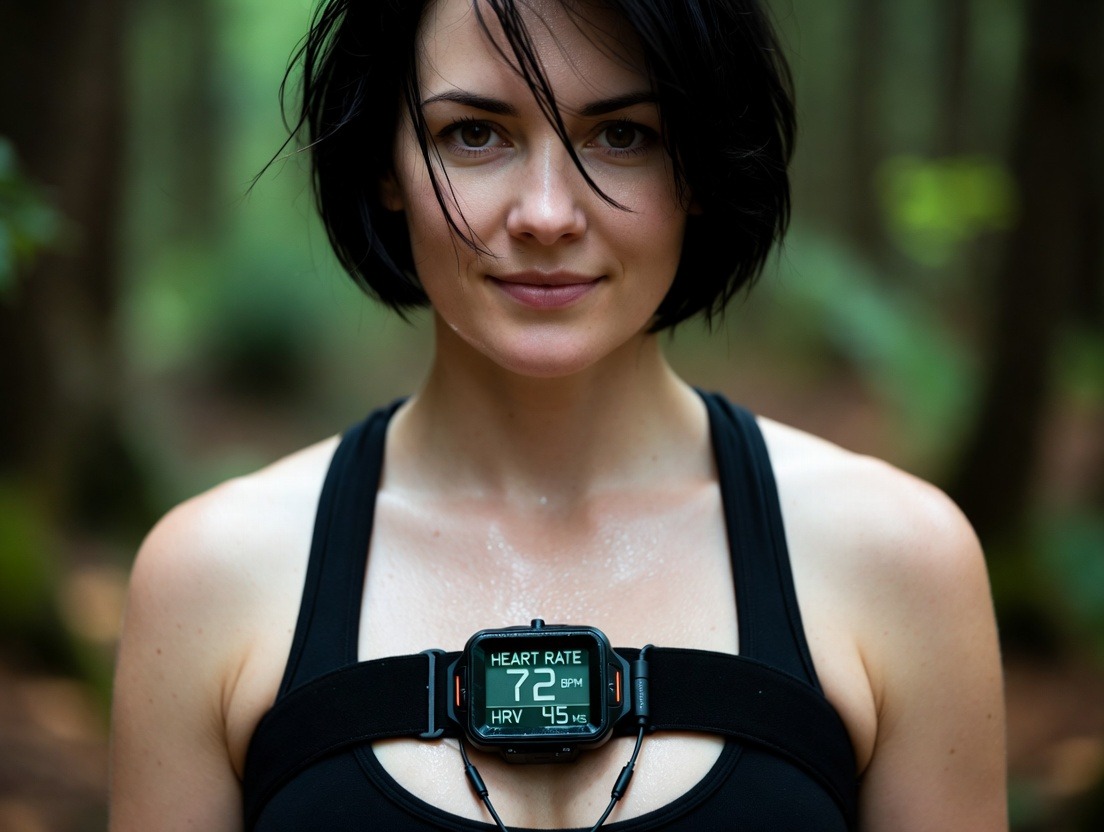
At the very core of any legitimate wellness ring lies its ability to measure two fundamental biomarkers: Heart Rate (HR) and Heart Rate Variability (HRV). These are not just numbers; they are the direct, real-time telegraphs from your autonomic nervous system, telling the story of how your body is responding to everything—from a tough workout and a stressful meeting to a deep sleep and a moment of calm.
Heart Rate is straightforward—the number of times your heart beats per minute. But in the context of a wellness ring, its value is in its continuous measurement. Resting heart rate (RHR), particularly when measured during sleep, is a powerful indicator of cardiovascular fitness and overall health. A well-designed ring tracks your RHR trends over time, alerting you to potential signs of illness, overtraining, or chronic stress long before you might feel symptoms.
Heart Rate Variability, however, is where the true magic of advanced biometric tracking happens. HRV measures the subtle variations in the time intervals between each heartbeat. Contrary to intuition, a higher HRV is generally better—it indicates a resilient, adaptable nervous system. When you are relaxed and recovered, your heart beats with healthy irregularity, a sign of a strong parasympathetic (rest-and-digest) response. When you are stressed, fatigued, or fighting illness, your heart beats more metronomically, showing a dominant sympathetic (fight-or-flight) state.
A premier wellness ring doesn’t just show you a single daily HRV number. It captures your nocturnal HRV—considered the gold standard because it’s measured in the consistent, controlled state of sleep—and presents it within a clear, research-backed context. It tracks your baseline and highlights significant deviations. For instance, a sustained drop in your nighttime HRV could be your body’s early whisper about an oncoming cold, excessive training load, or emotional burnout, allowing you to proactively rest and recover.
“Your heart’s rhythm is the music of your nervous system. HRV is the nuanced melody within that rhythm, telling you whether your body is playing a symphony of recovery or a dirge of stress.”
Without accurate, continuous HR and HRV tracking, a device is merely a step counter with a ring form factor. These dual metrics form the essential bedrock for nearly every other advanced feature a wellness ring offers, from sleep staging and recovery scores to stress monitoring. When evaluating a ring, prioritize transparency about how these metrics are measured (optical PPG sensor quality is key) and the clinical validation behind their algorithms. Your journey to deeper self-understanding starts with listening to your heart’s intelligent whisper.
If a wellness ring only tells you how long you slept, it has failed its primary mission. Time in bed is a vanity metric; the true quality of your recovery is determined by what happens during those hours. This is where sophisticated Sleep Staging becomes a non-negotiable core feature. A best-in-class ring uses its array of sensors (HR, HRV, movement, and temperature) to algorithmically distinguish between the four critical stages of sleep: Wake, Light, Deep, and REM.
Each stage serves a distinct, vital purpose. Light Sleep acts as a gateway, making up about 50% of the night and is crucial for memory consolidation and physical relaxation. Deep Sleep is the physically restorative phase, where tissue repair, immune system strengthening, and growth hormone release occur; it’s often the first stage sacrificed when we are stressed or sleep-deprived. REM Sleep is the mentally restorative phase, associated with dreaming, emotional processing, and cognitive function. A healthy sleep cycle continuously rotates through these stages in roughly 90-minute intervals.
A superior ring provides you with a detailed breakdown of your time in each stage, comparing it to optimal ranges for your age and gender. It answers the questions that matter: Did I get enough deep sleep to repair my muscles? Did I cycle through sufficient REM to support my mood and memory? This granular data transforms vague feelings of being “tired” into precise insights. You might discover that late-evening screen time is truncating your REM sleep, or that an afternoon coffee is slicing into your deep sleep percentage.
This detailed analysis is the foundation for a meaningful Sleep Score. A simple number out of 100 is only valuable if it’s derived from a multi-factor analysis of what transpired during the night. The best scores weigh not just duration, but also the balance of sleep stages, restfulness (measured by movement and awakenings), and timing (consistency with your circadian rhythm). To understand what a truly healthy sleep pattern looks like, you can explore the research behind these metrics in our detailed analysis on sleep score standards and what the science defines as healthy.
Furthermore, the real power is unlocked over time. By tracking your sleep staging trends across weeks and months, you can see the impact of lifestyle changes—a new meditation practice, adjusted workout timing, or a changed diet—on the very architecture of your sleep. This longitudinal view turns data into wisdom, guiding you toward habits that sustainably improve your rest. You can witness this progression by following the sleep score journey and how to track meaningful improvement over months.

While heart rate and movement sensors have become commonplace, the inclusion of continuous, peripheral body temperature tracking is what separates a basic sleep tracker from a comprehensive wellness monitor. This feature is a game-changer, providing a unique window into your body’s circadian rhythm, metabolic health, and physiological state.
Your body temperature isn’t static; it follows a delicate, predictable circadian wave. It naturally dips to its lowest point in the early morning hours (facilitating deep sleep) and rises throughout the day to peak in the late afternoon (supporting alertness and performance). A wellness ring with a high-precision thermal sensor maps this rhythm from your finger—a strong proxy for your core temperature trends. Significant deviations from your personal norm are highly informative.
Firstly, temperature is critical for sleep onset and quality. Your body needs to drop its core temperature to initiate sleep. A ring that tracks this can help you identify if a too-warm bedroom or late exercise is hindering this natural cooldown. More importantly, the subtle, nightly rise in basal body temperature across a woman’s menstrual cycle can be detected, allowing for non-invasive ovulation prediction and cycle phase tracking—a vital feature for reproductive health awareness.
Secondly, a sustained elevation in your nightly baseline temperature is one of the earliest and most reliable signs of physiological stress, illness onset, or inflammation. Often, you’ll see this temperature rise a full day or two before you feel a sore throat or fatigue. This early-warning system allows you to prioritize rest, hydration, and immune support proactively. It can also indicate overtraining in athletes, signaling the need for a recovery day.
For a temperature-sensing ring to be effective, accuracy and consistency are paramount. The sensor must be shielded from external ambient temperature fluctuations, and the algorithm must be smart enough to distinguish between a true physiological shift and simply having your hand under a blanket. When implemented correctly, this feature transforms the ring from a passive observer into an active health sentinel, offering insights that are simply impossible to glean from other wearables. It completes the biometric triad—HRV, sleep, and temperature—that delivers a truly holistic picture of your body’s internal state.
Data overload is a real danger in the world of wearables. You can be presented with a dozen charts and metrics each morning, leaving you to play amateur diagnostician. This is where a truly intelligent Readiness Score (sometimes called a Recovery Score) proves its immense value. It is the ring’s synthesized, algorithmic conclusion—a single, actionable number that answers the most important question: “What is my body capable of today?”
A robust Readiness Score is not a random guess. It is a weighted synthesis of your previous night’s data and recent trends. It integrates:
By crunching this data, the ring provides a clear recommendation. A high readiness score suggests your body is primed for performance—it’s a green light to tackle that intense workout, big presentation, or demanding project. A low readiness score is a crucial signal to prioritize recovery. It’s not a sign of failure, but of intelligent feedback. It advises you to choose a gentle walk over HIIT, to meditate, to hydrate, and to get to bed early. This directly connects to the concept of total body recovery, which you can explore further in our article on how your sleep score fundamentally reflects your body's recovery state.
Ignoring a low readiness score and pushing through with high intensity is how we dig ourselves into holes of chronic fatigue, burnout, and injury. The score embodies the principle of listening to your body. It helps you practice periodization in your daily life, balancing stress and recovery for sustainable progress. Over time, learning to align your activity with your readiness fosters a more intuitive relationship with your body, reducing guesswork and promoting long-term health by preventing the all-too-common cycle of boom and bust. It turns the ring from a historian of the past into a guide for the future.

Chronic, unmanaged stress is the silent epidemic of modern life. It often builds subtly, below our conscious awareness, until it manifests as burnout, anxiety, or physical illness. A core function of an advanced wellness ring is to make this invisible load visible, quantifiable, and manageable through continuous Stress Monitoring.
This feature doesn’t rely on you logging your feelings in a journal (though that can be a great complement). Instead, it uses physiological markers—primarily HRV and heart rate—to detect states of sympathetic nervous system arousal throughout the day. When the ring identifies a pattern indicative of stress (low, stable HRV combined with an elevated heart rate), it can log a “stressful” period. The sophistication lies in the algorithm’s ability to filter out false positives from physical activity, focusing instead on psychological or metabolic stress during periods of rest or low movement.
The dashboard then shows you your daily stress load—a timeline of when your body was in a stressed state. This objective feedback is often enlightening. You might discover that your “calm” morning commute spikes your physiology, or that a particular type of work meeting consistently triggers a stress response. This awareness is the first and most critical step toward management.
The best systems don’t stop at detection; they integrate guided management tools. When a period of high stress is detected, the ring (via its paired app) can prompt you with a micro-intervention: a 60-second breathing exercise, a mindfulness reminder, or a suggestion to take a short walk. This creates a closed feedback loop: detect, notify, and intervene. Over time, you learn which activities (e.g., a few minutes of deep breathing, stepping outside) most effectively lower your physiological stress signature.
This feature is a cornerstone of what we call restful living—the active cultivation of calm in daily life. By identifying your unique stress patterns, you can begin to design them out of your day or build resilience against them. For a foundational understanding of this approach, delve into the art of restful living in our fast-paced modern world. Managing daily stress isn’t about eliminating pressure, but about preventing it from becoming a toxic, chronic load. A wellness ring with true stress monitoring provides the mirror and the toolkit to do just that.
While wellness rings are celebrated for their recovery insights, a comprehensive device must also accurately capture your daily Activity and Energy Expenditure. This completes the “stress vs. strain” equation. Knowing your recovery state (readiness) is only half the picture; the other half is understanding the physical load you are applying to your system.
A ring’s small form factor is actually a unique advantage for activity tracking. Unlike a wrist-based device that can over-count steps from hand movements like typing or cooking, a ring on your finger generally moves only when your whole body is in motion, leading to potentially more accurate step counting. Beyond steps, advanced rings use their accelerometers and gyroscopes to identify different types of movement—walking, running, cycling, weight training—and calculate active minutes and Estimated Calorie Expenditure.
The magic happens when activity data is integrated with your recovery metrics. The app should not silo these insights. Instead, it should show you the relationship: “You had a low readiness score today but completed a high-intensity workout.” Or, “Your activity levels have been high for three days straight, and your deep sleep is now increasing to compensate—great adaptation!”
This integration allows for intelligent Activity Goals that can auto-adjust based on your readiness. On a high-readiness day, your step goal might nudge upward. On a low-readiness day, the focus might shift to “recovery activity” like gentle mobility or stretching. This dynamic guidance helps you avoid the common pitfall of pursuing arbitrary, static daily goals (like 10,000 steps) regardless of your body’s actual needs, which can lead to overtraining.
Furthermore, understanding your non-exercise activity thermogenesis (NEAT)—the calories burned through daily living—is a powerful tool for metabolic health. When combined with other data, it paints a fuller picture of your energy balance. In essence, robust activity tracking ensures the ring honors both sides of the wellness coin: the necessary strain of movement and the essential rest that allows it to make you stronger.

A wellness ring’s value is in its continuous, 24/7 data collection. Gaps in data create blind spots and ruin trend accuracy. Therefore, one of the most practical yet critical core features is Battery Life and Charging Design. This isn’t just a technical specification; it’s a fundamental component of the user experience and the device’s effectiveness.
A top-tier wellness ring should offer a minimum of 5-7 days of battery life on a single charge under normal use. This duration strikes the ideal balance, allowing for multiple full days of sleep and activity tracking while requiring only a brief, convenient weekly charging habit—like during a Sunday morning shower or while you’re sitting at your desk for an hour. A ring that lasts less than 4 days risks becoming a frequent hassle, increasing the likelihood you’ll forget to charge it and miss crucial overnight data.
Equally important is the charging solution itself. The best systems use a sleek, portable charging case or a simple dock that makes the ring easy to place and hard to lose. The ring should charge quickly—a full charge in 60-90 minutes is standard. Wireless charging is a significant plus, adding to the device’s durability by eliminating physical ports that can collect sweat and debris.
This robust battery performance is what enables the ring to fulfill its promise of seamless, unobtrusive monitoring. You should be able to wear it in the shower, during intense workouts, and through the night without constant anxiety about the battery dying. It becomes a true part of you, not another device to constantly manage. When evaluating options, prioritize real-world battery testimonials over manufacturer claims, and consider how the charging ritual fits into your lifestyle. The least insightful ring is the one that’s dead on your nightstand.
The ring is merely a sophisticated data-gathering tool. Its true intelligence, its personality, and its value to you reside in the companion mobile application. This app is the cockpit, the analyst, and the coach. A ring with powerful sensors but a weak, confusing app is like a sports car with a broken steering wheel—full of potential but impossible to direct.
First and foremost, the app must present data with clarity, not clutter. The dashboard should offer a “glanceable” overview of your key scores (Readiness, Sleep, Activity) with the ability to drill down into exquisite detail for those who want it. Trends should be visualized over days, weeks, and months to reveal patterns. A great app uses color coding, simple graphs, and clear language to make complex physiology understandable.
Beyond presentation, the app must offer actionable insights and personalization. It should learn your personal baselines over time and notify you of meaningful deviations. Instead of just saying “Your HRV was low last night,” it should say, “Your HRV was 15% below your baseline. This often follows days with high stress scores. Consider a light day.” It should offer context: “Your deep sleep was 15 minutes above average last night—great job on your 7:30 PM screen curfew!”
Integration is key. The best apps allow you to log supplemental data like caffeine intake, alcohol consumption, medication, or subjective mood. This lets you perform your own causal research: “Does a glass of wine after 8 PM affect my deep sleep?” The app might even spot these correlations for you after several weeks of data.
Finally, the app should be a gateway to education and guidance. It should include articles, guided breathing exercises, meditation prompts, or sleep wind-down routines that are triggered by your data. This transforms the platform from a passive data repository into an active wellness partner. The app’s design philosophy should align with sustainable wellness, such as promoting the restful living philosophy of less hustle and more holistic health. When the hardware and software are in perfect harmony, the ring becomes an indispensable tool for self-optimization.
A wellness ring must first and foremost be something you are willing to wear all the time. This makes its physical Design, Durability, and Wearability not superficial concerns, but core functional features. If a ring is uncomfortable, bulky, prone to damage, or aesthetically unpleasing, you will take it off—and its value instantly plummets to zero.
Design encompasses size, weight, and profile. The ring should be low-profile and lightweight enough that you forget it’s there. It should have a smooth, rounded interior to prevent irritation or “hot spots” on adjacent fingers. The sensor bump on the inner palm side must be designed to maintain skin contact without creating uncomfortable pressure. Aesthetically, it should walk the line between a tech device and fine jewelry, offering finishes (like titanium, black matte, or gold PVD) that suit personal style for both day and night.
Durability is non-negotiable. The ring will be exposed to water (hand washing, sweat, rain), impacts, temperature changes, and cosmetic threats like lotions. It should have a water resistance rating of at least 5 ATM (50 meters), making it safe for swimming and showering. The exterior should be made from a scratch-resistant material like titanium or ceramic-coated aluminum. The lens covering the sensors should be diamond-like carbon (DLC) or sapphire glass to prevent clouding and scratches.
Wearability also includes size range and sizing process. A good company will offer a wide range of sizes (typically 5-13) and send out free, reusable sizing kits to ensure a perfect fit. A ring that is too tight will be uncomfortable and may affect circulation (and sensor accuracy); one that is too loose will spin, lose sensor contact, and risk falling off.
Ultimately, the goal is invisibility through comfort. The ring should become a seamless extension of you, not a piece of tech you have to accommodate. Its design should inspire you to keep it on through workouts, sleep, showers, and work, enabling the uninterrupted data flow that is the source of all its insights. A beautiful, tough, and comfortable ring isn’t a luxury—it’s a prerequisite for accurate, long-term use.

When you invite a device to collect the most intimate details of your physiology—your heartbeat patterns, your sleep behaviors, your temperature fluctuations—you are placing a profound level of trust in the company behind it. Robust Data Privacy and Security are not just features; they are the ethical and operational bedrock of a reputable wellness ring company. This aspect should be transparent, easy to understand, and non-negotiable.
A trustworthy provider will have a clear, accessible privacy policy that explicitly states:
On the security front, data must be encrypted both in transit (between your ring, your phone, and the cloud) and at rest (on their servers). Look for mentions of industry-standard protocols like TLS/SSL and AES-256 encryption.
Before purchasing, invest time in reading the company’s privacy documentation. Search for user discussions about their reputation. A company that is transparent, uses plain language, and gives you control is one that respects you as a partner in your health, not just a data source. In an age of digital vulnerability, the security of your most personal health data is a feature that protects everything else the ring offers.
No device is an island in the modern wellness tech landscape. The final core feature that amplifies a ring’s utility is its ability to function within a broader Ecosystem through Smart Integrations. A ring that operates in a silo, unable to share its rich data with other apps and services you use, limits its potential impact on your life.
The most valuable integrations typically include:
These integrations create a connected wellness environment. Your ring becomes the central, objective biometric hub that informs decisions across your digital life. It means you’re not juggling multiple conflicting insights; instead, you have a single source of physiological truth that enriches all your other tools. When evaluating a ring, check the “Connected Services” or “Integrations” section of their website. An open, collaborative approach is a sign of a mature product focused on user-centric utility, not walled-garden lock-in.
Collecting daily metrics is one thing; understanding what they mean over weeks, months, and seasons is where profound self-knowledge emerges. The core features we've discussed provide the raw material, but Advanced Analytics and Trend Interpretation is the sophisticated workshop where that material is crafted into insight. This is the feature that moves you from reactive observation ("My sleep was bad last night") to proactive understanding ("My sleep quality declines predictably during high-workload periods, and my HRV drops two days prior").
A best-in-class wellness platform doesn't just show you yesterday's data. It automatically surfaces long-term trends and correlations. This involves complex backend algorithms that analyze your unique dataset to identify patterns invisible to the naked eye. For instance, it might generate a report highlighting: "Over the last 90 days, on days when your stress score exceeds 75%, your subsequent deep sleep decreases by an average of 22%." Or, "Your resting heart rate shows a consistent weekly pattern, peaking on Thursday evenings and reaching its nadir on Sunday mornings."
The interface for these analytics should be both powerful and accessible. Look for features like:
Mastering trend interpretation is key to breaking the cycle of short-term fixes and achieving lasting change. It helps you answer strategic questions: Is my new training program actually improving my cardiovascular fitness (a trend of slowly decreasing RHR)? Am I becoming more resilient to work stress (a trend of faster HRV recovery after high-stress days)? This longitudinal view is the antidote to daily data anxiety, revealing the true trajectory of your health beneath the noise of daily fluctuations. It transforms the ring from a daily weather report into a climate map of your well-being.
Knowledge without action is merely interesting trivia. The next evolutionary step for a wellness ring is to leverage its deep data to function as a Personalized Goal-Setting and Behavioral Nudge System. This transforms the platform from a dashboard into an active coach that guides you toward your specific health objectives, whether that's improving sleep consistency, managing stress, or boosting recovery.
Static, one-size-fits-all goals ("Get 8 hours of sleep") are often discouraging and ineffective. An intelligent system creates dynamic, personalized goals based on your own data and lifestyle. For example:
The power lies in the contextual nudges. These are timely, gentle notifications rooted in your real-time or recent data. A nudge isn't a generic alarm; it's an informed suggestion:
This feature requires a delicate balance—enough guidance to be helpful, not so much that it becomes nagging. The best systems allow you to customize the type and frequency of nudges. The ultimate aim is to use hyper-personalized feedback to build positive habit loops. The ring provides the cue (the nudge) and the reward (seeing improved metrics), making it easier for you to execute the desired routine. This turns abstract wellness principles into concrete, daily actions that compound over time, directly supporting a lifestyle of micro-recovery strategies for busy professionals.
For nearly half the population, a critical layer of physiological intelligence is tied to the menstrual cycle. A wellness ring that ignores this is providing an incomplete picture. Advanced Women’s Health and Cycle Tracking features are therefore not a niche add-on but a fundamental component of holistic, personalized health monitoring for women, transgender men, and non-binary individuals who menstruate.
The ring’s unique ability to track nocturnal basal body temperature (BBT) and resting heart rate (RHR) trends makes it a powerful, passive tool for cycle insight. Throughout the menstrual cycle, hormone fluctuations cause subtle but measurable physiological shifts:
A sophisticated ring and app will use this continuous biometric data, optionally combined with user-logged symptoms (cramps, mood, energy), to predict ovulation and map cycle phases (follicular, ovulatory, luteal, menstrual). This provides invaluable insight for those focused on fertility awareness, conception, or simply understanding their body’s natural rhythm.
Beyond fertility, this tracking illuminates how the cycle impacts sleep, recovery, and performance. Many women find their sleep is more fragmented in the luteal phase, their HRV dips pre-menstrually, and their physiological readiness for intense exercise varies. A smart ring can adapt its guidance accordingly. For example, it might interpret a lower readiness score during the luteal phase not as a sign of illness, but as a normal hormonal adaptation, suggesting more restorative activities.
This feature embodies true personalization. It moves beyond a male-default model of health and acknowledges that biomarkers must be interpreted through the lens of cyclical biology. It empowers users to work with their cycle, not against it, planning demanding tasks, intense workouts, and crucial rest based on their unique hormonal landscape. This alignment is a profound act of balancing productivity with the innate need for restful living, respecting the body's natural ebbs and flows.
For athletes and fitness enthusiasts, a wellness ring shifts from a general health monitor to a precision performance optimization tool. Its continuous, recovery-focused data fills a critical gap left by most fitness watches, which excel at measuring the work but not the readiness to do that work. This makes it an essential part of any serious training regimen, from marathon preparation to strength-building cycles.
The core application lies in preventing overtraining and guiding periodization. By monitoring nocturnal HRV, resting heart rate, and sleep quality, the ring provides an objective measure of your central nervous system (CNS) fatigue. A consistent downward trend in HRV coupled with an elevated RHR is a classic, early warning sign of non-functional overreaching—the point where you're breaking down faster than you can recover. Catching this early allows you to insert an unplanned rest day or deload week, avoiding injury, illness, or a prolonged performance plateau.
Conversely, the data can confirm positive adaptation. When you see your HRV baseline slowly rising over a training block and your RHR trending down, it’s a clear sign your body is becoming fitter and more resilient. This positive feedback is incredibly motivating.
In practice, athletes use their readiness score to answer the daily question: "How hard should I train today?" The guidance becomes data-driven:
Furthermore, the ring helps optimize workout timing. By understanding your personal circadian rhythm through temperature and HRV data, you can schedule your most demanding sessions for when your body is naturally primed for performance, often in the late afternoon. It also highlights the critical link between sleep and performance gains, showing how poor sleep directly sabotages training outcomes and recovery. This makes the ring the ultimate tool for implementing the "train smart, not just hard" philosophy, ensuring every ounce of effort is supported by adequate recovery.
The mind and body are an inseparable circuit. Psychological states directly influence physiology, and vice versa. The most forward-thinking wellness rings are beginning to bridge this gap, offering features aimed at Mental Well-being and Emotional Resilience Mapping. This moves beyond stress detection into a more nuanced understanding of how your emotional landscape shapes your biological health.
This is achieved by creating a feedback loop between subjective logging and objective biometrics. The app provides a simple, low-friction way to log your mood, energy, and emotions (e.g., a morning/evening check-in with emojis or a few descriptive words). Over time, the platform correlates this subjective data with your physiological patterns.
The insights can be revelatory:
This creates a powerful tool for emotional self-awareness and regulation. It makes the intangible tangible. Instead of saying "I feel off," you can see, "My physiology is in a state of high arousal, similar to past periods of anxiety." This awareness alone can be grounding. It then allows you to deploy your most effective coping strategies with precision, and actually see their physiological impact.
For those managing anxiety, depression, or ADHD, this biofeedback can be particularly potent. It can help identify triggers, validate the physical reality of emotional struggles, and objectively demonstrate the efficacy of therapeutic interventions like meditation, therapy, or medication adjustments. It fosters a kinder, more data-informed relationship with one’s own mental health, promoting the core mindset shift from constant doing to intentional being. By mapping the intersection of mind and body, the ring becomes a companion not just for physical health, but for holistic emotional resilience.
Your body does not exist in a vacuum. It is constantly responding to the environment you create for it. An advanced wellness ring ecosystem can help you become a detective in your own life, uncovering how external factors—from your bedroom environment to your social calendar—directly impact your inner physiology. This Lifestyle and Environmental Correlation analysis is a feature that turns your life into a living laboratory for optimal well-being.
The most direct application is sleep environment optimization. By allowing you to tag nights with specific variables, you can answer questions with data:
The ring can extend this to broader lifestyle factors. By logging data points like:
...you can over time see their imprint on your recovery metrics. Perhaps you'll find that your weekly tennis game, while enjoyable, consistently lowers next-day readiness—suggesting you need to better fuel or hydrate for it. Or you might discover that a day spent hiking in nature, a key component of how nature fundamentally supports restful living, produces a uniquely robust sleep score.
This feature requires active participation—you are logging the potential causes while the ring measures the effects. The payoff is immense: personalized, evidence-based wisdom about what truly works for your unique biology. It moves you away from generic health advice ("avoid caffeine") to personalized prescription ("caffeine before noon has minimal impact on my sleep, but after 2 PM it reduces my deep sleep by 15%"). This empowers you to design a lifestyle and environment that proactively supports your health, turning your daily choices into deliberate experiments in living better.
The ultimate promise of continuous biometric monitoring is not just to improve today's workout or tonight's sleep, but to contribute to a longer, healthier life—to extend not just lifespan, but healthspan. Emerging as a frontier feature in elite wellness rings is the analysis of Longevity Biomarkers and Health Span Forecasting. This uses your longitudinal data to model aspects of your biological age and predict potential long-term health trajectories.
This isn't about giving a single, gimmicky "biological age" number. Rather, it's about tracking key proxy biomarkers for systemic aging and vitality over time. The ring is uniquely positioned to monitor several of these:
A sophisticated platform might provide a "Vitality Index" or "Health Span Dashboard" that aggregates these trends. It could show whether your physiological metrics are aging gracefully, stagnating, or—ideally—improving relative to chronological age expectations. It might highlight if a period of chronic stress or poor sleep is accelerating biomarker aging, providing a stark, motivational visual to prompt positive change.
This feature transforms the ring from a short-term feedback tool into a long-term health investment. It provides a compelling answer to "Why does this daily data matter?" It matters because the habits you build today—prioritizing sleep, managing stress, exercising appropriately—directly write the story of your future health. By making the slow process of aging visible in monthly and yearly trends, the ring empowers you to take agency over it, fostering a proactive, preventative approach to living well for decades to come.
While wellness is a personal journey, it is rarely a solitary one. Motivation, accountability, and shared learning are powerful catalysts for change. Recognizing this, some wellness ring platforms incorporate thoughtful Social Connectivity and Community Support features. When designed with privacy and positivity at their core, these features can significantly enhance user engagement and success.
The key is optional, controlled sharing. The best implementations allow you to choose exactly what you share and with whom. This isn't about public leaderboards; it's about creating a private, supportive network. Potential features include:
The community aspect can also be a source of knowledge sharing. Some platforms include community forums or boards where users can discuss their experiences interpreting data, share lifestyle hacks that worked for them, and offer support. Learning how others have used their ring to navigate shift work, parenting stress, or marathon training can provide practical ideas and inspiration.
This feature must be handled with care to avoid fostering comparison or anxiety. The focus should always be on self-improvement and support, not competition. When done right, it leverages the basic human need for connection to reinforce positive health behaviors. It reminds you that the pursuit of restful, balanced living is a shared human endeavor, and that sometimes, a little friendly nudge or shared celebration can make all the difference in maintaining momentum on your wellness path.
In the fast-moving world of health technology, a device you buy today can quickly become obsolete tomorrow if it's a closed, static system. Therefore, a critical but often overlooked core feature is the company's commitment to Software Updates and Evolving Features. A wellness ring should be a future-proof platform, not a disposable gadget. Its value should grow over time through regular, free firmware and software enhancements.
This commitment is a sign of a company that views the ring as the beginning of a long-term relationship with its users. What to look for:
For example, a ring purchased today might, through a future update, gain the ability to:
This transforms the purchase from a transaction into an investment in an evolving health tool. It ensures that the ring on your finger today will be smarter, more insightful, and more integrated six months or two years from now. When choosing a ring, investigate the company's track record of supporting older devices. A culture of continuous software innovation is a strong indicator that you are aligning with a leader, not just buying a product.
With a deep understanding of the core and advanced features now in hand, the final step is synthesis: aligning a device’s capabilities with your Personal Wellness Philosophy and Practical Life. The "best" ring is not the one with the most features, but the one whose features most resonate with your goals, lifestyle, and values.
Begin by auditing your priorities. Ask yourself:
Match features to your audit. If sleep is your battleground, prioritize a ring with exceptional sleep staging accuracy, detailed sleep environment correlation tools, and strong integration with evening rituals that prepare you for restorative sleep. If you are an athlete, the readiness score, HRV trend analysis, and performance load feedback are paramount. If you are on a wellness journey focused on stress management, then the quality of stress monitoring, breathing guides, and recovery nudges should be your focus.
Consider the ecosystem you already inhabit. If you live deeply within the Apple Health or Google Fit universe, seamless integration is non-negotiable. If you use Strava or a specific training platform, check for that compatibility.
Finally, reflect on the intangible philosophy of the company. Does their messaging align with a balanced, sustainable approach to health, or do they promote biohacking and relentless optimization at all costs? Your ring should be a partner in creating a restful home environment, room by room, not a source of additional performance anxiety. Choose a tool that supports the calm, intentional, and healthy life you are building—one data point, and one day, at a time.
Acquiring a sophisticated wellness ring is exciting, but the initial period is critical. It’s a time of calibration, learning, and habit formation that will determine whether the device becomes an indispensable partner or a forgotten drawer relic. A structured approach to the First 90 Days maximizes your investment and lays the groundwork for lasting insight.
Weeks 1-2: The Observation Phase – Collect Your Baseline
Resist the urge to make immediate, drastic changes. Your primary goal is to wear the ring consistently and let it learn your unique, unaltered rhythms. During this phase:
Weeks 3-6: The Correlation Phase – Connect the Dots
With a solid baseline established, you can begin active exploration. Now, start introducing single, small changes and observe the data’s response.
Weeks 7-12: The Integration Phase – From Insight to Habit
By now, you have evidence-based knowledge about what works for you. The goal shifts from experimentation to sustainable integration.
This 90-day roadmap transforms onboarding from a passive process into an active, structured journey of self-discovery. It ensures you move from being a passive consumer of data to an empowered architect of your own well-being.
As you live with your wellness ring, you will inevitably encounter days where the data seems contradictory or ambiguous. Your Sleep Score is high, but you feel groggy. Your Readiness is low, but you have boundless energy for your planned workout. This is not a failure of the technology; it’s an invitation to practice nuanced interpretation. Learning to navigate these conflicts is a mark of sophistication.
Understanding the "Why" Behind the "What"
Biomarkers tell a story of physiological state, but they don’t always capture the full subjective human experience. Consider these common conflicts and their potential interpretations:
The Role of Context and Self-Knowledge
This is where your subjective logging becomes indispensable. Your notes provide the narrative that explains the numbers. "Felt great despite low score—was emotionally excited for big event." "Felt tired despite high score—poor nutrition yesterday and mentally drained."
When to Trust the Ring vs. Trust Yourself
Develop a hierarchy of trust:
Embracing ambiguity turns data conflicts from frustrations into deeper inquiries. It reinforces that the ring is a guide, not an oracle. Its true value is in starting a conversation with your body, not ending it with a definitive verdict.
The pinnacle of using a wellness ring is reached when its insights cease to be external notifications and become internalized wisdom—when they inform a Holistic Lifestyle that exists beyond the device. The goal is not to be perpetually glued to the app, but to use what you’ve learned to cultivate an environment and set of habits so supportive that the ring’s feedback becomes consistently positive, almost predictable.
Creating a Rest-Enhancing Environment
Your data will have shown you the profound impact of your surroundings. Now, act on it deliberately.
Building Your Non-Negotiable Rhythm
The ring reveals your unique chronobiology. Honor it by establishing a consistent rhythm for sleep, meals, and work blocks. This regularity reduces metabolic and nervous system stress, making your body more efficient and resilient. Your personalized morning routine that starts your day from a place of calm becomes a cornerstone, not just a nice-to-have.
The Art of Proactive Recovery
Shift from seeing recovery as something you do after you break down to something you integrate to prevent breakdown.
Cultivating Data-Informed Intuition
Over months and years, the ultimate integration is the development of a sharpened body literacy. You begin to sense your HRV dipping before you check the app. You feel the subtle pre-illness fatigue that your temperature trend later confirms. The ring trains your interoceptive awareness—your ability to perceive internal signals. At this stage, you may find yourself checking the app less frequently, using it more for weekly trend audits and to validate your internal sense. The device has successfully upgraded your own innate operating manual.
This holistic approach ensures the wellness ring is a temporary scaffold for building permanent, resilient health structures. It becomes a chapter in your wellness journey, not the entire story.
A wellness ring is a powerful consumer tool, but it is not a medical device. Its proper role is as a conversation starter and trend monitor for you and your healthcare providers, not as a diagnostic tool. Understanding when and how to bring your data into a clinical setting is a responsible and powerful way to use the technology.
Red Flags and Trends Worth Sharing
While a single "bad" night is meaningless, certain sustained trends warrant professional attention:
How to Prepare for the Appointment
Walking into a doctor’s office with a stream of raw data is ineffective. Instead, prepare a summary:
The Ideal Partnership
Progressive healthcare providers are beginning to see the value of this longitudinal, real-world data. It provides context that a single snapshot in an office visit cannot. It can help track the efficacy of an intervention—does a new medication for anxiety improve nocturnal HRV? Does physical therapy for an injury correlate with better sleep quality?
By using your ring as a collaborative tool, you become a more engaged, informed patient. You move from describing how you feel in general terms to providing evidence-based patterns that can guide a more precise investigation. This elevates the ring from a lifestyle gadget to a legitimate component of a modern, proactive healthcare strategy, deeply aligned with the science behind why deliberate downtime is crucial for health.
The current generation of wellness rings represents a remarkable leap, but it is merely the foundation. The future of this technology points toward even deeper integration, predictive intelligence, and a more seamless role in our daily lives. Understanding this horizon helps contextualize today’s devices and anticipate the next wave of innovation.
Multimodal Sensor Fusion & New Biomarkers
Future rings will incorporate additional sensors to paint a more complete picture without increasing size. We can expect:
Non-Invasive Metabolic Insight
The holy grail is reliable, non-invasive metabolic monitoring. While not yet perfected, research is feverishly pursuing ways to estimate:
Predictive AI & Proactive Health Guardianship
The AI will evolve from describing the past to predicting the future and making proactive recommendations.
The Invisible, Autonomous Device
The form factor will continue to miniaturize. The goal is complete invisibility—a ring or even an embedded device that requires no charging, is always connected, and provides insights so seamlessly they feel like intuition. Battery technology (like solid-state or energy harvesting from body heat/movement) and sensor efficiency will drive this.
This future isn't about more distracting notifications; it's about creating a silent, ambient layer of health intelligence that empowers us to live more freely and fully, with our biological needs quietly and efficiently met in the background. It promises a world where technology doesn't demand our attention for health, but rather, supports it so intuitively that we can focus our attention on living.
Our journey through the core features, advanced applications, and future potential of wellness rings culminates in a philosophical stance. The ultimate measure of a ring’s success is not the sophistication of its sensors or the beauty of its app, but the degree to which it fosters autonomy, self-awareness, and sustainable well-being in its user.
The peril of any tracking tool is the potential for external validation to replace internal knowing—to make you dependent on a score to tell you how you feel, or to create anxiety when the numbers don't match your expectations. This is why the principles of restful living are such a vital companion to this technology. The ring should be a tool for achieving a state of calm, resilient health, not another source of performance pressure.
The most successful users view their ring as a catalyst and a mirror. It catalyzes positive change by providing undeniable, personal evidence of what works. It mirrors back the consequences of your choices with impartial clarity, allowing for course correction. Its highest purpose is to make itself gradually less necessary as a daily crutch. You internalize its lessons: the importance of rhythm, the non-negotiable nature of recovery, the deep connection between how you live and how you feel.
In a world saturated with generic health advice, the wellness ring offers something radical: a personalized, evidence-based path. It cuts through the noise and tells you what your body needs. It democratizes access to a level of physiological self-knowledge once available only to elite athletes in lab settings.
As you move forward, whether you are evaluating your first device or seeking to deepen your practice with an existing one, remember this core intention: Choose and use a ring not to hack your biology into relentless productivity, but to listen to its wisdom. Use it to design a life that aligns with your natural rhythms. Use it to find the balance where effort and ease, stress and recovery, doing and being, exist in a harmonious dance. In doing so, you harness technology not as a master, but as a humble servant to the ancient, profound project of living a healthy, vibrant, and fully human life.
Your Trusted Sleep Advocate: Sleep Foundation — https://www.sleepfoundation.org
Discover a digital archive of scholarly articles: NIH — https://www.ncbi.nlm.nih.gov/
39 million citations for biomedical literature :PubMed — https://pubmed.ncbi.nlm.nih.gov/
Experts at Harvard Health Publishing covering a variety of health topics — https://www.health.harvard.edu/blog/
Every life deserves world class care :Cleveland Clinic - https://my.clevelandclinic.org/health
Wearable technology and the future of predictive health monitoring :MIT Technology Review — https://www.technologyreview.com/
Dedicated to the well-being of all people and guided by science :World Health Organization — https://www.who.int/news-room/
Psychological science and knowledge to benefit society and improve lives. :APA — https://www.apa.org/monitor/
Cutting-edge insights on human longevity and peak performance:
Lifespan Research — https://www.lifespan.io/
Global authority on exercise physiology, sports performance, and human recovery:
American College of Sports Medicine — https://www.acsm.org/
Neuroscience-driven guidance for better focus, sleep, and mental clarity:
Stanford Human Performance Lab — https://humanperformance.stanford.edu/
Evidence-based psychology and mind–body wellness resources:
Mayo Clinic — https://www.mayoclinic.org/healthy-lifestyle/
Data-backed research on emotional wellbeing, stress biology, and resilience:
American Institute of Stress — https://www.stress.org/


