


Wellness Ring Basics: Everything You Need to Know Before Buying
Comprehensive guide covering what wellness rings are, how they work, key features, and factors to consider before purchasing one.
Comprehensive guide covering what wellness rings are, how they work, key features, and factors to consider before purchasing one.
%402x.svg)
In the ever-evolving landscape of personal health technology, a quiet revolution is taking place on our fingers. Gone are the days when wellness tracking was confined to clunky wristbands or pocketed devices. Enter the wellness ring—a sleek, intelligent piece of jewelry designed to be worn 24/7, promising profound insights into your health, sleep, and recovery from a form factor so discreet it often goes unnoticed. This convergence of minimalist design and powerful biometric sensing represents a paradigm shift in how we engage with our personal data. No longer a distracting screen on your wrist demanding interaction, the wellness ring operates in the background, a silent guardian compiling a continuous, intimate narrative of your body’s inner workings.
But as this market rapidly expands with new entrants and bold claims, a critical question emerges: What do you really need to know before investing in this cutting-edge wearable? This comprehensive guide is designed to answer that question. We will move beyond the marketing gloss to explore the fundamental principles, intricate technology, and practical considerations of wellness rings. From the science behind the sensors to the philosophy of restful living they can inspire, we will equip you with the knowledge to make an informed decision. Whether you’re a biohacker seeking granular data, a professional battling burnout, or someone simply looking to improve sleep and manage stress, understanding these basics is the essential first step on a more informed, healthier journey.
The journey to the wellness ring began on the wrist. For over a decade, fitness trackers and smartwatches have dominated the wearable space, training a generation to count steps, monitor heart rate, and track workouts. These devices served—and continue to serve—a vital purpose, popularizing the concept of quantified self-movement. However, they also introduced significant limitations that would ultimately pave the way for the ring’s rise.
Early wrist-worn devices were often bulky, with screens that encouraged constant notification-checking, ironically adding to digital stress rather than alleviating it. Their placement on the wrist, while convenient, is suboptimal for certain key measurements. The wrist is a highly mobile area, leading to motion artifacts that can corrupt data, especially during sleep. Furthermore, the ulnar artery on the wrist is not as robust a source for photoplethysmography (PPG)—the core light-based sensing technology—as the vasculature found in the finger.
The finger, by contrast, is a biometric goldmine. It contains dense capillary beds and strong arterial blood flow, allowing sensors to capture clearer, more reliable signals for heart rate, heart rate variability (HRV), and blood oxygen saturation (SpO2). This anatomical advantage is why medical pulse oximeters clip onto the fingertip. The ring form factor capitalizes on this, offering a snug, consistent fit that minimizes movement and maintains optimal sensor contact with the skin throughout the day and night.
The shift from wrist to finger also represents a philosophical change in wearable design. A wellness ring is inherently less intrusive. It doesn’t buzz with every email, doesn’t light up with social media alerts, and doesn’t scream “tech gadget.” It is designed to be forgotten, to collect data passively and holistically. This aligns with a growing consumer desire for technology that supports wellness without dominating attention—a tool for restful living rather than digital distraction. The evolution is clear: we’ve moved from activity-focused trackers on the wrist to comprehensive, recovery-focused health guardians on the finger, marking a mature new chapter in personal health technology.
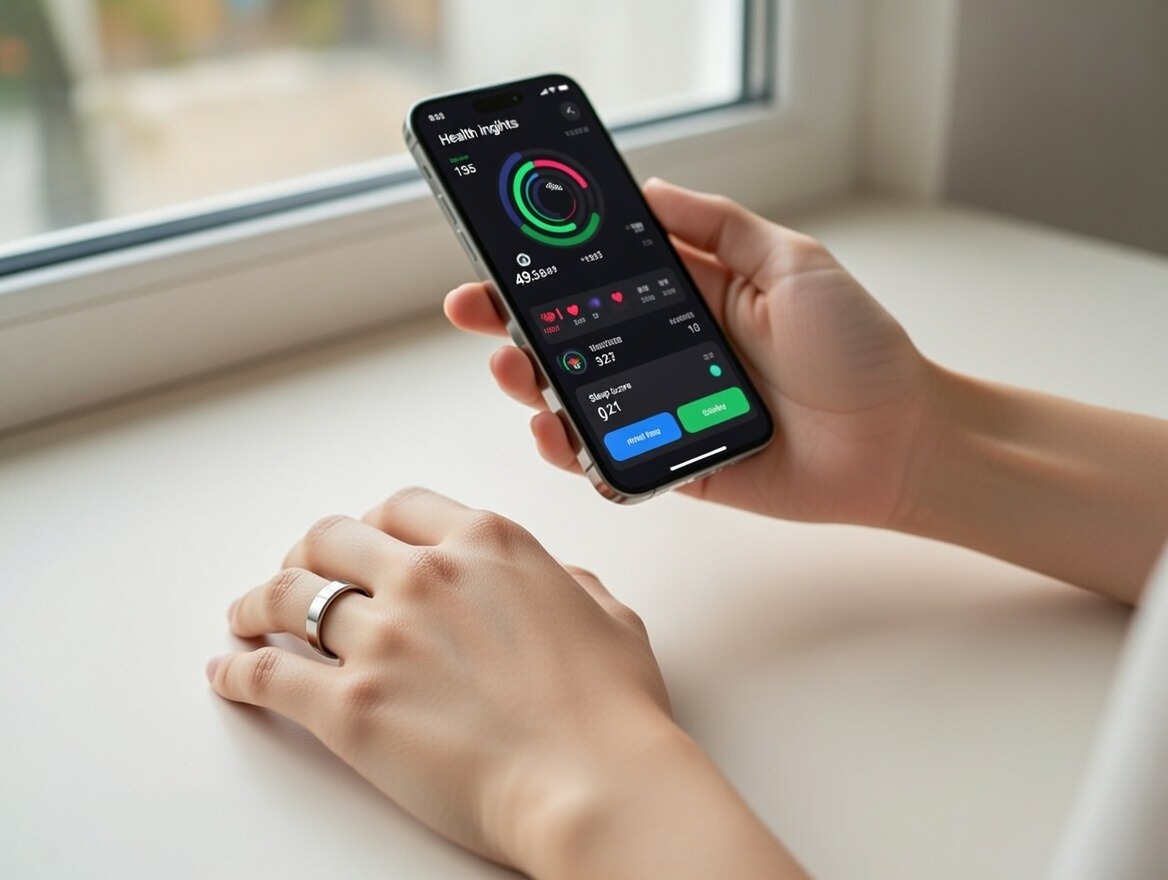
At its core, a wellness ring is a compact wearable device, typically made from titanium or a similar hypoallergenic, durable material, that houses an array of medical-grade sensors. Its primary mission is to collect continuous physiological data to provide insights into your readiness, recovery, sleep, and overall health trends. Unlike a smartwatch, its functionality is almost entirely input-based; it gathers data from you but typically has no screen for output. You interact with its findings through a companion smartphone application, where the data is synthesized into actionable scores and trends.
So, what does it actually track? The most advanced rings on the market consistently monitor a suite of key metrics:
The true magic, however, lies not in the raw data but in the algorithmic synthesis. A wellness ring’s companion app takes these metrics and distills them into easy-to-understand scores. The most common are a Sleep Score and a Readiness or Recovery Score.
Your Sleep Score is a comprehensive evaluation of your night’s rest, factoring in duration, efficiency, stages, and restoration (like how much deep and REM sleep you achieved). It answers the question: “How well did I sleep?” For a deeper dive into how these scores are calibrated, you can explore what sleep score standards are considered healthy according to research.
Your Readiness Score (often called a Recovery Score) is arguably the ring’s most valuable contribution. It synthesizes data from sleep, HRV, RHR, temperature, and previous activity to answer the critical question: “How prepared is my body for the day ahead?” A high score suggests you’re primed for a tough workout or a demanding day. A low score is a clear signal from your body that it needs rest and recovery, perhaps recommending a light day or focusing on stress management. This score epitomizes the ring’s role as a proactive health advisor, helping you align your daily actions with your body’s actual needs.
To truly harness the power of a wellness ring, you must move beyond the scores and understand the language of the underlying biometrics. These are the vital signs of your daily resilience and long-term health.
Heart Rate Variability (HRV): The Stress & Recovery Compass
HRV is frequently misunderstood. It is not your heart rate; rather, it’s the millisecond variation between successive heartbeats. Think of a drummer: a perfectly metronomic beat suggests a rigid, stressed system. A skilled drummer with subtle, dynamic timing variations is more adaptable and resilient. Your autonomic nervous system (ANS) has two branches: the sympathetic (“fight or flight”) and the parasympathetic (“rest and digest”). HRV is a window into their tug-of-war. High HRV indicates a strong, responsive parasympathetic system and good recovery. Low HRV suggests your sympathetic system is dominant, often due to physical, mental, or emotional stress, poor sleep, or illness. Tracking HRV trends over time—seeing it dip before you feel sick, or rise as your fitness improves—is one of the ring’s most potent capabilities for preemptive health management.
Resting Heart Rate (RHR): The Baseline of Fitness & Health
Your RHR is a deceptively simple metric with profound implications. A lowering trend in your RHR over weeks and months is a classic sign of improving cardiovascular fitness, as your heart becomes more efficient at pumping blood. Conversely, a sustained elevation in RHR can be an early warning sign of overtraining, dehydration, excessive stress, or an oncoming illness. Your ring establishes your personal baseline by measuring RHR during your most restful periods (usually sleep), allowing it to detect meaningful deviations that warrant your attention.
Skin Temperature & Its Nuanced Signals
While core body temperature is tightly regulated, skin temperature fluctuates meaningfully. A wellness ring tracks these subtle shifts, which follow a circadian rhythm—typically lowest in the early morning and highest in the evening. A significant deviation from your personal baseline, especially an elevated nighttime temperature, can be one of the earliest signals of immune system activation, often appearing 1-2 days before other cold or flu symptoms. For women, this data, when tracked over cycles, can provide insights into ovulation and hormonal phases. It’s a passive, continuous fever detector and cycle tracker rolled into one.
Blood Oxygen (SpO2) & Respiratory Insights
While a single daytime SpO2 reading is less informative for healthy individuals, its nocturnal profile is crucial. During sleep, our breathing can become shallow or pause briefly. Significant, repeated drops in blood oxygen saturation can indicate sleep-disordered breathing. By tracking this metric all night, a wellness ring can flag potential issues like sleep apnea, prompting you to seek a professional evaluation—a potentially life-saving feature. Understanding how these core metrics, especially HRV and RHR, contribute to your overall restoration is key. For a scientific breakdown, consider reading about how your sleep score reflects total body recovery.
Peeling back the sleek exterior of a wellness ring reveals a marvel of micro-engineering. Packing clinical-grade sensing technology into a comfortable, waterproof, and aesthetically pleasing ring is a significant technical challenge. Let’s dissect the key components.
Sensor Suite: The Ring’s Nervous System
The primary sensor in nearly every wellness ring is the Photoplethysmogram (PPG) sensor. It consists of tiny LED lights (green, red, and often infrared) that shine into the skin on the palm-side of your finger, and a photodetector that measures how much light is absorbed or reflected back. As blood volume in your capillaries pulses with each heartbeat, the light absorption changes, allowing the ring to calculate heart rate, HRV, and SpO2.
Complementing the PPG is a 3-axis accelerometer. This motion sensor detects movement, which is critical for activity tracking, step counting (though not the ring’s primary focus), and, most importantly, sleep tracking and distinguishing sleep stages based on movement patterns.
A skin temperature sensor is a small, precise thermistor pressed against your skin to track those minute fluctuations that are so informative.
Finally, the entire system is powered by a rechargeable lithium-ion battery, cleverly shaped to fit the ring’s curvature. Battery life is a key differentiator, with leading models lasting 5-7 days on a single charge. Charging is typically done via a proprietary docking station or a charging case.
Design & Materials: Where Tech Meets Wearability
The housing is not just about looks; it’s functional. Titanium is the industry standard for its ideal blend of strength, lightness, durability, and hypoallergenic properties. The interior must be contoured for comfort during 24/7 wear and to ensure consistent sensor contact. A poor fit leads to poor data. Many companies offer sizing kits with plastic replicas to ensure you find the perfect, snug-but-not-tight fit. The ring must also be waterproof (often to 100 meters or more) to withstand showers, swimming, and sweat, making it a truly seamless part of your life.
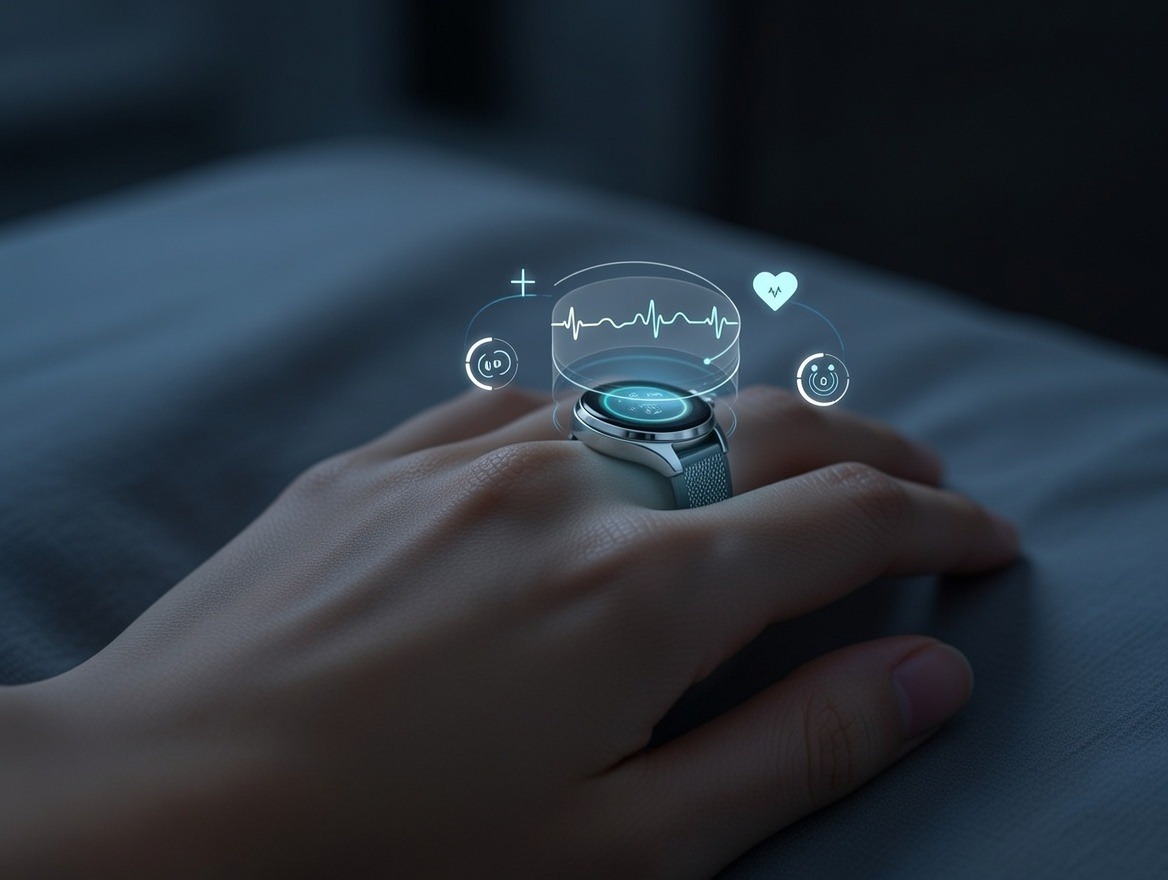
If there is one area where wellness rings unequivocally excel, it is sleep analysis. Their anatomical advantage—stable placement on a finger with rich blood flow—allows them to capture a more medically accurate picture of your night than most wrist-based devices. For anyone serious about recovery, understanding sleep is non-negotiable, and the ring provides a laboratory-level analysis on your finger.
A wellness ring doesn’t just tell you how long you slept; it tells you how you slept. By combining movement data from the accelerometer with heart rate and HRV data from the PPG sensor, the ring’s algorithms can classify sleep into stages with high precision:
Your nightly Sleep Score is a composite grade based on these elements: total sleep time, sleep efficiency (time asleep vs. time in bed), the balance of sleep stages, and nighttime restfulness. Observing the trends in this score is more valuable than obsessing over a single night’s data. As you implement lifestyle changes—perhaps inspired by principles of restful living—you can watch your sleep quality improve over time. You can track this progression by following the sleep score journey and tracking improvement over months.
The ring also provides crucial insights into potential sleep disruptors. By monitoring nocturnal SpO2, it can alert you to significant breathing disturbances. Tracking deviations in your nighttime skin temperature or elevated resting heart rate can help you connect poor sleep quality to factors like late eating, alcohol consumption, or stress. This data transforms sleep from a mysterious, passive state into an active pillar of health you can understand and optimize. In a world suffering from a sleep deprivation epidemic, this insight is arguably the wellness ring’s most immediate and impactful benefit.
A common misconception is that wellness rings are only for sleep. In reality, they play a pivotal role in creating a sustainable, intelligent approach to daily activity. This is embodied in the Readiness Score—a dynamic, daily recommendation engine for your body.
While a fitness tracker encourages you to “close your rings” by hitting arbitrary movement goals every single day, a wellness ring takes a more nuanced, physiological approach. Each morning, it analyzes your recovery data from the night before (sleep score, HRV, RHR, temperature) and combines it with your recent activity load. It then generates a Readiness Score, which is essentially your body’s “budget” for the day.
This framework fundamentally changes your relationship with exercise and daily strain. It moves you from a rigid, calendar-based schedule (“I must run 5 miles today because it’s Tuesday”) to a flexible, body-informed practice. This philosophy is at the heart of preventing burnout and overtraining, aligning perfectly with a restful living mindset that values strategic recovery as much as productive effort. For busy professionals, this balance is essential. Learning to integrate micro-recovery throughout the day can be transformative for sustaining energy and performance.

The ultimate goal of tracking biometrics is not to create a spreadsheet of your life, but to foster awareness and inspire positive behavioral change. This is where wellness rings transition from data collectors to holistic health coaches, particularly in the realm of stress management.
Your HRV and resting heart rate are direct, physiological barometers of your stress load—not just emotional stress, but the total load of training, work, diet, and environment. By seeing these numbers react, you gain an objective measure of your body’s response to life’s challenges. A ring can prompt you with a notification: “Your stress levels appear elevated. Consider a breathing exercise.” This nudges you from passive endurance to active management.
Many companion apps now include guided breathing, meditation, or mindfulness sessions directly tied to your live heart rate data. You can watch your physiological state calm in real-time as you engage in the practice, creating a powerful biofeedback loop. This teaches you what true relaxation feels like in your body, making it a skill you can cultivate.
This practice is a cornerstone of building a restful living lifestyle. It’s about creating intentional pauses and managing your nervous system state. The data from your ring provides undeniable proof of the impact of these practices, motivating you to incorporate them more consistently. To understand the foundational importance of this downtime, delve into the science behind restful living and why downtime matters. Furthermore, to see how this philosophy can be practically applied to overcome common modern struggles, explore the insights on how restful living reduces chronic stress and burnout.
The ring itself is a brilliant data-gathering tool, but its value is unlocked entirely through its companion smartphone application. This app is your dashboard, your journal, and your personalized health coach. Its design, intuitiveness, and depth of insight are as important as the hardware on your finger.
A best-in-class app will present your data with clarity and context. Upon opening, you should see your key daily scores (Sleep and Readiness) prominently, with easy access to deeper dives. Trends are displayed over days, weeks, and months, allowing you to see the impact of vacations, stressful periods, or new fitness routines. The app should not just show numbers; it should explain them. What does a dip in your HRV trend mean? Why was your sleep score lower last night? Good apps provide educational notes and contextual clues (like logged late caffeine or alcohol) to help you understand the “why” behind the data.
Look for apps that offer actionable insights and tagging. The ability to manually tag behaviors (“late dinner,” “two glasses of wine,” “intense workout,” “meditated”) and then later see how those tags correlate with your biometrics is a profoundly educational feature. Over time, you will discover your personal triggers and optimizers. Does alcohol really trash your deep sleep? Does a 20-minute afternoon walk improve your sleep latency? The app facilitates this self-experimentation.
Furthermore, the integration of guided content—like breathing exercisers, wind-down routines, or short mindfulness sessions—transforms the app from a passive repository into an active wellness tool. Some apps may even offer basic period tracking for women, integrating temperature data to predict cycles. The best apps make you feel guided and informed, not overwhelmed by data. They help you build better habits, which is the ultimate purpose of the entire system. For many, building these habits starts first thing in the morning; establishing a restful living morning routine to start your day right can set a positive tone that your ring will faithfully track.
With a clear understanding of what a wellness ring can do, it’s time to move from theory to practical decision-making. The market is growing, and choices vary in price, design, and feature emphasis. Here is a essential checklist to guide your purchase:
Taking the time to evaluate these factors will ensure you choose a tool that seamlessly integrates into your life and effectively supports your unique wellness journey.
This is a fundamental decision in the wearable space. It’s not necessarily that one is universally better than the other; it’s that they are different tools for different—and sometimes complementary—purposes. Understanding this distinction is crucial.
The Wellness Ring: The Specialist in Recovery & Autonomic Health
The Smartwatch: The Generalist in Fitness & Connectivity
The Synergistic Approach
For the truly data-driven individual, the ideal setup may be both. Wear the smartwatch during the day for workouts and connectivity, and the wellness ring 24/7 for superior sleep and continuous recovery metrics. The ring’s readiness score can even inform how you approach your smartwatch workout for the day. This combination provides the most complete picture of your active output and your body’s capacity to recover from it.
Your choice ultimately boils down to your philosophy. Do you want a device that helps you do more, or a device that helps you recover better? In our chronically stressed culture, the argument for a tool dedicated to restoration is compelling. It represents a shift from external performance metrics to internal wellness metrics, a shift many find more meaningful for long-term health. This aligns with a broader restful living philosophy of less hustle and more health.

Purchasing a wellness ring is not an end, but a beginning. Its true value is realized only when its insights are woven into the fabric of your daily choices, moving you from observation to transformation. This is the art of creating a data-informed, holistic wellness lifestyle.
Start by establishing your personal baselines. Wear the ring consistently for at least two weeks, ideally a month, without trying to change anything. This period allows the algorithms to learn your unique rhythms and establishes what “normal” looks like for you. Your 50 HRV is not the same as someone else’s 50; it’s the trends and deviations from your baseline that matter.
Next, practice curious, not judgmental, observation. A low sleep score isn’t a failure; it’s a data point asking, “What happened?” Use the app’s tagging feature to log potential influences: stress at work, social evening, intense exercise, a poor meal, or conversely, a meditation session, a day in nature, or an early night. Begin to connect the dots between your lifestyle inputs and your biometric outputs.
Then, run small experiments. Based on what you observe, make one small, sustainable change. For example:
You can also use the ring to optimize specific routines. If you’re working on building better evening habits, your ring’s sleep data is the ultimate report card on their effectiveness. Implementing restful living evening rituals that prepare you for sleep can lead to tangible, measurable improvements in your sleep scores over time.
Finally, let the readiness score guide your activity. This is perhaps the most powerful behavioral shift. On a low-readiness day, swap the HIIT class for a walk in nature, which itself is a powerful support for restful living. This teaches your body that you respect its signals, building resilience over time.
The ring becomes a feedback loop for positive change. It validates what works (seeing HRV rise after a month of meditation) and illuminates what doesn’t (seeing temperature spike after poor dietary choices). This journey is deeply personal and ongoing. It transforms the ring from a piece of tech into a partner in your lifelong pursuit of well-being, grounding the often-abstract concept of “self-care” in the concrete, compassionate language of your own body.
As you embark on your journey with a wellness ring, it is crucial to ground your expectations in reality. This is advanced consumer health technology, not a medical device. It is a powerful tool for awareness, trends, and lifestyle guidance, but it has important limitations. Understanding these boundaries will help you use it effectively and avoid frustration or misinterpretation.
What a Wellness Ring CAN Do Exceptionally Well:
What a Wellness Ring CANNOT (and Should Not) Do:
Setting these realistic expectations allows you to harness the ring’s formidable power while avoiding the pitfalls of data obsession. It is a guide, a coach, and a source of fascinating self-knowledge—but you remain the final authority on your own health and well-being.
At the heart of every wellness ring’s promise is a single, powerful concept: superior recovery leads to superior performance and well-being. But what does “recovery” mean in a physiological sense, and how does the ring’s data map onto the tangible feeling of having more (or less) energy in your daily life?
Recovery is not merely the absence of activity; it is an active, complex biological process. When we sleep, rest, and manage stress effectively, our bodies engage in essential repair work. Cellular damage from oxidative stress is addressed, hormones like growth hormone and testosterone (vital for repair) are released, the immune system recharges, and the brain flushes out metabolic waste via the glymphatic system. This systemic restoration is what rebuilds you stronger and more resilient.
Your wellness ring’s metrics are direct proxies for this internal repair state:
When these metrics are positive, the real-world translation is clear: You wake up feeling refreshed, not groggy. Your mental clarity is sharp, decision-making feels easier, and emotional resilience is higher—you’re less likely to be irritable or overwhelmed. Physical energy is abundant; you feel like moving. Your workout performance is stronger, and you bounce back from daily stressors more quickly. This is the state of high readiness.
Conversely, when recovery is insufficient—signaled by low HRV, high RHR, poor sleep scores, and temperature deviations—the translation is fatigue. You may need caffeine to kickstart your brain, experience afternoon crashes, struggle with focus, have diminished workout performance, and feel emotionally fragile. Your body is essentially running a deficit.
The genius of the wellness ring is that it makes this invisible recovery process visible and quantifiable. It allows you to connect the dots between yesterday’s actions and today’s energy. Did that poor night’s sleep after late-screen time directly cause your low readiness score and foggy brain? The data provides a clear, cause-and-effect narrative. This empowers you to make informed choices that directly fuel your real-world vitality, moving you from guessing about your energy levels to strategically managing them. For a comprehensive look at how to build a lifestyle that supports this deep restoration, the principles of restful living offer a practical framework.
A natural and critical question for any potential buyer is: “How accurate is this?” When you’re basing lifestyle decisions on this data, understanding its reliability is paramount. The answer is nuanced, rooted in sensor technology, algorithmic science, and the purpose of the measurement.
The Foundation: Sensor Technology
As discussed, the PPG sensor in a finger-based ring has a strong physiological advantage over the wrist for heart rate, HRV, and SpO2. Studies, including those published in peer-reviewed journals like Sleep and Sensors, have shown that finger-based PPG can provide data comparable to research-grade devices, especially during stationary periods and sleep. The stable fit and rich vasculature of the finger reduce motion noise and improve signal quality. For skin temperature, the consistent contact also provides reliable relative measurements (trends), which are more important than an absolute, clinical-grade temperature reading.
The Different Types of “Accuracy”:
It’s important to distinguish between:
Validation Studies and the “Gold Standard”
Reputable wellness ring companies invest in validation studies. They partner with university research departments or independent labs to test their devices against accepted gold standards:
When evaluating a ring, look for published summaries or white papers of these studies. While no consumer device will match PSG perfectly for sleep staging (e.g., distinguishing between light and REM sleep), the best ones show strong correlations, especially for total sleep time, wakefulness, and the distinction between sleep and wake.
Practical Trust: How to Use the Data Wisely
In essence, you can trust a high-quality wellness ring to give you a remarkably accurate picture of your physiological trends and relative state. It is a precision tool for self-discovery and optimization, providing a level of insight that was inaccessible outside a clinic just a decade ago. For those particularly interested in the nuances of sleep measurement, exploring sleep score standards and what research says is healthy provides a deeper context for the numbers your ring provides.
For a device meant to be worn continuously, its practicality is just as important as its technological prowess. Battery life and daily handling are the make-or-break factors that determine whether a ring becomes a seamless part of your life or a frustrating gadget you constantly have to manage.
Battery Life Expectations and Charging Rituals
Modern wellness rings typically boast a battery life ranging from 4 to 7 days on a single charge, with some models pushing beyond. This is a significant advantage over most smartwatches, which often require nightly charging. A longer battery life reduces friction and increases the likelihood of consistent wear, which is critical for accurate trend data.
Water Resistance and Durability in Daily Life
A true 24/7 wearable must withstand the elements. Leading rings are rated to 10 ATM (100 meters) or more, meaning they are built for swimming, showering, intense sweat sessions, and hand-washing. You should never need to remove it for water-based activities. This durability is achieved through advanced sealing techniques and non-corrosive materials like titanium.
Comfort for the Long Haul
Comfort over weeks and months is paramount. A well-designed ring will have a gently tapered interior that doesn’t dig into adjacent fingers. The weight should be negligible. After the first few days of adjustment, you should literally forget you’re wearing it—during typing, sleeping, and workouts. If you experience persistent discomfort or skin irritation (rare with titanium), reassess your fit; you may need a different size.
Travel and Data Syncing
The ring stores data locally, so you don’t need a constant phone connection. When you return to your phone and open the app, it will sync via Bluetooth, updating your dashboard with any missed data. This makes it perfect for travel, flights, or days when you leave your phone behind. Just ensure you charge it before a long trip.
Mastering these practicalities transforms the ring from a piece of technology into a true lifestyle accessory—one that demands minimal attention while providing maximal insight, embodying the very principle of effortless, restful living it often helps you achieve.
In an age where data is currency, the information collected by a wellness ring is among the most personal imaginable. It’s a continuous diary of your body’s most intimate rhythms: your sleep, your stress, your potential illnesses, and your lifestyle patterns. Therefore, a critical consideration before buying—and one often overlooked in the excitement over features—is the company’s approach to data privacy and security.
What Data is Collected and How Is It Used?
A reputable company will be transparent about its data practices in a clear, accessible privacy policy. Key questions to consider:
Security Measures: How Is Your Data Protected?
Biometric data is highly sensitive and must be protected with enterprise-grade security.
User Control and Transparency
You should have clear control over your data within the app. This includes:
Making an Informed Choice
Before purchasing, take 10 minutes to skim the company’s privacy policy. Look for red flags like vague language about “partner sharing” or a lack of clear data deletion instructions. Support companies that are transparent, treat data as a sacred trust, and give you control. Your biometric story is yours alone; the right wellness ring company will act as its vigilant guardian, not its owner. This peace of mind is an essential component of the restful living philosophy, allowing you to focus on well-being without underlying digital anxiety.
A high-quality wellness ring represents a significant financial investment, often ranging from $250 to $400 or more. Unlike a subscription service, this is an upfront cost, so it’s wise to analyze it not just as a gadget purchase, but as an investment in your long-term health. Does the value justify the cost? Let’s break it down.
Upfront Cost vs. Recurring Subscriptions
The market has two primary models:
When comparing, calculate the Total Cost of Ownership (TCO) for 2-3 years. A $300 ring with no subscription has a TCO of $300. A $200 ring with a $10/month subscription has a TCO of $560 over three years. Consider which model aligns with your preference and budget.
Comparing Value to Other Wellness Expenditures
To gauge value, compare the ring’s one-time cost to other common health and wellness investments:
The ring is a diagnostic and guidance tool that can help you optimize all the above. It can help you get more value from your gym membership by preventing overtraining, support mental health by quantifying stress, and improve sleep more effectively than an expensive pillow if it helps you identify the true behavioral cause of your restlessness.
The Long-Term Value: Prevention and Optimization
The greatest financial argument for a wellness ring is preventative. By helping you manage stress, improve sleep, and balance activity before they become chronic issues, it could help you avoid far greater costs down the line: doctor’s visits, medication, lost productivity, and the intangible cost of feeling unwell. It shifts healthcare from reactive to proactive.
Furthermore, the value compounds over time. The insights you gain in month six are deeper than in week one, as you understand your patterns. The ring becomes a personalized health textbook written in the language of your own body. For those committed to a restful living lifestyle, it provides the measurable feedback to make that lifestyle sustainable and effective, transforming abstract principles into a personalized, data-driven practice. In this light, the investment is not in a piece of jewelry, but in a long-term partnership for a healthier, more resilient you. And for those on a budget, remember that the most powerful wellness changes are often behavioral; explore zero-cost wellness tips for restful living to maximize the value of your investment in awareness.
Wellness rings are powerful, but they are not a universal solution for everyone. They resonate deeply with specific mindsets and lifestyles. Identifying whether you fit the profile of an ideal user can help you determine if this investment will be transformative or underutilized.
The Prime Candidate Archetypes:
Who Might Find Less Value?
Ultimately, the wellness ring is for the curious, the proactive, and the self-aware—or those who wish to become more so. It’s for people who believe that small, data-informed adjustments can lead to significant improvements in daily quality of life and long-term health. It is particularly potent for anyone navigating the challenges of modern life who needs a tangible, physiological anchor for the practice of restful living, such as parents seeking to find peace in the chaos.
You’ve unboxed your sleek new ring, charged it, and paired it with the app. The dashboard is brimming with potential. Now what? The first 30 days are a crucial period of calibration, learning, and habit formation. Following a structured approach will help you extract maximum value and set the stage for long-term success.
Phase 1: The Baseline Week (Days 1-7) – Observe, Don’t Judge
Resist the urge to immediately change your behavior. The goal here is to let the ring learn your normal. Wear it consistently. Go about your usual routine—your typical sleep schedule, workouts, coffee intake, and stressors. Don’t try to “game” the scores. At the end of this week, you’ll have a priceless asset: your personal baseline for sleep scores, HRV, RHR, and readiness. This baseline is your future reference point. Note how you feel subjectively alongside the objective scores. This begins the mind-body connection.
Phase 2: The Discovery Phase (Days 8-21) – Connect the Dots
Now, start engaging actively with the data. Use the app’s tagging feature liberally. Log events like:
After a few days, review the correlations. Did the late dinner correlate with a lower deep sleep percentage? Did the stressful day pull your HRV down? Did the nature walk seem to improve your sleep latency? This phase is about becoming a detective of your own life, uncovering your unique sensitivities and boosters. You might discover, for instance, that your most restful living spaces aren't where you assumed, prompting you to consider designing your home for calm and restoration.
Phase 3: The Experimentation & Integration Phase (Days 22-30) – Make One Change
Based on your discoveries, choose ONE small, sustainable habit to experiment with for a week. Examples:
Observe the data and your subjective feeling. Did the change move the needle? The goal isn’t perfection, but learning what works for you. This is where the ring transitions from a passive tracker to an active coach.
Best Practices for the First Month:
By the end of 30 days, the ring will no longer feel like a new gadget. It will feel like an integrated part of your wellness toolkit, providing a daily conversation with your body that is grounded in evidence rather than guesswork. You’ll have begun the foundational work of a truly data-informed, restful living practice, setting the stage for the deeper insights and long-term trends that emerge in the months to come. This initial period is where you learn to listen—the first and most important step in any journey toward better health.
The initial 30 days with your wellness ring are about discovery and establishing a baseline. But the true, transformative power of this technology unfolds in the months and years that follow. This is where you evolve from a passive tracker of data to an active architect of your well-being, using long-term trends to inform lasting lifestyle changes. The ring ceases to be a novelty and becomes a deeply integrated compass for your health journey.
Identifying Macro-Trends and Seasonal Patterns
After 90 days of consistent wear, you gain access to a new level of insight: the macro-trend. The daily and weekly noise settles, and broader patterns emerge. You might notice:
This long-view perspective is crucial for avoiding discouragement. A bad week is just a blip on a generally upward trajectory. You learn to trust the process because you have a quarter’s worth of data proving that your healthy habits are working, even when a single day feels off. This aligns with the patient, cumulative approach of restful living, which focuses on sustainable shifts rather than quick fixes. Watching your own sleep score journey over months provides a powerful narrative of personal progress.
From Reactive to Proactive Health Management
With a deep understanding of your baselines, you begin to act before you crash. You learn the subtle signs your body telegraphs through the data:
The ring empowers you to move from a reactive model of health (“I feel sick, I must rest”) to a predictive and proactive one (“My data shows I’m under strain; I will rest so I don’t get sick”). This is the pinnacle of personalized prevention.
Cultivating a Restful Living Mindset
Ultimately, the most profound transformation facilitated by a wellness ring is often philosophical. The constant, gentle feedback loop encourages a fundamental mindset shift from constant doing to intentional being. You start to value recovery as highly as productivity. You begin to see a low-readiness day not as a failure, but as a wise directive from your body to engage in nurturing activities. You start to design your life and environment to support this rhythm. This might mean creating a restful home environment room by room or learning the subtle art of shifting from doing to being.
The ring becomes the physical token of this commitment, a reminder on your finger to listen to your body’s intelligent signals. It helps you build a life where energy is renewed, not just spent—a true foundation for lasting vitality and resilience.
The wellness ring market is dynamic and rapidly innovating. While today’s devices offer a powerful core set of features, the horizon is lined with exciting advancements that promise to make these wearables even more insightful, personalized, and integrated into holistic healthcare. Understanding these directions can help you appreciate the technology’s trajectory and make a future-proof purchase.
On the Immediate Horizon: Enhanced Metrics and Non-Invasive Sensing
The next generation of rings is pushing beyond the current standard metrics. We are beginning to see:
The Ecosystem Play: Deeper Health Integration
The future of the wellness ring lies not in isolation, but as the central hub of a personal health ecosystem.
Design and Form Factor Evolution
We will also see rings that are even more jewelry-like, with customizable finishes, gemstone accents, and designs that are indistinguishable from high-end fashion rings. Battery technology will improve, potentially stretching charge cycles to two weeks or more. The goal is complete invisibility—a health guardian that is undetectable as a tech device.
For the consumer, this means the ring you buy today is not an endpoint, but the beginning of a journey with a device that will likely gain new software-based capabilities over time. Choosing a company with a strong track record of firmware updates and a clear vision for the future ensures your ring remains a cutting-edge partner in health for years to come. This evolving technology will provide even finer tools to support a sophisticated restful living practice, seamlessly blending into the background of a calm, intentional life.
As with any emerging technology, a cloud of myths and misunderstandings surrounds wellness rings. Dispelling these is essential for setting realistic expectations and getting the most from your device.
Myth 1: “It’s just a fancy, expensive sleep tracker.”
Reality: While sleep tracking is a standout feature, this is a severe undersell. A wellness ring is a 24/7 autonomic nervous system monitor. It tracks your recovery status (readiness), chronic stress load (via HRV trends), potential illness onset (via temp/RHR), and circadian rhythm integrity. Sleep is one critical component it measures, but its purpose is to provide a holistic picture of your body’s capacity to withstand and recover from all of life’s stressors.
Myth 2: “The data will stress me out more (Orthosomnia).”
Reality: This risk is real but avoidable. Orthosomnia—an unhealthy preoccupation with perfect sleep data—is a pitfall for a certain mindset. The antidote is the correct framing from day one: The data is a guide, not a grade. Its purpose is to foster curiosity and self-compassion, not self-judgment. A low score is useful information, not a failure. Companies are also designing apps to emphasize trends and gentle nudges over punitive alerts. The goal is to support restful living, not undermine it with anxiety.
Myth 3: “If it’s not medical grade, the data is useless.”
Reality: As established, the power is in trend accuracy and relative precision. You don’t need a medically exact HRV number; you need to know if your HRV dropped 30% last night relative to your baseline. For lifestyle intervention and early anomaly detection, this level of precision is incredibly valuable and actionable. It’s the difference between a laboratory scale for drug formulation (medical grade) and a high-quality kitchen scale for managing your nutrition (consumer grade)—both are precise tools for their intended purpose.
Myth 4: “It can replace a doctor or a sleep study.”
Reality: This is dangerous and false. A wellness ring is a screening and awareness tool. It can provide compelling evidence that something may be wrong (e.g., “my SpO2 drops frequently at night” or “my heart rate is irregular”), which should then prompt a consultation with a healthcare professional who can order validated diagnostic tests, like a clinical sleep study (polysomnography) or an ECG. The ring starts the conversation; it doesn’t provide the diagnosis.
Myth 5: “All rings are basically the same.”
Reality: There are significant differences in sensor quality, algorithmic sophistication, app design, and company philosophy. The accuracy of sleep staging, the weighting of metrics in readiness scores, the depth of insights provided, and the privacy policy vary. A ring from a company founded by sleep researchers may have a more nuanced sleep algorithm, while one from a fitness background might emphasize activity integration. Research is key.
Myth 6: “You need to be an athlete or biohacker to benefit.”
Reality: While these groups are early adopters, the fundamental insights are universal. Anyone who sleeps, experiences stress, and wants more energy can benefit. A parent managing chaos, a student under exam pressure, or a professional navigating burnout can all use the objective feedback to find moments for recovery and understand their personal limits. In fact, those not obsessed with optimization often have a healthier, less pressured relationship with the data.
By understanding these myths, you can approach a wellness ring with clear eyes, ready to use it as it was intended: as a powerful, compassionate tool for self-knowledge and sustainable health empowerment.
Data and features tell one story, but lived experience tells another. The true testament to a wellness ring’s value is found in the tangible improvements in people’s daily lives. Here are composite narratives, drawn from common user experiences, that illustrate the profound and practical impact this technology can have.
Case Study 1: The Executive on the Brink of Burnout
Case Study 2: The Fitness Enthusiast Hitting a Wall
Case Study 3: The Lifelong Poor Sleeper
Case Study 4: The Person Seeking Holistic Balance
These stories underscore that the value of a wellness ring is not in the device itself, but in the behavioral changes and profound insights it unlocks. It provides the objective evidence needed to make transformative, sustainable shifts toward a healthier, more balanced life.
Even with the most intuitive technology, questions and minor issues arise. Being prepared with solutions ensures a smooth, uninterrupted experience with your wellness ring. Here is a guide to common challenges and their resolutions.
Frequent Issues and Solutions:
Frequently Asked Questions (FAQs):
Q: Which finger should I wear it on?
A: For optimal data, the middle or index finger of your non-dominant hand is often recommended, as they typically have stronger blood flow and less movement during sleep. Consistency is more important than the specific finger—always wear it on the same one.
Q: Can I wear it while weightlifting or during contact sports?
A: While the ring is durable, it’s advisable to remove it during activities where it could be crushed, severely scratched, or could injure your finger (e.g., rock climbing, heavy deadlifts with a barbell). For most gym workouts, it’s fine. Consider a protective silicone cover for such activities if you want to keep it on.
Q: What if my ring doesn’t fit after a while?
A: Finger size can change with temperature, hydration, and time of day. If your ring is consistently too loose or tight, most companies offer a one-time resizing within a certain window (e.g., 30 days). Always use the sizing kit when your fingers are at a normal temperature (not cold or swollen).
Q: How do I clean my ring?
A: Use a soft, lint-free cloth. For deeper cleaning, slightly dampen the cloth with water or isopropyl alcohol and gently wipe the sensor surface and interior. Dry thoroughly before wearing. Do not submerge it in cleaning solutions or use abrasive materials.
Q: Will the data work with Apple Health or Google Fit?
A: Most major wellness rings sync data with these central health platforms, allowing you to aggregate data from multiple sources. Check the specific compatibility in the product specifications.
By knowing how to handle these common situations, you ensure that your wellness ring remains a reliable and hassle-free partner in your health journey, allowing you to focus on the insights, not the occasional hiccup.
As we invite these devices into the most intimate spheres of our lives, we must pause to consider the ethical landscape they inhabit. Biometric monitoring is not a neutral act; it carries implications for self-perception, societal norms, and data sovereignty that extend far beyond the individual.
The Quantified Self and the Risk of Reductionism
A core ethical question is whether reducing complex human experiences like sleep, stress, and recovery to numerical scores leads to a reductionist view of health. Does a “Sleep Score of 72” capture the qualitative experience of rest? There is a risk that we start to value the metric over the lived feeling, outsourcing our bodily awareness to an algorithm. The ethical use of this technology requires holding both the objective data and the subjective experience in tandem, using one to illuminate, not replace, the other. It’s about enhancing body literacy, not replacing body wisdom. This is a core tension within the restful living philosophy, which emphasizes feeling and being over mere measurement.
Data Privacy, Ownership, and Potential for Misuse
We’ve covered privacy from a practical stance, but the ethical dimension is graver. Biometric data could be immensely valuable—and damaging—in the wrong hands. Beyond advertising, imagine scenarios where:
Equity and Access
Advanced health monitoring technology risks exacerbating health disparities. Those who can afford a $300+ ring gain access to deep personal health insights, while others do not. This creates a “biometric divide.” Ethically, the industry should consider how its innovations can be made accessible and how the broader health insights gained from user data can be used to improve public health understanding for all, not just a privileged few.
The Responsibility of Companies and the Role of Regulation
Wellness ring companies hold a profound responsibility. They are not just selling gadgets; they are stewards of the most sensitive personal data. Ethical companies must:
Regulation, such as the evolving EU AI Act and stricter enforcement of HIPAA/GINA boundaries in healthcare-adjacent tech, is crucial to provide a firm ethical floor that protects consumers.
Ultimately, using a wellness ring is an individual choice with societal implications. As users, we must be informed citizens of this new digital-physical frontier. We should demand ethical practices from companies and use the technology with intentionality—to foster self-compassion, empowerment, and healthier communities, not anxiety, reductionism, or division. It is a tool that should support our full humanity, not reduce it to a stream of data points. Navigating this responsibly is part of the mature practice of modern restful living, which includes being mindful of our relationship with the technology that purports to serve us.
We have journeyed through the fundamental landscape of wellness rings, from their evolutionary origins and intricate sensor technology to the profound personal and ethical considerations they invite. You now possess a comprehensive understanding of what these devices are, how they work, what they can and cannot do, and who stands to benefit most from their unique capabilities.
The decision to invest in a wellness ring is not merely a consumer choice; it is a commitment to a more conscious, data-informed relationship with your own body. It is an acknowledgment that in our complex, high-demand world, our internal signals are often drowned out, and we could use a reliable translator. The ring serves as that translator, converting the silent language of your autonomic nervous system—your heart rate variability, your sleep architecture, your temperature rhythms—into a actionable narrative you can understand and act upon.
The key takeaways for your decision are these:
Armed with this knowledge, you are no longer browsing gadgets; you are evaluating potential health partners. You can scrutinize specs, ask informed questions about privacy policies, and align features with your personal health goals. You understand that the goal is not to achieve a perfect score every day, but to weave the insights from this continuous feedback loop into a richer, more resilient, and more balanced life.
The journey toward better health is ongoing, and a wellness ring can be a remarkably insightful companion on that path. It offers a rare opportunity to truly listen to the wisdom of your body, giving you the information you need to meet its needs with greater precision and compassion.
Your Trusted Sleep Advocate: Sleep Foundation — https://www.sleepfoundation.org
Discover a digital archive of scholarly articles: NIH — https://www.ncbi.nlm.nih.gov/
39 million citations for biomedical literature :PubMed — https://pubmed.ncbi.nlm.nih.gov/
Experts at Harvard Health Publishing covering a variety of health topics — https://www.health.harvard.edu/blog/
Every life deserves world class care :Cleveland Clinic - https://my.clevelandclinic.org/health
Wearable technology and the future of predictive health monitoring :MIT Technology Review — https://www.technologyreview.com/
Dedicated to the well-being of all people and guided by science :World Health Organization — https://www.who.int/news-room/
Psychological science and knowledge to benefit society and improve lives. :APA — https://www.apa.org/monitor/
Cutting-edge insights on human longevity and peak performance:
Lifespan Research — https://www.lifespan.io/
Global authority on exercise physiology, sports performance, and human recovery:
American College of Sports Medicine — https://www.acsm.org/
Neuroscience-driven guidance for better focus, sleep, and mental clarity:
Stanford Human Performance Lab — https://humanperformance.stanford.edu/
Evidence-based psychology and mind–body wellness resources:
Mayo Clinic — https://www.mayoclinic.org/healthy-lifestyle/
Data-backed research on emotional wellbeing, stress biology, and resilience:
American Institute of Stress — https://www.stress.org/


