


The Wellness Ring Basics That Make Them Better Than Watches
Highlights the advantages of rings over smartwatches, such as continuous wearability and finger-based data accuracy.
Highlights the advantages of rings over smartwatches, such as continuous wearability and finger-based data accuracy.
%402x.svg)
For years, the wristwatch was the undisputed king of personal tech. It evolved from a simple timekeeper to a mini-computer, tracking steps, displaying notifications, and monitoring our heartbeats. But a quiet revolution is happening, moving from the wrist to the finger. The wellness ring has emerged not as a competitor to the smartwatch, but as its successor for a specific, vital purpose: delivering truly holistic, accurate, and effortless health insights.
This isn’t about replacing your watch; it’s about redefining your approach to well-being. While watches are excellent at informing you, wellness rings are designed for transforming you. They operate on a fundamentally different philosophy—one of passive, continuous, and deeply personal biometric monitoring, free from the distractions and limitations of a screen on your wrist. Imagine a device so unobtrusive you forget it’s there, yet so intelligent it builds a comprehensive picture of your sleep, recovery, stress, and overall health. It works when you are—not just when you look at it.
The shift represents a broader move in wellness technology: from quantified self to qualified self. It’s no longer just about how many steps you took, but about how well your body recovered from those steps. It’s not about being alerted to a high heart rate, but understanding the underlying stress or illness that caused it. The wellness ring, by its very design and placement, is uniquely suited to this mission. This article will delve into the foundational basics that make wellness rings a superior tool for dedicated health tracking, exploring the science, design, and user experience that are making them the go-to wearable for anyone serious about unlocking a deeper, data-driven understanding of their well-being.
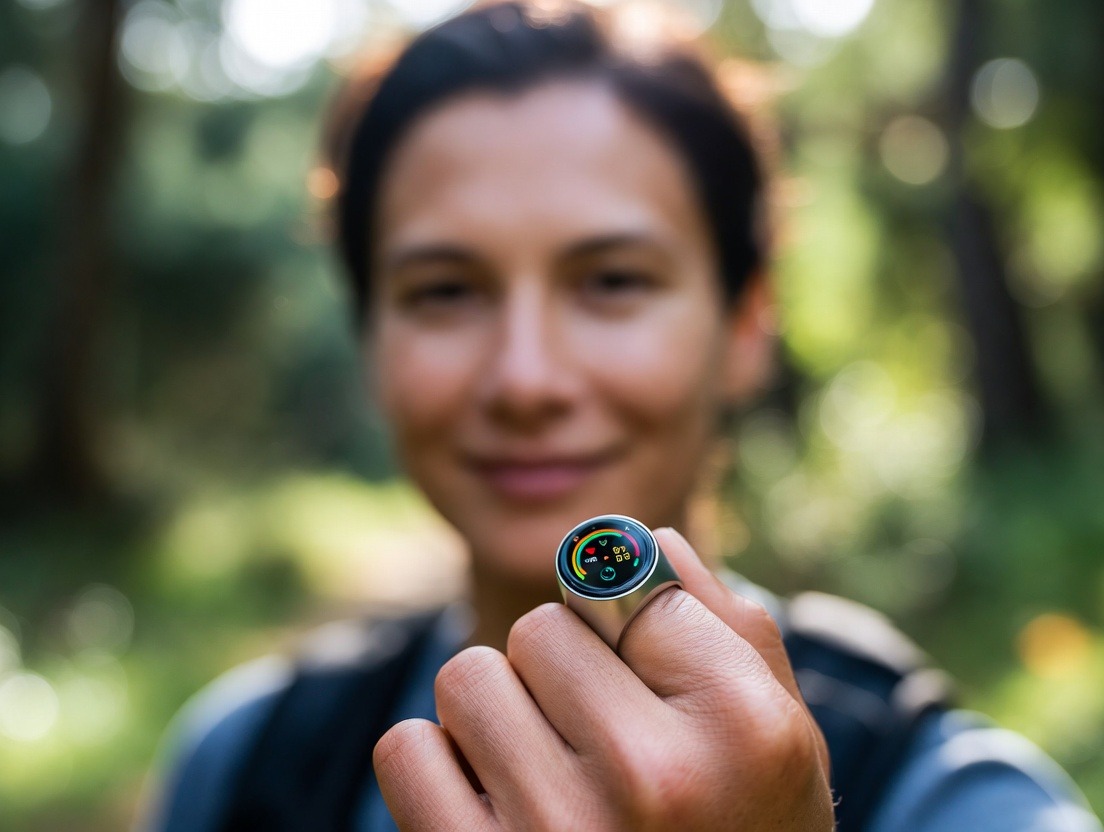
At first glance, a wellness ring is a deceptively simple piece of jewelry. But beneath its sleek exterior lies a sophisticated array of technology meticulously packed into a tiny, durable form. Understanding this anatomy is key to appreciating why it outperforms bulkier wrist-worn devices for core health metrics.
The primary sensor suite is built around Photoplethysmography (PPG). This technology uses tiny LED lights (typically green and red/infrared) to shine light into the capillaries in your finger and measure the amount of light reflected back. As your heart pumps, blood volume in these vessels changes minutely, allowing the ring to detect your heart rate with remarkable precision. The finger is an ideal location for PPG. It has a high density of capillaries and, unlike the wrist, has less bone and tendon interference, leading to a stronger, cleaner signal. This is why medical-grade pulse oximeters clip onto the finger. Wellness rings leverage this same physiological advantage for continuous, clinical-grade heart rate and heart rate variability (HRV) monitoring.
Complementing the PPG sensors is a 3D accelerometer and gyroscope. This motion-sensing duo tracks movement, activity levels, and, crucially, sleep position and disturbances. Packed into the ring’s body is also a skin temperature sensor, which detects subtle fluctuations in your peripheral temperature—a key biomarker for ovulation tracking, illness onset, and overall metabolic health. Some advanced models include an electrodermal activity (EDA) sensor to measure minute changes in sweat gland activity, a direct indicator of your nervous system’s stress response.
All this data is processed by a low-power microcontroller that performs initial calculations before syncing wirelessly (via Bluetooth Low Energy) to your smartphone. The ring’s battery, engineered to last up to a week on a single charge, powers this ecosystem within a casing made from advanced, hypoallergenic materials like titanium or ceramic. The design is a triumph of bioengineering: it places hospital-grade sensing technology into a form factor you can comfortably wear 24/7. This constant, intimate contact is the first and most critical basic that sets it apart, creating a continuous data stream that a device you remove nightly simply cannot match.
The single greatest feature of a wellness ring is not a sensor or an algorithm—it’s the fact that you actually wear it, always. This is the cornerstone of its superiority. Smartwatches, for all their functions, face a fundamental barrier: user compliance. Many people cannot sleep comfortably with a large, rigid device on their wrist. They remove it to shower, to charge, or simply because it gets in the way. This creates massive gaps in the health data timeline. You miss your entire sleep architecture, the most critical recovery period of the day. You miss the body’s transition from wakefulness to sleep and back again. The data becomes fragmented, offering a story with the most important chapters torn out.
A wellness ring eliminates this problem. Its lightweight, smooth design and lack of a protruding screen make it comfortable for sleep, swimming, typing, and exercising. You can wear it in situations where a watch would be impractical or unsafe. This leads to near-perfect compliance. The tracking becomes truly passive; you live your life, and the ring silently does its job. There is no need to start a “sleep mode” or a “workout mode” for core biometrics. It simply captures everything.
This 24/7 wearability enables a revolutionary concept: baseline understanding. The ring learns your unique normal. It doesn’t compare you to population averages; it compares you to yourself. It knows your typical resting heart rate, your nightly HRV pattern, your standard sleep duration and quality. With this established baseline, the ring can then detect meaningful deviations. A spike in skin temperature and resting heart rate, coupled with a dip in HRV, isn’t just abstract data—it’s a likely early warning of illness or overtraining. A gradual shift in baseline temperature can reveal metabolic changes. This depth of insight is impossible without continuous, uninterrupted data collection. It moves health tracking from episodic snapshots to a feature-length film of your physiology, where every scene matters for understanding the whole narrative.
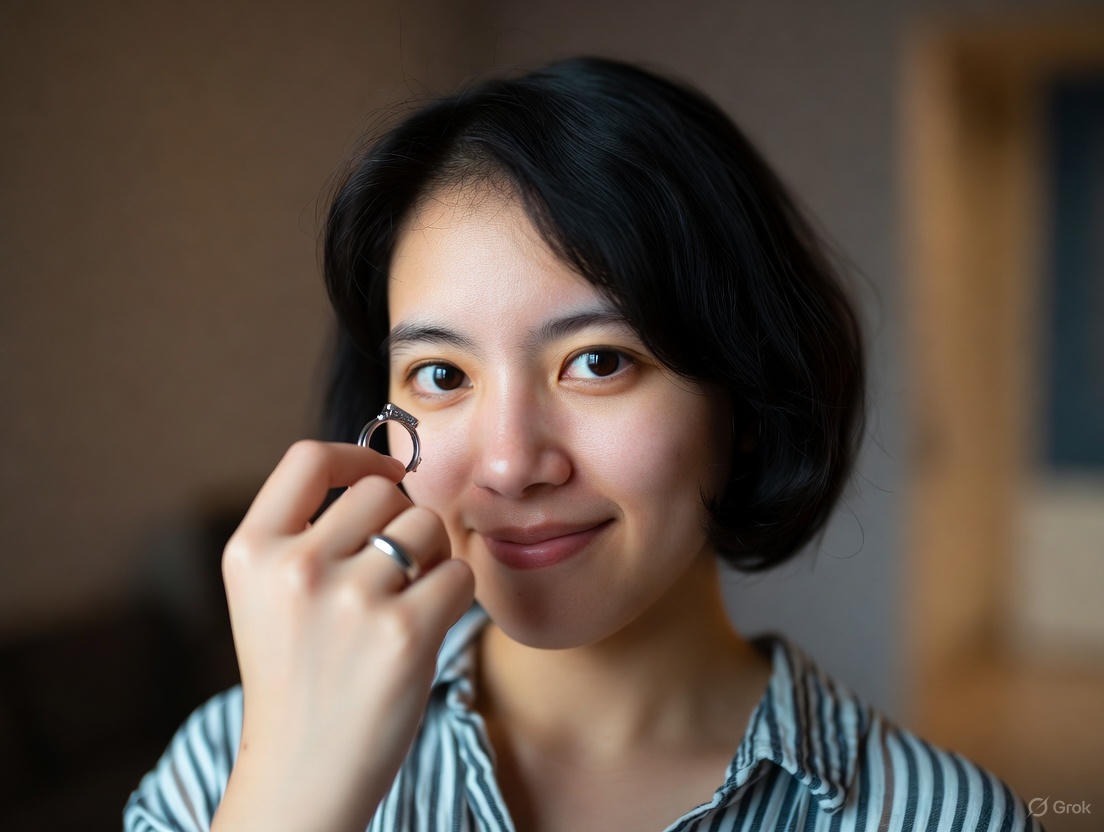
If there is one area where wellness rings indisputably outclass smartwatches, it is sleep analysis. Sleep is not a single state but a complex cycle of stages—light, deep, and REM—each vital for physical repair, memory consolidation, and emotional regulation. Accurately staging sleep requires a combination of precise heart rate, HRV, movement, and body temperature data. This is where the ring’s anatomical placement becomes a game-changer.
As mentioned, the PPG signal from the finger is stronger and less prone to motion artifact than the wrist, especially during the subtle movements of sleep. A watch on the bony wrist can easily lose contact or register false readings if you sleep with your wrist bent. A ring on a fleshy finger maintains consistent sensor contact. More importantly, the rapid, subtle changes in autonomic nervous system activity that differentiate sleep stages are best captured through Heart Rate Variability. HRV, the variation in time between heartbeats, is a direct proxy for the balance between your sympathetic ("fight or flight") and parasympathetic ("rest and digest") systems. During deep sleep, parasympathetic dominance leads to higher, more regular HRV. During REM sleep, HRV patterns change characteristically.
A ring’s clean HRV signal, collected all night, allows for a much more accurate dissection of your sleep architecture than a watch’s often-noisy data. Furthermore, the continuous skin temperature sensor adds another layer of validation. Core body temperature naturally dips during sleep, and its pattern is tied to circadian rhythm and sleep quality. A ring can track this peripheral proxy for core temperature, noting deviations that might indicate disrupted sleep or a misaligned circadian cycle.
This sophisticated analysis culminates in a detailed sleep score and report. But unlike generic scores, a ring’s score is based on high-fidelity data. You’re not just told you slept “75% well”; you see how much deep and REM sleep you achieved, how often you woke up, your sleep latency, and how restorative your night truly was. For those looking to truly understand and improve their sleep, this depth is invaluable. To dive deeper into how these scores are calculated and what constitutes truly healthy sleep, you can explore sleep score standards and what research says is healthy. Over time, this granular data allows you to see your progress, a journey you can follow by tracking sleep score improvement over months. Ultimately, this nightly analysis is about more than sleep—it’s a direct measure of how your sleep score reflects total body recovery.
While many wearables track heart rate, the wellness ring’s specialty is Heart Rate Variability. HRV has exploded in popularity among athletes, biohackers, and healthcare professionals because it is the single best non-invasive indicator of your autonomic nervous system status and overall recovery readiness. Think of it as your body’s internal scorecard: a higher HRV typically indicates better fitness, resilience, and parasympathetic (restful) state dominance. A lower HRV can signal stress, fatigue, illness, or overtraining.
Measuring HRV accurately is technically challenging. It requires detecting the millisecond-level differences between heartbeats from a clean, consistent pulse waveform. The finger’s robust blood flow provides an ideal signal for this precise measurement. Wellness rings often take HRV readings continuously throughout the night (when confounding variables like movement and mental stress are minimized) to establish a reliable daily baseline, known as the “morning readiness” or “recovery” score.
This daily HRV-based score is arguably the most actionable metric a wellness ring provides. Instead of guessing how hard to push yourself in a workout, the ring gives you a data-driven recommendation. A high recovery score suggests your body is primed for intense training. A low score is a clear signal to prioritize rest, gentle movement like yoga, or stress-management techniques. This turns the ring from a passive tracker into an active coach, helping you align your activity with your body’s actual capacity. It prevents the all-too-common cycle of overtraining and burnout by providing an objective measure that overrides the “just push through it” mentality.
For the modern professional, this insight is a lifeline. It quantifies the impact of a stressful work week, poor sleep, or even a night of drinking. By correlating lifestyle choices with next-day HRV, you gain unprecedented power to modify your behavior for better recovery and sustained energy. This direct line to your nervous system status is something a smartwatch, with its primary focus on activity and notifications, simply cannot replicate with the same authority or accuracy.
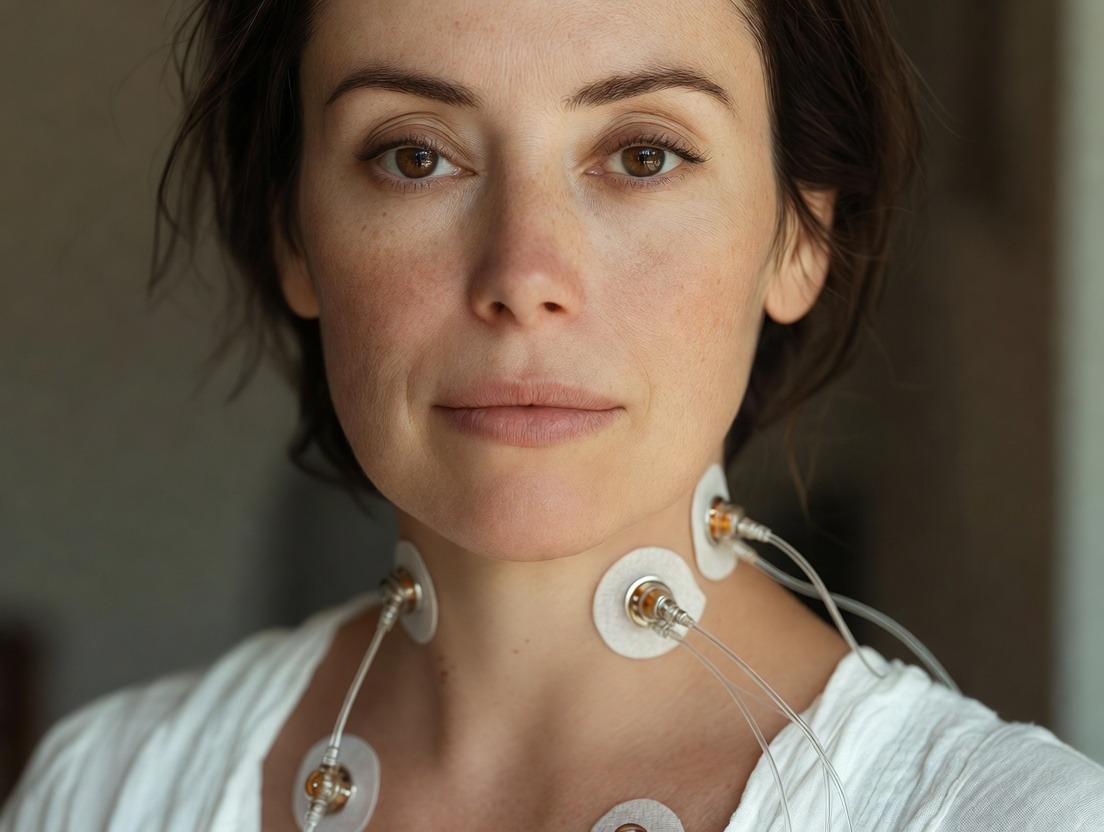
Beyond recovery, wellness rings are pioneering direct stress tracking. Advanced models incorporate Electrodermal Activity (EDA) sensors, which measure tiny electrical changes on the skin’s surface caused by sweat gland activity. These sweat glands are controlled directly by the sympathetic nervous system—the very system that activates your body’s stress response.
Here’s how it works in practice: When you experience a stressor (a tight deadline, an argument, a loud noise), your sympathetic nervous system activates, preparing you for action. One of the first physiological changes is a minute increase in sweat, detectable by the ring’s EDA sensors. The ring can log these “stress events” throughout the day, often prompting you to tag what you were doing or how you felt via the app. Over time, you build a map of your personal stress triggers—whether it’s your morning commute, certain meetings, or even specific times of day.
This is transformative for stress management. Most people are aware they are “stressed,” but the feeling is vague and chronic. EDA data makes stress objective, quantifiable, and specific. You can see that your stress response spikes every day at 3 PM. With that knowledge, you can proactively schedule a five-minute breathing exercise or a walk at 2:45 PM and actually measure the mitigating effect on your physiology.
When combined with continuous HRV data, the ring paints a complete picture of your autonomic nervous system balance. High stress (EDA events) coupled with low HRV is a clear red flag for burnout risk. Learning to cultivate calm, therefore, becomes a measurable practice. This journey towards managing your nervous system is a cornerstone of restful living, a philosophy of simple daily habits for deeper calm. It’s about finding peace not in isolation, but in the midst of a fast-paced world. The data from your ring can guide you in creating environments that support this, such as designing a restful home environment room by room.
A wellness ring wins on aesthetics and social intelligence in a way a smartwatch never can. In many professional, formal, or social settings, a glowing screen on your wrist is considered distracting or even rude. Checking a watch during a meeting or at a dinner can send unintended signals of boredom or impatience. The wellness ring eliminates this problem entirely. It looks like a simple piece of jewelry—a modern band of titanium or ceramic. It doesn’t light up, buzz, or pull your attention away from the people in front of you.
This discreet design encourages constant wear because it fits seamlessly into every aspect of your life and wardrobe. There’s no “sport model” and “dress model”; it’s just your ring. This normalization is powerful. It decouples health tracking from the tech-centric, notification-driven culture that smartwatches perpetuate. Your wellness becomes a silent, private priority, not a public display or a source of digital distraction.
Furthermore, the minimalist design appeals to those who find smartwatches clunky or aesthetically unpleasing. It caters to a user who values subtlety and essence over feature-bloat. The ring makes a statement that your health data is personal and intimate, not something that needs a large screen to be validated. This form factor philosophy aligns with a more mindful approach to technology: tools should serve us without dominating our attention or our style. In this sense, the wellness ring is not just a tracking device; it is a commitment to a less distracted, more internally focused journey to well-being.
One of the most practical advantages of wellness rings is their exceptional battery life. While most smartwatches require daily or every-other-day charging, leading to inevitable data gaps, wellness rings are engineered for endurance. A typical ring can last between 5 to 7 days on a single charge. This extended lifespan means you can integrate charging into your routine with minimal disruption—perhaps while you shower on a Sunday morning. You’re far less likely to miss a full night of sleep data.
This efficiency is achieved through a focused design mandate. Without a power-hungry color touchscreen, GPS radio (it uses your phone’s GPS when needed), or speakers, the ring conserves energy for its core mission: sensor data collection and minimalist processing. The user experience is one of remarkable simplicity. You wear it. It works. You open the app once a day to review insights. There are no daily interactions required to start tracking, no endless notifications to manage, no app interfaces to navigate on a tiny screen.
This “set-and-forget” ecosystem reduces cognitive load. It turns health tracking from an active task into a passive service. The ring operates in the background of your life, much like your own autonomic nervous system. This simplicity is a feature, not a bug. It ensures long-term adherence because the device demands nothing from you while giving you everything. You are not serving the technology; the technology is seamlessly serving you, freeing your mental energy to actually act on the insights it provides rather than managing the device itself.
The flood of raw data from wearables can be overwhelming. A smartwatch might give you 15 different metrics after a workout or a night’s sleep, leaving you to decipher what it all means. Wellness ring platforms take a different, more user-centric approach: they prioritize curated, actionable insights over data dumping.
The companion app for a ring is designed to answer three simple, human questions: How did I recover? What is my readiness? What should I do today? Instead of presenting rows of numbers, the interface typically centers on a single, comprehensible score (like a Recovery or Readiness Score out of 100), supported by a few key contributing factors: sleep quality, HRV balance, resting heart rate, and body temperature. A color-coded system (e.g., green for “go,” yellow for “caution,” red for “rest”) makes the recommendation instantly clear.
Behind this simplicity are complex algorithms that synthesize terabytes of biometric data into a single, meaningful guideline. The app might say: “High recovery score. Your body is well-rested. A great day for high-intensity training.” Or: “Lower recovery detected. Your body temperature is elevated and HRV is down. Focus on rest and hydration. Consider a gentle walk.” This transforms the data from academic information into a practical daily prescription.
Furthermore, these platforms excel at trend analysis. They don’t just show you last night’s sleep; they show your sleep trend over the last month, correlating it with your activity and readiness scores. They might highlight that your resting heart rate is trending downward (a sign of improving fitness) or that your stress events are clustered on weekdays. This curated storytelling helps users identify long-term patterns and the impact of lifestyle changes, making the pursuit of health a guided, intelligible journey rather than a confusing puzzle of numbers.
Perhaps the most profound psychological benefit of a wellness ring is its role as a silent partner in fostering mindful awareness. Unlike a smartwatch that constantly pings, vibrates, and demands your visual attention, a ring operates beneath the threshold of conscious notice. This very lack of interruption creates space for a deeper, more intuitive connection with your body.
The process works subtly. You wake up and check your readiness score. Seeing a low score, you might pause and internally scan: Do I feel tired? Was my sleep restless? Am I coming down with something? The data prompts internal reflection, bridging the gap between external metrics and internal feeling. Throughout the day, knowing that your stress is being measured can create a metacognitive layer. Before reacting to a frustrating email, you might think, “This will spike my EDA,” and take a deep breath instead. The ring becomes a biofeedback tool, teaching you to recognize the physiological signatures of stress and calm in real-time.
This cultivates a form of somatic awareness—an attentiveness to the body’s signals. You start to notice how certain foods affect your overnight heart rate, how alcohol decimates your sleep quality (visible in reduced deep sleep), and how a meditation practice slowly improves your baseline HRV. The ring validates and quantifies these experiences, turning vague notions into concrete knowledge.
This mindful, data-informed approach is the essence of modern self-care. It moves beyond guesswork and generic advice into personalized, evidence-based understanding. It empowers you to become the expert on your own body, using the ring as an objective consultant. This partnership fosters a sense of agency and proactive health management, building a sustainable habit of listening to and honoring your body’s needs, which is far more valuable than any step count or notification alert.
The fitness industry and smartwatch marketing have long been obsessed with activity: closing rings, hitting step goals, beating personal records. This “more is better” mentality, while effective for motivation, often overlooks the critical half of the fitness equation: restoration. You don’t get fitter during the workout; you get fitter during the recovery that follows. Wellness rings fundamentally rebalance this narrative by placing equal, if not greater, emphasis on the body’s restorative processes.
A smartwatch celebrates you for standing up or moving. A wellness ring celebrates you for achieving deep, restorative sleep and for showing strong parasympathetic recovery. It measures success not by how much you do, but by how well you recover from what you do. This paradigm shift is crucial for long-term health and performance. It protects against overtraining syndrome, chronic stress, and burnout by providing clear, physiological guardrails.
This focus naturally aligns with holistic wellness models that consider stress management, sleep hygiene, and nervous system balance as foundational to physical health. The ring’s data makes it irrefutably clear that a week of poor sleep will undermine your fitness gains more than skipping a workout. It shows that chronic stress is as metabolically damaging as a bad diet. By quantifying restoration, the ring elevates it to a daily priority worthy of as much attention as your exercise schedule. It guides you toward a more balanced, sustainable, and effective health regimen where activity and rest are in harmonious dialogue, each informed by concrete data from your own body.
The true potential of the wellness ring is unlocked when its data ceases to live in a silo. The leading platforms are becoming integration hubs, connecting with the wider ecosystem of health and wellness apps to create a unified, holistic health view. This is where the ring transitions from a standalone device to the central command center for your well-being data.
Imagine these scenarios: Your ring’s sleep data syncs with a meditation app like Calm or Headspace, which then suggests a wind-down routine tailored to your recent sleep disruptions. Your daily recovery score integrates with your fitness app (like Strava, Apple Health, or Google Fit), which automatically adjusts your planned workout intensity for the day. Your stress event log connects with a journaling app, prompting you to reflect on the triggers you tagged. Nutrition apps could theoretically use your metabolic temperature and HRV data to provide more personalized dietary suggestions.
These integrations create a powerful feedback loop. You act (exercise, meditate, eat), the ring measures your body’s response (recovery, stress, sleep), and connected apps recommend subsequent actions based on that response. This creates a truly personalized and dynamic health management system that learns and adapts with you.
Furthermore, this aggregated data presents a comprehensive picture to healthcare professionals. With user permission, trend reports showing sleep degradation, rising resting heart rate, or temperature anomalies can provide doctors with objective, long-term data far more useful than a patient’s subjective recollection at an annual checkup. The ring on your finger is quietly building the future of preventive, personalized healthcare—one continuous, accurate data point at a time. It is not just better than a watch for wellness; it is the foundational sensor for a smarter, more responsive, and deeply integrated approach to lifelong health.
The raw data captured by the ring's sensors is just the beginning—a stream of numbers, frequencies, and electrical impulses. The true magic lies in the sophisticated pipeline that transforms this biometric raw material into actionable wisdom. This pipeline, often powered by proprietary algorithms and machine learning, is where wellness rings achieve a depth of understanding that generic trackers cannot match.
The process starts with signal processing. The raw PPG, accelerometer, and temperature data is cleaned and filtered in real-time on the ring's microcontroller. Motion artifacts—false signals caused by hand movements—are identified and removed, especially critical for accurate heart rate and HRV readings. This first step ensures that only high-fidelity, "clean" data is sent forward for analysis.
Next comes data fusion. This is the core intellectual property of any advanced wellness ring. An algorithm doesn't look at heart rate, movement, and temperature in isolation. It fuses them together to infer physiological states. For example, a slightly elevated heart rate could mean stress, physical exertion, or the onset of illness. By fusing that heart rate data with simultaneous motion data (was the user moving?) and temperature data (is there a rising trend?), the system can make a context-aware determination. No movement + elevated heart rate + rising temperature = higher probability of illness or immune response. This multi-sensor correlation dramatically reduces false positives and increases the reliability of insights.
Finally, the fused data is interpreted through personalized baselines and population models. As the ring collects days and weeks of your data, it establishes what is normal for you. Your personal baseline for nocturnal HRV, skin temperature, and sleep duration becomes the most important reference point. The algorithms then compare your daily data against this personal baseline, flagging meaningful deviations. They also contextualize this against anonymized, aggregated population data to help you understand where you stand. This two-layered analysis—personal vs. yourself, and anonymized vs. a healthy cohort—provides both intimate relevance and broader context. The output isn't just a chart; it's a curated narrative about your body's current state, its trends, and its needs, turning sensor readings into a language of health you can understand and act upon.
The step count is a relic of a simpler era in health tracking—a crude proxy for movement that tells us nothing about the quality, intensity, or physiological impact of that movement. Wellness rings move decisively beyond this outdated metric to measure biomarkers that are directly tied to your vital systems: nervous, cardiovascular, metabolic, and reproductive.
Heart Rate Variability (HRV), as discussed, is the premier metric for autonomic nervous system balance. Resting Heart Rate (RHR) trends indicate cardiovascular fitness and overall strain. Nocturnal Skin Temperature is a window into metabolic rate, circadian rhythm, and, for women, hormonal cycles and ovulation. Blood Oxygen Saturation (SpO2) during sleep can screen for disturbances like sleep apnea. Respiratory Rate, derived from the rhythmic patterns in the heart rate signal, is a vital sign that can signal stress, respiratory issues, or the depth of relaxation.
By focusing on these systemic biomarkers, the ring provides a dashboard of your internal health engine, not just the odometer. For instance, you could hit 10,000 steps in a day while being severely sleep-deprived and highly stressed—a state a step counter would celebrate but your ring would flag as problematic due to low HRV and high resting heart rate. Conversely, a day of focused recovery with gentle yoga and excellent sleep might yield few steps but a soaring recovery score. This redefines a "productive" health day. It shifts the focus from external output (steps, active minutes) to internal state (resilience, recovery, balance). This holistic view is essential for sustainable well-being, as it honors the fact that true health is a state of optimal internal function, not merely the accumulation of physical activity.
Creating a device that is both clinically accurate and comfortable enough for 24/7 wear is a monumental engineering challenge. Wellness rings represent a triumph in this balance, employing ingenious solutions to overcome the inherent constraints of a tiny form factor.
The challenge of power management is solved through a combination of ultra-low-power sensors, efficient microcontrollers, and intelligent duty cycling. The ring doesn't run all its sensors at full power constantly. It might take a comprehensive reading (PPG, temperature) every minute during the day, and then switch to a higher-frequency, all-sensor mode during sleep for maximum accuracy. The accelerometer is always on at a low level to detect motion states.
Sensor contact is critical for accuracy. Rings are engineered with a slightly domed interior that ensures the sensors maintain gentle, consistent pressure against the skin, even if your fingers swell or shrink slightly due to temperature or hydration. The materials are chosen for both hypoallergenic properties and optimal signal conduction. Titanium, for example, is lightweight, strong, and non-reactive, while also serving as an excellent housing for the electrical components.
Durability is achieved through advanced manufacturing. Many high-end rings are forged from a single block of titanium, making them incredibly strong and water-resistant to significant depths (often 10ATM or 100 meters). The sensors are protected under a smooth, scratch-resistant coating like diamond-like carbon (DLC).
Finally, size and fit are paramount. A ring that is too tight is uncomfortable; one that is too loose gives poor data. Companies provide detailed sizing kits to ensure a perfect fit. Some are exploring innovative adjustable designs or using materials with a little flex. This obsessive focus on real-world comfort is what transforms the ring from a piece of lab equipment into a seamless part of your life. It is engineered not for a clinical trial, but for the messy, unpredictable, and varied reality of human existence—from typing and cooking to swimming and sleeping.
Data alone rarely changes behavior. Knowing your sleep score is 65 doesn't, by itself, make you go to bed earlier. The most effective wellness rings function as an unseen coach, leveraging behavioral science principles to nudge you toward sustainable habit formation.
This coaching happens through several intelligent features:
This approach aligns with the Habit Loop model (Cue, Routine, Reward). The cue is checking your morning score. The routine is adjusting your day based on the insight. The reward is seeing an improved score the next day or feeling better subjectively. The ring provides the objective feedback that closes the loop, making the reward tangible. It also helps you experiment scientifically with your own life, turning behavior change into a process of discovery about what works uniquely for your body. This guided, evidence-based self-experimentation is the key to lasting change, moving you from a state of information to a state of transformation.
Unlike the one-size-fits-all approach of early activity trackers, wellness rings, by virtue of their rich biomarker tracking, offer profound value to diverse populations with unique health narratives. This inclusivity is a major differentiator.
For Women, the continuous temperature sensor is transformative. It enables non-invasive, passive ovulation tracking and menstrual cycle insights. By tracking basal body temperature (BBT) trends overnight, the ring can predict and confirm ovulation with high accuracy, valuable for both family planning and simply understanding the powerful hormonal rhythms that affect energy, mood, recovery, and sleep throughout the month. A woman can see how her resting heart rate naturally rises in her luteal phase, or how her sleep is consistently lighter in the days before her period. This demystifies the cycle, allowing her to plan her training, work, and self-care in harmony with her biology, not in conflict with it.
For Aging Adults, the ring becomes a gentle guardian. Trends in resting heart rate and HRV can be early indicators of changes in cardiovascular health. Nighttime SpO2 monitoring can flag potential sleep apnea, a common and under-diagnosed condition in older populations. The subtle, continuous monitoring provides a long-term record that can be invaluable for geriatricians, focusing not on acute events but on gradual, trend-based changes in health status. Its discreet nature also makes it more likely to be adopted by those who might resist a "medical" device.
For Anyone Managing Chronic Stress or Anxiety, the objective data serves as a powerful reality check and biofeedback tool. Seeing a physiological stress response (via EDA) can help separate the feeling of anxiety from a true threat, a core tenet of cognitive behavioral therapy. It makes the invisible visible, allowing for more targeted intervention through breathing, meditation, or therapy.
By providing insights relevant across life stages and biological circumstances, the wellness ring proves its value as a universal tool for health awareness, moving far beyond the young, athletic male demographic that once dominated fitness tech.
A device that knows your heart rate, sleep patterns, stress levels, and, potentially, your fertility window holds your most intimate data. The ethical handling and robust security of this data are not just features; they are the bedrock of trust for wellness rings. The industry leaders operate under a strict privacy paradigm that often surpasses that of general consumer tech.
Firstly, data anonymization and aggregation are standard. When your data is used to improve algorithms or for population health research, it is stripped of personally identifiable information and pooled with millions of other data points. You become a number in a dataset that teaches the system what "improving HRV" looks like across thousands of people.
Secondly, on-device processing is increasingly used. Instead of sending raw, continuous data streams to the cloud, the ring performs initial processing on the device itself. It might send only summary insights (your sleep score, your readiness metric) to the app, keeping the detailed biometric waveforms locally. This minimizes the data in transit and in the cloud.
Thirdly, user ownership and control are emphasized. Reputable companies provide clear, granular privacy settings. You can often choose what data is shared for research, and you can download or delete your entire data history. The best platforms operate on a "you own your data" principle, treating it not as a corporate asset but as your personal property.
This commitment is crucial because the ring's value is proportional to its intimacy. The more you trust it with your deepest physiological truths, the better it can serve you. A robust privacy framework ensures that this profoundly personal journey remains exactly that—personal. It allows users to embrace the technology not with trepidation, but with confidence, knowing that the window into their health is also a one-way mirror protecting their most sensitive information.
As with any emerging technology, misconceptions abound. Addressing these myths head-on is key to understanding the true value and limitations of wellness rings.
Myth 1: "It's just a sleep tracker." Reality: While sleep analysis is a flagship feature, the ring is a 24/7 physiological monitoring platform. Its core value is in connecting the dots between sleep, activity, stress, and recovery across the entire day, providing a holistic readiness metric that guides daily decisions.
Myth 2: "It's as accurate as a chest strap/EKG for heart rate." Reality: During dynamic, high-motion exercise, a chest strap (which measures the heart's electrical activity) will always be more accurate than optical PPG (which measures blood flow). The ring's strength is continuous, clinical-grade measurement at rest and during sleep. For workout heart rate, it's good; for resting, recovery, and nocturnal HRV, it's exceptional.
Myth 3: "The data will make me anxious." Reality: This is a common concern, known as "orthosomnia" – an unhealthy preoccupation with perfect sleep data. However, ring platforms are designed to combat this by focusing on trends and guidance, not perfection. The coaching is aimed at building resilience, not achieving a perfect 100 every night. The goal is to use the data to feel better, not to serve the data itself.
Myth 4: "It can diagnose medical conditions." Reality: Wellness rings are consumer wellness devices, not medical devices. They are designed for health awareness and lifestyle improvement, not diagnosis. While they can detect deviations from your personal norm that may warrant a conversation with a doctor (e.g., sustained elevated resting heart rate, low nighttime SpO2), they cannot and should not be used to diagnose conditions like sleep apnea, atrial fibrillation, or illness. They are a powerful tool for preventive awareness and a data source to share with your healthcare provider.
By understanding what a wellness ring truly is—and what it is not—users can set appropriate expectations and harness its powerful capabilities for what they do best: providing a continuous, personalized, and insightful guide to better daily choices and long-term well-being.
Beyond the individual, wellness rings are poised to create a silent revolution in organizational health and human performance. Forward-thinking companies are beginning to see them not as personal gadgets, but as tools to cultivate healthier, more resilient, and higher-performing teams—ethically and anonymously.
The application lies in aggregate, anonymized insights. A company could offer rings as part of a voluntary wellness program. No manager would ever see an individual's sleep score or stress events. Instead, the platform would provide organizational-level dashboards showing trends like: "Collective team recovery scores drop by 15% during end-of-quarter crunches," or "Department-wide sleep duration decreases by an average of 45 minutes during major project launches."
This data is transformative for leadership and HR. It moves the conversation about burnout and stress from subjective anecdotes ("People seem tired") to objective, aggregate metrics. It can inform policy changes: instituting company-wide "quiet hours" for email, mandating meeting-free days, offering resilience training before known stressful periods, or redesigning workspaces to reduce ambient stress. The goal is to create an environment that supports human physiology, leading to reduced absenteeism, lower healthcare costs, less turnover, and improved creativity and focus.
For knowledge workers, the personal benefits translate directly to professional performance. Higher HRV is correlated with better cognitive function, emotional regulation, and decision-making under pressure. Improved sleep leads to clearer thinking and enhanced memory consolidation. By using their ring data to manage their energy, employees can align their most demanding cognitive work with their personal peaks of readiness, leading to a state of sustainable high performance that avoids the boom-bust cycle of caffeine-fueled sprints and burnout. This represents a new frontier in human-centric work design, where technology is used to honor our biological needs, unlocking not just productivity, but well-being at scale.
The ultimate promise of the wellness ring is not found in a daily score, but in the long-term narrative it helps you write—a journey from passive tracking to active transformation. Over months and years, the ring ceases to be a device and becomes the chronicler of your health biography.
This longitudinal data set is priceless. It can reveal:
The ring empowers a proactive, rather than reactive, health mindset. Instead of going to the doctor when something feels wrong, you are armed with a long-term record of what "right" looks like for you. This shifts the healthcare dynamic and places you in the driver's seat of your own prevention strategy. The journey becomes about optimizing for vitality and resilience at every life stage, supported by a continuous stream of personal evidence. It’s the difference between having a snapshot of your health on the day of your annual physical and having a documentary film of your body’s story, with all its rhythms, responses, and revelations. This is the true transformation: from being a patient of the healthcare system to being the steward of your own well-being, informed, guided, and motivated by the intimate knowledge only a device like this can provide.
One of the most ingenious aspects of a wellness ring is its communication strategy—or more precisely, its strategic silence. Lacking a screen, it forces a fundamental rethinking of how a wearable interacts with its user. This is not a limitation but a deliberate design philosophy that enhances its wellness mission. The ring communicates not through pings and vibrations demanding immediate attention, but through thoughtful, curated summaries that you seek out intentionally.
This happens primarily through the companion smartphone app, which serves as the ring’s "mission control." The app is designed for reflective review, not real-time interruption. You open it in the morning to receive your recovery report, perhaps at lunch to log a meal or stressor, and in the evening to check your readiness for sleep. This interaction model is profoundly different from a smartwatch, which often fragments your attention dozens of times a day with notifications that pull you out of the present moment. The ring, by contrast, promotes mindfulness by staying silent until you consciously engage with your health data. This scheduled reflection turns health awareness into a dedicated practice, not a distracted, reactive habit.
For critical, actionable alerts, the most advanced rings use minimalist haptic feedback—a subtle, coded vibration. This isn't used for emails or messages. It might be a gentle buzz to remind you it's time to wind down for bed based on your recent sleep data, or a distinct pattern to alert you to a potentially significant physiological event, like an unusually elevated heart rate while at complete rest. These alerts are rare, context-aware, and health-critical, preserving the device's non-intrusive nature. The absence of a screen transforms the ring from a source of digital noise into a source of meaningful, biological signal, aligning perfectly with the goal of reducing cognitive load and digital stress—a core tenet of the restful living philosophy of less hustle and more health.
"Listen to your body" is timeless advice, but in a world of constant stimulation, we've become profoundly disconnected from our internal signals. Fatigue is masked by caffeine, stress by busyness, and low-grade illness by sheer willpower. The wellness ring's most potent contribution may be its ability to quantify recovery, turning a vague feeling into a objective, measurable state. This brings scientific rigor to the art of self-care.
Recovery is not the absence of activity; it's an active physiological process involving hormonal regulation, tissue repair, neurotransmitter replenishment, and nervous system rebalancing. The ring measures the proxies of these processes:
By synthesizing these metrics into a Recovery or Readiness Score, the ring gives you a composite picture of your body’s "battery level." This is revolutionary because it externalizes an internal state. You no longer have to guess if you're still tired from yesterday's workout or stressed from last week's deadlines. The data tells you. A low score isn't a judgment; it's crucial information. It's your body’s way of saying, "The repair work isn't finished." Honoring this data means you can strategically incorporate micro-recovery throughout the day, which is essential for avoiding the cumulative drain that leads to burnout.
The magic phrase in wellness tech is "personalized insights," but few devices achieve true personalization. Most offer generic advice based on population averages. Wellness rings, through the power of machine learning (ML) and vast amounts of continuous data, are beginning to deliver on the promise of a health companion that knows you.
The process is iterative and intelligent. From day one, the ring’s algorithms are building a dynamic model of you. They learn your circadian rhythm: when your body temperature naturally dips and rises, when your HRV peaks overnight, what your typical movement patterns are. This is your baseline. ML models then work in two key ways:
This transforms the ring from a reporter into a predictor and a personal health scientist. It helps you run experiments on your own life with clear, personalized outcomes. This level of customization is impossible for a device that only tracks activity and is frequently removed. It requires the intimate, continuous data stream that only a ring can reliably provide, making your wellness journey uniquely and intelligently your own.
Wellness technology has long suffered from a "tech bro" aesthetic—bulky, black, rubberized bands that clash with professional attire or personal style. This created a psychological and practical barrier to consistent wear. The wellness ring shatters this barrier by embracing an aesthetic imperative: the device must be desirable as an object of jewelry, not just as a piece of technology.
This is a strategic masterstroke. By collaborating with designers and using premium materials—brushed titanium, polished gold-colored coatings, sleek ceramic, and even embedded gemstones—wellness rings cross the chasm from gadget to accessory. They are designed to be shown off, to complement an outfit, to feel like a natural part of one’s identity. This dramatically increases user adoption and, more importantly, consistent wear across all life contexts.
The psychological impact is significant. When a health tool is beautiful, it reframes the relationship. It’s not a medical reminder of something you lack (fitness, good sleep); it’s a celebratory symbol of your commitment to self-care. It integrates wellness into your identity seamlessly. You’re not "wearing a tracker"; you’re wearing a piece of modern jewelry that happens to empower you. This normalization is critical for making health monitoring a mainstream, non-stigmatized practice. It allows the technology to fade into the background of your life while its function remains in the foreground of your health awareness, proving that elegance and utility are not mutually exclusive but are, in fact, the hallmark of superior design.
In an era of conscious consumption, the environmental footprint of our gadgets matters. Wellness rings present a compelling case as a more sustainable choice compared to smartwatches, both in terms of product lifecycle and user behavior.
From a manufacturing perspective, a ring uses a fraction of the material. A smartwatch contains a large screen, a bigger battery, more complex circuitry, and often multiple bands. A ring is a dense, minimal cylinder of material, primarily titanium, which is highly durable and recyclable. Its smaller size means less resource extraction, less energy in production, and less waste at end-of-life.
The longevity and update model is also inherently more sustainable. Smartwatches often succumb to planned obsolescence, with batteries that degrade and software that slows on a 2-3 year cycle. A wellness ring, with its simpler function and lack of a glitch-prone OS, is built to last for many years. Its value is in the sensors and the backend algorithms, which improve via software updates to the app, not the hardware. You don't need a new ring every few years to get better insights.
Most importantly, the ring promotes sustainable user habits that benefit personal and planetary health. By focusing on recovery and stress management, it encourages behaviors like prioritizing sleep, engaging in mindful movement outdoors, and managing energy—all of which have a lower environmental impact than consumerist, gear-intensive approaches to fitness. It aligns with a philosophy of doing more with less: less frantic activity, less external stimulation, and a deeper connection to the natural rhythms that support restful living. In this way, the choice of a wellness ring can reflect a broader commitment to a balanced, less wasteful lifestyle.
To concretely understand the superiority of rings for wellness, it's useful to compare them head-to-head with smartwatches in key scenarios:
Use Case 1: Sleep Optimization
Use Case 2: Stress Management During the Workday
Use Case 3: Athletic Training and Recovery
Use Case 4: Long-Term Health Trend Analysis
This comparison clarifies that the ring isn't a "watch killer." It's a specialist device that excels in the domain of internal, systemic health monitoring, while the smartwatch remains a generalist device for activity tracking and digital convenience.
The future of the wellness ring extends beyond the smartphone app into the very fabric of our living spaces. As a passive, always-on biometric sensor, it has the potential to become the most intuitive trigger for a responsive, health-supportive smart home environment.
Imagine these integrations:
This turns the ring into a biometric remote control for your environment. It allows your home to react not to a schedule or a manual command, but to your real-time physiological state. This creates a truly adaptive environment that supports well-being proactively, aligning your external world with your internal needs. It’s a powerful step toward designing living spaces for calm and restoration, where technology serves to deepen our human capacity for rest and recovery.
With premium wellness rings often carrying a price tag comparable to or exceeding that of a smartwatch, the question of value is paramount. The analysis, however, reveals that a ring offers a different and often more profound long-term value proposition.
Smartwatch Value: Paid for features—GPS, cellular connectivity, apps, notifications, a screen. It's a multi-purpose digital tool. Its value depreciates quickly as new models with better screens and faster processors are released.
Wellness Ring Value: Paid for accuracy, insight, and behavioral change. You are investing in clinical-grade sensors in an optimal location, sophisticated algorithms that provide personalized health coaching, and a form factor that guarantees data continuity. The value appreciates over time as the ring collects more data, making its insights more personalized and powerful. The "killer feature" isn't a spec; it's the potential for improved sleep, managed stress, optimized training, and preventative health awareness—outcomes that can save thousands in future healthcare costs and immeasurably improve quality of life.
Consider it an investment in a health consultant you wear on your finger. While the upfront cost is significant, the return on investment (ROI) is measured in energy, resilience, and preventative care. Furthermore, its durability and lack of planned obsolescence mean it likely has a longer useful life than a typical smartwatch. When viewed through the lens of long-term health optimization rather than short-term tech features, the ring’s value proposition becomes clear and compelling, especially for those for whom deep health understanding is a true priority.
The current generation of wellness rings is impressive, but the horizon holds even greater promise. The next wave of innovation will focus on enhancing accuracy, expanding biomarker detection, and deepening integration.
Sensor Advancements: Future rings may incorporate medical-grade EKG sensors (likely requiring two-point contact, possibly with a companion device) for on-demand arrhythmia detection like atrial fibrillation. Non-invasive glucose trend monitoring via advanced optical sensors is the holy grail for metabolic health, with several companies in early-stage research. Continuous blood pressure monitoring through novel PPG and PTT (pulse transit time) algorithms is another active area of development.
Advanced Biomarkers: Research is ongoing into detecting biomarkers for hydration status, lactate threshold, and even certain nutritional deficiencies through spectral analysis of the interstitial fluid via the skin.
Contextual Intelligence: Using on-device machine learning, future rings will better distinguish between different types of stress (physical, emotional, immunological) and different types of recovery. They will become more predictive, potentially offering warnings like, "Based on your current recovery trajectory, you are at high risk for a common cold in 48 hours."
The "Invisible Ring": The ultimate goal is complete miniaturization and sensor integration into a band so thin and light it is virtually indistinguishable from a standard ring. Some concepts explore battery-free designs that harvest energy from body heat or movement.
The trajectory is clear: the wellness ring will become more powerful, more insightful, and even more seamless. It is evolving from a tracker of a few key metrics into a comprehensive, always-on health guardian, solidifying its position as the most intimate and insightful device in personal health technology. Its future lies not in becoming more like a watch, but in becoming more deeply itself—a silent, intelligent partner in the lifelong pursuit of well-being.
Your Trusted Sleep Advocate: Sleep Foundation — https://www.sleepfoundation.org
Discover a digital archive of scholarly articles: NIH — https://www.ncbi.nlm.nih.gov/
39 million citations for biomedical literature :PubMed — https://pubmed.ncbi.nlm.nih.gov/
Experts at Harvard Health Publishing covering a variety of health topics — https://www.health.harvard.edu/blog/
Every life deserves world class care :Cleveland Clinic - https://my.clevelandclinic.org/health
Wearable technology and the future of predictive health monitoring :MIT Technology Review — https://www.technologyreview.com/
Dedicated to the well-being of all people and guided by science :World Health Organization — https://www.who.int/news-room/
Psychological science and knowledge to benefit society and improve lives. :APA — https://www.apa.org/monitor/
Cutting-edge insights on human longevity and peak performance:
Lifespan Research — https://www.lifespan.io/
Global authority on exercise physiology, sports performance, and human recovery:
American College of Sports Medicine — https://www.acsm.org/
Neuroscience-driven guidance for better focus, sleep, and mental clarity:
Stanford Human Performance Lab — https://humanperformance.stanford.edu/
Evidence-based psychology and mind–body wellness resources:
Mayo Clinic — https://www.mayoclinic.org/healthy-lifestyle/
Data-backed research on emotional wellbeing, stress biology, and resilience:
American Institute of Stress — https://www.stress.org/


