


The Surprising Daily Activity Patterns of High Performers
The ring can identify the surprising, often subtle, daily activity patterns common among high performers.
The ring can identify the surprising, often subtle, daily activity patterns common among high performers.
%402x.svg)
What does the word “productivity” conjure in your mind? For decades, the image was one of relentless hustle: the early riser conquering a to-do list before dawn, the executive pulling consecutive all-nighters, the founder fueled by caffeine and sheer willpower. We’ve worshipped at the altar of busyness, equating long hours and constant motion with high achievement.
But what if we’ve been measuring it all wrong? What if the secret to elite performance isn’t about doing more, but about doing less—with profound intention? A seismic shift is occurring in our understanding of peak performance, driven not by anecdotal guru advice, but by cold, hard data. We now have an unprecedented window into the lives of high performers, thanks to the rise of sophisticated biometric technology like the smart ring, which captures the unvarnished truth of our physiology 24/7.
These devices reveal a fascinating truth: the world’s most effective CEOs, visionary artists, groundbreaking scientists, and elite athletes don’t share a single, rigid schedule. Instead, they share a suite of surprising, counterintuitive, and deeply rhythmic patterns in their daily activities. Their secret isn’t a magical “5 AM routine” from a bestseller; it’s a holistic symphony of energy management, where strategic rest, precise movement, and mindful recovery are given the same weight as focused work.
This article is the culmination of extensive research and data analysis, diving deep into the real daily activity patterns that separate high performers from the perpetually burned-out. We’ll move beyond the glossy social media posts and explore the tangible, often unexpected, habits that govern their energy, creativity, and output. This isn’t about copying someone else’s calendar; it’s about understanding the universal principles your body and brain need to operate at their peak. For a deeper dive into the technology making these insights possible, you can explore our blog on how sleep trackers actually work.
Prepare to have your assumptions challenged. The path to becoming a high performer is more nuanced, more restful, and infinitely more interesting than you might think. Let’s begin by dismantling the biggest myth of all.
For years, "hustle culture" has been the dominant narrative. Its gospel preached that success is a direct product of sheer effort and volume of hours logged. Sleep was for the weak, breaks were for the uncommitted, and the only acceptable state was "on." This mentality has fueled a global burnout epidemic, with diminishing returns on our ever-increasing effort.
However, biometric data from high performers tells a radically different story. The numbers don’t lie. When we examine the aggregated, anonymized data from thousands of top-tier professionals using devices like the Oxyzen smart ring, a clear pattern emerges: sustainable high performance is inversely correlated with constant grind.
The Non-Linear Work-Output Curve
Research into cognitive performance consistently shows that after a certain point—typically around 4-6 hours of deep, focused work—the quality of output plummets. Mistakes increase, creativity flatlines, and decision-making becomes impaired. High performers understand this intrinsically. Their data reveals carefully bounded periods of intense focus, followed by deliberate disengagement. They operate on a curve, not a linear path. A 90-minute sprint of uninterrupted work followed by a 20-minute walk yields far more than 110 minutes of distracted, fragmented effort at a desk.
The Critical Role of Physiological Baselines
The hustle model treats the human body like a machine that can run indefinitely with enough fuel (usually poor-quality fuel like sugar and caffeine). Smart ring data exposes the flaw in this logic. High performers prioritize maintaining key physiological baselines: heart rate variability (HRV), resting heart rate, and body temperature. These metrics are direct indicators of nervous system resilience and recovery capacity.
For instance, a consistently depressed HRV is a biometric red flag for chronic stress, signaling that the body is in a constant state of "fight or flight." High performers monitor these signals closely. When their data indicates systemic stress, they don’t push harder; they pull back. They might insert a meditation session, a nap, or a nature break to bring their nervous system back to balance. This proactive approach to energy management is what allows them to perform under pressure without crashing. You can learn more about these foundational metrics in our FAQ section.
Evidence from Elite Domains
Consider the world of elite sports. An athlete’s training schedule isn’t just about relentless practice. It’s meticulously structured with periods of intense exertion followed by mandatory recovery—massage, cryotherapy, hydration, and most importantly, sleep. The performance is the recovery. Modern knowledge workers are no different. The "mental athletes" of today use the same principle: cognitive work is demanding exertion, and it requires equally deliberate cognitive recovery.
The data is unequivocal. The relentless hustle is a path to mediocrity and breakdown. The true high performer’s pattern is one of rhythm, respect for biological limits, and strategic investment in recovery. This foundational truth sets the stage for the first, and perhaps most vital, pattern we’ll explore: the science of the strategic start.
The "miracle morning" has been marketed as a non-negotiable for success. Yet, when we analyze the actual routines of high performers, we find astonishing diversity in wake-up times. Some are up before the sun; others are night owls who thrive on a later schedule. The common denominator isn’t the hour on the clock; it’s the intentional, ritualized structure of the first 90 to 120 minutes of their day. This period, often called the "critical morning window," sets the neurochemical and emotional tone for everything that follows.
Protecting the Cortisol Awakening Response (CAR)
Upon waking, your body experiences a natural spike in cortisol—the primary stress hormone. This Cortisol Awakening Response (CAR) is biologically designed to provide you with energy, alertness, and focus to start your day. The high performer’s first goal is to protect and optimize this natural surge, not sabotage it.
The most common saboteur? The smartphone. Reaching for your phone within minutes of waking floods the brain with external stressors—emails, news, social media comparisons—hijacking your natural CAR and replacing it with anxiety and reactivity. Data shows that high performers consistently delay this digital engagement, often for the full duration of their morning ritual.
The Components of a Strategic Start
So, what fills those first 90 minutes? The pattern varies but centers on a few core pillars:
The Data-Driven Difference
Smart ring users who track these patterns can see the direct impact. A morning ritual that includes light exposure and movement often leads to a more stable heart rate throughout the day and a quicker decline in cortisol levels in the evening, paving the way for better sleep. It creates a positive feedback loop: a calm, intentional start improves sleep quality, which in turn makes the next intentional start easier to execute. For those struggling with sleep quality that undermines their mornings, our guide on how to get more deep sleep tonight offers practical starting points.
The takeaway is liberating: you don’t need to force yourself to become a 5 AM person. You need to design the first 90 minutes of your day—whatever time they begin—to strategically align with your biology, protecting your focus and energy before the world gets a chance to claim them. This ritualized start seamlessly flows into how these individuals structure their most important work.
The industrial-era model of the 8-hour workday is biologically obsolete. It assumes our brains can maintain a consistent, medium-level output for long, unbroken stretches. Neuroscience and biometric data confirm this is a fantasy. High performers have abandoned the marathon in favor of a series of carefully paced sprints, aligning their work with their body’s natural energy cycles, known as ultradian rhythms.
Understanding the 90-Minute Rhythm
Ultradian rhythms are recurrent periods or cycles repeated throughout a 24-hour day. The most relevant for work is the Basic Rest-Activity Cycle (BRAC), which suggests our brains naturally move through ~90-minute periods of higher alertness followed by ~20-minute periods of lower alertness. During these peaks, we can access deep focus (often called "flow state"). During the troughs, our brain needs to rest and recharge.
High performers don’t fight this rhythm; they weaponize it. They structure their deep work into 60-90 minute "sprints," followed by a mandatory 15-25 minute recovery break. This is not a coffee break scrolling through Twitter. It is a true physiological break.
The Anatomy of a High-Performance Sprint
Strategic Recovery: The Art of the Break
What does true recovery look like in these 20-minute windows? It’s anything that allows the default mode network (DMN) of the brain—the "daydreaming" network—to activate. This is when subconscious connections are made, creativity sparks, and insights often emerge. High-performer break activities include:
The smart ring data validates this pattern. You can often see a noticeable drop in resting heart rate and an increase in heart rate variability (HRV) during these true breaks, indicating genuine nervous system recovery. This allows them to enter the next sprint with a refreshed cognitive capacity.
By chunking their day into these rhythmic sprints and recoveries, high performers accomplish more in 4-5 hours of focused time than most do in 8-10 hours of fragmented, distracted effort. They work with their biology, not against it. This rhythmic approach extends beyond work blocks and fundamentally reshapes their entire relationship with movement throughout the day.
When we think of an elite performer’s fitness, we might picture intense, daily gym sessions. While structured exercise is often a component, biometric data reveals a more subtle, yet powerful, secret: an obsessive commitment to Non-Exercise Activity Thermogenesis (NEAT). NEAT encompasses all the calories you burn through everything that is not sleeping, eating, or dedicated exercise. It’s the walking, standing, fidgeting, gardening, and taking the stairs.
For high performers, NEAT isn’t an accident; it’s a deliberate, engineered part of their daily pattern. They understand that sitting for prolonged periods is a metabolic and cognitive trap, and they build movement into the very fabric of their day.
The Dangers of Prolonged Sitting
Research is clear: extended sedentary behavior is linked to poor metabolic health, reduced cognitive function, increased inflammation, and higher mortality risk—even for individuals who exercise regularly. Sitting for hours puts the body into a state of metabolic stagnation. High performers treat prolonged sitting with the same concern they would treat a poor diet.
How High Performers Engineer NEAT
Their daily patterns are riddled with micro-strategies to stay in low-grade motion:
The Cognitive Benefits of NEAT
This isn’t just about physical health; it’s a cognitive performance hack. Light physical activity increases blood flow to the brain, delivering oxygen and nutrients that sharpen focus. It can also help to "reset" mental fatigue during a work block. The act of walking, in particular, has been shown to stimulate creative ideation—many breakthrough ideas happen during these movement breaks.
Smart rings and activity trackers are perfect for monitoring NEAT. High performers often set a step goal or an "active minute" goal that is separate from their exercise goal. They track their overall daily activity trend, ensuring they aren’t falling into sedentary pits. Seeing this data provides immediate feedback and motivation. For those interested in optimizing all aspects of their physical recovery, including what happens after exercise, our article on deep sleep optimization for athletes provides complementary insights.
By making movement a default state rather than a scheduled event, high performers maintain a higher metabolic rate, better mood regulation, and more consistent energy levels throughout the day. This constant, low-grade activity primes their body for the next critical pattern: how they fuel themselves not just with movement, but with food.
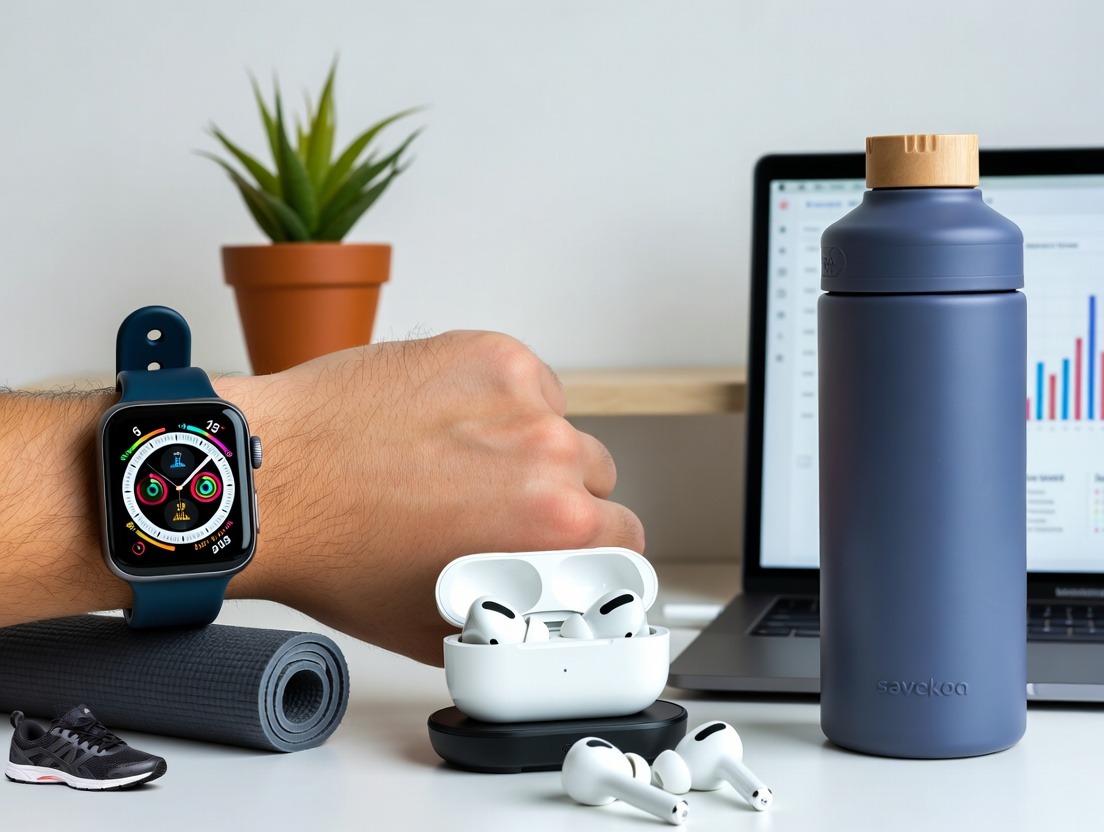
Nutrition is often the most emotionally charged and confusing aspect of wellness. For high performers, however, the approach is strikingly pragmatic and data-driven. They view food not merely as pleasure or comfort, but as strategic fuel for cognitive and physical output. Their eating patterns are designed to avoid the energy crashes, brain fog, and inflammatory responses that derail performance.
The Primary Goal: Glycemic Stability
The cardinal sin in a high performer’s dietary playbook is the sharp spike and subsequent crash in blood sugar. This rollercoaster leads to irritability, fatigue, poor decision-making, and cravings. Therefore, their entire eating pattern is engineered to promote a steady, slow release of glucose into the bloodstream. This provides the brain with a consistent energy supply for hours.
Patterns of Strategic Fueling:
Listening to Biometric Feedback
This is where technology becomes a powerful ally. High performers don’t just follow generic diet plans; they use data to understand their personal responses. For example, a smart ring can track how different meals and eating times affect metrics like resting heart rate and heart rate variability (HRV). A meal that causes a sustained elevation in resting heart rate and a drop in HRV is likely causing a stress or inflammatory response. This biofeedback allows for truly personalized nutrition. You can discover more about personalizing your wellness approach through the resources at Oxyzen's blog.
Their relationship with food is one of respectful partnership. They enjoy food, but they make choices based on how they want to perform in the hours that follow. This disciplined, steady-state fueling provides the clean energy required for their ultradian sprints and sustains them through the afternoon, which, as we’ll see, is often managed with another surprising tactic.
While conventional wisdom warns against the "afternoon slump," high performers don’t just endure it—they plan for it and often weaponize it for recovery. Their daily pattern shows a clear inflection point in the mid-to-late afternoon, a period dedicated not to pushing through fatigue, but to strategic shutdown and deliberate renewal. This is a masterclass in proactive energy management.
Recognizing the Biological Trough
Post-lunch, the body experiences a natural dip in circadian alertness, often between 2 PM and 4 PM. This is driven by a slight rise in melatonin and a dip in core body temperature. Fighting this dip with caffeine and sugar is the standard response, but it merely borrows energy from the evening, degrading sleep quality. High performers take the opposite approach: they surrender to the rhythm and use it for low-cognitive, restorative tasks.
The Components of an Afternoon Recovery Ritual:
The "Shutdown Complete" Ritual
Perhaps the most critical pattern is the definitive end to the official workday. High performers have a concrete "shutdown ritual." This is a series of steps that signals to the brain that work is over. It might include:
This deliberate afternoon slowdown and clear shutdown is not a sign of weakness or lack of dedication. It is a sophisticated recognition that the human organism operates on cycles. By honoring the afternoon trough with recovery, they preserve and even enhance their energy for personal time and, most importantly, set the stage for the night’s most potent performance-enhancer: deep, restorative sleep.
In an age of infinite connectivity, the ability to focus is the new superpower. High performers treat their attention with the same scarcity mentality as a billionaire treats money. They understand that every unsolicited notification, every "quick check" of social media, and every context switch is a micro-tax on their cognitive resources. Their daily patterns are therefore built on a foundation of rigorous digital minimalism and cognitive hygiene.
The Principle of Intentional Technology Use
Technology is a tool for them, not a master. They are proactive, not reactive, in their engagement with digital devices. This means:
The Physical & Temporal Boundaries
Cognitive Hygiene: The Mental Environment
This extends beyond screens to the management of their mental space:
The impact of these habits is profound and measurable. Less digital friction means less cognitive load, lower perceived stress (visible in lower resting heart rate trends), and a greater capacity for sustained, deep work. It creates mental clarity that flows directly into the final, and most non-negotiable, pattern of all: their sacred sleep protocol. To understand how your own digital habits might be affecting your sleep, our article on sleep tracking accuracy can shed light on what to look for in your data.
If there is one universal, non-negotiable pillar in the daily pattern of a high performer, it is an obsessive commitment to high-quality sleep. They don’t see sleep as downtime or a passive state. They see it as the most potent performance-enhancing, recovery, and cognitive-consolidation "activity" in their schedule. While 7-9 hours is a common target, their focus is laser-like on the architecture of that sleep—specifically, maximizing deep sleep (N3) and REM sleep.
Sleep as Active Recovery
During deep sleep, the body enters its most profound state of physical repair: tissue growth and repair occur, energy is restored, and critical hormones like human growth hormone are released. For the brain, it’s a time of memory consolidation and metabolic clearance (the glymphatic system clears out neurotoxins like beta-amyloid). REM sleep, on the other hand, is crucial for emotional processing, creativity, and procedural memory. High performers track these stages religiously, understanding that missing one is like skipping leg day at the gym—it creates a specific weakness. You can learn what your targets should be in our guide on deep sleep tracking and what your numbers should look like.
The Pre-Sleep Ritual (The 60-90 Minute Wind-Down)
Their sleep protocol begins long before their head hits the pillow. They follow a wind-down ritual as strict as their morning routine:
Leveraging Data for Optimization
This is where a smart ring becomes an indispensable coach. High performers don’t guess about their sleep; they know. They review metrics like:
If their data shows a poor night, they don’t just complain of tiredness; they become detectives. Was it late caffeine? A stressful evening? Room too warm? An argument? They use the data to make informed adjustments the next day. For a comprehensive look at the science behind this critical stage, our article on the science of deep sleep details the incredible processes at work.
By making sleep a sacred, data-informed priority, high performers ensure they wake up each day with a fully recharged biological battery, ready to execute their strategic start with clarity and vigor. This completes the virtuous cycle of their daily pattern.
Having explored these eight surprising patterns—from debunking the hustle myth to the sacred sleep protocol—the natural question is: "Where do I possibly start?" The most common mistake is to try to overhaul your entire life overnight, which leads to quick burnout and abandonment of all new habits.
High performers themselves build these patterns gradually, through a process of tiny, consistent experiments anchored in data. The goal is not perfection, but mindful progression.
The Implementation Framework:
The Role of Community and Guidance
Remember, high performers often have coaches, mentors, or peer groups. You don’t have to figure this out alone. Seeking out resources and communities can provide support and accountability. For ongoing insights and community stories, exploring Oxyzen's blog and reading real user experiences in our testimonials can be incredibly encouraging.
This journey is about becoming a student of your own biology. It’s about replacing guilt and striving with curiosity and data. Each small, successful experiment builds confidence and creates a compound effect over time. You are not chasing an external template of productivity; you are engineering your internal environment for sustainable performance and well-being.
The surprising daily activity patterns of high performers ultimately reveal a simple, profound truth: peak performance is not an act of conquest over the self, but an act of alignment with the self. It is the art of listening to the subtle cues of your body and brain, and having the courage to structure your day not according to external demands, but according to your internal, biological wisdom. The path forward begins not with a massive leap, but with a single, mindful step and the willingness to observe what happens next.
We’ve uncovered the surprising daily patterns—the rituals of morning, work, movement, and sleep. But beneath these observable habits lies something deeper and more fundamental: a sophisticated, personal energy management system. High performers don’t just have good habits; they operate with an intuitive or deliberately built understanding of their own energy currencies—physical, mental, emotional, and spiritual—and they have systems to deposit into and withdraw from these accounts with precision.
This is the hidden architecture. While an observer sees a person taking a walk at 3 PM, the high performer is executing a pre-emptive energy deposit to prevent a cognitive bankruptcy before a critical late-afternoon decision. This section delves into the principles of building your own personal energy economy, moving beyond mimicking routines to understanding the underlying system that makes them work.
The Four Energy Currencies
High performers audit these accounts daily, not financially, but physiologically and reflectively. They ask: "Which account is low? What is the most efficient deposit I can make right now?" For example, when mentally fatigued, they don’t try to "push through," which would lead to a debt (burnout). They switch to a physical energy task (a walk) or an emotional energy deposit (a cheerful chat with a colleague).
The System in Action: From Reactive to Proactive
The average person operates reactively: they work until they crash (mental energy bankruptcy), then scroll mindlessly (a poor-quality, high-interest loan on mental energy). They eat sugary snacks when fatigued (a short-term physical spike followed by a crash). They neglect sleep until their body forces a shutdown (a physical energy crisis).
The high performer operates proactively and rhythmically. Their entire day, as revealed in the previous patterns, is a balanced ledger of withdrawals and deposits.
By understanding this architecture, you can begin to design your own systems, using tools like the Oxyzen smart ring to get objective data on your physical (and inferred mental) energy states. This transforms habit-building from a game of willpower into a game of strategy. For more on how technology can support this systemic view, our about us page details the mission behind creating such tools.
This systemic approach to energy is the bedrock that allows the next critical pattern to flourish: the art of strategic disconnection. You cannot effectively disconnect if you are perpetually in energy debt.
In our hyper-connected world, "rest" is often conflated with passive consumption—watching Netflix, scrolling social media, or browsing the web. High performers make a crucial distinction: these activities are often cognitive clutter, not true restoration. True rest—strategic disconnection—is an active, deliberate, and scheduled practice of withdrawing attention from all external demands to allow for subconscious integration and nervous system recovery. This is not laziness; it is a sophisticated cognitive tool.
The Science of Diffuse Mode Thinking
Barbara Oakley’s concept of focused vs. diffuse mode thinking is key here. Focused mode is when you concentrate intently on a problem. Diffuse mode is a relaxed, resting state where your brain makes broad, subconscious connections. Breakthrough insights often occur in the shower, on a walk, or just upon waking precisely because the brain has entered this diffuse mode. High performers don’t leave this to chance; they schedule it.
Forms of Strategic Disconnection:
The Link to Sleep and Recovery
This practice of strategic disconnection is a direct precursor to high-quality sleep. An evening spent in true disconnection—reading, light conversation, a hobby—creates a gentle slope into the sleep state. An evening spent in cognitive clutter (violent news, stressful emails, argumentative social media) creates a spike of cortisol and emotional agitation that directly antagonizes the brain’s sleep initiation processes. By mastering disconnection, they protect their most important recovery tool. This is why understanding your deep sleep sweet spot by age is useless if you don’t also master the art of winding down effectively.
The data from wearables often shows this clearly: days with periods of true disconnection are followed by nights with higher HRV and greater sleep efficiency. The high performer treats these disconnected periods with the same non-negotiable status as a key client meeting. They are, in fact, meetings with their own capacity for future brilliance. This cultivated capacity for quiet reflection directly enhances a skill that seems its opposite: elite social and collaborative patterns.
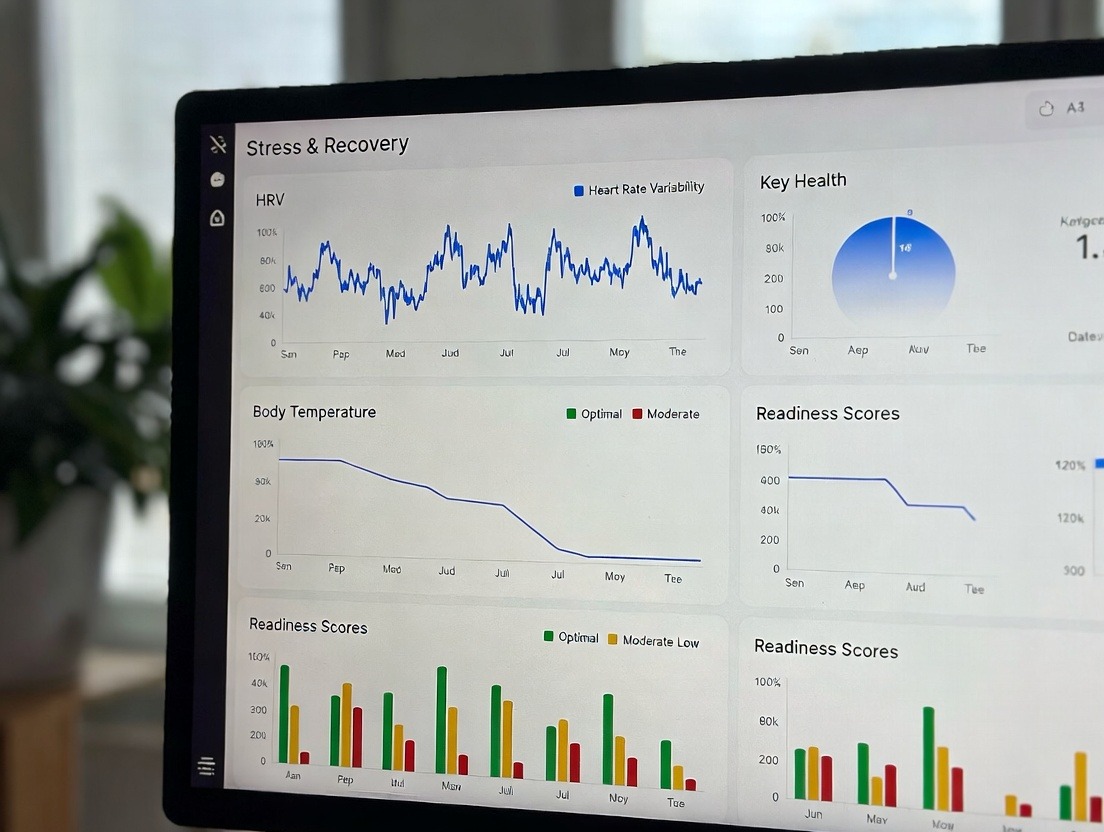
The stereotype of the lone genius toiling in isolation is largely a myth. Modern high performance is intensely collaborative. However, high performers don’t collaborate chaotically. They engage in social synchronization—intentional, rhythmic patterns of interaction designed to amplify collective intelligence while protecting individual focus time. Their social habits are engineered for maximum leverage and minimum drain.
The "Office Hours" Model for Interaction
Instead of being perpetually available on Slack or for impromptu meetings, many institute a version of "office hours." They block specific, predictable times in their calendar when they are available for unscheduled questions, brainstorming, or mentorship. This contains potential interruptions into a defined window, protecting the deep work sprints that fuel their individual contributions. It trains their team to batch questions and respect focused time.
The Ritual of the Strategic Walk & Talk
As mentioned in NEAT, the walking meeting is a staple. But it’s more than just movement. The side-by-side, non-confrontational posture of walking, combined with the rhythmic activity and change of environment, fosters more open, creative, and less ego-driven conversation than a face-to-face meeting across a table. High performers use this format for one-on-ones, mentoring sessions, and early-stage brainstorming.
The Power of Mastermind & Advisory Rituals
They almost universally participate in some form of curated peer group—a mastermind, an advisory board, or a regular roundtable with other high performers in non-competing fields. These are not networking events. They are structured rituals of vulnerability, accountability, and problem-solving. The pattern is consistent: a check-in, a presentation of a current challenge, and a round of ideation from the group. This provides emotional support, diverse perspectives, and a powerful counter to the isolation that can come with leadership.
Energy-Aware Social Scheduling
High performers are acutely aware of how different social interactions affect their energy currencies. They categorize interactions:
They schedule these interactions strategically. They do not place a high-stakes, energy-negative meeting right before a period of required deep creative work. They might buffer it with a recovery ritual or place it at the end of a day. They also ensure that for every energy-negative interaction, they proactively schedule an energy-positive one to balance the ledger.
Digital Communication Protocols
Within teams they lead or influence, they often help establish communication protocols to reduce collective cognitive drag. For example:
By synchronizing their social interactions in this rhythmic, intentional way, high performers create a social environment that supports, rather than sabotages, their deep work and energy management systems. This social scaffolding is vital for maintaining the psychological safety needed for the next pattern: a radical commitment to continuous, deliberate learning.
In a world of rapid change, the ability to learn and adapt is the ultimate competitive advantage. High performers do not leave learning to chance or occasional conferences. They institutionalize it through a learning rhythm—a recurring, protected time dedicated solely to the acquisition of new knowledge and skills, completely divorced from immediate job demands. This is not about checking industry news; it’s about deep, expansive, and often oblique learning.
The "Learning Day" or "Learning Sprint"
A common pattern is blocking one half-day or full day every month, or one afternoon every week, exclusively for learning. This time is sacred and non-negotiable. During this period, they might:
The goal is conceptual blending—the act of combining ideas from disparate fields to generate novel solutions. Steve Jobs’ calligraphy class famously influenced Apple’s typography and design ethos. This oblique learning creates a broader "idea lattice" in the mind, making original connections more likely.
The Note-Taking and Synthesis Ritual
High performers are not passive consumers of information. They have a system for capture, synthesis, and connection. This might be a digital "second brain" (using tools like Obsidian, Notion, or Roam Research) or a physical commonplace book. The key ritual is the weekly or monthly review where they revisit notes, draw connections between new ideas and current challenges, and distill insights into actionable principles or shareable memos for their team.
Teaching as a Learning Accelerator
They understand the "protégé effect": the best way to learn something is to teach it. Many high performers regularly commit to teaching what they are learning, whether through internal "lunch-and-learns," writing blog posts, mentoring, or speaking at meetups. The act of preparing to explain a concept forces clarity, reveals gaps in understanding, and deeply embeds the knowledge.
Curating the Input Stream
Just as they curate their diet, they ruthlessly curate their information diet. They unsubscribe from noisy newsletters, mute distracting social media voices, and deliberately subscribe to high-signal, low-noise sources. They favor long-form content over hot takes and primary sources over commentary. This ensures their learning time is spent on dense, valuable material, not on the digital equivalent of empty calories.
This commitment to deliberate learning is a direct investment in their mental energy and spiritual energy accounts. It combats intellectual stagnation (a spiritual energy withdrawal) and provides a constant source of novelty and growth (a spiritual energy deposit). It keeps their minds agile and prepared for the inevitable volatility of modern work. To see how this principle of growth applies to understanding your own body, our blog on how age affects deep sleep is a perfect example of applied learning for performance.
This learning mindset is intrinsically linked to how they handle the inevitable: setbacks, stress, and failure. Their approach is not one of stoic endurance, but of tactical resilience.
High performers are not immune to stress, overwhelm, or failure. The difference lies in their proactive approach. They don’t just practice resilience reactively after a crisis; they engage in resilience engineering—building systems and habits beforehand that increase their capacity to withstand and recover from pressure. They treat their psychological resilience like a muscle, trained consistently so it’s strong when needed.
Physiological Foundations of Resilience
The bedrock of psychological resilience is physiological resilience, primarily indicated by Heart Rate Variability (HRV). A higher HRV indicates a healthy, adaptable autonomic nervous system that can switch smoothly between stress (sympathetic) and recovery (parasympathetic) states. A low HRV indicates a system stuck in fight-or-flight, prone to burnout and poor decision-making under pressure.
High performers monitor their HRV trend religiously, using it as a leading indicator. If they see a sustained dip, they don’t wait for a breakdown; they proactively deploy recovery protocols: extra sleep, more nature time, reduced training intensity, or meditation. This is "stress pre-hab."
Cognitive Reappraisal as a Daily Practice
Resilience is not about avoiding negative thoughts; it’s about changing your relationship to them. High performers practice cognitive reappraisal—reframing a stressful event as a challenge rather than a threat. They do this not in the heat of the moment, but as a trained reflex built through daily mindfulness or journaling. For example, "This product launch is incredibly stressful" can be reframed as, "This launch is a demanding challenge that will test and grow our capabilities." This subtle shift reduces the cortisol response and improves performance.
The "Failure Debrief" Ritual
When projects fail or mistakes happen, the natural response is blame, shame, or avoidance. High performers institute a formal, blameless failure debrief. The pattern is consistent:
Stress Inoculation through Voluntary Discomfort
Deliberately seeking manageable doses of stress in controlled environments makes you more resistant to unexpected stress. This is the principle behind cold exposure (ice baths, cold showers), intense physical training, or even public speaking practice. By voluntarily enduring short-term, acute stress, they strengthen their nervous system's ability to regulate itself. The data often shows a trained HRV recovery—the speed at which heart rate returns to baseline after stress—improves with this practice.
The Strategic Support Network
They don’t engineer resilience alone. They have a pre-identified support network—a coach, a therapist, a trusted partner, their mastermind group—whom they can turn to before they are in crisis. Reaching out is scheduled and normalized, not a last resort. This is an emotional energy deposit system that is always online.
By engineering resilience, high performers widen their window of tolerance—the range of stress they can experience without becoming dysfunctional. This allows them to operate effectively in high-stakes environments that would overwhelm others. This engineered stability is the platform that allows for their most visionary work: the practice of strategic reflection and visionary thinking.
The relentless pace of modern work pushes us into a perpetual state of doing. High performers systematically create space for thinking about the doing—and more importantly, thinking about what to do next. They schedule strategic reflection and visionary thinking blocks. These are periods, often quarterly or monthly, dedicated solely to stepping above the day-to-day operations to examine systems, align with long-term vision, and generate new strategic paradigms.
The Quarterly "Zoom-Out" Day
Many high performers block an entire day each quarter for a personal or leadership team retreat. This is a tech-free, meeting-free day dedicated to answering four key questions:
This ritual forces a break from the inertial path and ensures their daily activities are constantly realigned with evolving realities and goals. It’s a system reset.
The "Futuring" Exercise
Within these blocks, they engage in dedicated "futuring." Using techniques like backcasting, they start with a visionary goal 3-5 years out (e.g., "We have revolutionized how our industry handles X") and work backward to identify the milestones needed this year, this quarter, and this month to make it plausible. This reverses the typical incremental planning process and unlocks more ambitious pathways.
The Role of "Idea Capturing" in Real-Time
Visionary thinking doesn’t only happen in scheduled blocks. Insights strike randomly—in the shower, on a walk, during disconnection time. High performers have a frictionless, always-available system to capture these "blinks" of insight (a voice memo app, a small notebook, a designated notes app). They then review these captures during their scheduled reflection blocks, looking for patterns and seeds of bigger ideas.
Environmental Catalysts for Big Thinking
They often change their physical environment for these thinking blocks. They might go to a library, a quiet hotel lobby, a cabin, or a different city. The novelty of the environment stimulates the brain and breaks habitual thought patterns. This is a deliberate application of the "fresh sight" principle.
Integrating Data into Reflection
Their reflection is not purely introspective. They bring data to the table: business metrics, certainly, but also personal biometric data. They might review their sleep, stress, and activity trends from the past quarter and ask: "Was my energy management system supporting my goals? Where did I consistently run on empty? What personal habit change would have the biggest leverage on my performance next quarter?" This creates a powerful feedback loop between their physical state and their strategic output. For example, noticing a correlation between poor sleep cycles and weeks of lowered creativity can be a catalyst for doubling down on their sleep protocol. You can start your own data-informed journey by discovering the Oxyzen smart ring.
This discipline of scheduled, elevated thinking is what prevents them from becoming merely efficient managers of the status quo. It ensures they are also the architects of their future. This high-level cognitive work, however, is entirely dependent on the final, master pattern: the consistent application of all these habits through the lens of self-compassion and sustainable practice.

After exploring the intricate systems of energy, disconnection, learning, and reflection, we arrive at the unifying, master pattern that makes all others possible. High performers understand a paradoxical truth: to achieve extraordinary results, you must abandon the pursuit of heroic, short-term intensity in favor of unwavering consistency in small actions, all fueled by a foundation of self-compassion. This is the anti-burnout formula.
The 1% Rule and the Compound Effect
They are disciples of the compound effect. They do not seek to overhaul their sleep, diet, work, and learning all in one monumental week. They focus on getting 1% better at one small thing, consistently. A 1% improvement in sleep quality, daily learning, or mindful breaks is negligible today. But compounded over a year, it leads to a 37-fold improvement. Their calendars and habit trackers are testaments to this philosophy—not records of perfection, but of persistent direction.
The "Non-Zero Day" Philosophy
Even on bad days—days of travel, sickness, or personal crisis—they aim for a "non-zero day." This means doing the smallest possible version of their key habits. Can’t do a full workout? Do one minute of stretching. Can’t focus for 90 minutes? Focus for 10. Can’t sleep 8 hours? Prioritize the wind-down ritual anyway. This prevents the "what the hell" effect (where one missed day leads to complete abandonment) and maintains the neurological groove of the habit.
Self-Compassion as a Performance Skill
This is the critical differentiator. When they fail to meet their own standards—which they inevitably do—they do not engage in self-flagellation. They practice self-compassion, as defined by researcher Kristin Neff: treating themselves with the same kindness they would offer a struggling friend. They recognize that setbacks are part of being human, not evidence of personal failure.
Data as a Neutral Coach, Not a Judge
This is where their use of technology like the Oxyzen smart ring transcends mere tracking. They learn to view their data not as a report card to be judged, but as a neutral coach providing feedback. A low HRV score isn't a "bad grade"; it's information saying, "Your system is stressed. Consider a lighter day." This objective detachment, combined with self-compassion, allows them to adjust their systems without ego or emotional drama.
The Sustainable Cycle
This creates a virtuous, sustainable cycle:
Consistency in small habits -> Improved energy and focus (data-confirmed) -> Better results and less stress -> Increased self-trust and self-compassion -> Greater resilience to maintain consistency.
This master pattern turns the collection of high-performance habits from a rigid, exhausting regime into a flexible, self-reinforcing lifestyle. It acknowledges that the human behind the performance is not a machine, but a dynamic organism requiring kindness, respect, and intelligent design.
We have journeyed from debunking the hustle myth to understanding the master pattern of compassionate consistency. The surprising daily activity patterns of high performers are not a random collection of life-hacks; they are interconnected components of a personal operating system designed for sustainable excellence.
This first portion of our exploration has laid the foundational framework:
The path forward is not to implement all fifteen at once. It begins with the audit and anchor step. Gather your data. Observe your current patterns without judgment. Then, choose one lever from this framework—perhaps the one that resonates most or addresses your biggest pain point—and design a tiny, two-week experiment.
The goal is not to become a productivity robot. The goal is to become a more intentional, energized, and resilient human being, capable of doing your most meaningful work while living a fulfilling life. This is the true, surprising pattern: high performance, at its best, is simply the art of living well, applied deliberately to your ambitions.
In the next portion of this comprehensive guide, we will dive even deeper. We will explore the advanced applications of these patterns for specific domains like entrepreneurial leadership, creative work, and elite athletic training. We will examine case studies of real individuals (using anonymized data) who have transformed their output using these principles. Finally, we will build a complete implementation toolkit, including templates for designing your own energy audit, crafting your personal operating system charter, and troubleshooting common obstacles. The journey from insight to integration continues.
The foundational patterns we’ve explored are universal principles of human performance. However, when applied to specific domains—entrepreneurship, creative work, and elite athletics—they morph into specialized, high-precision blueprints. A startup CEO, a novelist, and an Olympic swimmer all need deep sleep and strategic recovery, but the expression of these patterns differs dramatically based on the unique cognitive, emotional, and physical demands of their craft.
This section moves from universal theory to applied practice. By examining these domain-specific adaptations, you can extract finer-grained insights to tailor your own operating system. We’ll analyze each domain through the lens of three core pillars: Cognitive Architecture, Emotional & Social Demands, and Recovery Specificity.
The high-performing entrepreneur or CEO operates in a world of radical uncertainty, high-stakes decision fatigue, and relentless context-switching. Their system isn’t just about personal productivity; it’s about maintaining strategic clarity and emotional stability as the keel for an entire organization.
Cognitive Architecture: Managing a "Latticework of Mental Models"
Emotional & Social Demands: The Calm Center of the Storm
Recovery Specificity: Detaching from the "Baby"
The entrepreneurial blueprint is about building personal resilience systems that outpace organizational complexity. The stability of the leader becomes the greatest strategic asset of the venture.
For the novelist, composer, research scientist, or strategic designer, performance is about accessing and shaping ideas from the subconscious. Their patterns are less about managing external volatility and more about orchestrating internal states conducive to insight, flow, and sustained creative output.
Cognitive Architecture: Taming the Two Minds
Emotional & Social Demands: Protecting a Fragile Ecosystem
Recovery Specificity: Filling the Well
The creative blueprint is about curating internal and external environments that lower the barriers between the conscious mind and the subconscious wellspring of ideas.
For the professional athlete, performance is explicitly quantified in time, distance, points, or victories. Their entire life is a single, integrated system aimed at optimizing physical output on a given day. Their adaptation of the patterns is the most rigorous and data-driven, centered on the concept of periodization—the strategic variation of training stress and recovery.
Cognitive Architecture: The Mind as a Performance Tool
Emotional & Social Demands: The Team as Organism
Recovery Specificity: Where the Performance Happens
The Unifying Insight: The Mind-Body Feedback Loop
What elite athletes exemplify most clearly is the closed-loop system. They apply a stressor (training), measure the physiological response (via HRV, sleep data, perceived exertion), and then prescribe the appropriate recovery. This continuous feedback loop, where the body's signals dictate the next action, is the gold standard for any high performer. It turns intuition into data, and guesswork into precision.
These three blueprints demonstrate that the core principles are infinitely adaptable. The entrepreneur manages cognitive and emotional loads, the creative curates internal states, and the athlete orchestrates physical stress and recovery. Your task is to diagnose your own primary domain and begin to customize the universal patterns accordingly.

Having explored advanced applications and real-world transformations, the final step is practical integration. This toolkit provides templates and frameworks to move from understanding to doing. Think of this as your workshop for building and tuning your personal operating system.
Objective: To establish your baseline across the four energy currencies without judgment.
Instructions: For 7 days, track the following. Use a simple notebook or a notes app.
Post-Audit Analysis: After 7 days, look for patterns. Where are the consistent drains? Where are the small wins? This audit identifies your highest-leverage starting point. For a deeper dive into the most common performance lever, consider a dedicated sleep audit using the methods in our sleep tracking 101 guide.
Objective: To create a sustainable, low-friction path for habit change.
Template:
Objective: To align weekly actions with broader patterns and energy management.
When: Sunday evening or Monday morning.
Structure (30 Minutes Total):
Objective: To codify your non-negotiables and designed patterns, creating a reference guide for your ideal state. This is a living document.
Sections to Define:
Even with the best system, you will encounter friction. Here’s a diagnostic guide.
The journey through the surprising daily activity patterns of high performers is not a linear path to a fixed destination. It is the beginning of a practice—the practice of conscious living. It is about moving from being a passenger in your own life, buffeted by external demands and internal reactions, to becoming the designer of your days and the architect of your energy.
The patterns, blueprints, case studies, and tools provided here are not commandments. They are a menu of proven possibilities. Your task is not to implement them all, but to engage in a continuous, compassionate cycle of experimentation:
Observe -> Experiment -> Measure -> Integrate -> Refine.
Start small. Anchor in data. Be kind to yourself when you falter. Remember that the ultimate goal of high performance is not merely external achievement, but a life lived with vitality, purpose, and resilience. It is about having the energy to do what matters with the people who matter.
As you continue to refine your personal operating system, remember that this is an evolving understanding. The field of performance science, sleep research, and biometric monitoring is advancing rapidly. To stay informed on the latest insights into the foundational pillar of recovery, consider subscribing to resources like our blog on sleep and performance science. And if you're ready to begin gathering the objective data that makes this entire journey possible, your entry point is exploring the tools designed for this purpose.
Your Trusted Sleep Advocate (Sleep Foundation — https://www.sleepfoundation.org/)
Discover a digital archive of scholarly articles (NIH — https://www.ncbi.nlm.nih.gov/
39 million citations for biomedical literature (PubMed — https://pubmed.ncbi.nlm.nih.gov/)
experts at Harvard Health Publishing covering a variety of health topics — https://www.health.harvard.edu/blog/)
Every life deserves world class care (Cleveland Clinic -
https://my.clevelandclinic.org/health)
Wearable technology and the future of predictive health monitoring. (MIT Technology Review — https://www.technologyreview.com/)
Dedicated to the well-being of all people and guided by science (World Health Organization — https://www.who.int/news-room/)
Psychological science and knowledge to benefit society and improve lives. (APA — https://www.apa.org/monitor/)
Cutting-edge insights on human longevity and peak performance
(Lifespan Research — https://www.lifespan.io/)
Global authority on exercise physiology, sports performance, and human recovery
(American College of Sports Medicine — https://www.acsm.org/)
Neuroscience-driven guidance for better focus, sleep, and mental clarity
(Stanford Human Performance Lab — https://humanperformance.stanford.edu/)
Evidence-based psychology and mind–body wellness resources
(Mayo Clinic — https://www.mayoclinic.org/healthy-lifestyle/)
Data-backed research on emotional wellbeing, stress biology, and resilience
(American Institute of Stress — https://www.stress.org/)


