


The Activity Level Changes That Come With Aging (Ring Guidance)
Ring guidance on how activity needs change with aging.
Ring guidance on how activity needs change with aging.
%402x.svg)
We often imagine aging as a series of dramatic, visible signposts: a first gray hair, the need for reading glasses, a milestone birthday. But the most profound changes occur silently, in the subtle rewiring of our daily energy, the quiet recalibration of our strength, and the gradual reshaping of what “active” truly means. This isn’t about decline; it’s about evolution. Our body’s blueprint for movement and vitality is being meticulously redrawn decade by decade, and too often, we only notice the changes when we trip over a finished line—a sudden loss of balance, a nagging joint pain, or a bewildering dip in stamina.
For generations, navigating this shift has been a game of guesswork and reaction. We’ve relied on how we “feel,” which can be deceiving, or on annual doctor’s visits that offer a snapshot, not the full movie of our health. This reactive approach leaves us vulnerable to the slow creep of sedentariness, sarcopenia (muscle loss), and metabolic slowdown, which collectively chip away at our independence and zest for life.
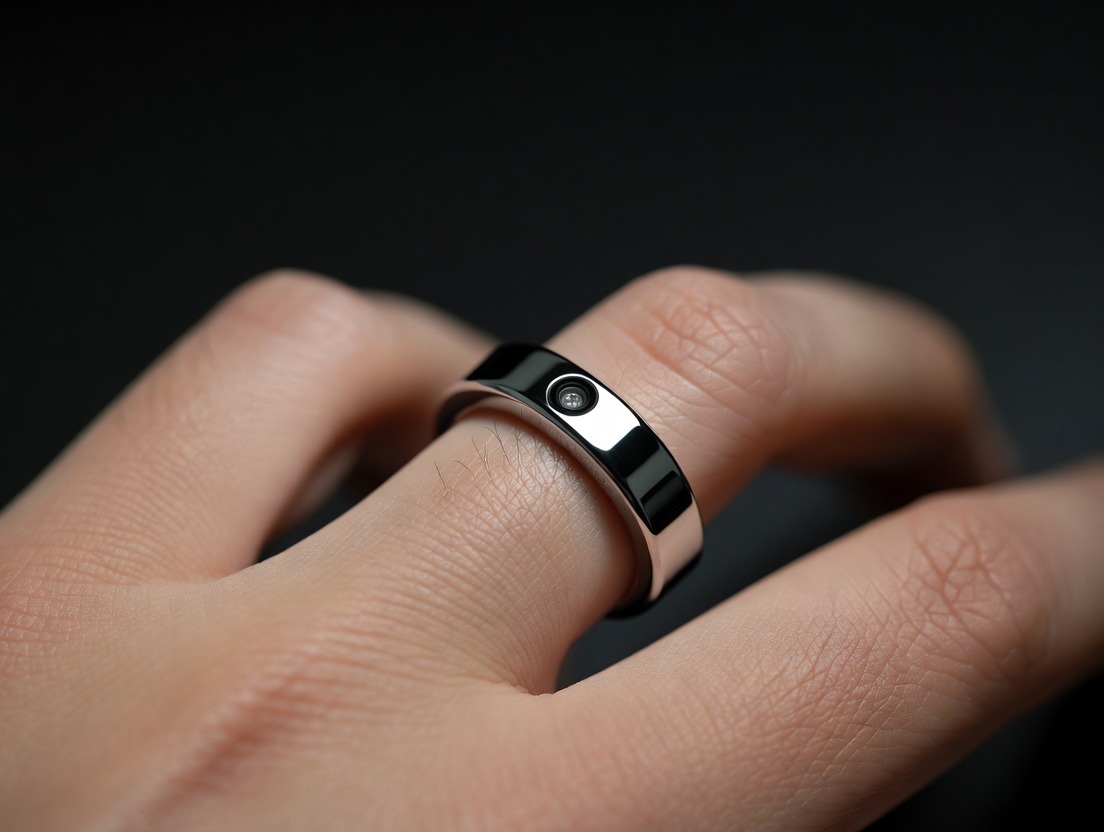
But what if you had a guide? A constant, objective companion that translated your body’s silent language into clear, actionable data? Enter the modern wellness smart ring, a discreet piece of technology worn on your finger that operates as a 24/7 biometrical interpreter. Devices like those pioneered by Oxyzen are revolutionizing personal health by moving us from aging by assumption to aging with intention.
This article is your deep dive into the undeniable activity level changes that accompany aging. We will move beyond generic advice like “just stay active” and into the specific, science-backed physiological shifts happening in your muscles, metabolism, nervous system, and recovery pathways. More importantly, we will map exactly how the continuous, nuanced data from a smart ring—tracking everything from heart rate variability (HRV) and resting heart rate to sleep stages, temperature trends, and active calorie burn—provides the personalized guidance needed to adapt your movement, preserve your function, and thrive.
Consider this not a manual for slowing down, but for smartening up. It’s about learning your new rules so you can play a longer, stronger, more vibrant game.
We enter adulthood with a certain metabolic arrogance. In our 20s, we can often skip workouts, eat with abandon, lose a night’s sleep, and bounce back with seemingly minimal consequence. Our body is a forgiving and resilient machine. But around our third decade, a silent, universal shift begins. Scientists often pinpoint age 30 as the approximate start of a gradual but persistent decline in basal metabolic rate—the number of calories our body burns at complete rest to maintain basic life functions.
This isn’t just about “slowing down.” It’s a complex hormonal and cellular transition. We begin to lose lean muscle mass at a rate of approximately 3-8% per decade after 30, a process that accelerates after age 60. Since muscle tissue is metabolically hungry (it burns more calories at rest than fat), this loss directly lowers our daily energy expenditure. Furthermore, hormonal changes, such as a gradual decline in growth hormone and, later, sex hormones like estrogen and testosterone, further influence how our body partitions energy, builds tissue, and recovers from stress.
The result is a changed “activity set point.” The same daily routine—a commute, housework, a weekly tennis game—that once maintained our weight and fitness now, subtly year over year, leads to a creeping energy surplus (weight gain) and a loss of conditioning. We might feel we’re doing the “same” things, but our body is responding differently. This is the core paradox of aging and activity: maintaining the status quo requires increasingly intelligent effort.
This is where blunt instruments like basic step counters fail us. Taking 10,000 steps is a fine general goal, but it tells you nothing about the quality of your movement, the stress it placed on your system, or how well you recovered from it. A 25-year-old and a 55-year-old can log identical step counts, but the physiological cost and benefit can be worlds apart. The modern smart ring moves us into the era of contextual awareness. By monitoring your readiness (through metrics like HRV and resting heart rate), it can answer the critical question: “Is my planned activity today appropriate for my body’s current state, or do I need to adapt?”
Understanding this fundamental recalibration is the first step in taking back control. It’s not about fighting aging, but about partnering with a new set of biological realities. As we explore in resources like The Science-Backed Healthy Aging Tips That Actually Work in 2025, data is the key to making that partnership successful.
To navigate the changing landscape of aging, you need a detailed map. A smart ring provides this by serving as a window into your autonomic nervous system (ANS) and your body’s systemic response to your lifestyle. Let’s demystify the core biomarkers it tracks and why they are non-negotiable for healthy aging.
Heart Rate Variability (HRV): Your Body’s Conversation with Itself. HRV is the minute variation in time between each heartbeat. It is not about how fast your heart beats, but about the balance in its rhythm. A higher HRV (more variability) generally indicates a robust, adaptable nervous system—your body can easily switch from a stressed “fight-or-flight” (sympathetic) state to a relaxed “rest-and-digest” (parasympathetic) state. As we age, HRV naturally tends to decline, signaling a reduced resilience to stress. A smart ring tracks HRV continuously, especially during sleep, giving you a pure, daily score of your recovery and readiness. A downward trend can warn you of overtraining, poor sleep, illness, or chronic stress long before you feel symptoms, allowing you to pull back and prioritize recovery. For a deeper exploration of this critical metric, see how HRV Monitoring Supports Healthy Aging Goals with Ring Data.
Resting Heart Rate (RHR): The Engine’s Idle Speed. Your RHR is the number of times your heart beats per minute while you are completely at rest. A lower RHR typically indicates a more efficient cardiovascular system. Aging, inactivity, and illness can cause RHR to creep up. A smart ring establishes your personal baseline and alerts you to sustained elevations, which can be an early sign of dehydration, inflammation, or insufficient recovery.
Sleep Architecture: The Foundation of All Renewal. Sleep quality, not just duration, becomes paramount for recovery, hormone regulation, and cognitive function as we age. Smart rings use accelerometers and pulse oximetry to track your sleep stages (light, deep, REM) and disturbances. They can reveal age-related changes like reduced deep sleep or more frequent awakenings. This data is invaluable, as chronic poor sleep accelerates virtually every aging process. Understanding your personal sleep patterns is the first step to improving them, a topic covered in depth in How Sleep Quality Became the Foundation of Healthy Aging.
Body Temperature & Blood Oxygen: Nocturnal trends in skin temperature and blood oxygen saturation (SpO2) provide additional clues. Shifts in temperature rhythm can be linked to hormonal changes, while drops in SpO2 can indicate sleep-disordered breathing, which becomes more common with age and severely impacts recovery and cardiovascular health.
By synthesizing these data points, a smart ring like Oxyzen moves you from asking “How many steps did I get?” to asking the far more powerful questions: “How ready is my body for activity today?” “How well did I recover from yesterday’s stress?” “Is my lifestyle supporting or hindering my resilience?” This is the precision required to adapt your activity intelligently as you age.
If there is one single physical change with the most cascading negative effects, it is the age-related loss of skeletal muscle mass and function, known as sarcopenia. Beginning as early as our 30s, we can lose up to 5% of muscle mass per decade without intervention. After 60, this rate can double. This isn’t just about looking less toned. Muscle is our metabolic reservoir, our glucose disposal system, our joint stabilizer, and our primary source of functional independence.
The consequences of unchecked sarcopenia are severe:
The antidote is not just “moving more,” but moving smarter with a deliberate focus on resistance training. However, the recovery demands of strength training change dramatically with age. Where a 30-year-old might thrive on three intense weightlifting sessions per week, a 60-year-old may need more strategic spacing, lighter loads with higher repetitions, or a greater focus on stability work to allow tendons and joints to adapt.
This is where a smart ring’s guidance becomes irreplaceable. You cannot “feel” your systemic recovery status with perfect accuracy. The ring’s daily readiness score—primarily driven by HRV and sleep data—provides an objective answer to the critical question: “Is my body recovered enough to stress my muscles again today, or would today be better for gentle mobility or rest?”
This prevents the all-too-common cycle of pushing too hard on a fatigued system, leading to injury, prolonged setbacks, and discouragement. It empowers you to time your strength sessions for when your body is most prepared to benefit from them, maximizing anabolism (building) and minimizing catabolism (breaking down). For targeted strategies on preserving this critical tissue, our guide on Healthy Aging Tips to Maintain Muscle Mass After 60 offers a detailed plan.

“My metabolism is broken.” It’s a common lament with aging, often accompanied by frustration over weight gain despite “eating the same as always.” The reality is more nuanced than a simple on/off switch. Our Total Daily Energy Expenditure (TDEE) is composed of:
The aging process directly attacks components #1 and #4. As discussed, BMR falls primarily due to sarcopenia. But NEAT—the unsung hero of metabolism—often declines insidiously. We may subconsciously move less throughout the day: taking the elevator more, parking closer, choosing to sit rather than stand, doing less spontaneous activity. Research suggests this decline in NEAT can be a major contributor to age-related weight gain.
A smart ring reframes this entire energy equation. Instead of focusing solely on the calories burned in a 30-minute workout (EAT), it helps you visualize and boost your all-day metabolic activity. By providing a continuous estimate of your calorie burn, it highlights the power of NEAT. You can see in real time how a 10-minute walk, an hour of gardening, or simply opting for a standing desk increases your energy flux.
Furthermore, by correlating your activity data with your sleep and readiness scores, the ring encourages a holistic balance. It might reveal that an intense, high-calorie-burn workout one day leads to poor sleep and a terrible readiness score the next, effectively nullifying the metabolic benefit by increasing systemic stress and inflammation. The guidance, therefore, shifts toward consistent, sustainable, all-day movement that supports a healthy metabolism without wrecking your recovery—a cornerstone of longevity. Discover more about integrating these principles in 50 Healthy Aging Tips a Smart Ring Helps You Implement Daily.
Remember the 24-hour bounce-back? That era fades. One of the most tangible changes people notice is that it simply takes longer to recover from physical exertion, a late night, or even mental stress. A hard workout might leave muscles sore for three days instead of one. A poor night’s sleep can cloud your thinking for an entire day. This widening “recovery gap” is rooted in several age-related factors:
Trying to ignore this gap is a direct path to overtraining, injury, and burnout. The old mindset of “pushing through” becomes not just unhelpful, but counterproductive.
A smart ring quantifies this gap. It makes the invisible, visible. Your Readiness Score is a direct measure of your recovery status. After a day of heavy physical or mental stress, you will likely see a dip in your HRV, a rise in your RHR, and consequently, a lower readiness score. The ring’s guidance isn’t to never stress your system—stress is essential for growth—but to strategically alternate stress with recovery.
This data empowers you to practice “autoregulation.” Instead of blindly following a rigid Monday-Wednesday-Friday workout schedule, you learn to adapt:
This responsive approach respects your body’s changing recovery needs and is proven to reduce injury risk and improve long-term adherence. It’s a system validated by countless users, whose experiences you can explore in Oxyzen Testimonials.
Aging affects not just our muscles and metabolism, but the very wiring that controls them—our neuromuscular system. Nerve conduction speed can slow, and the communication between the brain, spinal cord, and muscles can become less precise. This manifests as a gradual loss of flexibility, a decline in dynamic balance, and slower reaction times. The starkest consequence is an increased risk of falls, which are a leading cause of injury and loss of independence in older adults.
Traditional activity trackers, obsessed with step counts and cardio, largely ignore this critical domain. But stability and mobility are the foundation upon which all other activity is built. You cannot go for a power walk if you’re unsteady on your feet.
A smart ring contributes to fall prevention indirectly but powerfully through its recovery and sleep data. Fatigue is a massive risk factor for falls. A poor night’s sleep or systemic fatigue (indicated by a low readiness score) directly impairs coordination, judgment, and reaction time. The ring’s first line of defense is advising you to be extra cautious on low-readiness days when your balance systems are not operating at full capacity.
More directly, by making you aware of your daily activity patterns, the ring encourages consistent engagement in the types of movement that combat these declines. You can use it to ensure you’re not sedentary all day, which leads to joint stiffness. You can track how a daily 15-minute yoga or tai chi session—practices proven to improve balance and flexibility—positively impacts your sleep and readiness over time. The ring validates that this “softer” work is not optional; it’s essential infrastructure. For a decade-by-decade look at movement strategies, our article on Healthy Aging Tips: Movement Strategies for Every Decade provides a detailed roadmap.
While hormonal changes occur gradually in both sexes, women experience a more acute and concentrated transition during perimenopause and menopause, typically between ages 45 and 55. The decline in estrogen has a dramatic and multifaceted impact on activity levels and physiology:
For men, the more gradual decline in testosterone (andropause) contributes to reduced muscle mass, increased body fat, lower energy, and decreased motivation.
Navigating these changes with a standard fitness app is like sailing a stormy sea without instruments. A smart ring provides the crucial navigational data. It can:
This takes the journey from emotionally draining guesswork to empowered, data-driven adaptation. Women can find more targeted support in our resource Healthy Aging Tips for Women Navigating Hormonal Changes.
We all know people who seem decades younger than their birth certificate suggests, and vice versa. This difference is captured in the concept of Biological Age—the age of your body’s systems based on physiological markers, as opposed to Chronological Age, which is simply the time since you were born.
Advanced smart ring algorithms are beginning to provide estimates of biological age by analyzing the very biomarkers we’ve discussed: HRV, RHR, sleep quality, and activity levels. These metrics are powerful proxies for the health of your cardiovascular, nervous, and metabolic systems.
The most inspiring aspect of biological age is that it is malleable. While you can’t change your birth date, you can absolutely influence your biological age through lifestyle. This is the ultimate guidance a smart ring offers: a feedback loop on your lifestyle choices. When you see your estimated biological age decrease—or your “Vitality Score” increase—over months of consistent, intelligent training, better sleep, and managed stress, it is the ultimate validation. It proves that the changes you are making are not just cosmetic or temporary; they are reprogramming your body at a systemic level to function like a younger version of itself.
This transforms the aging narrative from one of passive acceptance to active participation. It aligns perfectly with the mission at the heart of Oxyzen’s Story: to provide people with the elegant, unobtrusive technology to not just track time, but to enhance the quality of the time they are given.
Armed with an understanding of the changes and the data to track them, we can now construct a personalized, adaptive movement strategy. This framework rejects rigid, age-based prescriptions in favor of a dynamic, responsive approach guided by your daily biometric feedback.
1. Establish Your Personal Baselines. Wear your ring consistently for at least two weeks during a period of “normal” life (no major travel or illness). This allows the algorithm to learn your unique baselines for HRV, RHR, and sleep. These are your numbers; comparison to others is irrelevant.
2. Let Readiness Dictate Intensity. This is the core principle. Each morning, check your readiness score before planning your activity.
3. Prioritize NEAT (Non-Exercise Activity Thermogenesis). Regardless of your readiness score, aim to break up prolonged sitting and accumulate gentle movement throughout the day. Set a ring alert to vibrate if you’ve been sedentary for an hour. Walk while on phone calls, take the long route, do a 5-minute stretch every hour. The ring’s activity log will show you how these small choices contribute significantly to your daily calorie burn and circulation.
4. Schedule Deliberate Recovery. Treat recovery time as sacred, not as laziness. Use the ring’s sleep data to optimize your sleep environment and routine. Notice how activities like meditation or a warm bath before bed affect your deep sleep percentage. Track how a mid-day walk impacts your stress levels and evening readiness.
5. Periodize for the Long Game. Plan your month with ebbs and flows. After a week of challenging training (which may lower your average readiness), schedule a “de-load” week with significantly reduced volume and intensity. Watch your readiness scores and HRV climb back up, signaling supercompensation—where your body recovers to a level higher than where it started. This is how you get fitter and more resilient without burnout.
This framework turns the smart ring from a passive recorder into an active coaching partner. It provides the objective feedback needed to make intelligent, daily decisions that compound into a lifetime of sustained vitality and function. To see how this approach integrates with other aspects of wellness, explore Healthy Aging Tips for Preserving Independence Longer.

Activity and nutrition are inseparable partners in the aging journey. You cannot out-exercise a poor diet, especially as your metabolism becomes less forgiving. But the classic advice of "eat less, move more" is not just simplistic—it can be dangerously counterproductive for aging adults, as it often leads to loss of precious muscle mass along with fat. The new paradigm is precision nutrition: providing the right nutrients, at the right time, to support your activity goals and recovery needs. A smart ring provides the critical data to move from generic meal plans to personalized fueling strategies.
The primary shift with age is an increased need for high-quality protein to combat sarcopenia. Research suggests older adults need a higher per-meal protein threshold (approximately 30-40 grams) to optimally stimulate muscle protein synthesis (MPS) compared to younger adults. Furthermore, the timing of protein intake relative to activity becomes more crucial.
This is where your ring’s recovery and activity data creates a powerful feedback loop. Consider these scenarios:
Furthermore, by providing an estimate of your active and total calorie burn, the ring helps you align energy intake with energy output in a nuanced way. The goal isn't drastic restriction; it's avoiding the persistent, small energy surplus that leads to "creeping" weight gain. On a highly active day, you’ll see the need for more fuel. On a sedentary recovery day, the data visually reinforces that your needs are lower. This awareness cultivates a more intuitive and responsive relationship with food, anchored in bodily data rather than emotion or rigid rules.
Our activity levels are not dictated solely by our muscles and joints, but by our brain. The "Central Governor" theory in sports science suggests the brain regulates exercise performance to prevent catastrophic bodily harm. As we age, this governor can become more conservative, influenced by past injuries, fear of pain, or simply a heightened perception of effort. This isn't "all in your head" in a dismissive sense—it's a real neurobiological phenomenon that impacts motivation and perceived energy.
Chronic stress plays a villainous role here. It keeps the nervous system in a sympathetic ("fight-or-flight") dominant state, which directly suppresses the drive to be active (why would you go for a walk if your brain thinks you're being chased by a lion?). It also elevates cortisol, which can break down muscle tissue and promote abdominal fat storage.
A smart ring makes this invisible mind-body connection visible and manageable. Heart Rate Variability (HRV) is your direct readout of autonomic nervous system balance. A consistently low or dropping HRV is a quantifiable sign of accumulated stress—be it physical, emotional, or psychological.
Armed with this data, you can use activity as the antidote, but in the right dose:
This breaks the cycle of guilt. Skipping a hard workout for a mindful walk is no longer a "cop-out"; it's a data-driven prescription for restoring your biological balance. Over time, this practice can actually retrain your Central Governor, building confidence that movement is safe and beneficial. For a comprehensive look at managing this critical factor, explore our guide on Healthy Aging Tips for Stress Management and Connection.
The grand goals—"get fit," "lose 30 pounds," "run a marathon"—can be overwhelming and are often unsustainable, leading to the infamous "boom and bust" cycle. The secret to lasting change through the decades lies in micro-habits: small, daily, non-negotiable actions that compound exponentially.
A smart ring is the ultimate micro-habit facilitator. It provides immediate, positive feedback for tiny wins that are invisible to the naked eye. This transforms the vague concept of "healthy aging" into a series of concrete, daily achievements.
Examples of Ring-Validated Micro-Habits:
The ring’s app becomes a journal of these successes. You're not just chasing a distant weight goal; you're collecting daily "proof points" that your choices are making your physiology better. This positive reinforcement loop is psychologically powerful. It builds self-efficacy—the belief that you are in control of your health outcomes. This belief is perhaps the single most important predictor of long-term adherence to a healthy lifestyle. To see a collection of these small, impactful actions, our article on Healthy Aging Tips You Can Start Working On At Any Age is an excellent resource.
Human beings are social creatures, and our biology responds profoundly to connection and community. Isolation and loneliness are not just emotional states; they are significant health risks associated with increased inflammation, poorer sleep, higher blood pressure, and reduced physical activity. Conversely, social engagement is a powerful motivator for movement and a buffer against stress.
A smart ring, while a personal device, can be a catalyst for social connection that supports activity. Many platforms allow for safe, opt-in sharing of general trends or goal achievements with a trusted circle—a partner, a family member, or a close friend. This creates a system of gentle accountability and shared celebration.
Imagine you and a friend both have wellness rings. You're not competing on steps; instead, you're supporting each other's recovery. A text might say: "My ring says I'm in the recovery zone today, so I'm just going for a gentle walk. Want to join me for some easy movement and chat?" Or, "My readiness score is through the roof! Time to hit that strength workout. Good luck with your session tomorrow!" This fosters a community focused on intelligent, sustainable health, not just brute-force effort.
Furthermore, seeing the tangible impact of social activities on your biometrics can be revealing. You might notice that an afternoon spent hiking with friends or playing with grandchildren leads to an excellent sleep score that night. The ring validates that these joyful, connecting activities are potent medicine. It encourages you to prioritize them not as luxuries, but as core components of your wellness strategy. Delve deeper into this critical factor in our dedicated piece on The Social Connection Factor in Healthy Aging.
One of the most valuable roles of continuous biometric monitoring is establishing a deep, personal baseline. This knowledge turns the ring into an early-warning system. While it is not a medical device and cannot diagnose, sustained deviations from your norm can provide the objective impetus to consult a healthcare professional.
Key patterns to watch for and discuss with your doctor:
Bringing this longitudinal data to a doctor transforms the conversation from "I feel tired" to "My biometric data shows my recovery capacity has declined by 30% over the past two months, and here are the graphs." This objective evidence can lead to more targeted testing and faster, more effective interventions. It empowers you to be an informed, proactive partner in your own healthcare. For common questions on how to interpret data and when to act, our FAQ page offers supportive guidance.
The brain is not an island. Its health is inextricably linked to the health of the body. The phrase "what's good for the heart is good for the head" is borne out by voluminous research. Physical activity is one of the most potent non-pharmacological interventions for preserving cognitive function, improving memory, and potentially delaying the onset of neurodegenerative diseases.
The mechanisms are multifaceted: exercise increases blood flow to the brain, stimulates the release of Brain-Derived Neurotrophic Factor (BDNF, a "fertilizer" for brain cells), reduces inflammation, and improves insulin sensitivity—all factors that protect cognitive health.
A smart ring tracks the very activities that forge this brain-body connection. It quantifies the cardiovascular exercise that pumps oxygen-rich blood to your neurons. Perhaps more subtly, it can reveal the impact of coordination-based activities like dance or tai chi, which require complex neural signaling and can be particularly potent for brain plasticity.
By monitoring your sleep, the ring also tracks the critical process of glymphatic clearance—the brain's nightly "power wash" that occurs during deep sleep, flushing out metabolic waste products like beta-amyloid, a protein associated with Alzheimer's disease. Seeing a direct correlation between a day of good activity and a night of deep, restorative sleep provides powerful motivation to maintain the cycle for the sake of your mind as much as your body. For a focused discussion on protecting this vital asset, see our article on Healthy Aging Tips to Protect Cognitive Function.
A truly effective strategy must be both adaptive (day-to-day) and visionary (decade-by-decade). Let’s outline how ring guidance can shape your approach through the ages. This plan isn't about decline, but about strategic pivots to maximize vitality at every stage.
In Your 40s: The Foundation Fortifier.
This is the decade to establish rock-solid baselines and combat early sarcopenia. Use your ring to:
In Your 50s: The Strategic Pivot.
Hormonal shifts for many become central. The ring becomes crucial for navigation.
In Your 60s and Beyond: The Guardian of Independence.
The focus shifts decisively to longevity, functionality, and preservation of quality life.
Throughout all decades, the ring provides the continuity of data, showing you your long-term trends and proving that your intelligent efforts are paying off, allowing you to track your healthy aging progress over time.
The promise of data can be daunting if technology feels like a barrier. The beauty of modern smart rings lies in their simplicity. The goal is not to become a data scientist, but to learn a few key signals.
Start Simple: For the first month, just wear it. Focus on one metric: your sleep score or your morning readiness number. Don't try to change anything; just observe. How does a late meal affect your sleep? How does a stressful day affect your readiness?
Focus on Trends, Not Daily Numbers: A single day's low HRV is meaningless noise. A two-week downward trend is meaningful information. The apps are designed to highlight these trends for you.
Let It Ask Questions, Not Give All Answers: The ring shouldn't tell you what to do. It should prompt you to ask better questions. "Why is my sleep poor after my evening book club?" "Why did my readiness soar after that weekend camping trip?" You use your human wisdom to find the answers.
Integrate, Don't Add: The ring’s guidance should fold into your life, not become another chore. Check your readiness with your morning coffee. Review your sleep when you brush your teeth. The insights should inform choices you're already making.
Ultimately, the technology succeeds when it becomes intuitive—a quiet partner in your journey, celebrating your consistent micro-wins and offering gentle course corrections, much like the philosophy embedded in Oxyzen's approach to wellness.
The narrative around aging and activity is undergoing a profound rewrite. We are moving away from a story of passive, inevitable decline and toward a story of active, intelligent negotiation with our changing biology. The changes are real—in our muscles, our metabolism, our recovery, and our nerves. But they are not a verdict. They are a new set of parameters to work within.
The smart ring, exemplified by technology from Oxyzen, is the tool that makes this negotiation informed and precise. It translates the silent language of our physiology—through HRV, sleep architecture, heart rate, and temperature—into a daily dialogue. It replaces "I feel tired" with "My recovery data suggests I need restorative movement today." It replaces "I'm just getting older" with "My activity strategy needs to adapt to my current recovery capacity."
This first portion of our guide has laid the comprehensive foundation: why our activity set point changes, what biomarkers matter most, and how to use that data to build an adaptive movement strategy, fuel it correctly, and support it with stress management and community. We've seen how this approach protects not just our muscles, but our minds, our independence, and our joy.
The journey continues. In the next portion, we will dive even deeper into the practical application: building your first ring-guided weekly plan, navigating specific health conditions, exploring advanced recovery techniques, and understanding the future of personalized wellness technology. This is not about adding years to your life, but life to your years—and having the data to prove you're succeeding.
Understanding the theory is one thing; implementing it is another. Let’s translate the principles of adaptive movement into a tangible, one-week blueprint. This is not a rigid prescription, but a flexible template informed by the daily biometric feedback from your smart ring. Remember, the goal is to respond to your body, not follow a calendar blindly.
Day 1 (Monday): Assessment & Baseline Movement
Day 2 (Tuesday): Strength & Power (Conditional)
Day 3 (Wednesday): Active Recovery & System Balance
Day 4 (Thursday): Cardiovascular & Metabolic Efficiency
Day 5 (Friday): Skill, Balance, & Social Connection
Day 6 (Saturday): Exploration & Adventure
Day 7 (Sunday): Integration & Restoration
This blueprint exemplifies the dynamic interplay between planned structure and adaptive response. The ring is the compass that ensures you’re always heading toward recovery and improvement, not burnout. For more daily implementation ideas, the compilation at 50 Healthy Aging Tips a Smart Ring Helps You Implement Daily is a perfect companion.

While a smart ring is not a medical device, its data can provide invaluable insights for individuals managing common age-related conditions, enabling more informed conversations with healthcare providers and more personalized daily management.
1. Hypertension (High Blood Pressure):
2. Osteoarthritis & Joint Pain:
3. Type 2 Diabetes & Insulin Resistance:
4. Anxiety & Mood Disorders:
In all cases, this data empowers you. Walking into a doctor’s appointment with a graph showing how a new walking routine improved your sleep architecture and lowered your average RHR provides concrete evidence of your progress and can guide more collaborative treatment planning.
Beyond simply tracking, advanced users can leverage ring data for targeted recovery interventions.
Sleep Optimization Protocol:
Hydration Tracking (Indirectly):
Chronic mild dehydration elevates resting heart rate and can reduce HRV. By monitoring your morning RHR, you can see the effects of hydration habits. Try this experiment:
Temperature Trends & Illness Prevention:
Many smart rings track nocturnal skin temperature. A sustained elevation (even 0.5-1°C above your personal baseline) over several nights can be one of the earliest signs of oncoming illness, overtraining, or, for women, ovulation. When you see this trend paired with a lower HRV and higher RHR, it’s a strong biological signal to:
The Future is Personalized: How Smart Ring Data is Pioneering Predictive Health
We are on the cusp of a revolution where continuous biometric monitoring shifts from descriptive (telling you what happened) to predictive and prescriptive. The future of devices like the Oxyzen ring lies in sophisticated AI that analyzes your unique data patterns.
Predictive Insights:
Algorithms will learn your personal patterns so well that they can predict a downturn in recovery before you feel it. A notification might say: “Based on your elevated nighttime temperature and declining HRV trend, your risk for a upper respiratory infection is elevated. Consider a recovery-focused day.” Or, “Your data suggests you are optimally recovered for a personal best effort in your workout today.”
Personalized Prescriptions:
Beyond just a readiness score, future systems may offer gentle suggestions: “Your data shows you respond best to strength training when your HRV is above [your personal threshold]. The optimal window this week looks like Tuesday and Friday.” Or, “Your sleep is consistently disrupted after late dinners. Try finishing your last meal 30 minutes earlier this week.”
Integrated Health Ecosystems:
The true power will be in secure, user-controlled data sharing with your healthcare team. Imagine your physical therapist seeing your activity and recovery trends between appointments, or your cardiologist reviewing your long-term HRV and RHR trends alongside your bloodwork. This creates a continuous care loop, making preventative, personalized medicine a reality.
This future aligns with a proactive, rather than reactive, model of aging. It’s about having a digital ally that helps you not just live longer, but live better, with more energy and independence. To understand the vision driving this technology, one can look to the core principles outlined in Oxyzen’s Story.
The implications of widespread smart ring adoption extend far beyond individual wellness. As more people become literate in their own biomarkers—understanding HRV, sleep stages, and recovery—we cultivate a more health-literate society.
Reduced Healthcare Burden: A population that proactively manages health through lifestyle, guided by their own data, could significantly reduce the incidence and progression of chronic diseases like type 2 diabetes, hypertension, and heart disease. This shifts the focus and cost from sick-care to true healthcare.
Improved Workplace Wellness: Companies that integrate respectful, opt-in biometric awareness programs can reduce burnout, improve employee resilience, and boost productivity by encouraging sustainable work habits aligned with human biology, not just output quotas.
A New Cultural Conversation About Aging: When millions have data proving that strength, vitality, and resilience can be maintained and even rebuilt later in life, it dismantles the damaging narrative of inevitable decline. It fosters a culture that expects and supports active, engaged living at every age.
The smart ring, therefore, is more than a gadget. It’s an educational tool, a preventative health device, and a catalyst for a broader cultural shift toward aging with agency, intelligence, and grace. It empowers you to write the next chapter of your health story with intention, supported by the unerring truth of your own body’s data.
Final Integration: Your Action Plan to Begin The Data-Guided Journey
Step 1: Acquire Your Guide.
Invest in a reputable wellness smart ring. Consider factors like sensor accuracy, battery life, app intuitiveness, and the philosophical approach of the company behind it. Your ring will be your constant companion, so choose one whose design and mission you align with. The Oxyzen Smart Ring is engineered for this precise purpose: to be an elegant, unobtrusive source of truthful biometric guidance.
Step 2: Observe Without Judgment.
Wear it consistently for 2-3 weeks. Go about your normal life. Do not try to “game” the scores. Let the device learn you. Explore the app. Look at your weekly reports. This establishes your sacred baseline—the truth of your current physiology.
Step 3: Implement One Micro-Change.
Based on your initial data, choose ONE area to improve.
Step 4: Measure the Impact.
After 2 weeks of your one change, review your data. Did your average sleep score improve? Did your Monday readiness climb? Did your resting heart rate trend down? This positive feedback is your fuel. It proves you can change your biology.
Step 5: Iterate and Expand.
Add another micro-habit. Perhaps now focus on post-workout protein, or a 5-minute morning meditation. Use your ring to see how it affects your HRV trend. Slowly, you build a personalized lifestyle architecture that your data validates is working.
Step 6: Embrace the Journey.
Some days your readiness will be low despite doing “everything right.” That’s life. The ring teaches self-compassion. It shows you that health is not a straight line upward, but a winding path of stress, adaptation, and growth. The ring ensures you don’t get lost on that path.
You are now equipped not just with information, but with a methodology. You understand the silent shifts of aging, and you possess the framework to meet them with informed, precise, and graceful adaptation. The goal is no longer to defy aging, but to redefine it—to create a new normal where your later decades are characterized by strength, balance, resilience, and enduring vitality, all guided by the subtle, powerful language of your own body.
This concludes the full, in-depth exploration. You have the map and the compass. The journey is yours to begin.
Your Trusted Sleep Advocate (Sleep Foundation — https://www.sleepfoundation.org/)
Discover a digital archive of scholarly articles (NIH — https://www.ncbi.nlm.nih.gov/
39 million citations for biomedical literature (PubMed — https://pubmed.ncbi.nlm.nih.gov/)
experts at Harvard Health Publishing covering a variety of health topics — https://www.health.harvard.edu/blog/)
Every life deserves world class care (Cleveland Clinic -
https://my.clevelandclinic.org/health)
Wearable technology and the future of predictive health monitoring. (MIT Technology Review — https://www.technologyreview.com/)
Dedicated to the well-being of all people and guided by science (World Health Organization — https://www.who.int/news-room/)
Psychological science and knowledge to benefit society and improve lives. (APA — https://www.apa.org/monitor/)
Cutting-edge insights on human longevity and peak performance
(Lifespan Research — https://www.lifespan.io/)
Global authority on exercise physiology, sports performance, and human recovery
(American College of Sports Medicine — https://www.acsm.org/)
Neuroscience-driven guidance for better focus, sleep, and mental clarity
(Stanford Human Performance Lab — https://humanperformance.stanford.edu/)
Evidence-based psychology and mind–body wellness resources
(Mayo Clinic — https://www.mayoclinic.org/healthy-lifestyle/)
Data-backed research on emotional wellbeing, stress biology, and resilience
(American Institute of Stress — https://www.stress.org/)


