


Activity Level Optimization: The Performance-Recovery Balance
Finding the balance between performance and recovery.
Finding the balance between performance and recovery.
%402x.svg)
In the relentless pursuit of better—a faster mile, a heavier lift, a leaner physique, a sharper mind—we have glorified the grind. Our culture celebrates the 5 a.m. workouts, the “no days off” mentality, and the hustle that borders on self-flagellation. We track steps, active minutes, and calories burned with religious fervor, turning our bodies into perpetual motion machines. But what if the ultimate secret to peak performance, sustainable health, and lasting vitality isn’t about moving more, but about moving intelligently? What if the missing piece in our modern wellness puzzle isn’t activity, but its sacred counterpart: recovery?
Welcome to the frontier of personalized well-being: Activity Level Optimization. This is not another fitness fad. It is a fundamental paradigm shift from blindly chasing metrics to strategically balancing two interdependent forces: performance and recovery. It’s the understanding that every bout of exertion creates a debt that must be repaid through quality rest, and that true progress is forged not in the gym, but in the space between workouts.
For decades, we’ve flown blind. We’ve pushed through fatigue, ignored niggling pains, and wondered why we hit plateaus or succumbed to burnout and injury. We lacked the crucial, real-time biofeedback from our own bodies to answer the daily question: "Am I doing too much, or not enough?"
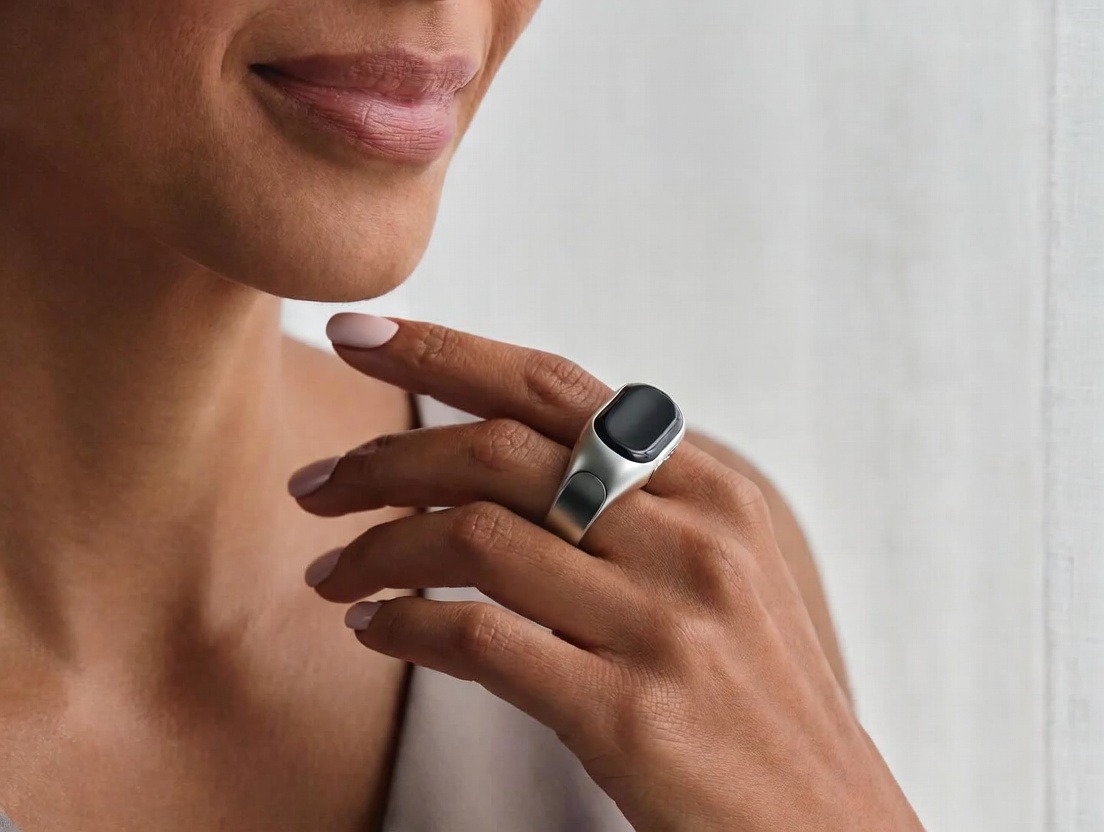
Today, that blindness is ending. The rise of personal biometric technology, particularly the discreet power of the smart ring, is illuminating the intimate dialogue between stress and rest. By continuously monitoring key indicators like Heart Rate Variability (HRV), resting heart rate, sleep architecture, and body temperature, these devices translate our body’s whispers into actionable data. They help us distinguish between productive fatigue and destructive overreach, guiding us to optimize not just our activity levels, but our very capacity for life.
This article is your deep dive into mastering the performance-recovery balance. We will dismantle outdated “more is better” dogma and build a new framework for sustainable achievement. From the cellular science of adaptation to the practical art of daily decision-making, we will explore how to harmonize exertion and rest to unlock your fullest potential. Whether you’re an elite athlete, a weekend warrior, or someone simply seeking more vibrant energy for daily life, the principles of Activity Level Optimization are your roadmap. It’s time to stop grinding and start thriving.
We live in an era of unprecedented access to fitness information, boutique studios, and high-tech equipment. Yet, rates of overtraining, repetitive stress injuries, and workout burnout have soared in parallel. This is the modern performance paradox: in our zeal to optimize, we’ve inadvertently perfected the art of self-sabotage. The “go hard or go home” ethos, amplified by social media, has created a generation afraid of rest, equating it with laziness or lost gains.
The root of this paradox lies in a fundamental misunderstanding of how the human body adapts and improves. Physical activity—be it resistance training, cardio, or even a physically demanding job—is a stressor. It breaks down tissue, depletes energy stores, and disrupts homeostasis. This is a necessary, positive stimulus. However, the actual improvement—the stronger muscles, more efficient cardiovascular system, and resilience—does not occur during the stress itself. It happens during the recovery period that follows, as the body repairs, rebuilds, and supercompensates, preparing for a higher level of demand.
When we chronically short-circuit recovery by stacking intense activity on top of inadequate sleep, poor nutrition, and high life stress, we never complete the adaptation cycle. We remain in a perpetual state of breakdown. The initial signs are subtle: workouts feel harder, motivation wanes, you’re more irritable, or you catch every cold going around. Ignored, this escalates to plateaus in performance, persistent soreness, hormonal dysregulation, disrupted sleep, and eventually, full-blown overtraining syndrome, which can take months or even years to fully recover from.
This paradox is further exacerbated by generic activity guidelines. The classic “10,000 steps” or “150 minutes of moderate activity per week” are population-level recommendations, valuable for public health but useless for individual optimization. They don’t account for your unique starting point, your current stress load, your sleep quality last night, or your genetic predispositions. Following them dogmatically can lead a highly stressed executive straight into burnout, while leaving a naturally robust individual under-stimulated.
The solution is to move from a volume-centric model to a readiness-centric model. Instead of asking, “Did I hit my target minutes today?” we must learn to ask, “What is my body ready for today?” Answering this question requires moving beyond guesswork and into the realm of quantified self-awareness. This is where personal biometrics become not just informative, but transformative. By providing an objective window into your nervous system’s state, a tool like the Oxyzen smart ring shifts the paradigm from pushing limits to understanding them, a concept we explore in depth on our blog dedicated to science-backed wellness strategies.
The performance paradox teaches us a humbling lesson: true strength is demonstrated not only in our capacity for work but in our respect for rest. The path to higher performance isn’t a straight line upward; it’s a wave, with peaks of exertion and troughs of recovery. Mastering the rhythm of that wave is the essence of Activity Level Optimization.
If your body could send you a daily, personalized report on its readiness to perform, what would it say? For centuries, we’ve relied on subjective feelings—grogginess, muscle soreness, general “blah”—which are easily ignored or misinterpreted. Today, advanced biometric sensors allow us to read that report in precise detail. At the heart of this revolution are three core biomarkers: Heart Rate Variability (HRV), sleep quality, and resting heart rate. Together, they form the trinity of recovery metrics, offering an unparalleled view of your autonomic nervous system (ANS) balance.
Heart Rate Variability (HRV): The Gold Standard of Recovery
Contrary to popular belief, a healthy heart does not beat with the metronomic regularity of a drum machine. The time interval between heartbeats fluctuates slightly, measured in milliseconds. This fluctuation is your Heart Rate Variability. A higher HRV (greater variability) generally indicates a robust, resilient ANS with strong parasympathetic (“rest-and-digest”) tone. Your body is relaxed, recovered, and ready to handle stress. A lower HRV (more regular beats) suggests dominant sympathetic (“fight-or-flight”) activity, meaning your body is under stress, fatigued, or potentially fighting illness.
Think of HRV as your body’s “readiness to perform” score. It’s profoundly personal—your baseline is unique to you—and it’s exquisitely sensitive. A strenuous workout, a poor night’s sleep, an emotional argument, or even a heavy meal can cause a temporary dip. The power of daily HRV tracking, especially upon waking, is in observing the trend. A sustained downward trend is a clear, objective red flag from your body saying, “Ease up. I need more recovery.” Conversely, a rising or stable high HRV is a green light for productive training. This objective data cuts through the noise of ambition and allows for truly responsive training programming.
Sleep: The Non-Negotiable Foundation
Sleep is not passive downtime; it is an intensely active period of biological restoration. It is when human growth hormone is released for tissue repair, memories are consolidated, the brain’s glymphatic system clears metabolic waste, and the immune system recharges. Tracking mere duration is a primitive metric. Optimization requires assessing quality: the architecture of sleep stages (light, deep, and REM), sleep latency (how quickly you fall asleep), awakenings, and overall consistency.
A device that tracks sleep stages can reveal if you’re getting sufficient deep sleep for physical repair or REM sleep for cognitive and emotional recovery. Waking up exhausted after 8 hours in bed points to a quality issue, not a quantity issue. Furthermore, sleep is the ultimate mirror of your daily activity balance. Overtraining and excessive stress consistently manifest as disrupted sleep—trouble falling asleep, frequent awakenings, or insufficient deep sleep. Thus, sleep data doesn’t just inform recovery; it provides a direct feedback loop on whether your previous day’s activity level was appropriate. For a foundational look at this critical relationship, explore our article on how sleep quality became the foundation of healthy aging.
Resting Heart Rate (RHR) and Body Temperature: Supporting Indicators
Your resting heart rate, taken first thing in the morning, is another classic marker of recovery and fitness. A well-rested, aerobically fit body typically has a lower RHR, as the heart muscle is stronger and more efficient. A sudden, unexplained elevation in morning RHR (by 5-7 beats per minute or more) is often an early sign of under-recovery, impending illness, or dehydration.
Similarly, continuous wrist or finger-based temperature tracking (particularly for women) can reveal circadian rhythm patterns and subtle shifts that may indicate physiological stress, the onset of illness, or hormonal cycle phases. When viewed alongside HRV and sleep, these metrics create a multi-dimensional picture of your body’s internal state.
The magic of a comprehensive wellness ring is its ability to synthesize these data points into a simple, actionable daily readiness score or report. It translates complex physiology into a clear message: “Today, prioritize recovery,” or “Your body is primed for a challenging session.” This is the cornerstone of moving from guesswork to guided, intelligent action in your pursuit of optimal performance and health. To see how this data translates into long-term wellness, consider reading about how a smart ring tracks healthy aging progress over time.
Understanding the performance-recovery balance requires diving into one of the most fundamental principles of exercise physiology and biology: the theory of supercompensation. This model elegantly explains how all adaptive growth—physical, cognitive, and even emotional—occurs. It is the biological blueprint for progress.
The supercompensation cycle consists of four distinct phases:
The critical insight here is that growth happens exclusively in Phase 3, which is entirely dependent on the quality of Phase 2. If you apply a new training stimulus too early—while still in the fatigue valley—you interrupt recovery, deepen the fatigue, and prevent supercompensation. This leads to stagnation or decline (overtraining). If you wait too long, you miss the window and lose the potential gains.
The Personalized Timing Problem: The million-dollar question has always been, “How long is my unique recovery phase?” Traditional training plans use guesswork—48 hours for this muscle group, 72 hours for that system. But these are rough estimates. Your personal recovery rate on any given day is influenced by a constellation of factors: the intensity of your workout, your sleep the night before and after, your nutritional intake, your psychological stress, and even your immune system’s activity.
This is where live biometric data becomes the ultimate tool for hacking the supercompensation cycle. Instead of blindly following a calendar-based plan, you can let your body’s signals dictate the timing. A high readiness score indicates you are likely at or near the peak of your supercompensation curve—the perfect time for a challenging session to stimulate new adaptation. A low readiness score signals you are still in the recovery valley, making a light, restorative activity or complete rest the optimal choice to foster growth.
By aligning your activity with your physiological readiness, you ensure you are consistently “striking while the iron is hot,” applying stress when your body is most prepared to adapt positively to it. This data-informed approach transforms training from a repetitive grind into a dynamic conversation with your biology, maximizing the return on every ounce of effort you expend. It turns the abstract theory of supercompensation into a daily, practical strategy for sustainable growth.
When we think of “activity” and “stress” in the context of performance, our minds jump immediately to the gym: the heavy squats, the interval sprints, the long runs. This is a critical but myopic view. To truly optimize your activity level, you must account for your Total Daily Stress Load (TDSL). This is the sum of all physiological and psychological demands placed on your nervous system in a 24-hour period. Ignoring non-exercise stressors is like meticulously balancing your workout budget while ignoring a massive credit card debt—it guarantees systemic overload.
Your TDSL is comprised of several key buckets:
The crucial concept is stress non-specificity. To your autonomic nervous system, stress is stress. A brutal workout, a panic-inducing work presentation, and a sleepless night with a sick child all elicit a similar cascade of cortisol and sympathetic nervous system activation. They all draw from the same recovery “bank account.”
This is why you can have a “perfect” training week completely derailed by a high-stress work project or family conflict. You may follow your workout plan to the letter, but if your TDSL is overflowing from other sources, you lack the recovery resources to adapt to the exercise stress. You end up in a deficit, leading to the classic feeling of being “tired but wired” and ultimately, burnout.
The Role of Biometric Monitoring: A holistic wellness tracker is indispensable for managing your TDSL. It doesn’t distinguish between the sources of stress; it simply measures the net effect on your nervous system. Here’s how it changes the game:
By tracking your body’s response to your entire life, not just your workouts, you graduate from being a fitness enthusiast to a holistic stress manager. You learn to see your capacity as a finite, fluctuating resource and make daily decisions—about work, social commitments, and exercise—that keep you within your sustainable zone. This comprehensive approach to stress is vital for long-term vitality, a theme we often explore in resources like our guide on healthy aging tips for stress management and connection. For those navigating specific life stages, understanding this total load is especially critical, as discussed in our article on healthy aging tips for women navigating hormonal changes.
Mastering your TDSL is the art of energy economy. It ensures that your precious recovery capacity is allocated effectively, allowing you to not just survive your busy life, but to thrive within it, with enough in reserve to pursue ambitious goals without self-destruction.
In a culture obsessed with constant progress, the idea of intentionally reducing effort can feel counterintuitive, even heretical. Yet, the deliberate incorporation of rest periods—known as deloading—is not a sign of weakness; it is the hallmark of a sophisticated, long-term strategy. A deload is a planned period of reduced training volume, intensity, or frequency, designed to facilitate deep recovery, dissipate cumulative fatigue, and pave the way for a new phase of supercompensation. Think of it as a strategic retreat to consolidate gains before the next advance.
Without deloads, the minor fatigue from individual workouts accumulates into a systemic state of chronic fatigue. This manifests as the plateau: you keep working just as hard, but stop seeing improvements. Worse, injury risk escalates. A deload interrupts this downward spiral, resensitizing your body to the training stimulus and refreshing your mental drive.
From Prescriptive to Responsive Deloading: Traditional deloads are calendar-based—e.g., one easy week every fourth week. This is better than nothing, but it’s suboptimal because it assumes your fatigue accumulates at a predictable, linear rate. Life doesn’t work that way. A responsive, biofeedback-guided approach is far more powerful.
This is where continuous biometric monitoring shines. Instead of deloading on a arbitrary schedule, you deload when your body shows it needs one. The signs are clear in your data:
When these signals align, it’s time for a proactive deload. This is a perfect example of Activity Level Optimization in action: using data to strategically reduce activity in order to increase future performance capacity.
How to Execute a Modern, Responsive Deload:
A deload is not a week on the couch. It’s active recovery focused on movement quality, mobility, and enjoyment without systemic strain.
The outcome of a well-executed, responsive deload is profound. You return to your normal training feeling physically refreshed, mentally hungry, and physiologically primed. Strength often pops, paces feel easier, and motivation returns. The data will typically show a strong rebound in HRV and sleep quality, confirming the biochemical reset.
By embracing the art of the deload, you reject the short-sighted boom-and-bust cycle. You adopt the mindset of the marathoner, not the sprinter, understanding that sustainable, decade-long progress is built on a foundation of strategic rest. This principle of preservation and strategic recovery is a cornerstone of maintaining capability at any age, as highlighted in our piece on healthy aging tips to preserve independence longer.
While we meticulously plan our workouts, we often overlook the most variable component of our daily energy expenditure: Non-Exercise Activity Thermogenesis (NEAT). This encompasses all the calories you burn through everything that is not sleeping, eating, or sports-like exercise. It includes walking, standing, fidgeting, typing, gardening, and household chores. For the average person, NEAT can account for 15% to 50% of total daily calorie burn, and it is the body’s primary lever for maintaining energy balance.
In the context of Activity Level Optimization, NEAT plays a dual and seemingly paradoxical role: it is both a critical tool for enhancing daily metabolic health and a factor that must be managed to avoid impeding recovery.
NEAT as a Health Optimizer:
High, consistent NEAT is strongly correlated with improved metabolic markers, better cardiovascular health, healthier body composition, and reduced all-cause mortality. It acts as a constant, low-grade stimulus for circulation, joint health, and metabolic flexibility. It helps clear postprandial (after-meal) blood glucose, reduces the negative impacts of prolonged sitting, and promotes lymphatic drainage. For days when formal exercise isn’t scheduled or when your readiness score calls for low-intensity activity, prioritizing NEAT is one of the most potent health interventions available. A simple goal of 8,000-10,000 steps per day, achieved through walking meetings, parking farther away, or post-dinner strolls, can yield remarkable benefits.
NEAT as a Recovery Consideration:
However, NEAT must be factored into your Total Daily Stress Load. On days with brutally hard training sessions, your body’s priority is repairing the specific damage from that workout. If you then proceed to walk 20,000 steps running errands or stand for 8 hours at work, you are adding a significant, global metabolic stress that competes for recovery resources. This is a common pitfall for active individuals who also have physically demanding jobs or lifestyles—they can’t understand why they’re not recovering despite “only” working out 4 times a week.
The Optimization Strategy:
The key is to view NEAT as a dynamic variable to be adjusted, not a constant.
Tracking your activity with a device provides invaluable insight here. It helps you quantify what “high” and “low” NEAT actually mean for you. You might discover that your “easy” day at the office still involves 7,000 steps and 12 hours of standing, which is a substantial load to recover from. This awareness allows you to make compensatory choices.
By intelligently modulating your NEAT in harmony with your formal training and life stress, you stop burning the candle at both ends. You learn to channel your movement energy where it is most beneficial, using NEAT to support your health without sabotaging your recovery. This nuanced approach to daily movement is a key component of a sustainable, lifelong fitness strategy, aligning with movement strategies discussed for every decade of life.
In the world of elite athletics, training is never random. It follows a structured, long-term plan called periodization—the systematic division of a training program into distinct, progressive phases (macrocycles, mesocycles, microcycles) to peak performance for a key competition while minimizing injury risk and burnout. The athlete’s year is a carefully orchestrated wave of building volume, intensifying effort, tapering, competing, and recovering.
What if we applied this same intelligent, cyclical framework not just to our fitness, but to our entire life and holistic wellness? This is “Periodization for Life”—a philosophy that recognizes our capacity for stress and achievement is not static, but seasonal. It encourages us to move in harmony with natural cycles (daily, weekly, seasonal, even life-stage) rather than fighting against them with a rigid, linear grind.
The Cycles of Life and Stress:
The Role of Technology in Life Periodization:
A smart wellness device is the perfect tool for implementing this philosophy. It provides the feedback loop to know which phase you’re actually in, regardless of your calendar.
Adopting a periodized life mindset liberates you from the tyranny of constant, unchanging effort. It gives you permission to have focused, ambitious seasons and equally important seasons of rest, exploration, and integration. It turns the relentless pursuit of fitness into a rhythmic dance with your own nature, where progress is measured not in weeks, but in years and decades of sustained health and vitality. This long-view approach is central to our philosophy at Oxyzen, where we believe technology should support your life’s rhythms, not disrupt them.
We’ve explored how physical stress impacts recovery metrics. But the relationship is a two-way street: your psychological state is not just a component of your Total Daily Stress Load; it actively modulates your body’s physiological response to everything else. Your mind directly writes to your body’s biochemistry. Anxiety, dread, and negative self-talk can suppress HRV and impair sleep just as effectively as a hard workout. Conversely, calm, optimism, and a sense of purpose can elevate your physiological resilience, creating a “green light” internal environment even amid external chaos.
This creates a powerful—or perilous—feedback loop:
The Critical Role of Perceived Effort:
Rating of Perceived Exertion (RPE) is a subjective measure of how hard an activity feels. The fascinating discovery from biometrics is that RPE often correlates more strongly with physiological stress markers (like HRV dip post-workout) than the absolute workload itself. Two people can run the same 5K at the same pace, but for the anxious, overworked individual, it may feel like a 9/10 and cause a massive HRV crash, while for the relaxed, recovered individual, it feels like a 6/10 and causes only a mild, adaptive dip.
This means your mindset going into a workout is a performance variable you can control. Techniques that improve psychological readiness directly improve physiological outcomes:
Biometric Data as an Objective Mind-Body Bridge:
This is where tracking provides a profound psychological benefit: objectivity. On days when you feel lazy or unmotivated, but your readiness score is high, the data can give you the “permission” and confidence to engage in a productive session, often breaking a negative mood cycle through movement. Conversely, on days when you feel “pumped” to go hard, but your data shows clear recovery deficits, it provides a crucial reality check to pull back, preventing a foolish act of ego that could set you back for days.
The data acts as a non-judgmental coach, separating the sometimes-deceptive voice of your mood from the truthful signals of your body. By respecting this data, you train not just your body, but your mind’s ability to listen, respond, and cultivate the inner environment that maximizes your physical potential. This integration of mental and physical well-being is a key aspect of comprehensive health, closely related to the importance of protecting cognitive function and nurturing social connection as we age.

We are not just what we eat; we are what we absorb, metabolize, and utilize in response to our activity. Nutrition is the raw material for repair and the fuel for performance, making it a primary lever in the performance-recovery equation. However, moving beyond generic “clean eating” advice to a truly personalized nutrition strategy requires understanding how specific dietary choices directly converse with your biometric feedback. Your HRV, sleep data, and resting heart rate become a real-time report card on your nutritional habits.
The Post-Exercise Window: Beyond Simple Carbs and Protein
The classic advice to consume protein and carbohydrates after a workout is sound, but the timing, quality, and quantity can be optimized through awareness. A hard training session creates inflammation, depletes muscle glycogen, and elevates cortisol. The goal of post-exercise nutrition is to switch the body from a catabolic (breaking down) state to an anabolic (building up) state as efficiently as possible.
Chronic Dietary Patterns and Baseline Resilience
Beyond acute post-workout meals, your everyday diet sets your baseline capacity for handling stress.
Practical Application: Using Your Ring as a Nutritional Guide
By viewing your nutrition through the lens of biometric feedback, you move from following external rules to cultivating internal wisdom. Your body’s signals guide you to the foods, portions, and timing that uniquely support your recovery, turning your diet into a precise recovery tool. This data-driven approach to nourishment is a key pillar of our philosophy, which you can explore further in our FAQ or through customer testimonials of those who’ve transformed their health.
In our hyper-connected world, the greatest threats to our recovery often don’t wear workout clothes; they have screens and notifications. The digital environment—encompassing blue light exposure, informational overload, psychological social comparison, and the erosion of boundaries between work and rest—constitutes a pervasive, chronic stressor that directly undermines our physiological readiness. Optimizing activity levels is futile if we are drowning in digital stress.
Blue Light and the Circadian Assault
The most direct biochemical impact comes from blue light emitted by smartphones, tablets, and computers. This light spectrum is a powerful signal to the brain’s suprachiasmatic nucleus (SCN), the body’s master clock. During the day, blue light suppresses melatonin and promotes alertness. At night, exposure tricks the SCN into thinking it’s still daytime, severely disrupting melatonin production.
The consequence in your biometric data is unmistakable: delayed sleep onset, reduced total sleep time, suppression of deep and REM sleep, and a depressed HRV the following morning. Even if you get “8 hours” in bed, the quality is so degraded that physical and cognitive recovery are compromised. This creates a vicious cycle: poor recovery from bad sleep lowers resilience, making you more susceptible to stress the next day, which further disrupts sleep.
The Always-On Culture and Sympathetic Overdrive
Beyond light, the content and context of our digital consumption keep our nervous system in a state of low-grade, chronic sympathetic arousal. The “ping” of a work email after hours, the endless scroll of negative news, and the curated highlight reels on social media all trigger micro-doses of stress hormones like cortisol and adrenaline.
This state of “high alert” is antithetical to recovery. The parasympathetic nervous system—responsible for “rest and digest” functions, including cellular repair, digestion, and immune function—cannot activate fully. This manifests as a suppressed HRV baseline, a higher resting heart rate, and a feeling of being “tired but wired” at bedtime. Your body is exhausted, but your brain is racing. As discussed in our exploration of stress management and connection, this disconnection from true rest is a major modern health challenge.
Social Media and Perceived Stress
The phenomenon of “social comparison” on platforms like Instagram and Facebook is a potent psychological stressor. Seeing others’ perfect workouts, bodies, and achievements can fuel feelings of inadequacy, anxiety, and a compulsive need to “do more.” This perceived stress is real stress to your nervous system. It can lead to impulsive, poorly timed workouts (overtraining) driven by guilt rather than readiness, further digging into a recovery deficit. Your biometric data provides the truth here: chasing someone else’s routine may show up as a string of low-readiness scores and poor sleep, a clear sign the path is wrong for you.
Building a Digital Recovery Protocol:
By taking conscious control of your digital environment, you reclaim your nervous system’s right to rest. You create the necessary space—both physically and mentally—for the supercompensation cycle to complete itself. This allows the benefits of your intelligently planned activity to fully manifest, turning your life into one characterized not by chronic busyness, but by sustainable rhythm and resilience. For more on building a lifestyle that supports, rather than sabotages, long-term health, our blog offers a wealth of related articles and resources.
In the quest for optimization, we often seek complex solutions. Yet, some of the most potent tools for regulating the performance-recovery balance are ancient, free, and accessible to all: deliberate breathing, focused attention, and controlled exposure to environmental extremes. When paired with biometric feedback, these “soft practices” transition from esoteric arts to precise biohacks, allowing you to actively steer your nervous system state in real time.
Heart Rate Variability Biofeedback (HRV-BF): Breathing with Intent
HRV is not just a metric to read; it’s a system to train. HRV Biofeedback involves using a real-time display of your heart rate rhythm (often through an app paired with a sensor) to guide your breathing. The goal is to achieve a smooth, wave-like pattern in your heart rate—a signature of high HRV and strong parasympathetic activity.
The practice is simple: you breathe at your resonant frequency (typically around 5-6 breaths per minute for most adults), which creates a synchrony between your heartbeat, your breathing (respiratory sinus arrhythmia), and your blood pressure waves. Just 10-20 minutes of daily HRV-BF practice has been shown to:
With a device that provides HRV data, you can practice without extra gear. Simply do a 5-minute guided coherent breathing session (inhale for 5 seconds, exhale for 5 seconds) and observe the impact on your immediate post-session HRV or your overnight recovery score. It’s direct, tangible proof of your ability to self-regulate.
Meditation and Mindfulness: Quieting the Noise
While HRV-BF is an active regulation technique, meditation is about non-reactive observation. By training the mind to notice thoughts and sensations without getting swept away by them, you reduce the amplification of stress. The physiological benefits are profound: reduced cortisol, lowered blood pressure, decreased inflammatory markers, and, crucially for recovery, increased HRV and improved sleep.
The biometric link here is motivational. On days when your mind is racing and sitting still feels impossible, seeing a low readiness score can be the nudge you need to commit to just 10 minutes. Conversely, tracking the positive impact of a consistent meditation practice on your sleep depth and morning HRV provides powerful reinforcement to maintain the habit, validating its effectiveness as discussed in our piece on wellness rings validating healthy aging tips.
Deliberate Cold Exposure: A Controlled Stressor to Build Resilience
Cold showers, ice baths, and cold plunges have surged in popularity, and for good reason. Acute cold exposure is a hormetic stressor—a brief, intense challenge that triggers a beneficial adaptive response. The initial shock causes a massive sympathetic surge (the gasp), but the practiced response is a powerful, deliberate activation of the parasympathetic system to regain control.
Consistent practice leads to:
Your smart ring is the perfect tool to dose cold exposure intelligently. A morning cold plunge will cause a temporary HRV dip (the stress response), but should be followed by a strong rebound. If your HRV remains suppressed for the entire day, it may indicate the dose (duration or temperature) was too high for your current recovery state. It also helps you decide when to use it: on a high-readiness morning, it can be an energizing primer. On a low-readiness day, it might be an unnecessary additional stressor to skip.
Integrating the Toolkit: The modern optimizer uses these soft practices not as random acts of wellness, but as targeted interventions. Use breathwork to calm pre-workout nerves or to wind down before bed. Use a short meditation to break a cycle of work stress. Use cold exposure as a Monday morning reset. Let your biometric data guide you on which tool your system needs most, turning recovery from a passive hope into an active, daily practice.

We have journeyed through the science, the stressors, and the supportive practices. Now we arrive at the synthesis: how do you translate this flood of information into a simple, actionable daily decision? You move from being a passive data collector to an active strategist by building your own Personal Activity Algorithm—a dynamic set of rules, informed by your biometrics and self-knowledge, that dictates your movement choices.
This algorithm replaces the rigid, pre-written training plan with a flexible, responsive framework. It acknowledges that you are not a machine with fixed inputs and outputs, but a biological system interacting with a complex world.
Step 1: Establish Your Baselines and Correlations
Before you can respond to data, you need context. Spend 2-4 weeks observing without dramatically changing your routine. Use your wellness ring to establish:
Step 2: Define Your Decision Matrix (The Green, Yellow, Red Light System)
Create a simple, three-tiered system based on your morning readiness score or a composite of HRV, RHR, and sleep.
Step 3: Integrate Life Context
Your algorithm must have an override clause for life. The data is paramount, but it’s not the only factor.
Step 4: Review and Refine
Your Personal Activity Algorithm is a living document. Every month, review your data trends. Are you seeing more Green Light days over time? That’s a sign of increasing resilience. Are you stuck in a Yellow/Red cycle? That indicates a need to reassess your overall stress load or deload. Use the long-term data from your device, like the trends visible on the Oxyzen platform, to see the forest, not just the daily trees.
By adopting this algorithmic thinking, you empower yourself to be your own best coach. You trade the anxiety of “am I doing enough?” for the confidence of “I’m doing what’s right for me today.” This is the pinnacle of Activity Level Optimization—a seamless, intelligent integration of body and mind, data and intuition, effort and ease. It is the practice of thriving on your own terms.
The pursuit of optimization carries an inherent risk: the line between productive adaptation and destructive overload is often invisibly thin. Even with the best data and intentions, life can deliver unexpected stressors, or ambition can momentarily cloud judgment. When the scale tips from sustainable stress into chronic overload, the body enters a state of maladaptation. Recognizing the early biometric signatures of overtraining (OTS) and impending illness—and knowing how to respond—is perhaps the most critical skill in safeguarding long-term progress and health. This is not about failure; it’s about developing the wisdom to navigate the inevitable shadows on the path.
Overtraining Syndrome: The Data-Driven Diagnosis
Overtraining Syndrome is not simply being tired after a hard week. It’s a neuroendocrine disorder characterized by a prolonged performance decrement, persistent fatigue, and mood disturbances, resulting from an imbalance between training/non-training stressors and recovery. For weeks or months, it resists restoration by short-term rest. Historically, diagnosis was subjective and retrospective. Today, biometrics offer objective, early-warning signs that can prevent a full-blown crisis.
The Illness Impending Signal: Your Biometric Early-Detection System
Often, your body knows you’re getting sick before you consciously feel symptoms. The immune system’s activation is a significant physiological stressor, and your wearable can detect its preparatory rumblings.
The Protocol for the Shadows: Strategic Withdrawal
When these signals flash, the optimal response is a deliberate, non-negotiable “strategic withdrawal.” This is the opposite of “pushing through.”
Understanding and respecting these signals transforms your relationship with your body from adversarial to collaborative. It teaches you that the most advanced form of training is knowing when not to train. This profound respect for recovery and resilience is a cornerstone of a lifelong health strategy, aligning with principles for healthy aging and fighting cellular aging through intelligent stress management.
While a smart ring provides the what—objective data on your state—it often falls to human wisdom to provide the why and the how. This is where the powerful multipliers of community and expert coaching come in. They transform raw data into contextualized insight, provide accountability, and offer the psychological support necessary for long-term adherence. In the journey of Activity Level Optimization, you are the pilot, your biometrics are the instrument panel, and a good coach or community is your air traffic control and fellow pilots.
The Coaching Advantage: From Data to Personalized Strategy
A knowledgeable coach does not just write workouts; they interpret the story your data tells. They see patterns you might miss.
The Power of Community: Accountability, Normalization, and Shared Wisdom
A community of like-minded individuals, whether in-person or virtual, provides a different but equally vital form of support.
Integrating Support with Technology: Modern platforms bridge this gap. The best wellness ecosystems allow you to easily share relevant data reports with a coach or within a community forum. This seamless integration means your support network operates with the same information you have, making their guidance precise and relevant.
Ultimately, while technology provides unparalleled self-knowledge, humans provide meaning, context, and connection. By combining the precision of biometrics with the wisdom of a coach and the warmth of a community, you build a robust support structure that sustains you not just through a training cycle, but through the marathon of a health-optimized life. For those inspired by the stories of others on this journey, our testimonials page offers powerful insights into how this combination changes lives.
In the burgeoning world of wearable technology, choice abounds. From bulky smartwatches to discreet smart rings, fitness trackers to clinical-grade monitors, each device offers a different lens on your physiology. Selecting the right tool is not about finding the “best” in a vacuum, but about finding the best for you in the context of Activity Level Optimization. The ideal device should provide accurate, relevant biometrics while seamlessly integrating into your life, becoming a silent partner rather than a noisy distraction.
The Smart Ring: The Recovery Specialist’s Choice
For the specific goal of optimizing the performance-recovery balance, the smart ring has emerged as a premier tool, and for compelling reasons:
Smartwatches: The Fitness Multitool
Smartwatches are incredibly versatile and powerful, but their strengths lie in a broader domain:
The Trade-Off for Recovery Focus: The very features that make watches great for activity can undermine recovery tracking. The screen and notifications can be distracting, especially before bed. Wrist-based HR/HRV can be less accurate during sleep due to arm position. The emphasis on “closing rings” and daily step goals can inadvertently promote a “more is better” mentality, counter to the philosophy of responsive recovery.
Other Devices: A Niche Ecosystem
Choosing Your Tool: Key Questions
For the modern individual seeking to master the balance between stress and rest, the unobtrusive, recovery-focused nature of a sophisticated smart ring like Oxyzen provides the clearest, most actionable window into your autonomic nervous system. It is a tool designed not to make you busier, but to make you wiser. To understand the philosophy behind such a device, you can explore our story and mission.

Activity Level Optimization is not a 12-week program. It is a lifelong practice. The true power of continuous biometric tracking reveals itself not in the weekly fluctuations, but in the multi-year trends. This longitudinal data shifts the narrative from short-term performance peaks—training for a race, losing weight for an event—to the grander, more profound goal of extending healthspan: the number of years we live in good health, free from chronic disease and functional decline. Your wearable becomes a lifelong health diary, chronicling your body’s response to the passing of time and your choices.
Observing the Arc of Aging in Your Data
Aging is not a disease, but a gradual decline in physiological resilience and adaptive capacity. This decline is visible in your biometrics, but its slope can be powerfully modulated.
Using Data for Proactive Health Interventions
Long-term data turns you into the principal investigator of your own health.
The Mindset Shift: From Performance to Vitality
Embracing the decade-long view fundamentally changes your motivation. The goal is no longer just to be ready for Saturday’s 5K; it’s to be ready for a hike with your grandchildren at 70. It’s to preserve cognitive sharpness, maintain functional independence, and sustain energy for the activities you love. Your wearable data becomes the feedback loop for this majestic project.
By committing to long-term tracking, you are no longer just “working out.” You are conducting a lifelong n=1 experiment in building a resilient human organism. You are writing the data-driven story of your own healthspan, one day of intelligent balance at a time. For a comprehensive collection of strategies supporting this long-view approach, our blog hosts a wealth of healthy aging tips that integrate seamlessly with this data-informed lifestyle.
With great data comes great responsibility. The very tools that can liberate us from guesswork have the potential to enslave us to numbers, fostering anxiety, perfectionism, and a dissociation from the innate wisdom of our bodies. Activity Level Optimization, pursued without psychological awareness, can become just another form of high-tech self-coercion. Therefore, the final, and perhaps most important, pillar of mastery is cultivating a healthy relationship with the data itself.
The Perils of Quantification Addiction
The Ultimate Goal: Embodied Wisdom
The highest aspiration of Activity Level Optimization is not to need the ring forever. It is to use the ring as a teacher, training your own interoceptive awareness—your ability to perceive the internal state of your body. Over time, as you correlate the data with your subjective feelings, you begin to internalize the patterns. You start to feel when your HRV is likely high or low. You sense the subtle signs of needing more recovery before they scream at you.
The technology becomes a temporary scaffold, supporting the development of a deeper, enduring skill: embodied self-knowledge. You graduate from relying on an external device to trusting the sophisticated, ancient intelligence of your own organism. This journey from data-dependence to embodied wisdom is the true culmination of optimizing your life, allowing you to move through the world with both scientific insight and profound, joyful presence. For support and answers on integrating technology mindfully, our FAQ section is always available.
Your Trusted Sleep Advocate (Sleep Foundation — https://www.sleepfoundation.org/)
Discover a digital archive of scholarly articles (NIH — https://www.ncbi.nlm.nih.gov/
39 million citations for biomedical literature (PubMed — https://pubmed.ncbi.nlm.nih.gov/)
experts at Harvard Health Publishing covering a variety of health topics — https://www.health.harvard.edu/blog/)
Every life deserves world class care (Cleveland Clinic -
https://my.clevelandclinic.org/health)
Wearable technology and the future of predictive health monitoring. (MIT Technology Review — https://www.technologyreview.com/)
Dedicated to the well-being of all people and guided by science (World Health Organization — https://www.who.int/news-room/)
Psychological science and knowledge to benefit society and improve lives. (APA — https://www.apa.org/monitor/)
Cutting-edge insights on human longevity and peak performance
(Lifespan Research — https://www.lifespan.io/)
Global authority on exercise physiology, sports performance, and human recovery
(American College of Sports Medicine — https://www.acsm.org/)
Neuroscience-driven guidance for better focus, sleep, and mental clarity
(Stanford Human Performance Lab — https://humanperformance.stanford.edu/)
Evidence-based psychology and mind–body wellness resources
(Mayo Clinic — https://www.mayoclinic.org/healthy-lifestyle/)
Data-backed research on emotional wellbeing, stress biology, and resilience
(American Institute of Stress — https://www.stress.org/)


