The Beginner-Friendly Guide to Healthy Lifestyle Optimization: Using HRV as Your Guide
A beginner's guide to using Heart Rate Variability (HRV) data from your ring as a compass for daily choices.
The Beginner-Friendly Guide to Healthy Lifestyle Optimization: Using HRV as Your Guide
For decades, the quest for a healthier, more optimized life has been paved with good intentions and murky metrics. We chase steps, count calories, log hours of sleep, and track workouts, often left with a pile of disconnected data and a lingering question: Is any of this actually working for me? We feel the drag of fatigue, the buzz of unexplained stress, and the frustration of plateaus, but lack a clear, personal signal to guide us. What if your body could whisper its needs in a language you could finally understand? What if you had a single, powerful metric that acted as a real-time mirror to your overall well-being, cutting through the noise to tell you precisely when to push forward and when to pull back?
Enter Heart Rate Variability, or HRV. Far from a buzzword confined to elite athletes and biohackers, HRV is your body’s most honest, non-judgmental reporter. In simple terms, it measures the subtle variations in time between each heartbeat. Contrary to what you might think, a healthy heart isn’t a perfect metronome; it’s a dynamic, responsive system. A higher HRV generally indicates a resilient, adaptable nervous system—one that can effortlessly switch from focused energy (sympathetic “fight or flight”) to deep recovery (parasympathetic “rest and digest”). A lower HRV often signals that your system is under strain, whether from physical stress, mental overload, poor sleep, or illness.
This guide is your invitation to move from guesswork to guided optimization. We’re demystifying HRV and placing this profoundly personal biomarker directly into your hands as your primary compass. No more blindly following generic advice. Instead, you’ll learn to interpret your body’s unique signals, creating a positive feedback loop where your daily choices—how you sleep, move, eat, and manage stress—are directly informed by tangible, physiological data. This is about becoming the expert on your own well-being, using HRV not as a score to judge yourself by, but as a kind, clear guide toward a more balanced, energized, and resilient you. The journey to a truly optimized lifestyle begins not with a drastic overhaul, but with listening. Let’s begin.
What is HRV? Your Body's Secret Language of Balance and Resilience
Imagine two hearts beating at exactly 60 beats per minute. On the surface, they appear identical. But if you could zoom in on the milliseconds between each beat, a fascinating story would unfold. The first heart might beat with rigid, soldier-like precision: beat...beat...beat. The second heart dances: beat...beat......beat..beat.... This subtle, beautiful irregularity is Heart Rate Variability. It is the measure of the fluctuation in time intervals between consecutive heartbeats, known as R-R intervals. This variation is controlled by a primal part of your nervous system called the autonomic nervous system (ANS).
The ANS is your body’s autopilot, managing everything you don’t consciously think about: digestion, respiration, temperature, and, crucially, your heart rate. It has two main branches engaged in a constant, delicate tug-of-war:
The Sympathetic Nervous System (SNS): Your "gas pedal." It prepares the body for action—increasing heart rate, blood pressure, and alertness in response to stress, challenge, or excitement.
The Parasympathetic Nervous System (PNS): Your "brake pedal." Often called the "rest and digest" system, it promotes recovery, digestion, relaxation, and lowers heart rate.
HRV is the direct output of this interplay. When your nervous system is balanced and resilient, your heart can respond fluidly to the minute-by-minute demands of life. Your PNS applies a gentle, steady brake, and your SNS gives appropriate bursts of acceleration. This results in a higher, more complex HRV—a sign of cardiovascular fitness, adaptability, and healthy aging. Conversely, when one system dominates—typically a stressed, overactive SNS—the heart’s rhythm becomes more rigid and predictable, leading to lower HRV.
It’s critical to dismantle a common misconception: A higher HRV is not about having a faster or slower heart rate; it’s about having a more variable and responsive heart rate. An athlete at rest may have a low heart rate of 50 BPM with a very high HRV. Someone with chronic anxiety might also have a resting heart rate of 50 BPM, but with a very low, stagnant HRV. The story is in the variability.
Why does this matter for you? Because HRV provides an unprecedented, objective window into your internal state. It integrates signals from your brain, hormones, immune system, and emotions into a single, measurable output. It can tell you:
How well you recovered from yesterday’s tough workout.
Whether you’re fighting off the beginnings of a cold.
If your stress management techniques are actually working.
How a poor night of sleep truly impacted your system.
By learning to speak this secret language, you stop relying on how you think you feel (“I’m fine, just a little tired”) and start understanding how you actually are on a physiological level. It’s the foundation for moving from reactive health care to proactive self-care. In the next section, we’ll explore exactly why this single metric has become the north star for anyone looking to optimize their lifestyle with precision and personalization.
Why HRV is the Ultimate Biofeedback Tool for Modern Life
In an age of information overload, where we are bombarded with health trends, conflicting advice, and wearable devices tracking a hundred different metrics, HRV stands apart. It isn't just another data point to collect; it’s a master integrator and a genuine biofeedback tool. Biofeedback, by definition, is the process of gaining greater awareness of physiological functions using instruments that provide information on the activity of those systems, with the goal of being able to manipulate them at will. HRV does this brilliantly, serving three pivotal roles in your wellness journey: as a dashboard, a mirror, and a guide.
First, HRV is Your Personal Health Dashboard. Think of your body as a complex factory. You could have gauges for individual machines (steps, calories, sleep hours), but the factory’s overall efficiency is best judged by the main power grid's stability and adaptability. HRV is that reading for your body. It synthesizes the cumulative load from all areas of your life—physical training, mental workload, emotional stress, nutritional status, and sleep quality—into one comprehensible number. A sustained drop in your HRV baseline isn't a vague feeling of being "run down"; it's a quantifiable alert that your system's resilience is dipping, often before overt symptoms like fatigue or irritability appear.
Second, HRV is an Unflinching Mirror. We are notoriously poor at subjective self-assessment, especially under chronic stress. We normalize fatigue, push through warning signs, and underestimate the impact of a chaotic lifestyle. HRV reflects the truth without bias. That "extra" glass of wine, that unresolved argument, that night you sacrificed sleep to binge a show—HRV records their physiological tax. Conversely, it also reflects the benefits of a mindful walk, a meditation session, or a truly restorative night of sleep. This objective feedback is empowering. It moves you from narratives like "I can't handle stress" to observable patterns like "My HRV dips predictably after high-pressure meetings, so I need a proactive recovery strategy."
Third, HRV is a Proactive Guide for Daily Decisions. This is where optimization becomes real. Instead of following a rigid, one-size-fits-all plan, you can let your HRV inform your day. This concept, known as autoregulation, is a game-changer.
HRV is High & Stable? Your body is signaling readiness. It’s a green light for a challenging workout, a focused work sprint, or social engagement.
HRV is Lower Than Usual? Your body is asking for support. It’s a yellow light prompting you to choose a gentle yoga session over HIIT, prioritize an evening wind-down routine, or say no to an extra commitment.
HRV is Chronically Low or Dropping Sharply? This is a red flag. It’s a clear signal of excessive strain, suggesting you need genuine rest, not just lighter activity. It might be time to investigate deeper recovery strategies, like those explored in our guide on nighttime routines for light sleepers and insomniacs.
For the modern individual juggling career, family, and personal goals, this guidance is invaluable. It replaces the harmful "always push through" mentality with an intelligent, sustainable "listen and respond" approach. This not only enhances performance and well-being but dramatically reduces the risk of burnout, overtraining, and stress-related illness. By using HRV as your biofeedback tool, you’re not tracking your life—you’re having a conversation with it. The next step in this conversation is learning how to accurately capture this vital signal, which is where the power of modern technology, specifically smart rings, comes into play.
From Theory to Tracking: How to Accurately Measure Your HRV
Understanding HRV’s value is one thing; capturing a clean, reliable measurement is another. For decades, clinical-grade HRV measurement required expensive ECG (electrocardiogram) machines in lab settings. Today, thanks to consumer wearable technology, this profound biomarker is accessible to everyone. However, not all tracking methods are created equal. To use HRV effectively, you need consistency, accuracy, and context.
The Gold Standard: Morning Readiness Measurements The most valuable HRV reading for daily lifestyle guidance is not the one you take during a workout or a stressful workday. It’s the measurement taken under controlled, resting conditions, typically first thing in the morning. This is often called a "readiness" or "baseline" measurement. Why?
Consistency: Measuring at the same time each day (immediately upon waking, before coffee, food, or major movement) controls for variables like digestion, activity, and circadian rhythm.
Isolation: It best reflects the quality of your recovery from the previous day’s stresses and your body’s preparedness for the day ahead.
Clarity: A morning reading is less polluted by the noisy events of the day, giving you a clearer picture of your autonomic nervous system's baseline state.
The protocol is simple but strict: Within the first few minutes of waking, while still in bed, take a measurement. Sit or lie still, breathe normally, and avoid conversation or screen interaction for the duration—usually 60 to 120 seconds.
The Technology: PPG, ECG, and the Rise of the Smart Ring Two primary technologies measure HRV in wearables:
Photoplethysmography (PPG): Used by most fitness bands and smartwatches, PPG uses a light on the skin's surface to detect blood volume changes in capillaries with each heartbeat. It’s convenient but can be susceptible to motion artifact and poor fit, which can skew data.
Electrocardiogram (ECG): The clinical standard. ECG measures the heart's electrical activity via electrodes. It’s more accurate than PPG, especially for detecting the precise R-R intervals needed for HRV calculation.
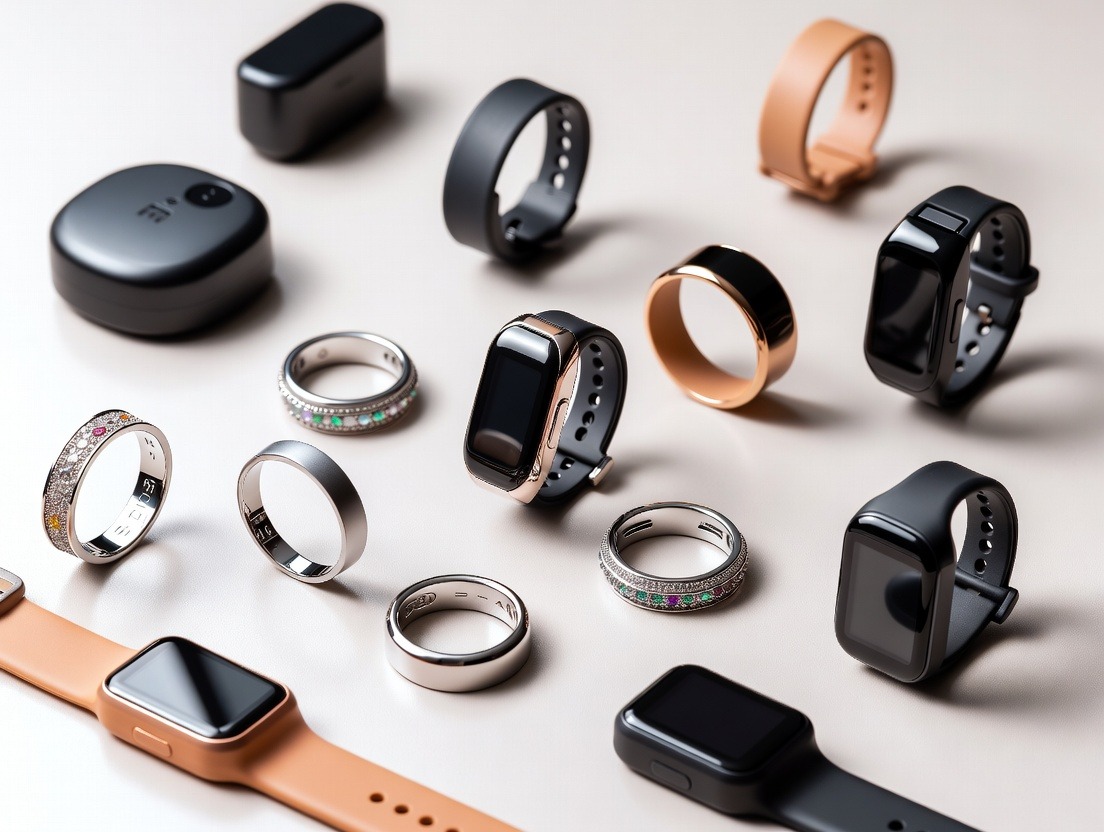
This is where smart rings have emerged as a superior form factor for HRV and recovery tracking. A device like the Oura Ring or similar utilizes PPG sensors, but its placement on the finger offers distinct advantages for the morning readiness protocol:
Minimal Movement: Your fingers move far less than your wrist during sleep and upon waking, leading to cleaner, more reliable nocturnal and morning data.
Consistent Fit: A well-fitted ring maintains consistent skin contact and sensor placement, unlike a watch band that can shift.
Unobtrusive Sleep Tracking: To understand your HRV context, you need accurate sleep data. A ring is comfortable to wear all night, providing comprehensive insight into your sleep stages and disturbances, which are directly linked to your morning HRV. Understanding this link is crucial, which is why optimizing your pre-sleep behavior is so important—a topic covered in depth in our article on the nighttime wellness routine that changed my sleep forever.
Interpreting Your Numbers: Trends Trump Single Points When you begin, you’ll get a specific number (often in milliseconds, like 55ms). Do not compare this number to anyone else’s. HRV is highly individual, influenced by age, genetics, fitness, and more. What matters is your trend over time.
Establish a personal baseline (your average over 2-4 weeks of normal life).
Watch for significant deviations from this baseline (a drop of 10-20% or more is worth noting).
Use the context provided by your app (sleep score, activity load, subjective notes) to understand why the change occurred.
By committing to a simple morning ritual of measurement with a reliable device, you transform HRV from an abstract concept into a daily dialogue with your body’s deepest rhythms. With this data in hand, we can now explore the primary lifestyle lever that most profoundly influences your HRV signal: sleep.
The Unbreakable Bond: How Sleep Directly Dictates Your HRV
If HRV is the report card of your nervous system, then sleep is the master teacher. No single factor has a more immediate and dramatic impact on your daily HRV reading than the quality and quantity of your sleep the night before. This relationship is bidirectional and profound: good sleep begets high HRV, and high HRV facilitates good sleep. Understanding this cycle is key to unlocking true recovery.
Sleep Architecture and the Nervous System During sleep, your body cycles through different stages—light sleep, deep sleep (Slow-Wave Sleep), and REM (Rapid Eye Movement) sleep. Each plays a unique role in restoration:
Deep Sleep (SWS): This is physical recovery prime time. The body repairs tissues, builds bone and muscle, and strengthens the immune system. Crucially, deep sleep is dominated by parasympathetic (PNS) activity—your "rest and digest" brake pedal is fully engaged. This PNS dominance during deep sleep is a primary driver of a strong, high HRV reading the following morning. More quality deep sleep typically equals higher HRV.
REM Sleep: Essential for cognitive and emotional processing, memory consolidation, and learning. While brain activity is high, the body is in a state of paralysis. The ANS balance during REM is more complex, but sufficient REM is vital for overall neurological resilience, which supports HRV.
Sleep Disruptions: Frequent awakenings, environmental disturbances, or conditions like sleep apnea fragment this architecture. Every time you’re jolted awake, your sympathetic nervous system (SNS) fires up as a stress response, interrupting precious PNS-dominant recovery time. This fragmentation is a major culprit behind a suppressed morning HRV.
Practical Sleep Levers to Pull for Better HRV Your goal is to maximize sleep quality and continuity to nourish your PNS. Here’s how:
Prioritize Consistency: Going to bed and waking up at roughly the same time every day (even weekends) stabilizes your circadian rhythm, making sleep more efficient and restorative.
Cultivate a Powerful Wind-Down Routine: You cannot sprint into sleep. A consistent 60-90 minute pre-sleep ritual signals your SNS to power down and your PNS to take over. This isn’t just about "relaxing"; it’s about deliberate physiological downshifting. For actionable ideas, from low-cost solutions to tech management, explore resources like our guide to budget-friendly nighttime routines and advice on what technology to use and avoid before bed.
Optimize Your Sleep Environment: Your bedroom must be a sanctuary for recovery.
Dark: Use blackout curtains or a sleep mask. Even small amounts of light can inhibit melatonin.
Cool: Aim for a temperature between 60-67°F (15-19°C). Your core body temperature needs to drop to initiate and maintain sleep.
Quiet: Use earplugs or a white noise machine to buffer disruptive sounds.
Mind Your Evening Intake:
Caffeine & Stimulants: Their half-life is long. Avoid caffeine for at least 8-10 hours before bedtime.
Alcohol: While it may induce sleepiness, it severely disrupts sleep architecture, obliterating deep and REM sleep later in the night—a surefire way to crush your next-day HRV.
Large Meals: Avoid heavy, rich meals 2-3 hours before bed, as digestion can raise core temperature and disrupt sleep onset.
Using Your HRV to Refine Your Sleep This is the feedback loop in action. Your morning HRV score, paired with your sleep data, becomes a powerful investigative tool.
Did your HRV plummet after a night out with drinks? You see the direct cost.
Did it soar after a week of strict 10 p.m. bedtimes? You see the tangible reward.
Do you see poor HRV despite 8 hours in bed? Your sleep data might show high restlessness or low deep sleep, prompting you to look at stress or environmental factors for hot sleepers.
By treating sleep as the non-negotiable foundation of your health and using HRV as your quality control metric, you make your recovery active, not passive. Once you’ve secured this foundation, you can intelligently layer on the next major influencer of your resilience: how you move and exercise.
Moving with Intelligence: Using HRV to Guide Your Exercise and Activity
For generations, fitness has been guided by plans, schedules, and the "no pain, no gain" ethos. You follow a Monday-Wednesday-Friday program, push for a new personal record, or grind through a workout because it's on the calendar. This approach often ignores a critical variable: your body's daily readiness. HRV-guided training introduces a paradigm shift—from fixed-schedule to auto-regulated, responsive fitness. It answers the question, "What is the right dose of stress for my body today?"
Exercise as a Stressor (The Good Kind) Physical exercise is a deliberate, hormetic stressor. You apply a load (stress) to your body, and with adequate recovery, it adapts and becomes stronger—a process known as supercompensation. This adaptation is reflected in a rising HRV baseline over weeks and months. However, the "adequate recovery" part is often where we fail. If you apply another intense stressor before your system has fully recovered, you accumulate fatigue, suppress your HRV, and risk overtraining, injury, or illness. HRV helps you navigate this fine line.
The HRV-Based Training Framework Instead of a rigid plan, you use your morning HRV reading to choose your workout intensity for the day.
Green Zone (HRV at or Above Baseline): Your body has recovered well and is signaling readiness. This is the day to execute planned high-intensity interval training (HIIT), heavy strength sessions, long endurance work, or competitive activities. Your nervous system is primed to handle the load and adapt positively.
Yellow Zone (HRV Moderately Below Baseline, e.g., -10% to -20%): Proceed with caution. This is a signal of incomplete recovery. Your body may be managing other stressors (work, poor sleep, emotional strain). Recommended activities include:
Low-Intensity Steady State (LISS): Gentle cycling, walking, easy swimming.
Skill-Based or Technique Work: Focus on form in the gym, practice a sports skill at low intensity.
Mobility and Flexibility: Yoga, foam rolling, dynamic stretching sessions.
The goal here is active recovery—promoting blood flow without adding significant systemic stress.
Red Zone (HRV Significantly Below Baseline, e.g., >20% drop) or Signs of Illness: This is a rest day mandate. Your body is under clear strain and needs resources for repair, not performance. True rest is an active component of fitness. This means:
Complete rest or very minimal movement (a short, gentle walk).
Prioritizing sleep, hydration, and nutrition.
Employing stress-management techniques.
Forcing a hard workout in the red zone is counterproductive and risks a major setback.
Beyond Intensity: Listening for Broader Patterns HRV also reveals longer-term trends about your fitness regimen:
Chronic Downward Trend: If your baseline HRV is slowly declining over weeks despite regular training, it's a classic sign of overtraining syndrome. You are chronically under-recovered. The solution is not to push harder but to deload—take a full week of very light activity to allow your system to reset.
Positive Adaptation: A gradual, upward trend in your HRV baseline over months is a beautiful indicator that your fitness and recovery practices are working in harmony. You are becoming more resilient.
Insight into Workout Timing: You might discover that evening workouts too close to bedtime disrupt your sleep and thus your next-day HRV, suggesting a need to move them earlier.
This intelligent approach transforms fitness from a source of potential strain into a perfectly dosed medicine. It builds resilience without burnout. Of course, the fuel for both recovery and performance comes from the next critical pillar: nutrition. How you eat doesn't just affect your waistline; it directly communicates with your nervous system and HRV.
Fueling Resilience: The Deep Connection Between Nutrition, Hydration, and HRV
We often view food through the lenses of weight management, energy, and muscle building. Yet, every meal you consume sends a direct message to your autonomic nervous system, influencing inflammation, gut health, blood sugar stability, and hormonal balance—all of which are reflected in your HRV. Your diet isn't just feeding your muscles; it's feeding your nervous system's capacity for balance and recovery.
The Blood Sugar Rollercoaster and Nervous System Chaos One of the most direct dietary impacts on HRV is blood glucose (sugar) volatility. When you consume a large meal high in refined carbohydrates and sugars, your blood sugar spikes rapidly. Your body responds by releasing a large dose of insulin to shuttle that sugar into cells. This can often lead to a subsequent "crash" (hypoglycemia). This rollercoaster is a significant stress event.
The spike and crash trigger the release of stress hormones like cortisol and adrenaline (sympathetic SNS activity).
This hormonal turbulence creates oxidative stress and inflammation, which the body must work to quell.
The result? A more erratic, strained nervous system and a suppressed HRV. Stable blood sugar, on the other hand, promotes metabolic calm and PNS dominance.
Key Nutritional Principles for HRV Support
Prioritize Whole Foods and Phytonutrients: A diet rich in colorful vegetables, fruits, healthy fats, quality proteins, and complex carbohydrates provides antioxidants and anti-inflammatory compounds. Chronic, low-grade inflammation is a constant irritant to the nervous system. Fighting inflammation through diet is a powerful way to support a higher HRV.
Embrace Healthy Fats: Your brain and nervous system are largely composed of fat. Omega-3 fatty acids (found in fatty fish, walnuts, chia seeds) are particularly crucial. They are incorporated into nerve cell membranes, improving fluidity and communication, and have potent anti-inflammatory effects. Studies have consistently linked higher Omega-3 intake with increased HRV.
Mind Your Meal Timing and Size:
Large Evening Meals: A big, heavy, or high-fat meal close to bedtime forces your digestive system to work overnight, raising core body temperature and diverting resources from cellular repair and PNS activity. This can fragment sleep and lower next-morning HRV.
Fasting & HRV: For some, intermittent fasting can improve metabolic flexibility and HRV over time. For others, especially under high stress or with certain health conditions, it can be an added stressor that lowers HRV. This is highly individual, and your HRV data is the perfect tool to experiment safely—if your morning HRV tanks during a fasting protocol, it may not be right for your current state.
The Gut-Brain-Vagus Nerve Axis: Your gut is often called your "second brain," and it communicates directly with your primary brain via the vagus nerve—the superhighway of the parasympathetic nervous system. A healthy, diverse gut microbiome supports calm, healthy vagal tone (linked to high HRV). Diets high in fiber (from plants) and fermented foods (like yogurt, kefir, sauerkraut) feed this good bacteria.
Hydration: The Simple, Non-Negotiable Lever Water is the medium for every physiological process. Even mild dehydration (as little as 1-2% of body weight) increases heart rate and causes blood vessels to constrict, forcing the heart to work harder—a sympathetic stress response. This directly reduces HRV.
Monitor Urine Color: Aim for pale yellow throughout the day.
Electrolytes Matter: When you sweat or are stressed, you lose electrolytes (sodium, potassium, magnesium). An imbalance can disrupt nerve and muscle function. Adding a pinch of high-quality salt to your water or consuming electrolyte-rich foods (like leafy greens, avocados, bananas) can be beneficial, especially on active or hot days.
Using HRV for Personalized Nutrition Your HRV data turns nutrition from dogma into a personal experiment.
Try eating your largest meal at lunch instead of dinner for a week and note the impact on your sleep and morning HRV.
Notice if your HRV dips after a night of high sugar or alcohol consumption.
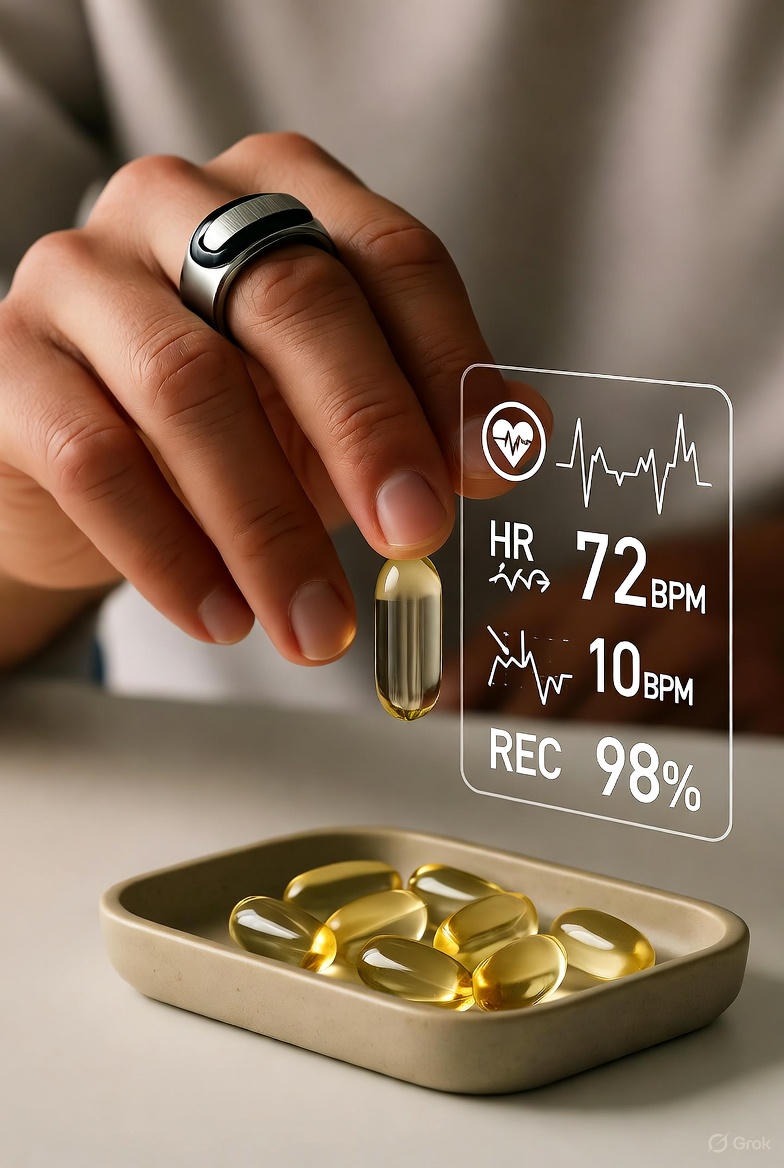
Test how adding an Omega-3 supplement or more leafy greens affects your trend over a month.
By viewing food as information for your nervous system, you empower yourself to make choices that build resilience from the inside out. Yet, even the perfect diet can be undermined by a force that permeates modern life more than any other: chronic psychological stress. Managing this stress is not a luxury; it is a core competency for HRV optimization.
The Stress Paradox: Managing Mental and Emotional Load for Nervous System Harmony
You can sleep eight hours, eat a perfect diet, and exercise intelligently, but if your mind is perpetually racing with anxiety, worry, or overwhelm, your HRV will tell the true story: your system is under strain. Psychological stress activates the same sympathetic "fight or flight" response as physical danger. Chronic, low-grade stress—from work deadlines, financial pressure, relationship tensions, or the constant ping of digital notifications—keeps this system simmering on low boil, suppressing your parasympathetic activity and keeping your HRV chronically low. Therefore, managing your mental and emotional load isn't just about "feeling better"; it's a direct intervention on your physiology.
How Chronic Stress Wears Down Resilience When your brain perceives a threat (real or imagined), the hypothalamus-pituitary-adrenal (HPA) axis is activated, releasing cortisol. In acute bursts, this is adaptive. However, with chronic stress:
Cortisol Dysregulation: Cortisol rhythms flatten, disrupting sleep and immune function.
Increased Inflammation: Chronic stress promotes a pro-inflammatory state.
Vagal Tone Suppression: The constant SNS activation inhibits the vagus nerve, the commander of your PNS. The cumulative effect is a nervous system stuck in "survive" mode, unable to fully engage "thrive" mode, reflected in a low HRV baseline.
HRV-Biofeedback: The Direct Tool for Stress Mastery Here, HRV transitions from a passive metric to an active training tool. HRV biofeedback is a proven technique where you use real-time HRV data (often displayed as a breathing pacer or coherence score) to learn to consciously influence your autonomic state. The core mechanism is resonant-frequency breathing.
The Practice: You breathe at a slow, steady pace, typically around 5-6 breaths per minute (an inhale of 5 seconds, exhale of 5 seconds). This frequency naturally synchronizes your heart rate with your breathing rhythm (a phenomenon called respiratory sinus arrhythmia), maximizing HRV and powerfully stimulating the vagus nerve.
The Impact: Just 10-20 minutes of this practice daily has been shown to lower blood pressure, reduce anxiety, improve emotional regulation, and significantly increase HRV over time. It’s a direct workout for your PNS.
Integrating Stress Resilience into Daily Life Beyond formal biofeedback sessions, lifestyle design is key:
Digital Boundaries: The constant influx of information and social comparison is a novel, massive stressor. Implement tech-free zones (especially the first and last hour of the day) and consider a "digital sunset." For strategies, our guide on nighttime routines and technology offers practical steps.
Mindfulness and Meditation: These practices train metacognition—the ability to observe your thoughts without being swept away by them. This creates space between a stressor and your reaction, preventing a full-blown SNS cascade. Even 10 minutes daily can rewire neural pathways for calm.
Nature and "Awe" Time: Spending time in nature (forest bathing, walking without headphones) lowers cortisol and promotes PNS activity. Seeking out experiences of awe—a beautiful view, inspiring art, stargazing—has similar profound effects.
Social Connection: Positive, supportive social interaction is a potent buffer against stress and a stimulator of vagal tone (think laughter, warmth, feeling understood). Conversely, loneliness and conflict are significant stressors.
Using HRV to Identify Your Unique Stressors Your morning HRV is a detective. Did it drop sharply?
Was it the difficult conversation with your boss yesterday?
Was it the three hours spent scrolling social media before bed?
Was it the worry about an upcoming event? By journaling a few notes alongside your HRV reading, you begin to see your unique stress fingerprints. This awareness allows you to pre-emptively deploy your recovery tools—perhaps a resonant breathing session before a big meeting, or a commitment to a quick nighttime routine on evenings when work runs late.
Mastering stress isn't about eliminating it—that's impossible. It's about changing your relationship to it and building a nervous system resilient enough to handle life's waves without capsizing. As we build these pillars—sleep, movement, nutrition, and stress mastery—we must also consider the environment we inhabit. The spaces we live and work in are not passive backdrops; they are active participants in our nervous system's state.
Your Environment as a Nervous System Ally: Crafting Spaces for Recovery
We spend the vast majority of our lives indoors, enveloped in human-made environments. These spaces—from our bedrooms and homes to our offices and commutes—are filled with sensory inputs that constantly communicate with our autonomic nervous system. Light, sound, temperature, air quality, and even aesthetics aren't just matters of comfort; they are direct levers on our physiology. Optimizing your environment is about engineering contexts that passively support PNS activity and recovery, reducing the constant low-grade stress on your system.
Light: The Master Circadian Regulator Light is the most potent signal for your body's internal clock (circadian rhythm). Disrupted rhythms are intimately linked to poor sleep, mood disorders, and low HRV.
Morning Light: Viewing bright, natural light within 30-60 minutes of waking (ideally outdoors) powerfully signals to your suprachiasmatic nucleus (SCN) that it's daytime. This sets your cortisol curve for a healthy peak now (promoting alertness) and a steady decline for the rest of the day, supporting evening melatonin release and sleep. This simple practice can profoundly stabilize your daily rhythms and improve HRV over time.
Evening and Artificial Light: Blue wavelength light, abundant in LEDs, screens, and overhead lighting, potently suppresses melatonin. After sunset, your goal is to minimize exposure.
Use dim, warm-toned lights (like salt lamps or bulbs under 2700K).
Enable "Night Shift" or "Blue Light Filter" on all devices after dusk.
Consider blue-light-blocking glasses if you must use screens in the evening.
Creating this light contrast between day and night is foundational for sleep quality, as detailed in our piece on nighttime routine essentials.
Sound and Noise Pollution Constant, unpredictable noise—traffic, office chatter, construction—is a subconscious stressor. Even if you think you're "used to it," your nervous system isn't. It triggers minor, repeated SNS activations, keeping you in a state of low-grade alertness and suppressing HRV.
Solutions: Use noise-cancelling headphones, a white noise machine, or a fan to create a consistent, soothing auditory blanket, especially during sleep and focused work. Silence, or gentle nature sounds, are potent PNS stimulators.
Temperature and Thermal Comfort As mentioned with sleep, temperature is crucial. Being too hot, especially at night, prevents the core body temperature drop necessary for deep sleep. Chronic discomfort from an improperly regulated environment is a constant, distracting stress.
Action: Invest in a programmable thermostat, use breathable bedding, and optimize airflow. For those who struggle with overheating at night, specialized advice can be found in our guide for hot sleepers.
Air Quality and Biophilia The air you breathe carries more than just oxygen. Volatile organic compounds (VOCs from furniture, cleaning products), mold spores, and high CO2 levels (in poorly ventilated rooms) can induce inflammation and stress responses.
Improvements: Use high-quality air purifiers with HEPA filters, introduce houseplants (which can improve air quality and provide biophilic benefits), and ventilate your home regularly by opening windows.
Biophilia: Our innate connection to nature is profound. Incorporating natural elements into your space—plants, wood, stone, natural light, images of nature—has been shown to lower stress hormones, blood pressure, and heart rate, all conducive to higher HRV.
The "Recovery Zone" Concept Designate at least one area in your home—ideally your bedroom, but even a corner—as a dedicated recovery zone. This space should be optimized for all the above principles: dark, cool, quiet, clean-aired, and free from work-related technology or clutter. It should be a sanctuary that passively cues your body to relax the moment you enter.
By consciously crafting your environments, you reduce the daily tax on your nervous system, freeing up more capacity for resilience. Your HRV will reflect this as you see improvements in your morning readings after making environmental tweaks, like using blackout curtains or an air purifier. With our foundational pillars now firmly established—sleep, movement, nutrition, stress, and environment—we must address a universal challenge: what to do when life inevitably gets chaotic. How do you maintain your HRV-guided habits when your routine is upended?
When Life Gets Loud: Maintaining HRV Awareness During Travel, Busy Periods, and Chaos
No lifestyle is perfectly static. Business trips, family holidays, exam periods, project deadlines, and personal emergencies are inevitable. These are the moments when rigid wellness routines crumble, and old, reactive habits can resurface. However, this is precisely when your understanding of HRV becomes most valuable. The goal shifts from "sticking to the perfect plan" to "managing the load intelligently and minimizing the damage." It’s about resilience in motion.
The Pre-Emptive Mindset: Planning for the Storm When you see a chaotic period on the horizon, use your HRV knowledge to prepare rather than resign.
Sleep Banking: In the week before a demanding period (like finals or a big launch), be extra diligent about your sleep and recovery. Think of it as building up a resilience savings account you can draw from.
The "Non-Negotiables" Shortlist: Identify 1-3 tiny, unbreakable habits that have the highest impact on your nervous system. These become your anchors. Examples:
A 3-Minute Breathing Ritual: Upon waking and before bed, no matter what, do 3 minutes of resonant-frequency breathing (5-sec inhale, 5-sec exhale). This directly stimulates your PNS.
The 10-Minute Walk: Commit to a 10-minute outdoor walk at some point in the day for light and movement.
The Hydration Rule: Always start the day with a large glass of water and keep a bottle with you.
Navigating Specific Disruptions:
Travel (Jet Lag & New Environments): Travel is a massive assault on your circadian rhythm and routines.
Light Strategy: Use light exposure strategically to reset your clock. Seek bright morning light at your destination immediately.
The "Hotel Recovery Kit": Pack essentials to recreate your recovery zone: a portable white noise machine or earplugs, a sleep mask, a small bottle of magnesium spray, and blue-light blockers for screens.
HRV as Your Guide: Don't try to hit the gym hard on your first day. Let your morning HRV (even if it’s a rough estimate from a travel-fatigued reading) decide your activity level. It will likely call for gentle movement and extra hydration.
High-Stress Work Periods (Deadlines, Launches):
Micro-Recovery Breaks: Schedule 5-minute breaks every 90 minutes for a breathing exercise, a walk around the block, or simply looking out a window. This prevents SNS activation from becoming chronic.
Nutrition Defense: When stressed, the temptation for sugary, convenient food is high. Make a pre-emptive plan: stock healthy snacks (nuts, fruit, jerky), or decide on a simple, repeatable meal you can have delivered. Avoid the double stressor of poor nutrition.
Protect Sleep at All Costs: This is when sleep is most sacrificial—and most critical. Even if you can't get 8 hours, prioritize quality through an unwavering wind-down routine to signal sleep time, even if it's abbreviated. Techniques for students during exam season, which are highly applicable here, are explored in our article on nighttime routines for students.
Social & Family Gatherings: These can be joyous but also depleting, with rich food, alcohol, and late nights.
The "Anchor Habit" Buffer: Execute your morning breathing ritual without fail to set a calm tone for the day.
Strategic Compromises: Decide in advance what you’ll indulge in and what you’ll pass on. Maybe you enjoy the feast but limit alcohol, or you stay up late but ensure your room is dark and cool for sleep.
Steal Moments of Quiet: Take a 5-minute solo walk between activities. It’s a vital PNS reset.
The Art of the Bounce-Back When the chaotic period ends, don't jump back into intense training or strict regimes. Use your HRV. It will likely be low. This is your signal for a dedicated recovery block—a few days to a week of extra sleep, gentle movement, nourishing food, and stress-mitigation practices. Your goal is to help your nervous system recover its equilibrium and baseline HRV. This intentional bounce-back phase prevents you from digging a deeper hole of fatigue.
The mastery of lifestyle optimization is proven not when life is easy, but when it’s hard. Your HRV awareness becomes the stable compass that guides you through the storm, ensuring you don’t lose yourself in the chaos. As you become proficient in listening to and responding to these signals, a natural progression occurs: you begin to connect the dots between different lifestyle factors, moving from isolated habits to a truly synergistic system.
Connecting the Dots: How Sleep, Stress, Nutrition, and Movement Interplay in Your HRV Data
By now, you understand the individual impact of each pillar—sleep, movement, nutrition, stress, and environment—on your Heart Rate Variability. However, the true power of using HRV as your guide is revealed when you observe how these factors interact in a dynamic, living system. Your body doesn't experience them in isolation; a poor night's sleep affects your food choices, which impacts your workout performance, which influences your stress tolerance. HRV is the integrated output of this complex dance. Learning to read the interplay in your data is the final step in becoming an expert on your own biology.
Synergies and Trade-Offs: Real-World Patterns
The Sleep-Stress Negative Loop: You have a high-stress day at work (SNS dominant). This leads to rumination at night, causing poor sleep (less deep sleep, more awakenings). The poor sleep results in elevated cortisol the next morning and a low HRV. This low HRV makes you more emotionally reactive, priming you for another high-stress day. The cycle reinforces itself. The Intervention Point: Break the cycle with a deliberate evening buffer. A consistent nighttime routine that reduces next-day anxiety can be the key intervention to protect sleep despite daily stress.
The Nutrition-Recovery Connection: You execute a fantastic, high-intensity workout (a positive stressor). However, you follow it with poor post-workout nutrition—maybe you’re too busy to eat well, or you choose inflammatory foods. Your body lacks the raw materials to repair the muscle damage and replenish glycogen stores. The recovery process is incomplete, leading to sustained inflammation and a slower HRV recovery overnight. The workout that should have built resilience instead becomes a net stressor.
The Movement-Stress Buffer: You face a period of intense cognitive or emotional stress (e.g., family demands). Your instinct might be to drop your workouts due to time constraints. However, your HRV data might reveal that on days you manage a gentle movement session—a walk, yoga—your stress feels more manageable and your sleep is better, leading to a better HRV. Here, movement isn't a stressor; it's a vital stress buffer, promoting circulation and metabolizing stress hormones.
Using Your Data for Cause-and-Effect Analysis
Your daily HRV reading, paired with lifestyle notes, is a detective's log. When you see a significant deviation (positive or negative), play detective:
Look Back 24-48 Hours: What happened yesterday and the day before? HRV changes are often lagging indicators.
Cross-Reference with Other Data: Check your sleep score, resting heart rate, and activity data from your tracker.
Ask Probing Questions:
"My HRV is low today. Did I sleep poorly? (Check sleep data). If yes, why? Was it late screen time? Alcohol? Stress?"
"My HRV is surprisingly high! Did I have an exceptionally relaxing day yesterday? Did I nail my sleep? Was my workout perfectly timed and dosed?"
"My HRV is trending down over a week. Have my workouts been too frequent? Has my stress been high without compensatory recovery? Has my diet been off?"
The Concept of "Total Load" Your HRV is ultimately a reflection of your total load (all stressors) versus your recovery capacity (all recovery activities). This framework helps you make decisions:
High Total Load Period: Big project at work + hard training block + family obligations. To keep HRV stable, you must consciously increase recovery capacity: prioritize sleep hygiene, schedule massage, practice daily meditation, and maybe dial back social commitments.
Low Total Load Period: A quiet week with no major demands. This might be an opportunity to productively increase load with a new fitness challenge or a creative project, using your high HRV as confirmation that you have the capacity.
By connecting these dots, you stop seeing life as a series of unrelated choices and start viewing it as a holistic system you can skillfully manage. You learn your personal formulas: "For me, heavy training requires an extra 30 minutes of sleep and double the vegetables." Or, "When work stress peaks, my one non-negotiable is my bedtime ritual." This systemic understanding sets the stage for the ultimate goal: not just fixing problems, but fostering a state of thriving and sustained high performance—the focus of our final section in this portion of the guide.
From Surviving to Thriving: Building a Sustainable, HRV-Informed Lifestyle for Long-Term Performance
The journey through understanding and applying HRV principles culminates not in a rigid, optimized routine, but in a fluid, intelligent, and sustainable way of living. The goal shifts from merely "fixing" low HRV to fostering a state of consistent resilience where you are not just avoiding burnout, but actively thriving. This is the stage where your conscious practice becomes subconscious competence, and your HRV data evolves from a daily check-in to a periodic system audit. Here, we explore how to integrate these principles for the long haul, turning optimization into a lifestyle that supports high performance in all areas of life.
The Evolution of Your HRV Practice: From Daily Check to Strategic Audit When you begin, daily morning HRV checks are essential for building awareness and establishing baselines. Over time, as you internalize the cause-and-effect relationships, the need for obsessive daily scrutiny may diminish. Your practice matures:
Pattern Recognition: You know intuitively that a late night with alcohol will lower your score, or that a weekend in nature will boost it. The data confirms rather than informs.
Strategic Spot-Checks: You use HRV measurements proactively during periods of change: starting a new training program, during a stressful life transition, when traveling across time zones, or when feeling "off" without a clear reason.
The Periodic Review: Instead of daily drama, you look at weekly and monthly trends. Is your baseline gently rising over the quarters, indicating improved overall fitness and resilience? This long-view turns HRV into a powerful motivator, showing the compound interest of healthy habits.
Thriving Indicators: Beyond a Single Number A thriving state is reflected in more than just a high HRV number. It's visible in the stability and responsiveness of your entire system:
HRV Baseline Trend: A gradual upward trend over months/years is a hallmark of improved autonomic fitness and biological aging.
Low HRV Variability (of your HRV): This sounds counterintuitive, but it's key. Once you've controlled for lifestyle factors, you want your daily HRV scores to be relatively stable from day to day. Wild swings often indicate poor regulation and reactivity. A stable, high HRV is the sign of a robust, buffered system.
Fast Recovery: After an intentional stressor (a hard workout) or an unintentional one (a stressful day), your HRV bounces back to baseline within 1-2 days. This recovery speed is a critical metric of resilience.
Subjective Alignment: Your energy, mood, and sense of well-being align with the data. You feel good when your HRV is high, and you understand why when it's low.
Lifestyle Integration for the Long Term Sustainable thriving requires embedding principles, not just following rules.
Habit Stacking for Seamless Integration: Link new HRV-supportive habits to established ones. Practice your breathing exercises while your morning coffee brews. Do a mobility flow during your favorite podcast. Use your evening tooth-brushing time as the trigger to start your wind-down routine. This reduces reliance on willpower.
The 80/20 Rule of Optimization: Strive for consistency in the big-ticket items 80% of the time. Get good sleep most nights, eat nourishing foods for most meals, manage stress proactively most days. Allow 20% space for life's spontaneity—the social gatherings, the travel, the treats—without guilt, knowing your resilient baseline can handle it. This balance prevents the lifestyle from becoming oppressive.
Social Scaffolding: Thriving is often supported by community. Share your journey with a partner or friend. Consider how couples can share a nighttime wellness routine to create a shared recovery environment. A supportive social circle that values well-being makes healthy choices the default, not the exception.
Performance Amplification: Using HRV to Peak for Life's Demands With a solid foundation of resilience, you can now use HRV not just to recover, but to strategically peak for important events—a athletic competition, a major presentation, a creative project, or even a vacation.
The Taper: In the week before a key event, deliberately reduce training load (physical and cognitive) while increasing recovery activities (sleep, nutrition, relaxation). Watch your HRV climb to a super-compensated peak. You'll arrive at your event not just rested, but supercharged.
The Execution: On the day, trust your preparation. Your nervous system is primed for optimal performance—the balance of calm (high PNS tone for focus) and alertness (ready SNS for action) is ideal.
The Intentional Recovery: After the peak effort, plan a dedicated recovery block, guided by your post-event HRV readings. This closes the cycle and rebuilds your baseline stronger than before.
This cyclical process—build resilience, apply load, peak, recover, rebuild—is the rhythm of a thriving life. It moves you from a linear pursuit of "more" (more work, more fitness, more output) to a dynamic dance of stress and recovery that leads to continuous growth without depletion.
The Future of Personalized Health: HRV, Smart Rings, and the Quantified Self Revolution
We stand at the frontier of a profound shift in healthcare and personal well-being: the move from generic, reactive medicine to truly personalized, predictive, and participatory health. Heart Rate Variability, especially when captured continuously by unobtrusive devices like smart rings, is at the heart of this revolution. It represents a key that unlocks a deeper understanding of our individual biology, empowering us to take control like never before.
Beyond the Clinic: Continuous, Real-World Data Traditional health metrics are often snapshots—a blood pressure reading in a doctor's office, a fasting glucose test once a year. These can be skewed by "white coat syndrome" or miss critical fluctuations. HRV tracking via a wearable provides a continuous stream of data from your real life. It shows how your body responds to your actual job, your real relationships, your daily commute, and your weekend hobbies. This real-world biofeedback is infinitely more valuable for lifestyle optimization than any single lab test.
The Predictive Power of Patterns The future of HRV lies not in a single number, but in algorithmic pattern recognition. Advanced platforms can analyze your data to:
Predict Illness Onset: A sustained, unexplained drop in HRV, coupled with a rise in resting heart rate and changes in sleep, is a remarkably consistent precursor to illnesses like the common cold or even overtraining syndrome. This gives you a 24-48 hour window to proactively rest, hydrate, and support your immune system.
Identify Personal Triggers: Machine learning can sift through months of your data (HRV, sleep, activity, menstrual cycle) alongside your lifestyle logs to surface hyper-personalized insights: "Your HRV consistently drops 15% after you eat food X," or "Your recovery is optimal when you train in the afternoon, not the morning."
Benchmark Biological Age: By comparing your HRV metrics (and other physiological data) to population norms for your chronological age, some algorithms can provide an estimate of your "biological age" or "fitness age." A lower biological age suggests your body is functioning more youthfully than your years—a powerful motivator and indicator of systemic health.
The Smart Ring: The Ideal Form Factor for the Invisible Self-Tracker For this continuous, lifelong tracking to be sustainable, the device must disappear into your life. The smart ring is uniquely positioned for this:
All-Day, All-Night Wearability: It's comfortable for sleep, exercise, work, and formal events. This uninterrupted wear is critical for capturing the complete circadian picture.
Rich, Multi-System Data: Beyond HRV, the best rings track sleep stages, skin temperature variability, respiratory rate, and blood oxygen saturation (SpO2). This creates a holistic dashboard. For instance, a rising nighttime skin temperature and elevated respiratory rate alongside a dropping HRV is a classic signature of impending illness or systemic inflammation.
Passive and Effortless: The ultimate goal of the Quantified Self is not more work, but more wisdom with less effort. The ring works in the background, gathering insights while you live your life, only surfacing alerts and trends when you need to pay attention.
A New Partnership in Health This technology fosters a new model. You become the expert on your day-to-day physiology, armed with data. Your healthcare provider becomes a consultant who helps you interpret trends and make clinical decisions based on rich, longitudinal data rather than sparse points. This is particularly powerful for managing chronic conditions like anxiety, depression, hypertension, and metabolic syndrome, where daily lifestyle is the primary medicine.
As this field evolves, ethical considerations around data privacy and the avoidance of health anxiety are paramount. The tool must serve you, not the other way around. The data should inspire empowered action, not obsessive worry. Used wisely, however, this fusion of ancient wisdom (listening to the body) and modern technology (understanding its language) promises a future where each of us can craft a life of vitality, perfectly attuned to our unique, brilliant design.
The Beginner's Action Plan: Your First 30 Days with HRV
Understanding the theory and future potential of HRV is inspiring, but transformation happens in the daily doing. This section is your practical, step-by-step blueprint for the first 30 days of your HRV-guided journey. We’ll move from setup to insight, establishing rituals and frameworks that will turn this powerful biomarker into a trusted daily advisor. Remember, the goal of this first month is not perfection, but education—learning the unique language of your own body.
Phase 1: Days 1-7 – The Setup & Baseline Establishment
This week is about gathering your tools and collecting initial data without judgment.
Choose Your Device & App: Secure your tracking device—ideally a smart ring for the reasons outlined, but a reliable chest strap or wrist-based wearable with morning readiness scoring will work. Download its companion app and complete the setup.
Establish the Morning Ritual:
When: Immediately upon waking, before you sit up, check your phone, or have coffee.
How: If your device requires a manual reading, stay still in bed, breathe normally for 60-90 seconds. If it takes an automatic overnight reading, simply note the score in your app each morning.
Log One Context Note: Each morning, jot down a single word or short phrase about the previous day: “Hard workout,” “Stressful meeting,” “Rest day,” “Ate late,” “Drank wine.” This builds your cause-and-effect library.
Observe, Don’t Judge: Your numbers may be all over the map this week. That’s normal. You are not trying to “improve” them yet. You are a scientist in the data-collection phase. Avoid the temptation to compare to others or to fret over a single low reading.
Phase 2: Days 8-21 – The Learning & Experimentation Phase
With a week of data, patterns will start to emerge. Now you begin gentle experimentation.
Calculate Your Personal Baseline: After 7 days, calculate the average of your HRV readings. This is your initial, rough baseline. Most apps will do this for you automatically over time.
Introduce One Positive Intervention: Choose one of the foundational pillars to gently improve. For example:
Sleep: Commit to a consistent bedtime for 7 nights, implementing a simple 20-minute wind-down routine.
Stress: Practice 5 minutes of resonant-frequency breathing (5-sec in, 5-sec out) every morning after taking your reading.
Nutrition: Add a serving of leafy green vegetables to your dinner each night.
Movement: Insert three 10-minute walks into your week on non-training days.
Observe the Correlation: Don’t expect immediate leaps. Look for subtle shifts. Did your HRV show less volatility? Did you have one or two readings that crept above your initial baseline after a few days of your new habit? This is the feedback loop in its simplest form.
Conduct a Mini-Experiment: On a day when you have no major obligations, try a small, intentional stressor and observe the recovery. For example, do a moderately challenging workout in the afternoon. Note your HRV the next morning. Then, the following day, prioritize excellent recovery (early bed, great nutrition, relaxation). Note your HRV on the third morning. This teaches you your personal recovery timeline.
Phase 3: Days 22-30 – Integration & Initial Autoregulation
In the final stretch, you start using the data to make conscious daily choices.
Make Your First HRV-Based Decision: On a morning where your HRV is noticeably low (e.g., 15-20% below your baseline), consciously choose a recovery-oriented day. Swap the planned HIIT session for yoga or a walk. Prioritize an early bedtime. This is you honoring the signal.
Identify One Clear Pattern: By day 30, you should be able to state one clear, personal insight. For example:
“My HRV is consistently lowest on Mondays, reflecting weekend social stress.”
“When I get 7.5 hours of sleep with at least 1.5 hours of deep sleep, my next-day HRV is almost always in the green.”
“Even one glass of wine with dinner pushes my HRV down.”
Establish Your Non-Negotiable Habit: Based on your strongest positive correlation, cement one habit that you now know unequivocally supports your system. Make it non-negotiable for the next month.
Troubleshooting Your First Month:
"My HRV is just low and never moves." Give it time. Focus on consistent measurement and major lifestyle pillars (sleep, chronic stress). Some bodies are naturally lower, but the trend over months is what matters.
"The numbers seem random." Look harder at your context notes. Are you measuring consistently? Is your device fitting well? The randomness often reveals a pattern when you pair it with life events.
"I'm getting obsessed with the daily score." Step back. Look at weekly averages instead. Remember, it’s a guide, not a grade. Consider taking one day a week where you check the data only in the evening, not first thing.
By the end of 30 days, you will have moved from curiosity to competency. You’ll have a foundational understanding of your physiology and the beginnings of a responsive, not rigid, approach to your health. This sets the stage for delving into more nuanced aspects of optimization, beginning with one of the most powerful yet overlooked tools in your HRV toolkit: the art and science of breathing.
The Breath-HRV Connection: Master Your Nervous System with Every Inhalation
If you could access a lever to instantly influence your HRV, calm your mind, and stimulate recovery, would you use it? You possess this lever every moment of every day: your breath. Breathing is unique among autonomic functions—it runs automatically, but we can also take conscious control of it. This direct line to the autonomic nervous system makes breathwork the most potent, immediate, and accessible biohack for HRV optimization. By mastering specific breathing patterns, you can effectively “hack” your vagus nerve and shift your physiological state on demand.
The Physiology: How Breathing Directly Steers HRV The link is called Respiratory Sinus Arrhythmia (RSA). As you inhale, your heart rate naturally accelerates slightly (SNS nudge). As you exhale, it decelerates (PNS activation). The deeper and slower the breath, the greater this oscillation, which translates directly into higher HRV during the practice. By elongating the exhalation, you specifically amplify the “brake pedal” (parasympathetic) response. Conscious breathing is quite literally a workout for your vagus nerve, strengthening its tone—which correlates with higher resting HRV—over time.
Foundational Breathing Techniques for HRV Enhancement
The Method: Breathe at a pace of 5-6 breaths per minute. This typically means inhaling for 5 seconds and exhaling for 5 seconds. This pace has been found in research to naturally synchronize heart rate, blood pressure, and respiratory rhythms, creating maximal coherence in the nervous system and peak HRV amplitude.
The Use Case: Your daily HRV training. 10-20 minutes of this practice, ideally in the morning or evening, acts like strength training for your PNS. It’s also the perfect tool for a quick reset before a stressful event or to initiate sleep.
The Physiological Sigh:
The Method: Invented by Stanford neuroscientist Dr. Andrew Huberman, this is a fast-acting stress neutralizer. Take a medium inhale through the nose, then a second, shorter “top-up” inhale to fully expand the lungs, followed by a long, slow exhale through the mouth.
The Use Case: Instant calm. When you feel acute stress, anxiety, or overwhelm, 1-3 physiological sighs can rapidly reduce your arousal state and improve HRV on the spot. It’s a biochemical reset button.
Box Breathing (4-4-4-4):
The Method: Inhale for a count of 4, hold the breath for 4, exhale for 4, hold the breath empty for 4. Repeat.
The Use Case: Enhancing focus and emotional control. The symmetrical holds create a sense of balance and stability. It’s excellent before tasks requiring concentration or when you need to center yourself.
Integrating Breathwork into Your HRV-Optimized Life
Morning Anchor: Start your day with 5 minutes of resonant-frequency breathing. This sets a calm, coherent tone for your nervous system and can positively influence your HRV throughout the day.
Pre-Sleep Signal: Use 5-10 minutes of slow, diaphragmatic breathing (with an extended exhale) as the cornerstone of your nighttime routine to signal your body it's time to sleep. It’s the most direct way to switch from SNS to PNS dominance.
Workday Micro-Resets: Set a reminder for 3-5 breathing breaks during your workday. Just 1-2 minutes of coherent breathing can lower cumulative stress load, protecting your HRV from the draining effects of chronic desk-bound tension.
Post-Workout Recovery: After exercise, spend 3-5 minutes in resonant-frequency breathing to actively stimulate the parasympathetic switch, accelerating the recovery process and helping your HRV bounce back faster.
Measuring the Impact Your smart ring or wearable can show you the impact in real time. Many apps have a “breathing session” or “moment” function that displays your HRV and heart rate during the practice. You will literally watch your HRV climb and your heart rate lower as you engage in coherent breathing. This biofeedback is incredibly motivating, proving you have direct agency over your internal state.
By making conscious breathing a disciplined practice, you arm yourself with an always-available tool to navigate stress, enhance recovery, and directly cultivate the nervous system resilience that high HRV represents. It is the bridge between passive tracking and active training of your well-being. As we develop this internal control, we must also address a fundamental biological rhythm that underpins everything: our circadian clock, and how modern life conspires to break it.
Circadian Rhythms and HRV: Aligning Your Life with Your Body's Natural Clock
Your body is not designed to run at a constant state. It thrives on rhythmic cycles—the most fundamental of which is the 24-hour circadian rhythm. This internal clock, governed by a master pacemaker in the brain called the suprachiasmatic nucleus (SCN), orchestrates the daily ebb and flow of nearly every physiological process: hormone release, metabolism, body temperature, and critically, the balance of your autonomic nervous system. Your HRV is not static throughout the day; it follows a distinct circadian pattern that is both a product of and a window into this rhythmic health. Aligning your lifestyle with these natural rhythms is a non-negotiable for optimizing HRV and overall vitality.
The Daily HRV Rhythm: What’s Normal? In a healthy, well-regulated system, HRV follows a predictable pattern:
Early Morning (4-6 AM): Typically the lowest point. Cortisol begins to rise, preparing the body for wakefulness, which involves sympathetic activation.
Morning to Afternoon: HRV generally rises, peaking in the late morning or early afternoon. This reflects a balanced system capable of handling the day's demands.
Evening: As the body begins to prepare for sleep, parasympathetic activity should increase, leading to a gentle decline in heart rate but a maintained or slightly elevated HRV, indicating recovery readiness.
During Sleep: In deep sleep, parasympathetic dominance should be high, reflected in a higher HRV than waking hours. Frequent disruptions or lack of deep sleep will blunt this nocturnal rise.
When this rhythm is flattened or inverted—for example, if your HRV is lowest in the evening—it’s a strong sign of circadian disruption and chronic stress load.
The Prime Zeitgebers: Resetting Your Clock Daily “Zeitgebers” (German for “time givers”) are environmental cues that synchronize your internal clock. The most powerful are light, food, and activity.
Light: The Master Zeitgeber
Morning Sunlight: Viewing bright, natural light within 30-60 minutes of waking is the single most effective way to set your circadian clock. It signals the SCN to suppress melatonin, boost cortisol for alertness, and start the daily cycle. Aim for 5-10 minutes on a cloudy day, 2-5 on a sunny one. This simple practice can dramatically improve daytime energy and nighttime sleep quality, stabilizing your daily HRV rhythm.
Evening Darkness: Just as critical is avoiding bright, blue-light spectrum light after sunset. It confuses the SCN, delaying melatonin release and fragmenting sleep. This is why managing technology before bed is a cornerstone of circadian health.
Food Timing: Metabolic Rhythms Your digestive system has its own circadian rhythm. Eating late at night, when your system is preparing for repair, forces it into metabolic activity, raising core temperature and disrupting sleep and next-morning HRV.
Guideline: Align eating with daylight hours. Aim to finish your last meal 2-3 hours before bedtime. Consider a compressed eating window (e.g., 10-12 hours) to give your digestive system a clear daily rest period, which can improve metabolic markers and, by extension, nervous system balance.
Activity & Temperature Rhythms
Exercise Timing: For most, morning or afternoon exercise supports circadian rhythms by reinforcing the wakeful phase. Vigorous exercise too close to bedtime can be stimulating for some, raising core temperature and delaying sleep onset. Let your HRV guide you—if evening workouts consistently disrupt your sleep and lower next-morning HRV, shift them earlier.
Body Temperature: Your core temperature naturally drops to initiate sleep. You can support this by taking a warm bath or shower 60-90 minutes before bed. The subsequent rapid cooldown as you leave the bath mimics the natural circadian temperature drop, promoting drowsiness. This is a key tactic in nighttime routines for hot sleepers and anyone struggling with sleep onset.
The Devastating Impact of Circadian Misalignment Shift work, chronic jet lag, and “social jet lag” (staying up late and sleeping in on weekends) forcefully misalign your internal clock from your environment. This state is associated with:
Consistently suppressed HRV
Impaired glucose metabolism and increased obesity risk
Compromised immune function
Increased risk for mood disorders and certain cancers If you are a shift worker, creating circadian anchors becomes even more critical. Explore strategies specifically designed for sleep when you can to protect your health.
Using HRV to Audit Your Circadian Alignment Your HRV data is a perfect audit tool. Look for:
A healthy rise in HRV during the night on your sleep report.
A stable, reproducible pattern from day to day.
How your HRV responds to disruptions like late-night eating or cross-time-zone travel.
By honoring your circadian biology—seeking light in the morning, embracing darkness at night, and timing food and activity appropriately—you create the stable, rhythmic foundation upon which a high, resilient HRV can thrive. It’s the ultimate form of working with your body, not against it. With this foundation of rhythm and breath, we now turn to a more advanced but equally personal dimension: understanding how the unique phases of the female menstrual cycle interact with HRV, offering a powerful lens for cyclical living.
The Cycle Synergy: Understanding HRV Fluctuations Across the Menstrual Cycle
For nearly half the population, a critical layer of biological rhythm must be layered onto circadian science: the infradian rhythm of the menstrual cycle. Hormones like estrogen and progesterone don't just regulate reproduction; they have profound effects on the nervous system, metabolism, inflammation, and core body temperature—all factors that directly influence Heart Rate Variability. For women and people with cycles, ignoring these fluctuations is like trying to optimize a car’s performance without accounting for changing road conditions. Tracking HRV across the cycle provides a revolutionary map for syncing lifestyle, training, and recovery with your innate physiology, turning hormonal shifts from a source of frustration into a framework for empowerment.
The Hormonal Landscape and Its HRV Impact A typical ovulatory cycle (approx. 28 days) has two main phases, divided by ovulation:
Follicular Phase (Day 1 of menstruation through ovulation):
Hormones: Estrogen rises steadily, peaking just before ovulation. Progesterone is low.
Typical HRV Pattern: HRV tends to be higher and more stable during this phase, particularly in the days leading up to ovulation. Estrogen has a modulating, potentially protective effect on the autonomic nervous system and can enhance vagal tone. This often correlates with a subjective sense of increased energy, resilience, and motivation.
Lifestyle Implication: This is generally the green light phase. Your body is physiologically primed for higher stress loads. It’s an excellent time for intense training, tackling challenging projects, socializing, and building new habits.
Luteal Phase (Ovulation through the start of menstruation):
Hormones: Progesterone rises and remains high, while estrogen dips and then rises again. Progesterone is a neurosteroid with a calming effect but also raises core body temperature and can increase sympathetic nervous system activity for some.
Typical HRV Pattern: HRV often shows a pronounced dip after ovulation, potentially remaining lower throughout the luteal phase. The premenstrual days may see the lowest HRV of the cycle. This is a normal physiological response to hormonal shifts, not necessarily a sign of poor health.
Lifestyle Implication: This is the yellow/red light phase, demanding more intuitive listening. Your recovery capacity is reduced. It’s a time to prioritize maintenance over peak performance: shift to lower-intensity, strength-based, or skill-focused workouts. Increase recovery activities, prioritize sleep (which progesterone can disrupt), and be extra diligent with nutrition to manage energy. This is when a supportive nighttime routine to reduce next-day anxiety can be particularly valuable.
Using HRV for Cycle-Aware Optimization
Confirm Ovulation: A sustained drop in waking HRV (and often a rise in resting heart rate and waking body temperature) for three consecutive days is a strong, non-subjective biomarker that ovulation has occurred. This can be invaluable for fertility awareness or simply understanding your phase.
Autoregulate Training with Precision: Instead of a generic plan, you can periodize your fitness around your cycle. Plan deload weeks or technique-focused blocks for your luteal phase. Schedule PR attempts or new challenges for your late follicular phase.
Normalize Fluctuations: Seeing your HRV dip post-ovulation on your chart can be emotionally liberating. It reframes premenstrual fatigue or irritability not as a personal failing, but as a predictable, physiological state that calls for kindness and adjusted expectations.
Identify Potential Dysregulation: While a dip is normal, a crash or extreme volatility might indicate issues like estrogen dominance, progesterone insufficiency, or high inflammation (common in PCOS or endometriosis). Tracking HRV alongside symptoms can provide powerful data for conversations with a healthcare provider.
For Those Without a Cycle or in Menopause The principle of rhythmic living still applies. While the menstrual cycle provides a clear ~28-day template, men and post-menopausal women can still benefit from recognizing their own longer-term ultradian rhythms—periods of higher and lower energy that may not be as neatly predictable. The practice of using HRV to guide intensity and recovery remains identical: listen to the daily signal.
By integrating cycle awareness, you move from fighting your physiology to flowing with it. This represents the peak of personalization—honoring not just your human biology, but your individual expression of it. As we embrace this level of bodily communication, we must also address the final, integrative piece: the mindset required to make this journey sustainable, joyful, and free from the trap of optimization anxiety.
The Optimizer's Mindset: Cultivating Curiosity Over Obsession
The pursuit of data-driven health carries a hidden risk: the transformation of self-care into a source of stress. It’s the paradox of optimization—the very tools meant to reduce anxiety can become its fuel if we misinterpret their purpose. A low HRV score can trigger frustration. A missed sleep goal can feel like failure. This section is about safeguarding your mental well-being on this journey, cultivating a mindset that uses data as a compassionate guide, not a cruel judge. The healthiest HRV is supported not just by good habits, but by a peaceful mind.
Redefining the Goal: From Performance to Harmony The primary goal of tracking HRV is not to achieve a perpetually high number. That is an unrealistic and stressful target. The true goal is harmony—a state where your external life and your internal physiology are in respectful dialogue. It’s about reducing the friction between what you do and what your body needs. A “good” HRV day is not necessarily a high one; it’s one where the number makes sense given your context, and you respond to its message appropriately.
Key Mindset Shifts:
Adopt the Scientist, Not the Scorekeeper Mentality: You are conducting a lifelong experiment of one. Data points are neither “good” nor “bad”; they are informative. A low HRV is a fascinating data point that asks, “What’s happening here?” not a scarlet letter that declares, “You failed.”
Embrace “Trends, Not Ends”: Ignore the drama of daily fluctuations. Zoom out to the weekly and monthly view. Is the general direction of your baseline upward over quarters? That is success. A single low day is noise; a weekly average that’s improving is the signal.
Use Data for Self-Compassion, Not Self-Criticism: When you see a low score paired with a note like “stressful day with kids,” let it inspire kindness. “My body worked hard yesterday. It’s asking for a gentler day today.” This reframes the data as your body’s request for support, not its indictment of your choices.
Schedule “Data Vacations”:
Micro: Have periods during the day (e.g., meals, time with family) where you are device-free and fully present.
Macro: Consider taking 1-2 days off from checking your scores every month or so. Live purely on intuition. This breaks dependency and reinforces that you are more than your metrics.
Navigating Common Psychological Pitfalls
Orthosomnia: The obsession with achieving perfect sleep data. You may find yourself trying to “hack” your way to a perfect sleep score, ironically creating anxiety that prevents sleep. Remember, the score is a proxy for feeling rested. If you feel good, trust that over a slightly suboptimal score. Resources like tracking whether your nighttime routine is working should focus on holistic feeling, not just numbers.
Comparison Despair: Your friend’s HRV baseline is 20 points higher than yours. So what? HRV is personal. Your journey is about your potential, not anyone else’s metric. Your own upward trend is the only comparison that matters.
The Control Fallacy: You cannot control your HRV. You can only influence it through your behaviors and thoughts. The moment you try to control it, you create resistance. Focus on controlling the inputs (sleep, nutrition, stress management) and let the output (HRV) be the feedback, not the target.
The Role of Joy and Connection Metrics can’t measure laughter, awe, love, or creativity—yet these are profound nourishers of the human spirit and, by extension, the nervous system. A joyful social connection, a moment of flow in a hobby, or time in nature may not spike your HRV in the moment, but they build the emotional and psychological resilience that sustains all other habits. This is why wellness rituals from around the world often focus on community and meaning, not just biology.
Your smart ring tracks your physiology, but you must track your soul. The most optimized lifestyle in the world is worthless if you’re not enjoying the life you’ve built. Let your HRV guide you toward a life that is not only healthy but also happy, meaningful, and uniquely yours. This balanced mindset is the keystone that holds the entire arch of lifestyle optimization together. With this foundation complete, we are now ready to synthesize everything into a living, breathing protocol—a dynamic system you can adapt for the rest of your life.



%402x.svg)