


The Beginner-Friendly Guide to Metabolic Health: What Your Wellness Ring Reveals
A beginner's guide to what your ring's data (like HRV, resting heart rate) reveals about your metabolic health.
A beginner's guide to what your ring's data (like HRV, resting heart rate) reveals about your metabolic health.
%402x.svg)
You wake up after what your sleep app calls a "good" 8 hours, but your body tells a different story. A fog hangs in your mind, your energy feels borrowed, and that 3 PM crash is already a foregone conclusion. You eat what you consider to be healthy, yet the scale stubbornly refuses to budge, or worse, trends upward. You’re not sick, but you’re not thriving. This pervasive, low-grade fatigue and stubborn weight might not be a failure of willpower, but a silent, systemic issue: poor metabolic health.
Metabolic health isn't just about weight or blood sugar; it's the foundational engine of your entire well-being. It's the complex, cellular process of converting food into energy, managing hormones, and repairing tissue—a symphony of functions that dictates how you feel, think, and live every single day. For decades, understanding this internal orchestra required expensive lab tests, guesswork, and annual doctor visits that offered a single snapshot in time. You were left flying blind, making decisions based on outcomes (weight, fatigue) rather than the root biological causes.
That era is over. Welcome to the age of hyper-personalized, continuous health insight, worn right on your finger. The modern wellness ring is more than a sleep tracker; it's a window into your metabolic function, offering real-time, actionable data about the core systems that govern your vitality. This guide is your key to interpreting that data. We will demystify metabolic health, translate the biomarkers your ring is tracking, and provide a beginner-friendly roadmap to optimizing your internal engine. No more guesswork. Just clarity, powered by the most personal technology you'll ever wear.
Imagine your body as a sophisticated city. Your metabolism is the entire power grid, transportation network, and waste management system combined. It’s responsible for generating energy from the food you eat (power plants), distributing nutrients and hormones via the bloodstream (roadways), and clearing out cellular debris and toxins (waste removal). When this system runs efficiently, the city thrives: lights are bright, traffic flows, and the environment is clean. This is optimal metabolic health.
Clinically, being "metabolically healthy" means your core biomarkers—blood sugar, triglycerides, HDL cholesterol, blood pressure, and waist circumference—are all within ideal ranges without medication. Shockingly, studies indicate that only about 12% of American adults meet all five criteria. The vast majority of us are operating with a grid under strain, leading to rolling blackouts (energy crashes), traffic jams (inflammation), and waste buildup.
Why does this matter so profoundly? Because metabolic dysfunction is the common root of our most prevalent chronic diseases. It’s the slow-burning fuse leading to type 2 diabetes, heart disease, stroke, Alzheimer's (sometimes called "type 3 diabetes"), and many cancers. But long before a diagnosis, it manifests in your daily life as:
The old model of waiting for a yearly checkup to get a fasting glucose reading is like checking your city's power grid once a year for five minutes at dawn. You get a limited, often misleading, snapshot. True metabolic health is dynamic. It fluctuates with every meal, every stressful email, every night of poor sleep, and every workout. To understand it, you need continuous monitoring. This is where the wellness ring shifts from a gadget to a essential health tool. By tracking proxies for metabolic function like heart rate variability (HRV), resting heart rate (RHR), skin temperature, and sleep stages, it gives you a 24/7 readout of your internal city's operational status.

When we fixate solely on weight, we miss the entire story. Weight is an output; metabolic biomarkers are the inputs and processes that create that output. Let's break down the five clinical pillars and understand how your wellness ring provides indirect, but incredibly valuable, insights into each.
1. Blood Sugar Regulation: This is your body's ability to keep glucose levels in a stable, healthy range. Chronic high levels (and the subsequent insulin spikes) are incredibly damaging. While a ring can't measure blood glucose directly (yet), it tracks its profound effects. How your ring clues you in: A high resting heart rate and low HRV can indicate systemic inflammation and stress, both of which impair insulin sensitivity. Poor sleep quality, especially a lack of deep sleep, directly worsens blood sugar control the next day. If your ring shows disrupted sleep, your glucose metabolism is likely suffering.
2. Triglycerides: These are fatty particles in your blood. High levels often indicate your body is storing excess energy, frequently from consuming more carbohydrates than it can immediately use. How your ring clues you in: Consistently low physical activity levels (as measured by your ring’s accelerometer) correlate strongly with higher triglycerides. Furthermore, poor sleep architecture disrupts the hormones that regulate fat metabolism.
3. HDL Cholesterol: Known as the "good" cholesterol, HDL helps clean up and remove excess cholesterol from your arteries. How your ring clues you in: Regular, quality physical activity is one of the best ways to raise HDL. Your ring’s activity and recovery metrics guide you to the right balance of movement and rest to support this.
4. Blood Pressure: Chronic high blood pressure strains your entire cardiovascular system. How your ring clues you in: Resting Heart Rate (RHR) is a powerful, correlated metric. A lower RHR typically indicates better cardiovascular fitness and more efficient heart function, often associated with healthy blood pressure. HRV is also key; a higher HRV suggests a resilient nervous system better able to regulate blood pressure.
5. Waist Circumference: This is a simple measure of visceral fat—the dangerous fat that surrounds your organs and drives inflammation. How your ring clues you in: While it can't measure your waist, trends in your data are telling. Consistently poor recovery scores (low HRV, elevated RHR, poor sleep) create a hormonal environment (high cortisol, insulin resistance) that preferentially deposits fat around the abdomen.
Your wellness ring synthesizes these indirect signals into a holistic picture. A night of terrible sleep isn't just about tiredness; it's a metabolic event that will likely show up as higher RHR, lower HRV, and potentially worse glucose control if you were to test it. The ring makes the invisible, visible.
So how does a sleek piece of technology on your finger gather this intimate biological data? It’s not magic; it’s advanced photoplethysmography (PPG) and sophisticated algorithms. Let’s demystify the sensors and the science.
At its core, the ring uses tiny LED lights to shine into the capillaries just beneath the skin on the underside of your finger. A sensor measures how much light is absorbed or reflected back. With each heartbeat, blood volume in those capillaries pulses slightly. These minute changes in blood flow allow the ring to detect your heart beat-to-beat intervals with remarkable accuracy.
From this fundamental heart rate data, a universe of insights is derived:
The true power isn't in the raw data, but in the baseline establishment. Your ring learns your normal. It doesn't just tell you your HRV is 50ms; it tells you that your HRV of 50ms is 15% lower than your 90-day rolling average, indicating you are significantly depleted. This personalized context is what turns data into actionable wisdom. It connects the dots between that extra glass of wine, the late-night work stress, the poor sleep, and the measurable dip in your recovery score the next morning.
Seeing numbers and graphs is one thing. Understanding what they are telling you about your metabolic health is another. Let’s build your personal interpreter’s guide.
Heart Rate Variability (HRV): Your Body's "Readiness" Score
Think of HRV as your body's internal report card on stress and recovery. A high HRV means your nervous system is flexible and resilient—like a well-trained athlete calmly responding to the starting gun. A low HRV suggests your system is stuck in "fight or flight" or is simply drained—like being perpetually tense and reactive.
Resting Heart Rate (RHR): Your Engine's Idle Speed
Your RHR is how many times your heart beats per minute when you are completely at rest. A well-tuned engine idles low and smoothly.
The Sleep Score: The Foundation of Metabolic Repair
Sleep is non-negotiable for metabolic health. This is when growth hormone is released (aiding repair and fat metabolism), cortisol drops, and the brain clears metabolic waste. Your ring’s sleep score typically combines duration, depth (time in deep and REM sleep), continuity (how often you wake), and timing.

We often think of diet and exercise as the primary levers for metabolic health. But sleep is the unseen director, orchestrating the hormonal symphony that controls both. One night of poor sleep isn't just about feeling groggy; it’s a metabolic derailment.
When you short-change your sleep, particularly deep sleep, several critical things happen:
Your wellness ring quantifies this sabotage. A night with low deep sleep, high restlessness, and an elevated overnight average heart rate is a night where your metabolism was under siege. The data provides the "why" behind inexplicable cravings, energy slumps, and weight plateaus. Improving your sleep is the highest-return investment you can make in your metabolic health. For those in challenging environments, how to create a nighttime routine in a small space provides practical, space-efficient strategies to build this critical habit.
You are not just what you eat; you are how your unique metabolism responds to what you eat. Two people can eat the same "healthy" meal and have wildly different glucose and hormonal responses. While current rings don't measure glucose directly, they provide the next best thing: a detailed readout of your body's systemic response to your dietary choices.
This is where you become a detective. The process is simple:
Practical Experiment: The Overnight Test
One of the most powerful experiments is the "dinner test."
Our culture often glorifies "more is better"—more miles, more hours in the gym, more calories burned. But from a metabolic health perspective, this is a dangerous oversimplification. Exercise is a potent metabolic stressor. The right amount builds resilience; too much, without adequate recovery, breaks you down. Your wellness ring is the ultimate coach for finding this balance.
Activity: The Positive Stressor
Movement improves insulin sensitivity, builds metabolically active muscle, and reduces visceral fat. Your ring tracks this through active calorie burn, steps, and active minutes. Consistency here is key for metabolic health.
Recovery: Where the Magic (and Metabolism) Happens
This is the critical, often ignored, side of the equation. You do not get fitter or metabolically healthier during the workout. You get healthier during the recovery afterward. This is when your body repairs muscle, restocks glycogen, and lowers inflammation.
Listening to Your Ring’s Guidance:
This feedback prevents the boom-bust cycle and aligns your movement with your body's actual needs, creating sustainable metabolic improvement.
Stress is not just a feeling; it's a quantifiable, metabolic event. When your brain perceives a threat (be it a work deadline, a traffic jam, or a personal conflict), it triggers the release of cortisol and adrenaline. This "fight or flight" response is life-saving in acute moments but metabolically catastrophic when chronic.
Here’s what chronic stress does to your metabolism:
Your Ring as a Stress Barometer
You cannot always feel chronic stress—you adapt to it. But your autonomic nervous system cannot hide it. This is where HRV and RHR become your most honest friends.
By tracking these metrics, you can identify non-obvious stressors. That "normal" daily coffee, the constant blue light exposure, the unresolved argument, or even nighttime routine and technology: what to use and avoid can all be sources of metabolic strain revealed by your data. The ring allows you to test stress-reduction techniques objectively. Does a 10-minute meditation actually improve your HRV? Does a evening walk lower your next-morning RHR? The data provides the proof, turning stress management from a soft concept into a hard science.
As a beginner, the most common mistake is obsessing over a single day's score. Did your HRV drop 5 points today? Did your sleep score dip to 78? This daily noise can lead to unnecessary anxiety, which itself hurts your metrics. The profound power of the wellness ring lies in observing trends over weeks and months.
Your body is not a machine; it's a dynamic, adaptive system influenced by hundreds of factors. Daily fluctuations are normal. What you are looking for is the direction of the line.
How to Analyze Your Trends:
By focusing on trends, you learn to differentiate between a harmless off-day and a true state of metabolic depletion. It empowers you to make proactive adjustments—taking an extra rest day, prioritizing an early night, or choosing a lighter meal—before you crash, get sick, or fall off your health goals. This longitudinal view is the essence of preventive, personalized health care.
Knowledge is useless without action. This 30-day plan is designed to be a collaborative experiment between you and your ring. We’re not chasing perfection; we’re seeking observable, positive changes in your data, which reflect improvements in your underlying metabolic health.
Weeks 1 & 2: The Observation & Foundation Phase
Weeks 3 & 4: The Nourishment & Connection Phase
The Continuous Feedback Loop:
This plan isn't rigid. If your ring shows a "red" recovery day, the plan adapts—rest becomes the priority. The ring's data overrides the calendar. By the end of 30 days, you will have moved from seeing random numbers to understanding a coherent story about how your lifestyle choices directly impact your metabolic engine. You'll have concrete evidence of what works for you.
As you embark on this journey, it's easy to fall into analysis paralysis or draw the wrong conclusions. Let's navigate the most common pitfalls.
Pitfall 1: Comparing Your Numbers to Others.
Your friend brags about an HRV of 100, and yours averages 45. This is meaningless. HRV is highly individual, influenced by age, genetics, fitness, and even your ring's placement. Your only valid comparison is you. Focus on whether your 45 is trending toward your 50 or your 40.
Pitfall 2: Chasing a Perfect "100" Sleep Score Every Night.
This is a recipe for stress (which lowers sleep quality). A perfect score is rare. Variability is normal. Aim for consistency in the "Good" (80+) range most nights, not perfection.
Pitfall 3: Ignoring the Context of Life.
Your metrics will drop during your menstrual cycle, when you're fighting a bug, after a vaccination, or during a period of grief. This is not failure; it's your body communicating its legitimate need for resources. Don't panic when life happens. Use the data to be kinder to yourself.
Pitfall 4: Making Dramatic Changes Based on One Day.
A terrible night of sleep doesn't mean you need to overhaul your entire diet. A low HRV score doesn't mean your training is all wrong. Wait for a trend (3+ days) before making significant adjustments.
Pitfall 5: Forgetting the "Why" Behind the Tech.
The ring is a tool for enhancing body awareness, not replacing it. If your data says you're recovered but you feel exhausted, listen to your body. The ring provides one valuable dataset; you are the ultimate integrator of that data with your own intuition and feelings. The goal is to use the technology to reconnect with your body's signals, not to become a slave to an algorithm.
By avoiding these traps, you maintain a healthy, productive relationship with your data—one that empowers rather than obsesses, informs rather than dictates. This mindset is the final, and most important, key to unlocking lasting metabolic health.
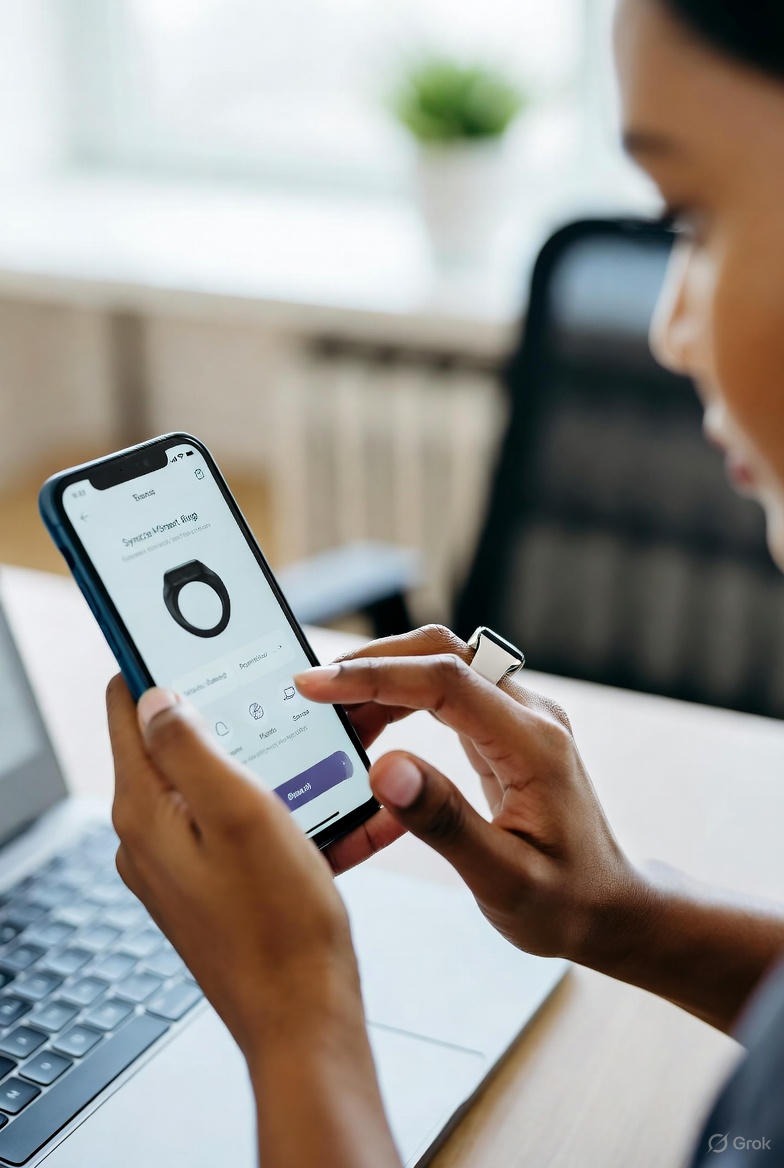
You now understand the language of your metabolic data. You can read the story of a high overnight heart rate and a depressed HRV. But the pivotal question remains: How do you translate this insight into real-world change that lasts? The gap between knowledge and consistent action is where most wellness journeys falter. The brilliance of continuous biometric feedback is that it bridges this gap, turning abstract health concepts into tangible, daily prompts.
Sustainable metabolic health isn’t about 30-day detoxes or extreme fitness challenges. It’s about the compound interest of small, intelligent habits, consistently applied and constantly refined by feedback. Your wellness ring becomes your habit coach, providing real-time validation or a gentle course correction. For instance, you decide to implement a digital sunset—turning off screens an hour before bed. Instead of just hoping it helps, you see the result: a slight increase in your deep sleep percentage and a lower sleep onset time over the next week. That positive reinforcement makes the habit stick. Conversely, if you try an intense 5 AM fasted workout but notice your HRV tanks for three days straight, the data tells you this particular habit might be too stressful for your current recovery capacity. You can then adapt, perhaps shifting the workout later in the day or adding a pre-workout snack. This is bio-hacking at its most elegant: a closed-loop system where your actions inform your data, and your data informs your actions.
The goal is to build a lifestyle, not a regimen. This means integrating habits that serve your metabolism into the fabric of your existing life, not creating a separate, exhausting "health" persona. Your ring data helps you identify the highest-impact, lowest-friction habits to start with. Is your sleep latency (time to fall asleep) consistently long? A focused wind-down routine is your lever. Is your post-lunch heart rate spike dramatic? Experimenting with a lower-carb lunch or a 10-minute post-meal walk becomes your experiment. By letting the data guide your focus, you avoid overwhelm and create meaningful, personalized progress that feels effortless, not effortful.
Our culture loves the drama of transformation: the before-and-after photo, the 75-day hard challenge, the complete lifestyle overhaul. Yet, metabolically, these grand gestures are often counterproductive. They impose massive, unsustainable stress, frequently lead to burnout, and ignore the fundamental biological truth: Your metabolism thrives on predictable rhythm.
Think of your body's systems as a highly skilled team. They perform best when they can anticipate what's coming next. Regular sleep times, consistent meal patterns, and manageable exercise allow your hormones (cortisol, insulin, melatonin, etc.) to fall into a harmonious, predictable rhythm. This circadian and metabolic regularity reduces systemic stress, improves energy utilization, and enhances repair.
This is where the subtle power of your wellness ring shines. It rewards consistency, not heroics.
Embrace the boring. The unsexy, daily practice of going to bed at roughly the same time, moving your body most days, and eating nourishing food at regular intervals is the golden ticket. Your wellness ring is the tool that proves it to you, day after day, data point after data point. For those with unpredictable schedules, finding this rhythm requires creativity, which is why exploring something like nighttime routine for shift workers: sleep when you can can provide a framework for consistency against the odds.
For decades, the primary nutritional question was "What should I eat?" While food quality remains paramount, emerging research has placed a giant spotlight on a second, equally critical question: "When should I eat?" Meal timing directly influences your circadian rhythms, which in turn govern your metabolism. Your wellness ring, by tracking the downstream effects of timing, offers you a personalized lab to test these principles.
The core concept is Time-Restricted Eating (TRE), often called intermittent fasting. This isn't primarily about calorie restriction; it's about giving your digestive system and insulin response a prolonged break each day, aligning your feeding window with your body's natural circadian biology. A common pattern is a 16:8 schedule—eating all meals within an 8-hour window and fasting for 16.
How Your Ring Helps You Navigate TRE:
TRE is not one-size-fits-all. For some, it leads to dramatic improvements in energy, focus, and metabolic markers. For others, particularly women, those with high stress, or certain medical conditions, it can be a significant stressor that backfires. Your ring provides the objective feedback to know which camp you're in.
Key Considerations Your Data Reveals:
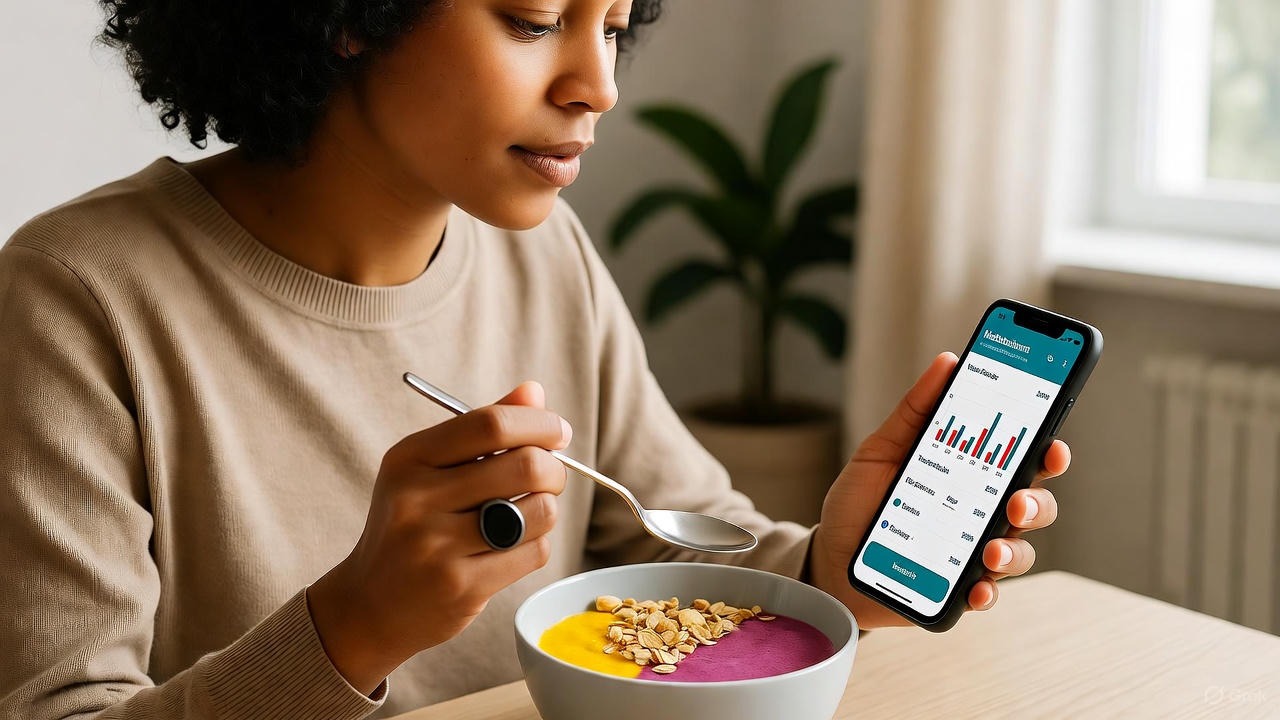
Water is the solvent of life. Every single metabolic reaction—from breaking down fat to building new proteins—occurs in this aqueous environment. Even mild dehydration, levels you may not consciously feel as thirst, can significantly impair these processes. It can increase cortisol (a stress response), reduce blood volume (forcing your heart to work harder), and slow down the metabolic rate itself. Fortunately, your ring tracks subtle proxies that can alert you to a hydration deficit.
Metabolic Signs of Dehydration in Your Data:
Using Your Ring to Build a Hydration Habit:
Don't rely on thirst; it's a lagging indicator. Instead, use your ring's data patterns to create proactive hydration cues.
This data-informed approach transforms hydration from a vague recommendation into a precise tool for optimizing your internal metabolic environment. It’s a simple, zero-cost intervention with potentially dramatic effects on how you feel and how efficiently your body operates.
Few lifestyle factors have as immediate and dramatic an impact on your biometrics as caffeine and alcohol. They are potent pharmacological agents, and your wellness ring removes all subjectivity, showing you exactly how your body processes them. This isn't about moral judgment; it's about informed choice. Once you see the data, you can decide if the trade-off is worth it.
Caffeine: The Double-Edged Sword
Caffeine blocks adenosine receptors, making you feel alert. But that adenosine doesn't disappear; it builds up, contributing to the afternoon crash. Its half-life is 5-6 hours, meaning it can linger in your system long after your last sip.
Alcohol: The Metabolic Saboteur
Alcohol is a sedative, but it is not sleep. It devastates sleep architecture and is a profound metabolic stressor. Your ring will illustrate this with brutal clarity.
Armed with this objective feedback, you can make conscious choices. Perhaps you decide alcohol is only for special occasions where the social benefit outweighs the metabolic cost. Maybe you shift your coffee habit firmly to the morning. The power is in seeing the invisible impact, allowing you to align your habits with your metabolic health goals.
Travel, especially across time zones, is one of the most disruptive events for your metabolism. It forcibly desynchronizes your internal clock (circadian rhythm) from the external environment. This state, known as jet lag, isn't just about feeling tired; it's a whole-body metabolic disorientation. Your hunger hormones, sleep-wake cycle, cortisol rhythm, and even core body temperature are thrown into chaos. Your wellness ring becomes an essential tool for navigating this disruption and accelerating your re-synchronization.
What Your Ring Shows During and After Travel:
Proactive Strategies Guided by Your Ring:
You can use your ring’s feedback to implement strategies that minimize the metabolic damage of travel.
By actively managing travel with your ring’s data, you transition from being a passive victim of jet lag to an active manager of your metabolic resilience.
For anyone who menstruates, ignoring the hormonal cycle when interpreting metabolic data is like trying to understand the ocean’s tides while ignoring the moon. Estrogen and progesterone orchestrate a dramatic, monthly symphony that directly influences energy, metabolism, recovery capacity, and nutrient partitioning. Your wellness ring, when viewed through a cycle-aware lens, transforms from a source of potential frustration (“Why are my numbers bad this week?”) into a profound tool of self-knowledge and optimization.
Mapping the Phases to Your Metrics:
A typical cycle can be broken into two main phases relative to ovulation, each with distinct metabolic and biometric signatures:
Follicular Phase (Day 1 of period through ovulation):
Luteal Phase (Post-ovulation through start of next period):
Empowered, Not Discouraged:
By tracking these patterns over several cycles, you can:
This cycle-syncing approach, validated by your own biometrics, is the ultimate in personalized health. It allows you to work with your body’s innate wisdom, not against it, for lifelong metabolic harmony.
Wellness is not lived in a vacuum. Birthdays, holidays, work dinners, and vacations are the fabric of a rich life, yet they often feel like minefields for metabolic goals. The old approach was binary: either rigid deprivation (bringing your own steamed broccoli to the party) or guilt-ridden abandon (the "I'll start Monday" spiral). Your wellness ring introduces a third, superior way: informed, strategic participation.
The key is to shift from a short-term, calorie-centric view to a long-term, metabolic-resilience view. One indulgent meal does not ruin your health. What matters is how your system recovers from it and the overall trend of your habits. Your ring provides the perspective to enjoy social events without derailment.
Strategies for the Social Metabolism:
By letting data guide your strategy, you can be fully present at the dinner table and fully in command of your long-term health journey.
You’ve gathered the data, interpreted the trends, and understood the profound impact of lifestyle on your metabolic biomarkers. Now, we move from the analytical to the actionable. This is where you synthesize everything you’ve learned into a living, breathing, personalized protocol—a set of guidelines that are uniquely tailored to your body’s responses, not a generic template. Your wellness ring is the co-pilot in this creation process, providing continuous feedback to refine and perfect your approach.
Creating your protocol isn't about drafting a rigid set of rules to be followed with military precision. It's about establishing a flexible framework of principles, priorities, and personal parameters. It answers questions like: What is my non-negotiable sleep window? What does my body signal when it’s truly recovered vs. stressed? Which foods tend to stabilize my energy and metrics? How much movement feels energizing versus depleting? Your protocol is a dynamic document, evolving as you and your life evolve.
The foundational pillars of any strong metabolic protocol are: Sleep, Nutrition, Movement, and Stress Management. But the specifics under each pillar are where personalization comes alive. For example, the nutrition principle might be "prioritize protein and fiber at every meal." Your personalized parameter, discovered through ring data, might be "finish eating by 7:30 PM to optimize deep sleep, and notice that legumes at dinner sometimes cause a higher overnight heart rate." This nuanced understanding allows for intelligent adaptation, not blind adherence.
Start by establishing your non-negotiables—the 1-2 habits in each pillar that have the highest positive correlation with your best recovery scores. Perhaps it's a 10-minute breathing exercise before bed, a 20-minute morning walk, or ensuring 30 grams of protein at breakfast. Lock these in. Then, use your ring’s weekly report to experiment with one variable at a time. The goal is to build a sustainable lifestyle that consistently generates green and yellow recovery scores, moving your metabolic baseline in a positive direction over time.
The gold standard of personalized health is the N=1 experiment. This is the recognition that you are a study population of one, and the most relevant research is that which you conduct on yourself. Group studies provide averages and probabilities, but your wellness ring enables you to discover your own certainties. Running clean, simple self-experiments turns guesswork into knowledge and empowers you to become the world’s leading expert on your own metabolism.
The Framework for a Successful N=1 Experiment:
Example Experiment: The 7 PM Digital Sunset.
This scientific approach removes emotion and dogma. It allows you to say with data-backed confidence, "Meditation improves my HRV, but ashwagandha does not," or "A post-dinner walk improves my sleep, but a late workout harms it." You cease following trends and start following your own evidence. For those looking to deepen their evening experiment toolkit, exploring nighttime wellness rituals from around the world can offer culturally-proven variables to test in your own N=1 lab.
Even with the best data, you will hit plateaus. The initial period of rapid improvement—the "low-hanging fruit" phase—slows, and progress stalls. Your metrics might flatline or even regress slightly. This is a normal part of the adaptation process, not a sign of failure. When this happens, it’s time to put on your detective hat and use your ring’s data to troubleshoot systematically.
Step 1: Check for Hidden Stressors.
Metabolic plateaus are often less about what you're doing for your health and more about unseen drains on your system.
Step 2: Re-examine Your Fundamentals.
It’s easy for foundational habits to slowly erode. Conduct an honest audit:
Step 3: Consider the Need for a Change in Stimulus.
Your body adapts. The same morning walk that once boosted your HRV may now simply maintain it. To spark new adaptation, you may need to change your stimulus.
Step 4: Practice Patience and Perspective.
True, lasting metabolic health is a marathon of compounding micro-gains. A three-week plateau is insignificant in the context of a multi-year journey. Trust the process, trust the data, and avoid the urge to make drastic, destabilizing changes. Often, consistency through the plateau is the very thing that leads to the next leap forward.

Your wellness ring provides unparalleled continuous, proxy data. However, for a complete metabolic portrait, it can be powerfully complemented by periodic, more direct clinical tests. These tests offer snapshots of internal markers that the ring infers, providing validation and deeper layers of insight. Think of it as combining a 24/7 security camera (the ring) with a detailed forensic analysis (lab tests) a few times a year.
Key Complementary Tests to Consider:
Creating a Synergistic Testing Schedule:
This integrated approach—continuous wearable data plus periodic lab verification—gives you and your healthcare provider a powerful, complete narrative of your metabolic health, enabling truly personalized and proactive care.
The seductive promise of quick fixes is everywhere. But metabolic health is not a sprint; it’s a lifelong pilgrimage. The real transformations—the kind that reverse insulin resistance, reduce visceral fat, and build resilient physiology—happen on a timeline of months and years, not days and weeks. This is where your wellness ring transitions from a daily coach to a lifelong historian, documenting your journey and providing the most valuable currency of all: proof of long-term progress.
What to Look for in the Long-Term Data:
The Power of the Annual Review: Once a year, take an hour to review your full year’s data. Look at the charts. Note your achievements. What was your average sleep score in January versus December? How did you navigate a particularly stressful period? This review is not just analytical; it’s deeply motivational. It turns abstract concepts like “I’m healthier” into concrete, visualized reality. It reinforces that every early night, every nourishing meal, and every managed stress response was a brick laid in the foundation of a healthier future.
This long-view perspective, enabled by continuous tracking, is what finally breaks the cycle of short-term, restrictive diets and punishing exercise regimes. It cultivates patience, celebrates non-scale victories, and roots your health journey in sustainable, data-verified lifestyle evolution.
With data flowing in from your ring, potentially a CGM, and periodic labs, the final step in mastery is organization. A cluttered mass of numbers is overwhelming; a curated dashboard is empowering. Your dashboard is a single, at-a-glance view of your key metabolic indicators. It can be as simple as a notes app document or a dedicated spreadsheet.
Step 1: Define Your Core Metrics.
Select 5-7 metrics that give you the most relevant snapshot. For most, this will include:
Step 2: Choose Your Update Frequency.
Step 3: Design for Insight, Not Just Data.
Your dashboard should answer questions at a glance. Use conditional formatting if using a spreadsheet (e.g., green for HRV above baseline, red for below). The goal is to immediately see: Am I generally in a state of recovery or stress? Is my sleep foundation solid? What happened this week that might have affected me?
Example Simple Weekly Dashboard Entry:
Step 4: Connect the Dots to Lab Work.
When you get blood work, add a snapshot section to your dashboard. Note the date and key values (HbA1c, HDL, Triglycerides, etc.). Below it, note what your ring’s 90-day averages were for that period. This creates a powerful cause-and-effect record.
This dashboard becomes your personal health operating manual. It turns a wellness ring from a gadget into the central hub of a conscious, data-informed health philosophy. It empowers you to have productive conversations with healthcare providers and, most importantly, to be the confident CEO of your own metabolic well-being.
The technology on your finger today is just the beginning. The field of biometric wearables is advancing at a breathtaking pace, promising even deeper, more direct, and more proactive insights into our metabolic machinery. Understanding this trajectory helps us appreciate the present tools and anticipate the even more powerful partnerships between humans and data that lie ahead.
Near-Future Advancements (Next 1-3 Years):
The Long-Term Vision (5-10 Years):
For the user today, this means the journey you’ve started is only going to get richer. The fundamental principles you’re learning—interpreting signals, running N=1 experiments, focusing on trends—will remain essential. The tools will simply become more precise, making the path to optimal metabolic health clearer, more personalized, and more achievable for everyone. To get a glimpse of how tracking is evolving, you can explore ideas on how to track whether your nighttime routine is working, which embodies this data-driven mindset.
Ultimately, this journey culminates not in a perfect set of numbers, but in a transformed relationship with your body. Metabolic awareness, facilitated by your ring, is a new form of consciousness. It’s the shift from seeing your body as a separate object to be controlled or judged, to experiencing it as a dynamic, communicative partner in your life.
This mindset has several core tenets:
Living with this awareness means you are never flying blind. You have a guide, a confidant, and a mirror on your finger. It turns the pursuit of health from a chore into a fascinating, lifelong exploration of your own unique biology. You are no longer a beginner following a generic guide; you are a master-in-training, equipped with the ultimate tool to write your own guide to lifelong vitality.
Your Trusted Sleep Advocate: Sleep Foundation — https://www.sleepfoundation.org
Discover a digital archive of scholarly articles: NIH — https://www.ncbi.nlm.nih.gov/
39 million citations for biomedical literature :PubMed — https://pubmed.ncbi.nlm.nih.gov/
Experts at Harvard Health Publishing covering a variety of health topics — https://www.health.harvard.edu/blog/
Every life deserves world class care :Cleveland Clinic - https://my.clevelandclinic.org/health
Wearable technology and the future of predictive health monitoring :MIT Technology Review — https://www.technologyreview.com/
Dedicated to the well-being of all people and guided by science :World Health Organization — https://www.who.int/news-room/
Psychological science and knowledge to benefit society and improve lives. :APA — https://www.apa.org/monitor/
Cutting-edge insights on human longevity and peak performance:
Lifespan Research — https://www.lifespan.io/
Global authority on exercise physiology, sports performance, and human recovery:
American College of Sports Medicine — https://www.acsm.org/
Neuroscience-driven guidance for better focus, sleep, and mental clarity:
Stanford Human Performance Lab — https://humanperformance.stanford.edu/
Evidence-based psychology and mind–body wellness resources:
Mayo Clinic — https://www.mayoclinic.org/healthy-lifestyle/
Data-backed research on emotional wellbeing, stress biology, and resilience:
American Institute of Stress — https://www.stress.org/


