


Body Recovery Basics for Desk Workers and Sedentary Lives
Recovery basics for people with sedentary jobs to counteract daily strain.
Recovery basics for people with sedentary jobs to counteract daily strain.
%402x.svg)
You’ve crushed your to-do list, navigated back-to-back video calls, and powered through that critical project. By all modern metrics, you’ve had a productive day. Yet, as you finally push back from your desk, a familiar chorus of aches begins: a stiff lower back, a tightness creeping across your shoulders, a dull headache blooming behind your eyes, and a deep-seated fatigue that no amount of coffee can fix. This isn't just tiredness; it’s the physical toll of a sedentary life, a silent tax levied on your body for eight or more hours of stillness.
Welcome to the paradox of the modern professional. We work with our minds in the digital ether, but we pay the price with our physical vessels. The World Health Organization now lists physical inactivity as the fourth leading risk factor for global mortality. For the desk-bound, the office chair has become a slow-acting ergonomic hazard, and the relentless focus on screens is quietly rewiring our posture, our nervous systems, and our long-term health.
But what if we reframed this challenge? What if we stopped seeing our workday as a period of physical decay and started viewing it as an interval between recovery sessions? This isn’t about finding time for the gym; it’s about integrating the science of restoration into the very fabric of your day. It’s about moving from a state of chronic, low-grade breakdown to one of consistent, proactive recovery.
The journey to reclaiming your physical well-being begins with understanding. It starts with listening to the subtle signals your body has been sending for years—the tension, the stiffness, the depleted energy—and learning to answer them with intention. This guide is your first step. We will dismantle the myth that sitting is resting and build a new foundation for vitality, piece by piece, using both timeless wisdom and cutting-edge technology designed for lives like yours. The goal is not just to survive your workday but to thrive within it, emerging each evening not drained, but restored.
We’ve been culturally conditioned to equate sitting with relaxation. After a long day, we “take a load off.” But from a biological standpoint, your body interprets prolonged sitting not as a reward, but as a state of emergency shutdown. When you sit for extended periods, a cascade of negative physiological events is triggered, fundamentally altering how your body functions.
Metabolic Shutdown and the "Muscle Signal"
The moment you sit, the large weight-bearing muscles in your legs and glutes essentially go offline. These muscles are major consumers of glucose and fat. When they become inactive, your metabolic rate plummets—by as much as 90% compared to standing. The enzyme lipoprotein lipase, responsible for breaking down fats in your bloodstream, drops in activity. This leads to a rise in triglycerides and a drop in HDL (the "good" cholesterol), setting the stage for cardiovascular strain. It’s not an exaggeration to say that within 90 minutes of sitting, healthy cholesterol profiles can begin to deteriorate.
The Spine Under Siege
Your spine is a marvel of engineering, designed for dynamic movement. In a seated position, particularly a slouched one, the natural S-curve of your spine is distorted. Disc pressure in your lower back increases by up to 40% compared to standing. The muscles that should be supporting your spine—your deep core stabilizers and back extensors—switch off, while other muscles, like your hip flexors, become chronically shortened and tight. This creates a perfect storm for pain: weak supporters, overstretched ligaments, and compressed discs.
Circulation and Cognitive Stagnation
Blood flow slows in the limbs, leading to that familiar heavy, sluggish feeling. More critically, reduced movement means less oxygenated blood is pumped to your brain. Studies link prolonged sitting to reduced brain-derived neurotrophic factor (BDNF), a protein essential for brain plasticity, learning, and memory. The afternoon fog isn’t just mental fatigue; it’s a physiological reality of stagnation.
The Technology of Awareness
This is where modern wellness tools shift from gadgets to essential interpreters. A device like the Oxyzen smart ring operates as a 24/7 biometric translator, helping you see the invisible cost of your sedentary hours. It doesn’t just count steps; it analyzes Heart Rate Variability (HRV)—a key metric of your nervous system’s resilience and recovery status. A consistently low HRV throughout your workday is a direct signal that your body is stuck in a low-grade “fight or flight” stress mode, not the “rest and digest” state it needs for repair.
By tracking trends in your resting heart rate, skin temperature, and blood oxygen saturation, you move from guessing about your state of fatigue to knowing it. Did that back-to-back meeting schedule genuinely drain you? Your recovery data will show the impact. This objective feedback is the first, crucial step in breaking the cycle. It turns abstract advice like “move more” into a personalized, data-driven protocol. For a deep dive into how these sensors create a holistic picture of your health, explore our article on the science behind modern health tracking technology.
Understanding this hidden physiology is the foundation. You are not lazy or weak for feeling drained by desk work; you are experiencing a predictable biological response. The solution lies in strategically interrupting these processes throughout your day, a practice we can master through micro-movements.
The classic advice to “take breaks” is well-intentioned but often ineffective. A quick scroll through your phone while slouched in your chair is not a break for your body. The antidote to the sedentary cascade is intentional, frequent, and varied movement—a practice we call the art of the micro-movement.
The 20-20-20-20 Rule (Redefined)
You may know the 20-20-20 rule for eyes (every 20 minutes, look 20 feet away for 20 seconds). Let’s upgrade it for your entire body: Every 20 minutes, perform 20 seconds of intentional movement. This frequency is critical. It prevents muscle shutdown, boosts circulation, and resets posture before your body has fully settled into dysfunction.
Beyond the Chair: The Power of the Postural Shift
The goal isn’t always intense exercise; it’s to change your body’s relationship with gravity. Simply shifting from sitting to standing alters the load on your spine and re-engages your leg muscles. But go further:
Hydration as a Movement Catalyst
Keep a water bottle on your desk, but place it just out of arm’s reach. The act of having to reach for it, then eventually get up to refill it, creates dozens of natural, unforced movement opportunities throughout the day. This simple hack ties a biological need (hydration) directly to a movement trigger.
Leveraging Your Data for Personalized Breaks
This is where a smart wellness device transforms a generic tip into a personalized prescription. Instead of arbitrary timers, you can learn to respond to your body’s signals. Notice your heart rate has been unnaturally steady and low for an hour? That’s a sign of physical stagnation—time for 2 minutes of brisk marching in place. Feel a stress headache coming on? Check your device’s stress score; a confirmed spike is your cue for 5 minutes of diaphragmatic breathing rather than just pushing through.
By reviewing your daily readiness score from a tool like Oxyzen, you can plan your micro-movement strategy. A low recovery score in the morning might prompt you to schedule more frequent, gentle mobility breaks, while a high score might allow for more vigorous, energy-boosting movements. To understand how these devices help you build such responsive, healthy habits, read our guide on how wellness ring basics help build healthy habits.
Micro-movements are the tactical strikes against sedentariness. But to win the war, we need to fortify the body’s structural foundations. This begins with the very architecture of our work environment.
An ergonomic setup is often mistaken for a one-time purchase of an expensive chair. In truth, it is a dynamic system designed to minimize strain and allow for healthy movement. Your workspace shouldn’t strap you into a “perfect” position for eight hours; it should facilitate easy transitions between a variety of supported, non-harmful postures.
The Gold Standard: Your Body’s Neutral Position
The goal is to align your workstation so your joints are in a relaxed, neutral posture. This minimizes the work your muscles must do to fight gravity.
The Keyboard and Mouse Trap
Peripheral placement is crucial. Your keyboard and mouse should be close enough that you don’t have to reach forward, which rounds your shoulders. Consider a split keyboard or a vertical mouse to keep your wrists in a more natural, neutral position and combat repetitive strain.
The Single Most Important Upgrade: A Sit-Stand Desk
If there is one investment to prioritize, it is a mechanism that allows you to alternate between sitting and standing. The benefit isn’t in standing all day (which brings its own issues), but in the ability to change your posture on demand. Start with a 30-minute sit, 15-minute stand ratio, and adjust based on feel. The very act of transitioning is a micro-movement victory.
Lighting and Vision: The Overlooked Ergonomics
Eye strain from screens contributes to tension headaches and forward head posture. Ensure your workspace has ample, soft ambient light to reduce screen glare. Implement the visual 20-20-20 rule religiously. Consider blue light filtering glasses if you experience late-day eye fatigue, as this can be a sign of digital eye strain disrupting your circadian rhythm.
Using Wearable Data to Refine Your Setup
Your subjective feeling of comfort is important, but objective data can reveal hidden strains. For instance, if your wearable device shows consistently elevated resting heart rate or poor sleep quality (especially difficulty falling asleep), your daytime ergonomic stress or blue light exposure could be a contributing factor. An experiment is useful: spend one week meticulously adhering to ergonomic principles and note the changes in your nightly recovery metrics and morning readiness scores on your app. You might find that proper screen height correlates with lower neck and shoulder tension, reflected in less restless sleep.
Creating a supportive workspace removes the constant, low-level assault on your posture. But we must also actively rebuild what sitting has broken. This requires targeted attention to our most impacted areas: the posterior chain.
The “posterior chain” refers to the interconnected group of muscles on the backside of your body: calves, hamstrings, glutes, spinal erectors, and upper back muscles. For desk workers, this entire system is systematically weakened and deactivated. Tight hip flexors from sitting pull the pelvis into an anterior tilt, shutting off the glutes and overstretching the hamstrings. This imbalance is the root cause of most non-specific lower back pain.
The Silent Glute: Amnesiac Muscles
Your gluteus maximus is the body’s most powerful muscle, designed for propulsion and stabilization. In a chair, it is rendered useless. Over time, it forgets how to fire properly—a phenomenon called “gluteal amnesia.” The result? Your hamstrings and lower back muscles are forced to overcompensate during any activity, leading to strain and pain.
Daily Re-Awakening Drills (5-Minute Routine)
These are non-negotiable, daily movements to remind your posterior chain of its job.
Strategic Stretching for Freedom
Stretching isn’t just about feeling loose; it’s about restoring range of motion so muscles can work correctly.
The Role of Technology in Tracking Imbalances
A smart wellness ring can provide indirect but valuable feedback on your progress in rehabilitating your posterior chain. As you strengthen these muscles, you may see improvements in your overall activity score and even your sleep. Why? Stronger glutes and a stable core reduce pain and physical stress, allowing for a more relaxed nervous system at night. Furthermore, by tagging activities like “Posterior Chain Routine” in your companion app, you can observe correlations. Do your workout days correlate with a higher HRV the following morning? This positive feedback loop turns abstract exercise into a measurable recovery tool, showing you the direct impact of this foundational work. For insights into how different wellness devices support specific goals like this, see our breakdown on how wellness ring basics support different health goals.
Rebuilding the posterior chain restores your body’s natural architecture. With a stable foundation, we can then address the intricate network of stress and tension that manifests in our upper body.

If the lower body suffers from weakness, the upper body often bears the brunt of constant tension. The forward-leaning “tech neck” posture, rounded shoulders from typing, and unconscious jaw clenching under stress create a chronic holding pattern in the muscles of your neck, shoulders, and face. This isn’t just uncomfortable; it can impede breathing, cause headaches, and contribute to a perpetual state of sympathetic (stress) nervous system arousal.
Understanding Tech Neck
For every inch your head moves forward from its neutral alignment over your shoulders, the effective weight on your cervical spine increases by about 10 pounds. A head pitched forward just 3 inches adds 30 pounds of strain to the muscles and ligaments of your neck and upper back. These muscles were never designed for such a constant load.
The Breath-Tension Connection
Notice your breathing right now. Is it shallow, high in your chest? This is thoracic breathing, common under stress and in poor posture. It overuses the accessory muscles in your neck and shoulders (like the scalenes and trapezius), keeping them in a constant state of contraction. Meanwhile, your primary breathing muscle, the diaphragm, becomes underutilized.
Practical Resets for the Workday
Data-Driven Tension Awareness
Your wearable device can be a powerful ally in managing this type of tension. Many advanced wellness rings and trackers now include features that estimate stress levels through a combination of HRV, heart rate, and skin temperature data. Use this as a biofeedback tool.
When you feel a knot forming in your shoulder, glance at your stress graph. Is it spiking? Let that objective signal be your cue to perform a 2-minute reset—some neck rolls, shoulder shrugs, and diaphragmatic breaths. Over time, you can track whether your daily average stress score decreases as you incorporate these upper body resets, providing concrete proof of their effectiveness. To understand the full potential of this kind of continuous monitoring, learn about the basics of continuous vs. periodic monitoring.
Releasing physical tension is a direct line to calming the mind. But our recovery is not solely governed by our muscles and posture. The true conductor of the recovery symphony is our nervous system, and mastering it is the next critical skill.
Your autonomic nervous system (ANS) is the unconscious control center for every recovery process in your body. It has two primary modes: the sympathetic nervous system (SNS), your “fight-or-flight” accelerator for stress and action, and the parasympathetic nervous system (PNS), your “rest-and-digest” brake for recovery, repair, and digestion. For desk workers, the unique challenge is a state of sedentary stress—a physically inactive body coupled with a mentally stressed, SNS-dominant mind.
The Sedentary Stress Paradox
You are sitting still, but your mind is racing through deadlines, navigating complex emails, or managing virtual social dynamics. This cognitive-emotional load keeps your cortisol elevated and your ANS stuck in a low-grade sympathetic state. Your body is preparing for a threat that never requires physical movement to resolve, leaving stress hormones to circulate without an outlet.
Heart Rate Variability (HRV): Your Recovery Dashboard
HRV is the most accessible and powerful metric for gauging your ANS balance. It measures the subtle variations in time between each heartbeat. A higher HRV generally indicates a resilient, adaptable nervous system with strong parasympathetic tone—you can shift smoothly from stress to recovery. A low, stagnant HRV suggests a nervous system stuck in stress mode, unable to downshift into repair. For desk workers, watching your HRV dip during long, mentally intense work blocks is a clear sign of this sedentary stress pattern.
Practical Tools for a Parasympathetic Shift
You cannot think your way into the PNS; you must physiologically signal safety to your body.
Leveraging Your Biometric Data for Mastery
This is the core of why a device like the Oxyzen ring is transformative. It moves nervous system regulation from guesswork to a precise practice.
Mastering your nervous system is the master key to recovery. It influences everything from muscle repair to cellular cleanup. Speaking of cellular processes, one of the most profound yet overlooked recovery tools is the very fuel we provide our bodies: nutrition.
When we think of nutrition for athletes, we picture protein shakes and carb loading. For the sedentary worker, the nutritional focus shifts. The goal is not to fuel explosive performance, but to combat inflammation, stabilize energy, support metabolic function, and provide the raw materials for repairing the subtle damage caused by hours of sitting and mental stress.
The Inflammation Equation
Prolonged sitting and psychological stress are both pro-inflammatory states. They promote the release of inflammatory cytokines. Your diet can either fan these flames or douse them.
Blood Sugar Stability: The Energy Rollercoaster
Sitting all day impairs glucose metabolism. When you then consume a high-carb, low-fiber meal (like a sandwich and chips at your desk), it can cause a rapid spike and subsequent crash in blood sugar. This crash manifests as the 3 PM slump—brain fog, fatigue, and irritability. Stable blood sugar is essential for sustained mental focus and even mood.
Hydration for Structural and Cognitive Support
Dehydration is a prime mimic of fatigue and can increase the perception of pain. The discs in your spine are primarily water; dehydration can literally shrink them, reducing cushioning. Aim for water intake consistently throughout the day, not just in large, sporadic gulps. Herbal teas are an excellent way to increase fluid intake while also providing calming phytochemicals.
Timing: The Forgotten Ergonomics of Eating
Using Biometrics to Refine Nutrition
Your wellness data provides a direct line from your plate to your physiological state.
Nutrition provides the biochemical substrate for repair. But even the best fuel needs a specific environment to be efficiently utilized. That environment is primarily built during the most powerful recovery phase of all: sleep.
For the desk worker, sleep is not a luxury; it is the night shift for your body’s maintenance crew. This is when growth hormone is released to repair muscles, the glymphatic system flushes metabolic waste from your brain, memories are consolidated, and your nervous system resets. Poor sleep sabotages every other recovery effort you make, leaving you more inflamed, more pain-sensitive, and cognitively foggy.
The Sedentary-Sleep Vicious Cycle
Lack of movement during the day can lead to poorer sleep quality at night. You haven’t created a sufficient sleep drive (adenosine buildup) through physical exertion. Furthermore, mental stress from work can lead to rumination at bedtime, keeping your nervous system aroused. Conversely, poor sleep reduces pain tolerance and increases fatigue, making you less likely to move the next day, perpetuating the cycle.
Crafting a Circadian-Friendly Day
Your sleep begins the moment you wake up. Light is your primary circadian cue.
The Wind-Down Ritual
Transition your nervous system from sympathetic to parasympathetic dominance.
Turning Sleep Data into Actionable Insight
A smart ring like Oxyzen is uniquely positioned for sleep tracking, as its form factor is less obtrusive than a wrist device. The data it provides moves you from “I slept poorly” to understanding the architecture of your poor sleep.
By experimenting—e.g., trying a new wind-down routine for a week—and observing the direct impact on your sleep score, resting heart rate, and morning readiness, you become the scientist of your own recovery. This empowers you to make changes that have a proven, measurable return on investment for your well-being. Discover how this level of insight is changing the approach to health in our article on how health tracking technology changed preventive medicine.
Perfect sleep is a pillar of recovery. But our bodies are not designed for perfect conditions. Life involves deadlines, travel, and unexpected stresses. Therefore, the final piece of the puzzle is building resilience—the ability to withstand, adapt, and bounce back.
Building Resilience: Creating a Personalized, Sustainable Recovery Protocol
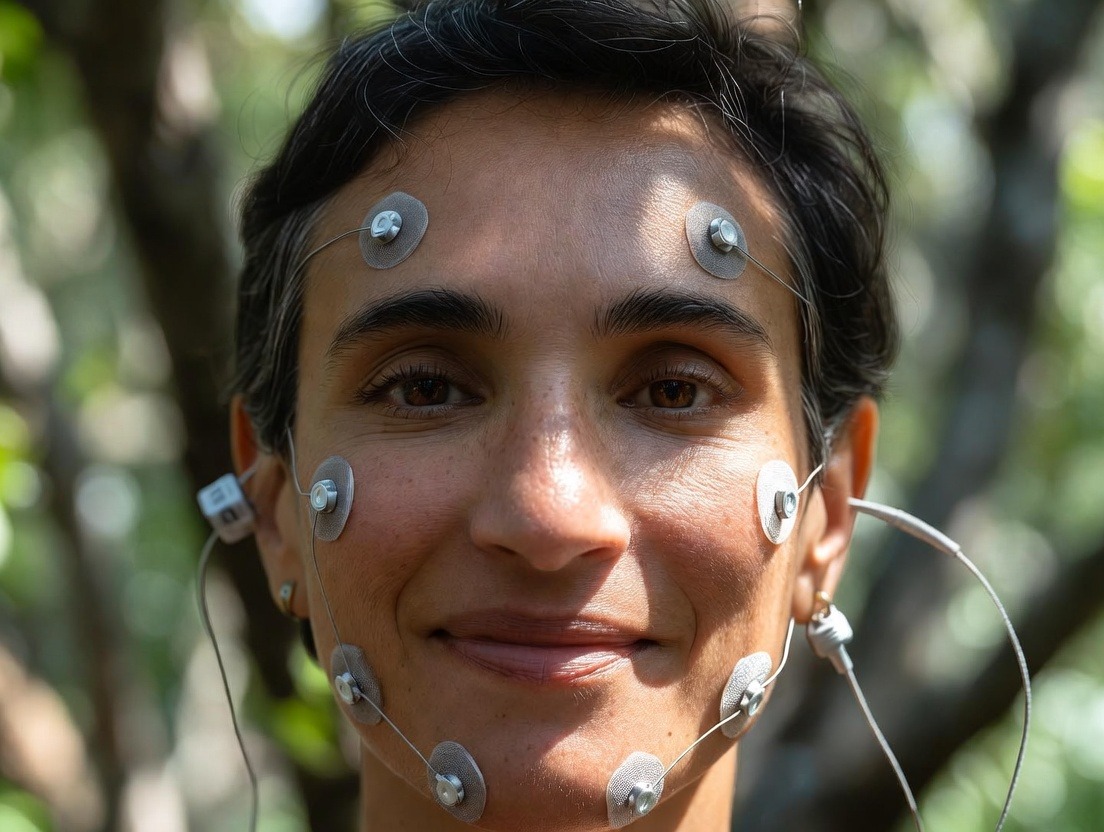
Resilience is not the absence of stress or strain; it is the capacity to recover from it efficiently. For the modern knowledge worker, resilience is the ultimate competitive advantage. It’s what allows you to endure a crunch week without collapsing, travel for work without getting sick, and maintain energy for your life outside the office. Your recovery protocol is your personal resilience training manual.
From Fragmentation to Integration
The previous sections have provided a toolkit of strategies: micro-movements, ergonomics, targeted exercise, nervous system hacks, nutrition, and sleep. Resilience is built not by doing all of them perfectly every day, but by weaving the most impactful threads into the fabric of your life until they become automatic. It’s about creating a flexible system, not following a rigid checklist.
The “Recovery Audit”
Start by conducting a honest audit of your current state across key domains. Use a simple 1-10 scale:
Identify your lowest score. That is your leverage point—the area where a small, consistent investment will yield the most significant overall return on your recovery.
The Minimum Viable Recovery (MVR) Day
On your most chaotic, overscheduled day, what is the absolute non-negotiable baseline you can commit to? This is your MVR. It might be:
The Role of Technology as Your Resilience Coach
A comprehensive wellness wearable is the central hub for your resilience protocol. It integrates the data streams to give you a holistic picture.
Embracing the Iterative Process
Recovery is not a destination you reach and then stop. It is a continuous, iterative process of learning, adjusting, and adapting. Some weeks you will prioritize sleep, others you may focus on fixing your desk setup. The tools and awareness you develop—both in your own mind and through your biometric data—allow you to navigate this process with intelligence and grace, turning the challenge of a sedentary life into an opportunity for profound self-mastery and sustained vitality. To see how the journey of wearable tech itself has evolved to support this, explore the evolution of health tracking technology from manual to smart rings.
Human beings are not designed for isolated recovery. We are a social species, and our nervous systems are deeply regulated by the presence and quality of our connections. For the remote or office-bound worker, loneliness and a lack of supportive accountability can be significant barriers to sustained recovery. Intentionally building a social framework around your wellness goals transforms recovery from a private struggle into a shared, supported journey.
The Physiology of Co-Regulation
Co-regulation is the process by which one person’s nervous system helps calm another’s. A supportive conversation, a shared laugh, or even comfortable silence with a trusted person can down-regulate stress hormones and activate the parasympathetic nervous system. Conversely, toxic or competitive social dynamics can keep you in a state of defensive arousal. Prioritizing positive, low-demand social interactions is a direct recovery intervention.
Finding Your Recovery Tribe
You don’t need a huge group. You need a few key connections aligned with your values.
Leveraging Digital Communities Wisely
Online communities can provide inspiration and a sense of shared purpose, especially for those working remotely.
Communicating Your Recovery Needs
A major source of social stress is mismatched expectations. Learning to communicate your recovery boundaries is a critical skill.
Technology as a Community Bridge
Modern wellness technology can actively facilitate social recovery.
Recovery in isolation is fragile. Recovery supported by connection is resilient. By weaving a social safety net around your wellness practices, you create a system that not only holds you accountable but also fulfills a fundamental human need for belonging, making the entire journey more sustainable and enjoyable.
At this stage, you are no longer a passive consumer of data points. You are becoming a fluent interpreter of your body’s unique language. A readiness score of 72, an HRV of 45 ms, a resting heart rate of 58—these are not just numbers to glance at. They are interconnected signals in a dynamic system. Advanced interpretation involves looking at patterns, relationships, and trends over time to make truly personalized decisions.
The Trinity of Core Metrics: HRV, RHR, and Sleep
Understanding how these three interact is key.
Context is King: Tagging and Journaling
A number without context is meaningless. The most powerful feature of any tracking system is your own manual input.
Identifying Your Personal Baselines and Ranges
Forget population averages. What’s normal for you?
Long-Term Trend Analysis: The Ultimate Insight
Daily numbers are the weather. Trends are the climate. Shift your focus to the weekly and monthly view.
Integrating Data from Multiple Sources
Your smart ring is a powerful hub, but it’s not the only source. Consider it the central piece of a puzzle.
By moving from reading numbers to interpreting stories, you transform your wearable from a fitness tracker into a true biofeedback tool for self-mastery. This deep awareness naturally leads to the next phase: designing a life that not only accommodates recovery but is structured to promote it from the ground up.
Willpower is a finite resource, and for the cognitively drained knowledge worker, it’s often depleted by midday. Relying on motivation to choose recovery is a losing strategy. The solution is lifestyle design: intentionally crafting your environment, routines, and default choices so that the healthy, recovery-supportive action is the easiest action to take. You build a life that automatically guides you toward restoration.
The Power of Defaults and Friction
Human behavior is heavily influenced by friction (how hard something is to do) and defaults (what happens if you do nothing).
Time-Blocking for Recovery
Treat recovery practices with the same non-negotiable status as important meetings.
The Weekly Planning and Review Ritual
Dedicate 20 minutes each Sunday evening to review and plan.
Environmental Engineering at Home
Your home should be a recovery sanctuary, not an extension of the office.
Using Technology to Automate and Remind
Let your tech handle the reminders so your brain doesn’t have to.
Building a Personalized Recovery Stack
A “stack” is a combination of small habits done consistently. Yours might look like:
By designing systems that make recovery automatic, you conserve your precious willpower for the creative and complex problems your work requires. You stop fighting against your environment and start letting it work for you. This systemic approach ensures that the progress you’ve made is not a temporary peak but a permanent plateau of higher functioning.
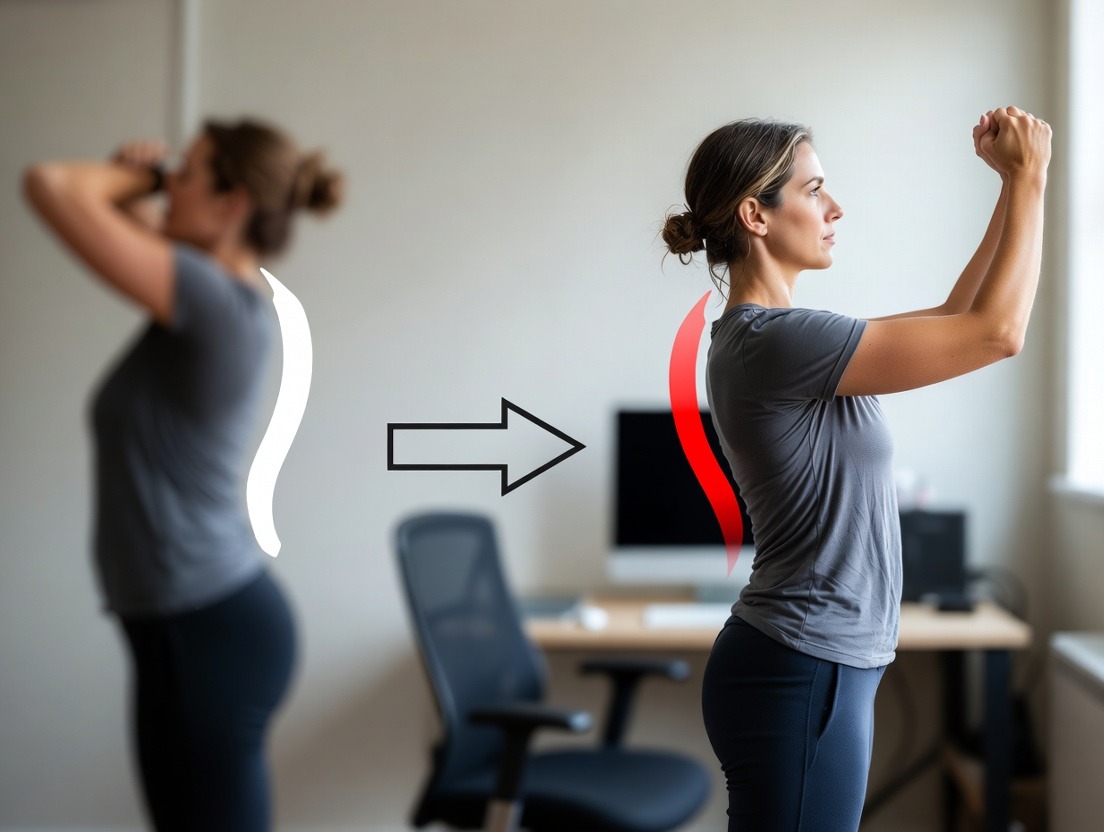
No recovery journey is a linear ascent. There will be weeks where work crises blow your routines apart, nights where sleep is elusive despite your best efforts, and periods where your biometrics stagnate or even regress. These are not failures; they are integral parts of the process. The mark of advanced recovery isn’t avoiding setbacks, but developing the skills to navigate them with grace, learn from them, and return to your protocol without self-judgment.
Understanding the Difference Between a Setback and a Plateau
The Adaptive Response to Setbacks: The “Minimum Viable Recovery” Revisited
When life gets chaotic, you don’t abandon your recovery; you simplify it radically. Return to your MVR (Minimum Viable Recovery) protocol.
Strategies for Breaking Through Plateaus
When you’re doing everything “right” but not seeing progress, it’s time to experiment.
The Role of Your Biometric Data in Navigating Challenges
Your device becomes your most trusted advisor during these times.
Cultivating a Growth Mindset Towards Recovery
Adopt the language of learning. Replace “I failed” with “I learned what doesn’t work when I’m sick.” Replace “I’m stuck” with “My body is asking for a new challenge.” This mindset shift turns every setback and plateau into valuable data points in your lifelong self-experiment.
Resilience is not built on a foundation of perfect consistency, but on the practiced skill of adaptation and compassionate return. By mastering the navigation of these inevitable dips, you ensure that your recovery protocol is not a fragile house of cards, but a robust, living system that can withstand the realities of a demanding, dynamic life. This resilient foundation prepares you for the final frontier of recovery: aligning your daily practices with your deepest sense of purpose and well-being.
You have journeyed from understanding the silent injuries of a sedentary life to implementing a sophisticated, personalized recovery protocol. You’ve built systems, learned your body’s unique language, and developed resilience to navigate setbacks. Now, we arrive at the pinnacle of this process: integration. This is where recovery ceases to be a separate “thing you do” and becomes the seamless, underlying operating system for your life. It’s the stage where the meticulous attention you’ve paid to your physical and mental restoration begins to pay exponential dividends in creativity, purpose, performance, and long-term vitality.
Integration is characterized by a shift in motivation. Initially, you likely pursued recovery to stop hurting—to alleviate back pain, brain fog, and chronic fatigue. At the integration stage, you pursue it to start thriving. You move from a deficit model (filling holes) to an abundance model (building capacity). The micro-movements, the breathwork, the optimized sleep—they are no longer chores on a checklist. They are the daily rituals that clear the static, allowing your unique talents, passions, and contributions to come through with greater clarity and energy.
This phase connects the dots between cellular repair and creative output, between nervous system regulation and empathetic leadership, between physical resilience and the stamina to pursue a meaningful life well into later decades. We will explore how recovery fuels not just a healthier body, but a more focused mind, a more engaged emotional life, and a proactive approach to healthy aging. We’ll also look at the cutting edge of recovery technology and peer into the future of personalized wellness. This is about designing a life where your daily work and your daily recovery are not at odds, but in a symbiotic dance, each making the other more sustainable and rewarding.
When pain and fatigue are your constant companions, your cognitive bandwidth is hijacked. A significant portion of your mental energy is devoted to managing discomfort, pushing through fog, and simply enduring the day. Advanced recovery clears that bandwidth. Once the baseline of physical ease is established, the same physiological systems you’ve been nurturing begin to enhance higher-order brain functions. Recovery becomes your secret weapon for focus, innovation, and problem-solving.
The Neurophysiology of a Recovered Brain
The benefits of sleep, movement, and stress management extend far beyond the body.
Designing Your Day for Cognitive Flow
Use your recovery practices to architect your workday for peak mental performance.
Leveraging Biometrics for Cognitive Optimization
Your wearable provides a direct line to your brain’s operating conditions.
By framing recovery as cognitive enhancement, you create a powerful positive feedback loop. Investing in recovery yields better work, which creates less psychological stress, which in turn makes recovery easier and more effective. This integrated mindset transforms your approach from reactive repair to proactive empowerment.
The desk worker’s battlefield is often emotional and psychological. Deadlines, interpersonal dynamics, constant connectivity, and the pressure to perform create a perfect storm for anxiety, irritability, and eventual burnout. Your physical recovery protocol is, perhaps unknowingly, your first line of defense and your most potent treatment for these emotional challenges. The body and mind are one system; you cannot regulate one without impacting the other.
The Body-Emotion Feedback Loop
Emotions have a physical component. Anxiety is a racing heart and shallow breath. Frustration is clenched jaw and tight shoulders. Burnout is a heavy fatigue and pervasive ache. Conversely, physical states induce emotions. Chronic pain leads to irritability. Poor sleep leads to emotional volatility. Restored physical vitality creates a foundation for emotional stability.
Recovery Practices as Emotional Skills
The tools you use for physical recovery are direct interventions for emotional dysregulation.
Creating Emotional Boundaries Through Ritual
Your recovery rituals create crucial psychological separation from work.
Using Data to Objectify Emotional States
Emotions can feel overwhelming and irrational. Biometric data can provide objective grounding.
By viewing your emotional world through the lens of physiological regulation, you gain agency. You move from being at the mercy of your feelings to having a toolkit to manage your internal state. This is the essence of emotional resilience for the modern professional: not the absence of stress, but the capacity to recover from it efficiently. For more on building systems that support this, our guide on how wellness ring basics help build healthy habits offers practical strategies.
The ultimate goal of an integrated recovery practice is not just to feel good this week or this year, but to build a body and mind that remain capable, vibrant, and engaged for decades to come. The sedentary, stressed modern lifestyle accelerates aging at the cellular level. Conversely, the practices you’re implementing are among the most potent, evidence-based anti-aging strategies available. Every recovery-focused choice is an investment in your future self.
The Hallmarks of Aging and the Recovery Countermeasures
Scientists have identified key biological processes that drive aging. Your recovery protocol directly addresses them.
Building a “Longevity Portfolio”
Think of your recovery habits as compounding investments in your health span (the number of healthy, functional years of life).
Using Biomarkers to Track “Biological Age”
While no consumer wearable gives a definitive biological age, the trends in your data are powerful proxies.
By framing your daily choices through the lens of longevity, you connect the mundane (taking the stairs, choosing vegetables, going to bed on time) to the profound (maintaining your independence and curiosity for decades). This perspective provides a deep, enduring “why” that transcends temporary motivation. For a comprehensive look at applying these principles, explore our resource on 50 healthy aging tips a smart ring helps implement daily.

We are on the cusp of a revolution in personalized wellness. The current generation of smart rings and wearables provides insightful hindsight and valuable present-moment feedback. The next generation will offer true foresight—predictive analytics powered by artificial intelligence that can anticipate your recovery needs and suggest hyper-personalized interventions before you even perceive a problem.
From Descriptive to Predictive and Prescriptive Analytics
The Role of AI and Large Language Models
AI will act as your 24/7 recovery coach, synthesizing data from multiple streams:
Seamless Integration with Your Environment
Recovery tech will move beyond the wearable to become ambient.
Ethical Considerations and The Human Element
With great data comes great responsibility. The future of recovery tech will hinge on:
This future is not science fiction; it’s the logical extension of the journey you’ve already begun. By engaging with your current biometric data, you are training yourself to be an informed, active participant in this coming wave of hyper-personalized health. You are building the foundational literacy required to partner effectively with the AI coaches of tomorrow.
Creating Your Personalized Recovery Manifesto
After absorbing this breadth of knowledge, the final, most personal step is synthesis. It’s time to move from a collection of strategies and data points to a coherent, living document: your Personal Recovery Manifesto. This is not a rigid set of rules, but a dynamic statement of principles, priorities, and non-negotiables that guides your decisions in alignment with your deepest values for health and vitality.
What is a Recovery Manifesto?
It is a one-page document that answers the core questions:
Steps to Draft Your Manifesto
Integrating Your Manifesto with Your Tools
The Manifesto as a Living Document
Review and revise your manifesto quarterly. As your life changes—a new job, a new family member, a new health goal—your recovery needs will evolve. Your manifesto should evolve with you. This quarterly review is also the perfect time to look at your long-term biometric trends and ask: “Is my current protocol moving me toward my stated goals?”
This manifesto becomes your north star. On chaotic days, it tells you what matters. On stagnant days, it prompts reflection and revision. It is the ultimate integration tool, weaving together the science, the data, the habits, and the purpose into a single guiding narrative for your well-being.
You began this journey likely seeking relief from the specific aches and fatigues of a desk-bound life. You have ventured through the physiology of sedentariness, the power of micro-movements, the critical importance of ergonomics and targeted strengthening. You’ve explored the deep waters of nervous system regulation, nutritional strategy, and sleep science. You’ve learned to interpret the language of your own body through data, design systems to support yourself, and build resilience to navigate life’s inevitable disruptions.
Now, you stand at a different vantage point. Recovery is no longer a separate project. It is the underlying architecture of a high-performing, sustainable, and meaningful life. The smart ring on your finger or the data on your screen is no longer just a tracker; it is a compass, pointing you toward daily choices that compound into a future of vitality.
The desk worker’s life need not be a sentence to gradual decline. It can be a platform for sustained excellence. By mastering the art and science of recovery, you reclaim the energy that is rightfully yours. You transform your workday from a draining marathon into a series of engaged sprints, with purposeful pauses for restoration. You invest not just in your productivity for this quarter, but in your healthspan for decades to come.
This is the promise of modern recovery: a life where you are not defined by your chair, but empowered by your habits. Where you finish your workday not depleted, but with energy reserved for connection, creativity, and joy. The path is now clear, the tools are in your hands, and the data is on your side. The only step left is to continue living it, one conscious, recovered day at a time.
For those ready to take the next step in personalized tracking, explore the technology designed for this very journey at Oxyzen. To see how it fits into a real-life routine, learn from real user experiences and testimonials.
Your Trusted Sleep Advocate (Sleep Foundation — https://www.sleepfoundation.org/)
Discover a digital archive of scholarly articles (NIH — https://www.ncbi.nlm.nih.gov/
39 million citations for biomedical literature (PubMed — https://pubmed.ncbi.nlm.nih.gov/)
experts at Harvard Health Publishing covering a variety of health topics — https://www.health.harvard.edu/blog/)
Every life deserves world class care (Cleveland Clinic -
https://my.clevelandclinic.org/health)
Wearable technology and the future of predictive health monitoring. (MIT Technology Review — https://www.technologyreview.com/)
Dedicated to the well-being of all people and guided by science (World Health Organization — https://www.who.int/news-room/)
Psychological science and knowledge to benefit society and improve lives. (APA — https://www.apa.org/monitor/)
Cutting-edge insights on human longevity and peak performance
(Lifespan Research — https://www.lifespan.io/)
Global authority on exercise physiology, sports performance, and human recovery
(American College of Sports Medicine — https://www.acsm.org/)
Neuroscience-driven guidance for better focus, sleep, and mental clarity
(Stanford Human Performance Lab — https://humanperformance.stanford.edu/)
Evidence-based psychology and mind–body wellness resources
(Mayo Clinic — https://www.mayoclinic.org/healthy-lifestyle/)
Data-backed research on emotional wellbeing, stress biology, and resilience
(American Institute of Stress — https://www.stress.org/)


