


How to Choose Your First Wellness Ring: The Basics Explained
A step-by-step guide for first-time buyers on how to evaluate and select the right wellness ring based on individual needs.
A step-by-step guide for first-time buyers on how to evaluate and select the right wellness ring based on individual needs.
%402x.svg)
Forget the bulky watch that bangs against your laptop. Forget the chest strap that feels like a medical device. The future of personal health tracking is subtle, elegant, and sits on the one part of your body that’s always exposed: your finger.
Welcome to the era of the wellness ring. These unassuming pieces of wearable technology are quietly revolutionizing how we understand our bodies, offering a 24/7 window into our health without the constant buzz and glare of a smartwatch screen. From measuring the depth of your sleep to gauging your body’s readiness for stress, a wellness ring is a personal health dashboard, discreetly embedded in jewelry.
But here’s the catch: the market is exploding. New models promise everything from advanced recovery metrics to fertility tracking, leaving a first-time buyer swimming in a sea of specs, acronyms, and bold claims. How do you navigate this new terrain and choose the ring that’s truly right for you—your lifestyle, your health goals, and your budget?
This comprehensive guide is designed to be your definitive roadmap. We’ll move beyond the marketing hype and dive deep into the core fundamentals. We’ll explore what these rings actually measure, how to match features with your personal wellness journey, and what practical realities you need to consider before making an investment. By the end, you’ll possess the clarity and confidence to select your first wellness ring, not as a piece of tech, but as a trusted partner in your pursuit of a healthier, more balanced life.
Let’s begin at the beginning.
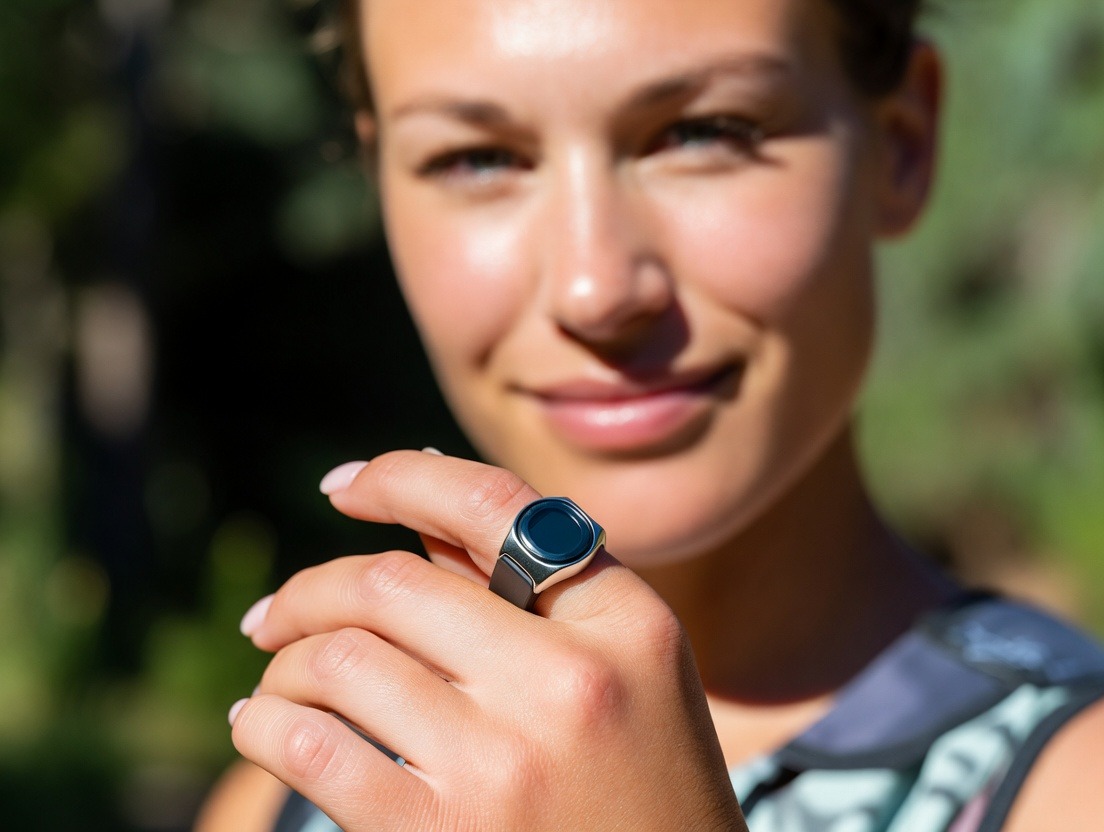
A wellness ring is a compact, wearable electronic device worn on a finger that continuously collects physiological data to provide insights into your health, recovery, sleep, and activity. It represents a fundamental shift in design philosophy from the "smartwatch." While watches are interaction-heavy devices designed for notification management and on-the-go tasks, a wellness ring is purpose-built for passive, precise biometric monitoring. Its goal isn’t to interrupt you, but to understand you.
At its core, a wellness ring is a sophisticated sensor package miniaturized into a ring form factor. The primary sensor is a photoplethysmogram (PPG), which uses tiny LED lights to measure blood volume changes in the capillaries of your finger. This is the workhorse, enabling the tracking of your heart rate, heart rate variability (HRV), and blood oxygen saturation (SpO2). Most rings also contain a 3-axis accelerometer and gyroscope to track movement, sleep phases, and specific activities. A skin temperature sensor is now standard, providing a crucial data point for tracking menstrual cycles, detecting illness onset, and understanding recovery.
The magic, however, happens in the algorithms. Raw sensor data is processed through proprietary software to generate the actionable metrics you see in the companion app: Sleep Scores, Readiness Scores, Activity Scores, and more. These scores synthesize complex data into simple, understandable insights. For instance, a low Sleep Score might reflect poor sleep continuity and low HRV, prompting you to consider your evening habits. To understand what constitutes a healthy range for this metric, you can explore the science behind sleep score standards and what research says is healthy.
The evolution of the wellness ring is a story of convergence. It merges the continuous monitoring prowess of clinical devices with the user-friendly appeal of consumer fitness trackers, all wrapped in a socially acceptable and comfortable package. Unlike a watch you might remove for comfort or aesthetics, a well-designed ring becomes a seamless part of you, collecting data during workouts, sleep, work, and social events without drawing attention. This uninterrupted data stream is its superpower, creating a holistic picture of your health that snapshot measurements (like a morning weigh-in or a weekly doctor’s visit) can never provide.
To make an informed choice, you need to speak the language of biometrics. These are the fundamental signals your ring deciphers. Understanding what they mean transforms the ring from a black box of numbers into a meaningful health tool.
Resting Heart Rate (RHR): This is your heart’s beats per minute (bpm) when you are truly at rest, best measured during consistent sleep. A lower RHR generally indicates better cardiovascular fitness and efficient heart function. Your ring will track trends, and noticeable spikes can be early signals of illness, overtraining, dehydration, or heightened stress.
Heart Rate Variability (HRV): This is arguably the most important—and most misunderstood—metric in personal wellness tracking. HRV is not your heart rate. It is the measure of the tiny, millisecond variations in the time intervals between consecutive heartbeats. Contrary to intuition, a higher HRV is typically better. It indicates a robust, resilient autonomic nervous system—meaning your body can nimbly switch between states of stress (sympathetic "fight or flight") and recovery (parasympathetic "rest and digest"). A consistently low or dropping HRV trend is a powerful flag for cumulative stress, inadequate recovery, or impending illness. Your ring uses HRV as a cornerstone for calculating overall recovery and readiness scores.
Sleep Stages & Architecture: Moving beyond simple duration, modern rings estimate your time in Light, Deep, and REM sleep. Each stage serves a critical purpose: physical repair in Deep sleep, memory consolidation and learning in REM, and transitional Light sleep. The balance and continuity of these stages—your sleep architecture—are key to quality rest. Waking up feeling exhausted after 8 hours in bed often points to disrupted architecture, a story your ring’s data can help unravel.
Skin Temperature: Measured from the skin’s surface, this is a proxy for your core body temperature. It follows a natural circadian rhythm, dropping as you fall asleep and rising toward morning. Deviations from your personal baseline are highly informative. A sustained elevated nighttime temperature can signal inflammation, the start of an infection, or a change in hormonal status (like ovulation).
Blood Oxygen (SpO2): This measures the percentage of oxygen-saturated hemoglobin in your blood. While consistently low SpO2 requires medical attention, a wellness ring tracks trends and, most usefully, monitors potential drops during sleep. Repeated, significant dips can indicate sleep-disordered breathing, like sleep apnea, prompting a conversation with a healthcare provider.
Activity & Movement: Through accelerometers, your ring tracks steps, active time, and calories burned. More advanced models can automatically detect workout types (like running, cycling, or strength training) and track exertion levels. This data helps balance your activity with the recovery metrics, answering the essential question: "Am I doing enough, or am I doing too much?"
By synthesizing these data points, a wellness ring offers a systems-level view of your body. It connects the dots between last night’s late dinner, a depressed HRV, a restless sleep, and your low energy today. This is the foundation of true body literacy.
With the biometric basics covered, the next step is introspection. A ring is a tool, and the best tool is chosen for a specific job. Buying a ring without a clear "why" is like walking into a hardware store and grabbing a random power tool. You must align the device’s capabilities with your personal health intentions.
Goal: Optimize Sleep & Recovery
If you constantly feel drained, struggle with insomnia, or want to perfect your sleep hygiene, this is your primary focus. Prioritize rings with:
Goal: Manage Stress and Prevent Burnout
For high-performers, busy parents, or anyone feeling perpetually wired, a ring can be an early-warning system for nervous system overload. Key features include:
Goal: Enhance Athletic Training & Performance
Athletes and serious fitness enthusiasts use rings to balance training load with recovery, avoiding overtraining. Look for:
Goal: Women’s Health & Fertility Awareness
For women, the combination of skin temperature, HRV, and resting heart rate creates a powerful tool for cycle tracking and fertility awareness. Seek rings with:
Goal: General Health Awareness & Proactive Monitoring
Maybe you don’t have a single acute goal, but simply wish to be more attuned to your body’s signals. You want data to inform better daily choices. In this case, prioritize:
Identifying your primary "why" will immediately narrow the field and help you evaluate which rings offer the most value for your specific journey.
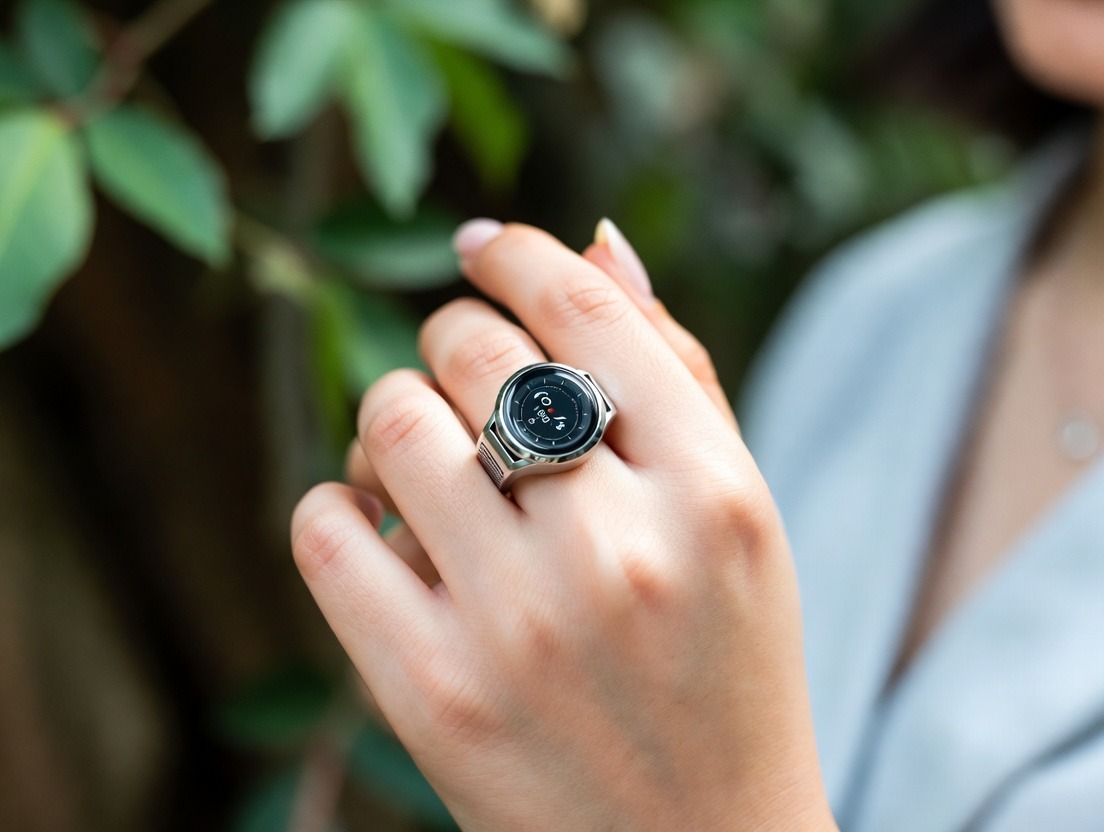
A wellness ring’s power is directly tied to your willingness to wear it consistently. The most advanced sensor is useless if the device is sitting in a charging dock. Therefore, design and comfort are not mere aesthetic concerns; they are critical functional requirements.
Size, Fit, and the "Knuckle Test": A proper fit is paramount. The ring needs to be snug enough that the sensors maintain consistent contact with your skin, especially during sleep when your fingers may shrink slightly, but loose enough to slide over your knuckle comfortably. Most companies provide detailed sizing kits with plastic sizers. Wear the sizer for a full 24 hours, testing it during hand-washing, typing, workouts, and sleep. Your dominant hand often has a slightly larger finger. The ring should not spin freely, nor should it leave a deep indent.
Material and Weight: Wellness rings are typically made from titanium (lightweight, durable, hypoallergenic) or a cobalt chrome alloy (more scratch-resistant). Titanium is the most common for its balance of comfort and strength. The weight should feel negligible. A heavy ring will be distracting and may affect the natural movement of your finger during activities like typing or weightlifting.
Profile and Inner Shape: Look at the ring’s cross-section. Some have a flat, wide inner surface for better sensor contact, while others are more rounded. A domed or curved inner profile can sometimes feel more comfortable for those not used to wearing rings. The outer profile can be rounded (traditional) or have a flat top (more modern). Consider your daily activities—a very tall profile might catch on gloves or pockets.
Surface Finish and Durability: Finish choices usually include brushed (hides scratches well), polished (shiny but shows wear), or matte black coatings (which can wear off over time on high-contact areas). If you work with your hands or are very active, a brushed titanium finish is often the most practical.
The Invisible Goal: The ultimate design compliment for a wellness ring is that you forget it’s a piece of tech. It should feel like a natural extension of your body, not a gadget. This seamless integration is what enables the continuous, high-quality data collection that makes these devices so insightful. A comfortable ring supports the very habits you’re trying to build, becoming part of a restful living space designed for calm and restoration, rather than another piece of intrusive tech.
In the world of wearables, battery anxiety is real. A device that needs daily charging becomes a chore, increasing the likelihood you’ll leave it off. The logistics of battery life and charging are central to a smooth, sustainable user experience.
Expected Battery Life: Current-generation wellness rings offer a range, typically from 4 to 7 days on a single charge, with some outliers on either end. This is a balance between sensor capability, data processing, battery size, and form factor. When evaluating claims, look for "typical use" estimates. Heavy use of features like continuous SpO2 monitoring or frequent workout tracking will deplete the battery faster.
The Charging Ritual: There are two main charging methods:
The Data Gap: The critical question is: what happens to your data when the ring is charging? A 30-60 minute daily or every-other-day charge creates a small gap in your continuous record. For most metrics like steps and heart rate, this is negligible. However, if you always charge at the same time (e.g., during your morning shower), you’ll consistently miss that period’s data. Some advanced algorithms can interpolate small gaps, but it’s a factor to note, especially for sleep tracking if you charge overnight (which you shouldn’t need to do with multi-day battery life).
Long-Term Battery Health: Like all lithium-ion batteries, the ring’s battery will degrade over 2-3 years, holding less charge. Inquire about the company’s battery replacement or service policy. A ring is a longer-term investment than a smartphone, so its longevity matters.
Sustainability of Habit: The best battery life is one you don’t have to think about. A 5-7 day battery life enables a simple, memorable routine: "I charge it every Sunday morning while I have coffee." This reliability removes friction, making the ring an effortless part of your life and supporting, rather than disrupting, the rhythms of a restful living morning routine to start your day right.

The ring is the data collector, but the smartphone app is the translator, the coach, and the dashboard. A powerful ring paired with a poorly designed app is a frustrating and limiting experience. The app’s design, clarity, and depth are just as important as the hardware.
User Interface (UI) & Clarity: On opening the app, you should be greeted with your key metrics in an instantly understandable way. Is there a clear, visual summary of your sleep, readiness, and activity? Is the data presentation clean or cluttered? Good design reduces cognitive load—you should get the gist in under 10 seconds.
Actionable Insights vs. Raw Data: The app must bridge the gap between data and action. Does it simply show you a graph of last night’s heart rate, or does it say, "Your resting heart rate was 8% higher than your baseline, likely due to late alcohol consumption. Consider finishing your last drink 3 hours before bed." Look for apps that provide context, trends, and personalized, actionable nudges.
Customization and Goal Setting: Can you set personalized goals for sleep duration, activity minutes, or recovery? Can you adjust what metrics are emphasized on your home screen? The app should feel like it’s adapting to you, not the other way around.
Data Depth and Exploration: For the data-curious user, the ability to drill down is essential. Can you view minute-by-minute heart rate during a workout? Can you see the exact correlation between your HRV dip and a logged stressful event? Export functionality (to CSV or Apple Health/Google Fit) is a major plus for those who want to analyze their own data long-term.
Coaching and Educational Content: The best apps don’t just report; they teach. Is there in-app content explaining HRV, sleep cycles, or how to interpret a low recovery score? Do they offer guided breathing sessions, bedtime stories, or other integrated tools to help you improve your metrics? This turns the app from a passive report card into an active wellness partner. For example, understanding your data might inspire you to adopt 15 restful living habits that can transform your daily energy.
Integration Ecosystem: Does the app sync seamlessly with other health and fitness apps you use, like Strava, Apple Health, Google Fit, or MyFitnessPal? This creates a centralized health hub. Also, check if it allows manual logging for factors like caffeine, alcohol, medication, or subjective mood, which can help you find personal correlations.
The app is your primary touchpoint with the ring. Spend time researching app reviews and watching video walkthroughs. A great app experience is what turns sporadic data checking into an engaging daily ritual of self-awareness.
When you’re making health decisions based on data, trust in that data is non-negotiable. While no consumer wearable is a medical device, understanding the factors that influence accuracy will help you set realistic expectations and choose a ring with a solid technological foundation.
The PPG Sensor: The Heart of the Matter: The quality of the photoplethysmogram (PPG) sensor is paramount. Key factors include:
Skin Temperature: Calibration is Key: Absolute accuracy to a hundredth of a degree is less important than precision and trend accuracy. The sensor needs to be stable and sensitive enough to detect the small (0.3-0.5°C) shifts that indicate ovulation or illness onset. Good rings perform an initial multi-day calibration period to establish your personal baseline.
Movement & Sleep Tracking: The accelerometer/gyroscope package must be sensitive enough to detect the subtle breathing movements of REM sleep (where you are paralyzed but eyes move) and distinguish them from the deep stillness of slow-wave sleep. This is where algorithmic sophistication shines. Accuracy is often validated against polysomnography (the clinical sleep study gold standard) in research settings. Look for rings that publish (or at least reference) their validation studies.
The "Medical Grade" Myth: Be wary of marketing that loosely uses terms like "medical-grade" or "clinical accuracy." For consumer devices, these terms are largely unregulated. What you should look for is peer-reviewed validation. Has the company published its algorithms and sensor performance in reputable scientific journals? Have independent third parties tested and reviewed the device’s accuracy? This is the strongest signal of a company invested in scientific rigor.
The Gold Standard: Your Own Consistency. For most wellness purposes, trends are more valuable than absolute precision. Is your HRV trending up over 90 days with meditation? Is your resting heart rate consistently lower since you started running? A ring that provides consistent, reliable relative measurements is an exceptionally powerful tool for observing the impact of lifestyle changes, even if the absolute number might vary slightly from a medical device.
Your wellness ring shouldn’t be an island. Its value multiplies when it connects with the other digital tools and platforms you use. Compatibility ensures a seamless flow of information, creating a holistic picture of your health.
Smartphone Compatibility: This is the first and most critical check. Is the companion app available for your phone’s operating system (iOS, Android)? Does it require a specific version of the OS? Some rings are iOS-first or even iOS-exclusive for a period, so Android users must verify full support.
Health Platform Integration:
Fitness App Syncing: If you’re a runner, cyclist, or gym-goer, check for direct sync with platforms like Strava, Peloton, or Strong. This can automatically import workout data from your ring or export heart rate data to these apps for richer activity analysis.
Smart Home & IFTTT: For the tech-enthusiast, some rings offer advanced integrations via IFTTT (If This Then That) or direct APIs. Imagine your bedroom lights gradually turning on as your ring detects you entering light sleep in the morning, or your thermostat adjusting based on your skin temperature trends. While niche, these features point to a forward-thinking ecosystem.
Brand Ecosystem Lock-in: Some rings are part of a larger brand ecosystem (e.g., Oura with its partnership network, or a potential future Apple Ring). Consider if you prefer a best-in-class standalone device or a product that integrates tightly with a specific phone/tablet/watch brand you’re already invested in.
Data Export: As a final layer of compatibility and future-proofing, the ability to export your raw or aggregated data (via CSV file) is invaluable. It allows for personal long-term analysis, sharing with a healthcare professional (in a standard format), or migrating to a future platform not yet invented.
A ring with an open, compatible philosophy respects that your health data belongs to you and should be able to travel where you need it. This openness facilitates a more personalized and powerful wellness tech stack, allowing you to build a system that supports everything from fitness to restful living evening rituals that prepare you for sleep.
When you strap a device to your body that collects data on your heartbeat, sleep patterns, and temperature, you are generating an incredibly intimate and valuable portrait of your life. How that data is stored, used, and protected is not a secondary concern—it is a fundamental pillar of trust.
Data Storage and Ownership: Read the company’s privacy policy carefully. Key questions to answer:
Security Practices: Look for transparency about security certifications. Are they SOC 2 compliant? Do they use industry-standard encryption (like AES-256) for data both in transit (to/from their servers) and at rest? How do they handle security breaches? A reputable company will have a clear and responsible disclosure policy.
The Anonymization Question: "Anonymized" data can sometimes be re-identified when combined with other data sets. A strong privacy policy will commit to strict anonymization and aggregation practices, ensuring that any data used for research or product improvement cannot be traced back to you as an individual.
Sharing and Controls: The app should give you granular control over what you share and with whom. Can you easily share a snapshot of your sleep data with your doctor? Can you choose to participate in research studies? Can you delete all of your data from their servers permanently if you choose to stop using the service? This last point—the right to be forgotten—is a hallmark of a respectful data policy.
Choosing a ring from a company that is transparent, has a strong privacy-first reputation, and gives you control is crucial. Your health data is a record of your life. You must feel confident that it is guarded with the utmost responsibility, allowing you to focus on your wellness journey with peace of mind. This security is a foundational aspect of overall restful living, reducing the chronic stress and anxiety that can come from digital vulnerability.
The upfront cost of the ring is only one part of the financial equation. The rise of the software-as-a-service (SaaS) model has firmly entered the wearable space, making it essential to understand the total cost of ownership over the 2-3 year lifespan of the device.
The Hardware Price Tag: Wellness rings currently range from approximately $250 to $450+ USD. This price reflects materials (titanium vs. coated alloys), sensor complexity, and brand positioning. A higher price doesn’t guarantee better accuracy, but it often correlates with more advanced sensor arrays (e.g., additional LED wavelengths) and greater R&D investment in algorithms.
The Subscription Model: This is the critical factor. Many leading rings now operate on a freemium model:
Evaluating the Value: When considering a ring with a subscription, ask yourself:
The "No Subscription" Argument: Brands without subscriptions argue that you own your device and its functionality outright, with no ongoing fee to access your own data. This model appeals to those wary of recurring costs and digital lock-in.
The "Subscription Necessary" Argument: Pro-subscription companies argue that the fee funds continuous algorithm improvements, new feature development, customer support, and server costs for cloud storage and analysis. They posit that the ring is a platform, not a static product, and the subscription ensures it gets better over time.
Making Your Choice: Your decision here is personal. If you are highly engaged and believe you will use the advanced insights daily to modify habits, a subscription may be worth it. If you primarily want passive tracking of core metrics and trend lines, a no-subscription model or a free tier might suffice. Always calculate the long-term cost. The goal is to find a ring whose ongoing value—in insights, motivation, and support—justifies its total price, helping you invest not just in a device, but in a sustainable practice of balancing productivity with genuine restful living without ongoing financial friction.
You’ve absorbed the fundamentals: the core biometrics, the importance of your personal “why,” the practicalities of design and battery life, and the critical nuances of apps, accuracy, and cost. Now, it’s time to transform this knowledge into action. How do you actually make the final choice? This section provides a structured, step-by-step framework to evaluate your options and select the ring that is the perfect fit—physically, functionally, and financially.
Step 1: The Non-Negotiable Filter
Start by applying your absolute deal-breakers. This will immediately narrow the field to a manageable shortlist.
Step 2: The Feature Priority Matrix
Create a simple list of your top 5-7 desired features, ranked by importance. This could include: “Best-in-class sleep staging,” “No subscription fee,” “7-day battery life,” “Extremely comfortable for 24/7 wear,” “Superior HRV accuracy,” “Excellent stress management insights.” Use your shortlist from Step 1. Research each ring against this matrix. Which ring satisfies the most high-priority items? Be honest about what’s a “nice-to-have” versus a “must-have.”
Step 3: The Hands-On Research Phase
Do not rely solely on marketing copy. Dive into real-world experiences.
Step 4: The Comfort & Sizing Finale
Once you’ve narrowed it down to 1-2 finalists, the physical experience becomes the deciding factor.
This framework moves you from overwhelm to clarity. It ensures your decision is logical, personalized, and informed, leading you confidently toward a purchase you’re unlikely to regret. This thoughtful selection process is itself an act of self-care—choosing a tool that aligns with your life, rather than forcing your life to conform to a tool.
While this guide avoids endorsing a single “best” ring—as the best is always what’s best for you—it is essential to understand the key players shaping the market. Each has a distinct philosophy, strength, and target user. Here is an overview of several prominent contenders to frame your research.
The Established Pioneer: Oura Ring
The Fitness & Readiness Powerhouse: Whoop
The New-Age Challenger: RingConn
The Mainstream Tech Integrator: Samsung Galaxy Ring (Anticipated)
The Sleeper Innovators: Ultrahuman, Circular, etc.
This landscape is dynamic. When researching, look for the most recent information, as companies frequently update hardware, software, and pricing models. The goal is to match a company’s core philosophy with your own wellness philosophy.
Purchasing the ring is not the end goal; it is the beginning of a more informed journey. The true value is not in passively observing data, but in actively using it to create positive, lasting change. This is where the ring transitions from a fascinating gadget to a transformative tool. Here’s how to build a practice around your data.
From Observation to Correlation: The first phase is discovery. For the first 30-60 days, focus on gathering your baseline without judgment. Then, start playing detective. Use the app’s logging features (or your own journal) to note:
From Correlation to Action: Once you identify levers, pull them deliberately. This is where you design small, sustainable experiments.
Avoiding Data Anxiety & Perfectionism: This is a crucial warning. The ring’s purpose is to empower, not to enslave. Do not become a slave to a score. A low Recovery Score is not a failure; it’s valuable information prompting you to listen to your body. The scores are guides, not grades. If you find yourself feeling anxious or compulsive about the data, take a step back. Wear the ring but avoid the app for a few days. Remember, the goal is well-being, not a perfect graph. This mindset shift is at the heart of the restful living mindset: shifting from constant doing to being.
Building a Supportive Ecosystem: Your ring’s data should inform broader lifestyle choices. Let it guide you toward:
By integrating the ring’s feedback loop into a conscious practice of self-care, you move beyond tracking and into true transformation. The ring becomes the mirror, but you are the one who decides to change what you see.
You’ve done the research, used the framework, and chosen your ring. Now, it’s time to execute the purchase and set yourself up for success from the moment the box arrives. This practical section covers the final steps.
The Pre-Purchase Checklist:
The Unboxing & Setup Phase:
Setting Realistic Expectations:
Building Your Habit:
By approaching the purchase and onboarding with this level of preparation, you ensure a smooth, positive introduction to your new wellness tool, maximizing its potential from the very start.
The first month with your wellness ring is a unique period of discovery and habit formation. Having a roadmap for these initial weeks will help you build a strong, productive relationship with your data. Here is a phased guide to your first 30 days.
Days 1-7: The Silent Observation Period
Days 8-21: The Pattern Detection Phase
Days 22-30: The First Experiment & Integration
Building Your Sustainable Ritual:
By Day 30, your ring-wearing habit should be automatic. Your app check-in should be a brief, informative ritual—perhaps part of your restful living morning routine to start your day centered. You should have a clear sense of what your typical baseline looks like and one or two proven levers you can pull to improve your metrics when needed.
Remember, mastery is not about perfect scores every day. It’s about understanding the dialogue between your body and your life. The first 30 days lay the foundation for a lifelong practice of informed self-care.
Choosing your first wellness ring is a significant step toward taking a more active, informed role in your own well-being. It represents a commitment to listening to the subtle, continuous language of your body—a language spoken through heart rate variability, sleep cycles, and temperature rhythms.
We have covered the essential groundwork: from defining what these remarkable devices are and the biometrics they track, to aligning their features with your personal health goals. We’ve delved into the critical practicalities of design, battery, and the all-important companion app. We’ve demystified sensor technology, underscored the paramount importance of data privacy, and provided a clear-eyed view of costs and subscriptions. Finally, we equipped you with a decision framework, a landscape overview, and a roadmap for integrating this tool into a holistic, sustainable wellness practice.
You now possess the knowledge to move beyond marketing claims and make a choice rooted in your individual needs. You are not just buying a piece of technology; you are selecting a partner for a more attuned, resilient, and healthy life. The journey continues as you unbox your chosen ring, navigate the calibration period, and begin the fascinating process of decoding your own unique physiological story. The data awaits, ready to reveal the powerful connection between how you live and how you feel.
As you prepare to integrate a wellness ring into your life, it's natural to encounter doubts, questions, and even skepticism. The world of biometric tracking is filled with both enthusiasm and misinformation. Addressing these concerns head-on will solidify your confidence and help you use your new tool with a balanced, informed perspective.
Myth 1: "It's Just Another Expensive Gadget That I'll Stop Using."
This is a valid concern for any wearable. The key to longevity lies in the value loop. A ring that provides genuinely insightful, actionable feedback creates a virtuous cycle: you check the data, you make a small change, you see a positive result, which motivates you to continue. Unlike a step tracker whose novelty can fade, a ring that explains why you're tired or how to recover better provides ongoing utility. To prevent disuse, tie your initial check-in to an existing habit (like your morning coffee) and focus on long-term trends, not daily fluctuations.
Myth 2: "The Data Will Make Me Anxious or Obsessive."
Data anxiety is real, but it's not inevitable. It stems from misinterpreting the purpose of the scores. Your readiness or sleep score is not a grade; it is a weather report. A "stormy" recovery score doesn't mean you failed; it means your body is signaling a need for caution, much like a cloudy sky suggests bringing an umbrella. The remedy is to set boundaries: check the data once or twice a day at set times, not compulsively. Use it as a guide for self-compassion, not self-criticism. If you feel overwhelmed, practice the art of balancing productivity with restful living, remembering that the data should serve your well-being, not undermine it.
Myth 3: "It Can't Be as Accurate as a Medical Device."
This is absolutely true, and understanding this distinction is crucial. Your wellness ring is a personal health tool, not a medical diagnostic device. It is designed for trend analysis and lifestyle insight, not for diagnosing conditions like atrial fibrillation or sleep apnea (though it may alert you to consult a doctor). Its strength lies in monitoring changes relative to your own baseline over time. This relative accuracy is incredibly powerful for personal optimization, even if the absolute number might differ from a clinical ECG by a few milliseconds.
Myth 4: "I'm Not an Athlete or Biohacker, So It's Not for Me."
The narrative that these devices are only for elite performers is outdated. Modern wellness rings are for anyone curious about their health. Are you a parent wanting to understand your sleep deficits? An office worker managing stress? Someone simply wanting to feel more energized? The core metrics of sleep, recovery, and activity are universal pillars of health. The insights can help anyone make more informed choices, whether it's realizing that your afternoon slump is tied to poor sleep or that your weekend recovery is vital for your Monday mood. It's a tool for cultivating restful living for parents finding peace in the chaos or for anyone navigating a demanding modern life.
Myth 5: "All My Data Will Be Sold or Misused."
Privacy fears are paramount. While you must do your due diligence (as outlined in the Privacy section), reputable companies in this space understand that trust is their currency. They typically make money from hardware and subscriptions, not from selling personalized health data. The key is to read the privacy policy: look for clear statements on data ownership, anonymization practices, and opt-out choices. Choose companies that are transparent about their security certifications (like SOC 2) and give you control over your data. Your vigilance here is your best protection.
Concern: "What If It Doesn't Fit My Lifestyle?"
Wellness rings are surprisingly adaptable. Most are water-resistant for hand-washing and showers. Many can handle intense workouts. The charging routine integrates into downtime. The real question is whether you can commit to wearing it during sleep, as that is where the most valuable recovery data is captured. If you work in a profession where hand-worn jewelry is a safety hazard (e.g., certain machinery operation), a ring may not be suitable. For most, however, its discreet nature allows it to fit into virtually any lifestyle more easily than a watch.
By dispelling these myths and addressing concerns, you move forward with clear eyes. You understand both the profound potential and the reasonable limitations of the technology, enabling you to harness its power effectively and avoid common pitfalls.
Your relationship with your wellness ring is a multi-year journey. To ensure it remains a reliable partner, proper care and an understanding of its lifecycle are essential. This section covers the practical stewardship of your device over the long haul.
Daily and Weekly Care:
Hardware Durability and Protection:
Battery Degradation and Service:
After 2-3 years, you will likely notice the battery lasting fewer days between charges. This is normal wear. Contact the manufacturer's customer support to inquire about battery replacement services. Some companies offer out-of-warranty repair programs for a fee. Understanding this cost upfront is part of the total cost of ownership.
The Software Evolution:
One of the most exciting aspects of long-term ownership is watching the platform grow. Through app updates, your ring can gain new features and improved algorithms without you buying new hardware. Pay attention to update notes. A company that actively releases meaningful software improvements is investing in your existing device, adding to its long-term value.
When to Consider Upgrading:
The upgrade cycle for wellness rings is longer than for smartphones—likely 3-4 years. Consider an upgrade when:
Data Continuity: If you switch brands or upgrade within a brand, investigate how your historical data can be migrated or accessed. Can you export it? Does the new platform import it? Your long-term health trends are valuable; try to preserve them.
By treating your ring with care and understanding its lifecycle, you maximize your investment and ensure it provides faithful service, quietly supporting your wellness journey year after year. This mindful ownership is itself an extension of a restful living philosophy that values sustainability and mindful consumption.
Once you’ve moved beyond the basics of daily scores, a world of deeper data awaits. Learning to interpret the nuances and interactions between metrics unlocks a richer, more sophisticated understanding of your physiology. This is where you transition from a user to a true practitioner.
HRV Balance and Baseline: The Ultimate Biofeedback
Heart Rate Variability is your north star, but its interpretation requires finesse.
Skin Temperature Trends: More Than Just Fever
Sleep Architecture: The Quality Behind the Quantity
The Interplay of Metrics: The Story They Tell Together
A single metric tells a limited story. The true insight is in the correlation.
Mastering these nuances allows you to have an informed dialogue with your body. You move from “My score is low” to “My body is signaling high stress from yesterday’s events, supported by a depressed HRV and elevated resting heart rate. I will focus on hydration, gentle movement, and an early bedtime today.” This level of insight empowers you to make precise, effective adjustments to your daily choices.
The wellness ring market is not static; it is accelerating. The devices we have today are merely the first generation of a transformative technology. Looking ahead, we can anticipate several key trends that will shape the next wave of innovation and further deepen the value these devices provide.
Sensor Fusion and Multi-Modal Sensing: The future lies in combining data streams for richer context. We will see rings incorporating:
Hyper-Personalization and AI-Driven Coaching: Algorithms will evolve from providing generic insights to offering truly personalized guidance.
Clinical Validation and Healthcare Integration: The bridge between consumer wellness and clinical healthcare will strengthen.
Design and Material Innovation: Form factors will diversify.
The Ecosystem Battle: The ring will become less of a standalone device and more of a central hub in a broader wellness ecosystem. It will seamlessly talk to your smart scale, your kitchen appliances, your car, and your home environment, creating a responsive health ecosystem that supports your goals automatically—perhaps by adjusting your home’s lighting when it detects high stress, or suggesting a meal based on your recovery needs.
For the consumer, this future means devices that are more insightful, more personalized, more integrated into daily life, and ultimately, more effective at promoting long-term health and the science-backed need for downtime and restoration. The journey has only just begun.
Armed with data and insights, the final step is to construct a flexible, responsive protocol—a set of guidelines you follow based on what your body is telling you. This turns reactive living into proactive health management. Your ring provides the signals; your protocol is your action plan.
The Green Light Protocol (High Readiness / Recovery Score):
The Yellow Light Protocol (Moderate Readiness Score):
The Red Light Protocol (Low Readiness / Recovery Score):
The "Sick Mode" Protocol (Elevated Temp + High RHR + Low HRV):
The Art of Adaptation: Your protocol is not rigid law; it’s a wise guide. There will be days you have to perform despite a yellow score. The protocol then helps you understand the cost and plan for compensatory recovery afterward. It creates awareness, not rigidity.
By implementing this kind of responsive protocol, you create a dynamic, intelligent health practice. You are no longer following a generic, one-size-fits-all plan. You are engaging in a daily dialogue with your physiology, respecting its needs, and optimizing your energy, performance, and well-being in real-time. This is the ultimate promise of the wellness ring realized: a personalized path to sustainable vitality.
Your Trusted Sleep Advocate: Sleep Foundation — https://www.sleepfoundation.org
Discover a digital archive of scholarly articles: NIH — https://www.ncbi.nlm.nih.gov/
39 million citations for biomedical literature :PubMed — https://pubmed.ncbi.nlm.nih.gov/
Experts at Harvard Health Publishing covering a variety of health topics — https://www.health.harvard.edu/blog/
Every life deserves world class care :Cleveland Clinic - https://my.clevelandclinic.org/health
Wearable technology and the future of predictive health monitoring :MIT Technology Review — https://www.technologyreview.com/
Dedicated to the well-being of all people and guided by science :World Health Organization — https://www.who.int/news-room/
Psychological science and knowledge to benefit society and improve lives. :APA — https://www.apa.org/monitor/
Cutting-edge insights on human longevity and peak performance:
Lifespan Research — https://www.lifespan.io/
Global authority on exercise physiology, sports performance, and human recovery:
American College of Sports Medicine — https://www.acsm.org/
Neuroscience-driven guidance for better focus, sleep, and mental clarity:
Stanford Human Performance Lab — https://humanperformance.stanford.edu/
Evidence-based psychology and mind–body wellness resources:
Mayo Clinic — https://www.mayoclinic.org/healthy-lifestyle/
Data-backed research on emotional wellbeing, stress biology, and resilience:
American Institute of Stress — https://www.stress.org/


