


How Your Wellness Ring Connects Daily Activity to Sleep Quality
It demonstrates a clear connection between how you move during the day and the quality of your sleep at night.
It demonstrates a clear connection between how you move during the day and the quality of your sleep at night.
%402x.svg)
You wake up feeling refreshed, the fog of yesterday gone, your mind sharp. Or perhaps you drag yourself from bed, heavy and unfocused, wondering why eight hours felt like four. For generations, we’ve treated sleep as a separate act—a nightly parenthesis in the story of our day. We chase sleep hacks and perfect mattresses, yet we overlook the most powerful conductor of our sleep quality: the rhythm of our waking hours.
Every step, every heartbeat, every moment of exertion and calm from sunrise to sunset is not merely logged and forgotten. It is a note in a complex, biological composition that culminates in the symphony of your sleep. Your body is a masterful chemist, processing the physical, mental, and emotional inputs of your day to determine the depth of your slumber, the balance of your sleep stages, and the genuine restoration you receive.
Until recently, this intricate connection was a mystery, felt but not quantified. We had vague notions that a good day led to better sleep, but the precise mechanics were hidden. Enter the modern wellness ring. This unassuming piece of wearable technology has become a personal biofeedback lab, revealing in real-time how the melody of your daily activity directly composes the harmony of your night.
This article is your deep dive into that connection. We will move beyond simple step counts and sleep scores. We’ll explore the physiological bridges between movement and rest, stress and recovery, habit and hormone. You’ll learn not just to track your life, but to compose it. By understanding how your wellness ring connects daily activity to sleep quality, you gain the ultimate tool for holistic well-being: the ability to engineer your days for your most restorative nights.
Before we can connect the dots between day and night, we must understand the canvas upon which they are painted: your circadian rhythm. Often called your "body clock," this is the innate, roughly 24-hour cycle that regulates nearly every physiological process in your body. It dictates not just when you feel sleepy or alert, but also your core body temperature fluctuations, hormone secretion (like cortisol and melatonin), digestion, and even gene expression.
Think of your circadian rhythm as the conductor of your personal orchestra. It cues the violins of wakefulness to play at dawn and signals the cellos of sleep to swell at dusk. Your daily activities—from when you expose yourself to light to when you exercise—are the musicians. They can play in tune with the conductor, creating a beautiful symphony, or they can play out of sync, resulting in dissonance and poor sleep.
Your wellness ring is like having a front-row seat to this performance with a detailed program note. By tracking metrics like heart rate variability (HRV), resting heart rate (RHR), and body temperature trends, it provides a live readout of your circadian rhythm's health. A robust, well-timed rhythm typically shows a predictable dip in core body temperature at night (facilitating sleep onset), a sharp morning rise in cortisol (for alertness), and a subsequent evening rise in melatonin. Disrupt this rhythm with erratic activity, late-night screen time, or inconsistent wake-up calls, and the ring’s data will show the fallout: a elevated nighttime heart rate, depressed HRV, and a temperature curve that’s out of phase.
This foundational understanding is critical. Every piece of advice on sleep hygiene or activity is essentially a tactic to align your external behaviors with this internal, biological maestro. As you’ll see in our deep dive on how sleep trackers actually work, the technology in devices like the Oxyzen ring is designed specifically to decode these subtle biological signals, transforming raw data into a narrative about your rhythm's strength and stability. When you view your day and night as two movements in a single piece of music, optimizing your health becomes a more intuitive and powerful endeavor.
The old adage, "you'll sleep better if you're tired," contains a kernel of truth but misses the profound complexity of the relationship. Sleep is not merely the absence of wakefulness due to exhaustion; it is an active, constructive process prepared for by the quality of your wakefulness. This is the day-night feedback loop: a continuous conversation where each period of activity sets the biochemical and physiological stage for the subsequent period of rest, and the quality of that rest, in turn, determines your capacity for the next day’s activity.
On a physical level, exercise creates beneficial "damage" in the form of microscopic tears in muscle fibers, depletes energy stores like glycogen, and increases levels of adenosine, a neurotransmitter that steadily builds up in the brain as a byproduct of energy consumption, promoting sleep pressure. Your body uses sleep, particularly deep sleep, to repair this damage, replenish stores, and clear metabolic waste. This is why consistent physical activity is one of the most reliable predictors of improved sleep architecture—it gives your body a clear, purposeful reason to dive into restorative sleep stages.
But the loop is also governed by systems beyond simple physical fatigue. Your autonomic nervous system (ANS), which has two main branches—the sympathetic (fight-or-flight) and the parasympathetic (rest-and-digest)—is constantly being tuned by your daily experiences. A day filled with chronic stress, anxiety, and sedentary behavior can leave your sympathetic system dominant into the evening, making it biologically difficult to transition into the parasympathetic state required for sleep onset. Your wellness ring tracks this through HRV: a higher HRV generally indicates a flexible, resilient ANS capable of smoothly switching between states, while a low HRV suggests a system stuck in a stressed or fatigued mode.
Therefore, the goal isn’t just to be physically tired, but to create the right kind of fatigue and the right state of relaxation. A day that balances sympathetic activation (through healthy challenges like exercise) with deliberate parasympathetic recovery (through mindfulness, breathing, or relaxation) provides the clearest signal to the body that it is safe, and necessary, to enter a profound, healing sleep. This elegant feedback loop is what turns simple tracking into actionable insight, a concept we explore further in our analysis of sleep tracking accuracy and what your device can truly measure.
Your wellness ring collects a constant stream of data. To move from information overload to insight, it’s essential to know which daytime metrics are the most potent predictors of your impending sleep quality. These are the leading indicators, the whispers from your body about what kind of night lies ahead.
1. Heart Rate Variability (HRV): The North Star of Recovery
If you could only watch one daytime metric for sleep insights, HRV should be it. HRV measures the subtle variations in time between each heartbeat. Contrary to intuition, a higher HRV is better—it signifies a responsive, adaptable nervous system. A strong, elevated HRV during the day (particularly your waking average or morning reading) suggests your body is well-recovered and resilient to stress. It’s a green light, indicating a high probability of achieving deep, restorative sleep. Conversely, a suppressed HRV signals that your body is under strain—from physical overtraining, emotional stress, illness, or poor recovery. This is a yellow or red flag, often predicting fragmented sleep, longer sleep onset, and reduced sleep efficiency. Tracking your HRV trend over time with your ring is the single most powerful way to gauge your readiness for sleep before your head even hits the pillow.
2. Resting Heart Rate (RHR) & Heart Rate Trends
Your resting heart rate is a broader indicator of cardiovascular fitness and overall strain. A lower RHR typically correlates with better fitness and recovery. More telling than the absolute number, however, is its trend. A RHR that is 5-10 beats per minute higher than your personal baseline can be an early warning sign of impending illness, overtraining, or significant stress accumulation—all of which degrade sleep. Furthermore, observing how quickly your heart rate recovers after a bout of daytime stress or exercise is predictive. A rapid deceleration back to baseline shows good autonomic resilience, priming you for sleep.
3. Activity Strain & Recovery Balance
This is where the story of your day gets quantified. Modern wellness rings don’t just count steps; they calculate a composite "strain" or "activity" score that considers the intensity and duration of your movement. The key to prediction lies in the balance. A day with a healthy, moderate activity score—one that challenges your body without obliterating it—creates the ideal physiological debt for sleep to repay. A day with an excessively high strain score without adequate rest periods may lead to a "jittery" nervous system at night, impairing sleep onset. Conversely, a day with very low activity (chronically low strain) fails to build sufficient sleep pressure, often resulting in lighter, less satisfying sleep. The ring helps you find your personal "Goldilocks zone" of daily activity.
4. Body Temperature Dynamics
While most pronounced at night, your daytime temperature rhythm matters. Exposure to natural light in the morning helps anchor your circadian rhythm, triggering a healthy rise in core temperature that promotes alertness. A robust, well-defined daytime temperature curve sets the stage for a subsequent, clear drop in the evening—the critical signal for sleep initiation. Erratic days, lacking light exposure and consistent routine, can flatten this curve, blunting the body's natural sleep-wake signals.
By learning to read these predictive signals, you shift from being a passive observer of your sleep to an active forecaster and participant. You can begin to answer the question, "Based on how my body has handled today, what does it likely need tonight?" For a foundational guide on interpreting these and other metrics, our Sleep Tracking 101 guide for beginners is an excellent resource.

All activity is not created equal when it comes to crafting the perfect night’s sleep. The type, timing, and intensity of your movement act like different tools, each shaping your sleep architecture—the proportion and sequence of light, deep, and REM sleep—in unique ways.
Aerobic Exercise: The Deep Sleep Catalyst
Consistent aerobic exercise—activities that raise your heart rate and sustain it, like brisk walking, running, cycling, or swimming—is the most well-researched sleep enhancer. It reliably increases total sleep time and, most importantly, the time spent in deep sleep (slow-wave sleep), the most physically restorative phase. This is because aerobic exercise increases the body’s need for physical repair and energy restoration, demands that are met primarily during deep sleep. It also helps regulate circadian rhythms and can reduce anxiety, quieting the mind for sleep. The effect is cumulative; consistency over weeks matters more than any single workout.
Resistance Training: Building Sleep Resilience
Strength training influences sleep through different pathways. By building muscle mass, it improves metabolic health and can help stabilize blood sugar levels throughout the night, reducing potential awakenings. It also creates a significant demand for tissue repair and protein synthesis, processes heavily supported by deep sleep. Some studies suggest that resistance training, especially heavy compound lifts, may slightly increase sleep latency (the time it takes to fall asleep) if performed too close to bedtime for some individuals, due to a potent stimulatory effect on the nervous system. However, when timed appropriately, it is a powerful ally for sleep quality and overall hormonal balance.
Mind-Body Movement: The Nervous System Regulator
This category—including yoga, tai chi, stretching, and deliberate breathwork—is arguably the most direct tool for improving sleep onset. These practices actively stimulate the parasympathetic nervous system, lowering cortisol, reducing heart rate, and increasing HRV. They are a form of "active recovery" that teaches the body to shift out of a stressed state. A daily practice of even 10-15 minutes of mindful movement or diaphragmatic breathing can dramatically improve the transition into sleep by lowering physiological arousal and calming the "monkey mind." Your wellness ring can show you the direct impact of these sessions on your real-time heart rate and HRV.
The Critical Role of Non-Exercise Activity Thermogenesis (NEAT)
Beyond formal exercise, the low-grade, all-day movement known as NEAT—taking the stairs, pacing while on the phone, gardening, even fidgeting—plays a underappreciated role. High NEAT levels help maintain a healthy circadian rhythm, aid in metabolic regulation, and prevent the stiffness and restlessness that can come from prolonged sitting. A day rich in NEAT, as reflected in your ring’s constant activity tracking, creates a gentle, sustained sleep pressure that supports solid sleep without the potential overstimulation of intense, late-day workouts.
Understanding these differential effects allows you to prescribe yourself the right "movement medicine" based on your sleep goals and daily context. For athletes and active individuals looking to maximize the recovery power of sleep, our dedicated article on deep sleep optimization for athletes delves into advanced strategies.
The human body is exquisitely sensitive to timing. Eating the same meal at noon versus midnight has vastly different metabolic effects. The same is profoundly true for activity. When you exercise can enhance or hinder its sleep-promoting benefits, largely through its interaction with your core body temperature rhythm and stress hormone cascade.
The Morning Advantage: Anchoring Your Rhythm
Morning exercise, particularly in natural light, is a potent circadian anchor. It reinforces the signal that "this is the start of the day," helping to elevate cortisol (which should be high in the AM) at the appropriate time and promote a steeper, more defined drop in core temperature roughly 12-14 hours later. This sets a clear biological deadline for sleepiness. Aerobic exercise in the morning has been shown to significantly improve sleep quality, especially by reducing the time it takes to fall asleep at night.
The Afternoon/Evening Sweet Spot: Leveraging the Temperature Peak
For many, the body’s natural temperature peak and highest potential for power and strength occur in the late afternoon (around 4-6 PM). Exercise during this window can be highly effective and, for most people, does not disrupt sleep if completed at least 2-3 hours before bedtime. This allows for the core temperature elevation caused by exercise to rise and then initiate its beneficial decline, which coincides with the body’s natural pre-sleep cooling process. The post-exercise drop in temperature can actually facilitate sleep onset.
Navigating Late-Night Exercise: Proceed with Caution
This is the most contentious zone. High-intensity interval training (HIIT), heavy weightlifting, or competitive sports performed within 60-90 minutes of bedtime can be problematic for many. These activities create a powerful sympathetic nervous system surge (adrenaline, noradrenaline), elevate core temperature sharply, and increase alertness—all antithetical to the wind-down process. However, the effect is highly individual. Some well-trained individuals with established routines may not experience sleep disruption. The key is to use your wellness ring as a personal bioassay. If you see a pattern of elevated resting heart rate and poor sleep scores following late, intense sessions, it’s a clear signal to adjust your schedule.
The Universal Evening Rule: Embrace the Wind-Down
Regardless of when you train, the final 60-90 minutes before bed should be dedicated to parasympathetic-activating, cooling activities. This is the time for gentle stretching, mobility work, yoga nidra, or relaxation breathwork. These practices directly counteract any residual sympathetic tone and actively promote the physiological state required for sleep. Your ring can validate this practice: after a successful wind-down, you should see a noticeable dip in your real-time heart rate and an increase in HRV before you even close your eyes.
By strategically timing your movement, you work with your biology, not against it. You use activity not just to build fitness, but to sculpt a robust circadian rhythm that makes high-quality sleep an inevitable outcome, not a hopeful gamble. For more on the intricate dance between temperature, timing, and habits, our deep sleep formula guide offers a detailed exploration.
Physical activity is only one half of the daily equation. The mental and emotional activity of your day—the meetings, the deadlines, the arguments, the constant drip of notifications—creates a parallel form of "strain" that is just as potent in disrupting sleep. This is the domain of psychological stress, and your wellness ring, through metrics like HRV and resting heart rate, is uniquely positioned to reveal its invisible weight.
Stress activates the hypothalamic-pituitary-adrenal (HPA) axis, leading to the release of cortisol and other stress hormones. In a healthy rhythm, cortisol peaks in the morning and declines throughout the day, reaching a low at bedtime. Chronic or acute stress can flatten this curve, leaving cortisol levels elevated in the evening. Cortisol is a direct antagonist to melatonin; high nighttime cortisol is like having a biological alarm clock screaming "it's time to be alert!" when you're trying to sleep. This disrupts sleep onset and fragments the architecture of sleep, particularly stealing away precious deep sleep.
Your ring’s HRV data is the canary in the coal mine for this kind of stress. A mentally taxing day—even if you sat at a desk for eight hours—can suppress your HRV as effectively as a hard gym session. You might see:
This data is invaluable because it quantifies subjective feelings of "being wired but tired." It moves stress from an abstract concept to a measurable physiological state. Recognizing this pattern allows you to implement targeted countermeasures before bedtime.
Actionable Insights from Mental Strain Data:
By integrating this awareness, you use your wellness ring for holistic life management. It becomes a tool not just for physical fitness, but for emotional and mental resilience, teaching you that protecting your sleep often starts with managing your day’s mental landscape. For those struggling with the silent signs of poor recovery, our resource on deep sleep deprivation signals can help connect these daytime metrics to nighttime symptoms.
In our pursuit of better health, we often fall into the trap of "more is more." More steps, more intense workouts, more activity. However, the body does not get stronger or recover during the stress of exercise; it adapts during the rest that follows. This principle is paramount for sleep, particularly for achieving high-quality deep sleep. Without adequate daytime recovery, you can inadvertently create a state of perpetual physiological stress that sabotages the very restorative processes you're trying to enhance.
Overtraining and Sleep Disruption:
Chronic, excessive exercise without sufficient recovery leads to a state of overreaching or overtraining. This is characterized by a persistently elevated resting heart rate, a significantly suppressed HRV, hormonal imbalances (like elevated cortisol and reduced testosterone), and increased systemic inflammation. From a sleep perspective, this is a disaster. The body is stuck in a sympathetic-dominant, catabolic state. Sleep becomes shallow and fragmented, with notable reductions in deep sleep and REM sleep. You may find yourself waking frequently or feeling unrefreshed despite a full night in bed. Your wellness ring is an essential early-warning system for this, flagging the trend of declining HRV and rising RHR long before performance plummets or injury occurs.
Active Recovery vs. Complete Rest:
Not all rest is created equal. A complete rest day with very low activity (often reflected in a low "strain" score on your ring) is crucial for full system rebooting, especially after periods of intense training or life stress. On other days, "active recovery"—such as a leisurely walk, gentle yoga, or mobility work—can be more beneficial than total inertia. Active recovery promotes blood flow, which aids in nutrient delivery and waste removal, without imposing significant new stress. The key is that the activity remains firmly in the parasympathetic-promoting zone. Your ring helps you distinguish between the two: a successful active recovery day should show stable or improving HRV and a normalized RHR.
Listening to Your Data:
The concept of a "rest day" must be personalized and data-informed. A scheduled calendar rest day might not be what your body needs if you've just had two days of travel and emotional stress with no physical activity. Conversely, a planned hard training day should be skipped if your morning HRV is dramatically low and your RHR is spiked. This practice, known as "autoregulation," is the pinnacle of using a wellness ring intelligently. It means letting your body's physiological signals—not just a pre-written plan—guide your activity and recovery choices.
By honoring rest, you are not being lazy; you are engaging in the essential, active process of supercompensation. You are creating the physiological calm and resource availability that allows deep sleep to work its magic. In doing so, you turn sleep into a performance enhancer, completing the virtuous cycle where activity demands recovery, and recovery through sleep enables greater, more sustainable activity. To understand what optimal recovery looks like in your sleep data, explore our guide on what your deep sleep tracking numbers should look like.
Light is the most powerful zeitgeber, or time-giver, for your circadian rhythm. Its influence dwarfs that of food and exercise, making your daily light exposure patterns a master lever for synchronizing your activity and sleep cycles. Your wellness ring, by tracking the outcomes of sleep, provides the feedback on how well your light habits are working.
Morning Light: The Foundational Signal
Exposure to bright, ideally natural, light within the first hour of waking is like hitting the "start" button on your internal clock. It suppresses melatonin production (which should be low in the morning), sharply increases cortisol (at its healthy peak), and signals the suprachiasmatic nucleus (SCN) in your brain to initiate the day’s physiological sequences, including the gradual rise in core body temperature. This robust morning signal sets in motion a predictable countdown to the evening melatonin release and temperature drop. It creates alertness and energy for daytime activity and primes the body for sleep roughly 14-16 hours later. A lack of morning light, especially on dark winter days or for those who work in dim environments, can lead to a delayed or weak circadian rhythm, manifesting as daytime grogginess and difficulty falling asleep at night.
Daytime Light: Fuel for Activity and Mood
Consistent exposure to bright light throughout the day, especially during the morning and afternoon, reinforces circadian strength. It boosts serotonin levels—a precursor to melatonin—and supports stable energy, mood, and cognitive function, enabling more productive and enjoyable physical activity. It also helps maintain a strong core body temperature rhythm. Your activity in natural daylight, like a lunchtime walk, is a powerful two-for-one intervention: you get the movement and the critical light exposure.
The Peril of Artificial Light at Night (ALAN):
As the sun sets, the biological expectation is for darkness. The proliferation of LEDs, screens, and indoor lighting floods our eyes with blue-wavelength light, which is particularly effective at suppressing melatonin. Checking your phone in bed, watching a bright TV, or even having overhead lights on too late tricks your SCN into thinking it's still daytime, delaying the sleep signal. This disrupts the natural wind-down process and can fragment sleep architecture.
Using Your Ring to Optimize Light Habits:
Your sleep data is the report card for your light exposure. If you consistently see poor sleep scores, long sleep onset latency, or low deep sleep percentages, suboptimal light habits are a prime suspect.
By deliberately managing light, you are not just seeing better; you are giving your biology the most fundamental cue it needs to properly orchestrate the dance between vibrant daytime activity and profound nighttime rest. This alignment is a cornerstone of holistic wellness that a smart ring can help you master. To see how this changes across your lifespan, our article on how age affects deep sleep and how to compensate provides valuable insights.
Data without action is merely trivia. The true power of your wellness ring lies in its ability to transform abstract numbers into a personalized, living blueprint for a better life. This is the art of integration—taking the insights from the day-night connection and weaving them into sustainable daily rituals that compound over time. Your ring becomes less of a tracker and more of a guide, providing real-time feedback on the effectiveness of your choices.
Start with One Keystone Habit:
Overwhelm is the enemy of consistency. Instead of trying to optimize everything at once, use your ring's data to identify one keystone habit that could have the greatest ripple effect. Is your HRV chronically low? Perhaps your keystone habit is a 10-minute morning meditation or a daily 20-minute afternoon walk in nature. Is your sleep onset consistently long? Your keystone habit might be a strict digital sunset 90 minutes before bed. Implement this single change consistently for two weeks and observe the trends in your ring’s sleep and readiness scores. This creates a cause-and-effect learning loop that is incredibly motivating.
Establish Pre-Sleep and Post-Sleep Rituals:
Anchor your days with intentionality.
Embrace the Weekly Review:
Once a week, spend 15 minutes reviewing your ring’s weekly data trends. Look for patterns:
Connect to a Larger Ecosystem:
Your ring’s data is most powerful when it connects to a broader mission of self-knowledge. At Oxyzen, we believe this journey is about more than numbers; it’s about understanding your unique physiology to live with more energy and purpose. We invite you to explore our story to learn more about the vision behind this technology. For those ready to take the next step, you can discover the Oxyzen ring and its features to begin creating your own personalized blueprint. And for continued learning and support, our comprehensive blog and FAQ are always available.
By moving from passive tracking to active ritual-building, you close the loop. You use the connection between daily activity and sleep quality not as a fascinating observation, but as the foundational principle for designing a life of sustained vitality, one intentional day—and restorative night—at a time.
We’ve explored how movement and light orchestrate your sleep, but no symphony can play without fuel. The food you consume acts as the raw material for every hormone, neurotransmitter, and cellular process that governs your 24-hour cycle. Your daily diet doesn't just affect your waistline or energy levels; it directly programs your sleep quality, from the ease of falling asleep to the depth you achieve. Your wellness ring, by revealing the outcomes of your nightly restoration, provides undeniable feedback on how well you’re fueling this complex engine.
Think of your metabolism as a furnace. What you eat, and when you eat it, determines whether you stoke a steady, warm flame that burns efficiently through the night or whether you dump accelerant on a fire that rages when it should be smoldering. Every meal sends instructions to your brain and body about what state to be in. A diet high in processed sugars and refined carbohydrates, for example, can cause blood sugar rollercoasters that trigger cortisol spikes in the middle of the night, pulling you from deep sleep. Conversely, strategically chosen nutrients can enhance the production of sleep-promoting chemicals like melatonin and serotonin.
Your ring’s data, particularly heart rate variability (HRV) and resting heart rate (RHR) during sleep, is a sensitive gauge of this metabolic calm. A night of stable, low RHR and high sleep-time HRV often reflects stable blood sugar and low digestive stress. A night marked by an elevated or variable heart rate can be a red flag for dietary missteps—be it a late, heavy meal, excessive alcohol, or hidden food sensitivities. By correlating your nutrition with your sleep biometrics, you move beyond generic diet advice into the realm of truly personalized nutritional programming for recovery.
Your digestive system has its own circadian rhythm. Enzymatic activity, gut motility, and nutrient absorption are all primed to be most efficient during your active, daylight hours. As evening approaches, these processes naturally slow down to align with the body's preparation for rest. Ignoring this rhythm by eating late at night is like asking a factory to run its heaviest machinery during its designated maintenance shift—it creates internal discord that echoes in your sleep data.
The Case for an Early Dinner & a Fasting Window:
Finishing your last substantial meal 3-4 hours before bedtime is one of the most impactful sleep hygiene practices. This allows your body to complete the bulk of digestion (a sympathetic-dominant process) before you attempt to sleep. When you sleep with an empty stomach, your body can focus its energy on cellular repair, memory consolidation, and detoxification—the core functions of deep and REM sleep. This practice also helps regulate key hormones: it allows insulin levels to stabilize and supports the natural overnight rise in human growth hormone (crucial for recovery). Many users of wellness rings notice a direct correlation: on nights following an early, light dinner, their deep sleep scores rise and their sleep heart rate is lower and more stable.
The Perils of the Midnight Snack:
Eating close to bedtime, especially carbohydrates and sugars, can raise core body temperature through the thermic effect of food and spike insulin. This conflicts with the natural pre-sleep cooling process and can disrupt the release of melatonin. Furthermore, if blood sugar dips reactive several hours later (a "hypoglycemic dip"), it can trigger a release of cortisol and adrenaline as your body attempts to raise blood sugar, potentially causing you to wake up anxious, sweaty, or with a racing heart—something your ring will clearly record as a period of nighttime arousal or elevated heart rate.
Morning Fuel to Set the Rhythm:
Just as morning light anchors your sleep-wake cycle, a consistent, nutrient-dense breakfast helps set your metabolic rhythm for the day. It signals to your body that the "fed state" has begun, reinforcing daytime energy utilization. Skipping breakfast or having only coffee can delay this metabolic shift and contribute to erratic eating patterns later, which often culminate in poor evening choices. A balanced morning meal supports stable energy for daytime activity, which in turn builds the healthy sleep pressure you need.
Your wellness ring excels at providing the objective feedback to make this real. Try an experiment: for one week, adhere to a consistent 12-13 hour overnight fasting window (e.g., finish dinner by 7 PM, breakfast at 7-8 AM). Note the trends in your deep sleep duration and sleep consistency scores. Many find the data so compelling it turns this practice from a chore into a valued ritual. For a deeper exploration of how nutrition directly influences your most restorative sleep phases, our article on foods that naturally increase deep sleep offers actionable guidance.

Beyond timing, the composition of your meals—the balance of carbohydrates, fats, and proteins—plays a distinct role in modulating sleep architecture. Each macronutrient influences neurotransmitters and hormones in ways that can either facilitate a smooth transition to sleep or create roadblocks.
Carbohydrates: The Double-Edged Sword.
Carbs have a complex relationship with sleep. On one hand, a carbohydrate-rich meal can increase the availability of tryptophan in the brain (an amino acid precursor to serotonin and melatonin) by stimulating insulin release, which clears competing amino acids from the bloodstream. This is why a light, complex carb snack (like a small bowl of oatmeal or a banana) might help some people feel sleepy. However, the type and timing are critical. Simple sugars and refined carbs consumed close to bedtime are far more likely to cause blood sugar instability, inflammation, and subsequent sleep disruption. Complex carbohydrates from whole foods, consumed earlier in the day, provide sustained energy for activity and a gentler influence on sleep chemistry.
Protein: The Building Blocks of Sleep Chemicals & Repair.
Dietary protein provides the tryptophan needed to manufacture serotonin and melatonin. It also supplies the amino acids required for overnight tissue repair and muscle synthesis—processes that peak during deep sleep. Including adequate protein throughout the day supports stable energy and satiety, preventing late-night hunger pangs. However, very large, protein-dense meals right before bed can be hard to digest and may keep your metabolism working overtime, potentially elevating core temperature. The key is adequate daily distribution.
Fats: For Hormonal Harmony and Satiety.
Healthy fats are essential for the production of hormones, including those involved in sleep regulation. They also promote satiety and help slow the absorption of carbohydrates, leading to more stable blood sugar levels throughout the night. Diets too low in fat can negatively impact sleep quality. Including sources of omega-3 fatty acids (like fatty fish, walnuts, flaxseeds) has even been linked to increased sleep duration and fewer nighttime awakenings in some studies.
The Personal Equation:
There is no perfect macro ratio for sleep that works for everyone. Your ideal balance depends on your activity level, metabolic health, and personal response. This is where your wellness ring becomes an essential biofeedback tool. You might discover that on days you consume more complex carbs around your workouts, your sleep heart rate is lower. Or you might find that a higher-fat, moderate-protein dinner leads to your best HRV scores. The ring removes the guesswork, showing you the physiological outcome of your nutritional choices in the language of recovery. Tracking these correlations allows you to build a personal "sleep-supportive" plate.
Water is fundamental to every cellular process, including those that govern sleep. Even mild dehydration can increase core body temperature, elevate heart rate, and cause leg cramps—all enemies of continuous, deep sleep. However, the timing of hydration is a delicate dance; drinking too much too close to bedtime guarantees disruptive trips to the bathroom, fragmenting your sleep architecture.
Daytime Hydration is Sleep Hygiene:
The goal is to be optimally hydrated before you begin your evening wind-down. Consistent fluid intake throughout the day ensures your body’s systems function smoothly and helps regulate body temperature. A good rule is to front-load your hydration, aiming to consume the majority of your daily water goal by late afternoon. This allows your body to use and excrete what it needs well before bed.
The Evening Taper:
Start tapering your fluid intake about 2-3 hours before bedtime. This gives your kidneys time to process excess fluids. Be mindful of diuretics like caffeine and alcohol, which increase fluid loss and can disrupt sleep long after their consumption. Your ring’s sleep data is brutally honest here: nights with multiple periods of "awake" or "restless" status clustered in the second half of the night are often linked to hydration timing.
Electrolytes: The Silent Sleep Regulators.
Hydration isn't just about water; it's about electrolyte balance. Minerals like magnesium, potassium, and calcium are crucial for nerve transmission and muscle relaxation. Magnesium, in particular, acts as a natural relaxant, binding to GABA receptors in the brain. An electrolyte imbalance can contribute to restlessness and muscle cramps. If you track a correlation between days of heavy sweating or intense exercise and poor sleep despite good habits, consider whether electrolyte replenishment (through food or supplements) might be a missing piece. A night of calm, uninterrupted sleep, as reflected in a smooth heart rate graph on your ring, often speaks to good hydration and mineral balance.
Some substances have such a potent pharmacological effect on the nervous system that they can override even the most perfect day of activity and light. Your wellness ring’s data provides an unbiased audit of their true cost to your recovery.
Alcohol: The Deceptive Sedative.
Alcohol is perhaps the most misunderstood sleep disruptor. While it can indeed hasten sleep onset due to its sedative effect, it dramatically alters sleep architecture. It suppresses REM sleep in the first half of the night, often leading to a rebound of intense, sometimes unsettling REM in the second half. It also fragments sleep, causing increased awakenings (even if you don't remember them), and is a potent muscle relaxant that can exacerbate sleep apnea. On your ring’s data, a night of drinking often shows a deceptively good "time asleep" but reveals its truth in a low HRV, an elevated RHR throughout the night, and poor scores for sleep quality and restoration. It’s a net negative for recovery, a fact that becomes undeniable when you see the biometric evidence.
Caffeine: The Long Shadow of a Morning Buzz.
Caffeine has a half-life of 5-6 hours, meaning that half the caffeine from a 2 PM coffee is still in your system at 7-8 PM. It works by blocking adenosine receptors, directly counteracting the sleep pressure your daily activity has built. Even if you fall asleep, caffeine can reduce sleep depth and efficiency. The effect is highly individual—some people are fast metabolizers, others are slow. Your ring can help you determine your personal cutoff time. If you see poor sleep efficiency or reduced deep sleep on days you had afternoon caffeine, it’s a clear signal to move your last cup earlier.
Hidden Disruptors: Sugar, Processed Foods, and Sensitivities.
The inflammatory response triggered by highly processed foods, excessive sugar, or personal food intolerances can create a state of low-grade systemic stress. This inflammation can disrupt the production of sleep-regulating neurotransmitters and increase sympathetic nervous system activity during the night. You may not consciously link a daytime food to a poor night's sleep, but your ring might show the connection through an inexplicably elevated nighttime heart rate or a dip in HRV. An elimination diet, guided by the objective feedback of sleep biometrics, can be a powerful way to identify hidden dietary sleep saboteurs.
By using your ring to audit the effects of these substances, you move from cultural habits to data-informed choices. You might decide that the perceived relaxation of a nightly glass of wine isn't worth the 15% reduction in your deep sleep, as shown on your weekly report. This empowers you to make trade-offs consciously, aligning your consumption with your true recovery goals.
Armed with the knowledge of timing, macros, and saboteurs, how do you construct a daily eating pattern that actively promotes the sleep you see on your ring? Here is a practical framework, designed to be personalized with your own biometric feedback.
The Daily Blueprint:
The Experimentation Phase:
Use a two-week cycle to test variables.
The goal is not dietary perfection but progressive optimization. Your ring provides the non-judgmental feedback loop. As you build this personal framework, you’ll find that eating for sleep naturally aligns with eating for sustained energy, stable mood, and long-term health—it’s all the same biological pathway. For those seeking to understand the ultimate goal of this nutritional tuning, our article on the science of deep sleep and what happens in your body details the vital repair processes you’re fueling.
The connection between daily habits and sleep extends beyond mere chemistry into a fascinating biological triangle: the gut-brain axis. This bidirectional communication network links your enteric nervous system (the "second brain" in your gut) with your central nervous system. What happens in your gut doesn’t stay in your gut—it sends direct signals to your brain that can calm or agitate, influencing anxiety, stress, and ultimately, sleep.
The Role of the Microbiome:
Your gut is home to trillions of bacteria collectively known as the microbiome. These microbes produce a vast array of neuroactive compounds, including serotonin (about 90% of the body’s serotonin is produced in the gut), GABA, and other short-chain fatty acids that influence brain function and inflammation. A diverse, healthy microbiome supports the production of these calming neurotransmitters. A disrupted microbiome (dysbiosis), often caused by a poor diet, antibiotics, or chronic stress, can promote inflammation and the production of metabolites that may increase anxiety and arousal, making it harder to unwind at night.
Stress, Digestion, and Sleep: A Vicious Cycle.
Psychological stress can directly impair digestion by shifting blood flow away from the gut and altering gut motility and microbiome composition. This can lead to discomfort, bloating, and poor nutrient absorption. Conversely, an unhappy gut can send stress signals up the vagus nerve to the brain, contributing to feelings of anxiety and rumination—the very thoughts that keep you awake. This creates a cycle: stress worsens gut health, which worsens sleep, which increases stress sensitivity the next day. Your wellness ring can spot this cycle in metrics like a low daytime HRV (indicating stress) coupled with poor sleep scores and nighttime restlessness.
Supporting the Axis for Better Sleep:
When you improve your gut health, you are not just aiding digestion; you are building a more resilient foundation for mental calm and, by extension, robust sleep. The improvement often shows up in your ring data as a gradual increase in baseline HRV and more consistent, undisturbed sleep graphs. It’s a powerful reminder that optimizing sleep is a whole-system endeavor.
The culmination of this knowledge is the ability to use your wellness ring as a dynamic guide for your nutrition, moving from generic plans to a truly personalized, responsive approach.
Step 1: Establish Baselines.
For one week, eat as you normally would while consistently wearing your ring. Don’t judge, just observe. Note your average sleep score, deep sleep percentage, and average sleeping HRV/RHR. This is your starting point.
Step 2: The Targeted Experiment.
Choose one dietary variable to test over the next 7-10 days. Examples:
Step 3: Analyze the Biometric Feedback.
Go beyond the sleep score. Look at the detailed graphs in your app.
Step 4: Implement and Iterate.
Adopt the changes that yield positive, consistent improvements in your core recovery metrics. Then, choose another variable to test. Over months, this process builds a deep, intuitive understanding of how your unique body responds to food. You’ll know that a late business dinner will likely cost you X% of deep sleep, so you can plan a lighter lunch and prioritize morning light the next day to compensate.
This iterative, data-informed approach turns nutrition from a source of confusion into a precise tool for enhancing your life. It empowers you to eat for the outcomes you can measure: better recovery, more stable energy, and truly restorative sleep. For ongoing support and to read about others’ journeys, our testimonials page shares real stories of how data has transformed habits.
We have now explored the three pillars of daily life that construct your sleep: Movement, Light, and Nutrition. It is vital to recognize that these are not separate levers to be pulled in isolation; they are interconnected strands of a single rope. They work in concert, amplifying or diminishing each other’s effects. Your wellness ring’s true genius is in revealing these synergies.
The Positive Synergy Loop:
The Negative Synergy Spiral:
Your ring’s data dashboard is a mirror reflecting which loop you’re in. The goal is not to achieve perfect synergy every single day, but to understand the principles so you can consistently steer toward the positive loop. When life disrupts one pillar—say, a forced late meal—you can consciously reinforce the others: take a brisk walk after eating, be extra diligent with light hygiene, and perhaps do a breathing exercise to manage stress. This holistic adjustment protects your sleep.
This integrated view is the essence of modern wellness: using technology not to compartmentalize health, but to see it as the complex, beautiful system it is. By understanding how your daily activity, light exposure, and nutrition connect to your sleep quality, you gain mastery over your own vitality. You are no longer guessing; you are conducting.
In the final portion of this exploration, we will delve into the advanced optimization strategies—how to use this connected understanding to tackle specific goals, from athletic performance to managing life transitions, ensuring your wellness journey is as dynamic and personalized as you are. To continue building your knowledge base for this journey, we invite you to explore our complete blog library for deeper dives into each of these fascinating topics.
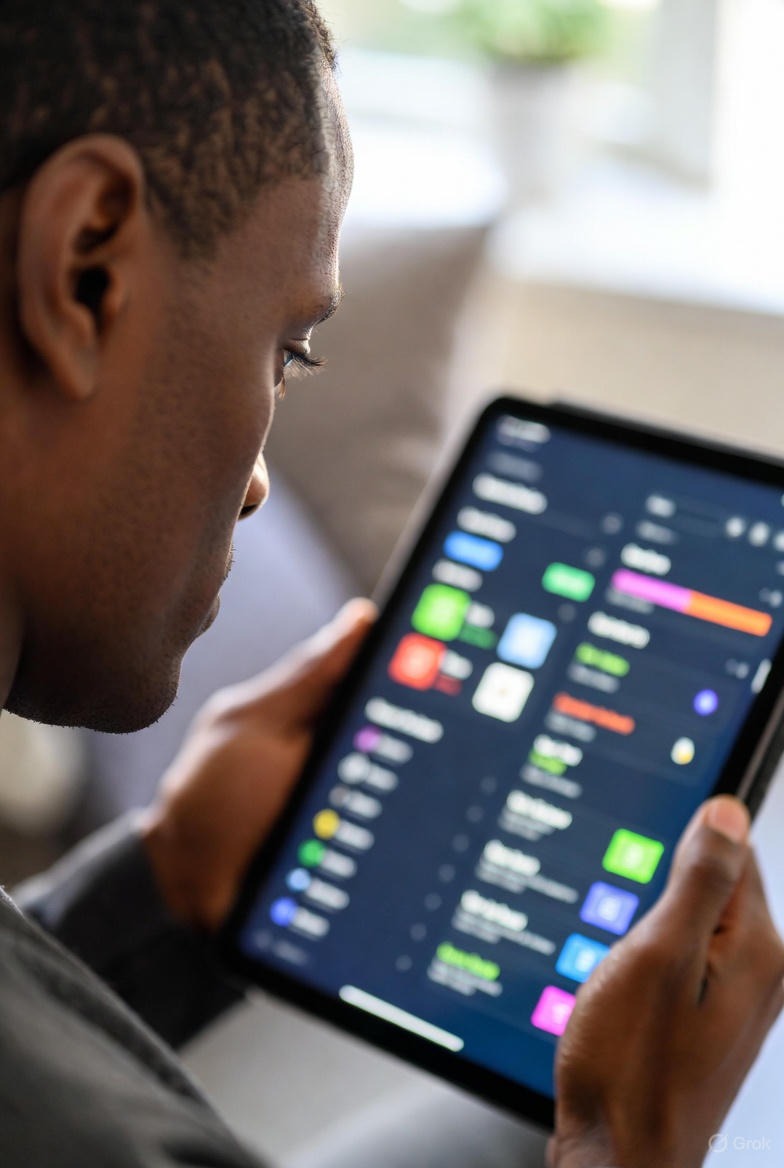
We have journeyed through the mechanics of how movement, light, and nutrition compose the symphony of your sleep. We've seen how a wellness ring decodes the biological language of this connection, transforming vague feelings into precise, actionable data. But knowledge alone is not power; applied knowledge is. This final section is about personalization and mastery—moving from understanding universal principles to applying them to your unique biology, goals, and life circumstances. It's about using the day-night feedback loop not just to sleep better, but to live better, adapting your approach as you grow and change.
Your wellness ring is the key to this personalization. It provides the continuous feedback necessary to move from a static, one-size-fits-all plan to a dynamic, living protocol that evolves with you. This is where you transition from being a patient follower of advice to becoming the expert on your own body.
Every person’s physiology speaks a slightly different dialect. An average sleeping heart rate of 55 BPM might be perfectly normal for one person and a sign of excessive fatigue for another. A 30-minute deep sleep duration could be excellent for a 60-year-old but low for a 25-year-old athlete. The true power of tracking lies not in comparing your numbers to population averages or even to your friends, but in establishing your own personal baselines and understanding the meaning of deviations from your norm.
Establishing Your Personal Baselines:
This requires a period of consistent observation under "normal" conditions—not while on vacation or during a major life crisis, but during a typical week or two of your regular life. During this period, note:
Interpreting Deviations as Communication:
Once baselines are set, deviations become meaningful messages. This is where you become a detective of your own well-being.
By learning this language, you stop chasing arbitrary scores and start having a dialogue with your body. Your ring provides the translation. For guidance on what to aim for as you establish these baselines, our resource on the ideal deep sleep duration by age offers a helpful starting framework, but always remember your personal context is king.
For anyone who exercises with purpose—whether to build strength, improve endurance, or simply maintain health—the traditional approach is to follow a predetermined plan. But what if the plan calls for a hard interval session on a day your body is screaming for rest? Blind adherence can lead to overtraining, injury, and disrupted sleep. This is where adaptive training, guided by your wellness ring’s readiness metrics, revolutionizes your approach.
The Readiness Score as Your Day’s Permission Slip:
Many advanced wellness platforms synthesize last night’s sleep data (quality, duration, disturbances) with current morning metrics (HRV, RHR, body temperature) to generate a "Readiness" or "Recovery" score. This score isn’t a judgment; it’s a recommendation for how much stress your system can productively handle today.
Real-World Application:
Imagine your plan says "5x400m sprints." You wake up and your ring shows a low readiness score due to poor sleep from a neighbor’s late-night party. The adaptive approach is to postpone the sprints to tomorrow (when you’ll likely be better recovered and will perform better) and do a gentle 30-minute walk today instead. This respects your body’s real-time needs, protects your sleep cycle, and leads to better long-term results. It turns your training from a rigid schedule into an intelligent conversation between your intentions and your physiology. Athletes looking to maximize this connection can find advanced techniques in our article on deep sleep optimization for recovery.
Think of your body’s recovery capacity not as an infinite resource, but as a financial balance sheet. High-quality sleep, good nutrition, and restful activities are deposits. Intense exercise, work stress, emotional strain, and poor lifestyle choices are withdrawals. Your wellness ring’s metrics—particularly the trendlines of HRV and RHR—are your live balance statement.
The Concept of Sleep Debt:
When withdrawals consistently exceed deposits, you accumulate sleep debt. This isn’t just about total hours; it’s about deficient deep and REM sleep, leading to a drained recovery account. The symptoms are your ring’s data: a downward trend in HRV, an upward creep in RHR, and declining sleep scores. Your cognitive, emotional, and physical "credit rating" drops: you’re more irritable, make more errors, and are more prone to illness.
The Strategy of Sleep Banking:
Conversely, you can make proactive deposits—this is sleep banking. It involves prioritizing sleep and recovery before a known major withdrawal. For example:
Your ring is essential for this. It helps you identify when you’re slipping into debt (so you can correct early) and confirms when your banking strategies are working (seeing HRV rise and RHR fall). This financial metaphor empowers you to manage your energy strategically, not reactively. It acknowledges that life has seasons of high expenditure and that the key to sustainability is conscious, compensatory investment in recovery. For a deeper understanding of the critical brain functions you're investing in, explore the connection between deep sleep and memory.
Your body is not a static machine. The precise way your daily activity connects to your sleep quality will evolve throughout your life. Major transitions—aging, entering a high-stress career, becoming a parent, experiencing menopause—recalibrate the system. Your wellness ring helps you navigate these shifts with grace, not guesswork.
Aging and the Evolving Sleep Architecture:
As we age, deep sleep naturally decreases. This doesn’t mean sleep quality is doomed; it means the strategy must adapt. The connection between daytime activity and sleep becomes more important, not less. Consistent strength training to maintain muscle mass (which supports metabolism and hormone health) and careful attention to circadian cues (light, timing) become critical to preserving sleep integrity. Your ring helps you track this gradual shift, allowing you to adjust expectations and focus on the metrics you can influence, like sleep consistency and minimizing disturbances. Learn more about this in our guide on how age affects deep sleep.
High-Stress Periods:
During a career change, financial worry, or family illness, your nervous system is under constant siege. The goal during these times shifts from "optimization" to "protection" and "resilience support." Your ring’s data can help you identify tiny, non-negotiable anchors: the 10-minute walk that still lowers your afternoon heart rate, the 15-minute earlier bedtime that adds meaningful deep sleep, or the discovery that caffeine after noon destroys your sleep during high stress. It provides objective evidence that self-care is not a luxury, but a necessary practice for weathering the storm.
Parenthood and Sleep Fragmentation:
For new parents, the concept of "good sleep" is radically redefined. The connection between activity and sleep isn't broken, but it operates in a new, fragmented reality. Here, the ring’s value is in tracking your recovery amidst the chaos. It can help you and a partner tag-team effectively: if one person’s readiness score is in the gutter after multiple night wakings, the other can take the morning shift. It can also highlight the profound impact of stealing 20 minutes of daytime rest when the baby naps—sometimes that micro-sleep deposit makes a measurable difference in your resilience metrics. The focus becomes on maximizing sleep quality (depth, efficiency) in the shorter, interrupted windows you do get.
In every transition, your ring serves as a stable reference point. It shows you what’s changing and provides the feedback to experiment with new routines that work for your new normal. It reinforces that you are not failing; your biology is adapting, and you are learning to adapt with it.
Your daily activity and sleep do not exist in a vacuum. They are profoundly influenced by your social connections and physical environment. Your wellness ring, while tracking your internal state, can also shed light on these external factors.
Social Synchrony:
Humans are social creatures with biological rhythms that can entrain, or synchronize, with each other. Living with a partner, having a vibrant social circle, or even working in a collaborative office can influence your activity and sleep patterns. This can be positive (a partner who encourages evening walks leads to better sleep) or negative (late-night social events disrupt your schedule). Your ring’s data can help you find balance. You might see that weekly game nights are worth the slight sleep disruption because of the joy they bring (reflected in lower stress on other days), but that scrolling social media before bed has no upside and a clear sleep cost. It helps you make intentional social choices aligned with your recovery goals.
Environmental Optimization:
Your ring’s sleep analysis is a direct report on your bedroom environment.
By viewing your ring’s data through this lens, you become an engineer of your personal ecosystem. You make changes to your surroundings and social rhythms not based on assumptions, but on their measurable impact on your core biometrics. This turns your home and social life into active allies in your quest for better sleep.
Even with the best intentions, you will have periods where your diligent daytime habits seem disconnected from poor sleep. The ring’s data shows a puzzling mismatch. This is not a failure of the principle; it’s an invitation to investigate deeper, hidden variables.
Common Culprits for the Disconnect:
The Troubleshooting Protocol:
When faced with a disconnect, become a scientist.
The ultimate goal of connecting your daily activity to your sleep quality is not to achieve a perfect score every day. That is a recipe for obsession and burnout. The goal is to build resilience—the capacity of your mind and body to withstand stress, adapt to challenges, and return to a state of balance.
Your wellness ring, used wisely, is a resilience-building tool. Over months and years, the trends it reveals are far more valuable than any single day’s data. You want to see:
This long-view transforms your relationship with the data. A bad night is no longer a "failure"; it’s a data point in your resilience story. It shows you where your current thresholds are. A great night is a confirmation of effective habits.
This journey is about sustainable self-knowledge. It’s about learning the subtle signs your body gives you—often before you consciously notice them—so you can adjust course. It’s about empowering yourself with the knowledge that you have significant agency over your energy, mood, and health through the consistent, daily choices you make in movement, light, and nutrition.
We began by challenging the idea of sleep as a separate act. We end with a new paradigm: your life is a single, integrated loop. Your day and your night are in constant dialogue, each shaping the other. The modern wellness ring is the translator for this dialogue, making the invisible visible and the intuitive actionable.
You now hold the map to this connected life. You understand that:
This is not just about sleep tracking. It is about life tracking with the purpose of enhancing the human experience. It’s about moving from feeling at the mercy of your energy levels to understanding their sources and learning to replenish them proactively.
We invite you to continue this journey of discovery. To see how this technology comes to life in a product designed with this holistic philosophy at its core, discover the Oxyzen smart ring. For any questions on your personal path, our extensive FAQ and supportive community are here to help. And to learn more about the mission driving this work—to empower individuals with the knowledge to optimize their own well-being—we welcome you to read about our story and values.
Your Trusted Sleep Advocate (Sleep Foundation — https://www.sleepfoundation.org/)
Discover a digital archive of scholarly articles (NIH — https://www.ncbi.nlm.nih.gov/
39 million citations for biomedical literature (PubMed — https://pubmed.ncbi.nlm.nih.gov/)
experts at Harvard Health Publishing covering a variety of health topics — https://www.health.harvard.edu/blog/)
Every life deserves world class care (Cleveland Clinic -
https://my.clevelandclinic.org/health)
Wearable technology and the future of predictive health monitoring. (MIT Technology Review — https://www.technologyreview.com/)
Dedicated to the well-being of all people and guided by science (World Health Organization — https://www.who.int/news-room/)
Psychological science and knowledge to benefit society and improve lives. (APA — https://www.apa.org/monitor/)
Cutting-edge insights on human longevity and peak performance
(Lifespan Research — https://www.lifespan.io/)
Global authority on exercise physiology, sports performance, and human recovery
(American College of Sports Medicine — https://www.acsm.org/)
Neuroscience-driven guidance for better focus, sleep, and mental clarity
(Stanford Human Performance Lab — https://humanperformance.stanford.edu/)
Evidence-based psychology and mind–body wellness resources
(Mayo Clinic — https://www.mayoclinic.org/healthy-lifestyle/)
Data-backed research on emotional wellbeing, stress biology, and resilience
(American Institute of Stress — https://www.stress.org/)


