


How Elite Athletes Use Smart Rings for Activity Level Optimization
Reveals how elite athletes use rings to optimize their training load.
Reveals how elite athletes use rings to optimize their training load.
%402x.svg)
In the high-stakes world of elite athletics, the difference between a gold medal and fourth place is often measured in hundredths of a second or millimeters of distance. For decades, athletes and their coaches have sought every possible legal advantage—from advanced nutrition and cutting-edge training methodologies to psychological conditioning and sleep science. Today, a quiet revolution is unfolding on the fingers of champions. Discreet, powerful, and constantly learning, the smart ring has emerged as an indispensable tool in the modern athlete’s arsenal, moving far beyond the step-counting basics of early wearables.
This is not about generic wellness tracking; it’s about precision optimization. Elite performers operate at the very edge of human capability, where the line between peak performance and overtraining is perilously thin. The smart ring, with its 24/7 wearability and clinical-grade sensors, provides the continuous, nuanced physiological data needed to navigate that line. It transforms intuition into insight, guessing into knowing. By monitoring core biomarkers like Heart Rate Variability (HRV), resting heart rate, skin temperature, and blood oxygen saturation, these devices offer a real-time window into the body’s readiness, stress, and recovery state.
From marathoners and cyclists to professional basketball players and Olympic swimmers, top-tier competitors are leveraging this continuous data stream to make hyper-personalized decisions. They’re adjusting training loads on the fly, optimizing sleep and nutrition protocols, and even managing travel fatigue and altitude acclimatization. The smart ring has become a personal biometrical dashboard, enabling a dynamic, responsive approach to training that was once the stuff of science fiction.
This deep-dive exploration will uncover exactly how the world’s best athletes are integrating smart ring technology into their daily regimens to unlock new levels of performance. We’ll move beyond the marketing hype and into the practical, data-driven applications that are reshaping modern sports science.
The coach’s eye, the athlete’s feel—these subjective measures have long been the cornerstone of training adjustment. An athlete might report feeling “heavy-legged,” and a coach might observe a slight drop in form. While valuable, this approach is reactive and imprecise. The rise of the “Quantified Athlete” paradigm flips this model, using objective, physiological data to proactively guide decisions before fatigue manifests as poor performance or injury.
The Limitations of Traditional Monitoring
For years, the gold standard for athlete monitoring involved periodic lab tests—VO2 max assessments, lactate threshold tests, and blood panels. These provide invaluable snapshots but are episodic, expensive, and conducted in artificial environments. Daily wellness questionnaires (like the popular REST-Q or Profile of Mood States) add a subjective layer but are prone to bias. Basic heart rate monitors during activity capture workload but miss the critical recovery picture.
This created a data gap: we knew what the athlete did to their body, but we had a poor understanding of how the body was responding internally, around the clock. Enter the smart ring.
A device like the Oxyzen smart ring fills this gap elegantly. Worn continuously, it acts as an always-on physiological monitor. Its core superpower is the measurement of Autonomic Nervous System (ANS) activity through metrics like HRV. The ANS, comprising the sympathetic (“fight or flight”) and parasympathetic (“rest and digest”) branches, is the body’s master control system for stress, recovery, and adaptation.
For an athlete, a high HRV typically indicates a well-recovered, resilient system ready for a hard training load. A suppressed HRV, especially when tracked against a personal baseline, can be an early warning sign of accumulating fatigue, impending illness, or insufficient recovery. This objective data allows for a conversation grounded in evidence.
A Swimmer’s Story: Consider a national-team swimmer in the middle of a high-volume training block. Subjectively, she feels “okay.” Her morning questionnaire scores are neutral. But her smart ring data shows a consistent 10% downward trend in her nightly HRV average over four days, coupled with a slight elevation in her resting heart rate and a disturbance in her deep sleep patterns. This objective triad of data—before any drop in pool performance—allows her coach to immediately modify the day’s session: swapping a planned high-intensity threshold set for a technical, lower-intensity recovery swim. This data-driven intervention likely prevents a state of non-functional overreach, keeping her on the optimal path to adaptation.
Integrating the Data Stream
The true power emerges when ring data is integrated with other metrics. Modern platforms allow coaches to view smart ring recovery scores alongside training load data from GPS units, power meters, and swim watches. This creates a holistic performance dashboard. The athlete is no longer just a set of workout outputs, but a complete biological system. This shift is fundamental, moving training from a pre-written plan to a dynamic, living document that responds to the athlete’s daily physiological state. For those interested in how this continuous monitoring applies beyond elite sport, our blog explores how smart rings support healthy aging through daily monitoring with similar principles of listening to the body’s signals.
Elite performance is not built in the gym or on the track; it is built during the recovery periods between sessions. Training provides the stimulus, but adaptation—the process of getting faster, stronger, and more resilient—occurs during rest. Therefore, optimizing recovery is not passive; it is an active, deliberate process. The smart ring is the ultimate tool for this mission, providing an unprecedented view into the quality and sufficiency of an athlete’s recovery.
Sleep: The Non-Negotiable Foundation
Sleep is the most potent recovery tool available. It’s when human growth hormone is released, tissue is repaired, memories (including motor skills) are consolidated, and the immune system is fortified. For athletes, tracking sleep duration is just the first step. The smart ring delves into the architecture of sleep itself.
Practical Application: A professional basketball player on a road trip with back-to-back games and time zone changes uses his ring data to rigorously guard his sleep. The data clearly shows his deep sleep plummets after late-night games if he doesn’t manage his post-game routine (nutrition, light, screen time). Armed with this knowledge, he and the team’s performance staff implement a strict “sleep hygiene” protocol for away games, leading to measurably better readiness scores for the second game of a back-to-back. The critical role of sleep is a universal principle, as detailed in our article on how sleep quality became the foundation of healthy aging.
Nocturnal HRV & Resting Heart Rate: The Golden Metrics
While you sleep, your body is at its most honest. Nightly averages for HRV and resting heart rate (RHR) are considered the purest reads on recovery status, free from the acute effects of food, activity, and mental stress present during daytime spot checks.
Athletes learn to check their morning “readiness score” (a composite of these metrics) from their ring app before even getting out of bed. This number directly informs the day: “Green” means go hard as planned. “Yellow” suggests caution—perhaps a lighter day or increased focus on hydration and nutrition. “Red” is a mandate for a restorative day, regardless of what the training calendar says.
Basal body temperature, measured passively through the finger’s skin temperature, is another crucial data point. A sustained elevation can be one of the earliest signs of illness, overtraining, or, for female athletes, a shift in hormonal phase. Coupled with low HRV, it’s a powerful signal to rest.
Furthermore, the ring tracks general 24/7 activity and inactivity. An athlete who is supposed to be resting but shows high levels of non-exercise activity thermogenesis (NEAT) is not truly recovering. This helps enforce “true rest” on recovery days.

If one metric has risen to paramount importance in the world of elite athletic optimization, it is Heart Rate Variability. Once a tool confined to cardiology clinics, HRV is now the North Star for coaches and sports scientists. It provides a direct, quantifiable measure of the balance in the autonomic nervous system, making it the single best indicator of an athlete’s readiness to perform or need to recover.
Understanding the Science of HRV
At its simplest, HRV is the variation in time intervals between consecutive heartbeats. It is not about heart rate, but the subtle timing between beats. A healthy, resilient heart does not beat like a metronome; it has constant, millisecond variations. Higher HRV (greater variability) generally indicates strong parasympathetic (“rest and digest”) tone and good adaptability. Lower HRV suggests dominant sympathetic (“fight or flight”) drive, meaning the body is under stress—be it from training, psychological pressure, illness, or poor sleep.
For athletes, the key is trend analysis, not daily absolutes. Everyone has a unique baseline. The magic is in watching the direction of the trend relative to that personal norm.
The Practical Application: Guided Autoregulation
This is where theory meets practice. The concept of “autoregulation” uses daily HRV data to modulate training intensity. Several proven protocols exist:
Cycling Example: A Tour de France contender uses his smart ring data throughout the grueling three-week race. On a scheduled rest day before a crucial mountain stage, his HRV fails to rebound as expected, and his skin temperature is elevated. Despite feeling “okay,” the data shows his system is still deeply stressed. The team’s performance director, seeing this on a shared dashboard, extends his rest day protocol—more hydration, compression, and total rest—and slightly alters his nutrition. This data-driven pause allows his body to finally recover, enabling a stellar performance on the critical stage the next day instead of a costly blow-up.
The power of HRV extends far beyond the playing field, offering profound insights for anyone managing stress and resilience. Learn more about how HRV monitoring supports broader health and longevity goals.
The fundamental principle of athletic training is progressive overload: apply a stressor, recover, and adapt to become stronger. The art lies in applying the precise dose of stress—enough to stimulate adaptation, but not so much that it leads to breakdown, injury, or burnout. This is Load Management, and smart ring data is revolutionizing its precision.
Moving Beyond External Load
Traditionally, load has been measured externally: miles run, weight lifted, watts produced, minutes played. This is crucial data, but it’s incomplete. It tells you the input, not the internal impact. Two athletes can run the same 10k at the same pace, but the physiological cost can be vastly different based on their sleep, life stress, hydration, and recovery status.
The smart ring introduces the critical dimension of Internal Load—the body’s physiological and psychological response to the external stimulus.
The most advanced models used by elite teams now create a dynamic feedback loop:
External Load (from sports watch/GPS) + Internal Readiness (from smart ring) = Personalized Daily Prescription.
Here’s how it works in practice:
Periodization at a Micro-Level
This approach allows for micro-cycles of training that are responsive to the individual. Instead of forcing an athlete through a rigid 4-week block regardless of feedback, the block becomes fluid. A planned “loading week” might be extended by a day or two if the athlete’s HRV and sleep data show they are adapting well. Conversely, a “de-load week” might be introduced early if the data shows signs of cumulative fatigue.
Team Sport Application: In the NBA or English Premier League, with dense game schedules, this is invaluable. A star player’s smart ring data after a physically grueling, overtime game might show terrible recovery metrics. Even though the standard schedule has a practice the next day, the performance staff can use this data to advocate for that player to have a “non-contact” or “load management” day, giving their body the extra time it needs to repair. This isn’t about rest for rest’s sake; it’s about applying stress strategically to keep the athlete performing at peak when it matters most—on game day. The principle of adapting movement and load to the body’s needs is a lifelong practice, explored in our guide to movement strategies for every decade of life.
Elite athletes are global citizens. They crisscross time zones for competitions, travel to altitude for training camps, and face constantly changing environments that can wreak havoc on their finely-tuned physiology. Jet lag, disrupted sleep, dehydration, and the stress of travel are significant performance detractors. Smart rings provide a critical tool to measure, manage, and mitigate these challenges.
Conquering Jet Lag with Data
Circadian rhythms regulate sleep-wake cycles, hormone release, body temperature, and digestion. Flying across time zones desynchronizes these internal clocks from the external environment, causing jet lag. The smart ring provides objective measures of this disruption.
Optimizing Altitude Training
Training at high altitude is a proven method to boost red blood cell count and improve oxygen-carrying capacity. However, the initial response to altitude—acute mountain sickness (AMS), disturbed sleep, and elevated stress—can be counterproductive. Smart rings allow for meticulous individual monitoring.
Nutrition is the fuel for performance and the building blocks for recovery. While dietitians have long used food logs and macro calculations, smart ring data adds a powerful feedback layer, moving nutrition from a static plan to a dynamic, responsive system.
Chronic low energy availability (not consuming enough calories to support training and basic bodily functions) is a serious issue in weight-sensitive and aesthetic sports. It leads to Relative Energy Deficiency in Sport (RED-S), harming performance, bone health, and immunity. The smart ring can provide indirect but valuable clues.
The period after training is critical for replenishing glycogen stores and initiating muscle repair. Smart ring recovery scores can indicate how effectively an athlete is navigating this window.
Hydration Status
Even mild dehydration impairs performance, cognitive function, and recovery. While not a direct hydration monitor, the smart ring offers strong correlative signals.
Athletes learn to correlate these data shifts with their hydration habits. Seeing a high RHR and poor sleep score after a day of forgetting their water bottle reinforces the importance of consistent fluid intake in a way that simple reminders cannot. This holistic view of how internal metrics reflect lifestyle choices is a theme we also explore in the context of science-backed healthy aging tips.
Injury Prevention & The Early Warning System
For an elite athlete, injury is the ultimate setback. The modern approach is proactive prevention, not reactive rehabilitation. Here, the smart ring transcends optimization and becomes a crucial early warning system, identifying subtle physiological disturbances that often precede physical breakdown.
The Stress-Fatigue-Injury Pathway
Injuries are rarely random events. They typically follow a pathway: excessive training or life stress -> accumulated fatigue -> altered movement patterns and motor control -> increased load on tissues -> breakdown. The smart ring’s core function is to detect the very beginning of this pathway—the excessive stress and accumulated fatigue phase—long before movement patterns change.

OTS is a state of prolonged maladaptation characterized by performance decline, persistent fatigue, and mood disturbances. Diagnosing it is tricky and often retrospective. Smart ring data provides the earliest objective signs:
When this constellation of data appears, it’s a flashing red siren to dramatically reduce load and prioritize recovery, potentially avoiding a full-blown OTS diagnosis that could cost months of a career.
Spotting Illness Before It Strikes
A viral or bacterial infection can derail a training block or ruin a taper before a major competition. The body’s fight against a pathogen creates a significant physiological stress response, which the smart ring picks up.
Guiding Return-to-Play
After an injury, the rehabilitation process is a delicate balance of applying load to strengthen the injured tissue without overloading it. Smart ring data is invaluable here as well.
This proactive, data-informed approach to sustaining physical capacity is aligned with the goals of anyone looking to preserve independence longer through intelligent health monitoring.
Elite performance is as much mental as it is physical. Pressure, anxiety, travel, media scrutiny, and personal life events contribute to a significant cognitive load. This psychological stress activates the same sympathetic nervous system response as physical training, compounding the total burden on the athlete. The smart ring, by measuring the physiological output of stress, provides an objective window into the mental game.
Objective Stress Tracking
An athlete might report feeling “fine” during a high-pressure week, adhering to the “never show weakness” ethos of high-performance environments. But their physiology tells the true story. Chronic cognitive stress manifests identically to physical stress in smart ring data:
Seeing this data allows a coach or sports psychologist to intervene with supportive strategies, not based on a perceived “weakness,” but on objective physiological need.
This is where the technology becomes interactive. Athletes can use their real-time HRV data (available through some ring platforms during deliberate breathing exercises) for biofeedback training.
Over time, tracking this data builds self-awareness. An athlete learns how different mental stressors—a tough press conference, a contract negotiation, family tension—affect their physiology. This awareness is the first step to developing better-coping mechanisms. They can see, in hard data, that a consistent meditation practice improves their nighttime HRV average. They can prove that taking a digital detox day lowers their resting heart rate. The ring validates the effectiveness of mental skills training, turning abstract concepts into measurable outcomes. The profound connection between managing stress and overall well-being is a cornerstone of longevity, as discussed in our resource on stress management and connection for healthy aging.
Theoretical benefits are one thing; real-world application is another. Across the globe, elite programs are quietly integrating this technology with stunning results. Let’s examine a few anonymized, composite case studies based on real-world implementations.
The Athlete: A world-class marathoner aiming to peak for a Major marathon.
The Challenge: The final 3-week taper is notoriously difficult to manage. Reduce load too much, and you lose fitness. Reduce too little, and you arrive fatigued. It’s often a guessing game filled with anxiety.
The Smart Ring Application: Throughout her final hard training block, she and her coach established her personal baselines for HRV, RHR, and sleep. During the taper, they didn’t just follow a pre-set reduction in mileage. Instead, they used her morning readiness score as a daily guide.
The Team: A professional European football (soccer) club competing on multiple fronts (domestic league, cup, European competition).
The Challenge: An 11-month season with sometimes 3 games in 8 days. Preventing burnout and soft-tissue injuries in a squad of 25 players with different ages, roles, and injury histories.
The Smart Ring Application: Every player is issued a ring. The performance data team aggregates daily readiness scores on a simple dashboard viewable by coaches, physios, and strength staff.
The current use of smart rings in elite sport represents the first generation of a transformative technology. The frontier is already shifting from descriptive analytics (“what is my recovery state?”) to predictive and prescriptive analytics (“what is my injury risk this week?” and “what should I do about it?”). The next wave involves deeper biomarkers, advanced algorithms, and seamless ecosystem integration, pushing the boundaries of human performance optimization even further.
While today’s rings excel at measuring ANS activity, the next generation of sensors promises a more comprehensive physiological portrait, all from the finger.
The true power of continuous data is unlocked by pattern recognition beyond human capability. This is where artificial intelligence (AI) and machine learning (ML) come in.
The Fully Integrated Performance Ecosystem
The smart ring will not operate in isolation. Its future lies as the central hub in a connected ecosystem of biometric devices.

The strategies employed by Olympic champions and professional stars are not exclusive secrets guarded in high-performance labs. The underlying principles of listening to your body, balancing stress and recovery, and making data-informed decisions are universally applicable. Thanks to consumer-accessible technology like the Oxyzen smart ring, dedicated amateurs, age-group competitors, and fitness enthusiasts can now apply a scaled version of the elite playbook to their own training.
An amateur athlete doesn’t need a sports scientist to interpret every blip in the data. The key is to focus on trends and major deviations from your own personal baseline.
The amateur’s challenge isn’t just training; it’s balancing training with work, family, and social commitments. The smart ring becomes a tool for managing total life stress.
Avoiding Common Pitfalls
By adopting this framework, the everyday athlete gains a powerful ally in pursuing their goals safely and effectively, minimizing the guesswork that often leads to plateaus or injuries. For more on applying data-driven wellness at any stage of life, our blog offers a wealth of resources, such as 50 healthy aging tips a smart ring helps implement daily.
Choosing Your Tool: A Guide to Selecting the Right Smart Ring for Athletic Optimization
With the market for smart rings expanding, selecting the right device is critical. Not all rings are created equal, especially for the demands of serious athletic training. Here are the key features and considerations an athlete—elite or amateur—should prioritize when making this investment.
Non-Negotiable Features for Performance
The App and Algorithm: Where the Magic Happens
The hardware collects data; the software turns it into wisdom. A superior app experience is non-negotiable.
Ecosystem and Support
A Note on Oura, Whoop, and the Emerging Landscape
While devices like the Oura Ring and the Whoop band (a bracelet) are popular, it’s important to assess them against the criteria above. The Oura Ring is a strong contender with excellent sleep and recovery tracking. The Whoop strap offers robust community features and strain coaching. The newer Oxyzen Smart Ring enters this space with a focused commitment to merging clinical-grade accuracy with an athlete-centric user experience, often at a more accessible price point, making elite-level monitoring available to a broader audience. Ultimately, the “best” ring is the one you will wear consistently, whose data you trust, and whose app provides you with clear, actionable insights you will actually use. To discover the full features and design philosophy behind one of these leading options, you can visit the Oxyzen shop.
Acquiring the ring is step one. Integrating it effectively into your training life is step two. This 30-day protocol is designed to help any athlete move from curious observer to informed practitioner, building the habit of using data to guide decisions.
Days 1-14: The Observation Phase – Establish Your Baseline
Goal: Wear the ring continuously. Do NOT make any training decisions based on the data yet.
Days 15-21: The Correlation Phase – Connect the Dots
Goal: Start actively looking for cause-and-effect relationships.
Days 22-30: The Integration Phase – Start Guiding Decisions
Goal: Begin letting the data influence your training choices in low-stakes scenarios.
By the end of 30 days, you will have moved from simply having data to understanding your data. You’ll begin to develop an intuitive sense of what your scores mean, and you’ll have taken the first steps toward a more responsive, resilient, and intelligent approach to your training. For a broader perspective on implementing lasting wellness changes, the principles in healthy aging tips that start working at any age resonate strongly with this phased, learning-oriented approach.
The ultimate goal for any elite athlete transcends a single race or season; it is the maximization of a career. Smart ring data, when viewed through a macro lens, provides the foundational intelligence for strategic, multi-year periodization and the proactive preservation of an athlete’s most valuable asset: their physical integrity. This long-term data asset is reshaping how federations, teams, and individual athletes plan for sustained excellence.
Each day of continuous wear adds to an athlete’s unique physiological fingerprint. Over months and years, this accumulates into a powerful longitudinal database. This isn’t just data; it’s a health biography.
Macro-Cycle Planning with Biomarker Feedback
Traditional periodization divides the year into preparation, competition, and transition phases. Smart ring data injects a feedback loop into this structure, making it dynamic and personalized.
Prolonging Career Span
Injuries and burnout are the primary career shorteners. The predictive and preventative capabilities of continuous monitoring directly combat these threats.
This strategic, long-view application transforms the smart ring from a daily tool into a career investment, safeguarding an athlete’s potential over the full arc of their professional life. To understand the philosophy behind creating technology that supports users through all stages of their wellness journey, you can learn about Oxyzen’s story and mission.
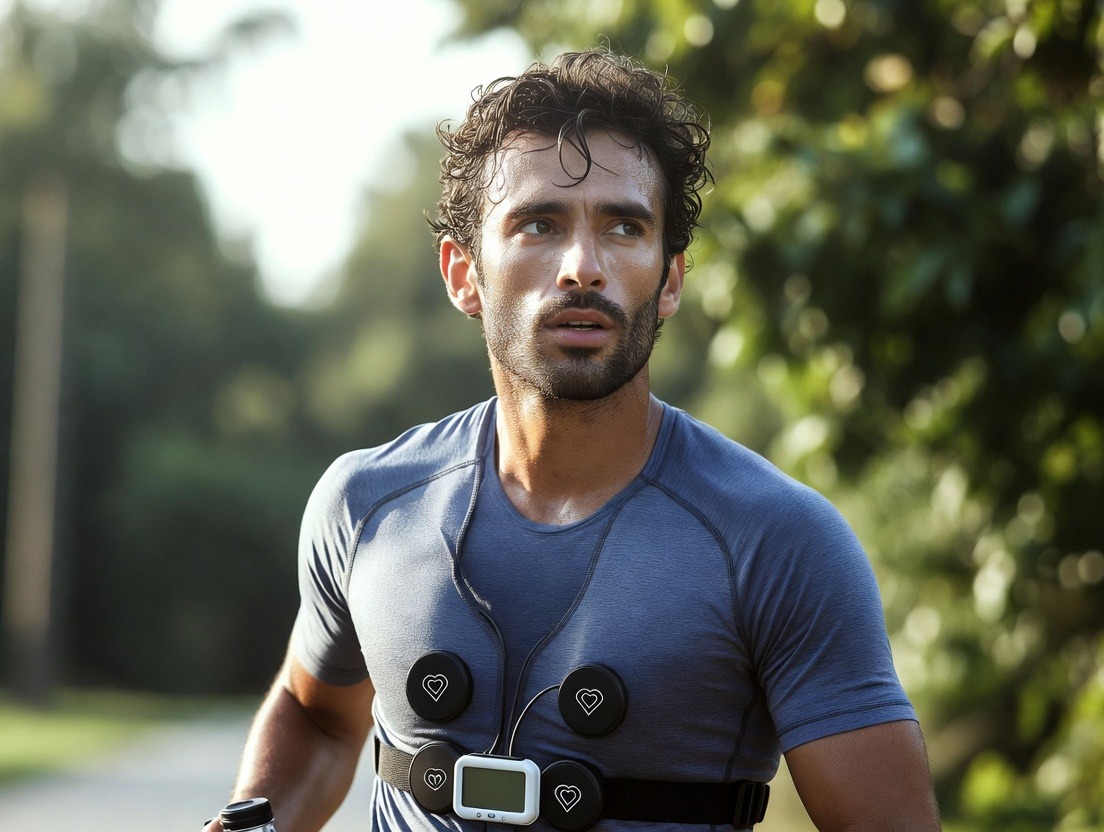
To move beyond theory, we sought the perspectives of those implementing this technology at the highest levels. We spoke with several sports scientists and elite coaches (under condition of anonymity to protect competitive advantages) to get their candid insights on the real-world impact and evolving challenges of smart ring integration.
All experts agreed on one central point: the technology’s greatest power is enabling true personalization in a team or group environment.
The Most Valuable Metrics in Practice
When asked which data points they find most actionable day-to-day, the answers were consistent:
Navigating the Human Element: Education and Trust
The experts also highlighted critical non-technical challenges.
The Future Need: Simpler Insights
An intriguing point from several scientists was the desire for less data, not more. “The next breakthrough,” one suggested, “isn’t another metric. It’s better AI that synthesizes the ten metrics we have into one or two hyper-actionable insights. Tell me: ‘This athlete has a 65% probability of a upper respiratory infection in 48 hours,’ or ‘Their ligament resilience score is low today, avoid high-load plyometrics.’ We need the ring to move from a dashboard to an advisor.” For a look at how this technology is already helping individuals track holistic progress over time, see our article on how a smart ring tracks healthy aging progress over time.
As with any transformative technology, the integration of deep biometric monitoring in sport brings forth important ethical and practical questions that athletes, teams, and the industry must grapple with.
Data Privacy and Ownership
An athlete’s physiological data is deeply personal. Who owns it? How is it stored and secured? Who has access?
The Risk of Over-Dependence and the Erosion of Intuition
A significant concern is that an over-reliance on data could diminish an athlete’s connection to their own body’s subjective signals—a skill honed over a lifetime of practice.
Potential for Misuse and Coercion
There is a dark-side scenario where this technology could be used coercively.
The technology is a tool, and like any tool, its impact depends on the wisdom and ethics of the hands that wield it. The human spirit, intuition, and the courageous decision to push beyond known limits must remain at the heart of sport, with data serving as a trusted guide, not an absolute master. For a community-focused perspective on balancing technology with human connection, our article on social connection as a factor in healthy aging offers a parallel meditation.
The journey of elite sport has always been a pursuit of margins. For generations, those margins were sought in equipment, technique, and sheer volume of work. The smart ring signifies a pivotal turn inward. The final, and perhaps most significant, frontier for optimization is not the world around the athlete, but the complex, dynamic world within the athlete.
We have moved from an era of standardized plans to an era of dynamic personalization. The smart ring enables this by providing a continuous, objective stream of internal data, making the invisible visible. It allows the athlete and their support team to:
This is not just about winning more medals or breaking more records—though it certainly contributes to that. It is about a more intelligent, sustainable, and respectful approach to high performance. It champions a model where the athlete’s health is the primary KPI, and peak performance is the natural outcome of that health.
For the amateur and fitness enthusiast, this democratization of elite technology is equally profound. It offers a path away from the damaging “no pain, no gain” ethos toward a smarter, more nuanced practice. It empowers anyone to train in alignment with their body’s needs, reducing injury risk, preventing burnout, and making the entire journey more enjoyable and effective.
The future beckons with even more refined biomarkers, predictive AI, and seamless ecosystem integration. Yet, the core promise remains unchanged: a deeper partnership between human ambition and physiological wisdom. The smart ring is the conduit for this partnership, offering a silent, constant dialogue between the athlete and the extraordinary machine that is their own body.
In the end, the most sophisticated piece of technology in an athlete’s arsenal is still the human body. Now, for the first time, we have a device that helps us understand it, in real-time, on its own terms. That is not just an advantage; it is a revolution in how we pursue human potential. To begin exploring how this revolution can apply to your own performance and wellness journey, visit the Oxyzen blog for ongoing insights, or discover the technology for yourself at the Oxyzen homepage.
Your Trusted Sleep Advocate (Sleep Foundation — https://www.sleepfoundation.org/)
Discover a digital archive of scholarly articles (NIH — https://www.ncbi.nlm.nih.gov/
39 million citations for biomedical literature (PubMed — https://pubmed.ncbi.nlm.nih.gov/)
experts at Harvard Health Publishing covering a variety of health topics — https://www.health.harvard.edu/blog/)
Every life deserves world class care (Cleveland Clinic -
https://my.clevelandclinic.org/health)
Wearable technology and the future of predictive health monitoring. (MIT Technology Review — https://www.technologyreview.com/)
Dedicated to the well-being of all people and guided by science (World Health Organization — https://www.who.int/news-room/)
Psychological science and knowledge to benefit society and improve lives. (APA — https://www.apa.org/monitor/)
Cutting-edge insights on human longevity and peak performance
(Lifespan Research — https://www.lifespan.io/)
Global authority on exercise physiology, sports performance, and human recovery
(American College of Sports Medicine — https://www.acsm.org/)
Neuroscience-driven guidance for better focus, sleep, and mental clarity
(Stanford Human Performance Lab — https://humanperformance.stanford.edu/)
Evidence-based psychology and mind–body wellness resources
(Mayo Clinic — https://www.mayoclinic.org/healthy-lifestyle/)
Data-backed research on emotional wellbeing, stress biology, and resilience
(American Institute of Stress — https://www.stress.org/)


