


The Exercise-Recovery Ratio Your Wellness Ring Calculates Daily
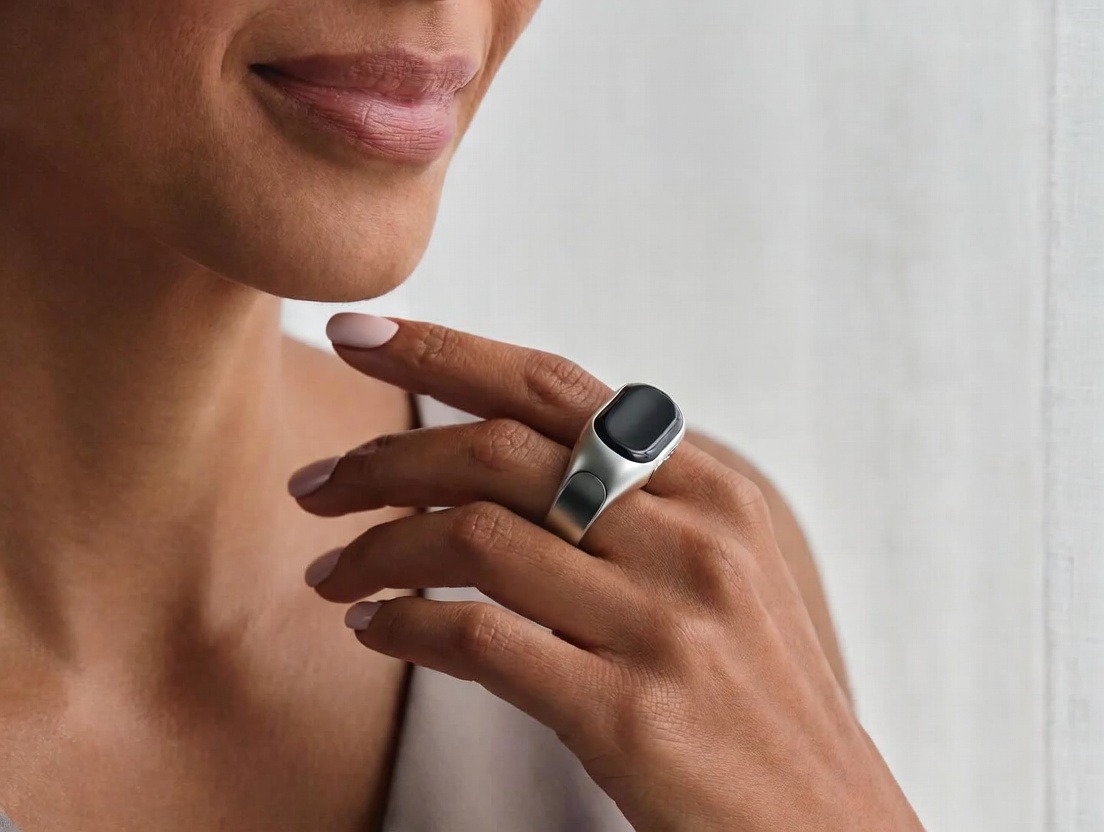
The personalized exercise-to-recovery ratio your ring calculates.
The personalized exercise-to-recovery ratio your ring calculates.
%402x.svg)
You’ve crushed the workout. You pushed through the final rep, logged the miles, or held that last yoga pose. The endorphin rush confirms it: you’ve done the work. But in the silent hours that follow—while you sleep, work, and go about your day—a more critical, unseen phase is underway. This is where fitness is truly built or broken: in recovery.
For decades, we’ve celebrated the grind while largely ignoring the rebuild. We’ve tracked steps, calories, and active minutes with zeal, yet remained blind to the metrics that signal whether our bodies are actually absorbing the training. Are you strengthening or silently straining? Are you building resilience or brewing burnout? The answer lies not in your workout log, but in the delicate, dynamic balance between exertion and restoration—your personal Exercise-Recovery Ratio.
This is no longer a theoretical concept. The rise of continuous, non-invasive biometric monitoring, specifically through sleek, powerful wellness rings, has brought this critical ratio into sharp, daily focus. By translating subtle physiological signals into an actionable score, this technology offers a revolution in personalized fitness. It moves us from guessing to knowing, from pushing mindlessly to training intelligently. This article delves deep into the science, strategy, and profound implications of understanding and optimizing your daily Exercise-Recovery Ratio—the foundational metric that could redefine your entire approach to health and performance.
The Exercise-Recovery Ratio is a personalized, dynamic measurement that quantifies the relationship between the physiological stress you apply (exercise) and your body’s capacity to repair and adapt from that stress (recovery). Think of it not as a simple division of hours, but as a complex algorithm of biological readiness.
Historically, athletes relied on subjective feel—lingering soreness, general fatigue, mood—to gauge this balance. Coaches used rigid schedules: hard day, easy day. But the human body isn’t a machine on a preset calendar. Your recovery is influenced by a symphony of factors beyond your last workout: sleep quality, nutritional status, mental stress, immune activity, and even your daily circadian rhythms. A 5-mile run after a perfect night’s sleep is a different biological event than the same run after a poor night’s sleep and a stressful work deadline.
This is where advanced biometric tracking becomes indispensable. A sophisticated wellness ring, worn 24/7, acts as your personal physiologist, constantly listening to your autonomic nervous system (ANS). The ANS has two primary branches: the sympathetic (fight-or-flight, driving exertion) and the parasympathetic (rest-and-digest, governing recovery). Your ratio is essentially a real-time readout of which system is dominant and by how much.
Key components fed into the ratio calculation include:
By synthesizing this data, your device generates a daily readiness or recovery score—a single, intelligible number that represents your Exercise-Recovery Ratio. A high score means your body has absorbed the previous stress and is primed for more. A low score is a clear signal to prioritize rest, hydration, nutrition, and lighter movement. This objective feedback loop is the cornerstone of what’s known as autoregulated training—allowing your body’s signals, not a pre-written plan, to dictate the day’s intensity. To understand how this technology transforms from data to daily insight, it’s helpful to learn more about the science behind Oxyzen’s approach.
Ignoring the Exercise-Recovery Ratio is like driving a high-performance car with only a speedometer, ignoring the engine temperature, oil pressure, and fuel gauges. You might go fast for a while, but breakdown is inevitable. The consequences of a chronically skewed ratio—where exercise consistently outpaces recovery—are systemic and severe.
1. The Overtraining Syndrome (OTS) Cascade:
This is the extreme endpoint of imbalance. OTS isn’t just feeling tired; it’s a neuroendocrine disorder characterized by:
2. The Injury Spiral:
Fatigued muscles transfer load to tendons, ligaments, and bones. Poor recovery means tissues don’t repair micro-tears, leading to cumulative trauma. What begins as minor stiffness can escalate into tendinitis, stress fractures, or major soft-tissue injuries. Your body sends pain signals as a final warning to stop; ignoring your recovery score means you’re missing the earlier, subtler warnings.
3. Metabolic and Cellular Stagnation:
Exercise is a catabolic (breaking down) process. Growth, adaptation, and improvement (anabolism) happen during recovery. Without sufficient recovery, you remain in a net catabolic state. This can lead to muscle loss, increased fat storage (due to elevated cortisol), and cellular damage from chronic inflammation. You’re essentially doing all the work for none of the benefits. For those focused on long-term vitality, this undermines core healthy aging tips a smart ring helps implement daily, turning exercise from a fountain of youth into a source of accelerated wear and tear.
4. The Psychological Toll:
The “no days off” mentality fosters a toxic relationship with fitness. Exercise becomes a compulsive stressor, not a rewarding practice. The joy evaporates, replaced by obligation and guilt. This mental burnout can take far longer to recover from than physical fatigue.
The common thread in all these pitfalls is a lack of awareness. We push through because we don’t have a clear, objective measure telling us to pull back. A daily recovery score changes that, transforming vague feelings of “being off” into a concrete, actionable data point. It’s the difference between guessing and knowing when you’re on the brink. For real-world accounts of how this awareness prevents burnout, you can explore real customer reviews and experiences.
The Recovery Dashboard: How Your Wellness Ring Quantifies the Unseen
So, how does a small device on your finger translate the silent language of your physiology into a usable metric? It functions as a continuous, miniaturized health lab, focusing on several key biomarkers that are profoundly sensitive to the balance between stress and recovery.
Heart Rate Variability (HRV): The Crown Jewel of Recovery Metrics
HRV measures the millisecond variations between your heartbeats. Contrary to intuition, a healthy, resilient heart is not a metronome; it has subtle, chaotic variability. High HRV indicates a strong, adaptable parasympathetic nervous system and a body ready to handle stress. Low HRV suggests sympathetic dominance and a system that is struggling to recover.
Resting Heart Rate (RHR) and Its Nocturnal Dip:
Your RHR naturally dips to its lowest point during deep sleep. The magnitude and timing of this dip are telling. A blunted dip or an elevated morning RHR (taken before you get out of bed) can indicate systemic inflammation, dehydration, or that your body is still working hard to repair itself.
Sleep: The Non-Negotiable Recovery Pillar
The ring goes far beyond tracking “8 hours.” It analyzes:
Body Temperature & Respiratory Rate:
A continuous, elevated core temperature trend can signal the onset of illness or significant inflammation. Similarly, a higher nocturnal respiratory rate can be a sign of physiological strain. These metrics provide contextual clues that explain why HRV or RHR might be off on a given day.
The Algorithmic Synthesis: Your Daily Readiness Score
The magic is in the fusion. The ring’s algorithm (often rooted in proven research like the Firstbeat Analytics™ models used by Garmin, or proprietary equivalents) weights these inputs to produce a single score—often on a 1-100 or 1-10 scale.
This dashboard transforms intangible feelings into a clear, visual guide for daily decision-making. It answers the perennial morning question: “How should I train today?” with data, not dogma. For a deeper look at the technology that powers this insight, the brand’s story and vision often provides fascinating context.
A critical, often overlooked, truth is that your wellness ring doesn’t differentiate between stress from a heavy squat session and stress from a heated argument, a tight deadline, or financial worry. To your autonomic nervous system, stress is stress. The “exercise” side of your ratio is, in reality, a “total load” side. This is where the technology’s value expands from a fitness tool to a holistic wellness monitor.
The Shared Physiological Pathway:
Both physical and psychological stressors activate the hypothalamic-pituitary-adrenal (HPA) axis, leading to the release of cortisol and adrenaline. They increase heart rate, blood pressure, and muscle tension, and shunt blood away from digestion and repair. A high-stress workweek, therefore, can consume your recovery capacity before you even lace up your shoes.
Real-World Implications for Your Score:
This holistic view prevents a major miscalculation. It stops the fitness enthusiast from blaming a “weak” workout performance on poor discipline when the real culprit was an unmanaged work project. It encourages an integrated view of wellness, where managing mental load is as important as managing training load. For strategies on managing this total life load, our blog offers resources on science-backed healthy aging tips that actually work, many of which focus on stress resilience.
Personalizing Your Baseline: Why Your "Green Zone" is Uniquely Yours
One of the most powerful features of continuous biometric tracking is the establishment of a personalized baseline. There is no universal “good” HRV or “perfect” sleep score. A 45 ms HRV might be excellent for one person and low for another. Your ring learns your normal over several weeks of wear, creating a comparative framework that is far more meaningful than population averages.
How Baselines Are Established:
The device uses an initial period (often 1-4 weeks) to understand your unique rhythms. It calculates your average HRV, RHR, sleep duration, and other metrics. Your daily scores are then presented as deviations from this personal norm. This is crucial because:
The Danger of Comparison:
Comparing your raw recovery score or HRV number with a training partner or an influencer online is a futile exercise. Their physiology, life context, and even the algorithm their device uses may be different. The only valid comparison is you vs. you from last week, last month, or last year. This focus on self-referenced data fosters a healthier, more intrinsic motivation. Understanding your personal data journey is part of the company’s mission to deliver truly individualized wellness.
Seeing a number is one thing; knowing what to do with it is another. This is where the transition from data to wisdom occurs. Let’s break down how to interpret different score scenarios and take intelligent action.
Scenario 1: High Readiness Score (Green Zone)
Scenario 2: Moderate Readiness Score (Yellow Zone)
Scenario 3: Low Readiness Score (Red Zone)
This daily dialogue with your data turns intention into intelligent action. For a comprehensive collection of strategies tailored to different life stages, our blog on healthy aging tips for every decade offers valuable complementary reading.
The Long-Term Trend: Using Your Ratio to Periodize Training and Prevent Plateaus
The true power of tracking your Exercise-Recovery Ratio unfolds over weeks and months. By observing long-term trends, you can move from reactive daily adjustments to proactive, strategic planning—essentially, creating your own scientifically-informed periodization.
Identifying Overtraining Early:
Instead of waiting for performance collapse or injury, you’ll see a sustained downward trend in your average HRV and readiness scores, coupled with a creeping elevation in RHR. This is the earliest possible warning to schedule a deliberate “de-load” week—a planned period of reduced volume and intensity to allow supercompensation.
Planning De-Load and Recovery Blocks:
Use your trend data to time your recovery. If you notice your baseline metrics are gradually degrading over a 3-week training block, plan a de-load for the fourth week. After the de-load, you should see your metrics rebound to new, higher baselines—a clear sign of positive adaptation.
Mapping Fitness Gains:
Witnessing your baseline HRV slowly rise over a season is direct, quantifiable evidence that your cardiovascular fitness and autonomic resilience are improving. Seeing your RHR drop for the same relative effort is another powerful motivator. These are the biomarkers of genuine, internal fitness gains that may not always be immediately apparent in the mirror or on the scale.
Personalized Season Planning:
Your data can inform your annual plan. You might learn that you need more recovery days between intense sessions than a standard plan prescribes. Or you might discover that you thrive on higher frequency with lower individual session load. This trend analysis moves you from following generic plans to executing a custom blueprint built for your unique physiology. This principle of long-term tracking is central to how a smart ring tracks healthy aging progress over time.

Case Study 1: Maria, The Stalled Marathoner
Maria, 42, was following a popular marathon plan but kept hitting a wall at 16 miles. Her times weren’t improving, and she felt constantly heavy-legged. After getting a wellness ring, she discovered her readiness scores were perpetually in the low yellow/high red, especially after her weekly long run. The data showed her sleep quality plummeted on those nights, and her HRV took 3 days to recover. Insight & Adjustment: Maria realized her “easy” recovery runs weren’t easy enough—they were keeping her in a stressed state. She replaced two of her weekly runs with cycling or swimming (lower impact) and strictly enforced a lower heart rate zone on her true recovery days. Within two training cycles, her average readiness score improved, her sleep stabilized, and she broke her marathon PR by 22 minutes, feeling stronger than ever.
Case Study 2: David, The High-Intensity Addict
David, 35, lived for HIIT classes, attending 6-7 per week. He started experiencing recurring minor injuries (shin splints, shoulder impingement) and felt irritable. His ring consistently showed very low HRV and poor sleep scores, despite him feeling “energized” by the constant adrenaline. Insight & Adjustment: The data provided the hard truth: he was in a chronic sympathetic state with no meaningful recovery. His coach (using shared ring data) mandated he cut back to 3-4 HIIT sessions per week, inserting two days of dedicated mobility work and one day of complete rest. Reluctantly, David complied. After a month, his HRV baseline increased by 30%, his injuries resolved, and he reported better mental focus at work. His performance in his fewer HIIT sessions actually improved dramatically.
Case Study 3: Linda, Navigating Menopause and Fitness
Linda, 54, found her usual exercise routine was suddenly leaving her exhausted and causing poor sleep. She thought she was just “getting older.” Her wellness ring revealed wildly fluctuating body temperature and unpredictable HRV drops correlated with her cycle. Insight & Adjustment: The data validated her experience, removing self-blame. She learned to sync her training intensity with her biometrics: pushing harder on high-readiness days and embracing restorative yoga or walking on low-readiness days. This autoregulation helped her maintain strength and sanity without burnout, turning frustration into empowered adaptation. This aligns closely with strategies for healthy aging tips for women navigating hormonal changes.
These stories illustrate that the Exercise-Recovery Ratio isn’t a limitation, but a liberation. It frees you from rigid, ill-fitting schedules and connects you to the intelligent, adaptive organism that is your body. It is the foundation upon which all sustainable fitness and wellness is built. To discover how others have integrated this data into their lives, browsing user experiences and testimonials can be incredibly insightful.
Understanding your Exercise-Recovery Ratio is only half the battle. The true artistry lies in actively optimizing both sides of that equation. While exercise often gets the glory, recovery is the silent, sophisticated process where adaptation occurs. It’s the darkroom where the photo is developed. A low readiness score isn’t a failure; it’s a diagnostic tool pointing you toward the recovery levers you need to pull. This section focuses on the most powerful, actionable strategies to enhance your recovery capacity, turning your body into a more efficient repair machine.
Sleep: The Non-Negotiable Foundation of Recovery
If recovery had a headquarters, it would be your bedroom during deep sleep. No supplement, modality, or protocol can compensate for chronically poor sleep. Your wellness ring’s sleep staging is your nightly report card.
Nutritional Timing and Recovery Biochemistry
Food isn’t just fuel; it’s the raw material for repair. What and when you eat directly influences inflammation, hormonal balance, and cellular rebuilding.
Strategic Stress Management: Calming the Nervous System
Life stress steals recovery currency. Activating your parasympathetic nervous system (“rest-and-digest”) is a trainable skill that directly improves HRV and your recovery score.
Active Recovery Reimagined
Active recovery isn’t about burning calories; it’s about promoting circulation to deliver nutrients and clear metabolic waste without adding significant strain.
By systematically addressing these pillars—sleep hygiene, targeted nutrition, deliberate stress modulation, and intelligent active recovery—you directly manipulate the inputs that determine your recovery score. You move from being a passive recipient of data to an active architect of your physiological state. This proactive approach is a core theme in resources that discuss effective healthy aging tips validated by data.
You cannot understand what is abnormal without first defining what is normal for you. The inaugural month with a smart ring is not about making drastic training changes; it’s about collecting your unique physiological fingerprint. This period of baseline establishment is the foundational step that makes all subsequent data meaningful and personalized.
The Process of Autonomic Calibration: When you first start wearing the ring consistently (aim for 22+ hours a day, especially through every night), its algorithms enter a learning mode. They observe:
This creates a multidimensional profile. During this phase, it’s advisable to maintain your regular training and lifestyle routines as consistently as possible. The goal is to capture you under your typical conditions, providing a reference point for future comparison.
Identifying Your Personal Patterns: As the data accumulates, you’ll start to see patterns emerge, even before the official baseline is set. You might notice:
These are your personal cause-and-effect relationships. They transform the ring from a generic tracker into a personal biofeedback lab.
The Pitfall of Early Comparison: The most common mistake in the first month is comparing your absolute numbers (especially HRV) to others or to online averages. This is meaningless and can be discouraging. A 45ms HRV might be a fantastic, recovered state for one person and a sign of significant stress for another. Your focus must remain inward: How do my numbers today compare to my own established baseline? Is my HRV 15% below my rolling average? That’s a meaningful signal, regardless of whether that average is 40 or 100.
From Data to Wisdom: By the end of this baseline period, you graduate from seeing numbers to understanding a story. The readiness score becomes truly yours. You’ll learn to trust it because you’ve seen the correlation between a "green" day and a great workout, or a "red" day and a struggle. This trust is essential for the next step: actively modifying your behavior based on the feedback. For a broader perspective on establishing long-term health baselines, our blog offers insights on smart rings that track healthy aging progress over time.
Armed with a reliable recovery score, the approach to exercise transforms from a predetermined schedule to a dynamic, responsive dialogue. The goal is to apply the optimal stress stimulus on the right day—enough to trigger adaptation, but not so much that it creates a recovery debt you cannot pay. This is the essence of training smart.
Autoregulation: Letting Your Readiness Score Be Your Coach
Autoregulation means adjusting your training plan’s intensity and volume based on daily readiness. This minimizes junk volume (hard training when you’re not recovered) and maximizes quality sessions.
Periodization Informed by Biometric Trends
Look beyond the daily score to the weekly and monthly trends. Your data provides the clearest possible signal for when to push a training block and when to pull back for a de-load.
Listening to Secondary Biomarkers
Your readiness score is a summary, but the details matter.
Balancing Stress Forms: Cardio vs. Strength vs. Neurological
Different activities stress the body in different ways. Heavy strength training creates local muscular and connective tissue damage. Endurance training creates metabolic and cardiovascular fatigue. High-skill or contact sports add neurological and impact stress. Your recovery score reflects the total load. This is crucial for cross-training:
By using your biometrics to guide exercise selection, intensity, and timing, you ensure that every drop of sweat is an investment, not a withdrawal from an overdrawn account. To discover the full range of devices designed to facilitate this intelligent approach, you can explore the main storefront and featured collections.

Modern wellness often focuses on the individual: my sleep, my nutrition, my workout. Yet, a wealth of emerging research points to a powerful, often overlooked, component of recovery and physiological resilience: social connection. Loneliness and social isolation are not just emotional states; they are significant biological stressors that can directly degrade your Exercise-Recovery Ratio.
The Physiology of Loneliness:
Chronic loneliness triggers a persistent, low-grade fight-or-flight response. The body remains in a state of heightened alert, anticipating social threat. This leads to:
Conversely, strong social bonds and feelings of belonging activate the parasympathetic nervous system, promote the release of oxytocin (a buffering hormone that reduces cortisol), and encourage healthier lifestyle choices.
What Your Ring Might Be Telling You:
You may notice a pattern where periods of high social activity (positive interactions with friends, family, community) correlate with better sleep scores and higher HRV. Conversely, after periods of isolation or conflict, you might see your readiness score dip, even without changes in training or diet. The ring detects the downstream physiological effects of your social world.
Actionable Steps for Social Recovery:
Integrating social wellness into your holistic plan recognizes that humans are not isolated biomechanical systems. We are social creatures, and our physiology reflects that. This holistic view is a key part of healthy aging tips focused on the social connection factor. For those seeking a comprehensive support system, the brand’s FAQ and support page can be a helpful starting point for community-related inquiries.
To see the integrated power of the Exercise-Recovery Ratio in action, let’s follow a detailed 90-day journey.
Subject: Alex, 38, software engineer, recreational triathlete.
Presenting Issue: “I’m stuck. My sprint triathlon times haven’t improved in two seasons. I train 10-12 hours per week but always feel a bit flat. I get sick easily during heavy training blocks.”
Initial Assessment (Weeks 1-2 – Baseline Establishment):
Alex wears his wellness ring consistently. His established baselines:
Intervention & Data-Driven Adjustments (Weeks 3-8):
Results and Adaptation (Weeks 9-12):
This transformation highlights that progress isn’t about adding more stress, but about improving the quality of the stress-recovery cycle. For more narratives of personal transformation through data, the testimonials and user experiences page offers powerful examples.
The implications of monitoring your Exercise-Recovery Ratio extend far beyond athletic performance. This daily metric is, in essence, a barometer for your overall physiological resilience—a key predictor of healthspan and longevity. Chronic imbalance, where life stress (physical, mental, emotional) perpetually outpaces recovery capacity, is a root driver of accelerated aging and chronic disease.
The Link to Cellular Aging and Inflammation:
When recovery is insufficient, the body remains in a state of chronic, low-grade inflammation. This inflammatory environment contributes to cellular damage, telomere shortening (a marker of cellular aging), and insulin resistance. A low HRV, a core component of a poor recovery score, is independently associated with increased risk of cardiovascular disease, diabetes, and all-cause mortality. By maintaining a positive ratio, you promote an anti-inflammatory, anabolic internal environment conducive to cellular repair. This connection is at the heart of healthy aging tips that fight cellular aging.
Cognitive Function and Neurological Resilience:
The brain is a massive consumer of energy and is highly sensitive to inflammation and stress hormones. Poor recovery, evidenced by bad sleep and low HRV, impairs cognitive function, memory, and emotional regulation. Conversely, high HRV is linked to better executive function and emotional stability. Optimizing your ratio through sleep, stress management, and balanced exercise is one of the most potent ways to protect cognitive function over time.
The Immune System Connection:
Overtraining syndrome is marked by frequent illness because intense, prolonged exercise without adequate recovery temporarily suppresses immune function. Your recovery score can act as an early warning system. A sudden, unexplained drop in readiness or rise in RHR can sometimes precede the onset of a cold by 24-48 hours, giving you a chance to rest and hydrate proactively. This proactive health management is a cornerstone of science-backed tips for healthy aging.
A Proactive Health Dashboard:
In this light, your daily readiness score transcends fitness. It becomes a daily check-in on your systemic health. A consistently strong ratio indicates a robust, resilient system. A downward trend is a call to investigate and intervene—not just in your training, but in your sleep, diet, stress management, and social health. It shifts healthcare from reactive (treating illness) to proactive (optimizing resilience). This is the ultimate promise of personalized biometrics: not just living longer, but living with more vitality and resilience in every decade. For a comprehensive look at how this plays out over a lifetime, our resource on healthy aging tips that start working at any age provides a valuable perspective.

The universal principles of the Exercise-Recovery Ratio apply to everyone, but the tactical application can—and should—be finely tuned to align with your unique objectives. Whether you’re aiming for peak athletic performance, significant weight management, navigating a major life transition, or optimizing for long-term healthspan, your biometric data provides the personalized roadmap. Let’s explore how to adjust the dials on both sides of the equation for targeted outcomes.
Goal: Peak Athletic Performance & Competition Readiness
For the competitive athlete, the ratio is the engine of periodization. The objective is to strategically accumulate fatigue to drive adaptation, then sharply taper into a “supercompensated” peak on competition day.
Goal: Sustainable Fat Loss and Metabolic Health
For weight management, the common mistake is coupling aggressive calorie restriction with aggressive exercise, creating a massive recovery deficit that crashes hormones, spikes cortisol, and leads to metabolic adaptation (stalled progress).
Goal: Navigating Major Life Stressors (Career Change, Parenthood, Menopause, Injury Rehab)
During life transitions, external stress loads are high, and recovery capacity is often compromised. The goal shifts from performance enhancement to resilience preservation.
Goal: Long-Term Healthspan and “Vitality Aging”
For the individual focused on healthspan—living not just longer, but with more vitality and function—the Exercise-Recovery Ratio is the master regulator. The focus is on consistency and avoiding the chronic stress that accelerates aging.
By aligning your interpretation and response to your biometric data with your specific life stage and goals, you move from generic tracking to bespoke life optimization. For a wide array of strategies tailored to different objectives, our comprehensive blog serves as an ever-expanding resource.
The current state of wellness rings—providing a daily readiness score—is just the beginning. The next frontier lies in the convergence of continuous biometrics, artificial intelligence (AI), and advanced predictive analytics. This will transform the Exercise-Recovery Ratio from a descriptive metric into a prescriptive and even predictive health forecasting tool.
From Descriptive to Predictive Analytics:
Current technology tells you, “Your recovery is poor today.” The next generation will predict, “Based on your current sleep deficit, training load, and stress markers, if you complete your planned hard workout tomorrow, there is an 82% probability your recovery will be severely compromised for the next 72 hours, increasing injury risk by 40%. We recommend the following modified session instead.”
Integrated Life-Context Awareness:
Future devices and apps will seamlessly incorporate external data streams to enrich the ratio’s context.
Personalized “What-If” Simulations:
Imagine a dashboard where you could simulate different choices: “What would happen to my readiness score if I went to bed at 10 PM vs. midnight?” or “If I swap my Thursday long run for a Friday swim, how will that affect my projected recovery for my weekend hike?” This turns decision-making into an evidence-based experiment with your own biology.
The Role of the Healthcare Professional:
This data-rich future will also revolutionize the patient-provider relationship. Instead of relying on patient recall (“I’ve been tired lately”), a doctor or physical therapist could review months of objective HRV, sleep, and activity data to diagnose patterns of overtraining, screen for sleep disorders like apnea, or fine-tune rehabilitation protocols post-injury. Sharing your biometric trends will become as standard as sharing your blood test results. The foundational information about the technology that enables this future can be found by those looking to learn more about Oxyzen.
Ethical Considerations and Data Sovereignty:
As this technology grows more powerful, questions of data privacy, ownership, and algorithmic bias become paramount. Users must have clear control over their most intimate data—their physiology—and understand how it is being used. Transparency in algorithms and a commitment to user-centric design will be the hallmarks of trusted brands in this space.
This evolving landscape promises a future where we are no longer guessing about our health, but navigating it with a sophisticated, AI-copilot that knows our body better than we do ourselves. It’s a future where the Exercise-Recovery Ratio evolves from a daily score into a dynamic, lifelong health optimization engine.
Understanding the theory is one thing; integrating it into your life is another. This practical, step-by-step guide is designed to help you establish the habit of listening to your data and building a lifestyle that naturally cultivates a positive, healthy Exercise-Recovery Ratio.
Phase 1: The Observation & Baseline Week (Days 1-7)
Phase 2: The Connection & Experimentation Weeks (Days 8-21)
Phase 3: The Integration & Autoregulation Week (Days 22-30)
Building a Sustainable Practice:
By the end of 30 days, this practice will have moved from a novel experiment to an integrated part of your health literacy. You will have begun the journey from external motivation (“I should work out”) to internal, intelligent motivation (“My body is ready for this, and it will help me reach my goals”). For ongoing support and answers to common questions during this integration, the FAQ page is an excellent resource.
We began this exploration with a simple, powerful premise: the balance between exertion and restoration is the single most important dynamic in your physical well-being. What we have uncovered is that this ratio is far more than a fitness metric; it is a fundamental language through which your body communicates its needs, its limits, and its potential.
The advent of accessible, continuous biometric monitoring via the wellness ring has given us a translation tool for this language. We are no longer left to interpret muffled signals through the fog of fatigue or the bias of ambition. We have clarity. We can see that a high readiness score is an invitation to grow, to push, to create positive stress. We can see that a low readiness score is not a punishment, but a protection—a biological imperative to turn inward, to repair, to fortify.
Mastering your personal Exercise-Recovery Ratio is the ultimate act of self-respect and intelligence. It means honoring the profound truth that you are not a machine, but a complex, adaptive, living system. It replaces the brute-force ethos of “no pain, no gain” with the sophisticated wisdom of “stress + rest = growth.” This philosophy underpins every piece of advice on our blog, from healthy aging tips for the critical decade of your 50s to strategies for daily vitality.
This journey transforms your relationship with your body from one of domination to one of partnership. You become the steward of your own energy, the curator of your own resilience. The benefits ripple outwards: better performance yes, but also sharper cognition, steadier emotions, a stronger immune system, and a deeper sense of daily vitality.
The data from your finger is a bridge—a bridge from intuition to insight, from habit to strategy, from simply working out to truly training. It empowers you to build not just a better workout log, but a better life, founded on the sustainable rhythm of effort and ease.
As you move forward, let your daily score be your guide, not your god. Let it inform you, not imprison you. Use it to cultivate awareness, make smarter choices, and ultimately, to unlock the vibrant, resilient, and well-balanced health you are designed to experience. The path to sustainable wellness is not found in the extremes, but in the intelligent, daily balance. And now, you have the tools to measure it.
Your Trusted Sleep Advocate (Sleep Foundation — https://www.sleepfoundation.org/)
Discover a digital archive of scholarly articles (NIH — https://www.ncbi.nlm.nih.gov/
39 million citations for biomedical literature (PubMed — https://pubmed.ncbi.nlm.nih.gov/)
experts at Harvard Health Publishing covering a variety of health topics — https://www.health.harvard.edu/blog/)
Every life deserves world class care (Cleveland Clinic -
https://my.clevelandclinic.org/health)
Wearable technology and the future of predictive health monitoring. (MIT Technology Review — https://www.technologyreview.com/)
Dedicated to the well-being of all people and guided by science (World Health Organization — https://www.who.int/news-room/)
Psychological science and knowledge to benefit society and improve lives. (APA — https://www.apa.org/monitor/)
Cutting-edge insights on human longevity and peak performance
(Lifespan Research — https://www.lifespan.io/)
Global authority on exercise physiology, sports performance, and human recovery
(American College of Sports Medicine — https://www.acsm.org/)
Neuroscience-driven guidance for better focus, sleep, and mental clarity
(Stanford Human Performance Lab — https://humanperformance.stanford.edu/)
Evidence-based psychology and mind–body wellness resources
(Mayo Clinic — https://www.mayoclinic.org/healthy-lifestyle/)
Data-backed research on emotional wellbeing, stress biology, and resilience
(American Institute of Stress — https://www.stress.org/)


