


Fitness Tracking Simplified: Beyond Steps to Real Health Metrics
Simplifies fitness tracking by focusing on meaningful health metrics beyond just steps.
Simplifies fitness tracking by focusing on meaningful health metrics beyond just steps.
%402x.svg)
For more than a decade, the mantra of "10,000 steps a day" has been etched into our collective fitness consciousness. We’ve strapped on wristbands, checked our phones, and celebrated the satisfying buzz of a step goal achieved. But as you glanced at that simple number on a screen, have you ever felt a quiet, nagging question: Is this really measuring my health?
The truth is, counting steps is like judging the health of a forest by only counting its trees. It tells you something is there, but nothing about the quality of the soil, the diversity of the ecosystem, or the vitality of the life within. Steps are a single, simplistic data point in a profoundly complex symphony that is your body. They measure movement, but they are deaf to meaning—the meaning behind your energy levels, your recovery capacity, your resilience to stress, and your body’s silent, internal processes that dictate true wellness.
The era of superficial metrics is over. We are now entering the age of intelligent, holistic health tracking, where technology moves from your wrist to the more insightful perch of your finger. The modern smart ring, a sleek and unobtrusive device, is at the forefront of this revolution. It grants continuous, 24/7 access to the physiological signals that matter most: heart rate variability (HRV), your nervous system’s stress indicator; resting heart rate, a fundamental marker of cardiovascular fitness; blood oxygen saturation (SpO2); skin temperature trends; and detailed sleep architecture. These are the real health metrics—the biomarkers that provide a dynamic, personalized, and actionable picture of your well-being.
This guide is your map to moving beyond the pedometer paradigm. We will deconstruct the limitations of step-counting, demystify the advanced metrics that actually correlate with health outcomes, and explore how continuous, effortless wear—exemplified by devices like the Oxyzen smart ring—unlocks insights no wristband can match. It’s time to simplify fitness tracking by focusing on sophistication, not just steps. Your journey to understanding your body’s true language starts here.
Let’s begin by dismantling the idol we’ve all worshipped. The origin of the 10,000-step goal is not rooted in medical science, but in a 1960s Japanese marketing campaign for a pedometer called the "manpo-kei," which literally translates to "10,000-step meter." It was a catchy, round number that stuck, propagating globally as an easy-to-grasp fitness target. While getting people moving was a positive outcome, this monolithic focus has created a distorted view of health.
Step counting suffers from three critical flaws: it lacks context, ignores intensity, and is remarkably easy to game. Walking 10,000 leisurely steps while shopping is not metabolically equivalent to a 45-minute heart-pounding run or a strength training session that builds critical muscle mass. The step counter on your wrist or phone blissfully registers them all the same. Furthermore, these devices can’t differentiate between purposeful movement and incidental shuffling around your home office. You can "achieve" your goal while being profoundly sedentary for the other 23 hours of the day—a state linked to significant health risks regardless of daily step count.
Most damningly, step tracking is purely output oriented. It tells you what you did, but gives you zero insight into how your body responded to that activity. Did that long run improve your cardiovascular efficiency or push you into a state of overtraining? Did a poor night’s sleep undermine your workout’s effectiveness? Your step count remains stoically silent on these crucial questions. It’s a backward-looking metric, a diary of distance traveled, with no predictive power for your future health, recovery needs, or injury risk.
This narrow focus can even be counterproductive. The compulsive drive to "close your rings" or hit a step target can lead individuals to prioritize volume over quality, potentially fostering overuse injuries or creating a stressful, guilt-ridden relationship with movement. True fitness is not about hitting an arbitrary external number; it’s about cultivating a resilient, responsive, and well-balanced internal physiology. To do that, we must listen to signals that originate far deeper than a footfall.
If steps are the superficial headline, the biomarkers we’re about to explore are the in-depth investigative report on your body. These are the objective, quantifiable measures of biological processes that offer a direct line into your functional health. Moving from step-counting to biomarker tracking is the shift from guessing to knowing.
Heart Rate Variability (HRV): The Master Metric of Resilience. Often misunderstood, HRV is not about your heart rate, but the variation in time between each heartbeat. Controlled by your autonomic nervous system, a higher HRV (more variation) generally indicates a body that is well-recovered, resilient to stress, and in "rest-and-digest" mode. A lower HRV suggests your system is under strain—from physical overtraining, psychological stress, illness, or poor sleep. It’s your body’s most honest, real-time feedback system, acting as a personalized readiness score. Tracking HRV trends can tell you when to push hard in a workout and, more importantly, when to prioritize rest.
Resting Heart Rate (RHR): The Cardiovascular Baseline. Your heart rate when truly at rest is a powerful indicator of aerobic fitness and overall heart health. A lower RHR typically means your heart muscle is stronger and more efficient, pumping more blood with fewer beats. Consistent tracking can reveal improvements from endurance training, but also alert you to concerning upward trends that may signal dehydration, overtraining, illness, or chronic stress.
Blood Oxygen Saturation (SpO2): The Efficiency Gauge. This measures the percentage of oxygen-carrying hemoglobin in your blood. While typically stable in healthy individuals, nocturnal dips (observed during sleep) can be early indicators of sleep-disordered breathing, like sleep apnea. Consistently monitoring SpO2, especially at night, provides a window into your respiratory health and sleep quality that is completely invisible to a step counter.
Skin Temperature & Respiratory Rate: The Silent Sentinels. Basal body temperature trends, particularly the subtle dip that accompanies sleep onset, are key to understanding circadian rhythm health. Deviations can signal the onset of illness, stress, or hormonal changes. Similarly, respiratory rate during sleep is a critical vital sign; increases can point to sleep disturbances or underlying health issues. For a comprehensive look at how these nocturnal metrics paint a full picture of rest, our Sleep Tracking 101 guide is an essential resource.
These biomarkers form an interconnected web. A stressful day (lower HRV) can lead to a disrupted night (elevated nighttime heart rate, temperature dysregulation), resulting in a higher resting heart rate the next morning and poorer workout performance. This holistic narrative is the story of your health, and it’s a story step-counting could never tell.
Fitness trackers and smartwatches have a fundamental limitation: they are often taken off. They’re removed for charging, for showers, for sports where a wrist-worn device is cumbersome, or simply for comfort at night. This creates data gaps at the most critical times—during sleep, which is when much of our body’s repair and regulatory processes occur. You’re left with snapshots of your day, missing the continuous narrative.
A smart ring, by its very design, solves this problem. It’s meant to be worn continuously. Its smaller form factor, lack of a screen, and extended battery life (often 5-7 days per charge) make it an effortless, all-the-time companion. This 24/7 wear unlocks a paradigm shift in data quality: continuity.
Why is continuous data so revolutionary? Because the human body operates on rhythms—circadian rhythms, sleep cycles, hormonal fluctuations. Intermittent data misses the transitions, the trends, and the cause-and-effect relationships. With a device like the Oxyzen ring, you’re not just getting your resting heart rate each morning; you’re seeing your heart rate curve throughout the entire night, identifying disturbances you may not remember. You’re not getting a single HRV reading; you’re seeing how it ebbs and flows with your daily activities, meals, and stressors, allowing you to pinpoint what truly affects your nervous system.
This continuous stream transforms data from isolated facts into a coherent story. You can see, with clarity, how a late-night meal impacts your deep sleep phase, how an intense afternoon workout affects your overnight recovery metrics, or how a period of work stress manifests in a week-long depression of your HRV baseline. It turns reactive health guesses into proactive health management. You’re no longer looking at disconnected dots; you’re watching the full, revealing movie of your physiology. To understand the technology that makes this possible, delve into how sleep trackers actually work.
You cannot talk about real health metrics without placing sleep at the absolute center. Sleep is not passive downtime; it is an intense period of biological activity essential for cognitive function, metabolic health, immune defense, emotional regulation, and, crucially, physical recovery and athletic performance. A fitness tracker that only measures your waking activity while ignoring the one-third of your life spent asleep is providing, at best, a half-truth.
Advanced tracking moves far beyond simple "sleep duration." It analyzes sleep architecture—the cyclical stages of Light, Deep, and REM sleep. Each stage has a distinct purpose:
The balance and quality of these stages are far more important than just total hours in bed. You could be in bed for 8 hours but have a fragmented, shallow sleep profile that leaves you feeling exhausted. A smart ring tracks these stages by monitoring physiological signals like movement, heart rate, and HRV. Seeing your sleep broken down into stages provides actionable insight. Are you getting enough deep sleep to repair your muscles? Is your REM sleep sufficient for mental recovery?
The impact on fitness is direct and profound. Poor or insufficient sleep, particularly a lack of deep sleep, leads to decreased glycogen storage (your muscles' fuel), reduced human growth hormone production, impaired muscle repair, increased perception of effort, higher injury risk, and a sabotaged metabolism. No amount of steps or perfect workouts can compensate for a foundation of poor sleep. Therefore, tracking sleep quality is not an optional wellness extra; it is the most critical component of any serious fitness or health regimen. For those beginning their journey into this data, understanding what your device can and can't measure is a vital first step.
We introduced HRV as the master metric, but it deserves its own deep dive. Think of your heart not as a metronome, but as a jazz drummer. A metronome is rigid and unchanging (low variability). A great jazz drummer responds to the music, the band, and the moment with nuanced, adaptive rhythms (high variability). Your heart does the same in response to your brain’s signals.
Your autonomic nervous system (ANS) has two branches: the sympathetic ("fight-or-flight") and the parasympathetic ("rest-and-digest"). These are in a constant, subtle tug-of-war. When you’re stressed, anxious, or exercising, the sympathetic branch dominates, speeding up your heart and creating more consistent beats (lower HRV). When you’re relaxed, recovering, or asleep, the parasympathetic branch takes over, slowing the heart and introducing more variability between beats (higher HRV).
Therefore, HRV is a direct, non-invasive window into your ANS balance and your body’s overall stress load. It’s a more sensitive indicator than resting heart rate alone. A consistently high or rising HRV trend suggests you are adapting well to training, managing stress effectively, and are in a good state for performance. A sudden or sustained drop in HRV is a red flag—a sign that your body is struggling with a cumulative load. This load could be from:
Practically, this means you can use HRV to guide your daily decisions—a concept known as "HRV-guided training." If your HRV is high or within your personal baseline range, it’s a green light for a hard workout. If it’s significantly depressed, it’s your body’s way of asking for a rest day, a light recovery session, or extra attention to sleep and nutrition. By honoring this feedback, you train smarter, reduce injury risk, and avoid burnout. It’s a continuous, honest conversation with your physiology, moving you from arbitrary workout schedules to responsive, personalized planning.

While HRV is the nuanced conversation, Resting Heart Rate (RHR) is the clear, declarative statement of your cardiovascular fitness. Measured correctly—upon waking, before you get out of bed or check your phone—it is a beautifully simple yet profoundly informative metric.
A downward trend in your RHR over weeks and months of consistent aerobic exercise (like running, cycling, swimming) is one of the clearest signs your fitness is improving. It means your heart muscle has become stronger and more efficient, your stroke volume (blood pumped per beat) has increased, and your autonomic nervous system is favoring a more parasympathetic (calm) state. For many, seeing this number gradually drop is a powerful and motivating testament to their training's effectiveness.
However, RHR is not just a trophy for long-term fitness; it’s a daily recovery monitor. An RHR that is 5-10 beats per minute above your personal baseline on a given morning is a significant signal. It indicates your body is working harder than normal to maintain homeostasis. Common causes include:
By tracking RHR alongside HRV and sleep, you get a multi-layered confirmation of your recovery status. For instance, a high RHR coupled with a low HRV and poor sleep efficiency is a triple-confirmed message to take it easy. This integrated approach prevents you from ignoring the signs and pushing into a state of overtraining, which can lead to performance plateaus, hormonal imbalances, and a weakened immune system. It transforms your morning check-in from a glance at the time to a diagnostic of your readiness for the day ahead.
Fitness is not confined to the hour you spend exercising. It’s a 24-hour state of being influenced by everything from your environment to your breathing during sleep. Two often-overlooked metrics—skin temperature and blood oxygen—provide critical context for your overall health picture, filling in gaps that activity-centric trackers miss.
Basal Skin Temperature Trends: Your core body temperature follows a circadian rhythm, naturally dipping in the evening to initiate sleep and rising in the morning to promote wakefulness. A smart ring, by continuously monitoring the temperature at your finger, can map this rhythm. Significant deviations from your personal norm are highly informative. A sustained elevated temperature trend can be an early warning sign of illness, inflammation, or a stress response, often appearing before you feel symptoms. For women, it can also help identify ovulation and phases of the menstrual cycle, providing insight into how hormonal fluctuations affect energy, recovery, and performance. A disrupted temperature rhythm is also a key indicator of poor sleep hygiene or circadian misalignment (like jet lag or shift work).
Nocturnal Blood Oxygen (SpO2): During wakefulness, our breathing is largely voluntary and conscious. During sleep, it’s automatic, and that’s when issues can surface. Continuous SpO2 monitoring throughout the night looks for significant, repeated dips (desaturations). These can be signs of sleep-disordered breathing, such as obstructive sleep apnea, where the airway partially or fully collapses, interrupting breathing and oxygen supply. The consequences extend far beyond snoring and daytime fatigue; untreated sleep apnea is linked to hypertension, cardiovascular disease, and impaired cognitive function. For an athlete or anyone focused on performance, poor overnight oxygenation sabotages recovery and adaptation. Monitoring this metric provides objective data to discuss with a healthcare professional, moving from feeling "unrefreshed" to understanding a potential underlying cause. The value of this kind of detailed tracking is explored in our analysis of whether sleep tracking is worth it.
Together, temperature and SpO2 act as environmental and internal system monitors. They tell you how your body is interacting with and responding to the world while you’re at rest, ensuring your health picture includes the critical recovery and maintenance phases where true adaptation occurs.
Collecting sophisticated data is only empowering if you know what to do with it. The transition from being data-rich to insight-driven is where real behavior change and health optimization happen. The goal is not to obsess over every daily fluctuation, but to identify meaningful trends and patterns that inform smarter lifestyle choices.
1. Establish Your Personal Baseline.
Forget population averages. The first 2-4 weeks of wearing a device like an Oxyzen ring are not for making judgments, but for observation. What is your normal HRV range? What is your typical resting heart rate? How much deep sleep do you usually get? This establishes your unique physiological fingerprint. All future insights are measured against this personal baseline, making the data infinitely more relevant.
2. Look for Correlations, Not Just Numbers.
Become a detective of your own habits. Use the journaling feature in your companion app (or a simple notebook) to log potential influencers: workout type/intensity, alcohol consumption, caffeine intake, large meals before bed, stressful events, and travel. After a few weeks, look back. Do you see a pattern where late workouts consistently depress your HRV? Does a single glass of wine fragment your deep sleep? These personalized cause-and-effect insights are gold.
3. Create Feedback Loops for Key Behaviors.
4. Know When to Consult a Professional.
Consumer technology is for awareness and lifestyle optimization, not diagnosis. However, the trends you uncover can provide valuable, objective information for discussions with your doctor, coach, or therapist. Noticing consistent, severe SpO2 dips? Bring that data to a sleep specialist. Seeing a persistent, unexplained elevation in resting heart rate? Mention it to your physician. You become an active, informed participant in your own healthcare. For any questions on how to interpret your data, our comprehensive FAQ is a great support resource.
We’ve explored the "why" of advanced metrics; now let’s examine the "how." The form factor of the tracking device is not a minor detail—it is fundamental to data accuracy, user compliance, and ultimately, the usefulness of the insights. The wrist has been the default location for wearables, but for continuous, holistic health tracking, the finger presents a superior, more natural solution.
Minimalism and Comfort: A smart ring is lightweight, unobtrusive, and designed for 24/7 wear. It doesn’t have a screen begging for your attention, making it a tool for mindful awareness rather than constant notification-driven distraction. You quickly forget it’s there, which is the ultimate compliment for a wearable. This passive, effortless wear is the key to collecting the continuous data stream we’ve established as so critical.
Enhanced Data Fidelity: The vasculature at the base of your finger (the palmar digital arteries) provides a strong, consistent signal for optical sensors measuring heart rate, HRV, and SpO2. The ring’s fit ensures consistent sensor contact with the skin, often yielding more reliable data than a loose-fitting wristband that can slide around, especially during sleep or high-movement activities. For measuring skin temperature, the finger is also an excellent site, responsive to the subtle circadian shifts driven by your core.
The Uninterrupted Narrative: Unlike a watch you remove to charge daily or for certain activities, a ring with multi-day battery life can be worn during almost all aspects of life: sleep, showers (if waterproof), weightlifting (where a wrist device can be dangerous or uncomfortable), swimming, and daily chores. This eliminates the data blackouts, ensuring you capture your body’s full story—from the stress of a morning meeting to the recovery of an afternoon nap. It provides a seamless, complete biography of your physiology.
This evolution from the wrist to the finger represents a maturation of the wearable category. It’s a shift from a tech accessory that also tracks health to a dedicated health tool disguised as elegant jewelry. It prioritizes the integrity of the biological signal and the consistency of the user experience above all else. For a deeper understanding of the philosophy behind this user-centered design, you can explore Oxyzen’s story and vision. The future of personalized health insight isn’t on your wrist, reminding you of emails; it’s quietly on your finger, listening to the rhythm of your body.
Imagine managing your finances by only checking your bank account for five minutes at the gym each day. You’d see transactions from your post-workout smoothie, but you’d miss the patterns in your grocery spending, your utility bills, your subscription renewals, and the slow growth of your savings. You’d have data, but no financial intelligence. This is the fundamental limitation of part-time fitness tracking.
The true transformative potential of advanced biomarkers is unlocked only through continuity. A 24/7 wearable, like a smart ring, moves you from a collection of disconnected data points—a workout log, a sleep score, a morning readiness reading—to a living, breathing health dashboard. This dashboard operates in real-time, integrating streams of information to provide a contextualized understanding of your body’s state that is greater than the sum of its parts.
1. The Interconnected Feedback Loop. Your body’s systems do not operate in silos. The 24/7 dashboard makes these connections visible and actionable. You can now observe, with concrete data, the direct line from a stressful workday (marked by a depressed daytime HRV) to a night of restless sleep (shown by elevated nighttime heart rate and reduced deep sleep), to a compromised workout the following afternoon (evident in higher exertion for the same pace). This isn't guesswork; it's a documented chain of cause and effect. Conversely, you can see the positive loop: a disciplined early bedtime leading to a high HRV and low RHR the next morning, which fuels an energetic, productive day and a strong, enjoyable workout. This feedback loop empowers you to interrupt negative cycles and reinforce positive ones.
2. Proactive, Not Reactive, Health Management. Most of us manage our health reactively. We feel tired, so we drink more coffee. We feel run down, so we force a workout hoping to "boost energy." We get sick, and only then do we rest. A continuous dashboard shifts you to a proactive model. A subtle, two-day upward creep in your resting heart rate combined with a dip in your skin temperature baseline can be an early harbinger of illness, often before you feel a single symptom. This gives you the signal to prioritize sleep, hydration, and nutrition preemptively, potentially heading off a full-blown cold. It turns your body’s whispers into audible alerts, allowing you to act with intention before a whisper becomes a shout.
3. The Quantification of Lifestyle “Soft Factors.” We know abstractly that alcohol affects sleep, that work stress impacts recovery, and that travel disrupts our rhythm. But how much, exactly? A 24/7 dashboard quantifies these soft factors. You can see that two drinks may reduce your deep sleep by 30% and raise your resting heart rate by 8 bpm. You can measure the physiological cost of a red-eye flight in terms of HRV recovery time. This moves lifestyle choices from the realm of vague guilt or resolution into the domain of informed cost-benefit analysis. You have the data to decide, consciously, if the trade-off is worth it for you tonight. For a deeper look at how to optimize the most critical recovery period, our guide on deep sleep optimization for athletes explores this in detail.
The ultimate power of this dashboard is personalization. It answers the most important question in health and fitness: What works for me? By providing an uninterrupted stream of your body’s unique responses, it becomes the ultimate tool for self-experimentation and lifelong learning about your own physiology.
To see the power of this paradigm shift in action, consider the story of Michael, a dedicated amateur marathoner. For years, Michael’s world revolved around his running watch’s data: weekly mileage, average pace, vertical gain. His goal was always to increase volume and intensity. He followed rigid training plans, often running through fatigue because the schedule said so. While he saw performance gains initially, he eventually hit a plateau, followed by a series of niggling injuries and a constant feeling of being "flat" and rundown.
His introduction to advanced biomarker tracking via a smart ring coincided with a stress fracture that forced him to stop running entirely. Initially frustrated, he decided to use the recovery period to understand his body better. For the first month, he simply observed his dashboard while focusing on sleep, nutrition, and cross-training like swimming and cycling.
The insights were revealing. He discovered his HRV was chronically low, and his resting heart rate was consistently 5-7 bpm higher than population averages for his fitness level, indicating a permanent state of high stress and incomplete recovery. His sleep data showed he was getting a reasonable 7.5 hours of sleep, but his deep sleep percentage was abysmal, often below 10%. His nighttime SpO2 also showed occasional, unexplained dips.
Armed with this data, Michael shifted his approach completely when he returned to running:
The results were transformative. Within six months, Michael not only returned to his previous marathon fitness but set a personal best by over 15 minutes—with 30% less weekly running volume. More importantly, he felt energized, resilient, and free from the constant ache of overtraining. He stopped being a slave to the mileage log and became a student of his own body. His story is just one example of the power of moving from external output metrics to internal readiness metrics, a journey many have documented in our customer testimonials.
If Michael’s story is about optimizing performance, Sarah’s is about reclaiming baseline health. A high-performing project manager and mother of two, Sarah’s definition of "fitness" had shrunk to trying—and often failing—to hit 10,000 steps on her smartwatch between meetings and family duties. She felt perpetually wired yet tired, plagued by afternoon slumps, difficulty focusing, and a short temper she knew wasn’t her best self. She assumed this was just the price of a busy modern life.
When she started wearing a device focused on recovery metrics, the data provided a stark, objective mirror. Her HRV graph looked like a flatline in the low 20s (ms), indicating a severely stressed nervous system with minimal resilience. Her resting heart rate averaged in the high 70s. Most tellingly, her sleep data showed a pattern of "sleep procrastination"—her recorded bedtime was often hours after she got into bed, correlating with high nighttime heart rates and long periods of light, fragmented sleep. She was physically present in bed, but her mind and physiology were still at work.
The dashboard gave Sarah the tangible evidence she needed to prioritize her well-being without guilt. She started with small, data-informed interventions:
Over three months, the changes in Sarah’s dashboard told a new story. Her average HRV climbed into the 40s. Her resting heart rate settled into the mid-60s. Her sleep became consolidated and more efficient. Subjectively, the "background anxiety" faded, her energy stabilized, and her focus improved. She wasn’t tracking fitness anymore; she was tracking and cultivating balance. Her journey underscores that for the non-athlete, the most critical health metrics are those of recovery and nervous system regulation, not caloric burn.

We sleep in cycles, each lasting roughly 90 minutes, composed of the three key stages: Light, Deep, and REM. As the night progresses, the proportion of each stage within these cycles shifts. Early in the night, deep sleep dominates. In the later cycles, REM sleep periods lengthen. This architecture is non-negotiable for health; each stage has a specific, irreplaceable job.
Deep Sleep (Slow-Wave Sleep): The Physical Restoration Phase. This is when your body goes into repair mode. Growth hormone is released, facilitating tissue repair and muscle growth. Your brain clears out metabolic waste via the glymphatic system. Energy is restored, and your immune system is reinforced. It’s the most physically restorative phase. Disrupting deep sleep, therefore, directly undermines physical recovery, athletic adaptation, and your body’s maintenance systems. The science of what happens to your body during deep sleep is a fascinating and critical area of understanding.
REM Sleep: The Mental Restoration Phase. During REM, your brain is almost as active as when you’re awake. This stage is essential for memory consolidation, learning, emotional processing, and creativity. It’s when the experiences and skills of the day are integrated and stored. Deprivation of REM sleep is strongly linked to poor cognitive function, emotional volatility, and difficulty learning new information.
Light Sleep: The Essential Transition. This stage acts as the gateway between wakefulness and the deeper stages. It’s important for overall sleep quality and memory processing, and it makes up about 50% of our total sleep.
A tracking device that only reports "8 hours of sleep" is like a nutrition label that only lists total weight, ignoring vitamins, protein, and fiber. You could get 8 hours of sleep but, due to factors like alcohol, stress, or an irregular schedule, have a severe deficit in deep or REM sleep, leaving you profoundly unrefreshed. Advanced tracking reveals this architecture, showing you not just if you slept, but how you slept. It answers why you can sometimes wake from 7 hours feeling fantastic and other times from 9 hours feeling groggy. Understanding your personal architecture is the first step to optimizing it. For a breakdown of the critical differences, our article on deep sleep vs. REM sleep provides a clear guide.
Once you can measure your sleep architecture, you can begin to influence it. Optimization isn't about forcing more total sleep; it's about creating the ideal conditions for your body to naturally cycle through these restorative stages efficiently.
To Promote Deep Sleep:
To Promote REM Sleep:
General Sleep Hygiene for Better Architecture:
By tracking your sleep stages, you can run experiments. Try one intervention for a week—like a cooler room or an earlier caffeine curfew—and observe its specific impact on your deep and REM sleep percentages in your app. This turns sleep from a passive state into an active component of your health and fitness strategy. For those seeking actionable tactics, the 7 proven strategies to get more deep sleep are an excellent place to start.
Deep sleep deprivation is a widespread, often unrecognized issue. Because we are often unaware of our sleep stages, we can be chronically deprived of deep sleep while still logging what seems like adequate total hours. The consequences are insidious and far-reaching, affecting nearly every system in the body.
Recognizing the Signs (Beyond Feeling Tired):
Your smart ring is a powerful tool for identifying a potential deep sleep deficit. Look for these data patterns:
If your data suggests a deficit, the optimization strategies in the previous section are your first line of defense. However, persistent, severe deep sleep deprivation—especially when coupled with other metrics like significant SpO2 dips or loud snoring (reported by a partner)—should prompt a consultation with a healthcare professional to rule out sleep disorders like sleep apnea. Don’t ignore the silent signs; your tracking data provides the objective evidence needed to start an important conversation about your sleep health. For a comprehensive list of these often-missed indicators, our guide on the silent signs of deep sleep deprivation is an essential read.
A one-size-fits-all approach to health data is not only useless but can be demoralizing. Your biomarker baselines and goals are profoundly personal, influenced by immutable factors like age and gender, and malleable factors like lifestyle. Understanding this context is key to interpreting your data without unhealthy comparison.
The Impact of Age:
Aging brings natural, gradual changes in our physiology, and our health metrics reflect this.
The Impact of Biological Sex and Hormonal Cycles:
For women, the menstrual cycle creates a predictable monthly rhythm in biomarkers, which continuous tracking can beautifully illuminate.
Tracking these cycles allows women to align their training, nutrition, and recovery expectations with their physiology, not against it. It validates lived experience with data and empowers smarter, more compassionate self-management.
The Impact of Lifestyle Factors:
Your daily choices are the levers you can pull to influence your metrics.
By appreciating how these factors shape your personal data landscape, you move from judgment ("My HRV is low") to curiosity ("My HRV is low today; is it related to my cycle, that hard workout yesterday, or the stressful meeting I have later?"). This contextual, self-aware approach is the heart of intelligent health tracking.

In our high-paced world, stress is often viewed as a monolithic enemy to be eliminated. But the reality is more nuanced. Stress is a physiological response essential for growth, adaptation, and performance—it’s the stimulus that makes muscles stronger and minds sharper. The true enemy is not stress itself, but unmanaged stress accumulation and a lack of adequate recovery. This is where Heart Rate Variability (HRV) transforms from an interesting metric into a daily operating system for resilience.
HRV provides a direct, quantifiable readout of your autonomic nervous system (ANS) balance—the tug-of-war between the gas pedal (sympathetic) and the brake (parasympathetic). By tracking it, you move from perceiving stress subjectively (“I feel frazzled”) to measuring it objectively (“My HRV has dropped 15% from my baseline, indicating high nervous system load”). This measurement is the first step in creating a closed feedback loop for stress optimization.
Building Your Personal Stress Resilience Feedback Loop:
This loop fosters what psychologists call “stress inoculation”—the practice of experiencing manageable stress with adequate recovery, which builds greater resilience over time. By using HRV as your guide, you can intentionally dose stress (through challenging workouts, work projects, or cognitive tasks) and then proactively ensure the recovery is sufficient, making you stronger, not weaker, from life’s demands. For those dealing with chronic stress, understanding how it manifests in sleep is critical; our article on deep sleep and memory explores the cognitive cost of poor recovery.
We are what we eat—and drink. But beyond the scale and how our clothes fit, the impact of nutrition and hydration on our internal physiology is often invisible. Advanced biomarker tracking illuminates this connection, turning your body into a biofeedback lab that reports on the quality of its fuel.
How Nutrition Shows Up in Your Data:
Hydration: The Most Overlooked Metric Modulator:
Dehydration, even mild, has a dramatic and rapid effect on cardiovascular metrics. When you’re dehydrated, your blood plasma volume decreases. Your heart has to work harder to maintain blood pressure and circulate oxygen, leading to a higher resting heart rate and a lower HRV. It’s a direct, dose-dependent relationship.
The Practical Application: Biofeedback-Informed Eating:
This isn’t about creating food anxiety, but about cultivating curiosity and connection. You can run simple, n=1 experiments:
By paying attention to these correlations, you move away from dogmatic diets and towards a style of eating that is optimized for your unique physiology and goals—whether that’s performance, recovery, or longevity. Your body’s biomarkers become the ultimate judge of what “healthy eating” truly means for you.
The conversation around health metrics is often dominated by fitness and performance. But an even more profound application is unfolding in the realm of longevity—the pursuit of not just a long life, but a long healthspan, the period of life spent in good health, free from chronic disease and disability. The same biomarkers that guide your daily recovery are also powerful predictors of long-term health trajectories.
The Link Between Biomarkers and Longevity:
Epidemiological and clinical research consistently links favorable biomarker profiles with reduced risk of age-related disease and mortality.
Tracking for a Century of Vitality:
The goal of longevity tracking is not to chase arbitrary youthfulness, but to compress morbidity. That is, to maintain function and vitality for as long as possible, with a rapid decline only at the very end. Your continuous health dashboard helps you do this by:
In this context, a device like the Oxyzen ring becomes more than a fitness tool; it’s a lifelong health sentinel. It shifts the healthcare model from reactive sick-care—treating problems after they arise—to proactive self-care, where you manage your health capital with the same attention you might manage a financial retirement portfolio. It’s about making informed deposits (quality sleep, exercise, nutrition, stress management) and monitoring the compounding interest of your health over decades. For insights into how your sleep needs evolve as part of this long-term plan, understanding the ideal deep sleep duration by age is a key piece of the puzzle.
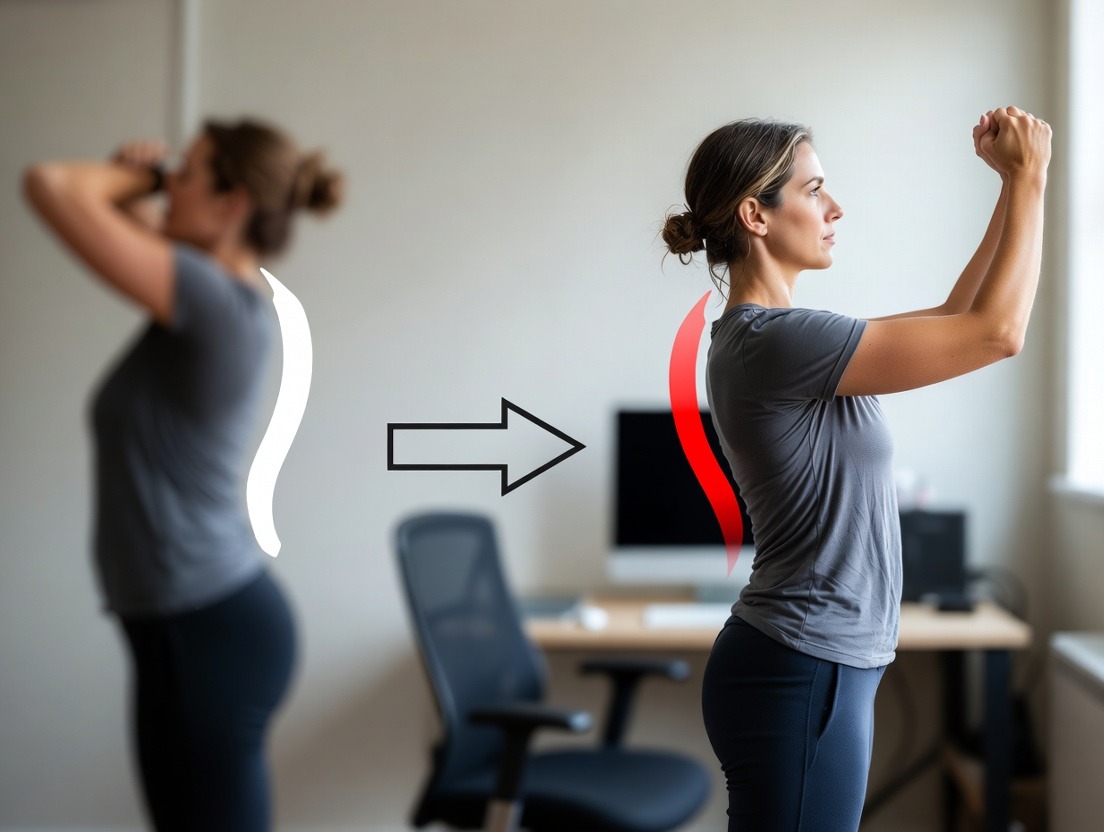
The rise of personal health tracking empowers individuals like never before. However, it is crucial to understand the boundary between health awareness and medical diagnosis. Your smart ring is a phenomenal tool for generating insights about trends and correlations in your normal life, but it is not a medical device. The most powerful health outcomes arise when personal data meets professional expertise.
How to Prepare for a Data-Informed Doctor’s Visit:
Walking into your physician’s office with a spreadsheet of raw numbers can be overwhelming. The key is to synthesize and present trends effectively.
What Data is Most Useful to Professionals?
The New Doctor-Patient Partnership:
This approach fosters a collaborative partnership. You become an active, informed participant in your health, bringing valuable observational data from your daily life—data that is impossible to capture in a 15-minute clinical visit. Your doctor provides clinical context, diagnostic expertise, and treatment options. Together, you can make more precise, personalized decisions. Before any visit, reviewing the FAQ on data accuracy and interpretation can help you prepare the right questions.
The journey of the wearable health device is a story of seeking greater fidelity, convenience, and insight. To appreciate why the smart ring represents a significant evolutionary step, it’s helpful to look at the path that led here.
The Pedometer Era (1980s-2000s): The first wave was about simple mechanical—and later digital—step counting. It was single-metric, non-connected, and provided historical data with no context.
The Wrist-Born Fitness Tracker (2010s): Led by companies like Fitbit, this era added connectivity, multi-sensor data (heart rate, basic sleep), and gamification via apps. It popularized health tracking but was limited by wrist-based physiology (prone to motion noise), daily charging, and a focus on activity over recovery.
The Smartwatch Supremacy (Late 2010s-Present): Apple Watch and others added powerful computing, GPS, and ECG capabilities. They became general-purpose tech hubs worn on the wrist. However, this created a conflict: a device meant for notifications, calls, and apps is, by design, distracting. Its form factor (screen, bulk, daily charging) also limits continuous, uninterrupted wear, especially during sleep and certain activities.
The Rise of the Smart Ring (2020s-Future): This represents a specialization and refinement. The ring form factor makes a conscious trade-off: it removes the screen and general computing to prioritize what it’s best at—continuous, comfortable, low-friction health sensing. Its advantages are physiological and behavioral:
What’s on the Horizon?
The future points toward even greater miniaturization, multi-modal sensing, and clinical validation. We can expect rings and similar form factors to integrate:
This evolution is not about the wrist versus the finger, but about purpose. For holistic, 24/7 biomarker tracking that prioritizes the body’s silent signals over the digital world’s noisy ones, the discreet, always-there smart ring is currently the optimal tool. It signifies a maturation of the category from fitness gadgets to true health companions. To see how this philosophy is put into practice, you can learn more about Oxyzen’s approach and mission.
With a growing market of devices claiming to unlock deep health insights, choosing the right one can be daunting. Moving beyond marketing buzzwords to practical considerations is key. Here’s a framework for selecting a device that will truly simplify your journey to understanding real health metrics.
1. Sensor Accuracy & Validation: The Non-Negotiable Foundation.
The value of your insights is directly dependent on the quality of the raw data. Look for:
2. Form Factor & Wearability: The Key to Continuous Data.
Ask yourself: Will I wear this comfortably, 24/7, for years?
3. The Intelligence of the Software: From Data to Wisdom.
The device is a sensor; the app is the brain. A powerful app should:
4. Ecosystem and Privacy: The Bigger Picture.
The Oxyzen Ring as a Case Study:
Applying this framework to Oxyzen, we see how it aligns with these principles. Its design prioritizes 24/7 comfort and multi-day battery life for continuity. Its app is built around a comprehensive “Vitality Score” that synthesizes sleep, readiness, and activity into a holistic picture, emphasizing recovery and personal baselines. By focusing on the health metrics that matter—not social notifications—it exemplifies the shift from a general tech wearable to a dedicated health companion. Before making any decision, reading real user experiences and testimonials can provide invaluable social proof.
A common pitfall when presented with a dashboard of detailed health data is a descent into hyper-vigilance or “analysis paralysis”—constantly checking numbers, worrying over minor fluctuations, and letting the data dictate your mood. This defeats the purpose. The goal is to use data to enhance your intuition and freedom, not replace them with anxiety. Here’s how to cultivate a healthy relationship with your health metrics.
1. Adopt a Macro View: Zoom Out.
Your body is not a machine that outputs the same numbers every day. It’s a dynamic, adaptive system influenced by hundreds of variables. Instead of fixating on today’s HRV score, look at the weekly or monthly trend line. Is the general direction positive, stable, or negative? The trend is meaningful; the daily noise is not. Set your app’s home screen to show weekly summaries, not just daily scores.
2. Establish “Green Zone” Ranges, Not Single Targets.
Forget chasing a perfect number. Work with your app to understand your personal healthy range for each metric. For example, your HRV “green zone” might be 45-65 ms. As long as you’re in that zone, you’re in good shape. If you dip below 45 for a day or two, it’s a signal to reflect, not panic. If you dip below 40 and stay there for 4-5 days, that’s a stronger trend worth investigating.
3. Let Data Inform, Not Dictate, Decisions.
Use your readiness score as a guide, not a command. If your score is low, it doesn’t mean you can’t have a great workout. It means you should go in with awareness. Perhaps you’ll decide to do a lighter version, focus on technique, or swap the run for a walk. The data adds information to your decision-making process; you still hold the final choice based on how you feel in the moment.
4. Schedule Check-Ins, Don’t Constantly Monitor.
Designate specific times to review your data—for example, a 2-minute morning check of your readiness score and sleep summary, and a 5-minute weekly review on Sunday evening to see the past week’s trends. Avoid the compulsive swipe-to-refresh habit throughout the day. The device should be invisible most of the time.
5. Remember the “Why”: Connect Data to Lived Experience.
The numbers are proxies for how you feel. Regularly ask yourself: “Does this data reflect my lived experience?” If your data says you had a great night’s sleep but you feel exhausted, trust your feeling and investigate (were you in bed but not asleep? Is there an underlying issue?). If your data says you’re stressed but you feel calm, maybe you’ve developed great coping skills that are buffering the internal response. The data is one source of truth; your subjective experience is another. They are in dialogue.
6. Take Regular Data “Breaks.”
Consider taking the device off for a weekend vacation or a special occasion. This prevents the tracking from becoming an identity and reminds you that you are more than your biometrics. Health is about living fully, and sometimes that means being fully present without measurement.
By following these principles, you turn your health tracker into what it was meant to be: a compassionate, objective coach in your pocket (or on your finger), not a demanding boss. It’s there to support your journey to well-being, not to become the journey itself. For more perspectives on balancing tracking with living, our blog offers numerous resources on mindful health technology use.
As we welcome devices that collect our most intimate data—our heart rhythms, sleep patterns, and stress levels—we must engage in a critical conversation about the ethics of this information. The convenience of deep health insights comes with a profound responsibility for companies and a need for vigilance from users.
The Data We Generate: A Digital Twin of Your Physiology.
The aggregate of your continuous biomarker data creates a “digital twin” of your physical self. This dataset can reveal not just if you’re fit, but potentially if you’re becoming ill, stressed, pregnant, or experiencing a mental health episode. It is arguably more sensitive than your financial or browsing history.
Key Ethical Questions and User Rights:
Protecting Yourself as a Consumer:
The future of health tracking should be empowering, not exploitative. As users, we must demand that the companies creating these intimate technologies treat our data with the same care we expect a doctor to treat our physical selves. The conversation about ethics is not a sidebar to the technology; it is central to ensuring that the pursuit of simplified health tracking leads to a future of greater individual autonomy, not less. For a company’s perspective on these values, you can review Oxyzen’s commitment to these principles.
Your Trusted Sleep Advocate (Sleep Foundation — https://www.sleepfoundation.org/)
Discover a digital archive of scholarly articles (NIH — https://www.ncbi.nlm.nih.gov/
39 million citations for biomedical literature (PubMed — https://pubmed.ncbi.nlm.nih.gov/)
experts at Harvard Health Publishing covering a variety of health topics — https://www.health.harvard.edu/blog/)
Every life deserves world class care (Cleveland Clinic -
https://my.clevelandclinic.org/health)
Wearable technology and the future of predictive health monitoring. (MIT Technology Review — https://www.technologyreview.com/)
Dedicated to the well-being of all people and guided by science (World Health Organization — https://www.who.int/news-room/)
Psychological science and knowledge to benefit society and improve lives. (APA — https://www.apa.org/monitor/)
Cutting-edge insights on human longevity and peak performance
(Lifespan Research — https://www.lifespan.io/)
Global authority on exercise physiology, sports performance, and human recovery
(American College of Sports Medicine — https://www.acsm.org/)
Neuroscience-driven guidance for better focus, sleep, and mental clarity
(Stanford Human Performance Lab — https://humanperformance.stanford.edu/)
Evidence-based psychology and mind–body wellness resources
(Mayo Clinic — https://www.mayoclinic.org/healthy-lifestyle/)
Data-backed research on emotional wellbeing, stress biology, and resilience
(American Institute of Stress — https://www.stress.org/)


