


Fitness Tracking Simplified: From Raw Data to Actionable Insights
It turns raw data into simple, actionable insights you can actually use.
It turns raw data into simple, actionable insights you can actually use.
%402x.svg)
In an age where we can track every step, heartbeat, and calorie burned, it’s easy to feel overwhelmed rather than empowered. You’re wearing a smart ring, a fitness band, or have your phone in your pocket, silently amassing a mountain of data—a torrent of numbers that often sits unused, a silent testament to our modern obsession with quantification. We have more information about our bodies than any generation in history, yet the crucial link between that raw data and tangible, real-world improvement remains frustratingly elusive for many. This gap between collection and comprehension is where potential stagnates and motivation wanes.
The journey from raw biometric data to actionable insight is the most critical, yet most overlooked, aspect of modern wellness. It’s the difference between knowing your sleep score and understanding why it’s low, and more importantly, what to do about it. It’s the transformation of cold, hard numbers into a personalized narrative about your health. This article is your definitive guide to making that leap. We’ll dismantle the data fortress, translate the metrics, and construct a clear, actionable framework that turns your wearable from a passive recorder into an active coach. We’ll move beyond the dashboard and into your daily life, proving that the true value of fitness tracking isn’t in the data you collect, but in the life you improve.
We live in a golden age of biometric surveillance. A decade ago, tracking your heart rate required a chest strap and earnest effort. Today, a sleek smart ring on your finger or a band on your wrist continuously monitors a staggering array of physiological signals: heart rate variability (HRV), skin temperature, blood oxygen saturation (SpO2), galvanic skin response, and movement in three-dimensional space. The promise was simple: more data would lead to better health. The reality, for many, is a state of analysis paralysis.
The primary issue is one of signal versus noise. Your wearable captures an immense, continuous stream of raw data points. An algorithm then processes this to create the metrics you see—your "readiness score," your "sleep stages," your "stress level." This is the first level of abstraction. The problem arises when we worship these scores as ends in themselves. A "Poor" recovery score is not a diagnosis; it’s a clue. A low deep sleep percentage is not a failure; it’s a question. Without context, a single data point is nearly meaningless. Was your HRV low because of a tough workout, a stressful workday, a late meal, or an impending illness? The number alone cannot tell you.
This deluge creates a phenomenon known as "metric fixation," where the measurable becomes the meaningful, often at the expense of subjective well-being. You might force an extra workout to hit a step goal despite feeling exhausted, or obsess over a slight dip in your resting heart rate. The tool designed to enhance your health can inadvertently become a source of anxiety. The path forward isn’t less data, but smarter interpretation. It requires shifting from being a passive data collector to an active data detective, seeking the story behind the stats. Platforms that prioritize synthesis over sheer volume, like those designed for holistic wellness tracking devices, are leading the charge in turning this tide by focusing on integrated insights rather than isolated numbers.
The goal of this entire journey is to escape the deluge and find the narrative. Your body is constantly telling a story through its physiological signals. Learning its language is the first step to taking control.
To become fluent in the language of your body, you must first understand the vocabulary. Each core biometric is a vital signpost on your road to better health, but they are deeply interconnected. Let’s translate the most critical metrics from obscure numbers into clear insights.
Heart Rate (HR) & Resting Heart Rate (RHR): Your heart rate is the most fundamental rhythm of life. While active HR zones are crucial for workout intensity, your Resting Heart Rate—measured best during consistent, undisturbed sleep—is a powerful indicator of cardiovascular fitness and overall autonomic nervous system balance. A generally declining or low RHR (within a healthy range) suggests improving fitness as your heart pumps more efficiently. A sudden, sustained increase can be one of the earliest signs of overtraining, inadequate recovery, dehydration, stress, or illness. It’s your body’s baseline stress gauge.
Heart Rate Variability (HRV): This is arguably the most insightful and misunderstood metric. HRV is not your heart rate; it’s the subtle variation in the time interval between each heartbeat. Contrary to intuition, a higher HRV is generally better. It indicates a robust, resilient autonomic nervous system that can flexibly switch between sympathetic ("fight-or-flight") and parasympathetic ("rest-and-digest") states. A high HRV suggests your body is recovered and ready for stress. A low or trending-downward HRV is a clear flag that your body is under strain—be it physical, mental, or emotional—and may need more rest. It’s your ultimate recovery benchmark.
Sleep Stages (Light, Deep, REM): Sleep is not a monolithic state. Each stage serves a distinct, non-negotiable purpose. Light sleep acts as a gateway and occupies the majority of the night, important for memory consolidation and physical relaxation. Deep sleep (slow-wave sleep) is the physically restorative phase, crucial for tissue repair, immune function, and growth hormone release. Not getting enough can severely hamper recovery. REM sleep is the mentally restorative phase, associated with dreaming, emotional processing, and cognitive memory consolidation. Balancing these stages is key. You can dive deeper into what your sleep numbers should look like to understand the ideal targets.
Blood Oxygen (SpO2): This measures the saturation of oxygen in your blood. While typically stable during the day for healthy individuals, nocturnal SpO2 is critical. Significant, repeated dips during sleep (a condition known as nocturnal hypoxemia) can be a primary sign of sleep apnea, a serious disorder that fragments sleep and strains the cardiovascular system. Consistently monitoring this metric overnight provides a window into your respiratory health during its most vulnerable period.
Skin Temperature & Body Battery: Basal body temperature follows a circadian rhythm. Deviations from your personal norm, especially a sustained elevated nighttime temperature, can indicate physiological stress, the onset of illness, or hormonal changes. Some platforms synthesize several of these metrics (HRV, RHR, sleep, activity) into a single composite score like "Readiness" or "Body Battery." These scores are useful as quick-glance summaries, but their true power is unlocked only when you understand the underlying metrics that feed into them. For instance, a low readiness score driven by low HRV and high resting heart rate tells a different story than one driven by poor sleep duration.
Understanding these definitions is just the start. The magic—and the challenge—lies in observing how they interact with each other and with your life.
Raw biometric data exists in a vacuum. Its true meaning is only unlocked when you layer it with the rich context of your daily life. This is the pivotal step that transforms generic data into a personal health log. Without context, you are left guessing at correlations. With it, you can start to identify clear cause and effect.
Think of your body’s data as the "what." Context provides the "why." Your wearable tells you what happened: your deep sleep was low, your HRV dropped 15%, your skin temperature rose. Your life log tells you why it might have happened. Did you have two glasses of wine with dinner? Did you work out intensely in the evening? Were you under a tight work deadline? Did you eat a large, heavy meal right before bed? Did you have an argument with a loved one?
The most effective way to bridge this gap is through consistent journaling or tagging within your companion app. This doesn’t need to be an elaborate diary entry. It can be as simple as noting:
After a few weeks of consistent tracking, powerful patterns will emerge. You may discover that your historically poor Tuesday morning readiness scores are consistently linked to your Monday night soccer league. You might see that your best sleep follows days with afternoon sunlight exposure and a 16-hour fasting window. Perhaps you’ll find that even moderate alcohol consumption, days before a race, still impacts your HRV and recovery. This process of pattern recognition turns anecdotal hunches into data-backed personal truths. For many, discovering the profound impact of evening habits on sleep quality is a revelation, which is why resources like our blog on the deep sleep formula of temperature, timing, and habits are so valuable.
This contextual layer is your personal research lab. You are both the scientist and the subject, running daily experiments to see what truly works for your unique physiology.
With context layered onto your data, you move from observing random events to mapping consistent relationships. This is the stage of building your Personal Health Map—a living understanding of how your lifestyle inputs directly influence your physiological outputs. It’s about moving beyond "this happened" to "this causes that."
Start by looking for the big levers. For most people, the highest-impact correlations are found in three areas: Sleep, Nutrition, and Stress/Recovery Balance.
Building this map is an iterative process. You form a hypothesis ("I think evening blue light hurts my sleep"), test it by changing one variable at a time (using blue-blocking glasses for a week), and observe the result in your data. The map that emerges is your most valuable wellness asset—a custom-built guide to your own body.

Data is passive; insights are active. An insight is the "aha!" moment that compels a decision. It’s the synthesis of your metrics, context, and personal health map into a clear, actionable instruction for today. This is the core function of advanced wellness platforms—to act as an insight engine, doing the heavy lifting of synthesis for you.
A primitive tracker shows you: *Sleep Score: 72/100. Deep Sleep: 45 min.*
An insight engine tells you: *"Your deep sleep was 25% below your baseline last night. This, combined with a 10% drop in HRV, suggests your body is prioritizing recovery. Consider a light, restorative activity like walking or yoga today instead of your planned high-intensity workout."*
See the difference? The second statement synthesizes multiple data points (sleep stage, HRV trend), compares them to your personal baseline (not a population average), and offers a contextual, personalized recommendation. It’s moving from description to prescription.
To build your own mental insight engine, practice this daily synthesis ritual:
This process turns data review from a passive report card into an active planning session. It empowers you to be responsive rather than reactive, to work with your body instead of against it. For those seeking to refine this process, exploring the honest pros and cons of sleep tracking can provide a balanced view of what’s truly possible with modern insight engines.
Armed with genuine insights, the next step is execution. The most common failure point is attempting drastic, unsustainable overhauls. The key to lasting change lies in actionable adjustments—small, precise, high-leverage changes informed directly by your data. These micro-shifts bypass willpower and create compounding macro results over time.
Let’s translate common insights into specific actions:
The principle is specificity. "Sleep better" is a vague goal. "Increase my deep sleep from 1 hour to 1.5 hours by cooling my bedroom and eliminating post-8 PM snacks" is a targeted, data-informed, and testable experiment. Each small win builds confidence and creates a positive feedback loop, reinforcing the value of your tracking practice. For athletes, these micro-adjustments are the edge, and learning about deep sleep optimization for recovery is a critical component of the strategy.
The shadow side of deep tracking is the risk of becoming consumed by it. When the pursuit of optimal numbers overshadows the feeling of being well, the tool has defeated its purpose. It’s crucial to establish a healthy relationship with your data to avoid analysis paralysis and data anxiety.
First, embrace trendlines over daily absolutes. Your body is not a machine. It has rhythms, cycles, and random fluctuations. A single day of poor sleep or low HRV is noise. A consistent one-week downward trend is a signal. Focus on the 7-day and 30-day rolling averages. Is the general direction positive? That’s what matters. Obsessing over a daily score is like judging the weather by a single cloud.
Second, schedule your data reviews, don’t incessantly check. Designate a specific, calm time each morning (e.g., with your coffee) to review your nightly data and set your intention for the day. Then, close the app. Resist the urge to constantly refresh your stress score or check your heart rate during a meeting. This turns wellness into a source of real-time performance anxiety.
Third, listen to your subjective feeling first. Before you look at your scores each morning, ask yourself: "How do I feel?" Rate your energy, mood, and muscle soreness on a simple 1-5 scale. Then look at the data. Does it match? Often, it will. Sometimes, it won’t. When your subjective feeling ("I feel great!") conflicts with the data ("Your readiness is low"), use it as a curious exploration, not a definitive verdict. Your lived experience is the ultimate metric. This balanced perspective is a common theme in user experiences, as shared in our real customer testimonials.
Finally, take regular data holidays. Commit to one day a week, or even a full weekend, where you don’t wear your tracking device. Reconnect with how your body feels without the validation or judgment of a number. This breaks dependency and reminds you that you are more than the sum of your biometrics. The goal is to internalize the awareness the device provides, so you eventually need it less.
In the journey from data to insight, the form factor of your tracking device plays a surprisingly significant role. This is where the smart ring, like those pioneered by Oxyzen, transitions from a novelty to a strategic tool. Its design philosophy is inherently aligned with the principles of meaningful, low-friction tracking.
Unlike a wrist-worn device, a ring is unobtrusive. It doesn’t buzz with notifications, doesn’t have a screen to tempt you into constant checking, and is worn 24/7 without interfering with sleep, typing, or wearing watches or other jewelry. This passive, always-on nature is critical for capturing your true biometric baseline. You cannot get accurate nocturnal HRV or SpO2 readings if you take the device off because it’s uncomfortable to sleep in. The ring solves this.
Furthermore, the finger is a rich, often superior, site for certain optical biometric measurements. The vasculature in the finger is robust, allowing for consistent PPG (photoplethysmography) sensor readings for heart rate, HRV, and SpO2. For temperature sensing, the finger provides a reliable proxy for core temperature trends, especially during sleep. This combination of comfort and sensor fidelity means you get higher-quality, more consistent raw data with less effort—the perfect foundation for generating accurate insights.
The smart ring embodies the principle that the best technology is invisible. It gathers the data quietly in the background, allowing you to live your life fully present. When you are ready for your morning review, the insights are there, synthesized from a complete dataset. It removes the friction and distraction, keeping the focus where it belongs: on your life, not your device. To understand the full potential of this form factor, you can discover how Oxyzen works to deliver these seamless insights.
You cannot measure progress without a starting point. Before you can act on insights, you must establish your personal baseline. This is not a generic "normal" range from the internet; it is your body’s unique setpoint for each metric under your normal conditions. Establishing this requires a minimum of two to four weeks of consistent tracking during a period of relative stability—not during a major holiday, intense training block, or high-stress work project.
During this baseline period, focus on consistency in your lifestyle as much as possible. Go to bed and wake up at similar times, maintain your regular exercise routine, and eat as you normally would. The goal is to capture your normal. At the end of this period, calculate the average and range for your key metrics:
These averages become your personal north star. Now, when you see a deviation, you can assess its magnitude. Is your HRV 5% below baseline or 30% below? The severity of the deviation informs the severity of your response.
With a baseline established, you can set Personal Key Performance Indicators (KPIs). These are not arbitrary goals like "get more sleep." They are specific, measurable, and informed by your baseline and your personal health map.
These KPIs turn vague aspirations into targeted experiments. They are rooted in your data, tailored to your life, and designed to create measurable improvement in your physiological markers of health. They complete the loop: Data → Insight → Action → Measured Result. This scientific approach to self-improvement is at the heart of the Oxyzen mission to provide tools for empowered, personalized wellness.
With your personal baseline established and a framework for generating insights in hand, you’ve graduated from data collector to savvy self-observer. But the true test of any system is not how it functions in ideal conditions, but how it guides you through life’s inevitable complexities. Real life is a series of controlled—and uncontrolled—experiments. The next phase of mastery involves advanced interpretation, navigating disruptions, and tailoring your entire tracking practice to serve your most ambitious goals. This is where fitness tracking evolves from a reactive tool into a proactive life-design system.

Your carefully crafted baseline will not—and should not—remain static. Life happens. Business trips, family holidays, periods of intense work stress, and even joyous celebrations are all part of a full life. These events are not "failures" to be avoided in your data; they are rich data points that teach you about your body’s resilience and its breaking points. The goal is not to have perfect scores every day, but to understand the cost of different activities and to master the art of the bounce-back.
Travel: This is one of the most disruptive forces for your physiology. Jet lag, changes in routine, unfamiliar sleep environments, and altered diets create a perfect storm for your metrics. Your readiness score will likely plummet. This is normal. Instead of fighting it, use your data to manage it.
Acute Stress: A major work deadline, a family emergency, or an emotional life event will leave a clear fingerprint on your HRV, resting heart rate, and sleep architecture. The data will often show the stress before you cognitively acknowledge it.
The Purposeful Off-Day (or Off-Week): Sometimes, the most proactive thing you can do is nothing. Planned deload weeks in training, digital detox weekends, or simply scheduling a "do-nothing" day are strategic tools. Your data before, during, and after these periods is incredibly valuable.
Navigating these variables teaches you flexibility. You learn that the path to long-term wellness isn’t a straight line, but a responsive curve that adapts to life’s rhythms.
Generic health tracking is useful, but directed, goal-specific tracking is transformative. When you align your data interpretation with a specific objective, every metric gains a new, targeted purpose. Your wearable becomes a dedicated mission-control center.
For Fat Loss & Body Composition Goals:
The primary metrics shift from pure performance to energy balance and metabolic health indicators.
For Endurance & Race Performance Goals:
Training becomes a science of balancing stress and adaptation. Overtraining is the enemy, and your biometrics are the early-warning system.
For Stress Management & Mental Fitness Goals:
Here, the focus is on the nervous system's balance. The goal is to increase your resilience buffer.
By focusing your tracking, you turn a general wellness device into a specialized coach for your most important objective.
We’ve touched on sleep throughout, but it deserves its own focused discussion because it is the bedrock upon which all other health and fitness adaptations are built. Sleep is not merely downtime; it is the primary and most potent performance-enhancing, fat-loss-facilitating, and brain-cleaning "activity" you do. Your sleep data is the master key to interpreting everything else.
Sleep as a Diagnostic Tool: Your sleep architecture (the pattern of light, deep, and REM stages) is a sensitive report card of your previous day and a predictor of your coming day.
Actionable Sleep Optimization: Your sleep tracking should move you beyond just observing scores to actively engineering better sleep. It’s a closed-loop system: Daytime habits → Nighttime data → Insight → Adjusted habits.
When you master sleep, you unlock the full potential of your training, nutrition, and cognitive efforts. It is the force multiplier. For a foundational understanding, our Sleep Tracking 101 guide offers a perfect starting point.
The most profound power of long-term tracking is not in describing the past, but in anticipating the future. By analyzing trends, you move from reactive healthcare to predictive self-care. You can see trouble coming and adjust course before it arrives.
Identifying the Pre-Sickness Dip: One of the most validated uses of wearable data is the ability to detect the onset of illness, often before symptoms appear. A constellation of metrics tends to shift:
Predicting Performance Plateaus and Overtraining: Overtraining Syndrome doesn't happen overnight. It’s a gradual accumulation of stress without adequate recovery. The trendlines tell the story:
The Menstrual Cycle & Hormonal Tracking: For women, tracking biometrics across the cycle is revolutionary. Key metrics fluctuate predictably with estrogen and progesterone:
By learning to read these trend-based stories, you gain a kind of physiological foresight, making you the true authority on your own health trajectory.

In our quest to quantify everything, we must vigilantly guard against numbing ourselves to the qualitative, subjective experience of being in a body. The most advanced tracking protocol seamlessly blends objective data with mindful introspection. Your "felt sense" is a data stream of equal importance.
The Morning Check-In Ritual: Before you ever glance at your phone or wearable app, take 60 seconds upon waking. Ask yourself:
Using Data to Enhance Body Awareness, Not Replace It: The ultimate goal of tracking is to internalize the awareness it provides. Over time, you should start to notice that the feeling of "being run down" correlates with a lower HRV before you even check it. You'll learn that the subtle ache in your legs after a hard workout is mirrored by a spike in deep sleep need. The data trains your interoception—your sense of the internal state of your body. This is the true superpower: developing an intuitive, accurate sense of your own needs.
The Biofeedback Loop: This is the active, real-time use of data to change a physiological state. For example, using a real-time HRV or stress score display during a 5-minute breathing exercise. You watch the number improve as you breathe slowly and deeply, creating a powerful positive reinforcement loop. This teaches you, viscerally, that you have direct agency over your nervous system state. It turns abstract meditation advice into a tangible, gamified skill.
This integration ensures your tracking practice remains human-centric. It’s a dialogue between the machine and the mind, where each informs and refines the other. For those beginning this journey, our blog’s wealth of resources offers guidance on connecting data with mindful practice.
The final piece of the puzzle is sustainability. A tracking practice that lasts for months or years will yield infinitely more value than one that is intense for a month and then abandoned. The key is to design a habit that is frictionless, rewarding, and adaptable.
Minimize Friction: This is where device choice and routine matter immensely. A device you forget to wear or charge is useless. The 24/7 nature of a smart ring inherently reduces friction—you put it on and forget it. Place your charger in a visible spot in your bathroom or bedside table to make charging a seamless part of your weekly routine. The data sync and insight generation should be automatic.
Focus on the Reward, Not the Chore: The reward must be the insight, not the data collection itself. Structure your review to be a moment of self-care and curiosity. Pair it with a pleasant morning ritual—your first cup of coffee, a quiet moment on the patio. Frame it as, "What is my body telling me today so I can have a great day?" rather than, "I have to check my stats."
Embrace Periodic Recalibration: Your body changes. Your life changes. Your goals change. Your tracking practice should too. Every 3-6 months, revisit your Personal Health Map and your KPIs.
Community and Sharing: While personal data is private, sharing general trends, challenges, and successes with a trusted friend, coach, or supportive community can be incredibly motivating. It provides accountability, normalizes the ups and downs, and can lead to shared learning. Some platforms allow you to safely share specific metrics with a trainer or healthcare provider, turning your data into a powerful collaborative tool.
A sustainable habit is a gentle, consistent pressure, not a forceful, short-lived burst. It becomes as natural as brushing your teeth—a non-negotiable, minimal-effort part of your day that pays massive long-term dividends.
We stand on the cusp of a new era in personal health intelligence. The current model of "track, visualize, and self-interpret" is rapidly evolving into something more proactive, integrated, and prescriptive. The future lies in systems that don’t just report data, but act as true health partners.
AI-Powered Personal Health Models: The next generation of platforms will use artificial intelligence not on generic populations, but on your unique, longitudinal dataset. Imagine an AI that learns that for you, a combination of a late workout plus spicy food leads to a 70% probability of poor sleep, and sends you a proactive nudge at 5 PM suggesting a lighter dinner and an earlier, calming workout. It moves from hindsight to foresight, offering hyper-personalized predictions and preventative recommendations.
Closed-Loop Integration with Your Environment: Your wearable will communicate with the other smart systems in your life. It could signal your thermostat to begin cooling the bedroom 90 minutes before your optimal sleep time, based on your circadian rhythm. It could trigger your lights to simulate a sunrise as you exit deep sleep in the morning. It could notify your calendar to block time for a recovery walk when your stress score has been elevated for two hours. The insight engine will directly manipulate your environment for you.
Deeper Biomarkers and Non-Invasive Sensing: The sensor suite will expand. Future devices may incorporate non-invasive glucose monitoring, continuous blood pressure tracking, advanced hydration status, and even markers of inflammation. This will provide a nearly complete picture of metabolic health in real-time, offering unprecedented insights into the direct impact of food, exercise, and stress on your internal chemistry.
Seamless Healthcare Integration: The ultimate destination is for your consented, longitudinal biometric data to become a core part of your medical record. Instead of a snapshot from an annual physical, your doctor could review 12 months of trended HRV, sleep SpO2, and heart rate data, providing a dynamic, rich picture of your health far beyond what’s possible in a 15-minute appointment. This facilitates early intervention and truly personalized medicine.
This future is not about more screens and more notifications; it’s about technology receding further into the background while its intelligent actions create a foreground of effortless well-being. It’s the culmination of the journey we’ve outlined: from raw data, to insight, to automated, intelligent action. Exploring the technology behind these devices reveals how quickly this future is approaching.
Having traversed the landscape of data interpretation, personalized insights, and future possibilities, you are no longer a passive user of technology—you are an architect of your own well-being. The final step in this mastery journey is consolidation: weaving these threads into a practical, living system. This concluding portion provides the blueprint for implementation, addresses the inevitable roadblocks, and reframes the entire practice within a broader philosophy of intentional living. It’s about moving from knowing to doing, and ultimately, to being well.
Knowledge is only potential power; the framework that turns it into kinetic energy is a system. It’s time to construct your own Personal Data-to-Decision Framework (PDDF), a repeatable, weekly and daily protocol that makes insightful action automatic. This is your operating manual for a data-informed life.
The Weekly Review (The 30-Minute Strategy Session):
Set aside 30 minutes each week, perhaps on a Sunday evening, for a higher-level analysis. This is where you step back from the daily noise and observe the patterns.
The Daily Morning Ritual (The 5-Minute Daily Brief):
This is your tactical launchpad for the day.
The Integration Points: Weave check-ins into natural transitions. A quick glance at your stress score after a long meeting can prompt a breathing reset. A look at your activity ring at 3 PM can motivate a short walk. This framework ensures your data is always serving a decisive purpose, transforming it from information into a series of small, powerful commands for a better day. For those who thrive on structure, exploring the FAQ on how to best use these insights can provide additional practical guidance.
Inevitably, you will hit plateaus or encounter confusing signals. Your metrics might stagnate despite your efforts, or they might tell a conflicting story. This is not a failure of tracking; it’s a call for deeper detective work. Here’s how to troubleshoot.
The “Everything Looks Good, But I Feel Terrible” Paradox:
This disconnect is frustrating but illuminating. It usually points to one of three issues:
The “I’m Doing Everything Right, But My Scores Won’t Improve” Plateau:
You’re sleeping cool, eating well, training smart, and your metrics are stuck. Time to investigate hidden variables.
Conflicting Signals (High HRV but Poor Sleep, etc.):
When metrics seem to disagree, look at timing and causation.
Troubleshooting is a skill. It teaches resilience, curiosity, and a deeper respect for your body’s complex language. When stuck, return to first principles: How does sleep tracking actually work? Understanding the technology’s strengths and limitations can often clarify confusing data.
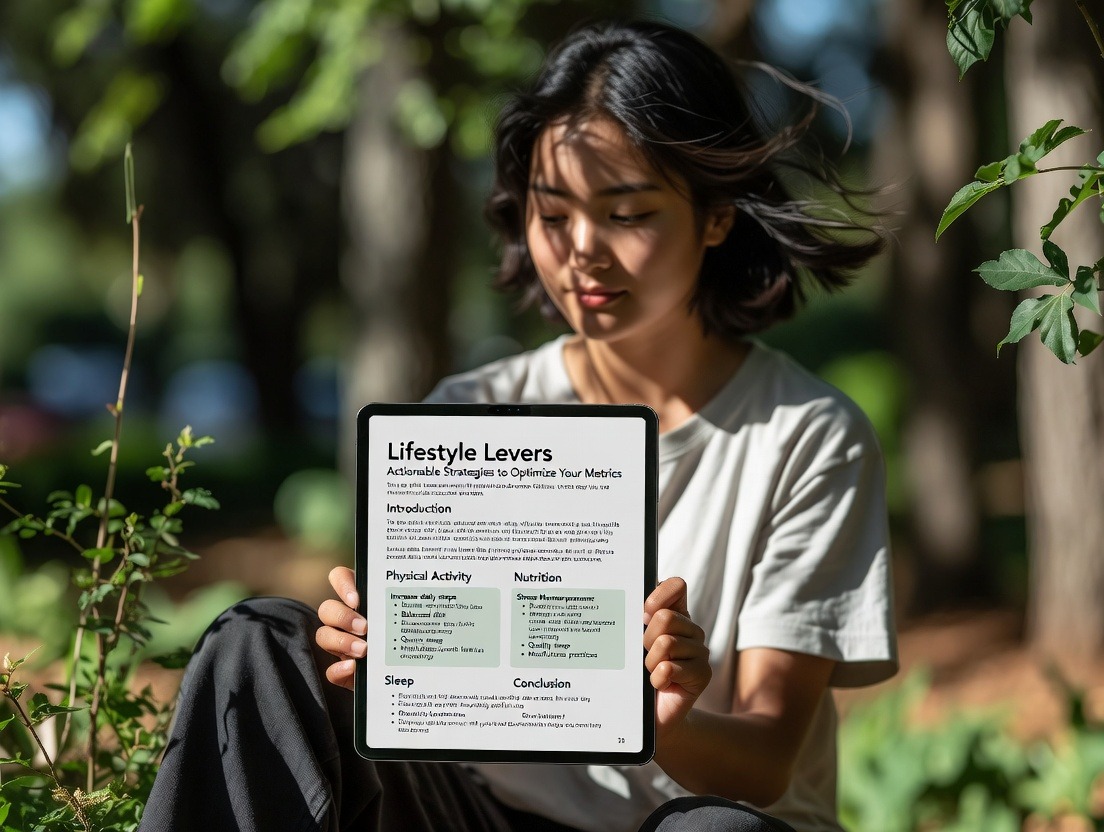
As we invite these devices deeper into our lives, we must engage with the profound ethical questions they raise. Being an empowered user means being a conscious and critical one.
Data Privacy and Ownership: Your biometric data is among the most personal information that exists. It’s vital to understand:
Avoiding Orthosomnia: The Unhealthy Obsession with Perfect Sleep/Data:
Coined by sleep researchers, “orthosomnia” refers to a condition where the pursuit of perfect sleep data via trackers actually causes anxiety and insomnia. It manifests as excessive worry over scores, compulsive checking, and altering behavior not for wellness but to “game” the algorithm.
The Accessibility and Equity Gap: Advanced biometric tracking and the premium insights they offer are not universally accessible. This can widen health disparities, creating a world where the wealthy have hyper-personalized health intelligence and others do not. As consumers, we can support companies and initiatives that aim to democratize this technology and advocate for its thoughtful integration into public health.
Engaging with these questions ensures your journey is not just personally optimal, but also socially responsible and mentally sustainable.
While health is deeply personal, motivation and accountability are often social. The next level of engagement involves carefully and purposefully bringing your tracking practice into connection with others.
Accountability Partnerships with Data: Partner with a friend or partner who also tracks. Instead of comparing absolute numbers (a recipe for unhealthy competition), agree to share weekly progress on a personal KPI. For example: “My KPI this week is to increase average sleep duration by 15 minutes. I’ll share my trendline on Sunday.” This provides support, celebrates non-scale victories, and normalizes the ups and downs.
Working with a Coach or Trainer: For goal-specific pursuits, sharing your data with a professional can be transformative. Grant a coach read-only access to your key metrics. This allows them to:
Contributing to Citizen Science: By opting into anonymized, aggregated research, your data can contribute to large-scale studies on human health, sleep patterns, or disease onset. This turns your personal journey into part of a larger quest for collective knowledge. Check if your device platform has such programs.
Finding Your Tribe: Online communities, like those centered around a specific platform or goal, can provide immense value. Sharing strategies for improving deep sleep, troubleshooting HRV drops, or discussing the impact of certain foods can accelerate learning. The key is to find communities that focus on supportive learning rather than competitive boasting. The shared story and values behind a brand often attract a community of like-minded individuals.
Shared goals transform isolation into collaboration, making the path to wellness a journey you don’t have to walk alone.
Your body is not a static machine; it is a dynamic, aging, adapting biological system. Your tracking practice must evolve with it. This is a lifelong conversation, not a short-term project.
Tracking Through the Decades: Your baselines and goals will—and should—shift with age.
Adapting to Major Life Transitions: Pregnancy, menopause, significant career changes, retirement—these are all physiological earthquakes. Tracking during these times (with appropriate expectations) is incredibly valuable. It helps you navigate the new normal, understand the new rhythms of your body, and advocate for yourself with healthcare providers using objective data. For example, tracking temperature and sleep trends can provide concrete evidence of perimenopausal changes.
The Cycle of Learning and Forgetting: You will have periods of deep engagement with your data and periods where you put the device in a drawer and live purely on intuition. This is healthy. The knowledge you’ve internalized doesn’t disappear. Often, after a “break,” you return with fresh curiosity and new questions. The practice is cyclical, not linear.
Embracing tracking as a lifelong practice means granting yourself grace, celebrating progress not perfection, and always staying curious about the story your body is telling.
We began this journey confronting a deluge of meaningless numbers. We end it with a profound realization: the ultimate destination of all this tracking is not a perfect dashboard, but an Empowered Self.
The smart ring, the fitness band, the app—these are merely tutors. Their purpose is to teach you the language of your own physiology so well that you eventually need them less. They are the training wheels for a heightened, intuitive body awareness. The true victory is when you can sense your need for recovery in the slight heaviness of your limbs, when you connect a day of irritability to a night of fragmented sleep without checking a score, when you choose the nourishing meal because you know how it makes you feel, backed by the memory of data that confirmed it.
This practice reframes health from a state to be achieved to a dynamic, ongoing relationship to be nurtured. It replaces fear and guesswork with knowledge and agency. You are no longer a passenger in your body, subject to its mysterious whims. You are the pilot, with a sophisticated instrument panel informing your decisions.
The actionable insight, therefore, is the confidence to act. It is the permission to rest when the data suggests it, the motivation to push when the green lights are on, and the wisdom to know the difference. It is the power to design a life that aligns with your unique biology, optimizing not for an abstract ideal of health, but for your personal capacity for vitality, joy, and resilience.
So, wear your device. Study your data. Seek your insights. But never forget to look up. The final measure of success is not found in the glow of a screen, but in the energy of your days, the peace of your nights, and the profound sense of being at home in your own skin. You have decoded the data. Now, go live the life it was meant to inform.
Your Trusted Sleep Advocate (Sleep Foundation — https://www.sleepfoundation.org/)
Discover a digital archive of scholarly articles (NIH — https://www.ncbi.nlm.nih.gov/
39 million citations for biomedical literature (PubMed — https://pubmed.ncbi.nlm.nih.gov/)
experts at Harvard Health Publishing covering a variety of health topics — https://www.health.harvard.edu/blog/)
Every life deserves world class care (Cleveland Clinic -
https://my.clevelandclinic.org/health)
Wearable technology and the future of predictive health monitoring. (MIT Technology Review — https://www.technologyreview.com/)
Dedicated to the well-being of all people and guided by science (World Health Organization — https://www.who.int/news-room/)
Psychological science and knowledge to benefit society and improve lives. (APA — https://www.apa.org/monitor/)
Cutting-edge insights on human longevity and peak performance
(Lifespan Research — https://www.lifespan.io/)
Global authority on exercise physiology, sports performance, and human recovery
(American College of Sports Medicine — https://www.acsm.org/)
Neuroscience-driven guidance for better focus, sleep, and mental clarity
(Stanford Human Performance Lab — https://humanperformance.stanford.edu/)
Evidence-based psychology and mind–body wellness resources
(Mayo Clinic — https://www.mayoclinic.org/healthy-lifestyle/)
Data-backed research on emotional wellbeing, stress biology, and resilience
(American Institute of Stress — https://www.stress.org/)


