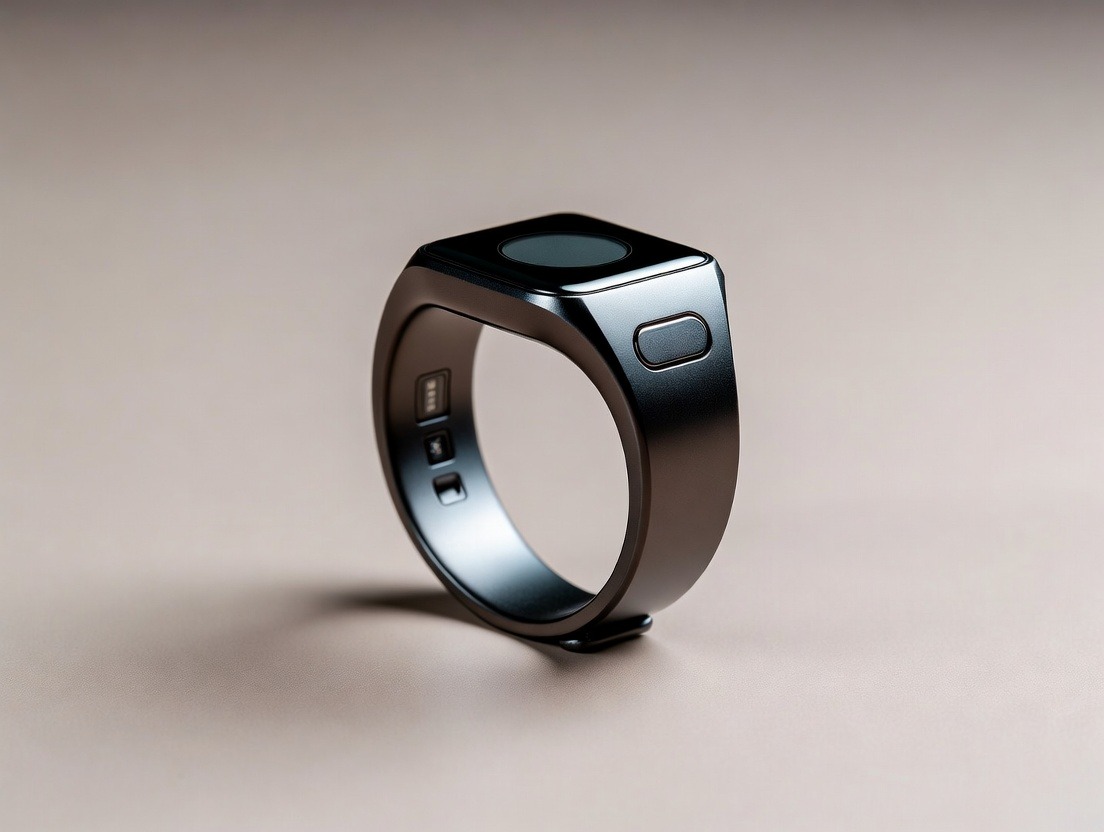
Health Tracking Basics: The Metrics That Matter for Women
Specific health metrics of particular importance for women.
Health Tracking Basics: The Metrics That Matter for Women
In the quiet pulse of your wrist and the steady rhythm of your heart, a story is being told. It’s a narrative of energy, resilience, hormones, and rest—a uniquely female story that, for generations, was read through intuition and guesswork. Today, that story is being translated into data, offering a clarity and insight into our bodies that was once unimaginable. Welcome to the era of intelligent self-knowledge, where the confluence of wearable technology and evidence-based science empowers women to move from merely feeling to truly knowing.
For too long, mainstream health tracking was a one-size-fits-all model, built on a masculine blueprint that often overlooked the cyclical, complex nature of female physiology. Tracking steps and calories burned is useful, but it’s only the first paragraph of a much richer book. A woman’s health is an intricate dance of rhythms: circadian, infradian, and ultradian. It’s influenced by a symphony of hormones—estrogen, progesterone, cortisol, and more—that ebb and flow daily, monthly, and across a lifetime. Understanding these rhythms isn't just about optimization; it's about compassion, alignment, and preventive care.
This is where modern wellness technology, like the advanced smart rings now available, becomes a revolutionary tool. By moving from the wrist to the finger, these devices tap into a richer vascular signal, providing continuous, medical-grade insights into the metrics that form the bedrock of well-being: sleep, heart rate, stress, recovery, and activity. This isn't about fostering obsession; it's about fostering awareness. It’s about having a personal guide that helps you interpret your body’s signals, so you can make informed decisions about your training, nutrition, rest, and mental load.
In this comprehensive guide, we will delve deep into the health tracking basics every woman should understand. We’ll move beyond the generic stats and focus on the metrics that matter specifically for female physiology. From decoding your sleep architecture to understanding your nervous system’s language through Heart Rate Variability (HRV), from syncing your life with your menstrual cycle to building sustainable energy management—this is your foundational map. We’ll explore how tools like the Oxyzen smart ring don't just collect data, but contextualize it within the female experience, turning numbers into actionable wisdom. Whether you’re an athlete, a busy professional, a mother, or anyone on a journey to better health, understanding these basics is the first, most powerful step toward a life lived in harmony with your body’s innate intelligence.
Let’s begin.
The Foundation: Why Women’s Health Tracking is Different
Imagine two pianos playing the same sheet of music. One is played with a steady, consistent tempo. The other is played with dynamic crescendos, delicate decrescendos, and time signature changes that create a more complex, emotive piece. This is a fitting analogy for the fundamental differences in physiological rhythms between men and women. While both have a core "melody" of health—the need for sleep, nutrition, and movement—the female body operates on a profoundly cyclical composition.
At the heart of this difference is the infradian rhythm, a biological cycle that lasts longer than 24 hours. For women, the most prominent infradian rhythm is the menstrual cycle, a roughly 28-day hormonal symphony conducted primarily by estrogen and progesterone. These hormones don't just regulate reproduction; they are master regulators that influence everything from brain chemistry and metabolism to body temperature, cardiovascular function, and inflammatory response. To track a woman’s health without acknowledging this cycle is to ignore the most influential variable in the equation.
Consider core body temperature. A man’s resting core body temperature is relatively stable. A woman’s, however, has a distinct biphasic pattern: lower in the follicular phase (post-period, leading up to ovulation) and rising significantly after ovulation in the luteal phase, due to the thermogenic effect of progesterone. An activity tracker that doesn't account for this natural, healthy rise will misinterpret it, perhaps flagging it as the onset of illness or unexplained stress.
Next, consider metabolism and fuel utilization. Research indicates that estrogen enhances the body’s ability to use fat as fuel and promotes muscle recovery and repair. In the follicular phase, when estrogen is rising, women may find they have greater endurance, recover faster, and perform better in strength training. In the luteal phase, as progesterone rises, the body may rely more on carbohydrates, and symptoms like water retention, breast tenderness, and increased perceived effort during exercise are common. A generic calorie burn calculation is useless here; what matters is understanding how your body's energy systems are shifting throughout the month.
Furthermore, the autonomic nervous system (ANS)—which controls stress (sympathetic) and rest (parasympathetic) responses—is highly sensitive to hormonal fluctuations. Progesterone, for instance, has a calming, GABA-like effect, while the premenstrual drop in hormones can mirror a mini-withdrawal, increasing ANS reactivity and making women more susceptible to feeling stressed or anxious. This directly impacts key metrics like Heart Rate Variability (HRV), which we will explore in detail.
This cyclical reality creates a unique set of tracking needs and interpretations:
Dynamic Baselines: A woman’s "normal" is not a single number but a range that changes predictably. Her resting heart rate, HRV, and respiratory rate will all vary across her cycle.
Contextualized Data: A poor sleep score or a spike in resting heart rate has a different meaning on day 2 of your period versus day 14. Context from cycle tracking is essential for accurate interpretation.
Preventive Insights: Longitudinal tracking across cycles can reveal patterns related to conditions like Premenstrual Dysphoric Disorder (PMDD), identify potential hormonal imbalances, or highlight the impact of lifestyle choices on cycle regularity and symptoms.
Lifelong Transitions: A woman’s physiology evolves through major life stages—puberty, pregnancy, postpartum, perimenopause, and menopause. Each stage redefines the "baseline," requiring a health tracking approach that is adaptable and insightful across decades.
Understanding this foundational truth is the first rule of women’s health tracking. It moves us from a static, rigid model of health to a dynamic, rhythmic, and deeply personal one. The goal is not to fight these cycles but to flow with them, using data as a compass. As we explore the specific metrics that matter, we will continually return to this core principle: For women, data without context is just noise. But data within the context of your cycle is unparalleled power. To see how this principle is applied in modern devices, explore how Oxyzen personalizes its insights to your unique body rhythm.
Sleep: The Non-Negotiable Pillar of Female Health
If there is one universal truth in wellness, it is this: sleep is the bedrock upon which all other health is built. For women, whose physiological systems are complex and demanding, the stakes of quality sleep are even higher. It is during those critical hours of darkness that the body performs its most vital restorative work—work that is intricately tied to hormonal balance, metabolic health, cognitive function, and emotional resilience.
Modern health trackers, especially those worn on the finger like smart rings, have moved far beyond simply counting hours in bed. They now provide a detailed analysis of sleep architecture—the cyclical pattern of sleep stages we move through each night. Understanding these stages is key to unlocking what "good sleep" really means.
Sleep Architecture Decoded:
Light Sleep (Stages N1 & N2): This is the gateway to sleep, making up about 50-60% of the night. It’s a period of mental and physical relaxation where heart rate and body temperature begin to drop. It’s crucial for memory consolidation and learning.
Deep Sleep (Stage N3 or Slow-Wave Sleep): This is the most physically restorative phase. Growth hormone is released, facilitating tissue repair, muscle growth, and immune function. For women, deep sleep is particularly vital for regulating cortisol (the stress hormone) and supporting the endocrine system that manages estrogen and progesterone. Lack of deep sleep can directly exacerbate PMS symptoms, increase insulin resistance, and hinder recovery from exercise.
REM Sleep: The stage of vivid dreams, REM sleep is your brain’s reset button. It’s essential for emotional processing, creativity, and long-term memory. Hormonally, it’s a dynamic period; for example, prolactin (which supports the immune system) is secreted primarily during REM.
A healthy night’s sleep involves cycling through these stages every 90 minutes or so. Disruptions to this architecture—frequent awakenings, insufficient deep or REM sleep—have profound consequences.
The Female-Specific Sleep Equation:
Women’s sleep is uniquely vulnerable to hormonal shifts across the menstrual cycle, pregnancy, and menopause.
The Menstrual Cycle: In the luteal phase (after ovulation), the rise in progesterone increases body temperature, which can make it harder to fall asleep and stay asleep. The subsequent premenstrual drop in hormones can also trigger insomnia or restless sleep for many. Tracking your sleep quality alongside your cycle can reveal these patterns, allowing you to anticipate and mitigate them—perhaps by adjusting your bedroom temperature or incorporating relaxing mindfulness practices in the week before your period.
Pregnancy & Postpartum: The physical discomfort, frequent urination, and anxiety of pregnancy famously disrupt sleep. Postpartum, sleep becomes fragmented and dictated by a newborn’s schedule. Here, tracking isn't about achieving perfect scores but about understanding sleep debt and finding windows for recovery. Seeing objective data can also help identify signs of postpartum mood disorders linked to severe sleep deprivation.
Perimenopause & Menopause: This is a period of profound sleep disruption for most women. Fluctuating and declining estrogen leads to hot flashes and night sweats, which can shatter sleep continuity. The loss of estrogen’s protective effect on the airway can also increase the risk of sleep apnea. Continuous tracking can help correlate nighttime awakenings with temperature spikes (a feature of advanced devices) and provide crucial data to share with a healthcare provider.
Key Sleep Metrics to Watch:
Sleep Duration & Consistency: Aim for 7-9 hours, but prioritize consistency in your bedtime and wake time, even on weekends.
Sleep Efficiency: The percentage of time in bed actually spent asleep. A high efficiency (above 85-90%) is a sign of good sleep hygiene.
Time in Each Stage: Look for a balanced distribution. A chronic lack of deep or REM sleep, visible in your trends, is a red flag.
Resting Heart Rate (RHR) During Sleep: Your lowest, most reliable RHR occurs during deep sleep. A trend of elevated nighttime RHR can indicate underlying stress, illness, or overtraining.
Sleep Latency: The time it takes to fall asleep. Consistently taking longer than 20-30 minutes may point to an overactive mind or poor pre-sleep routine.
By prioritizing and understanding sleep architecture, women gain direct leverage over their hormonal health, mood, and daily energy. It is the first and most powerful metric to master. For practical tips on how technology can help you build the habits that lead to better sleep, our guide on how a wellness ring helps build healthy habits offers a valuable deep dive.
Heart Rate Variability (HRV): Your Body’s Honest Communication Channel
If sleep is the foundation, then Heart Rate Variability (HRV) is arguably the most insightful window into how well that foundation is supporting you. Despite a name that sounds clinical, HRV is a beautifully simple concept with profound implications. It measures the variation in time between each heartbeat.
Contrary to what you might assume, a healthy heart does not tick like a metronome. Under the influence of your autonomic nervous system (ANS), the interval between beats constantly changes. When you inhale, your heart rate speeds up slightly; when you exhale, it slows down. This is a sign of a responsive, resilient system. A higher HRV generally indicates a strong parasympathetic ("rest-and-digest") tone and good adaptability to stress. A lower HRV suggests your sympathetic ("fight-or-flight") system is dominant, and your body is under strain.
For women, HRV is a particularly potent metric because it is exquisitely sensitive to the very things that define female physiology: hormonal cycles, stress load, and recovery needs.
The Hormonal Dialogue with HRV:
Estrogen and progesterone are in constant conversation with your nervous system. Broadly speaking, estrogen is considered to have a supportive effect on parasympathetic activity, while progesterone’s calming nature can also promote relaxation. However, the changes in these hormones are what HRV often reflects.
Across the Menstrual Cycle: Many women observe a recognizable HRV pattern. HRV tends to be higher and more stable during the follicular phase (the first half of the cycle, as estrogen rises). After ovulation, in the luteal phase, HRV often begins a gradual decline, reaching its lowest point just before menstruation. This drop mirrors the increased physiological load of the luteal phase (higher body temperature, increased metabolic rate) and the nervous system reactivity that can accompany premenstrual hormonal shifts. Seeing this dip in your data is not a sign of failing health—it’s a validation of your body’s natural rhythm. It’s a signal to be kinder to yourself, to perhaps dial back intense training, and to prioritize restorative practices.
Under Chronic Stress: When work, emotional burdens, or poor sleep create a persistent strain, HRV will trend downward. For women juggling multiple roles, this metric acts as an objective check-in, a signal that their nervous system is paying a price even if their mind is pushing through.
Training & Recovery: HRV is a gold standard for assessing recovery. A sharp drop in HRV after a hard workout is normal. However, if it fails to rebound after 24-48 hours, it’s a clear sign you haven’t recovered fully and should consider a lighter day. This prevents overtraining, which in women can easily lead to hormonal disruptions like missed periods (functional hypothalamic amenorrhea).
How to Use HRV Data Wisely:
Track Trends, Not Daily Numbers: A single day’s HRV score is almost meaningless. The power is in the trend over weeks and months. Look for patterns aligned with your cycle, stress events, and training blocks.
Establish Your Personal Baseline: Use the average HRV from a period when you feel rested and healthy as your baseline. Don’t compare your number to others; it’s a highly individual metric.
Respond, Don’t React: A low HRV trend isn’t a cause for alarm, but for curiosity. Ask: Am I sick? Stressed? Overtrained? Premenstrual? Let it guide you toward more rest, better nutrition, or stress-management techniques.
Measure Consistently: For accurate trends, measurement conditions must be consistent. This is where a device like a smart ring shines, as it can capture your HRV continuously during sleep, providing a stable, nightly reading free from the day’s distractions.
By learning the language of HRV, women gain an honest, biophysical feedback loop. It tells the truth about stress and recovery in a way that our often-driven minds might ignore. It validates the need for rest and provides a science-backed reason to honor your body’s cyclical demands. Understanding this data is a cornerstone of how modern health technology enables personalized wellness.
Resting Heart Rate & Respiratory Rate: The Vital Signs of Daily Readiness
While HRV speaks to the nuance of your nervous system, two other metrics offer more direct, foundational readings of your body’s baseline state: Resting Heart Rate (RHR) and Resting Respiratory Rate (RRR). Think of them as your body’s core vital signs, providing a daily report card on your cardiovascular fitness, metabolic health, and overall physiological load. For women, interpreting these numbers again requires the lens of cyclical change.
Resting Heart Rate (RHR): More Than Just a Number
Your RHR is the number of times your heart beats per minute when you are completely at rest—ideally measured first thing in the morning, before you even get out of bed. A lower RHR typically indicates a more efficient heart muscle and better cardiovascular fitness. However, daily fluctuations are where the story lies.
The Female Rhythm: Just like body temperature and HRV, a woman’s RHR follows her infradian rhythm. It is generally lowest during the menstrual phase and begins to rise after ovulation, peaking in the late luteal phase before menstruation. This increase of 3-8 beats per minute is driven by the thermogenic effect of progesterone and increased metabolic demand. If you don’t know your cycle phase, a week-long unexplained rise in RHR could be misinterpreted as illness or overtraining, when it is simply a normal hormonal shift.
A Beacon of Stress & Recovery: Outside of cyclical changes, a sustained elevation in your RHR (tracked over 5-7 days) is one of the clearest early warning signs your body can give. It can indicate:
Insufficient Recovery: From exercise, travel, or sleep debt.
Dehydration: Even mild dehydration makes your heart work harder.
Illness Onset: Your RHR often rises days before you feel flu or cold symptoms.
Chronic Stress: Persistent mental or emotional strain keeps your sympathetic nervous system activated.
Tracking for Fitness: As you become more aerobically fit, you may see a gradual downward trend in your overall RHR baseline. This is a tangible marker of improved health.
Resting Respiratory Rate (RRR): The Emerging Key Metric
Often overlooked, RRR—the number of breaths you take per minute at rest—is gaining recognition as a critical health indicator. It’s controlled by the brainstem and is remarkably stable in healthy individuals, typically between 12-20 breaths per minute. Its strength as a metric lies in its sensitivity and stability.
Why It Matters: An elevated RRR can be an even more sensitive sign of physiological or psychological stress than RHR. It can signal anxiety, pain, respiratory issues, cardiac load, or metabolic acidosis. Because it’s less volitionally controlled than heart rate, it can be a "truer" sign of your internal state.
The Female Context: Preliminary data and user reports suggest RRR may also have a subtle cyclical component, potentially rising slightly in the luteal phase. More importantly, tracking it can provide insights into conditions like anxiety or sleep apnea, which disproportionately affect women at different life stages (e.g., perimenopause).
The Power of Combination: When RHR and RRR rise in tandem, it’s a strong, multisystem signal that your body is under notable strain. Conversely, when both are at their personal low points, it’s a sign of deep recovery and readiness.
Practical Application:
Monitoring these two metrics daily gives you a quick, at-a-glance assessment of your readiness for the day. Before you even check your phone, your wellness device can tell you: Based on your body’s signals, is today a day to push hard, or to proceed with gentle care?
This is the essence of body-informed decision making. It replaces "pushing through" with "listening to." By understanding your unique RHR and RRR patterns across your cycle, you can differentiate between a normal hormonal shift and a true red flag. This level of insight is at the forefront of the accuracy revolution in modern health tracking technology.
Activity & Movement: Redefining “Fitness” for the Female Body
The fitness industry has long been dominated by a masculine paradigm of "more is more"—longer distances, heavier weights, higher intensities. While progressive overload is a principle of strength, for women, a more nuanced, cyclical, and intuitive approach to activity yields better health, sustainable results, and, crucially, hormonal harmony. Activity tracking should empower this intelligent approach, not just serve as a scoreboard for calories burned.
Moving Beyond the Step Count:
Step counts are a rudimentary measure of general movement (NEAT – Non-Exercise Activity Thermogenesis), but they are a shallow metric. For women, the quality, type, and timing of movement are infinitely more important than a single number. Modern wellness devices track Active Heart Rate zones, workout duration, and estimated exertion, providing a richer picture.
Cyclical Syncing: Aligning Movement with Your Hormones
This is where tracking becomes truly transformative. By syncing your training intensity with your menstrual cycle phases, you work with your physiology, not against it.
Menstrual Phase (Days 1-5): Hormones are at their lowest. Energy may be lower, and the body is focused on shedding the uterine lining. This is an ideal time for gentle movement: walking, restorative yoga, light stretching, or mobility work. Tracking can help you honor this need for rest without guilt. Your HRV and RHR data will often support this, showing a need for recovery.
Follicular Phase (Days 6-14): Estrogen rises steadily, boosting energy, mood, endurance, and pain tolerance. This is your performance window. It’s the ideal time for high-intensity interval training (HIIT), heavy strength sessions, learning new skills, and pushing your cardiovascular limits. Your body is primed to perform and recover efficiently.
Ovulation (Approx. Day 14): Estrogen peaks. You may feel at your strongest and most energetic. This is a great time for peak performance—a personal record attempt in the gym or your most challenging workout of the month.
Luteal Phase (Days 15-28): After ovulation, progesterone rises, increasing core temperature and metabolic rate. Energy begins to wane in the later part of this phase. This is the time for steady-state and strength maintenance. Focus on moderate cardio (like cycling or jogging), moderate-weight strength training, Pilates, and yoga. In the late luteal phase (premenstrual), as energy dips further, shift to gentle movement and stress-reducing activities like walking in nature. Your device might show a higher resting heart rate and perceived exertion for the same workout—this is normal.
Key Activity Metrics for Women:
Heart Rate Zones During Exercise: Understanding how much time you spend in different zones (e.g., Zone 2 for aerobic base building, Zone 4/5 for anaerobic capacity) is more valuable than total calorie burn.
Recovery Time Estimates: Some advanced algorithms suggest how many hours of recovery a workout demands. This helps you space out intense sessions appropriately.
Activity Strain/Exertion Score: A composite score that quantifies the total physiological cost of your day’s activity. Watching this trend helps balance high-strain and low-strain days.
Non-Exercise Movement: Many devices now track how often you get up and move throughout the day. This is critical for combating sedentary desk life, improving circulation, and supporting metabolic health.
The Dangers of Overtraining:
For women, the consequences of chronic overtraining (often called "under-recovering") are severe and specifically hormonal. It can suppress the hypothalamic-pituitary-ovarian axis, leading to:
Menstrual Dysfunction: Irregular periods or loss of menstruation (amenorrhea).
Low Bone Density: Due to lowered estrogen, increasing fracture risk.
Elevated Cortisol: Driving weight gain (especially abdominal), sleep disruption, and immune suppression.
Tracking is your safeguard. A consistently elevated RHR, depressed HRV, poor sleep scores, and a feeling of fatigue despite constant training are all data points screaming for more rest. Learning to balance activity with recovery is a skill, and for a practical guide on starting this journey, our article on wellness ring basics for beginners is an excellent resource.
Stress & Recovery: Quantifying the Balance of Your Nervous System
In the modern woman’s life, stress is often a constant, low-grade hum in the background—a blend of work deadlines, family logistics, social obligations, and the internal pressure to "do it all." While acute stress is a normal survival response, chronic stress, measured and sustained by your nervous system, is a primary driver of hormonal imbalance, inflammation, and disease. The revolutionary aspect of modern health tracking is its ability to make this invisible load visible, quantifiable, and manageable.
Stress, in physiological terms, is not an emotion; it’s a cascade of chemical and electrical signals. It’s cortisol and adrenaline flooding your system, raising your heart rate, diverting blood flow, and tensing your muscles. Recovery is the opposite: it’s the activation of the parasympathetic nervous system, slowing the heart, promoting digestion, and enabling repair.
How Trackers Measure Physiological Stress:
Advanced sensors don’t ask you how stressed you feel (which can be subjective); they measure how stressed your body is. They do this primarily through:
Heart Rate Variability (HRV): As discussed, low HRV = high stress load on the nervous system.
Skin Temperature & Electrodermal Activity (EDA): Some devices measure tiny changes in skin conductance (sweat) and temperature, which are directly tied to nervous system arousal, even while you sleep.
By synthesizing these data points, sophisticated algorithms generate a Stress Score or Nervous System Load metric. This isn't a judgment; it’s a dashboard gauge showing the cumulative tension in your system.
The Female Stress Picture: Hormones Are Both Target and Culprit
The relationship between stress and female hormones is a vicious, two-way street:
Stress → Hormones: Chronic stress elevates cortisol. Cortisol and progesterone compete for the same precursor hormone (pregnenolone). Under constant stress, the body "steals" from progesterone production to make more cortisol, leading to a state of relative estrogen dominance and symptoms like worse PMS, irregular cycles, and heavier periods. High cortisol also disrupts ovulation and thyroid function.
Hormones → Stress Sensitivity: The premenstrual hormonal drop can make the nervous system more reactive to stressors. What you shrugged off in your follicular phase might feel overwhelming in your luteal phase. Perimenopause, with its wild hormonal fluctuations, is itself a major physiological stressor.
The Critical Metric: Your Recovery Score
If Stress Score tells you about the load, Recovery Score (or Readiness Score) tells you about your capacity to handle it. This composite metric typically factors in:
Last night’s sleep quality and duration
Your recent HRV and RHR trends
Your recent activity strain
Your acute stress exposure
A high Recovery Score means your body has repaired itself and is resilient, ready to take on challenges. A low score is a clear directive: today is for conservation, not conquest.
Actionable Insights from Stress/Recovery Data:
Identify Your Personal Stressors: You might see your stress score spike during long commutes, after certain meetings, or even after consuming caffeine or alcohol. Data reveals your unique triggers.
Validate the Need for Rest: When your recovery score is low, give yourself permission to cancel intense plans, take a nap, or have a quiet night in. The data provides an objective reason to set boundaries.
Measure the Impact of Mindfulness: Use your tracker to see the direct, calming effect of a 10-minute meditation, a walk in the park, or deep breathing exercises on your real-time stress metrics. This turns abstract wellness advice into proven, personal science.
Navigate Life Transitions: During demanding periods like new motherhood, career changes, or perimenopause, these scores help you pace yourself and prioritize self-care to prevent burnout.
By tracking stress and recovery, women gain agency over the single biggest modifiable factor in their health. It transforms self-care from a luxury to a data-driven necessity. To understand the technology that makes this possible, explore the science behind modern health tracking sensors and algorithms.
Body Temperature: The Gold Standard of Female Cycle Tracking
For decades, women seeking natural birth control or insight into their fertility have used the Basal Body Temperature (BBT) method. It involves taking your temperature with a sensitive thermometer first thing every morning, before any activity. The principle is simple: progesterone, released after ovulation, has a thermogenic effect, causing a sustained rise in BBT of about 0.5 to 1.0 degrees Fahrenheit (0.3 to 0.6 degrees Celsius) for the remainder of the cycle. The rise confirms ovulation has occurred.
While powerful, traditional BBT tracking is fraught with challenges: it requires rigid consistency, is easily disrupted by poor sleep, alcohol, or illness, and provides just one data point per day. Enter continuous temperature sensing via wearable technology—a game-changer for understanding not just fertility, but overall female metabolic health.
From a Single Point to a Continuous Curve:
A smart ring or wearable with a precision temperature sensor (often sampling every minute) doesn’t give you a single BBT. It constructs a continuous temperature curve throughout the day and night. By analyzing your temperature during sleep—when conditions are most stable—it can identify your true resting temperature trend with unparalleled accuracy.
Applications Beyond Ovulation Confirmation:
Precise Ovulation Prediction & Confirmation: Advanced algorithms can detect the subtle, pre-ovulatory temperature dip and the subsequent sustained rise, often confirming ovulation with high accuracy. This is invaluable for those trying to conceive, avoid pregnancy naturally, or simply understand their cycle timing.
Cycle Irregularity & Hormonal Insight: An anovulatory cycle (where no ovulation occurs) will show no clear temperature shift. A short luteal phase (the time between ovulation and menstruation) may be indicated by a temperature rise that lasts less than 10-12 days, which can be a sign of low progesterone. Long, erratic cycles become clearly mapped.
Early Pregnancy Detection: If temperature remains elevated beyond the typical luteal phase length (often past 16-18 days post-ovulation), it can be a very early indicator of pregnancy, often before a home test is positive.
Menopause Transition Tracking: In perimenopause, cycles become irregular and anovulatory cycles are common. Continuous temperature tracking provides objective data on this transition, showing the increasingly erratic pattern of ovulation (or lack thereof), which can be helpful information to share with a healthcare provider.
Illness & Immune Response Detection: One of the earliest signs of infection (viral or bacterial) is a rise in core body temperature. A wearable can detect this fever response earlier and more sensitively than you might feel it subjectively, sometimes even identifying it during the incubation period before full symptoms appear.
Integrating Temperature with Other Metrics:
The true power emerges when temperature is layered with other data. For example:
Temperature + RHR: Both rise in the luteal phase. Seeing them rise in tandem confirms a normal progesterone response.
Temperature + Sleep: You can see how nighttime temperature spikes (hot flashes) correlate with sleep disruptions.
Temperature + HRV: Observing how your temperature shift correlates with your HRV dip provides a complete picture of your luteal phase physiological load.
For women, body temperature is not just a metric; it’s a direct readout of progesterone activity. It provides an objective, biological confirmation of what phase you are in, cutting through the noise of subjective symptoms. This level of detailed, cyclical insight is a core part of how Oxyzen enables preventive health monitoring for women.
Blood Oxygen (SpO2) & The New Frontier of Breathing
Blood Oxygen Saturation, or SpO2, is a measure of the percentage of hemoglobin in your blood that is carrying oxygen. For a healthy individual at sea level, this is typically between 95-100%. While it has been a staple in hospitals for decades, its inclusion in consumer wearables has opened a new window into respiratory health, sleep quality, and overall vitality.
For women, understanding SpO2 is particularly relevant when considering conditions like sleep apnea, which is under-diagnosed in women because its symptoms often present differently (fatigue, insomnia, mood changes) than the classic loud snoring seen in men.
SpO2 During Sleep: The Key Metric
The most valuable SpO2 data is collected during sleep, when your breathing pattern is automatic and natural.
Normal Nocturnal Dips: It’s normal for SpO2 to dip slightly (by 2-4%) during sleep, especially during REM sleep when muscle tone is lowest.
Concerning Dips: Repeated, significant dips below 90%—especially if they last for 10 seconds or more—can indicate sleep-disordered breathing, such as sleep apnea. These events, called desaturations, force your brain to partially awaken to restart breathing, fragmenting your sleep even if you don’t remember waking up.
Why This Matters for Women:
Sleep Apnea is Not a "Male" Disease: The risk for women increases significantly after menopause due to the loss of estrogen’s protective effect on muscle tone in the upper airway. Weight gain, another common perimenopausal change, is also a risk factor. Many women are misdiagnosed with depression, anxiety, or chronic fatigue when the root cause is oxygen-deprived sleep.
Pregnancy: SpO2 can naturally decrease slightly during pregnancy due to increased metabolic demand and physiological changes. However, monitoring it can help identify potential complications like sleep-disordered breathing, which is linked to gestational hypertension and preeclampsia.
High-Altitude & Fitness: For athletic women or those who live at or travel to altitude, monitoring SpO2 can help gauge acclimatization and performance readiness.
Overall Health Marker: Chronically low SpO2 levels, even while awake, can be a sign of underlying cardiovascular or pulmonary issues.
Respiratory Rate (RR) Revisited:
When combined with Respiratory Rate (RR), SpO2 tells a comprehensive story of your breathing health. For instance, a high RR with low SpO2 is a clear sign of respiratory distress. During sleep, analyzing the pattern of breathing pauses (potential apneas) alongside SpO2 dips provides powerful evidence to take to a sleep specialist.
Actionable Insights:
Screen for Sleep Issues: If your wellness ring reports frequent "restorative sleep" interruptions and you see corresponding SpO2 dips and/or spikes in your nighttime heart rate, it’s a strong signal to discuss a sleep study with your doctor.
Track Illness Recovery: Respiratory infections like COVID-19 or the flu can impact lung function. Monitoring your SpO2 during recovery can provide reassurance or alert you to seek medical attention if levels drop concerningly.
Optimize Sleep Environment: Poor air quality or high allergens can affect nighttime breathing. Tracking SpO2 might reveal the benefits of using an air purifier or hypoallergenic bedding.
By bringing hospital-grade pulse oximetry into continuous, at-home use, women gain a powerful tool for safeguarding their respiratory wellness across life stages, turning invisible nighttime struggles into visible, actionable data.
Putting It All Together: Creating Your Personal Health Dashboard
By now, it should be clear that no single metric tells the whole story. The resting heart rate rise is interpreted differently if you’re in your luteal phase versus your follicular phase. A low HRV is less concerning if you’ve just finished a hard training block and your sleep scores are excellent. The true magic—and the ultimate goal of intelligent health tracking—lies in synthesis.
Your personal health dashboard is not a collection of isolated numbers; it’s an interconnected ecosystem where each data point influences and explains the others. Learning to read this dashboard is the final, most empowering skill.
The Art of Synthesis: Reading the Interconnected Signals
Let’s walk through a few hypothetical scenarios to see how this works in practice:
Scenario A: "Why am I so tired?"
Data: Sleep score is high (8+ hrs, good architecture), RHR is at your personal baseline, Activity strain is moderate from yesterday. BUT your HRV has been on a downward trend for 4 days, and your Recovery Score is "Low."
Interpretation: Your body is well-rested and not fighting illness (good sleep, normal RHR). However, your nervous system is showing signs of cumulative stress that isn't from physical overexertion alone. This points to mental, emotional, or psychological stress (e.g., work deadline, family worry, anxiety). The action item isn't more sleep, but stress reduction: meditation, a nature walk, saying no to extra commitments, or talking to a friend.
Scenario B: "Should I skip my workout?"
Data: You’re on day 22 of your cycle (late luteal phase). Your RHR is 8 bpm higher than your follicular average, your nighttime HRV is lower, and your temperature is elevated. Your Recovery Score is "Fair."
Interpretation: This is a classic hormonally-driven physiological load. Your body is working harder just at rest. The action item isn't to skip movement, but to adapt it. Swap the planned HIIT class for a strength-focused session with moderate weights, a Pilates class, or a long walk. Honor your body’s increased metabolic demand without adding excessive strain.
Scenario C: "Am I getting sick?"
Data: Your RHR has spiked 10 bpm above your 7-day average. Your HRV has plummeted. Your skin temperature is slightly elevated, and your Sleep Score was poor despite adequate time in bed.
Interpretation: This multi-system alarm is a high-probability indicator of impending illness or infection. Your body is mounting an immune response, which is a significant physiological stressor. The action item is to prioritize rest, hydrate aggressively, reduce all non-essential stress, and consider canceling plans to give your immune system the best chance to fight it off quickly.
The Role of Advanced Algorithms & Personalized Baselines
This level of synthesis is where advanced wearable technology truly shines. A sophisticated device or app doesn't just show you raw data; it uses machine learning to:
Establish Your Unique Baselines: It learns what "normal" looks like for you across each phase of your cycle, creating a personalized benchmark rather than comparing you to a population average.
Identify Correlations & Patterns: It can detect that, for you, a specific combination of a 5-bpm RHR rise plus a 15% drop in HRV consistently predicts a migraine two days later, or that your best workouts always happen when your sleep temperature is in a certain range.
Provide Contextualized Scores: The "Readiness" or "Recovery" score is the ultimate output of this synthesis—a single, easy-to-understand metric that weighs all the inputs (sleep, HRV, RHR, activity, temperature, cycle day) to give you a holistic recommendation for the day.
Building Your Daily Practice:
Creating your dashboard is a practice. Here’s how to start:
The Morning Check-In (3 Minutes): Before checking email or social media, open your health app. Look at your Recovery/Readiness Score first. Then, glance at the key contributors: Sleep Score, HRV Trend, RHR, and Body Temperature. Note your cycle day. This gives you your "body budget" for the day.
The Evening Reflection (2 Minutes): Briefly note your Activity Strain and any subjective feelings (energy, mood, hunger, stress). This helps you connect the objective data with your lived experience.
The Weekly Review (10 Minutes): Once a week, look at the trends. How did your metrics flow with your cycle? Did a stressful event show up in your data? How did your workout performance correlate with your cycle phase and recovery scores? This is where "aha!" moments happen.
The Cycle-Long View: At the end of each menstrual cycle, review the entire 28-35 day picture. See the clear patterns of your follicular uptick and luteal load. This builds body literacy and self-compassion.
Avoiding Data Anxiety:
The goal is empowerment, not obsession. Remember:
Trends Trump Dots: Never fixate on a single day’s bad number. Always look at the multi-day trend.
You Are Not the Data: The data is a tool to serve you, not a judge to rule you. A low score is information, not a failure.
Context is Everything: Always interpret data through the lenses of your cycle, recent life events, and how you feel subjectively.
By learning to synthesize your metrics into a coherent story, you transition from being a passive collector of data to an active author of your health narrative. You move from wondering "Why do I feel this way?" to knowing, and from knowing to taking precise, effective action. For those ready to master this synthesis, exploring an expert's guide to unboxing and mastering a wellness ring can be the next step.
The Future is FemTech: Personalized Health Tracking Across a Lifespan
The journey through the metrics that matter for women underscores a pivotal truth: female health is not a linear path but a series of distinct, transformative seasons. The power of modern health tracking lies in its ability to be a faithful companion and insightful guide through each one—from the first pulses of puberty to the wisdom of postmenopause. This tailored approach is the essence of the booming FemTech revolution, which finally centers technology and research on female biology.
Tracking Through Life’s Seasons:
A woman’s physiological baseline is not static. Each major life stage redefines "normal," and intelligent tracking adapts accordingly.
Reproductive Years & Family Planning: Here, tracking is a powerful tool for both contraception and conception. The combination of continuous temperature, HRV, and RHR provides a highly accurate picture of ovulation and cycle health. This data can help identify optimal fertility windows, uncover issues like luteal phase defect, and provide a wealth of information for reproductive endocrinologists. Postpartum, tracking helps monitor recovery from birth, manage extreme sleep deprivation, and watch for signs of postpartum mood disorders through disrupted sleep and nervous system metrics.
Perimenopause: The Great Transition: This 4-10 year period leading up to menopause is often when women feel their bodies have become unpredictable strangers. Hormones fluctuate wildly, causing a cascade of symptoms: hot flashes, night sweats, sleep disruption, anxiety, weight gain, and irregular cycles. Continuous tracking becomes invaluable. It can:
Objectify the subjective: Show the direct correlation between nighttime temperature spikes (hot flashes) and sleep fragmentation.
Track cycle chaos: Map the increasing irregularity and anovulatory cycles.
Guide lifestyle interventions: Show how stress management, dietary changes, and targeted exercise directly impact symptom severity and nervous system resilience.
Provide data for doctors: Offer clear, long-term trends to discuss with a healthcare provider when considering treatment options like Hormone Replacement Therapy (HRT).
Menopause & Beyond: After the final menstrual period, a new baseline is established. While the cyclical fluctuations cease, monitoring remains crucial for long-term health. Tracking can focus on:
Cardiometabolic Health: With the cardioprotective effect of estrogen gone, monitoring RHR, HRV, and activity becomes key for heart health.
Bone Density Preservation: Tracking activity (especially weight-bearing and resistance exercise) and sleep (when growth hormone is released) supports bone health.
Cognitive & Mental Wellness: Monitoring sleep quality and nervous system balance is critical, as poor sleep and chronic stress are major risk factors for cognitive decline and mood issues in later years.
The Integration of AI and Predictive Health:
The future of FemTech lies in predictive, personalized insights. Imagine a system that:
Predicts Symptom Onset: Alerts you, based on your temperature and HRV trend, that a migraine or intense PMS is likely in 48 hours, suggesting hydration and stress-prevention steps.
Personalizes Nutrition & Fitness: Suggests adjusting your macronutrient intake or workout type based on your real-time cycle phase and recovery status.
Flags Subtle Shifts: Detects minute, long-term changes in resting respiratory rate or nighttime heart rate that could indicate the early stages of a thyroid issue or other metabolic shift long before standard labs would show it.
Integrates Seamlessly: Shares encrypted, anonymized data summaries directly with your healthcare team, making appointments more efficient and informed.
This is not science fiction; it is the logical next step of the technology we have today. Devices like smart rings, worn continuously, are the perfect platform for this deep, longitudinal learning because they gather data from the rich vascular bed of the finger during both activity and the biologically critical state of sleep.
Embracing a Proactive Partnership:
The ultimate promise of understanding these metrics is a shift from a reactive healthcare model (treating problems after they arise) to a proactive wellness model (preventing problems by understanding your unique patterns). It fosters a collaborative partnership between you and your healthcare providers, where you arrive with data, not just symptoms.
This journey of data-driven body literacy is perhaps the most profound form of self-care. It is the process of reclaiming the narrative of your health, written in the language of your own heartbeat, breath, and rhythms. To learn more about the vision behind creating technology for this very purpose, you can read about the mission and story of Oxyzen.
From Data to Decisions: Building Your Personalized Action Plan
Armed with a deep understanding of the metrics that matter, the inevitable question arises: What do I actually do with this information? Data in a vacuum is merely interesting. Data transformed into action is life-changing. This section is your blueprint for moving from insight to implementation, creating a dynamic, personalized action plan that respects your body’s rhythms.
The Pillars of an Actionable Health Plan:
Your plan should be built on four adaptable pillars, each informed by your dashboard.
1. The Movement Pillar: Cyclical Syncing in Practice We’ve discussed the theory of syncing exercise with your cycle. Now, let’s make it practical. Use your tracking app’s cycle logging feature (or a dedicated app) to mark your phases.
Menstrual (Days 1-5): ACTION = Restore & Release.
Focus: Gentle mobility, walking, yin or restorative yoga, diaphragmatic breathing.
Why: Supports detoxification, eases cramps without added strain. Honor the body’s natural inclination for introspection and rest.
Data Cue: Low recovery score, high RHR, low energy.
Focus: High-Intensity Interval Training (HIIT), heavy strength training, sprinting, learning new sports or skills, long endurance sessions.
Why: Rising estrogen boosts energy, endurance, and muscle-building capacity. This is your prime time for breaking personal records and building new habits.
Data Cue: High recovery score, RHR at personal baseline or lower, strong sleep scores.
Ovulatory (~Day 14): ACTION = Peak & Connect.
Focus: Social sports, competitive events, your hardest workout of the month, activities requiring communication and collaboration.
Why: Peak estrogen and testosterone can make you feel strong, confident, and socially vibrant. Leverage this natural peak.
Data Cue: Often the highest recovery score of the cycle.
Early Luteal (15-22): Moderate strength training, steady-state cardio (jogging, cycling), power yoga, Pilates. Focus on form and endurance.
Late Luteal (23-28): Gentle strength, walking, stretching, Tai Chi. Prioritize stress-reducing movement. As progesterone falls, be extra compassionate.
Why: Progesterone increases fatigue and perceived effort. Fighting it leads to burnout. Shifting focus maintains fitness without overtaxing the system.
Data Cue: Rising RHR, declining HRV trend, higher body temperature.
2. The Nutrition Pillar: Fueling Your Rhythms Your nutritional needs fluctuate just like your energy. Tracking can reveal how different foods affect your sleep, bloat, and energy levels.
Follicular & Ovulatory Phases: Your body is more insulin-sensitive. This is an excellent time for complex carbohydrates (sweet potatoes, oats, quinoa) to fuel higher activity levels. Focus on lean proteins and a wide variety of vegetables to support muscle repair and detoxification pathways activated by rising estrogen.
Luteal Phase: Metabolism increases by ~5-10%. Cravings for carbohydrates are common because serotonin levels dip. Strategic carb intake is key. Pair complex carbs with protein and fat to stabilize blood sugar. Increase magnesium-rich foods (dark leafy greens, nuts, seeds, dark chocolate) to combat water retention, support sleep, and ease muscle tension. Prioritize anti-inflammatory foods (berries, fatty fish, turmeric) as inflammation can be higher.
Menstrual Phase: Focus on iron-rich foods (red meat, lentils, spinach) to replenish losses, and omega-3s (salmon, walnuts) to combat cramps and inflammation. Warm, cooked foods are often easier to digest.
Listen to Your Data: Notice if a late-night meal spikes your nighttime heart rate and ruins sleep quality. See if increasing protein at breakfast stabilizes your energy. Use your app to log meals and note correlations with how you feel and how your metrics respond. For more on integrating this data into daily life, see how a wellness ring can help build these healthy habits.
3. The Recovery Pillar: Strategic Rest as a Skill Recovery is not passive; it’s an active process you can optimize.
Sleep Hygiene, Personalized: Your data tells you what works. If your deep sleep increases on nights you stop screens by 9 PM, make that a non-negotiable. If your HRV is higher after a warm bath with Epsom salts, schedule it. Let the data guide your wind-down ritual.
Stress Management Techniques: Use your real-time stress metric as a biofeedback tool.
The 5-Minute Rule: When your device alerts you to elevated stress, pause for 5 minutes of box breathing (4-second inhale, 4-second hold, 6-second exhale). Watch the metric respond in real-time. This trains your nervous system.
Nature as Medicine: Schedule a 20-minute walk in a park and note the effect on your afternoon stress score.
Adaptive Deload Weeks: Don’t schedule deloads arbitrarily. Plan them when your data suggests it: after a string of low recovery scores, at the end of a hard training block, or predictively during your late luteal/ menstrual phase.
4. The Mind-Body Pillar: Honoring the Connection Your mental state directly impacts your physiology, and vice-versa.
Cycle-Aware Productivity: Schedule demanding cognitive work, important presentations, and creative brainstorming for your follicular and ovulatory phases when verbal skills and energy are high. Schedule administrative tasks, editing, and reflective work for your luteal phase, when attention to detail can be sharper but energy for big-picture thinking is lower.
Journaling with Data: Keep a simple log. Note: *"Day 22. Recovery score 'Low.' Felt irritable and overwhelmed. Data shows high RHR and low HRV. Took a 10-min meditation break instead of pushing through. Felt calmer afterward."* This builds powerful self-awareness and breaks the guilt cycle.
Creating Your Weekly Template:
Sunday Evening: Check your app’s cycle prediction and recovery trend. Look at the week ahead in your calendar.
Block Your Movement: Based on your phase, schedule your workout types into your calendar as non-negotiable appointments.
Plan for Nutrition: Do a rough meal plan/grocery list aligned with your phase’s nutritional focus.
Schedule Recovery: Literally block time for your wind-down ritual, a bath, or a relaxing activity. Treat it with the same importance as a meeting.
Stay Fluid: Each morning, check your readiness score. Be prepared to downgrade a planned HIIT session to a walk if your score demands it. Flexibility within the framework is key.
This personalized plan turns you from a passenger in your health journey to the pilot, with a full instrument panel to guide you.
Choosing Your Tool: A Woman’s Guide to Wearables & Smart Rings
With a clear action plan, you need the right tool to execute it. The wearable technology market is vast, but not all devices are created equal—especially for women’s unique tracking needs. This guide will help you navigate the key considerations, with a particular focus on why smart rings are emerging as the premier choice for comprehensive, female-centric health monitoring.
Wrist-Worn vs. Finger-Worn: The Critical Difference
For years, wrist-based trackers (smartwatches and fitness bands) dominated. While they offer convenience and smart notifications, they have significant limitations for the nuanced metrics women need:
Signal Quality: The wrist is a bony area with smaller arteries. Movement (especially during sleep) creates "noise" that can obscure accurate heart rate, HRV, and blood oxygen readings. The finger, however, has a denser network of capillaries and larger blood vessels, providing a stronger, cleaner vascular signal. This is why medical pulse oximeters clip onto the finger.
Continuous vs. Spot-Checking: Many wrist devices take periodic readings. For metrics like temperature and HRV, which require stable, resting conditions for accuracy, a continuous reading during sleep (easily achieved by a ring) is far superior.
Comfort & Sleep: A watch can be bulky, get caught on bedding, and may be uncomfortable to wear all night for some. A well-designed ring is unobtrusive and often forgotten, ensuring you get uninterrupted sleep data.
Essential Features for Female Health Tracking:
When evaluating any wearable, ensure it robustly covers these non-negotiable features:
Medical-Grade Sensors:
Precision Temperature Sensor: Must be capable of detecting the minute changes (0.1°C) necessary for ovulation tracking and illness detection.
Optical Heart Sensor: For accurate, continuous heart rate, HRV, and SpO2.
3D Accelerometer: For detailed sleep staging and activity recognition.
Advanced, Female-Centric Software:
Menstrual Cycle Integration: The app must allow you to log your period and should automatically adjust your baselines and interpretations based on your cycle phase. It should not show a "poor" HRV score during your luteal phase if that’s normal for you.
Longitudinal Trend Analysis: Look for apps that show charts over weeks and months, not just days.
A Meaningful Readiness/Recovery Score: The algorithm should synthesize sleep, HRV, RHR, activity, temperature, and cycle data into one actionable score.
Educational Insights: The app should explain why your score is what it is and offer contextual suggestions, not just present numbers.
Design & Practicality:
Battery Life: 5-7 days minimum. Frequent charging disrupts continuous data collection.
Water Resistance: At least 50m (5ATM) to withstand showers, swimming, and sweat.
Size & Comfort: It should be lightweight and low-profile for 24/7 wear.
Aesthetic Options: For something worn every day, having style and color choices matters. Explore the variety of color and style options available to find a device that feels like you.
Smart rings consolidate the advantages of superior signal quality, continuous monitoring, and discreet comfort into one device purpose-built for holistic health insight.
The Uninterrupted Signal: Worn on the finger, it captures clinical-grade data passively, all day and night, creating a seamless health record.
The Focus on Recovery & Prevention: By design, rings prioritize metrics of internal readiness (sleep, HRV, temperature) over external notifications, aligning perfectly with a proactive, cyclical health model.
Reduced Digital Distraction: Without a screen constantly on your wrist vying for attention, a ring facilitates a healthier relationship with technology—you get the insights when you seek them, without constant interruptions.
Making the Final Decision:
Before purchasing, consider:
Your Primary Goal: Is it fertility awareness? Managing perimenopause? Improving athletic performance? General wellness? Ensure the device’s strengths align.
Compatibility: Check it works seamlessly with your smartphone’s operating system.
Try Before You Commit: Many companies offer sizing kits. A perfect fit is critical for sensor accuracy and comfort.
Choosing the right tool is an investment in your long-term health literacy. It’s the hardware that will run the software of your personalized action plan.
Beyond the Basics: Advanced Applications for Specific Goals
Once you’ve mastered the foundational metrics and established a daily practice, you can leverage your data to target specific, high-level health and performance goals. This is where tracking transitions from general awareness to precision optimization.
1. For the Athlete: Optimizing Performance & Preventing Overtraining Female athletes face the dual challenge of maximizing performance while protecting hormonal health. Data is your coach.
Identify Your Performance Window: Analyze your workout history alongside your cycle data. You’ll likely see a pattern: personal records (PRs) cluster in your follicular and ovulatory phases. Schedule competition, intense skill sessions, and max strength days here.
Quantify Recovery Needs: Use your HRV and RHR as your guide. A true sign of adaptation is being able to hit the same workout intensity with a lower heart rate and a faster HRV recovery. If HRV stays depressed for more than 48 hours after a hard session, you need more rest or easier active recovery.
Prevent RED-S (Relative Energy Deficiency in Sport): This is a critical issue for female athletes. Watch for:
A consistently elevated RHR with a depressed HRV despite adequate sleep.
Irregular cycles or loss of period (amenorrhea). Your temperature chart will show anovulatory or erratic cycles.
Poor sleep quality despite exhaustion. This data triad is a major red flag, indicating you are under-fueling for your activity level. It’s a direct signal to increase caloric intake (especially carbs and healthy fats) and reduce training load.
2. For Hormonal Balance & PCOS/Endometriosis Management For women with conditions like PCOS or endometriosis, tracking provides objective evidence of patterns and treatment efficacy.
PCOS: Characterized by irregular or absent ovulation. Your temperature chart will be "monophasic" (no clear post-ovulatory rise) or show very infrequent shifts. Tracking can help identify if lifestyle interventions (diet, stress management, supplements) are helping to induce more regular cycles. Improvements in HRV and sleep scores can also indicate reduced inflammatory load.
Endometriosis: Pain and inflammation are central. Tracking can help you:
Predict Pain Cycles: You may see a distinct pattern of rising inflammation markers (elevated RHR, lower HRV) in the days leading up to your period.
Identify Triggers: Log food, stress, and activities to see what exacerbates your symptoms in the following days.
Measure Treatment Impact: If starting a new anti-inflammatory protocol or medication, track its effect on your baseline RHR, sleep quality, and pain levels over several cycles.
3. For Mental Wellness & Stress Resilience Your nervous system metrics are a direct line to your mental state.
Anxiety & Mood Disorders: You can see the physiological footprint of an anxious day: a high and variable resting heart rate, low HRV, and potentially a higher respiratory rate. Use this data for:
Biofeedback Training: Practice breathing exercises while watching your real-time heart rate decrease, proving to your mind that you can calm your body.
Identifying Triggers: Correlate stress spikes with specific events, people, or times of day.
Validating the Need for Care: A long-term trend of poor recovery scores and sleep disruption is concrete data to bring to a therapist or doctor, moving the conversation beyond "I feel anxious."
Burnout Prevention: Burnout is a state of chronic nervous system dysregulation. The early warning signs are in your data: a gradual, sustained creep up in RHR, a gradual, sustained drop in HRV, and increasingly fragmented sleep, even as you feel you're "coping." This data gives you the undeniable evidence to step back, delegate, and prioritize recovery before a full crash.
4. For Healthy Aging & Longevity The principles of longevity—cellular repair, metabolic health, and cognitive preservation—are all reflected in your daily metrics.
Sleep as Non-Negotiable Repair: Deep sleep (N3) is when growth hormone is released for tissue repair and glymphatic clearance flushes toxins from the brain. Prioritizing sleep quality, as shown by your tracker, is your #1 longevity intervention.
Metabolic Flexibility: The ability of your body to switch efficiently between fuel sources (carbs and fats). Good metabolic health is often reflected in a lower, stable RHR and good HRV. Spikes in RHR after meals or wildly variable energy can indicate poor metabolic regulation.
Autonomic Nervous System Reserve: A high HRV is associated with greater resilience and longevity. Think of it as your body’s "stress buffer." Practices that improve HRV—like consistent aerobic exercise, meditation, and good sleep—are directly investing in your long-term healthspan.
By applying your health data to these specific goals, you transform a wellness tool into a powerful, specialized instrument for crafting the health and life you desire.



%402x.svg)