


How Movement Quality Became a Top Longevity Essential
How the quality of your daily movement impacts longevity.
How the quality of your daily movement impacts longevity.
%402x.svg)
For decades, the conversation around fitness and longevity was dominated by simple, quantitative metrics: 10,000 steps a day, 150 minutes of moderate exercise per week, a target heart rate zone. We became obsessed with the volume of movement, meticulously logging miles, reps, and calories burned. This era gave us the tools to count, but not necessarily to comprehend. It told us we were moving, but it was silent on how we were moving.
This focus on quantity, while well-intentioned, overlooked a fundamental truth: not all movement is created equal. You can hit your step goal with a stiff, hunched shuffle. You can complete a high-intensity workout with compromised form and erratic breathing. You can be "active" while still cultivating the very patterns of dysfunction that accelerate aging—chronic pain, joint degeneration, and systemic inflammation.
A profound shift is now underway. At the intersection of cutting-edge science, ancient wisdom, and modern wearable technology, a new paradigm is emerging. The ultimate longevity essential is no longer just movement quantity, but movement quality. It’s the conscious cultivation of how you walk, breathe, squat, reach, and even sleep. It’s about the precision, efficiency, and grace of your biomechanics, and how these microscopic details of daily motion compound over a lifetime to determine your healthspan.
This isn't just a fitness trend; it's a foundational pillar of modern preventative health. Leading longevity researchers, neuroscientists, and physiotherapists are now unequivocal: the quality of your movement is a direct biomarker of your biological age and a powerful predictor of your future vitality. It influences everything from cognitive function and emotional resilience to metabolic health and cellular repair.
The journey to understanding this shift reveals why we moved from counting to qualifying, and how technology like the advanced sensors in a modern wellness ring is making this nuanced, qualitative data not just accessible, but actionable for everyone. This is the story of how we learned that how you move is who you are—and the key to unlocking a longer, more vibrant life.
The genesis of the "10,000 steps" mantra is a telling tale. It wasn't born from rigorous longevity science but from a clever 1960s Japanese marketing campaign for a pedometer called the manpo-kei, which literally translates to "10,000-step meter." The round number was catchy, seemingly ambitious, and stuck. For generations, it became the universal benchmark for daily activity, a simple beacon in a complex health landscape.
This quantitative approach had undeniable value. It democratized fitness goals, provided a clear target, and mobilized millions to get off the couch. Wearables that tracked steps, distance, and active minutes created unprecedented mass awareness of sedentary lifestyles. The problem wasn't the data itself, but the myopic lens through which we viewed it. We fell into the "Quantity Trap," where the metric became the mission, often at the expense of more meaningful outcomes.
The Flaws in the Numbers:
The consequences of this trap became evident. People were hitting their targets but still experiencing chronic back pain, recurring injuries, and a frustrating plateau in overall wellness. The medical and fitness communities began to recognize a disconnect: we were measuring busyness, not health. The quest for a deeper understanding was on, pushing us beyond the step and into the very nature of movement itself.
If step count is a shallow metric, what constitutes "deep" movement data? The science of movement quality breaks it down into observable, measurable components that are directly tied to longevity physiology. This is the framework that transforms movement from a vague concept into a set of precise biomarkers.
Biomechanical Efficiency: This is the cornerstone. It refers to how well your body uses energy and manages force during movement. Efficient movement minimizes "energy leaks" through poor stability and maximizes power transfer. For example, a efficient gait uses the elastic recoil of tendons in the feet and calves, conserving energy with each step. An inefficient gait, with a heavy heel strike and collapsed arches, creates braking forces that travel up the kinetic chain, wasting energy and stressing joints. Studies in biomechanics labs use motion capture to quantify this, but emerging wearable tech is bringing proxies for this analysis to the wrist—and finger.
Neuromuscular Control: This is the communication highway between your brain and muscles. Quality movement requires precise, timely firing of the right muscles in the right sequence. It’s what allows you to balance on one leg, catch yourself from a stumble, or smoothly transition from sitting to standing. Degradation in neuromuscular control is a key predictor of fall risk in older adults. Training this system—through balance exercises, varied movement patterns, and mindful practice—is a direct investment in future mobility and resilience.
Symmetry and Balance: The human body isn't perfectly symmetrical, but large imbalances are harbingers of dysfunction. Asymmetrical loading (favoring one leg when standing, for example) leads to uneven joint wear, muscle tightness, and pain. Modern sensors can detect subtle differences in arm swing, step length, or standing weight distribution, offering early warnings before pain manifests.
Movement Variability: Contrary to the repetitive efficiency of a machine, healthy human movement has a healthy degree of variability. It’s the body's way of adapting to changing surfaces, tasks, and fatigue. A rigid, robotic gait pattern is often associated with neurological decline or pain avoidance. Quality movement is adaptable and responsive.
The Integration of Breath: High-quality movement is intrinsically linked to respiratory mechanics. Diaphragmatic breathing coordinates with core stabilization, regulates nervous system state, and optimizes oxygenation. Poor, shallow "chest breathing" during activity promotes stress (sympathetic) dominance and reduces movement efficiency. The new metrics of movement quality don't just look at limbs; they consider the breath as the foundational rhythm of all motion.
These components paint a holistic picture. They answer questions like: Is my body moving as a coordinated unit, or are parts working against each other? Is my movement building resilience or silently causing decay? This scientific framework provides the "why" behind the new focus, showing that quality is not a subjective feeling, but a collection of objective, longevity-critical factors. For a deeper dive into the sensors that make this tracking possible, our exploration of the science behind modern health tracking technology reveals how these invisible metrics become visible data.
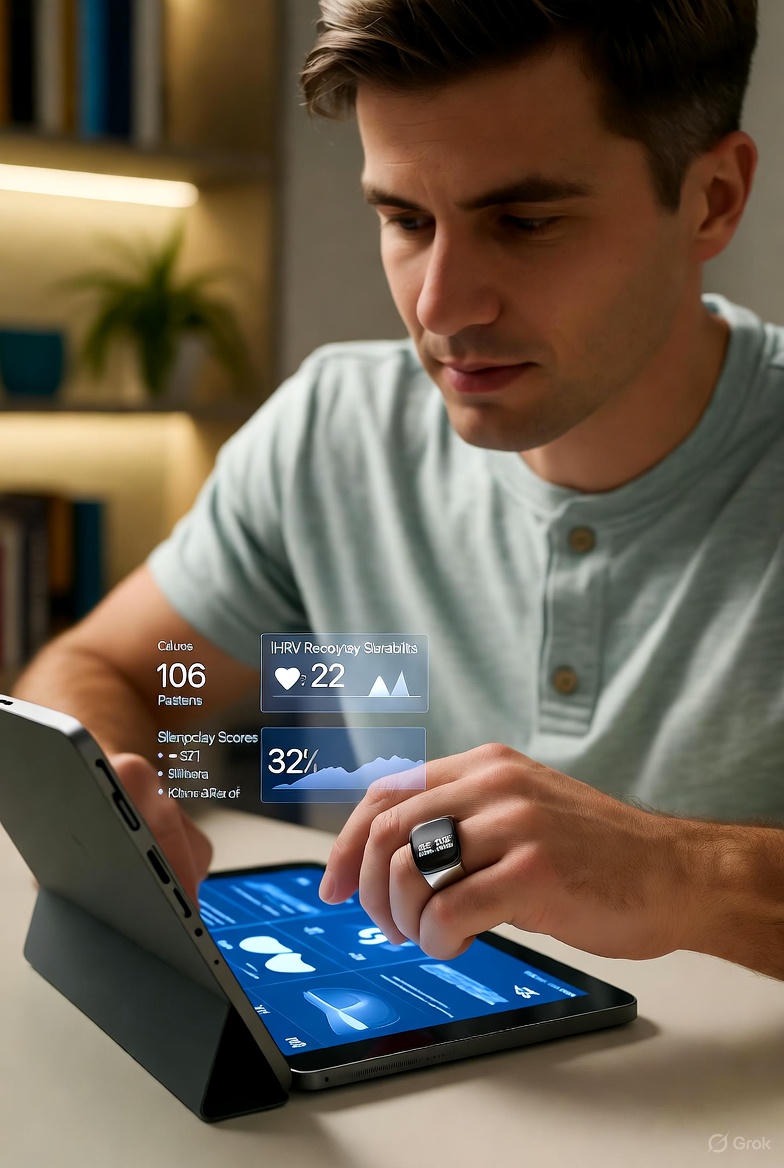
The implications of poor movement quality extend far beyond the occasional ache or stiff morning. They form a direct, causative pathway to chronic disease and accelerated aging—a link that integrative and functional medicine pioneers have long understood, and that mainstream research now robustly confirms. This is the sobering reason why movement quality is non-negotiable for longevity.
The Inflammation Cascade: Dysfunctional movement patterns create chronic, low-grade micro-traumas. A misaligned knee during a step, a stiff thoracic spine during rotation, or a collapsed posture while sitting all place abnormal mechanical stress on tissues. This stress triggers a localized inflammatory response from the immune system. When these patterns are repeated thousands of times daily, the inflammation becomes systemic. This persistent, body-wide fire is now recognized as a primary driver (a condition often called "inflammaging") of nearly every major age-related disease: cardiovascular disease, type 2 diabetes, neurodegenerative conditions, and certain cancers.
The Nervous System Lockdown: Poor movement is both a cause and a symptom of a dysregulated autonomic nervous system (ANS). Pain and instability from dysfunctional patterns keep the body in a sympathetic ("fight-or-flight") dominant state. This chronic stress response further tightens muscles, inhibits restorative functions, and perpetuates the cycle of poor movement. It’s a vicious feedback loop: stress worsens movement, and poor movement worsens stress.
Metabolic Sludge: Biomechanical inefficiency is metabolically costly. When muscles aren't firing optimally, simple tasks require more energy expenditure from fewer, overworked muscles, leading to fatigue and reduced overall activity levels. Furthermore, poor posture can physically compress organs, potentially impairing digestion and metabolic function. A body struggling against itself has less resources for cellular repair, detoxification, and other vital longevity processes.
Cognitive Decline: The brain-body connection is paramount. Movement is a cognitive function. The brain regions that plan, execute, and adapt movement (like the cerebellum and motor cortex) are deeply interconnected with those governing memory, learning, and emotion. When movement becomes stiff, fearful, or limited, it can reflect and even contribute to neurological decline. Conversely, rich, varied, high-quality movement stimulates neuroplasticity and brain-derived neurotrophic factor (BDNF), essentially fertilizing the brain for growth.
The Fracture Point: The most stark connection is to frailty and loss of independence. Degradation in movement quality—loss of balance, slowing gait speed, inability to rise from a chair without using arms—are the strongest clinical predictors of future falls, hospitalizations, and mortality in aging populations. These aren't sudden events; they are the culmination of decades of compounded movement neglect.
This link makes the case irrefutable: optimizing movement quality is a form of preventative medicine. It is actively managing inflammation, regulating the nervous system, supporting metabolism, and nourishing the brain. It's not about looking better at the gym; it's about fundamentally altering your disease risk profile and functional trajectory. For practical strategies that build on this foundation, our resource on 50 healthy aging tips a smart ring helps implement daily offers a comprehensive action plan.
A cultural vanguard has been leading the charge away from pure quantity, reshaping our collective understanding of what true fitness means. This is the rise of the movement-conscious athlete—and their influence is trickling down to every person interested in lifelong vitality.
Look at the evolution of professional sports. The era of athletes grinding themselves into the ground is being replaced by a focus on "load management," recovery optimization, and movement longevity. NBA teams employ directors of sports science who monitor not just points and minutes, but gait asymmetry, sleep efficiency, and heart rate variability to prevent injury. Elite runners analyze cadence, ground contact time, and vertical oscillation with the same intensity as their mile splits.
This philosophy has blossomed in the fitness world through modalities that prioritize quality above all:
The crucial development is that this mindset is no longer confined to athletes or dedicated practitioners. The "everyday person" is becoming movement-conscious. The office worker doing "deskercise" to combat posture. The parent practicing how to lift a child with a braced core. The retiree taking a balance-focused class to prevent falls. The language of mobility, stability, and motor control is entering the mainstream.
This shift is driven by a growing awareness that the goal isn't to be an athlete for a season, but to be a capable, pain-free human for a lifetime. The movement-conscious individual asks: "Is this movement making me more resilient?" rather than just, "How many did I do?" This cultural readiness created the perfect environment for technology to step in and provide the necessary feedback loop.
The democratization of movement quality awareness required a parallel revolution in personal technology. The journey from the simple pedometer to today's advanced wearables is a story of sensors getting smarter, algorithms getting deeper, and data becoming profoundly more personal.
First Act: The Step Counters (The Era of Quantity). As discussed, this was the dawn of self-tracking, defined by single-metric devices. They answered "Did I move?" but provided no context on the nature or impact of that movement.
Second Act: The Multi-Sensor Wristwatch (The Data Deluge). The introduction of optical heart rate monitors, 3-axis accelerometers, and GPS in smartwatches was a massive leap. We could now see heart rate zones, track exercise type, estimate calorie burn, and map our routes. This added crucial layers of intensity and location. However, the wrist location has inherent limitations for true movement quality analysis. Wrist motion is not always representative of full-body kinematics, and the form factor can be obtrusive for 24/7 wear, especially during sleep.
Third Act: The Smart Ring and Advanced Biomarkers (The Era of Quality and Context). This is where the paradigm truly shifts. The finger, as a central point of circulation, allows for clinical-grade photoplethysmography (PPG) sensors to measure heart rate, heart rate variability (HRV), and blood oxygen saturation with remarkable accuracy, continuously. But for movement, the innovation is in the fusion of data from advanced accelerometers, gyroscopes, and other inertial sensors.
A modern wellness ring, worn on the finger, captures a unique kinetic signature. It can infer patterns related to gait and posture through the natural swing of the arms, and its all-day, non-intrusive wear provides a constant stream of behavioral data. The true magic, however, is in the algorithmic interpretation. By analyzing the relationship between movement (accelerometer data), physiological stress (HRV), and recovery (sleep data), these devices don't just report isolated metrics; they generate precision biomarkers of movement quality.
For instance, they can:
This evolution means your device is no longer a dumb counter. It's a context-aware biomechanical assistant. It helps you understand not just that you moved, but the physiological cost and benefit of that movement. It closes the loop between action and recovery, effort and adaptation. To see how far this technology has come, our article on the evolution of health tracking technology from manual to smart rings charts this fascinating journey.
With this advanced technology in hand, we become translators of our body's silent language. The raw data—heart rate spikes, activity graphs, sleep scores—becomes a narrative about the quality of our physical existence. Learning to read these signals is the first step toward intentional change.
The Signal of Recovery: Sleep Movement & HRV. One of the most powerful indicators of movement quality from the previous day is the quality of your sleep. A device that tracks sleep stages and movement can reveal restlessness. Excessive tossing and turning is often the body's attempt to find a pain-free position or a sign of a nervous system that hasn't fully downshifted from the day's physical stresses. Coupled with a low Heart Rate Variability (HRV) reading—a marker of autonomic nervous system recovery—it sends a clear signal: your body hasn't fully repaired. This is a directive to prioritize restorative activities (gentle mobility, meditation, hydration) over intense training, signaling that your movement quality for the day should be gentle and regenerative.
The Signal of Efficiency: Activity Strain vs. Heart Rate. Compare two walks: one where your heart rate climbs disproportionately high for a slow pace, and another where your heart rate stays relatively low for a brisk walk. The first may indicate poor cardiovascular fitness, but it can also signal biomechanical inefficiency—you're working harder because your body is fighting itself. Observing this relationship teaches you to move with more economy and ease.
The Signal of Symmetry: Gait and Posture Inferences. While a ring won't give a full biomechanical analysis, consistent wear can reveal patterns. A persistent drop in general activity on one side of the body, or correlations between long sedentary periods and specific qualities of movement afterward (like stiffness), can be insightful clues. It encourages you to ask: "Do I sit crookedly at my desk?" or "Do I favor one leg when I stand?"
The Signal of Resilience: Readiness Scores. Many advanced platforms synthesize movement, sleep, and physiological data into a single "Readiness" or "Body Battery" score. This is the ultimate qualitative metric. It doesn't tell you what to do, but it advises how to approach movement for the day. A high score is a green light for challenging, quality-focused training. A low score is a recommendation for mindful mobility, focus on technique, or complete rest. It’s a personalized coach advocating for movement that builds you up, rather than breaks you down.
Interpreting this language moves you from being a passive data collector to an active participant in your physical well-being. It turns abstract concepts like "listening to your body" into concrete, actionable insights. For those new to this data-rich world, a great starting point is our guide on wellness ring basics: how to make it perfect for beginners.

Understanding the science and signals is one thing; applying it daily is another. We can distill the vast concept of movement quality into four actionable pillars that serve as a daily checklist for a longevity-optimized body. These pillars transform theory into a practical, lifelong practice.
Pillar 1: Dynamic Alignment (Your Moving Posture)
Static "good posture" is a myth; the goal is dynamic alignment—maintaining integrated, stacked joints while in motion. This means your head is balanced over your ribs, ribs over your pelvis, and pelvis over your feet as you walk, bend, and reach.
Pillar 2: Breath as the Driver
Breath is the remote control for your nervous system and the engine for core stability. Shallow, held breath creates tension and instability. Diaphragmatic breathing creates intra-abdominal pressure, stabilizing your spine and calming your mind.
Pillar 3: Varied Movement "Nutrition"
Just as you need varied macronutrients, your body needs varied movement "nutrients": strength, mobility, stability, and cardio. A diet of only walking (cardio) leaves you deficient in strength and mobility.
Pillar 4: Recovery as an Active Skill
Recovery isn't just doing nothing; it's the active process of down-regulating your nervous system and facilitating repair. It’s when the adaptation to quality movement occurs.
This framework makes movement quality a living practice, not a theoretical ideal. It’s something you can audit in every interaction with your physical world. For a device that helps you track and implement these pillars seamlessly, discover how Oxyzen works to support this integrated approach.
Beyond the Gym: Integrating Quality into Every Micro-Movement
The true transformation happens when the concept of movement quality escapes the confines of "exercise time" and permeates your entire life. Longevity is built not in 60-minute gym sessions alone, but in the thousands of micro-movements performed daily over decades. This is where the greatest return on investment lies.
The Commute: Walking to your car, cycling to work, or standing on a train. This is prime time for Pillar 1 (Dynamic Alignment). Stand tall, soften your gaze ahead, let your arms swing naturally from relaxed shoulders. Feel your feet push off the ground. It’s not a trudge; it's gait practice.
The Workspace: Your desk is a movement quality trap—and training ground. Set reminders to interrupt prolonged sitting not just with standing, but with movement snacks: 5 deep air squats focusing on form, 30 seconds of thoracic rotations in your chair, standing calf raises while on a call. How you sit matters: aim for hips slightly above knees, feet flat, screen at eye level.
Domestic Life: Cooking, cleaning, and childcare are functional fitness circuits. When lifting a pot, practice the hip hinge. When vacuuming, engage your legs and core rather than just your arms. Playing with a child on the floor is natural movement—crawling, getting up and down—that we lose as adults. Reclaim it.
Leisure and Social Time: Choose activities that inherently promote quality movement. A walk-and-talk meeting instead of a coffee sit-down. A hiking date instead of a movie. Dancing. Gardening. These are joyful ways to nourish your movement nutrition without it feeling like a chore.
The cumulative effect of this integration is staggering. It turns your entire day into a gentle, continuous training session for your nervous system, joints, and muscles. It prevents the stiffening and deconditioning that happens when we compartmentalize "fitness" and then live sedentarily for the other 23 hours. It also dramatically reduces the risk of the acute injuries that often happen during "weekend warrior" exertions on an unprepared body.
By mindfully engaging in these micro-moments, you are practicing resilience. You are telling your body, consistently, that it is meant to be capable and adaptable. This is the essence of building a longevity-focused lifestyle. For ideas on how to build these healthy habits seamlessly, our blog offers a wealth of resources on how a wellness device can help you build healthy habits through subtle, consistent feedback.
The Mind-Body Feedback Loop: Awareness as the Ultimate Tool
Underpinning all of this—the science, the technology, the daily practice—is a single, irreplaceable component: conscious awareness. Movement quality cannot be outsourced entirely to an algorithm. The device provides the data, but your mindful attention provides the transformation. This creates a powerful positive feedback loop between mind and body.
Proprioception: Your Sixth Sense. This is your body's ability to sense its own position, movement, and force in space. It’s the feedback mechanism that allows you to touch your nose with your eyes closed. Modern sedentary life, with its chairs and repetitive motions, dulls proprioception. The first step in improving movement quality is sharpening this sense.
How to Cultivate It: Practice moving slowly and with intention. In a simple bodyweight squat, close your eyes and feel the weight shift in your feet, the engagement in your thighs, the path of your spine. Use a mirror for visual feedback initially, then internalize the feeling. This is neuro-muscular re-education.
The Role of Technology as a Mirror: A smart wearable acts as an external proprioceptive amplifier. It gives you objective feedback on internal states you may not feel (like a heightened stress response) or patterns you can't see (like sleep restlessness). It holds up a mirror, saying, "This is what your body did." Your job is to connect that data to your subjective experience: "Ah, I felt stiff today, and my data shows poor sleep and high resting heart rate. The connection is clear."
From Data to Embodied Wisdom: The ultimate goal is to use the technology not as a crutch, but as a training tool to develop your own internal calibration. Over time, you start to feel when your alignment is off because you've seen the correlation with certain data patterns. You learn to sense the early signs of overtraining before your readiness score plummets. The data validates and refines your intuition.
This mindful feedback loop is where lasting change resides. It moves you from compulsive tracking ("I must hit my goal!") to curious exploration ("I wonder how doing X will affect my body's signals?"). It fosters a kinder, more collaborative relationship with your physical self. You are no longer a commander barking orders at a body, but a perceptive guide learning its unique language and needs.
This foundational shift in perspective—from external quantification to internal qualification—sets the stage for the next, deeper layers of the movement quality revolution. We've laid the groundwork on the why and the how. The journey continues into the practical integration of this philosophy with cutting-edge technology, exploring how personalized data transforms into a bespoke longevity action plan, and ultimately, how this entire paradigm reshapes our vision of aging itself.

The promise of the movement quality revolution is not a one-size-fits-all regimen. Its true power lies in personalization—the ability to craft a dynamic, evolving "movement prescription" unique to your physiology, lifestyle, and goals. This is where raw data transforms into a bespoke longevity blueprint. The advanced analytics of modern wearables move beyond generic advice ("get more steps") to deliver insights so specific they feel like a dialogue with your own biology.
Establishing Your Personal Baseline: The first and most critical job of any quality-tracking system is to learn you. Over an initial period of consistent wear, it observes your unique rhythms: your typical sleep architecture, your daily activity patterns, your resting heart rate, your HRV range, and your personal movement "signature." This baseline is not a judgment; it's a fingerprint. It answers the question, "What does normal, for me, look like?" All future insights derive their meaning from this foundational understanding.
Dynamic Recommendations, Not Static Goals: With a baseline established, the system shifts from reporting to guiding. This is the core of the prescription model. Instead of a fixed daily calorie burn target, you might receive a notification based on the confluence of three data streams: *"Your sleep was highly restorative last night (Pillar 4), and your morning HRV is 15% above your baseline. This indicates strong recovery. It's an ideal day to focus on higher-intensity strength work (Pillar 3) to build resilience."*
Conversely, after a night of poor sleep and a low readiness score, the guidance might pivot: *"Your body is showing signs of accumulated stress. Consider prioritizing gentle mobility (Pillar 1) and diaphragmatic breathing (Pillar 2) today. A 20-minute walk in nature would support recovery better than a strenuous workout."*
Identifying Invisible Patterns: The human brain is poor at correlating cause and effect across days. Sophisticated algorithms excel at this. Your data may reveal patterns you'd never self-diagnose:
These insights allow you to experiment and iterate. You can test hypotheses: "If I do my workout in the morning instead of the evening, does my sleep improve?" or *"If I add 10 minutes of meditation on high-stress workdays, does my movement fluency increase?"* The data provides objective feedback, turning your life into an ongoing, self-guided optimization experiment. For those curious about the mechanics behind these personalized insights, our breakdown of how health tracking technology enables personalized wellness explores the algorithmic magic in detail.
While a smart wellness ring provides the crucial feedback loop, it is not the entire toolkit. It is the compass, not the terrain. The terrain is your body, and to navigate it with quality, you need a set of practices. The modern movement-quality toolkit is an eclectic blend of the ancient and the cutting-edge, the high-tech and the profoundly low-tech.
Low-Tech Foundational Practices:
Tech-Assisted & Modern Modalities:
The role of your wellness ring in this toolkit is integrative. It doesn't teach you how to do a perfect hip hinge, but it can tell you when your body is most receptive to learning it (high readiness), and how that practice affected your system afterward (improved sleep, lower resting heart rate). It helps you prioritize which tool to use from the kit on any given day. It answers the question: "Given my body's current state, what type of movement will be most beneficial?"
This synergy between mindful practice and objective data creates a holistic self-care system far greater than the sum of its parts. It empowers you to be your own best therapist, coach, and wellness advocate. For recommendations on integrating various practices with your device, our blog is a continually updated resource for curated methods.
To see how this all coalesces in reality, let's follow "Alex," a 42-year-old knowledge worker, through a day guided by movement quality principles and informed by his wearable data.
6:30 AM – Waking with Data: Alex wakes and checks his wellness app. His Sleep Score is 85 (excellent), and his HRV is at the high end of his personal range. His readiness score is 92. The insight reads: "High recovery detected. Body is primed for challenging activity." This sets his intention: he can engage in more demanding movement today without undue stress.
7:00 AM – Morning Practice (Informed by Readiness): Because his readiness is high, Alex chooses a 25-minute bodyweight circuit focused on strength (Pillar 3) and dynamic alignment (Pillar 1). He pays close attention to his form, using a mirror for visual feedback. His ring tracks the session as "Strain," noting the elevated heart rate and movement patterns.
9:00 AM – 11:30 AM – Work Integration: At his desk, Alex has set his device to alert him after 50 minutes of sedentary time. When the alert chimes, he doesn't just stand up; he performs a 3-minute "movement snack": 5 deep goblet squats with a focus on hip hinge (using a book as weight), 10 thoracic rotations in his chair, and 30 seconds of standing calf raises. This addresses Pillar 2 (Breath, as he breathes through each) and Pillar 4 (active recovery). The ring logs this as light activity and notes the break in sedentary duration.
1:00 PM – Lunchtime Walk (Quality Cardio): Alex takes a 20-minute walk outside. He consciously practices his dynamic alignment: head tall, shoulders relaxed, engaging his glutes with each step. He notices his heart rate on his app stays in a low, steady zone—a sign of good cardiovascular efficiency. This is Pillar 1 in action, fueled by data from his morning readiness.
3:30 PM – The Afternoon Dip: Alex feels a wave of fatigue. He checks his data and sees his heart rate has been slightly elevated and his movement variability low for the past hour—signs of mental strain. Instead of caffeine, he chooses a 5-minute reset: he closes his office door and does a brief diaphragmatic breathing exercise followed by some gentle neck and shoulder rolls. This is using the data (elevated HR) to choose a nervous-system-downregulating tool (breathwork).
6:00 PM – Post-Work (Listening to the Body): Alex feels some residual stiffness from his morning workout. His activity log shows he's hit his movement variability goals but his recovery metrics are starting to dip slightly from the day's cumulative load. He opts for a 15-minute gentle mobility flow (Pillar 4-focused) instead of another intense session. He uses a foam roller, focusing on his legs and back.
10:00 PM – Wind-Down Ritual: Alex's device has entered "Sleep Mode," dimming notifications. His wind-down routine includes dim lights and reading a book, avoiding screens. The ring begins to track his gradual physiological descent into sleep—his heart rate dropping, HRV beginning its nocturnal rise.
Through the Night – The Ultimate Recovery Audit: While Alex sleeps, the ring measures sleep stages, movement, and overnight HRV. It notes one brief period of restlessness correlated with a spike in heart rate, possibly from digestion or a dream. Overall, sleep efficiency is calculated at 88%.
The Next Morning: The cycle begins again. Alex's new readiness score is 78—good, but not as high as yesterday. The insight says: "Moderate recovery. Strong activity detected yesterday. Consider balanced movement today with focus on technique." This feedback validates his choice for a gentler evening and guides his plan for the new day—perhaps a longer walk, a skill-based practice like yoga, or another mobility session.
This case study illustrates the seamless integration of awareness, data, and action. Movement quality isn't a separate "workout"; it's the fabric of the day, continuously informed and adjusted by a conversation between self-awareness and objective biomarkers. For a look at how this technology is even beginning to influence professional care, explore how health tracking technology is being used in hospitals.
Humans are inherently social creatures, and behavior change is notoriously difficult in isolation. The movement quality journey, while deeply personal, finds amplified power in community and shared experience. Modern technology has created new frontiers for this social dimension, transforming a solitary pursuit into a connected one.
From Competition to Collaboration: Traditional fitness leaderboards often fostered unhealthy competition, pushing people to overreach for arbitrary metrics. The new paradigm, enabled by platforms that share qualitative data, fosters collaboration. Groups can share not who took the most steps, but who showed the most consistent sleep hygiene, who improved their HRV trend the most, or who successfully integrated the most "movement snacks" into a busy week. The goal shifts from "beating" others to collectively mastering the art of sustainable, resilient living.
Accountability Partnerships 2.0: Imagine an accountability partnership where you and a friend don't just check in on whether you "worked out." Instead, you share insights: "My data showed I was really rundown Thursday, so I switched to a mobility day. How did your body respond to that new workout?" or "I noticed my sleep score drops when I exercise after 8 PM. Have you seen a similar pattern?" This shared language of data creates a deeper, more meaningful layer of support focused on learning and adaptation.
Crowdsourced Wisdom and Pattern Recognition: In larger, anonymized communities, users can discover powerful macro-trends. Forum discussions might reveal that a significant number of people with sedentary jobs find a specific 7-minute mobility routine at 3 PM universally boosts their afternoon focus and evening relaxation scores. This is crowdsourced biohacking, where the collective experience of thousands accelerates individual discovery.
The Role of Coaches and Therapists: For professionals, this data is a revolutionary tool. A physical therapist can remotely monitor a client's daily movement patterns and recovery metrics, adjusting rehab exercises in real-time based on objective feedback, not just subjective pain reports. A wellness coach can see if their client's new meditation practice is actually moving the needle on their autonomic nervous system balance (via HRV). This creates a continuous, data-informed care loop between appointments.
This social fabric turns the pursuit of movement quality from a technical self-optimization project into a shared human experience. It normalizes the ebbs and flows of recovery, celebrates the non-linear journey, and provides a support network for the days when the data is discouraging. It reminds us that while the data is individual, the pursuit of vitality is universal. To see real-world examples of this journey, browsing our testimonials page can provide powerful social proof and shared stories.
Anticipating Pitfalls: Common Mistakes in the Movement Quality Journey
As with any profound shift in approach, the path to prioritizing movement quality is strewn with potential misunderstandings and pitfalls. Recognizing these early can prevent frustration and ensure the journey is sustainable and effective.
Pitfall 1: Data Obsession (Paralysis by Analysis). It's easy to become glued to your app, anxiously checking every heartbeat, over-interpreting every dip in HRV. This creates neurosis, the antithesis of wellness. The Antidote: Use data as a guide, not a gospel. Check your key metrics (readiness, sleep) once or twice a day to set intention, then put the phone away and be present in your movement. The data is a retrospective report card, not a live sports commentary on your life.
Pitfall 2: Misinterpreting "Readiness" as Permission to Be Lazy. A low readiness score can be misused as an excuse for total inactivity. The Antidote: Remember Pillar 4—recovery is an active skill. A low score doesn't mean "do nothing"; it means "do something different." It's a prescription for restorative movement, gentle mobility, breathwork, and stress management. Inactivity can often worsen recovery.
Pitfall 3: Neglecting Joy in Pursuit of Perfection. If every walk becomes a focused gait analysis session, and every workout a form-obsessed drill, movement can lose its joy and spontaneity. The Antidote: Schedule "play" time. Go for a hike without tracking it. Dance in your living room. Play a sport. Let your body move for the sheer pleasure of it. The qualitative benefits of joyful, free-form movement are immense and shouldn't be quantified.
Pitfall 4: Ignoring Pain Signals Because "The Data Says I'm Recovered." No wearable can feel your pain. A high readiness score does not override a sharp pain in your knee or a tweak in your back. The Antidote: Always prioritize pain over data. The device provides systemic physiological feedback, but it cannot diagnose local tissue distress. Pain is a primary signal that must be respected and investigated, potentially with a medical professional.
Pitfall 5: Comparing Your Baseline to Others. Your friend's HRV of 100 and your HRV of 45 are meaningless out of context. Everyone's physiology is unique. The Antidote: Your only meaningful comparison is you. Focus on trends over time within your own data. Is your HRV trending upward over months? Is your resting heart rate slowly decreasing? These intra-individual trends are the true markers of progress.
Navigating these pitfalls requires a balanced mindset. The technology is a powerful servant but a poor master. The goal is to use it to cultivate a deeper, more trusting relationship with your body—not to outsource your intuition to an algorithm. For answers to many common questions that arise on this journey, our comprehensive FAQ section addresses these nuanced concerns.
The current capabilities of wearables are impressive, but they represent just the beginning. The frontier of movement quality tracking is rapidly advancing, powered by artificial intelligence, more sophisticated sensor fusion, and a deeper integration with our environments. Here’s a glimpse at the near future of movement intelligence.
Predictive Analytics and True Prevention: Future algorithms won't just report on yesterday's sleep; they will forecast your movement capacity for tomorrow. By analyzing longitudinal trends in movement variability, gait smoothness, and recovery metrics, AI could predict periods of heightened injury risk or energy depletion days in advance, allowing for proactive intervention. It will shift from monitoring to true forecasting.
Integrated Haptic Feedback: The next generation of devices may move beyond silent data collection to gentle, real-time guidance. Imagine a subtle vibration in your ring or a whisper in your ear when your posture begins to slump during a long work session, or when your running cadence falls outside your optimal, efficient range. This creates a closed-loop system where correction happens in the moment.
Full-Body Movement Capture via Minimal Sensors: While camera-based systems are accurate, they are not practical for daily life. The future lies in using a network of a few tiny, wearable sensors (like a ring and maybe two others) combined with powerful AI to accurately infer full-body kinematics. This could provide a detailed movement quality report for your entire workout or day, identifying asymmetries and inefficiencies with clinical precision from discrete, wearable devices.
Context-Aware Environmental Integration: Your wearable will communicate with your environment. Your smart office chair could adjust its support when it senses (via your ring data) you're entering a period of fatigue-related postural collapse. Your car could suggest a break and a mobility routine when it detects driver stiffness on a long journey. The line between self-tracking and ambient, assistive intelligence will blur.
Emotional & Cognitive Movement Signatures: Research is deepening the link between specific movement patterns and cognitive/emotional states. Future systems may be able to identify signatures of anxiety (via fidgeting frequency and heart rate patterns), focus (via very subtle postural stillness), or creative flow (via specific patterns of movement variability). This would add a profound layer to the mind-body feedback loop.
This future points toward a world where our technology acts as an intuitive extension of our proprioceptive system—a constant, gentle, and intelligent partner in cultivating a body that moves with grace, power, and resilience for a lifetime. To explore the possibilities on the horizon, our article on health tracking technology in 2025 and what's possible delves into these exciting projections.
Bridging to Medical Care: When Your Data Talks to Your Doctor
Perhaps the most significant frontier for movement quality data is its integration into formal healthcare. The shift from episodic, symptom-driven care to continuous, preventative health management is being fueled by the very data streams we've been discussing. This creates a powerful bridge between daily life and clinical insight.
From Anecdote to Objective Timeline: Instead of telling your doctor, "I've been feeling more stiff lately," you can show them a timeline. A graph showing a gradual decline in daily movement variability over six months, correlated with a slight uptick in resting heart rate and increased sleep restlessness, provides objective, longitudinal evidence of a trend. This transforms a vague complaint into a concrete, data-driven starting point for investigation.
Pre- and Post-Rehabilitation Benchmarking: For patients undergoing physical therapy or surgery, a wearable provides an unparalleled tool. A pre-operative baseline can be established. Post-op, recovery isn't guessed at; it's measured. Is the patient's sleep returning to normal? Is their step symmetry improving? Are they regaining their movement variability? This allows for tailored, progress-based rehab protocols and early identification of complications.
Managing Chronic Conditions: For individuals with conditions like osteoarthritis, heart failure, or long-term fatigue syndromes, monitoring movement quality and physiological load can be life-changing. It helps them find their "envelope of function"—the optimal amount and type of activity that maintains function without triggering a flare-up or exacerbation. It empowers them with self-management tools that are directly tied to their subjective experience.
The "Digital Biomarker" Revolution: The medical and research communities are increasingly accepting metrics like gait speed, step regularity, and 24-hour HRV patterns as valid digital biomarkers—objective, quantifiable measures of physiological and pathological processes. Your wearable data is contributing to this large-scale validation, helping to define what "healthy aging" looks like in numerical terms.
This integration requires thoughtful design around data privacy and physician usability. The goal is not to overwhelm doctors with raw data streams, but to provide them with synthesized, clinically relevant insights and clear visualizations of trends. When done well, it fosters a collaborative partnership where the patient is an engaged, data-informed participant in their own care. For a perspective on how this changes the medical field, consider how health tracking technology has changed preventive medicine.
The scale of this paradigm shift can feel overwhelming. The key is to start small, with curiosity rather than ambition. Here is a concrete, 30-day action plan to begin weaving movement quality into the fabric of your life.
Week 1: Cultivate Awareness (The Audit)
Week 2: Integrate One Pillar (The Foundation)
Week 3: Add Movement Nutrition (The Variety)
Week 4: Honor Recovery (The Integration)
By the end of this month, you will have moved from a passive observer to an active participant in your movement health. You will have begun the most important habit of all: the habit of paying attention. This foundational month sets the stage for a lifetime of refinement and discovery. For a detailed guide on getting the most from your device from day one, our wellness ring mastery guide is the perfect next step.
The pursuit of movement quality is not a 12-week transformation program; it is the cultivation of a lifelong practice. Its principles must adapt and evolve alongside you, from the playground to the retirement community. This long-game perspective reframes every ache, every plateau, and every new challenge not as a failure, but as data points in a grand, decades-long experiment in embodied living.
The Developmental Arc of Movement: Human movement has a natural arc. Childhood is about exploration and skill acquisition—learning to run, jump, throw, and fall. Young adulthood often shifts toward performance and aesthetics—building strength, speed, and specific athletic skills. Midlife marks a crucial pivot point: the focus must intentionally shift from performance to resilience and maintenance. This is where movement quality becomes non-negotiable. It's no longer about how much you can lift, but how well you can move under load. It's not about running a faster mile, but about running with such efficiency that your joints feel better after the run than before. The practice becomes one of preservation and refinement.
Adapting Practices Through Life Stages: Your toolkit evolves.
The Mindset of the Long-Game Practitioner: This individual understands that progress is not linear. They embrace "seasonality"—periods of intense practice and periods of gentle maintenance. They know that a month off due to illness or life stress is not a derailment, but a chapter. They use their data not to police themselves, but to compassionately guide their return. Their primary metric is not a single day's score, but the long-term trend line of their resting heart rate, HRV baseline, and movement variability. They have made peace with the process.
This lifelong view liberates you from fads and quick fixes. It connects you to a lineage of wise cultures that have always practiced movement as medicine and ritual. It ensures that your practice deepens with age, becoming a source of strength, identity, and comfort rather than a fading memory of youthful capacity. To see how this approach can be tailored to different objectives, our guide on how wellness rings support different health goals across the lifespan is a valuable resource.
To commit to this lifelong practice, we must first clearly identify the enemy. Our modern environment is not merely neutral; it is often antagonistic to natural, high-quality movement. We have constructed a world that systematically strips movement of its quality, variety, and context. Recognizing these obstacles is the first step in designing a life that counteracts them.
The Sedentary Siege: The most blatant obstacle. The average office worker sits for 8-15 hours a day—in cars, at desks, on couches. Prolonged sitting, especially with poor posture, leads to muscle atrophy (particularly in the glutes and core), tight hip flexors, a weakened posterior chain, and a spine robbed of its natural, dynamic S-curve. It teaches the body that stillness is the default state.
The Footwear & Surface Mismatch: Our feet, marvels of sensory engineering with 26 bones, 33 joints, and thousands of nerve endings, are chronically imprisoned in stiff, cushioned, elevated-heel shoes. We walk on flat, unyielding surfaces. This deprives our feet of the sensory feedback and strengthening they need, leading to weak arches, poor balance, and a gait that originates from the knee rather than the powerful hip and foot complex. Our foundational base is compromised from the ground up.
The Visual-Dominant Posture: Our world now exists on screens, which pull our heads forward and our shoulders inward. This "tech neck" or anterior head posture creates a cascade of dysfunction: overstretched neck muscles, compressed cervical discs, rounded shoulders, and inhibited breathing. Our posture is no longer shaped by gravity and task, but by a 13-inch rectangle.
The Poverty of Movement Variety: Compare a day in a pre-industrial life to a modern one. The former involved squatting, lifting, carrying, climbing, throwing, and walking on varied terrain. The modern equivalent might involve tapping, typing, scrolling, and walking in a straight line on pavement. Our movement "diet" has gone from a rich feast to nutrient-deficient junk food. We suffer from movement malnutrition.
The Time Scarcity Myth: "I don't have time" is the universal refrain. Yet, integrating movement quality is not about finding time, but about using time differently. It's the belief that movement must be a separate, 60-minute block in a day, rather than the medium through which we live our existing minutes.
These obstacles are formidable, but they are not invincible. They simply define the playing field. The movement quality practice is, in essence, a conscious rebellion against these forces. It is the deliberate re-introduction of natural movement, in doses small and large, into an artificial world. It begins with the understanding that your environment must be hacked, and your habits redesigned. For practical strategies on hacking your environment, our article on how a wellness ring helps build healthy habits offers actionable tips for this very rebellion.
We cannot rely on willpower alone to overcome the assault of modern life. We must be designers, shaping our personal environments—our homes, our offices, our routines—to make high-quality movement the default, effortless choice. This is ergonomics 2.0: designing for dynamic health, not just static comfort.
The Dynamic Workspace:
The Movement-Rich Home:
Your Personal Movement Toolkit:
The Digital Environment:
By redesigning your environment, you reduce the cognitive load required to make good choices. You create a world where moving well is easier than moving poorly. It’s a continuous, creative project that turns your living space into a partner in your longevity journey. For insights into the tools that best support this environment, our comparison chart of top brands can help you choose the right technological partner.
Lasting adherence to a movement quality practice requires navigating the complex terrain of human psychology. Motivation is fleeting; it’s the spark, not the fuel. To build a practice that endures for decades, we must build systems rooted in identity, intrinsic reward, and adaptive self-compassion.
From Outcome Goals to Identity Goals: The classic goal is outcome-based: "I want to lift X weight" or "I want a sleep score of 90." These are brittle; failure to hit them feels like personal failure. Identity goals are far more powerful. They shift the focus to "Who do I want to be?" The goal becomes: "I am a person who moves with awareness," or "I am someone who prioritizes recovery," or "I am a capable, resilient human." Every small action—choosing the stairs, focusing on your breath during a lift, opting for a mobility session—is a vote for that identity. The data from your wearable becomes evidence reinforcing this new self-concept: "See? My body is responsive when I listen to it. I am that kind of person."
The Power of Micro-Victories and Process Praise: Our brains respond to clear, immediate feedback. The quantitative world gave us a single daily victory (step goal) or defeat. The qualitative world offers countless micro-victories throughout the day. Praise the process, not just the outcome.
Celebrating these tiny wins releases dopamine, reinforcing the neural pathways of the new behavior. Your wellness app, by highlighting positive trends or consistent behavior, provides external validation for these internal victories.
Embracing the "Non-Zero Day": The all-or-nothing mindset is the killer of long-term practice. A "non-zero day" is any day where you do something, however small, that aligns with your identity goal. Did you only have 5 minutes? That’s 5 minutes of focused mobility or breathing. Did your readiness score crash and you feel terrible? The practice is to do the single most restorative thing you can manage—maybe just 10 minutes of legs-up-the-wall. A non-zero day maintains the thread of the practice through illness, travel, and stress, preventing the feeling of a full "reset" that often leads to quitting.
Compassionate Curiosity Over Harsh Judgment: When the data is "bad"—sleep is poor, HRV is low, movement is stiff—the practiced individual does not spiral into self-criticism. They adopt the stance of a compassionate scientist: "Fascinating. What's happening here?" They cross-reference data with life context: stress at work, poor dietary choices, emotional strain, an impending illness. This removes the moral charge ("I failed") and turns it into a learning opportunity ("My body is telling me it's under stress. How can I support it?").
By mastering this psychology, you build a practice that is resilient to the fluctuations of life. It becomes a part of who you are, not just something you do. It is sustained not by discipline alone, but by a self-reinforcing cycle of identity-congruent action, positive feedback, and deep self-understanding. For support in maintaining this mindset, our community stories on our story page often highlight the psychological journey alongside the physical one.
Movement quality does not exist in a vacuum. It is one leg of a crucial triad, dynamically intertwined with nutrition and sleep. Optimizing one amplifies the benefits of the others; neglecting one undermines your efforts across the board. This synergistic relationship is where holistic longevity is forged.
Sleep: The Master Regenerator of Movement Quality
Sleep is the non-negotiable foundation. It is during deep, restorative sleep that the body repairs the micro-tears from movement, consolidates motor learning (literally practicing movement patterns in the brain), and resets the hormonal and nervous systems.
Nutrition: The Fuel and Building Blocks
What you eat provides the substrate for everything: energy for movement, proteins for repair, and fats for hormonal function and inflammation regulation.
The Triad in Action:
Imagine a day:
Your wearable is the integrator that can reveal these connections. You may notice that your sleep HRV is consistently lower on days you consume alcohol or processed foods. You might see that your post-workout recovery is faster when you prioritize post-exercise nutrition. This data empowers you to see the whole system, not just the parts. For a holistic approach that ties these elements together, explore our resource on 50 healthy aging tips a smart ring helps implement daily.
To truly become fluent in the language of your body, it helps to understand the advanced metrics that power the movement quality feedback loop. These are not just numbers; they are windows into your autonomic nervous system, your biomechanical engine, and your adaptive capacity.
Heart Rate Variability (HRV): The North Star of Recovery
HRV is the measure of the subtle variations in time between each heartbeat. A higher HRV (within your personal range) generally indicates a more resilient, adaptable autonomic nervous system—one that can smoothly transition between stress (sympathetic) and recovery (parasympathetic) states.
Gait & Movement Signature Analysis:
While a ring won't provide a full clinical gait analysis, the latest algorithms can infer significant qualities from the accelerometer and gyroscope data generated by the natural swing of your arms and motion of your torso.
Recovery & Readiness Algorithms: The Synthesis
This is where the magic happens. A readiness score (or body battery, recovery index, etc.) is not a single measurement. It is a proprietary algorithm that synthesizes multiple data streams: last night's sleep (duration, quality, consistency), today's HRV (and sometimes resting heart rate), and recent activity/exertion load.
Understanding these metrics demystifies your data. It turns your app from a confusing dashboard into a insightful control panel for your own biology. To geek out further on how these sensors and algorithms work, our explanation of health tracking technology sensors, algorithms, and AI provides a satisfying deep dive.
Conclusion of the Long-Form Exploration: The New Movement Mandate
We began this exploration by identifying a paradigm shift: from movement quantity to movement quality as the paramount longevity essential. We have journeyed through the science that validates this shift, the technology that enables it, and the daily practices that embody it. We have seen how it integrates with every facet of life, from psychology to community, from nutrition to healthcare.
The conclusion is clear and compelling: How you move is a direct expression and determinant of your biological age. Every step, every breath, every lift, and every rest period is a brick in the edifice of your future self. The old model asked, "Did you move enough?" The new mandate asks a far richer set of questions:
This is not a call for movement perfection. It is an invitation to movement intention. It is the understanding that the pursuit of quality is itself a quality—a mindful, engaged, and respectful relationship with the only body you will ever have.
The tools are now in our hands. The science is robust. The path is one of personalized discovery, not rigid dogma. The goal is no longer just adding years to your life, but adding life—vibrant, capable, joyful life—to your years.
This new movement mandate is ultimately about reclaiming agency. It is the recognition that within the chaos of modern life, the rhythm of your breath and the grace of your motion are things you can control. They are levers of health that are always available to you. By pulling them with quality and consistency, you are not just exercising. You are practicing the art of longevity itself.
Your Trusted Sleep Advocate (Sleep Foundation — https://www.sleepfoundation.org/)
Discover a digital archive of scholarly articles (NIH — https://www.ncbi.nlm.nih.gov/
39 million citations for biomedical literature (PubMed — https://pubmed.ncbi.nlm.nih.gov/)
experts at Harvard Health Publishing covering a variety of health topics — https://www.health.harvard.edu/blog/)
Every life deserves world class care (Cleveland Clinic -
https://my.clevelandclinic.org/health)
Wearable technology and the future of predictive health monitoring. (MIT Technology Review — https://www.technologyreview.com/)
Dedicated to the well-being of all people and guided by science (World Health Organization — https://www.who.int/news-room/)
Psychological science and knowledge to benefit society and improve lives. (APA — https://www.apa.org/monitor/)
Cutting-edge insights on human longevity and peak performance
(Lifespan Research — https://www.lifespan.io/)
Global authority on exercise physiology, sports performance, and human recovery
(American College of Sports Medicine — https://www.acsm.org/)
Neuroscience-driven guidance for better focus, sleep, and mental clarity
(Stanford Human Performance Lab — https://humanperformance.stanford.edu/)
Evidence-based psychology and mind–body wellness resources
(Mayo Clinic — https://www.mayoclinic.org/healthy-lifestyle/)
Data-backed research on emotional wellbeing, stress biology, and resilience
(American Institute of Stress — https://www.stress.org/)


