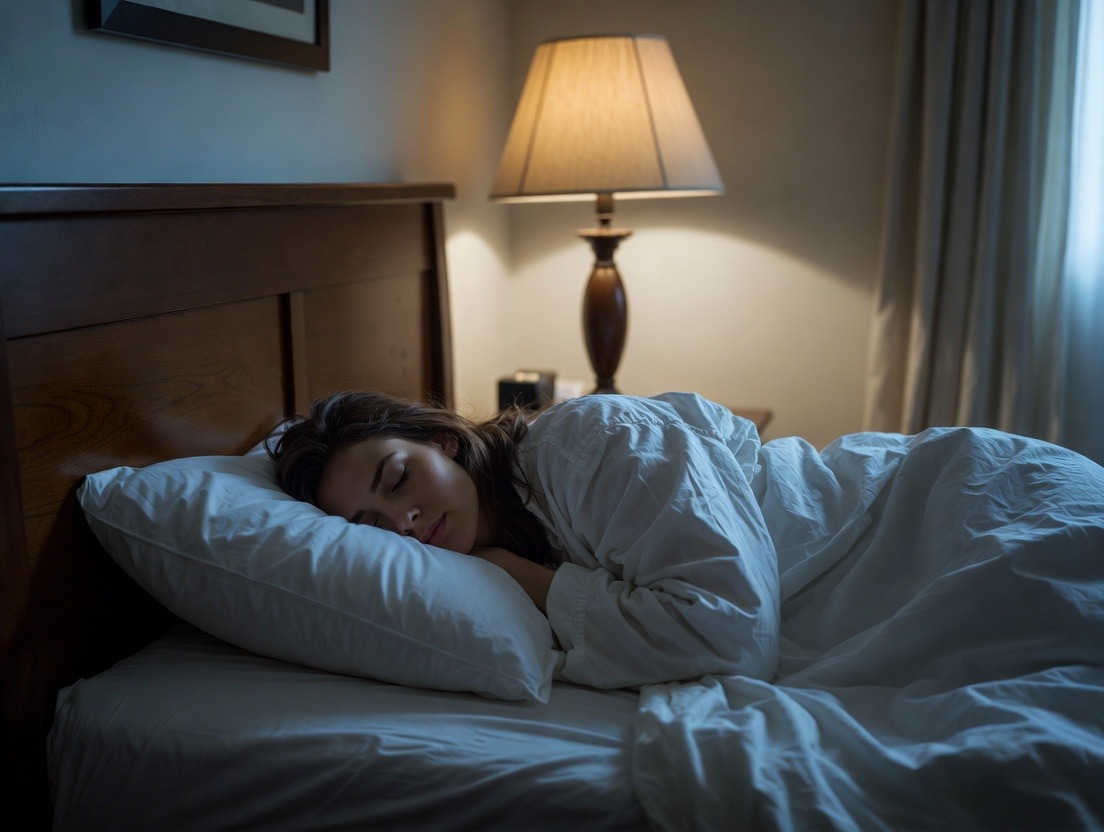
Strategies to secure quality sleep even with a demanding, busy lifestyle.
The Sleep Paradox: How to Achieve Elite Recovery When Your Schedule Screams Otherwise
You know the drill. The 5:00 AM alarm feels like a physical assault. You hit snooze twice, your brain wrapped in the thick fog of unfinished sleep. The day is a marathon of meetings, deadlines, commutes, and family obligations. By 10:00 PM, you’re exhausted, yet when your head finally hits the pillow… silence. Not the peaceful kind, but the maddening, wide-awake kind. Your mind races through tomorrow’s to-do list, replaying today’s awkward conversation, while a silent countdown to your next alarm ticks away. You’re caught in the modern paradox: desperately needing quality sleep but living a life that systematically steals it.
This isn’t just about feeling tired. Chronic sleep deprivation is a silent tax on your health, career, and happiness. It weakens your immune system, clouds your judgment, saps your creativity, and makes you more susceptible to stress, weight gain, and long-term disease. For the high-performer, the busy parent, the ambitious entrepreneur, poor sleep isn’t an inconvenience—it’s the single greatest bottleneck to your potential.
But what if you could hack your sleep? Not with magic pills or unrealistic rituals, but with a precise, data-driven strategy that fits into the cracks of your demanding life? This is not about adding more to your plate; it’s about a fundamental recalibration of how you view and execute your nightly recovery. The journey to reclaiming rest begins with understanding that quality sleep is the ultimate non-negotiable for a high-performance life. It’s the foundation upon which every other wellness goal is built, from managing stress to boosting productivity. For a deeper look at building a holistic foundation for wellness, our blog offers resources on how to build healthy habits daily.
In this guide, we will dismantle the myth that busy people must sacrifice sleep. We will explore the profound science of sleep, design a personalized sleep sanctuary, craft a wind-down ritual that actually works, leverage cutting-edge technology for insight, and build resilience against the inevitable sleep disruptors of modern life. This is your blueprint for transforming sleep from a frustrating challenge into your most powerful asset.
The Non-Negotiable Foundation: Why Sleep Is Your #1 Wellness Priority
We often treat sleep as the leftover time when nothing else is scheduled. This is a catastrophic error in priority. Think of your body not as a machine, but as a sophisticated biological corporation. Your waking hours are the bustling workday—full of transactions, production, and meetings. Sleep is the overnight shift where the real magic happens: the corporate auditors review the books, the maintenance crews repair machinery, the R&D department files the day’s learnings into long-term memory, and the cleaning staff flushes out metabolic toxins.
During deep sleep, growth hormone is released, facilitating tissue repair and muscle growth. Your brain engages the glymphatic system, a waste-clearance process that washes away beta-amyloid proteins, the very plaques associated with Alzheimer’s disease. Sleep is when memories are consolidated—the difference between merely experiencing your day and actually learning from it. Skimp on sleep, and you’re essentially running a company that never does accounting, maintenance, or filing. It’s not a question of if it will fail, but when.
The consequences of this deficit are quantifiable and severe. Research from the University of California, Berkeley, confirms that sleep deprivation amplifies the amygdala, the brain’s emotional center, leading to heightened anxiety and irritability. Simultaneously, it weakens the prefrontal cortex, the region responsible for rational decision-making and impulse control. In practical terms, a sleep-deprived you is more likely to snap at a colleague, reach for a sugary snack, and make poor strategic choices. A study in the journal Sleep found that losing 90 minutes of sleep reduces daytime alertness by nearly one-third.
Furthermore, sleep is the master regulator of your metabolic health. It balances ghrelin (the “hunger” hormone) and leptin (the “satiety” hormone). When you’re short on sleep, ghrelin spikes and leptin plummets, driving cravings for high-calorie, carbohydrate-rich foods. This isn’t a lack of willpower; it’s a biological hijacking. The American Heart Association now lists poor sleep as a key risk factor for heart disease and hypertension, on par with diet and smoking.
For the busy individual, reframing sleep is the first critical step. It is not lost time. It is performance-enhancing, health-preserving, cognitive-sharpening time. Prioritizing it is the ultimate act of self-investment. Every other wellness endeavor—your workouts, your meditation, your healthy eating—rests on this foundation. A cracked foundation cannot support a strong structure. To understand how technology can support this foundational health, you might explore how modern devices enable personalized wellness.
Decoding Your Sleep Architecture: The Science of Cycles and Stages
To optimize something, you must first understand how it works. Sleep is not a monolithic state of unconsciousness. It’s a dynamic, architecturally complex process of cycling through distinct stages, each with a unique purpose. These 90- to 120-minute cycles repeat throughout the night, and the composition of these cycles—how much time you spend in each stage—defines the quality of your rest.
A single sleep cycle consists of four stages: three stages of Non-Rapid Eye Movement (NREM) sleep and one stage of Rapid Eye Movement (REM) sleep.
Stage 1 (N1): The Dozing-Off Phase This is the lightest stage of sleep, lasting 1-7 minutes. It’s the transition from wakefulness to sleep. Your brain produces alpha and theta waves, your muscles begin to relax, and you can be easily awakened. Think of it as the runway before takeoff.
Stage 2 (N2): Light Sleep You spend nearly 50% of your total sleep time in this stage. Your body temperature drops, heart rate slows, and brain waves show distinctive sleep spindles and K-complexes—bursts of activity believed to be crucial for memory consolidation and sensory processing. This stage acts as a gatekeeper to the deeper, more restorative stages.
Stage 3 (N3): Deep Sleep (Slow-Wave Sleep) This is the most physically restorative phase. Brain waves slow to deep delta waves. It’s very difficult to wake someone from deep sleep, and if you do, they often feel groggy and disoriented (sleep inertia). This is when the body undertakes critical repair work: tissue growth, cell regeneration, immune system strengthening, and energy restoration. It’s also key for clearing metabolic waste from the brain.
Stage 4: REM Sleep Typically occurring about 90 minutes after you fall asleep, REM sleep is where the brain is highly active—almost as active as when you’re awake. Your eyes dart rapidly (hence the name), and your body enters a state of temporary muscle paralysis (atonia) to prevent you from acting out your dreams. REM sleep is essential for cognitive functions: processing emotions, solidifying memories, fostering learning, and fueling creativity. It’s the mind’s therapy and filing session.
As the night progresses, the architecture of these cycles changes. Early in the night, cycles are dominated by deep N3 sleep. In the later cycles, REM sleep periods become progressively longer. This is why both going to bed early enough to capture ample deep sleep and sleeping long enough to enjoy extended REM periods are vital. Cutting your sleep short at 5 AM often means robbing yourself of your longest, most cognitively rich REM session.
Understanding this architecture empowers you. It explains why waking up during deep sleep feels terrible, why a 20-minute power nap (which stays in Stage 2) can be refreshing, and why consistency is king. Going to bed and waking up at roughly the same time each day helps regulate your circadian rhythm, allowing these cycles to align predictably and efficiently. It’s the difference between a well-orchestrated symphony and a chaotic jam session. For those interested in the tools that can decode these cycles, learning about the science behind modern health tracking can be illuminating.
The Pre-Sleep Power Hour: Designing an Unwind Ritual That Actually Works
Your brain and body do not have an “off” switch. They have a dial. The transition from the high-alert, cortisol-fueled state of a busy day to the calm, melatonin-rich state conducive to sleep must be gradual and intentional. This is the purpose of the Pre-Sleep Power Hour—a non-negotiable buffer zone between “day” and “bed.” It’s not about adding tasks; it’s about a deliberate shift in environment and behavior.
Minute 60 to Minute 30 Before Bed: The Digital Sunset & Environmental Shift This first half-hour is about disengaging from the day’s stimulants.
Light is Priority #1: Begin by dimming overhead lights and using lamps with warm, amber-toned bulbs. This reduces your exposure to blue light, which suppresses melatonin production. Consider installing smart bulbs that automatically shift to a “sunset” mode in the evening.
The Great Disconnect: Enforce a strict digital curfew. Put your phone on “Do Not Disturb” and place it in another room to charge. If you must use a device, enable night shift mode at maximum strength and keep usage minimal. The endless scroll of social media or the adrenaline spike from a work email are the antithesis of sleep readiness.
Prepare Your Space: Take 5 minutes to tidy your bedroom. Put away clothes, clear clutter from surfaces. A chaotic environment can subconsciously contribute to a chaotic mind.
Minute 30 to Minute 10 Before Bed: The Activation of Calm Now, actively signal to your nervous system that it’s safe to rest.
Thermal Regulation: Take a warm bath or shower. The core principle here is the "thermal drop." As you step out, your body’s core temperature drops rapidly, mimicking the natural temperature decline that occurs at sleep onset and sending a powerful signal to your brain that it’s time for sleep.
Mindful Beverage: Sip on a caffeine-free herbal tea, like chamomile or valerian root. Avoid alcohol—while it may induce drowsiness, it severely fragments sleep architecture, destroying REM sleep.
Gentle Movement: If you feel wound up, try 5-10 minutes of very gentle, restorative yoga or static stretching. Focus on deep, diaphragmatic breathing. The goal is release, not exertion.
The Final 10 Minutes: The Mental Handoff This is where you quiet the “monkey mind.”
Gratitude or Download: Spend 5 minutes writing. You have two powerful options: a gratitude journal (listing 3 things you’re grateful for) or a “brain dump.” The brain dump involves writing down every thought, worry, or to-do item swirling in your head. The act of externalizing these thoughts onto paper tells your brain, “It’s noted. We can deal with this tomorrow.”
Read for Pleasure: Read a few pages of a physical book (preferably fiction or something non-work-related). This focuses a tired mind without the stimulating glare of a screen.
This ritual isn’t a rigid checklist but a framework. The key is consistency. Performing the same sequence of calming activities night after night creates powerful Pavlovian cues, training your brain to associate these actions with the imminent onset of sleep. For more ideas on winding down and building a holistic evening routine, you can find additional resources on our blog dedicated to wellness tips.
Crafting Your Sleep Sanctuary: Optimizing Environment for Deep Recovery
You can have the perfect wind-down ritual, but if your sleep environment is working against you, quality rest will remain elusive. Your bedroom should have one primary function: sleep (and intimacy). It is a sanctuary for recovery, not an auxiliary office, entertainment center, or dining room. Optimizing it requires attention to five key environmental pillars: light, sound, temperature, comfort, and air quality.
1. The Darkness Doctrine: Embracing Absolute Night Light is the most powerful regulator of your circadian rhythm. Even small amounts of ambient light from a streetlamp, charging LED, or crack under the door can interfere with melatonin production and sleep depth.
Blackout is Non-Negotiable: Invest in high-quality blackout curtains or shades. Test them: during the day, with them closed, can you see your hand in front of your face? If yes, they’re not dark enough.
Eliminate Internal Light Sources: Use electrical tape to cover every tiny LED on chargers, electronics, and smoke detectors. Consider a simple, non-illuminated digital clock, or turn it away from you.
Eye Mask as a Solution: If absolute darkness isn’t feasible, a comfortable, contoured sleep mask is an excellent tool. It creates a portable, personal night.
2. The Sound of Silence (or Something Like It) Unexpected noises—a car alarm, a partner’s snore, a creaking house—can cause micro-arousals, pulling you out of deep sleep cycles without you even remembering.
White Noise as a Shield: A white noise machine or a fan creates a consistent, monotonous sound buffer that masks disruptive noises. The key is consistency; the brain learns to tune it out, while it effectively drowns out inconsistent, sleep-shattering sounds.
Earplugs: For some, high-fidelity earplugs designed for sleep are the answer. They attenuate sound without creating complete, uncomfortable silence.
3. The Thermal Sweet Spot Your core body temperature needs to drop by about 1-2 degrees Fahrenheit to initiate and maintain sleep. The ambient room temperature dramatically influences this process.
The Magic Number: For most people, the ideal bedroom temperature is between 60-67°F (15.5-19.5°C). Experiment within this range.
Bedding as a Thermostat: Use breathable, natural-fiber bedding (like cotton, linen, or bamboo). Consider a layered approach with a warm duvet and lighter sheets so you can adjust easily. Cooling mattress pads or pillows can be game-changers for hot sleepers.
4. The Comfort Equation: Mattress, Pillow, and Pajamas Discomfort is a direct path to restless sleep. This is highly personal.
Mattress: It should support your spine’s natural alignment. There’s no single “best” type—it’s about your body and preference. The general rule is to replace it every 7-10 years.
Pillow: Your pillow’s job is to keep your neck in a neutral position, aligned with your spine. Side sleepers generally need a thicker, firmer pillow; back and stomach sleepers need thinner ones.
Pajamas: Wear loose, breathable clothing made from natural fibers. The goal is to avoid any restriction or overheating.
5. The Invisible Factor: Air Quality Stale, dry, or allergen-filled air can disrupt breathing and sleep quality.
Ventilation: Crack a window if possible for fresh air circulation.
Humidity: Aim for a relative humidity of 40-50%. A humidifier can help in dry climates or winter; a dehumidifier is crucial in damp environments to prevent mold and dust mites.
Cleanliness: Regularly wash bedding in hot water to reduce allergens. An air purifier with a HEPA filter can be a worthwhile investment, especially for allergy sufferers.
By systematically auditing and optimizing these five pillars, you transform your bedroom from a mere place to lie down into a scientifically-engineered recovery pod. It’s an investment that pays dividends every single night. For those curious about how wearable tech can monitor environmental effects on sleep, our article on continuous vs. periodic monitoring delves into the details.
The Daytime Protectors: How Daily Habits Build or Break Your Sleep
The seeds of a good night’s sleep are sown hours before you even think about bedtime. Your daytime choices—from your first sip of coffee to your evening workout—create a physiological ripple effect that culminates in either restful slumber or a restless night. Think of yourself as a sleep architect, laying the foundation brick by brick throughout the day.
Morning Light: Setting Your Circadian Clock Within 30-60 minutes of waking, seek out bright, natural light. Go outside for a 10-15 minute walk, have your coffee by a sunny window, or use a medical-grade light therapy lamp if you wake up before dawn. This morning light exposure is the single most powerful signal to your master circadian clock (the suprachiasmatic nucleus in your brain) that the day has begun. It kickstarts cortisol production (the healthy, awakening kind) and sets a timer for melatonin release roughly 14-16 hours later. Skipping this is like forgetting to wind a clock; your entire daily rhythm becomes less precise.
Caffeine & Alcohol: The Delayed Saboteurs Caffeine has a half-life of 5-6 hours. That means if you have a coffee at 3:00 PM, half the caffeine is still circulating in your system at 8:00 or 9:00 PM, antagonizing adenosine (the sleep-pressure chemical) and disrupting your ability to fall asleep. Establish a “caffeine curfew” – for most, this should be no later than 2:00 PM. Be mindful of hidden sources like dark chocolate, some medications, and green tea. Alcohol, while sedating, is a REM sleep wrecker. It metabolizes into aldehydes, which can cause wakefulness in the second half of the night. If you choose to drink, do so early and moderately, with plenty of water, and never use it as a sleep aid.
Nutrition & Hydration: Fueling for Sleep What and when you eat profoundly impacts sleep. A large, heavy, or spicy meal right before bed forces your digestive system to work overtime, potentially causing discomfort, acid reflux, and elevated core temperature.
Timing: Aim to finish your last major meal at least 2-3 hours before bedtime.
Composition: Include tryptophan-rich foods (like poultry, nuts, seeds) with complex carbohydrates in your evening meal. This combination can aid in the production of serotonin and melatonin. A small, sleep-supportive snack an hour before bed (e.g., a banana with a tablespoon of almond butter, a handful of tart cherries) can be helpful if you’re truly hungry.
Hydration: Stay well-hydrated throughout the day, but taper off fluid intake 1-2 hours before bed to minimize disruptive nighttime bathroom trips.
Exercise: The Powerful, Time-Sensitive Tool Regular physical activity is one of the best evidence-based ways to improve sleep quality and duration. It reduces stress, increases time spent in deep sleep, and helps regulate circadian rhythms. However, timing matters.
Morning/Afternoon Gold Standard: Exercising in natural light is a double win, combining light exposure with activity.
Evening Exercise Nuance: While intense exercise too close to bedtime can be overstimulating for some due to elevated core temperature and endorphins, gentle movement like walking or yoga can be part of a wind-down ritual. Know your body. If you only have time to exercise in the evening, do it—the benefits for sleep generally outweigh the downsides. Just allow at least 60-90 minutes to cool down and relax afterward.
Stress & Mindfulness: Managing the Day’s Load Unmanaged daytime stress leads to elevated cortisol levels that can persist into the night, blocking the calm transition to sleep. Building “stress resets” into your day is critical.
Micro-Meditations: Take three 1-minute breathing breaks during your day. Simply close your eyes and take five deep, slow breaths, focusing on the exhale.
The Power Pause: Before transitioning from work to home life, take 5 minutes to sit quietly, close your eyes, and consciously let go of the workday. This prevents carrying work stress directly into your evening.
By viewing your entire day as preparation for sleep, you stop fighting against your own biology and start working with it. Each positive choice is a deposit into your sleep bank, ensuring you have a rich reserve to withdraw from when night falls. For practical strategies on implementing these daily wellness choices, our guide on 50 healthy aging tips offers a wealth of actionable advice.
Leveraging Data: How Technology Like Smart Rings Transforms Sleep Insight
For generations, our understanding of sleep was subjective: “I slept pretty well” or “I tossed and turned all night.” This vagueness made optimization nearly impossible. You couldn’t fix what you couldn’t measure. Today, wearable technology, particularly advanced smart rings, has revolutionized our ability to peer into the black box of the night, providing objective, actionable data that turns guesswork into strategy.
Beyond Steps: The Multi-Sensor Approach to Sleep Tracking Modern sleep trackers, especially those worn on the finger like the Oxyzen ring, employ a suite of medical-grade sensors to paint a comprehensive picture of your nocturnal physiology.
Photoplethysmography (PPG): This optical heart rate monitor tracks your heart rate and, more importantly, Heart Rate Variability (HRV)—the subtle variation in time between each heartbeat. HRV is a premier, non-invasive marker of your autonomic nervous system balance. A higher HRV generally indicates a more resilient, recovery-focused state (parasympathetic dominance), while a low HRV suggests stress (sympathetic dominance). During sleep, tracking HRV trends reveals the depth of your recovery and how stressed or relaxed your body truly is.
Accelerometer: This measures movement. While it helps determine sleep vs. wake periods, its real power in a ring is in detecting subtle movements related to sleep stages and disturbances.
Skin Temperature Sensor: Continuously monitoring peripheral body temperature provides crucial insights. A steady decline in skin temperature correlates with sleep onset, while nighttime spikes can indicate disturbances, sleep stage transitions, or even the onset of illness.
Blood Oxygen Saturation (SpO2): Monitoring SpO2 throughout the night can reveal potentially disruptive episodes of breathing irregularities, such as mild sleep apnea or hypoxemia, which fragment sleep without you ever being consciously aware.
From Raw Data to Actionable Intelligence: The Sleep Score & Metrics The magic isn’t just in collecting data, but in the sophisticated algorithms that interpret it. A quality sleep tracker will synthesize this information into understandable metrics:
Sleep Stages: An estimate of the time spent in Light, Deep, and REM sleep, compared to your personal baseline and age-group averages.
Sleep Latency: How long it took you to fall asleep. This is a direct report card on your pre-sleep routine.
Sleep Efficiency: The percentage of time in bed you were actually asleep. Aim for 85% or higher.
Resting Heart Rate (RHR): Your lowest overnight heart rate. A trend of lowering RHR can indicate improving cardiovascular fitness and recovery.
Overall Sleep Score: A single, weighted number that combines all these metrics, giving you an at-a-glance assessment of your night.
The Personalized Feedback Loop: From Insight to Behavior Change This is where the transformation happens. Instead of wondering why you’re tired, you can investigate.
Correlation Discovery: Did your deep sleep plummet after two glasses of wine with dinner? Did your sleep latency spike on nights you worked past 9 PM? Did your HRV soar on nights after you meditated? The ring reveals these cause-and-effect relationships with stark clarity.
Environmental Testing: Is your new white noise machine improving sleep efficiency? Is your room cool enough? The data provides an objective answer.
Long-Term Trend Analysis: Over weeks and months, you can see the impact of lifestyle changes—a new exercise regimen, a consistent bedtime, a dietary shift—on the architecture of your sleep and your body’s readiness (via HRV) to face the day.
By wearing a device like the Oxyzen ring, you move from being a passive victim of poor sleep to an active sleep scientist, running gentle experiments on your own biology. This data-driven empowerment is at the heart of modern preventive wellness. For a deeper dive into how this technology works, explore our explanation of the sensors and algorithms that make it possible. To see how this technology integrates into a complete wellness ecosystem, you can read about integration with other health apps.
Mastering Your Chronotype: Aligning Sleep with Your Biological Rhythm
You’ve likely noticed that some people spring out of bed at dawn, bursting with energy, while others hit their peak creativity and alertness long after sunset. This isn’t merely a preference; it’s a genetically influenced predisposition called your chronotype—your body’s natural inclination for sleep and wake times. Fighting against your chronotype is like swimming against a powerful current; aligning with it is like catching the perfect wave. For the busy professional, understanding your chronotype is the key to scheduling your life for maximum energy and minimal sleep struggle.
The Spectrum: From Early Birds to Night Owls and Wolves While chronotypes exist on a continuum, they are often categorized broadly:
The Lion (Morning Type): Early to bed, early to rise. Lions feel most alert and productive in the morning, with energy and focus peaking before noon. They often struggle with evening social events and may feel “done” by late afternoon.
The Bear (Intermediate Type): The most common chronotype, Bears follow the solar cycle. They wake and sleep relatively easily, with energy patterns that align with standard 9-to-5 schedules. Their peak productivity is typically mid-morning to early afternoon.
The Wolf (Evening Type): Wolves naturally prefer later sleep and wake times. They feel sluggish in the morning, hit their stride in the late afternoon or evening, and come alive at night. Forcing a Wolf onto an early schedule leads to chronic social jet lag.
Discovering Your Chronotype You can get a strong sense of your chronotype by asking two simple questions (when free of social obligations like work): 1) What time would you naturally go to sleep? 2) What time would you naturally wake up feeling fully rested? The midpoint of this sleep window is a key indicator. You can also use structured questionnaires like the Morningness-Eveningness Questionnaire (MEQ), which are often integrated into advanced sleep tracking apps that analyze your movement and heart rate data over time to objectively suggest your natural rhythm.
Strategic Scheduling: Working With Your Biology, Not Against It Once you know your type, you can craft a schedule that honors it, reducing the friction of daily life.
For Lions: Schedule your most demanding, cognitively intense work—deep-focus projects, critical decision-making, important meetings—in the morning block. Protect this time fiercely. Use afternoons for administrative tasks, meetings that require less peak brainpower, and routine work. Accept that your energy will wane early.
For Bears: Your schedule aligns well with societal norms. Your peak is late morning. Use this for strategic work. Schedule collaborative meetings in the early to mid-afternoon when you’re still socially engaged. Be mindful of the common afternoon slump around 2-3 PM; a short walk or non-caffeinated break can help.
For Wolves: If you have flexibility, start your workday later. If you must be at a desk at 9 AM, be strategic. Guard your morning for low-stimulus, routine tasks (email, planning, reading). Do not schedule critical thinking here. Block your late afternoon (e.g., 3-6 PM) for your most important, creative work. Your second wind in the evening can be used for creative pursuits or planning the next day.
The Critical Compromise: Consistency is King While you should lean into your chronotype, absolute adherence is often impossible in a world built for Bears. The non-negotiable rule for all chronotypes is consistency. Waking up at 6 AM on weekdays and noon on weekends creates a massive 6-hour social jet lag every week, devastating your circadian rhythm. Whether you’re a Lion or a Wolf, try to keep your wake-up time within a 60-90 minute window every single day, even on weekends. This regularity stabilizes your internal clock, making falling asleep and waking up easier, regardless of your natural leanings.
Respecting your chronotype isn’t about being rigid or selfish; it’s about self-awareness. It allows you to place your most important work during your personal energy zenith and to stop berating yourself for not being a “morning person” if you’re biologically not wired to be one. It’s a profound step toward sustainable, high-performance living. To learn how a smart ring can help you discover and track your unique biological patterns, check out our guide on personalizing the device to your body.
Navigating the Inevitable: Sleep Strategies for Travel, Stress, and Life’s Interruptions
Even with a perfect routine and sanctuary, life happens. A cross-country business trip, a sick child, a looming project deadline—these realities can shatter the best-laid sleep plans. The goal isn’t to create a fragile sleep routine that breaks under pressure, but to build a resilient system with strategies to mitigate damage when the unexpected strikes. This is the art of sleep damage control.
Conquering Jet Lag: A Proactive Reset Protocol Jet lag occurs when your internal circadian clock is out of sync with the local light-dark cycle. The key to minimizing it is to actively manage light exposure, which is the primary tool for shifting your clock.
Before You Go (Eastbound): If traveling east (e.g., NY to London), you need to shift your clock earlier. Start 2-3 days in advance by waking up 30-60 minutes earlier each day and seeking bright morning light. Avoid evening light.
Before You Go (Westbound): If traveling west (e.g., LA to Tokyo), you need to shift later. Push your bedtime and wake time later by 60-90 minutes in the days before and seek bright light in the late afternoon/evening.
On Arrival: The Light Law: Upon landing, use light exposure strategically. For eastward travel, get bright morning light and avoid afternoon/evening light. For westward travel, seek bright light in the late afternoon and evening. If necessary, use sunglasses strategically to block light at the “wrong” time.
The First 48 Hours: Try to align your meal times and sleep schedule with the local time as quickly as possible. Stay hydrated, avoid heavy meals and alcohol upon arrival, and consider short (20-30 minute) strategic naps if desperately tired, but never after 3 PM local time.
Managing Sleep Under High Stress When cortisol is flooding your system due to work or personal stress, “just relax” is useless advice. You need active countermeasures.
The Power of the Pen (or App): Re-institute the “brain dump” journaling from your evening ritual, but do it during the day. When a stressor hits, take 5 minutes to write down the problem, why it’s worrying you, and the very next physical action you can take. This contains the anxiety and prevents it from metastasizing into nighttime rumination.
Parasympathetic Breathing: When you feel stress building, practice the 4-7-8 breathing technique (inhale for 4, hold for 7, exhale slowly for 8). Do this for just 4 cycles. It directly stimulates the vagus nerve, shifting your nervous system out of “fight or flight.”
The “Good Enough” Sleep Mindset: On a high-stress night, release the pressure to get 8 perfect hours. Tell yourself, “My goal is just to rest quietly in the dark.” This reduces performance anxiety about sleep itself. Often, the act of lying still in a dark room with no pressure to sleep will allow sleep to come naturally, and even if it doesn’t, you’re still getting valuable physiological rest.
Handling Night Wakings and Insomnia Flares Waking up in the middle of the night and not being able to fall back asleep is profoundly frustrating. The wrong response (checking the clock, picking up your phone) entrenches the wakefulness.
The 20-Minute Rule: If you’re awake for more than 20 minutes, get out of bed. Go to a dimly lit chair and read a boring, physical book (no screens). Do not check the time. Do not start an activity. When you feel drowsy, return to bed. This breaks the association of your bed with frustration and wakefulness.
Audio Distraction: Use a meditation app with a boring sleep story or a simple guided body scan. The goal is to give your busy mind a gentle, non-stimulating focal point other than your worries.
The Recovery Day After a night of truly poor sleep (less than 5 hours), you need a triage plan for the next day.
Prioritize & Simplify: Cancel non-essential meetings. Focus only on your 1-3 most critical tasks. Delegate what you can.
Strategic Caffeine: Use a single, well-timed dose of caffeine in the mid-morning (e.g., 10 AM) to boost alertness. Avoid multiple doses that will disrupt the next night.
Light & Movement: Double down on morning light exposure and take a brisk 10-minute walk outside in the afternoon to combat fatigue.
Protect the Next Night: Do NOT nap for more than 20 minutes. Do NOT go to bed extremely early. Stick as close as possible to your regular schedule to get your rhythm back on track.
By having a toolkit for these inevitable scenarios, you prevent one bad night from spiraling into a week of poor sleep. You acknowledge the disruption, apply a controlled response, and guide your system back to stability with minimal long-term damage. For support and answers to common questions about managing wellness during disruptions, our FAQ page is a valuable resource.
The Biochemical Ballet: How Hormones, Neurotransmitters, and Nutrients Dictate Your Sleep Quality
We’ve explored the architecture of sleep and the behaviors that support it. Now, let’s descend to the molecular level, where the true directors of your sleep drama reside: hormones and neurotransmitters. Understanding this biochemical ballet is not academic; it’s the key to targeted interventions that can calm a racing mind or deepen restorative slumber. This is the science behind why your rituals work—and why they sometimes don’t.
The Conductor and the Stagehand: Melatonin vs. Adenosine Sleep is governed by two primary, complementary systems: the circadian process (the conductor) and the homeostatic sleep drive (the stagehand).
Adenosine (The Sleep Pressure Builder): This neurotransmitter is the homeostatic driver. From the moment you wake, adenosine begins accumulating in your brain. Think of it as a natural “sleep debt” molecule. The longer you’re awake, the more adenosine builds up, creating increasing pressure to sleep. Caffeine works by blocking adenosine receptors, tricking your brain into feeling alert while the adenosine tide continues to rise—a debt that will eventually come due, often as a brutal afternoon crash. Deep, restorative sleep is the process of clearing this adenosine backlog.
Melatonin (The Darkness Signal): This is the circadian hormone, secreted by the pineal gland in response to darkness. Melatonin doesn’t put you to sleep directly; it broadcasts the signal that “it is night,” initiating the downstream physiological changes that prepare you for sleep: lowering core body temperature, reducing alertness, and signaling to other systems to shift into nighttime mode. Its release is exquisitely sensitive to light, especially blue light, which is why light management is non-negotiable.
For optimal sleep onset, you need both: a high level of sleep pressure (adenosine) and the darkness signal (melatonin) to be present. Drinking coffee late (blocking adenosine) while scrolling in bed (suppressing melatonin) is a perfect recipe for sleeplessness.
The Supporting Cast: GABA, Cortisol, and the Stress Symphony While adenosine and melatonin set the stage, other key players determine the quality of the performance.
GABA (The Neural Quietener): Gamma-aminobutyric acid is the brain’s primary inhibitory neurotransmitter. It’s the “brake pedal” for neural activity. Effective sleep, particularly the transition into and maintenance of deep NREM sleep, requires robust GABA activity. Many sleep medications (like benzodiazepines and “Z-drugs”) work by artificially boosting GABA, which can lead to dependency and fragmented sleep architecture. Natural practices like meditation, deep breathing, and certain supplements (like magnesium and L-theanine) can support healthy GABA function.
Cortisol (The Alertness Hormone): Often dubbed the “stress hormone,” cortisol has a vital, healthy circadian rhythm. It should peak in the early morning (helping you wake up), decline throughout the day, and reach its lowest point around midnight. Chronic stress, poor sleep, and irregular schedules can flatten this rhythm or cause an unhealthy spike at night. Elevated evening cortisol directly antagonizes melatonin, making it feel like your body’s “on” switch is stuck. Managing daytime stress and protecting your pre-sleep wind-down are essentially strategies to ensure cortisol follows its proper diurnal decline.
Serotonin (The Precursor): This “feel-good” neurotransmitter is the daytime precursor to melatonin. Adequate serotonin production during the day (supported by sunlight exposure, physical activity, and certain foods) is necessary for optimal melatonin production at night. This is a prime example of how daytime habits biochemically fuel nighttime recovery.
Nutritional Leverage: Feeding Your Sleep Chemistry You can directly support this biochemical system through strategic nutrition.
Magnesium: This mineral is a cofactor in over 300 enzymatic reactions, including those that regulate GABA and melatonin. It acts as a natural NMDA receptor antagonist, calming nervous system excitability. Many people are subclinically deficient. Dietary sources include leafy greens, nuts, seeds, and avocados. A magnesium glycinate supplement before bed is a popular and well-researched sleep aid.
Tryptophan: This essential amino acid is the building block for both serotonin and melatonin. However, it doesn’t work alone. Tryptophan must compete with other large neutral amino acids to cross the blood-brain barrier. Consuming it with complex carbohydrates (like a small bowl of oatmeal or whole-grain toast) triggers insulin release, which clears competing amino acids from the bloodstream, allowing more tryptophan to reach the brain.
Glycine: This amino acid has been shown to lower core body temperature and improve subjective sleep quality and sleep efficiency. It’s found in collagen and bone broth.
The goal isn’t to micromanage every molecule, but to understand that your choices—from your afternoon walk (boosting serotonin) to your evening magnesium supplement (supporting GABA)—are actively participating in this nightly biochemical production. You are the producer of this show. For more on how data can help you see the effects of these nutritional choices, read about how health tech enables personalized wellness.
The Mind-Sleep Connection: Using Cognitive and Behavioral Tools to Quiet the Nighttime Brain
Your body may be tired, but your mind is a 24/7 news cycle of worries, plans, and replays. For the busy professional, the “racing mind” is often the most formidable barrier to sleep. This is where cognitive and behavioral psychology offers powerful, drug-free tools. The most clinically validated of these is Cognitive Behavioral Therapy for Insomnia (CBT-I), a structured program that targets the thoughts and behaviors that perpetuate sleep problems. You don’t need a formal diagnosis to benefit from its core principles.
Stimulus Control: Rebuilding the Bed-Sleep Connection Over time, for poor sleepers, the bed becomes associated with everything but sleep: worry, frustration, watching TV, scrolling, and tossing and turning. Stimulus control therapy aims to break this conditioned association and rebuild a powerful connection between bed and only sleep (and intimacy).
Rule 1: Go to bed only when you feel sleepy (not just tired).
Rule 2: Use the bed only for sleep and intimacy. No reading, no TV, no phone, no working, no worrying in bed.
Rule 3: If you don’t fall asleep within 20 minutes (or if you wake up and can’t return to sleep within 20 minutes), get out of bed. Go to another room and do something quiet and boring in dim light until you feel sleepy again, then return to bed.
Rule 4: Repeat Rule 3 as often as necessary throughout the night.
Rule 5: Set a consistent wake-up time every day, regardless of how little you slept.
Rule 6: Avoid daytime napping.
This method can feel challenging initially, but it is remarkably effective at eliminating the anxiety of lying awake in bed and strengthening the brain’s automatic association of bed with rapid sleep onset.
Sleep Restriction: Building Sleep Efficiency This sounds counterintuitive but is a cornerstone of CBT-I. If you’re spending 9 hours in bed but only sleeping 6, your sleep efficiency is poor. Sleep restriction temporarily reduces your time in bed to match your actual average sleep time (e.g., 6 hours). This creates mild sleep deprivation, which helps consolidate sleep and increase sleep drive. As efficiency improves, time in bed is gradually increased. Important: This technique is powerful and should be undertaken carefully, ideally with guidance. The goal is to create a tight, efficient sleep window, not chronic deprivation.
Cognitive Restructuring: Challenging Sleep-Threatening Thoughts Catastrophic thoughts about sleep fuel insomnia. “I’ll never get to sleep,” “I’ll be a wreck tomorrow,” “My health is ruined.” Cognitive restructuring teaches you to identify, challenge, and replace these thoughts with more balanced, evidence-based perspectives.
Identify the Thought: “If I don’t get 8 hours tonight, my presentation will be a disaster.”
Challenge the Evidence: “Have I functioned on less sleep before? Yes. Is one night of poor sleep truly catastrophic? No. I can still deliver a decent presentation.”
Develop a Balanced Thought: “While I prefer to be well-rested, I can handle tomorrow even if my sleep isn’t perfect. My worth isn’t determined by last night’s sleep.”
Paradoxical Intention & Mindfulness: The Power of Letting Go The harder you try to sleep, the more elusive it becomes. Paradoxical intention involves engaging in the opposite behavior: gently trying to stay awake (while lying comfortably in the dark). By removing the performance anxiety, the pressure dissipates, often allowing sleep to arrive. Mindfulness and Acceptance-based strategies complement this. Instead of fighting wakefulness, you practice observing it with non-judgmental curiosity. “I notice the feeling of worry in my chest. I notice the thought about tomorrow’s meeting.” This detachment from the mental chatter reduces its emotional power and can lead to a natural unwinding.
The 4-7-8 Breathing and Body Scan: Direct Neurological Interventions These techniques provide an active task for a busy mind while directly stimulating the parasympathetic nervous system.
4-7-8 Breathing: Inhale quietly through your nose for 4 seconds. Hold your breath for 7 seconds. Exhale slowly through your mouth for 8 seconds. Repeat 4-5 cycles. This acts as a natural tranquilizer for the nervous system.
Progressive Muscle Relaxation (PMR) / Body Scan: Starting at your toes, tense the muscles for 5 seconds, then release completely for 30 seconds, noticing the sensation of relaxation. Move systematically up the body. This releases physical tension and focuses the mind on bodily sensations instead of thoughts.
Mastering these cognitive tools equips you with a Swiss Army knife for the mind. They transform you from a passive victim of your thoughts to an active operator of your own mental state, capable of initiating the shutdown sequence for sleep on demand. For additional techniques on managing stress and building mental resilience, explore our blog for related articles on wellness.
Beyond the Night: How Sleep (or Lack Thereof) Dictates Your Daytime Performance & Health
The impact of sleep doesn’t end when you open your eyes. It ripples through every hour of your waking life, acting as the invisible hand guiding your decisions, reactions, health, and performance. Understanding these daytime consequences isn’t meant to induce fear, but to provide powerful motivation. Quality sleep is the ultimate leverage point for elevating every other aspect of your existence.
Cognitive Performance: The Sleep-Deprived CEO vs. The Rested Strategist Sleep is fundamental to cognitive triad: attention, learning, and memory.
Attention & Vigilance: Sleep deprivation cripples your sustained attention. It increases “lapses” — micro-moments where your brain simply goes offline. This is deadly for tasks like driving (drowsy driving is as dangerous as drunk driving), data analysis, or any detail-oriented work. A study in Occupational & Environmental Medicine found that being awake for 17-19 hours impaired cognitive performance to a level equivalent to a blood alcohol concentration of 0.05%.
Learning & Memory: As covered, sleep is when memories are consolidated. Without adequate deep NREM and REM sleep, the lessons and experiences of the day are poorly filed away. You might attend a full-day workshop, but without the subsequent sleep, you’ll retain very little. Sleep before learning is also crucial, as it prepares the brain to receive new information like a dry sponge.
Decision-Making & Creativity: The rested prefrontal cortex engages in logical, risk-assessed decision-making. The sleep-deprived brain, with a weakened prefrontal cortex and an amped-up amygdala, becomes more impulsive, risky, and emotionally reactive. Creativity—the ability to connect disparate ideas—relies heavily on REM sleep. Solutions to problems often appear after “sleeping on it” because your brain has had time to make novel connections offline.
Emotional & Social Intelligence: The Hidden Cost of Sleep Debt Your ability to manage your emotions and navigate social interactions is deeply sleep-dependent.
Emotional Regulation: With a hyper-reactive amygdala and an underpowered prefrontal cortex, you become emotionally volatile. Minor irritations feel like major crises. You’re more prone to anxiety and negative thinking. A University of California study using fMRI scans showed that sleep deprivation amplified emotional brain centers by over 60% in response to negative stimuli.
Social Cognition: Sleep loss impairs your ability to read social cues, facial expressions, and tone of voice. You’re more likely to misinterpret neutral expressions as threatening, damaging professional and personal relationships. Empathy and perspective-taking also diminish.
Metabolic & Physical Health: The Systemic Breakdown The long-term health consequences of chronic short sleep are arguably the most severe.
Weight Management & Appetite: As mentioned, sleep disruption wreaks havoc on ghrelin and leptin, driving increased calorie intake, particularly from high-carb, high-fat foods. It also increases insulin resistance, pushing your body to store more fat. It’s a perfect storm for weight gain.
Immune Function: During deep sleep, your body produces cytokines, proteins that target infection and inflammation. Consistently skimping on sleep makes you more susceptible to common illnesses like colds and flu, and reduces the effectiveness of vaccines. Long-term, chronic inflammation is a key driver of most modern diseases.
Cardiovascular Health: Poor sleep is linked to increased blood pressure, higher resting heart rate, and elevated levels of stress hormones like cortisol—all risk factors for heart disease and stroke. Sleep disorders like sleep apnea present an even more direct risk.
Hormonal Health & Longevity: Sleep is critical for the regulation of hormones like testosterone, estrogen, and growth hormone. Disrupted sleep can affect fertility, libido, and muscle maintenance. Telomeres—the protective caps on the ends of chromosomes that shorten with aging—appear to shorten faster in chronic sleep deprivation.
For the busy individual, this means that sacrificing sleep to get more done is a catastrophic false economy. You are trading high-quality, efficient, creative, and healthy hours for more low-quality, error-prone, emotionally unstable, and unhealthy hours. It’s the worst trade deal in the history of trade deals. Investing in sleep is the single most effective way to upgrade your performance across all life domains. To track how your sleep investments pay off in daily readiness, a tool like a smart ring that measures Heart Rate Variability and recovery can provide immediate, personal feedback.
The Tech-Enabled Sleep Optimizer: Advanced Strategies with Wearable Data
Having a smart ring or wearable that tracks your sleep is step one. The real transformation begins when you move from passive observation to active experimentation and personalized protocol development. This is where you become the architect of your own recovery, using data as your blueprint. Let’s explore advanced strategies for leveraging this technology.
Establishing Your Personal Baseline: The “Normal” That’s Unique to You Forget population averages. The first critical task is to establish your baseline. Wear your tracker consistently for at least two weeks during a period of relatively stable routine and low stress. Don’t try to “perform.” Just observe. Key metrics to baseline:
Average Sleep Duration & Efficiency
Deep Sleep & REM Sleep %
Resting Heart Rate (RHR) – Note its typical range.
Heart Rate Variability (HRV) – This is highly individual. Establish your typical range and trend, not a comparison to others.
Sleep Latency (time to fall asleep)
This baseline is your North Star. It tells you what “good recovery” looks like for your body. Deviations from this baseline become meaningful data points, not abstract numbers.
The Art of the Correlation Hunt: Becoming a Sleep Detective Now, engage in single-variable experiments to see what moves the needle for you. Change one thing at a time for 3-5 nights and observe the data.
Experiment 1: Caffeine Timing. Move your last coffee from 3 PM to 1 PM. Did your sleep latency decrease? Did your deep sleep increase?
Experiment 2: Evening Blue Light. For one week, wear blue-light-blocking glasses after 8 PM. Did your HRV trend upward? Did your sleep score improve?
Experiment 3: Bedroom Temperature. Lower your thermostat by 2 degrees. Did your sleep efficiency jump?
Experiment 4: Supplementation. Introduce a magnesium glycinate supplement 60 minutes before bed. Did your subjective feeling of restfulness align with a higher deep sleep percentage?
Experiment 5: Wind-Down Ritual. Add 10 minutes of reading a physical book before bed. Did your sleep latency drop?
The ring’s data provides objective feedback. You might feel that meditation “doesn’t work,” but if your HRV consistently rises on nights you meditate, the data is telling a different story about your physiological state.
Leveraging Daytime Metrics for Nighttime Predictions Advanced wearables don’t just track sleep; they track daytime readiness. This is predictive power.
HRV Trends: If your daytime HRV is trending significantly below your baseline for several days, it’s a flag that your nervous system is under strain (from training, stress, or illness) and may need extra recovery. This is your cue to prioritize an early night, a lighter workout, or extra relaxation—before your sleep collapses.
Resting Heart Rate: A sudden, unexplained elevation in RHR (by 5-10 bpm above your norm) can be an early indicator of impending illness, overtraining, or dehydration. It’s a signal to take proactive care.
Activity & Recovery Balance: Use the device’s activity tracking not just to count steps, but to ensure you’re not chronically overreaching. A pattern of high activity scores paired with low readiness scores is a classic sign you’re digging a recovery hole.
Using Data to Break the Anxiety Cycle For those with sleep anxiety, the data can be therapeutic. On a night you feel you slept “terribly,” you can check the app and often see you got more deep sleep than you thought, or that your HRV was decent. This factual evidence can dismantle the catastrophic thinking that “I got zero sleep,” breaking the cycle of anxiety that leads to future poor sleep.
This proactive, data-informed approach is the future of personalized health. It turns wellness from a generic set of tips into a customized operating manual for your own body. To get started with this kind of deep personalization, understanding how to personalize your wearable to your body is the first step. And to see the kind of insights this can reveal, browsing real user experiences and testimonials can be incredibly motivating.
Sleep for Special Populations: The Busy Parent, Shift Worker, and Frequent Traveler
General sleep advice can feel laughably out of touch when you’re rocking a teething baby at 3 AM, starting a work shift at 11 PM, or battling jet lag for the third time this month. For these populations, standard sleep hygiene needs radical adaptation. The goal shifts from “perfect sleep” to “strategic recovery” and damage mitigation.
The Busy Parent: Embracing Fragmentation and Opportunistic Sleep For parents of young children, uninterrupted 8-hour blocks are a fantasy for years. The strategy here is resilience and flexibility.
The On-Call Mentality: Accept that sleep will be fragmented. The stress comes from the expectation of uninterrupted sleep being shattered. Reframe: “My job tonight is to get as much restorative sleep as possible between calls to service.”
Sleep When the Baby Sleeps (Seriously): Disregard chores during daytime naps. Your sleep is the priority. Even 20-30 minutes of closed-eye rest can improve alertness and emotional regulation.
Tag-Teaming is Essential: If you have a partner, create a shift system. One person handles wake-ups until 2 AM, the other from 2 AM onward. This guarantees each parent a solid 4-5 hour core sleep block, which is far more restorative than alternating every wake-up.
Optimize the Fragments: Make your sleep environment absolutely perfect (blackout, white noise, cool) to maximize the depth of the sleep you do get. A wearable can help you see if those short blocks are actually containing deep sleep.
Radical Self-Forgiveness: Let go of ideal standards. Acknowledge the season. Your baseline metrics will look different, and that’s okay. Focus on consistency of routine for the child (which ultimately helps you) and grabbing recovery where you can.
The Shift Worker: Defying the Sun Working nights or rotating shifts forces your biology into a state of permanent conflict. The goal is to manipulate your environment to create a convincing “night” during the day.
Light Management is Everything:
After the Night Shift: Wear wraparound blue-light-blocking sunglasses during your commute home in the morning. This prevents the morning sun from resetting your clock to “day.”
Daytime Sleep Sanctuary: Your bedroom must be a fortress of darkness. Use blackout curtains, aluminum foil on windows, or a sleep mask. White noise is critical to mask daytime sounds (lawnmowers, traffic, families).
Before the Night Shift: Seek bright light exposure during your shift, especially in the first half. Consider a light therapy lamp at your workstation.
Strategic Caffeine: Use caffeine at the start of your shift to promote alertness, but cease intake at least 4-5 hours before your planned sleep time.
Consistency on Work Days: Try to keep the same sleep/wake schedule on your consecutive work days, even on your days off in that cycle. The more you flip-flop, the worse the toll.
Nap Strategically: A short 20-30 minute nap before your night shift can increase alertness. Avoid long naps that can make you groggy or interfere with your main sleep block.
The Frequent Traveler (The Road Warrior) We touched on jet lag, but for those living out of suitcases, sleep is a constant battle against unfamiliar environments.
Create a Portable Sanctuary: Pack a dedicated sleep kit: a high-quality sleep mask, comfortable foam earplugs or a white noise machine (many are now travel-sized), and perhaps your own pillowcase for familiar scent. A compact blackout sheet (like a portable curtain) can be a lifesaver.
Claim Your Space: Upon entering a hotel room, immediately set it up for sleep. Adjust the thermostat to 67°F, unplug or tape over blinking LEDs, and set up your white noise.
Hydrate Relentlessly: Plane air and travel stress are dehydrating. Dehydration severely impacts sleep quality. Drink water consistently, not just at meal times.
The One-Night-Stand Rule: For trips of 1-2 nights, it’s often less disruptive to try to maintain your home time zone sleep schedule if possible. For longer trips, begin adjusting immediately using the light strategies outlined earlier.
Leverage Technology: Use your wearable to monitor how travel affects you. You might discover that even with jet lag management, your deep sleep takes two nights to recover—valuable intel for planning important meetings.
For all these groups, self-compassion is not a luxury; it’s a practical tool. Beating yourself up for poor sleep in impossible circumstances only adds stress. The focus must be on intelligent adaptation and maximizing the recovery potential within your unique constraints. For more on adapting wellness tech to a demanding lifestyle, see our guide for beginners on getting started.
The Long Game: How Sleep Quality Today Dictates Healthy Aging Tomorrow
We often think of aging as an inevitable decline. But a growing body of research reveals that sleep quality is one of the most powerful modifiable factors in determining how we age—not just how long we live, but the quality of our cognitive and physical health in our later decades. Investing in sleep is the ultimate long-term retirement plan for your brain and body.
Sleep as the Brain’ Janitor: Preventing Cognitive Decline The link between sleep and neurodegenerative diseases like Alzheimer’s is now one of the most compelling areas of sleep science.
The Glymphatic System: This recently discovered waste-clearance system in the brain is most active during deep NREM sleep. It acts like a nightly power-wash, flushing out metabolic debris, including beta-amyloid and tau proteins. These proteins are the hallmarks of Alzheimer’s disease, forming sticky plaques and tangles that disrupt brain function.
The Accumulation Hypothesis: Chronic short or fragmented sleep means this nightly cleaning cycle is abbreviated or inefficient. Over decades, this allows beta-amyloid and tau to accumulate at a faster rate. It’s not that poor sleep alone causes Alzheimer’s, but it appears to significantly increase the risk by impairing the brain’s primary clearance mechanism. A study from Johns Hopkins found that people who reported poor sleep had higher levels of beta-amyloid in their brains on PET scans.
Telomeres: The Cellular Clock and How Sleep Winds It Telomeres are the protective caps on the ends of our chromosomes. Each time a cell divides, telomeres shorten. When they become too short, the cell can no longer divide and becomes senescent or dies. Telomere length is thus a key biomarker of cellular aging.
The Sleep-Telomere Connection: Multiple studies have found that chronic sleep deprivation, poor sleep quality, and even irregular sleep schedules are associated with shorter telomere length. The mechanisms are likely related to increased oxidative stress and inflammation from lack of recovery. In essence, consistently poor sleep may accelerate cellular aging.
Immunosenescence and Inflammation: Keeping Defenses Sharp Aging is associated with a gradual decline in immune function, known as immunosenescence, and a chronic, low-grade increase in inflammation (“inflammaging”).
Sleep and Immunity: As noted, deep sleep is when the body produces and releases cytokines that regulate immune response. Sustained, high-quality sleep helps maintain a robust and balanced immune system as we age.
Sleep and Inflammation: Poor sleep elevates pro-inflammatory cytokines like IL-6 and TNF-alpha. This chronic, systemic inflammation is a key driver of virtually every age-related disease: cardiovascular disease, diabetes, arthritis, and frailty. Good sleep acts as a nightly anti-inflammatory treatment.
Physical Resilience: Muscle, Bones, and Recovery The aging process involves sarcopenia (loss of muscle mass) and declining bone density. Sleep is foundational for countering these trends.
Growth Hormone Release: The majority of the body’s pulses of growth hormone, essential for tissue repair, muscle growth, and bone density, occur during deep NREM sleep.
Cellular Repair: The nightly anabolic (building) state facilitated by sleep is when micro-tears from daily activity are repaired. Without this, the body slips into a net catabolic (breaking down) state.
The 30-Year Feedback Loop The choices you make about sleep in your 30s, 40s, and 50s are quietly compounding. You won’t feel the deficit tomorrow, but you are either building a reservoir of resilience or accumulating a debt of decay. The beauty of this is that it’s never too late to start. Improving sleep at any age can begin to reduce inflammation, support cognitive health, and improve cellular maintenance.
This long-term perspective transforms sleep from a daily preference into a non-negotiable pillar of a vibrant, healthy, and independent later life. It is the most profound form of self-care imaginable. For a comprehensive look at strategies to support healthy aging, our article on 50 actionable tips integrates sleep as a core component.
Integrating It All: Building Your Personalized, Sustainable Sleep Protocol
You are now armed with the science, the environmental hacks, the behavioral tools, the technological insights, and the long-term rationale. The final step is synthesis: weaving these threads into a personalized protocol that is as unique as your fingerprint and sustainable for your real, busy life. This is not about creating a rigid, fragile routine, but a flexible, resilient system.
Step 1: The Audit & Baseline (Week 1-2)
Track Relentlessly: Wear your sleep tracker every night. Don’t change anything yet. Just log your habits in a note: caffeine times, meal times, stress levels, exercise.
Journal Subjectively: Each morning, note how you feel on a scale of 1-10 for energy, mood, and brain fog.
Identify the Top 1-2 Disruptors: Look at your data. Is your sleep latency consistently high? Is your deep sleep low? Is your HRV trending down? Correlate this with your journal. The most common culprits are: late caffeine, evening screen time, inconsistent bedtimes, or a room that’s too warm.
Step 2: The Foundation Layer (Week 3-4) Attack your #1 disruptor with a single, powerful intervention. Choose the one that feels most manageable.
If light/phone is the issue: Implement a strict digital sunset 60 minutes before bed. Charge your phone outside the bedroom.
If caffeine is the issue: Move your last coffee/tea 8 hours before your target bedtime.
If schedule is the issue: Fix your wake-up time to within 30 minutes, 7 days a week. Let bedtime follow naturally.
If environment is the issue: Buy blackout curtains and set your thermostat to 67°F.
Do this one change consistently for two weeks. Observe the data. Did your sleep score improve? Did your subjective feeling change? This builds momentum and proves to yourself that change is possible.
Step 3: The Ritual Layer (Week 5-6) Once the foundation is set, build your Pre-Sleep Power Hour (from Section 4). Start small. Maybe just the warm shower and 5 minutes of reading. Gradually add elements like a gratitude journal or gentle stretching. The key is consistency, not complexity. This ritual becomes your Pavlovian trigger for sleep.
Step 4: The Daytime Optimization Layer (Ongoing) Now, look upstream.
Morning Light: Commit to 15 minutes of outdoor light within an hour of waking.
Stress Resets: Schedule two 1-minute breathing breaks in your calendar.
Hydration: Start your day with a large glass of water and keep a bottle on your desk.
Exercise Timing: If possible, shift strenuous workouts to morning or afternoon.
Step 5: The Iterative Refinement & Resilience Plan (Forever) This is the maintenance and adaptation phase.
Run Experiments: Every month or so, test one new variable (e.g., a new supplement, a different wind-down activity) and monitor its impact for a week.
Have a Bad Night Protocol: Write down your exact plan for a bad night (the 20-minute rule, get-up-and-read plan) and keep it by your bed. This removes decision-making in the moment.
Schedule Sleep: Literally block “Sleep Prep” and “Sleep” in your calendar as non-negotiable appointments. Protect them as you would a meeting with your CEO.
Quarterly Review: Every 3 months, review your long-term sleep data trends. Is your HRV baseline improving? Is your average sleep duration stable? This big-picture view is motivating and informative.
Embrace the 80/20 Principle You won’t be perfect. Travel, illness, and life will intervene. Aim to follow your protocol 80% of the time. The 20% of deviation won’t break you if the 80% is solid. It’s the consistent trend that matters, not any single night.
Your personalized protocol is a living document for your well-being. It evolves as your life does. By taking ownership of this process, you cease to be at the mercy of your schedule and start to command your energy, health, and performance from a place of deep, nightly restoration. For support in fine-tuning your approach, our FAQ page and blog with expert insights are always available as resources. And when you’re ready to find the right tool to provide the essential data for this journey, your brand-first impression and shopping entry point is at our main storefront: Oxyzen.shop.
Myth-Busting the Night: Separating Sleep Science from Folklore
In the quest for better sleep, we are bombarded with well-meaning advice, old wives' tales, and trendy hacks. For the busy individual, sifting fact from fiction is crucial; implementing ineffective or counterproductive strategies wastes precious time and energy. Let's dismantle the most pervasive sleep myths with clinical evidence, clearing the path for what truly works.
Myth 1: You Can "Catch Up" on Sleep on the Weekend. This is arguably the most damaging myth for the modern professional. The concept of "sleep debt" is real, but the idea of repaying it in a lump sum is physiologically flawed.
The Reality: Chronic sleep restriction during the week leads to cumulative deficits in cognitive performance, metabolic health, and stress hormones. A weekend binge of sleep may reduce subjective sleepiness, but studies show it does not fully reverse impairments in attention, reaction time, and insulin sensitivity incurred during the week. Furthermore, sleeping in late on Sunday shifts your circadian clock, making it harder to fall asleep Sunday night and creating a "social jet lag" that launches a vicious cycle for the week ahead. The Fix: Prioritize consistency. A regular sleep-wake schedule, even on weekends (within an hour of your weekday times), is infinitely more valuable than erratic catch-up.
Myth 2: Alcohol Helps You Sleep. The "nightcap" is a cultural relic that needs retiring. Alcohol is a sedative, not a sleep aid.
The Reality: While alcohol may help you fall asleep faster by depressing the central nervous system, it severely fragments sleep architecture. As alcohol metabolizes, it causes arousals and leads to a rebound effect in the second half of the night, characterized by light, restless sleep and a suppression of vital REM sleep. This is why you may "pass out" but wake up at 3 AM wide awake, or sleep for 8 hours yet feel unrefreshed. The Fix: If you drink, do so early and moderately, finishing at least 3-4 hours before bedtime to allow for metabolism, and always accompany it with water.
Myth 3: Watching TV in Bed is a Good Way to Relax. This myth confuses zoning out with genuine relaxation.
The Reality: The content of TV shows—news, dramas, suspense—is often stimulating, triggering emotional responses and cognitive engagement. More critically, the screen emits blue light, which directly suppresses melatonin production. Furthermore, it violates the core principle of stimulus control: associating the bed with activities other than sleep. Your bed should signal "sleep," not "The Late Show." The Fix: Remove the TV from the bedroom. If you must watch something in the evening, do so on a couch in another room, and conclude it at least 60 minutes before you intend to sleep.
Myth 4: If You Can't Sleep, Just Lie in Bed and Try Harder. This instruction is a core driver of insomnia. "Trying" to sleep creates performance anxiety, activating the sympathetic nervous system—the exact opposite of what's needed.
The Reality: Lying awake in bed for extended periods builds a powerful associative link between your bed and frustration/alertness. This conditions your brain to see the bed as a place of anxiety, not rest. The Fix: Employ the 20-minute rule from CBT-I. If you haven't fallen asleep (or back asleep) within 20 minutes, get out of bed. Engage in a quiet, boring activity in dim light until you feel sleepy, then return. This preserves the bed-sleep connection.
Myth 5: Older Adults Need Less Sleep. While sleep patterns change with age, the need for sleep does not dramatically decline.
The Reality: Older adults often experience a phase advance (getting sleepy earlier and waking earlier), more fragmented sleep, and less deep N3 sleep. This can lead to more time in bed but less efficient sleep, and more daytime napping. However, the National Sleep Foundation still recommends 7-8 hours for adults over 65. The need for restorative sleep for cognitive and physical health remains constant. The challenge is achieving it. The Fix: Focus on sleep quality and hygiene even more diligently: strict light management, minimizing naps, optimizing the sleep environment, and treating underlying issues like sleep apnea or restless legs, which become more common with age.
Myth 6: Snoring is Normal and Harmless. While common, loud, chronic snoring is a primary sign of obstructive sleep apnea (OSA), a serious medical condition.
The Reality: Snoring is the sound of turbulent air causing tissues in the throat to vibrate. In OSA, these tissues collapse, blocking the airway and causing breathing to stop dozens or hundreds of times per night. Each event triggers a micro-arousal to restart breathing, fragmenting sleep and starving the brain and body of oxygen. This leads to severe daytime fatigue, hypertension, and increased risk of heart disease and stroke. The Fix: If you snore loudly, gasp for air at night, or have extreme daytime sleepiness despite adequate time in bed, consult a sleep specialist. Treatment (like CPAP therapy) can be life-changing.
Myth 7: A Firm Mattress is Always Best for Your Back. This is a one-size-fits-all prescription that ignores individual body types and sleep positions.
The Reality: The ideal mattress is one that supports your spine in a neutral alignment. A side sleeper with wider hips will need a softer mattress to allow the hips and shoulders to sink in enough to keep the spine straight. A stomach sleeper or heavier person may need a firmer surface to prevent the midsection from sagging. The Fix: Choose a mattress based on your dominant sleep position and body type. When possible, test mattresses for at least 15 minutes in your typical sleep position.
By dispelling these myths, you free up mental bandwidth and practical effort to focus on the evidence-based strategies that yield real results: light management, consistency, stress reduction, and a optimized environment. This clarity is a powerful tool in itself. For more nuanced questions answered by experts, you can always refer to our comprehensive FAQ page.
Advanced Recovery: Exploring Biohacks, Supplements, and Emerging Tech
Once the foundational habits of sleep hygiene are solid, curious high-performers often look to the cutting edge for an extra margin of gain. The world of "biohacks" and advanced recovery is filled with both promise and hyperbole. Let's examine the most credible, research-backed tools that can complement—not replace—your core protocol.
Temperature Manipulation: Beyond a Cool Room We know a cool room aids sleep onset. Advanced techniques take this further by actively lowering core body temperature.
Cold Exposure Pre-Sleep: A warm bath or shower works via the "thermal drop" effect. An emerging, more intense protocol involves a cold shower or plunge (50-60°F) for 1-3 minutes about an hour before bed. The theory is that the body, in rebounding from the cold, overcorrects and drives a deeper temperature drop, potentially speeding sleep latency and increasing deep sleep. Caution: This is stimulating for some and may be counterproductive. Trial carefully and listen to your body's response, tracking data via your wearable.
Targeted Bedding Technology: Cooling mattress pads (with water or air circulation) and pillows are moving from luxury to legitimate recovery tools for hot sleepers or those in warm climates. They provide dynamic temperature control that a static room AC cannot.
Nutraceuticals and Phytomedicines: The Supplement Stack While no pill replaces good habits, certain supplements have robust evidence for supporting sleep physiology.
Magnesium Glycinate/Threonate: The gold standard for sleep supplementation. Magnesium glycinate is highly bioavailable and promotes muscle relaxation and GABA activity. Magnesium threonate is uniquely able to cross the blood-brain barrier, with some studies suggesting benefits for sleep-related cognitive function.
Apigenin: A flavonoid found in chamomile. It acts as a benzodiazepine-site agonist on GABA-A receptors, but without the dependency or side-effect profile of pharmaceutical drugs. It's a gentle, natural promoter of calm.
L-Theanine: An amino acid in green tea. It promotes alpha-brain wave activity (associated with relaxed alertness) and can increase GABA, serotonin, and dopamine. It's excellent for easing an overactive mind without sedation, often taken in the evening or after daytime stress.
Tart Cherry Juice Concentrate: A natural source of melatonin and phytochemicals that may reduce inflammation and slightly increase sleep time and efficiency. It's a food-first approach that works well for some.
A Important Note: Always consult with a healthcare provider before starting any new supplement regimen, especially if you have underlying health conditions or take medications. Quality matters—choose reputable, third-party tested brands.
Neuromodulation and Wearable 2.0 The next generation of sleep tech goes beyond tracking and into gentle, direct modulation of the nervous system.
CES (Cranial Electrotherapy Stimulation): Wearable devices that deliver microcurrents (often via clips on the ears or a headband) to stimulate the brain. FDA-cleared for anxiety, depression, and insomnia, CES is thought to influence brainwave patterns and neurotransmitter levels (serotonin, GABA). Early-adopter data suggests it can improve sleep latency and quality, particularly for those with high anxiety.
PEMF (Pulsed Electromagnetic Field) Mats: These devices generate low-frequency electromagnetic fields. While research is evolving, some studies and user reports indicate benefits for deep relaxation, pain reduction, and improved sleep quality, possibly by supporting cellular energy (ATP) production and reducing inflammation.
Advanced Biometric Feedback: Future wearables will not just track but predict and intervene. Imagine a ring that notices rising skin temperature and heart rate at 3 AM, and gently vibrates in a pattern known to stabilize autonomic function, nudging you back into a deeper sleep without fully waking you. This closed-loop feedback is the frontier.
The Red Light Room: Beyond Blue Light Blocking While blocking blue light at night is critical, the proactive use of specific light wavelengths in the morning and day is a powerful biohack.
Morning Red Light Therapy: Exposure to red and near-infrared (NIR) light in the morning has been shown to boost mitochondrial function, reduce daytime inflammation, and improve evening melatonin production. It’s a supportive tool for strengthening circadian rhythms and cellular energy, which indirectly supports robust sleep.
Daytime Bright Light Intensity: It’s not just about getting light, but getting enough lux (light intensity). A standard office provides 200-500 lux. For robust circadian entrainment, you need 1,000+ lux. A 20-minute walk on a sunny day provides 10,000+ lux. Using a medical-grade 10,000-lux light therapy lamp for 20-30 minutes upon waking is a failsafe for dark winter mornings or early starts.
The key with all advanced recovery tools is to integrate, not complicate. They are force multipliers for a solid foundation, not substitutes for it. Always introduce one new element at a time and measure its impact over weeks, not days, using both subjective feeling and objective data from a reliable tracker. The journey to understand what truly works for your unique biology is part of the optimization process itself. For insights into the future of such personalized health technology, explore our article on what's possible in 2025 and beyond.
The Social and Cultural Dimension of Sleep: Redefining "Busy"
Our sleep struggles are not just personal; they are cultural. In a society that often equates busyness with importance and sacrifice with dedication, prioritizing sleep can feel like a radical—even lazy—act. To sustainably protect your sleep, you must often navigate and reshape the social expectations and workplace norms that encroach upon it.
The "Hustle Culture" Paradox Modern professional culture, especially in entrepreneurial and tech circles, often glorifies "the grind"—burning the midnight oil, surviving on little sleep as a badge of honor. This creates a perverse incentive to sacrifice long-term health for short-term perceived productivity. The paradox is that this sacrifice reduces real productivity: creativity, decision-making, and collaborative intelligence all plummet under sleep deprivation.
The Reframe: Begin to view prioritizing sleep not as a sign of weakness, but as a strategic advantage. It is the practice of a professional who understands sustainable performance. You are not "getting more sleep"; you are "ensuring higher quality output." This subtle shift in internal narrative is empowering.
Setting Boundaries in a 24/7 World The always-on digital workplace is the arch-nemesis of sleep hygiene. Emails and Slack messages at all hours create an ambient anxiety that blurs the line between work and rest.
Communication as a Tool: Proactively set expectations. Use auto-responders or email signatures that state your working hours and that recipients should not expect responses outside of them. This isn't rude; it's professional and prevents misunderstandings.
The "Do Not Disturb" Shield: Utilize Focus Modes or Do Not Disturb schedules on all devices, explicitly silencing work apps from evening until morning. For true emergencies, allow calls from key contacts (like family) to ring through.
Modeling the Behavior: As a leader or team member, be mindful of when you send emails. Scheduling sends for the next morning is a simple, powerful act that prevents your workflow from imposing on others' downtime and subtly shifts team culture.
Navigating Social Obligations Evenings are for family, friends, and networking—all vital for a full life. The challenge is balancing connection with recovery.
The Strategic "No": You don't have to attend every event. Practice gracefully declining late-weeknight plans if you have an important morning, or leaving an event earlier than others with a simple, "I have an early start tomorrow, thank you for a wonderful evening."
Quality Over Quantity: When you do go out, be fully present. Enjoy the connection. Then, protect your wind-down ritual when you get home. Maybe you get to bed an hour later, but you can still follow your calming sequence before sleep, rather than crashing straight from social stimulation into bed.
Educate Your Circle: Share your sleep journey with close friends and family. Explaining why you're leaving early or not having that nightcap can turn perceived aloofness into respected self-care.
Sleep and Parenting: A Team Sport For parents, the social contract with a partner is critical. Sleep deprivation can lead to resentment and conflict.
Make Sleep a Shared Value: Frame sleep as a family health priority, not an individual luxury. A well-rested parent is a more patient, playful, and safe caregiver.
Create Explicit Agreements: Who handles nighttime wake-ups? How can you ensure each partner gets at least one weekend morning to sleep in? These pragmatic plans prevent unspoken expectations and burnout.
Redefining "Productivity" Ultimately, changing the culture starts with redefining success. Is the successful person the one who answers emails at midnight, or the one who arrives refreshed, with clear insight and the emotional intelligence to lead a team effectively? The most forward-thinking companies are beginning to recognize this, offering sleep hygiene workshops and designing workplaces with nap pods and circadian lighting.
By consciously engaging with these social dimensions, you stop fighting a lonely battle and start to cultivate an ecosystem—at home, at work, and among friends—that supports, rather than sabotages, the profound human need for restorative rest. For stories of how others have integrated wellness into demanding lives, our testimonials page shares real user experiences.
When Self-Help Isn't Enough: Recognizing and Seeking Professional Help
Despite your best efforts with hygiene, rituals, and technology, you may still struggle with persistent, debilitating sleep problems. It is critical to recognize when self-management has reached its limits and a medical or psychological professional is needed. Seeking help is not a failure; it is the logical next step in optimizing your health, akin to seeing a coach to improve your fitness beyond what you can achieve alone.
Signs It's Time to Consult a Specialist:
Chronic Insomnia: Difficulty falling or staying asleep at least 3 nights per week for 3 months or more, despite adequate opportunity for sleep.
Extreme Daytime Sleepiness: Falling asleep unintentionally during meetings, while driving, or in other inappropriate situations.
Loud, Chronic Snoring accompanied by observed pauses in breathing, gasping, or choking sounds at night (potential sleep apnea).
An Urge to Move Your Legs accompanied by uncomfortable sensations, worsening at rest and in the evening (potential Restless Legs Syndrome).
Acting Out Dreams—physically moving, kicking, or shouting during dream sleep (potential REM Sleep Behavior Disorder).
Persistent, vivid nightmares or night terrors that disrupt sleep.
Reliance on Sleep Aids: Needing over-the-counter or prescription sleep medications most nights to sleep.
The Professional Landscape: Who Does What?
Primary Care Physician (PCP): Your first stop. They can rule out underlying medical conditions (thyroid issues, chronic pain, acid reflux) that disrupt sleep, order basic tests, and provide referrals to specialists.
Sleep Specialist: Usually a pulmonologist, neurologist, or psychiatrist with additional training in sleep medicine. They are equipped to diagnose and treat the full spectrum of sleep disorders.
Psychologist/Therapist (CBT-I Specialist): For insomnia, a therapist trained in Cognitive Behavioral Therapy for Insomnia (CBT-I) is the gold-standard, first-line treatment—more effective long-term than medication. They help you address the thoughts and behaviors perpetuating sleep issues.
Dentist (Sleep Dentistry): Some dentists specialize in oral appliance therapy for mild to moderate sleep apnea—custom-made mouthguards that reposition the jaw to keep the airway open.
What to Expect: The Diagnostic Process If a sleep disorder like apnea is suspected, the specialist may recommend a sleep study.
Polysomnography (In-Lab): The comprehensive gold standard. You sleep overnight in a lab wired with sensors that monitor brain waves, eye movements, muscle activity, heart rhythm, breathing, and blood oxygen. It provides a definitive diagnosis.
Home Sleep Apnea Test (HSAT): A simplified, take-home version used to screen for moderate to severe sleep apnea. It measures breathing, oxygen levels, and sometimes heart rate.
Treatment is Liberating Receiving a diagnosis and effective treatment can be life-altering.
For Sleep Apnea: CPAP (Continuous Positive Airway Pressure) therapy, while an adjustment, often results in immediate, dramatic improvements in daytime energy, mood, and health metrics.
For Insomnia: CBT-I provides you with permanent, drug-free skills to manage sleep.
For RLS/PLMD: Medications and lifestyle adjustments can effectively manage symptoms.
The message is clear: persistent sleep problems are not a character flaw. They are often a symptom of a treatable condition. Investing in a professional evaluation is one of the highest-return investments you can make in your overall health and quality of life. For those investigating health tracking as part of their journey, our article on what doctors find most useful offers a professional perspective.
The Holistic Tapestry: How Sleep Interweaves with Fitness, Nutrition, and Mental Health
Sleep does not exist in a vacuum. It is the central thread in the tapestry of holistic wellness, deeply interwoven with your physical activity, dietary patterns, and mental state. Optimizing one area creates positive feedback loops that enhance the others, while neglecting one can unravel your progress elsewhere.
The Sleep-Fitness Symbiosis This relationship is a powerful two-way street.
Sleep → Fitness: Quality sleep is essential for athletic performance and recovery. It is when human growth hormone is released, facilitating muscle repair and growth. It replenishes glycogen stores (muscle energy). Poor sleep reduces endurance, maximal strength, reaction time, and motivation to exercise. It also increases the perception of effort, making workouts feel harder.
Fitness → Sleep: Regular exercise, particularly aerobic exercise, is one of the most reliable ways to improve sleep quality and duration. It increases sleep drive (adenosine accumulation), helps regulate circadian rhythms, and reduces symptoms of anxiety and depression that interfere with sleep. The timing nuance is important: while intense evening exercise can be disruptive for some, the overall benefits of consistent exercise far outweigh the potential downsides for most people.
The Sleep-Nutrition Cycle What you eat influences how you sleep, and how you sleep influences what you choose to eat.
Sleep → Nutrition: Sleep deprivation dysregulates the appetite hormones leptin and ghrelin, as discussed. It also increases activity in the brain's reward centers in response to high-calorie foods, undermining willpower. You are biologically driven to seek quick energy from sugar and refined carbs when tired.
Nutrition → Sleep: The timing, composition, and quantity of your food intake directly affect sleep. A large, heavy meal too close to bedtime disrupts digestion and core temperature. Conversely, certain nutrients (tryptophan, magnesium, complex carbs) support sleep biochemistry. Stable blood sugar throughout the day, achieved through balanced meals with protein, fat, and fiber, prevents nighttime crashes or spikes that can cause awakenings.
The Sleep-Mental Health Nexus This is perhaps the most intimate connection.
Sleep → Mental Health: Chronic sleep deprivation is a significant risk factor for the development and exacerbation of mental health disorders, including anxiety, depression, and bipolar disorder. The emotional dysregulation and negative cognitive bias caused by poor sleep create fertile ground for psychological distress.
Mental Health → Sleep: Anxiety breeds rumination, which keeps the mind racing at night. Depression can lead to both hypersomnia (excessive sleep) and insomnia. PTSD is closely linked with nightmares and sleep disruption. Effectively treating mental health conditions almost always improves sleep, and vice-versa.
Creating Your Positive Feedback Loop The goal is to leverage these connections to create a virtuous cycle.
Start with Sleep: Even if you can't perfect diet or exercise immediately, focus on securing 7-8 hours in a cool, dark room. Better sleep will naturally give you more energy and willpower to make healthier food choices.
Add Consistent Movement: Use your increased energy to incorporate daily movement—a walk, a gym session. This will, in turn, deepen your sleep.
Refine Nutrition: With better sleep and more activity, your appetite hormones will begin to normalize. Use this stable foundation to make intentional, nourishing food choices that will further support your sleep and recovery.
Attend to Mental Well-being: The stability from better sleep, movement, and nutrition creates a calmer mental landscape. This is the ideal time to introduce mindfulness, therapy, or stress-reduction practices, which will then cement your ability to sleep peacefully.
Viewing sleep as the central pillar allows you to build a truly resilient wellness system. When one area suffers, you can support it by reinforcing the others, particularly by protecting your sleep above all. For practical guidance on building these interconnected healthy habits, our blog post on how to build healthy habits daily provides a structured approach.
The Final Integration: Your Sleep Legacy and a Call to Conscious Rest
We have journeyed from the microscopic dance of neurotransmitters to the broad cultural forces that shape our nights, from the precision of a smart ring's sensors to the profound, long-term legacy of sleep on our aging brains. This knowledge is not merely academic; it is a clarion call to action. In a world designed to fragment our attention and steal our rest, choosing to prioritize sleep is a revolutionary act of reclaiming your vitality, your clarity, and your future self.
Sleep as a Practice, Not an Achievement Understand now that quality sleep is not a destination you arrive at, but a daily practice you cultivate. Some nights will be deep and restoring; others will be shallow and broken. The practice is in returning, again and again, to the routines and environments that make good sleep most likely. It is in observing your data without judgment, in treating yourself with compassion after a hard night, and in gently re-establishing your rhythm. This practice builds not just sleep resilience, but life resilience.
Your Ripple Effect When you commit to this practice, the benefits ripple outwards far beyond yourself. You become a more patient partner, a more present parent, a more creative colleague, and a more empathetic friend. Your improved health reduces the burden on healthcare systems. Your sustained performance contributes more meaningfully to your work. By modeling this behavior, you give silent permission to those around you to also prioritize their well-being. You become part of shifting the culture from one of burnout to one of sustainable vitality.
The Invitation to Begin (or Deepen) Wherever you are on this path—whether you are just realizing the cost of your sleep debt or you are a seasoned biohacker fine-tuning your protocol—the invitation is the same: move forward with intention.
If you are starting: Pick one thing from the foundational sections. The digital sunset. The cooler room. The consistent wake time. Master it. Feel its effect. Let that success fuel your next step.
If you are deepening: Choose one advanced area to explore. Perhaps it's running a supplement experiment with careful tracking, or introducing a 5-minute mindfulness practice before bed. Continue your role as scientist of your own being.
If you are stuck: Seek knowledge. Re-read the sections that resonate. Explore the resources on our blog for fresh perspectives. And if self-help has plateaued, have the courage to seek professional guidance. It is a sign of strength.
A New Definition of "Busy" Let us redefine what it means to live a busy, productive, and successful life. Let it be a life that includes, as its non-negotiable core, dedicated time for conscious, luxurious, restorative rest. Let your calendar reflect not just your output, but your input. Schedule your sleep with the same importance as your most critical meeting—because it is.
The ultimate truth is this: You cannot out-supplement, out-exercise, or out-medicate a lack of sleep. It is the foundation. By building it strong, you create the possibility for everything else—your health, your relationships, your work, your joy—to rise tall and resilient.
Your journey to reclaim your sleep starts tonight. It starts with a decision. It continues with a gentle, consistent practice. And it culminates in a life lived with more energy, more purpose, and more presence. The tools, the science, and the community are here to support you. The rest, truly, is up to you.



%402x.svg)