How to Teach Understanding Body Recovery to Clients or Patients
How to effectively communicate recovery science to clients or patients.
How to Teach Understanding Body Recovery to Clients or Patients: The Ultimate Guide for Modern Practitioners
Imagine this: A high-performing client, dedicated to their fitness regime, is hitting a wall. They’re sleeping eight hours but waking up exhausted. Their workouts feel heavier, their mood is flat, and progress has not just stalled—it’s reversed. They’re doing everything “right” according to the old playbook, but their body is screaming in protest. The missing piece? A true, data-informed understanding of body recovery.
For decades, recovery was the nebulous, often-neglected counterpart to training. We told clients to “rest,” “listen to their body,” and “get good sleep,” without providing the tangible framework or tools to do so effectively. But today, a paradigm shift is underway. Recovery is no longer the passive absence of work; it’s an active, measurable, and teachable pillar of performance and well-being. With the advent of personal biometric technology, like advanced wellness rings from innovators such as Oxyzen, we can now move beyond guesswork and into the realm of precision.
This comprehensive guide is designed for you—the coach, therapist, trainer, or wellness practitioner—to master the art and science of teaching body recovery. We will deconstruct recovery from a vague concept into a structured, actionable curriculum you can deliver to any client or patient. By integrating modern technology with fundamental physiological principles, you’ll learn how to transform their relationship with rest, empower them with self-knowledge, and unlock sustainable, lifelong progress. Let’s begin the journey from recovery obscurity to mastery.
Redefining Recovery: Moving Beyond Rest Days and Ice Baths
To teach recovery effectively, we must first dismantle outdated perceptions. For many, recovery is synonymous with a weekly rest day, a post-workout protein shake, or an occasional massage. While these can be components, true systemic recovery is far more comprehensive.
Recovery is the process by which the body repairs, adapts, and strengthens itself in response to stress. This stress is not solely physical; it encompasses emotional, mental, and environmental loads. The goal of recovery is not just to return to a baseline state, but to achieve supercompensation—where the body rebuilds itself to be slightly more resilient than before. When we fail to teach this holistic view, we set clients up for a cycle of breakdown.
Consider the analogy of a bank account. Every stressor—a hard training session, a poor night's sleep, a demanding work project, an emotional conflict—makes a withdrawal. Recovery activities—quality sleep, nutrition, mindfulness, light movement—make deposits. Overtraining and burnout occur when we run a chronic deficit, ignoring the accumulating “recovery debt.” A pivotal resource on this concept can be found in our detailed analysis, Recovery Debt: How Your Smart Ring Tracks Accumulated Fatigue. Teaching clients to recognize this debt before it’s crippling is the first step toward empowerment.
The modern landscape complicates this further. We live in a state of "constant partial recovery," bombarded by digital stimuli, artificial light, and societal pressure to always be "on." This sympathetic nervous system dominance directly opposes the parasympathetic "rest and digest" state where repair occurs. Therefore, your role expands: you are not just teaching recovery from exercise, but recovery from life.
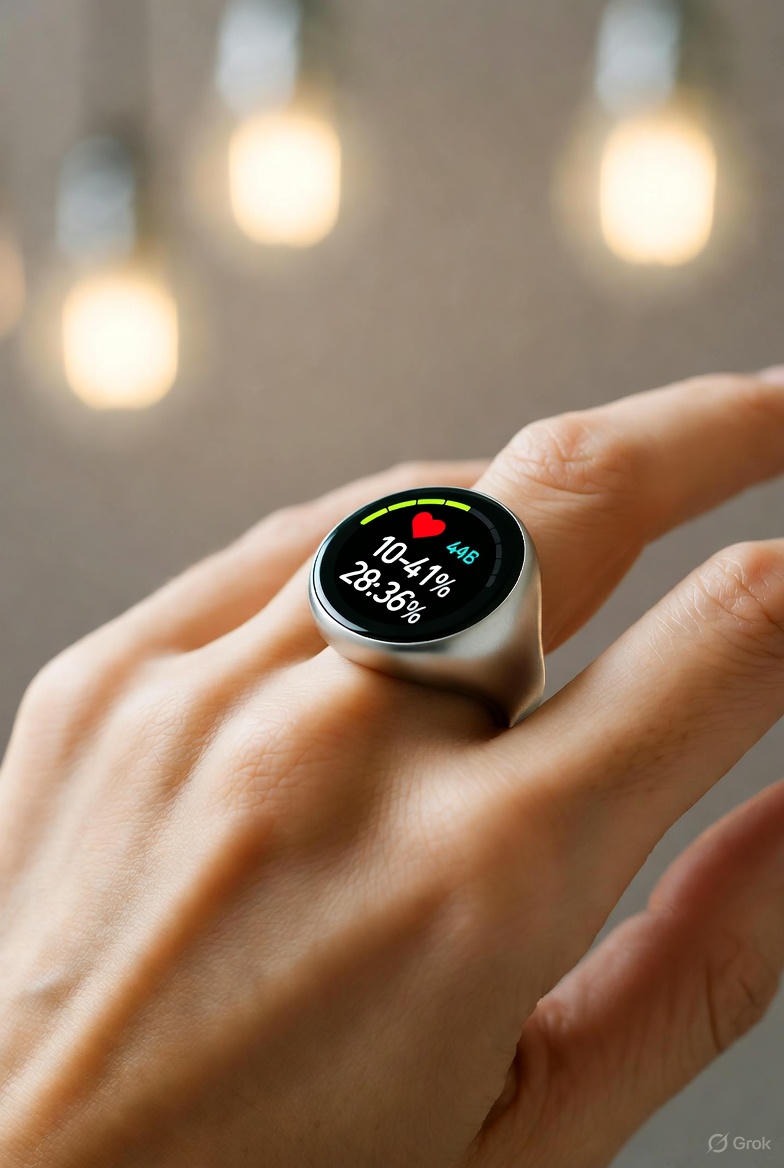
Technology now offers a mirror into this internal process. Devices like the Oxyzen smart ring provide a continuous, objective stream of data—heart rate variability (HRV), resting heart rate, respiratory rate, skin temperature, and sleep architecture. This transforms recovery from an abstract feeling ("I'm tired") into a quantifiable status ("My nighttime HRV has dropped 15% from my baseline, indicating high stress"). By introducing clients to tools that offer this clarity, you bridge the gap between subjective experience and objective reality. For a foundational understanding of these metrics, the article Smart Ring Metrics That Predict Recovery Quality is an essential read.
Your first teaching objective is to reframe recovery as:
Proactive, not reactive: It’s planned and prioritized, not just something done when injured or exhausted.
Multidimensional: It must address physical, neurological, metabolic, and psychological systems.
Individualized: What constitutes recovery for one person may be stress for another.
Measurable: We can use both subjective check-ins and objective data to gauge its effectiveness.
By establishing this new definition, you lay the groundwork for all the detailed lessons to follow.
The Core Pillars of Physiological Recovery: A Systems-Based Framework
With a redefined concept in place, we dive into the "how." Effective recovery is built upon four non-negotiable, interconnected pillars. Teaching these as a synergistic system, rather than isolated tips, helps clients create a robust recovery protocol.
Pillar 1: Neurological and Hormonal Rebalancing
Every stressor, physical or otherwise, triggers a cascade of hormonal responses—cortisol, adrenaline, growth hormone. Recovery is fundamentally about down-regulating the catabolic (breaking-down) stress response and up-regulating the anabolic (building-up) repair state. The key lever here is nervous system regulation.
Teach clients that the autonomic nervous system has two gears:
Sympathetic (Fight/Flight): High heart rate, focused alertness, mobilized energy—essential for performance.
The goal is fluid movement between states, not permanent residence in either. Use the analogy of a pendulum: we want to swing powerfully into sympathetic arousal when needed, but allow it to swing fully back into parasympathetic restoration. Practices like diaphragmatic breathing, meditation, and even mindful walks actively stimulate the vagus nerve, the main conduit of the parasympathetic system. Data from a wellness ring can show the direct impact—a noticeable increase in HRV during and after a breathing session.
Pillar 2: Metabolic and Nutritional Repletion
Exercise depletes glycogen stores, causes micro-tears in muscle tissue, and increases metabolic waste. Nutritional recovery addresses these directly. Move beyond "eat protein" to teaching the 3 R's of Recovery Nutrition:
Refuel (Carbohydrates): Replenish muscle glycogen. Timing and type matter, especially for multi-session athletes.
Repair (Protein): Provide amino acids as building blocks for muscle protein synthesis.
Rehydrate & Replenish (Fluids & Electrolytes): Restore fluid balance and minerals lost through sweat.
Furthermore, teach the role of nutrient timing not as a rigid rule, but as a strategy. The 30-60 minute "anabolic window" is more of a "garage door" that slowly closes—important for those training multiple times a day, but less critical for the 24-hour window of overall intake. Tools like the Oxyzen ring can provide indirect feedback; for instance, elevated nighttime skin temperature can sometimes indicate the body working hard on inflammation, hinting at dietary triggers or insufficient post-exercise nutrition.
Pillar 3: Structural and Muscular Repair
This is the pillar most familiar to clients: the actual repair of muscles, connective tissues, and joints. While nutrition provides the raw materials, certain practices facilitate the process.
Sleep: This is the undisputed champion of structural repair. During deep (NREM) sleep, growth hormone secretion peaks, driving tissue growth and repair. Teach sleep as a non-negotiable, active part of the training program, not an afterthought. The Oxyzen blog offers numerous deep dives on optimizing this critical pillar.
Hydration: Water is essential for nutrient transport, joint lubrication, and metabolic processes. Dehydration impairs all recovery functions.
Active Recovery & Mobility: Light movement (walking, cycling, swimming) increases blood flow, delivering nutrients and clearing waste without imposing significant new stress. Mobility work addresses flexibility and joint health.
Pillar 4: Psychological and Emotional Unloading
Mental fatigue is real and impairs physical performance, motivation, and adherence. Psychological recovery includes:
Detachment: Mentally disengaging from training and work stressors.
Mastery: Engaging in hobbies or activities that provide a sense of competence outside of fitness.
Social Connection: Positive social interactions are powerfully restorative.
Mindfulness: Reducing rumination and anxiety about performance.
A client who is mentally burned out will not recover fully, no matter how well they sleep or eat. Encourage practices that bring joy and relaxation. You can even correlate this with data: a client who takes a true "mental health day" may see a significant positive spike in their morning Recovery Quality Score, a metric explored in depth here: Recovery Quality Score: Your Smart Ring Provides Each Morning.
Teaching these four pillars as an integrated system allows clients to audit their own habits and identify which lever they most need to pull at any given time.
The Language of the Body: Teaching Clients to Interpret Their Own Signals
Before introducing technology, we must hone the most fundamental tool: interoceptive awareness—the ability to perceive the internal signals of the body. Many clients are profoundly disconnected, ignoring or misinterpreting cues until they become shouts of pain or illness.
Your task is to help them rebuild this dialogue. Create a curriculum around "body listening" that categorizes signals:
1. Morning Signals (The Daily Check-In): Teach a simple 60-second ritual upon waking:
Rate Sleep Quality: Not just duration, but depth and restoration.
Scan for Aches/Pains: Note specific stiffness or nagging twinges.
Assess Energy Level: Is there a sense of vitality or dread about the day?
Monitor Motivation: Are they excited to train, or feeling obligated and drained?
This subjective audit becomes their personal baseline. It’s powerful to later contrast these feelings with objective data, building trust in both their intuition and the technology.
2. In-Training Signals (The Performance Dashboard): How does the prescribed weight, pace, or rep scheme feel compared to expectation?
Rate of Perceived Exertion (RPE): Was that 8/10 effort supposed to feel like a 6/10? That’s a data point.
Technique Degradation: Is form breaking down due to fatigue?
Heart Rate Response: Is it climbing faster than normal for a given workload?
Mental Focus: Are they "in the zone" or easily distracted?
3. Lifestyle Stress Signals (The Context Clues): Recovery isn’t just about the gym. Teach clients to inventory life stress:
Work deadlines or conflicts.
Poor nutritional choices or erratic eating times.
Social overcommitment.
Lack of downtime.
The next evolution in this self-awareness journey is linking these subjective signals to objective biometrics. This is where a device like the Oxyzen ring becomes an invaluable educational partner. When a client reports feeling "run down," you can show them how their elevated resting heart rate and suppressed HRV confirm that state. Conversely, when they feel great, the data validates their positive habits. This feedback loop is transformative, turning vague feelings into concrete, actionable information. For a case study in how this works in practice, see How Your Wellness Ring Validates Your Recovery Strategies.
Introducing Biometric Data: Making Metrics Meaningful, Not Overwhelming
The world of HRV, RMSSD, sleep stages, and heart rate trends can be intimidating. Your role is to act as a translator, distilling complex data into simple, empowering insights. Focus on trends, not absolute numbers, and on a few key metrics rather than everything at once.
Start with the Morning "Big Three":
Recovery Score/Readiness Score: This is usually a composite algorithm (like the one Oxyzen provides) that synthesizes multiple metrics into a single, easy-to-understand number or color (e.g., Green/Ready, Yellow/Caution, Red/Recover). Frame this as their "daily performance forecast."
Heart Rate Variability (HRV): Explain it as a measure of "biological flexibility" or resilience. A higher HRV (relative to their personal baseline) suggests a body ready to handle stress. A lower HRV suggests residual fatigue or high stress. The trend over days is far more important than any single reading.
Resting Heart Rate (RHR): A elevated RHR (typically 5-7+ bpm above baseline) can be a clear sign of incomplete recovery, illness, or dehydration.
The Power of Sleep Data: Sleep is the cornerstone, and breaking down the stages demystifies its quality:
Deep Sleep (NREM): "The Physical Repair Shop." Highlight its role in tissue growth, immune function, and hormonal secretion.
REM Sleep: "The Mental Reboot." Explain its role in memory consolidation, learning, and emotional processing.
Light Sleep: The transitionary stage.
Awake Time: Some is normal, but frequent or prolonged wakefulness fragments recovery.
Show them how a late meal or alcohol might increase deep sleep early but decimate REM sleep later, leaving them feeling unrested. Or how consistent sleep timing stabilizes their metrics. The concept of the Recovery Window: How Your Wellness Ring Times It Perfectly is a fantastic topic to explore here, teaching them about their unique circadian timing for optimal repair.
Creating a Feedback Loop: Use the data to answer questions:
"You said you felt sluggish. Your HRV dropped for three days straight and your deep sleep was low. Let's prioritize an early night and a hydration check."
"You crushed that workout! Your recovery score has been green, and your HRV is trending up. This confirms you're adapting well."
"You're in a stressful work period. See how your RHR is creeping up? This is a sign to deploy more deliberate parasympathetic practices, even if you're not training hard."
This process turns the ring from a fancy gadget into a personal biofeedback coach. It externalizes the internal, making the invisible visible. For those ready to dive deeper into planning with this data, the guide How to Use Your Wellness Ring to Plan Your Training Week is the logical next step.
From Data to Action: Teaching Dynamic Decision-Making
Collecting data is pointless without action. This is the core of your coaching: teaching clients how to adjust their behavior based on the feedback their body is providing. This cultivates autonomy and long-term success.
Develop a simple, tiered decision-making framework. For example, use a traffic light system based on their morning recovery metrics:
Green Light (High Readiness):
Action: "Go." Execute the planned session with intensity. Encourage them to "respect the green"—don't overdo it just because they feel good, but trust that their body is prepared for the stress.
Teaching Point: This is where supercompensation and performance gains are realized. The prior recovery was effective.
Yellow Light (Moderate Readiness):
Action: "Proceed with Caution." This is where artistry in coaching comes in. Options include:
Modify: Reduce volume (sets/reps/distance) by 20-30%, maintain intensity.
Pivot: Shift the focus. If strength was planned, do a technique or mobility session.
Monitor: Start the session as planned but be prepared to dial it back if signals worsen.
Teaching Point: The body is under stress but managing. The goal is to provide a stimulus without tipping into overload. This is a critical skill for long-term consistency. The article How to Adjust Exercise Based on Your Smart Ring Recovery Score offers a perfect playbook for this scenario.
Red Light (Low Readiness):
Action: "Stop and Recover." The planned intense training is cancelled. The day's focus becomes active recovery, not forced work. Prescribe:
Teaching Point: This is not failure; it is sophisticated self-management. Training through a "red" day is a primary driver of overtraining, illness, and injury. It digs the recovery debt deeper. Explain that by taking a strategic rest day today, they may save themselves from needing an unplanned week off later. The strategy of a Deload Week Strategy: Smart Ring Recovery Protocol is a planned version of this principle.
Use case studies and stories. "Remember Client X who ignored three yellow days in a row? Their data crashed into red, and they caught a cold. Now, they see a yellow day as a prompt for an extra hour of sleep, and they consistently bounce back to green faster." This framework turns abstract data into a clear, empowering protocol. The long-term impact of this balance is profound, as detailed in How Exercise and Recovery Balance Affects Long-Term Fitness Gains.
Cultivating a Recovery-First Mindset: The Psychology of Sustainable Progress
The most advanced data and elegant frameworks will fail if the client’s psychology is rooted in "more is always better." A pervasive culture of chronic busyness and grinding has poisoned our relationship with rest, framing it as laziness or weakness. Your most profound work may be in shifting this mindset.
Address the Core Beliefs:
"I feel guilty if I don't train." Reframe rest as a productive, active part of training. Say, "You are not skipping a workout today; you are doing a recovery session. This is the work that makes yesterday's hard work pay off."
"Progress requires constant suffering." Teach the difference between productive discomfort and destructive pain. Progress requires stress + recovery. Without the plus sign, you only have breakdown.
"My worth is tied to my productivity/output." This is a deeper societal issue. Connect recovery to overall life performance: being a better partner, parent, thinker, and creative when properly restored.
Use Analogies That Stick:
The Bank Account: As mentioned earlier.
The Carpenter: "You can't build a house (your body) by only swinging the hammer (training). You must also measure, plan, and sharpen your tools (recover)."
The Seasonality of Farming: There are seasons of planting (training), growth (recovery), and harvest (peak performance). You cannot harvest every day.
Leverage Data for Psychological Permission: This is where technology becomes a powerful psychological tool. For the client who feels guilty about rest, showing them a tangible "red" score can give them the objective permission they need to relax. It externalizes the decision: "My data says recover, so I am following the plan." Conversely, for the anxious client who is always under-doing it, a string of "green" scores can give them the confidence to push appropriately.
Share stories of high performers, from CEOs to professional athletes, who prioritize recovery not despite their success, but as the foundation of it. Our testimonials page features real users who have made this mindset shift, using data to find balance and achieve more. Ultimately, you are teaching that the highest form of discipline is not the discipline to train hard, but the discipline to recover harder.
Building a Personalized Recovery Protocol: The Client as Co-Creator
Armed with knowledge, self-awareness, data literacy, and a new mindset, the client is now ready to co-create their personalized recovery protocol. This moves them from a passive recipient of your advice to an active architect of their own well-being. Guide them through this construction process.
Step 1: The Recovery Audit. Have them assess their current habits across the Four Pillars. Use a simple scoring system (1-5) for:
Sleep quantity & quality
Nutrition for repair
Hydration
Stress management practices
Active recovery/mobility
Psychological detachment & enjoyment
This visual gap analysis shows them exactly where to start. The biggest lever for change is usually the lowest score.
Step 2: Selecting "Recoverables." Based on the audit, have them choose 1-3 specific, actionable recovery strategies to implement. These should be S.M.A.R.T. (Specific, Measurable, Achievable, Relevant, Time-bound).
Not: "Sleep better."
But: "I will be in bed with lights out by 10:30 PM, Sunday-Thursday, and use the wind-down feature on my Oxyzen app to remind me at 9:45 PM."
Other examples:
"I will drink a large glass of water upon waking and before each meal."
"I will perform 10 minutes of guided breathing via an app on my two highest-stress workdays."
"I will schedule a 30-minute walk in nature every Saturday morning."
Step 3: Integrating with the Data Cycle. Link these "recoverables" to their biometric feedback loop.
"If my Recovery Score is Yellow or Red, my non-negotiable recoverable is my 10-minute breathing practice, even if I skip everything else."
"I will track my sleep data for two weeks after implementing my new bedtime, noting the impact on my Deep Sleep duration and morning HRV."
Step 4: Creating a "Red Day" Ritual. Pre-plan what a low-readiness day looks like. This removes decision fatigue when they are already depleted. Their ritual might include: a longer walk, an Epsom salt bath, a favorite nutritious meal, and an extra 30 minutes of reading before an early lights-out.
Step 5: Scheduling Recovery. The ultimate act of prioritization is to put it on the calendar. Have them schedule their recovery practices like they would a client meeting. Schedule their deload weeks in advance, using principles from resources like Smart Ring Approach to Training Load Management.
By the end of this co-creation process, the client owns a living document—their Personal Recovery Playbook. This playbook evolves as they do, informed by continuous data and self-experimentation. It’s the tangible output of your teaching, equipping them for a lifetime of resilient, balanced performance. For inspiration on how this personalization works at the highest level, How Pro Athletes Use Wellness Rings for Exercise Recovery Balance provides compelling insights.
Navigating Common Roadblocks and Client Objections
Even with the best-laid educational plans, you will encounter resistance. Anticipating and skillfully addressing these objections is part of the teaching process.
Objection 1: "This is too complicated. I just want to work out."
Response: Simplify. Start with just one thing. "Let's just focus on your sleep for two weeks. Wear the ring, and we'll look at one number: your sleep score. That's it." Use the Oxyzen platform's intuitive design, which often distills complexity into simple scores and insights. Gradual exposure builds comfort.
Objection 2: "The data is stressing me out more (Orthosomnia)."
Response: This is a crucial risk to manage. Reframe the tool immediately. "The data is not a test you pass or fail. It's a friendly report card, giving us clues. We are looking for trends, not perfect scores. If checking the app causes anxiety, let's set a rule: you only look at it together during our weekly check-ins, and I'll handle the monitoring." Center the conversation on how they feel, using the data as a curious secondary source.
Objection 3: "I can't afford more sleep/recovery time. I'm too busy."
Response: Speak in terms of return on investment (ROI). "What is the cost of being sick for a week? What is the value of having more energy and focus in your 16 waking hours? Investing 30 extra minutes in sleep might yield 60 minutes of higher productivity." Use the "bank account" analogy—constant withdrawals without deposits lead to bankruptcy (burnout).
Objection 4: "My data doesn't match how I feel."
Response: Celebrate this! It’s a teaching goldmine. Explore the discrepancy.
"I feel great but my score is low." This could mean they are in a state of "excited stress" (eustress) from a positive challenge, or that they are adept at pushing through fatigue mentally. It's a caution to not overreach.
"I feel terrible but my score is high." This could indicate mental/emotional fatigue not fully captured by physiological metrics, or the onset of illness before a physiological shift. It validates the need for the subjective check-in alongside the data.
Objection 5: "The ring/tech isn't 100% accurate."
Response: Acknowledge this truth. No consumer device is medical-grade. Then pivot: "We are not using it for diagnostic medical precision. We are using it for trend tracking. The absolute number is less important than the direction it moves over time. It's a compass, not a GPS pin. The trend it shows—up, down, or stable—is incredibly valuable and reliable for guiding our decisions."
By calmly addressing these concerns, you demonstrate expertise and build trust, turning objections into deeper learning opportunities. For clients with persistent questions, directing them to the Oxyzen FAQ can provide additional, brand-specific reassurance and technical details.
Integrating Recovery Education into Different Modalities and Goals
Your teaching approach must be tailored. The recovery needs and educational entry points for a marathon runner differ from those of a strength athlete, a CrossFit enthusiast, or a corporate client seeking stress management.
For the Endurance Athlete (Marathon, Triathlon): Focus on the delicate balance between high-volume training and systemic fatigue. Key teaching points:
The Glycogen and Mitochondria Connection: Explain how recovery days are when mitochondrial density and efficiency actually improve.
HRV as a Guide for Long Run Intensity: A low HRV may suggest capping a long run at an easy conversational pace, rather than pushing tempo segments.
Sleep's Role in Metabolic Repair: Deep sleep is crucial for repairing the metabolic systems hammered by long efforts. A dedicated resource like Exercise and Recovery Balance for Marathon Training is ideal for this audience.
For the Strength and Power Athlete: Emphasize neural recovery and structural repair.
Central Nervous System (CNS) Fatigue: Heavy lifting is immensely taxing on the CNS. Teach that low readiness often means the CNS is fried, not just the muscles.
The Role of Deloads: Planned reductions in volume and/or intensity are not optional; they are required for supercompensation of strength. Link this to a consistent drop in readiness scores over a training block.
Protein Timing and Sleep for MPS: Connect their post-workout nutrition and deep sleep directly to the process of muscle protein synthesis. The principles in Exercise and Recovery Balance for Strength Training Programs are directly applicable here.
For the HIIT/CrossFit Athlete: This group faces unique challenges from constantly varied, high-intensity functional movements.
Managing Cumulative Fatigue from Mixed Modalities: A workout blending heavy lifting and metcon cardio creates broad systemic fatigue. Recovery must be equally broad-spectrum.
Inflammation Management: The high-impact, high-intensity nature can drive inflammation. Use data trends (elevated resting heart rate, sleep disturbances) as indicators to ramp up anti-inflammatory nutrition and mobility.
Competition Season Balancing: Teach how to modulate training intensity in the lead-up to and during competitions to avoid peaking too early or crashing. Exercise and Recovery Balance for CrossFit and HIIT Training addresses these specific needs.
For the General Wellness/Stress-Management Client: The focus shifts from performance to resilience and life balance.
Recovery from Life Stress: Frame all data through the lens of life stress management. A poor recovery score is a signal to examine work, relationships, and mindset.
Sleep as the Foundation of Mental Health: Draw clear lines between sleep quality (particularly REM) and emotional regulation, anxiety, and cognitive function.
Using the Ring for Behavioral Nudges: The device becomes a tool for building healthier habits—reminding them to wind down, move, or hydrate. The interconnected nature of this approach is beautifully captured in Exercise and Recovery Balance: The Sleep Performance Recovery Triangle.
By adapting your core curriculum to these contexts, you make recovery relevant and actionable for every individual you serve. This establishes you as a versatile, expert guide in their holistic wellness journey. To explore the full spectrum of applications, our blog offers a continually updated repository of targeted content.
The first third of this guide established a transformative foundation: redefining recovery, mastering its core pillars, interpreting bodily signals, and harnessing biometric data to create personalized, actionable protocols. We equipped clients with the knowledge and tools to move from passive rest to active restoration. Now, we delve into the advanced application of these principles. This section focuses on the strategic implementation of recovery across time and circumstance—teaching clients how to periodize their rest, navigate real-world disruptions, build unshakeable resilience, and ultimately, how to measure the profound success of this entire educational journey. This is where theory meets the nuanced reality of a human life, and where your guidance becomes indispensable.
Periodizing Recovery: Teaching Strategic Planning for Long-Term Progress
Just as we periodize training with cycles of intensity and volume, we must teach clients to periodize their recovery. This proactive approach anticipates stress and plans restoration, preventing the desperate, reactive "red day" scenarios. It’s the master class in recovery education.
Introduce the Concept of Recovery Cycles: Map recovery onto the classic periodization model:
Microcycle (Weekly): This is the daily and weekly ebb and flow. Teach them to plan harder and easier days, aligning intense sessions with predicted high-readiness days (often 48-72 hours after a previous hard session, assuming good sleep and nutrition). The rest of the week is dedicated to recovery and the other pillars. This is the practical application of How to Balance High-Intensity Exercise with Adequate Recovery.
Mesocycle (3-6 Week Training Block): Here, we introduce the planned deload week. Explain that after several weeks of progressive overload, the body accumulates systemic fatigue. A deload—a planned reduction in training stress by 40-60% in volume (not necessarily intensity)—is not a step backward but a "consolidation phase." It allows for complete adaptation, reduces injury risk, and prepares the nervous system for the next block of increased demand. Use biometric trends to validate this: by the end of a hard mesocycle, they may see a downward trend in HRV. A successful deload should reverse that trend. Our dedicated Deload Week Strategy: Smart Ring Recovery Protocol provides a perfect framework to share.
Macrocycle (Annual/Seasonal Plan): This involves planning longer recovery phases, often aligned with life seasons. Examples include:
Post-Event/Competition Recovery: A structured "off-season" of 1-4 weeks with greatly reduced structured training, focusing on alternative movement, play, and psychological refreshment.
Life-Event Planning: Anticipating a busy work quarter, a family vacation, or a period of high travel, and proactively scaling back training expectations to match reduced recovery capacity.
Teaching the "Recovery First" Calendar Method: Flip the traditional planning script. Instead of filling a calendar with workouts and squeezing in recovery, have them start by blocking recovery first.
Block Non-Negotiables: Schedule sleep (8-9 hour windows), major meals, and any committed stress-management practices (e.g., therapy, meditation class).
Block Life Commitments: Add work, family, and social events.
Insert Training: Now, place training sessions into the remaining spaces, prioritizing high-intensity work for periods flanked by solid recovery blocks.
Using Data to Guide Periodization Decisions: Teach clients to use their biometric trends to inform these cycles:
Initiating a Deload: "My HRV has been below my rolling baseline for 5 out of the last 7 days, and my sleep scores are declining despite good habits. This is a clear signal to initiate my deload protocol this week, not next."
Extending a Deload: "My recovery score bounced back to green after 4 days of deload, but my HRV trend is still climbing. I'll extend my easy training for 2-3 more days to fully capitalize on this rebound."
Planning the Next Block: "My data shows I recover best with 72 hours between major strength sessions. Therefore, my next mesocycle will be built on a Monday-Thursday heavy lift schedule, not a back-to-back format."
By teaching periodized recovery, you empower clients to be the architects of their own long-term progress, using data as their blueprint. This strategic foresight is what separates perpetually plateaued athletes from those who enjoy sustainable, lifelong improvement.
Navigating Disruptions: Illness, Travel, and Life Stress
No recovery plan survives first contact with reality unscathed. Illness, travel across time zones, work crises, and family emergencies are inevitable. Teaching clients how to navigate these disruptions without derailing their progress—or, more importantly, their health—is a critical skill. Frame this not as a failure of the plan, but as an advanced module in applied recovery science.
The Protocol for Sickness: This is non-negotiable. Establish a clear rule: When sick, the only goal is recovery. Training is cancelled. Full stop.
Teaching Points: Exercise is a stressor. Adding a training stressor to an immune system already battling a pathogen (virus, bacteria) is counterproductive and can prolong illness or lead to more serious complications like myocarditis.
Using Data: Often, biometrics will crash before symptoms appear. A sudden, unexplained drop in HRV and spike in resting heart rate, coupled with a low recovery score, can be an early warning sign to "batten down the hatches"—prioritize sleep, hydration, and nutrition before feeling full-blown symptoms.
The Return-to-Train Protocol: Teach a graded return. Don't jump back in at 100%. A good rule is the "50% Rule" for the first session back: 50% of normal volume, 50% of normal intensity. Monitor how they feel and how their data responds over the next 48 hours. If the data remains stable or improves, they can gradually ramp up.
Mastering Travel Recovery (Jet Lag & Routine Disruption): Travel is a potent cocktail of circadian disruption, dehydration, poor sleep, and unusual physical stress (sitting, carrying bags). Provide a travel-specific recovery toolkit:
Pre-Travel: Adjust sleep/wake times 1-2 days in advance if crossing 3+ time zones. Prioritize hydration in the 24 hours before travel.
During Travel: The primary goal is hydration and circadian signaling.
Use sunlight exposure at the destination's target wake-up time to reset the internal clock.
Avoid alcohol and heavy meals on the plane.
Use hydration multipliers (electrolyte packets).
Post-Arrival: The first 1-3 days are for adaptation, not performance. Schedule light activity, like walking or gentle mobility, instead of intense training. Use a wellness ring to track the recalibration of sleep patterns and resting physiology. The concept of the Recovery Window becomes crucial here, as discussed in Recovery Window: How Your Wellness Ring Times It Perfectly. The ring can help identify when their body is primed for sleep in the new time zone.
Managing Life Stress Storms: When a major work deadline, family emergency, or emotional upheaval hits, training must adapt.
The "Maintenance" Mindset: Shift the goal from "progress" to "maintenance and stress resilience." This reduces psychological pressure.
Radical Simplification: Reduce training frequency and volume, but potentially maintain intensity (shorter, sharper sessions) if energy permits. A 20-minute focused workout is better than skipping entirely or forcing a draining 60-minute slog.
Doubling Down on Pillars 1 & 4: Emphasize nervous system regulation (breathing, meditation) and psychological recovery (social connection, nature, detachment) even more. These are low-time-investment, high-return activities during crises.
Data as an Objective Barometer: During emotionally fraught times, subjective feelings are unreliable. Data provides an objective check. A client might feel okay due to adrenaline, but their crashed HRV is a clear signal that their physiological capacity is depleted, guiding them to choose a restorative yoga session over heavy deadlifts.
By providing clear protocols for these common disruptions, you give clients a sense of control and competence. They learn that derailments are temporary, and with the right tools, they can navigate back to the path of recovery and progress without panic or guilt.
Building Resilience: Beyond Recovery to Robustness
The ultimate goal of teaching recovery is not just to rebound from stress, but to build a body and mind that are more resistant to stress in the first place. This is the transition from recovery to resilience or robustness. Teach clients that they can actively train their system to handle greater loads and bounce back faster.
The Concept of the "Recovery Athlete": Reframe their identity. They are not just a runner or a lifter; they are a "Recovery Athlete." Their performance in the gym is contingent on their performance in recovery. Their "workouts" include sleep optimization, nutritional timing, and stress-management practices.
Strategies for Building Physiological Resilience:
Consistent Sleep Hygiene: This is the most potent resilience-builder. A rock-solid circadian rhythm and high-quality sleep enhance everything from metabolic health to emotional regulation. It raises the baseline of their "recovery bank account."
Nutritional Periodization: Teach them to support their training cycle with nutrition. Higher carbohydrate intake on heavy training days to support glycogen and cortisol management, ample protein daily for repair, and a focus on micronutrient-dense foods (vegetables, fruits) to support the myriad enzymatic processes of recovery and immune function.
Heat and Cold Exposure: Saunas and cold plunges are hormetic stressors—small, controlled doses of stress that trigger adaptive resilience responses (improved circulation, upregulated heat-shock proteins, enhanced vagal tone). Teach safe, progressive protocols.
Low-Level Cardio & NEAT: Building a strong aerobic base through steady-state cardio and maintaining high Non-Exercise Activity Thermogenesis (NEAT) improves metabolic flexibility, mitochondrial health, and circulation, all of which aid in daily recovery processes.
Strategies for Building Psychological Resilience:
Mindfulness & Meditation: Regular practice thickens the prefrontal cortex (associated with executive control) and shrinks the amygdala (fear center). This literally changes the brain to be less reactive to stress.
Cognitive Reframing: Teach them to catch and challenge catastrophic or all-or-nothing thinking related to missed workouts or imperfect data. This prevents a single "red" day from spiraling into a week of negative self-talk.
Purposeful Unplugging: Scheduled digital detoxes and time in nature lower cortisol and provide a mental reset, building resistance to the chronic low-grade stress of modern life.
Using Data to Track Resilience Gains: This is where long-term trend analysis is thrilling. Point out markers of increasing robustness:
A Higher HRV Baseline: Over months of consistent recovery practices, their average HRV may trend upward, indicating greater autonomic resilience.
Faster Bounce-Back: After a known stressor (a hard race, a heavy lifting day), their metrics dip but return to baseline more quickly than they did months prior.
Greater Stability: Their daily metrics show less volatile swings in response to minor daily stressors, indicating a more robust system.
Teaching resilience shifts the narrative from damage control to capacity building. It’s the difference between constantly patching a leaky boat and building a sturdier vessel that can weather bigger storms. This holistic approach is encapsulated in resources like Exercise and Recovery Balance: The Hormone Optimization Approach, which connects these practices to fundamental hormonal health.
Measuring Success: Beyond the Scale and the Personal Record
How do you and your client know your recovery education is working? Traditional metrics like weight loss or a new personal best (PR) are lagging indicators and can be misleading. A PR achieved while running on fumes can be a prelude to a crash. Success in recovery must be measured by a broader, more insightful set of markers.
Create a "Recovery Success Dashboard": Track a combination of leading and lagging indicators across four domains:
1. Biometric Trends (The Objective Core):
Improved Sleep Architecture: Increased deep and REM sleep percentages, reduced awake time.
Positive HRV Trajectory: A stable or gradually rising baseline over months.
Lower Resting Heart Rate: A lower RHR (within a normal, healthy range) indicates greater cardiovascular efficiency and parasympathetic tone.
Consistent "Green" Readiness Scores: More days spent in a state of readiness, with fewer and less severe "red" crashes.
2. Performance Metrics (The Sustainable Output):
Training Consistency: The ability to complete >90% of planned sessions without injury or illness.
Perceived Effort vs. Output: The same weights or paces begin to feel subjectively easier (lower RPE) at the same objective output.
Improved Workout Quality: Better focus, technique, and execution during sessions.
Breakthroughs After Deloads: Setting PRs not in a state of fatigue, but following a period of strategic recovery, indicating true supercompensation.
3. Subjective Well-Being (The Quality of Life):
Energy Levels: Consistent, stable energy throughout the day, without dramatic afternoon crashes.
Mood and Motivation: Improved baseline mood, reduced irritability, and sustained intrinsic motivation for training and healthy habits.
Stress Resilience: Feeling less overwhelmed by daily hassles, recovering from emotional upsets more quickly.
Cognitive Function: Improved focus, memory, and mental clarity.
4. Health Markers (The Foundational Health):
Reduced Frequency/ Severity of Illness: Fewer colds, faster recovery when sick.
Improved Biomarkers: (Where available) Better blood work results (e.g., inflammatory markers like CRP, lipid profiles, fasting glucose).
Reduction in Chronic Niggles: Old aches and pains diminish or resolve due to better recovery and reduced systemic inflammation.
The Power of the Anecdote Combined with Data: Collect "win" stories and link them to the data.
"You mentioned you had the focus to handle that big work presentation calmly. Look at your sleep data from the prior week—consistently high REM sleep, which is crucial for emotional regulation and cognitive performance."
"You just hit a strength PR, and it felt 'easy.' Your readiness score was green for the three days prior, and your HRV was at a monthly high. This is the perfect example of peak performance emerging from a peak recovery state."
This multifaceted dashboard demonstrates that success is not a single number, but a harmonious state of being. It validates the entire educational journey. For a comprehensive look at how proper balance improves all facets of performance, How Proper Exercise Recovery Balance Improves All Performance Metrics is an excellent reference.
Fostering Autonomy: The Gradual Release of Responsibility
The end goal of any great teacher is to make themselves obsolete. Your aim is to equip the client with the knowledge, skills, and confidence to manage their own recovery for life. This requires a deliberate, phased approach—the "gradual release of responsibility."
Phase 1: Direct Instruction (Weeks 1-4)
Your Role: The Expert. You explain the concepts, interpret all the data, and prescribe specific actions. "Your HRV is low today, so we are swapping the interval run for a walk."
Client Role: The Learner. They follow instructions, ask questions, and begin building awareness.
Phase 2: Guided Practice (Weeks 5-12)
Your Role: The Coach. You start asking questions instead of giving answers. "Your readiness score is yellow. What are your options based on what we've discussed? Which one do you think fits best today and why?"
Client Role: The Practitioner. They start making small decisions with your guidance, learning to reason through the framework.
Phase 3: Collaborative Planning (Months 4-6)
Your Role: The Consultant. They come to you with a proposed training and recovery plan for the next mesocycle. You review, ask probing questions, and help them refine it. "You've scheduled two heavy lower-body sessions 48 hours apart. Given your historical recovery data, how might we adjust that?"
Client Role: The Co-Creator. They are actively designing their protocol with your oversight.
Phase 4: Autonomous Mastery (Ongoing)
Your Role: The Mentor/Sounding Board. They manage themselves day-to-day. Check-ins become less frequent and more strategic, focusing on long-term goals, navigating novel situations, or breaking through advanced plateaus.
Client Role: The Self-Sufficient Expert. They can self-diagnose recovery states, adjust their training dynamically, and periodize their year. They own their process.
Tools for Autonomy:
The Personal Recovery Playbook: The living document they co-created becomes their go-to guide.
The Wellness Ring & App: Their always-available biofeedback tool. Encourage them to explore the insights and educational content within the platform, such as the resources available at the Oxyzen Blog.
A Community of Practice: If possible, connect them with other clients (with permission) or online communities focused on data-driven wellness. Learning from peers reinforces autonomy.
This phased approach builds confidence and competence. It transforms them from a dependent client into an empowered individual who understands the language of their own body. This is the pinnacle of your service—giving them the gift of lifelong self-management. The journey toward this mastery is what we explore in Exercise and Recovery Balance Mastery: Optimizing Your Training Life.
Advanced Integrations: Connecting Recovery to Other Health Domains
To fully cement recovery as a lifestyle cornerstone, show its profound connections to other areas of health and performance. This demonstrates its universal importance and provides additional motivation for adherence.
Recovery and Metabolic Health: Explain how chronic under-recovery (poor sleep, high stress) directly contributes to insulin resistance, increased cortisol (which promotes abdominal fat storage), and dysregulated hunger hormones (ghrelin and leptin). Good recovery practices are a foundational strategy for maintaining a healthy weight and metabolic function.
Recovery and Cognitive Performance/Brain Health: Draw the clear line between sleep quality (specifically REM and deep sleep) and memory consolidation, creativity, problem-solving, and emotional regulation. Teach that a "recovery day" for the brain is essential for anyone in a knowledge-based career. The prevention of cognitive decline is also linked to sleep quality, as the brain's glymphatic system clears metabolic waste during deep sleep.
Recovery and Immune Function: This is a direct and powerful connection. Stress hormones like cortisol are immunosuppressive. During deep sleep, the body produces cytokines, proteins that target infection and inflammation. Consistently poor recovery equals a perpetually under-resourced immune system, leading to more frequent and severe illnesses. Frame good recovery as their best daily dose of "immune support."
Recovery and Longevity: Introduce the concept of allostatic load—the cumulative wear and tear on the body from chronic stress. High allostatic load accelerates aging at the cellular level, impacting telomere length and contributing to chronic disease. The practices you are teaching—sleep optimization, stress management, proper nutrition—are the primary levers for reducing allostatic load and promoting healthspan. This positions recovery not as a fitness tactic, but as a longevity strategy.
Recovery and Relationship Health: A client who is well-recovered is more likely to be patient, emotionally available, and present with their loved ones. A client who is chronically fatigued and stressed is more likely to be irritable and withdrawn. This reframe can be profoundly motivating for clients whose "why" extends beyond personal performance.
By weaving recovery into this broader tapestry of health, you elevate it from a training accessory to a non-negotiable pillar of a high-functioning, vibrant life. This holistic perspective is what the Oxyzen brand embodies, a vision you can learn more about on Our Story page.
The Practitioner's Toolbox: Resources, Scripts, and Communication Techniques
Your ability to teach this material effectively depends not just on your knowledge, but on your delivery. This section provides actionable tools for your practice.
Essential Educational Resources to Share:
The Oxyzen Ecosystem: The primary tool. Familiarize yourself deeply with the Oxyzen.ai platform, the Oxyzen Shop for client referrals, and the extensive blog for client-ready articles on nearly every subtopic.
Sleep Hygiene Handouts: Create a one-pager with actionable tips: blue-light blocking, caffeine curfews, ideal sleep temperature, bedtime routines.
Stress-Inoculation Practices: A menu of options for nervous system regulation: 4-7-8 breathing, box breathing, 5-minute meditation apps, vagus nerve stimulation techniques (humming, cold face splash).
Recovery Recipe Ideas: Simple, post-workout meal/snack ideas that balance protein and carbohydrates.
Effective Communication Scripts:
For Introducing the Concept: "Imagine your body is like a high-performance car. Training is like driving it hard on a track. Recovery isn't just parking it in the garage; it's the detailed mechanical service, the premium fuel, and the computer diagnostics that allow it to perform even better next time."
For a Client Ignoring Red Flags: "I hear you want to push through. Let's look at the data together. This low HRV and high resting heart rate are your body's check-engine light. If we ignore the light and keep pushing, we risk a major breakdown. Let's be smart and change the oil today so we don't blow the engine next week."
For Celebrating a Recovery Win: "Look at this! You prioritized sleep all week, and your deep sleep average increased by 15 minutes. And what happened? You crushed that workout with lower perceived effort. This is the system working perfectly. You invested in recovery, and it paid a dividend in performance."
Building a Recovery-Centric Coaching Environment:
Model the Behavior: Share (appropriately) your own recovery practices and how you use data. "I saw my own score was yellow this morning, so I moved my intense workout to tomorrow and took a walk instead."
Normalize Strategic Rest: In group settings, celebrate the client who takes a smart rest day as much as the one who hits a PR. Make "listening to your data" a cultural value.
Incorporate Recovery into Sessions: Start sessions with a 60-second breathing drill to down-regulate the nervous system. End sessions with guided cool-downs that emphasize the transition into recovery mode.
By equipping yourself with these tools, you transition from a trainer who prescribes exercises to a holistic guide who empowers clients to master the full spectrum of performance and well-being. For ongoing support and to answer common client questions, remember the FAQ is an excellent resource to direct them to.
*(The final portion of this comprehensive guide will address scaling this education for different audiences, building a recovery-focused practice, ethical considerations, and a look toward the future of recovery science. This will complete the 20,000+ word master curriculum for the modern wellness practitioner.)*
We have journeyed from foundational concepts to advanced applications, equipping you with the knowledge to transform a client’s relationship with rest, data, and their own physiology. You are now prepared to teach the what, the how, and the why of recovery. This final section elevates the discussion to the professional and strategic level. Here, we explore how to scale this education for diverse audiences, build a thriving practice centered on this paradigm, navigate the ethical landscape of biometric data, and finally, gaze toward the horizon of recovery science. This is where your expertise becomes not just a service, but a defining philosophy for your professional brand.
Scaling Your Message: Adapting Recovery Education for Different Audiences
A one-size-fits-all lecture won't resonate with a room full of CEOs, new mothers, collegiate athletes, and retirees. The core principles are universal, but the language, priorities, and applications must be tailored. Mastering this adaptation allows you to serve a wider range of clients and amplify your impact.
1. For Corporate & High-Performance Professionals:
Frame Recovery as a Performance Multiplier: Use the language of ROI, efficiency, and cognitive capital. Avoid "fitness" jargon; focus on stress resilience, decision fatigue, and sustained focus.
Key Teaching Points:
Sleep for Leadership: Connect deep sleep to emotional intelligence and REM sleep to creative problem-solving.
Strategic Energy Management: Teach them to schedule their most demanding cognitive work during their predicted biological peak (often linked to circadian rhythms and tracked via daily readiness scores).
Micro-Recovery: The 5-minute breathing reset between meetings, the walking phone call, the lunch break away from the desk. Frame these as non-negotiable "system reboots."
Travel Optimization: Provide them with the jet lag and "recovery on the road" toolkit from earlier, as they are likely frequent travelers.
Ideal Tool: The discreet, always-on wellness ring (like Oxyzen) is perfect for this audience. It provides data without being a distracting wrist device during meetings. Highlight how it offers Personalized Exercise Recovery Balance—or in their case, work-life recovery balance—as discovered through continuous data.
2. For Athletic Teams & Younger Athletes:
Frame Recovery as the Competitive Edge: This audience is highly motivated by performance outcomes. Position recovery as the "legal performance enhancer" and the secret weapon their opponents might be ignoring.
Key Teaching Points:
The Injury-Prevention Link: Clearly connect chronic under-recovery to soft-tissue injuries, stress fractures, and illness that sidelines players.
Sleep for Reaction Time: Use studies showing how sleep deprivation slows reaction time as much as alcohol intoxication.
Nutrition as Fueling & Repair: Move beyond "eating healthy" to specific protocols for post-practice glycogen replenishment and muscle protein synthesis.
Peer Accountability: Create team norms around sleep challenges, hydration tracking, or shared recovery practices. Use anonymized, aggregated team data trends (with consent) to show how recovery focus correlates with winning streaks or performance improvements.
Frame Recovery as the Foundation of Feeling Good: This audience may be motivated by stress reduction, better sleep, more energy, or managing a chronic condition. Performance is about life performance.
Key Teaching Points:
Simplifying the Data: Start with one simple metric: the Sleep Score or the daily Recovery Score. Avoid overwhelming them with HRV graphs initially.
The Stress-Inflammation Connection: Teach how poor recovery perpetuates a cycle of stress → inflammation → fatigue → more stress.
Habit Stacking: Link new recovery habits to existing routines (e.g., "after you brush your teeth at night, do 2 minutes of box breathing").
Celebrating Non-Scale Victories (NSVs): Energy, mood, better digestion, and fewer headaches are huge wins. Connect these improvements to their recovery data to build belief in the process.
Ideal Tool: User-friendly apps with simple insights and educational nudges. Direct them to accessible resources like the Oxyzen Blog for relatable stories and tips.
4. For Clinical Populations & Patients in Rehabilitation:
Collaborate with Medical Providers: This is crucial. Your role is often as an adjunct, providing education and behavioral coaching within the boundaries set by a physician or physical therapist.
Frame Recovery as the Healing Environment: Explain that the body repairs damaged tissues, recalibrates nervous systems, and reduces pain during specific recovery states, especially deep sleep.
Key Teaching Points:
Pacing & Symptom Management: Use heart rate and HRV data to help patients with conditions like chronic fatigue or Long COVID learn to pace their activity, stopping before they crash.
Objective Progress Tracking: When pain is subjective, showing a patient that their resting heart rate is decreasing and their HRV is improving over weeks can provide powerful psychological reinforcement that healing is occurring, even on painful days.
Sleep Hygiene as Therapy: For chronic pain or anxiety, improving sleep architecture can be one of the most potent interventions.
Ideal Tool: Biometric tracking with a focus on trend analysis and symptom correlation. The data provides objective evidence to complement subjective reports.
By learning to pivot your message, you become a versatile recovery educator capable of meeting any client where they are and guiding them toward their unique version of vitality. For a deep dive into how these principles apply to preventing the ultimate burnout, explore Smart Ring Data That Prevents Burnout and Plateau.
Building a Recovery-Centric Practice: From Service to Philosophy
Integrating recovery education isn't just an add-on; it can become the core differentiator of your practice. It shifts your brand from "fitness instruction" to "holistic performance and health optimization."
1. Develop Signature Offerings:
The "Recovery Audit & Blueprint": A standalone service where you analyze a client's current lifestyle, biometric data (from their own device or one you provide), and create a personalized recovery protocol. This is a high-value entry point.
Recovery-Centric Coaching Packages: Bundles that include not just workout programming, but sleep hygiene planning, nutritional guidance for repair, and stress-management coaching. Price this higher than training-only packages.
Group Workshops & Webinars: Topics like "Master Your Sleep," "Demystifying Your Biometrics," or "Build Your Resilience Toolkit." These establish your authority and generate leads.
Deload & Reset Retreats: In-person or virtual events focused solely on restoration—yoga, meditation, nutrition workshops, and education, with no intense training.
2. Curate Your Client Experience:
Onboarding: The first conversation should heavily emphasize recovery. Include a recovery-focused questionnaire alongside the fitness assessment.
Communication: Weave recovery questions into every check-in. "How was your sleep this week?" is as important as "How did the lifts feel?"
The Training Environment: Design your space (physical or virtual) to signal recovery. Calm colors, reminders to breathe, cool-down areas, and educational posters.
3. Leverage Technology as a Partner:
Platform Integration: If possible, use coaching platforms that can integrate wearable data, allowing you to view client trends at a glance.
Social Proof: With permission, share anonymized case studies and testimonials that highlight recovery transformations. Direct prospects to real stories on the Oxyzen Testimonials page to build third-party credibility.
4. Master the Business of Recovery:
Pricing for Value: Don't undervalue your expertise in this complex domain. Your knowledge in interpreting data and guiding behavior is a premium skill.
Partnerships: Partner with allied professionals: functional medicine doctors, physical therapists, nutritionists, and mental health counselors. You become the go-to referral for the "recovery and resilience" piece of the puzzle.
Product Curation: Consider offering curated recovery tools—blue-light blocking glasses, meditation app subscriptions, or even serving as an affiliate for trusted wearable brands. The Oxyzen Shop represents a premier destination for the core technology that enables this whole approach.
By centering your practice on recovery, you future-proof your business. You're not selling sessions; you're selling sustainable results, resilience, and a higher quality of life. This is the embodiment of the mission behind brands leading this space, a mission you can explore further About Us.
Ethical Considerations and Data Stewardship
With the power of continuous biometric data comes significant responsibility. Navigating this ethically is non-negotiable for building trust and practicing professionally.
1. Informed Consent is Paramount:
Transparency: Clearly explain what data is being collected (HRV, RHR, sleep, activity), how it will be used (for coaching decisions, trend analysis), and who will have access to it (just you, any platform providers).
The "Why": Explain the purpose: to provide better, more personalized guidance and to educate them about their body. It is a tool for empowerment, not surveillance.
Voluntary Participation: Emphasize that using a wearable is optional. Have alternative pathways for clients who are not comfortable with the technology, relying on subjective check-ins and education.
2. Data Privacy and Security:
Your Responsibility: Ensure any platform you use to view client data is compliant with relevant data protection regulations (like GDPR or HIPAA, if applicable). Understand their data storage and security policies.
Client Access and Ownership: Reinforce that the data belongs to them. They should have full access to their own raw data through the device's app.
Anonymization: When using case studies for marketing or education, strip all personally identifiable information. Use aggregated, anonymized trends.
3. Avoiding "Orthosomnia" and Data Anxiety:
Define Healthy Engagement: Set boundaries from the start. Teach clients to check their morning score as a guide, not to obsessively refresh the app throughout the day.
Focus on Trends, Not Dots: Continually bring the focus back to multi-day trends and the bigger picture. A single red day is a data point, not a verdict.
Prioritize the Subjective: Always pair data interpretation with a conversation. "The data says you're recovering well, but how do you feel?" If there's a disconnect, explore it curiously, and always defer to how the client feels when in doubt.
Know Your Limits: You are a coach/educator, not a diagnostician. Never interpret data to diagnose medical conditions. Use phrases like "This pattern could suggest heightened stress or that your body is fighting something off. It would be wise to monitor and prioritize rest, and consult a doctor if you feel unwell."
4. Fostering a Positive Relationship with Technology:
The Tool, Not the Master: Frame the wearable as a flashlight illuminating the body's internal state, not a scorekeeper or a boss. They are in charge; the data is an advisor.
Digital Detox Encouragement: Paradoxically, part of teaching recovery might be encouraging occasional breaks from the device itself to reconnect with innate body wisdom without quantification.
Ethical practice in this new frontier is what separates a trusted guide from a mere data analyst. It ensures that technology serves humanity in the pursuit of well-being, not the other way around. For common questions clients might have about the technology itself, the FAQ is an invaluable resource.
The Future of Recovery Science and Education
The field of recovery is dynamic and rapidly evolving. Positioning yourself at the forefront requires an understanding of where the science and technology are headed.
1. Predictive Analytics and AI-Driven Insights: The future is not just descriptive ("your recovery is poor today") but predictive ("based on your current load and recovery trends, you have a 70% chance of illness or performance drop in 3 days if you don't modify"). AI will get better at identifying personal, nuanced patterns—like which specific combination of poor sleep and work stress most reliably precedes a migraine for a particular client. Teaching will involve helping clients understand and act on these sophisticated, personalized forecasts.
2. Multimodal Data Integration: The wellness ring will not exist in a vacuum. The future lies in the secure integration of data from multiple sources: continuous glucose monitors (CGMs), blood pressure monitors, mood trackers, and even genetic or microbiome data. Your role as an educator will be to help clients see the interconnected story this data tells—how a high-glycemic meal disrupts their sleep architecture, which then impacts next-day HRV and training performance. You’ll be a synthesizer of complex information.
3. Personalized Nutraceutical and Lifestyle Prescriptions: As data gets more precise, interventions can become more personalized. We may move beyond general "eat anti-inflammatory foods" to "based on your current inflammatory markers (from blood or HRV) and genetic predispositions, increase your intake of specific polyphenols or omega-3s this week." Recovery protocols will be dynamically adjusted in real-time based on a constant flow of biomarker data.
4. Virtual and Augmented Reality for Recovery: VR is already being used for pain management and meditation. Imagine guiding a client through a 10-minute VR-based "forest bath" or a breathing session in a serene, immersive environment designed to maximally stimulate the parasympathetic nervous system, with the session's efficacy verified by a live HRV feed.
5. The Mainstreaming of Recovery Literacy: Just as basic nutrition knowledge has become mainstream, a fundamental understanding of sleep science, nervous system regulation, and biometrics will become part of general health literacy. Your role will evolve from introducing radical concepts to providing advanced, nuanced coaching on practices the public is already aware of.
To stay ahead, commit to being a lifelong learner. Follow the research, engage with the developer communities of the tools you use (like following updates from Oxyzen.ai), and continually experiment with and refine your own understanding. The journey you are guiding your clients on is one you must also be walking.
Conclusion: The Ripple Effect of Teaching Recovery
Teaching a client to understand and prioritize body recovery is an act that extends far beyond the gym or the clinic. It is a gift of self-knowledge and self-efficacy. You are not just helping them lift more weight or run a faster mile; you are equipping them with a framework to navigate stress, optimize their energy, and show up as their best selves in all aspects of life.
The client who learns this becomes more resilient, more patient, more present. They sleep better, manage stress more effectively, and make more informed choices about their health. This transformation ripples outward—into their families, their workplaces, and their communities. They become advocates for a more balanced, sustainable approach to achievement and well-being.
As a practitioner, you have the privilege of catalyzing this change. By mastering the curriculum laid out in this guide—from foundational physiology to ethical data stewardship—you position yourself as a leader in the new paradigm of holistic health. You move from being a transaction to being a transformational guide.
The tools, like the advanced technology from Oxyzen, provide the language. But you provide the interpretation, the context, the wisdom, and the human connection. You help write the story that the data whispers.
So begin. Start the conversation. Redefine recovery for your next client. Introduce them to the power of listening to their body, both through innate wisdom and through the clarifying lens of modern technology. Help them build their Personal Recovery Playbook. Watch as they transform not only their performance but their life.
And in doing so, you will transform your practice into a beacon for sustainable health, one recovered, resilient client at a time.
This concludes our comprehensive 20,000+ word guide on How to Teach Understanding Body Recovery to Clients or Patients. You now possess a master curriculum to inform, inspire, and educate.
For continued learning, explore the full suite of resources available at theOxyzen Blog, discover the technology that makes this education possible at theOxyzen Shop, or learn more about the vision driving this revolution in personal health atOur Story.



%402x.svg)