


How Your Smart Ring Makes Travel Wellness Tips Data-Driven and Effective
Making travel wellness data-driven and effective.
Making travel wellness data-driven and effective.
%402x.svg)
There is a peculiar irony embedded in the modern travel experience. We jet off to distant shores, seeking restoration, adventure, and a break from the mundane, yet we often return home feeling the exact opposite of what we intended. We come back depleted, puffy-eyed, and strangely heavy, complaining that we "need a vacation from our vacation." For decades, this has been accepted as an unavoidable side effect of travel—the price we pay for wanderlust. We blame jet lag, over-indulgence, or simply the exhaustion of navigating airports and unfamiliar cities. But what if the fatigue, the brain fog, and the post-trip crash aren't mandatory? What if they are simply the result of flying blind?
For the vast majority of history, human beings traveled slow. Our circadian rhythms evolved in lockstep with the sun, and our physical exertion was naturally paced by the terrain beneath our feet. Today, we hurl ourselves across time zones in pressurized metal tubes, sit for sixteen hours in economy class, hydrate with airport gin and tonics, and expect our bodies to simply... cope. We treat our physiology like an afterthought, relying on generic wellness tips found in inflight magazines or hastily Googled "how to beat jet lag" articles. Drink water. Stretch your legs. Try to sleep. These are well-intentioned, but they are guesses. They are blanket statements applied to every traveler, regardless of age, fitness level, or unique biological makeup.
This is where the paradigm shifts. The emergence of the smart ring—a discreet, powerful wellness computer worn on your finger—has transformed travel wellness from a game of chance into a science of precision. No longer must you wonder if you are dehydrated, overtired, or pushing your cardiovascular system too hard while lugging a backpack through the Roman Forum. Your body is talking to you constantly, whispering data about its state. The smart ring is the device that finally allows you to listen.
By tracking metrics like Heart Rate Variability (HRV), resting heart rate, skin temperature, sleep stages, and activity load, your smart ring provides a real-time dashboard of your physiological resilience. It turns subjective feelings—"I'm a little tired," "I'm feeling stressed," "I’m surprisingly energetic today"—into objective, actionable data. This is the difference between guessing you need a nap and knowing, based on your Recovery Score, that your nervous system is in a sympathetic (fight-or-flight) overdrive and requires immediate down-regulation.
In the context of travel, this capability is nothing short of revolutionary. Travel is, biologically speaking, a stressor. It is a controlled dose of chaos. The bright lights of airports disrupt melatonin production. Changes in altitude and cabin pressure affect blood oxygen saturation. Inflammatory foods at roadside diners spike your heart rate. Excitement and anxiety both suppress HRV. Without a device to track these changes, you are navigating a storm without a compass. You might implement the right wellness strategy—a power nap, a specific stretching routine, or a dose of adaptogens—but you have no way of validating its effectiveness.
This article is not just another list of travel wellness tips. It is a blueprint for becoming a bio-individualized traveler. We will explore how the cold, hard numbers from your smart ring validate ancient wellness practices and debunk ineffective modern hacks. We will look at how to prevent the dreaded travel fatigue before it accumulates, how to use thermal data to manage jet lag, and how to optimize your sleep architecture in a hotel room that isn't your home. We will delve into the science of recovery, showing you how to interpret the subtle signals your ring sends you so that you can make micro-adjustments to your itinerary in real-time.
Whether you are a frequent flyer logging a hundred thousand miles a year or a leisure traveler planning one big trip annually, understanding your ring's data is the key to unlocking a new level of travel performance. Imagine landing in Paris after an overnight flight and, instead of collapsing in a heap, having the energy to drop your bags and walk along the Seine until sunset because your data told you your nervous system recovered better than expected at 35,000 feet. Imagine returning from a two-week trekking expedition feeling stronger and more rested than when you left, because you used your Recovery Score to dictate your daily exertion levels.
The fusion of wearable technology and travel wellness is the most significant advancement in how we explore the world since the invention of the suitcase with wheels. It is time to stop hoping you feel good on your next trip and start knowing. In the following sections, we will break down exactly how your smart ring empowers you to take control of your physiology, turning every journey into a data-driven path toward sustained energy, resilience, and joy.

To understand why a smart ring is indispensable for the modern traveler, we must first strip away the romance of travel and look at it through the cold, unflinching lens of biology. When you leave your home environment, you are not merely changing your location; you are subjecting your body to a cascade of physiological stressors that have been engineered out of modern sedentary life, only to be abruptly reintroduced. Your body does not know it is on vacation. It only knows that the familiar patterns of safety—your bed, your mealtimes, your ambient room temperature, your circadian anchor—have vanished.
The Circadian Chaos
The most obvious disruptor is the circadian rhythm, our internal 24-hour clock governed by the suprachiasmatic nucleus in the brain. This master clock relies on external cues, known as zeitgebers (German for "time givers"), primarily light and darkness, to synchronize our sleep-wake cycles, hormone release, body temperature, and metabolism. When you cross time zones rapidly, you induce a state of desynchronosis—jet lag. Your body clock is still ticking on home time while your environment demands you function on destination time.
This misalignment has profound effects on your wellness metrics. Your smart ring tracks your skin temperature, which typically drops at night to facilitate sleep onset and rises in the morning to promote wakefulness. When you are jet-lagged, this temperature curve flattens or shifts inappropriately. Your resting heart rate, which should be lowest during deep sleep, may remain elevated as your sympathetic nervous system remains on alert. Your HRV, the measure of the variation in time between each heartbeat, plummets. A low HRV indicates that your body is in a state of stress, unable to shift easily between rest-and-digest (parasympathetic) and fight-or-flight (sympathetic) states. It is the single best indicator of how well your nervous system is coping with the chaos of travel.
The Cabin Environment as a Stressor
Long before you reach your destination, the journey itself assaults your system. Commercial aircraft cabins are pressurized to an altitude equivalent of 6,000 to 8,000 feet above sea level. This results in a lower partial pressure of oxygen in your blood (hypobaric hypoxia). While healthy individuals rarely experience critical oxygen desaturation, this mild hypoxia forces your heart to work slightly harder to maintain saturation levels. Your smart ring’s blood oxygen saturation (SpO2) sensor becomes a critical tool here, revealing just how much the altitude is impacting your respiratory efficiency.
Furthermore, cabin humidity hovers around 10-20 percent—drier than most deserts. This desiccates your mucous membranes, but more importantly, it contributes to insidious fluid loss. Dehydration thickens your blood, increasing cardiac strain and reducing your body's ability to regulate temperature. By the time you feel thirsty, you are already significantly dehydrated. A jump in resting heart rate detected by your ring during a flight is often the first objective sign that you need to hydrate, long before your dry mouth alerts you.
Sedentary Load and Venous Stasis
We are built to move. Our skeletal muscles, particularly in the calves, act as a venous pump, pushing blood back up to the heart against gravity. When you are wedged into a seat for hours, this pump is deactivated. Blood pools in the lower extremities, leading to swollen ankles and, in rare cases, deep vein thrombosis (DVT). This immobility also increases systemic inflammation. Your smart ring tracks this as increased cardiovascular strain during even minor activity post-flight. You might step off the plane and walk to baggage claim, only to see your heart rate spike to levels normally reserved for a brisk jog. This is your cardiovascular system complaining about the fluid shift and the inflammatory load from sitting still.
The Microbiome on the Move
Emerging research highlights the impact of travel on the gut microbiome. Changes in water sources, diet, and the sheer stress of travel can alter the delicate balance of bacteria in your digestive system. This is not just about avoiding "traveler's diarrhea." Gut health is inextricably linked to systemic inflammation, mood regulation (via the vagus nerve), and immune function. An unhealthy gut can manifest as brain fog, fatigue, and increased susceptibility to illness—all of which are reflected in your ring's data. A dip in HRV and a rise in resting heart rate days after arrival could very well be a sign of gut distress, not just residual jet lag. As we discuss in our piece on Natural Energy Boosters Through Gut Health: What Your Wellness Ring Reflects, the connection between digestion and your metrics is profound.
The Alcohol Trap
Perhaps the most common travel "wellness" mistake is the use of alcohol to sedate oneself on a plane or to celebrate arrival. While alcohol is a central nervous system depressant that may help you fall asleep, it is catastrophic for sleep architecture. It suppresses rapid eye movement (REM) sleep and increases the prevalence of alpha-delta sleep (a light, non-restorative sleep stage). It also acts as a diuretic, compounding the dehydration from the cabin air. Your smart ring will ruthlessly expose this the next morning, showing a drastically reduced HRV, an elevated resting heart rate, and fragmented sleep stages. It turns the subjective "I slept okay" into the objective "my recovery was poor."
Understanding these physiological assaults is the first step. The second, and most crucial, step is acknowledging that while the stressors are universal, the response is deeply individual. Your friend might be able to drink two glasses of wine on a red-eye and bounce off the plane ready for a meeting, while you might need three days to recover from a single beer. This is where generic wellness advice fails and data-driven personalization begins. Your smart ring captures your unique physiological fingerprint under duress, allowing you to see, for the first time, exactly how travel disrupts your body.
The most common mistake travelers make regarding wellness is starting their journey already in a deficit. We tend to view travel as a discrete event that begins at the airport and ends at the tarmac on the way home. But physiologically, your trip begins the moment you start preparing for it—the late nights packing, the stress of tying up loose ends at work, the skipped workouts, and the "let's clear out the fridge" meals of random leftovers. By the time you buckle your seatbelt, you may already be running on a physiological deficit. Without a baseline, you have no idea how deep that deficit is.
Establishing Your Personal Normals
Your smart ring is constantly collecting data, but its true power lies in establishing a baseline. This baseline is your personalized "normal." It accounts for your unique genetics, fitness level, age, and lifestyle. Before you even book a flight, you should have weeks, ideally months, of data showing your average resting heart rate (RHR), your typical Heart Rate Variability range, your average sleep duration and efficiency, and your body temperature trends.
Why is this critical? Because deviation is the signal. A resting heart rate of 65 beats per minute (bpm) might be a red flag for one person, while for another, it is a perfectly normal, healthy reading. When you know that your personal RHR averages 48 bpm, a reading of 58 bpm on your first morning in Tokyo is an alarm bell indicating significant stress, poor recovery, or the onset of illness. Without the baseline, 58 bpm looks like a perfectly healthy number. The ring transforms raw data into context-rich information by comparing it against you.
The Pre-Travel Taper
Elite athletes understand the concept of tapering—reducing training load before a major competition to allow the body to super-compensate and arrive at the starting line in a peak state. This concept applies directly to travel. You want to arrive at your destination with a high "readiness" or "recovery" score. This means the week before your trip should not be a frenzy of stress.
Use your ring to monitor your HRV trends in the days leading up to departure. If you see your HRV trending downward and your RHR creeping up, it’s a sign that your pre-travel stress is compromising your resilience. This data gives you permission to disengage. It tells you that finishing that one last work project is not worth arriving at your vacation with the nervous system of someone who just ran a marathon. You can actively implement counter-measures: prioritize sleep, avoid alcohol, and incorporate gentle movement. The Fatigue Prevention Tips Through HRV Monitoring: A Ring User's Guide offers deep insights into how to interpret these pre-trip fluctuations.
Packing List 2.0: The Sleep Debt Audit
One of the most insidious forms of travel fatigue is the accumulation of sleep debt. If you have been sleeping six hours a night when you need eight, you have accrued a debt of 14 hours over the course of a week. You cannot "bank" sleep, but you can arrive at your destination already exhausted. Your smart ring tracks your sleep duration and, more importantly, your sleep quality (deep sleep, REM, and awakenings).
Before you travel, audit your sleep data. Are you carrying a significant sleep debt? If so, your wellness strategy on the trip must be hyper-focused on recovery, not on maximizing every waking moment. You might need to plan for a "recovery day" upon arrival, where you deliberately do very little and allow your body to catch up. Ignoring this debt is like starting a road trip with your gas light on. The data empowers you to make the hard choice to rest now so you can enjoy later.
The Gut Check
Your digestive system is highly sensitive to stress. The pre-travel rush often leads to poor food choices—fast food, excessive caffeine, and erratic meal timing. Your ring doesn't directly track digestion, but it tracks the systemic consequences. A poor diet increases inflammation, which can elevate your resting heart rate and lower HRV. If you notice these markers declining in the days before your trip, it’s a cue to clean up your nutrition. You might look at our guide on Natural Energy Boosters Through Proper Nutrition: Ring Health Markers to see how specific dietary adjustments can stabilize your metrics before you even step on the plane.
The "Set Point" and Travel Resilience
Think of your pre-trip baseline as your physiological "set point." A higher baseline of fitness and recovery (characterized by high HRV and low RHR) provides a larger buffer against the insults of travel. A person with a robust system might experience a 10-point drop in HRV from a long flight, but because their starting point was 80, they are still at a functional 70. A person with a poor baseline starting at 40 might drop to 30—a level associated with significant fatigue, brain fog, and vulnerability to illness.
This is a crucial, empowering realization. The work you do on your health when you are not traveling directly dictates how well you will feel when you are. Your smart ring bridges the gap between your daily habits and your travel experience, showing you that wellness is not something you turn on and off; it is a continuous state that you carry with you, wherever you go. By establishing and maintaining a strong baseline, you ensure that you are not just surviving your travels, but thriving through them, with the data to prove it.
Jet lag is the arch-nemesis of the international traveler. It is not merely feeling tired; it is a state of profound biological misalignment where your organs, your hormones, and your brain are essentially operating in different time zones. For decades, the advice for combating jet lag has been frustratingly vague: "just stay awake until local bedtime" or "get some sun." While these are directionally correct, they lack precision. Your smart ring injects a dose of hard science into the equation, turning jet lag management from a battle of willpower into a strategic campaign guided by your own physiology.
The Core Temperature Connection
At the heart of your circadian rhythm is your core body temperature. Contrary to popular belief, your body doesn't just cool down because you are going to sleep; the cooling down is the trigger that allows you to sleep. A drop in core temperature signals the pineal gland to release melatonin. Conversely, a rise in core temperature in the hours before waking helps to rouse you. Your smart ring tracks this rhythm peripherally through skin temperature, offering a reliable proxy for what your core is doing.
When you experience jet lag, your temperature curve is out of sync with the local environment. You might be in London, but your body thinks it's still in New York, so your temperature is trying to drop for sleep when it's 2 p.m. locally. By viewing your ring's temperature data, you can see this misalignment visually. You can watch as your skin temperature begins its nocturnal rise in the middle of the afternoon, confirming why you feel a wave of inexplicable fatigue.
Strategic Light and Temperature Manipulation
Armed with this data, you can become an active agent in resetting your clock. The most powerful tool for shifting your circadian rhythm is light, but its timing matters immensely. If your ring data shows you need to advance your clock (fly east), you need morning light to signal "wake up" to a body that thinks it's still the middle of the night. If you need to delay your clock (fly west), you need evening light.
But the ring adds another layer: it shows you how your body is responding to that light. You can sit in the morning sun and, an hour later, check if your skin temperature has begun its ascent more rapidly. Are you successfully nudging your rhythm? Furthermore, you can use environmental temperature to your aid. Taking a warm bath or shower 60-90 minutes before your desired local bedtime causes a reactive drop in core temperature as your body cools down afterward, mimicking the natural pre-sleep cooling process and powerfully signaling sleep onset. You can validate this by watching your skin temperature trend downward on your ring's dashboard, confirming that you have successfully induced a sleep-friendly physiological state.
Melatonin: Timing is Everything
Melatonin supplementation is a common jet lag remedy, but it is widely misused. Many travelers take it at local bedtime, regardless of their internal state, often with poor results. Your smart ring can help you time it perfectly. Melatonin is most effective when taken to coincide with the body's natural onset of dim-light melatonin secretion (DLMO), which occurs roughly two hours before your biological bedtime. If you are trying to fall asleep at 10 p.m. local time, but your body temperature data suggests your biological night doesn't start until 2 a.m., taking melatonin at 8 p.m. is futile.
By tracking your temperature curve, you can estimate your DLMO. When you see your skin temperature beginning its evening descent, that is your window. Taking a low dose of melatonin 30-60 minutes before this natural drop can help anchor your new sleep schedule. The ring then provides feedback the next morning: Did your HRV improve? Was your sleep less fragmented? This creates a closed-loop system where you can test, measure, and refine your intervention. For more on how internal timing affects energy, explore our article on Fatigue Prevention Tips Through Circadian Rhythm Smart Ring Alignment.
The First 48 Hours: A Data-Driven Approach
The conventional wisdom is to "power through" the first day. But what if your data says otherwise? If you land in the morning and your ring shows you had zero deep sleep on the flight and your HRV is in the gutter, forcing yourself to stay awake might actually be counterproductive. It could lead to such extreme sleep pressure that you crash at 4 p.m., sleep for four hours, and then be wide awake at midnight, wreaking havoc on your adjustment.
A data-driven approach might involve a strategic power nap. Using your ring, you can set an alarm and nap for no more than 20-30 minutes, or one full sleep cycle (90 minutes), to avoid waking from deep sleep, which causes sleep inertia. You can then check your heart rate data post-nap to see if the nap effectively lowered your cardiovascular strain. This is the essence of The Beginner-Friendly Guide to Power Naps as Natural Energy Booster, but applied specifically to the chaotic context of jet lag recovery. The goal is not to avoid sleep, but to manage it surgically to facilitate the fastest possible circadian realignment, as evidenced by your returning temperature and HRV metrics.
We treat air travel as a mundane inconvenience, but physiologically, it is an extreme environment. The combination of reduced atmospheric pressure and arid air creates a hidden load on your system that your smart ring is uniquely qualified to quantify. Understanding this load is the key to mitigating the "plane hangover" that can ruin the first day of a trip.
Decoding SpO2 at Altitude
The pulse oximeter in your smart ring measures peripheral capillary oxygen saturation (SpO2). At sea level, healthy individuals typically register between 95% and 100%. In a pressurized cabin at 8,000 feet, it is not uncommon for SpO2 to dip into the high 80s or low 90s, especially during sleep when respiratory drive is naturally lower.
These dips are significant. When your blood oxygen drops, your heart must pump faster to deliver the same amount of oxygen to your tissues. This increases cardiac workload. If you are already dehydrated, your blood is thicker (more viscous), exacerbating the strain. Your ring will capture this as an elevated heart rate during periods of rest or light activity.
By monitoring your SpO2 throughout the flight, you can take corrective action. If you see your levels trending downward, it is a signal to engage in some deep breathing exercises to fully inflate the alveoli in your lungs and improve gas exchange. It also signals an urgent need for hydration, as proper plasma volume is essential for efficient oxygen transport. Ignoring this data means your heart is working overtime for hours, depleting your energy reserves before you even land.
The Hydration Equation
Thirst is a lagging indicator of dehydration. By the time your brain signals thirst, you may already be 1-2% down on body water, which can impair cognitive function and physical performance. Your smart ring offers leading indicators. A creeping resting heart rate, even while you are sitting still reading a book at 35,000 feet, is a classic sign of decreasing plasma volume. Your heart is essentially squeezing a smaller tank.
The solution is not just to drink water, but to drink electrolyte-rich fluids. Plain water in large quantities can dilute the electrolytes you have left, potentially leading to hyponatremia in extreme cases. Using your ring data, you can adopt a protocol: aim to keep your heart rate from rising more than a few beats per minute above your ground-level baseline. If you see it climbing, it’s time for water and electrolytes. This turns hydration from a vague recommendation ("drink plenty of fluids") into a targeted intervention with a measurable outcome. You are no longer guessing; you are stabilizing a metric.
Movement as a Countermeasure to Hypoxia and Stasis
We all know we should move on a plane, but we rarely appreciate the multi-faceted benefits. Movement does more than just prevent blood clots. Gentle movement and isometric exercises (like calf raises and glute squeezes) increase venous return, sending deoxygenated blood back to the heart and lungs to be re-oxygenated. This cycle can actually help improve your SpO2 levels.
When you get up to walk to the lavatory, your smart ring logs this as activity. You can see, in near real-time, how this brief movement affects your heart rate and, indirectly, your oxygen saturation. It provides positive reinforcement for a behavior that is easy to neglect. The data proves that the awkward shuffle to the back of the plane had a tangible physiological benefit. For a deeper dive into combating sedentary fatigue, the strategies in The Beginner-Friendly Guide to Stretching as Natural Energy Booster are directly applicable to the airplane seat.
The Post-Flight Inflammatory Response
The combination of hypoxia, dehydration, and immobility often triggers a mild systemic inflammatory response. This can manifest as joint stiffness, brain fog, and general malaise. Your ring captures this as a sustained elevation in resting heart rate and a suppression of HRV that can last for 24 to 48 hours after landing, even if you feel like you slept okay.
Recognizing this inflammatory load is crucial. It tells you that your first day at your destination is not the day for a punishing hike or a marathon museum tour. It is a day for gentle movement, anti-inflammatory foods (think omega-3 rich fish, berries, and leafy greens), and continued hydration. The data gives you permission to be gentle with yourself, preventing you from adding physical exertion on top of an already taxed system. This insight aligns perfectly with the principles of Natural Energy Boosters for High Performers: Ring-Supported Strategies, where the emphasis is on strategic recovery rather than relentless output.
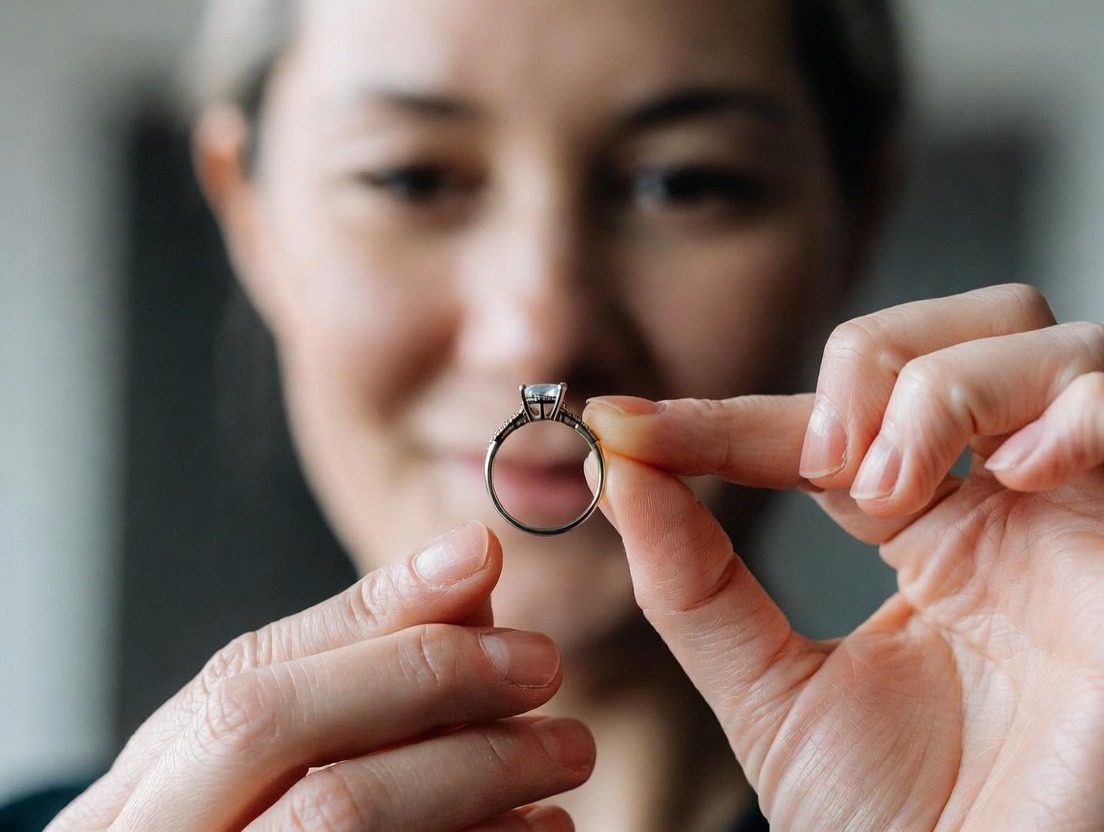
One of the great joys of travel is food. Exploring a culture through its cuisine is a sensory adventure that can define a trip. However, it also presents a significant challenge to your internal equilibrium. New foods mean new combinations of fats, sugars, sodium, and potential allergens or irritants. Your digestive system, accustomed to your home diet, must suddenly process the unknown. Your smart ring acts as a window into this internal process, revealing how your choices truly affect you, beyond the subjective experience of taste and fullness.
The Sodium Spike
Restaurant food, regardless of the cuisine, is notoriously high in sodium. It is used for flavor and preservation. For the traveler, this sodium load can be a shock to the system. High sodium intake causes your body to retain water to maintain osmotic balance. This increases blood volume, which in turn increases cardiac workload.
You will see this on your ring as an elevated resting heart rate, particularly noticeable the morning after a salty dinner. You might wake up feeling puffy, with a higher RHR than usual, confirming that your cardiovascular system spent the night processing an electrolyte imbalance. This data is invaluable. It doesn't mean you shouldn't enjoy the local cuisine; it means you need to balance it. If you see a sodium spike in your metrics, you know you need to prioritize hydration and potassium-rich foods (like bananas or local fruits) the next day to help your body restore balance. You are using data to manage the consequences of indulgence, turning a guilty pleasure into a managed variable.
The Inflammatory Fingerprint of Oils and Additives
Different cuisines use different cooking fats and oils. Some oils, particularly those high in omega-6 fatty acids or reused for deep frying, can be pro-inflammatory. Others, like olive oil, are anti-inflammatory. Your body’s unique response to these fats is reflected in your HRV.
If you have a meal that doesn't agree with you—perhaps due to low-grade food sensitivity or simply the heavy nature of the fats used—your sympathetic nervous system may be activated. This can show up as a noticeable dip in HRV several hours later, often during sleep. You might wake up and wonder why your recovery score is so poor despite getting adequate sleep hours. The answer likely lies in the dinner you had. By correlating your meals with your morning HRV data, you can become a detective, identifying which types of cuisines or specific dishes your body handles well and which ones create hidden stress. This is a practical application of The Beginner-Friendly Guide to Omega-3s as Natural Energy Booster, where you learn to seek out anti-inflammatory fats to counteract the inflammatory load of travel.
Blood Sugar Rollercoasters
While your smart ring may not measure blood glucose directly (unless you have a separate continuous glucose monitor), it measures the physiological response to glucose spikes and crashes. When you consume a meal high in refined carbohydrates and sugar—a common feature of travel breakfast buffets and indulgent desserts—your blood sugar rises rapidly. The body releases insulin to clear the glucose, which can lead to a reactive hypoglycemic dip a few hours later.
This crash triggers the release of stress hormones like cortisol and adrenaline. Your smart ring captures this as a rise in heart rate and a drop in HRV, even if you are just sitting on a beach. You might feel the "afternoon slump" intensely after a carb-heavy lunch. The data reveals that this isn't just tiredness; it's a physiological stress event. This insight allows you to make different choices. Perhaps you opt for a protein-rich breakfast to stabilize your energy, validating the choice by observing a steadier heart rate throughout the morning. The ring turns dietary intuition into measurable proof.
The Timing of Meals
Travel often disrupts meal timing. We eat late dinners in Spain or early breakfasts to catch a tour. Your body's digestive system has its own circadian rhythm; it produces enzymes and prepares for digestion at predictable times. Eating a heavy meal close to bedtime, a common practice on vacation, forces your body to work on digestion when it should be focused on repair and regeneration.
This physiological conflict is starkly visible in your sleep data. A late, heavy meal will typically result in more time awake during the night, less deep sleep, and a higher average heart rate during sleep. Your ring’s sleep stages and heart rate graph will show this disruption. The data can motivate you to shift your eating window earlier, or to make that late dinner a lighter affair. It provides the "why" behind the recommendation to not eat before bed, turning it from a generic health tip into a personalized strategy for better recovery and more energy for the next day's adventures.
There is a specific type of exhaustion unique to tourism: the "museum legs" or the "city marathon." We often approach sightseeing with an all-or-nothing mentality, cramming as many landmarks as possible into a single day. We walk miles on hard pavement, stand in long queues, and carry heavy bags, treating our vacation like an athletic event without any of the proper training or recovery protocols. Your smart ring reframes sightseeing for what it truly is: a form of endurance exercise that requires careful load management.
Quantifying the Sightseeing Load
Your smart ring tracks steps, active calories, and, most importantly, activity load or training load. This metric combines the duration and intensity of your exertion to give you a single number representing the physiological stress you have placed on your body.
A day of sightseeing in a city like Rome or New York can easily generate an activity load equivalent to a moderate-to-high intensity workout. You might walk 15,000 to 25,000 steps, often with intermittent carrying of weight (a daypack) and prolonged periods of standing. Your ring captures this cumulative load. The danger lies in stacking multiple high-load days back-to-back without adequate recovery, which leads to a state of functional overreaching and eventually, non-functional overreaching (burnout).
By viewing your daily load in the context of your baseline and your recovery score, you can make informed decisions. If your ring shows you had an exceptionally high-load day and your HRV is tanking that night, it is a clear signal that the next day should be lighter. Perhaps it's a day for a leisurely cafe visit, a boat tour where you sit, or a half-day of sightseeing followed by a deliberate rest at the hotel pool. This is not being lazy; this is being strategic.
The Recovery Score as Your Travel Compass
The Recovery Score (often derived from HRV, RHR, and sleep data) is your most powerful tool for pacing your trip. It tells you if your nervous system has bounced back from yesterday's exertion and is ready for more. Think of it as your personal "go" or "no-go" indicator.
If you wake up with a green (high) recovery score, your body is signaling that it is prepared for a full day of exploration. If you wake up with a yellow (moderate) score, you should be mindful. Plan your day, but build in flexibility. Perhaps you start later, take more sitting breaks, or opt for a shorter walking route. If you wake up with a red (low) score, it is a red flag. Your body is telling you that it is still under significant stress and has not recovered. Pushing hard on a red day is a recipe for injury, illness, or a complete energy crash. This is when you need to pivot your plans entirely toward recovery. Prioritize a nap, gentle stretching, and nutritious food. The city will still be there tomorrow. For more on interpreting these signals, see How Your Wellness Ring Shows When You're Heading Toward Fatigue.
Zone 2 Sightseeing: The Optimal Pace
For the health-conscious traveler, there is an optimal intensity for sightseeing that provides cardiovascular benefit without excessive strain. This is often referred to as Zone 2 cardio—a steady, conversational pace where your body efficiently burns fat for fuel. For most people, this corresponds to a heart rate of roughly 60-70% of maximum.
Walking at a tourist pace, stopping frequently to look at things, often falls naturally into this Zone 2 range. Your smart ring can show you how much time you spent in this beneficial zone versus higher, more stressful zones (perhaps when rushing to catch a train or climbing a steep hill). The goal is to maximize time in the efficient Zone 2, accumulating "aerobic base" without digging a deep recovery hole. This transforms a day of walking from a draining chore into a form of active recovery and metabolic training, as long as it is balanced with proper rest and nutrition, concepts explored in How Your Wellness Ring Helps You Balance Activity and Prevent Fatigue.
The Cumulative Fatigue Trap
The danger of a multi-day trip is cumulative fatigue. Day one: 20,000 steps, you feel great. Day two: another 22,000 steps, you feel a little tired but push through. Day three: your HRV is down, you feel heavy, but you have tickets for a major attraction. By Day four, you crash.
Your smart ring tracks this cumulative load and fatigue. It shows you the trend. You can see your HRV sliding downward and your RHR trending upward over several days, even if each individual day feels manageable. This "drifting baseline" is the early warning system for impending burnout. When you see this trend, you must intervene. Schedule a "restorative day" with minimal structured activity. Use techniques like Natural Energy Boosters Through Proper Recovery Ring-Monitored Rest to actively pull yourself out of the deficit. The ring allows you to see the forest (your trip's overall impact) and not just the trees (each individual day), empowering you to make high-level strategic adjustments to your itinerary to ensure you finish your trip as strong as you started it.
There is a well-documented phenomenon called the "first-night effect," where the brain essentially keeps one hemisphere more alert when sleeping in a new environment, acting as a primitive night watch. In a lab, this ruins sleep data. In a hotel, it can derail your entire trip. Your smart ring provides an unprecedented look into how your sleep architecture—the composition of light, deep, and REM sleep—is affected by unfamiliar surroundings, and offers a roadmap to optimizing it.
The First-Night Effect and Beyond
When you sleep in a new place, your brain is on a low level of alert. This results in longer sleep latency (time to fall asleep), more frequent awakenings, and a reduction in the deepest stages of slow-wave sleep (SWS) and REM sleep. SWS is critical for physical repair, growth hormone release, and clearing metabolic waste from the brain. REM sleep is essential for emotional regulation and memory consolidation—both crucial for a vacation filled with new experiences.
Your smart ring will show you this disruption. You might see that you were in bed for eight hours, but your deep sleep was only 30 minutes (instead of your usual 60-90) and your REM was fragmented. This explains why you can "sleep in" on vacation but still wake up feeling groggy and unrefreshed. The data validates that your sleep quality, not just quantity, has suffered. This is particularly relevant when The Beginner-Friendly Guide to Sleep-Based Fatigue Prevention: Ring-Optimized becomes your manual for troubleshooting.
Environmental Hacking with Data
Armed with the knowledge that your sleep is compromised, you can become an active environmental hacker. The hotel room is your laboratory. The ring provides the feedback.
The Pillow and Mattress Factor
Spinal alignment during sleep is crucial for muscular relaxation. A poor pillow or a mattress that is too soft or too firm can lead to tension and minor physical stress, preventing you from sinking into deep sleep. This shows up not just in sleep stages, but in your morning HRV. If you wake up with a stiff neck and lower-than-expected HRV, the physical environment is likely to blame.
While you can't bring your own mattress, you can be assertive. Ask the hotel for a different pillow type (firmer, softer, feather, foam). Some hotels even offer pillow menus. Use the subsequent night's sleep data to see if the change made a difference. You are using your body's objective feedback to customize your sleeping environment in a way that was impossible before.
The Pre-Sleep Routine on the Road
Your home pre-sleep routine—washing your face, reading, dimming lights—is a powerful conditioned cue for sleep onset. Travel disrupts this. Your smart ring can help you build a portable, data-validated routine.
Experiment with different pre-sleep activities. Try 10 minutes of gentle stretching and observe if it lowers your heart rate before bed. Use a meditation app and see if it improves your sleep latency. Consider the impact of The Complete Beginner-Friendly Guide to Aromatherapy as Natural Energizer but applied in reverse—using lavender, for instance, to promote calm before sleep. By tracking which routines correlate with better sleep metrics (higher HRV during the night, more deep sleep), you can curate a travel sleep kit that is proven to work for you, turning any hotel room into a sleep sanctuary.
Beyond the physical exertion and logistical hurdles, travel exacts a significant toll on our emotional and mental state. Navigating unfamiliar languages, managing transportation mishaps, and the constant low-grade stimulation of new environments all activate the sympathetic nervous system. This is where the vagus nerve—the primary nerve of the parasympathetic nervous system—comes into play. Your smart ring's HRV reading is the most accessible proxy for vagal tone, the strength of this "rest and digest" system. Monitoring it during travel offers profound insights into your psychological state and provides a pathway to active relaxation.
HRV as the Mind-Body Bridge
Heart Rate Variability is not just a measure of physical fitness; it is exquisitely sensitive to our emotional state. Stress, anxiety, frustration, and even excitement all lower HRV by shifting the autonomic nervous system toward sympathetic dominance. Conversely, calm, gratitude, and a sense of safety raise HRV.
When you travel, you are bombarded with low-level stressors. You might be navigating a complex metro system, worried about missing a connection, or feeling overwhelmed by crowds. Each of these moments subtly suppresses your HRV. By the end of the day, your overall HRV may be significantly lower, even if you haven't done any strenuous physical activity. The ring reveals that travel fatigue is often as much mental as it is physical. This is a crucial reframe. It means that strategies to calm the mind are not just "nice to have"; they are essential recovery tools that will show up in your data.
Real-Time Stress Detection
Many smart ring apps offer a "stress" or "state of mind" feature, often based on continuous HRV monitoring. During travel, you can use this feature to become aware of your physiological stress response in real-time. Perhaps you are standing in a long, chaotic line at a popular attraction. A quick glance at your app might show your stress level rising and your HRV dipping. This biofeedback is incredibly powerful. It takes an abstract feeling of annoyance and quantifies it, giving you the motivation to intervene.
You might step out of line for a moment, find a quiet corner, and engage in a simple breathing exercise. Techniques like box breathing (inhale for 4, hold for 4, exhale for 4, hold for 4) are designed to stimulate the vagus nerve. As you breathe, you can watch your heart rate begin to slow and, if your app provides it, see your HRV start to climb back toward baseline. You have just used technology to guide a physiological reset. This is the essence of using your ring for Fatigue Prevention Tips During High-Stress Periods: Ring-Tracked Recovery.
Managing Social and Decision Fatigue
Travel is a marathon of social interaction and decision-making. From ordering food in a foreign language to negotiating with taxi drivers, every interaction requires cognitive and emotional energy. This is often called "decision fatigue." The cumulative load of these micro-decisions depletes mental resources and manifests as a lowered HRV.
If you notice your HRV trending downward on a day filled with social plans and complex decisions, it's a signal to build in solitude. Schedule a solo walk, eat a meal alone while reading a book, or spend an hour in a park with no agenda. This is not anti-social behavior; it is strategic recovery for your nervous system. The data gives you permission to step back and recharge, ensuring you have the emotional bandwidth to enjoy the social interactions that matter most.
Cultivating Positive States
The vagus nerve is not just about calming down; it is also about connection. Positive social engagement, laughter, and feelings of awe and gratitude are all associated with increased vagal tone. Your smart ring can help you identify the experiences that truly nourish you.
Notice your HRV trends after different activities. Does visiting a bustling market stress you out or energize you? Does a quiet hike lead to a higher HRV that evening? Does sharing a genuine laugh with a new friend correlate with better recovery? By paying attention, you can curate your travel experiences to include more of the things that boost your vagal tone and fewer of the things that drain it. This turns a vacation into a truly restorative experience, guided by the wisdom of your own nervous system. For more on cultivating positive mental states, explore The Beginner-Friendly Guide to Gratitude Practice for Energy, which directly ties emotional well-being to measurable physiological outcomes.

In the relentless pursuit of "seeing it all," we often forget that recovery can be strategic and brief. We think of rest as something that happens only at night, in bed. But on a high-performance travel day, micro-recoveries—short, intentional periods of rest—are essential for maintaining energy and cognitive function. Your smart ring can guide you in deploying these micro-recoveries with precision, turning a scattered day into a sustainably paced one.
The Power Nap, Optimized
We touched on napping for jet lag, but napping is equally valuable during a packed itinerary. A well-timed nap can restore alertness, improve mood, and enhance performance for the remainder of the day. The key is timing and duration, and your ring provides the feedback loop to perfect your nap strategy.
The ideal nap duration is either a short "power nap" (10-20 minutes) to boost alertness without entering deep sleep, or a full 90-minute cycle to allow for complete restoration. The danger zone is 30-60 minutes, where you are likely to wake from deep sleep and experience sleep inertia—that groggy, worse-than-before feeling.
Using your ring, you can test these windows. If you have a low HRV and feel fatigued mid-afternoon, a 15-minute nap might be the perfect circuit breaker. After waking, check your heart rate. Has it dropped? Has your HRV begun to recover? If yes, you've found an effective strategy. You can read more about refining this technique in The Beginner-Friendly Guide to Power Naps as Natural Energy Booster, adapting the principles to the unique context of travel.
The "Nothing" Break
In our culture of constant stimulation, we have forgotten how to do nothing. Sitting on a park bench without a phone, staring at a fountain, or simply people-watching can be a profound act of nervous system regulation. It allows your brain to enter a default mode network state, which is essential for processing information and creative thinking.
Your ring can validate the power of doing nothing. After 20 minutes of intentional, undistracted rest in a pleasant environment, check your stress score or HRV. You will likely see a measurable improvement. This turns a seemingly "wasted" 20 minutes into a data-proven investment in your afternoon energy. It combats the FOMO (fear of missing out) that drives us to exhaustion, proving that sometimes, the best thing you can do for your trip is to simply stop.
Active Recovery: Stretching and Fresh Air
Micro-recovery doesn't have to mean lying down. Active recovery—gentle movement that promotes blood flow without stressing the system—is highly effective. If you've been sitting on a train or standing in a museum for hours, your body is stiff and your venous return is poor.
A 5-minute stretching session in a park or even a quiet corner can make a huge difference. Your ring will show the effects. You might see your heart rate drop slightly as blood flow improves and muscular tension releases. Similarly, stepping outside for a few minutes of Fresh Air as Energy Source can increase oxygen saturation and provide a mental reset. These tiny interventions, scattered throughout the day, prevent the accumulation of physical tension and mental fatigue, keeping your metrics—and your energy levels—in a healthier, more sustainable range.
Using Alerts as a Cue to Recover
Most smart rings come with a haptic alarm or notification feature. You can use this not just as a wake-up alarm, but as a "recovery reminder." Set a subtle vibration to go off every 90 minutes or so. When you feel it, take 60 seconds to check in with yourself. How is your energy? How is your breath? Take a few deep, slow breaths. Do a quick body scan to release tension in your shoulders and jaw.
This practice, known as "intersession recovery," interrupts the stress cycle before it can accumulate. Over the course of a 12-hour day, these one-minute resets add up to a significant reduction in allostatic load (the wear and tear on the body from chronic stress). The ring becomes a mindfulness bell for the modern traveler, anchoring you back into your body and away from the chaos of your surroundings, ensuring that you travel through your day with greater ease and resilience.

The travel supplement market is a multi-billion-dollar industry, filled with promises of instant jet lag cures, immune support, and sustained energy. From melatonin and magnesium to ashwagandha and Rhodiola rosea, travelers pop pills with the hope of mitigating the stress of the journey. But without objective feedback, it is impossible to know if these supplements are actually working, or if you are simply experiencing a placebo effect while your money goes down the drain. Your smart ring transforms you from a passive consumer of supplements into an active investigator of their efficacy.
The Supplement Hypothesis
Before you travel, you might decide to try an adaptogen like ashwagandha to help manage stress, or take a magnesium supplement to improve sleep quality. With your ring, you can treat this as a scientific hypothesis. For example: "Taking 200mg of magnesium glycinate 60 minutes before bed will increase my deep sleep duration and improve my morning HRV while traveling."
To test this, you need a protocol. Ideally, you would have baseline data from nights without the supplement. Then, on travel nights when you take it, you can compare the metrics. Did your deep sleep actually increase, or was it about the same? Did your HRV improve relative to your baseline trend, or did it continue to decline due to travel stress? This turns supplement intake from a blind hope into a data-driven decision. You might discover that magnesium is profoundly effective for you, or that it makes little discernible difference, allowing you to save money and luggage space for things that actually work.
The Adaptogen Experiment
Adaptogens like Rhodiola, ashwagandha, and holy basil are touted for their ability to help the body "adapt" to stress. Travel is the perfect stress test for these substances. If an adaptogen is working, you would expect to see a blunting of the typical travel-related stress response. Specifically, you would look for a smaller-than-expected drop in HRV during flights or upon arrival, and a faster return to baseline after high-stress days.
Consider a day of intense sightseeing. Without an adaptogen, you might expect a 15-point drop in HRV overnight. With an adaptogen, you might see only a 5-point drop. This is powerful, personalized information. It validates that the herb is doing what it claims. For a comprehensive look at these substances, the insights in The Complete Beginner-Friendly Guide to Adaptogens and Ring Recovery can help you design your own travel-based experiments.
Caffeine: The Double-Edged Sword
For many, travel and coffee are inseparable. But caffeine is a powerful psychoactive drug that affects the nervous system. Its impact is highly individual and dependent on timing. Your smart ring can help you optimize your caffeine intake for travel.
You might test having your usual morning coffee versus delaying it by 90 minutes after waking (to allow natural cortisol to peak). Which strategy leads to a more stable heart rate and better HRV throughout the morning? You might test having an afternoon coffee versus skipping it. Does the afternoon coffee disrupt your sleep onset or reduce your deep sleep, as shown by your ring's sleep staging? By experimenting and observing the data, you can find your personal caffeine cutoff time and dosage that provides the alertness you need without compromising the recovery you require. This aligns with the principles in 10 Natural Energy Boosters Your Smart Ring Proves Beat Coffee, helping you build a toolkit of energizing strategies that go beyond the bean.
The Placebo Effect is Real (and That's Okay)
It's important to note that if a supplement improves how you feel subjectively, and your ring data validates that you are recovering better, the mechanism doesn't really matter. If the placebo effect lowers your stress and improves your HRV, it is still a successful intervention. The ring doesn't care why your HRV improved, only that it did. The power lies in the confirmation. You are no longer guessing that the expensive tincture you bought at the health food store is helping you handle the chaos of a foreign city. You have the data to prove it, giving you the confidence to continue a practice that supports your well-being on the road.
The journey doesn't end when you walk through your front door. In many ways, the most challenging part is yet to come. Post-trip burnout, or the "post-vacation blues," is a real physiological and psychological phenomenon. You return to work, to responsibilities, and to a mountain of laundry, but your body and brain are still adjusting. Your smart ring is your most valuable asset during this transition, helping you navigate re-entry with the same data-driven precision you used on the road.
The Rebound and the Crash
After a period of high stimulation and altered routines, the return to normalcy can trigger a paradoxical stress response. Your HRV, which may have stabilized or even improved during the relaxing part of your vacation, can crash upon returning home. This is due to a combination of factors: the stress of re-entry, the letdown of vacation ending, and the sudden shift back to your regular schedule and its associated demands.
Your ring will show this "re-entry dip." By monitoring it, you can avoid the common mistake of diving headfirst into work and social obligations. If your data shows you are in a recovery deficit, you must treat your first few days home as a continuation of your wellness protocol, not the end of it. This might mean saying no to that catch-up dinner, going to bed early, and easing back into your workout routine. The data gives you permission to protect your recovery.
The Sleep Schedule Shift
Returning home often means another circadian disruption, especially if you crossed multiple time zones. The re-adjustment can be just as challenging as the initial jet lag. Your ring's sleep and temperature data will guide you back to your baseline. You can see how long it takes for your sleep architecture to normalize and for your temperature curve to realign with your home time zone.
Use the same strategic light exposure and temperature manipulation techniques you used abroad, but in reverse. Get morning light to anchor your circadian rhythm. Avoid afternoon naps that are too long, which will delay your return to a normal sleep schedule. Let your ring's sleep data be your guide. When you see your deep sleep and REM percentages returning to your pre-trip averages, you know your circadian system has successfully re-synced. For more on managing this transition, The Complete Beginner-Friendly Guide to Preventing Travel Fatigue offers a comprehensive framework that extends through the return home.
Reintegrating Exercise
After a break from your regular gym routine, there is a strong temptation to punish yourself with an intense workout to "make up" for lost time. This is a recipe for injury and burnout. Your ring's Recovery Score and HRV will tell you when your body is truly ready for high-intensity training again.
If you return home with a low HRV, your first few workouts should be light: walking, mobility work, or very easy aerobic sessions. Wait until you see your HRV trend back toward your baseline before introducing heavy lifting or high-intensity intervals. This "data-driven return" prevents you from undoing the restorative benefits of your trip and ensures a smooth transition back to your fitness routine.
Integrating the Lessons Learned
Finally, the post-trip period is the ideal time for reflection. Look back at your travel data. What patterns do you see? Did certain types of days correlate with great recovery? Did specific foods or activities consistently tank your HRV? This retrospective analysis is invaluable for planning your next trip.
You now have a personalized travel wellness playbook. You know that you need a buffer day after a long flight. You know that you cannot handle heavy dinners past 8 p.m. You know that a 20-minute walk in the morning sun is non-negotiable for your circadian health. This is the ultimate gift of the smart ring: it doesn't just make your current trip better; it teaches you how to become a more resilient traveler for life. It transforms travel from a physiological gamble into a data-informed journey of sustained well-being, ensuring that the memories you bring home are vibrant and joyful, not clouded by the fog of preventable fatigue.
Your Trusted Sleep Advocate: Sleep Foundation — https://www.sleepfoundation.org
Discover a digital archive of scholarly articles: NIH — https://www.ncbi.nlm.nih.gov/
39 million citations for biomedical literature :PubMed — https://pubmed.ncbi.nlm.nih.gov/
Experts at Harvard Health Publishing covering a variety of health topics — https://www.health.harvard.edu/blog/
Every life deserves world class care :Cleveland Clinic - https://my.clevelandclinic.org/health
Wearable technology and the future of predictive health monitoring :MIT Technology Review — https://www.technologyreview.com/
Dedicated to the well-being of all people and guided by science :World Health Organization — https://www.who.int/news-room/
Psychological science and knowledge to benefit society and improve lives. :APA — https://www.apa.org/monitor/
Cutting-edge insights on human longevity and peak performance:
Lifespan Research — https://www.lifespan.io/
Global authority on exercise physiology, sports performance, and human recovery:
American College of Sports Medicine — https://www.acsm.org/
Neuroscience-driven guidance for better focus, sleep, and mental clarity:
Stanford Human Performance Lab — https://humanperformance.stanford.edu/
Evidence-based psychology and mind–body wellness resources:
Mayo Clinic — https://www.mayoclinic.org/healthy-lifestyle/
Data-backed research on emotional wellbeing, stress biology, and resilience:
American Institute of Stress — https://www.stress.org/


