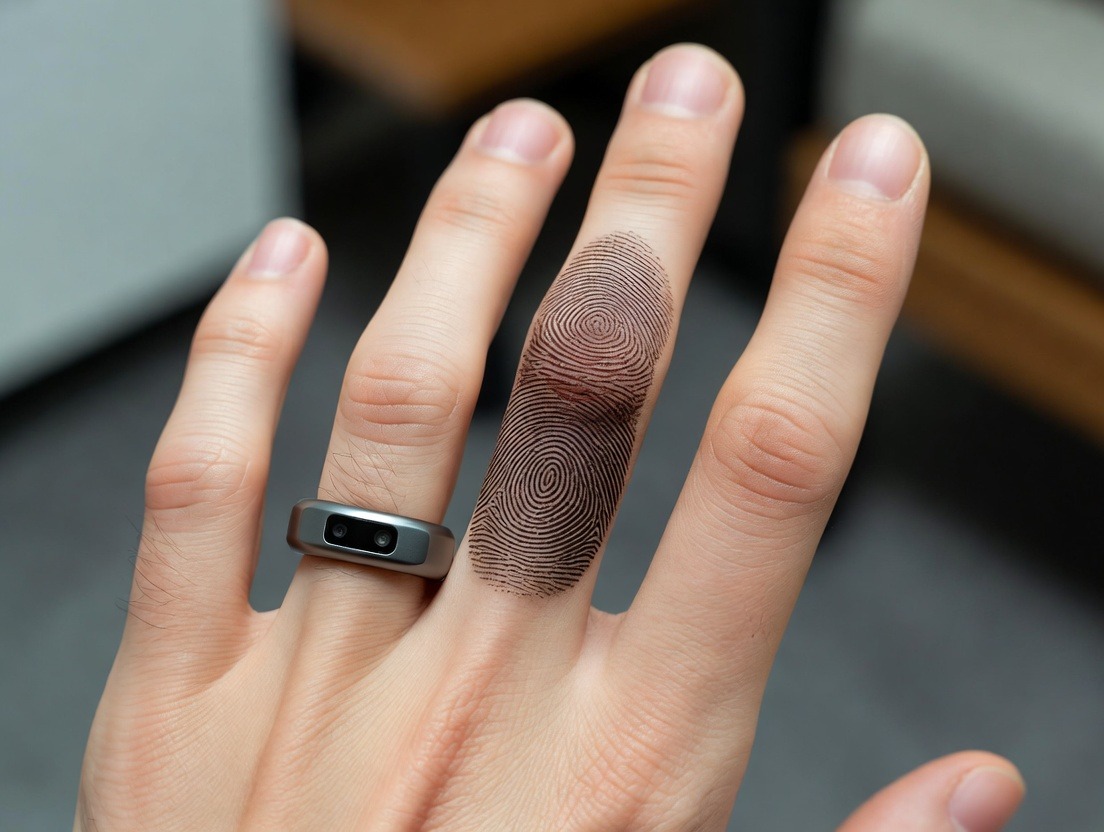
The Complete Beginner-Friendly Guide to Adaptogens and Ring Recovery
Adaptogens for energy and recovery, with effects observable in ring data.
The Complete Beginner-Friendly Guide to Adaptogens and Ring Recovery
For the modern human chasing peak performance, the quest for balance often feels like walking a tightrope. On one side, the demands of career, family, and personal goals. On the other, the body’s desperate need for rest, repair, and restoration. We push ourselves with intense workouts, relentless schedules, and ambitious biohacks, only to be met with burnout, fatigue, and stalled progress. The missing link isn’t more effort; it’s smarter recovery. What if the ancient wisdom of medicinal herbs could meet the cutting-edge precision of wearable technology to finally solve this equation?
Welcome to the frontier of data-driven recovery. This guide introduces a revolutionary synergy: the timeless power of adaptogenic herbs and the real-time, personalized feedback from a smart wellness ring. No longer do you need to guess if your stress remedy is working or if your rest day was sufficient. You can now measure it. This is about moving from generic wellness advice to a personalized, dynamic protocol for resilience. We’re not just throwing herbs at a problem; we’re building a closed-loop system where ancient botanicals and modern biometrics work in concert to guide you toward unshakeable balance and sustained vitality.
Think of your body’s stress response as a complex dial, not a simple on/off switch. Adaptogens help gently modulate that dial, enhancing your capacity to handle pressure. But without data, you’re adjusting the dial in the dark. A smart ring illuminates the panel, showing you your heart rate variability (HRV), sleep stages, resting heart rate, and body temperature—the true biomarkers of your recovery status. Together, they form a complete feedback loop: use adaptogens to support your system, and use your ring’s data to verify their effect and optimize your entire lifestyle for recovery. This is the foundation for moving beyond surviving your day to truly thriving in it. As you build this practice, you’ll be creating a complete system for thriving that is unique to your physiology.
What Are Adaptogens? The Body’s Natural Stress Modulators
Adaptogens are a unique class of healing plants and fungi that help the body resist and adapt to physical, chemical, and biological stressors. The term, coined by Soviet scientist Nikolai Lazarev in 1947, describes their primary function: to adapt their function according to the specific needs of the body, bringing it back to a state of balance, or homeostasis. Unlike stimulants that push the system in one direction or sedatives that pull it in another, adaptogens are biphasic and normalizing. This means they can help calm you down when you’re overstimulated and gently energize you when you’re fatigued, always guiding the body toward its optimal center point.
The concept, however, is ancient. For thousands of years, systems of medicine like Ayurveda and Traditional Chinese Medicine (TCM) have used what we now call adaptogens—herbs like Ashwagandha, Holy Basil (Tulsi), and Ginseng—to promote vitality, longevity, and resilience. These traditions understood health as a dynamic equilibrium, and these herbs were key tools for maintenance. Modern pharmacology validates this, showing that adaptogens work primarily by modulating the hypothalamic-pituitary-adrenal (HPA) axis and the sympathetic-adrenal-medullary (SAM) system—the two core pathways of your stress response. They help regulate cortisol, the primary stress hormone, not by blocking it outright, but by helping your system produce the appropriate amount at the appropriate time and improving cellular response to stress signals.
To be classified as a true adaptogen, a substance must meet three key criteria:
Be non-specific in its action: It must help the body cope with a wide variety of stressors—physical, emotional, environmental, or chemical.
Have a normalizing influence: It must bring bodily processes back toward balance, whether they are overactive or underactive.
Be non-toxic and generally safe: It should not harm normal body functions, even when taken over extended periods.
This normalizing effect is what makes them so powerful for modern life. They don’t impose a foreign state on the body; they support the body’s innate intelligence to self-regulate. In an era where chronic stress is a default setting for many, adaptogens offer a way to recalibrate our baseline. They are a foundational tool in the modern wellness toolkit, especially when combined with a practice of tracking core metrics. Understanding your body's baseline is itself a critical wellness fundamental that everyone should master, and adaptogens can be a key part of supporting that foundational state.
The Science of Stress and Recovery: Why Your Body Needs Both
To appreciate adaptogens and measured recovery, we must first understand the biological drama of stress. Stress itself isn’t the enemy; it’s an essential, life-saving physiological reaction. When your brain perceives a threat—be it a looming deadline, a hard workout, or a sudden loud noise—it triggers the "fight-or-flight" response via the SAM axis. This releases adrenaline and noradrenaline, causing your heart to race, muscles to tense, and senses to sharpen. It’s a short-term, high-alert state designed for immediate survival.
If the stressor persists, the HPA axis takes over. The hypothalamus signals the pituitary gland, which then signals the adrenal glands to release cortisol. Cortisol is more of a sustainer; it keeps energy (glucose) available in the bloodstream, modulates inflammation, and keeps you on high alert. Once the threat passes, the system should down-regulate, cortisol levels should drop, and the body should enter a "rest-and-digest" state, governed by the parasympathetic nervous system. This is the recovery phase where repair, growth, and restoration occur.
The modern problem is chronic, low-grade stress. Our systems are constantly activated by psychological stressors—emails, traffic, financial worries, social pressure—that don’t have a clear beginning or end. This leads to a constant, dysregulated trickle of cortisol, which never allows the body to fully engage the recovery phase. The consequences are systemic:
Metabolic: Consistently high cortisol promotes abdominal fat storage and insulin resistance.
Immune: Initial anti-inflammatory effects give way to chronic inflammation and immune suppression.
Neurological: It can impair memory, focus, and sleep quality.
Cardiovascular: It contributes to high blood pressure and heart disease.
Recovery, therefore, is not passive. It is the active biological process of reversing the damage of stress and restoring homeostasis. It happens during deep sleep, during leisurely walks, during meditation, and in the spaces between work tasks. It is as vital to performance as the stressor itself. Without it, we enter a state of allostatic load—the cumulative wear and tear on the body that leads to burnout and disease. This is why a dedicated approach to recovery isn't a luxury; it’s a non-negotiable component of health. In fact, understanding and prioritizing recovery is one of the most important wellness fundamentals for supporting true health. The goal is to spend more time in the restorative parasympathetic state, and that requires intention and measurement.
Meet Your Recovery Dashboard: How a Smart Ring Tracks What Matters
You can’t manage what you don’t measure. For decades, recovery was a black box—a vague feeling of being "rested" or "run down." Smart rings have changed that by providing an intimate, 24/7 window into your autonomic nervous system, the master controller of stress and recovery. Worn on your finger, where a rich capillary bed provides strong physiological signals, these devices track the biomarkers that tell the real story of your internal state.
The most critical metric for recovery is Heart Rate Variability (HRV). Contrary to what one might think, a healthy heart does not beat with the metronomic regularity of a drum machine. The time interval between beats is constantly fluctuating, modulated by the tug-of-war between your sympathetic ("stress") and parasympathetic ("rest") nervous systems. Higher HRV generally indicates a strong, resilient parasympathetic tone and good adaptability—your heart can respond fluidly to demands. A trend of lower HRV suggests your system is under stress, fatigued, or possibly fighting illness. It is your body’s most honest feedback signal.
A smart ring tracks HRV continuously, especially during sleep, to establish your personal baseline and show daily deviations. But it doesn’t stop there. It integrates HRV with other key data to give you a holistic recovery score:
Resting Heart Rate (RHR): Your heart’s baseline workload. A lower RHR typically indicates better cardiovascular fitness and recovery. A sustained elevated RHR can signal stress, fatigue, or illness.
Sleep Architecture: It’s not just about total hours. The ring uses movement, heart rate, and temperature to estimate time spent in light, deep, and REM sleep. Deep sleep is crucial for physical repair, while REM is essential for cognitive and emotional processing. Disruptions here are early warnings.
Respiratory Rate: The number of breaths per minute during sleep. Changes can indicate stress, respiratory issues, or metabolic changes.
Skin Temperature: Nocturnal body temperature trends offer insights into circadian rhythm health, menstrual cycle phases, and the onset of illness.
Activity & Movement: To contextualize recovery, the ring also tracks your daily activity and calorie expenditure, ensuring your rest is viewed in light of your exertion.
By synthesizing this data, the ring provides a numerical Recovery Score or Readiness Score each morning. This isn't a judgment; it’s a guide. A high score suggests your body is primed for challenge. A low score is a clear signal to prioritize rest, hydration, nutrition, and perhaps an adaptogen that supports calm over one that boosts energy. This turns recovery from a guess into a science. This data-driven approach is how modern technology makes core wellness fundamentals measurable, moving us from intuition to insight.
The Adaptogen Pantheon: A Guide to Key Herbs and Their Uses
With your recovery dashboard established, you can now explore the tools to influence it. The adaptogen family is diverse, with different herbs offering nuanced support. Think of them as having different "personalities" or primary lanes of action, though all ultimately support balance. Here is a guide to some of the most well-researched and widely used adaptogens.
For Calming and Stress Relief:
Ashwagandha (Withania somnifera): Often called the "king of adaptogens," this Ayurvedic staple is renowned for its potent anti-anxiety and cortisol-modulating effects. It’s particularly good for those feeling wired, overwhelmed, or suffering from stress-related fatigue and sleep issues. Studies show it can significantly reduce perceived stress and lower cortisol levels.
Holy Basil (Tulsi): Known as "The Incomparable One" in Ayurveda, Tulsi is a sacred herb celebrated for its broad-spectrum support. It’s considered an adaptogen, but also a "guardian" herb that promotes a sense of calm and spiritual clarity. It helps combat the psychological effects of stress and supports healthy metabolic function.
Rhodiola Rosea: This herb is a classic for mental fatigue and "burnout." It’s particularly effective for improving focus, concentration, and mental stamina during periods of intense cognitive demand or stress. It works partly by influencing key neurotransmitters like serotonin and dopamine.
For Energy and Endurance:
Cordyceps Militaris: A medicinal mushroom, not a plant, Cordyceps is famous for enhancing energy production at a cellular level. It supports the body’s production of adenosine triphosphate (ATP), the primary energy currency of cells. This makes it a favorite for athletes seeking improved oxygen utilization, endurance, and exercise performance.
Eleuthero (Siberian Ginseng): A versatile and gentle energizing adaptogen, Eleuthero is excellent for combating general fatigue and improving work capacity. It helps increase feelings of vitality without the jitteriness of caffeine, making it ideal for long-term use during demanding periods.
Panax Ginseng (Asian Ginseng): This is a more stimulating adaptogen, best for short-term use during periods of extreme physical or mental exertion. It’s known to enhance physical performance, cognitive function, and immune response, but may be too heating or stimulating for those with high anxiety.
For Immune and Overall Resilience:
Reishi Mushroom (Ganoderma lucidum): The "Mushroom of Immortality" in TCM, Reishi is a premier immune modulator and deep restorative. It’s less about immediate energy and more about deep, systemic support for the immune system, liver health, and calming the nervous system for restful sleep.
Schisandra Berry: A unique adaptogen that is said to "calm the heart and quiet the spirit." Schisandra is known for its protective effects on the liver and its ability to increase the body’s resistance to various stressors. It has a distinctive five-flavor profile and is often used for its concentration-enhancing and anti-fatigue properties.
Astragalus Root: A foundational herb in TCM for building "Wei Qi" or defensive energy. Astragalus is a tonic adaptogen best used preventatively to strengthen the immune system and improve overall resilience, especially during change of seasons or periods of higher exposure.
Choosing the right adaptogen starts with listening to your body and, crucially, reviewing your ring data. Feeling wired with a low HRV? Ashwagandha might be your ally. Feeling drained with low energy for a workout despite adequate sleep? Cordyceps could help. This personalized selection moves you beyond generic supplementation into targeted support. Pairing this with consistent tracking helps you master the fundamental connection between nutrition and overall health, where herbs become a strategic part of your intake.
Synergy in Action: Pairing Specific Adaptogens with Ring Data Insights
This is where theory becomes transformative practice. The magic happens when you use the objective data from your ring to select, dose, and evaluate the effects of adaptogens. This creates a biofeedback loop that turns you into an expert on your own body.
Scenario 1: The Overwired Professional
Ring Data Signs: Consistently low overnight HRV, elevated resting heart rate, poor sleep scores (especially low deep sleep), a high stress graph during work hours.
Body Signals: Feeling anxious, mentally "racy" at bedtime, irritable, physically tense.
Adaptogen Protocol: Focus on calming, HPA-axis-supporting herbs. Ashwagandha (300-500 mg of a root extract, standardized to 5% withanolides) taken in the evening could be ideal. Holy Basil tea during the day can provide gentle, all-day support.
The Feedback Loop: After 2-3 weeks of consistent use, check your ring trends. The goal is to see a gradual increase in your average HRV, a decrease in resting heart rate, and improved sleep stability scores. The ring validates the herb's effect, telling you it’s working. If scores don’t improve, you might need to adjust dosage, try a different adaptogen like Rhodiola for mental burnout, or investigate other lifestyle factors your ring reveals.
Scenario 2: The Fatigued Athlete
Ring Data Signs: Good sleep duration but poor readiness scores upon waking, slow recovery after intense training days (HRV takes >24 hours to rebound), slightly elevated body temperature indicating systemic inflammation.
Body Signals: Heavy legs, workouts feel harder than they should, prolonged muscle soreness, general lack of "pop."
Adaptogen Protocol: Focus on energizing and recovery-supporting herbs. Cordyceps (1,000-1,500 mg daily) taken in the morning or pre-workout can support cellular energy. Schisandra can aid with endurance and concentration. Post-workout, Reishi in the evening may support systemic recovery and immune function.
The Feedback Loop: Monitor your morning readiness score and HRV recovery curve after hard training. Success looks like faster rebound of HRV, higher readiness scores on training days, and more stable body temperature. The ring confirms whether your recovery protocol (including adaptogens) is sufficient for your training load.
Scenario 3: The Immune-Challenged Individual
Ring Data Signs: Sudden, unexplained dip in HRV, increase in resting heart rate by 5-10 bpm, disturbed sleep pattern (more wake-ups), elevated respiratory rate. These are often the earliest signs of your body fighting something, visible before you feel symptoms.
Body Signals: That "run-down" feeling, scratchy throat, general malaise.
Adaptogen Protocol: Shift to immune-modulating and protective herbs. Astragalus (as a tonic, best used preventatively) or Elderberry (during acute onset). Medicinal mushrooms like a blend of Reishi, Chaga, and Turkey Tail can provide broad immune support.
The Feedback Loop: The ring provides an early warning system. At the first sign of these data dips, you can proactively implement your adaptogen and rest protocol. Then, you can watch the data to see how quickly your biomarkers return to baseline, quantifying your resilience and the effectiveness of your response.
This synergistic approach ensures you are using the right tool at the right time for your body’s current state, not its idealized state. It’s a cornerstone of creating a truly sustainable health practice that adapts with you over time.
Building Your Foundation: Wellness Fundamentals That Make Adaptogens Work
Adaptogens are powerful supporters, but they are not substitutes for a weak foundation. Pouring adaptogenic herbs into a system that is chronically sleep-deprived, undernourished, and sedentary is like installing a high-end air filter in a house with no roof. The smart ring’s greatest gift may be its ability to shine a light on and reinforce these non-negotiable basics—the true levers of health.
Your ring data will constantly point you back to these pillars. A low recovery score is rarely solved by an adaptogen alone; it’s a prompt to audit your fundamentals. This aligns perfectly with the philosophy that wellness fundamentals matter more than advanced tactics. The core fundamentals your ring tracks are:
Sleep: Not just duration, but consistency and quality. The ring shows if you’re getting enough deep and REM sleep, if your timing is regular, and if your sleep is fragmented. Adaptogens like Ashwagandha and Reishi can support sleep, but they cannot replace the fundamental need for a dark, cool, and quiet sleep environment and a consistent bedtime. Your ring’s sleep score is a direct report card on this pillar. Mastering a consistent sleep schedule is one of the highest-impact moves you can make.
Nutrition: The ring doesn’t track food directly, but it tracks the outcomes of your nutrition. Poor food choices can lead to inflammation (affecting HRV), blood sugar spikes that disrupt sleep, and inadequate fuel for recovery. Adaptogens are part of your nutritional strategy. Are you eating enough protein for repair? Enough colorful plants for phytonutrients? The ring’s recovery metrics will reflect the answers.
Movement: This is biphasic. The ring tracks your activity and can show the positive stress of a good workout (a temporary dip in HRV followed by a supercompensation). It also highlights the negative impact of being sedentary. Non-exercise movement, or NEAT, is a fundamental non-negotiable medicine for metabolic health and circulation. An adaptogen like Cordyceps can enhance your workout, but it can’t create the benefits of moving your body consistently throughout the day.
Stress Management: This is where adaptogens and the ring work in perfect harmony. The ring quantifies your physiological stress load (through HRV and stress scores). Adaptogens provide biochemical support to better handle that load. But behavioral practices—mindfulness, breathwork, time in nature, digital detox—are the active skills you must cultivate. The ring shows you when these practices are working (a visible calming of your real-time stress graph during a meditation session).
By using your ring to build these fundamentals, you create a fertile ground for adaptogens to do their best work. They become the finishing touch on a solid foundation, not a Hail Mary for a crumbling one. This integrated approach is what it means to truly master wellness fundamentals using a smart ring.
How to Get Started: Choosing Your First Adaptogen and Setting Up Your Ring
Beginning this journey can feel exciting but overwhelming. The key is to start simply, with a single-herb approach and a focus on learning from your data. Here is a step-by-step beginner’s roadmap.
Step 1: Establish Your Baseline (Weeks 1-2). Before introducing any new supplement, wear your smart ring consistently for at least 10-14 days. Do not change your normal routine. The goal is to collect baseline data:
What is your average overnight HRV?
What is your typical resting heart rate?
What does your sleep score pattern look like?
How does a workday vs. a weekend affect your metrics? This baseline is your personal health fingerprint. It’s impossible to know if something is helping without knowing where you started. This process of establishing a baseline is the essential first step in any wellness fundamentals approach for beginners.
Step 2: Identify Your Primary Goal. Based on your baseline data and how you feel, choose one primary focus. Are you most bothered by:
Evening anxiety and poor sleep? → Start with Ashwagandha.
Daytime brain fog and lack of mental stamina? → Start with Rhodiola.
General low energy and physical fatigue? → Start with Cordyceps or Eleuthero. Select a high-quality product from a reputable brand. Look for extracts that are standardized to contain a specific percentage of active compounds (e.g., “standardized to 5% withanolides”) and undergo third-party testing for purity and heavy metals. Start with the lowest recommended dose on the bottle.
Step 3: Introduce One Adaptogen & Observe (Weeks 3-6). Begin taking your chosen adaptogen consistently, at the same time each day. Do not change anything else about your sleep, diet, or exercise routine during this initial trial period. Continue wearing your ring daily. Pay attention to two things:
Subjective Feelings: Keep a brief journal note. Do you feel calmer, more focused, more energized? Any digestive or other side effects?
Objective Ring Data: After 3-4 weeks, look at the trends in your ring app. Compare the average HRV, Resting Heart Rate, and Sleep Score from your baseline period (Weeks 1-2) to your adaptogen period (Weeks 3-6). Is there a positive shift? Look at the graphs, not just daily numbers.
Step 4: Analyze and Iterate.
If data and feeling improve: Congratulations! You’ve likely found a supportive herb. You can continue with this protocol for a cycle (many recommend an 8-12 week cycle followed by a 1-2 week break).
If no change: Consider a slight increase in dosage (within the recommended range) for another 2 weeks, or switch to a different adaptogen that targets your goal and start a new trial.
If negative side effects or data declines: Discontinue use. Not every herb works for every body. This is the power of the ring—it can show you an adverse reaction even if you don’t consciously feel one.
This methodical, data-informed approach removes the guesswork and turns you into an empowered, self-aware participant in your health. It embodies the principle that consistency beats intensity every time in building lasting wellness.
Beyond the Pill: Integrating Adaptogens into Your Daily Rituals
While capsules and tinctures are efficient, integrating adaptogens into daily rituals can deepen their benefits by pairing the biochemical effect with mindful intention. This holistic integration turns a supplement into a self-care practice, which in itself can improve your ring’s stress metrics.
Morning Activation Ritual: Instead of a jarring caffeine spike, create a smooth, focused energy lift. Try a warm cup of Tulsi tea or Rhodiola-infused coffee (add a few drops of tincture). As you sip, review your ring’s readiness score for the day. Let it set your intention: a high score means you can attack challenging tasks; a lower score guides you toward a more paced, restorative day. This ritual combines an energizing adaptogen with mindful planning.
Afternoon Resilience Brew: Combat the 3 PM slump without more coffee. A creamy, frothy Reishi or Cordyceps "latte" made with hot water, coconut milk, and a dash of cinnamon can provide sustained energy and immune support. Use this 10-minute break to step away from screens and practice a few minutes of deep breathing. Watch your ring’s real-time stress graph dip as you do—this is immediate biofeedback on the power of your ritual.
Evening Wind-Down Elixir: This is perhaps the most powerful ritual. An hour before bed, prepare a calming drink. Ashwagandha powder stirred into warm almond milk with nutmeg and a touch of honey is a classic. Schisandra-infused herbal tea is another excellent option. As you drink it, let it be a signal to your nervous system that the day is over. Follow this with a consistent pre-sleep routine your ring will thank you for: dim lights, no screens, perhaps some light stretching. This ritual directly supports the mind-body integration approach to health, where biochemical and behavioral strategies unite.
Culinary Incorporation: Don’t forget food as medicine. Powdered adaptogens like Ashwagandha, Maca (a nourishing adaptogen), and Reishi can be seamlessly added to smoothies, oatmeal, soups, and even energy ball recipes. This not only diversifies your intake but also roots your health practice in the nourishing, fundamental act of preparing and consuming whole foods.
By weaving adaptogens into these daily touchpoints, you move beyond a compartmentalized “pill-taking” mentality. You create a lifestyle imbued with supportive nourishment, and your smart ring becomes the tool that shows you how these small, consistent rituals cumulatively build a mountain of resilience over time. It reinforces the truth that fundamental health habits are built in daily routines.
Reading the Signals: How to Interpret Your Ring’s Recovery Data for Action
Your smart ring app is a treasure trove of data, but data without interpretation is just noise. Learning to read and act on these signals is the critical skill in this synergy. Here’s a practical guide to interpreting key metrics.
The Morning Readiness/Recovery Score: Your Daily Prescription This composite score (often 1-100) is your executive summary. Don’t just glance at it; let it dictate the style of your day.
Score > 85 (Optimal Recovery): Your body is primed. This is the day for that intense workout, important creative work, or demanding social engagement. You can confidently use energizing adaptogens like Cordyceps to support peak performance.
Score 70-85 (Moderate Recovery): You’re in a good maintenance zone. Proceed with your planned activities but listen closely to your body. A balanced adaptogen like Eleuthero or Rhodiola can help sustain you without pushing too hard.
Score < 70 (Compromised Recovery): This is a clear signal from your body to pull back. Prioritize rest. Swap high-intensity training for gentle movement like walking or yoga. Double down on sleep hygiene. This is the day for calming adaptogens like Ashwagandha or Reishi, and perhaps skipping any stimulating ones. This is your body enforcing the fundamental need for stress management as a foundation.
HRV Trends: The Story of Your Resilience Look at your HRV graph over weeks and months, not days.
Upward Trend: This is the gold standard. It indicates your resilience is improving. Your lifestyle (including adaptogens, sleep, nutrition) is working. Celebrate this!
Downward Trend: A consistent decline is a red flag. It suggests accumulating stress, overtraining, poor recovery, or the onset of illness. It’s time for a full audit: Are you getting enough sleep? Are you over-exercising? Is your adaptogen still right for you?
Acute Dip: A single-day dip after a hard workout, a late night, or an emotionally taxing day is normal. It shows your body is responding honestly to stress. The goal is a quick rebound. If the dip lasts for several days, your recovery protocols are insufficient.
Sleep Data: The Quality of Your Restoration Go beyond the total hours. Look at the breakdown:
Low Deep Sleep: This is crucial for physical repair and growth hormone release. If this is consistently low, focus on evening routines (like your wind-down elixir), ensure your bedroom is cool, and limit alcohol, which severely fragments deep sleep.
Low REM Sleep: Vital for memory consolidation and emotional processing. REM is often suppressed by stress, alcohol, and some medications. If low, prioritize stress management throughout the day and consistent sleep/wake times.
High Restlessness/Wake-ups: This fragments sleep and reduces its restorative power. Look for causes: late meals, caffeine, blue light exposure, or environmental disturbances. Your ring helps you identify the culprit through correlation.
Resting Heart Rate (RHR): The Barometer of Strain
Gradual Decrease Over Time: A great sign of improving cardiovascular fitness and parasympathetic tone.
Acute Increase (5+ bpm above your baseline): A very reliable early sign of physical stress: you may be fighting an infection, are dehydrated, overly fatigued, or experiencing high emotional stress. Treat this signal seriously—hydrate, rest, and nourish your body.
By learning this language, you move from being a passive wearer of a device to an active conductor of your own health symphony. The ring and adaptogens are your instruments, and you are learning to play them in harmony. This mastery enables true peak performance that is defined not by constant output, but by sustainable, resilient energy.
Common Mistakes and How to Avoid Them: A Beginner’s Pitfall Guide
As with any powerful tool, there are common missteps when starting with adaptogens and ring data. Being aware of these can save you time, money, and frustration.
Mistake 1: Expecting Instant Miracles. Adaptogens are not pharmaceutical drugs. They are gentle modulators that work over time by supporting systems, not forcing outcomes. Do not expect to feel dramatically different on day one. The ring data is crucial here—it often shows subtle improvements (e.g., a slightly higher HRV) before you consciously feel them. Give any new adaptogen a minimum of 3-4 weeks of consistent use before evaluating its effect. Impatience is the enemy of this practice.
Mistake 2: Using Adaptogens as a License for Poor Habits. This is the biggest trap. Thinking “I’m taking Ashwagandha, so I can pull two all-nighters” completely misses the point. Adaptogens are supporters of a healthy lifestyle, not enablers of an unhealthy one. If your ring data is consistently poor due to terrible sleep and chronic overwork, no adaptogen will fix that. They work best when your fundamentals are already in decent shape or when you are actively working to improve them. They amplify good habits; they cannot erase bad ones. This highlights why fundamentals prevent the vast majority of health problems.
Mistake 3: Over-Stacking and Not Isolating Variables. Excitement leads to wanting to try everything at once. Starting with a blend of 5 adaptogens while also changing your workout routine and diet makes it impossible to know what’s working (or causing a problem). Start with one. Use the single-herb, baseline-testing protocol outlined earlier. Once you understand how one herb affects you and your data, you can consider adding a second for a complementary effect (e.g., Cordyceps for morning energy, Reishi for evening calm).
Mistake 4: Misinterpreting Ring Data and Over-Reacting. Data anxiety is real. Obsessing over a single-day dip in HRV can itself become a stressor that lowers your HRV! Remember, you are looking for trends over weeks, not daily perfection. Life happens. A bad night’s sleep, a stressful event, or a hard workout will show up. The power is in observing the trend and your body’s ability to bounce back. Use the data as a compassionate guide, not a harsh judge. This balanced perspective is key to using technology for a lifelong health strategy, not short-term obsession.
Mistake 5: Ignoring Quality and Source. The supplement industry is loosely regulated. A cheap, non-standardized powder may contain little to no active ingredient or, worse, contaminants. Investing in a high-quality product from a transparent, third-party-tested brand is non-negotiable. Look for certifications (USP, NSF) and standardized extracts. Your ring data provides the proof of efficacy—if a high-quality herb isn’t shifting your metrics, it might not be right for you. If a low-quality one doesn’t, you’ll never know if it was the herb or the product.
By sidestepping these pitfalls, you set yourself up for a successful, enlightening, and truly transformative journey into the world of data-supported herbal wellness. This careful, informed approach is what separates a fleeting trend from a sustainable health transformation.
Creating Your Personalized Adaptogen Protocol: A Step-by-Step Framework
Armed with knowledge of key herbs and how to read your ring’s data, you’re ready to design a dynamic, personalized protocol that evolves with you. This is not a static prescription, but a living system. Follow this framework to build yours.
Phase 1: The Diagnostic Period (Month 1) This phase is purely observational. Your only job is to wear your ring consistently and log your daily subjective state without any adaptogens.
Week 1-2: Establish your biometric baseline (HRV, RHR, sleep scores).
Week 3-4: Add a daily “energy & mood” log. Rate your energy (1-10), mood (1-10), and stress (1-10) at noon and 8 PM. Note any recurring patterns: afternoon slumps, evening anxiety, morning fog.
The Synthesis: At the end of Month 1, correlate your logs with your ring data. Do low energy scores match days with poor sleep quality? Does high stress correlate with a low HRV the following morning? This analysis reveals your unique stress and recovery fingerprint. It’s a practical exercise in understanding your body’s basic needs.
Phase 2: The Targeted Intervention (Months 2-4) Based on your diagnostic findings, choose one primary adaptogen that aligns with your most pressing issue.
If poor sleep & high evening stress are primary: Initiate an evening Ashwagandha protocol (300-500mg extract).
If mental fatigue & afternoon crash are primary: Initiate a morning Rhodiola protocol (200-400mg extract).
If physical fatigue & poor workout recovery are primary: Initiate a morning/post-workout Cordyceps protocol (1,000-1,500mg). Introduce the herb and maintain all other lifestyle factors as consistently as possible for a full 8-week cycle. Track both subjective logs and ring data trends weekly.
Phase 3: Evaluation and Iteration (Week 9) After 8 weeks, conduct a formal review. Overlay your Month 1 (baseline) ring data averages with your Month 2-3 (intervention) averages. Look at:
Average 7-day HRV
Average Resting Heart Rate
Average Sleep Score
Subjective energy/mood/stress log averages Ask: Is there a meaningful positive shift (e.g., HRV up by 5%, RHR down by 3 bpm)? Do I feel consistently better? If YES, you’ve found a supportive tool. Consider continuing for another cycle or introducing a 1-week “washout” break to assess how you feel without it. If NO, discontinue this herb. Return to your diagnostic data. Was the target symptom actually your biggest issue? Perhaps underlying poor sleep is sabotaging everything, and you need to address that fundamental first before trying another adaptogen. This process embodies a true hierarchy of health priorities.
Phase 4: Sophistication and Stacking (Months 5+) Only after successfully validating one adaptogen should you consider adding a second for a complementary effect. This creates a “stack” tailored to your daily rhythm.
Example Stack for a High-Performance Professional: Rhodiola (AM) for mental stamina and focus during the workday, paired with Ashwagandha (PM) to down-regulate stress and promote restorative sleep. The ring monitors the net effect: are you getting both focused energy and deep recovery?
Example Stack for an Endurance Athlete: Cordyceps (AM/pre-workout) for energy utilization, paired with Reishi (PM) for systemic recovery and immune support. The ring validates recovery speed and inflammation management. When stacking, introduce the second herb one at a time, following the same 8-week evaluation protocol. This meticulous approach ensures every component in your regimen is earning its place, verified by data. It turns wellness from a collection of supplements into a precise, personalized system for daily health optimization.
The Role of Nutrition: Fueling Recovery and Maximizing Adaptogen Efficacy
Adaptogens do not work in a vacuum. They are part of your nutritional ecology. The food you eat provides the building blocks for neurotransmitters, hormones, and cellular repair processes that adaptogens support. Think of your diet as the construction site and adaptogens as the skilled foremen—they optimize the work, but they need materials. Your smart ring’s recovery metrics are a direct reflection of whether your site is well-supplied.
Macronutrients as Recovery Substrates:
Protein: Essential for repairing the micro-tears in muscle tissue caused by exercise and the general wear and tear of stress. Inadequate protein intake will manifest as prolonged muscle soreness and slow recovery, visible in your ring as a delayed HRV rebound after activity. Aim for 0.7-1 gram per pound of body weight daily, distributed across meals.
Quality Carbohydrates: They replenish muscle glycogen (stored energy) and support serotonin production, which aids sleep and mood regulation. Chronically low-carb diets can elevate cortisol and impair sleep, leading to a lower HRV. Time carbohydrates around workouts and in the evening to support recovery and sleep. Your ring’s sleep depth data can indicate if this is dialed in.
Healthy Fats: Critical for hormonal health (all stress and sex hormones are made from cholesterol) and reducing inflammation. Omega-3 fatty acids (from fish, algae, walnuts) directly support cell membrane health and can positively influence HRV. A diet deficient in healthy fats can hinder your entire endocrine system’s ability to adapt.
Micronutrients: The Cofactor Crew Adaptogens and your body’s stress response rely on a suite of vitamins and minerals.
Magnesium: The “original chill pill.” It’s a cofactor in over 300 enzymatic reactions, including those that regulate the nervous system and produce ATP (energy). Deficiency is linked to high cortisol, poor sleep, and muscle cramps. It synergizes powerfully with adaptogens like Ashwagandha. Consider magnesium glycinate in the evening.
B Vitamins: Especially B5 (pantothenic acid) and B6, are crucial for HPA axis function and the production of stress hormones. They are water-soluble and easily depleted under chronic stress.
Zinc & Selenium: Important for thyroid function and immune health, both of which are closely tied to energy metabolism and resilience.
The Gut-Brain Axis and Adaptogen Absorption: A significant portion of your nervous system and serotonin production resides in your gut. An inflamed or imbalanced gut can perpetuate stress signals and impair the absorption of adaptogens and nutrients. Incorporating prebiotic fibers (from diverse plants) and probiotic foods (like yogurt, kefir, sauerkraut) supports a healthy gut environment, making your entire system—including your response to adaptogens—more effective. Your ring can’t directly measure gut health, but poor sleep and high stress scores can be indicators of dysbiosis.
Practical Nutrition Synergy:
Take fat-soluble adaptogens (like many compounds in Ashwagandha) with a meal containing healthy fats (avocado, olive oil, nuts) to enhance absorption.
Pair your evening adaptogen ritual with a magnesium-rich food (like spinach, pumpkin seeds, or dark chocolate) or supplement to amplify the calming effect.
If your ring shows poor recovery after intense training, ensure your post-workout meal contains a 3:1 ratio of carbs to protein to replenish glycogen and kickstart repair.
By viewing nutrition as the foundational fuel for the adaptogen-and-ring system, you create a virtuous cycle. Good nutrition improves your biometric scores, and good scores confirm your nutrition is working. This integrated view is central to the connection between all body systems. You are not just feeding yourself; you are fueling your recovery data.
Sleep: The Ultimate Adaptogen and How to Measure Its Quality
If you could only do one thing to improve your resilience, optimizing sleep would be the highest-impact move. Sleep is not downtime; it is an active, highly orchestrated recovery process where the magic of adaptation truly happens. It’s when growth hormone is released (deep sleep), memories are consolidated (REM sleep), cellular debris is cleared from the brain, and your nervous system resets. No adaptogen can replicate this. They can only support the process. Therefore, your smart ring’s sleep data is the most critical report card on your recovery foundation.
Deconstructing Your Ring’s Sleep Stages:
Deep Sleep (Slow-Wave Sleep): This is physical restoration mode. Your body repairs tissues, builds bone and muscle, and strengthens the immune system. Your brain waves slow to their lowest frequency. Ring Insight: Consistently low deep sleep percentage suggests your body isn’t getting enough physical repair. This can be caused by alcohol consumption (which suppresses deep sleep), sleeping in a room that’s too warm, or exercising too late in the evening.
REM Sleep: This is mental and emotional restoration mode. Your brain is highly active, processing emotions, consolidating learning, and fueling creativity. Your eyes dart rapidly (hence Rapid Eye Movement), and you dream. Ring Insight: Low REM sleep can impact memory, learning, and emotional regulation. It is often suppressed by antidepressants, alcohol, and chronic sleep deprivation.
Light Sleep: This acts as a bridge between deep and REM cycles. It’s essential but less restorative. A healthy sleep architecture cycles through these stages every 90-120 minutes, multiple times per night.
Using Adaptogens to Support Specific Sleep Issues:
For Trouble Falling Asleep (Mind Racing): This is a sign of an overactive sympathetic nervous system. Ashwagandha (taken 30-60 mins before bed) can help calm the HPA axis. Magnesium glycinate is a powerful partner here. Your ring can show if this combo reduces your time to fall asleep (sleep latency).
For Trouble Staying Asleep (Fragmented Sleep): Waking up often can be linked to blood sugar dysregulation, stress, or an uncomfortable sleep environment. Reishi mushroom is excellent for promoting sleep maintenance and overall depth. Also, ensure your last meal is 2-3 hours before bed and is balanced in macros. Your ring’s “restlessness” metric and wake-up count will reveal improvements.
For Non-Restorative Sleep (Waking Up Tired): You might be getting duration but not quality. This often points to insufficient deep sleep. Cordyceps, by supporting mitochondrial energy production, can sometimes improve daytime energy which then fuels better sleep drive. However, also look at sleep consistency. Going to bed and waking up at wildly different times confuses your circadian rhythm, fragmenting your sleep architecture. Your ring’s “Sleep Consistency” score is key here.
The Non-Negotiables of Sleep Hygiene (Validated by Your Ring): Your ring provides objective proof for classic sleep advice.
Consistent Schedule: A fixed wake-up time is the most powerful cue for your circadian rhythm. Your ring will show better sleep scores and higher HRV on days you adhere to it.
Dark, Cool, Quiet Cave: Even small amounts of light can suppress melatonin. A cool room (around 65-68°F or 18-20°C) is essential for dropping core body temperature, a signal for sleep. Your ring’s skin temperature trend can show you if your room is optimal.
The 60-Minute Wind-Down: This is where adaptogen rituals shine. A screen-free period with dim lights, your calming elixir, and perhaps light reading or breathwork tells your nervous system it’s safe to rest. Watch your ring’s real-time stress graph drop during this ritual.
By treating sleep as your primary recovery intervention and using adaptogens as supportive tools, you leverage the most powerful synergy in health. The data from your ring validates these fundamental health practices in a way that guesswork never could. You move from saying “I think I sleep okay” to knowing exactly how you sleep and how to make it better.
Movement and Exercise: Balancing Stress and Recovery with Data
Movement is a paradoxical stressor: the right kind makes you more resilient; the wrong kind (or too much) breaks you down. This is the principle of hormesis—a beneficial adaptive response to a mild stressor. Your smart ring is the essential tool for navigating this paradox, ensuring your movement habits are net-positive for your recovery.
How Different Movement Types Appear in Your Data:
Low-Intensity Steady State (LISS) & NEAT: Activities like walking, gentle cycling, or general daily movement. This should be your baseline. It promotes circulation, lymphatic drainage, and parasympathetic tone without imposing significant recovery debt. On your ring, a good day of NEAT and LISS should result in a stable or slightly improved HRV and readiness score the next day. It’s a fundamental approach to sustainable health.
Moderate-Intensity Exercise: This includes sustained effort like a brisk hike, a steady-state run, or a circuit training session. It provides a strong stimulus for cardiovascular and muscular adaptation. In your data, expect a temporary dip in HRV and a higher resting heart rate on the night after the workout. This is a normal, acute stress response. The key is that it should rebound within 24-48 hours. If it doesn’t, the intensity or volume was too high relative to your current recovery capacity.
High-Intensity Interval Training (HIIT) & Heavy Strength Training: These are potent hormetic stressors. They create significant metabolic and mechanical damage (the good kind that leads to growth). Your ring data will show a pronounced dip in HRV and elevated RHR. Full recovery can take 48-72 hours. Your morning readiness score is your guide here—if it’s still low, you are not recovered and should avoid another intense session.
Using Your Ring to Guide Your Training Week (Periodization):
Day After High Readiness (>85): This is your green light for an intense session. Consider a pre-workout adaptogen like Cordyceps to support performance.
Day After Moderate Readiness (70-85): Plan for a moderate or skill-based session. This is a good day for Rhodiola to support mental focus during technique work.
Day After Low Readiness (<70): This is a mandatory recovery day. Prioritize walking, mobility work, or complete rest. This is the day for calming Ashwagandha and Reishi, not stimulants. Ignoring this signal is the fastest path to overtraining, injury, and illness.
The Danger of “Junk Volume” and Chronic Cardio: Exercising without purpose, especially at a moderate-high intensity on days when your body is pleading for rest, creates inflammation and chronic cortisol elevation without delivering adaptive benefits. Your ring exposes this. If you’re consistently working out but your HRV trend is flat or declining and your RHR is creeping up, you’re in a state of chronic strain. This is where the “no pain, no gain” mentality fails. The smarter mantra is “stress + rest = growth.” Your ring quantifies the rest side of that equation.
Movement as Recovery: Never underestimate the power of gentle movement to enhance recovery. A leisurely walk, some light yoga, or foam rolling increases blood flow, which delivers nutrients for repair and clears metabolic waste. This active recovery can often improve your HRV and readiness score more than total stagnation. Your ring helps you find that sweet spot.
By letting your biometric data guide your movement choices, you transform exercise from a rigid schedule into a dynamic dialogue with your body. This ensures every workout is effective and every recovery day is purposeful. It’s the ultimate application of using technology to make the fundamentals of movement and recovery work in harmony for lifelong performance.
Stress Management Techniques That Move the Needle (On Your Ring)
Psychological stress manifests physiologically—it’s not “all in your head.” The feeling of anxiety or overwhelm directly triggers the HPA axis, raising cortisol and affecting your HRV. Therefore, effective stress management is a tangible, measurable skill. Your smart ring’s real-time stress graph and HRV are your biofeedback tools, providing instant validation of what works for your nervous system.
Breathwork: The Instant Biometric Regulator Conscious breathing is the fastest way to manually shift from sympathetic (stress) to parasympathetic (rest) dominance.
Coherent Breathing (5.5 breaths per minute): Inhale for 5 seconds, exhale for 5 seconds. This rhythm has been shown to optimally maximize HRV and create physiological coherence. Ring Validation: Do a 5-minute session while watching your ring’s real-time stress graph. You will likely see the line flatten and dip. This proves its efficacy beyond feeling calm.
Box Breathing (4-4-4-4): Inhale for 4, hold for 4, exhale for 4, hold for 4. Used by Navy SEALs to maintain composure under pressure. It’s excellent for acute stress moments.
Extended Exhalation (4-6 or 4-7): Inhale for a count of 4, exhale for a count of 6 or 7. The elongated exhale stimulates the vagus nerve, the main conduit of the parasympathetic system. Pair this with your evening adaptogen ritual for compounded effect.
Meditation and Mindfulness: Training Resilience Regular practice doesn’t just help in the moment; it builds a more resilient baseline over time.
Focused Attention Meditation: Improves your ability to disengage from stressful thought loops. Start with 10 minutes daily.
Body Scan Meditation: Increases interoceptive awareness—your ability to feel bodily sensations. This helps you catch stress signs (clenched jaw, tight shoulders) earlier.
Ring Validation: Track your average HRV over a month of consistent meditation practice. Most people see a gradual upward trend. Also, note your stress graph after a meditation session versus after scrolling social media. The contrast is data-driven motivation.
Nature Immersion and Digital Detox: The Unplugged Reset Exposure to natural environments (“forest bathing”) and disconnecting from digital devices lower cortisol, reduce inflammation, and improve mood.
The 20-20-20 Rule for Screens: Every 20 minutes, look at something 20 feet away for 20 seconds. This reduces cognitive strain.
Scheduled Digital Sunset: Implement a strict no-screens policy 60 minutes before bed. Replace with reading, conversation, or your adaptogen ritual. Your ring’s sleep depth data will show the benefit.
Ring Validation: After a 2-hour hike in nature, check your stress graph and subsequent night’s HRV. Compare it to a 2-hour period spent in a noisy, stimulating urban environment or online. The data objectively shows which environment is restorative for your system.
The Role of Adaptogens as Biochemical Support: While these techniques are behavioral, adaptogens provide the biochemical backup to make them more effective. Feeling chronically wired can make it impossible to sit still and meditate. Taking Ashwagandha can lower that physiological noise, making it easier to engage in breathwork. Using Rhodiola can improve focus during a meditation session. They are partners, not replacements.
By pairing these proven techniques with your ring’s biofeedback, you move from hoping a practice works to knowing it works for you. You can allocate your time and energy to the methods that produce the clearest, most positive shifts in your data. This turns stress management from a vague concept into a set of concrete, validated skills. It’s a core part of building a foundation for lifelong health that withstands life’s inevitable pressures.
Tracking Progress: What Success Really Looks Like in Your Data
In a world obsessed with quick fixes, true resilience is built slowly, in the aggregate of daily choices. Your smart ring captures this story not in dramatic spikes, but in subtle, powerful trends. Understanding what long-term success looks like prevents discouragement and fuels motivation.
Short-Term Success (Weeks 1-12): Increased Awareness and Correlation In the beginning, success is not a perfect score; it’s understanding the cause-and-effect relationships in your life.
You notice that alcohol, even one drink, consistently truncates your deep sleep and lowers your next-day readiness score by 10+ points.
You see that a 20-minute meditation session reliably flattens your real-time stress graph.
You confirm that your new Ashwagandha protocol correlates with a 5% increase in your average weekly HRV after 8 weeks.
You identify that your optimal sleep temperature is 67°F based on your best sleep scores. This stage is about becoming a detective of your own health. Every insight is a win. This process of learning your personal patterns is the essence of understanding your personal baseline.
Medium-Term Success (Months 3-6): Establishing a Resilient Baseline Here, you shift from observing reactions to establishing a new, higher “normal.”
HRV Trend Line: The zig-zag daily graph begins to show a clear, gradual upward trend in its rolling 7-day average. The peaks and valleys are still there (life happens), but the center line is rising. This is the single best indicator of improving autonomic resilience.
Resting Heart Rate: Your RHR shows a gradual downward trend of a few beats per minute, indicating improved cardiovascular efficiency and parasympathetic tone.
Sleep Consistency: Your sleep score variability decreases. You have fewer “bad” sleep nights because your habits are more consistent. Your deep and REM sleep percentages become more stable.
Recovery Speed: After a known stressor (a hard workout, a stressful day), your metrics (HRV, RHR) bounce back to baseline faster. This is fitness—not just muscular, but nervous system fitness.
Long-Term Success (6+ Months): Predictive Power and Intuitive Alignment This is the ultimate goal: where your subjective feelings and objective data are in sync, and you can predict your body’s responses.
You develop intuition backed by data: You wake up feeling “off” and correctly guess your readiness score is low before checking it. Or, you feel fantastic and know your score will be high.
You can strategically plan: You know that with 3 nights of >90 sleep scores, you can tackle a major project or PR attempt in the gym. You know that a week of travel will disrupt your scores, so you pack your adaptogens and plan a “recovery week” upon return.
Your data becomes boringly good: This is the peak. Your graphs show high, stable HRV; low, stable RHR; and consistently high sleep scores with little drama. It means you’ve built a lifestyle that supports profound resilience. You’ve mastered the fundamentals. The ring transitions from a daily guide to a periodic check-in system. This state represents the culmination of a complete foundation for thriving.
Redefining Setbacks: A “bad data day” is not a failure; it’s a data point. Resilience isn’t the absence of stress; it’s the ability to navigate it and return to balance. A sharp dip followed by a quick rebound is a sign of a healthy, responsive system. The ring helps you reframe setbacks as part of the process, not deviations from it.
By tracking progress through this lens, you cultivate patience and trust in the process. The numbers stop being a source of anxiety and become a map, showing you that the small, consistent choices—the right adaptogen, the early bedtime, the mindful walk—are, in fact, creating a monumental shift in your biological capacity for health. The ring shows your fundamental progress in an undeniable way.
The Circadian Rhythm Connection: Syncing Herbs, Habits, and Hormones with Your Ring
Your body isn't designed to operate at a constant state; it thrives on rhythm. The 24-hour circadian rhythm governs not just sleep and wakefulness, but also hormone release, body temperature, digestion, and even gene expression. When your lifestyle is misaligned with this innate rhythm—through irregular sleep, late-night eating, or constant artificial light—it creates a profound internal stress known as circadian disruption. Your smart ring, by tracking skin temperature and sleep-wake patterns, becomes a powerful tool for diagnosing and correcting this misalignment. Adaptogens can then be used strategically to support, not fight, your natural cycles.
How Your Ring Tells the Circadian Story:
Skin Temperature Rhythm: As you approach sleep, your core temperature drops, and blood flow increases to your extremities to dissipate heat—a process called distal vasodilation. Your ring detects this subtle nighttime rise in skin temperature. A healthy rhythm shows a clear, predictable rise at night and a drop upon waking. A flat, erratic line suggests circadian disruption, often from late light exposure or inconsistent sleep times.
Resting Heart Rate & HRV Dips: Your RHR follows a circadian pattern, typically lowest in the early morning hours during sleep and rising throughout the day. HRV also has a diurnal rhythm, often highest at night. Your ring visualizes these daily waves. A blunted or inverted pattern is a red flag.
Chronobiology of Adaptogens: Timing Your Doses Using adaptogens in sync with your circadian rhythm amplifies their benefits and prevents side effects.
Morning & Daytime (Align with Cortisol's Natural Peak): Cortisol naturally peaks in the early morning to help you wake up. This is the time for adaptogens that support energy, focus, and daytime resilience without being overly sedating.
Rhodiola: Take with breakfast. Enhances mental stamina for the day ahead without disrupting nighttime wind-down.
Cordyceps & Eleuthero: Ideal for morning or pre-workout. They support energy metabolism and performance aligned with your body's active phase.
Ginseng (Panax): Use in the morning before a demanding cognitive or physical day. Avoid later in the day to prevent sleep interference.
Evening & Nighttime (Support the Wind-Down): As cortisol should decline, the goal is to promote parasympathetic dominance and prepare for restoration.
Ashwagandha: Take 30-60 minutes before bed. Its cortisol-modulating and anxiolytic properties directly support the evening physiological decline.
Reishi & Holy Basil: Excellent evening herbs. Reishi promotes sleep depth and immune activity (which peaks at night), while Holy Basil encourages a calm transition.
Schisandra: Can be taken in the evening for its calming "heart and spirit" properties.
Circadian Hygiene Habits Validated by Your Ring:
Morning Light Viewing: Getting bright, natural light (especially sunlight) within 30-60 minutes of waking is the strongest signal to set your circadian clock. It suppresses melatonin and properly times its evening release. Your ring will reflect this with improved sleep scores that night and a more stable skin temperature rhythm over time.
Consistent Meal Timing: Eating at erratic times, especially late at night, confuses peripheral clocks in your digestive organs. Aim to finish your last meal 2-3 hours before bedtime. Your ring will show less sleep fragmentation and better morning readiness when you do.
Evening Light Management: Blue and green light from screens inhibit melatonin production. Using blue-light blocking glasses or screen night modes after sunset is crucial. Your ring’s sleep latency (time to fall asleep) metric is the direct proof of efficacy.
By using your ring to enforce these rhythms and timing your adaptogens accordingly, you move from simply taking herbs to conducting a symphony of biological timing. This level of synchronization is a masterclass in the mind-body integration approach to health, where external habits and internal biochemistry are perfectly aligned. It creates a powerful sense of being "in flow" with your own biology.
Advanced Recovery Metrics: Going Beyond HRV with Temperature, Respiration, and More
While HRV is the star recovery metric, the full picture emerges from the ensemble cast. Your smart ring’s multi-sensor array provides a symphony of data, each instrument telling part of the recovery story. Learning to interpret these advanced metrics unlocks a deeper layer of self-understanding.
Nocturnal Skin Temperature: The Metabolic and Circadian Signal As mentioned, the temperature trend is key for circadian health. But acute changes are also highly informative.
Sustained Elevated Trend: A multi-night trend of higher-than-usual nighttime skin temperature can indicate:
Systemic Inflammation: The body raises its temperature as part of an immune response, often before other symptoms appear.
Overtraining: Muscular damage from excessive training creates inflammation.
Poor Sleep Environment: A room that’s simply too warm.
Hormonal Fluctuations: For women, a clear temperature shift occurs after ovulation due to progesterone.
Actionable Insight: If you see a sustained temperature rise with a corresponding dip in HRV, it’s a strong signal to pull back on training intensity, prioritize anti-inflammatory foods and herbs (like turmeric, ginger, Reishi), and ensure you’re not getting sick.
Respiratory Rate (Breaths Per Minute): The Silent Stress Indicator This is one of the most stable vital signs in a healthy person, making deviations very meaningful.
Normal Range: Typically 12-20 breaths per minute during sleep. Your ring will establish your personal baseline (e.g., 14.2).
Acute Increase (e.g., from 14 to 17): Can be one of the earliest signs of:
Oncoming Illness: The body increases respiratory rate in response to a fever or infection.
Metabolic Stress: From heavy digestion (late meal) or high cortisol.
Sleep Disruption (like apnea): Though rings are not medical devices for diagnosing apnea, a consistently elevated and variable respiratory rate can be a prompt to seek a professional evaluation.
Actionable Insight: A sudden, unexplained jump in respiratory rate, especially paired with higher RHR and lower HRV, is a near-certain sign your body is fighting something. It’s time for extra rest, hydration, and immune-supportive adaptogens like Elderberry or medicinal mushroom blends.
Heart Rate Variability Breakdown (SDNN, rMSSD, LF/HF): Most apps give you a single HRV number (often the rMSSD calculation, which is good for tracking daily recovery). For the data-curious, deeper metrics exist:
rMSSD: Primarily reflects parasympathetic (rest-and-digest) activity. This is the best daily recovery tracker.
SDNN: Reflects overall autonomic nervous system variability. Influenced by both sympathetic and parasympathetic branches. Longer-term trends (over 24 hours) in SDNN can indicate overall health status.
LF/HF Ratio: Sometimes shown in advanced analyses. A lower ratio can suggest greater parasympathetic dominance (good for recovery), while a higher ratio might indicate sympathetic stress. However, this metric is complex and best interpreted by professionals or in the context of specific tests.
The Power of Composite Scores: Readiness as the North Star This is why the app’s Readiness or Recovery Score is so valuable. It’s a weighted algorithm that synthesizes HRV, RHR, sleep quality, temperature, and sometimes previous day’s activity into a single, actionable number. It does the complex math for you. Trusting this composite score is often more effective than obsessing over one metric in isolation. For example, a slightly lower HRV might be offset by excellent sleep and a low RHR, resulting in a good overall score.
By learning this broader biometric language, you become fluent in your body’s communications. You can differentiate between stress from a hard workout (temp slightly up, HRV down) and stress from an oncoming cold (respiratory rate up, temp up, HRV down). This allows for precision in your response—whether it’s choosing a recovery-focused adaptogen or an immune-boosting one. This nuanced understanding is what it means to truly optimize your energy levels from the inside out.
Adaptogens for Specific Life Stages and Lifestyles
Your stress profile and recovery needs are not static; they evolve with age, hormonal changes, and lifestyle demands. A one-size-fits-all approach fails here. The synergy of adaptogens and ring data shines brightest when personalized to your specific chapter of life.
For the Young Professional (Ages 20-35): High Cognitive Demand & Social Stress
Primary Stressors: Psychological stress, long hours, poor sleep habits, financial pressure, social overcommitment.
Key Ring Metrics to Watch: Sleep consistency, daytime stress graph, HRV reactivity to workdays vs. weekends.
Rhodiola: For sustained focus and combating mental burnout from cognitive work.
Ashwagandha: Essential for managing the anxiety and sleep disruption that comes with career pressure. Helps modulate the cortisol spike from constant digital connectivity.
Lion’s Mane (a nootropic fungus, not a classic adaptogen): Pairs well for supporting memory, focus, and nerve growth factor. Use your ring to ensure it doesn’t affect your sleep.
Goal: Establish resilient habits early. Use the ring to prove that good sleep and recovery lead to better work performance, creating a positive feedback loop. This stage is critical for building habits that last decades.
For Parents & Caregivers (Ages 25-50): Physical Depletion and Emotional Labor
Primary Stressors: Sleep deprivation, constant multitasking, emotional burden, lack of personal time, immune challenges from children.
Key Ring Metrics to Watch: Deep sleep percentage, nocturnal wake-ups (aligned with child’s sleep), HRV baseline (often chronically low), RHR.
Adaptogen Strategy: Sustained Energy & Deep Restoration.
Cordyceps or Eleuthero: For that "second wind" of physical energy needed to keep up with demands, without the crash of caffeine.
Reishi & Ashwagandha: A powerful evening duo. Reishi supports deep, restorative sleep (maximizing the little you get) and immune function. Ashwagandha helps manage the constant low-grade anxiety of caregiving.
Astragalus: A great preventative tonic during cold/flu season to bolster family-wide immunity.
Goal: Maximize the quality of limited recovery time. The ring helps you identify which interventions (e.g., 20 minutes of quiet meditation, a brief nap) actually move your recovery needle.
For Menopause & Andropause (Ages 45-60+): Hormonal Shifts and Metabolic Change
Primary Stressors: Declining sex hormones (estrogen, testosterone), which directly affect stress resilience, sleep, metabolism, and inflammation. Increased risk of cardiovascular and metabolic issues.
Key Ring Metrics to Watch: Skin temperature trends (for hot flashes/sleep disruption), HRV and RHR trends (cardiovascular health), sleep architecture changes.
Adaptogen Strategy: Hormonal Support & Metabolic Balance.
Ashwagandha: Excellent for supporting adrenal function as the ovaries/testes slow down, helping to moderate cortisol and support thyroid function.
Rhodiola: Can help with the mental fog, low mood, and fatigue common in this transition.
Reishi & Schisandra: Reishi supports liver health (key for hormone metabolism) and sleep. Schisandra is a renowned liver tonic and adaptogen that supports vitality.
Maca: A nourishing adaptogen that may help support libido and energy, though its effects are more nutritional than hormonal.
Goal: Support the body through a major transition. Use the ring to track how lifestyle and adaptogens help maintain metabolic and cardiovascular biomarkers, supporting the goal of healthy aging.
For the Enduring Athlete (All Ages): Performance Longevity
Primary Stressors: High physical load, need for precise recovery, injury risk, travel for competition.
Key Ring Metrics to Watch: HRV recovery curve post-training, RHR, sleep depth, respiratory rate (for altitude/illness).
Cordyceps: For cellular energy and oxygen utilization.
Reishi & Turmeric (curcumin): A potent anti-inflammatory and recovery stack. Reishi supports immune function strained by intense training.
Holy Basil: Helps modulate the systemic stress of competition and travel.
Goal: Extend athletic prime and career. Use the ring for daily readiness calls to avoid overtraining and for pre-competition taper optimization.
This life-stage approach ensures your protocol evolves with you, providing relevant support where it’s needed most. Your ring provides the objective evidence that your strategy is working for your current reality, not a past version of yourself. It personalizes the fundamental recommendations for different life stages.
Sourcing and Safety: How to Choose High-Quality Adaptogens
The adaptogen market is vast and unregulated. The difference between a high-quality, effective extract and a useless—or worse, contaminated—powder is enormous. Your ring data relies on you introducing a bioactive substance; if the substance is inert, your data won’t change, and you’ll draw the wrong conclusion. Becoming an informed consumer is a critical step.
The Hallmarks of Quality:
Standardization: This is non-negotiable for consistency and efficacy. It means the product is guaranteed to contain a specific, measurable amount of the active compound(s). Look for:
Ashwagandha standardized to 5-10% withanolides.
Rhodiola standardized to 3% rosavins & 1% salidroside.
Curcumin (Turmeric) standardized to 95% curcuminoids.
This ensures you get a pharmacological dose, not just ground-up plant matter.
Extraction Method: The active compounds must be extracted from the tough plant matrix. Look for products that specify they use a solvent (like water or alcohol) extraction process. "Full-spectrum" or "whole-herb" extracts that are also standardized can offer the benefit of synergistic compounds.
Third-Party Testing: Reputable brands invest in independent lab testing (by organizations like USP, NSF, or Eurofins) to verify:
Potency: Confirms the label claim of active compounds is accurate.
Purity: Checks for contaminants like heavy metals (lead, mercury, arsenic), pesticides, and microbial pathogens.
Look for a Certificate of Analysis (COA) available on the brand’s website or upon request.
Sustainable & Ethical Sourcing: Where and how the herb is grown matters. Look for brands that use organic or wildcrafted (sustainably harvested from the wild) sources and practice fair trade. This ensures potency and ecological responsibility.
Forms: Capsules, Powders, Tinctures, and Teas
Capsules/Tablets: Best for standardized extracts, convenience, and precise dosing. Ideal for the beginner's single-herb protocol.
Powders: Great for adding to smoothies, elixirs, and foods. Allows for flexible dosing but can be tricky to measure standardized amounts. Taste can be strong.
Tinctures (Liquid Extracts): Fast absorption, easy to adjust dose drop-by-drop. Alcohol-based tinctures are most common (avoid if sober). Check concentration (e.g., 1:5 extract ratio).
Teas: A gentle, ritualistic way to consume herbs like Holy Basil, Rhodiola, or Ashwagandha (though the latter is bitter). Less concentrated than extracts, so effects may be subtler.
Safety and Contraindications:
Start Low, Go Slow: Begin with the lowest recommended dose to assess tolerance.
Cycle: Many practitioners recommend taking adaptogens for 8-12 weeks followed by a 1-2 week break to prevent receptor downregulation and reassess needs.
Medical Conditions & Medications: Always consult a healthcare provider if you have a medical condition or are on medication. Specific cautions:
Ashwagandha: May be contraindicated for those with hyperthyroidism or on sedative/thyroid medications.
Rhodiola: Can be mildly stimulating; avoid if you have bipolar disorder or are on SSRIs/MAOIs without doctor supervision.
Licorice Root (an adaptogen not covered earlier): Can raise blood pressure and is contraindicated for hypertension.
Pregnancy & Breastfeeding: Generally, adaptogens should be avoided unless specifically approved by a qualified herbalist or doctor.
Your smart ring adds a layer of personal safety. If you start a new, high-quality adaptogen and your ring data trends negatively (HRV drops, RHR rises, sleep worsens), it’s a clear sign that herb is not right for your body at this time, regardless of its general reputation. This biofeedback is invaluable.
By becoming a discerning consumer, you ensure that the herbs you introduce are potent and pure, making your personal experimentation valid and your ring data meaningful. It transforms adaptogens from a mysterious supplement into a reliable, high-quality tool in your personalized health system.
The Mind-Gut Connection: How Digestive Health Influences Stress and Adaptogen Absorption
We’ve touched on the gut as an absorption pathway, but its role is far more profound. The gut is often called the "second brain" because it houses the enteric nervous system and produces about 90% of the body's serotonin. A distressed gut sends stress signals to the brain via the vagus nerve, and chronic brain stress can impair gut function—a vicious cycle. This gut-brain axis is a critical piece of the recovery puzzle that your smart ring can indirectly reveal, and it directly impacts how you use adaptogens.
How Poor Gut Health Manifests in Ring Data:
Poor Sleep & Low HRV: An inflamed or imbalanced gut microbiome can disrupt sleep architecture and keep the nervous system in a state of low-grade alarm. You may see frequent nighttime wake-ups, low deep sleep, and a suppressed HRV.
Unrecoverable Stress: If your gut is chronically inflamed, your body’s overall inflammatory load is high, making it much harder to recover from any additional stress (work, exercise). Your HRV may be chronically low and unresponsive to lifestyle improvements.
Food as a Stressor: Your ring can help identify inflammatory food reactions. If you notice a consistent pattern of poor sleep, higher resting heart rate, and lower HRV on nights after eating certain foods (e.g., gluten, dairy, high-sugar meals), it’s a data-driven clue.
Supporting the Gut for Better Adaptogen Efficacy:
Prebiotics: Feed the Good Bacteria. Adaptogens themselves can be prebiotic for certain beneficial strains. But also ensure a diet rich in diverse fibers: onions, garlic, leeks, asparagus, oats, apples, and flaxseeds. A healthy gut flora improves the metabolism and absorption of many plant compounds.
Probiotics: Introduce Beneficial Strains. Fermented foods like yogurt, kefir, sauerkraut, kimchi, and kombucha (watch sugar) can support a balanced microbiome. Specific strains like Lactobacillus and Bifidobacterium have been linked to reduced anxiety and improved stress resilience in studies—effects you might see in improved HRV.
Bone Broth & Collagen: The amino acids glycine and glutamine in bone broth are soothing to the gut lining and support its repair. Glycine also has calming, sleep-promoting effects that synergize with evening adaptogens.
Timing Adaptogens: For those with sensitive stomachs, taking adaptogen capsules with food can prevent any gastric discomfort. For powdered herbs in smoothies, pairing them with a banana or ginger can aid digestion.
Adaptogens That Directly Support Gut Health:
Licorice Root (DGL): Deglycyrrhizinated licorice is a renowned adaptogen for soothing the stomach lining and supporting digestive comfort. (Avoid full licorice if you have high blood pressure).
Holy Basil (Tulsi): Has anti-ulcer properties and can help modulate the gut’s stress response.
Ginger & Turmeric: While not classic adaptogens, these potent anti-inflammatory herbs are fantastic allies for gut health and work well in an adaptogen stack.
By nurturing your gut, you improve your baseline resilience, making you more responsive to both lifestyle changes and adaptogens. When your gut is healthy, the signals from your ring are clearer—they reflect your true stress and recovery state, not the noise of systemic inflammation. This holistic focus on the gut-brain axis is a sophisticated application of the principle that wellness fundamentals support all body systems.



%402x.svg)