


How Your Wellness Ring Proves Travel Wellness Tips Impact Overall Health
Proving travel wellness impacts overall health via ring data.
Proving travel wellness impacts overall health via ring data.
%402x.svg)
There's something undeniably transformative about travel. Whether it's a weekend getaway to a nearby town, a two-week international adventure, or a month-long digital nomad journey, we return from our trips with stories, memories, and—if we're being honest—a complicated relationship with our health. We've all experienced that peculiar paradox: you return from vacation feeling simultaneously refreshed and exhausted, inspired and depleted, energized by new experiences yet drained by disrupted routines. For years, we've accepted this cognitive dissonance as the price of admission for exploration. But what if you could see, with mathematical precision, exactly how your travel habits impact your wellbeing? What if the wellness tips you hear about—hydrate on the plane, prioritize sleep, manage jet lag with light exposure—weren't just folklore passed down through generations of frequent flyers, but measurable interventions that show up in your biometric data?
Enter the wellness ring. This unassuming piece of wearable technology has revolutionized how we understand the relationship between our behaviors and our biology. Unlike the smartwatches that demand attention with buzzing notifications and bright screens, your wellness ring works silently, continuously, intimately. It sleeps with you, travels with you, and accumulates data that tells the story of your body's response to every environment you enter. When you pair this technology with intentional travel wellness practices, something remarkable happens: the abstract becomes concrete. The vague feeling of "I slept poorly on that red-eye" transforms into specific metrics showing decreased HRV and increased resting heart rate. The general sense that "beach vacations are good for me" becomes validated through improved recovery scores and stabilized temperature patterns.
The convergence of wearable technology and travel wellness represents more than a trend—it's a paradigm shift in how we understand health optimization. For decades, wellness advice has been dispensed in generalizations: get eight hours of sleep, drink eight glasses of water, manage your stress. But humans don't live in generalizations; we live in specific bodies with specific responses to specific circumstances. Your wellness ring bridges this gap between universal advice and personal application. It takes the broad strokes of travel wellness wisdom and paints them onto the canvas of your unique physiology.
This comprehensive exploration will take you deep into the symbiotic relationship between travel wellness practices and the data your wellness ring collects. We'll examine how something as simple as adjusting your hydration before a flight shows up in your overnight HRV readings. We'll investigate why the afternoon slump you experience in a new time zone isn't just in your head but is reflected in your body temperature fluctuations. We'll dissect how strategic exposure to natural light during your travels can recalibrate your circadian rhythm faster than any supplement on the market, and how your ring confirms this recalibration through improved sleep architecture.
The implications extend far beyond your next vacation. Understanding how travel impacts your wellness metrics creates a feedback loop that transforms how you approach health in every context. When you can see that a twenty-minute walk outside during a layover improved your recovery score, you begin to treat movement as non-negotiable rather than optional. When your data reveals that the local cuisine at your destination didn't disrupt your sleep as much as airline food did, you make different choices about what you consume and when. Your wellness ring becomes a travel companion that doesn't just track where you've been, but how those places have shaped you physiologically.
As we journey through this article, we'll explore eleven distinct dimensions of travel wellness, each validated and illuminated by the metrics your smart ring captures. From the cellular impact of altitude changes to the psychological benefits of nature exposure, from the hidden costs of travel fatigue to the regenerative power of strategic rest, you'll discover that the wisdom of travel wellness isn't merely anecdotal—it's empirical. And with each insight, you'll gain tools to make your next journey not just memorable, but metabolically optimizing.
The modern traveler faces a unique challenge: how to satisfy the human need for exploration while maintaining the biological need for homeostasis. Your wellness ring doesn't just document this tension; it helps you resolve it. By translating the invisible stresses of travel into visible data, it empowers you to make real-time adjustments that preserve your health without sacrificing your adventures. So whether you're a frequent flyer accumulating airline status, an occasional vacationer seeking to maximize limited time away, or someone who simply wants to understand the relationship between environment and wellbeing, this guide will show you how your wellness ring proves what travel wellness tips have been claiming all along: how you move through the world matters, and now you have the data to prove it.

Before we can understand how wellness practices mitigate travel's toll, we must first appreciate what travel actually does to human physiology. When you board an airplane, drive across time zones, or even relocate to a significantly different climate, you're not just changing your surroundings—you're challenging every regulatory system in your body. Your wellness ring becomes an invaluable witness to this physiological drama, capturing the subtle and not-so-subtle ways your system responds to displacement.
Consider first what happens during air travel specifically. At cruising altitude, cabin pressure simulates an environment equivalent to being at 6,000-8,000 feet above sea level. This means every breath you take contains approximately 25% less oxygen than you'd receive at ground level. Your body, sensing this relative hypoxia, initiates a cascade of compensatory responses. Your heart rate increases to circulate oxygen more efficiently. Your blood vessels constrict in certain areas while dilating in others. Your breathing pattern shifts, often becoming shallower as your body attempts to maintain carbon dioxide balance. These aren't theoretical responses—they're measurable events that your wellness ring detects through changes in heart rate, respiratory rate, and blood oxygen saturation.
Your wellness ring tracks these metrics continuously, creating a baseline against which travel disruptions become immediately apparent. A frequent traveler might notice that their resting heart rate, typically stable at home, elevates by 5-8 beats per minute during the first 24 hours of any trip. Their blood oxygen saturation, normally hovering around 95-99%, might dip to 90-92% during flight, particularly on longer journeys. These aren't cause for alarm; they're the body's adaptive mechanisms at work. But they represent an underlying metabolic cost that accumulates with every hour of travel.
Then there's the matter of time zone displacement, perhaps the most well-documented physiological challenge of modern travel. Your circadian rhythm—that internal clock governing everything from hormone release to body temperature to digestive function—operates on approximately a 24-hour cycle calibrated to your home environment. When you cross time zones, you're effectively asking this clock to reset instantly, a task it's evolutionarily unprepared to perform. Your master clock, located in the suprachiasmatic nucleus of your brain, receives light signals through your eyes and uses them to synchronize peripheral clocks throughout your body—in your liver, your pancreas, your muscles, even your skin. But these peripheral clocks don't all adjust at the same rate. Some may shift within a day; others may take up to a week to fully synchronize with the new environment.
Your wellness ring captures this internal desynchronization through multiple metrics. Body temperature, which normally follows a predictable circadian pattern with dips during sleep and peaks during wakefulness, becomes erratic. Heart rate variability, that sensitive indicator of autonomic nervous system balance, often plummets during the first few days after time zone changes. Sleep architecture fragments, with less time spent in restorative deep sleep and REM stages. These aren't just numbers on a graph—they're the physiological signature of your body working overtime to reestablish order from chaos.
The dehydration factor deserves special attention. Airplane cabins maintain humidity levels around 10-20%, compared to the 30-65% humidity humans typically experience in habitable environments. This dry air accelerates insensible water loss through respiration and skin evaporation. Even mild dehydration—a loss of just 1-2% of body water—can impair cognitive function, reduce physical performance, and strain cardiovascular regulation. Your wellness ring may not directly measure hydration, but it detects the consequences: increased heart rate, reduced HRV, and often poorer sleep quality as your body struggles to maintain fluid balance while you rest.
Altitude changes, even modest ones, introduce additional variables. For every 1,000 feet of elevation gain, your body experiences a measurable decrease in available oxygen. This triggers increased ventilation, higher cardiac output, and shifts in acid-base balance. Travelers moving from sea level to destinations like Denver, Mexico City, or the Swiss Alps place significant demands on their respiratory and cardiovascular systems, demands that register clearly in wellness ring data. The unprepared traveler might dismiss their fatigue as simply "part of travel," but their ring tells a more precise story: oxygen saturation declined, heart rate remained elevated during sleep, and recovery scores suffered as a result.
Beyond these physical stressors, travel introduces cognitive and emotional loads that further impact physiology. Navigating unfamiliar environments requires sustained attention and problem-solving, activities that activate the sympathetic nervous system. Language barriers, currency conversions, transportation logistics—each represents a cognitive demand that, cumulatively, elevates stress hormones and shifts autonomic balance toward fight-or-flight mode. Your wellness ring detects this shift through decreased HRV, even if you feel perfectly calm and capable.
What makes wellness ring data so valuable in this context is its ability to differentiate between types and sources of stress. A traveler might attribute their fatigue solely to jet lag, but their ring data might reveal that poor sleep quality actually stemmed from dehydration compounded by cognitive load compounded by altitude effects. By isolating these variables through careful observation, the ring-wearing traveler can begin to address specific causes rather than treating generic symptoms.
Understanding the physiology of displacement transforms travel from a black box of health outcomes into a manageable equation. When you know that cabin pressure reduces oxygen availability, you can prioritize activities that support oxygenation upon arrival—gentle movement, conscious deep breathing, avoiding alcohol that further depresses respiratory function. When you recognize that time zone changes desynchronize your internal clocks, you can strategically use light exposure, meal timing, and physical activity to accelerate resynchronization. Your wellness ring doesn't just document the problem; it validates your solutions, showing in real-time whether your interventions are working.
This foundational understanding sets the stage for everything that follows. Every wellness tip you've ever heard about travel—from staying hydrated to managing light exposure to pacing yourself upon arrival—addresses one or more of these physiological challenges. And your wellness ring, by capturing the before, during, and after of your journey, provides the empirical proof that these practices matter. For those interested in deeper exploration of how your ring tracks these physiological changes throughout your daily life, explore our blog for more wellness tips that demonstrate how small interventions compound into significant improvements.
Of all the wellness variables travelers can manipulate, light exposure stands alone in its power to influence circadian biology. Your internal clock, that master timekeeper governing virtually every physiological process, takes its primary cues from the light-dark cycle of your environment. When you travel across time zones, you're essentially asking this clock to recalibrate to a new light schedule—a process that happens naturally but slowly unless you actively intervene. Your wellness ring, through its tracking of sleep patterns, body temperature rhythms, and activity timing, becomes your personal chronobiology laboratory, revealing exactly how light exposure shapes your internal time.
The mechanism at work here is elegantly simple. Specialized cells in your retina, known as intrinsically photosensitive retinal ganglion cells, contain a photopigment called melanopsin that responds specifically to blue-wavelength light. When these cells detect light—particularly the blue-rich light of morning—they signal the suprachiasmatic nucleus that it's time to suppress melatonin production and advance the circadian clock toward wakefulness. Conversely, as light diminishes in evening, this suppression releases, allowing melatonin to rise and prepare your body for sleep. This system evolved over millions of years to synchronize us with the solar day, but modern travel throws it into chaos by abruptly shifting the timing of light exposure.
Your wellness ring captures the consequences of this chaos through multiple data streams. Consider first the relationship between light exposure and body temperature. Your core temperature naturally rises throughout the day, peaks in late afternoon, and declines in evening to facilitate sleep onset. This rhythm is tightly coupled with your circadian clock and responds predictably to light exposure. When you arrive in a new time zone and expose yourself to light at the "wrong" biological time, your temperature rhythm shifts accordingly—but not instantly. Your ring's temperature sensors detect this gradual realignment, showing how many days it takes for your thermal rhythm to synchronize with local time.
Sleep architecture provides another window into circadian realignment. During the first few nights after time zone changes, your wellness ring typically shows fragmented sleep with reduced deep sleep and REM. This isn't simply because you're sleeping in an unfamiliar bed—it's because your internal clock is signaling "wake up" at times when local time demands sleep, and "sleep" at times when you need to be alert. By comparing sleep stages across nights, your ring quantifies the progression toward circadian re-entrainment, offering objective evidence of how quickly your body adapts.
The strategic traveler uses this information to optimize light exposure timing. Research in circadian neuroscience has established that light exposure in the hours before your core body temperature minimum (typically about two hours before your usual wake time) will delay your clock, while light exposure after this temperature minimum will advance it. For eastward travel (requiring an advance of your clock), morning light in the new destination proves most helpful. For westward travel (requiring a delay), evening light facilitates adjustment. Your wellness ring, by tracking your temperature rhythm and sleep timing, helps you identify where you are in your circadian cycle at any given moment, enabling more precise light interventions.
But light exposure isn't just about timing—intensity and duration matter enormously. Bright outdoor light on a sunny day delivers 10,000-100,000 lux, far exceeding the 100-500 lux typical of indoor lighting. Your ring may not measure light directly, but it detects the downstream effects of bright light exposure on your circadian system. Travelers who prioritize outdoor time upon arrival typically show faster normalization of sleep patterns and more rapid improvement in HRV compared to those who remain indoors. This isn't coincidence; it's biology responding to the most potent time cue available.
The interplay between light exposure and melatonin deserves particular attention. Many travelers turn to melatonin supplements to manage jet lag, but melatonin's effectiveness depends critically on timing relative to your circadian phase. Taken too early, it can induce sleepiness at inappropriate times; taken too late, it can shift your clock in the wrong direction. Your wellness ring's data on sleep onset, wake time, and temperature patterns provides the context needed to time melatonin appropriately. Some advanced users even combine ring data with online calculators that predict optimal melatonin timing based on travel direction and home/destination schedules.
Beyond the immediate jet lag context, light exposure during travel influences wellness in subtler ways. Morning light exposure doesn't just reset circadian timing—it also elevates mood, enhances alertness, and improves cognitive function through its effects on serotonin and cortisol. Travelers who make a point of getting outside within the first hour of waking typically report better energy throughout the day, and their ring data confirms this through higher activity levels and more stable heart rate patterns. For those struggling with afternoon energy crashes while traveling, the solution often lies not in more caffeine but in better morning light hygiene.
The seasonal and latitudinal dimensions of light exposure add another layer of complexity. Traveling from a high-latitude winter to a tropical destination exposes you to dramatically different light conditions—more intense, longer days, with different spectral composition. Your wellness ring may show corresponding changes in sleep duration, mood-related metrics, and energy levels that reflect this light abundance. Conversely, traveling from the equator to northern latitudes in winter can induce a form of temporary seasonal affective disorder, with your ring capturing the resulting changes in activity patterns and recovery scores.
Indoor lighting, often overlooked in travel wellness discussions, exerts its own circadian influence. The blue-rich light emitted by phone screens, hotel televisions, and airport terminals can suppress melatonin and shift circadian timing when viewed at night. Your wellness ring's sleep data often reveals the consequences of evening screen time during travel—delayed sleep onset, reduced sleep quality, and next-day fatigue. Savvy travelers use this information to establish device curfews, opting for audiobooks or conversation instead of scrolling before bed.
What makes your wellness ring indispensable for circadian navigation is its ability to show you what's working. You might try morning walks, evening light restriction, strategic napping, or melatonin supplementation—but without data, you're guessing about effectiveness. With your ring, you can compare sleep scores, HRV trends, and temperature patterns across different travel strategies, building a personalized protocol for future journeys. This isn't abstract wellness advice; it's applied chronobiology tailored to your unique physiology.
For travelers seeking to deepen their understanding of how natural elements influence energy and recovery, discover how Oxyzen works to validate the restorative power of environmental engagement. The principles that govern circadian resetting through light exposure extend to other natural inputs, all of which your ring tracks and quantifies.
Water constitutes approximately 60% of the human body, participating in virtually every physiological process from temperature regulation to nutrient transport to cognitive function. When travel disrupts your hydration status—as it inevitably does—the consequences ripple through every system your wellness ring monitors. Understanding this hydration-health connection transforms how you approach fluid intake during journeys, turning a vague recommendation into a precision practice validated by biometric feedback.
The dehydration challenge of travel begins before you ever leave the ground. Many travelers restrict fluid intake pre-flight to avoid bathroom breaks during the journey, a strategy that backfires metabolically. By the time you board, you may already be operating in a mild dehydrated state. Add the cabin's arid environment, which accelerates insensible water loss through respiration and skin, and you have a recipe for significant fluid deficit over long flights. Research suggests that a typical three-hour flight can result in fluid loss equivalent to 1.5% of body water—enough to impair physical performance and cognitive function.
Your wellness ring detects this dehydration through multiple indirect markers. Heart rate, always informative, typically rises as blood volume decreases because the heart must pump faster to maintain cardiac output with less fluid volume. HRV, reflecting autonomic balance, often declines as dehydration stresses the cardiovascular system. Sleep quality, measured through movement and heart rate patterns, suffers as dehydration can cause nighttime muscle cramps, dry mucous membranes, and increased wakefulness. Body temperature regulation becomes less efficient, potentially showing up as abnormal patterns in your ring's temperature sensors.
The electrolyte dimension of hydration adds another layer of complexity. Water alone cannot maintain optimal hydration; electrolytes—sodium, potassium, magnesium, calcium—must be present in proper balance for fluid to distribute correctly between intracellular and extracellular compartments. Travel often disrupts this balance through multiple mechanisms. Airline meals tend toward high sodium content, which can cause water retention in some tissues while leaving others relatively dehydrated. Changes in eating patterns may reduce potassium intake. Stress hormones, elevated during travel, affect mineralocorticoid activity and electrolyte handling by the kidneys.
Your wellness ring doesn't directly measure electrolyte levels, but it detects the functional consequences of imbalance. Muscle cramping, often related to magnesium or potassium deficiency, may increase nighttime movement detectable by your ring. Heart rhythm irregularities, while usually benign, can reflect electrolyte disturbances and may appear as heart rate variability anomalies. The fatigue that accompanies electrolyte imbalance shows up in reduced activity levels and lower recovery scores.
Strategic hydration during travel requires more than simply drinking when thirsty. Thirst mechanisms, while evolutionarily useful, activate only after dehydration has already begun—typically at 1-2% fluid loss. By the time you feel thirsty, your performance has already declined. Wellness ring users who track their hydration empirically often develop schedules: a certain amount of water before boarding, measured amounts during flight, and targeted rehydration upon arrival. Some even correlate their fluid intake with next-morning HRV, discovering their personal optimal hydration threshold.
The beverage choices travelers make dramatically impact hydration outcomes. Caffeinated drinks, long demonized as diuretics, actually have mild net hydrating effects in regular consumers, though they may increase urinary frequency. Alcoholic beverages, however, genuinely impair hydration by suppressing antidiuretic hormone and increasing fluid loss. Your wellness ring often reveals the cost of in-flight alcohol consumption through disrupted sleep, elevated nighttime heart rate, and reduced HRV the following day. Travelers who compare data from alcohol-inclusive versus alcohol-free trips frequently modify their behavior based on what the numbers show.
Meal timing relative to hydration creates additional considerations. Digestion requires significant fluid for enzyme function and nutrient absorption. Eating large meals without adequate fluid intake can draw water into the digestive tract, temporarily reducing fluid available for other systems. This may explain why some travelers experience fatigue after heavy meals—not just from digestive energy demands but from transient redistribution of body water. Your ring's post-meal heart rate and activity patterns sometimes reflect this phenomenon.
Beyond the flight itself, destination climate shapes hydration needs dramatically. Hot, humid environments increase sweat losses, sometimes exceeding 1-2 liters per hour during physical activity. Cold environments, counterintuitively, also increase fluid needs through respiratory water loss and cold-induced diuresis. High altitudes accelerate fluid loss through increased ventilation and drier air. Travelers who consult their ring data across different destinations often notice patterns linking climate to hydration markers, enabling proactive adjustment of fluid intake.
The rehydration phase upon arrival deserves as much attention as prevention. Many travelers land, drink a glass of water, and consider their hydration obligation fulfilled. But correcting a significant fluid deficit takes time and requires attention to electrolyte replacement as well as water. Your wellness ring's recovery score the day after travel often reflects how thoroughly you've rehydrated. Those who prioritize electrolyte-rich fluids—broths, sports drinks in moderation, coconut water—frequently show faster normalization of heart rate and HRV compared to those who drink only plain water.
Perhaps most valuably, your wellness ring helps you distinguish travel fatigue from travel dehydration. Both conditions produce similar subjective experiences—lethargy, difficulty concentrating, reduced motivation—but require different interventions. By comparing your hydration tracking with your ring's metrics, you can determine whether your post-travel slump stems from fluid deficit (responds to rehydration) versus sleep disruption (responds to rest and circadian realignment) versus cognitive load (responds to reduced demands). This precision prevents wasted effort on interventions that don't address the actual problem.
For travelers wanting to understand how hydration interfaces with other wellness practices, compare wellness tracking devices to see how comprehensive monitoring reveals connections between fluid balance, recovery, and energy sustainability.
Conventional wisdom suggests that travel is inherently active—you're walking through airports, exploring new cities, perhaps hiking or swimming at your destination. Yet your wellness ring often tells a different story, revealing that many travelers actually move less during journeys than in daily life. The sedentary hours accumulate: sitting at gates, confined to airplane seats, resting in hotel rooms after long days. This movement deficit carries physiological consequences that compound with other travel stressors, and understanding this dynamic transforms how you approach activity during trips.
The seated posture dominates modern travel in ways that profoundly affect your body. When you sit for extended periods, several things happen simultaneously. Your hip flexors shorten and tighten. Your gluteal muscles, among the largest in your body, remain inactive, reducing overall metabolic rate. Your circulation slows in the lower extremities, increasing venous pooling and, in extreme cases, thrombosis risk. Your diaphragm compresses, restricting full breathing and reducing oxygen exchange. Your wellness ring detects the metabolic consequences of this sitting through reduced step counts, lower active calorie expenditure, and sometimes elevated heart rate as your cardiovascular system works harder against compromised circulation.
Breaking up sedentary time during travel isn't just about accumulating steps—it's about stimulating systems that sitting suppresses. Every time you stand and walk, even briefly, you activate the skeletal muscle pump that returns blood from your legs to your heart. You engage postural muscles that increase energy expenditure. You stretch compressed tissues and improve lymphatic drainage. Your ring's activity tracking, when reviewed thoughtfully, reveals the cumulative impact of these movement breaks. Travelers who intentionally walk during layovers, choose standing over sitting when possible, and incorporate stretching into their journey often show better HRV and lower resting heart rates upon arrival.
The type of movement matters as much as the quantity. Travel often lends itself to walking—exploring neighborhoods, visiting attractions, navigating transit—and walking provides excellent low-impact cardiovascular stimulus. But your ring's data might reveal that while you're accumulating steps, you're missing other movement dimensions. Stairs, for instance, provide a unique stimulus that walking on flat ground cannot match. Taking stairs instead of escalators or elevators during travel recruits different muscle groups, elevates heart rate more effectively, and builds functional fitness. Travelers who prioritize stairs often show higher peak heart rates and more varied activity patterns in their ring data.
The timing of movement relative to other travel events shapes its wellness impact. Moving soon after arrival, despite fatigue, often accelerates circadian adjustment by exposing you to local light and providing time cues to your internal clock. Moving before flights, rather than rushing to the gate at the last minute, reduces pre-travel stress and its physiological consequences. Moving after meals, even briefly, improves glucose regulation and may prevent the postprandial energy crashes that plague many travelers. Your wellness ring's minute-by-minute data helps you identify optimal movement timing for your unique physiology.
Destination activities offer opportunities for movement that feel like play rather than exercise—and this psychological framing matters. Hiking to a viewpoint, swimming in the ocean, dancing at a local venue, cycling through a new city—these activities provide cardiovascular stimulus while generating positive emotions that further enhance recovery. Your ring captures both the physiological load (elevated heart rate, increased calorie burn) and the recovery response (improved HRV, better sleep) that follows enjoyable movement. This data often reveals that pleasurable activity produces better recovery outcomes than forced exercise, even when the physiological demands are similar.
The recovery side of movement during travel deserves equal attention. Travelers often fall into the trap of "vacation mode" where they either move excessively (trying to see and do everything) or minimally (using rest as the primary activity). Neither extreme optimizes wellness. Your ring's recovery score, informed by HRV, sleep quality, and activity balance, helps you find the sweet spot where movement stimulates without exhausting. Some travelers discover that they recover better with moderate activity on travel days than with complete rest, as gentle movement aids circulation and maintains circadian cues.
Movement also serves as a countermeasure to travel's specific physiological stresses. Deep vein thrombosis risk, while low for most travelers, increases during long-haul flights; periodic walking and calf exercises mitigate this risk through mechanical and circulatory mechanisms. Postural stress from sitting responds to stretching and position changes. The fluid shifts that occur during flight, where gravity's effects change with altitude and posture, normalize more quickly with movement upon arrival. Your ring's circulation-related metrics, while indirect, often reflect the benefits of these movement interventions.
The social dimension of movement during travel adds another layer of wellness value. Walking with companions facilitates conversation and connection, activities that buffer stress and enhance mood. Group activities like hiking or dancing generate shared experiences that become meaningful memories. Even solo movement in new environments engages your brain in navigation and exploration, cognitive activities that may protect neurological health over time. Your ring's stress and recovery metrics often show improved patterns on days when movement includes social connection.
For travelers managing specific health conditions, movement during travel requires additional consideration. Those with cardiovascular concerns may need to monitor intensity more carefully, using ring data to stay within safe heart rate zones. Individuals with joint issues might need to balance activity with rest, using recovery scores to guide pacing. People prone to overtraining, whether athletes or fitness enthusiasts, can use ring data to ensure travel movement complements rather than compromises their training goals. The ring's personalized feedback makes these adjustments possible in real-time.
Understanding how movement during travel influences your wellness data transforms activity from an afterthought into a strategic tool. You begin to see layovers not as wasted time but as opportunities to accumulate movement that will improve your arrival state. You recognize that the walk to a restaurant isn't just transportation but a wellness intervention. You appreciate that choosing the active option—stairs instead of elevator, walking instead of rideshare—creates cumulative benefits visible in your ring's long-term trends. For those seeking to optimize their travel movement strategies, read our complete guide on how specific movement practices enhance energy and recovery during journeys.

Food sits at the intersection of pleasure and physiology during travel, simultaneously one of the great joys of exploration and one of the greatest challenges to metabolic stability. Your wellness ring, tracking the downstream effects of every meal and snack, provides unprecedented insight into how different foods affect your body across changing environments. This data transforms travel eating from guesswork into a personalized nutrition strategy that supports rather than sabotages your wellness.
The first nutritional challenge travelers face is timing. Your digestive system operates on circadian rhythms just as your sleep-wake cycle does. Enzymes that break down carbohydrates, proteins, and fats rise and fall according to your internal clock. Gut motility follows predictable daily patterns. When you cross time zones and eat at what your body considers the "wrong" time, you're asking your digestive system to perform when it's metabolically unprepared. Your wellness ring often reflects this through elevated heart rate after meals (as digestion demands more circulatory resources), disrupted sleep if you eat too close to your biological bedtime, and next-day fatigue if digestion consumed energy that should have gone to recovery.
The composition of travel meals introduces additional variables. Restaurant foods, particularly in tourist areas, tend toward higher fat, sugar, and sodium than home-prepared meals. These macronutrient shifts carry immediate and delayed consequences. High-fat meals slow gastric emptying and can cause discomfort, particularly when eaten close to sleep. High-sugar meals spike glucose, triggering insulin release that may cause reactive hypoglycemia and energy crashes hours later. High-sodium meals disrupt fluid balance, potentially elevating blood pressure and straining cardiovascular regulation. Your ring detects these effects through changes in heart rate patterns, temperature fluctuations, and sleep architecture.
Yet travel also offers nutritional opportunities unavailable at home. Local cuisines often feature fresh, whole foods prepared with traditional methods. Seafood in coastal regions, produce in agricultural areas, fermented foods in cultures with rich culinary heritage—these provide nutrients and phytochemicals that may support health in ways your usual diet cannot. Travelers who embrace local food traditions while maintaining awareness of how these foods affect them personally often discover new dietary approaches worth incorporating at home. Your ring's data helps distinguish between foods that merely taste good and foods that genuinely support your physiology.
The hydration-nutrition interface deserves special attention during travel. Many foods contain significant water content that contributes to overall fluid balance. Fruits, vegetables, soups, and stews provide hydration along with nutrients, while dry, salty foods increase fluid needs without contributing to intake. Travelers who prioritize water-rich foods often maintain better hydration markers in their ring data than those who rely on drinking water alone. This becomes particularly important in hot climates or at high altitudes where fluid losses accelerate.
Meal timing relative to activity shapes nutritional outcomes substantially. Eating before long flights means digesting during periods of relative inactivity, which can cause discomfort and may affect sleep if you plan to rest during the journey. Eating upon arrival, before sleep, can disrupt overnight recovery if your body is still processing the meal. Eating after physical activity, when muscles are primed for glycogen replenishment, may optimize nutrient partitioning. Your ring's activity and sleep data help you align meal timing with your body's variable needs across different travel days.
The psychological dimension of travel eating influences physiological responses through stress and pleasure pathways. Anticipating and enjoying local cuisine generates positive emotions that enhance digestion through parasympathetic activation. Conversely, anxiety about food safety, guilt about dietary indulgences, or stress from unfamiliar eating environments can shift your nervous system toward sympathetic dominance, impairing digestion and nutrient absorption. Your ring's HRV often reflects these psychological states, with higher variability during relaxed, enjoyable meals and lower variability during stressed eating.
Food intolerances and sensitivities, sometimes dormant at home, may activate during travel due to changes in food composition, preparation methods, or concurrent stressors. Gluten sensitivity, lactose intolerance, or reactions to specific additives may emerge in new environments, producing symptoms your ring detects as disrupted sleep, elevated heart rate, or reduced HRV. Travelers who notice patterns linking certain meals to subsequent metric changes can investigate further, potentially identifying sensitivities they hadn't recognized previously.
The timing and composition of the last meal before sleep significantly impacts overnight recovery. Large meals close to bedtime force your digestive system to work during sleep, competing with restorative processes for energy and circulatory resources. Protein-rich meals may elevate metabolism through the thermic effect of food, potentially disrupting temperature regulation during sleep. Spicy foods can increase core temperature and disturb sleep architecture. Your ring's sleep stage analysis often reveals the consequences of pre-sleep eating, helping you adjust evening meal timing and composition for better overnight recovery.
Breakfast, often called the most important meal, takes on particular significance during travel. Morning eating breaks the overnight fast, provides energy for daily activities, and may help anchor circadian rhythms when timed consistently. Yet breakfast composition matters enormously. High-carbohydrate breakfasts can cause mid-morning energy crashes as glucose spikes and falls. Protein-rich breakfasts provide sustained energy and may support better cognitive function during exploration. Your ring's morning HRV and daytime activity patterns help you identify which breakfast approach serves you best in different travel contexts.
Snacking during travel, while often viewed as problematic, can actually support energy stability when done strategically. Small, nutrient-dense snacks between meals prevent the energy dips that lead to poor food choices later. Snacks combining protein with complex carbohydrates provide sustained energy without the crash of simple sugars. Timing snacks to bridge long gaps between meals, such as during extended travel days, maintains glucose stability and supports cognitive function. Your ring's energy and activity data help you identify when strategic snacking would benefit you most.
The alcohol question deserves honest examination. Travel often involves more alcohol consumption than daily life—celebratory drinks, social lubrication, evening relaxation. Yet alcohol's effects on sleep, hydration, and recovery are consistently negative. It fragments sleep architecture, particularly suppressing REM. It acts as a diuretic, compounding travel dehydration. It elevates heart rate and reduces HRV. Your ring quantifies these effects precisely, often showing dramatically lower recovery scores following alcohol consumption. This data doesn't necessarily mandate abstinence, but it enables informed decisions about whether specific occasions warrant the metabolic cost.
For travelers wanting to understand how nutrition interfaces with ring-tracked recovery, learn more about smart ring technology and its ability to reveal connections between dietary choices and physiological outcomes.
In our achievement-oriented culture, travel often becomes another performance to optimize—see the most sights, take the best photos, collect the richest experiences. This mindset, while understandable, conflicts with the fundamental biological reality that recovery is not optional. Your wellness ring, tracking the delicate balance between stress and restoration, provides compelling evidence that how you rest during travel determines how much you benefit from it. Understanding this recovery imperative transforms your approach to travel pacing and priorities.
The stress-recovery balance operates differently during travel than at home. At home, you have established routines, predictable environments, and social support networks that buffer daily stresses. Travel strips away many of these buffers, leaving you more vulnerable to the cumulative effects of challenges that might seem minor individually but add up significantly. Navigating unfamiliar transit systems, communicating across language barriers, adapting to different food and water—each represents a stressor that your nervous system must process. Without adequate recovery, these stressors accumulate, potentially leaving you more depleted after vacation than before.
Your wellness ring quantifies this accumulation through multiple metrics. HRV, that sensitive indicator of autonomic balance, typically declines during the first days of travel as sympathetic activation increases. Resting heart rate often rises as your cardiovascular system works harder. Sleep efficiency may decrease as your brain remains somewhat vigilant in unfamiliar environments. Body temperature patterns may shift as circadian disruption combines with stress hormone changes. These aren't merely abstract numbers—they're the physiological signature of recovery deficit accumulating.
The concept of active recovery offers a framework for understanding how rest during travel differs from rest at home. Active recovery involves intentional rest activities that promote parasympathetic activation without complete physical inactivity. Gentle walking, stretching, meditation, deep breathing, or simply sitting in a pleasant environment with no agenda—these activities shift your nervous system toward rest-and-digest mode while maintaining enough engagement to prevent the restlessness that sometimes accompanies complete idleness. Your ring's HRV often responds positively to active recovery, showing improvement within hours of such practices.
Passive recovery—actual sleep—deserves particular attention during travel. The conditions for optimal sleep rarely exist in travel contexts. Unfamiliar beds, different ambient noise, altered light exposure, and disrupted schedules all conspire against sleep quality. Yet sleep remains the most powerful recovery tool available, the period when your brain processes experiences, your body repairs tissues, and your autonomic nervous system rebalances. Travelers who prioritize sleep conditions—bringing eye masks and earplugs, choosing accommodations with blackout curtains, maintaining consistent sleep schedules despite time changes—consistently show better recovery metrics than those who treat sleep as negotiable.
Napping emerges as a particularly valuable recovery tool during travel. Strategic naps can offset sleep debt, improve cognitive function, and reset emotional state without disrupting nighttime sleep when timed correctly. The optimal nap duration, typically 10-20 minutes for alertness without sleep inertia, can be identified through experimentation with your ring's sleep staging. Some travelers discover that they benefit from slightly longer naps (60-90 minutes) that include a full sleep cycle, though these must be timed carefully to avoid interfering with nocturnal sleep. Your ring's data helps you identify your personal nap sweet spot.
The environment you choose for recovery matters enormously. Natural environments consistently produce greater recovery benefits than built environments, with research showing faster physiological normalization in green spaces. Even brief exposure to nature—a park bench, a garden, a view of trees—can shift autonomic balance toward parasympathetic dominance. Your ring may detect these shifts through improved HRV within minutes of entering natural settings. Travelers who incorporate nature exposure into their daily itinerary, even briefly, often show better recovery metrics than those who remain in urban environments throughout their journey.
Social recovery represents another dimension often overlooked. While social interaction can be stimulating (and therefore stressful in high doses), positive social connection with trusted companions activates parasympathetic pathways and supports emotional regulation. The key distinction lies between social engagement that feels demanding versus social connection that feels restorative. Your ring's stress and recovery patterns may help you identify which social interactions support your wellbeing and which deplete it, enabling more intentional social choices during travel.
The timing of recovery activities relative to stressors shapes their effectiveness. Short recovery breaks interspersed throughout high-stimulation days often prove more effective than attempting to recover only at day's end. A five-minute breathing exercise after navigating a chaotic market, a brief stretch after a long flight, a moment of quiet after intense social engagement—these micro-recoveries prevent stress accumulation rather than simply reacting to it. Your ring's minute-by-minute data can reveal when your nervous system most needs these interventions, often showing HRV drops before you consciously feel stressed.
Recognition that recovery needs vary by individual and circumstance prevents the one-size-fits-all approach that fails many travelers. Some people thrive on packed itineraries with minimal downtime, their rings showing robust recovery despite high activity. Others require substantial rest between adventures, their rings revealing stress accumulation that demands intervention. These differences reflect genuine biological variation in stress tolerance, autonomic flexibility, and recovery capacity. Your ring's personalized data helps you honor your unique needs rather than comparing yourself unfavorably to travelers with different constitutions.
The concept of recovery debt, analogous to sleep debt, helps explain why some travelers return home exhausted despite "resting" on vacation. When cumulative stress exceeds cumulative recovery over multiple days, a deficit accumulates that must be repaid through extended recovery periods. Travelers who ignore this debt often find themselves needing days or weeks to feel normal after returning home. Those who monitor their ring's recovery trends can intervene before debt becomes overwhelming, adjusting itineraries to include more restoration when metrics trend negatively.
For travelers wanting to deepen their understanding of how recovery interfaces with energy sustainability, explore our blog for more wellness tips that demonstrate practical applications of recovery science during journeys.
Your body maintains its core temperature within a narrow range through sophisticated regulatory mechanisms that operate continuously, whether you're conscious of them or not. When travel exposes you to different thermal environments—the arctic blast of airplane cabins, tropical humidity at your destination, the dry heat of desert regions—your thermoregulatory system must work harder to maintain homeostasis. Your wellness ring's temperature sensors capture this regulatory effort, revealing how thermal transitions influence your overall wellness during travel.
The airplane cabin presents a unique thermal challenge. At cruising altitude, cabin temperatures typically range from 68-75°F (20-24°C), but individual experience varies based on seating location, proximity to windows, and personal circulation patterns. More importantly, the low humidity and reduced pressure alter how your body experiences and responds to temperature. Your skin may feel cool while your core temperature remains stable, or you might feel flushed despite ambient coolness. Your ring's skin temperature readings often show deviations during flight that reflect these complex thermal dynamics.
Upon landing, the transition to destination climate creates additional regulatory demands. Moving from a temperature-controlled aircraft to outdoor heat or cold requires rapid adaptation. In hot environments, your body must dissipate heat through vasodilation (widening blood vessels near the skin) and sweating. In cold environments, it must conserve heat through vasoconstriction and, if necessary, shivering. These responses consume energy and stress your cardiovascular system, effects your ring detects through heart rate changes and temperature pattern shifts.
The time course of thermal adaptation varies by individual and circumstance. Acclimatization to hot environments typically requires 7-14 days of exposure, during which your sweating becomes more efficient, your plasma volume expands, and your cardiovascular strain decreases. Your ring may show progressive improvements in heart rate and HRV over this period as your body adapts. Cold acclimatization follows different patterns, often involving improved peripheral circulation and metabolic adjustments that maintain core temperature with less energy expenditure.
Sleep temperature represents a critical but often overlooked dimension of travel wellness. Your body requires a slight drop in core temperature to initiate and maintain sleep, typically 1-2°F below daytime levels. When hotel rooms are too warm, this temperature drop may not occur, delaying sleep onset and fragmenting sleep architecture. When rooms are too cold, your body may struggle to maintain core temperature during sleep, increasing nighttime awakenings. Your ring's sleep temperature tracking reveals these disruptions, helping you adjust room conditions for optimal rest.
The relationship between ambient temperature and hydration adds another layer of complexity. In hot environments, sweat losses can be substantial, increasing fluid requirements beyond typical recommendations. In cold environments, respiratory water losses increase as you warm and humidify cold, dry air with each breath. Both scenarios demand increased fluid intake, though the cues to drink may be less obvious in cold conditions where you don't feel sweaty. Your ring's hydration-related markers (heart rate, HRV, sleep quality) may signal when fluid balance is compromised.
Circadian temperature rhythms, already disrupted by time zone changes, face additional challenges from thermal transitions. Your core temperature naturally rises during the day and falls at night, a rhythm tightly coupled with your internal clock. Environmental temperatures that conflict with this rhythm—such as hot nights or cold days—can interfere with circadian regulation, potentially slowing adaptation to new time zones. Travelers who manage both light exposure and thermal environment often show faster circadian realignment in their ring data.
The clothing choices travelers make significantly influence thermal regulation. Layering systems that allow adjustment throughout the day provide more flexibility than single garments. Natural fibers that wick moisture and breathe support more effective thermoregulation than synthetics that trap heat and moisture. Head coverings, in particular, influence thermal balance substantially given the head's high blood flow and surface area. Your ring's temperature patterns may help you evaluate how different clothing choices affect your thermal comfort and regulatory efficiency.
Hotels and accommodations vary widely in their thermal environments, with significant implications for sleep and recovery. Some travelers discover that they sleep better in rooms with windows that open, allowing natural temperature variation that supports circadian rhythms. Others find that programmable thermostats enabling pre-cooling before sleep improve their rest. Your ring's sleep temperature data helps you identify accommodation features that support your thermal needs, information you can use when booking future travel.
The psychological dimension of thermal comfort influences physiological responses through stress pathways. Feeling too hot or too cold is inherently stressful, activating sympathetic responses even when the thermal deviation is mild. This stress adds to the cumulative load of travel, potentially reducing recovery and increasing fatigue. Your ring's stress and recovery metrics may reveal that thermal discomfort, even when not extreme, exacts a measurable physiological cost.
Hot and cold therapies, increasingly popular in wellness circles, can be strategically applied during travel to support recovery. Brief cold exposure after long flights may reduce inflammation and support circadian adjustment. Warm baths before sleep can facilitate the temperature drop that initiates sleep. Sauna use, where available, can promote relaxation and potentially support cardiovascular adaptation. Your ring's temperature and recovery data can guide your use of these therapies, showing which approaches benefit your unique physiology.
For travelers wanting to understand how temperature tracking reveals broader wellness patterns, discover how Oxyzen works to capture thermal dynamics and their relationship to energy and recovery.
Every breath you take delivers oxygen to tissues throughout your body, fueling the mitochondrial reactions that generate cellular energy. When travel changes the oxygen availability in your environment—through altitude, air quality, or simply the recirculated air of enclosed spaces—your cells must adapt or suffer consequences. Your wellness ring, tracking the downstream effects of oxygen delivery through heart rate, blood oxygen saturation, and recovery metrics, illuminates how this fundamental variable shapes your travel experience.
Altitude effects begin at surprisingly modest elevations. While severe altitude sickness typically requires ascent above 8,000 feet, physiological adjustments start much lower. At 5,000 feet, arterial oxygen saturation begins to decline slightly, triggering compensatory increases in ventilation and heart rate. At 7,000 feet, these effects become more pronounced, with many individuals experiencing noticeable changes in exercise capacity and sleep quality. Your ring's blood oxygen sensor, where available, captures these saturation changes directly, while heart rate and HRV provide indirect evidence of altitude stress.
The time course of altitude adaptation follows predictable patterns. Upon ascent, your body initially compensates through increased ventilation and cardiac output—responses that consume energy and may cause symptoms like headache, fatigue, and poor sleep. Over subsequent days, your kidneys produce more erythropoietin, stimulating red blood cell production that increases blood's oxygen-carrying capacity. Your heart becomes more efficient at pumping. Your cells may increase mitochondrial density to utilize available oxygen more effectively. Your ring tracks this adaptation through gradually improving HRV, decreasing resting heart rate, and better sleep quality as days pass.
Sleep at altitude presents particular challenges. The periodic breathing pattern known as Cheyne-Stokes respiration commonly occurs during sleep at high elevation, causing cycles of apnea and hyperventilation that fragment sleep and reduce oxygen saturation. Even travelers who don't consciously notice these breathing disruptions may show poor sleep architecture in their ring data, with reduced deep sleep and increased wakefulness. Understanding this phenomenon helps travelers avoid blaming their accommodation when altitude is the actual culprit.
Air quality, distinct from oxygen availability, influences respiratory and cardiovascular function during travel. Airplane cabins, while filtered, contain volatile organic compounds from cleaning products, fuels, and passenger emissions. Urban destinations may expose you to particulate matter and ozone that stress respiratory systems. Even the recirculated air in hotels can accumulate carbon dioxide and other metabolic byproducts when ventilation is inadequate. Your ring's respiratory rate and heart rate patterns may reflect these air quality challenges, often showing improvements when you spend time in well-ventilated or natural environments.
The interaction between altitude and other travel variables creates complex physiological scenarios. Dehydration, common during travel, compounds altitude effects by reducing blood volume and potentially worsening symptoms. Alcohol, already problematic for sleep and hydration, further depresses respiratory drive and may exacerbate altitude-related breathing issues. Physical activity at altitude, while beneficial for adaptation when moderate, can overtax unacclimatized systems when excessive. Your ring's integrated data helps you navigate these interactions, showing how multiple variables combine to affect your wellness.
Supplemental oxygen, while rarely necessary for recreational travel, may benefit certain individuals at high destinations. Travelers with respiratory conditions, cardiovascular disease, or simply extreme sensitivity to altitude might consider portable oxygen concentrators for destinations above 8,000 feet. More commonly, simple strategies like descending to sleep at lower elevations ("climb high, sleep low") can improve adaptation. Your ring's oxygen saturation readings provide objective guidance about whether such interventions are warranted.
The return to sea level after altitude exposure triggers its own adaptation process. Your body, having increased red blood cell production and made other altitude adjustments, must now readapt to oxygen abundance. This often produces a temporary sense of enhanced energy and well-being, sometimes called the "altitude hangover" in reverse. Your ring may show improved HRV and lower resting heart rate during this period as your cardiovascular system enjoys a temporary advantage. Understanding this phenomenon helps you appreciate why returning from mountain destinations sometimes feels so energizing.
Indoor environments at any altitude can become oxygen-depleted when ventilation is inadequate. Conference rooms, crowded restaurants, and poorly ventilated hotel rooms may accumulate carbon dioxide to levels that cause drowsiness, headache, and reduced cognitive function. Your ring's respiratory rate and heart rate patterns may reflect this indoor air quality challenge, often improving within minutes of moving to fresh air. Travelers who notice these patterns can prioritize well-ventilated spaces and take breaks outdoors to maintain cognitive function.
The relationship between oxygen availability and recovery deserves particular attention. Your body performs most tissue repair and restoration during sleep, processes that require adequate oxygen delivery. When altitude or poor air quality compromises overnight oxygen saturation, recovery suffers regardless of sleep duration. Your ring's recovery score, which incorporates oxygen data where available, reveals this connection. Travelers who prioritize oxygen optimization—through accommodation choices, supplemental oxygen if needed, and time in well-ventilated environments—often show superior recovery despite other travel stresses.
For travelers wanting to understand how oxygen dynamics influence fatigue and energy, compare wellness tracking devices that capture these variables and their relationship to overall wellness during journeys.
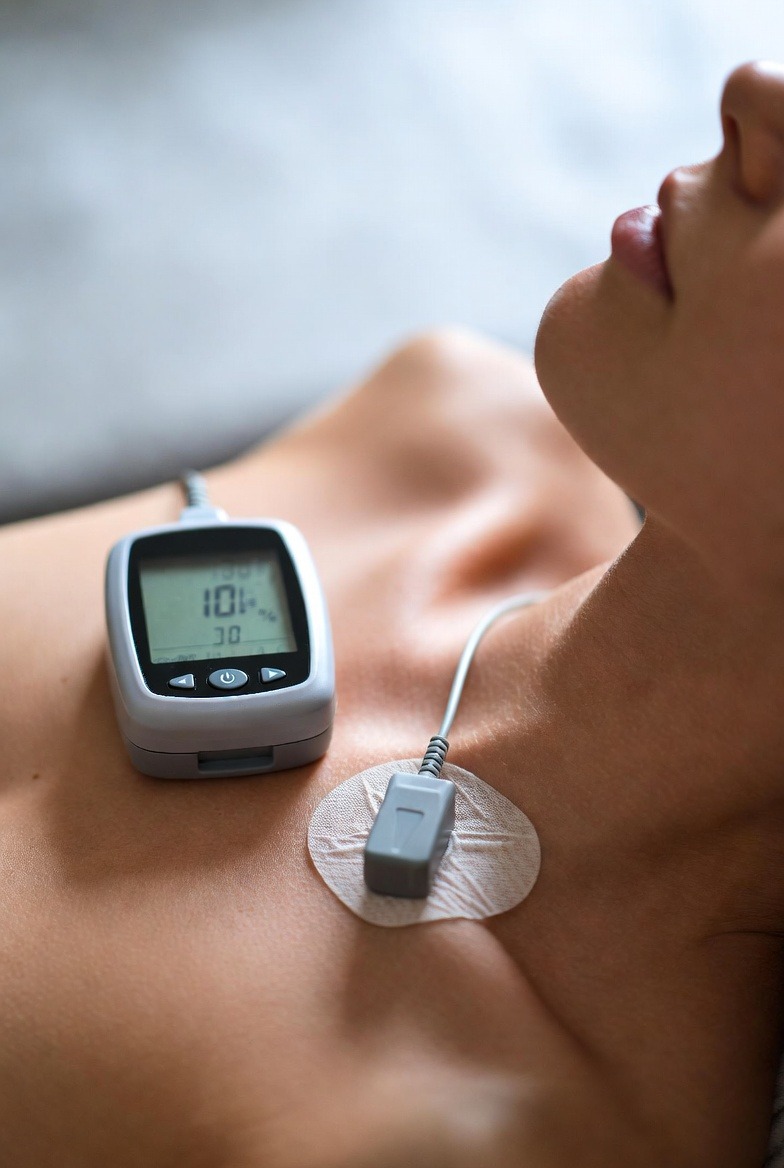
Stress during travel isn't always obvious. You might feel excited, engaged, and perfectly calm while your nervous system operates in a state of heightened activation, responding to the countless micro-demands of navigating unfamiliar environments. Your wellness ring captures this hidden load through stress signatures that reveal when your sympathetic nervous system is working overtime, even when you don't feel stressed. Understanding these signatures transforms how you interpret your travel experience and manage your energy.
Heart rate variability serves as the primary window into autonomic nervous system state. High HRV indicates a flexible nervous system capable of shifting between sympathetic (fight-or-flight) and parasympathetic (rest-and-digest) modes as circumstances demand. Low HRV suggests a system locked into sympathetic dominance, unable to relax even when external demands decrease. During travel, many people show declining HRV that persists throughout their journey, indicating cumulative stress load that never fully resolves. Your ring's HRV trends reveal whether you're maintaining autonomic flexibility or accumulating stress debt.
The sources of travel stress are numerous and often cumulative rather than individually overwhelming. Navigation stress—finding your way in unfamiliar places—activates sympathetic responses through continuous vigilance. Social stress—interacting in different languages or cultural contexts—demands cognitive resources and emotional labor. Logistical stress—managing tickets, reservations, connections—requires sustained attention and problem-solving. Each of these alone might be manageable, but together they create a stress load that your ring detects through declining HRV and elevated heart rate.
Time pressure, whether real or perceived, amplifies all other travel stresses. The feeling that you must maximize every moment, see every sight, capture every experience transforms exploration into performance, shifting your nervous system permanently toward sympathetic activation. Travelers who schedule downtime, accept that they can't do everything, and prioritize quality over quantity of experiences typically show better HRV throughout their journeys. Your ring's stress data helps you recognize when your itinerary has crossed from stimulating to overwhelming.
Emotional stress during travel deserves honest acknowledgment. Travel can trigger anxiety about safety, health, or logistics. It can surface grief when visiting places connected to loss. It can create relationship tension when traveling with companions who have different preferences or paces. These emotional demands activate stress pathways just as physical threats do, and your ring detects them through the same autonomic signatures. Acknowledging emotional stress as real stress, rather than dismissing it as "all in your head," enables more effective management.
The distinction between acute and cumulative stress matters for intervention. Acute stress—a momentary challenge like missing a connection—produces temporary HRV drops that typically recover within hours. Cumulative stress—the ongoing load of travel demands—produces sustained HRV suppression that may not recover without intentional intervention. Your ring's trend data helps you distinguish between these patterns, showing when you need immediate recovery versus when you need to adjust your overall approach.
Stress recovery, the process of returning to baseline after challenges, varies significantly among individuals and circumstances. Some people's nervous systems snap back quickly after acute stress, their HRV returning to normal within minutes or hours. Others show prolonged recovery, with stress signatures persisting long after the triggering event. Travelers with slower recovery need more intentional rest periods and may need to limit cumulative stress more carefully. Your ring's post-stress HRV patterns reveal your personal recovery speed, enabling better pacing.
The relationship between stress and sleep creates feedback loops during travel. High stress during the day often leads to poor sleep at night, as elevated cortisol and sympathetic activation interfere with sleep initiation and maintenance. Poor sleep then reduces stress tolerance the following day, making you more reactive to challenges. This cycle, once established, can persist throughout a journey, gradually degrading your wellness. Your ring's integrated view of daily stress and nightly recovery helps you recognize and interrupt these cycles before they become entrenched.
Stress signatures vary by time of day, with important implications for intervention. Morning HRV, measured upon waking, reflects your baseline autonomic state after overnight recovery. Afternoon HRV shows the accumulated effects of daily demands. Evening HRV indicates whether you're entering the pre-sleep period in a state conducive to rest. Travelers who monitor these patterns can time stress-management practices strategically—perhaps using breathing exercises when afternoon HRV drops, or creating relaxation rituals when evening HRV remains low.
The physical manifestations of stress—muscle tension, jaw clenching, shallow breathing—often go unnoticed during travel but appear indirectly in your ring's data. Elevated heart rate without physical activity suggests sympathetic activation from mental/emotional sources. Reduced HRV during rest periods indicates failure to disengage from stress. Poor sleep efficiency reflects hypervigilance that persists overnight. Recognizing these patterns helps you address stress through body-based interventions—stretching, massage, conscious relaxation—rather than trying to think your way out of a physiological state.
For travelers wanting to explore how stress signatures relate to broader fatigue patterns, read our complete guide on early detection of stress accumulation and intervention strategies that restore balance.
The initial days after arrival at a destination represent a critical period when your body is most vulnerable to travel stressors and most responsive to wellness interventions. Your wellness ring's data during these first 48 hours often predicts your entire travel experience, revealing whether you'll adapt smoothly or struggle throughout your journey. Understanding this adaptation window transforms how you approach arrival, shifting from maximizing immediate experiences to strategically supporting your body's adjustment.
The first 24 hours after long-haul travel constitute a physiological vulnerable period. Your circadian system is maximally desynchronized, with your internal clock still operating on home time while your environment demands local time. Your hydration status may be compromised despite efforts to maintain fluid balance. Your musculoskeletal system has endured prolonged sitting and position changes. Your immune system, stressed by travel and environmental changes, may be temporarily suppressed. Your ring's metrics during this period—often showing elevated heart rate, reduced HRV, and poor sleep—reflect this vulnerability.
Yet this vulnerability also represents opportunity. During the first 48 hours, your nervous system and circadian clock are most plastic, most responsive to the timing cues that will guide adaptation. Light exposure during this window exerts maximal phase-shifting effect. Meal timing powerfully influences peripheral clock resynchronization. Activity patterns help anchor circadian rhythms and support recovery. Your ring's feedback during this period helps you optimize these inputs, accelerating adaptation rather than prolonging it.
The temptation upon arrival is to dive immediately into activities—to start exploring, sightseeing, experiencing. For short trips, this approach may be unavoidable, but for any journey longer than a few days, strategic pacing during the first 48 hours pays dividends throughout. Travelers who allow themselves adaptation time—gentle activities, adequate rest, careful attention to light and meals—often show faster metric normalization and better overall wellness than those who push through arrival fatigue.
Sleep during the first night at a destination deserves particular attention. Your first sleep in a new time zone often determines your adaptation trajectory. If you can achieve reasonably good sleep that night, your circadian system receives powerful reinforcement for the new schedule. If you sleep poorly, you start the adaptation process from a deficit. Your ring's first-night sleep data provides crucial feedback about whether your pre-sleep routines, sleep environment, and timing choices supported or undermined adaptation.
The second day often proves more challenging than the first. The initial excitement and novelty of arrival may carry you through day one, but by day two, travel fatigue catches up. Your ring may show declining metrics even as you feel subjectively okay, revealing a disconnect between perceived and physiological state. Travelers who recognize this pattern can adjust day two expectations, scheduling lighter activities and prioritizing recovery rather than pushing through.
Daytime napping during the adaptation window requires careful management. While naps can offset sleep debt and improve function, poorly timed naps can delay circadian adaptation by providing sleep at times when your body should be building wakefulness pressure for the next night. Your ring's sleep staging can help you identify whether your naps are supporting or undermining adaptation. Short early-afternoon naps typically cause less circadian disruption than longer or later naps.
Light exposure timing during these first 48 hours shapes adaptation more than any other factor. Morning light in the new time zone (for eastward travel) or evening light (for westward travel) provides the phase-shifting signals your circadian system needs. Yet many travelers spend their first days indoors—in hotels, conference centers, or airports—missing the light exposure that would accelerate adaptation. Your ring's activity and sleep patterns, correlated with light exposure records from your phone or dedicated sensors, can reveal whether you're getting adequate light at the right times.
Meal timing serves as a secondary time cue that supports or undermines circadian adaptation. Eating meals at local meal times, even if you're not hungry by home-time standards, helps reset peripheral clocks in digestive organs and metabolic tissues. Conversely, eating at home-time hours while in a new zone sends conflicting signals that slow adaptation. Your ring's temperature and heart rate patterns may reflect the metabolic consequences of meal timing choices during adaptation.
Physical activity timing also influences adaptation speed. Morning exercise, particularly outdoors with light exposure, provides multiple time cues that support circadian advance. Evening exercise, while generally healthy, may delay sleep onset and complicate adaptation if performed too close to bedtime. Your ring's activity timing data helps you align movement with your adaptation goals.
The social dimension of adaptation—interacting with locals, participating in community activities, engaging with destination culture—provides time cues that support adjustment. Social schedules typically follow local time, and engaging with them reinforces the new schedule through behavioral anchoring. Travelers who isolate themselves in tourist bubbles or maintain home-country schedules through virtual connections may slow their adaptation. Your ring's stress and recovery data can reveal whether your social engagement patterns support or undermine adjustment.
For travelers wanting to optimize their adaptation strategies, explore our blog for more wellness tips that detail specific protocols for the critical first 48 hours.
The journey doesn't end when you return home. The post-travel period presents its own physiological challenges as your body readapts to home environment, time zone, and routines. Your wellness ring, tracking this return transition, provides invaluable guidance for post-travel recovery, helping you avoid the post-vacation crash that leaves many travelers feeling they need a vacation from their vacation.
Reverse jet lag, the experience of returning home tired and disoriented, often proves more challenging than initial adaptation. Your home time zone, once perfectly synchronized, now feels foreign. Your circadian system, which worked hard to adapt to destination time, must now readapt to home schedule—often just as you return to work and other obligations. Your ring's metrics during this period often show a second disruption pattern, sometimes worse than the first.
The duration of return adaptation typically correlates with length of stay and degree of time zone change. A week-long trip across multiple zones may require several days of readaptation. A month-long journey may require a week or more. Your ring's sleep, HRV, and temperature patterns reveal your personal readaptation timeline, helping you set realistic expectations for post-travel energy and performance.
The return to home routines presents its own challenges. Your body, accustomed to different meal times, activity patterns, and sleep schedules, must reintegrate into your previous rhythm. This transition often produces a period of mismatch where you're tired at home-bedtime but wakeful when you should be sleeping, or hungry at times that don't align with home meal schedules. Your ring's data helps you navigate this transition by showing when your body is genuinely ready for sleep versus when it's still operating on destination time.
Post-travel recovery strategies mirror those used during initial adaptation but in reverse. Light exposure timing must shift back toward home patterns. Meal timing must gradually realign with home schedules. Activity must be paced to avoid overwhelming a system still in transition. Your ring's feedback during this period guides your choices, showing which interventions accelerate return to baseline.
The emotional dimension of post-travel recovery deserves attention. Returning home after meaningful travel experiences can trigger letdown, nostalgia, or even mild depression as the contrast between adventure and routine becomes apparent. These emotional states activate stress pathways that your ring detects through HRV changes and sleep disruption. Acknowledging the emotional reality of post-travel adjustment, rather than dismissing it, supports more complete recovery.
Post-travel nutrition often requires adjustment as your digestive system readapts to home foods. The gut microbiome, temporarily altered by destination cuisine and potential pathogens, needs time to reestablish its home composition. Digestive symptoms during this period, while generally mild, can affect sleep and recovery. Your ring's temperature and heart rate patterns may reflect gut-related inflammation or discomfort during readaptation.
The temptation to immediately resume full pre-travel routines—workouts, social obligations, work intensity—often backfires. Your body, still recovering from travel stress, needs gradual reintroduction to demands rather than sudden full engagement. Your ring's recovery scores provide objective guidance about readiness, showing when you're genuinely recovered versus when you're pushing through residual fatigue.
Sleep catch-up after travel requires strategic management. While you may have accumulated sleep debt during your journey, sleeping excessively upon return can disrupt circadian readaptation and leave you feeling groggy. Your ring's sleep staging helps you identify when you've adequately repaid debt versus when additional sleep would interfere with schedule realignment.
The integration of travel experiences into daily life—through photos, journaling, sharing stories—supports emotional processing that completes the travel cycle. Travel that remains unprocessed, merely accumulated as experiences without reflection, may not deliver the psychological benefits that justify its physiological costs. Your ring's stress and recovery patterns may improve as you engage in this integrative processing, suggesting that meaning-making supports physiological regulation.
For travelers wanting to understand how post-travel recovery interfaces with long-term wellness patterns, learn more about smart ring technology and its ability to track adaptation across multiple journeys, revealing your personal travel wellness signature.
Your Trusted Sleep Advocate: Sleep Foundation — https://www.sleepfoundation.org
Discover a digital archive of scholarly articles: NIH — https://www.ncbi.nlm.nih.gov/
39 million citations for biomedical literature :PubMed — https://pubmed.ncbi.nlm.nih.gov/
Experts at Harvard Health Publishing covering a variety of health topics — https://www.health.harvard.edu/blog/
Every life deserves world class care :Cleveland Clinic - https://my.clevelandclinic.org/health
Wearable technology and the future of predictive health monitoring :MIT Technology Review — https://www.technologyreview.com/
Dedicated to the well-being of all people and guided by science :World Health Organization — https://www.who.int/news-room/
Psychological science and knowledge to benefit society and improve lives. :APA — https://www.apa.org/monitor/
Cutting-edge insights on human longevity and peak performance:
Lifespan Research — https://www.lifespan.io/
Global authority on exercise physiology, sports performance, and human recovery:
American College of Sports Medicine — https://www.acsm.org/
Neuroscience-driven guidance for better focus, sleep, and mental clarity:
Stanford Human Performance Lab — https://humanperformance.stanford.edu/
Evidence-based psychology and mind–body wellness resources:
Mayo Clinic — https://www.mayoclinic.org/healthy-lifestyle/
Data-backed research on emotional wellbeing, stress biology, and resilience:
American Institute of Stress — https://www.stress.org/


