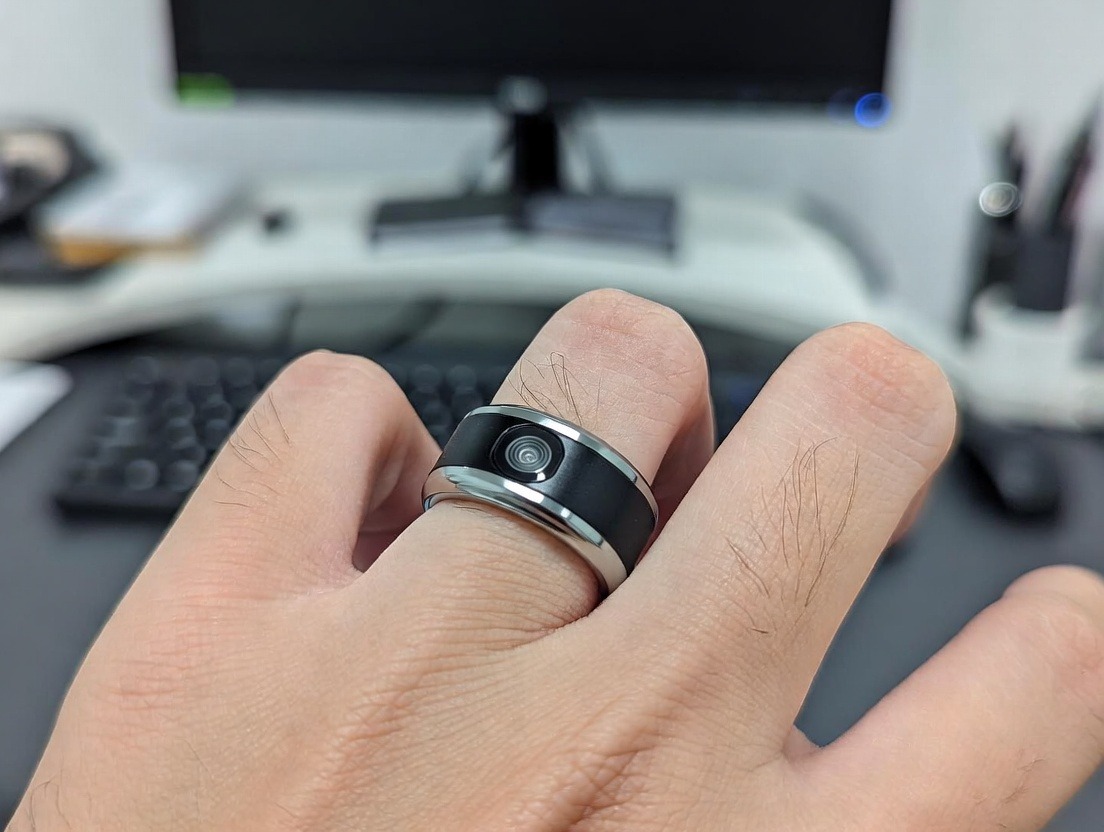
The Beginner-Friendly Guide to Fatigue Prevention Using Your Smart Ring
Using your smart ring to detect and prevent fatigue early.
The Beginner-Friendly Guide to Fatigue Prevention Using Your Smart Ring
Do you ever feel like you’re running on empty, no matter how much coffee you drink or how early you go to bed? You’re not alone. In our modern, always-on world, fatigue has become a silent epidemic, sapping our energy, creativity, and joy. We chase productivity hacks and miracle supplements, often overlooking the most powerful tool we have: the data from our own bodies.
What if you could see your fatigue coming from miles away, like a weather forecast for your energy levels? What if, instead of crashing at 3 PM, you could receive a gentle, proactive nudge to take a strategic break, hydrate, or adjust your schedule? This is no longer science fiction—it’s the everyday reality made possible by the unassuming device on your finger: your smart ring.
This guide is your roadmap out of chronic tiredness. We’re moving beyond vague advice like “get more sleep” and into the precise, personalized world of biometric intelligence. Your smart ring is more than a sleep tracker; it’s a continuous, 24/7 guardian of your vitality, measuring the core wellness fundamentals that support mental health and physical resilience. We’ll show you how to translate its raw data—heart rate variability, resting heart rate, skin temperature, and blood oxygen—into actionable strategies that prevent fatigue before it starts.
Forget feeling guilty about being tired. It’s time to feel empowered. This beginner-friendly guide will demystify your biometrics, teach you to listen to your body’s whispers (so you never have to hear its screams), and build a sustainable, energy-rich life. Let’s begin the journey from drained to vibrant, one data point at a time.
Understanding Fatigue: It’s More Than Just Feeling Tired
Before we can prevent fatigue, we must first understand its true nature. Fatigue is not a single sensation but a complex, multi-system warning signal from your body. It’s your biology’s way of saying, “The current demand is exceeding my capacity to recover.” Unlike simple sleepiness, which is resolved by rest, chronic fatigue can persist even after a full night’s sleep, indicating a deeper imbalance in your body’s fundamental systems.
Medically, fatigue is often categorized into two types: physical and mental. Physical fatigue manifests as muscle weakness, heaviness, and a lack of physical stamina. Mental (or cognitive) fatigue shows up as brain fog, poor concentration, lack of motivation, and emotional irritability. In reality, these two are intimately connected—a tired body leads to a tired mind, and vice versa. This connection is rooted in your autonomic nervous system (ANS), the master regulator of your energy expenditure and recovery. When you’re stuck in a sympathetic-dominant “fight or flight” state, you burn energy reserves rapidly, leading to systemic exhaustion.
Modern life is a perfect storm for fatigue creation. We face constant psychological stressors (work deadlines, information overload), physiological stressors (poor sleep, excessive training, hidden inflammation), and environmental stressors (blue light exposure, irregular schedules). This trifecta disrupts our circadian rhythms, depletes crucial neurotransmitters, and creates a state of allostatic load—the cumulative wear and tear on the body. The insidious part? We often adapt to a low-energy baseline, forgetting what true vitality feels like. We accept afternoon slumps and weekend crashes as normal, when they are actually clear indicators that our wellness fundamentals are out of balance.
This is where your smart ring becomes revolutionary. It moves you from subjective guesswork (“I feel pretty tired”) to objective observation (“My resting heart rate is 8 bpm higher than my baseline and my HRV has been depressed for three days”). It quantifies the invisible stress and recovery processes happening inside you, making the abstract concept of “energy capacity” tangible. By tracking the core wellness fundamentals your body needs, it shifts the paradigm from reactive recovery to proactive prevention. Instead of asking “Why am I so tired today?” you’ll begin to ask “What can I do today to ensure I have abundant energy tomorrow?”
Your Smart Ring: A Personal Fatigue Detection Lab on Your Finger
So, how does this sleek piece of technology perform its magic? A smart ring is a compact, powerful biosensor array that leverages photoplethysmography (PPG)—a fancy term for using light to measure blood flow—alongside accelerometers and temperature sensors. Worn on your finger, a location rich in capillary density, it provides a surprisingly strong and continuous signal for tracking your vital signs.
Unlike a smartwatch you might take off, the ring’s form factor encourages 24/7 wear, giving you an uninterrupted story of your body’s rhythms, not just snapshots. Let’s break down the key metrics it tracks and what each one tells you about your fatigue risk:
1. Heart Rate Variability (HRV): Your Body’s Resilience Score HRV is the golden metric for fatigue prevention. It measures the subtle variations in time between each heartbeat. Contrary to what you might think, a higher HRV is generally better. It indicates a robust, adaptable autonomic nervous system—a heart that can quickly respond to changing demands. When you’re well-recovered and resilient, your HRV is higher. When you’re stressed, overworked, fatigued, or fighting illness, your nervous system becomes more rigid, and your HRV drops. A consistently low or trending-downward HRV is one of the earliest and most sensitive warnings that you are accumulating fatigue and need to prioritize recovery. It’s a direct window into your stress management foundation.
2. Resting Heart Rate (RHR): Your Metabolic Idle Speed Your resting heart rate is exactly what it sounds like—your heart rate when you are truly at rest, typically during sleep. A lower RHR often indicates better cardiovascular fitness and efficient heart function. For fatigue tracking, the trend is crucial. A sudden or sustained elevation in your nightly RHR (e.g., 5-10 beats per minute above your personal baseline) is a classic sign that your body is under strain. This could be due to impending illness, excessive training load, dehydration, or high stress. It’s your body working harder just to maintain basic functions, leaving less energy in reserve for you.
3. Sleep Data: The Foundation of All Recovery Your smart ring doesn’t just track how long you sleep, but how well you sleep. It breaks down your night into light, deep, and REM sleep stages. Deep sleep is critical for physical repair and immune function, while REM sleep is essential for cognitive and emotional processing. Frequent awakenings, insufficient deep sleep, or a disrupted sleep architecture mean you wake up unrefreshed, directly fueling next-day fatigue. The ring also tracks your sleep latency (how long it takes to fall asleep) and wake-up consistency, key pieces of the fundamental role of a consistent sleep schedule.
4. Body Temperature & Blood Oxygen (SpO2): The Subtle Clues Nocturnal skin temperature trends can reveal valuable information about your circadian rhythm and hormonal status. A predictable dip and rise are signs of a healthy rhythm. Deviations can signal stress or inflammation. Similarly, significant drops in blood oxygen saturation during sleep (not necessarily to clinical apnea levels) can indicate disrupted, unrestorative sleep, leading to daytime sleepiness.
By synthesizing these data points, your smart ring creates a daily “readiness” or “recovery” score. This isn't a gimmick; it’s a composite algorithm designed to answer one critical question: Does your body have the physiological capacity to handle stress and demand today, or should you prioritize restoration? Learning to trust and act on this score is the first step in intelligent fatigue prevention.
Setting Up for Success: A Beginner’s First 7 Days with a Smart Ring
The excitement of getting your new smart ring can quickly turn into overwhelm if you dive into the data ocean without a plan. Your first week is not about making drastic changes; it’s about observation, calibration, and establishing trust in the tool. Follow this simple 7-day protocol to start strong.
Days 1-3: The Baseline Calibration Phase
Wear it Always: Put the ring on and commit to wearing it 24/7, only removing it for charging (which is best done during a sedentary, predictable hour, like while you shower and get ready in the morning).
Live Normally: Do not try to “perform” or alter your routine to get “good” scores. The goal is to capture your authentic, current baseline—the real starting point from which you’ll improve. Eat, sleep, work, and exercise as you typically would.
Ignore the Scores: Resist the urge to obsess over your sleep or readiness numbers for these first few days. The algorithms need time to learn you. Initial scores may be inaccurate as the device establishes your personal norms.
Focus on One Thing: Simply ensure the ring is syncing data to the app correctly. Get familiar with the layout—where to find your sleep report, where your HRV and RHR graphs live.
Days 4-7: The Observation & Connection Phase
Establish Your Personal Baseline: By Day 4, you’ll start to see patterns. Open your app each morning and note your key metrics: last night’s average HRV, RHR, and total sleep time. Don’t judge them, just record them in a notes app or journal. What’s the range? This is your unique fingerprint.
Practice the “Why?” Game: Look at yesterday’s data and ask gentle, curious questions. “My RHR was 3 bpm higher last night. Why might that be? Was my workout unusually intense? Did I have that difficult conversation before bed? Did I eat later than usual?” Start building hypotheses about what influences your numbers.
Connect One Sensation to One Data Point: At some point during the day, check in with yourself. If you feel a noticeable energy crash at 4 PM, look back at your previous night’s sleep depth. If you feel unusually calm and focused, check your morning HRV. Start forging a single, solid link between how you feel and what the data says.
Set Your First Mini-Goal: Based on your initial baseline, choose one tiny, non-intimidating goal for the last two days. For example: “I will be in bed with lights out 15 minutes earlier than my observed average,” or “I will drink a large glass of water first thing every morning.” Observe if this tiny shift moves any metric, even slightly.
This first week is about building a partnership with your technology. You are the expert on your life context; the ring is the expert on your physiology. Together, you form a complete picture. By the end of Day 7, you will have moved from “What do all these numbers mean?” to “Ah, I see. This is what my current recovery looks like.” This foundational awareness is more powerful than any quick fix. It’s the first step in building wellness fundamentals into your daily routine with precision.
Decoding Your Morning Readiness Score: Your Daily Energy Forecast
Now that you have your baseline, the most important habit you’ll cultivate is the morning check-in. Your “Readiness” or “Recovery” score (the name varies by brand) is your daily energy forecast. Think of it not as a grade, but as a weather report for your internal landscape: Sunny (High Readiness), Partly Cloudy (Medium), or Stormy (Low).
What Goes Into This Score? While algorithms are proprietary, they generally weigh several of the metrics we’ve discussed:
Sleep Quality & Quantity: Did you get enough of the right stages of sleep?
HRV Trends: Is your nervous system showing signs of adaptability or strain?
RHR Trends: Is your heart idling higher than normal, indicating stress?
Sleep Consistency: Did you go to bed and wake up at a similar time to previous nights?
Activity Balance: Were you chronically under- or over-active in the preceding days?
A high score suggests your body has recovered well and is physiologically prepared to take on stress, tackle challenging workouts, and be socially engaged. A low score is a clear signal from your body that resources are depleted and the priority should be restoration, not expenditure.
How to Intelligently Use the Score (Beyond Just Looking at It): The magic lies in your behavioral response. Here is a simple decision matrix for beginners:
Readiness Score > 70 (Green / High):
Interpretation: “Go” signal. Your systems are resilient.
Action Plan: This is a day to be productive and active. Schedule your most demanding cognitive work, plan that intense workout, or engage in socially draining activities. You have the capacity to handle stress and adapt positively to it. It’s also a day to be grateful—your fundamental health habits are working.
Readiness Score 30-70 (Yellow / Medium):
Interpretation: “Proceed with Caution” signal. Your resources are moderate.
Action Plan: This is a day for maintenance, not breakthroughs. Opt for moderate exercise like walking, yoga, or light strength training. Focus on steady-state work rather than creative sprints. Be extra mindful of nutrition and hydration. It’s a perfect day to ask, “What one thing can I do to support recovery tonight?” Perhaps it’s a 10-minute meditation, an early dinner, or a tech curfew.
Readiness Score < 30 (Red / Low):
Interpretation: “Rest & Repair” signal. Your body is asking for a time-out.
Action Plan: This is non-negotiable recovery day. Prioritize gentle movement only—a slow walk, stretching. Cancel non-essential social plans. Delegate what you can. Focus on hydration, easy-to-digest foods, and stress-reduction techniques. Your only “job” is to recharge. Ignoring a red day often leads to a crash, illness, or injury, proving that in the hierarchy of health, wellness fundamentals and recovery are more important than action.
The Beginner’s Mindset Shift: Your goal is not to have all green scores. That’s impossible and undesirable—stress and strain are part of growth. The goal is to have the score match your reality, and to adjust your reality based on the score. A green score after a hard week of work tells you you’ve recovered effectively. A red score after a hard week tells you you haven’t—and now you have the data to prove it and the permission to rest.
Sleep: The Non-Negotiable Pillar of Fatigue Prevention
If fatigue is a fire, sleep is your primary fire extinguisher. It’s the most potent recovery tool you possess, and optimizing it is the single highest-impact action for preventing energy deficits. Your smart ring transforms sleep from a mysterious black box into a detailed report card, allowing you to move from guessing to optimizing.
Beyond 8 Hours: Understanding Sleep Architecture The goal isn’t just to be unconscious for a set number of hours; it’s to cycle effectively through the stages of sleep multiple times per night.
Deep Sleep (Slow-Wave Sleep): This is physical restoration mode. Tissue repair, muscle growth, immune system strengthening, and energy replenishment happen here. Disrupt deep sleep, and you wake up physically aching and vulnerable.
REM Sleep: This is mental and emotional restoration mode. It’s when memory consolidation, learning integration, and emotional processing occur. Disrupt REM, and you wake up with brain fog and emotional fragility. Your smart ring shows you the duration and proportion of each stage. A healthy pattern shows robust blocks of both deep and REM sleep, especially in the first half and second half of the night, respectively.
Actionable Smart Ring Strategies for Sleep Optimization:
Find Your True Sleep Need: Use your ring’s data over two weeks of unrestrained sleep (e.g., on vacation or a low-stress period) to find the point where adding more sleep no longer improves your readiness score. For many, it’s between 7-9 hours, but it’s personal. This is your personal baseline for wellness fundamentals.
Leverage Sleep Consistency Metrics: The time you go to bed and wake up may be more important than the duration. A consistent schedule anchors your circadian rhythm. Use your ring’s “Sleep Consistency” score. Aim to keep your bedtime and wake time within a 60-minute window, even on weekends. This one habit can dramatically improve sleep quality and daytime energy stability.
Diagnose Disruptions: Is your graph showing frequent awakenings? Investigate causes: room temperature, alcohol consumption (which fragments sleep later in the night), partner disturbance, or sleep apnea clues like SpO2 drops. Is your deep sleep low? Prioritize intense exercise earlier in the day and ensure you’re not deficient in magnesium. Is your REM low? Work on daytime stress management and avoid caffeine too late.
Create a Data-Backed Wind-Down Routine: Your ring can track your physiological calm-down phase. Notice what time your resting heart rate begins to drop as you prepare for bed. Formalize this. 60-90 minutes before your target bedtime, start your “ring-friendly” wind-down: dim lights, no screens, perhaps light reading or gentle stretching. Watch how this ritual starts to improve your sleep latency (time to fall asleep) on your data.
Use the “Time in Bed” vs. “Time Asleep” Data Wisely: Most people need to be in bed for longer than their target sleep duration. If your goal is 8 hours of sleep, your ring data might show you need to be in bed for 8.5 hours to account for the time it takes to fall asleep and brief awakenings. Schedule your bedtime accordingly.
By treating sleep as a measurable, improvable skill rather than a passive state, you build the most reliable defense against fatigue. Quality sleep doesn’t just prevent tiredness; it optimizes your energy levels for peak daily performance.
HRV & Resting Heart Rate: Your Real-Time Fatigue Alarms
While sleep is the foundation, Heart Rate Variability (HRV) and Resting Heart Rate (RHR) are the live dashboards of your nervous system and cardiovascular engine. Monitoring their trends is like having a direct hotline to your body’s recovery department.
Heart Rate Variability (HRV): The Master Metric of Resilience Let’s simplify HRV: It measures the time variation between heartbeats, controlled by the constant tug-of-war between your sympathetic (“fight or flight”) and parasympathetic (“rest and digest”) nervous systems. High HRV means your body can switch between these states fluidly—you can ramp up for a challenge and then wind down effectively. Low HRV indicates a stuck, stressed, or fatigued state.
How to Use HRV Data for Fatigue Prevention:
Track the Trend, Not the Daily Number: A single low HRV reading is meaningless—it could be due to a hard workout, a bad night, or a single stressful event. The power is in the trend. If your 7-day average is steadily declining, it’s a bright red flag that you are accumulating systemic fatigue and your resilience is dropping. It’s your body’s plea to dial back.
Identify Your Personal “Green Zone”: After your baseline week, calculate your average HRV. Consider your “green zone” to be within 10-15% of this average. When you are in this zone, you are in maintenance mode.
Respond to Dips Proactively: A significant dip (e.g., 20%+ below your average for 2-3 days) is an action signal. This is when you deploy your recovery toolkit: prioritize extra sleep, hydrate aggressively, choose gentle movement like walking or yoga, and practice deliberate stress reduction (meditation, nature time). Watch how your HRV responds to these interventions—it provides immediate feedback on what works for you.
Use It for Workout Planning: Plan your most intense workouts for days when your HRV is at or above your baseline. On low HRV days, switch to recovery-focused activity or complete rest. This “autoregulation” prevents you from digging a deeper fatigue hole.
Resting Heart Rate (RHR): The Idle Speed Indicator Your RHR is a beautifully simple metric. A lower RHR generally indicates a strong, efficient heart. For fatigue, we care about deviations from your norm.
How to Use RHR Data for Fatigue Prevention:
Watch for the “Elevation Pattern”: A sustained elevation of 5+ beats per minute above your personal baseline is one of the most reliable signs of overall strain. This could be due to:
Overtraining: Inadequate recovery between exercise sessions.
Dehydration: Your heart has to work harder to pump thicker blood.
Illness Onset: Your body is ramping up immune activity.
Chronic Stress: Persistent sympathetic nervous system activation.
Correlate with Other Data: An elevated RHR paired with a low HRV is a double confirmation of a “stormy” internal weather forecast. It strongly reinforces the need for a rest day.
Monitor Recovery from Stress: After a particularly stressful event or hard training block, watch for your RHR to return to baseline. The speed of this return is a great indicator of your current recovery capacity.
Together, HRV and RHR form a powerful duo. HRV tells you about the quality of your nervous system’s control, while RHR tells you about the workload on your cardiovascular system. By learning their language, you move from being a passenger in your body to being an informed pilot, navigating away from fatigue and toward sustainable energy. This mastery is central to creating a sustainable, lifelong approach to health.
Movement & Recovery: Finding Your Personal Energy Balance
Our culture often glorifies “more”—more steps, more miles, more intense workouts. But from a fatigue prevention standpoint, the most important principle is balance. Movement is a potent medicine for energy, but only when properly dosed and paired with adequate recovery. Your smart ring helps you find this elusive sweet spot, ensuring your activity fuels you instead of drains you.
The Two Extremes: Under-Moving and Overreaching
The Sedentary Trap: Insufficient movement leads to poor circulation, sluggish metabolism, and disrupted sleep, all of which contribute to low-grade fatigue. Your ring will show this through potentially depressed HRV (from lack of stimulation) and poor sleep quality.
The Overtraining Pitfall: Excessive or poorly timed intense exercise without recovery is a direct path to burnout, injury, and chronic fatigue. Your ring screams this through a persistently elevated RHR, plummeting HRV, and disrupted sleep (often with too much deep sleep initially, then a crash).
Using Your Smart Ring to Guide Intelligent Movement:
Let Readiness Guide Your Workout Intensity: This is the core rule. As outlined earlier, match your workout plan to your morning readiness score. A green day? Go for a PR. A yellow day? Stick to technique-focused, moderate sessions. A red day? Your “workout” is walking, stretching, or rest. This practice of autoregulation is the ultimate form of listening to your body.
Track the Impact, Not Just the Output: After any workout, don’t just look at your calories burned or max heart rate. The next morning, check the impact on your physiology. Did that 60-minute HIIT session cause a large spike in your RHR and a drop in HRV? If so, it was more demanding than you realized, and you need to ensure the next day is truly restorative. This feedback loop helps you understand your true tolerance and optimize movement as non-negotiable medicine.
Pay Attention to Non-Exercise Activity Thermogenesis (NEAT): Your daily step count and general activity outside of formal exercise are huge contributors to metabolic health and energy circulation. Use your ring’s activity goal to ensure you’re not sedentary on non-workout days. A consistent, moderate level of NEAT is often better for sustained energy than being a weekday couch potato and a weekend warrior.
Utilize the “Recovery Time” Feature: Some ring algorithms will suggest a recovery time after intense activity. While not perfect, it’s a useful guideline. Respect it, especially as a beginner. It’s better to be slightly under-trained and fresh than over-trained and fatigued.
Strategic Recovery: Making Rest Productive Recovery is not passive; it’s the active process of adaptation. Your ring data validates what true recovery looks like.
Active Recovery: On a yellow or red day, a gentle walk or mobility session can actually boost circulation and lower stress hormones, often improving HRV more than total stagnation.
Sleep as the Ultimate Recovery Tool: The connection is direct. The best post-workout recovery “supplement” is deep, quality sleep. Watch how a hard training day, followed by excellent sleep, results in a smaller HRV dip and quicker RHR normalization than the same workout followed by poor sleep.
Psychological Detachment: True recovery requires mental break. Constant work stress, even while physically resting, keeps your nervous system engaged. Use your ring as proof: a weekend spent truly disconnected in nature often produces a dramatic Monday morning HRV surge, while a weekend spent anxiously checking email does not.
By letting your biometrics dictate the dance between effort and ease, you break the cycle of boom-and-bust energy. You learn that sometimes the most powerful thing you can do for your energy tomorrow is to do less today. This balance is the cornerstone of preventing the vast majority of health and energy problems.
Stress & Your Nervous System: The Silent Energy Thief
Stress is not just a feeling; it’s a measurable physiological event with a direct tax on your energy reserves. While some stress (eustress) is motivating and beneficial, chronic, unmanaged stress (distress) is a primary driver of fatigue. It keeps your sympathetic nervous system engaged, burning through energy substrates, elevating cortisol, and inhibiting recovery. Your smart ring doesn’t measure your emails or to-do list, but it brilliantly quantifies their effect on your body.
How Your Ring Measures the Physiology of Stress:
HRV is the Direct Readout: As discussed, low or dropping HRV is a hallmark of stress-induced autonomic nervous system imbalance. A stressful mental workday can depress your HRV as effectively as a hard workout.
Elevated RHR: Persistent mental or emotional stress often leads to a sustained elevation in your nightly resting heart rate.
Sleep Disruption: Stress is a classic cause of poor sleep latency (trouble falling asleep), frequent awakenings, and reduced deep sleep. Your ring will show this clearly.
Actionable Strategies to Use Your Ring for Stress Management:
Correlate Life Events with Data Spikes: After a stressful meeting, deadline, or family conflict, check your stress-related metrics later that night or the next morning. Seeing the tangible physiological impact of a stressful event—“That argument raised my RHR for 24 hours”—can be a powerful motivator to change your response or environment. It validates that stress is “real” in your body.
Test Drive De-Stressing Techniques: Use your HRV and RHR as a biofeedback tool to discover what truly calms your nervous system.
The 5-Minute Test: Try a 5-minute breathing exercise (e.g., box breathing: 4-second inhale, 4-second hold, 6-second exhale). Check your real-time HRV in the app (if available) or observe its impact on your morning score after doing it before bed. Does it help?
Compare Modalities: One week, try a 10-minute evening meditation. The next, try a gentle walk in nature. The next, try journaling. Which one consistently leads to better next-morning HRV and lower RHR? Your body will tell you what works best for you. This is the essence of mind-body integration for wellness.
Establish a “Stress Buffer” Routine: Based on your testing, create a short evening ritual to help your nervous system disengage from the day. This could be a tech curfew, light reading, or gentle stretching. Monitor how consistently practicing this ritual improves your sleep scores and morning readiness, especially on high-stress workdays.
Identify “Energy Vampires”: Look for patterns. Do your metrics always look worse on days with back-to-back Zoom calls? After interacting with a certain person? When you skip lunch? Your ring helps you identify the specific, repeatable stressors in your life that have the biggest fatigue cost, allowing you to set boundaries or create coping strategies proactively.
Remember, the goal isn’t to eliminate stress—that’s impossible. The goal is to improve your recovery from it. Your smart ring provides the objective evidence that your stress management techniques are working at a biological level, not just making you “feel” calmer. By managing your nervous system state, you protect your most valuable asset: your sustainable energy.
Nutrition, Hydration & Circadian Rhythms: The Fueling Fundamentals
Your energy is not just created by sleep and managed by stress; it is fundamentally built from the molecules you ingest and timed by your internal biological clock. While smart rings don’t (yet) directly measure glucose or nutrient levels, they are exceptionally good at showing you the downstream effects of your fueling and timing choices on your fatigue levels.
How Dietary Choices Show Up in Your Biometrics:
Meal Timing & Sleep: A late, heavy meal close to bedtime forces your digestive system to work overnight, often raising your nocturnal skin temperature and heart rate, leading to more restless sleep and a higher morning RHR. Your ring’s sleep graph will show more disturbances.
Alcohol: Alcohol is a major disruptor. It may help you fall asleep faster, but it typically demolishes REM sleep in the second half of the night and increases awakenings. It also dehydrates you, leading to an elevated RHR. A single glass of wine with dinner can be clearly visible in your sleep architecture and next-day readiness score.
Hydration Status: Dehydration increases blood viscosity, forcing your heart to work harder, which elevates your RHR. A day of poor hydration can lead to a higher-than-normal nightly RHR and a lower HRV.
Inflammatory Responses: For some individuals, foods that trigger mild inflammation or sensitivities can lead to a higher resting heart rate, lower HRV, and even a slight elevation in skin temperature as the body deals with the immune response.
Using Your Ring to Optimize Fueling for Energy:
The Dinner Timing Experiment: For one week, finish dinner at least 3 hours before bedtime. For the next week, eat closer to bedtime. Compare your average sleep quality scores, deep sleep percentages, and morning RHR. The data will likely give you a clear, personal ideal cut-off time.
The Alcohol Impact Log: On a night you choose to have a drink, note the type and quantity. The next morning, don’t just go by how you feel—check the data. Look at your REM sleep duration and your HRV/RHR. This objective feedback can help you make more informed, moderate choices that protect your energy.
Hydration Correlation: On a day you know you’ve drunk ample water, check your RHR that night. Compare it to a day you were busy and drank mostly coffee. Work on consistently hitting your hydration target and watch for a positive trend in your cardiovascular strain (RHR) over weeks.
Circadian Rhythm Alignment: Your body expects fuel, movement, and light on a predictable schedule. Eating at erratic times, getting bright light late at night, or skipping meals disrupts your circadian rhythm, which shows up as poor sleep and dysregulated HRV. Use your ring’s consistency metrics as motivation to stabilize your daily schedule, reinforcing the powerful connection between all your body’s systems.
While your ring isn’t a diet coach, it is a superb accountability partner. It answers the question: “How is my body responding to what I’m putting into it and when?” By linking dietary and timing choices to objective recovery metrics, you empower yourself to make small, sustainable tweaks that yield big energy dividends.
Creating Your Personalized Fatigue Prevention Protocol
You now understand the key metrics and how they respond to lifestyle inputs. It’s time to synthesize this knowledge into a living, breathing, personalized protocol—a set of rules and responses guided by your data. This turns information into transformation.
Step 1: Define Your Personal Baselines & Zones. After 30 days of consistent wear, you have enough data to establish stable baselines.
Calculate your average HRV and average RHR from your nightly sleep data (most apps show a 30-day average).
Define your “Green Zone” as within ±10% of your HRV average and your RHR average.
Define your “Caution Zone” (Yellow) as an HRV 10-25% below average or an RHR 5-10 bpm above average for 2+ days.
Define your “Recovery Zone” (Red) as an HRV more than 25% below average or an RHR more than 10 bpm above average.
Step 2: Build Your “If-Then” Decision Tree. This is your executable protocol. Print it out and put it on your fridge.
IF my Morning Readiness Score is Green AND my HRV is in Green Zone:
THEN I will proceed with my planned intense workout or demanding cognitive work. I will stay hydrated and aim for my standard sleep target.
IF my Morning Readiness Score is Yellow OR my HRV is in Caution Zone for 2 days:
THEN I will switch any planned intense workout to a moderate one (e.g., strength to yoga, run to walk). I will prioritize a 10-minute stress reduction practice (meditation, breathing). I will aim to be in bed 30 minutes earlier. I will double-check my hydration.
IF my Morning Readiness Score is Red OR my HRV is in Recovery Zone OR my RHR is elevated >10 bpm:
THEN I will cancel intense exercise—only gentle movement allowed. I will schedule at least two stress-reduction sessions. I will prioritize 60+ minutes of extra time in bed. I will eat simple, nourishing foods and avoid alcohol completely. This is a mandatory restoration day.
Step 3: Establish Your Non-Negotiable Daily Fundamentals. These are the habits you maintain regardless of your score, forming your preventive bedrock. Your ring tracks your compliance with these core wellness fundamentals.
Sleep Consistency: I will get within 60 minutes of my target bedtime/wake time every single day.
Morning Light: I will get 10+ minutes of natural light within 60 minutes of waking.
Hydration Anchor: I will drink a large glass of water before my first coffee.
Movement Minimum: I will hit my daily step goal, even on rest days (via walking).
Evening Wind-Down: I will start a 30-minute, screen-free wind-down routine before bed.
Step 4: Schedule Monthly “Data Reviews.” Once a month, sit down with your app’s weekly or monthly overview. Look for long-term trends.
Is my average HRV slowly creeping up? Fantastic! My resilience is improving.
Is my average sleep duration increasing without an alarm? My body is catching up on need.
Did a particular week show a major crash? What life events aligned with it? This review turns your protocol from reactive to strategic, helping you create positive health momentum over time.
Your personalized protocol is not rigid; it’s a dynamic conversation with your body. It removes the guesswork and emotional drama from fatigue management. You’re no longer “lazy” for needing a rest day; you’re “strategic” because your biometrics prescribed it. This is the ultimate empowerment.
Building Your Fatigue-Proof Lifestyle: Integrating Data into Daily Decisions
Knowledge is only potential power. The true transformation from chronically fatigued to consistently energized happens in the space between seeing your data and making a different choice because of it. This section is about operationalizing everything you’ve learned into a seamless, sustainable lifestyle. A "fatigue-proof" life isn't one devoid of effort or stress; it's one where you have the awareness and tools to navigate demands without depleting your core reserves, ensuring you recover stronger than you started.
From Data to Instinct: The Learning Loop Initially, you will consciously consult your data before making decisions: "Should I go to that evening event? Let me check my sleep from last night." "Can I handle an intense workout today? What's my readiness score?" This is the necessary, deliberate phase. Over time, however, something remarkable happens. You begin to internalize the correlations. You start to feel the early signs of a dropping HRV—perhaps as a slight irritability or a sense of being overwhelmed. You recognize the heavy-limbed sensation that often accompanies an elevated resting heart rate. The data trains your interoception—your sense of the internal state of your body. The ring becomes less of a crutch and more of a calibration tool, used to confirm your honed instincts. This feedback loop is how you master wellness fundamentals using smart technology.
Designing Your Environment for Energy Your willpower is a finite resource, easily depleted by fatigue. A far superior strategy is to design your physical and digital environment to make the energy-supporting choice the default, easy choice.
Sleep Sanctuary: Use your ring's sleep data to optimize your bedroom. If your data shows frequent awakenings, invest in blackout curtains, a white noise machine, or a temperature regulator. Charge your phone outside the bedroom. Make the environment itself enforce your wind-down routine.
Hydration Stations: Place water bottles in every room you frequent. If you see a correlation between poor hydration and higher RHR, use this visual cue to drink consistently.
Stress-Free Zones: Identify times or places that consistently spike your stress (visible in HRV dips). Can you design a buffer? For example, if your post-commute metrics are poor, could you listen to an audiobook instead of news? Could you take five minutes of silence before walking into your home? Use your data to justify these small environmental tweaks that have a large cumulative effect on your stress management foundation.
The Power of Micro-Recovery Fatigue prevention isn't just about big rest days; it's about weaving minute-long recovery opportunities throughout your day. These "micro-recoveries" prevent the catastrophic energy drain that forces a full shutdown.
The 5-Minute Reset: Your ring can show you the impact of a short, deliberate break. Try the "5-5-5" practice: 5 minutes of focused breathing, 5 minutes of walking outside (getting light and movement), and 5 minutes of completely detaching from all tasks. Do this in the mid-morning and mid-afternoon. Observe if this habit improves your daytime heart rate patterns and leads to better sleep.
Transition Rituals: The time between activities is often a source of low-grade stress. Create 2-minute rituals to transition: after work, before a creative session, after a difficult conversation. A simple ritual like washing your hands, stretching, or jotting down loose thoughts can signal to your nervous system that one demand is over, and it's safe to shift states. This protects your HRV from the cumulative grind of a chaotic day.
By integrating data-informed decisions, environmental design, and micro-recoveries, you build a lifestyle that automatically defends against fatigue. You stop fighting your biology and start working with it, creating a flywheel of sustainable energy that powers not just your productivity, but your passion for life.
Navigating Setbacks & Plateaus: The Realistic Path to Progress
If you imagine your journey to consistent energy as a straight, upward line, you are setting yourself up for frustration. The real path is a positive trend line with plenty of dips, plateaus, and occasional cliffs. A bad night, a stressful week, an illness, or a period of stagnant data does not mean failure. It means you are human. Your smart ring is invaluable here, not for preventing setbacks, but for guiding you through them with grace and intelligence.
Interpreting the "Bad Data" Phase: You will have weeks where, despite your best efforts, your readiness scores are low, your HRV is down, and your RHR is up. This is critical learning territory.
Distinguish Between "Good Stress" and "Bad Stress": A temporary dip in metrics after starting a new, challenging fitness program or a major positive life event (a wedding, a promotion) is often a sign of "good stress"—your body adapting to a positive stimulus. The key is that your data should rebound within a few days to a week as you adapt. A persistent, multi-week decline despite no positive stimulus is a red flag for "bad stress" or overreach.
The Illness Signal: Often, your smart ring will detect the onset of a viral illness before you feel symptoms. A sustained, unexplained rise in RHR and drop in HRV, coupled with a higher skin temperature, can be an early warning. When you see this pattern, the most fatigue-preventive action you can take is to rest aggressively. Pushing through at this stage guarantees a longer, more debilitating crash. This is your ring helping you support your immune function by prompting early behavioral intervention.
Life Happens: A family crisis, a work deadline, or travel will disrupt your rhythms. The goal is not to avoid these disruptions but to manage their fallout. Use your ring to objectively see the impact ("Traveling across time zones crashed my sleep scores for 3 days") and then to objectively track your recovery back to baseline. This removes emotional guilt and replaces it with a factual recovery plan.
Breaking Through Plateaus: What if your data is just… okay? Not bad, but not improving. You feel you’ve hit an energy plateau.
Change Your Stimulus: If you’ve been following the same routine for months, your body has adapted. Use a period of high readiness to safely introduce a novel stressor: a new type of workout, a different meditation practice, or a change in your eating schedule. See how your body responds. Novelty can spark new adaptation and improvement.
Double Down on One Fundamental: Instead of trying to improve everything, pick one metric for a 30-day focused intervention. For example, if your deep sleep is consistently low, make that your sole priority. Experiment with magnesium supplementation, evening screen bans, or cooler room temperatures. Use your ring to see if your targeted effort moves that specific needle. This method of focused optimization, grounded in measuring your fundamental progress, is far more effective than scattered efforts.
Consider Hidden Factors: Plateaus can be caused by factors your ring doesn't directly measure but that influence its metrics. Are you subtly undereating for your activity level? Is there an unresolved emotional stressor? Is your nutrition lacking in key micronutrients? Use the plateau as a prompt to investigate these deeper layers of health.
The most important mindset shift is to view setbacks and plateaus not as evidence that "this doesn't work," but as the most valuable data points of all. They teach you about your unique limits, your resilience threshold, and the non-linear nature of biological improvement. Embracing this reality is what separates a short-term experiment from a lifelong health strategy.
Advanced Fatigue Signatures: Correlating Multiple Data Streams
As you move from beginner to intermediate user, the real magic lies not in looking at metrics in isolation, but in observing the relationships between them. Certain combinations of data points create distinct "fatigue signatures" that can tell you more about the type of fatigue you're experiencing and, therefore, the best corrective action.
Signature 1: The Overtraining/Physical Strain Signature
Data Pattern: Elevated RHR + Low HRV + High Deep Sleep % (initially) + Possibly elevated skin temperature.
Interpretation: Your body is dealing with significant physical repair demands. The elevated RHR and low HRV indicate systemic strain. The increased deep sleep is your body's desperate attempt to repair tissues. This is classic after a very hard training block, heavy manual labor, or physical travel.
Prescription: Physical rest. Focus on gentle mobility, hydration, protein and micronutrient-rich foods, and extended time in bed. Avoid additional intense physical stress at all costs. This is when the principle that recovery is more important than action is paramount.
Signature 2: The Mental/Emotional Burnout Signature
Data Pattern: Low HRV + Normal or Slightly Elevated RHR + Poor Sleep (especially low REM) + Increased Nighttime Awakenings.
Interpretation: Your nervous system is stuck in a state of anxious vigilance. The low HRV shows poor adaptability, and the disrupted sleep (particularly the loss of REM, which processes emotions) indicates your brain can't shut down. This is common during periods of high cognitive load, emotional stress, or anxiety.
Prescription: Nervous System Calming. Prioritize activities that engage the parasympathetic system: meditation, breathwork, spending time in nature, journaling, and digital detoxes. Cognitive rest is key—avoid demanding problem-solving and consuming stressful media. This signature underscores the deep connection between wellness fundamentals and mental health.
Signature 3: The Immune System Activation Signature
Data Pattern: Significantly Elevated RHR + Low HRV + Elevated Skin Temperature + Often poor sleep quality across all stages.
Interpretation: Your body is fighting something. The elevated temperature and heart rate indicate an active immune response. This can happen before a full-blown cold or flu, during a mild infection, or even in response to a vaccine or strong allergic reaction.
Prescription: Immune Support & Full System Rest. This is a non-negotiable full stop. Sleep as much as possible. Hydrate relentlessly. Eat simply and nutritiously. Cancel everything. Pushing through this signature is the fastest way to develop chronic fatigue issues.
Signature 4: The Circadian Disruption/Jet Lag Signature
Data Pattern: Low Readiness Score + Disrupted Sleep Architecture + Erratic HRV/RHR + Misaligned temperature rhythm.
Interpretation: Your internal clock is out of sync with your external environment. This happens with shift work, poor sleep hygiene, or crossing time zones.
Prescription: Light & Schedule Discipline. Rigorously manage light exposure: seek bright light in the new "morning" and avoid blue light at the new "night." Eat meals at consistent, local times. Be patient—the data will show a gradual realignment over several days.
Learning to recognize these signatures turns you into a skilled interpreter of your body's language. You move from "I feel tired" to "My data shows a classic mental burnout signature; I need to prioritize cognitive detachment today." This level of precision is what makes smart ring data so transformative for long-term fatigue management. It provides a diagnostic clarity previously only available in a lab, enabling you to personalize your fundamental health recommendations with incredible accuracy.
Long-Term Tracking: From Fatigue Prevention to Performance Optimization
After six months to a year of consistent tracking, a profound shift occurs. The initial goal of "preventing fatigue" evolves into a more ambitious and exciting objective: optimizing your energy for performance and fulfillment. Your data becomes a historical record of what makes you thrive, not just survive. This long-term view is where the deepest insights—and the greatest rewards—are found.
Identifying Your Personal Success Patterns: Scroll back through your monthly trends. Look for your best weeks—those stretches where your readiness was consistently high, your sleep was excellent, and you felt great.
What was consistent? Was there a particular sleep duration that kept appearing? A specific weekly workout structure? A dietary pattern (e.g., no eating after 7 PM)?
What was happening in your life? Were you on vacation? Were you engaged in a deeply fulfilling project? Were your social connections strong? These "peak" periods are not accidents; they are blueprints. They show you the specific combination of fundamentals that allow your unique biology to operate at its best. This is the process of creating your own foundation for lifelong health.
Witnessing Your Resilience Grow: One of the most motivating long-term observations is seeing your baseline improve. Compare your average HRV from your first month to your average now. Has it increased? This is quantifiable proof that your nervous system is becoming more resilient. Has your average RHR decreased? That's evidence of improved cardiovascular efficiency. These slow, positive trends are the ultimate validation that your daily habits are compounding. They prove that consistency truly does beat intensity when building health.
Seasonal and Cyclical Awareness: Over a year, you may notice natural ebbs and flows tied to seasons, hormonal cycles (for women, tracking alongside menstrual cycle phases is incredibly insightful), or annual work rhythms. You might see slightly lower HRV in the dark winter months, or a predictable dip in readiness during your busiest quarterly work period. This awareness allows you to plan proactively. You can anticipate lower-energy phases and schedule demanding tasks for your predictably higher-energy windows. You stop fighting your natural rhythms and start harmonizing with them, which is the essence of sustainable performance.
From Prevention to Aspiration: With fatigue largely managed, your smart ring becomes a tool for exploring your potential. You can ask new questions:
"What happens to my recovery if I train for a half-marathon?"
"How does learning a new language in the evening affect my sleep?"
"What is the impact of a 10-day meditation retreat on my baseline HRV?" The ring becomes a partner in conscious experimentation, providing objective feedback on how different pursuits affect your overall system. This transforms health from a defensive game (preventing problems) to an offensive, creative one (building a richer, more capable life). You transition from using data to avoid burnout to using data to enable your peak performance in all areas that matter to you.
This long-term perspective is the final piece of the puzzle. It takes you from a beginner reacting to daily scores to a master architect, using a year's worth of personal biometric data to design a life of sustained vitality and purpose. The journey of fatigue prevention, ultimately, is the journey back to your most energized, authentic self.
The Social & Environmental Dimension of Fatigue: Your Ring as a Relationship Tool
We often think of fatigue as a purely personal struggle, but human beings are not sealed biological units. We are deeply interconnected with our social networks and physical environments, both of which pour energy into or drain energy from our systems. Your smart ring, while tracking your individual physiology, also serves as an objective mirror reflecting the impact of your external world. Learning to read these reflections allows you to curate a truly fatigue-resistant ecosystem.
The Social Jet Lag Phenomenon: Perhaps one of the most common, yet overlooked, sources of chronic fatigue is "social jet lag"—the mismatch between your body's internal circadian rhythm and the timing of your social obligations. Late-night dinners, weekend parties that push your bedtime far past its weeknight norm, or early morning social commitments can force your body into a state of perpetual misalignment. Your ring quantifies this cost. You’ll see it in Monday morning data: a significantly depressed HRV and elevated RHR after a weekend of shifted sleep schedules, even if you got the same total hours. This data empowers you to make more intentional social choices. It’s not about becoming a hermit, but about negotiating. Could that dinner be at 7 PM instead of 9 PM? Could you host a Saturday morning hike instead of a Friday night gathering? Your ring provides the non-negotiable evidence that protecting your rhythm is a fundamental support for your entire body's systems, giving you the confidence to set gentle boundaries.
The Contagion of Stress and Calm: Emotions and physiological states are socially contagious. Spending time with a perpetually anxious friend or a chronically stressed partner can, through mechanisms like mirror neurons and subtle cues, elevate your own sympathetic nervous system activity. Conversely, time with a calm, grounded person can have a parasympathetic, calming effect. Your smart ring can help you identify these influences. Check your HRV trend after specific social interactions. Do you consistently see a dip after coffees with a certain colleague who loves to vent? Do you see a boost after a relaxing evening with a close friend? This isn't about blaming others, but about becoming aware of the energetic transactions in your relationships. With this awareness, you can strategize: perhaps you limit draining interactions, ensure you have recovery time afterwards, or consciously practice physiological detachment (like box breathing) during them. You learn to protect your energy field with the same diligence you protect your sleep.
The Home as a Recovery Sanctuary: Your physical environment is your 24/7 backdrop, and its design directly impacts your nervous system. Your ring can help you audit your home for fatigue-inducing elements.
Light Pollution: Does your sleep data show restlessness and low deep sleep? Check for light leaks in your bedroom. Even small amounts of ambient light from electronics or streetlights can suppress melatonin and disrupt sleep architecture. Your ring’s objective data justifies the investment in blackout curtains or a sleep mask.
Clutter & Chaos: Chronic visual clutter is a low-grade, constant cognitive stressor. While hard to measure directly, its effect may show up as a slightly elevated baseline RHR or difficulty winding down at night (visible in prolonged high heart rate before sleep). Using your ring’s wind-down data, you can experiment with decluttering your bedroom and main living spaces and observe if your pre-sleep physiology calms more quickly.
Noise Pollution: Frequent nighttime awakenings on your sleep graph could be tied to unpredictable noise. Your ring provides the evidence needed to try solutions like a white noise machine or earplugs and track the improvement in sleep continuity.
By treating your social choices and home environment as variables in your personal energy experiment, you move beyond a narrow focus on individual habits. You begin to engineer a whole life that is inherently supportive, making the choice for vitality the path of least resistance. This holistic tuning is the advanced application of building a foundation for lifelong health.
Travel, Time Zones, and Disruption: A Data-Driven Survival Guide
Travel is a notorious fatigue trigger, combining circadian disruption, dehydration, physical strain, and sleep deprivation. For the frequent traveler, unchecked jet lag can become a permanent state of being. Your smart ring is the ultimate travel companion, transforming a chaotic experience into a structured, data-informed protocol for minimizing damage and accelerating re-synchronization.
The Pre-Travel Protocol: Preparation is Protection Fatigue prevention starts before you board the plane.
Pre-Sync (3-4 Days Prior): If crossing multiple time zones, gradually shift your sleep and meal times 60-90 minutes per day toward your destination schedule. Use your ring to ensure these shifts aren’t destroying your sleep quality. A small, controlled disruption pre-travel is better than a massive one upon arrival.
Hydration Loading: Begin aggressive hydration 48 hours before travel. Your ring’s RHR is your guide—maintaining a low, stable RHR before the stressful event of travel gives you a resilience buffer.
The "Green Zone" Launch: Do everything possible to embark on your journey with a high readiness score. This means prioritizing excellent sleep and low stress in the days leading up to travel. A body starting from a position of strength copes far better with disruption.
The In-Transit Strategy: Damage Control
Light as Your Primary Tool: This is the most powerful reset lever for your circadian clock. Use your flight time to simulate the new time zone. If it will be daytime at your destination, seek bright light (use a portable light therapy device or ensure you have a window seat). If it will be night, wear blue-light-blocking glasses. Your goal is to give your ring’s future temperature and sleep data the correct cues to re-align.
Hydration as a Ritual: Set a timer to drink water every hour. Avoid alcohol and excessive caffeine, which will be starkly visible in your onboard and first-night sleep data as elevated RHR and poor sleep depth.
Movement & Compression: Use your ring’s inactivity alerts to get up and move/stretch regularly. Wear compression socks. The goal is to minimize the physiological stagnation and swelling that contributes to travel fatigue and disrupts recovery metrics.
The Post-Arrival Re-Synchronization Protocol: This is where your ring becomes your commanding officer.
Immediate Light Anchor: Upon arrival, get bright sunlight exposure at the local "morning," even if you're exhausted. This is the single fastest way to reset your melatonin clock. Your ring will show the benefit in quicker stabilization of your sleep-wake times.
Eat by Local Time: Force yourself to eat meals on the new local schedule, even if you're not hungry. Food intake is a powerful secondary circadian cue.
Let Data, Not Feelings, Guide Activity: You will feel awful at times. Check your readiness score. Even if it's red, gentle daylight movement (like a walk) is often better than total hibernation, as it reinforces the new light-dark cycle. However, respect truly red scores—don't attempt intense workouts until your data shows clear recovery.
Track Your Progress Objectively: Don't ask, "Do I feel adjusted?" Ask, "What does my data say?" Monitor how many nights it takes for your sleep architecture (particularly deep and REM sleep) to normalize, for your nighttime RHR to return to baseline, and for your HRV to stabilize. This removes the emotional rollercoaster and shows you the factual, linear path of recovery. For most, it takes about one day per time zone crossed. This process is a masterclass in understanding and restoring your body's homeostatic balance.
By following this protocol, you turn travel from a guaranteed energy disaster into a managed, predictable biological challenge. You may even find that the disciplined focus on fundamentals during travel improves your habits at home, creating a positive ripple effect on your overall daily health optimization.
The Mind-Gut-Energy Axis: What Your Ring Reveals About Digestion
The gut is often called the "second brain," and for good reason. There's a constant, bidirectional conversation between your digestive system and your central nervous system via the vagus nerve. Disruptions in this dialogue are a major, yet hidden, source of fatigue. While your smart ring can't analyze your microbiome, it provides brilliant peripheral evidence of digestive distress and its energetic toll.
How Digestive Issues Manifest in Your Biometrics:
The Late-Night Meal Effect: A large, heavy, or rich meal within 3 hours of bedtime forces your digestive system to work overtime. This often shows up clearly in your data as:
Elevated Overnight RHR: Your heart works harder to support digestive processes.
Elevated Nighttime Skin Temperature: The metabolic heat from digestion raises your core temp, disrupting the natural cooling process essential for deep sleep.
Increased Sleep Disturbances: More frequent awakenings and reduced deep sleep percentage.
A pattern of poor morning readiness following late dinners is a classic giveaway.
Food Sensitivities & Inflammation: For individuals with mild, undiagnosed food sensitivities (e.g., to gluten, dairy, or certain FODMAPs), the resulting low-grade inflammation can create a systemic stress response. This may appear as:
A subtle but sustained elevation in baseline RHR.
A depressed or more variable HRV.
A slight, persistent lift in skin temperature.
Unrefreshing sleep, despite adequate duration.
Gut-Brain Axis Dysregulation: Anxiety and stress (shown by low HRV) can directly alter gut motility and enzyme production, leading to bloating or discomfort. Conversely, an unhappy gut can send stress signals up the vagus nerve to the brain, perpetuating a vicious cycle of fatigue.
Using Your Ring to Investigate and Optimize Nutrition: You can use your ring to run personal, n-of-1 nutrition experiments with more precision than any generic diet plan.
The "Last Meal" Timing Experiment: For two weeks, strictly finish dinner 3.5-4 hours before bedtime. For the next two weeks, eat within 2 hours of bedtime. Compare the average sleep scores, deep sleep %, and morning RHR between the two periods. The data will give you a clear, personal ideal for meal timing.
The Elimination & Reintroduction Protocol: If you suspect a food sensitivity, use your ring for objective tracking. After a 3-week elimination of a suspected food (e.g., dairy), note your average HRV and RHR. Then, reintroduce it for 3 days in a clear, measured way. Watch your biometrics closely for a reaction—a spike in RHR, a dip in HRV, or sleep disruption in the 24-48 hours following reintroduction. This turns subjective "bloating" into objective physiological data, empowering you to make confident dietary choices that support energy.
Hydration & Digestion: Monitor the correlation between your daily water intake and your RHR. Chronic mild dehydration thickens blood and strains the heart (higher RHR) but also slows digestion and transit time, which can indirectly affect sleep and energy. Use your ring to find your personal hydration sweet spot.
By paying attention to how your dietary choices echo in your cardiovascular and sleep data, you develop a profound connection to the mind-gut-energy axis. You learn that food isn't just calories; it's information that either supports or stresses your system. Optimizing this axis is a powerful, often overlooked, method to optimize your fundamental energy levels from the inside out.
Conclusion of This Guide & The Beginning of Your Journey
You have now traversed the foundational landscape of fatigue prevention through the lens of biometric intelligence. What began as a simple device on your finger has unfolded into a comprehensive framework for understanding, managing, and ultimately optimizing your most precious resource: your energy.
Let’s revisit the core transformation this guide facilitates:
You have moved from Subjectivity to Objectivity. No longer are you a passive victim of unexplained slumps. You have a dashboard. Fatigue is no longer a vague, frustrating feeling, but a quantifiable state with identifiable precursors—a dipping HRV trend, an elevated RHR, a night of poor sleep architecture. This objectivity removes guilt and empowers action.
You have shifted from Reactive to Proactive. The old model was: Crash → Rest (maybe) → Repeat. The new model is: Monitor → Predict → Adjust → Optimize. You now receive early warning signals that allow you to scale back before you hit the wall, to prioritize sleep before the sleep debt becomes unmanageable, to hydrate and nourish before performance declines. Prevention is now your default mode.
You have traded Generic Advice for Personal Protocol. “Get 8 hours of sleep” is replaced with “My body shows optimal readiness with 7 hours and 15 minutes of sleep, with a bedtime no later than 10:45 PM, and requires 3 hours between my last meal and sleep.” Your decisions are now guided by a deep understanding of your unique, individual biology and its responses. You are building the personalized foundation for lifelong health.
You have expanded the Scope of “Health” from the Physical to the Holistic. You now see the undeniable links between your social calendar, your digital habits, your hormonal cycle, your digestive comfort, and your daily energy. Your smart ring has been the bridge, showing you how these external and internal factors converge in the common language of heart rate, heart rate variability, and sleep. Managing energy is now seen as the whole-life endeavor it truly is.
This is not the end. It is a magnificent beginning. With your smart ring as your guide and confidant, you are equipped for a lifetime of curiosity and improvement. You will face setbacks—illnesses, stressful periods, travel—but you will now navigate them with data, not despair. You will hit plateaus, and you will have the tools to experiment your way past them.
The ultimate goal is no longer just to avoid fatigue. It is to create a life of sustained vitality where you have the energy not only for your responsibilities but for your passions, your relationships, and your growth. It is to wake up most days feeling like your resources meet or exceed your ambitions.



%402x.svg)