


The Smart Ring Advantage: Capturing Activity Your Watch Misses
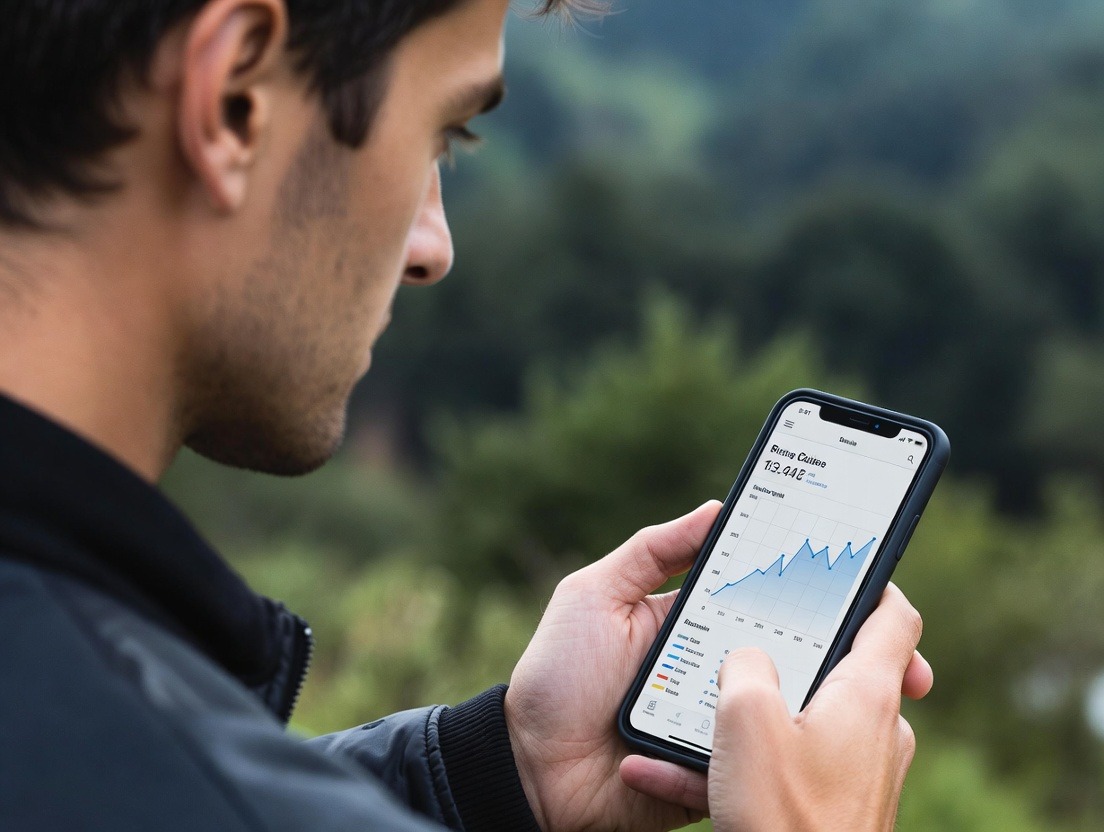
The ring's design allows it to capture types of activity and hand-based motions that a watch might miss.
The ring's design allows it to capture types of activity and hand-based motions that a watch might miss.
%402x.svg)
In the quest for optimized health, we’ve strapped technology to our wrists, pocketed it in our phones, and even let it listen from our nightstands. The smartwatch, a marvel of modern engineering, has become the undisputed champion of daily wellness tracking. It counts our steps, monitors our heart rate, and pings us with notifications—a command center for the quantified self. But what if this wrist-bound sentinel is missing a crucial part of the story? What if the most authentic signals of our body’s inner workings—our stress, our recovery, our true metabolic burn—aren't best heard from the pulse of our wrist, but from the silent, constant flow of data at our fingertips?
Enter the smart ring: a minimalist, powerful, and increasingly essential tool in the advanced health-tracking arsenal. This isn't about replacing your watch; it's about completing your picture. While your watch expertly captures the macro—your runs, your swims, your conscious workouts—the smart ring operates in the micro. It slips seamlessly into your life, gathering data where a watch cannot, through the night, during intense gym sessions, and in the subtle, passive moments that truly define your physiological baseline. It’s the difference between observing the surface of the ocean and measuring its deep, powerful currents.
This article delves into the profound and distinct advantage of the smart ring, specifically how it captures vital activity and health metrics that even the best smartwatches consistently miss. We will explore the unique physiological access point of the finger, the unparalleled accuracy in specific datasets, and how this continuous, unobtrusive monitoring leads to a deeper, more actionable understanding of your well-being. From sleep science to stress resilience, from precise calorie expenditure to the nuances of cardiovascular readiness, we uncover why the ring is becoming the indispensable tool for those who look beyond steps and seek true, holistic health intelligence.
To begin this exploration, it’s essential to understand the core limitations of the wrist as a data source and why the finger presents a revolutionary alternative.
The Wrist Gap: Understanding the Limitations of Watch-Based Tracking
The smartwatch is a feat of convenience. It’s always in view, interactive, and packed with features. However, its physical placement on the body creates inherent and significant gaps in its ability to capture continuous, high-fidelity physiological data. These limitations aren’t just minor bugs; they are fundamental to the design and wearability of the device itself.
First, consider anatomy and vascular access. The wrist is a bony, tendon-rich area with smaller, more superficial blood vessels (like the radial artery) compared to the finger. The palmar digital arteries in the finger are richer and provide a stronger, less obstructed pulsatile signal for photoplethysmography (PPG)—the optical heart rate sensing technology used by most wearables. On the wrist, this signal is more easily disrupted by motion, skin temperature, and even the device's own fit. A watch that’s too loose will bounce, creating noise; one that’s too tight can be uncomfortable for all-day, every-day wear. The finger, by contrast, offers a consistent, snug fit with direct vascular access, leading to a cleaner signal.
Second, and most critically, is the nighttime dilemma. For comprehensive health tracking, sleep data is arguably more important than daily activity data. It’s when the body repairs, consolidates memory, and regulates critical hormones. Yet, many people cannot or will not wear a bulky, lit-up smartwatch to bed. It’s uncomfortable, it can interfere with sleep posture, and the constant presence of a screen is counterproductive to rest. This creates a massive data blackout for wrist-based trackers during arguably the most important 8-hour window for recovery assessment. A smart ring, like those designed by Oxyzen, is designed for 24/7 wear. Its form factor is unnoticeable during sleep, allowing it to collect uninterrupted sleep architecture data—light, deep, and REM sleep—without wearer compromise. For a deep dive into why this data is so crucial, our blog offers a comprehensive resource on sleep tracking for beginners.
Third, we have activity-specific blind spots. Certain sports and workouts make wrist-worn tracking problematic or impossible. Weightlifting, rock climbing, gymnastics, CrossFit, or any activity involving wrist flexion, heavy grips, or equipment like gloves can render a watch's sensors useless or pose a safety risk. During these activities, the watch is either obscured, subjected to extreme motion artifacts, or must be removed. A smart ring, seated securely at the base of the finger, remains functional and protected, capturing heart rate trends, effort, and recovery metrics even when your watch is sitting in your gym bag.
Finally, there's the behavioral factor of battery life. Most advanced smartwatches require daily or every-other-day charging. This often creates a routine of charging overnight, which, as noted, is precisely when you need tracking most. Smart rings, with their smaller screens and focused sensor suite, typically boast battery life of 5-7 days or more, allowing for true continuous wear with minimal charging interruptions. This seamless operation is key to building a complete, unbroken timeline of your body’s rhythms.
Understanding these gaps sets the stage for appreciating the smart ring’s unique value proposition. It’s not a competitor to your watch; it’s a specialist that operates in the spaces your watch can’t, filling in the missing pieces of your health puzzle. To see how this specialist operates, we must look at the science behind its primary vantage point: the finger.
If the wrist is a bustling city square for data—busy, accessible, but noisy—the finger is a quiet, private laboratory. This distinction is rooted in human biology and physics, making the finger an unexpectedly ideal location for gathering clean, reliable health metrics. The advantages here are technical and profound, impacting the very quality of the data upon which all insights are built.
The cornerstone of this advantage is vascular density and signal strength. The fingertips are among the body's most vascularized areas, packed with a rich network of capillaries. This density provides optical heart rate sensors (PPG) with a stronger, more voluminous blood flow to measure with each heartbeat. The signal-to-noise ratio is inherently higher. When a ring’s LEDs shine light into the finger, the amount of light absorbed by blood pulsing through is more pronounced and easier to distinguish from background interference than on the bony, less-perfused wrist. This translates directly to more accurate resting heart rate (RHR) and heart rate variability (HRV) readings, especially at night—two cornerstone metrics for assessing recovery and autonomic nervous system balance.
Furthermore, the finger offers a stable and consistent form factor. Unlike the wrist, which can vary significantly in shape and where a device can slide up and down, the base of the finger provides a near-cylindrical, uniform surface. Once properly sized, a smart ring maintains consistent sensor contact with the skin without needing to be uncomfortably tight. This consistent contact minimizes motion artifacts—the "noise" created when a device moves relative to the skin. This is particularly vital for measuring HRV, a subtle metric that requires detecting millisecond differences between heartbeats. Any slippage or bounce can corrupt this delicate data. The ring’s stability makes it the de facto standard for clinical-grade HRV measurement outside of an ECG chest strap.
This location also enables advanced sensing of skin temperature and peripheral blood flow. Core body temperature variations are a key biomarker for illness, ovulation, metabolism, and sleep quality. While wrist-based temperature sensing has improved, it is highly susceptible to ambient air temperature and bedding. The finger, often under covers during sleep, provides a more regulated environment for tracking relative changes in peripheral temperature, which closely correlate with circadian rhythms and physiological states like the onset of sleep. Continuous temperature tracking from the ring can reveal subtle shifts that predict illness, stress, or changes in metabolic health days before symptoms appear.
Finally, the form factor of a ring enables the use of different sensor configurations. Some advanced smart rings incorporate bio-impedance sensors on the inner band. By passing a tiny, imperceptible electrical current between two points on the finger, they can estimate body composition metrics and track fluid shifts. This technology, while also found on some smartwatches, benefits from the ring's consistent contact and placement.
The result of this superior signal is a data foundation you can trust. It moves metrics from interesting estimates to actionable insights. This is especially true when we examine the domain where the smart ring truly reigns supreme: the science of sleep.
The Unmatched Sleep Lab: 24/7 Wear and Nighttime Intelligence
Sleep is not a passive state but a dynamic, complex process essential for every system in the human body. Accurate sleep tracking, therefore, is not a luxury for the curious but a necessity for anyone serious about performance, recovery, and long-term health. This is the smart ring’s most indisputable and valuable advantage. It becomes a personal, in-home sleep lab, offering insights impossible to obtain from a device you take off at night.
The primary win is compliance and comfort. The single biggest factor in sleep data quality is whether you wear the device. A smart ring, by its very design, eliminates the compliance problem. Once sized correctly, it becomes a part of you—lightweight, unobtrusive, and safe to wear. There’s no discomfort from a hard screen pressing against your wrist as you shift, no glowing light to disrupt your melatonin production, and no need to remember to put it on at bedtime. This 24/7 wear guarantees a complete data set, night after night, building a longitudinal view of your sleep patterns that is unaffected by user habit.
With this compliance comes exceptional sleep stage accuracy. Using its superior PPG signal from the finger, combined with accelerometry and temperature data, advanced smart rings can distinguish between light, deep, and REM sleep with high correlation to polysomnography (the clinical gold standard). They track not just duration, but architecture—the cyclical pattern of these stages throughout the night. This is critical because the benefits of sleep are stage-specific: deep sleep is for physical restoration and immune function, while REM sleep is for cognitive processing and emotional regulation. Knowing you got 8 hours of sleep is one thing; knowing you had deficient deep sleep is a game-changer for understanding your daytime fatigue. For a detailed explanation of this technology, how sleep trackers actually work breaks down the science.
Beyond stages, the ring captures nuanced nighttime biomarkers. Continuous heart rate and HRV data throughout the night provide a pristine view of your autonomic nervous system’s state. Your nightly HRV average is often considered your “true” baseline, free from the stresses of the day. The ring can track your heart rate dip—a healthy, gradual decline in heart rate as you progress through sleep cycles. A blunted heart rate dip can be an early sign of overtraining, chronic stress, or poor sleep quality. Furthermore, the combination of movement, heart rate, and temperature allows for precise detection of awakenings (even brief ones you don’t remember) and overall restlessness, painting a detailed picture of sleep continuity.
This rich dataset enables actionable sleep insights. Instead of just a score, the best ring platforms provide context: Was your deep sleep low because your resting heart rate was elevated, suggesting you were fighting off an illness? Did your sleep latency increase and your REM sleep decrease after an evening of alcohol consumption? By correlating sleep data with lifestyle inputs, the ring helps you identify the specific levers to pull for better rest. If you're struggling with the quality of your slumber, exploring the honest pros and cons of sleep tracking can help set realistic expectations, while our guide on how to get more deep sleep tonight offers immediate, practical steps.
The intelligence gleaned from the night doesn’t just tell you how you slept; it fundamentally informs how you should approach your day. This leads us directly to the ring’s powerful ability to measure your body’s readiness for stress and activity.

The modern fitness mantra has evolved from “no days off” to “train smarter, not just harder.” Central to this philosophy is the concept of daily readiness: understanding whether your body is primed for intense strain or in need of restorative focus. While many wearables now offer a “readiness” or “recovery” score, the smart ring’s data sources make its assessment uniquely holistic and physiologically grounded.
At the core of any recovery metric is Heart Rate Variability (HRV). As mentioned, HRV—the variation in time between successive heartbeats—is a direct window into the balance of your sympathetic (“fight or flight”) and parasympathetic (“rest and digest”) nervous systems. A higher HRV generally indicates better recovery, resilience, and fitness. The smart ring’s ability to capture clean, motion-free HRV readings throughout the night provides a rock-solid baseline. Unlike a watch that might take a spot reading when you wake up (which can be skewed by movement, caffeine, or stress), the ring uses your nightly average or a specific early-morning reading taken while you’re still in bed. This is your body’s truest, unmasked state.
But the ring’s readiness algorithm doesn’t stop at HRV. It synthesizes a multi-parameter recovery snapshot. This typically includes:
The output is not just a number, but a prescriptive guide for the day. A high readiness score might encourage you to tackle that high-intensity interval training (HIIT) session or a demanding project at work. A low score, accompanied by data showing poor sleep and elevated nighttime heart rate, might recommend active recovery, mobility work, stress-management techniques, or an early bedtime. This turns subjective feelings of “being tired” into an objective, data-driven plan to avoid overtraining and burnout.
This deep focus on recovery inherently changes your relationship with activity. It shifts the goal from maximizing daily output to optimizing for sustainable performance. It acknowledges that rest is not the absence of training; it is an integral, active part of the training process itself. The smart ring becomes your daily coach, grounded in the deep recovery data it alone can collect reliably. For athletes looking to leverage this data, the principles of deep sleep optimization for recovery are particularly relevant.
One of the most sought-after and most notoriously inaccurate metrics in wearable technology is the estimate of total daily energy expenditure (TDEE)—how many calories you burn. Smartwatches typically use a combination of heart rate data and wrist-based motion (accelerometry) to make this calculation. However, this method has significant flaws that the smart ring’s approach helps to correct.
The watch’s primary limitation is its over-reliance on arm movement. The accelerometer on a wrist-worn device is excellent at detecting steps and wrist-centric motions like running or boxing. However, it dramatically underestimates activities where the arms are relatively stable but the metabolic cost is high. Think of cycling, weightlifting, elliptical training, rowing (where the wrist is often static), yoga, or Pilates. In these cases, your heart rate may be elevated significantly, but your wrist isn’t moving in a step-like pattern, leading to a substantial undercount of calories burned. Furthermore, it completely misses non-exercise activity thermogenesis (NEAT)—the calories burned from fidgeting, standing, walking to the printer, or household chores—as these often don’t generate pronounced wrist motion.
The smart ring takes a heart-rate-centric and physiology-first approach. By placing the PPG sensor in a location that provides a more reliable heart rate signal across a wider range of activities (as discussed in Section 2), the ring’s calorie estimate is more tightly coupled to your actual cardiovascular effort. Your heart rate is a direct proxy for metabolic output; if your heart is working harder, you are burning more energy, regardless of whether your wrist is swinging. This makes the ring’s estimates for non-step-based activities like cycling, strength training, and NEAT inherently more accurate.
Furthermore, the ring’s 24/7 wear provides a comprehensive baseline. Your resting metabolic rate (RMR)—the calories you burn simply to exist—is the largest component of TDEE. By continuously monitoring your physiology, including overnight when your metabolism is at its most stable, the ring can more accurately model your personal RMR. It then layers the heart-rate-derived activity expenditure on top of this personalized baseline, rather than using a generic formula based on age, height, and weight.
This accuracy has practical implications. For those using calorie data to inform nutrition, weight management, or fueling for athletic performance, a more reliable number is invaluable. It helps avoid the common frustration of eating based on a wearable’s inflated calorie burn estimate only to see no results, or worse, weight gain. The ring provides a more grounded, conservative, and ultimately more useful figure, promoting a healthier relationship with food and exercise based on your body’s true metabolic signals. Understanding the connection between your metabolism and other physiological processes, like the critical brain-boosting connection of deep sleep and memory, further underscores the holistic nature of this data.
Our health is forged not just in the hour we spend at the gym but in the cumulative effect of our entire day’s movement. Modern activity guidelines emphasize moving frequently throughout the day, not just hitting a 30-minute workout. This is where the concept of NEAT and low-intensity steady-state (LISS) activity becomes crucial—and where the smartwatch, focused on step counts and dedicated exercise sessions, often fails to give credit where it’s due.
Consider the activities of daily living (ADLs) that define an active lifestyle: carrying groceries, playing with children or pets, gardening, washing the car, cooking while standing, taking the stairs, or even pacing during a phone call. These activities involve whole-body effort, elevate heart rate modestly, and burn a significant number of calories over time, but they rarely generate the specific, repetitive wrist motion needed for a watch to log them as “exercise.” A smartwatch might see this as idle time, while a smart ring, tracking the elevated heart rate, recognizes it as meaningful metabolic activity.
Similarly, in dedicated non-step workouts, the ring excels. For a cyclist on a stationary bike or a road ride, the wrists are typically fixed on the handlebars. A watch’ accelerometer sees minimal motion and may even prompt with a “are you working out?” message, utterly failing to capture the intense cardiovascular effort. A rower’s wrist is in a relatively fixed position through the drive. In yoga or Pilates, heart rate can soar during a difficult flow or series of holds, while the wrist movements are slow and controlled. In all these cases, the ring’s heart-rate-centric model captures the effort accurately, giving you legitimate data from your chosen discipline.
This capability reframes what it means to “close your activity rings” or hit your daily goals. It shifts the focus from a narrow band of step-centric exercises to a celebration of all movement. It rewards the landscaper, the construction worker, the nurse on their feet all day, and the parent chasing toddlers—individuals who may never log a “run” but whose lifestyles are intensely physically active. By capturing this invisible workout, the smart ring provides a more complete and motivating picture of one’s true activity level, validating efforts that other devices ignore.
This holistic view of activity naturally dovetails with a more nuanced understanding of its opposite: stress. Not all stress is psychological, and the ring is uniquely equipped to detect the physiological footprint of our pressurized lives.
Stress is not an abstract feeling; it is a measurable physiological state mediated by the autonomic nervous system (ANS). While a smartwatch might remind you to breathe or detect a high heart rate during a stressful meeting, the smart ring offers a profound, continuous audit of your ANS balance, revealing your body’s stress load even when your mind is unaware of it.
The premier tool for this is, again, HRV tracked longitudinally. Think of HRV as your body’s “stress buffer.” During periods of chronic psychological stress, physical overtraining, or illness, the sympathetic nervous system becomes dominant, leading to a decrease in HRV. The ring’s ability to track HRV trends over days, weeks, and months allows you to see your baseline resilience and spot downward trends before they manifest as fatigue, irritability, or illness. It’s an early-warning system for burnout.
But the ring looks beyond HRV for secondary stress signatures. These include:
The power of this continuous monitoring is in correlation and causation. You can move from guessing (“I feel run down”) to knowing (“My HRV has dropped 15% over the past three days, my sleep efficiency is down 8%, and my RHR is up 7 bpm, so I need to prioritize recovery”). You can run personal experiments: Does my HRV dip after two nights of poor sleep? How does a difficult work project affect my nighttime physiology? Does my meditation practice actually move the needle on my ANS balance?
By making the invisible visible, the smart ring empowers you to take proactive, data-informed steps to manage stress. It validates the need for rest and provides objective feedback on the effectiveness of your stress-management techniques. This deep, physiological insight is a form of self-knowledge that goes far beyond what a mindfulness reminder on a watch can provide. For those curious about the foundational element of recovery from stress—deep sleep—understanding the science of what happens to your body during this phase is essential.

The technological advantages of the smart ring are compelling, but they would be irrelevant if the device itself was not a joy to wear. The ultimate triumph of the smart ring is its seamless integration into human life. It bypasses the aesthetic, practical, and social barriers that often limit the consistent use of other wearables, thereby ensuring the continuous data flow that makes its insights possible.
First, consider aesthetic minimalism and social acceptability. A smartwatch is a statement—a piece of tech that dominates the wrist. It can clash with formal attire, feel out of place in social settings, or simply not align with personal style. A smart ring, however, is discreet. It resembles a sleek band of titanium, ceramic, or tungsten. It can be worn alongside traditional jewelry, passes unnoticed in a boardroom or at a wedding, and doesn’t scream “tech gadget.” This social and aesthetic neutrality means you’re far less likely to ever take it off, which, as we’ve established, is the key to its value. You can explore the elegant, minimalist designs crafted for this purpose at the Oxyzen shop.
Second, it offers unmatched practicality in sports and manual work. As touched on earlier, for activities like weightlifting (where wrist wraps are common), rock climbing, gymnastics, golf, or tennis, a watch can be physically obstructive, a safety hazard, or against the rules. It can get scratched, snagged, or damaged. A smart ring sits flush against the finger, protected, and out of the way. For professionals like healthcare workers, mechanics, or chefs who need unencumbered wrists for hygiene or safety, the ring is the only viable form of continuous tracking.
Third, it provides battery life that enables true continuity. The typical multi-day battery life of a smart ring means charging is a brief, weekly event rather than a daily chore that creates data gaps. You can charge it while you shower or sit at your desk for an hour, and it’s ready to go again. This removes the biggest behavioral hurdle to 24/7 wear: the need to deliberately take the device off and remember to put it back on.
Finally, there is a psychological unburdening. The smart ring is primarily a data collector, not a notification center. It doesn’t constantly buzz, ping, or light up with emails, messages, and app alerts. This allows it to serve your health without adding to the digital noise and stress of modern life. You engage with its data on your phone at a time you choose, making it a tool for reflection rather than interruption. This intentional design philosophy is often rooted in a brand’s core mission; you can learn more about the vision behind such products on our about us page.
This freedom of form is not a minor convenience; it is the critical enabler that allows the ring’s superior sensing capabilities to operate continuously, creating the complete data picture we’ve been describing. This complete picture is what ultimately allows for truly personalized and actionable health insights.
Data Synergy: The Powerful Combination of Ring + Watch
After detailing the ring’s standalone advantages, a critical question arises: Should you abandon your smartwatch? For most users, the answer is a resounding no. The most powerful setup is not an either/or choice, but a strategic both/and. The smart ring and smartwatch are complementary instruments in your health orchestra, each playing a different part to create a harmonious and complete symphony of data.
Think of it this way: The smartwatch is your interactive coach and communicator. It excels at:
The smart ring is your silent physiologist and biographer. It excels at:
When these datasets are combined—either manually by the user or through integrated platforms—the insights become transformative. For example:
This synergy moves you from fragmented data points to a cohesive health narrative. It empowers you to make decisions that consider both your active output and your body’s capacity to handle that output. The ring provides the depth, and the watch provides the breadth and interactivity. Together, they form an unparalleled system for anyone dedicated to understanding and optimizing their well-being. For those ready to explore this integrated approach to health, discovering how Oxyzen works is the perfect next step.
After detailing the ring’s standalone advantages, a critical question arises: Should you abandon your smartwatch? For most users, the answer is a resounding no. The most powerful setup is not an either/or choice, but a strategic both/and. The smart ring and smartwatch are complementary instruments in your health orchestra, each playing a different part to create a harmonious and complete symphony of data.
The smart ring is your silent physiologist and biographer. It excels at:
When these datasets are combined—either manually by the user or through integrated platforms—the insights become transformative. For example:
This synergy moves you from fragmented data points to a cohesive health narrative. It empowers you to make decisions that consider both your active output and your body’s capacity to handle that output. The ring provides the depth, and the watch provides the breadth and interactivity. Together, they form an unparalleled system for anyone dedicated to understanding and optimizing their well-being.
Beyond Fitness: Health Forecasting and Proactive Wellness
The ultimate promise of wearable technology is not just to report on the present, but to illuminate the future—to shift healthcare from a reactive model to a proactive one. This is where the smart ring’s continuous, high-fidelity data stream unlocks its most profound potential: health forecasting. By establishing a deeply personal baseline, it can detect subtle deviations that signal shifts in your health long before symptoms arise.
The cornerstone of this is baseline establishment. Over weeks and months of continuous wear, the ring learns your normal. It knows your typical nighttime heart rate range, your personal HRV baseline, your average respiratory rate, and your skin temperature rhythm. It understands your unique sleep architecture and how it varies with your lifestyle. This isn’t a population average; it’s a bespoke model of your physiology.
With this established, the ring becomes a detector of anomalies. Because it monitors every night, it can flag statistically significant deviations with high confidence. For instance:
This predictive capability transforms the ring from a fitness tracker into a health guardian. It provides a language for your body’s whispers before they become cries for help. It empowers you with a form of bio-feedback that is always on, always learning, and always focused on prevention. For a deeper look at how this applies to one of the most critical recovery processes, our article on deep sleep and memory explores the long-term cognitive implications of quality rest.
Adopting a smart ring is different from strapping on a watch. It’s a more integrated, passive, and reflective experience. Understanding the day-to-day user journey—from sizing to charging to interpreting data—is key to appreciating its role in your life.
The Initial Setup: Sizing and Syncing
The most critical step is getting the right size. Unlike a watch with an adjustable band, a ring must be precisely fitted. Most companies provide detailed sizing kits with plastic rings to test for comfort across different times of day (fingers can swell slightly). The ideal fit is snug enough to prevent spinning but loose enough to slide over your knuckle with mild resistance. It should be comfortable in all conditions: hot, cold, and during sleep. Once sized, setup is typically straightforward: download the companion app, pair via Bluetooth, and you’re ready to go. The app becomes your dashboard, where the ring’s silent data collection comes to life.
The Daily Rhythm: Charging and Maintenance
One of the joys of ring ownership is infrequent charging. With battery lives ranging from 5 to 7 days (or more), charging becomes a brief, weekly ritual rather than a daily one. Most rings charge via a compact dock or case that takes 60-90 minutes for a full charge. Many users charge their ring while showering or during a sedentary work session, ensuring near 100% uptime. Maintenance is minimal: a periodic clean with a soft, dry cloth to keep the sensors clear of lotion or dirt.
The Data Engagement: From Numbers to Narrative
This is where the magic happens. You don’t interact with the ring itself; you engage with its insights through the app. The best platforms avoid overwhelming you with raw numbers and instead focus on trends and narratives.
The experience is less about constant notification and more about purposeful reflection. You check in to understand your state, not to be interrupted. This cultivates a more mindful relationship with your health data. For common questions about living with this technology, our comprehensive FAQ addresses everything from sizing to data accuracy.

To trust the data, it helps to understand the sophisticated technology packed into a tiny ring. This isn't magic; it's a convergence of advanced miniaturized sensors and complex algorithms.
Core Sensor Suite:
The Secret Sauce: Algorithms and Data Fusion
The raw sensor data is just noise without intelligent interpretation. This is where proprietary algorithms come in, and they are what separate good devices from great ones.
This blend of hardware and advanced software is what transforms a piece of jewelry into a clinical-grade health monitor. For a more detailed exploration of the underlying tech, our blog post on how sleep trackers actually work delves deeper into these principles.
Choosing Your Ring: A Buyer’s Guide for 2025
With the market expanding, selecting the right smart ring requires careful consideration. It’s a personal device you’ll wear every day, so the decision should balance features, design, comfort, and ecosystem. Here are the key factors to evaluate.
1. Core Health Metrics & Accuracy:
This is non-negotiable. Prioritize rings with proven, validated performance in:
2. Battery Life & Charging System:
Aim for a minimum of 5-7 days of battery life on a single charge. This is the sweet spot that enables the "charge while you shower" routine and eliminates daily hassle. Evaluate the charging dock: Is it compact and portable? Does it allow you to easily place the ring, or is it finicky?
3. Design, Build Quality, and Comfort:
You’ll wear this constantly, so it must be durable and comfortable.
4. App Experience and Insights:
The hardware is only half the product. The app is your window into the data.
5. Price and Ecosystem:
Smart rings range from ~$250 to over $400. Higher price often correlates with better sensors, more refined algorithms, premium materials, and robust software support. Consider it an investment in a health tool, not just a gadget. Also, explore the brand’s vision and roadmap to see if they are building an ecosystem you want to be part of. You can explore a curated selection built on these principles at the Oxyzen shop.
The smart ring’s advantages are universal, but certain groups will find its value proposition particularly compelling. These individuals aren't just tracking; they are optimizing for a specific goal or navigating a unique physiological landscape.
The Serious Athlete and Fitness Optimizer:
For anyone following a structured training plan, the ring is indispensable. It provides the objective recovery data needed to practice true periodization—alternating stress and recovery for peak performance. It answers the daily question, "Am I ready to go hard, or do I need to go easy?" This prevents overtraining, reduces injury risk, and ensures you’re fueling and resting appropriately. The accurate calorie burn for non-step sports (cycling, lifting) also aids in precise nutritional strategy.
The Biohacker and Quantified Self Enthusiast:
This group lives for data-driven self-experimentation. The ring provides the continuous, high-fidelity biomarkers needed to run n=1 experiments. Does intermittent fasting improve my HRV? How does blue light blocking after 8 PM affect my deep sleep? What is the physiological impact of a new supplement or meditation app? The ring provides the before-and-after data to answer these questions with personal, not population-level, evidence.
The Professional Navigating High Stress:
Executives, healthcare workers, entrepreneurs, and creatives under constant pressure need to manage their energy, not just their time. The ring acts as a stress resilience dashboard. It objectively shows when work pressure is translating into physiological strain (elevated RHR, low HRV) and provides the evidence needed to justify and schedule true recovery. It turns the vague concept of "burnout prevention" into a measurable, manageable process.
The Sleep-Optimizer and Shift Worker:
For those struggling with sleep or working against their natural circadian rhythm, the ring is a diagnostic and feedback tool. It identifies specific disruptors (late meals, alcohol, inconsistent bedtimes) by showing their impact on sleep architecture and nighttime physiology. For shift workers, it can help track the brutal physiological cost of irregular hours and help plan nap and light-exposure strategies to mitigate the damage. Resources like our guide on the deep sleep formula of temperature, timing, and habits can provide actionable strategies based on this data.
The Health-Conscious Individual Seeking Prevention:
For anyone focused on longevity and proactive wellness, the ring shifts the focus from treating illness to maintaining health. Its anomaly detection offers early warnings, and its trend data provides motivation for sustainable lifestyle choices. Seeing a positive trend in your HRV or deep sleep percentage is a powerful reinforcement for maintaining good habits.
The current capabilities of smart rings are impressive, but they represent just the beginning. The convergence of sensor miniaturization, advanced AI, and a focus on personalized medicine is driving rapid innovation. Here’s what we can expect to see in the near and mid-term future.
1. Medical-Grade Monitoring and FDA Clearances:
The next frontier is moving from wellness to diagnostic-grade health monitoring. We will see more rings seeking FDA clearance or CE marking as medical devices for specific indications. This could include:
2. Advanced Biomarkers and Metabolic Insights:
Research is underway to extract more subtle signals from existing sensor data.
3. Smarter, More Proactive AI and Integration:
The AI will evolve from describing your past to prescribing your future.
4. Enhanced Form Factors and Personalization:
The ring itself will evolve.
The trajectory is clear: the smart ring is poised to become the most personal, persistent, and powerful health device we own. It embodies the shift from episodic, symptom-driven care to continuous, data-driven wellness. To be part of this journey from its early chapters, exploring our story reveals the vision driving this innovation forward.
The current capabilities of smart rings are impressive, but they represent just the beginning. The convergence of sensor miniaturization, advanced AI, and a focus on personalized medicine is driving rapid innovation. Here’s what we can expect to see in the near and mid-term future.
1. Medical-Grade Monitoring and FDA Clearances:
The next frontier is moving from wellness to diagnostic-grade health monitoring. We will see more rings seeking FDA clearance or CE marking as medical devices for specific indications. This could include:
2. Advanced Biomarkers and Metabolic Insights:
Research is underway to extract more subtle signals from existing sensor data.
3. Smarter, More Proactive AI and Integration:
The AI will evolve from describing your past to prescribing your future.
4. Enhanced Form Factors and Personalization:
The ring itself will evolve.
The trajectory is clear: the smart ring is poised to become the most personal, persistent, and powerful health device we own. It embodies the shift from episodic, symptom-driven care to continuous, data-driven wellness. To be part of this journey from its early chapters, exploring the vision behind such innovation is key; you can learn more on our about us page.
Integrating Ring Data: Building Your Personal Health Operating System
Collecting data is one thing; making it meaningfully actionable is another. The true power of the smart ring is realized when its data stream is integrated into a broader Personal Health Operating System (PHOS)—a unified, intelligent dashboard that synthesizes information from all your health and lifestyle sources to guide daily decisions. Here’s how to build yours.
Step 1: The Central Hub – Your Health App
Your first task is to establish a central repository. Platforms like Apple Health (iOS) and Google Fit (Android) are designed for this. Ensure your smart ring’s app has robust permission settings to write all its data—sleep, HRV, RHR, temperature, activity—into this central hub. This creates a single source of truth.
Step 2: Connecting Other Data Streams
Now, funnel other relevant data into the same hub:
Step 3: The Art of Correlation and Experimentation
With all data flowing into one place (or viewable side-by-side), you can move from observation to insight.
Step 4: Creating Actionable Feedback Loops
The final step is closing the loop. Use your integrated insights to create simple rules:
By building this PHOS, you transform raw data into a dynamic, self-learning guide for living well. The smart ring is the foundational sensor, providing the continuous, reliable physiological truth against which all other lifestyle factors are measured. For more resources on interpreting one of the most critical data streams from your ring, our blog features a detailed guide on what your deep sleep numbers should look like.
The smart ring is a powerful tool, but it is not a medical device (yet), and it is not infallible. To harness its benefits without falling into the traps of obsession or misinterpretation, it’s crucial to approach it with a balanced, informed mindset.
Challenge 1: Data Accuracy and Variability
No consumer wearable is 100% accurate. The ring’s PPG sensor can be affected by extreme cold, poor fit, or hand tattoos. Temperature readings are peripheral, not core. The solution is to focus on trends, not absolute numbers. A 5 ms drop in your HRV is less important than a consistent 20% drop over three days. The direction and magnitude of change are more valuable than any single data point. Understanding the inherent limits of sleep tracking accuracy is a key part of this balanced view.
Challenge 2: Analysis Paralysis and Health Anxiety
The constant stream of data can lead to over-scrutiny, turning a tool for wellness into a source of stress. Checking your sleep score every morning and feeling defeated by a “poor” rating defeats the purpose. The solution is to adopt a macro view. Look at weekly averages, not daily scores. Designate specific, limited times to review your data (e.g., Sunday evening for a weekly review). Use the data to inform curiosity, not fuel anxiety. If you find yourself feeling controlled by the numbers, take the ring off for a weekend and reconnect with how you feel intuitively.
Challenge 3: The "More Data = Better Health" Fallacy
Data alone does not create health; action does. It’s easy to become a master analyst of your own decline without changing behavior. The solution is to tie every insight to one small, actionable habit. Instead of just noting “my deep sleep is low,” commit to one intervention from the data: “I will stop eating 3 hours before bed this week and observe the impact.” The value is in the behavioral change the data inspires.
Challenge 4: Individual Differences and Comparisons
Your optimal HRV, sleep duration, and readiness are uniquely yours. Comparing your scores to others or to population averages is meaningless and often discouraging. A 40 ms HRV might be excellent for one person and a sign of fatigue for another. The solution is to compete only with yourself. Use your own historical data as the only relevant benchmark. Celebrate when you improve your personal trends, not when you hit an arbitrary target.
Challenge 5: The Adaptation Period
When you first start wearing a ring, your data may look erratic as the algorithms learn your baselines and you subconsciously change behavior (the “observer effect”). The solution is patience. Give the device and yourself at least 2-4 weeks to establish reliable baselines before drawing any major conclusions. The real story unfolds over months and seasons.
By navigating these challenges wisely, you position the smart ring as a empowering partner in your health journey, not a demanding oracle. It provides clues, not commandments, leaving you firmly in the driver’s seat of your own well-being.
To ground the principles discussed throughout this article in a real-world application, let’s examine Oxyzen—a brand embodying the modern approach to smart ring technology. Oxyzen serves as a illustrative case study in how design, science, and user-centric philosophy converge to create a tool that captures the activity your watch misses.
Philosophy and Design Ethos
Oxyzen was founded on a core belief: that the best health technology should be unobtrusive, elegant, and relentlessly focused on recovery and readiness. This philosophy is evident in every aspect of their product. The ring’s design is minimalist—a smooth, matte band crafted from aerospace-grade titanium. It rejects the tech-gadget aesthetic in favor of something that feels like natural, modern jewelry. This is a direct answer to the “form factor freedom” challenge, ensuring 24/7 wearability from the boardroom to the bedroom to the gym. You can see this design philosophy in action at the Oxyzen shop.
Sensor Strategy and Data Priorities
Instead of packing in every possible sensor, Oxyzen’s engineering focuses on maximizing the fidelity of core biomarkers. It utilizes medical-grade PPG sensors, a precision 3-axis accelerometer, and a skin temperature sensor, all optimized for the unique vascular environment of the finger. The company’s algorithms are tuned not for step counts, but for the nuanced signals of sleep architecture, HRV, and ANS balance. This prioritization reflects the understanding that accurate baseline physiology is more valuable than a long list of inaccurate metrics. For a deeper look at the science they prioritize, their blog features an excellent primer on the science of deep sleep.
The App Experience: From Data to Wisdom
Oxyzen’s companion app demonstrates how to translate complex data into user wisdom. The interface is clean and intuitive, centered on two primary metrics: Sleep Score and Readiness Score. The Sleep Score is a composite of duration, depth, continuity, and restoration, not just a simple duration timer. The Readiness Score synthesizes sleep data, recovery metrics (HRV, RHR), and activity load to provide a clear, color-coded guide for the day (Green: Go, Yellow: Moderate, Red: Recover).
Beyond the scores, the app offers narrative insights. Instead of just stating “Your HRV was low,” it might say, “Your recovery metrics are lower than usual, likely due to intense activity over the past two days. Consider a focus on lighter movement and hydration today.” This approach guides the user toward understanding and action, not just analysis. For those who want to delve deeper into specific topics, Oxyzen provides extensive resources on their blog, covering everything from beginner guides to advanced optimization strategies.
Community and Evidence-Based Approach
Oxyzen positions itself within a community of optimizers, athletes, and health-conscious individuals. They actively share user testimonials and case studies, highlighting real people using the data to solve real problems—from improving athletic performance to managing chronic stress. This focus on real-world evidence, coupled with a transparent discussion of technology’s limits, builds trust. Hearing from others on a similar journey can be incredibly validating; a collection of such experiences can be found on their testimonials page.
In essence, Oxyzen exemplifies the smart ring advantage. It is a device designed from the ground up to fill the gaps left by wrist-worn trackers, providing the continuous, high-fidelity physiological data needed to move from guessing about health to knowing with confidence. Their journey, from concept to a tool on users’ fingers, underscores the very narrative of this article: that optimal wellness understanding requires looking beyond the wrist.
After exploring the depth, breadth, and future of smart ring technology, the final question is personal. Is this tool a worthwhile investment for your unique health journey? This decision matrix can help you clarify.
You Are Likely an Ideal Candidate if You:
You Might Want to Wait or Reconsider if You:
Ultimately, the smart ring is not for everyone in every situation. But for the individual who views health as a complex, dynamic system and seeks the data to navigate it intelligently, it is an unparalleled tool. It answers the call for deeper understanding, for insights that work in the shadows of our daily lives, capturing the profound activity—physiological, restorative, and metabolic—that our watches have always missed.
Conclusion of This Portion: The Unseen Advantage
We have journeyed through the fundamental gaps in wrist-based tracking, the superior physiological signal of the finger, and the domains where the smart ring reigns supreme: sleep, recovery, metabolic tracking, and stress monitoring. We’ve seen how it synergizes with a watch, enables proactive wellness, and integrates into a holistic health system.
The “Smart Ring Advantage” is, at its core, the advantage of continuity, intimacy, and physiological truth. It is the advantage of a device that doesn’t compete for your attention but dedicates itself to listening—to the whisper of your heartbeat during deep sleep, the ebb and flow of your nervous system, and the quiet burn of a day fully lived.
In a world of loud notifications and superficial metrics, the smart ring offers a quieter, deeper wisdom. It doesn’t just track your life; it helps you understand the very rhythms that make it sustainable, resilient, and vibrant. It captures the story your watch can’t read, written in the language of your own biology.
Your Trusted Sleep Advocate (Sleep Foundation — https://www.sleepfoundation.org/)
Discover a digital archive of scholarly articles (NIH — https://www.ncbi.nlm.nih.gov/
39 million citations for biomedical literature (PubMed — https://pubmed.ncbi.nlm.nih.gov/)
experts at Harvard Health Publishing covering a variety of health topics — https://www.health.harvard.edu/blog/)
Every life deserves world class care (Cleveland Clinic -
https://my.clevelandclinic.org/health)
Wearable technology and the future of predictive health monitoring. (MIT Technology Review — https://www.technologyreview.com/)
Dedicated to the well-being of all people and guided by science (World Health Organization — https://www.who.int/news-room/)
Psychological science and knowledge to benefit society and improve lives. (APA — https://www.apa.org/monitor/)
Cutting-edge insights on human longevity and peak performance
(Lifespan Research — https://www.lifespan.io/)
Global authority on exercise physiology, sports performance, and human recovery
(American College of Sports Medicine — https://www.acsm.org/)
Neuroscience-driven guidance for better focus, sleep, and mental clarity
(Stanford Human Performance Lab — https://humanperformance.stanford.edu/)
Evidence-based psychology and mind–body wellness resources
(Mayo Clinic — https://www.mayoclinic.org/healthy-lifestyle/)
Data-backed research on emotional wellbeing, stress biology, and resilience
(American Institute of Stress — https://www.stress.org/)


