


How Your Wellness Ring Turns Complex HRV Math Into Simple Scores
Easy HRV tracking with context-aware smart ring algorithms.
Easy HRV tracking with context-aware smart ring algorithms.
%402x.svg)
For years, Heart Rate Variability (HRV) was a metric locked away in cardiology clinics and elite sports labs. It spoke in a language of milliseconds, frequency domains, and nonlinear dynamics—a profound but perplexing signal about your nervous system’s state. You might have heard it was the "holy grail" of biometrics, a window into your stress, recovery, and overall resilience. Yet, for most, trying to decipher raw HRV data felt like trying to read a foreign language without a translation guide. What does an "SDNN of 42 ms" or an "LF/HF ratio of 1.8" actually mean for your energy tomorrow, your workout today, or your stress levels right now?
This is the revolutionary pivot at the heart of the modern wellness wearable. Devices like the Oxyzen smart ring have performed a remarkable act of technological alchemy. They take the incredibly complex, multivariate math of autonomic nervous system analysis and distill it into clear, actionable scores and insights you can use before your morning coffee. The ring on your finger isn't just collecting data; it's running a sophisticated, on-board laboratory that interprets your body's whispers into a clear, spoken narrative about your well-being.
This article will pull back the curtain on that entire process. We'll journey from the ancient origins of HRV science to the cutting-edge algorithms humming inside your ring. You'll discover how light measures blood flow, how raw pulses become a map of your nervous system, and finally, how that map is translated into the simple, color-coded scores on your phone. This is the story of how complex physiology becomes personal intelligence, empowering you to make smarter decisions for your health, one beat at a time.
The story of Heart Rate Variability begins not in a silicon valley chip lab, but in the careful observations of ancient healers. Over 2,500 years ago, physicians in China and Egypt noted that a healthy pulse wasn't monotonously regular like a drum machine, but had subtle, wave-like irregularities—a quality they associated with vitality and "spirit." A very regular pulse, they observed, was often a sign of severe illness or decline. This intuitive understanding was the first, faint recognition of what we now call HRV: the naturally occurring, slight variations in time between consecutive heartbeats, measured in milliseconds.
Fast forward to the 18th century, when a Scottish surgeon named John Floyer invented the first pulse watch, allowing for more precise measurement. But HRV's true scientific journey began in the 1960s and 70s with the advent of digital electrocardiography (ECG). For the first time, scientists could capture the heart's electrical signature with high fidelity and analyze the R-R intervals—the time between the sharp spikes of each heartbeat. They discovered these intervals were never perfectly identical. This variability, they learned, was not noise or error, but a rich signal directly modulated by the two branches of your autonomic nervous system (ANS).
Your parasympathetic nervous system (the "rest and digest" brake) applies subtle, rapid delays to the heart rate, increasing variability. Your sympathetic nervous system (the "fight or flight" accelerator) generally speeds up the heart and reduces its variability. The dynamic tug-of-war between these two systems, happening second-by-second, creates the HRV waveform. A higher HRV typically indicates a strong, adaptable parasympathetic tone and a resilient system capable of handling stress. A lower HRV can signal dominant sympathetic activity, often linked to stress, fatigue, overtraining, or illness.
For decades, this powerful biomarker remained confined to research and clinical settings because analyzing it required expensive equipment, specialized expertise, and complex mathematical transformations. It was a tool for diagnosing diabetic neuropathy, predicting post-heart-attack mortality, or optimizing an Olympic athlete's taper. The average person seeking better health and performance had no access to this profound inner dialogue.
The rise of photoplethysmography (PPG) optical sensors in consumer wearables changed everything. Suddenly, a device on your wrist or finger could capture pulse data continuously and non-invasively. The final barrier wasn't data collection, but interpretation. Translating the flood of raw pulse data into a clear, meaningful story about the user's state required a second revolution: the development of intelligent algorithms and user-centric scoring systems. This is where companies like Oxyzen stepped in, building on centuries of medical science to deliver daily readiness and resilience insights directly to the user. You can explore the Oxyzen founding story and mission to understand the vision behind this translation of complex science into simple guidance.
So how does a sleek ring on your finger peer into your circulatory system? The magic lies in a technology called photoplethysmography (PPG). It’s a formidable word for a relatively simple principle: using light to measure blood volume changes.
Embedded in the inner curvature of your wellness ring are tiny LED lights—typically green and sometimes infrared or red—and an optical sensor directly opposite them. When you wear the ring, these LEDs shine light into the capillaries (tiny blood vessels) just beneath the skin of your finger. Hemoglobin in your red blood cells absorbs this light. The optical sensor then measures the amount of light that is not absorbed—the light that is reflected or transmitted back.
Here’s the key: Blood absorbs more light than the surrounding tissue. With each heartbeat, a surge of blood pulses through your capillaries, increasing the absorption. Between beats, blood volume decreases, so less light is absorbed. The sensor detects these rhythmic, subtle changes in light absorption. The resulting waveform, a photoplethysmogram, is a direct visual representation of your pulse, with each peak corresponding to a heartbeat.
But your finger isn't a perfect laboratory. This is where engineering brilliance comes in. Raw PPG signals are notoriously noisy. They can be corrupted by:
To combat this, modern wellness rings like Oxyzen employ a suite of sophisticated techniques:
The ultimate output of this process is a clean, timestamped record of each pulse wave peak. The precise timing of these peaks is the foundational data point—the raw material from which the entire edifice of HRV and health insights is built. It’s a remarkable feat, turning a simple beam of light into a continuous, clinical-grade window onto your heart’s activity, all from a device you barely notice you’re wearing. For a deeper dive into the sensor technology behind wearables, our article on how sleep trackers actually work provides a comprehensive look.
With a clean pulse wave signal in hand, the ring's processor performs a critical first transformation. It’s not interested in the shape of the pulse wave for HRV purposes; it’s interested in the timing of the peaks. The algorithm scans the waveform and pinpoint's each peak's exact occurrence time, often with millisecond precision.
These timestamps create a simple but powerful sequence: a list of the exact moments your heart beat. For example: Beat at 12:00:00.000, next beat at 12:00:01.123, next at 12:00:02.198, and so on.
The next step is to calculate the intervals between these beats. In clinical ECG terms, these are called R-R intervals (the time between R-spikes on an ECG). In the PPG world, they’re often called Pulse-to-Pulse (PP) intervals. The concept is identical. The device simply subtracts the timestamp of one beat from the timestamp of the next.
Interval (in milliseconds) = Timestamp of Beat_(n+1) - Timestamp of Beat_(n)
This creates a new, even more valuable dataset: the R-R interval time series. Instead of just knowing when your heart beat, you now have a dynamic record of how long it waited between each beat. This sequence of intervals, looking something like 1123 ms, 1075 ms, 1156 ms, 1102 ms..., is the primordial soup of HRV. All the complexity, all the insight into your nervous system, is encoded in the subtle variations within this list of numbers.
It’s crucial to understand that a "variable" heart rate is not an arrhythmia. It is not erratic or unhealthy. It is a sign of finely tuned, moment-to-moment control. Imagine your heart is not a metronome, but a skilled drummer in a jazz band, subtly speeding up and slowing down in response to your breath, your thoughts, and your body's needs. The R-R interval timeline is the sheet music for that performance. The wellness ring's job is now to analyze that sheet music and tell you what genre you're playing—high-energy stress rock or a smooth, recovery-focused ballad. Understanding this foundational data also helps clarify what your sleep tracking device can and can't measure, as both rely on similar core physiological signals.
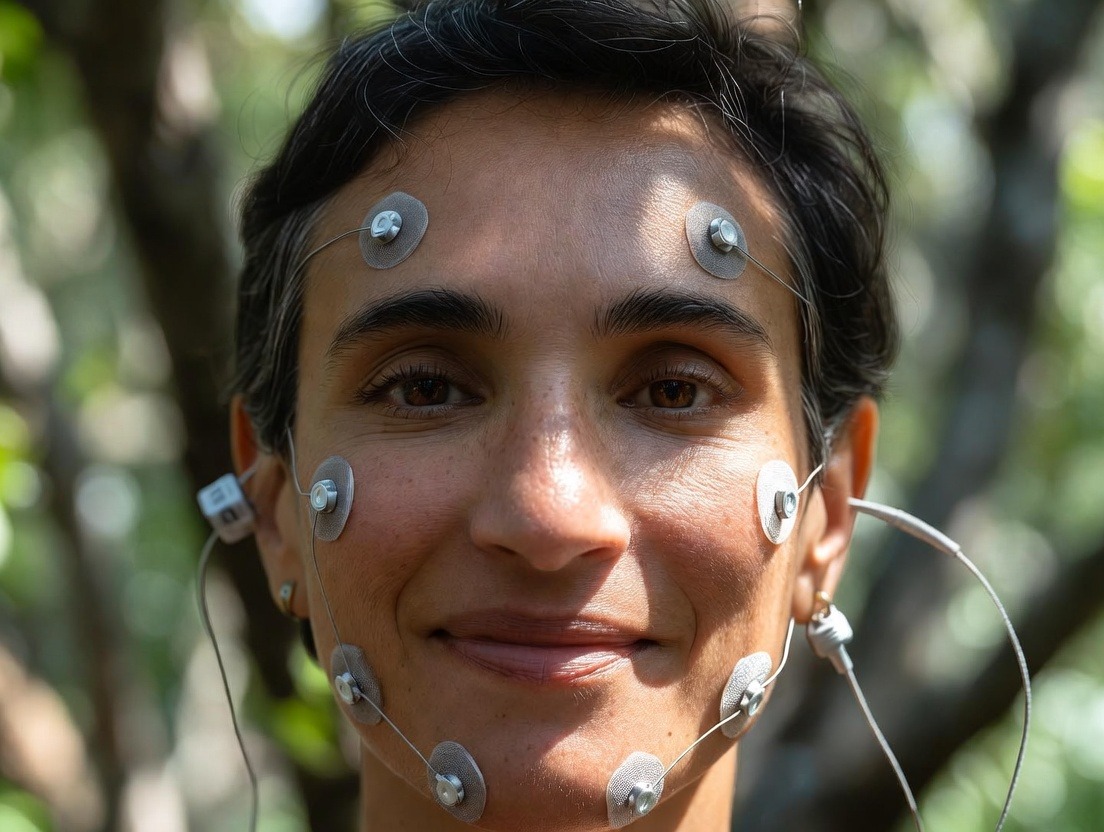
If the R-R interval timeline is the sheet music, then HRV analysis is the music theory. Researchers have developed a whole "mathematical zoo" of methods to quantify the patterns in this interval sequence. Your wellness ring’s algorithms run several of these analyses simultaneously to build a multi-dimensional picture of your autonomic function. They generally fall into three main categories:
These are the most intuitive measures. They perform statistical operations directly on the R-R intervals.
This method uses a mathematical tool called a Fast Fourier Transform (FFT) to break the R-R interval "song" into its constituent rhythmic frequencies, much like identifying the bass, drums, and melody in a track.
The LF/HF ratio was once controversially touted as a simple "sympathetic/parasympathetic balance" score, but this interpretation is now seen as an oversimplification. Modern algorithms look at the full spectrum.
The human heart is not a perfectly periodic oscillator; its rhythm has fractal, chaotic properties. These advanced measures quantify the complexity of the heart's timing.
Your ring’s processor doesn't just calculate one of these. It calculates a battery of them—often a dozen or more metrics—to create a rich, multi-faceted profile of your nervous system state for that period (typically your overnight sleep, the gold standard for a controlled measurement). This multi-metric approach is what allows for a much more robust and personalized final score than any single number could provide. For athletes looking to leverage this data, understanding deep sleep optimization for recovery is a critical next step, as the two are deeply interconnected.
Here lies one of the most common points of confusion and the single most important innovation in consumer HRV: HRV is highly personal. There is no universal "good" number.
A marathon runner might have a waking RMSSD of 80ms, while a healthy, fit person in their 40s might have a baseline of 35ms. A 25-year-old's typical SDNN will likely be higher than a 65-year-old's. Gender, genetics, fitness type (endurance vs. strength), and even your dominant breathing pattern all influence your absolute numbers. Comparing your HRV to someone else’s is not only meaningless—it can be actively misleading and demotivating.
This is why the most effective wellness rings don't just show you a raw HRV number in a vacuum. The first and most critical task the algorithm performs after calculating your nightly metrics is to establish your personal baseline. This isn't an instant process. Over the first few weeks of consistent wear (especially during sleep), the device collects data to understand your normal range. It learns the unique rhythms of your body.
It asks questions like: What is this user's typical RMSSD on a good night's sleep after a relaxed day? What does it look like after a hard workout or a stressful day at work? By observing the trends and variations in the context of your logged activities (or even inferred activity from motion data), the ring builds a statistical model of you.
This personalized baseline becomes the fundamental reference point for all further interpretation. The system is no longer asking, "Is this number high?" It's asking, "Is this number high or low for this specific person?" A deviation below your personal baseline is a potentially meaningful signal of strain, incomplete recovery, or impending illness. A deviation above your baseline might indicate positive adaptation and supercompensation from training.
This shift from population-normative to idiosyncratic scoring is what transforms HRV from an interesting biometric into a truly actionable daily guidance tool. It turns the data into a conversation with your own body. To see how real users have applied this personalized data to their lives, you can read through authentic customer testimonials and experiences.
HRV in isolation is powerful, but it can be ambiguous. A low HRV reading could mean you're fighting off a virus, are emotionally stressed, dehydrated, had too much alcohol, or are still recovering from an intense gym session. Without context, the signal is clear ("your system is stressed"), but the cause is not.
This is where the true power of a multi-sensor wellness ring shines. It doesn't measure HRV in a silo. It simultaneously captures a suite of complementary data streams and uses them to contextualize and disambiguate the HRV signal.
The ring’s firmware acts as a data fusion hub. It takes the 15+ HRV-derived metrics, layers them onto the RHR, temperature, respiratory rate, and sleep architecture data, and runs them through a higher-level inference model. This model might use techniques like machine learning to identify patterns. For example, it learns that for you, a specific combination of slightly lowered HRV + elevated nighttime temperature + increased light sleep fragmentation has, in the past, preceded a common cold. The next time it sees that pattern, it can provide a more nuanced alert.
This holistic, multi-modal analysis is what separates a simple "HRV tracker" from an intelligent wellness advisor. It moves from telling you what your numbers are to offering intelligent hypotheses about why they are that way. For answers to common questions about how this all comes together, our comprehensive FAQ page provides detailed support.
We’ve arrived at the core of the translation process. The ring and its paired app now have a rich, multi-dimensional physiological profile of your night: a personalized baseline, context from other sensors, and a history of your trends. How does all this get boiled down into a simple "Readiness Score" of 82 or a "Recovery" indicator that's green, yellow, or red?
This is the proprietary secret sauce of each wellness brand, but the general architectural principles are similar. Think of it as a sophisticated scoring engine or a decision-tree matrix.
The beauty of this process is its elegance. The user sees a simple, color-coded score and a few key insights. They don't see the millions of calculations, the Z-scores, the weighted sums, or the pattern-matching rules. They see the distilled wisdom. They see a clear answer to the question: "What does my body need today?" To learn more about the company behind this sophisticated technology, you can visit the Oxyzen about page.
The score is not the end goal; it's the starting point for behavior change. A great wellness platform doesn't just present a number—it provides the "so what?" and the "now what?"
When you open your app in the morning and see your Readiness Score, you should immediately understand its implications. The best apps complement the score with:
This layer of interpretation and guidance is what closes the loop. It turns the ring from a passive data collector into an active coach. The user is no longer just tracking; they are engaging in a dialogue. They can experiment: "If I do 10 minutes of meditation before bed, does my score improve tomorrow?" "If I have two glasses of wine, what's the impact?" This creates a positive feedback loop of awareness and experimentation, empowering users to become the experts on their own well-being. For more ideas on actionable strategies, explore our guide on how to get more deep sleep tonight with 7 proven strategies.

As powerful as this technology is, it's crucial to approach it with informed awareness. A wellness ring is an excellent guide, but it is not a medical device, and its scores are not diagnoses. Understanding the limitations prevents misinterpretation and fosters a healthier, more productive relationship with your data.
What Your Ring's HRV Scores ARE Good For:
What Your Ring's HRV Scores ARE NOT Good For (The Nuances):
The most savvy users wear their ring consistently (especially for sleep), focus on weekly and monthly trends rather than daily fluctuations, and use the scores as a prompt for self-reflection, not as an absolute decree. They combine the ring's data with their own subjective feelings ("How do I feel today?"). When the objective data and subjective feeling align, it's a strong signal. When they diverge, it's a moment to pause and ask deeper questions. For a balanced perspective on the value of this technology, our article on the honest pros and cons of sleep tracking is highly recommended.
You now hold a daily readiness score in your hand—a distilled piece of intelligence about your body's inner state. But like any good piece of intelligence, its true value is unlocked through skillful interpretation. The score is the headline; the art lies in reading the full article. This stage transforms you from a passive data recipient into an active partner in your well-being. It’s where you learn to cross-reference the objective metrics with your subjective reality, creating a holistic picture no algorithm could fully generate on its own.
The first rule of intelligent interpretation is to look at the trend, not the spot. A single day’s low score, isolated from its context, is rarely cause for alarm. Life happens: a poor night's sleep, a stressful work presentation, a celebratory dinner with friends. All of these can legitimately depress your HRV and impact your score. The algorithm knows this and often builds in a degree of robustness for single-day deviations. The real signal emerges over time. Is your 7-day average score on a steady decline despite adequate sleep? That’s a powerful trend worth investigating. Is your score consistently lower on Mondays, perhaps pointing to Sunday night anxiety or weekend lifestyle choices? That’s a pattern you can address.
Next, become a detective with the contributing factors your app provides. A good app won’t just give you a 65/100; it will highlight the primary levers that pulled the score down or up. Did it flag "Elevated Resting Heart Rate" and "Reduced Deep Sleep"? That points strongly to incomplete physical recovery. Did it highlight "Low HRV" and "High Nighttime Temperature"? The context shifts toward possible immune system activation. By understanding which physiological systems (cardiovascular, nervous, immune, thermoregulatory) are being flagged, you can tailor your response. This is where the fusion of data streams we discussed earlier pays off for the user, moving from a vague "you're not recovered" to a more specific "your body is focused on immune activity, consider rest."
Crucially, you must triangulate with subjective feeling. This is your most important data point. When you wake up, before you even look at your phone, ask yourself: On a scale of 1-10, how restored do I feel? How is my motivation? Do I have any aches? Then, check your score.
Mastering this interpretive dance turns your wellness ring from an oracle into a consultant. It provides evidence, highlights correlations, and suggests hypotheses, but you remain the final authority on your lived experience. For more on connecting these daily scores to your long-term sleep architecture, our guide on what your deep sleep numbers should look like provides essential context.
For anyone engaged in physical training—from weekend warriors to competitive athletes—the application of HRV data is nothing short of transformative. It moves fitness planning from a pre-set, calendar-based schedule to a dynamic, body-informed dialogue. This is the frontier of personalized periodization.
The fundamental principle is simple, yet powerful: stress + recovery = adaptation. You apply a stressor (a workout), which temporarily disrupts homeostasis (lowers HRV, elevates RHR). With adequate recovery, your body supercompensates, rebuilding itself stronger (HRV returns to or exceeds baseline). This is positive adaptation. Overtraining occurs when stress is applied faster than recovery can occur, leading to a downward spiral of performance and health.
Your wellness ring provides a direct, objective measure of that recovery process. Here’s how to apply it:
1. Guiding Daily Workout Intensity: This is the most immediate application.
2. Detecting Overreaching and Overtraining: Trends are key here. Acute overreaching (short-term performance decline with recovery) and the more severe overtraining syndrome are both characterized by a persistent suppression of HRV and elevation of resting heart rate, often lasting for days or weeks despite rest. If you see a consistent downward trend in your 7-day average HRV that coincides with increased fatigue and decreased performance motivation, it’s a major red flag. It’s your body’s early-warning system, often signaling before you consciously feel "overtrained." This allows you to proactively insert a rest or deload week, preventing a month-long setback.
3. Personalizing Deload Weeks: Instead of arbitrarily scheduling a deload every 4th or 8th week, you can let your data guide you. When your HRV trend shows signs of cumulative fatigue, or fails to rebound fully after regular rest days, it’s time for a planned, easy week. This ensures you deload when your body actually needs it, not when your calendar says so.
4. Assessing New Training Stimuli: Starting a new program, increasing volume, or changing exercise selection are all novel stressors. By closely monitoring your HRV response in the first 1-2 weeks of a new phase, you can gauge whether the load is appropriate. A sharp, sustained drop may indicate the jump was too large, allowing for quick adjustment.
This approach fosters a more intuitive and sustainable relationship with training. It replaces guilt ("I should work out today") or ego ("I can't skip my planned session") with intelligent self-regulation ("My body needs this today"). It turns training from something you do to your body into a collaboration with your body. For athletes, combining this with insights on the science of deep sleep and what happens to your body creates a complete recovery roadmap.
Physical strain is only one side of the stress coin. Psychological, emotional, and cognitive demands—deadlines, conflicts, life changes, constant digital connectivity—exact an identical toll on your autonomic nervous system. The sympathetic "fight or flight" branch doesn't distinguish between a looming predator and a looming inbox. This is where your wellness ring becomes an invaluable stress compass, providing an objective measure of your nervous system's reaction to your lived experience.
Unlike your subjective feelings, which can be numbed, rationalized, or ignored, HRV offers an unfiltered physiological readout. You might tell yourself you're "handling the stress just fine," but a steadily declining HRV trend paints a different, more honest picture: your system is under sustained pressure.
Practical Applications for Mental Well-being:
The goal here isn't to eliminate stress—that’s impossible—but to build resilience and awareness. Your ring’s data helps you move from being unconsciously stressed to consciously managing your stress response. It allows you to schedule demanding cognitive work on "green" days and protect "yellow" days for more routine tasks. It turns the vague concept of "self-care" into a data-informed practice of system regulation, ensuring your mental and emotional engines aren't running in the red zone without you knowing it. For foundational strategies to combat one of stress's biggest impacts, explore our piece on deep sleep deprivation and its silent signs.
One of the most remarkable and valuable correlations in HRV science is its relationship with your immune system. Your autonomic nervous system is in constant, bidirectional communication with your immune cells. When your body begins to mount a defense against a pathogen—be it a common cold virus or something more significant—it initiates a systemic inflammatory response. This process, often involving signaling molecules called cytokines, directly affects the sinoatrial node of your heart and the neural control of your heart rate.
The result? A very predictable physiological signature: a noticeable drop in HRV (particularly SDNN and RMSSD) often accompanied by a rise in resting heart rate and, crucially, an elevation in nighttime skin or body temperature. This trio of signals can appear 24 to 48 hours before you consciously feel symptoms like a sore throat or fatigue.
Your multi-sensor wellness ring is uniquely positioned to detect this pattern. By fusing the HRV, RHR, and temperature data, its algorithms can identify when your physiology is shifting into "defense mode." This isn't about diagnosing a specific illness; it's about detecting a state of heightened immune activity.
How to Use This Early-Warning System:
By responding to this early-warning signal, you can potentially shorten the duration and severity of an illness, or even ward it off completely. It transforms your role from a passive victim of sickness to an active participant in your immune defense. For insights on how your nutritional choices can support this critical system, our article on foods that increase deep sleep naturally is highly relevant, as diet directly impacts both sleep quality and immune resilience.
Sleep is not a monolithic state of unconsciousness. It’s a dynamically structured journey through distinct stages—Light, Deep, and REM—each with a unique physiological and neurological purpose. Your HRV is not constant across these stages; it fluctuates in a rhythmic, healthy pattern that serves as a quality-control check for your sleep itself.
A well-regulated nervous system displays high parasympathetic dominance (high HF power, high RMSSD) during Deep Sleep (N3). This is the period of maximal physical restoration, tissue repair, and growth hormone release. The body is safely in "rest and digest" mode. During REM sleep, associated with dreaming and memory consolidation, the HRV pattern becomes more variable and can resemble waking states, with sympathetic bursts accompanying dream activity.
Your wellness ring uses this expected dialogue to assess not just how long you slept, but how well your sleep architecture functioned. The algorithm examines HRV trends within each sleep stage.
Key Insights from the Sleep-HRV Connection:
By analyzing HRV within the context of sleep stages, your ring provides a far more nuanced picture of your sleep’s restorative power than duration alone ever could. It answers the question: "Was my nervous system actually able to rest and repair last night?" To understand the distinct roles of different sleep stages, our comparison of deep sleep vs. REM sleep and why it matters is essential reading.

What you put into your body is the literal building material and fuel for every process, including the intricate functioning of your autonomic nervous system. HRV is remarkably sensitive to nutritional and hydration status, serving as a real-time feedback loop on how your dietary choices are either supporting or straining your system.
The Immediate Impactors:
The Long-Term Builders:
Using Your Ring for Nutritional Biofeedback:
Treat your recovery score as a daily grade on your previous day's fuel and hydration strategy. Notice patterns:
This turns nutrition from a dogma about "good" and "bad" foods into a personalized experiment in what fuels your system best. The goal isn't perfection, but awareness and positive association: "When I eat and drink this way, my body feels and performs better, and the data proves it." This awareness naturally guides you toward more supportive choices. To see how this connects to your brain health, consider the fascinating link between deep sleep and memory consolidation.
Beyond discrete choices around training, stress, and food lies the broader canvas of lifestyle: the daily routines, environmental factors, and overarching rhythms that set the stage for everything else. Your HRV data is a powerful tool for synchronizing these lifestyle elements with your body's innate needs, moving you toward a state of harmony known as allostasis—stability through change.
Chronobiology and Timing:
Your body runs on a 24-hour circadian clock that governs hormone release, body temperature, digestion, and yes, autonomic balance. HRV follows a distinct circadian pattern, typically higher at night during sleep and exhibiting a dip in the early afternoon (the post-lunch dip). You can use your data to optimize timing:
The Digital Environment:
The constant ping of notifications, the endless scroll, and the cognitive load of multitasking are a chronic, low-grade sympathetic stressor. Your ring can quantify this. Try a "digital sunset" experiment: for one week, turn off all non-essential notifications and implement a strict no-screens policy 60 minutes before bed. Compare your average nightly HRV and deep sleep scores to your baseline week. The improvement can be dramatic, providing tangible motivation to create tech boundaries.
The Social and Community Connection:
While harder to measure directly, positive social interactions and a sense of belonging are potent buffers against stress. Conversely, loneliness and conflict are significant stressors. You might notice a dip in HRV after a difficult social interaction or a boost after a day spent with close friends or family. This data reinforces the importance of nurturing positive relationships as a core component of physiological resilience.
Environmental Factors:
By observing how these broad lifestyle levers affect your scores over weeks and months, you can make incremental, sustainable adjustments. The ring becomes a biofeedback loop for life design, helping you craft days and routines that not only feel good but are verifiably supportive of your underlying biology. For a holistic approach to optimizing the most critical recovery period, our deep sleep formula covering temperature, timing, and habits integrates many of these lifestyle factors.
The current generation of wellness rings, with their multi-sensor fusion and personalized scoring, represents a massive leap forward. But the field is advancing rapidly. The algorithms and metrics of today are the foundation for even more sophisticated, predictive, and personalized health insights tomorrow.
On the Immediate Horizon:
The Longer-Term Vision:
The core principle remains: making the invisible visible. As sensors become more advanced, algorithms more refined, and our understanding of physiology deeper, the translation will become ever more seamless. The complex math will recede further into the background, leaving only clearer, more actionable wisdom about the one system you can never upgrade or replace: your own body. To stay updated on these evolving technologies and insights, we invite you to regularly explore the Oxyzen blog for the latest research and guides.
The power of a wellness ring lies in its ability to illuminate your body's inner workings. However, any bright light can cast a shadow. For some users, the constant stream of data can inadvertently fuel anxiety, breed obsession, or lead to misinterpretation. Navigating this landscape requires not just scientific understanding, but also psychological awareness. Let's dismantle the common myths and pitfalls to ensure your journey with this technology is empowering, not exhausting.
Pitfall 1: Score Obsession and "Chasing Green"
This is the most prevalent trap. You wake up, see a yellow "72" instead of a green "85," and your day feels compromised before it begins. You might skip a social event you were looking forward to or force yourself into a nap you don't need, all in service of an "ideal" score. This behavior turns the tool—meant to support your life—into the master of it.
Pitfall 2: Misinterpreting Acute Stress
A sharp, single-day dip in HRV is often interpreted negatively. But not all stress is bad stress. A fantastic, challenging workout, an exhilarating hike, a passionate debate, or even a joyful wedding day are all positive stressors (eustress) that can temporarily lower HRV. The system is being stimulated, not necessarily damaged.
Pitfall 3: The Comparison Trap
As emphasized, HRV is profoundly personal. Yet, it's human nature to compare. Seeing a friend post about their "HRV of 100" or reading about elite athletes with sky-high numbers can make your own baseline feel inadequate.
Pitfall 4: Overriding Subjective Feeling
This is the inverse of ignoring the data. It's granting the score so much authority that you dismiss your own lived experience. "I feel great, but my score is low, so I must be wrong." Or, "I'm exhausted, but my score is high, so I should push through."
Pitfall 5: Assuming Linear Perfection
We often wish for a simple world: more sleep = higher score, more exercise = lower score, then higher. But biology is non-linear. You might have a night of slightly less sleep but wake with a better score because the sleep was more efficient. You might see your HRV dip for a week when starting a beneficial meditation practice, as your nervous system reorganizes—a phenomenon sometimes called "neurological remodeling."
By sidestepping these pitfalls, you reclaim the ring as a liberating tool. It becomes a source of curiosity rather than anxiety, a guide rather than a dictator. It allows you to engage with your health from a place of informed confidence, understanding that the data is a map—but you are still the one taking the journey.
One size does not fit all in wellness. A 25-year-old marathoner, a 45-year-old executive navigating perimenopause, and a 65-year-old focused on healthy aging have different physiological landscapes, stressors, and goals. Your wellness ring can be customized in its interpretation to serve each of these journeys uniquely. Here’s how to align its insights with your specific life chapter.
For the Performance-Driven Athlete (Ages 18-40):
For the High-Achieving Professional & Parent (Ages 30-50):
For Individuals Navigating Hormonal Transitions (e.g., Perimenopause, Menopause):
For the Health-Conscious Individual Focused on Longevity (Ages 50+):
By tailoring your focus, you move from being a passive consumer of data to an active architect of your own health strategy, using the ring as your precision tool for the specific blueprint of your life.

As we invite these devices deeper into our lives, collecting the most intimate data possible—the real-time language of our nervous system—questions of ethics, privacy, and ownership become paramount. Wearing a wellness ring is an act of profound trust. Understanding how that trust is safeguarded is a critical responsibility for both the user and the company.
The Data Lifecycle: From Your Finger to the Cloud
When your ring syncs, data typically travels from the device to your phone via Bluetooth, and then to a secure cloud server via an encrypted connection. Here, the complex processing and algorithm scoring happen. The resulting insights are then sent back to your app. This cloud-based model allows for powerful processing and continuous algorithm improvement but introduces points of vulnerability and access that must be managed.
Key Ethical Questions and Considerations:
As a User, Your Responsibilities and Rights:
The future of wellness technology must be built on a foundation of ethical by design principles. The goal is not just to create smarter devices, but to foster a trusted ecosystem where users are empowered partners, not just data subjects. The promise of these rings is a more intimate understanding of ourselves; we must ensure that intimacy is protected with the utmost rigor and respect.
The ultimate success of a wellness tool is not how much you think about it, but how seamlessly it integrates into your life, supporting better decisions almost automatically. The goal is for its insights to become second nature, a gentle background intelligence that nudges you toward vitality without demanding constant attention. Here’s how to achieve that holistic integration.
1. Establish a Consistent, Minimalist Routine.
Don’t let data checking become a compulsive ritual. Designate a specific, brief time to review your data—perhaps while drinking your morning coffee. Look at your score, scan the top contributing factors, and decide on one tangible action for the day based on it. Then, close the app. Avoid checking throughout the day, as HRV can fluctuate minute-to-minute in meaningless ways. The morning reading, reflecting on your sleep, is the gold standard.
2. Create Physical and Digital "Nudges."
Use your insights to design a supportive environment:
3. Practice Informed Experimentation, Not Guilt.
Frame your interactions as curious exploration. "Let's see what happens to my score if I do 10 minutes of yoga before bed for a week." Or, "I really want to enjoy this wedding; let's observe how my body handles the late night and celebratory drinks, and learn what I need to recover." This removes judgment and turns you into a scientist of your own life. The data is the result of the experiment, not a mark against your character.
4. Connect the Dots with Other Practices.
Your ring’s data shouldn't live in a silo. Let it enrich your other health practices:
5. Embrace Periods of "Data Fasting."
It is perfectly healthy—and sometimes necessary—to take a break. If you find yourself becoming anxious or obsessive, put the ring in a drawer for a weekend, a week, or even a month. Reconnect with your intrinsic sense of energy and well-being. This resets your relationship with the tool and reminds you that you are more than your data. You can always return to it with a fresh, balanced perspective.
By following these principles, the wellness ring ceases to be a "tracker" and becomes a true companion on your health journey. It provides a language for the whispers of your body, allowing you to respond with wisdom and grace. It helps you build not just a healthier body, but a more mindful and empowered relationship with the one life you have to live.
Your Trusted Sleep Advocate (Sleep Foundation — https://www.sleepfoundation.org/)
Discover a digital archive of scholarly articles (NIH — https://www.ncbi.nlm.nih.gov/
39 million citations for biomedical literature (PubMed — https://pubmed.ncbi.nlm.nih.gov/)
experts at Harvard Health Publishing covering a variety of health topics — https://www.health.harvard.edu/blog/)
Every life deserves world class care (Cleveland Clinic -
https://my.clevelandclinic.org/health)
Wearable technology and the future of predictive health monitoring. (MIT Technology Review — https://www.technologyreview.com/)
Dedicated to the well-being of all people and guided by science (World Health Organization — https://www.who.int/news-room/)
Psychological science and knowledge to benefit society and improve lives. (APA — https://www.apa.org/monitor/)
Cutting-edge insights on human longevity and peak performance
(Lifespan Research — https://www.lifespan.io/)
Global authority on exercise physiology, sports performance, and human recovery
(American College of Sports Medicine — https://www.acsm.org/)
Neuroscience-driven guidance for better focus, sleep, and mental clarity
(Stanford Human Performance Lab — https://humanperformance.stanford.edu/)
Evidence-based psychology and mind–body wellness resources
(Mayo Clinic — https://www.mayoclinic.org/healthy-lifestyle/)
Data-backed research on emotional wellbeing, stress biology, and resilience
(American Institute of Stress — https://www.stress.org/)


