


The 5-Second HRV Check: How Smart Rings Simplified Everything
How to get accurate HRV data without taking manual measurements.
How to get accurate HRV data without taking manual measurements.
%402x.svg)
You wake up. The morning light is just beginning to filter through the blinds. You feel… okay. But are you really okay? Is your body primed for a high-performance day, or is it quietly signaling that it’s running on fumes and needs a break? For years, answering this fundamental question about your readiness required the dedication of an athlete or a biohacker: chest straps, morning journals, complex apps, and a disciplined ritual of measurement.
Then, it all changed. Not with a bang, but with a gentle glow from your finger.
The quest to understand our inner state—to quantify the whispers of our nervous system—has reached a breathtakingly simple conclusion. The key to unlocking your daily potential, it turns out, isn’t in a lab or a complicated routine. It’s in a 5-second check of a single, profound metric: Heart Rate Variability (HRV). And the tool that made this possible is the unassuming smart ring, a device that works while you live, sleep, and dream, transforming esoteric health data into effortless, actionable wisdom.
This is the story of that simplification. It’s the story of how a metric once confined to clinics and elite training centers became a daily ritual for thousands, accessible with a glance. It’s about moving from complexity to clarity, from guesswork to guidance. We are standing at the frontier of personalized well-being, where the most sophisticated health insights are delivered in the simplest package imaginable. Welcome to the era of the 5-second HRV check. This is how smart rings simplified everything.
To appreciate the revolution of the smart ring, we must first understand the treasure it helped us unearth: Heart Rate Variability. If you think a healthy heart beats with the monotonous regularity of a metronome, you’d be wrong. In fact, a sign of a robust, resilient, and adaptable heart and nervous system is subtle, millisecond variations in the time between each heartbeat.
Imagine walking along a sandy beach. A rigid, soldier-like march leaves a boring, uniform line of prints. But a dynamic, playful walk—speeding up, slowing down, changing direction—creates a rich, varied pattern in the sand. HRV is that rich pattern for your heart. It’s controlled by your autonomic nervous system (ANS)—the automatic pilot regulating your stress (sympathetic "fight or flight") and recovery (parasympathetic "rest and digest") responses. High HRV generally indicates a body that is well-recovered, resilient to stress, and in a state of balance. Low HRV can be a flag for overtraining, poor sleep, illness, or chronic stress.
For decades, HRV’s value was undisputed but its accessibility was not. Measuring it accurately was a chore.
The Old Guard of HRV Measurement:
The problem wasn't the science; it was the logistics. The very act of measuring this crucial metric of recovery was, ironically, often inconvenient and sometimes disruptive. We needed a way to get clinical-grade data from a device you could simply forget you’re wearing. That’s where the smart ring entered, stage left. For a deeper dive into the fascinating technology behind continuous health tracking, our blog offers a detailed exploration in how sleep trackers actually work.
The evolution of wearables followed a predictable path: from the pocket (phone) to the wrist (watch). It seemed logical. But for capturing the true, undisturbed rhythm of your body, the wrist is a noisy, unstable platform. The finger, however, is a physiological goldmine.
The shift to the finger isn’t just a design preference; it’s a biometric breakthrough. Here’s why the smart ring outmaneuvered its wrist-worn predecessors for accurate, effortless health tracking:
1. The Anatomical Advantage:
The finger, specifically the base of the finger, hosts palmar digital arteries that are rich, accessible, and remarkably stable. Unlike the wrist, the finger’s vasculature is less prone to being temporarily blocked by minor movements or sleeping positions. This provides a stronger, cleaner photoplethysmogram (PPG) signal—the optical measurement of blood volume changes—which is the foundation for detecting each heartbeat with precision.
2. The Passive Tracking Paradox:
A smartwatch is an interactive device. You raise your wrist to check it, tap it, scroll it. It’s meant to be engaged with. A smart ring has a different philosophy. It is designed to be ignored. It sits passively, collecting data without demanding your attention or action. This passive operation is the key to its success. It measures you in your most truthful states: during deep sleep, while you work, as you relax—all without a single conscious prompt.
3. The Sleep Tracking Supremacy:
This is where the ring truly shines. Sleep is the most critical window for recovery metrics like HRV and resting heart rate (RHR). When you sleep on your side—as the majority of people do—you often bend your wrist, compromising the sensor’s contact and blood flow. A ring on your finger remains in optimal position, providing uninterrupted, clinical-grade data throughout the night. This leads to a far more accurate baseline measurement for your daily readiness score. If you're curious about what constitutes a good night's data, our guide on deep sleep tracking and what your numbers should look like is an excellent resource.
4. The Frictionless Form Factor:
A ring doesn’t buzz with notifications on your skin. It doesn’t have a bright screen to charge every night. You put it on and, for weeks at a time, you forget about it. This reduction of friction is psychological gold. It transforms health tracking from a task into a background process. The data simply accumulates as you live your life.
Brands like Oura pioneered this space, but the market has exploded with sophisticated options. At Oxyzen, we’ve embraced this form factor not as a gimmick, but as the fundamental, correct platform for truthful health insight. The ring is the silent guardian of your biometric truth, and it’s from this perfect data stream that the magic of the 5-second check is born.
So, you’ve worn your ring through the night. It’s captured millions of data points as your body repaired and restored itself. Now what? This is where the promise of simplification is fulfilled. The complex algorithms process that nightly data while you’re still asleep, synthesizing it into a simple, intuitive morning report.
You pick up your phone. You open the companion app. In less time than it takes to check the weather, your daily readiness is presented to you.
The Three Pillars of the 5-Second Check:
A typical smart ring ecosystem will present you with a core triad of insights, often combined into a single "Readiness" or "Recovery" score:
Together, these pillars form your daily prescription. A high readiness score bathed in green? It’s a green light for intensity—go hard on your workout, tackle that big project. A score dipped in amber or red? It’s not a failure; it’s vital intelligence. It’s your body suggesting a gentler day—perhaps a walk instead of a weight session, more hydration, an earlier bedtime.
This ritual replaces endless self-doubt with data-driven confidence. No more wondering, "Do I feel tired, or am I just lazy?" The 5-second check answers: "Your nervous system is signaling fatigue. Honor it." This transforms your relationship with your body from one of confrontation to one of collaboration. For those wondering if this level of tracking is truly worthwhile, we break down the honest pros and cons of sleep tracking in 2025.
While the morning readiness score is the headline, the true genius of continuous ring-based HRV tracking is its role as a real-time, lifelong stress barometer. HRV is exquisitely sensitive to both acute and chronic stress—physical, mental, and emotional.
Connecting the Dots: Life Events and HRV Dips
Users often experience profound "aha!" moments when they review their long-term HRV trends:
This turns HRV from a fitness metric into a holistic wellness metric. It validates your feelings with facts. Feeling overwhelmed? Check your trend. It’s likely down. This objective feedback reduces anxiety about stress itself—you’re not "going crazy," your nervous system is objectively taxed. It empowers you to take restorative action with conviction.
More importantly, it helps you identify your personal stress signatures and recovery triggers. You learn what truly drains you and what genuinely refills your cup. This is the foundation of sustainable high performance and longevity. It’s not about avoiding stress, but about navigating it with awareness and precision. To understand the profound physical processes that underpin this recovery, we explore the science of deep sleep and what happens to your body.
The 5-second morning check is the delicious tip of the iceberg. Its power is forged in the fires of the night. Sleep is not a blank period in your data log; it is the most critical data acquisition phase. The smart ring’s ability to accurately track sleep architecture is what makes its daytime insights so authoritative.
Smart rings like those from Oxyzen don’t just track how long you sleep; they dissect the quality of that sleep by identifying sleep stages:
The ring’s algorithms correlate the quantity and quality of these stages with your morning HRV and RHR. For instance, a night with fragmented deep sleep will almost invariably produce a depressed HRV reading, regardless of total sleep time. This revelation changes how you problem-solve poor readiness.
Instead of just "I need more sleep," you can ask targeted questions:
This granularity moves you from guesswork to targeted intervention. You stop chasing arbitrary sleep duration goals and start chasing sleep quality metrics that directly impact your resilience. For beginners looking to understand these core concepts, our comprehensive sleep tracking 101 guide is the perfect starting point.
With great data comes great responsibility—the responsibility to interpret it wisely. A critical part of the smart ring revolution is educating users on how to think about their scores. The goal is empowerment, not obsession.
What Your Readiness Score IS:
What Your Readiness Score IS NOT:
Understanding this philosophy prevents the common pitfall of "score anxiety." The most advanced users learn to appreciate the low scores as much as the high ones, for they provide the most valuable corrective feedback. For common questions and clarifications on using these devices, our FAQ page is always a helpful resource.

Data is inert until it inspires action. The ultimate promise of the 5-second HRV check is not just to inform you, but to transform you. This is where the closed-loop system of smart rings creates profound behavioral change.
The Reinforcement Loop:
This loop turns vague wellness advice into personalized, validated experiments. You become the scientist of your own life.
Areas of Common Transformation:
The ring provides the "why" behind the "what." You no longer follow health advice on faith; you follow it because you have seen its proven, measurable impact on your own body’s most sensitive metric. This is the path from passive tracking to active, intelligent living.
The smart ring is not an island. Its true potential is unleashed when its data is integrated with the other digital streams of your life. We are moving rapidly toward a holistic health dashboard era, where your HRV doesn't exist in a vacuum.
The Convergence of Data Streams:
Imagine a dashboard where your ring’s HRV data talks to:
This interconnected view moves us from symptom management to root-cause analysis. You stop asking, "Why is my HRV low today?" and start asking, "What patterns in my work, diet, and mind are shaping my nervous system resilience over time?"
Companies at the forefront, like Oxyzen, are building ecosystems where the ring is the central, trusted biometric sensor, feeding into a platform that helps you make sense of your entire lifestyle. This is the logical end point of simplification: one unified, intelligent system that helps you navigate the complexity of modern life with grace and resilience. To understand the vision driving this kind of innovation, you can learn more about our story and mission.
The theory is compelling, but the proof is in the lived experience. Across the globe, people from all walks of life are using this simple check to rewrite their stories of health and performance.
The Executive Avoiding Burnout: "I was on the fast track to burnout, fueled by cortisol and caffeine. I’d push through crushing fatigue. My Oxyzen ring was the circuit breaker. That red 'Low Readiness' score was the permission slip I never gave myself to cancel a non-essential call, take a walking meeting, or just go to bed at 9 PM. Over six months, my average HRV climbed 30%. I’m more productive in 6 focused hours than I ever was in 12 fried ones." – Mark, 42, Tech VP.
The Amateur Athlete Breaking Plateaus: "I was stuck. More training just led to injuries and fatigue. The ring taught me about supercompensation. Now, I only go all-out when my readiness is green. On yellow days, I do mobility. My race times have dropped, and I’m injury-free for two years. That morning check is my most important piece of training equipment." – Lena, 34, Marathoner.
The Parent Managing Chronic Stress: "Between young kids and a demanding job, my stress felt endless and vague. Seeing my HRV graph was a revelation. It showed me the tangible cost of skipped meals and lost sleep. More importantly, it showed the massive rebound after a weekend of genuine connection with my family. It turned abstract 'self-care' into concrete, tracked priorities. I’m a more patient parent because of it." – David, 38, Project Manager.
These stories underscore a universal theme: knowledge is power. The 5-second check delivers a specific, empowering knowledge about your own body that cuts through the noise of modern wellness advice. It provides clarity, and from that clarity comes confident, positive change. For more transformative experiences, you can read through our collection of real customer testimonials.
The elegance of the 5-second check rests on a non-negotiable foundation: scientific validity. If the data from the smart ring isn't accurate, then the entire premise of simplified, actionable insight collapses into a convenient fiction. Fortunately, the rise of the smart ring has been accompanied by a wave of rigorous research, moving it from a novel wearable to a trusted biometric tool validated against clinical gold standards.
The primary validation target is the electrocardiogram (ECG). An ECG measures the heart's electrical activity through electrodes placed on the skin, providing a millisecond-precise waveform (the R-R interval) from which HRV is directly calculated. The question for optical sensors in rings and watches is: Can PPG technology, which measures blood volume changes in capillaries, reliably detect each heartbeat with enough precision to derive a meaningful HRV?
Peer-Reviewed Research: The Evidence Mounts
Independent studies from universities and research institutions are answering with a resounding "yes" for modern smart rings, particularly during sedentary and sleep conditions.
A seminal 2021 study published in the journal Sensors compared a leading smart ring to a research-grade ECG during controlled rest and sleep. The results were striking: the ring-derived HRV showed an "almost perfect" correlation (with intraclass correlation coefficients >0.9) for key time-domain HRV metrics like RMSSD—the metric most associated with parasympathetic (recovery) tone. The researchers concluded that the device was "valid for measuring nocturnal HRV" and suitable for longitudinal monitoring of cardiac autonomic function.
This is the critical distinction. The ring isn't claiming to be a diagnostic ECG for detecting arrhythmias in a single moment. Its validated purpose is trending—tracking the subtle, night-over-night changes in your autonomic nervous system that indicate strain, recovery, and adaptation. For this purpose, its accuracy is not just sufficient; it is exceptional.
Why Sleep is the Validation Sweet Spot:
Validation studies consistently show higher accuracy during sleep compared to waking hours. This makes perfect sense given the technology:
This nocturnal accuracy is precisely what we need. Since your morning readiness score is fundamentally based on your sleeping physiology—your HRV and RHR during your most restorative phase—having a device that is most accurate during that window is perfect alignment of purpose and performance. For those interested in the nuances of what these devices can truly capture, our analysis on sleep tracking accuracy provides a detailed breakdown.
Beyond HRV: The Multi-Sensor Fusion Advantage
Modern smart rings don't rely on a single photodiode. They employ multi-path PPG sensors, often with multiple wavelengths (like green and red LEDs), to penetrate different depths of tissue and capture a cleaner signal. They fuse this heart-rate data with inputs from a 3-axis accelerometer and a skin temperature sensor.
This sensor fusion is where the magic of contextual accuracy happens. The accelerometer isn't just for step counting. It identifies your periods of sleep vs. wakefulness and detects movement that could corrupt the PPG signal. If it senses you tossing and turning, the algorithms can discount that period's HRV data or apply sophisticated motion-correction filters.
The skin temperature sensor adds another layer of biological truth. Nocturnal body temperature is a core circadian rhythm signal. A deviation from your personal baseline—a higher nighttime temperature—can independently signal inflammation, the onset of illness, or a disrupted circadian cycle. When the algorithm sees a depressed HRV, an elevated RHR, and a higher skin temperature all on the same night, its confidence in flagging a "Pay Attention" score increases exponentially. This multi-parameter cross-validation is what separates advanced devices from simple heart-rate monitors.
In essence, the science confirms that the simplicity of the ring is not a compromise. It is an engineering triumph. By choosing the optimal anatomical location and combining sensors intelligently, it achieves a level of passive, longitudinal accuracy that makes the 5-second check not just simple, but scientifically profound.
While the morning readiness score provides a brilliant executive summary, mastering your own resilience requires learning the language of your HRV trends. Moving beyond the color-coded dashboard into the raw trends is where you transition from a passive user to an active collaborator with your physiology.
Understanding Your HRV Baseline and "The Sweet Spot"
Your first month with a smart ring is a discovery phase. The algorithm is learning your unique rhythms, and you should be, too. The goal is to establish your personal baseline—the range (e.g., 45-65 milliseconds) where your HRV typically sits when you are well-recovered and living in your healthy routine.
Crucially, more HRV is not always better. An extremely high HRV relative to your own baseline can sometimes indicate a vagal overload or be a sign of exhaustion. The ideal is a stable, optimal range. Think of it as your personal "Sweet Spot" of nervous system balance. The real insights come from deviations from this zone.
Decoding the Four Key Trend Patterns:
The Critical Role of Context Logging:
This is where the journal feature in companion apps becomes invaluable. Tagging days with "Late Alcohol," "Intense Leg Day," "Big Presentation," or "Rest Day" creates a direct, searchable link between life events and biometric outcomes. Over time, you build a personal encyclopedia of what moves your needle. This turns abstract data into a personalized guidebook for living well. To see how others have integrated these insights, explore real-world experiences on our testimonials page.
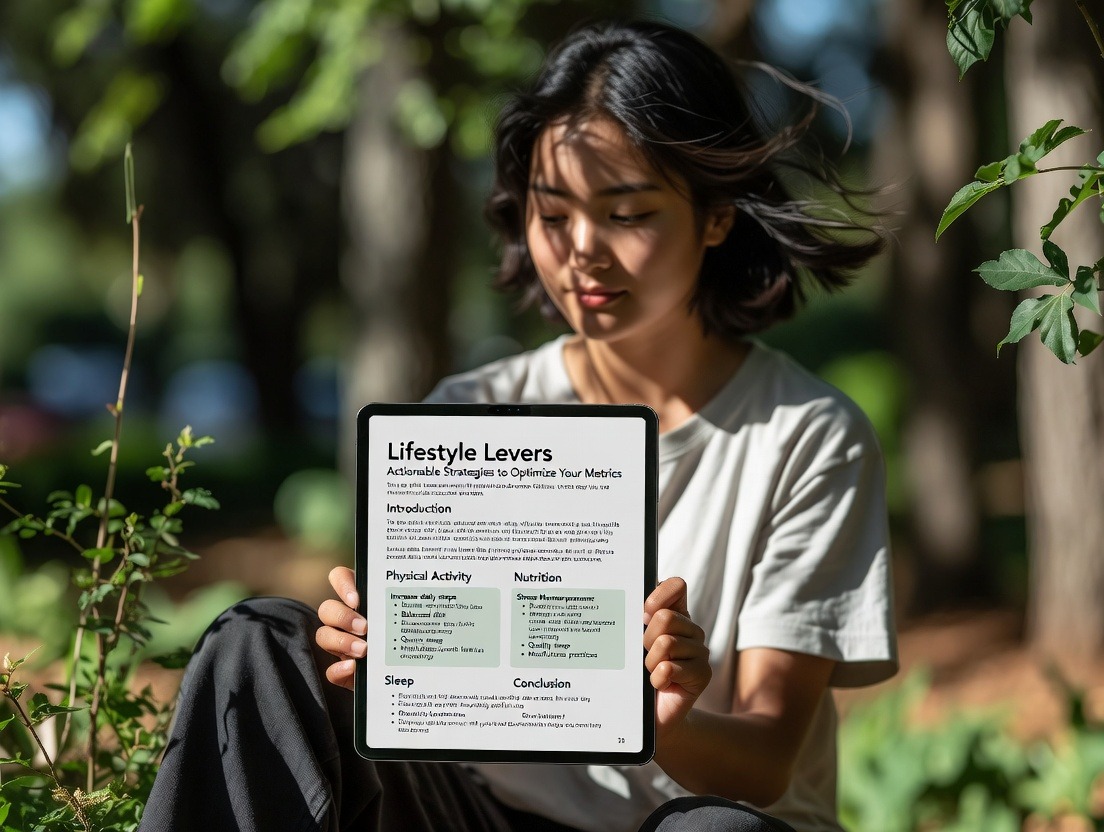
A low readiness score is not a stop sign. It's a detour sign, redirecting you to the path of recovery. The power of the system is that it not only identifies the need for recovery but, with practice, can help you identify which type of recovery you need. Here is a framework for responding intelligently to a low score.
Step 1: The Triage Assessment (Ask "Why?")
Before you act, investigate. Look at the sub-scores:
Step 2: Deploy Targeted Recovery Protocols:
For Physical Strain (From Hard Training):
For Mental & Emotional Drain:
For Sleep Debt & Circadian Disruption:
Step 3: Reframe Your Mindset
The most important action is psychological. See the low score as a successful early warning system. It means your technology is working and your body is communicating effectively. Honoring it is a sign of strength and self-awareness, not weakness. By responding appropriately, you shorten the recovery window, prevent a minor dip from becoming a chronic decline, and build greater trust with your own body. For more support on this journey, our blog is filled with resources on building sustainable wellness habits.
For the dedicated athlete—from weekend warrior to professional—the smart ring and its 5-second HRV check have become the most important tool in the kit, revolutionizing how training is programmed and recovery is managed. It brings the science of periodization out of the coach's spreadsheet and into the athlete's daily reality.
Busting the "More Is Better" Myth:
Traditional training often operated on a simple model of stress and rest, but "rest" was frequently scheduled or guessed. This leads to the twin pitfalls of under-recovery (leading to overtraining syndrome) and unnecessary rest days (missing potential gains). HRV-guided training replaces guesswork with governance.
How It Works in Practice: The Daily Autoregulation Model:
This model, known as autoregulation, ensures that the hard days are truly hard and the easy days are truly easy, maximizing adaptation while minimizing injury and burnout risk.
Identifying Overtraining Syndrome (OTS) Before It Takes Hold:
OTS is a nightmare for athletes, often requiring weeks or months of recovery. Its early signs are subtle but unmistakable in HRV data:
Seeing these trends early allows for immediate intervention—a planned, substantial reduction in training load ("a deload week")—potentially saving an entire season. This is preventative medicine for performance.
Peaking for Competition:
The ring is invaluable for tapering. As an athlete reduces volume before a race, they should see a steady rise in HRV and readiness. If readiness drops during the taper, it can signal that the taper is too aggressive or that other life stress is interfering, allowing for last-minute adjustments. On race day, a high readiness score provides a massive psychological boost: you know your body is physically prepared.
The data doesn't lie. Countless athletes have documented their journeys from plateaued and injured to achieving personal bests, all by letting their HRV guide their training density. As explored in our article on deep sleep optimization for athletes, the night-time data becomes a critical part of the performance equation.
In the high-stakes world of leadership and knowledge work, performance is cognitive, emotional, and enduring. Burnout is the professional athlete's career-ending injury. The smart ring, discreetly worn, becomes an executive's most trusted advisor, providing an objective dashboard for the intangible resource of mental resilience.
From Subjective Exhaustion to Objective Metrics:
An executive might "feel fine" pushing through 14-hour days on adrenaline and coffee. Their subjective perception is often the last to know when they are depleting their reserves. The ring's metrics—specifically a declining HRV trend and rising RHR—provide an early, objective warning system long before fatigue becomes overwhelming or health issues emerge. It quantifies the cost of that last evening email session or the cross-time-zone travel.
Strategic Recovery for Sustained Output:
The 5-second check enables "tactical recovery" woven into the fabric of a demanding life.
Negotiation and Leadership Readiness:
Interpersonal dynamics are draining. A leader walking into a difficult negotiation or a crucial performance review with a depleted nervous system is at a disadvantage. They are more reactive, less empathetic, and less creative. Checking readiness beforehand allows them to deploy a quick "centering" ritual if needed or even reschedule if possible, ensuring they lead from a state of balance rather than reactivity.
Building a Resilience-Centric Culture:
Forward-thinking leaders are using their own data to champion cultural change. By openly discussing the importance of recovery metrics and modeling behaviors like protecting sleep and taking mental health days, they destigmatize recovery. Some companies are even exploring anonymized, aggregate HRV data to understand organizational stress patterns and design better workflows and policies.
The ring transforms the executive's health from a private concern into a measurable component of professional capital. It provides the hard data needed to justify the "soft" investments in well-being that ultimately drive sustainable performance, innovation, and leadership longevity. For leaders interested in the philosophy behind building technology for sustainable human performance, the Oxyzen story details this mission-driven approach.
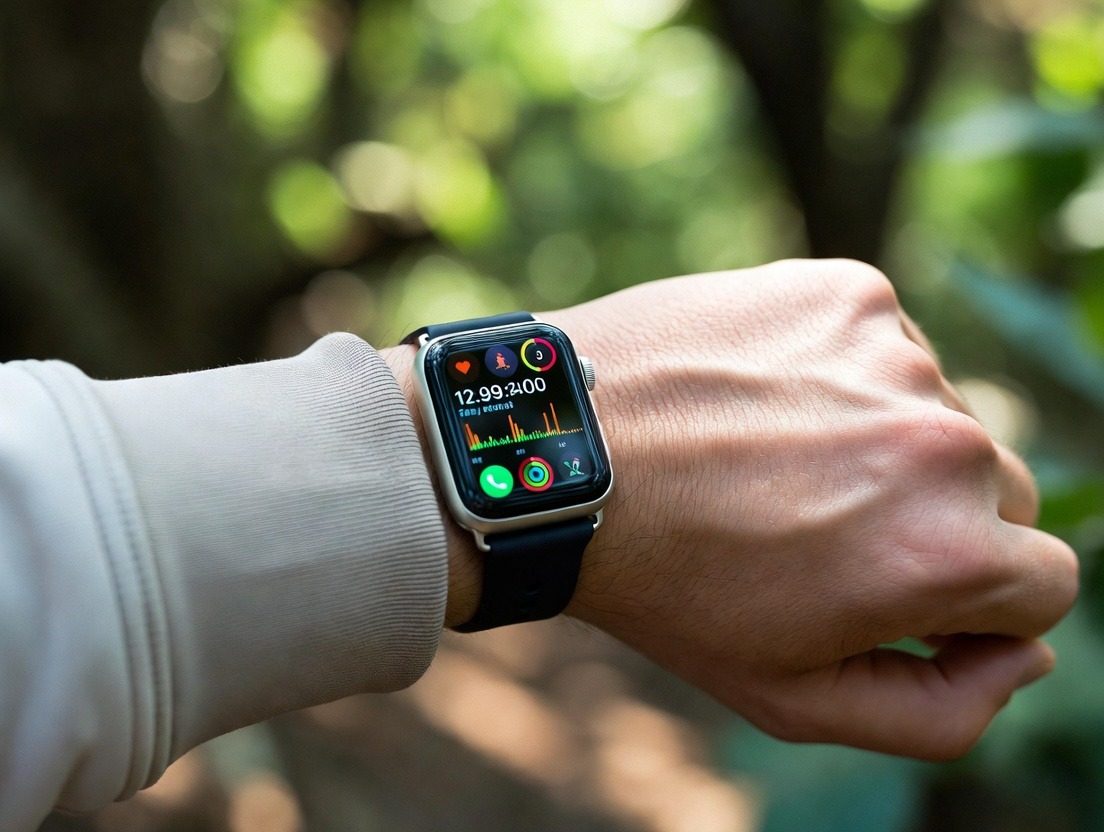
The conversation around HRV is shifting from performance optimization to lifespan and healthspan extension. Emerging research positions HRV not just as a metric of today's readiness, but as a powerful predictor of long-term health and longevity. A higher HRV is associated with a younger, more resilient biological age.
The Physiology of Aging and HRV:
Aging is associated with a decline in autonomic nervous system flexibility. The nervous system becomes less responsive, less adaptable. This manifests as a general decline in HRV over decades. However, the rate of this decline is not fixed. It is dramatically influenced by lifestyle. Therefore, your HRV trend over time can be seen as a report card on your lifestyle's impact on your biological aging process.
Studies Connecting HRV to Mortality and Disease Risk:
The Smart Ring as a Longevity Tracker:
This research transforms the daily HRV check from a daily performance tool into a lifelong health monitor. By working to maintain or even improve your HRV baseline as you age, you are actively engaging in a scientifically-backed anti-aging practice.
Lifestyle Levers for Long-Term HRV Support:
By tracking your HRV, you are no longer just managing today. You are getting live feedback on the long-term impact of your choices, empowering you to invest in the habits that build a longer, healthier, more vibrant life. It makes the abstract goal of "healthy aging" tangible, measurable, and manageable day by day.
The promise of the 5-second HRV check is compelling, but it's delivered through a rapidly evolving hardware ecosystem. Choosing the right smart ring is no longer just about picking a wearable; it's about selecting a personal health research platform. As of 2025, the market has matured beyond a single dominant player into a vibrant field with distinct options catering to different priorities: holistic wellness, athletic performance, medical-grade data, and minimalist design.
Understanding the core differences in sensor technology, battery life, algorithm focus, and ecosystem is crucial to finding your perfect match.
The Holistic Wellness Pioneers (The Oura Ring Legacy)
This category, pioneered by Oura and embraced by brands like Oxyzen, focuses on comprehensive lifestyle and recovery metrics. The philosophy is "whole-body readiness."
The Performance Powerhouses (The Ultrahuman, Whoop Competitors)
These rings are engineered for the data-driven athlete and biohacker. They prioritize granular physiological insights and real-time training metrics.
The Medical-Grade Contenders (The Movano, Evolv Health Approach)
A newer but significant category, these rings aim for FDA clearance or are developed with clinical-grade validation in mind. They bridge the gap between wellness and healthcare.
The Minimalist & Design-First Options
This category proves that functionality can come in a beautifully discreet package. These rings prioritize looking like elegant jewelry while offering core tracking.
Key Decision Factors for 2025:
Ultimately, the "best" ring is the one whose philosophy aligns with your goals and whose form factor you'll wear consistently. The most accurate ring in the world is useless if it's sitting in a drawer. For those ready to explore a device built on the holistic wellness philosophy, the Oxyzen shop is the gateway to discovery.
Bringing a smart ring home is exciting, but the first 90 days are a critical learning period. This is when you move from novelty to ingrained habit, from data confusion to intuitive understanding. Follow this phased guide to build a foundational practice that lasts a lifetime.
Phase 1: The Observation Month (Days 1-30) – Become a Neutral Scientist
Phase 2: The Connection Phase (Days 31-60) – Start the Experiment
Phase 3: The Integration Phase (Days 61-90) – Build Your Personal Protocol
Overcoming Common New-User Hurdles:
By the end of 90 days, the 5-second check will have transformed from a tech novelty into a seamless, invaluable part of your morning—as natural as brushing your teeth. You will have moved from being a passenger in your body to being its informed pilot.
We are on the cusp of the next great leap in personal health technology: the shift from descriptive analytics (telling you what happened) to predictive and prescriptive insights (forecasting what will happen and suggesting how to change it). The smart ring, with its continuous, passive data stream, is the ideal platform for this AI-driven future.
The Predictive Health Horizon:
Imagine these scenarios, all within technical reach in the coming years:
The Prescriptive Companion:
Prediction naturally leads to prescription. Future apps will move beyond showing you a low score to offering a dynamic, adaptive recovery plan.
The Ecosystem Integration Dream:
The ring will become the central biometric authenticator in a connected health home. It could:
This future hinges on sophisticated AI, robust data privacy, and user trust. The companies that will lead, like Oxyzen, are those building not just a device, but a secure, ethical platform for these life-enhancing insights. It’s about creating a true health partner. To understand the vision driving such innovation, you can learn more about our mission and team.

The journey with a smart ring often starts as a solitary pursuit of self-knowledge. But humans are social creatures, and shared data—when approached thoughtfully—can foster powerful accountability, support, and even scientific discovery.
Shared Goals, Not Shared Scores: Healthy Community Building
The most positive communities focus on shared challenges and behavioral support, not comparative leaderboards. For example:
The Power of (Anonymous) Aggregated Data for Public Good
When users opt-in anonymously, the aggregated data from millions of smart rings can become a public health resource of unprecedented granularity. Researchers could:
This turns our personal tracking into a contribution to collective knowledge, helping to build healthier societies.
Navigating the Social Pitfalls:
The community dimension, when harnessed correctly, adds a layer of motivation and meaning to the personal data. It reminds us that the pursuit of health, while deeply personal, doesn't have to be lonely. For stories of how others have integrated this tool into their lives, our testimonials page shares these communal and personal journeys.
As with any transformative technology, smart rings and HRV tracking face legitimate skepticism. Addressing these concerns head-on is essential for informed adoption.
Criticism 1: "It's Just Another Source of Anxiety (Orthosomnia)."
Criticism 2: "The Algorithms are a 'Black Box.' I Don't Know How My Score is Calculated."
Criticism 3: "HRV is Too Variable and Influenced by Too Many Factors to be Useful."
Criticism 4: "It's Not a Medical Device. You Can't Diagnose Yourself."
Embracing these tools wisely means holding both their power and their limitations in mind. They are guides, not oracles; partners, not parents. Used with this balanced perspective, they unlock a depth of self-knowledge previously reserved for research labs, all through the simplicity of a 5-second daily check.
Your Trusted Sleep Advocate (Sleep Foundation — https://www.sleepfoundation.org/)
Discover a digital archive of scholarly articles (NIH — https://www.ncbi.nlm.nih.gov/
39 million citations for biomedical literature (PubMed — https://pubmed.ncbi.nlm.nih.gov/)
experts at Harvard Health Publishing covering a variety of health topics — https://www.health.harvard.edu/blog/)
Every life deserves world class care (Cleveland Clinic -
https://my.clevelandclinic.org/health)
Wearable technology and the future of predictive health monitoring. (MIT Technology Review — https://www.technologyreview.com/)
Dedicated to the well-being of all people and guided by science (World Health Organization — https://www.who.int/news-room/)
Psychological science and knowledge to benefit society and improve lives. (APA — https://www.apa.org/monitor/)
Cutting-edge insights on human longevity and peak performance
(Lifespan Research — https://www.lifespan.io/)
Global authority on exercise physiology, sports performance, and human recovery
(American College of Sports Medicine — https://www.acsm.org/)
Neuroscience-driven guidance for better focus, sleep, and mental clarity
(Stanford Human Performance Lab — https://humanperformance.stanford.edu/)
Evidence-based psychology and mind–body wellness resources
(Mayo Clinic — https://www.mayoclinic.org/healthy-lifestyle/)
Data-backed research on emotional wellbeing, stress biology, and resilience
(American Institute of Stress — https://www.stress.org/)


