


How Smart Rings Provide Objective Body Awareness Data
How smart rings provide objective data to inform your body awareness.
How smart rings provide objective data to inform your body awareness.
%402x.svg)
For centuries, the quest for self-knowledge has turned inward—through meditation, journaling, and introspection. But what if the most profound insights into our well-being weren’t locked in our subjective feelings, but were instead written in the silent, continuous language of our own biology? A language of heartbeats, temperature shifts, and nocturnal movements we’ve never been able to fluently decode—until now.
Enter the smart ring: an unassuming piece of wearable technology that is fundamentally reshaping our relationship with our bodies. Moving beyond the step-counting wristbands of the past, these sleek bands represent a paradigm shift in personal health. They promise not just data, but objective body awareness—a continuous, unbiased, and precise stream of physiological intelligence. This is the move from guessing about our energy levels to knowing our resting heart rate variability (HRV); from wondering why we’re drained to seeing our sleep stages mapped with clinical-grade accuracy; from assuming we’re stressed to watching our sympathetic nervous system activity rise and fall in real-time.
This is more than quantified self; it’s qualified self. It’s the empowerment that comes from trading vague notions of “feeling off” for concrete metrics that explain why. In this comprehensive exploration, we will delve deep into the technological symphony inside these miniature devices, unpack the critical data streams they provide, and reveal how this objective awareness is transforming everything from sleep optimization and stress management to athletic performance and long-term health forecasting. The era of intuitive understanding is merging with the age of empirical evidence, and it all starts on your finger.
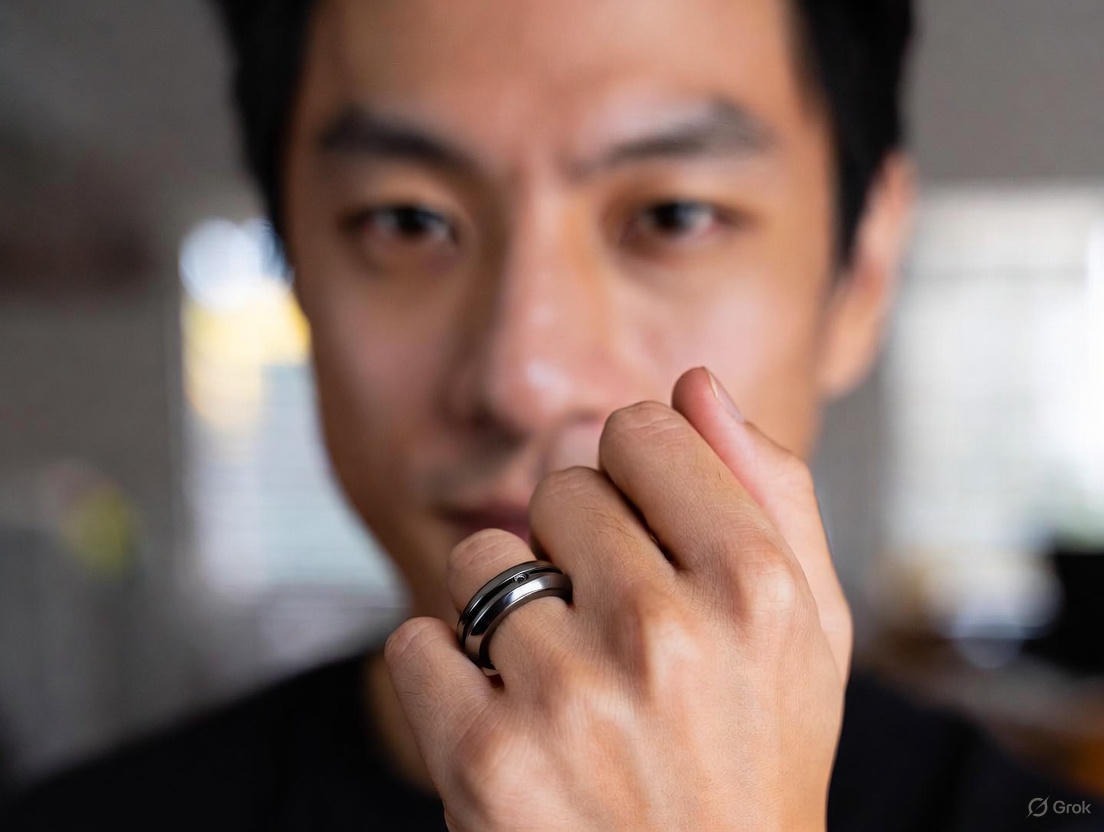
We have grown accustomed to health tech on our wrists, but the finger represents a quieter, more intimate, and biomechanically superior vantage point for listening to the body’s whispers. The choice of location is not aesthetic; it is profoundly physiological. The finger, specifically the base of the finger where a ring sits, offers a unique confluence of vascular and structural advantages that make it an ideal site for continuous, passive monitoring.
Unlike the wrist, which is bony and has tendons that move frequently, the finger pad and the area around the proximal phalanx have a rich, dense capillary bed very close to the surface of the skin. This allows photoplethysmography (PPG) sensors—the core technology for measuring blood flow—to obtain a stronger, cleaner signal with less motion artifact. When your heart beats, a pulse wave of blood travels through your arteries. The ring’s sensors detect the subtle changes in blood volume in these superficial capillaries with high fidelity. This results in more accurate and consistent readings for heart rate, heart rate variability, and blood oxygen saturation (SpO2) than most wrist-based devices can reliably provide during both rest and activity.
Furthermore, the finger is a thermal window to the body’s core. Body temperature is a master regulator and a key biomarker, fluctuating with circadian rhythms, illness, ovulation, and metabolic states. The finger’s arterial blood supply, coupled with the ring’s snug fit, allows a skin-temperature sensor to track these subtle shifts with remarkable sensitivity. A sudden, sustained elevation in nocturnal temperature can be an early objective sign of infection or inflammation, long before you subjectively feel unwell. Similarly, tracking the natural dip in core body temperature that should occur at night is crucial for understanding sleep quality and why it matters more than hours.
The form factor itself enables 24/7 wearability. A ring is less obtrusive than a watch during sleep, less likely to be removed for activities like typing or washing hands, and socially seamless. This constant wear is the key to continuous data. The magic of a smart ring isn’t in a single snapshot measurement; it’s in the longitudinal story it tells—the 168-hour weekly chronicle of your physiology. It captures your body’s baseline, its reactions to stress, its recovery during sleep, and its deviations from the norm. This creates a rich, objective tapestry of body awareness, moving us from episodic check-ups to a true state of connected, real-time understanding.
The evolution from basic fitness trackers to advanced physiological monitors is defined by a shift from external activity metrics to internal state metrics. Smart rings excel not in counting what you do, but in measuring how you are. They unlock a suite of core biomarkers that serve as direct proxies for your autonomic nervous system, metabolic health, and recovery status.
Resting Heart Rate (RHR) and Heart Rate Variability (HRV): These are the twin pillars of cardiovascular and nervous system insight. Your resting heart rate is more than just a number; it’s a baseline indicator of cardiovascular fitness and overall strain. A lower RHR typically indicates a stronger, more efficient heart. HRV, however, is where the true nuance lies. It measures the millisecond variations between each heartbeat. Counterintuitively, higher HRV is generally better—it signifies a resilient, adaptable autonomic nervous system that can smoothly shift between stress (sympathetic) and rest (parasympathetic) states. A smart ring tracks your nightly HRV, providing a stress-free, objective measure of your recovery and readiness. A trending drop in HRV is an unambiguous signal from your body that it is under accumulated strain, whether from overtraining, emotional stress, or impending illness.
Body Temperature: As a continuous circadian and health biomarker, skin temperature data is revolutionary. The ring tracks your temperature trends, not just a single point. It identifies your personal circadian rhythm—the natural dip that facilitates sleep onset and the rise that helps you wake. Deviations from this personal curve offer powerful clues. For instance, researchers have found strong correlations between temperature dysregulation and poor sleep quality and how to fix it.
Blood Oxygen Saturation (SpO2): While commonly used to detect sleep apnea events (periodic drops in oxygen), continuous SpO2 monitoring offers broader insights. It can reveal how your body is coping with environmental stressors like high altitude or air quality issues, and provides context for recovery, as optimal tissue repair requires good oxygenation.
Respiratory Rate: Often overlooked, the number of breaths you take per minute, especially during sleep, is a vital sign. An elevated nighttime respiratory rate can be a subtle indicator of stress, cardiorespiratory disturbance, or even a response to late-night alcohol consumption. By tracking this effortlessly, the ring adds another layer to the objective assessment of sleep and recovery quality.
Together, these metrics form a multidimensional health dashboard. They answer questions you didn’t even know to ask: How recovered am I truly from yesterday’s workout? Is my body showing signs of fighting off a virus? Is my nervous system in a balanced state? This is the essence of objective body awareness—data that reveals the hidden state of your internal environment.
Sleep is the single most important recovery and regulatory process we engage in daily, yet for most of history, it has been a black box. We relied on subjective recall—“I slept like a rock” or “I tossed and turned all night.” Smart rings have illuminated this black box, transforming sleep from a mysterious void into a richly detailed, objective report on our nocturnal physiology. This revolution in sleep analysis is arguably the most impactful application of smart ring technology.
The ring’s multi-sensor array works in concert all night to paint a complete picture. The accelerometer detects gross body movements and micro-movements. The PPG sensor continuously monitors heart rate and heart rate variability. The temperature sensor tracks the vital circadian drop and any anomalies. This data fusion allows the ring’s algorithms to classify sleep stages—Light, Deep, and REM sleep—with accuracy that now rivals much bulkier clinical and consumer devices.
But the output is more than just a pie chart of sleep stages. It is a deep dive into sleep architecture, the cyclical structure of a healthy night’s rest. You can see if you’re getting enough crucial Deep sleep (for physical restoration and immune function) and REM sleep (for memory consolidation and emotional processing). You can pinpoint exactly when night-time awakenings occur and cross-reference them with spikes in heart rate or drops in SpO2. This objective data settles the long-standing debate of sleep quality vs. sleep quantity and which you should prioritize by showing you exactly what constitutes quality for your unique biology.
Furthermore, the ring provides critical derived metrics:
This granular analysis moves sleep advice from generic platitudes to personalized prescriptions. You can see the direct impact of an evening workout, a glass of wine, or a late meal on your sleep depth and heart rate. You can identify if your perceived “good sleep” is actually restorative, or if you’re missing key stages. It empowers you to move beyond guesswork and measure your sleep quality without a sleep lab, creating a foundation for true, data-driven sleep optimization.
Waking up and asking yourself, “How do I feel today?” is a subjective, often flawed exercise. Fatigue can be masked by caffeine, and lingering stress can be ignored through force of will. Smart rings replace this subjective guesswork with an objective, composite metric often called a Readiness or Recovery Score. This number is your body’s daily press release—a data-driven forecast of your capacity to perform, manage stress, and recover.
This score is not a single measurement; it’s a sophisticated algorithm that synthesizes the key data from your previous night and recent trends. It typically weighs factors like:
A high readiness score is a green light. It tells you your body is well-recovered, resilient, and primed for challenging workouts, important meetings, or intensive cognitive work. A low or declining score is a crucial amber or red light—an objective warning sign. It suggests you are under-recovered, potentially fighting off illness, or dealing with accumulated stress. The appropriate response isn’t to push harder; it’s to prioritize rest, hydration, nutrition, and stress management.
This transforms daily decision-making. Instead of blindly following a rigid workout schedule, you can adapt it based on your body’s actual readiness. On a low-score day, you might swap a high-intensity interval training session for yoga, walking, or focused mobility work. It empowers a truly responsive, body-aware approach to training, productivity, and life management. It teaches us to listen to the objective signals our body is constantly sending, fostering a partnership between intention and physiology. To understand how this score is built, you can delve deeper into what your sleep quality score really means.

We often describe stress as a feeling, but at its core, it is a measurable physiological state governed by the autonomic nervous system (ANS). The ANS has two primary branches: the sympathetic (“fight or flight”) and the parasympathetic (“rest and digest”). Objective body awareness means being able to see which branch is in the driver’s seat at any given time. Smart rings provide a continuous, passive window into this dynamic balance, making the invisible visible.
The primary proxy for ANS activity is Heart Rate Variability (HRV). During moments of calm, safety, and relaxation, the parasympathetic nervous system is active, leading to a higher, more variable HRV—your heart can quickly adapt to subtle demands. In moments of stress, anxiety, or threat (real or perceived), the sympathetic nervous system takes over, creating a more regular, metronomic heartbeat and a lower HRV. Your ring tracks these shifts throughout the day and night.
Many advanced rings now include an on-demand or continuous stress monitoring feature. By analyzing short-term HRV patterns, heart rate trends, and sometimes skin temperature and movement, the device can estimate your stress level on a scale. You can take a conscious reading during a tense work call or a meditation session and see the immediate, objective impact. Over time, you build a stress map of your day and week. You might discover that your “low-energy” afternoon slump is preceded by a period of high physiological stress at 11 AM, or that your evening wind-down routine is effectively shifting your nervous system into parasympathetic mode.
This data is transformative for stress management. It moves you from a reactive stance (“I feel overwhelmed”) to a proactive one (“My data shows my nervous system is in overdrive; I need to intervene”). It allows you to test and validate stress-reduction techniques objectively. Does a 5-minute breathing exercise actually lower your stress score? Does scrolling social media during a break keep you sympathetically aroused? The ring provides the unbiased answer. By identifying your personal stress triggers and effective buffers, you can build a lifestyle that supports nervous system resilience, which is intrinsically linked to the hidden connection between sleep quality and mental health.
For athletes and fitness enthusiasts, the line between productive training and overtraining is notoriously thin. The traditional model relies on workout logs (load) and subjective muscle soreness. Smart rings introduce a powerful third dimension: objective physiological readiness. They shift the focus from just tracking the work output to measuring the body’s response and capacity for more work.
In this paradigm, the workout itself is the stressor applied to the body. The true measure of fitness, however, happens in the hours and days afterward—in the quality of the adaptation and recovery. This is where the ring excels.
By closing the loop between stress (training), recovery (sleep, nutrition), and readiness (physiological state), smart rings enable a truly intelligent approach to fitness. They help athletes train smarter, not just harder, maximizing adaptation while minimizing the risk of burnout and injury.
For individuals who menstruate, the monthly hormonal cycle is not a sidebar to health—it is a central, rhythm-defining process that influences energy, metabolism, cognition, sleep, and physiology. Traditional cycle tracking often relies on manual inputs (symptoms, basal body temperature taken orally) and estimation. Smart rings introduce a paradigm of passive, multi-parameter hormonal cycle tracking, offering unprecedented objective insight into this cyclical landscape.
The cornerstone of this application is continuous temperature monitoring. Basal Body Temperature (BBT) tracking is a long-established natural family planning method, as progesterone release after ovulation causes a sustained rise in core body temperature. However, manual BBT requires taking a temperature at the exact same time every morning before any movement, a ritual prone to error and disruption.
A smart ring automates this perfectly. It takes thousands of temperature readings throughout the night, identifying the most stable, resting period to establish a highly accurate circadian temperature value. This creates a smooth, undeniable temperature curve. The post-ovulatory rise becomes clearly visible, allowing for precise retrospective confirmation of ovulation—often with more clarity and less noise than a manual oral thermometer.
But the ring’s power goes beyond temperature alone. It correlates this thermal shift with other cycle-sensitive biomarkers:
Synthesizing this data, advanced algorithms can predict fertile windows and confirm ovulation with high confidence. More broadly, it provides a holistic dashboard of how the cycle impacts overall physiology. A woman can see if her perceived low energy in the week before her period is mirrored by objective drops in HRV and sleep efficiency. This awareness allows for cycle-syncing—adapting workouts, nutrition, and workload to the body’s natural hormonal rhythms. It transforms the cycle from a source of unpredictable symptoms into a intelligible, predictable pattern of ebb and flow, empowering more harmonious and healthy living.
The true power of continuous monitoring is revealed not in daily snapshots, but in the longitudinal trends that unfold over weeks, months, and years. This long-term data trail transforms a smart ring from a wellness gadget into a potentially powerful health observatory. By establishing your unique, multi-parameter baseline, the ring can detect subtle, persistent deviations that may be the earliest whispers of a shift in your health status.
This concept, sometimes called “health deviation detection,” is where objective body awareness meets preventative health. The body often signals distress through physiological changes long before overt symptoms appear. A smart ring, worn consistently, is positioned to catch these signals.
Consider these potential scenarios:
It is critical to state that a smart ring is not a diagnostic tool. It does not detect diseases. What it does provide is objective, personalized data that highlights when your body is operating outside of its own normal range. This empowers you to take proactive, informed action—whether that’s prioritizing rest, adjusting lifestyle factors, or seeking professional medical advice with a rich dataset in hand. It fosters a preventative mindset, shifting healthcare from reactive treatment to proactive observation and maintenance. Understanding the long-term impacts is key, as shown in research on how poor sleep quality affects your health.
One of the most profound impacts of smart ring data is psychological. It serves as a crucial bridge across the mind-body gap—the frequent disconnect between how we think we feel and how our bodies are actually functioning. This gap is where denial, pushing through pain, and ignoring signals reside. Objective data closes this gap with impartial evidence.
This bridge-building manifests in several powerful ways:
By providing an objective, external reference point, smart ring data facilitates a more honest and integrated relationship with oneself. It fosters a mindset of curiosity and experimentation (“What happens if I do X?”) rather than judgment and guesswork. This psychological shift—from being a passenger in your body to becoming an informed co-pilot—is perhaps the most significant step toward sustainable well-being. It helps you finally understand, for example, why you wake up tired despite getting enough hours.
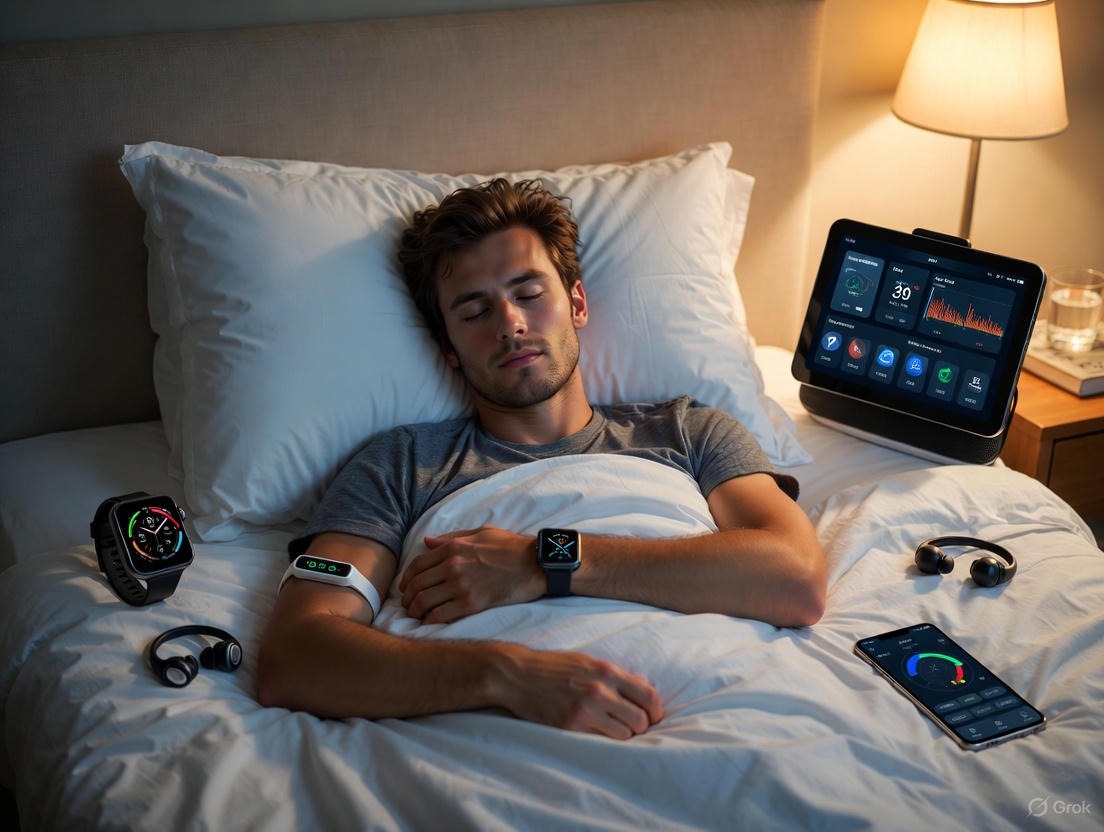
As with any disruptive technology, smart rings face legitimate questions regarding the accuracy of their data and the security of the intimate information they collect. Addressing these concerns head-on is essential for trusting and effectively utilizing the technology for objective body awareness.
On Accuracy: It is vital to understand the context. Smart rings are consumer wellness devices, not FDA-cleared medical devices. They are designed for trend analysis, lifestyle insight, and personal awareness, not for diagnosis or clinical decision-making.
On Privacy and Data Security: The data collected by a smart ring—your sleep patterns, heart rate, temperature trends—is deeply personal biometric data. Responsible companies treat it as such.
Embracing objective body awareness requires informed trust. By understanding the strengths and limitations of the technology and choosing a vendor with a transparent, security-first approach, you can confidently leverage this tool to gain profound insights while safeguarding your most personal information.
The sheer volume of data from a smart ring can be overwhelming—a river of numbers, graphs, and scores. The ultimate goal is not to drown in this river, but to channel it into a stream of actionable wisdom. The journey from raw data to improved well-being requires a thoughtful process of integration, interpretation, and experimentation.
The first step is establishing your personal baseline. Don’t jump to conclusions in the first week. Wear the ring consistently for at least two weeks, preferably a month, to understand your normal ranges for HRV, RHR, sleep scores, and temperature. This context is everything; a “low” HRV of 40 ms might be normal for you, while a drop to 30 ms is the meaningful signal.
Next, practice correlation, not just collection. The app’s dashboard is your observation deck. Start looking for connections:
Use these correlations to form personalized hypotheses. For example: “I hypothesize that finishing dinner 3 hours before bed will improve my deep sleep score by 10%.”
Then, run single-variable experiments. Change one thing at a time to test your hypothesis. Implement that 3-hour dinner rule for a week while keeping other factors relatively constant. Did the data move as predicted? This turns you into a scientist of your own life. You can apply this method to test bedtimes, workout timing, hydration, meditation apps, or anything else.
Finally, focus on macro-trends, not micro-fluctuations. Daily scores will naturally fluctuate. Look at your data in weekly or monthly views. Is your sleep score trending upward over the last quarter? Is your average readiness score higher this month than last? These long-term trends tell the true story of your health trajectory.
To begin this journey of integration, a great starting point is a sleep quality checklist to see if you’re getting truly restful sleep. By following this process—baseline, correlate, hypothesize, experiment, and trend-watch—you transform the ring from a data reporter into a personal health optimization coach. The numbers cease to be abstract metrics and become the clear, objective language through which your body guides you toward a higher state of balance and vitality.
In a world saturated with social media comparisons and fitness leaderboards, the most transformative principle of objective body awareness is this: Your data is about you, and only you. The single most important reference point for every metric your smart ring collects is not a population average, not your friend’s impressive HRV, and not an idealized score from a magazine article. It is your own personal baseline. Understanding and respecting this uniqueness is the foundation of turning data into meaningful insight.
Your physiological baseline is the dynamic set of normal ranges for your body in a state of relative balance. It is influenced by a complex tapestry of factors that are entirely personal:
This is why comparing your absolute numbers to others is not just unhelpful—it can be misleading and demotivating. A heart rate variability of 80 milliseconds might be phenomenal for a 50-year-old but below average for a 25-year-old elite athlete. Someone’s "perfect" sleep efficiency of 95% might be unattainable for a parent of a newborn or a shift worker, whose baseline for this season of life is different.
The power of the smart ring is its ability to define your normal with exquisite precision over time. It learns the contours of your unique physiology. From this established baseline, you then watch for meaningful deviations. A 20% drop in your HRV from your personal rolling average is a massive red flag, regardless of whether that number is 40 ms or 120 ms. A 0.5°C sustained rise in your nocturnal temperature is a significant event for your body.
This focus on the personal baseline fosters self-compassion and intelligent action. It moves the goalpost from an external, often arbitrary standard to an internal, biologically relevant one. The question becomes not "Am I good enough?" but "Is my body operating within its own optimal range today, and if not, what might have shifted?" This is the core of true body awareness: a dialogue with the self, informed by objective, personalized data. For a deeper look at how personal norms change over time, explore our article on sleep quality and aging, what changes and what you can control.
Our bodies are not closed systems; they are in constant, dynamic dialogue with our environment. Temperature, light, noise, and altitude all directly influence our physiology. A smart ring, by capturing the body’s objective response, effectively becomes a personal environmental sensor, revealing how your surroundings are impacting your health in real-time. This turns vague notions of "this room feels stuffy" into quantifiable, physiological facts.
Temperature and Thermoregulation: The ring’s skin temperature sensor is your frontline tool for environmental interaction. It clearly shows the impact of your bedroom temperature on sleep quality. The body needs to drop its core temperature to initiate and maintain deep sleep. If your room is too warm, your ring will likely show a shallower temperature drop, more restlessness, and less deep sleep. Conversely, a cool room (typically 65-68°F or 18-20°C) facilitates that critical decline. You can experiment and find your personal ideal, moving beyond generic advice. This is a key component of the sleep quality formula involving temperature, light, and timing.
Light Exposure and Circadian Rhythm: While rings don't have ambient light sensors (yet), they measure the profound result of light exposure: your circadian rhythm. Irregular light patterns—such as bright blue light at night or insufficient bright light in the morning—disrupt your body’s production of melatonin and cortisol. This dysregulation manifests in your ring data as an erratic temperature rhythm, delayed sleep onset, and poor sleep efficiency. By prioritizing consistent light exposure, you can watch your circadian temperature curve become more stable and robust, a cornerstone of metabolic and mental health.
Altitude and Oxygen: When you travel to a higher altitude, the lower partial pressure of oxygen challenges your system. Your ring’s SpO2 and respiratory rate sensors will objectively capture your acclimatization. You’ll likely see a drop in blood oxygen saturation and an increase in breathing rate initially. Over days, as your body adapts, you can watch these metrics gradually normalize. This provides tangible feedback on how well you are acclimating and when it might be wise to take it easy.
Daily Habit Feedback Loop: Beyond the physical environment, your ring connects your habits to your physiology. Did that afternoon coffee spike your heart rate and disrupt your sleep latency? Did a stressful commute keep your nervous system sympathetically aroused for hours? The data provides the evidence, allowing you to engineer an environment and daily routine that supports, rather than sabotages, your physiological balance. It answers the critical question: "Is my lifestyle actually working for my body?" This is especially useful for navigating challenges like maintaining sleep quality during travel.
The rise of personal biometrics presents a groundbreaking opportunity to bridge the gap between daily self-care and professional medical care. A smart ring generates a rich, longitudinal dataset that, when shared thoughtfully, can provide clinicians with context they’ve never had before: a continuous record of a patient’s life outside the clinic. This transforms appointments from snapshots based on recollection to informed consultations grounded in objective trends.
Enhancing Patient-Provider Dialogue: Imagine visiting your doctor for fatigue. Instead of saying, "I’ve been tired for a few months," you can show a graph of your sleep efficiency trending downward, your resting heart rate creeping up, and your HRV declining over the same period. This objective data can help differentiate between potential causes—is it likely sleep-related, stress-related, or indicative of something else? It makes the subjective complaint tangible, saving time and focusing the investigation.
Specific Use Cases in Healthcare Collaboration:
How to Prepare and Share Data Effectively:
This integration represents a shift toward participatory medicine, where the patient is an informed, data-equipped partner in their own care. It empowers individuals to bring concrete evidence to the table, fostering more collaborative, precise, and effective healthcare relationships.
The current capabilities of smart rings are impressive, but they represent just the first chapter in a story of deepening physiological intimacy. Sensor technology is advancing at a breathtaking pace, promising to unlock new layers of objective body awareness that will make today’s metrics seem rudimentary. The future ring will evolve from a health monitor into a true health guardian and guide.
Next-Generation Sensors on the Horizon:
The AI-Powered Health Companion: Raw data is useless without interpretation. The future lies in contextual AI that moves beyond simple algorithms. Imagine an AI that:
Seamless Ecosystem Integration: The future smart ring won’t be an island. It will be the central, most trusted biometric node in a seamless web of smart devices—communicating with your smart thermostat to optimize bedroom temperature, dimming your lights based on your circadian rhythm, and even adjusting the nutritional suggestions on your smart kitchen display. It will be the unconscious, always-on foundation of a truly responsive and health-optimizing living environment.
This trajectory points toward a future where objective body awareness is so comprehensive and intuitive that it becomes a subconscious sixth sense—a continuous, gentle understanding of our internal state that allows us to live in greater harmony with our biology’s needs and potentials.
With the market expanding rapidly, selecting the right smart ring is a crucial decision that will impact the quality and utility of your objective data. It’s not a one-size-fits-all choice. Different rings emphasize different aspects of health tracking, and their algorithms, app experiences, and design philosophies vary significantly. Making an informed choice requires looking beyond marketing claims to core differentiators.
Key Metrics and Algorithm Focus:
Critical Evaluation Factors:
The Best Ring is the One You’ll Wear: Ultimately, the most accurate ring in the world is useless if it sits in a drawer. The best choice is the device whose design you find comfortable, whose app you find engaging, and whose insights align with your primary health goals—whether that’s optimizing sleep, managing stress, improving fitness, or simply building a foundational awareness of your unique physiology. To start your research, you might compare the best sleep quality tracking methods for beginners.
In our enthusiasm for objective metrics, it is vital to establish a critical boundary: Data informs, but it does not define. A smart ring provides a powerful, unprecedented view into the physiological correlates of our lived experience, but it is not a view into the experience itself. Understanding what the data cannot tell you is as important as understanding what it can.
It Measures States, Not Causes: Your ring can tell you your HRV is low and your sleep was restless. It cannot tell you why. The "why" resides in the qualitative realm of your life. Was it an argument with a loved one? Anxiety about a work deadline? Grief? Poor dietary choices? The data flags the physiological consequence, but you must use your human awareness to investigate the root cause. It is a starting point for introspection, not a replacement for it.
It Captures the Physical, Not the Emotional or Spiritual: Joy, connection, meaning, love, creativity, and spiritual fulfillment are the essence of a well-lived life. No wearable can quantify the warmth of a shared laugh, the peace of a mindful moment, or the satisfaction of deep work. A "perfect" readiness score on a day of loneliness is not better than a "low" score on a day filled with rich human connection. The data must remain in service to the qualitative wholeness of life, not become its sole judge.
It Can Fuel Obsession, Not Just Awareness: For some personalities, constant access to biometrics can lead to orthosomnia—an unhealthy preoccupation with achieving perfect sleep scores. Checking the app incessantly, becoming anxious over a slight dip in a metric, or letting a low readiness score dictate a mood of failure are all pitfalls. The data should be a guide, not a gospel. It’s helpful to periodically check in: Is this tool reducing my anxiety about my health, or increasing it?
It Lacks Context Without Your Narrative: A high resting heart rate could mean you’re unfit, or it could mean you just had a cup of coffee, are dehydrated, or are excited about a date. The ring doesn’t know. You provide the context. This is why journaling—even briefly noting "late coffee," "hard workout," "stressful day"—alongside your data is so powerful. It marries the objective numbers with your subjective story.
Embracing objective body awareness requires wisdom. It means using the data as a compass, not a map. It means listening to the numbers, but listening more deeply to your own intuition, emotions, and lived experience. The goal is integration: allowing the objective and subjective to inform each other, creating a more complete, compassionate, and empowered understanding of what it means for you to be well. This balanced perspective helps you see through common sleep quality myths and what you think you know is wrong.

Collecting data is the first step. The ultimate goal is translation—turning awareness into sustained, positive action that elevates your baseline of health. This is where the journey from information to transformation truly happens. Building a data-informed lifestyle is a gradual, iterative process of small, smart experiments and consistent adjustments.
Start with One Keystone Habit: Don’t try to optimize everything at once. Use your data to identify your biggest leverage point. For most people, this is sleep. If your data shows poor sleep efficiency or low deep sleep, make sleep hygiene your sole focus for 3-4 weeks.
Use Your Readiness Score as a Daily Guide: Integrate this metric into your morning routine.
Create Feedback Loops for Stress: When your stress monitor flags a high-stress period, have a pre-planned toolkit.
Review Weekly, Not Daily: Set a weekly appointment with your data (e.g., Sunday evening). Look at the week in review. What were your average scores? What were the highs and lows? Can you correlate them with specific events? This macro-view prevents daily noise from causing anxiety and reveals true trends. Ask: "Based on this week’s data, what is one small change I want to try next week?"
Celebrate Shifts in Your Baseline: The most rewarding outcome isn’t a perfect single day, but a gradual improvement in your baseline over months. When your 30-day average HRV trends up, or your average sleep score improves by a few points, that is a monumental victory. It means your body is becoming more resilient. That is the power of a data-informed lifestyle: creating compounding interest on your health investment. For a focused starting point, our guide on where to start for maximum sleep quality improvement results can be very effective.
We stand at the threshold of a new era in personal well-being. The advent of precise, passive, and continuous biometric monitoring via smart rings marks a departure from a history of guesswork and generalization about our health. We are no longer limited to interpreting our bodies through the foggy lens of subjective feeling alone. Now, we have a translator—a device that speaks the language of physiology and delivers it to us in clear, actionable terms.
This first portion of our exploration has laid the foundational understanding of how this technology works and the profound insights it provides. We’ve seen how the finger is a unique biological observatory, capturing everything from the nuanced balance of our nervous system to the intricate architecture of our sleep. We’ve learned to value our personal baseline above all else, to see our readiness score as a daily forecast, and to understand our body’s silent responses to stress and our environment.
Most importantly, we’ve begun to frame this not as a pursuit of perfect numbers, but as the initiation of a new dialogue with ourselves. It is a dialogue where the body gets a clear, objective voice. It can now say, "I am strained," with the hard evidence of a low HRV trend. It can whisper, "I am fighting something," through a subtle temperature rise. It can show you the direct reward of a good habit in the depth of your sleep.
This objective data is the ultimate tool for self-compassion and agency. It replaces self-criticism with curiosity, and helplessness with strategy. It empowers you to move from asking, "Why do I feel this way?" to declaring, "This is what is happening, and this is what I can do about it."
The journey into objective body awareness is just beginning. In the next portion, we will dive even deeper. We will explore advanced interpretation of data trends, build personalized protocols for specific goals like cognitive performance and immune resilience, examine real-world case studies, and confront the ethical future of this deeply personal technology. We will move from understanding the metrics to mastering their application in the complex, beautiful project of crafting a healthier, more conscious life.
The data from your smart ring is not a series of isolated numbers but a dynamic, interconnected symphony of your physiology. Each metric—heart rate, HRV, temperature, movement—is an instrument. The true music, the insight, emerges from how they play together. Learning to interpret this tapestry is the art of moving from basic data literacy to deep physiological intuition.
Understanding Cross-Metric Correlation: The Story in the Patterns
A single data point is a snapshot; a correlated pattern is a story. The most powerful insights come from observing how multiple metrics shift in concert.
The Importance of Time-Based Context: Circadian and Weekly Rhythms
Your data has a natural rhythm. Viewing it through a time-based lens is crucial.
Creating Your Personal Data Dictionary:
Start a log, digital or physical, where you note observations alongside your data.
Once you understand your baseline sleep data, you can move beyond standard "sleep hygiene" to precision protocols. Your ring provides the feedback loop to test and validate advanced techniques for maximizing sleep's restorative power.
Temperature Manipulation for Deep Sleep Enhancement:
The link between core body temperature drop and sleep initiation is well-established. Your ring's temperature data allows you to engineer this.
Timing and Substance Experiments:
Wind-Down Validation: Test different wind-down routines. Does 30 minutes of reading fiction lower your pre-sleep heart rate more than 30 minutes of meditation? Does using blue-light blocking glasses after sunset stabilize your temperature rhythm? Your readiness score and sleep latency data provide the objective answer, allowing you to build an evidence-based, personalized pre-sleep ritual. For those struggling to start, our guide on how to improve sleep quality in just one week offers a structured experiment.
Smart rings elevate stress management from a conceptual practice to a biofeedback training regimen. You can actively train your autonomic nervous system for greater resilience, using the data as real-time proof of efficacy. This is moving from managing stress to transforming your physiological response to it.
The Biofeedback Loop Technique:
Identifying and Mitigating "Hidden" Stressors:
Your ring can detect stress you've learned to ignore.
Building Resilience Through Lifestyle Stacking: Use your readiness score as a measure of cumulative resilience. Then, experiment with "resilience-stacking" habits:
While smart rings cannot directly measure macronutrients, they provide powerful indirect feedback on how your diet affects your energy, recovery, and metabolism. By tracking your body's response, you can move towards a truly personalized nutrition approach.
The Postprandial Response Test:
How does your body handle different meals? Design a simple experiment.
Fasting and Meal Timing Experiments:
Use your ring to explore time-restricted eating windows safely and effectively.
Hydration and Electrolyte Balance:
Chronic mild dehydration is a common stressor. Its signs can be subtle but visible in your data: a slight elevation in resting heart rate, a reduction in HRV, and potentially more fragmented sleep. By conducting a "hydration week"—consciously hitting a water intake goal—you can see if these metrics improve, providing objective motivation to maintain the habit.
For the serious athlete, the smart ring is the ultimate tool for moving from periodized plans based on the calendar to truly autoregulated training based on physiological readiness. It enables a dynamic, responsive approach that maximizes adaptation and minimizes injury risk.
The Triad of Performance Metrics: Load, Readiness, and Adaptation.
Implementing an Autoregulated Training Schedule:
Identifying Individual Recovery Signatures: Every athlete recovers differently. Use your ring to discover your personal recovery timeline.
For women, the monthly cycle is not a complication to be ignored, but a rhythmic narrative to be understood. A smart ring provides the most complete, passive picture of this narrative ever available outside a clinic, empowering cycle-syncing with concrete data.
Mapping the Four-Phase Data Signature:
A typical cycle will show a distinct pattern across four phases, visible in temperature, HRV, RHR, and sleep.
Using Data for Cycle-Aware Living:
This isn't about limitation; it's about optimization. By anticipating the luteal phase's physiological changes (higher RHR, lower HRV), a woman can interpret a lower readiness score not as failure but as biology. She can adjust training accordingly, swapping a HIIT class for strength training or yoga, without guilt.
Identifying Cycle Irregularities: Long-term tracking can reveal objective patterns indicative of hormonal health: anovulatory cycles (no clear temperature shift), short luteal phases (temperature rise for <10 days), or significant premenstrual sleep disruption. This data becomes invaluable for discussions with healthcare providers, moving from "my cycles are irregular" to "my data shows I'm not ovulating, and here are my 90-day temperature and HRV charts."
Travel is a massive physiological disruptor, attacking circadian rhythms, sleep, and hydration. A smart ring transforms you from a passive victim of jet lag to an active commander of your acclimatization, using real-time data to guide your actions.
Pre-Flight Preparation (The "Pre-Hab" Protocol):
In-Flight and Destination Strategy, Guided by Data:
The ultimate promise of continuous monitoring is its potential impact on healthspan—not just adding years to life, but life to years. The daily biomarkers tracked by a smart ring are not wellness curiosities; they are the very signals that, in aggregate, form the picture of accelerated aging or resilient vitality.
HRV as a Biomarker of Biological Age: Heart Rate Variability is perhaps the single most powerful biomarker of autonomic nervous system health, which declines with age. However, the rate of decline is not fixed. Lifestyle profoundly influences it. A consistently high HRV for your age group is associated with better cardiovascular health, lower systemic inflammation, and greater stress resilience—all hallmarks of slower biological aging. Tracking your HRV trend over years gives you a direct readout of whether your lifestyle is accelerating or decelerating your autonomic aging.
Sleep Quality as a Foundation for Cellular Repair: During deep sleep, the brain's glymphatic system clears metabolic waste, and human growth hormone is released for tissue repair. Consistently poor sleep architecture, as shown by your ring, is linked to increased systemic inflammation, impaired glucose metabolism, and accumulation of amyloid plaques—all processes that underpin chronic disease and aging. Therefore, the long-term trend of your sleep quality scores is a proxy for your body's nightly maintenance efficiency. Improving them is a direct investment in longevity, as detailed in the science of what happens when you sleep well.
Resting Heart Rate Trends and Cardiovascular Resilience: A creeping increase in your age-adjusted resting heart rate over years is a known risk factor for cardiovascular events. Conversely, maintaining a low, stable RHR through fitness and stress management is protective. Your ring provides the longitudinal tracking to catch an unfavorable trend early, when lifestyle intervention is most powerful.
The Predictive Power of Deviation Frequency: Long-term health may be less about perfect numbers and more about system stability. A body that frequently experiences large deviations—wild swings in HRV, constant temperature dysregulation, highly variable sleep—is a system under stress and less resilient. The ring helps you identify and smooth out these fluctuations, promoting homeostatic resilience, which is the true hallmark of a system that will endure and thrive over decades.
Theory comes alive through story. Here are anonymized composites of real-world scenarios where objective data from a smart ring led to transformative insights and changes.
Case Study 1: The "Healthy" Executive with Unexplained Fatigue
Case Study 2: The Overtrained Marathoner
Case Study 3: The Perimenopausal Transition
As we welcome these intimate devices into our lives, we must engage in a conscious dialogue about the ethical implications. The data collected is not just numbers; it is a digital twin of our biological selves, with profound privacy, security, and societal ramifications.
The Privacy Paradox and Informed Consent:
We trade data for convenience and insight, but the scale here is different. Biometric data can reveal intimate details: your sleep patterns (and thus your nightly routines), your stress levels (and potentially your emotional state), your fertility window, and early signs of illness. True informed consent requires companies to be transparent not just about what they collect, but about all potential downstream uses: Could this data be sold to health insurers? Could it be used for targeted advertising based on your stress or fatigue? Could it be subpoenaed in legal proceedings? Users must demand clarity and have the right to true data ownership and deletion.
Algorithmic Bias and the "Normative" Body:
The algorithms that interpret our data are trained on datasets. If those datasets are not diverse—over-representing young, male, affluent, or specific ethnic groups—the "norms" and "scores" generated will be biased. A sleep algorithm trained mostly on men might misinterpret the normal luteal-phase sleep changes in women as "poor sleep." A stress algorithm might not recognize culturally specific expressions of stress. We must push for diverse training data and transparent algorithmic auditing to ensure these tools serve all of humanity equitably.
The Risk of Data Determinism and Health Anxiety:
When we outsource our sense of well-being to an algorithm, we risk creating a new form of anxiety: the tyranny of the perfect score. A low readiness score could be interpreted as a personal failing rather than a neutral piece of biological feedback. There's a danger that we start to live for the metrics, not for the lived experience they are meant to enhance. The ethical use of this technology requires a cultural emphasis on data as a guide, not a grade.
The Future: Governance and Digital Biological Rights:
We are heading toward a future where our biological data may be more valuable than our financial data. This necessitates a new framework of digital biological rights. This could include:
We have journeyed from the microscopic sensors on a finger to the macroscopic implications for our health, performance, and very sense of self. The emergence of smart rings and the objective body awareness they provide is not merely a technological trend; it is a fundamental shift in the human capacity for self-knowledge.
For the first time in history, we can have a continuous, unbiased conversation with the deep processes of our own bodies. We are no longer reliant solely on the sometimes-misleading signals of subjective feeling or the infrequent snapshots of clinical tests. We have a companion that speaks the silent language of physiology, translating our heart's variability, our thermal rhythms, and our sleep's architecture into a coherent story.
This story empowers us. It empowers us to:
The ultimate goal is not to optimize ourselves into sterile, data-perfect machines. It is to use this profound awareness to create more space—more energy, more resilience, more vitality—for what truly makes us human: connection, creativity, love, and purpose.
The ring on your finger is a tool. The awareness it provides is a gift. The life you build with that awareness is the masterpiece. Welcome to the age of knowing yourself, from the inside out. The data is in your hands; the power to use it wisely is in your heart and mind. This is just the beginning of a more conscious, more empowered way to live.
Your Trusted Sleep Advocate: Sleep Foundation — https://www.sleepfoundation.org
Discover a digital archive of scholarly articles: NIH — https://www.ncbi.nlm.nih.gov/
39 million citations for biomedical literature :PubMed — https://pubmed.ncbi.nlm.nih.gov/
Experts at Harvard Health Publishing covering a variety of health topics — https://www.health.harvard.edu/blog/
Every life deserves world class care :Cleveland Clinic - https://my.clevelandclinic.org/health
Wearable technology and the future of predictive health monitoring :MIT Technology Review — https://www.technologyreview.com/
Dedicated to the well-being of all people and guided by science :World Health Organization — https://www.who.int/news-room/
Psychological science and knowledge to benefit society and improve lives. :APA — https://www.apa.org/monitor/
Cutting-edge insights on human longevity and peak performance:
Lifespan Research — https://www.lifespan.io/
Global authority on exercise physiology, sports performance, and human recovery:
American College of Sports Medicine — https://www.acsm.org/
Neuroscience-driven guidance for better focus, sleep, and mental clarity:
Stanford Human Performance Lab — https://humanperformance.stanford.edu/
Evidence-based psychology and mind–body wellness resources:
Mayo Clinic — https://www.mayoclinic.org/healthy-lifestyle/
Data-backed research on emotional wellbeing, stress biology, and resilience:
American Institute of Stress — https://www.stress.org/


