The Active Living Benchmark: What Your Wellness Ring Recommends
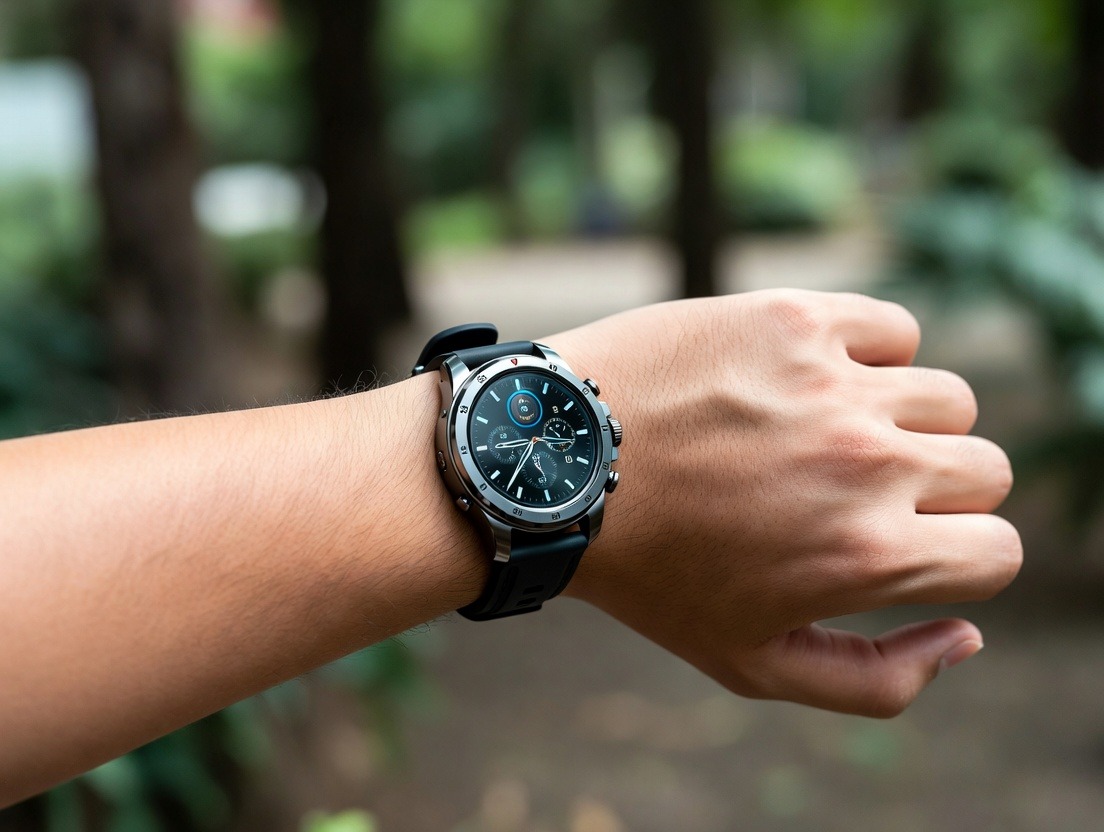
The ring provides personalized benchmarks and recommendations for your active living journey.
The Active Living Benchmark: What Your Wellness Ring Recommends
We live in an age of unprecedented self-knowledge. For centuries, humans gauged their health through vague sensations—fatigue, vigor, aches, and moods—interpreted through a fog of subjective feeling. Today, a quiet revolution sits on our fingers. The modern wellness ring, a sleek blend of advanced biosensors and machine learning, translates the silent language of our physiology into a clear, actionable dialogue. It doesn't just count steps; it understands the symphony of your autonomic nervous system. It doesn't just track sleep; it deciphers the architectural blueprint of your nightly restoration. This continuous, intimate data stream presents a powerful opportunity: the move from passive tracking to active, intelligent living.
But with great data comes a great challenge: interpretation. What do these numbers mean? Is a heart rate variability (HRV) of 45ms good? Should you be concerned if your deep sleep dips below an hour? This is where the concept of an Active Living Benchmark becomes essential. It’s not a one-size-fits-all target plucked from a textbook. It’s your personal, dynamic baseline of optimal functioning—a physiological fingerprint of what "thriving" looks like for you, informed by your own body’s data over time.
Your wellness ring isn’t a judge; it’s a guide. Its recommendations—to move, recover, sleep, or de-stress—are anchored in this evolving benchmark. This article is your decoder ring for those recommendations. We will dive deep into the core metrics, explore the science behind the suggestions, and provide a framework for building a lifestyle that isn’t about chasing arbitrary goals, but about harmonizing with your body’s innate wisdom. Welcome to the new era of personalized well-being, where your most insightful health coach is the ring you wear every day.
Beyond Steps & Calories: The New Language of Holistic Health Tracking
The fitness tracker of the past was a simple accountant. It tallied outputs: steps taken, floors climbed, calories burned. While these metrics have their place, they tell a profoundly incomplete story. Focusing solely on output is like evaluating a company’s health only by its revenue, ignoring cash flow, debt, employee morale, and innovation. You can be hitting 10,000 steps daily while chronically stressed, under-recovered, and burning out. The output looks good, but the system is fraying.
The modern wellness ring, like the Oxyzen ring, represents a paradigm shift from activity tracking to state detection. It moves the focus from what you do to how you are. This is holistic health tracking, and it speaks a richer, more nuanced language composed of several key physiological dialects:
Heart Rate Variability (HRV): Often called the "gold standard" metric for recovery and resilience, HRV measures the subtle variations in time between each heartbeat. Contrary to intuition, a higher HRV generally indicates a healthier, more adaptable nervous system. It’s your body’s read on the balance between stress (sympathetic "fight or flight") and recovery (parasympathetic "rest and digest"). Your ring uses HRV to recommend whether today is a day for intense training or gentle movement.
Resting Heart Rate (RHR): Your heart’s idle speed. A lower RHR typically suggests better cardiovascular fitness and efficient autonomic function. Trends are key here—a creeping elevation can be an early warning sign of illness, overtraining, or chronic stress.
Body Temperature: Continuous temperature sensing, especially nocturnal, reveals powerful patterns. A elevated baseline temperature can signal the onset of illness, inflammation, or hormonal changes long before symptoms appear. It’s also crucial for understanding circadian rhythm and sleep quality.
Sleep Architecture: This is where data transforms into insight. Moving beyond simple "hours in bed," your ring analyzes the stages of sleep—light, deep, and REM—and their proportions. Deep sleep is for physical restoration and immune function, while REM is for memory consolidation and emotional processing. The balance between them is what truly defines restorative sleep. As explored in our deep dive on what your deep sleep numbers should look like, these stages are the building blocks of recovery.
Blood Oxygen Saturation (SpO2): Monitored during sleep, this metric can help identify disruptions like sleep apnea or breathing irregularities that fragment sleep and strain the cardiovascular system.
Activity & Metabolic Burn: Yes, rings still track movement and calorie expenditure, but now this data is contextualized. Was that 500-calorie burn from a peaceful hike or a stress-filled day? The ring’s other metrics help color in the lines.
The magic isn't in any single metric, but in their confluence. A low HRV, elevated RHR, and disrupted deep sleep create a composite picture that screams "need for recovery" far more loudly than any single data point ever could. This interconnected view is the foundation of the Active Living Benchmark. It allows your ring to stop asking "Did you move enough?" and start asking a far more important question: "Is your body ready to perform?"
For those curious about the technology that makes this possible, our detailed guide on how sleep trackers actually work demystifies the sensors and algorithms inside your device.
Decoding Your Body’s Readiness Score: The Gateway to Your Daily Blueprint
Each morning, as you transition from sleep to wakefulness, your wellness ring delivers its first and perhaps most critical report: the Readiness Score (or similarly named "Recovery," "Body Battery," or "State" score). This single, distilled number is the gateway to your Active Living Benchmark for the day. It is not a grade, but a recommendation—a synthesis of your nocturnal physiology into a directive for the next 16 hours.
So, what goes into this score? It’s a weighted algorithm primarily fed by three pillars of data collected while you were (theoretically) at rest:
Sleep Quality & Quantity: This is more than duration. The algorithm evaluates how much time you spent in restorative deep and REM sleep, your sleep consistency (did you wake often?), and your sleep timing relative to your personal circadian norm. A long sleep plagued with disturbances may yield a lower score than a shorter, but more efficient, sleep cycle. The importance of deep sleep for this score cannot be overstated, as it’s directly tied to physical repair. For a scientific breakdown, read about what happens to your body during deep sleep.
Recovery Metrics (HRV & RHR): This is the core of your autonomic nervous system’s report card. A higher-than-baseline HRV and a stable or lower-than-baseline RHR suggest your body has effectively discharged stress and is in a recovered, resilient state. These metrics are so sensitive they can reflect not just physical strain, but emotional and mental stress as well.
Previous Day’s Strain: The algorithm has a memory. It considers the physical and physiological load you placed on your body yesterday. A massive workout, a long travel day, or even a stressful social event will factor in, as your body needs time to repair and rebalance.
Interpreting Your Daily Score:
High Readiness (e.g., 80-100): Your body is signaling "green light." Physiological systems are recovered, resilient, and primed for performance. This is an ideal day for challenging workouts, important cognitive work, or tackling demanding projects. Your benchmark here indicates peak operational capacity.
Moderate Readiness (e.g., 50-79): This is a "proceed with awareness" yellow light. Your body is functional but not fully optimized. Perhaps sleep was slightly fragmented, or HRV is dipping toward your personal baseline. The recommendation here is often for moderate, skill-based activity (like technique-focused training, a brisk walk, or yoga) rather than maximum effort. It’s a day to listen closely and not push through significant resistance.
Low Readiness (e.g., Below 50): This is a clear "recovery priority" red light. Multiple metrics—consistently low HRV, high RHR, poor sleep—are indicating systemic stress. The active recommendation is for rest, gentle movement like walking or stretching, hydration, stress management, and early sleep. Ignoring this score and forcing a hard workout is akin to driving a car with the engine warning light on; it invites breakdown.
The true power of the Readiness Score lies in its personalization. Your 75 is unique to you, based on your historical data, your lifestyle, and your benchmark. By observing the correlation between your score and how you actually feel—energetic, sluggish, sore, sharp—you begin to develop a profound embodied intelligence. You learn to trust the data as an objective mirror to your subjective experience. To explore common questions about the value of this kind of tracking, consider the honest breakdown in is sleep tracking worth it?.
The Sleep Deep Dive: Why Stages Matter More Than Hours
If the Readiness Score is your daily headline, your sleep data is the in-depth investigative report. The old adage "get 8 hours of sleep" is now obsolete in the face of advanced biometric tracking. We know that sleep is architecturally complex, a cyclical journey through distinct stages that each serve a non-negotiable purpose. Your wellness ring maps this journey, providing a blueprint of your night. Understanding this blueprint is fundamental to raising your Active Living Benchmark.
Let’s break down the stages and what your ring is telling you about each:
Light Sleep (N1 & N2): This is the gateway and most abundant sleep stage. It’s transitional, serving to slow down the body and brain. While less restorative than deeper stages, it is crucial for memory processing and synaptic pruning. Your ring shows this as the bulk of your sleep cycle.
Deep Sleep (N3 or Slow-Wave Sleep): This is the physical restoration powerhouse. During deep sleep, human growth hormone is released, facilitating tissue repair, muscle growth, and immune system strengthening. It’s the most physically restorative phase and is typically concentrated in the first half of the night. If you wake feeling physically achy or run down, a deficit here is a likely culprit. The quest for more deep sleep is common; learn the 7 proven strategies to get more deep sleep tonight.
REM Sleep: Named for the Rapid Eye Movement that characterizes it, this is the brain’s dream stage. It’s essential for emotional regulation, memory consolidation, learning, and creativity. REM periods become longer and more prominent in the second half of the night. A lack of REM can manifest as brain fog, emotional volatility, and difficulty learning new skills.
Awake/Disruptions: Even the best sleep has brief micro-awakenings we don’t remember. Your ring charts these disturbances. Frequent or prolonged wake periods fragment sleep, preventing you from completing full, restorative cycles. Common culprits include environmental factors (noise, light, temperature), alcohol consumption, or underlying sleep disorders.
Actionable Insights from Your Sleep Data:
Your ring’s analysis moves beyond the chart to offer insights. Here’s how to translate them:
"Low Deep Sleep": This recommendation points to a physical recovery debt. Look at factors that suppress deep sleep: late-night eating, alcohol (which particularly sabotages deep sleep in the second half of the night), high evening cortisol from stress, or sleeping in a room that’s too warm. Our blog on the deep sleep formula of temperature, timing, and habits is an essential resource here.
"Frequent Awakenings": Your sleep is fragmented. Investigate your sleep environment. Is it dark, cool (around 65-68°F or 18-20°C), and quiet? Consider your fluid intake before bed. Also, observe if these awakenings correlate with a drop in SpO2, which might warrant a discussion with a healthcare professional.
"Late Sleep Timing" or "Inconsistent Bedtime": This targets your sleep hygiene and circadian rhythm. Your body craves consistency. A wildly varying bedtime confuses your internal clock (circadian rhythm), degrading sleep quality. The recommendation is to establish a consistent wind-down routine and target a regular bedtime, even on weekends.
"High Resting Heart Rate During Sleep": Your body is working harder than it should be at rest. This can signal ongoing stress (physical or mental), impending illness, dehydration, or lack of fitness. Paired with a low HRV, it’s a strong signal to prioritize recovery.
Remember, your ideal sleep architecture is personal and changes with age. A 25-year-old athlete will have a different deep sleep profile than a 55-year-old professional. The key is to track your own trends and understand what your personal "optimal" looks like. For a detailed look at how needs change over time, see our guide on the ideal deep sleep duration by age.
HRV: Your Nervous System’s Honest Dashboard
Of all the metrics a wellness ring provides, Heart Rate Variability (HRV) remains the most insightful—and often the most misunderstood. Imagine your heartbeat not as a monotonous metronome, but as a jazz drummer, subtly playing around the beat with nuance and adaptability. That variability is a direct window into the autonomic nervous system (ANS), the unconscious control center regulating your stress response, digestion, immunity, and recovery.
The Simple Science: When you inhale, your heart rate accelerates slightly (sympathetic influence). When you exhale, it decelerates (parasympathetic influence). This breath-to-heartbeat coupling is a sign of a healthy, responsive system. High HRV indicates a strong "vagal tone," meaning your body can easily shift into a relaxed, restorative state after stress. Low HRV suggests your nervous system is "stuck" in a state of high alert, with less capacity to recover.
What Your HRV Data Tells You:
Your Daily Trend: Your ring provides a daily HRV reading, usually a morning average. Don't fixate on a single number. The power is in the trend over time. Is your baseline gradually increasing (a sign of improving fitness and resilience)? Is it plummeting (a sign of overreaching, chronic stress, or illness)?
Your Personal Baseline: Your HRV is uniquely yours. Comparing your 55 ms to someone else’s 80 ms is meaningless. A highly fit person might have a baseline of 40ms, while another might have 100ms. The ring helps you establish your normal range, and then flags significant deviations from it.
The Stress/Recovery Balance: HRV is exquisitely sensitive to all forms of stress. A hard workout, a tough work deadline, an emotional conflict, or a poor night's sleep will all depress HRV. It quantifies your total life load in a way no other metric can.
Responding to HRV Recommendations:
When your ring flags a "Low HRV" trend or includes it in a low Readiness Score, it’s offering a critical insight. Here’s how to respond:
Prioritize Recovery Modalities: This is the time for gentle movement, not intense training. Focus on parasympathetic-activating activities: deep, diaphragmatic breathing (like 4-7-8 breathing), meditation, gentle yoga, or a nature walk.
Optimize Sleep: Since sleep is the primary time for nervous system recovery, double down on sleep hygiene. A consistent bedtime in a cool, dark room is paramount.
Manage Life Stress: Look at your calendar and commitments. Can you create more space? Can you delegate or postpone non-essential tasks? HRV often drops before we consciously feel overwhelmed.
Check Nutrition & Hydration: Dehydration and inflammatory foods can strain the system. Ensure you’re drinking enough water and consider an anti-inflammatory diet rich in whole foods.
Consider Delaying Intense Effort: If HRV is significantly depressed, rescheduling a max-effort workout or a high-stakes meeting, if possible, can prevent digging a deeper recovery hole.
By learning to read and respect your HRV, you move from a mindset of "I should train today" to one of "my body is ready to train today." This is the essence of training with your nervous system, not against it. For athletes looking to fine-tune this balance, our article on deep sleep optimization for athletic recovery provides a targeted perspective.
The Activity Paradox: How Your Ring Prevents Overreaching and Optimizes Effort
In the traditional fitness model, more is often seen as better. The wellness ring introduces a crucial counterpoint: better is better. The Activity Paradox states that the most effective training plan is not the one with the highest volume, but the one that is most precisely aligned with your body’s readiness to adapt. This is where your ring transforms from a recorder into a coach, using your Active Living Benchmark to guide your exertion.
Your ring doesn’t just track activity; it quantifies strain or load. This is a composite score that considers the duration, intensity, and heart rate response of your activity. The goal is to balance this strain with your recovery capacity (as shown in your Readiness and HRV) to create positive adaptation without burnout—a concept known as productive overload.
How Your Ring Informs Your Activity:
The Daily Recommendation: Based on your morning readiness, your ring will often suggest an activity "type" or intensity level. "Peak" readiness might suggest a performance goal or anaerobic workout. "Moderate" readiness might suggest a cardio or endurance session. "Low" readiness will explicitly recommend rest or recovery.
The Strain/Recovery Balance: Over weeks, you can see the dance between your activity strain (often graphed as a bar) and your recovery scores (graphed as a line). Ideally, they should have an inverse relationship: a day of high strain should be followed by a dip in readiness, which then recovers. A dangerous pattern is when strain remains high while readiness trends downward—a classic sign of overreaching heading toward overtraining.
Recovery Time Estimation: After a strenuous activity, some advanced algorithms will estimate how many hours of recovery you need before your next intense effort. This is a powerful tool for planning your training week.
Practical Application: Building Your Week with Data
Let’s walk through a hypothetical week guided by ring data:
Monday: Wake with a High Readiness (85). HRV is above baseline. Perfect day for your most challenging workout of the week (e.g., heavy strength training, HIIT).
Tuesday: Readiness drops to Moderate (65) as expected. HRV dipped. The ring recommends "moderate" activity. You choose a steady-state cardio session or a technique-focused skill workout.
Wednesday: Readiness is Low (40). HRV is still low, sleep was restless. The ring explicitly recommends "recovery." You heed it, taking a complete rest day or doing only 20 minutes of very gentle walking and stretching.
Thursday: Readiness rebounds to High (80). You feel fresh. Time for another quality session.
Friday: Readiness is Moderate (70). You plan a moderate activity, but a stressful workday unfolds. By evening, your on-ring stress metrics are elevated. You decide to swap the planned workout for a calming yoga session, aligning with your body’s real-time state.
Weekend: You use one day for enjoyable, moderate activity (a long hike) and one for active recovery, guided by your morning scores.
This responsive, flexible approach leads to fewer injuries, less burnout, and more consistent progress. It turns the "no pain, no gain" mantra on its head, replacing it with "smart strain, lasting gain." For a foundational understanding of how all this tracking begins, newcomers can start with sleep tracking 101.
Stress & Resilience: Tracking Your Body’s Hidden Load
We often think of stress as a psychological experience—a feeling of being overwhelmed, anxious, or pressured. But stress is fundamentally a biological event. Your wellness ring detects the physiological signature of stress long before you may consciously acknowledge it. By tracking metrics like heart rate, HRV, and sometimes even electrodermal activity (a measure of sweat gland activation), it quantifies your body’s total allostatic load—the cumulative wear and tear from chronic stress.
How Your Ring Sees Stress:
Acute Stress Spikes: You’ll see these as sharp elevations in your heart rate graph during the day, uncorrelated with movement. A difficult conversation, a tense meeting, or even engrossing, frustrating work can trigger them. Your ring might log these as "moments of stress."
Chronic Stress Baseline: This is more insidious and reflected in your nocturnal data. Chronic psychological stress keeps your sympathetic nervous system subtly activated, even during sleep. This manifests as a depressed nightly HRV, an elevated resting heart rate during sleep, and reduced deep sleep—your body can’t fully disengage from "guard duty" to repair itself.
Recovery Inefficiency: After a stressor, a resilient body should quickly return to baseline. The ring can show you how long it takes for your heart rate to drop after exercise or a stress spike. A prolonged return time indicates lower resilience.
Building Resilience with Data:
The goal isn’t to eliminate stress—that’s impossible—but to improve your resilience: your ability to navigate stress and return to equilibrium efficiently. Your ring provides the feedback loop to train this skill.
Identify Your Triggers: Use the timestamped stress alerts or review your heart rate graph. Can you correlate spikes with specific activities, times of day, or people? This objective data removes denial and highlights patterns.
Measure the Impact of Mitigation: This is the powerful part. When your ring indicates stress, experiment with a recovery technique. Do 5 minutes of box breathing. Take a 10-minute walk outside. Practice a quick meditation. Then, watch your real-time heart rate graph. Does it drop? You get immediate, tangible feedback that the technique worked, reinforcing the positive habit.
Track Long-Term Trends: As you incorporate regular stress-management practices (like daily meditation, weekly therapy, or setting better boundaries), observe your baseline metrics over weeks and months. Is your average nightly HRV trending up? Is your sleep becoming more efficient? This is quantitative proof that you are building a more resilient system.
Your ring transforms stress from an abstract, overwhelming feeling into a measurable, manageable physiological process. It empowers you to become an active participant in your nervous system’s health, proving that the space between a stressor and your response is where your power lies. For a deeper exploration of how sleep and stress intertwine, our article on deep sleep deprivation and its silent signs is highly relevant.
The Circadian Code: Aligning Activity, Nutrition, and Sleep with Your Biological Clock
Your Active Living Benchmark isn’t just about what you do; it’s profoundly about when you do it. Every cell in your body operates on a roughly 24-hour cycle called the circadian rhythm. This internal clock, governed by a master pacemaker in the brain (the suprachiasmatic nucleus), regulates everything from hormone release and body temperature to digestion and cognitive function. Disrupting this rhythm—through irregular sleep, late-night eating, or mistimed exercise—is a surefire way to lower your benchmark and degrade your health. Your wellness ring, through temperature and sleep data, helps you discover and honor your personal circadian code.
Your Ring as a Circadian Translator:
Core Body Temperature Rhythm: One of the most reliable markers of circadian phase is your core body temperature. It dips to its lowest point in the early morning (around 4-5 AM) and rises to a peak in the late afternoon/early evening. Your ring’s continuous temperature sensor can track this rhythm. A flattened or erratic temperature curve suggests circadian disruption, often from irregular sleep/wake times or light exposure at night.
Sleep-Wake Timing Consistency: Your ring’s sleep reports highlight your bedtime and wake time variability. Consistency is the cornerstone of circadian health. Going to bed and waking up at roughly the same time every day, even on weekends, anchors your rhythm and improves sleep quality.
Actionable Recommendations for Circadian Alignment:
Using this data, you can structure your day in harmony with your biology:
Morning (After Sunrise): Your cortisol naturally peaks, promoting alertness. This is an ideal time for focused cognitive work. Get bright light exposure (preferably sunlight) within 30-60 minutes of waking to firmly set your circadian clock. Morning exercise can further energize you and deepen subsequent sleep.
Afternoon (Early-to-Mid): Body temperature and coordination peak. This is often the best time for high-intensity exercise, complex physical skills, or important meetings requiring peak performance. Your ring’s readiness score is often stable or rising at this time if sleep was good.
Evening (2-3 Hours Before Bed): Your body temperature begins its descent, and melatonin secretion starts. This is the wind-down phase. Your ring’s data will show the impact of evening choices. To support the natural drop in temperature and prepare for sleep:
Dim Lights: Avoid bright, blue-rich light from screens. Use blue-light filters or lamps.
Cool Down: A drop in ambient temperature supports the body’s natural cooling process. Consider a warm bath 90 minutes before bed; the subsequent cool-down aids the temperature drop.
Finish Eating: Stop eating 2-3 hours before bed to allow digestion to complete, as a active digestive system can raise core temperature and disrupt sleep. The connection between diet and sleep is powerful; discover 10 foods that increase deep sleep naturally.
Night: Protect this time for uninterrupted sleep in a cool, dark room. This is when the majority of physical repair (deep sleep) and memory consolidation (REM sleep) occurs. Your ring’s deep and REM sleep metrics are the report card on how well you honored your circadian code the previous day.
By aligning your lifestyle with these innate rhythms, you reduce physiological stress, improve metabolic health, and elevate your overall benchmark. You are working with your biology, not against it.
Personalization in Practice: Building Your Unique Active Living Benchmark
All the data, insights, and recommendations lead to this pivotal point: the construction of your personal Active Living Benchmark. This is not a static number, but a dynamic, multi-dimensional profile of your wellness. It’s the answer to the question, "What does optimal look like for me?" Your ring is the tool that helps you define it, measure it, and protect it.
The Process of Benchmarking:
The Baseline Phase (First 30-60 Days): When you first start wearing a ring, the primary goal is not to change everything, but to observe. Wear it during your normal routine—with all its imperfections. This period allows the algorithms to learn you. It establishes your personal baselines for HRV, resting heart rate, sleep duration, and sleep stage distribution. This is your physiological "business as usual" snapshot.
The Insight Phase: With baselines set, you can now see deviations. The ring highlights when you are above or below your normal range. This is where you start connecting dots. "My HRV is 25% below my baseline every Monday morning. What am I doing on Sundays?" Or, "My deep sleep is consistently higher on nights I finish eating before 7 PM."
The Experimentation & Refinement Phase: This is the active, creative stage. Use the data to run personal experiments.
Hypothesis: "If I stop drinking coffee after 2 PM, my sleep latency will decrease and deep sleep will increase."
Experiment: Implement the change for 7-14 days.
Data Review: Did the metrics move? How did your readiness scores trend?
Conclusion: Adopt the change if it improves your benchmark, or discard it if it doesn’t.
What Your Unique Benchmark Includes:
Your Optimal Sleep Schedule: Not 11 PM, but your ideal bedtime based on when you naturally fall asleep quickly and achieve balanced sleep stages.
Your HRV Sweet Spot: The range (e.g., 50-70ms) where you feel and perform best.
Your Activity/Recovery Cycle: How many days of strain you can productively handle before needing a dedicated recovery day.
Your Personal Stress Signatures: Which stressors impact your physiology most, and which recovery techniques work fastest for you.
Your Performance Windows: The times of day when your body is primed for mental or physical exertion.
From Data to Behavior: The Psychology of Sustainable Habit Change
Understanding your Active Living Benchmark is a monumental feat of modern technology, but its true value is unlocked only through a far more ancient system: human behavior. Data alone is inert. It becomes transformative only when it guides consistent, positive action. This is the critical bridge between insight and outcome, and it’s where many well-intentioned people stumble. Your wellness ring provides the "what" and the "when," but the "how" of lasting change resides in the principles of behavioral psychology.
Why We Ignore Perfectly Good Data:
Even with a ring flashing a "Low Readiness" score, we often still drag ourselves to a punishing workout. We see poor sleep data but scroll through social media in bed anyway. This disconnect isn't a failure of technology; it's a feature of human psychology. We are wired for present bias (prioritizing immediate gratification over long-term reward) and loss aversion (feeling the pain of skipping a workout more acutely than the silent benefit of extra recovery).
How Your Ring Can Be Designed to Encourage Better Habits:
The most effective wellness tools use design to make the right choice easier. Here’s how to leverage your ring’s features within a behavioral framework:
Micro-Validation & The Progress Principle: Small wins create momentum. Your ring delivers these constantly—a "Sleep Score" increase of 5 points, a new weekly high in HRV, a perfect week of sleep consistency. Celebrate these! They trigger dopamine release, reinforcing the behaviors that led to them. This turns the abstract goal of "being healthier" into a daily game of measurable achievement. Reading real user testimonials can provide social proof and motivation, showing how others have successfully navigated this journey.
Accountability Through Visibility: The simple act of tracking creates awareness, and awareness is the first step to change. Knowing your sleep is being measured makes you more likely to put the phone down. Seeing your stress graph spike can prompt a conscious breath. The ring acts as a gentle, constant observer, externalizing your internal state.
Cue-Based Rituals: The most powerful habits are triggered by specific cues. Use your ring’s alerts as behavioral cues.
Cue: The evening "wind down" reminder.
Routine: Start your pre-sleep ritual (e.g., tea, reading, light stretching).
Reward: A higher Sleep Score and feeling more rested.
Gamification & Self-Competition: While comparing to others is often futile, healthily competing with your past self is powerful. Use your ring’s historical data to set personal challenges: "Can I increase my average deep sleep by 5% this month?" or "Can I keep my HRV baseline stable during this stressful project?" This focuses your effort on controllable, personal growth.
Building Your Habit Stack:
Don’t try to overhaul your life overnight. Use your benchmark data to identify one key leverage point. For most, sleep is the foundational habit.
Anchor Habit: Based on data, you see your primary issue is late and inconsistent bedtimes.
Tiny Behavior: Don’t aim for "be in bed by 10 PM." Start with "At 9:45 PM, I will plug my phone in to charge outside the bedroom."
Stack & Scale: Once that is automatic (after 1-2 weeks), stack another habit: "After I plug my phone in, I will brush my teeth and wash my face." Then, "After I wash my face, I will read a physical book for 10 minutes in bed."
Track & Refine: Watch your ring’s sleep consistency metric and deep sleep percentage. As they improve, you are getting direct feedback that your new micro-habits are working, cementing them into your lifestyle.
This approach turns the overwhelming project of "health optimization" into a series of manageable, data-informed experiments. The ring provides the feedback loop that tells you which experiments are worth keeping.
Environmental Optimization: Controlling the Invisible Levers on Your Benchmark
Your physiology does not exist in a vacuum. It is in a constant, dynamic conversation with your environment. The temperature of your bedroom, the light hitting your eyes after sunset, the noise pollution as you sleep—these are invisible levers that directly pull on your Active Living Benchmark. One of the most empowering aspects of wearable data is its ability to make these invisible influences visible, allowing you to engineer an environment that supports, rather than sabotages, your goals.
The Pillars of a Supportive Environment:
Light: The Master Zeitgeber: Light is the most powerful signal for your circadian rhythm. Your ring’s sleep and readiness data are acutely sensitive to light exposure patterns.
Morning: Bright, blue-rich light (especially sunlight) within an hour of waking suppresses melatonin and firmly sets your internal clock, improving evening sleep drive and daytime alertness.
Evening: This is critical. Exposure to blue light from screens and LEDs after sunset tricks your brain into thinking it’s still daytime, suppressing melatonin and delaying sleep onset. It also can reduce sleep quality, particularly deep sleep. Your ring’s data on "time to fall asleep" and "restless sleep" will reflect this.
Action: Use blue-light filtering apps or glasses after dark. Swap overhead lights for dim, warm-toned lamps in the evening. Make your bedroom pitch black—use blackout curtains and cover any small LED lights from electronics.
Temperature: The Sleep Switch: Core body temperature must drop to initiate and maintain sleep. Your ring’s temperature sensor directly measures this.
Ambient Temperature: The ideal sleep environment is cool, typically between 65-68°F (18-20°C). A room that’s too warm prevents the necessary core temperature drop, leading to fragmented sleep and less deep sleep.
The Bath Hack: A warm bath or shower 1-2 hours before bed is brilliant not because it warms you up, but because it causes massive vasodilation. Blood rushes to your skin’s surface, and when you step out, you radiate heat, accelerating the core temperature drop your body needs. Watch for a correlation on nights you try this with improved deep sleep scores.
Bedding: Use breathable, moisture-wicking materials (like wool or high-quality cotton) to avoid overheating during the night.
Sound: The Fragmentation Factor: Even if you don’t fully wake up, noise disturbances can cause micro-arousals, pulling you out of deep or REM sleep and fragmenting your sleep architecture. This results in lower sleep scores and higher resting heart rates during the night.
Action: Use white noise machines, fans, or earplugs to create a consistent auditory blanket that masks irregular disruptions like traffic, partners, or pets.
Air Quality & CO2: An often-overlooked factor. Stale air with elevated CO2 levels in a closed bedroom has been linked to less restorative sleep, more awakenings, and morning grogginess.
Action: Crack a window if possible, or use an air purifier with a good circulation rate for your room size.
Using Your Ring to Audit Your Environment:
Treat your ring as a diagnostic tool. Run week-long experiments:
Week 1 (Baseline): Sleep in your normal environment. Note your average deep sleep, REM sleep, and sleep efficiency scores.
Week 2 (Intervention): Implement one change—e.g., strict "no screens after 10 PM" with blue-light blockers, or set your bedroom thermostat to 66°F.
Compare Data: Did the relevant metrics improve? Your ring provides the objective answer. This turns home optimization from a guessing game into a science. For a masterclass on tuning your environment, our article on the deep sleep formula of temperature, timing, and habits offers a comprehensive guide.
Nutrition & Hydration: The Biochemical Fuel for Your Benchmark
You cannot out-track a poor diet. The food and fluid you consume are the raw materials from which your body builds recovery, generates energy, and regulates every process your ring measures. While current wellness rings don't directly track macronutrients (yet), they are exquisitely sensitive to the effects of nutrition and hydration on your physiology. By learning to read these effects, you can make dietary choices that actively elevate your Active Living Benchmark.
How Your Ring Reflects Your Diet:
Meal Timing & Sleep: One of the clearest signals. Eating a large, heavy, or high-fat meal too close to bedtime forces your digestive system to work overnight. This raises core body temperature and metabolic activity, directly competing with the processes of deep sleep. Your ring will likely show reduced deep sleep, more restlessness, and a higher resting heart rate on nights following late dinners or snacks. The data provides a compelling reason to adopt an earlier eating window.
Alcohol: The Deceptive Depressant: Alcohol may help you fall asleep faster, but it is a notorious destroyer of sleep architecture. It severely suppresses REM sleep in the first half of the night and can cause rebounds later, leading to vivid dreams or nightmares. It also fragments sleep and dehydrates you. A night of drinking will reliably produce a low HRV, elevated RHR, and a poor Readiness Score the next morning, regardless of sleep duration. Your ring offers undeniable, personal proof of alcohol’s true impact on your recovery.
Caffeine’s Long Shadow: Caffeine has a half-life of 5-6 hours. A 3 PM coffee means a significant amount is still in your system at 9 PM, antagonizing adenosine receptors and making it harder to fall asleep and achieve deep sleep. Your sleep latency metric and light sleep percentage will often reflect this.
Hydration & HRV: Even mild dehydration increases blood viscosity and cardiac strain, which can manifest as a lower HRV and a slightly elevated resting heart rate. Your ring’s recovery metrics are a great reminder to drink water consistently throughout the day, not just during workouts.
Inflammation & Baseline Metrics: Chronic consumption of pro-inflammatory foods (high in processed sugars, refined carbs, and certain industrial seed oils) can contribute to a state of low-grade systemic inflammation. Over time, this can suppress your HRV baseline and elevate your RHR baseline. Improving diet quality can slowly but surely raise these foundational metrics.
Data-Driven Nutritional Tweaks:
Use your ring to run personalized nutrition experiments:
The "Last Bite" Experiment: For one week, stop eating 3 hours before your target bedtime. Note your deep sleep and readiness scores. For another week, have a small snack 1 hour before bed. Compare the data. Find your optimal cutoff time.
The "Alcohol Impact" Log: Before a social event, note your current HRV/RHR baseline. The morning after 1-2 drinks, record your readiness score and how you feel. The morning after 3+ drinks, do the same. The objective data often aligns more harshly with reality than our subjective memory, providing powerful motivation for moderation.
The "Caffeine Cutoff" Test: Move your last coffee or caffeinated tea 1 hour earlier each day for a week, finding the point where your sleep latency no longer improves. For many, 2 PM is a wise hard stop.
Remember, nutrition for your benchmark isn’t just about restriction; it’s about strategic fueling. Consuming foods rich in magnesium, glycine, and tryptophan can support sleep and recovery. Explore our list of 10 foods that increase deep sleep naturally to add positive elements to your diet. The goal is to use your body’s biometric feedback to build a nourishing, sustainable eating pattern that makes you feel—and quantitatively measure—your best.
The Mind-Body Feedback Loop: Stress, Mindfulness, and Quantified Calm
We’ve explored how stress impacts your ring’s metrics. Now, let’s flip the script and explore how you can use your ring’s data to actively train your nervous system toward greater calm and resilience. This creates a powerful positive feedback loop: mindfulness practices improve your biometrics, and seeing the biometric improvement motivates you to continue the practices. Your ring becomes a biofeedback device for mental fitness.
Biofeedback: Seeing the Invisible:
Biofeedback is the process of gaining awareness of physiological functions using monitoring instruments, with the goal of learning to manipulate them at will. Your wellness ring is a continuous, wearable biofeedback device for your autonomic nervous system.
The HRV Breathing Pacer: Many ring apps include a guided breathing exercise that uses HRV as real-time feedback. It guides you to a specific breath rate (often 4-6 breaths per minute) that maximizes respiratory sinus arrhythmia—the natural coupling of breath and heartbeat that boosts HRV. As you follow the pacer, you can literally watch your HRV number rise on the screen. This is transformative: it proves, in the moment, that your breath can directly control your nervous system state. This builds self-efficacy.
Meditation & Metrics: A consistent meditation practice, even just 10 minutes daily, is associated with a higher HRV baseline over time. You can track this. Start a 30-day meditation challenge and observe the trend line of your weekly average HRV. Does it creep up? Does your resting heart rate become more stable? This data validates the time investment and turns an intangible practice into a measurable training regimen for your vagus nerve.
The "Stress Scan" Check-in: When you feel anxious or overwhelmed, don’t just sit with the feeling. Open your ring’s app and look at your current heart rate or HRV. Take 5 deep, slow diaphragmatic breaths. Watch the graph drop in real-time. This simple act does two things: it interrupts the stress cascade physiologically, and it cognitively reassures you that you have agency. You are not at the mercy of your stress; you have a tool to dial it down.
Building a Resilient Mind-Body Protocol:
Morning Baseline: Check your readiness score. If it’s low due to stress markers, start the day with 5 minutes of guided breathing via the app to set a calmer tone.
Scheduled Breaks: Set reminders for 2-minute "breath breaks" during your workday. Use these moments to consciously lower your physiological arousal, preventing stress from accumulating.
Evening Wind-Down: Use your ring’s stress graph from the day. Acknowledge the spikes, then use a meditation or gentle yoga session to actively bring your system back to equilibrium before bed. This directly sets the stage for better sleep, closing the loop.
Track Long-Term Progress: Review your monthly reports. Has your average daily stress score decreased? Has your nighttime HRV improved? This is the quantifiable benefit of your mind-body practice.
This approach moves wellness from a physical concept to an integrated mind-body system. By using the ring as a mirror for your internal state, you cultivate a deeper sense of interoception—the ability to perceive the sensations inside your body. Over time, you may find you need to check the ring less; you’ve internalized the feedback. You just know when your system is balanced or off-kilter. This is the ultimate goal: the technology trains you until you become your own best expert.
Navigating Life Stages & Transitions: How Your Benchmark Evolves
Your Active Living Benchmark is not a fixed destination; it’s a journey that evolves with you through different seasons of life. A 25-year-old’s benchmark will look different from a 45-year-old’s, which will differ again at 65. Major life transitions—parenthood, career changes, menopause, intense training blocks, or periods of grief—profoundly shift your physiological landscape. Your wellness ring is an invaluable companion during these times, not to hold you to an outdated standard, but to help you find and honor your new normal.
The Impact of Age on Core Metrics:
Understanding natural shifts helps you avoid unnecessary alarm and adjust your expectations.
Sleep Architecture: Deep sleep (Slow-Wave Sleep) naturally decreases with age. A healthy 70-year-old may get only a fraction of the deep sleep a 20-year-old gets. This is normal. The focus should be on optimizing the deep sleep you can get through impeccable sleep hygiene. Our article on how age affects deep sleep and how to compensate is an essential read here.
HRV: Heart Rate Variability also has a general, age-related decline. A lower number in your 50s than in your 20s is expected. The key, again, is your personal trend within your age bracket. Is your HRV declining faster than it should? Or are you maintaining a strong, stable baseline for your age through good habits?
Resting Heart Rate: While fitness can keep RHR low, there may be a slight natural increase with age. Significant jumps, however, are still important flags.
Guiding Major Life Transitions:
Parenthood (Newborn Phase): This is a period of radical benchmark reset. Throw previous sleep and readiness scores out the window. Here, the ring’s role changes:
Function: It becomes a tool for resource management. On the rare morning you get a "High Readiness" score, that’s your cue to seize the day for something important or energizing for you. A "Low Readiness" score on a day you have help might mean you choose sleep over chores.
Insight: It can help you and a partner tag-team effectively by showing who is more physiologically depleted.
Compassion: The data objectively shows the toll of sleep deprivation, validating your experience and helping you let go of unrealistic productivity expectations.
Menopause & Andropause: Hormonal fluctuations can wreak havoc on sleep (via night sweats), body temperature regulation, and HRV. Your ring can:
Track Hot Flashes: Nocturnal temperature spikes will be clearly visible, correlating with sleep disruptions.
Provide Objective Data for Healthcare Providers: Showing a graph of sleep fragmentation or elevated nightly heart rate can lead to more productive conversations with your doctor about management strategies.
Help Find New Patterns: Your pre-menopause benchmark is gone. Use the ring to discover what new routines (cooling strategies, adjusted exercise timing) help stabilize your new physiology.
Intense Training or Work Projects: During a marathon training block or a crucial quarterly push at work, your benchmark will be under sustained pressure. The ring’s role is to prevent a crash.
Monitor the Trend vs. the Day: A single low-readiness day is fine. A 2-week downward trend in HRV alongside rising RHR is a red flag for overtraining or burnout.
Plan Strategic Deloads: Use the data to plan recovery weeks before you are forced to by injury or illness.
Periods of Illness or Grief: During these times, disengage from performance goals entirely. Let the ring be a gentle guide back. A slight uptick in HRV or a slightly longer sleep duration are victories. It measures your slow climb back to baseline, providing hope through data.
The wisdom in navigating life stages lies in flexibility. Your Active Living Benchmark is a loyal companion that reflects your truth in each season. It asks you not to fight the natural tide of change, but to understand it, adapt to it, and make the most empowered choices within its flow. For more on building a lifestyle that supports lasting wellness, learn about our story and vision at Oxyzen.
Integrating Your Benchmark: A Week in the Life of Data-Informed Wellness
Theory and metrics are essential, but they come alive in practice. Let’s synthesize everything we’ve covered into a detailed, hypothetical week. This is how the Active Living Benchmark moves from a concept to a lived experience, guiding daily decisions with compassion and intelligence.
Meet Alex: A 38-year-old knowledge worker who trains for general fitness and manages typical work/family stress. Alex wears a wellness ring and has established a 3-month baseline.
A Week with Alex’s Active Living Benchmark:
Sunday Evening (Prep):
Data Review: Alex reviews the past week’s trends. Sleep consistency was good, but HRV dipped slightly on Friday after a stressful workday.
Action: Commits to a 9:30 PM phone-in-the-kitchen rule for the upcoming week to protect sleep. Plans meals to finish eating by 7:30 PM.
Monday:
Morning Readiness: 82 (High). HRV is above baseline. Sleep score was 88 with strong deep sleep.
Ring’s Implicit Recommendation: "Body is primed for performance."
Alex’s Day: Energized morning work session. Afternoon strength training session (highest intensity of the week). Evening wind-down with a book, asleep by 10:15 PM.
Ring’s Implicit Recommendation: "Recover actively. Don’t add high strain."
Alex’s Day: Focuses on work tasks requiring less creative strain. After work, goes for a 45-minute zone 2 (easy) bike ride for active recovery. Uses the breathing pacer for 5 minutes before bed to calm the mind.
Wednesday:
Morning Readiness: 78 (High). Body has adapted and recovered from Monday’s strain.
Ring’s Implicit Recommendation: "Good to go for quality work."
Alex’s Day: Another focused work block. Evening social dinner with friends. Enjoys a meal and 2 drinks, but consciously stops early, knowing the data on alcohol’s impact. Asleep by 11 PM.
Thursday:
Morning Readiness: 52 (Low). The ring highlights "Low HRV" and "Restless Sleep." The combination of social evening (later bedtime, alcohol, rich food) has taken its toll.
Alex’s Day: Listens. Cancels the planned workout. Takes a 20-minute walk at lunch. Hydrates well. Does a 10-minute meditation in the evening. Asleep by 9:45 PM to "bank" sleep.
Friday:
Morning Readiness: 70 (Moderate). Partial rebound. Sleep was long and efficient.
Ring’s Implicit Recommendation: "Proceed with awareness. Steady effort."
Alex’s Day: Steady workday. After work, a fun, non-competitive sports game with friends (moderate intensity). Feels good and doesn’t push to exhaustion.
Saturday:
Morning Readiness: 85 (High). Well-recovered and rested.
Ring’s Implicit Recommendation: "Great day for adventure or a personal project."
Alex’s Day: Goes for a long hike in the morning. Spends the afternoon on a creative hobby. Has a relaxed evening, protecting sleep to solidify the week’s recovery.
Sunday:
Morning Readiness: 75 (Moderate). Body is in a good, balanced state.
Alex’s Day: Active rest—gentle stretching, meal prep for the week, family time. Evening review and prep for Monday.
Key Takeaways from Alex’s Week:
Responsive, Not Rigid: The plan changed based on what the body reported each morning. The Wednesday social plan wasn't "bad," but Thursday’s plan adapted accordingly.
No Guilt, Only Information: The low score on Thursday wasn’t a failure; it was useful feedback. Alex responded with supportive behaviors, not self-criticism.
Long-Term Rhythm: The week shows a natural wave of strain and recovery, which is the pattern of sustainable progress. The ring helped keep that wave in a productive amplitude, preventing crashes.
This is the Active Living Benchmark in action. It’s a dynamic dialogue between you and your physiology, facilitated by data. It replaces rigid rules with intelligent responsiveness, fostering a lifestyle that is both high-performing and profoundly sustainable. For answers to common questions about implementing this approach, our FAQ page is a great resource.
The Long View: Advanced Analytics, Trends, and Annual Health Audits
The daily and weekly rhythms guided by your wellness ring are vital, but the true transformative power of your Active Living Benchmark is revealed in the long view. Over months and years, your aggregated data ceases to be a record of isolated events and becomes a rich, personal health narrative. It reveals seasonal patterns, the impact of lifestyle changes, and early warning trends that no single day’s score could ever show. Mastering this long-view analysis is the final step in evolving from a user of data to a true custodian of your long-term well-being.
Moving Beyond the Daily Score: Trend Analysis
Your ring’s app likely has trend views for all core metrics. Here’s what to look for:
The HRV Baseline Trend: Draw a mental line through the weekly averages of your HRV over 3-6 months. Is it sloping gently upward? This is a powerful indicator of improving cardiovascular fitness and resilience. Is it flat but stable? That’s excellent consistency. Is it trending downward? This is a critical red flag worth investigating, potentially pointing to chronic overtraining, unmanaged stress, or a lingering health issue.
Sleep Stage Averages: Don’t panic over one night of low deep sleep. Look at your 4-week average for deep and REM sleep. Are they holding steady within your personal range? A gradual decline in deep sleep average might prompt you to re-examine your stress management, evening routine, or bedroom environment. Our guide on deep sleep tracking and what your numbers should look like provides the framework for this analysis.
Resting Heart Rate (RHR) Trend: Like HRV, your RHR trend tells a story. A gradual lowering trend can indicate improving fitness. A creeping elevation, especially if paired with a lowering HRV, is one of the most reliable signs of accumulating fatigue or the onset of illness.
The Strain/Recovery Balance Chart: View this over a month. Do you see a healthy wave pattern, where periods of higher activity (strain bars) are followed by natural dips in readiness (the line) that then recover? Or do you see strain remaining high while the readiness line is perpetually suppressed—a classic "crash" pattern?
Conducting Your Personal Quarterly Health Audit:
Every 3-4 months, schedule 30 minutes for a deeper data review.
Set the Context: What was happening in your life this quarter? A new job? A training block? A vacation? A period of stress?
Review Key Trend Lines: Look at HRV, RHR, and sleep duration/efficiency averages for the quarter versus the previous one.
Identify Wins & Patterns: "My average sleep score improved by 8 points after I started using blackout curtains.""My HRV dipped for two weeks during that busy project but recovered quickly once it ended, showing good resilience."
Identify Opportunities: "My deep sleep average has declined 12% since summer. Is it the change in daylight? Should I be more strict with my evening screen time?""My resting heart rate is 5 BPM higher on average this quarter. Am I hydrated enough? Is my cardio fitness slipping?"
Set One Intentional Experiment: Based on the opportunity, choose one focused change for the next quarter. "Next quarter, I will implement a strict 9:30 PM digital sunset and track its impact on my deep sleep average."
The Power of Correlation: Becoming Your Own Health Detective
This is where you move from passive observation to active investigation. Use your journal (even mental notes) alongside your data.
Notice that your best sleep weeks consistently follow weeks where you had three or more strength training sessions.
Observe that your HRV consistently plummets the day after you have gluten (suggesting a possible sensitivity).
See that your readiness scores are highest during weeks you spend time in nature on the weekend.
These personalized correlations are pure gold. They are evidence-based clues to what truly works for your unique system. They allow you to build a lifestyle not on generic advice, but on a foundation of self-knowledge. For those who love diving into the data, the Oxyzen blog is constantly updated with deep dives on the science behind these correlations.
Community, Coaching, and Shared Benchmarks: The Social Layer of Biometric Data
While health is personal, it is not always a solitary journey. One of the most exciting developments in wearable technology is the thoughtful integration of social and community features. Sharing your Active Living Benchmark—not necessarily the raw numbers, but the journey—can provide motivation, accountability, and a powerful sense of shared purpose. Furthermore, the rise of professional integration is opening new doors for personalized coaching and medical insight.
The Positive Potential of Shared Data:
Accountability Partnerships: Connecting with a trusted friend or partner in your ring’s app can be transformative. You’re not competing on scores, but supporting each other’s consistency. A "nudge" from a friend when they see you’ve had three late nights in a row, or celebrating each other’s new sleep duration personal best, builds positive social reinforcement. Seeing real-world examples can be inspiring; browse Oxyzen testimonials to read how others have integrated tracking into their lives.
Community Challenges: Joining a 30-day "sleep consistency" or "recovery focus" challenge with a group creates a collective energy. It normalizes the pursuit of wellness and provides a forum to share tips and struggles.
Normalization and Perspective: Seeing that others also have low-readiness days, sleep struggles, and stress spikes can be incredibly reassuring. It combats the illusion that everyone else is perfectly optimized, reducing anxiety around your own data.
Professional Integration: From Data to Expert Guidance
The real frontier is the secure sharing of your longitudinal data with professionals who can interpret it within a broader context.
With a Personal Trainer or Fitness Coach: Instead of guessing your recovery, you can share your readiness trend. A smart coach can periodize your training in real-time, pushing you when you’re primed and pulling back when you’re at risk. They can see the direct impact of training load on your autonomic nervous system, making programming truly personalized.
With a Healthcare Provider: Imagine showing your doctor a 3-month graph of your resting heart rate creeping up, or a chart of your nocturnal oxygen saturation dips, rather than saying "I feel tired." This objective data can lead to faster, more accurate investigations. It turns subjective symptoms into quantifiable observations. Crucial Note: Your wellness ring is a wellness tool, not a medical device. Its data should inform conversations with professionals, not replace diagnosis or treatment.
With a Nutritionist or Therapist: Correlations between food, mood, and biometrics can be explored collaboratively. A therapist can help you build strategies for times when your stress metrics are chronically elevated.
Ethical Sharing and Privacy:
This power demands responsibility. Always:
Control Your Data: Only share with people and professionals you explicitly trust.
Use Granular Settings: Share trends or scores, not necessarily every minute of raw data.
Maintain Boundaries: It’s okay to keep your data private. The goal is to use social features to enhance your journey, not to create performance pressure or anxiety.
When used wisely, the social and professional layer transforms your personal benchmark into a collaborative tool for growth, turning isolated self-tracking into connected, supported well-being.
The Future on Your Finger: Where Wellness Ring Technology is Headed
The current capabilities of devices like the Oxyzen ring are impressive, but they represent just the beginning. The convergence of smaller sensors, more powerful AI, and non-invasive biomarker detection is poised to make the wellness ring the central hub of our personal health management. Understanding this trajectory helps us see our current benchmark not as a final answer, but as the foundation of an ever-deepening dialogue with our bodies.
Near-Future Advancements (1-3 Years):
Continuous Glucose Monitoring (CGM) Integration: This is arguably the next frontier. Non-invasive or minimally invasive glucose sensing would provide real-time feedback on metabolic health, showing how different foods, meals, stress, and sleep affect your blood sugar stability. This would revolutionize personalized nutrition, moving it far beyond guesswork.
Advanced Stress Biomarkers: Detection of cortisol levels (the primary stress hormone) through sweat or interstitial fluid, even if only in trends, would provide a direct chemical read on stress load and recovery.
Electrolyte & Hydration Status: More sophisticated analysis of sweat or bioimpedance could provide real-time hydration status and electrolyte balance, crucial for athletes and general health.
Fertility & Hormonal Cycle Tracking: For women, more precise temperature tracking combined with other biomarkers could offer detailed insights into menstrual cycle phases and ovulation, integrating reproductive health into the overall wellness picture.
The Longer-Term Vision (5+ Years):
Multi-Biomarker Panels: Imagine a ring that could track a panel of key biomarkers—inflammatory markers like CRP, liver enzymes, lipids—providing a continuous, albeit non-diagnostic, picture of systemic health. This could enable truly preventative healthcare, spotting unfavorable trends years before disease manifests.
Predictive AI & True Early Warning: With enough longitudinal data from millions of users, AI could identify subtle, pre-symptomatic patterns that precede illness (like the common cold, flu, or even more serious conditions). Your ring might alert you: "Your biometric patterns suggest your immune system is fighting something. Prioritize rest and hydration."
Seamless Integration with the "Health Stack": Your ring will seamlessly talk to your electronic health record, your gym equipment, your food logging app, and your smart home. When your ring detects you are in deep sleep, it signals your thermostat to hold the optimal temperature. When it sees a stress spike, it could cue your smart speaker to play calming music.
Preparing for the Future Mindset:
As technology advances, the core principle remains: You are the human in the loop. The data is a servant to your well-being, not its master. The future will bring more data, but the skills we are building now—interpretation, contextualization, compassionate response, and sustainable habit integration—will only become more critical.
The goal is not to create a paranoid, hyper-analyzed existence, but to foster a state of informed flow, where technology operates in the background, providing gentle nudges and profound insights that empower you to live with more vitality, resilience, and purpose. To see the philosophy driving this kind of innovation, you can learn more about our mission and vision at Oxyzen.
Conclusion: Living in Harmony with Your Data—The Balanced Benchmark
We began this exploration with a simple premise: the modern wellness ring translates the silent language of your physiology into a dialogue. We have journeyed through the metrics that form this language—Readiness, Sleep Architecture, HRV, and the symphony of environmental and lifestyle factors that influence them. We’ve seen how this data builds a personal Active Living Benchmark, a dynamic portrait of your optimal state.
Now, we arrive at the most important lesson of all: The ultimate aim is not to become a slave to the data, but to use it to cultivate a deeper, more intuitive trust in yourself.
Your wellness ring is a brilliant tool, a compass, and a mirror. But you are the traveler, the navigator, and the living being reflected in it. The Balanced Benchmark is achieved when you reach a state of harmony with your data, characterized by these principles:
1. Use Data as a Guide, Not a Gospel. There will be days you feel fantastic despite a moderate readiness score. There will be nights of short but superb sleep that defy the algorithm. Your lived experience is the final authority. The data is one input, a highly informed one, but it must be integrated with your subjective sense of well-being. If you feel called to move on a low-readiness day, do so gently and observe. The data is there to inform your choices, not to make them for you.
2. Pursue Trends, Not Perfection. A single bad night, a low HRV reading, a missed activity goal—these are blips, not failures. The path to a higher benchmark is not a straight line upward; it is a fluctuating wave with a gradual, positive trend. Focus on the direction of the wave over months, not the trough of a single day. Celebrate consistency over perfection.
3. Embrace Seasons and Transitions. Your body is not a machine meant to perform at peak year-round. It has seasons. There are times for high exertion and times for deep rest. There are life chapters that demand a recalibration of your entire benchmark. Allow your expectations to flex with these natural rhythms. The data helps you navigate them wisely, not fight against them.
4. Let the Technology Train Your Intuition. The highest goal of wearing a wellness ring is to eventually need it less. Over time, as you correlate the data with your feelings, you develop a refined sense of interoception. You begin to feel your low HRV as a subtle tension. You sense your need for deep sleep in your bones. The ring teaches you the language of your body until you become fluent enough to understand it directly.
5. Remember the "Why." The benchmark, the scores, the optimization—they are not ends in themselves. They are in service of a richer life. More energy to play with your kids. Greater resilience to handle life’s challenges. Deeper sleep to wake up inspired. Sustained health to pursue your passions for decades to come. Keep your personal "why" at the center. When the data starts to feel like pressure, return to your "why."
Your Active Living Benchmark is, in the end, a love letter to your future self. It is a commitment to listening, learning, and making choices that honor the incredible, complex biological system you inhabit. It is the practice of modern self-care, grounded in science but aimed at the soul.
Wear your ring. Study your data. Run your experiments. But always, always, come back to the feeling. Let the numbers illuminate the path, but let your own vitality be the destination. This is the art and science of living well, informed by data, but ultimately, guided by you.



%402x.svg)