The Busy Entrepreneur’s Guide to Sustainable Recovery
Sustainable recovery strategies for the high-pressure life of an entrepreneur.
The Busy Entrepreneur’s Guide to Sustainable Recovery
You know the drill. The 5 AM alarm. The relentless back-to-back Zooms. The late-night strategy sessions fueled by cold brew and cortisol. You’re building an empire, but you can feel the cracks forming—the shortened fuse, the creeping brain fog, the nagging sense that your body is running on fumes, not fuel.
For the modern founder, CEO, or innovator, exhaustion isn’t just a personal inconvenience; it’s a critical business risk. A drained leader makes poor decisions, lacks creative spark, and fosters a culture of burnout. The old paradigm of “hustle harder” is not only unsustainable but fundamentally counterproductive. The new frontier of peak performance isn’t about doing more with less energy; it’s about systematically generating more and higher-quality energy.
Welcome to Sustainable Recovery: the deliberate, science-backed practice of rebuilding your physical, mental, and emotional reserves faster than you deplete them. This isn’t about spa days and digital detoxes you can’t afford to take. It’s a tactical, integrated operating system for your human hardware. It’s about leveraging data, not guesswork, to turn recovery from an abstract concept into a measurable, manageable asset on your balance sheet.
In this guide, we’ll move beyond generic wellness advice. We’re building a proprietary framework for the entrepreneur who needs precision, efficiency, and results. We’ll dissect the biology of stress and restoration, and introduce you to your most powerful tool for executing this framework: continuous, objective biometric data. The journey from surviving to sustainably thriving starts here.
The High Cost of Entrepreneurial Burnout: More Than Just Fatigue
We’ve romanticized the “tired founder” as a badge of honor. But what we often dismiss as the necessary price of ambition is, in fact, a silent portfolio of compounding liabilities. Burnout isn't simply feeling tired; it's a state of systemic dysregulation with profound costs.
The Cognitive Tax: Decision fatigue is real. Under chronic stress, the prefrontal cortex—your brain’s CEO, responsible for complex thinking, impulse control, and strategic decision-making—literally gets hijacked. You default to short-term, risk-averse, or impulsive choices. A study from Stanford’s Graduate School of Business found that entrepreneurs under chronic stress show significantly reduced cognitive flexibility, the very skill needed to pivot and innovate. You’re not just making decisions; you’re making worse decisions, potentially derailing your venture.
The Physical Ledger: Your body keeps a meticulous balance sheet. The constant surge of cortisol and adrenaline (the “stress cascade”) elevates blood pressure, impairs immune function, and disrupts metabolic processes. This isn’t hypothetical. Research links prolonged entrepreneurial stress to a 50% increased risk for cardiovascular events and a marked susceptibility to chronic conditions. You’re not just trading time for money; you’re trading longevity for quarterly goals.
The Emotional & Cultural Debt: Leadership energy is contagious. A leader running on empty radiates anxiety, impatience, and cynergy. This creates a culture of fear, stifles psychological safety, and drives your best talent away. The cost of replacing a key employee can range from 50% to 200% of their annual salary. Your recovery, therefore, is not a selfish act but a critical investment in your company’s most valuable asset: its people and culture.
The first step toward sustainable recovery is a brutal, honest audit. Are you paying your burnout bills with cognitive capital, physical health, and human capital? The modern leader can’t afford to use a foggy mirror to assess their own state. This is where precision tools come in. Just as you track KPIs for your business, you need metrics for your wellbeing. For a deep dive into how technology is revolutionizing this personal audit, explore our article on how health tracking technology has changed preventive medicine.
Redefining Recovery: It’s a Performance Strategy, Not a Pit Stop
Forget the image of recovery as a passive state of collapse on the couch after a marathon. For the entrepreneur, effective recovery must be proactive, strategic, and integrated. It’s the deliberate process of creating physiological and psychological conditions conducive to supercompensation—where you don’t just bounce back to baseline, but actually grow stronger and more resilient.
The Three Pillars of Strategic Recovery:
Physical Restoration: This is the foundation. It’s the repair of muscle tissue, the repletion of energy stores (glycogen), the reduction of systemic inflammation, and the critical rebalancing of hormones like cortisol and growth hormone. It happens through quality sleep, targeted nutrition, and strategic movement—not just rest.
Mental De-fragmentation: Your brain needs to clear the metabolic waste products that accumulate during intense cognitive work (like beta-amyloid, linked to cognitive decline). It also needs to consolidate memories, make novel connections, and downregulate the alertness centers. This occurs during deep sleep, meditation, and true periods of non-focused “default mode network” activity (like walking in nature).
Emotional & Nervous System Rebalancing: This is about shifting your autonomic nervous system from the dominant “fight-or-flight” (sympathetic) state to the “rest-and-digest” (parasympathetic) state. It’s the feeling of calm, safety, and connection. Techniques like paced breathing, gratitude practice, and genuine social engagement trigger this shift.
The breakthrough for busy leaders is understanding that these pillars are not separate. They are deeply interconnected. Poor sleep (Physical) sabotages emotional regulation (Emotional). Chronic anxiety (Emotional) disrupts digestion and immunity (Physical). The goal is to create virtuous cycles, not vicious ones.
To execute this, you need to move from subjective feeling (“I think I’m tired”) to objective data (“My resting heart rate is 12 bpm above my baseline and my heart rate variability is critically low”). This is the core of a data-driven recovery strategy. For a foundational understanding of the tools making this possible, read our explainer on the science behind modern health tracking technology.
Your Body’s Dashboard: Key Biomarkers Every Entrepreneur Must Monitor
If you drove your car solely by how the engine “felt,” you’d quickly run into trouble. Yet, this is how most leaders operate their own bodies. A data-driven recovery plan starts with identifying and understanding your key biometric signals—your body’s real-time dashboard.
1. Heart Rate Variability (HRV): Your Resilience Score HRV is the single most powerful, non-invasive metric for assessing your autonomic nervous system balance and recovery status. It measures the subtle variations in time between each heartbeat. A higher HRV generally indicates a strong, adaptable parasympathetic (rest-and-digest) system and good recovery. A low or dropping HRV is a clear, early warning sign of accumulated stress, overtraining, or impending illness.
Entrepreneur’s Insight: Track your HRV trend upon waking. A consistent downward trend is your body’s memo that your current output exceeds your recovery capacity. It’s a cue to dial back intensity, prioritize sleep, or manage stressors.
2. Resting Heart Rate (RHR): Your Metabolic Baseline Your RHR, taken first thing in the morning, is a proxy for cardiovascular fitness and overall metabolic load. A lower RHR typically indicates better cardiovascular efficiency. A sudden increase (5-10 bpm above your normal baseline) can signal dehydration, inadequate recovery, or the onset of an infection.
Entrepreneur’s Insight: A creeping RHR is like a rising operating cost for your body. It means your engine is working harder just to maintain idle.
3. Sleep Architecture: Beyond Just “Hours in Bed” Sleep is your master recovery tool. It’s not monolithic. You need to assess:
Total Sleep & Efficiency: Are you actually asleep for 90%+ of the time you’re in bed?
Deep (Slow-Wave) Sleep: The physical restorative phase. Crucial for tissue repair, growth hormone release, and cognitive cleansing.
REM Sleep: The mental and emotional processing phase. Essential for memory consolidation, creativity, and emotional regulation.
Awakenings & Latency: How often do you wake up? How long does it take to fall asleep? These are indicators of stress or poor sleep hygiene.
4. Body Temperature & Respiratory Rate: Nocturnal core temperature trends are intimately tied to sleep cycles and circadian health. An elevated respiratory rate during sleep can be a sign of stress, sleep apnea, or other underlying issues.
The Power of Continuous Monitoring: Spot-checking these metrics is like checking the stock market once a year. You need continuous, nocturnal tracking to see meaningful trends, understand your unique baselines, and identify what behaviors (a late meal, an intense workout, a difficult conversation) move your metrics. This is the revolution brought by advanced wearables. To understand the leap in precision we’ve made, see our analysis of the accuracy revolution in health tracking technology.
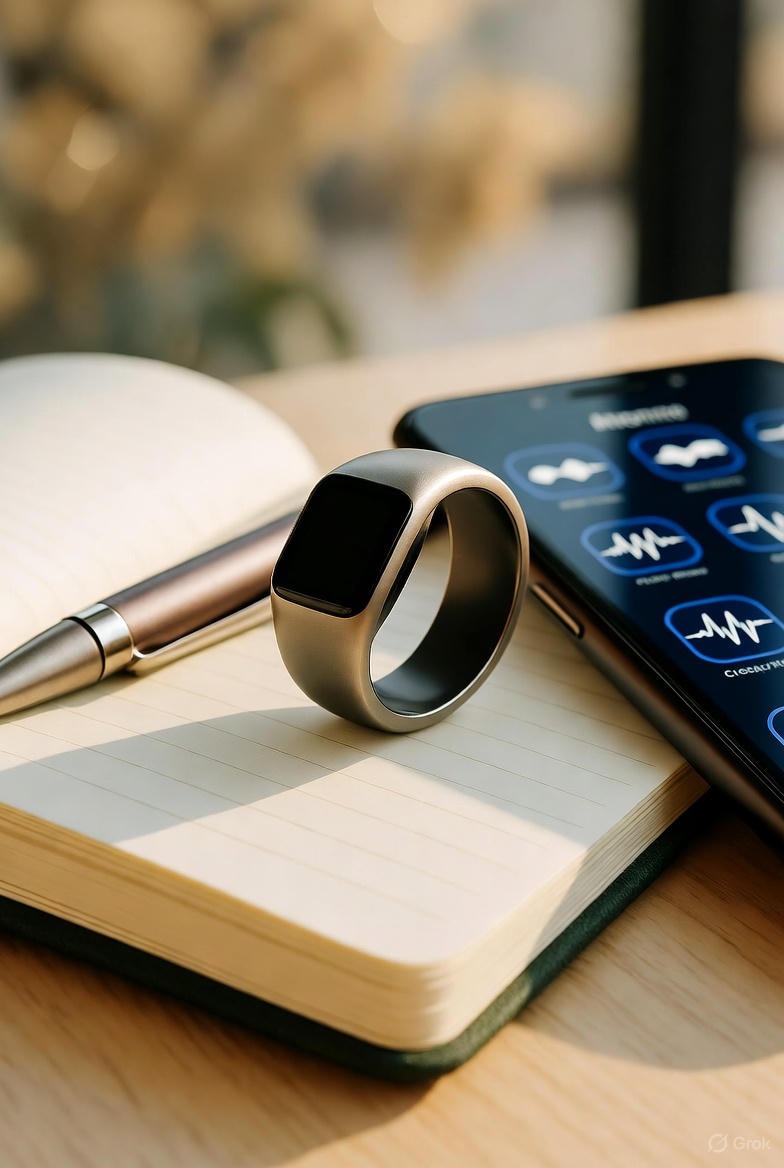
Understanding these signals is the first step. The next is having a tool that can capture them seamlessly, night after night, without adding cognitive load. For many high-performers, the unobtrusive, continuous nature of a wellness ring has become the monitoring tool of choice. Discover how this technology works in our guide on wellness ring basics: continuous vs. periodic monitoring.
The Oxyzen Framework: A Data-Driven Protocol for Daily Recovery
Knowing your biomarkers is useless without an action framework. Enter the Oxyzen Framework, a four-phase cycle designed to turn data into decisive recovery action. It transforms you from a passive patient of burnout into an active architect of your energy.
Phase 1: Measure & Establish Baseline (The Audit) You cannot manage what you do not measure. For a minimum of two weeks, wear your tracking device consistently (optimally a device that captures data passively during sleep, like a smart ring) and live your “normal” life. Avoid making major changes. The goal is to collect honest data on your current state. Establish your personal baselines for HRV, RHR, and sleep stages. This is your “financial statement” of wellbeing.
Phase 2: Analyze & Identify Levers (The Diagnosis) With baseline data, begin correlation analysis. Use the journal feature in your app (or a simple notebook) to log daily inputs:
Stressors: 10-hour workday, tough negotiation, family conflict.
Behaviors: 60-minute intense workout, double espresso after 2 PM, alcohol consumption, late screen time.
Context: Menstrual cycle phase (for women), travel across time zones. After a few weeks, look for patterns. Does your HRV plummet the night after client dinners with wine? Does your deep sleep increase on days you mediate for 10 minutes? This phase identifies your unique “recovery levers” and “stress triggers.”
Phase 3: Intervene & Experiment (The Treatment Plan) This is the active recovery phase. Based on your analysis, run single-variable experiments.
If sleep latency is high: Experiment with a 60-minute “blue-light sunset” before bed for one week. Observe changes in your sleep data.
If morning HRV is low: Experiment with a 5-minute guided breathing exercise upon waking for five days. Track the HRV trend.
If RHR is elevated: Experiment with increasing hydration by 1 liter per day or moving your intense workout to the morning. The key is one change at a time. This allows you to build a causal map of what truly works for your biology. For a library of practical interventions you can test, our blog is filled with actionable wellness tips.
Phase 4: Optimize & Personalize (The Scaling Plan) As you build your personal recovery playbook, you move from reactive correction to proactive optimization. You’ll learn that to perform at your peak for a major pitch on Thursday, you need to protect your sleep on Tuesday and Wednesday, avoid alcohol, and maybe do a calming breathwork session Wednesday night. Your biometric data becomes your pre-performance checklist. This is the pinnacle of how health tracking technology enables personalized wellness.
This framework requires a commitment to self-awareness and a reliable tool. The entire philosophy behind Oxyzen is built on empowering this precise, personalized journey from data to sustainable vitality.
Sleep Optimization: Your Non-Negotiable Growth Hack
For an entrepreneur, sleep is not downtime; it is strategic upgrade time. It’s when your brain files the day’s lessons, repairs tissue, and clears metabolic waste. Sacrificing sleep is like skipping software updates for your most critical hardware—eventually, the system crashes. Let’s optimize it.
Pre-Sleep Protocol (The 90-Minute Wind-Down): Your evening routine begins 90 minutes before your target sleep time.
Digital Sunset: Implement a strict no-screens policy 60 minutes before bed. The blue light suppresses melatonin, the sleep hormone. If you must use a device, employ blue-light filters and night modes aggressively.
Light & Environment: Dim overhead lights. Use lamps. A drop in ambient light signals your circadian clock. Ensure your bedroom is cool (around 65°F or 18°C), dark (consider blackout curtains), and quiet.
The Mental Download: Perform a “brain dump.” Write down every lingering task, idea, or worry in a notebook. This act transfers the burden from your mind to paper, reducing sleep-time cognitive arousal.
Calming Rituals: Engage in low-stimulus activities: reading a physical book (non-business), light stretching, meditation, or a mindfulness practice. A warm bath or shower can also help lower core body temperature, triggering sleepiness.
Sleep Consolidation (Mastering the Architecture): It’s not just about getting in bed; it’s about maximizing the quality of the time you’re there.
Consistency is King: Go to bed and wake up at the same time every day, even on weekends. This reinforces your circadian rhythm, your body’s most powerful internal clock.
Track to Understand: Use your biometric data to see not just how long you slept, but how well. Are you getting enough deep sleep? Is your REM fragmented? This data is critical. For example, seeing low deep sleep might prompt you to evaluate your pre-bed protein intake or afternoon caffeine. You can learn more about interpreting this data in our guide on wellness ring basics for beginners.
Manage Disruptions: If you wake up in the middle of the night, avoid checking the time or your phone. Practice a simple breathing technique (4-7-8 breath: inhale 4, hold 7, exhale 8) to calm your nervous system and facilitate a return to sleep.
The Post-Sleep Leverage (The First 60 Minutes): How you start your day sets your physiological tone.
Light Exposure: Get bright natural light in your eyes within 30 minutes of waking. This shuts off melatonin production and crisply aligns your circadian clock. A 10-minute walk outside is ideal.
Hydrate: Drink a large glass of water. You’re dehydrated after 7-8 hours of sleep.
Move Gently: A short walk, some light dynamic stretching, or a few minutes of yoga can increase blood flow and signal wakefulness without spiking cortisol aggressively.
Think of sleep as your most important board meeting of the day—one where you are both the presenter and the beneficiary. Showing up unprepared (poor sleep hygiene) has direct consequences on the next day’s “earnings call.” For a comprehensive look at all factors, including the role of your sleep environment, our blog on healthy aging tips offers valuable, data-backed strategies.
Strategic Nutrition: Fueling Recovery, Not Just Function
The entrepreneurial diet is often a disaster zone of convenience: skipped meals, sugar crashes, and caffeine overdoses. You are a high-performance system; you require high-performance fuel. Strategic nutrition for recovery focuses on three things: reducing inflammation, supporting cellular repair, and stabilizing energy.
The Recovery Plate Framework: Build each major meal around:
Quality Protein (1/4 of the plate): Essential for repairing the micro-tears in muscle and organ tissue caused by physical and mental stress. Think wild-caught fish, pasture-raised poultry, eggs, legumes, and, if tolerated, high-quality lean meats.
Colorful Vegetables & Fibrous Carbs (1/2 of the plate): These provide the vitamins, minerals, antioxidants, and phytonutrients that combat oxidative stress (the cellular damage from… well, from running a company). They also provide fiber for gut health, which is directly linked to immune function and even mood regulation via the gut-brain axis.
Healthy Fats & Smart Starches (1/4 of the plate): Your brain is nearly 60% fat. It needs a steady supply of omega-3s (from fish, walnuts, flaxseed) and monounsaturated fats (avocado, olive oil). Smart starches like sweet potato, quinoa, or oats provide sustained glucose for energy without the spike and crash.
The Timing Principle: Synchronize with Your Energy Demands
Morning Fuel: Don’t skip breakfast. A protein and fat-rich meal (e.g., eggs with avocado) provides steady energy and prevents the mid-morning cortisol and caffeine crash.
Pre-Stress Fuel: Before a known high-stress event (a big meeting, presentation), eat a balanced meal with protein, fat, and complex carbs about 90 minutes prior. This provides a steady glucose stream to your brain, improving cognitive resilience.
The Recovery Window: The 60-90 minutes after an intense mental or physical effort is a critical window. Consuming a combination of protein and carbohydrates (e.g., a smoothie with protein powder and berries) can enhance tissue repair and replenish glycogen stores.
Evening Wind-Down: The last meal should be the lightest and finished at least 2-3 hours before bed. A heavy, rich, or large meal before sleep forces your digestive system to work, raising core temperature and disrupting sleep architecture—something your biometrics will clearly show you.
Hydration: The Forgotten Biometric Even mild dehydration (a 1-2% loss of body water) can impair cognitive function, mood, and physical performance. It also stresses the cardiovascular system, potentially elevating your resting heart rate. Your goal is clear, pale-yellow urine throughout the day. Weigh yourself before and after intense work or exercise; for every pound lost, drink 16-20 oz of water to rehydrate.
Your nutrition is a daily investment in your recovery capital. To understand how your body is responding to different foods and meal timings, there’s no substitute for data. Tracking how your HRV and sleep score respond to a late dinner versus an early one provides personalized, incontrovertible feedback. For more on how wearables support these goals, see how they can support different health goals.
Mind & Nervous System Training: Building Psychological Resilience
Your mind can be your greatest asset or your most debilitating stressor. Sustainable recovery requires training your mental and emotional responses just as you would train a muscle. The goal is not to eliminate stress, but to change your relationship with it and build a more resilient, adaptable nervous system.
1. Breathwork: The Instantaneous Lever Your breath is the remote control for your autonomic nervous system. You can’t directly tell your heart to slow down, but you can use your breath to do it.
The 4-7-8 Breath (For De-escalation): Inhale quietly through your nose for 4 counts. Hold your breath for 7 counts. Exhale completely through your mouth, making a whoosh sound, for 8 counts. Repeat 3-4 times. This rapidly activates the parasympathetic (calming) response. Use it before a difficult call, after a stressful interaction, or when you can’t sleep.
Box Breathing (For Focus & Composure): Inhale for 4, hold for 4, exhale for 4, hold for 4. Repeat. This technique, used by Navy SEALs, increases focus while maintaining calm. It’s perfect for regaining composure in the middle of a chaotic day.
2. Mindfulness & Meditation: Rewiring the Stress Response Regular practice doesn’t empty your mind; it trains you to observe your thoughts without being hijacked by them. This creates space between a stressor and your reaction, allowing for a more strategic response.
The 10-Minute Daily Commitment: Use an app or a simple timer. Sit, focus on your breath, and when your mind wanders to your inbox or your funding round, gently bring it back. This is the rep. The act of noticing and returning is the workout that strengthens your “attention muscle” and down-regulates the amygdala (your brain’s fear center).
Integrative Mindfulness: Practice mindful eating (no screens, just tasting). Take a mindful walk, noticing sensations in your body and environment. These micro-practices weave resilience into your day.
3. The Worry Window & Cognitive Defusion Entrepreneurs are professional worriers. Contain it.
Schedule Worry Time: Designate a strict 15-minute “worry window” in your calendar, say at 4:45 PM. When anxious thoughts arise during the day, jot down the topic and promise yourself you’ll address it during your window. At 4:45, you can ruminate all you want. Most often, the urgency dissipates.
Cognitive Defusion: Learn to see thoughts as just thoughts, not facts or commands. Instead of “I’m going to fail,” practice saying, “I’m having the thought that I’m going to fail.” This creates psychological distance and reduces the thought’s emotional power.
Measuring Mental Resilience: This is where biometrics shine again. After a consistent week of a 10-minute breathing meditation, what happens to your average HRV? After using the 4-7-8 breath to handle a crisis, does your stress score in your app return to baseline faster? This data provides concrete evidence that your mental training is working on a physiological level, making it easier to stick with the practice. The insights from your device can be a powerful companion; learn how they can help build healthy habits.
Movement as Medicine: The Right Dose for Recovery
In the “hustle” culture, exercise is often another form of stress—an intense, punishing effort to “burn off” the sins of a stressful life. For sustainable recovery, we must reframe movement. Its primary goal is to support circulation, mobilize joints, reduce muscular tension, and promote parasympathetic activation—not to create more systemic fatigue.
The Movement Hierarchy for the Stressed Founder:
1. Non-Exercise Activity Thermogenesis (NEAT): This is the foundation. It’s the energy you burn from everything that isn’t sleeping, eating, or sports-like exercise. For the desk-bound entrepreneur, this is the lowest-hanging fruit.
Action: Set a timer to stand and move for 2-5 minutes every 45-60 minutes. Take walking meetings. Pace during phone calls. Use a standing desk. Park farther away. These micro-movements keep blood and lymph flowing, preventing stiffness and mental stagnation.
2. Low-Intensity Steady State (LISS) & Mobility: This is the workhorse of recovery-focused movement. It should feel refreshing, not exhausting.
Examples: A brisk 30-45 minute walk in nature, gentle cycling, swimming, or a full-body mobility or yoga flow.
Physiological Payoff: Increases blood flow to muscles for repair without significant metabolic cost. Promotes parasympathetic dominance post-activity. Shown to reduce cortisol and improve mood.
Data Link: On days you feel drained and your HRV is low, this should be your go-to. It’s active recovery. Observe how it affects your sleep score that night.
3. Strength & High-Intensity Interval Training (HIIT): The Strategic Stressors These are potent tools, but they are stressors that require smart dosing.
The Principle of Minimum Effective Dose (MED): What is the shortest, most effective dose to maintain or build strength and cardiovascular fitness? Perhaps it’s two 30-minute strength sessions and one 20-minute HIIT session per week—not daily two-hour gym marathons.
Strategic Placement: Schedule these higher-intensity sessions for times when your biometric data indicates you are well-recovered (higher HRV, good sleep). Avoid placing them before critical cognitive tasks if you know they leave you fatigued.
Listen to the Data: If your resting heart rate is elevated for 48 hours after a HIIT session and your HRV is in the tank, that session’s “cost” may have been too high for your current recovery capacity. It’s a signal to reduce volume or intensity.
Movement should leave you feeling energized, not emptied. It’s a tool to prime your system for mental work, not detract from it. Using your biometric dashboard allows you to personalize this dosing with incredible precision, ensuring your movement regimen is a net positive for your recovery portfolio. For a look at how activity tracking specifically works, our guide on activity and movement tracking basics is an essential read.
Delegation in Action: High-Impact Targets for Professionals, Leaders, & Parents
The principles of delegation are universal, but the application is personal. To spark your imagination, here are concrete, high-leverage delegation targets for common roles. These are not just tasks; they are energy vortexes that, when eliminated, create disproportionate space for recovery and high-level work.
For the Knowledge Worker / Solopreneur:
Target: Email & Communication Overhead.
Action: Hire a VA for 5 hours/month to triage your inbox. Provide an SOP with clear rules: flag urgent messages from key contacts, unsubscribe from junk, draft template responses to common queries, and compile a daily digest for you.
Recovery Dividend: Saves 5-10 hours/month of fragmented attention, reducing cognitive load and "inbox anxiety."
Target: Content Management & Distribution.
Action: Use tools like Buffer or Hootsuite to schedule social media posts in bulk. Delegate the graphic creation for these posts to a Canva-savvy VA or a freelance designer using a brand kit you provide.
Recovery Dividend: Frees up the mental energy of "having to post," turning a daily chore into a weekly batch process.
Target: Research & Data Compilation.
Action: Instead of spending hours Googling for a report, delegate to a research assistant on Upwork. Provide a brief with specific questions, required sources, and a template for the output.
Recovery Dividend: Converts hours of searching into reviewing a concise summary, preserving your energy for analysis and decision-making.
For the Manager / Team Leader:
Target: Meeting Preparation & Follow-Up.
Action: Delegate the creation of meeting agendas and the distribution of pre-read materials to an assistant or a rotating team member. Delegate note-taking and action item distribution to another participant.
Recovery Dividend: Allows you to show up prepared but not burdened by logistics, focusing entirely on facilitation and contribution.
Target: Internal Reporting.
Action: If you spend hours each week compiling status reports from your team, implement a shared dashboard (in Google Sheets, Asana, or a BI tool). Delegate the responsibility for updating individual sections directly to team members. Your role shifts from compiler to reviewer.
Recovery Dividend: Reclaims hours of manual data collation, a classic Quadrant 4 task for a leader.
Target: Onboarding New Team Members.
Action: Create a comprehensive onboarding checklist and SOP in your project management tool. Delegate the execution of this checklist—scheduling intro meetings, setting up accounts, providing resources—to a designated team buddy or an HR coordinator.
Recovery Dividend: Ensures consistency and frees you to focus on the high-value, relational aspects of onboarding: setting vision, context, and building rapport.
For the Parent / Household Manager:
Target: The Mental Load of Meal Management.
Action: Delegate meal planning to a service like eMeals or a meal kit. Delegate grocery shopping to Instacart or Shipt. Delegate cooking some nights to a prepared meal delivery service or by establishing a simple "rotation" system with other household members.
Recovery Dividend: Eliminates the daily "what's for dinner?" stress, one of the most significant cognitive loads in family life, freeing mental space for connection.
Target: Household Maintenance & Chores.
Action: Delegate deep cleaning to a bi-weekly service. Delegate lawn care to a local service. Delegate laundry by creating a simple system where each family member is responsible for their own loads on a specific day.
Recovery Dividend: Transforms weekend time from a slog of chores to potential for family adventures or personal restoration.
Target: Family Logistics & Scheduling.
Action: Use a shared family calendar app (like Cozi or Google Calendar) religiously. Delegate the entry of events (sports practices, appointments) to the person involved (e.g., your teenager inputs their own schedule). Hold a 15-minute weekly "family logistics meeting" to sync up.
Recovery Dividend: Stops you from being the single point of failure for all family information, drastically reducing coordination stress.
In all these examples, the pattern is the same: Identify a recurring energy drain, design a system or brief, and transfer the execution. The payoff is always a double win: the elimination of a negative and the creation of space for a positive—recovery. To manage this new ecosystem of tasks and people, you need a commander's view. This is where your Delegation Dashboard comes in.
Circadian Rhythm Engineering: Mastering Your Internal Clock for Peak Performance
Your body isn't designed to run at a flat, constant pace. It's an intricate, 24-hour cycle of rising and falling hormones, body temperature fluctuations, and cognitive shifts known as your circadian rhythm. For the entrepreneur who may be hopping time zones, working late into the night, or constantly fighting jet lag, disregarding this rhythm is like trying to sail against the current—you’ll exhaust yourself making little progress. Sustainable recovery requires that you become the architect of your internal clock.
Understanding Your Chronobiology: More Than Just a "Morning Person" The simplistic "early bird vs. night owl" model is outdated. Your chronotype—genetically influenced—dictates your ideal times for sleep, focus, and energy. But beyond type, everyone's rhythm follows a predictable wave:
Morning Peak (After Wake-up): Cortisol naturally spikes (the "cortisol awakening response") to provide alertness. This is prime time for analytical work, deep focus sessions, and important decision-making.
Afternoon Dip (2-4 PM): A post-laden dip in core body temperature and alertness is biological, not a sign of weakness. This is a poor time for critical thinking.
Evening Rise & Fall: For most, there’s a second, milder alertness window in early evening, followed by a steady decline as melatonin rises, preparing the body for sleep.
Night Restoration: Core body temperature drops to its lowest, melatonin peaks, and growth hormone is released, facilitating physical repair and memory consolidation.
Fighting this rhythm with caffeine and sheer willpower is a losing battle. Aligning with it is a force multiplier.
The Levers of Circadian Alignment: Light, Food, and Activity
1. Light: Your Master Zeitgeber (Time-Giver) Light exposure is the single most powerful signal for your internal clock. Your eyes contain specialized photoreceptors that communicate directly with your brain's master clock (the suprachiasmatic nucleus).
Morning Sunlight (Within 30-60 minutes of waking): Get 5-10 minutes of bright, outdoor light (without sunglasses if safe). This signals "daytime," suppresses melatonin, sharpens cortisol rhythm, and boosts mood and alertness. On cloudy days, aim for longer.
Daytime Light Abundance: Work near windows. Take breaks outside. Maximize bright light exposure throughout the day to reinforce wakefulness.
Evening Light Dimming: As the sun sets, mimic nature. Dim indoor lights 2-3 hours before bed. Avoid blue-spectrum light from screens. If you must use devices, use software filters (like f.lux or Night Shift) and consider blue-blocking glasses. This allows your natural melatonin production to rise unimpeded.
2. Meal Timing: Metabolic Synchronization When you eat is as crucial as what you eat for circadian health.
Front-Load Your Calories: Align eating with your active phase. A larger breakfast and lunch, and a lighter, earlier dinner supports metabolic health and sleep quality. Eating late at night sends a "daytime" signal to peripheral clocks in your organs, confusing your system.
Implement Time-Restricted Eating (TRE): Condense your daily eating window (e.g., 10 AM to 7 PM). This gives your digestive system a prolonged rest, reduces inflammation, and has been shown to improve sleep quality and energy markers. Start gently—a 12-hour window (7 AM to 7 PM) is a great starting point. Your biometric data can help you assess the impact; see how your sleep score and resting heart rate respond.
3. Activity Timing: Strategic Movement
Morning/Midday: Schedule intense training or demanding physical work during your physiological peak. This can enhance performance and has a less disruptive effect on sleep than evening exertion.
Evening: Reserve low-intensity, calming movement (walking, stretching, gentle yoga). Vigorous exercise too close to bedtime can elevate core temperature and cortisol, delaying sleep onset for some individuals (though this is highly individual—track it!).
The Entrepreneur's Circadian Challenge: Travel & Irregular Schedules For the frequent traveler or the founder pulling all-nighters for a launch, you need a rapid reset protocol.
Pre-Travel: If traveling east, start going to bed 15-30 minutes earlier each night for a few days beforehand. If west, go to bed later.
Light Strategy on Arrival: Use light aggressively to reset. If you've flown east and need to wake up earlier, get bright morning light. If you've flown west and need to stay up later, seek bright afternoon/evening light.
Melatonin (Short-Term Tool): A low-dose (0.5-1 mg) of melatonin taken at the target bedtime of your new time zone can be a useful short-term signal, not a sedative. Consult your physician first.
By engineering your light, food, and activity around your rhythm, you stop swimming upstream. Your energy becomes more predictable and sustainable. Tracking metrics like body temperature variation and sleep latency in your app will show you how well you're aligned. This is the frontier of personalized performance, and you can explore its potential in our look at what's possible with health tracking technology in 2025.
The Social & Environmental Recovery Layer: Your Ecosystem Matters
Recovery doesn't happen in a vacuum. The people you surround yourself with and the environments you inhabit are either draining your reserves or replenishing them. The high-achieving entrepreneur often neglects this "soft" layer, yet its impact on stress physiology is quantifiably hard.
The Science of Co-Regulation & Toxic Stress Humans are wired for connection. Positive social interaction triggers the release of oxytocin, a hormone that dampens cortisol and promotes feelings of safety and trust—a direct boost to your parasympathetic system. This is called co-regulation. Conversely, interactions laden with conflict, criticism, or emotional manipulation trigger threat responses, spiking cortisol and adrenaline. Your body can't differentiate between a boardroom confrontation and a physical threat; the stress cascade is the same.
Audit Your Social Portfolio: Conduct a blunt assessment of your key relationships (professional and personal). Categorize them:
Energy Investors: People who leave you feeling energized, supported, and clear-minded. You feel safe to be vulnerable.
Energy Neutrals: Interactions that are functional and don't significantly drain or fill your tank.
Energy Liabilities: People who leave you feeling drained, anxious, criticized, or doubting yourself. These relationships have a direct, negative cost on your recovery metrics. Action: Strategically increase time with Investors. Set firmer boundaries with Liabilities. This isn't cruelty; it's resource management for your nervous system.
Cultivate Recovery-Conducive Environments: Your physical spaces are a constant stream of sensory input to your brain.
Your Workspace: Is it cluttered and chaotic, or clean and ordered? Visual clutter competes for cognitive attention, creating low-grade stress. Introduce elements of nature (a plant, natural light), reduce random noise (use noise-canceling headphones if needed), and create a dedicated, tidy zone for deep work.
Your Home Sanctuary: Your bedroom must be a recovery chamber—cool, dark, and quiet, as discussed. But also consider common areas. Do they encourage relaxation and connection? Or are they just extensions of work?
Nature Immersion (The "Vitamin N" Prescription): Spending time in nature—"forest bathing" or even time in a city park—lowers cortisol, heart rate, and blood pressure. The combination of fresh air, phytochemicals released by plants, and the visual simplicity of natural patterns is profoundly restorative. Schedule it like a business development meeting.
Digital Environment Detox: Your digital space is now a primary environment. The constant ping of notifications, the endless scroll of social media, and the barrage of emails create a state of "continuous partial attention" and threat vigilance.
Notification Bankruptcy: Turn off ALL non-essential notifications. Your phone should not be a slot machine. Batch-check email and messages at designated times.
Create Digital Zones: No devices during meals. No phones in the bedroom (use an old-fashioned alarm clock). Implement a "phone-free first hour" of your day to set a calm tone.
Consume Intentionally: Follow accounts that inspire and educate, not those that incite envy or outrage. Your digital feed is a diet for your mind; is it junk food or nourishing content?
The data doesn't lie here, either. Notice the correlation between days filled with tense meetings (Social Liabilities) and your nighttime heart rate or sleep disruptions. Observe how a weekend spent hiking (Nature Immersion) with loved ones (Energy Investors) reflects in a soaring HRV and deeper sleep. Tuning into this layer is a advanced skill in sustainable recovery. For insights into how others have navigated their wellness journey, the real-world stories in our testimonials section can be both validating and instructive.
Creating Your Personalized Recovery Playbook: From Data to Daily Action
We've covered the theory, the biomarkers, and the pillars. Now, we synthesize it into a living, breathing, personalized operating manual—your Recovery Playbook. This is not a static document but an agile system that evolves with you, your business, and your life stage.
Step 1: The Foundation – Your Non-Negotiables These are the daily and weekly habits that form your recovery baseline, regardless of circumstances. They are your "keystone habits." Based on your self-experimentation, identify 3-5. Examples:
"7.5 hours of sleep opportunity, with lights out by 10:30 PM."
"Morning sunlight exposure within 30 minutes of waking."
"Digital sunset begins at 9:00 PM."
"Two liters of water consumed by 6:00 PM."
"A 20-minute walk, no matter what." Schedule these in your calendar as immovable appointments. They are the pillars upon which everything else is built.
Step 2: The Triggers & Responses – Your "If-Then" Protocols This is your contingency plan for when life (inevitably) intervenes. Based on your data analysis, you'll have learned what specific inputs degrade your recovery. Now, pre-program your response.
Trigger: "If I have to take a late business dinner (ends at 9:30 PM)..."
Response: "...Then I will: 1) Order a light, protein-focused meal, 2) Avoid alcohol, 3) Use my blue-blocking glasses if reviewing documents after, 4) Do a 5-minute 4-7-8 breathing exercise before bed to compensate."
Trigger: "If my morning HRV reading is 'Low' or 'Poor'..."
Response: "...Then I will: 1) Swap my scheduled HIIT workout for a LISS walk or yoga, 2) Prioritize hydration, 3) Double down on my evening wind-down protocol, 4) Delegate or postpone non-critical decisions if possible."
Trigger: "If I'm feeling overwhelmed and reactive..."
Response: "...Then I will: 1) Step away for a 5-minute box-breathing session, 2) Do a quick 'brain dump' on paper, 3) Ask myself: 'What is the ONE next action?'"
Step 3: The Quarterly Review – Auditing and Iterating Your playbook is a product, and you are its product manager. Every quarter, block a 60-minute session to review.
Data Retrospective: Look at your average HRV, sleep scores, and RHR trends over the past 90 days. Are they improving, holding steady, or declining?
Habit Audit: Which of your non-negotiables stuck? Which fell off? Why? (Travel? A new project?) Be compassionate and analytical, not judgmental.
Playbook Update: Based on your review, update your protocols. Maybe you've discovered a new, more effective stress-management tool. Maybe your travel schedule has changed, requiring a new trigger/response. This is where you integrate new learnings from resources like our blog with related articles.
Step 4: The Integration – Making It Frictionless The goal is for recovery behaviors to become automatic, not another item on a overwhelming to-do list.
Tech Stack Integration: Use your smart ring/app as your central dashboard. Let its morning report guide your first decisions. Use calendar blocking to protect your non-negotiables. Use apps for habit tracking or guided meditation. The Oxyzen ecosystem is designed to be this seamless hub. To see it in action, you can learn more about how Oxyzen works.
Environment Design: Set up your surroundings to make the right choice the easy choice. Keep a water bottle on your desk. Charge your phone outside the bedroom. Have healthy snacks readily available.
Accountability & Support: Share your goals with a trusted partner, coach, or mastermind group. Consider that your recovery is a business-critical system. Sometimes, investing in a coach or a supportive community is the highest ROI decision you can make.
Your Personalized Recovery Playbook is your ultimate competitive advantage. It transforms you from being at the mercy of your schedule to being the conscious commander of your energy. It turns the science of sustainable recovery into a repeatable, scalable practice. For inspiration on the long-term vision of this journey, explore the vision and values behind our story.
Advanced Biohacking for the Recovering Entrepreneur: Beyond the Basics
Once you’ve mastered the foundational pillars of sleep, nutrition, movement, and circadian rhythm, a new frontier emerges: advanced recovery optimization. This isn’t about fringe science or dangerous shortcuts; it’s about leveraging evidence-based, cutting-edge tools and protocols to accelerate restoration and enhance resilience. For the entrepreneur whose time is the ultimate scarce resource, these are force multipliers that can compress recovery time and elevate performance ceilings.
Cold Exposure: The Controlled Stressor Deliberate, acute cold exposure (cold plunges, ice baths, cold showers) is a potent hormetic stressor—a small, controlled dose of adversity that makes your system stronger.
The Recovery Mechanism: The shock of cold triggers a massive release of norepinephrine (up to 530%), enhancing focus, alertness, and mood. It also reduces inflammation by lowering pro-inflammatory cytokines, stimulates brown fat activation (boosting metabolism), and improves circulation through vasoconstriction and subsequent vasodilation. Post-workout, it can significantly reduce muscle soreness and perceived fatigue.
Entrepreneur’s Protocol (Start Conservative):
Method: End your regular shower with 30-90 seconds of cold water, focusing on the back of your neck and torso.
Progression: Work towards a cold plunge (50-59°F / 10-15°C) for 2-5 minutes, 2-3 times per week.
Timing: Morning exposure can spike energy and focus. Evening exposure may help some with sleep due to the subsequent drop in core temperature, but it can be too stimulating for others—track your sleep data to see your personal response.
Data Connection: Monitor how cold exposure affects your HRV and resting heart rate the following morning. A well-tolerated dose should see HRV maintain or improve. A dose that’s too aggressive may suppress HRV, indicating it contributed to your overall stress load.
Heat Exposure: The Deep Cleanse Saunas and hot baths (heat therapy) are the yang to cold’s yin, promoting recovery through a different pathway.
The Recovery Mechanism: Heat induces a state of "hyperthermic conditioning," raising core body temperature and heart rate similar to moderate exercise. This promotes the release of heat shock proteins, which help repair misfolded proteins and protect cells from stress. It also stimulates growth hormone release (critical for repair), induces deep relaxation via the parasympathetic system, and promotes detoxification through profuse sweating.
Entrepreneur’s Protocol:
Method: Aim for 2-3 sessions per week of 15-20 minutes in an infrared or traditional sauna (180°F / 80°C+) or a hot bath (102-104°F / 39-40°C).
Hydration is Non-Negotiable: Drink plenty of water before, during, and after.
Post-Heat Cool Down: Allow your body to cool naturally; a final brief cold rinse can be invigorating.
Synergy with Cold: Contrast therapy (alternating heat and cold) can be particularly powerful for circulation and reducing inflammation. A common pattern is 3-5 minutes hot, 1 minute cold, repeated 3 times.
Targeted Supplementation: Filling the Gaps Under chronic stress, nutrient depletion is common. While food-first is the rule, strategic supplementation can address specific deficits exacerbated by the entrepreneurial lifestyle. Always consult with a healthcare professional before starting any new supplement regimen.
Adaptogens: Herbs like Rhodiola Rosea (for mental fatigue and focus), Ashwagandha (for lowering cortisol and improving stress resilience), and Panax Ginseng (for energy and cognitive function) can help modulate the stress response. Their effects are subtle and cumulative.
Magnesium Glycinate/Threonate: Stress depletes magnesium, a cofactor in over 300 enzymatic reactions, including energy production and nervous system regulation. Glycinate is highly bioavailable and calming. Threonate is noted for crossing the blood-brain barrier, potentially supporting cognitive function.
L-Theanine & Omega-3s: L-Theanine (found in green tea) promotes alpha brain waves (calm focus) and can take the edge off caffeine. High-quality Omega-3s (EPA/DHA) are critical for reducing inflammation and supporting brain health.
Monitoring Efficacy: Use your biometrics! If you trial an adaptogen like Ashwagandha, look for a positive trend in your average HRV and a reduction in your nighttime resting heart rate over 4-6 weeks. This moves supplementation from guesswork to data-driven experimentation.
The Role of Advanced Tracking: These biohacks require precision. An advanced wearable can provide invaluable feedback. For instance, tracking your heart rate during a cold plunge shows your physiological response. Monitoring heart rate variability (HRV) and sleep depth after a sauna session tells you if it’s aiding or hindering your recovery. This level of insight is what separates modern biohacking from folklore. To understand the sophistication of the sensors enabling this, delve into our explanation of health tracking technology sensors, algorithms, and AI.
Navigating Setbacks and Avoiding Obsession: The Balanced Path
The pursuit of optimal recovery can, ironically, become a new source of stress. Checking your biometrics compulsively, becoming anxious over a low sleep score, or rigidly adhering to protocols to the point of social isolation are all counterproductive. Sustainable recovery requires flexibility and self-compassion, not another rigid performance metric.
The Pitfall of Orthosomnia: A term coined by sleep researchers, "orthosomnia" refers to an unhealthy preoccupation with achieving perfect sleep data. You may find yourself lying in bed, stressed because your ring hasn't yet registered you as asleep, or feeling like a failure because your deep sleep percentage was "only" 18% instead of 20%. This anxiety directly undermines the very rest you're seeking.
The Antidote – Trust the Trend, Not the Daily Number: Biometric data is noisy. A single night of poor sleep or low HRV is meaningless. It’s the trend over 7-14 days that matters. Did you just launch a product? Travel across three time zones? Have a sick child? Context is everything. The data is a guide, not a judge.
Embracing the "Minimum Viable Recovery" (MVR) Concept: In product development, you launch with a Minimum Viable Product. In chaotic business periods, you need a Minimum Viable Recovery plan. This is your stripped-down, non-negotiable core that will prevent a total collapse when life hits the fan.
Define Your MVR: What are the absolute bare minimum practices you can maintain during a crisis week? It might be: "7 hours in bed, even if sleep is poor," "Three nutritious meals, no matter how simple," and "Two 5-minute breathing breaks." This prevents the "all-or-nothing" collapse where one missed habit leads to abandoning your entire playbook.
The Art of the Strategic Compromise: High-stakes entrepreneurship involves trade-offs. The key is to make them consciously and strategically, and to pay back your "recovery debt" with interest.
The Compromise: "I have to pull two all-nighters this week to hit our production deadline."
The Strategic Payback: "Therefore, I will block out the following three days immediately after for radical recovery: I will cancel all non-essential meetings, prioritize 9-hour sleep opportunities, schedule a massage, and eat impeccably. I will also inform my team I will be offline for deep recovery."
Using Data for the Bounce-Back: Post-crisis, your biometrics are your best friend. They show you how deep the debt went and track your return to baseline. Watching your HRV climb back up is a powerful, motivating feedback loop.
When to Ignore the Data: If looking at your sleep score causes you more stress than the poor sleep itself, take the ring off for a night. If you’re on a cherished family vacation, maybe you don’t need to track your alcohol or late nights—enjoy the connection and the break. The goal is a rich, fulfilling life, not a perfect spreadsheet. Recovery includes psychological freedom. For support on common questions about using these tools healthily, our FAQ section addresses many user concerns.
The Long Game: Recovery as the Foundation of Legacy
Shifting your perspective on recovery from a weekly tactic to a lifelong strategy changes everything. This isn't about squeezing out an extra 10% productivity this quarter; it's about building the sustained vitality required to see your vision through over decades. It’s about ensuring your greatest creation—your company—isn’t built at the expense of your health, your relationships, and your ability to enjoy the fruits of your labor.
From Finite to Infinite Mindset: In his book The Infinite Game, Simon Sinek distinguishes between finite players (who play to win a game with set rules and an endpoint) and infinite players (who play to keep playing, to perpetuate the game). Burnout is the hallmark of a finite player in the infinite game of entrepreneurship and life.
Sustainable Recovery is Your Infinite Strategy: It is the practice that allows you to stay in the game, to adapt, to keep contributing and innovating over the long term. It ensures you have the energy not just to start a company, but to scale it, to lead it through crises, and to mentor the next generation of leaders.
The Compound Interest of Daily Habits: The 1% improvements of daily recovery habits compound with staggering effect. A 5% increase in cognitive clarity today leads to slightly better decisions. Those better decisions, compounded over a year, change the trajectory of your business. A 10% reduction in systemic inflammation today reduces your risk of chronic disease in 20 years, preserving your ability to lead and contribute. The data you collect now is an investment in your future self's dashboard. For insights on using technology to support longevity, explore our article on 50 healthy aging tips a smart ring helps implement daily.
Modeling Leadership for the Next Generation: As a leader, you are a cultural signal tower. If you glorify burnout, your team will mirror it, leading to talent churn and institutional frailty. If you model sustainable performance—taking breaks, prioritizing sleep, being present when not working—you give your team permission to do the same. You build a resilient, adaptable, and loyal organization. Your recovery protocol becomes part of your leadership toolkit and your company's most valuable cultural asset.
Legacy Beyond the Exit: Many entrepreneurs define success as a lucrative exit. But what is the point of financial freedom if you are too depleted, sick, or disconnected to enjoy it? Or if you have no health left to pour into your next chapter, family, or philanthropy? Sustainable recovery ensures that the ultimate payoff of your work is a life of vitality, presence, and continued impact. It’s what allows you to be not just a successful entrepreneur, but a healthy, whole human being who thrives in all seasons of life.
This long-game perspective is woven into the mission of companies dedicated to this future. You can learn about our mission to see how supporting this lifelong journey is a core driving principle.
Case Studies: Leaders Who Mastered the System
Theory is compelling, but real-world examples are convincing. Let’s examine anonymized composites of actual entrepreneurs who used a data-driven, sustainable recovery framework to transform their leadership and their lives.
Case Study 1: The Serial Founder on the Brink
Profile: Alex, 42, was on his third venture. A history of successful exits was marred by a personal cost: 40 lbs of weight gain, pre-diabetes, and a fractured family life. He prided himself on "sleep is for the weak," averaging 5-6 hours per night.
The Breaking Point: During a critical fundraise, he found himself unable to focus during pitches, irritable with his team, and relying on anger as motivation.
The Intervention: A mentor insisted he try a biometric tracker. For two weeks, the data was horrifying: an average HRV in the "very poor" range, a resting heart rate of 78 bpm, and virtually no deep sleep.
The Protocol: Alex started with one non-negotiable: an 8-hour bed window. He used the device’s sleep coach to improve his wind-down. He saw the direct correlation between late-night emails and terrible sleep scores. He began scheduling his first meeting at 9:30 AM instead of 7:30 AM to protect his morning routine (light, movement, planning).
The Data-Driven Turnaround: Within 6 weeks, his HRV improved by 35%, his RHR dropped to 62 bpm, and his deep sleep doubled. The subjective changes were more profound: "I have patience for strategic thinking again. I'm not yelling. I closed the Series B not from a place of desperate hunger, but from calm confidence." Alex’s story underscores the power of starting with one measurable habit. For those beginning this journey, our guide on wellness ring basics for beginners is the perfect entry point.
Case Study 2: The High-Growth CEO & New Parent
Profile: Maria, 38, CEO of a scaling tech company, had her first child. The collision of 3 AM feedings with 7 AM board meetings was dismantling her. She believed she had to choose between being a good CEO and a good mother, and guilt was her constant companion.
The Breaking Point: Her performance reviews noted uncharacteristic emotional volatility and missed strategic details. At home, she was too exhausted to be present.
The Intervention: Maria used her wearable not to chase perfection, but to find strategic compromises. She learned that a 20-minute power nap when the baby napped (which she could now quantify with her device) boosted her afternoon HRV more than a third coffee. She discovered that a 10-minute walk with the stroller in daylight was a two-for-one: baby's nap + her circadian and movement boost.
The Protocol: She built a "tag-team" schedule with her partner, protecting one another's core sleep blocks. She used her stress score feature to identify which work tasks were most draining and delegated them aggressively. She stopped trying to do "full workouts" and embraced 10-minute mobility sessions.
The Outcome: "The data freed me from guilt. I could see that on days I took a short nap, I was a better leader and a more attentive mom. It gave me permission to be imperfect but strategic." Maria’s case highlights the importance of personalization and using data for self-compassion, not self-criticism.
Case Study 3: The Recovering "Hustle" Addict
Profile: Ben, 50, had built a successful consulting firm on 80-hour weeks. Approaching what he thought was his peak earning years, he felt empty, cynical, and creatively bankrupt. His identity was tied to being "the hardest worker in the room."
The Breaking Point: He lost his two most valuable clients to more innovative, agile competitors. His old playbook wasn't working.
The Intervention: Ben worked with a coach who reframed recovery as his source of innovation. He started tracking HRV and noticed it was highest after days that included a long walk or reading fiction—activities he'd deemed "unproductive."
The Protocol: He instituted "Creative Recovery Wednesdays": no client meetings, just time for reading, walking, and exploring new ideas. He used his biometrics to prove to his own skeptical mind that these days led to higher cognitive output on Thursdays and Fridays. He began a practice of morning pages (stream-of-consciousness writing) to clear mental clutter, which correlated with improved sleep efficiency.
The Outcome: "I replaced hustle with insight. My revenue dipped 10% in the first quarter as I pulled back hours, but it grew 40% the next year because I was attracting better clients with better ideas. I'm working less and contributing more." Ben’s journey shows how recovery directly fuels innovation and business growth. His experience aligns with what we hear from many in our community of users.
These cases illustrate that sustainable recovery is not one-size-fits-all. It is a deeply personal, data-informed journey from depletion to sustained vitality. The common thread is the move from subjective guessing to objective managing, using tools that provide clarity and accountability. To compare the tools that can facilitate this, our comparison chart of top brands offers a helpful starting point.



%402x.svg)