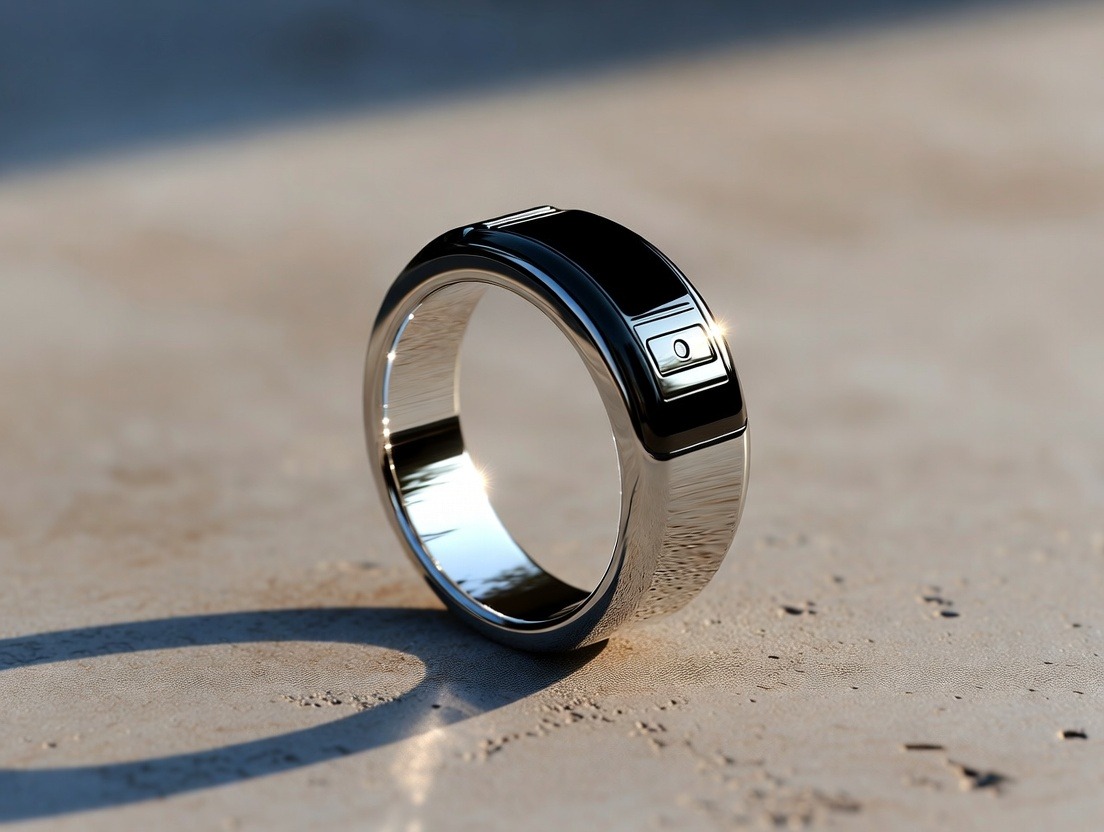
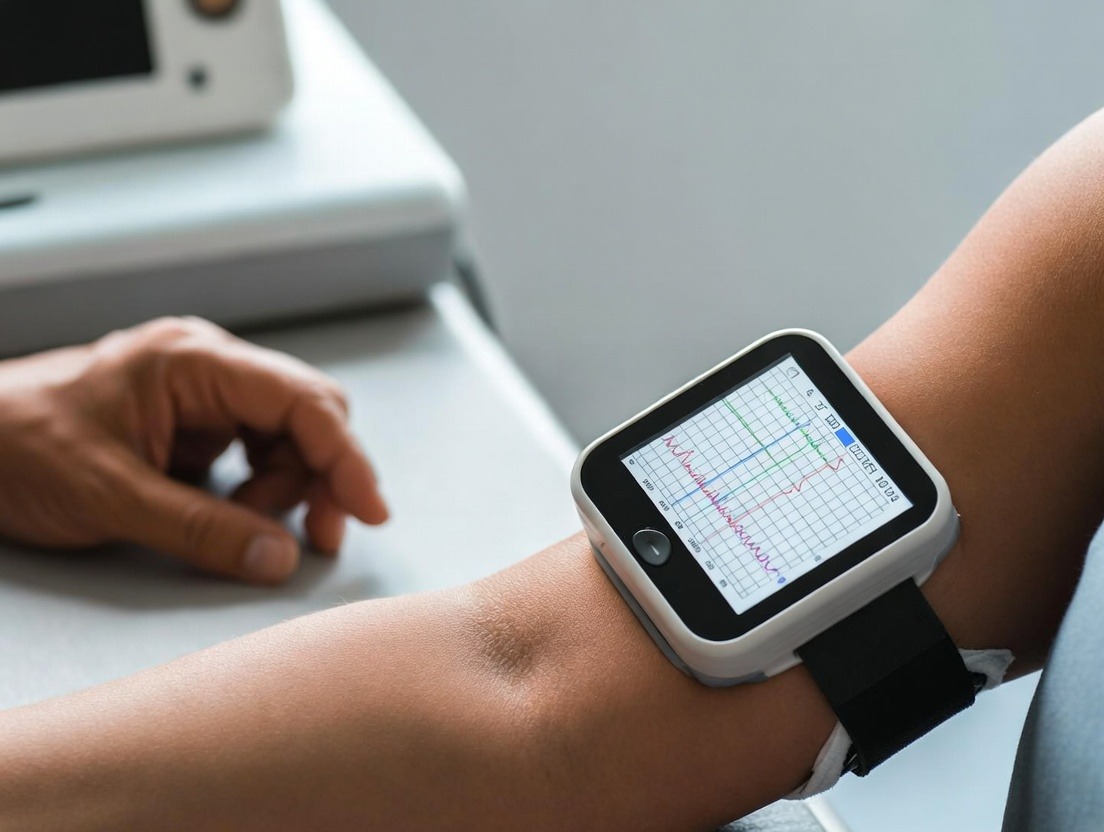
The Healthy Movement Habits That Transform Your Wellness Ring Data
Shows which specific habits most positively affect your ring's wellness data.
The Healthy Movement Habits That Transform Your Wellness Ring Data
In the quiet moments before dawn, as the first hints of light creep across the horizon, a subtle pulse of data begins to flow. Not from your phone, not from a screen, but from a band of sleek, intelligent metal resting on your finger. Your wellness ring, a silent sentinel, has been gathering the nocturnal story of your body—your heart’s rhythm, your breath’s cadence, the depth of your slumber. Now, as you wake, it shifts its focus to the most critical variable in the equation of your daily health: your movement.
We’ve entered an era of profound self-knowledge. Devices like the Oxyzen smart ring deliver a torrent of biometrics—heart rate variability, sleep stages, recovery scores, and activity levels. But this data is merely a reflection, a digital shadow of your physical reality. The true magic, the transformative power, doesn’t lie in observing the numbers. It lies in changing them. And the most potent lever we have for reshaping our physiological data is not a pill, a potion, or a protocol. It’s the ancient, fundamental, and profoundly adaptable art of movement.
This isn’t about grinding through punishing workouts to hit an arbitrary step count. This is about cultivating a symbiotic relationship with your data. It’s about understanding how a mindful morning walk can calm your nervous system for hours, how strategic strength training can elevate your deep sleep, and how the simple act of breaking up sedentary time can reset your metabolic engine. Your wellness ring is not a judge; it’s a translator. It takes the language of your body and renders it into a dashboard you can understand. This article is your guide to speaking back—to using intentional, healthy movement habits to write a new, healthier story that your ring will faithfully record.
We will move beyond generic fitness advice into the realm of biohacking your daily life. We’ll decode how specific movement patterns directly influence the core metrics on your Oxyzen dashboard. You’ll learn to see the direct line between a midday mobility session and an improved HRV, between a sunset stroll and a faster sleep latency. This is the beginning of a deep dive into the habits that don’t just fill your activity ring but fundamentally transform the very quality of your health data—and by extension, your life.
Let’s begin by stepping away from the screen, and into the data-informed, movement-rich life your body is waiting for.
The Foundation: Why Movement is Your Body's Primary Language
Before we can master the dialect of movement that speaks to our wellness data, we must understand why movement is the body's native tongue. From a biological perspective, we are not designed for stasis. Our complex systems—cardiovascular, lymphatic, musculoskeletal, endocrine, and nervous—all evolved under the constant condition of varied physical challenge. Movement is the primary signal that tells our bodies, "We are alive, we are engaged with our environment, and we need to maintain robust systems to thrive."
When you look at your Oxyzen ring data, you are essentially reading a report card on how well your body is responding to the signals you’ve given it. A low resting heart rate and high HRV often whisper of a system that is resilient, recovered, and well-trained. Poor sleep efficiency and elevated nighttime heart rate might shout of chronic stress and metabolic disarray. Movement is the most direct tool you have to change this conversation.
Consider the lymphatic system, your body's waste removal network. Unlike the circulatory system with its powerful heart pump, the lymphatic system relies almost entirely on muscle contraction and movement to flow. A day of stillness leads to stagnation. A day punctuated with walking, stretching, and activity promotes detoxification and reduces systemic inflammation—a key metric indirectly reflected in improved recovery scores and sleep quality on your tracker.
Furthermore, movement is a potent modulator of your nervous system. The deliberate, rhythmic motion of walking or cycling can activate the parasympathetic (rest-and-digest) branch, lowering cortisol and easing the body into a state conducive for recovery. Conversely, high-intensity interval training can create a controlled, acute stress that, with proper recovery, trains your autonomic nervous system to be more resilient. This resilience shows up clearly in your HRV trends over time, a topic we explore in depth on our blog in articles like The Science of Deep Sleep: What Happens to Your Body.
Modern life has created a profound mismatch. Our biology craves varied, frequent movement, while our environments and jobs often enforce prolonged sitting. This mismatch is the root of "data decay"—the gradual worsening of key metrics that signals declining health. The goal, then, is not to add "exercise" as a disconnected task, but to reintegrate purposeful movement as the foundational layer of your day. It is the language your body understands best, and when you speak it fluently, your wellness ring data becomes a story of vitality, not just a log of activity.
Decoding Your Dashboard: The Key Movement Metrics on Your Wellness Ring
Your smart ring is a minimalist piece of technology housing a maximized suite of sensors. To have a meaningful dialogue with your data, you first need to know which metrics are most directly influenced by your movement habits and what they’re truly telling you. Let’s translate the key indicators.
Resting Heart Rate (RHR): This is your metabolic idle speed. A well-conditioned cardiovascular system, built through consistent aerobic movement, becomes more efficient, pumping more blood with fewer beats. A downward trend in RHR over weeks and months is one of the clearest signs your movement regimen is working. A sudden, unexplained elevation can be an early warning sign of overtraining, illness, or insufficient recovery.
Heart Rate Variability (HRV): The crown jewel of autonomic nervous system insight. HRV measures the subtle variations in time between each heartbeat. Higher HRV generally indicates a responsive, adaptable system where the parasympathetic "brake" is strong. Movement affects HRV profoundly: acute exercise temporarily lowers it (stress response), while consistent, balanced training—coupled with good recovery—raises your baseline HRV. It’s a sensitive metric, so view trends, not daily numbers.
Activity & Calories: While step count is simple, modern rings like Oxyzen calculate active calorie burn and metabolic equivalents (METs) by combining movement data with heart rate. This gives a more accurate picture of your total daily energy expenditure than steps alone. The goal here is consistency and avoiding the extremes of chronic inactivity or chronic burnout.
Recovery Score: This is typically a composite algorithm analyzing your RHR, HRV, sleep data, and sometimes body temperature. It’s your ring’s holistic guess at your body’s readiness for strain. Intelligent movement means respecting a low recovery score by opting for gentle movement or rest, and capitalizing on a high score with more intense training.
Sleep Data: The profound connection between daytime movement and nighttime sleep cannot be overstated. Movement helps regulate your circadian rhythm, depletes physical energy promoting sleep drive, and can increase your proportion of deep, restorative sleep. Conversely, intense exercise too close to bedtime can be stimulating for some, disrupting sleep onset—a perfect example of how your ring’s sleep data, explored in resources like our Sleep Tracking 101 guide, provides immediate feedback on your habit timing.
Understanding these metrics is the first step toward intentional change. They are not isolated numbers but interconnected notes in the symphony of your physiology. When you see a dip in deep sleep, you can look to your daytime activity for clues. When your HRV is trending up, it’s a green light that your current movement habits are sustainable and beneficial. This dashboard is your compass, and in the following sections, we will map out the specific movement habits that will guide you toward your true north of optimal wellness.
Habit 1: The Non-Negotiable Daily Walk – More Than Just Steps
In the pantheon of movement, walking is the unsung hero. It is foundational, accessible, and astonishingly potent. For wellness ring users, a daily walking habit is the single most reliable lever for improving a broad spectrum of data. This isn’t about power-walking for miles until you’re exhausted; it’s about the consistent, rhythmic, low-stress signal it sends to every system in your body.
From a data perspective, a daily walk of 30-60 minutes does the following:
Lowers Resting Heart Rate: It is steady-state aerobic conditioning that strengthens the heart muscle without the inflammatory spikes of intense training.
Enhances HRV: By promoting parasympathetic activity and reducing stress hormones like cortisol, regular walking creates the physiological environment for HRV to flourish. Think of it as brushing the "vagus nerve," your body's main relaxation pathway.
Improves Sleep Architecture: Exposure to natural morning light during a walk helps anchor your circadian rhythm, telling your brain it’s daytime. This improves the production of melatonin at night. Furthermore, the gentle muscle fatigue and metabolic regulation from walking directly contribute to deeper, more consolidated sleep, a topic we detail in How to Get More Deep Sleep Tonight.
Boosts Circulation & Recovery: Walking acts as a pump for your circulatory and lymphatic systems, helping to clear metabolic waste products from muscles. This can speed up recovery from other workouts, reflected in a quicker return to baseline in your post-exercise heart rate.
How to Implement for Maximum Data Impact:
Prioritize Consistency Over Distance: A 20-minute walk every day is infinitely more valuable than a 2-hour hike once a week. Your autonomic nervous system craves predictable, gentle rhythm.
Incorporate "Walk-Breaks": If you have a sedentary job, set an alarm every 50 minutes to take a 5-10 minute walk. This prevents metabolic and postural stagnation, keeping your energy expenditure (calorie burn) more consistent throughout the day. Watch how this habit alone can flatten your daytime heart rate graph, avoiding the sluggish, elevated pattern of all-day sitting.
Experiment with Timing: Try a morning walk to set your circadian rhythm and energize your day. Experiment with a post-dinner walk to aid digestion and gently lower blood glucose, which can create a smoother transition into sleep (track the effect on your sleep latency metric).
Make it Mindful: Use the time away from screens. Breathe deeply, notice your surroundings, let your mind wander. This adds a layer of mental and nervous system recovery that amplifies the physical benefits.
Your wellness ring will validate this habit quickly. Look for improvements in sleep scores, a gradual downtick in RHR, and a more "settled" appearance in your daytime heart rate graph. It is the bedrock upon which all other movement habits are built.
Habit 2: Strategic Strength Training – Building a Body That Recovers Better
If walking is the steady drumbeat of your movement practice, strength training is the powerful chord progression. It’s often misunderstood as purely aesthetic, but for the biohacker focused on wellness data, lifting weights is a metabolic and hormonal master key. It builds the machinery that makes everything else—including recovery—more efficient.
Strength training’s impact on your ring data is profound and multifaceted:
Elevates Metabolic Rate: Muscle is metabolically active tissue. Building lean muscle mass increases your basal metabolic rate (BMR), meaning you burn more calories at rest. This can lead to more stable energy levels and body composition changes, which positively influence overall health metrics.
Supercharges Deep Sleep: The physical stress of resistance training creates a powerful, homeostatic drive for recovery. Your body responds by prioritizing deep sleep (Slow-Wave Sleep) to repair muscle tissue, release growth hormone, and consolidate the neurological patterns of the movement. This is why you’ll often see your deep sleep duration and quality increase on nights after a well-executed strength session. For athletes, this is critical, as discussed in Deep Sleep Optimization for Athletes.
Improves Glucose Sensitivity: Strength training helps your muscles better absorb glucose from the bloodstream, improving metabolic health. Stable blood sugar levels prevent energy crashes and contribute to more stable mood, energy, and even sleep by reducing nighttime awakenings.
Strengthens Connective Tissue & Bone Density: This is the long-game benefit. A resilient musculoskeletal system prevents injury, allowing you to stay consistently active throughout life. Consistency is the ultimate driver of positive wellness data.
How to Implement for Maximum Data Impact:
Focus on Movement Quality, Not Just Weight: Poor form creates inflammatory stress without the adaptive benefit. Start with bodyweight or light weights to master patterns like squats, hinges (deadlifts), pushes (push-ups, presses), and pulls (rows). Your recovery score will thank you—overtraining or injury from poor form shows up as persistent low HRV and elevated RHR.
Listen to Your Recovery Score: This is where your ring becomes a true training partner. If your recovery score is low (red or yellow), opt for a lighter technique session, mobility work, or rest. If it’s high (green), that’s the day to go for a personal record or higher volume. This data-informed approach prevents burnout.
Prioritize Compound Movements: Exercises that work multiple large muscle groups (squats, lunges, push-ups, rows) give you the biggest metabolic and hormonal bang for your buck compared to isolation exercises (bicep curls).
Mind the Timing: For most, finishing strength training at least 3 hours before bedtime allows the core body temperature and sympathetic nervous system activation to subside, promoting better sleep onset. Use your ring’s sleep data to see if evening workouts disrupt your individual sleep.
Watch your data for the strength training signature: a temporary dip in HRV and a slight elevation in RHR on the night of the workout (the stress signal), followed by a strong rebound and often a spike in deep sleep as supercompensation occurs. Over time, your baseline RHR should trend lower, and your HRV baseline should rise, indicating a more resilient system.
Habit 3: The Art of Breaking Up Sedentary Time – Micro-Movements for Macro-Results
The human body was not designed to sit for eight hours, then "exercise" for one. This pattern, common in modern life, creates a dangerous physiological void: prolonged sedentary time. Research has coined it "sitting disease," linked independently to poor metabolic health, even among those who exercise regularly. For the wellness ring wearer, long bouts of sitting show up as a flatlined, low-calorie burn graph, stagnant circulation, and a nervous system stuck in a low-energy rut.
The antidote is not just more exercise, but less continuous sitting. The habit of breaking up sedentary time with micro-movements is a game-changer for your real-time and long-term data.
How Micro-Movements Transform Your Physiology (and Your Data):
Muscle as an Endocrine Organ: Every time you contract a major muscle—standing up, doing a few air squats, taking the stairs—it releases signaling molecules called myokines. These have anti-inflammatory, metabolic-regulating effects. Frequent contractions keep this beneficial signal flowing.
Glycemic Control: Sitting after a meal leads to large blood sugar spikes. A simple 2-5 minute walk every 20-30 minutes post-meal dramatically flattens that glucose curve, leading to stable energy and less oxidative stress.
Lymphatic & Circulation Boost: As mentioned, the lymphatic system needs movement. Frequent postural changes and muscle contractions act as a pump, reducing swelling and promoting detoxification.
Nervous System Reset: Sitting in a state of focused mental work often pairs with shallow "chest breathing." Getting up to move naturally encourages deeper, diaphragmatic breaths, which instantly shift the nervous system toward a more relaxed state.
How to Implement for Maximum Data Impact:
The 20-20-20 Rule for Your Body: Every 20 minutes, take 20 seconds to look 20 feet away, AND stand up and move for 20 seconds. Set a timer. Do two stretches, march in place, walk to get a glass of water.
Transform Transitions: Use the commute between tasks as a movement opportunity. Need to think? Pace. Taking a phone call? Stand and walk. Waiting for the kettle to boil? Do a set of calf raises or gentle torso twists.
Create "Movement Triggers": Tie micro-habits to daily events. Every time you check email, stand up and do three deep breaths. After every bathroom break, do five desk push-ups or chair squats. These tiny anchors build a robust lattice of activity through your day.
Monitor the "Active Time" Metric: Most rings estimate your "active minutes" outside of formal exercise. Your goal is to see this number steadily increase as you implement this habit, even on days you don't "work out." You’ll also likely see a more variable, healthier-looking heart rate graph throughout your workday instead of a stagnant line.
This habit doesn’t necessarily create dramatic spikes in your data, but it creates a healthier, more stable baseline. It’s the practice of not letting your physiology "go stagnant." The cumulative effect over weeks is often seen in improved resting metrics, better sleep efficiency, and a feeling of sustained vitality that your ring will confirm.
Habit 4: Purposeful Mobility & Flexibility Work – The Silent Data Enhancer
In the pursuit of impressive metrics like low RHR and high HRV, the quiet practice of mobility and flexibility is often overlooked. This is a critical mistake. Mobility—the active, controlled range of motion around a joint—is the foundation upon which all other quality movement is built. Poor mobility forces your body into compensatory patterns that create inefficient movement, chronic low-grade inflammation, and ultimately, injury. This manifests in your data as persistent stiffness (often correlating with higher resting heart rate), poor recovery scores, and disrupted sleep due to discomfort.
Think of your body as a complex kinetic chain. A stiff ankle affects knee alignment, which alters hip function, which can lead to lower back pain. This pain increases sympathetic nervous system tone (lowering HRV) and can make finding a comfortable sleep position impossible. Mobility work is preventive maintenance for this chain.
How Mobility Work Directly Influences Wellness Ring Metrics:
Reduces Systemic Inflammation: Chronic muscle tightness and joint stiffness are often accompanied by localized inflammation. Regular mobility work like dynamic stretching, foam rolling, and controlled articular rotations (CARs) helps to down-regulate this inflammation, contributing to better overall recovery.
Improves Nervous System Function: Many mobility exercises require focused, mindful attention to breath and subtle sensation. This act of "body listening" is a form of interoceptive training that calms the mind and engages the parasympathetic nervous system. A 10-minute mobility routine can often produce an immediate, measurable uptick in HRV.
Enhances Workout Quality & Recovery: With better range of motion, you can perform strength and cardio exercises with better form and greater efficiency. This means more effective workouts with less risk of injury, leading to clearer, more positive training signatures in your data (appropriate stress followed by clean recovery).
Promotes Better Sleep: Gentle, restorative flexibility work like Yin yoga or long-hold static stretching in the evening can be a powerful signal to the body that it’s time to wind down. The combination of focused breathing and physical release is ideal for transitioning into sleep, potentially improving your sleep latency score.
How to Implement for Maximum Data Impact:
Dedicate 10 Minutes Daily: Consistency is key. A short, daily practice is far better than an hour once a week. Link it to an existing habit—do it right after your morning walk, or as a cooldown after your strength workout.
Focus on Problem Areas & Global Movement: Spend time on your personal tight spots (e.g., hips for desk workers, shoulders for those on computers), but also include full-body integrated movements like cat-cows, world’s greatest stretch, and torso rotations.
Use Breath as Your Guide: Never force a stretch. Inhale to prepare, exhale to gently sink deeper into a range. This synchronizes movement with nervous system calming. Your ring can track the acute HRV response to this practice.
Separate Mobility from Workouts: While dynamic mobility is a great warm-up, consider doing your deeper, more relaxed flexibility work at a separate time, like in the evening. Use your ring’s sleep data to see if this evening routine improves your restfulness or sleep onset metrics.
Watch for the subtle shifts: a feeling of ease upon waking (correlated with better sleep), less creakiness during your first steps of the day, and a gradual improvement in your recovery scores on days you’re not doing intense training. Mobility is the oil in your engine; when it flows freely, the entire system runs cooler, smoother, and more efficiently.
Habit 5: Embracing Nature & Outdoor Activity – The Biophilic Data Boost
There is a distinct, measurable difference between moving on a treadmill under fluorescent lights and moving on a forest trail under a canopy of trees. This difference isn't just poetic; it’s physiological, and it shows up in your biometric data. "Biophilia" is the human tendency to seek connections with nature, and fulfilling this need through movement provides a compound benefit that far surpasses indoor exercise alone.
When you take your movement outdoors, especially into green or blue (water) spaces, you are layering multiple health-promoting stimuli:
Natural Light for Circadian Regulation: Exposure to bright, full-spectrum daylight in the morning is the most powerful signal for setting your internal body clock. It suppresses melatonin, boosts cortisol (in a healthy, awakening way), and ensures a robust melatonin release later that evening. This directly improves nearly every sleep metric your ring tracks: sleep timing, consistency, efficiency, and depth. For a deep dive on timing, see Deep Sleep Formula: Temperature, Timing, and Habits.
Grounding & Sensory Richness: The uneven terrain of a trail challenges your stabilizer muscles and proprioception (your body’s sense of position) in a way flat gym floors cannot. This creates a richer neuromuscular stimulus. Furthermore, the sounds, smells, and sights of nature have a documented effect on reducing stress (cortisol), lowering blood pressure, and improving mood—all of which translate to a calmer autonomic nervous system and improved HRV.
Air Quality & Negative Ions: Forest and waterfront areas typically have cleaner air and higher concentrations of negative ions, which some research suggests can improve mood and cognitive function. While your ring may not measure air quality directly, the systemic reduction in oxidative stress and inflammation from cleaner air will be reflected in your recovery and sleep data over time.
How to Implement for Maximum Data Impact:
Make Your Daily Walk a "Green Walk": Prioritize routes that take you through a park, along a river, or in a neighborhood with trees. Even 20 minutes can have a significant impact.
"Exercise Displacement": Once a week, take your workout outdoors. Do bodyweight circuits in a park, go for a trail run instead of a treadmill run, or swap the stationary bike for a real bike on a scenic route.
Incorporate "Nature Breaks": On a work break, instead of scrolling on your phone, step outside. Stand barefoot on grass if possible (a practice known as grounding), breathe deeply for five minutes, and observe your surroundings. Use your ring’s continuous heart rate tracking to see the calming effect in real-time—you’ll likely see a noticeable dip.
Plan Seasonal "Movement Adventures": Hiking, kayaking, cross-country skiing, or open-water swimming. These activities are often more variable and enjoyable than gym sessions, leading to longer duration activity without perceived effort, which shows up as a significant, positive spike in your daily activity and calorie burn metrics.
Your Oxyzen ring will tell the story of outdoor movement through multiple data streams: better sleep scores following days with ample daylight exposure, lower average daytime heart rate on days with outdoor activity (indicating lower stress), and an overall sense of well-being that correlates with higher, more stable HRV. It’s a reminder that we are not separate from our environment; our health data is profoundly shaped by it.
Habit 6: Mastering Post-Workout Recovery Rituals
In fitness culture, the focus is overwhelmingly on the work—the miles run, the weight lifted, the calories burned. Yet, the adaptation and improvement don’t happen during the stress; they happen during the recovery that follows. For the data-driven individual, neglecting recovery is like conducting a brilliant scientific experiment and then throwing away the results. Your wellness ring is the ultimate recovery-measuring tool, and your post-workout habits are the instructions you give your body on how to rebuild.
Intelligent recovery rituals turn the acute stress of exercise into a positive adaptive signal, rather than letting it become chronic, systemic inflammation. This is where you directly influence the most important metrics: the speed of your HRV rebound, the stability of your RHR, and the quality of your sleep that night.
Key Recovery Rituals and Their Data-Driven Rationale:
Strategic Nutrition & Hydration: Consuming a mix of protein and carbohydrates within 45-60 minutes after training replenishes glycogen stores and provides amino acids for muscle repair. Dehydration, even mild, increases heart strain (raising RHR) and impairs cellular function. Your ring’s elevated nighttime RHR can often be a clue to poor hydration.
Active Recovery Movement: Complete stillness after intense training can lead to stiffness and sluggish circulation. A gentle, non-strenuous activity like walking, easy cycling, or swimming increases blood flow without adding stress, helping to clear lactate and deliver nutrients. This can directly speed up the normalization of your post-workout heart rate.
Temperature Therapy: Contrast therapy (alternating hot and cold) or deliberate cold exposure (cold showers/plunges) is a powerful tool. Cold exposure reduces exercise-induced inflammation and muscle soreness, and can trigger a rebound relaxation effect that improves HRV. Heat (sauna, warm bath) promotes vasodilation and relaxation, and when done in the evening, can aid the natural drop in core body temperature that precedes sleep.
Compression & Elevation: For lower-body intensive workouts, gentle compression (sleeves, socks) and elevating the legs can reduce swelling and improve venous return, aiding the feeling of recovery.
How to Implement for Maximum Data Impact:
Let Your Ring Guide Your Effort: Check your recovery score the morning after a hard workout. If it’s still low (red/yellow), your ritual for the day should be true recovery: gentle movement, extra hydration, good nutrition, and perhaps extra sleep. Pushing another hard session will show up as a deepening HRV suppression—a warning sign.
Track the "Recovery Curve": After a workout, observe how long it takes for your heart rate to return to its true resting baseline (not just to stop being elevated). With better recovery habits, this time should shorten. Also, note the HRV dip-and-rebound pattern. Aim for your HRV to return to or exceed its baseline within 24-48 hours.
Create a Post-Workout Checklist: Don’t leave it to chance. Have a standard 30-minute routine: hydrate with electrolytes, consume a recovery snack, do 5-10 minutes of light mobility or walking, and perhaps use a foam roller. Consistency in this ritual trains your body to enter recovery mode efficiently.
Sync Recovery with Sleep: The greatest recovery tool is sleep, particularly deep sleep. Your post-workout habits should support, not hinder, this. Avoid heavy meals, alcohol, or excessive screen time too close to bedtime after evening workouts. Analyze the connection between your workout timing/type and your subsequent deep sleep and REM sleep scores using resources like Deep Sleep vs. REM Sleep: What’s the Difference?.
By mastering recovery, you transform your ring’s data from a log of stressors into a map of adaptation. You move from simply surviving your workouts to thriving because of them. The data will clearly show when you’ve found the sweet spot: workouts are followed by swift, complete recovery, leading to a gently rising baseline in HRV and a falling baseline in RHR over time.
Habit 7: Integrating Functional Movement Patterns Into Daily Life
Functional movement is a term often confined to the gym, referring to exercises that mimic real-world activities. But the true power of this concept lies in re-integrating these fundamental human movements back into the fabric of your daily life. It’s the practice of moving the way our bodies were designed to move, not just in a dedicated workout window, but as part of existing tasks.
This habit is about escaping the chair-shaped and car-shaped containers of modern life. It transforms passive living into active living, increasing your non-exercise activity thermogenesis (NEAT) and building resilient movement patterns that prevent pain and injury. For your wellness ring, this means more consistent, low-level activity, a more robust metabolism, and a nervous system that is engaged and adaptable.
Core Functional Patterns and How to Weave Them In:
Squatting: The foundational sitting-and-rising pattern. Instead of always using a chair, incorporate resting in a deep squat (if mobility allows) while gardening, playing with kids, or waiting for something. Practice picking items up from the floor with a perfect hip-hinge squat instead of bending your back.
Carrying: We are magnificent pack animals. Instead of making multiple light trips with groceries, safely challenge yourself with a single, heavier carry. Carry your child, a full laundry basket, or a suitcase in different positions (in front, on the side, on the shoulder). This builds incredible core and global strength. Watch how a day with heavy carries affects your activity calories and deep sleep (due to the systemic load).
Pushing & Pulling: These are primal upper-body actions. Instead of always taking the elevator, use the stairs (a form of pushing with your legs). Open heavy doors with intention. When gardening, pull weeds with a firm, bracing core. Rake leaves. These actions maintain shoulder health and upper back strength.
Walking on Varied Terrain: As discussed, but emphasized here for the functional challenge. Seek out uneven paths, sand, or gentle slopes. This constantly challenges your ankles, knees, and hips to stabilize, building proprioception that protects you from falls.
How to Implement for Maximum Data Impact:
The "Movement Opportunity" Audit: For one day, write down every time you choose the easier, less-mobile option (e.g., emailing a colleague instead of walking to their desk, using a grocery cart for three items, sitting on the couch to put on shoes). Pick three opportunities to change tomorrow.
Gamify Your Chores: Turn housework into a movement session. Lunge while vacuuming, do calf raises while washing dishes, put on music and make cleaning dynamic. You’ll be amazed at how your ring logs this as legitimate "active minutes" and calorie burn.
Practice "Sitting on the Floor": Gradually transition some of your evening leisure time from the couch to the floor. Sitting cross-legged, in a kneeling position, or side-sitting requires and builds hip mobility. Getting up and down from the floor multiple times a day is one of the best predictors of longevity and functional strength.
Monitor "Active Time" and "Resting Heart Rate": As you successfully integrate more functional movement, your daily active minutes should creep up without dedicated "exercise" time increasing. Over the long term, the consistent, varied load should contribute to a lower resting heart rate and better cardiovascular efficiency.
This habit creates a body that is not just fit for the gym, but fit for life. It builds what physical therapists call "kinetic literacy"—a deep, intuitive understanding of how to move safely and powerfully in any situation. The data benefit is a body that is constantly tuned, like an instrument, leading to smoother physiological function across all metrics, from daily heart rate patterns to long-term recovery trends. For more inspiration on building a holistic movement life, explore stories and insights on Oxyzen's About Us page.
We have laid a formidable foundation. You now understand that movement is your body’s primary language and have begun to master the art of speaking it through daily walks, strength training, mobility, and weaving functional patterns into the very fabric of your life. But the journey from data-aware to data-transformed involves another layer: the social and cyclical dimensions of human movement. Our physiology is not an isolated machine; it is deeply influenced by our connections and the natural rhythms of time. The next habits we explore address these powerful, often overlooked, levers for change.
Habit 8: The Power of Community & Social Movement
For all its precision, a wellness ring cannot measure one of the most potent performance-enhancing and recovery-boosting substances known to science: social connection. Human beings are inherently social movers. From tribal dances to community harvests to team sports, we have evolved to coordinate, cooperate, and celebrate through shared physical activity. Ignoring this truth means leaving a significant source of motivation, accountability, and physiological benefit on the table.
Engaging in movement within a community—whether a running club, a yoga class, a group hike, or even a virtual fitness challenge with friends—creates a powerful "bio-psycho-social" stimulus that uniquely impacts your data.
How Social Movement Influences Your Biometrics:
The Motivation Multiplier: Accountability and friendly camaraderie lower the perceived effort of exercise. You’re more likely to show up, push a little harder, and enjoy the process. This directly translates to more consistent activity minutes and higher-quality workouts over time, building a stronger fitness base reflected in your RHR and HRV trends.
The Co-Regulation Effect: Moving in synchrony with others, like in a rowing team or a dance class, can induce a state of "neural coupling" and release of endorphins. Shared positive experiences also down-regulate stress hormones. This social co-regulation is a potent form of nervous system calming that can lead to a measurable post-session boost in HRV and a more pronounced post-workout "glow" of well-being.
Reduced Perceived Pain & Increased Tolerance: Research shows that exercising with others can increase pain tolerance and endurance. The social distraction and shared purpose allow you to access greater physical capacity, leading to more effective training adaptations.
The Positive Stress of Healthy Competition: A little friendly competition in a safe context can trigger a beneficial acute stress response, training your system to handle challenge and rebound. The key is that it occurs within a supportive framework, preventing it from tipping into chronic, isolating stress.
How to Implement for Maximum Data Impact:
Audit Your Social Movement Landscape: How much of your current movement is solitary? Aim to convert one solo session per week into a social one. Join a weekend community bike ride, find a local "fitness in the park" group, or recruit a neighbor for regular walks.
Leverage Digital Communities: If in-person options are limited, tap into the vibrant online world. Join an accountability group related to your Oxyzen ring data, participate in a virtual challenge on a fitness app, or simply schedule a video call with a friend where you each do your own workout "together." Sharing your progress and real user experiences can be incredibly motivating.
Choose Activities That Foster Connection: Opt for partner-based workouts (like rock climbing, tennis, or acro-yoga) or team sports where communication and coordination are built-in. The social engagement is higher than in a large, anonymous gym class.
Track the "Feel-Good" Data Correlation: After a social movement session, don’t just look at calories burned. Note your subjective mood, and then check your data. Do you see a faster heart rate recovery? A higher HRV reading later that evening? A particularly deep and restful sleep that night? This creates a powerful feedback loop, proving that connection is not just "nice to have," but a core component of metabolic and nervous system health.
By integrating social movement, you are not just exercising your body; you are nourishing a fundamental human need. This holistic nourishment creates a more resilient, joyful, and consistent practice, which in turn writes a healthier, more stable story across all your wellness ring’s metrics.
Habit 9: Intelligent Periodization & Listening to Your Body’s Cycles
Here, we reach the apex of data-informed movement intelligence: the practice of periodization. In elite athletics, periodization is the planned, cyclical variation of training variables (volume, intensity, type) to peak for competition and prevent overtraining. For the wellness ring user, it’s a framework for harmonizing your movement with your body’s natural rhythms—daily, weekly, monthly, and even seasonally—instead of fighting against them with monotonous, rigid routines.
Your body is not a static entity. It operates on ultradian (90-120 minute) cycles of alertness and rest throughout the day, a circadian rhythm that governs energy and recovery, and for many, infradian rhythms like the menstrual cycle that dramatically influence energy, strength, and recovery capacity. Ignoring these cycles is like sailing against the wind; working with them is like setting your sails to harness a powerful, natural force.
How Cyclical Movement Planning Transforms Your Data:
Aligns Stress with Recovery Capacity: Your recovery score and HRV are your daily guides to your stress capacity. Periodization means planning a harder workout when your data shows high readiness, and scheduling a deload week or active recovery when you see a sustained downward trend in metrics. This prevents the state of "gray zone" training—always working moderately hard but never truly recovering or super-compensating.
Honors Hormonal Rhythms: For women, the different phases of the menstrual cycle (follicular and luteal) create distinct physiological environments. The follicular phase (post-period) often features higher pain tolerance, better glycogen utilization, and greater potential for strength and high-intensity work. The luteal phase (pre-period) may favor endurance-based activity and require more attention to recovery, sleep, and nutrition. Tracking these phases alongside ring data can reveal powerful personal patterns, allowing you to tailor movement for performance and comfort. A one-size-fits-all plan often leads to frustration and suboptimal data.
Prevents Adaptation Plateaus: Doing the same workout at the same intensity week after week leads to diminishing returns. Your body adapts, and progress stalls. Strategic variation—a week of higher volume, a week focusing on intensity, a week of trying a new activity—keeps the adaptive stimulus fresh, leading to continued improvements in fitness metrics.
Embraces Seasonal Shifts: It’s natural to have more energy for intense, outward-focused activity in spring and summer (aligning with longer days), and to feel a pull toward more introspective, restorative, and strength-focused movement in fall and winter. Respecting this seasonal flow can prevent burnout and align your movement with broader natural cycles.
How to Implement for Maximum Data Impact:
Adopt a "Flexible Plan" Mindset: Instead of a rigid, unchangeable weekly schedule, create a menu of workout options (low, medium, high intensity) and let your morning recovery score and subjective feeling guide your choice for the day.
Schedule Deload Weeks: Every 4-8 weeks, proactively plan a "deload" week where you reduce training volume or intensity by 40-60%. This is not a week off, but a week of active recovery and mobility. Observe how your HRV often surges and your RHR drops during this week—this is your body consolidating gains and supercompensating.
Sync with Your Cycle (For Menstruating Individuals): Use a cycle-tracking app alongside your Oxyzen data. Look for trends: Do you see a predictable dip in HRV or a rise in RHR in the days before your period? Does your sleep quality change? Use this insight. Plan demanding workouts in your follicular phase, and shift to more restorative practices (yoga, walking, mobility) and prioritize nutrition for deep sleep in your luteal phase.
Practice Quarterly "Seasonal" Reviews: Every three months, look at your long-term data trends. Are you in an upward trajectory for HRV? Is your RHR stable or improving? Use this macro view to decide if you need a new training stimulus, a dedicated recovery block, or a change in movement focus for the coming season.
This habit represents the ultimate sophistication in using your wellness ring. It transforms it from a passive reporter into an active guide for a dynamic, responsive, and sustainable movement practice that evolves with you, not against you.
Synthesizing the Data: How to Read the Story Your Ring is Telling
You are now equipped with nine powerful, interlocking movement habits. But knowledge is only power when applied and interpreted correctly. The final step in this portion of our journey is learning to synthesize the data streams from your ring into a coherent, actionable narrative. This is where you move from seeing individual metrics (HRV: 65, Deep Sleep: 1h 15min) to reading the relationship between them and your habits.
Your dashboard is not a collection of isolated gauges; it’s an interconnected control panel for your human operating system. Learning to read the correlations is the key to true self-mastery.
Decoding Common Data Patterns & Their Movement-Related Causes:
Likely Cause: Chronic, unvaried low-level stress (work, life) paired with insufficient purposeful movement or recovery. You may be stuck in the "all-day sit, then frantic workout" cycle without enough low-stress aerobic activity (like walking) or recovery rituals.
Movement Prescription: Prioritize Habit 1 (Daily Walk) and Habit 6 (Recovery Rituals). Drastically reduce intense training and focus on breaking up sedentary time (Habit 3) and gentle mobility (Habit 4). Re-establish a sleep-friendly wind-down routine.
The "Overtrained" Pattern: Elevated RHR (especially morning), Plummeting HRV, Restless Sleep despite fatigue, High Activity Load.
Likely Cause: Excessive high-intensity or high-volume training without adequate recovery, nutrition, or sleep. The body is in a catabolic, sympathetic-dominant state.
Movement Prescription: Immediate implementation of Habit 9 (Periodization). Mandatory deload week. All movement should be Zone 1 (very easy) or mobility-based. Double down on sleep hygiene and strategies to increase deep sleep. This is a clear signal to rest.
Likely Cause: A period of illness, excessive stress, or simply falling off a consistent movement routine. May also be linked to poor diet or other lifestyle factors. The system is deconditioned and potentially inflamed.
Movement Prescription: Gentle reboot. Focus on consistency with Habit 1 and Habit 3. Introduce very light strength training (Habit 2) to rebuild muscle pump and metabolic function. Prioritize outdoor movement (Habit 5) for circadian regulation and anti-inflammatory effects.
The "Adapting & Thriving" Pattern (The Goal): Gradually lowering or stable-low RHR, Rising or stable-high HRV baseline, Strong & Consistent Sleep Scores, Varied Activity Graph.
Likely Cause: You’re hitting the sweet spot! A good mix of movement habits, adequate recovery, and stress management. Your training stress is appropriate and you are supercompensating.
Action: Keep going! This pattern validates your current mix of habits. Continue to practice intelligent periodization (Habit 9) to maintain progress and avoid plateaus.
How to Conduct Your Own Weekly Data Review:
Set a Weekly Appointment: Every Sunday, spend 15 minutes with your Oxyzen app. Look at weekly averages for RHR, HRV, and sleep duration/quality.
Look for Correlations, Not Isolations: Ask questions. "On the day I did that hard strength workout, what did my sleep look like? Did my HRV recover in 24 or 48 hours?" "On the day I walked in the park for an hour, how did my stress score look?" "Did my period affect my recovery metrics this week?"
Journal the Context: Numbers are meaningless without context. Note down key non-movement factors: a stressful work project, a social conflict, dietary changes, alcohol consumption, travel. These all co-write your data story.
Plan One Small Adjustment: Based on your review, make one intentional change for the upcoming week. For example: "My HRV was low all week. This week, I will add a 10-minute evening mobility session (Habit 4) every night to wind down." Or, "My sleep was great after my afternoon walks. I will protect that time slot this week."
By learning to synthesize, you become the author of your health narrative. Your ring provides the vocabulary; your movement habits provide the plot. For more advanced guidance on interpreting specific sleep data, our blog is a rich resource, with articles like Deep Sleep Tracking: What Your Numbers Should Look Like to help you calibrate your understanding.
The Long Game: Tracking Trends Over Months and Seasons
The ultimate power of a wellness ring is not in its daily notifications, but in its memory. It holds the long-term record of your physiological journey. While daily and weekly reviews are for tactical adjustments, the monthly and quarterly review is for strategic insight. This is where you see the true impact of your sustained habit changes and understand your body’s deeper rhythms.
What to Look For in Long-Term Trend Analysis:
The RHR Trendline: Over 3-6 months, is the line gently sloping downward or holding stable at a low level? This is one of the clearest indicators of improved cardiovascular fitness and metabolic health from consistent movement.
The HRV Baseline: Are the weekly averages of your HRV slowly climbing or maintaining a higher plateau? This indicates a more resilient, adaptable autonomic nervous system—the hallmark of effective, recovered training and good stress management.
Sleep Consistency: Look beyond a single night’s score. Are you seeing more "green" sleep scores over time? Is your deep sleep percentage stable or improving? Long-term sleep improvement is a lagging indicator of overall lifestyle health, powerfully driven by your daytime movement habits.
Activity & Recovery Balance: The relationship between your activity graphs and your recovery scores over time tells the story of your work-to-rest ratio. A healthy long-term trend shows a rhythmic wave—periods of higher activity followed by natural dips into recovery, not a constant, frantic high or a flat line of inactivity.
How to Use Long-Term Data for Lifelong Health:
Identify Your Personal "Set Points": Your ideal HRV of 75 and RHR of 55 are different from someone else’s. Long-term data helps you find your healthy baselines. Knowing your normal allows you to quickly spot meaningful deviations.
Catch Declines Early: A gradual, month-long creep upward in your RHR might precede feeling overtrained or getting sick by weeks. This early warning allows you to proactively dial back, prioritize sleep, and hydrate, potentially avoiding a setback.
Validate Lifestyle Changes: Started a new job? Moved to a new city? Changed your diet? Your long-term trends will show you the physiological truth of how that change is affecting your body, beyond your subjective feelings.
Motivate Through Plateaus: When the scale or the mirror doesn’t seem to change, your biometric data can provide powerful alternative motivation. Seeing your HRV hit a new 6-month high or your RHR hit a new low is concrete, meaningful proof that your healthy movement habits are working on the inside, where it truly counts.
Embracing the long game transforms your relationship with movement from a short-term fitness pursuit to a lifelong practice of nurturing your biology. It provides the patience and perspective needed to make sustainable change. For those interested in how these trends evolve over a lifetime, our article on How Age Affects Deep Sleep offers fascinating insights into the long-term rhythms of our physiology.
Creating Your Personalized Movement Blueprint
We have traversed a vast landscape of theory, habits, and data interpretation. Now, it is time to synthesize everything into a living, breathing document: your Personalized Movement Blueprint. This is not another rigid fitness plan destined to be abandoned. It is a flexible, principle-based guide that uses your unique data, preferences, and life context to ensure your movement habits are sustainable, enjoyable, and effective.
Your blueprint will be built on three pillars: Your Non-Negotiables, Your Flex Activities, and Your Data-Driven Rules.
Pillar 1: Your Non-Negotiable Daily Habits (The Bedrock) These are the 2-3 habits you commit to every single day, no matter what. They should be simple, low-barrier, and have the highest positive impact on your foundational data. For most people, this will include:
Habit 1: A minimum 20-minute daily walk (often outdoors for Habit 5 synergy).
Habit 3: A commitment to breaking up sedentary time every 30-50 minutes.
Habit 4: A 10-minute daily mobility/flexibility session (morning or evening).
Pillar 2: Your Flex Activities (The Variety) This is a "menu" of activities you enjoy, categorized by intensity and type. You choose from this menu based on your energy, schedule, and recovery score (Pillar 3). Your menu might include:
Strength (Habit 2): Bodyweight circuit, gym session, heavy gardening.
Cardio/Play (Habit 5/8): Cycling, hiking, swimming, tennis, group fitness class.
Recovery/Social (Habit 6/8): Restorative yoga, leisurely bike ride with family, foam rolling while watching a show.
Pillar 3: Your Data-Driven Decision Rules (The Intelligence) These are the simple if-then statements that link your ring’s data to your actions, making your blueprint dynamic and responsive.
Rule 1 (Daily): If my morning recovery score is green/high, then I may choose an activity from the higher-intensity end of my Flex Menu. If it is yellow/red, then I stick to my Non-Negotiables and only choose low-intensity recovery from my Flex Menu.
Rule 2 (Weekly): If my weekly HRV average is down >10% from my baseline, then the following week is a deload week (reduce Flex Activity intensity/volume by 50%).
Rule 3 (Sleep Feedback): If my deep sleep percentage is consistently below [your personal target], then I will prioritize an afternoon walk (Habit 1) and ensure no intense activity within 3 hours of bedtime, and review deep sleep optimization strategies.
How to Draft Your Blueprint:
Take Stock: Spend a week just observing. Note what movement you naturally enjoy and what your current data looks like without major changes.
Define Your "Why": Is your primary goal stress reduction (focus on HRV/Habit 1/4/5)? Better sleep (focus on timing/Habit 1/6)? Building strength (focus on Habit 2/9)? Your goal will weight your blueprint.
Write It Down: Physically create a one-page document with your Three Pillars. Keep it simple. Post it where you’ll see it.
Iterate Every Month: After a month, review your data and your adherence. Was your blueprint too ambitious? Not challenging enough? Tweak it. This is a living document designed to evolve as you do.
This blueprint is your empowerment tool. It takes the overwhelming world of fitness advice and filters it through the lens of your body and your data. It makes you the expert on you. For inspiration on how others have integrated technology into their wellness journey, the Oxyzen Our Story page shares the philosophy behind creating tools for this kind of personalized empowerment.
Troubleshooting Common Data Plateaus and Confusions
Even with the best habits and a solid blueprint, you will encounter puzzling data. A metric will stall, a correlation will seem backwards, or you’ll feel great but your numbers will look poor. This is normal. The human body is complex, and data is a guide, not an absolute oracle. Let’s troubleshoot some common scenarios.
Scenario 1: "My HRV is stuck and won't go up, despite doing everything 'right.'"
Potential Causes & Solutions:
Chronic Life Stress: Your movement is on point, but work, relationships, or financial stress are keeping your nervous system on constant alert. Solution: Double down on non-movement stress management: meditation, therapy, digital detox, hobbies. Your ring is telling you the stress is coming from elsewhere.
Hidden Inflammation: This could be from a subclinical food sensitivity, low-grade infection, or autoimmune issue. Solution: Consider an elimination diet with a professional, get blood work to check markers like CRP, and ensure your diet is anti-inflammatory (rich in omega-3s, colorful plants).
Overtraining (Even if it feels light): You may be in a chronic, low-level overtrained state. Solution: Take a full 5-7 days off from all formal exercise. Only do your Non-Negotiable daily walks and mobility. See if your HRV rebounds dramatically—if it does, you needed the rest.
Scenario 2: "I sleep terribly after evening yoga, but great after a late gym session. This contradicts all the advice!"
Explanation & Solution: This highlights the principle of individuality. For some, the calming, introspective nature of yoga brings unresolved thoughts to the surface, disrupting sleep. For others, the physical fatigue of the gym trumps the sympathetic stimulation. Solution: You are your own experiment. The data doesn't lie for you. If evening yoga worsens your sleep latency score, do it in the morning. If a late gym session doesn’t harm your sleep efficiency, and you enjoy it, it’s fine for you. Use your data to find your rules.
Scenario 3: "My activity is high, but my resting heart rate is creeping up over months."
Potential Causes & Solutions:
Aerobic Deficiency: You’re doing lots of activity, but it’s all high-intensity intervals or heavy strength training without a base of easy, Zone 2 aerobic work. Your heart is getting stronger for bursts but less efficient at rest. Solution: Incorporate more of Habit 1 (long, easy walks or cycles) where your heart rate is elevated but you can hold a conversation. This builds stroke volume and lowers RHR.
Dehydration/Over-caffeination: Chronic under-hydration makes your heart work harder. Excessive caffeine can keep RHR elevated. Solution: Track water intake for a week. Ensure you’re drinking enough so your urine is pale yellow. Limit caffeine to before noon.
Under-Recovery: Similar to Scenario 1. High activity + insufficient sleep and nutrition = elevated RHR. Solution: Audit your sleep duration and diet quality alongside your activity.
When confused, return to first principles: Balance and Consistency. Are you balancing stress with recovery? Are you consistent with your foundational habits? Also, don’t hesitate to use available resources; our FAQ page addresses many common questions about device function and data interpretation that can help rule out technical confusions.
We stand at the precipice of a new understanding. You are no longer a passive observer of your wellness ring data, but an active author, using the pen of intentional movement to write a story of resilience, vitality, and deep recovery. You have the habits, the blueprint, and the analytical tools. Now, we move into the integrative phase—where movement meets the other pillars of wellness, and where we look forward to the horizon of what’s possible.
The Synergy Spectrum: Integrating Nutrition, Mindfulness, and Movement Data
Your movement habits do not exist in a vacuum. They are in constant dialogue with two other primary drivers of your biometrics: the fuel you provide and the state of your mind. To unlock the highest tier of data transformation, you must view nutrition and mindfulness not as separate endeavors, but as essential co-factors that amplify or diminish the return on your movement investment.
The Nutrition-Movement Feedback Loop:
What you eat directly powers your workouts and dictates your recovery. More subtly, it creates the inflammatory or anti-inflammatory environment in which your body interprets movement as stress or adaptation.
Pre-Movement Fuel & Heart Rate: A meal high in refined carbohydrates consumed 30-60 minutes before exercise can cause a blood sugar spike and crash, leading to premature fatigue and an erratic, elevated heart rate during your session. Conversely, a balanced meal with complex carbs, protein, and fat 2-3 hours prior provides sustained energy and a more stable cardiovascular response.
Post-Movement Recovery & Sleep: Consuming protein and carbohydrates after training is not just for muscle repair; it replenishes liver glycogen, which is critical for stabilizing blood sugar throughout the night. Poor nocturnal glycemic control is a silent disruptor of deep sleep. Your ring can reveal this: nights after heavy training with poor post-workout nutrition may show more restless sleep and lower deep sleep percentages, even if you feel exhausted. This is a key insight discussed in Deep Sleep and Memory: The Brain-Boosting Connection, as the brain needs stable energy to consolidate memories during sleep.
Inflammation & HRV: A diet high in processed foods, sugar, and industrial seed oils promotes systemic inflammation. Inflammation is a physiological stressor that directly suppresses Heart Rate Variability. By adopting an anti-inflammatory diet rich in omega-3s, antioxidants, and phytonutrients, you reduce background noise, allowing the positive stress of your movement to create a clearer, stronger adaptive signal, reflected in a rising HRV baseline.
The Mindfulness-Movement Nexus:
Your mental state is the context for all physical action. Movement can be mindful or mindless, and your nervous system knows the difference.
Stress Attenuation: Chronic mental stress elevates cortisol and sympathetic tone, lowering HRV and raising RHR. This creates a "clenched" physiological baseline that makes it harder to access true recovery. A 10-minute mindfulness meditation or deep breathing session can acutely lower heart rate and increase HRV. Pair this with movement: practice mindful walking where you focus on sensations, or use the rhythmic breath as a metronome during strength training. This turns exercise into a moving meditation, doubling the nervous system benefit.
Interoceptive Awareness: Mindfulness enhances your ability to perceive internal bodily signals (interoception). This makes you a better interpreter of your ring’s data. Instead of just seeing a low HRV number, you might connect it to a subtle feeling of anxiety in your chest you hadn’t fully acknowledged. This allows you to address the root cause (perhaps with Habit 4: Mobility to release physical tension, or a rest day) rather than just trying to "fix" the metric.
Sleep Onset: A racing mind is the enemy of sleep latency. A mindfulness practice before bed—a body scan, gratitude journaling, or gentle breathing—is a potent Habit 6 recovery ritual. It signals safety to the amygdala, allowing the parasympathetic system to engage. Track this: does a 5-minute breathing exercise before bed improve your time to fall asleep metric?
The goal is to create virtuous cycles. Mindful movement improves body awareness and reduces stress. Strategic nutrition fuels that movement and enhances recovery sleep. Quality sleep lowers inflammation and improves next-day workout performance and decision-making (including food choices). Your wellness ring is the hub where these cycles become visible. A positive shift in one pillar should, over time, lift the others.
Beyond the Ring: Corroborating Your Data for a Holistic Picture
While your Oxyzen ring provides a phenomenal 24/7 physiological narrative, it is not the only narrator of your health story. For those seeking the deepest level of understanding, strategically incorporating other data points can create a multidimensional picture that resolves ambiguities and validates trends.
Key Complementary Metrics and Tools:
Blood Biomarkers: Quarterly or biannual blood tests provide objective, internal chemistry that your ring infers. They are the ultimate "ground truth."
Relevant to Movement: hs-CRP (inflammation), Vitamin D (critical for muscle function and immune health, often low), Fasting Insulin/Glucose (metabolic efficiency from training), Testosterone/Cortisol ratio (anabolic vs. catabolic balance, great for assessing overtraining).
Data Synergy: If your HRV is stagnant despite good habits, a high hs-CRP points to hidden inflammation. If your sleep is poor, low Vitamin D could be a contributing factor. This moves you from guessing to targeted action.
Subjective Feeling Journals: The data is meaningless if it doesn’t connect to your lived experience. A simple daily log of energy (1-10), mood, motivation, digestion, and muscle soreness creates a qualitative layer.
The "Pleasure Principle" Correlation: Do your best workouts happen on days your subjective energy is a 7/10? Do your highest HRV scores correlate with days you log "calm and joyful" mood? This reinforces that optimizing data isn’t about pushing through misery; it’s about finding the habits that make you feel and measure better.
Performance Metrics: For the athletically inclined, sport-specific metrics are crucial.
Examples: Running pace at a set heart rate (showing improved efficiency), weight lifted in key exercises, time to recover breath after a standard interval.
Data Synergy: This is where you see the output of improved input (ring data). An increase in your deep sleep (input) should correlate, with a lag, to an improved 5K time or a stronger squat (output). It proves your recovery habits are translating to performance.
Continuous Glucose Monitoring (CGM): For a deep dive into metabolic health, a CGM shows real-time glucose responses.
Movement Synergy: You can see the direct, minute-by-minute impact of a walk on lowering a post-meal glucose spike (Habit 1 & 3 in action). You can also see how different types of exercise (strength vs. cardio) affect glucose stability for hours afterward. This turns abstract nutrition advice into personal, actionable insight.
The principle here is convergent validity. When your ring data, your bloodwork, your subjective feelings, and your performance all tell the same positive story, you have undeniable proof you’re on the right path. When they conflict (e.g., ring says "great recovery," but you feel terrible), it’s a signal to dig deeper—perhaps into hydration, psychological stress, or the need for a different kind of rest. For support in navigating these complexities, reaching out through our FAQ can connect you with additional resources.
The Future of Movement & Biometric Feedback: Where Do We Go From Here?
The technology on your finger is just the beginning. The field of biometric feedback is accelerating, promising a future where our movement habits are guided by even more seamless, insightful, and predictive data. Understanding this horizon helps contextualize the habits you’re building today—they are the foundational literacy for the more advanced "language" of tomorrow’s health tech.
Emerging Trends on the Near Horizon:
Real-Time Autonomic Nervous System (ANS) Feedback: Imagine your earbuds or glasses gently nudging you with a tone or a light when your real-time HRV indicates stress accumulation, prompting you to take three deep breaths or go for a five-minute walk (Habit 3). Movement becomes a direct, on-demand tool for nervous system regulation.
Predictive Recovery & Injury Risk Algorithms: Advanced machine learning will analyze your movement quality (via phone or wearable sensors) alongside your ring’s physiological data. It could alert you: *"Your left glute medius is under-activating during today’s run, and your HRV is depressed. This increases knee injury risk by 22%. Prescription: 2x daily clamshells and postpone tomorrow’s intensity run."* This moves us from generic plans to truly personalized, pre-habilitative movement.
Emotional State Recognition via Physiology: Your movement choices could be tailored not just to your physical readiness, but to your emotional state. The data may show that on days with a specific heart rate pattern associated with low mood, a social group hike (Habit 8) yields vastly better mental and physical outcomes than a solo grind at the gym.
Circadian & Seasonal Optimization: Future apps will seamlessly integrate daylight exposure data, local weather, and your personal chronotype to prescribe not just what movement to do, but the ideal time of day for you to do it for maximum energy, fat metabolism, or muscle growth, all based on your ongoing physiological trends.
Preparing for This Future Today:
The habits you are cultivating now are perfectly poised to leverage these advancements. You are learning:
To respect subjective feeling alongside objective data (future tech will blend both).
To see movement as a multidimensional tool for stress relief, metabolic health, and connection, not just calorie burn.
To be responsive rather than rigid, using data as a guide for daily decisions.
To understand the foundational signals like HRV, RHR, and sleep architecture, which will remain the core biomarkers upon which more complex algorithms are built.
By mastering the principles in this guide, you are not just optimizing for today’s Oxyzen ring; you are building a adaptable, data-literate mindset that will allow you to harness the power of whatever revolutionary tool comes next. You are becoming fluent in the language of your own body.
Your Action Plan: A 30-Day Protocol to Jumpstart Transformation
Knowledge must culminate in action. Here is a consolidated, step-by-step 30-day protocol designed to integrate the core movement habits and create an immediate, positive shift in your wellness ring data. Consider this the "on-ramp" to your Personalized Movement Blueprint.
Week 1: Foundation & Awareness
Focus: Non-Negotiable Habits & Data Baseline.
Actions:
Habit 1: Commit to a 20-minute walk, every day. No excuses.
Habit 3: Set a timer for 50 minutes. At the chime, get up and move for 5-10 minutes (walk, stretch, air squats).
Data: Do NOT change anything else. Simply observe your current baseline metrics for RHR, HRV, and sleep. Note them down on Day 1.
Journal: Each evening, rate your energy and mood (1-10).
Week 2: Integration & Strength
Focus: Add strength and begin synthesis.
Actions:
Continue Week 1 habits.
Habit 2: Add two 30-minute full-body strength sessions (e.g., Tuesday & Friday). Use bodyweight or light weights. Focus on squats, push-ups, rows, and planks.
Habit 4: Add a 10-minute mobility routine (focus on hips and shoulders) on your non-strength days.
Data: Start looking for correlations. How does your sleep look after strength days vs. walk-only days? How does your HRV respond?
Week 3: Recovery & Refinement
Focus: Prioritize recovery and go outdoors.
Actions:
Continue all previous habits.
Habit 5: Make at least three of your daily walks outdoor "green walks" in a park or natural setting.
Habit 6: Implement one recovery ritual after each strength session (e.g., 10-minute legs-up-the-wall pose, a protein-rich snack, 5 minutes of diaphragmatic breathing).
Data: Check your morning recovery score before choosing workout intensity. If it’s low, honor it with a gentler day.
Week 4: Personalization & Blueprint Drafting
Focus: Social connection and creating your long-term plan.
Actions:
Continue all previous habits.
Habit 8: Make one movement session social. Go for a hike with a friend, take a group class, or have a "virtual co-workout" on video call.
Synthesis: At the end of the week, compare your average RHR, HRV, and sleep scores to Week 1.
Blueprint: Using the principles from earlier, draft your Personalized Movement Blueprint (Non-Negotiables, Flex Menu, Data-Driven Rules) for the coming month.
This protocol provides structure without rigidity. The goal is to create experiential proof. By Day 30, you will not only see favorable shifts in your data, but you will feel the difference—and you’ll have a system to carry it forward.
A Final Word: Movement as a Practice, Not a Punishment
As we conclude this deep exploration, it is vital to return to the most important principle of all: intention. The ultimate purpose of cultivating these healthy movement habits is not to achieve a perfect graph, to boast a specific HRV number, or to rigidly obey a device.
The purpose is freedom.
It is the freedom that comes from a body that moves without pain, that recovers with ease, and that has the energy to engage fully with life. It is the freedom from anxiety about health, because you have an ongoing, honest conversation with your own biology. It is the freedom to enjoy movement in all its forms—as play, as exploration, as connection, as meditation, as strength.
Your Oxyzen ring is a tool for self-compassion, not self-criticism. There will be days, even weeks, where the data dips. Life brings illness, stress, travel, and disruption. In these times, let your data inform a kinder response. A low recovery score isn’t a failing grade; it’s an invitation to rest. A poor night’s sleep isn’t a catastrophe; it’s data point that suggests a gentler day ahead.
Let your movement practice be guided by curiosity: "What happens to my deep sleep if I walk after dinner?""How does my HRV respond to a weekend in the mountains?""Can I feel the difference a consistent mobility routine makes?"
You now hold the knowledge to transform your wellness ring from a passive tracker into an active guide for a richer, more vibrant, and more attuned life. The data is yours. The body is yours. The story is yours to write, one mindful, powerful, joyful movement at a time.
For ongoing support, deeper dives into specific topics, and a community of like-minded individuals on the same journey, remember that the Oxyzen blog and community resources are always available. Your journey to data-informed wellness is just beginning.



%402x.svg)