The Link Between Nutrition and Restoration Wellness
The important link between the food you eat and your capacity to restore.
The Link Between Nutrition and Restoration Wellness: A Foundational Guide
In a world of constant connectivity and relentless demands, true wellness has evolved beyond mere absence of disease. It has become a proactive pursuit of vitality, resilience, and profound restoration. At the heart of this modern wellness paradigm lies a powerful, yet often misunderstood, connection: the symbiotic relationship between the food we consume and our body's innate capacity to heal, recover, and thrive. This isn't about fad diets or short-term fixes. It's about understanding nutrition as the foundational code for cellular repair, neural rejuvenation, and systemic balance—a process we call Restoration Wellness.
Restoration Wellness moves past simply "getting by." It's an active state where the body's recovery processes—from muscle repair after a workout to cognitive reset after stress, and deep, rejuvenating sleep—are optimized. And the single most potent lever we can pull to influence these processes daily is nutrition. Every bite is information, instructing our cells on whether to prioritize inflammation or repair, fatigue or energy, fog or clarity.
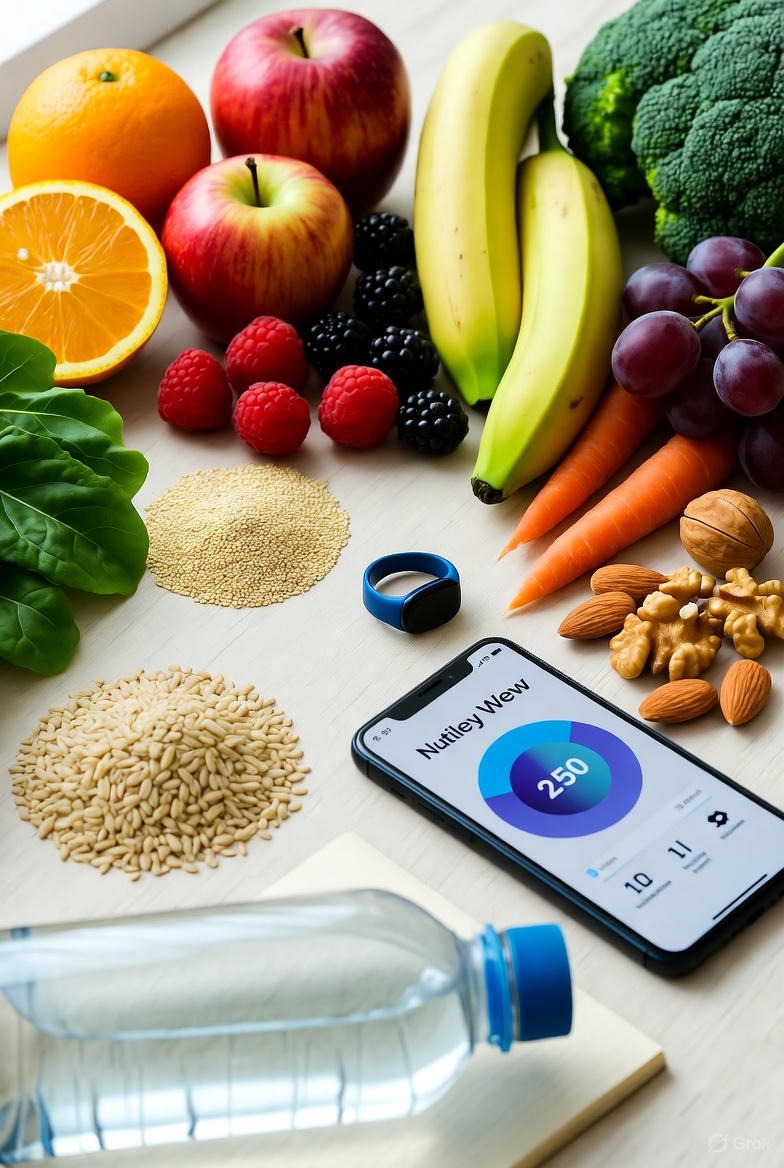
Modern technology, particularly in the form of wearable health trackers like smart rings from Oxyzen, now allows us to see this link in real-time. We can observe how a meal high in processed sugars disrupts our heart rate variability (HRV) overnight, or how increasing our intake of magnesium-rich foods correlates with longer periods of deep sleep. Data transforms intuition into insight, making the nutrition-restoration connection tangible and personal.
This exploration will delve deep into the science and strategy of using food as your primary tool for restoration. We'll move from the cellular level to the kitchen table, providing a comprehensive roadmap to nourish your body's repair systems, enhance your recovery, and build a foundation of sustained energy and well-being.
The Fundamental Science: How Food Becomes Cellular Repair
To grasp how nutrition fuels restoration, we must first journey to the microscopic world of our cells. Every moment, approximately 330 billion cells in your body are being replaced. This constant state of renewal is the essence of restoration, and the raw materials for this grand reconstruction project come directly from your plate.
At the core of this process is cellular respiration—the conversion of nutrients into adenosine triphosphate (ATP), the universal energy currency of the cell. But the story is far richer than just calories for energy. Macronutrients—proteins, fats, and carbohydrates—and micronutrients—vitamins and minerals—play distinct, critical roles:
Proteins as Architectural Units: Upon digestion, proteins break down into amino acids. These are the literal building blocks for new tissue. They repair torn muscle fibers after exercise, synthesize enzymes that power every metabolic reaction, and create neurotransmitters that regulate mood and sleep. Without adequate, high-quality protein, the very process of restoration is crippled at its foundation.
Fats as Structural and Signaling Components: Dietary fats are incorporated into cell membranes, determining their fluidity and integrity. Omega-3 fatty acids, for instance, reduce cellular inflammation and support brain health. Fats are also precursors to hormones like cortisol and estrogen, which govern stress response and recovery cycles.
Carbohydrates as Strategic Fuel & Recovery Catalysts: Often vilified, carbohydrates are the preferred fuel for high-intensity cellular processes and the central nervous system. Post-exercise, carbs replenish muscle glycogen stores, halting the catabolic (breakdown) state and initiating anabolic (rebuilding) recovery. The type of carbohydrate, however, is paramount.
Micronutrients as Essential Co-Factors: Vitamins and minerals are the spark plugs and tools of the repair process. Magnesium is involved in over 300 enzymatic reactions, including protein synthesis and muscle relaxation. Zinc is crucial for DNA repair and immune function. B-vitamins are coenzymes in energy production. A deficiency in any single micronutrient can create a bottleneck in the restoration pipeline.
The concept of postprandial (after-meal) inflammation is a key piece of the puzzle. A meal high in refined sugars, unhealthy fats, and processed ingredients can trigger a significant inflammatory response, measured by spikes in markers like C-reactive protein (CRP). This acute inflammation diverts resources away from repair and toward damage control. In contrast, a meal rich in phytonutrients from colorful plants, healthy fats, and complex carbohydrates has an anti-inflammatory effect, creating a cellular environment conducive to restoration.
This is where objective data becomes transformative. A device like the Oxyzen smart ring can track physiological markers like Heart Rate Variability (HRV) and resting heart rate. You might literally see your body's stress response (indicated by lowered HRV) to a late-night, heavy meal, providing concrete feedback on how your nutritional choices directly impact your nervous system's ability to restore itself. For a deeper dive into how this technology works, the science behind modern health tracking technology offers fascinating insights.
Understanding this foundational science shifts our perspective. Food is not just fuel; it is construction material, logistical software, and maintenance crew for the continuous project of rebuilding a healthier, more resilient you.
Beyond Energy: Nutrition as Information for Hormones and Genes
The old paradigm of "calories in, calories out" is a drastic oversimplification. We now understand that food acts as a powerful signaling molecule, communicating directly with our hormones and even influencing the expression of our genes. This is the realm of nutrigenomics—the study of how nutrients affect our genetic activity—and it's central to restoration wellness.
Our endocrine system is a master regulator of recovery. Key hormones act as conductors, orchestrating the symphony of repair, growth, and energy utilization. Nutrition provides the cues that tell these hormones what to do:
Insulin: The Storage and Growth Conductor: Often misunderstood, insulin's primary role is nutrient partitioning. After a meal, it directs glucose into cells for energy and amino acids into muscles for repair. The problem arises with constant consumption of high-glycemic foods, leading to insulin resistance. In this state, the signal is blurred, promoting fat storage and chronic inflammation while hampering muscle repair. Choosing complex carbohydrates with fiber, healthy fats, and protein modulates insulin release, turning it into a precise tool for restoration rather than a driver of dysregulation.
Cortisol: The Double-Edged Sword of Stress: Our primary stress hormone, cortisol, is catabolic—it breaks down tissue to provide energy in a "fight or flight" scenario. Acute, short-term cortisol release is normal and beneficial. However, chronic stress (and poor nutritional choices like skipping meals or relying on caffeine and sugar) leads to persistently elevated cortisol. This chronically catabolic state inhibits protein synthesis, impairs immune function, and disrupts sleep, systematically blocking restoration. Nutrients like vitamin C, magnesium, and omega-3s help modulate a healthy cortisol response.
Human Growth Hormone (HGH) and Testosterone: The Anabolic Architects: These are the primary hormones of growth and repair. They stimulate protein synthesis, muscle growth, and bone density. Sleep, exercise, and specific nutrients support their production. Diets chronically low in healthy fats, for example, can negatively impact testosterone levels. Adequate protein, zinc, and magnesium are crucial for optimizing this anabolic, restorative environment.
Leptin and Ghrelin: The Hunger-Restoration Loop: These hormones regulate appetite and energy balance. Leptin signals satiety, while ghrelin stimulates hunger. Sleep deprivation, which is a catastrophic failure of restoration, causes leptin to drop and ghrelin to rise, driving cravings for high-calorie, low-nutrient foods. It's a vicious cycle: poor restoration disrupts nutritional hormones, leading to poor food choices, which further disrupt restoration. Breaking this cycle requires strategic nutrition to stabilize these signals.
Perhaps most profoundly, nutrients can act as epigenetic modifiers. Compounds in cruciferous vegetables (like sulforaphane in broccoli), berries (resveratrol), green tea (EGCG), and turmeric (curcumin) can influence how our genes are expressed, often turning on genes associated with antioxidant defense, DNA repair, and longevity while turning off those linked to inflammation.
This means your lunch salad is doing far more than filling your stomach. It's sending directives to your hormonal command center and gently tweaking your genetic software to prioritize repair, resilience, and long-term health—a concept further explored in how health tracking technology enables personalized wellness.
The Gut-Brain-Restoration Axis: Where Digestion Meets Recovery
No discussion of nutrition and restoration is complete without addressing the command center of systemic health: the gut. Often called the "second brain," the gastrointestinal system is directly wired to our central nervous system via the vagus nerve and is home to trillions of microbes—the gut microbiome—that collectively influence everything from immune function to mood and, crucially, our ability to restore.
The gut is the primary site of nutrient absorption. If the lining of the intestine is inflamed or damaged (a condition often referred to as "leaky gut" or increased intestinal permeability), the very pathway for restorative nutrients is compromised. Furthermore, a significant portion of neurotransmitters, like serotonin (crucial for mood and sleep) and GABA (which promotes calm), are produced in the gut. An imbalanced microbiome can directly impair the production of these chemicals, hindering mental restoration and sleep quality.
The Gut-Brain-Restoration Axis operates through several key mechanisms:
Inflammatory Signaling: An imbalanced gut microbiome can produce pro-inflammatory molecules (like lipopolysaccharides or LPS) that cross into the bloodstream, triggering systemic, low-grade inflammation. This chronic inflammatory state is the antithesis of restoration, taxing the immune system and damaging tissues.
Neurotransmitter Production: As mentioned, gut bacteria are involved in synthesizing and modulating neurotransmitters. A diverse, healthy microbiome supports optimal levels of serotonin, dopamine, and GABA, all of which regulate stress response, motivation, and the ability to wind down—essential for daily recovery.
Nutrient Synthesis: Our gut bacteria actually produce essential nutrients, including certain B-vitamins and vitamin K, which are vital co-factors in energy production and cellular repair processes.
Circadian Rhythm Influence: Emerging research suggests the gut microbiome has its own circadian rhythm and communicates with the brain's master clock. Disruption to gut bacteria (via poor diet or erratic eating times) can thus directly disturb sleep-wake cycles, a cornerstone of physical and cognitive restoration.
To nourish this axis for optimal restoration, focus on:
Prebiotic Fiber: This is food for your beneficial bacteria. Found in garlic, onions, leeks, asparagus, bananas, and whole grains, prebiotics help your good microbes thrive.
Probiotic Foods: These introduce beneficial bacteria directly. Incorporate fermented foods like yogurt, kefir, sauerkraut, kimchi, and kombucha.
Polyphenol-Rich Foods: These plant compounds, found in berries, dark chocolate, green tea, and olive oil, are metabolized by gut bacteria and promote a healthy microbial balance.
Bone Broth & Collagen: Rich in the amino acids glycine and proline, these can help support the integrity of the gut lining.
When your gut is healthy, you absorb nutrients more efficiently, regulate inflammation effectively, and support the production of chemicals essential for mental and physical recovery. It transforms your digestive system from a simple processor into a powerful partner in your restoration journey. Monitoring your body's response to different foods and gut-supporting strategies is where a tool like a smart ring shines, helping you connect dietary changes to measurable outcomes in sleep and recovery scores, a topic covered in our guide on how a wellness ring helps build healthy habits.
Chrono-Nutrition: Timing Your Meals for Optimal Restoration
When you eat can be as influential as what you eat in the context of restoration wellness. Chrono-nutrition is the practice of aligning food intake with your body's innate circadian rhythms—the 24-hour biological cycles that govern hormone release, metabolism, sleep, and repair processes. By syncing nutrition with these natural rhythms, you can dramatically enhance the efficiency of restoration.
Your circadian rhythm primes your body for specific functions at different times of day:
Morning & Day (The Anabolic Phase): Cortisol naturally peaks in the morning, boosting alertness and metabolism. Insulin sensitivity is generally higher, meaning your body is better equipped to use carbohydrates for energy rather than store them as fat. This is the ideal window for a nutrient-dense breakfast and lunch that includes protein, complex carbohydrates, and healthy fats to fuel daily activity and provide building blocks for repair.
Evening & Night (The Catabolic & Restorative Phase): As evening approaches, melatonin production begins, preparing the body for sleep. Metabolism slows, and the body shifts its focus from active fuel burning to repair, detoxification, and memory consolidation. Disrupting this phase with large, heavy, or sugary meals forces the digestive system to work overtime, elevates core body temperature, and can suppress melatonin, fragmenting the very sleep during which critical restoration occurs.
Key Principles of Chrono-Nutrition for Restoration:
Front-Load Your Calories: Consuming a larger proportion of your daily calories earlier in the day aligns with natural metabolic peaks. Studies have linked this pattern to improved blood sugar control, better weight management, and enhanced sleep quality compared to large late-night meals.
The Power of the Post-Exercise Window: The 30-60 minutes after exercise is a uniquely sensitive period. Muscles are primed to absorb glucose to replenish glycogen and amino acids for repair. A combination of protein and carbohydrates in this window (e.g., a protein shake with a banana, or Greek yogurt with berries) can significantly accelerate recovery, reduce soreness, and prepare the body for the next session.
Nighttime Fasting for Cellular Cleanup: Allowing a 12-14 hour overnight fast (e.g., finishing dinner at 8 PM and not eating again until 8-10 AM) supports a process called autophagy. This is the body's internal "cleanup" mechanism, where cells break down and recycle damaged components. Autophagy is crucial for cellular renewal, reducing inflammation, and is a fundamental pillar of long-term restoration and anti-aging. This doesn't mean skipping breakfast if you're hungry, but rather being mindful of compressing your eating window.
Evening Meal Composition: The last meal of the day should be the easiest to digest. Prioritize lean proteins, healthy fats, and non-starchy vegetables. Minimize refined carbohydrates and sugars, which are most likely to disrupt sleep architecture. Foods rich in magnesium (leafy greens, nuts, seeds) and the amino acid tryptophan (found in turkey, poultry, and oats) can promote relaxation and support sleep.
Implementing chrono-nutrition doesn't require rigid rules but rather an intuitive alignment with your body's signals. Technology can provide remarkable feedback here. By wearing a device like the Oxyzen ring, you can track how different meal timings affect your sleep score, resting heart rate, and HRV. You might discover that a late dinner consistently truncates your deep sleep, providing a data-driven incentive to adjust your schedule. For those new to using such technology, our wellness ring basics for beginners is an excellent starting point.
The Antioxidant Network: Defending Against the Enemies of Restoration
Restoration is not just about building anew; it's also about defending against daily wear and tear. At the molecular level, one of the greatest threats to our cells is oxidative stress—an imbalance between harmful free radicals and the antioxidants that neutralize them. Free radicals are unstable molecules produced as natural byproducts of metabolism, exercise, and exposure to environmental toxins like pollution and UV radiation. In small amounts, they play a role in cell signaling. In excess, they damage DNA, proteins, and cell membranes, accelerating aging and impairing recovery.
This is where nutrition provides a formidable defense: the antioxidant network. Antioxidants are molecules that donate an electron to stabilize free radicals, preventing cellular damage. Crucially, they work synergistically, like a relay team, regenerating each other. No single "superfood" antioxidant is sufficient; we need a broad spectrum from whole foods.
Key Antioxidant Players and Their Food Sources:
Vitamin C (Ascorbic Acid): A water-soluble antioxidant that regenerates Vitamin E. Vital for collagen synthesis (aiding skin and connective tissue repair) and immune function. Sources: Citrus fruits, bell peppers, strawberries, broccoli, kiwi.
Vitamin E (Tocopherols): A fat-soluble antioxidant that protects cell membranes from lipid peroxidation (damage to fats). Sources: Almonds, sunflower seeds, avocados, spinach, Swiss chard.
Glutathione: The "Master Antioxidant": This tripeptide, produced within our cells, is arguably the most important antioxidant. It directly neutralizes free radicals, recycles other antioxidants (Vitamins C & E), and is essential for liver detoxification. Nutrition supports glutathione levels by providing its precursors: Sulfur-rich foods (garlic, onions, cruciferous vegetables), Selenium (Brazil nuts, tuna, eggs), and Alpha-lipoic acid (spinach, broccoli, tomatoes).
Polyphenols: This large family of plant compounds has potent antioxidant and anti-inflammatory effects. Subclasses include:
Flavonoids: Found in berries, tea, cocoa, citrus fruits. They support blood vessel health and cognitive function.
Curcumin: The active compound in turmeric, a powerful anti-inflammatory.
Resveratrol: Found in red grapes, berries, and peanuts, linked to longevity pathways.
Carotenoids: Pigments that give plants red, orange, and yellow hues. Beta-carotene (in sweet potatoes, carrots) converts to Vitamin A, while lycopene (in tomatoes, watermelon) is famous for its role in prostate health.
The goal is "antioxidant diversity." Imagine each colorful plant food as providing a unique set of defensive tools. A diet rich in a rainbow of vegetables, fruits, nuts, seeds, and spices creates a robust, multi-layered shield against oxidative stress.
This directly impacts restoration. After an intense workout, oxidative stress is elevated. Consuming a post-workout meal rich in antioxidants (like a berry and spinach smoothie) helps quench this free radical surge, reducing muscle damage and soreness, thereby speeding recovery. In daily life, a high-antioxidant diet reduces the background level of oxidative "noise," allowing the body to dedicate more resources to proactive repair rather than constant damage control. Learning to leverage your body's data can help you identify periods of high oxidative stress, a principle discussed in our article on how a ring enables preventive health monitoring.
Hydration & Electrolytes: The Overlooked Pillars of Cellular Renewal
Water is the medium in which every single restorative process occurs. It transports nutrients to cells, flushes out metabolic waste products, regulates body temperature, lubricates joints, and maintains blood volume. Even mild dehydration—as little as 2% loss of body water—can impair cognitive function, increase perceived effort during exercise, and hinder metabolic processes. For restoration, optimal hydration is non-negotiable.
But water alone isn't the full story. For fluid to be effectively absorbed and utilized inside and outside of cells, it needs to be accompanied by electrolytes—minerals that carry an electrical charge. The key electrolytes for restoration are sodium, potassium, magnesium, and calcium. They maintain fluid balance, conduct nerve impulses, and trigger muscle contractions.
Sodium & Potassium: The Fluid Balance Duo: Sodium is the primary electrolyte outside cells, while potassium dominates inside. This gradient, maintained by the "sodium-potassium pump," is critical for nerve signaling and muscle function. Post-exercise, replenishing both (not just chugging plain water) is crucial for rehydration. A lack of balance can lead to cramping, fatigue, and slower recovery.
Magnesium: The Relaxation Mineral: Involved in over 300 enzymatic reactions, magnesium is a cofactor for ATP production, protein synthesis, and muscle and nerve function. It helps muscles relax after contraction and is a natural aid for sleep. Sweat loss and stress can deplete magnesium stores.
Calcium: For More Than Bones: While vital for bone health, calcium also plays a key role in muscle contractions and nerve transmission.
Strategic Hydration for Restoration:
Daily Baseline: Aim for at least half your body weight (in pounds) in ounces of water daily. Increase this with activity, heat, and humidity.
Pre-Hydration: Drink 16-20 oz of water 2-3 hours before intense activity or a mentally demanding day.
Electrolyte Replenishment During/After Stress: For workouts lasting over 60 minutes, intense sweat sessions, or during illness, incorporate electrolytes. This can be from natural sources or a quality supplement.
Natural Sources: Coconut water (high in potassium), sodium from a pinch of high-quality salt in your water, magnesium from leafy greens and nuts.
Evening Hydration: Sip water in the evening, but taper off about an hour before bed to avoid sleep-disrupting trips to the bathroom. Consider adding a magnesium supplement (like magnesium glycinate) to your evening routine to support muscle relaxation and sleep quality.
Dehydration forces the body into a stress state, elevating cortisol and making restoration a lower priority. Proper, electrolyte-balanced hydration creates the fluid, conductive environment necessary for efficient nutrient delivery, waste removal, and electrical communication—the very foundation of cellular renewal. Monitoring subtle changes in your metrics can even hint at hydration status, a feature explored in our overview of what doctors find most useful in this data.
The Inflammation Equation: Nutritional Strategies to Cool the Flames
Inflammation is a biological process with a severe public relations problem. Acute inflammation—the redness, heat, and swelling around a sprained ankle or a cut—is a vital, life-saving part of the immune response. It's the body's repair crew rushing to the site of damage. The problem for modern wellness is chronic, low-grade, systemic inflammation. This is a persistent, smoldering fire throughout the body, driven by factors like poor diet, stress, lack of sleep, and environmental toxins. Chronic inflammation is the arch-nemesis of restoration wellness; it damages tissues, accelerates aging, and is linked to nearly every modern chronic disease.
Nutrition is the most powerful dial we can turn to modulate this inflammatory fire. Every meal is an opportunity to either fan the flames or douse them.
Pro-Inflammatory Dietary Patterns (The Flame Throwers):
High in Refined Carbohydrates and Sugars: These cause rapid spikes in blood sugar and insulin, leading to the production of pro-inflammatory cytokines.
Excessive Omega-6 Fatty Acids: While essential in balance, the modern diet is overloaded with omega-6s (from processed seed and vegetable oils like soybean, corn, and sunflower oil) and deficient in anti-inflammatory omega-3s. This skewed ratio promotes inflammation.
Processed and Fried Foods: Often contain advanced glycation end products (AGES) and damaged fats that directly trigger inflammatory pathways.
Excessive Alcohol: Metabolized into toxic byproducts that can damage the gut lining and liver, leading to systemic inflammation.
Anti-Inflammatory Dietary Patterns (The Fire Extinguishers):
Omega-3 Fatty Acids: Found in fatty fish (salmon, mackerel, sardines), walnuts, flaxseeds, and chia seeds. They are converted into resolvins and protectins, molecules that actively resolve inflammation.
Phytonutrients from Colorful Plants: The pigments themselves are medicine. Curcumin (turmeric), anthocyanins (berries), quercetin (onions, apples), and sulforaphane (broccoli) all inhibit key inflammatory pathways in the body (like NF-kB).
Fiber & Gut Health: A healthy gut microbiome, fed by diverse plant fibers, produces short-chain fatty acids (SCFAs) like butyrate, which have potent anti-inflammatory effects, particularly in the colon.
Healthy Fats: Monounsaturated fats from olive oil, avocados, and nuts, as well as saturated fats from coconut oil and grass-fed animal products (in balance), support cellular integrity without promoting inflammation when part of a whole-food diet.
Herbs and Spices: Ginger, rosemary, garlic, and cinnamon are not just flavorings; they are concentrated sources of anti-inflammatory compounds.
Implementing an anti-inflammatory diet isn't about a single ingredient; it's about an overall pattern. Think: "Eat the rainbow, favor whole foods, prioritize omega-3s, and use plenty of herbs and spices."
The impact on restoration is direct. Lowering systemic inflammation reduces the constant "background noise" of damage, freeing up immune resources and cellular energy for repair and growth. It leads to less joint and muscle soreness, clearer skin, sharper cognition, and a more resilient stress response. Tracking biomarkers like resting heart rate and HRV can provide direct feedback on your body's inflammatory load, a key aspect of the accuracy revolution in health tracking technology.
Strategic Nutrition for Sleep: The Ultimate Restoration Protocol
Sleep is not passive downtime; it is an intense, active period of restoration. During deep (slow-wave) sleep, human growth hormone (HGH) secretion peaks, driving tissue repair and muscle growth. The glymphatic system—the brain's waste-clearance system—kicks into high gear, flushing out metabolic debris like beta-amyloid (associated with Alzheimer's). Memories are consolidated, the immune system is recalibrated, and hormones regulating appetite are balanced. Poor sleep, therefore, is a catastrophic failure of the restoration cycle.
Nutrition plays a profound, two-way role in sleep quality. What and when you eat can either build the biochemical foundation for great sleep or demolish it.
Nutrients That Build Sleep:
Tryptophan & Serotonin Pathway: The amino acid tryptophan is a precursor to serotonin (the "feel-good" neurotransmitter) and subsequently to melatonin (the "sleep" hormone). Foods like turkey, chicken, eggs, nuts, seeds, and oats provide tryptophan. However, for tryptophan to effectively reach the brain, it's helpful to consume it with complex carbohydrates, which trigger insulin release and clear competing amino acids from the bloodstream.
Magnesium: This mineral is a natural NMDA receptor blocker and GABA agonist, promoting nervous system calm. It also helps regulate melatonin. Found in leafy greens, pumpkin seeds, almonds, and avocados.
Glycine: This amino acid, abundant in bone broth and collagen, has been shown to lower core body temperature and improve sleep quality. A small serving of bone broth before bed can be a powerful sleep tonic.
Potassium & Calcium: Both play supportive roles in the production of melatonin and the function of sleep-regulating neurotransmitters.
Foods and Patterns That Break Sleep:
Caffeine: A powerful adenosine (a sleep-promoting neurotransmitter) blocker. Its half-life is about 5-6 hours, meaning having coffee at 4 PM can still significantly disrupt sleep at 10 PM.
Alcohol: While it may induce initial drowsiness, alcohol fragments sleep architecture, severely reducing restorative REM and deep sleep. It also is a diuretic, disrupting hydration.
Large, High-Fat, or Spicy Meals Close to Bedtime: Force the digestive system to work hard, elevating metabolism and core body temperature when it should be cooling down for sleep.
High-Glycemic Sugary Foods: Cause a rapid spike and subsequent crash in blood sugar, which can trigger the release of cortisol and adrenaline, waking you up in the middle of the night.
The Sleep-Optimizing Evening Routine:
Finish Eating 2-3 Hours Before Bed: Allow digestion to complete before lying down.
Compose a Sleep-Promoting Snack (if needed): If you're hungry, a small snack combining a tryptophan source with a complex carb is ideal. Examples: a small bowl of oatmeal with almonds, a banana with almond butter, or a few whole-grain crackers with turkey.
Incorporate Magnesium: Consider a supplement like magnesium glycinate or a magnesium-rich Epsom salt bath.
Hydrate Wisely: Sip water but avoid large volumes right before bed.
Monitor & Iterate: This is where personalization is key. A device like the Oxyzen ring provides objective sleep stage data (light, deep, REM) and a sleep score. You can conduct simple experiments: try the magnesium bath one night, have a small tart cherry juice (natural source of melatonin) the next, and compare the data. This turns sleep nutrition from guesswork into a science. For more on optimizing this crucial pillar, see our collection of 50 healthy aging tips a smart ring helps implement daily.
By treating your evening nutrition as a deliberate protocol for sleep, you directly invest in the quality of your cellular repair, cognitive reset, and hormonal rebalancing—the very essence of nightly restoration.
Personalization & Bio-Individuality: There is No "Perfect" Diet for Restoration
After nearly 9,000 words of science, principles, and strategies, we arrive at the most critical truth of all: There is no universal, one-size-fits-all "perfect" diet for restoration wellness. Your optimal nutritional plan is as unique as your fingerprint, influenced by your genetics, microbiome, current health status, activity levels, stress load, sleep patterns, and even personal taste preferences. This concept is known as bio-individuality.
Two people can eat the same "healthy" meal of salmon and quinoa, and one might feel energized and satiated while the other feels bloated and sluggish. One might thrive on a higher-fat diet, while another needs more complex carbohydrates to support their training. This is not a failure of the food or the person; it's a reflection of our biochemical uniqueness.
Key Factors in Bio-Individuality:
Genetics (Nutrigenomics): Variations in genes can affect how you metabolize caffeine (CYP1A2 gene), process folate (MTHFR), or respond to saturated fat (APOE). While not destiny, this information can guide personalization.
Gut Microbiome Composition: Your unique bacterial profile determines how you digest fiber, produce vitamins, and even influence food cravings. An imbalance (dysbiosis) can lead to food sensitivities that trigger inflammation and hinder restoration.
Metabolic Flexibility: This is your body's ability to efficiently switch between using carbohydrates and fats for fuel. Someone who is metabolically inflexible (often due to a chronic high-carb diet) may crash without constant carbohydrate intake, while a flexible individual can tap into fat stores for steady energy, aiding in restoration during fasts or between meals.
Life Context & Goals: The nutritional needs of a 25-year-old endurance athlete in peak training are vastly different from a 50-year-old executive managing high stress and prioritizing cognitive health and joint maintenance. Restoration looks different for each.
How to Find Your Path:
Become a Detective, Not a Follower: Instead of adopting the latest diet trend, adopt an experimental mindset. Use the principles in this article as your framework, not your prison.
Eliminate & Reintroduce: If you suspect a food (like gluten, dairy, or nightshades) is causing inflammation and blocking restoration, consider a structured elimination diet under guidance, followed by careful reintroduction to observe symptoms.
Leverage Data (The Modern Advantage): This is the game-changer. A smart ring like Oxyzen provides objective, physiological data. You can track:
How your HRV and resting heart rate respond to a higher-carb vs. higher-fat day.
How your sleep score changes when you eat dinner earlier or include a specific bedtime snack.
How your recovery score trends when you increase your intake of omega-3-rich foods. This feedback loop turns self-experimentation from subjective guesswork ("I think I feel better") into an objective, personalized science ("My data shows my deep sleep increased by 12% when I did X"). For a look at where this personalization is headed, explore the future of wearable health tech.
Listen to Your Body's Wisdom (Alongside Data): Notice energy levels, digestion, mood, mental clarity, and performance. Combine these subjective signals with your objective data to build a complete picture.
The journey to restoration wellness through nutrition is not about finding a dogma to obey. It's about learning the universal language of how food affects the body and then using tools and awareness to write your own, personalized script for recovery, resilience, and vibrant health. It is an ongoing dialogue between you, your food, and your body's innate intelligence—a dialogue that modern technology is now helping us hear with stunning clarity.
The Link Between Nutrition and Restoration Wellness: Your Personalized Protocol
We've established the why—the profound scientific connection between the nutrients we consume and our body's capacity for repair, recovery, and rejuvenation. Now, we transition from theory to practice, from understanding to implementation. This portion of our journey is about constructing your Personalized Restoration Nutrition Protocol—a dynamic, living framework that applies the principles of chrono-nutrition, anti-inflammatory eating, gut health, and sleep optimization to your unique life.
A protocol is not a rigid, one-size-fits-all diet sheet. It is a set of guiding principles, adaptable templates, and strategic habits that you can customize based on your bio-individuality, daily context, and the real-time feedback from your own physiology. It’s about building a sustainable system that turns nutrition into a reliable, daily tool for elevated well-being.
Building Your Restoration Plate: A Visual Template for Every Meal
Forget complicated calorie counts and restrictive rules in the moment. The most powerful tool for daily nutrition is a simple, visual template that ensures balance and restorative potential at every meal. We call this the Restoration Plate Model. It’s designed to stabilize blood sugar, provide all essential macro and micronutrients, modulate inflammation, and support sustained energy.
The Foundation: Non-Starchy Vegetables (50% of your plate)
Purpose: Provides volume, fiber, antioxidants, phytonutrients, and essential vitamins/minerals with minimal caloric impact. This is your primary source of anti-inflammatory and detoxification compounds.
Action: Aim for a rainbow of colors throughout the day. Diversity in plant foods means diversity in gut bacteria and protective nutrients.
The Building Block: Quality Protein (25% of your plate)
Purpose: Supplies essential amino acids for cellular repair, enzyme and hormone production, immune function, and satiety. Critical for maintaining lean muscle mass, which is metabolically active and vital for longevity.
Examples:
Animal: Wild-caught fish (salmon, mackerel, sardines), pasture-raised eggs, organic poultry, grass-fed beef/bison in moderation.
Plant: Lentils, chickpeas, black beans, tempeh, tofu, edamame, high-quality protein powder (pea, hemp, brown rice).
Action: Include a palm-sized portion (approx. 20-30g) with each meal to promote muscle protein synthesis and metabolic stability.
The Sustaining Energy: Complex Carbohydrates & Healthy Fats (25% of your plate)
Purpose: This quarter is flexible based on your activity level, metabolic health, and personal preference. It provides sustained energy, supports hormone production, and aids in nutrient absorption.
Carbohydrate-Focus Option (for high activity days or metabolic flexibility): Starchy vegetables (sweet potato, squash, beets), whole grains (quinoa, oats, brown rice, farro), legumes (also count as protein).
Fat-Focus Option (for lower activity, cognitive focus days, or if following a lower-carb approach): Avocado, olives, a generous drizzle of olive oil, a handful of nuts/seeds, or a larger portion of fatty fish.
Action: Tune into your body’s needs. After a strenuous workout, favor more complex carbs. On a sedentary day, lean towards healthy fats and extra non-starchy veggies.
The Flavor & Function Boost: Herbs, Spices, and Ferments
Consider these "free" additions: Liberally use turmeric, ginger, rosemary, oregano, cinnamon, and garlic. Add a spoonful of sauerkraut or kimchi for probiotics. This layer adds powerful anti-inflammatory and gut-supporting compounds without significant calories.
Putting It Into Practice:
Breakfast: A veggie-packed omelet (protein + veggies) with half an avocado (fat) and a side of berries (low-glycemic carbs/antioxidants).
Lunch: A large salad with mixed greens, grilled chicken (protein), roasted chickpeas (carbs/protein), cherry tomatoes, cucumber, and a dressing of olive oil and lemon (fat).
Dinner: Baked salmon (protein/fat) with a massive portion of roasted broccoli and asparagus (veggies) and a small serving of quinoa (carbs).
This template eliminates guesswork and ensures every meal actively contributes to your restoration goals. For those tracking the deeper impact of such dietary patterns, understanding the sensors and AI behind health tracking technology can reveal how your body processes these meals in real-time.
Strategic Supplementation: Bridging the Nutritional Gaps for Optimal Repair
Even with a perfect diet, modern life creates challenges. Soil depletion can reduce the nutrient density of our food. Chronic stress and certain medications can increase our needs for specific nutrients. Strategic supplementation is not a replacement for a nutrient-dense diet but a targeted way to ensure your restoration pathways have all the necessary co-factors to operate at peak efficiency. Think of supplements as the precision tools in your restoration toolkit.
Tier 1: Foundational Support (For Nearly Everyone) These address common deficiencies and support baseline physiological function.
High-Quality Omega-3s (EPA/DHA):
Role: Potent anti-inflammatory, crucial for brain cell membranes, supports heart health and mood regulation.
Dosage & Form: Look for a triglyceride-form fish oil or algae oil (vegan) providing at least 1,000 mg combined EPA/DHA daily. A higher dose (2-3g) may be beneficial for addressing significant inflammation.
Vitamin D3 + K2:
Role: D3 is a hormone-like vitamin critical for immune function, bone health, and gene regulation. Most people are deficient, especially with limited sun exposure. K2 directs calcium into bones (not arteries).
Dosage & Form: D3 (1,000-5,000 IU daily, based on blood levels). Always pair with K2 (MK-7 form, 90-120 mcg).
Magnesium:
Role: The "relaxation mineral," involved in ATP production, muscle function, sleep, and stress response. Deficiency is extremely common.
Dosage & Form: 300-400 mg daily. Use magnesium glycinate or bisglycinate for best absorption and sleep/stress support. Avoid magnesium oxide (poorly absorbed).
Probiotics:
Role: To seed and support a diverse gut microbiome, especially important after antibiotics, during travel, or with digestive issues.
Dosage & Form: Look for a broad-spectrum product with 10-50 billion CFUs from reputable strains like Lactobacillus and Bifidobacterium. Rotate brands every few months for diversity.
Tier 2: Targeted Restoration Support These can be cycled or used during periods of specific need.
Collagen Peptides:
Role: Provides the amino acids glycine, proline, and hydroxyproline that are the building blocks for skin, hair, nails, tendons, ligaments, and gut lining.
Use: Add 1-2 scoops to coffee, smoothies, or broth daily, especially helpful for joint health and skin elasticity.
L-Theanine:
Role: An amino acid found in green tea that promotes calm, focused alertness by supporting alpha brain waves and GABA activity.
Use: 100-200 mg to take the edge off caffeine or to support relaxation without drowsiness, ideal for stressful afternoons.
Adaptogenic Herbs:
Role: Help the body adapt to and resist the effects of long-term stress, thereby supporting the adrenal glands and lowering cortisol.
Examples & Use: Ashwagandha (for stress resilience and sleep), Rhodiola Rosea (for mental fatigue and endurance), Holy Basil (for overall balance). Use as tinctures or capsules, cycling 5 days on, 2 days off.
Antioxidant Boosters:
Role: For periods of intense physical training, high oxidative stress, or illness.
Examples: NAC (N-Acetyl Cysteine) - precursor to glutathione. CoQ10 - vital for cellular energy production, especially important for those on statins.
Crucial Caveats:
Quality Matters: Choose supplements from third-party tested brands (look for NSF, USP, or Informed-Choice seals).
Personalization is Key: Blood work (for Vitamin D, B12, Iron, etc.) is the best way to identify true deficiencies.
Start Low & Slow: Introduce one new supplement at a time to monitor your body's response. Your wearable data from a device like Oxyzen can be invaluable here—tracking sleep and HRV as you introduce, for example, magnesium glycinate, can provide clear, objective evidence of its efficacy for you personally. This aligns with the concept of using technology for personalized wellness.
Navigating Real-World Challenges: Eating for Restoration On-The-Go and Socially
A protocol that only works in your own kitchen is not a sustainable protocol. True resilience is shown when you can maintain your restoration-focused habits amidst travel, busy workdays, and social engagements. This requires strategy, not just willpower.
Strategy 1: The Travel Toolkit Whether for business or pleasure, travel disrupts routine. Be prepared.
Packables: Single-serving packets of high-quality protein powder, collagen peptides, and greens powder. Portable nut/seed packs, grass-fed beef jerky (sugar-free), and dark chocolate (85%+).
Airport & Hotel Hacks: At airports, seek out grilled chicken salads, hard-boiled eggs, or bunless burgers. At hotels, use the mini-fridge to store plain Greek yogurt, pre-cut veggies, and hummus. Start the day with a large glass of water to combat dehydration from travel.
Hydration Focus: Travel is dehydrating. Carry a reusable water bottle and add electrolyte packets to counteract the effects of flying and changes in water source.
Strategy 2: The Busy Workday Blueprint When time is scarce, planning is everything.
The Sunday Ritual: Dedicate 1-2 hours to batch-cooking. Roast two trays of mixed vegetables, grill a pack of chicken breasts or salmon filets, and cook a pot of quinoa or lentils. Store in glass containers for effortless assembly.
Smart Snacking: Keep restoration-friendly snacks at your desk or in your bag: apples with almond butter, a small tub of cottage cheese, olives, or a DIY trail mix (nuts, seeds, unsweetened coconut flakes).
Restaurant Resilience: Don’t be afraid to customize. Opt for grilled/baked proteins, double the vegetable side, and ask for sauces/dressings on the side. Choose restaurants that prioritize whole foods.
Strategy 3: Social Situations & Mindful Indulgence Wellness is about connection and joy, not isolation.
The Pre-Game: Before a party or dinner, have a small, protein-rich snack (like a handful of nuts or a hard-boiled egg). This stabilizes blood sugar and prevents you from arriving ravenous and overindulging in less-optimal options.
The 80/20 Mindset: Aim for 80% adherence to your restoration principles. Allow a genuine 20% for social enjoyment, cultural foods, and pure pleasure without guilt. This is sustainable and psychologically healthy.
Mindful Presence: If you choose to indulge, do so mindfully. Savor the flavor, eat slowly, and enjoy the experience and company. One "off" meal does not ruin your progress; it’s the consistent pattern that matters.
Alcohol Strategy: If you drink, prioritize quality over quantity. Opt for dry red wine (rich in resveratrol), clear spirits with soda water and lime, or avoid added sugars in mixers. Follow the "one-for-one" rule: one glass of water for every alcoholic drink to mitigate dehydration and next-day impacts.
The goal is never perfection, but proactive adaptation. By having a plan for challenging scenarios, you maintain agency over your well-being and prevent feeling derailed by life’s inevitable disruptions. For more on building resilient, daily habits, our guide on how a wellness ring helps build healthy habits offers practical tech-supported strategies.
The Detoxification Support System: Nutrition for Daily Cellular Cleansing
"Detox" is a loaded term, often associated with juice cleanses and radical protocols. In the context of restoration wellness, we reframe it as daily detoxification support—the ongoing, physiological processes your liver, kidneys, gut, skin, and lungs use to neutralize and eliminate metabolic waste, environmental toxins, and spent hormones. Your nutrition provides the raw materials these systems need to function optimally.
Phase 1 & Phase 2 Liver Detoxification: The Nutrient-Dependent Pathway The liver is your primary detox organ, processing toxins in two phases:
Phase 1 (Activation): Uses cytochrome P450 enzymes to make toxins water-soluble. This can sometimes produce intermediate compounds that are more reactive. Nutrients needed include B-vitamins, folate, and flavonoids.
Phase 2 (Conjugation): Binds these intermediates to other molecules (like glutathione, glycine, sulfate) to neutralize them for safe excretion. This phase is critically dependent on amino acids and sulfur-containing compounds.
Key Foods to Support Daily Detox Pathways:
Cruciferous Vegetables: Broccoli, cauliflower, Brussels sprouts, kale, cabbage. They contain sulforaphane and DIM (diindolylmethane), which powerfully support both Phase 1 and Phase 2 liver detoxification.
Alliums: Garlic, onions, leeks. Rich in sulfur, a crucial component for Phase 2 conjugation (specifically sulfation).
Leafy Greens: Spinach, chard, arugula. Provide chlorophyll, which can bind to some toxins, and folate for Phase 1.
Berries & Citrus: High in antioxidants that protect liver cells from damage caused by toxic intermediates.
Protein-Rich Foods: Eggs (especially the yolks), poultry, fish, and legumes provide the amino acids glycine, taurine, and glutamine that are directly used in Phase 2 conjugation pathways.
Turmeric & Green Tea: Curcumin and EGCG are potent anti-inflammatories that upregulate the body's own antioxidant defense systems, including glutathione production.
Supporting the Channels of Elimination:
For the Gut (Fiber): Adequate soluble and insoluble fiber binds to waste and toxins excreted via bile and ensures regular bowel movements, preventing reabsorption. Think flaxseeds, chia seeds, psyllium husk, and plenty of vegetables.
For the Kidneys (Hydration): Consistent, clean water intake is non-negotiable for flushing water-soluble toxins through the kidneys.
For the Skin (Sweat): Regular exercise or sauna use promotes sweating, another route of elimination. Staying hydrated is key here as well.
What to Avoid for Optimal Detox Function:
Overloading the System: Excessive alcohol, processed foods, refined sugars, and unhealthy fats create a toxic burden that overwhelms your innate detox capacity.
"Toxin-Bomb" Products: Reduce exposure where possible by choosing clean skincare/household products and filtering your water.
By incorporating these detox-supportive foods daily, you enhance your body's innate, sophisticated cleanup systems. This isn't about a drastic cleanse; it's about providing constant nutritional support so that your cellular environment remains clean, reducing inflammatory load and freeing up energy for repair and restoration. Monitoring your body’s response to these supportive foods can be part of a sophisticated preventive health monitoring strategy.
Nutrition for Cognitive Restoration: Feeding the Brain for Focus, Memory, and Mental Recovery
The brain, representing only 2% of body weight, consumes roughly 20% of the body's energy and resources. Cognitive restoration—the ability to focus, learn, manage stress, and maintain emotional balance—is deeply dependent on nutritional status. The right foods can enhance neuroplasticity (the brain's ability to rewire itself), support neurotransmitter production, and protect against oxidative stress.
Key Nutrients for Brain Restoration & Their Sources:
Omega-3 Fatty Acids (DHA):
Role: DHA is the primary structural fat in the brain's gray matter. It is essential for the fluidity of cell membranes, facilitating communication between neurons. Low DHA is linked to cognitive decline and mood disorders.
Sources: Fatty fish (salmon, mackerel, herring), algae oil, and to a lesser extent, in walnuts and flaxseeds (which contain ALA that the body must convert to DHA, often inefficiently).
Medium-Chain Triglycerides (MCTs):
Role: Found in coconut oil and MCT oil, these fats are rapidly absorbed and converted into ketones in the liver. Ketones are an efficient, alternative fuel for the brain that can enhance mental clarity and focus, especially in a fasted state or on a lower-carb diet.
Phospholipids (Choline & Phosphatidylserine):
Role: Choline is a precursor to acetylcholine, a neurotransmitter vital for memory, focus, and learning. Phosphatidylserine is a key component of neuronal membranes, supporting cell signaling.
Sources: Eggs (especially yolks), liver, soybeans, and supplemental PS.
Antioxidants & Polyphenols:
Role: The brain is highly susceptible to oxidative damage due to its high metabolic rate. Flavonoids from berries, cocoa, and green tea cross the blood-brain barrier, exerting protective effects, reducing neuroinflammation, and even stimulating the production of brain-derived neurotrophic factor (BDNF)—a protein that promotes neuron growth and survival.
Sources: Blueberries, dark chocolate (>70%), blackberries, green tea, turmeric.
B-Vitamins (Especially B6, B9, B12):
Role: Act as cofactors in the synthesis of neurotransmitters (serotonin, dopamine, GABA) and in the methylation cycle, which is critical for DNA repair and neurotransmitter balance. Deficiency, particularly in B12, can cause brain fog, fatigue, and mood changes.
Role: A specific form of magnesium shown to effectively cross the blood-brain barrier. It supports synaptic density and plasticity, which are fundamental to learning and memory.
The Brain-Gut Connection Revisited: Remember, an inflamed gut can lead to an inflamed brain ("neuroinflammation"). Supporting your microbiome with prebiotic fiber and fermented foods directly supports a calm, focused mind by influencing the production of neurotransmitters like serotonin.
The Cognitive Restoration Meal Pattern:
Stable Energy: Avoid blood sugar rollercoasters by combining protein, fat, and fiber at every meal. A mid-afternoon crash is often a blood sugar crash.
Hydration: The first sign of dehydration is often fatigue and difficulty concentrating.
Strategic Fasting: Some people find mental clarity and focus in a fasted state (like before breakfast) when ketone production is elevated. This is highly individual and can be explored safely with guidance.
Feeding your brain for restoration means prioritizing healthy fats, antioxidant-rich plants, and key micronutrients. This not only improves daily performance but is a long-term investment in cognitive resilience. Tracking subtle changes in focus, mood, and even sleep quality as you adjust your diet can be supported by the detailed feedback from a wellness tracker, a topic often discussed in user testimonials and experiences.
The Role of Fasting & Metabolic Flexibility in Deep Restoration
Fasting, the voluntary abstinence from food for a defined period, is not a new concept, but its application in modern restoration wellness is nuanced and powerful. When done correctly, it is less about deprivation and more about triggering profound cellular repair processes that are dormant during constant feeding. The goal is not just to fast, but to cultivate metabolic flexibility—your body's ability to efficiently switch between burning glucose (from carbohydrates) and fatty acids/ketones (from fats) for fuel. This flexibility is a cornerstone of resilience and a key component of deep, systemic restoration.
Key Restoration Benefits of Intermittent Fasting (IF):
Autophagy (Cellular "Spring Cleaning"): This is the star player. After approximately 12-16 hours of fasting, the body upregulates autophagy, a process where cells break down and recycle damaged organelles, misfolded proteins, and pathogens. This clears out cellular "junk," reduces inflammation, and may slow aging processes.
Enhanced Insulin Sensitivity: Fasting gives your pancreas a break and allows cells to become more sensitive to insulin again. This improves blood sugar control and reduces the risk of type 2 diabetes.
Increased Human Growth Hormone (HGH): Short-term fasting can spike HGH secretion, which supports fat metabolism, muscle preservation, and tissue repair.
Gut Rest: The digestive system requires significant energy. A fasting period allows that energy to be redirected toward repair and detoxification processes elsewhere in the body.
Cognitive Clarity: As the body shifts to ketone production, many people report improved mental focus and clarity.
Popular & Practical Fasting Protocols:
12-14 Hour Overnight Fast: The simplest entry point. Simply finish dinner by 8 PM and don't eat breakfast until 8-10 AM. This is often naturally achieved and provides a mild autophagy boost.
16:8 Protocol: Fast for 16 hours, eat within an 8-hour window (e.g., eat from 12 PM to 8 PM). A sustainable practice for many that offers more pronounced benefits.
5:2 Diet (Modified Fasting): Eat normally for 5 days of the week. On 2 non-consecutive days, consume only 500-600 calories.
Crucial Considerations & Safety:
It's Not For Everyone: Fasting is not recommended for pregnant/breastfeeding women, individuals with a history of eating disorders, those under severe stress, or people with certain medical conditions (like advanced diabetes) without medical supervision.
Focus on Nutrient Density: Your eating window is not a license to eat junk. To support restoration, break your fast with a nutrient-dense, balanced meal following the Restoration Plate template.
Stay Hydrated: Drink plenty of water, herbal tea, and consider adding electrolytes (sodium, potassium, magnesium) during longer fasts to avoid headaches and fatigue.
Listen to Your Body: Hunger is normal; severe lightheadedness, nausea, or brain fog are not. Break your fast if you feel unwell.
Sync with Your Cycle: Women may need to be more flexible, as fasting can stress the hypothalamic-pituitary-adrenal (HPA) axis. It may be beneficial to shorten fasts or avoid them during the luteal phase of the menstrual cycle.
The Link to Metabolic Flexibility: The ultimate goal of practicing IF is not to live in a fasted state, but to train your metabolism to be agile. A metabolically flexible person can enjoy a carbohydrate-rich meal and then seamlessly transition to burning fat a few hours later, avoiding energy crashes. This is supported by a whole-food diet, regular movement, and strength training.
Using a smart ring to monitor your fasting blood glucose trends (if available), HRV, and resting heart rate can provide incredible insight into how your body responds to different fasting protocols, helping you find the sweet spot for your personal restoration. This exemplifies the power of health tracking technology in preventive medicine.
Tracking Your Progress: Using Data to Refine Your Personalized Protocol
In the era of bio-individuality, subjective feeling ("I feel good") is necessary but not sufficient. Objective data provides the missing piece, transforming wellness from an art into a personalized science. By tracking key physiological metrics, you can move beyond guesswork and see the direct impact of your nutritional choices on your restoration processes, allowing for precise refinement of your protocol.
Key Metrics to Monitor & What They Tell You About Nutrition:
Heart Rate Variability (HRV):
What it is: The variation in time between heartbeats. A higher HRV generally indicates a more resilient autonomic nervous system (better balance between stress and recovery).
Nutritional Insight: Observe how your HRV trends respond to:
Late-night meals: Does HRV dip the night after a late dinner?
Food Sensitivities: Does HRV drop after consuming gluten or dairy if you're sensitive?
Alcohol: A significant, predictable drop in HRV is common after alcohol consumption.
Anti-inflammatory foods: Does your baseline HRV improve after a period of consistent omega-3 and phytonutrient intake?
Resting Heart Rate (RHR):
What it is: Your heart rate at complete rest. A lower RHR is generally associated with better cardiovascular fitness and efficiency.
Nutritional Insight: RHR can be elevated by dehydration, inflammation from a poor-quality meal, or excessive caffeine. A rising trend in RHR can be an early sign of overtraining, illness, or chronic stress—all states where nutritional support needs to be prioritized.
Sleep Stages (Deep, REM, Light) & Sleep Score:
What it is: A breakdown of your sleep architecture and an overall score of sleep quality.
Nutritional Insight: This is your direct feedback loop for sleep nutrition.
Does magnesium supplementation increase your deep sleep duration?
Does a high-sugar dessert fragment your sleep, causing more awakenings?
Does having a protein-rich snack before bed versus a carb-heavy one improve your sleep score?
Does finishing eating 3 hours before bed vs. 1 hour improve your sleep efficiency?
Recovery Score (or Readiness Score):
What it is: A composite score (often using HRV, RHR, sleep, and temperature) that indicates your body's readiness to take on stress (like a hard workout) or need for rest.
Nutritional Insight: A low recovery score is a signal to double down on restorative nutrition: prioritize anti-inflammatory foods, increase hydration with electrolytes, and ensure you're consuming enough protein and calories to support repair.
How to Conduct a Nutritional Experiment:
Identify a Variable: Choose one thing to test. (e.g., "Adding 1 tbsp of ground flaxseed daily," "Eliminating added sugar after 3 PM," "Taking magnesium glycinate before bed").
Establish a Baseline: Track your key metrics for 3-5 days before making the change.
Implement the Change: Make the single adjustment consistently for 7-14 days.
Analyze the Data: Look at trends in your sleep score, HRV, and RHR over the implementation period compared to your baseline. Did the metrics improve, worsen, or stay the same?
Iterate: Use the findings to inform your next experiment.
This data-driven approach removes the noise of conflicting dietary advice and connects you directly to your body's unique language. A device like the Oxyzen ring is purpose-built for this kind of personal discovery, offering the continuous, nuanced data needed to make these connections. For those curious about starting this journey, our FAQ page addresses common questions about using such technology effectively.
The Link Between Nutrition and Restoration Wellness: The Long-Term Synergy
We now arrive at the culmination of our exploration. You have the foundational science, the personalized protocol, and the tools for refinement. This final portion addresses the lifelong journey: how to sustain restoration-focused nutrition, integrate it with other essential lifestyle pillars, navigate life's different seasons, and ultimately use this knowledge to build a legacy of resilient health. This is where short-term tactics evolve into a sustainable philosophy for lifelong vitality.
The Synergy of Lifestyle: How Nutrition Works With Movement, Stress Management, and Environment
Nutrition is the most potent lever for restoration, but it does not work in a vacuum. It exists in a dynamic synergy with movement, stress management, and our environment. Optimizing these pillars creates a multiplicative effect, where each enhances the others, building a fortress of well-being far stronger than the sum of its parts.
1. Nutrition & Movement: The Reciprocal Relationship
Movement Enhances Nutritional Efficacy: Exercise increases insulin sensitivity, meaning your body uses the carbohydrates you eat more efficiently for energy and recovery, not fat storage. It stimulates blood flow, enhancing nutrient delivery to muscles and organs. Strength training creates a demand signal for dietary protein, directing those amino acids toward muscle repair and growth.
Nutrition Fuels and Recovers from Movement: Pre-workout nutrition provides the glycogen for performance; post-workout nutrition (protein + carbs) is the raw material for adaptation. Without the right nutrients, exercise becomes a catabolic stressor, not a restorative stimulus. Furthermore, anti-inflammatory nutrition reduces exercise-induced muscle soreness and speeds recovery.
The Data Connection: A smart ring can show you how a poor night's sleep (impacted by nutrition) leads to a higher resting heart rate and lower HRV, signaling your body is not ready for intense training. This data allows you to pivot—perhaps choosing a gentle walk or yoga instead, and doubling down on restorative foods that day.
2. Nutrition & Stress Management: The Biochemical Dialogue
Stress Depletes Nutrients: Chronic stress depletes magnesium, B-vitamins, vitamin C, and zinc—all crucial for restoration. It can also drive cravings for high-sugar, high-fat "comfort foods" that further exacerbate inflammation.
Nutrition Modulates Stress Response: A diet rich in magnesium, omega-3s, and antioxidants supports a healthy cortisol curve and dampens the physiological impact of stress. Stabilizing blood sugar through balanced meals prevents the adrenaline and cortisol spikes that come with hypoglycemic crashes.
The Practice: When stressed, your nutritional non-negotiables should be: stable blood sugar (regular, balanced meals/snacks), increased magnesium and vitamin C intake, and avoiding the trap of using sugar or alcohol as a crutch, which only worsens the stress response cycle.
3. Nutrition & Environment: Reducing the Toxic Load
The External "Exposome": Our environment bombards us with pro-oxidants and endocrine disruptors—in polluted air, contaminated water, plastics, and conventional personal care products. This creates a constant detoxification demand.
Nutrition as Internal Armor: A diet high in antioxidants (berries, leafy greens, spices) and detox-supportive nutrients (sulforaphane from cruciferous veggies, glutathione precursors) provides the internal resources to neutralize these external threats. Choosing organic when possible (especially for the "Dirty Dozen"), filtering water, and using clean cookware (avoiding non-stick with PFOAs) reduces the incoming burden, allowing your nutritional efforts to focus on restoration, not just damage control.
The Holistic Protocol: Your daily checklist isn't just "eat vegetables." It's:
Nourish: Follow the Restoration Plate at meals.
Move: Engage in daily activity that you enjoy—strength, cardio, mobility.
Manage Stress: Practice 10 minutes of meditation, breathwork, or nature immersion.
Protect: Make one environmental upgrade (e.g., switch to a glass water bottle).
This integrated approach is the essence of modern, proactive wellness, a theme central to the Oxyzen mission.
Navigating Different Life Stages: Tailoring Restoration Nutrition from 20s to 80s and Beyond
Our nutritional needs for optimal restoration are not static. They evolve with hormonal shifts, changing activity patterns, and the natural processes of aging. A protocol that serves a 25-year-old athlete will not be optimal for a 55-year-old in perimenopause or a 70-year-old prioritizing cognitive health and joint integrity. Let’s tailor the core principles.
The 20s & 30s: Building the Foundation
Focus: Peak physical performance, establishing lifelong habits, supporting reproductive health, and managing the stress of early career/family building.
Nutritional Priorities:
Adequate Protein & Calories: To support an active lifestyle and build/maintain peak bone and muscle mass.
Iron & Folate for Women: Crucial for energy and, if considering pregnancy, prenatal preparation.
Stress-Adaptogens & Magnesium: To mitigate the high demands of this life stage.
Data Utility: Perfect time to establish personal baselines for HRV, sleep, and recovery. Experiment to find what fuels your best performance and resilience.
The 40s & 50s: The Metabolic Shift & Hormonal Navigation
Focus: Preserving muscle mass (sarcopenia begins here), supporting shifting hormones (perimenopause/menopause, andropause), optimizing metabolic health, and prioritizing stress resilience.
Nutritional Priorities:
Protein Priority: Increase protein intake to 1.6-2.2 g/kg of body weight to combat age-related muscle loss.
Phytoestrogens & Liver Support: For women, foods like flaxseed, soy, and cruciferous vegetables can support estrogen metabolism during the menopausal transition.
Bone Health Nutrients: Calcium, Vitamin D3/K2, and magnesium become even more critical.
Insulin Sensitivity: Emphasize fiber, healthy fats, and lean protein to maintain metabolic flexibility as natural insulin sensitivity declines.
Data Utility: Critical for tracking sleep changes (common in perimenopause) and observing how dietary tweaks affect hot flashes, energy, and recovery scores.
The 60s, 70s, 80s and Beyond: Longevity & Functionality
Focus: Cognitive health, mobility, immune resilience, preventing frailty, and maintaining a high quality of life.
Nutritional Priorities:
Protein & Leucine: High-quality protein at every meal, with attention to the amino acid leucine (found in eggs, meat, dairy, soy), which is a key trigger for muscle protein synthesis, especially important for older adults.
Brain-Specific Nutrients: Double down on omega-3s (DHA), antioxidants (berries, turmeric), and B-vitamins.
Hydration & Fiber: Sense of thirst diminishes, and digestive motility can slow. Conscious hydration and fiber intake are essential.
Food as Pleasure & Community: Social connection around meals is itself restorative. Prioritize nutrient density without sacrificing joy.
Data Utility: Monitoring trends in resting heart rate and sleep can provide early indications of illness or undue stress. Simplicity is key—focusing on a simple readiness or recovery score can guide daily activity choices. This aligns with the goal of healthy aging with supportive technology.
At every stage, the core principles of anti-inflammatory, nutrient-dense eating remain, but the emphasis shifts. Listening to your body—aided by objective data—becomes your most trusted guide.
Advanced Nutritional Strategies: Exploring Phytochemicals, Food Synergy, and Nutrigenomics
Beyond macros and micros lies the fascinating world of advanced nutrition—where the complex compounds in plants and the unique interaction between foods and your genes open new frontiers for targeted restoration.
Phytochemicals: The Medicine in Plants These are bioactive, non-nutrient compounds that plants produce for their own defense. For us, they are powerful modulators of health.
Sulforaphane (from broccoli sprouts): Perhaps the most potent activator of the Nrf2 pathway, our body's master switch for antioxidant and detoxification enzymes.
Resveratrol (from grapes, berries): Activates sirtuins, proteins associated with longevity and cellular repair.
Curcumin (from turmeric): A master anti-inflammatory, inhibiting NF-kB, a key cellular pathway for inflammation. Pro Tip: Combine with black pepper (piperine) to boost absorption by 2000%.
EGCG (from green tea): Supports fat oxidation, brain health, and offers potent antioxidant protection.
Action: Don't just eat vegetables; eat a diversity of colorful vegetables, herbs, and spices. Consider concentrated sources like green tea matcha or adding a pinch of turmeric and black pepper to soups and scrambles.
Food Synergy: The Whole is Greater Than the Sum of Its Parts This concept explains why whole foods often outperform isolated supplements.
Vitamin C & Iron: The vitamin C in bell peppers or citrus dramatically enhances the absorption of non-heme iron from spinach or lentils.
Fat & Fat-Soluble Vitamins: The healthy fats in avocado or olive oil are necessary to absorb vitamins A, D, E, and K from the other foods in your salad.
The "Food Matrix": An almond provides fiber, vitamin E, magnesium, and healthy fats in a complex structure that regulates its digestion and bioavailability, which is different from consuming those nutrients in isolated form.
Action: Build meals, not just a collection of nutrients. Think: spinach salad (iron) with lemon juice dressing (vitamin C) and avocado (fat).
Nutrigenomics: The Personalized Frontier While still an emerging science for direct consumer application, the principle is powerful: your genes can influence how you respond to different nutrients.
Example - Caffeine: A variant in the CYP1A2 gene determines if you are a "fast" or "slow" metabolizer of caffeine. Slow metabolizers may experience heightened blood pressure and insomnia from coffee, while fast metabolizers may get cognitive benefits without the negatives.
Example - Folate: The MTHFR gene variant affects how you convert folic acid into its active form (L-methylfolate). Those with the variant may benefit from consuming folate in its natural form (leafy greens) or using a supplement with methylated folate.
Action Approach: While direct-to-consumer genetic testing can offer clues, the most practical application of nutrigenomic thinking is n=1 experimentation. Use your physiological data (from your smart ring) as your primary guide. If caffeine consistently ruins your sleep and elevates your RHR, your personal "genetic expression" (via data) is telling you to limit it, regardless of what a generic report might say.
Engaging with these advanced concepts fosters a deeper appreciation for food and empowers you to make increasingly sophisticated choices for your restoration.
The Mindset of Maintenance: Cultivating Resilience and Avoiding Burnout on Your Wellness Journey
The hardest part of any wellness journey is not the start, but the maintenance. It’s the months and years after the initial motivation fades. Sustaining a restoration-focused lifestyle requires a shift from a rigid "perfection" mindset to a resilient "progress" mindset. It’s about building psychological flexibility alongside metabolic flexibility.
1. Embrace the 80/20 Principle (or 90/10): Aim for consistency, not perfection. If 80-90% of your choices are aligned with your restoration goals, the remaining 10-20% becomes irrelevant in the long run. This allows for travel, holidays, social events, and plain old cravings without guilt or the feeling of being "off the wagon." The wagon has no walls; you are always on your own path.
2. Practice Nutritional Self-Compassion: A stressful reaction to a "bad" meal is often more damaging than the meal itself. It spikes cortisol and creates a negative emotional loop. Instead, practice a neutral observation: "That meal didn't make me feel great. I'll make a different choice next time." Then move on. Your next meal is always a new opportunity.
3. Find Your "Non-Negotiables": Instead of an exhaustive list of rules, identify 2-3 simple, non-negotiable daily habits that form your foundation. For example: "I will eat a protein-rich breakfast within an hour of waking," and "I will fill half my plate with vegetables at dinner." When life gets chaotic, you hold onto these anchors.
4. Redefine "Restoration" Broadly: Sometimes, restoration means ordering pizza with your family and laughing together. Social connection and joy are profoundly restorative to the nervous system. Sometimes, it means skipping a meal prep Sunday to rest and recharge. Avoid making nutrition another source of stress or another item on your performance checklist.
5. Use Data as a Guide, Not a Judge: Your wearable data should be a curious friend, not a critical coach. A low sleep score isn't a "failure"; it's information. It says, "Your body had a hard time restoring last night. Maybe take it easy today, hydrate well, and prioritize an early bedtime." This objective feedback helps you respond with intelligence, not emotion.
6. Periodize Your Protocol: Just as athletes periodize their training, you can periodize your nutrition. There might be phases of more disciplined eating (e.g., a 6-week focus on gut health) followed by phases of more relaxed maintenance. This ebb and flow prevents burnout and mimics natural cycles.
Building this resilient mindset is the true key to longevity in wellness. It’s what allows the protocol to serve you, not the other way around. For support and community in this journey, exploring real user experiences and testimonials can be incredibly validating and motivating.
The Future of Personalized Nutrition: AI, Continuous Monitoring, and the Quantified Self
We are on the cusp of a revolution in personalized wellness, where the link between nutrition and restoration will be understood and optimized with unprecedented precision. The convergence of continuous biometric monitoring, artificial intelligence, and advanced biomarker testing is creating a future where your nutritional prescription is as unique and dynamic as your fingerprint.
1. Continuous Glucose Monitoring (CGM) Goes Mainstream: Already used by diabetics, CGMs are becoming a powerful tool for the health-conscious. They provide a real-time graph of your blood glucose response to every meal, snack, and activity.
The Insight: You'll discover that your "healthy" oatmeal spikes your blood sugar more than your friend's, or that a walk after dinner dramatically flattens your glucose curve. This direct feedback makes the concept of glycemic index personal and actionable, allowing you to choose foods that provide steady, restorative energy.
2. AI-Powered Nutrition Coaches & Integration: Imagine your smart ring (like Oxyzen) and CGM data syncing with an AI platform that acts as your personal nutritionist.
The Scenario: Your AI notices a trend of low HRV and fragmented sleep every Thursday night. It cross-references your food log and discovers a pattern: you eat at a particular restaurant on Thursdays. It might suggest, "Your data indicates a sensitivity to something in your Thursday meals. Try ordering the grilled chicken instead of the pasta this week and let's compare your sleep data."
Integration: This AI could also integrate with your calendar, suggesting lighter, more digestible meals on days with high-stress meetings, or more carbohydrates on days with intense workouts scheduled. For a glimpse into this integrated future, explore what's possible in health tracking by 2025.
3. Expanded Biomarker Testing from Home: The future points to affordable, at-home dried blood spot or saliva tests that go beyond glucose to track key restoration markers: * Inflammation: HS-CRP, homocysteine. * Micronutrient Status: Vitamin D, B12, magnesium RBC. * Hormones: Cortisol rhythm, sex hormones. * Metabolic Health: ApoB, insulin. With periodic testing, you could see not just if your diet feels good, but if it's actually moving your biomarkers in the right direction for longevity and reduced disease risk.
4. The "Quantified Self" Becomes the "Optimized Self": The goal of all this data is not self-surveillance, but self-optimization. It creates a closed feedback loop: Action (eat) → Measurement (biomarker/data) → Insight (AI analysis) → Personalized Recommendation → Improved Action. This loop democratizes advanced health optimization, putting the power of personalized, data-driven restoration in the palm of your hand—quite literally, with devices like a smart ring.
This future is not about replacing the wisdom of whole foods or the joy of eating; it's about enhancing our ability to make choices that uniquely support our individual biology, making the path to restoration clearer and more effective than ever before.
Conclusion: Weaving the Threads into a Tapestry of Lifelong Vitality
Our journey through the link between nutrition and restoration wellness has taken us from the microscopic world of cellular repair to the horizon of AI-powered personalization. We have seen that food is far more than calories—it is information, medicine, and the primary architect of our daily recovery and long-term resilience.
Let’s recall the core threads we have woven together:
Food is Cellular Command: Every bite instructs your cells towards inflammation or repair, fatigue or energy.
Restoration is Multidimensional: It encompasses physical recovery, cognitive reset, emotional balance, and deep sleep—all profoundly influenced by your diet.
The Gut is Central: A healthy microbiome is the command center for nutrient absorption, immune function, and even mood regulation.
Timing Matters: Syncing your eating with your circadian rhythms (chrono-nutrition) and activity enhances every restorative process.
Defense is Key: An antioxidant-rich, anti-inflammatory diet protects your cells from the daily wear and tear that impedes restoration.
Personalization is Paramount: There is no universal perfect diet. Your optimal protocol is found through applying principles, then refining based on your body’s unique feedback.
Data is Your Guide: Modern wearables transform intuition into insight, allowing you to see the direct impact of nutrition on your physiology.
Synergy is Success: Nutrition works best when integrated with mindful movement, stress management, and a clean environment.
Adaptation is Life: Your needs will change with each decade, and your approach should gracefully evolve with them.
Mindset is Everything: Sustainability comes from self-compassion, flexibility, and a focus on progress, not perfection.
This is not a finish line, but a starting point—a foundational framework upon which you can build your own, ever-evolving practice of restoration. It invites you to move from being a passive consumer of food to an active architect of your well-being.
Begin with one thing. Perhaps it’s adding a serving of colorful vegetables to your dinner. Maybe it’s observing your sleep data after eliminating late-night snacks. Or it could be exploring the insights from a tool designed for this very purpose at the Oxyzen shop.
The pursuit of restoration wellness through nutrition is a lifelong dialogue—a loving conversation between you and the incredible, self-healing organism that is your body. By listening to its signals, nourishing it with intention, and using the tools of our time to understand its language, you empower yourself to not just live, but to thrive with resilience, vitality, and joy for all the years to come.



%402x.svg)