


How Your Wellness Ring Detects Activity Gaps Throughout Your Day
The ring detects gaps in your activity throughout the day, highlighting opportunities to move more.
The ring detects gaps in your activity throughout the day, highlighting opportunities to move more.
%402x.svg)
You glance at your wrist. It's 2:37 PM. A familiar, sluggish fog has settled over your mind. The morning’s momentum is a distant memory, and the post-lunch hours stretch ahead, heavy with procrastination. You might blame the sandwich, the poor night's sleep, or the dull meeting. But what if the real culprit is invisible—a subtle, accumulating deficit of movement that your brain and body feel long before you consciously notice it?
This is the modern paradox of movement. We are more health-conscious than ever, yet we live in a world engineered for stillness. We log dedicated gym sessions and celebrate 10,000-step days, but in between these deliberate acts of wellness, our lives are punctuated by long, sedentary gaps. These “activity gaps”—periods of prolonged inactivity scattered throughout your waking hours—are the silent saboteurs of metabolic health, cognitive sharpness, and emotional balance. They are the missing pieces in our pursuit of holistic well-being.
Enter the wellness smart ring. No longer just a sleep tracker nestled on your finger at night, this unassuming device has evolved into a 24/7 guardian of your daily rhythm. It sees what you cannot feel in the moment: the gradual deceleration, the extended periods of physiological quiet, the patterns of stillness that weave through your day. By detecting these activity gaps, it transforms from a passive recorder of data into an active partner in crafting a dynamically healthy life.
This article is your deep dive into the sophisticated technology and profound insights behind this capability. We will move beyond the basic step count and explore how the latest generation of smart rings, like those developed by Oxyzen, use a symphony of sensors and intelligent algorithms to map the topography of your daily movement. We’ll uncover the science of why breaking up sedentary time is as critical as your workout, and how your ring identifies the exact moments for a strategic “movement snack.” This isn’t about shaming you for sitting; it’s about empowering you with the knowledge to seamlessly integrate vitality into the very fabric of your day, turning gaps into opportunities for micro-rejuvenation.
Prepare to see your daily routine in a completely new light. Your wellness ring is about to tell the story of your day—not just through the highlights of activity, but through the insightful silence of the spaces in between.
For decades, the pedometer and its successor, the fitness tracker, have conditioned us to think of activity in monolithic terms: a daily total to be achieved. Ten thousand steps. Thirty active minutes. Five hundred calories burned. While these metrics have value, they present a dangerously incomplete picture. They celebrate the summit but ignore the vast valleys of inactivity we traverse to get there.
Imagine two people with identical “healthy” profiles:
By traditional metrics, they are equals. By the modern understanding of metabolic health, they are worlds apart. Person B, through consistent, low-grade movement that breaks up sedentary periods, is likely to have better blood sugar regulation, lower systemic inflammation, and improved vascular function than Person A, despite similar "total" activity. This phenomenon is known as "sedentary behavior physiology," and it reveals a critical truth: how you distribute your inactivity is as important as how you accumulate your activity.
This is the paradigm shift that modern wellness rings are built upon. They are moving us from quantity-based tracking to pattern-based insight. The goal is no longer just to hit a number, but to understand and optimize the rhythm of your entire day. An activity gap, therefore, isn’t merely a period of not walking. It’s a sustained period of physiological stasis where heart rate variability settles into a narrow band, blood begins to pool, muscle metabolism slows, and the body slips into a low-energy, passive state.
Your wellness ring is engineered to detect the onset, duration, and frequency of these states. It’s listening for the quieting of your system. By doing so, it addresses the core flaw of the fitness tracker era: the fact that you could be "green" on your activity goal while still spending 90% of your waking hours in a biologically sedentary state. The ring’s mission is to illuminate those invisible 90%, giving you the power to infuse them with purposeful, health-preserving movement. For a deeper understanding of how sensor technology translates raw data into meaningful health insights, our blog offers a detailed exploration in how sleep trackers actually work, with principles that apply directly to daytime activity tracking.
The ability to detect something as subtle as an activity gap requires a sophisticated array of sensors working in concert. Nestled within the sleek titanium or ceramic band of a premium wellness ring like Oxyzen is a miniaturized laboratory, each component playing a distinct part in listening to your body’s story.
The Conductor: The Tri-Axial Accelerometer
This is the most fundamental movement detective. It measures acceleration in three dimensions (up-down, left-right, forward-backward). During your waking hours, it’s constantly sampling motion, often at rates of dozens of times per second. It’s what counts your steps and recognizes a brisk walk from a leisurely stroll. But for gap detection, its role is more nuanced. It establishes a baseline of "non-movement." Sophisticated algorithms analyze the accelerometer data not just for peaks of activity, but for prolonged stretches of signal stability—the telltale signature of sitting at a desk, riding in a car, or watching a movie. It identifies when the unique vibrational pattern of human movement ceases.
** The Heart of the Matter: Optical Photoplethysmography (PPG)**
This is the ring’s window into your circulatory system. By emitting green and infrared LED light into the skin of your finger and measuring how much light is absorbed by the blood vessels, the PPG sensor calculates your heart rate and, more importantly for gap detection, heart rate variability (HRV). When you enter a prolonged sedentary state, your heart rate tends to stabilize and your HRV—the subtle variation in time between beats—often decreases. A pattern of low, consistent heart rate with depressed HRV is a powerful secondary confirmation of a physiological activity gap. It tells the ring, "The body is in a sustained resting state."
** The Context Provider: Skin Temperature Sensor**
Your peripheral body temperature is not static; it fluctuates with blood flow, metabolic activity, and your environment. During extended inactivity, circulation to the extremities can decrease slightly, leading to a detectable dip in skin temperature at the finger. Conversely, a sudden spike might indicate the onset of activity or a stress response. The temperature sensor adds a layer of contextual confirmation, helping the system distinguish between "resting while reading" and "resting while anxious."
The Environment Interpreter: The 3D Gyroscope
Working alongside the accelerometer, the gyroscope measures orientation and rotational movement. It helps the ring understand how you are (or aren’t) moving. Are you perfectly still? Or are you fidgeting, typing, or making small hand gestures? This helps filter out false positives. A period with no steps (accelerometer) but with consistent minor rotations (gyroscope) might be coded as "seated but active" (like working at a computer), rather than a true "inactive gap."
This sensor suite operates in a continuous, low-power dialogue. The raw data from each is a single instrument’s note; the ring’s onboard processor is the composer, weaving them together into a coherent symphony that describes your state of being. It’s this multi-sensor data fusion that allows the device to move beyond simple motion detection to true state detection. To see how this sensor fusion applies to another critical aspect of health, explore our guide on sleep tracking accuracy.
Sensors collect data, but intelligence derives meaning. The raw streams of acceleration, light absorption, and temperature are fed into the ring’s algorithmic brain—a set of sophisticated machine learning models trained on vast datasets of human movement and physiology. This is where the magic of gap detection truly happens.
The process follows a multi-stage analytical pipeline:
1. Signal Processing & Noise Reduction:
The first job is to clean the data. The ring filters out environmental "noise"—like the vibration from typing or driving on a rough road—from the physiological signals of true whole-body inactivity. It separates the micro-movements of your fingers from the macro-state of your body.
2. Pattern Recognition & State Classification:
This is the core task. The algorithms are trained to recognize patterns that correlate with specific activity states: Active Walking, Standing, Seated & Engaged (e.g., typing), Seated & Passive, and Inactive/Recumbent. It looks for signatures. For example:
3. Temporal Analysis & Thresholding:
Detecting a gap isn’t just about identifying stillness; it’s about timing it. Research indicates that biological changes begin to occur after about 20-30 minutes of uninterrupted sitting. Therefore, the algorithms aren’t triggered by a 5-minute pause. They monitor for sustained periods that cross a time threshold. This threshold can even be personalized. The ring learns your patterns—if you typically take a break every 50 minutes, it might learn to anticipate or highlight gaps that extend beyond your personal norm.
4. Contextual Integration:
The smartest systems use time of day and historical data to add context. A 60-minute inactive period at 2 PM is a potential "afternoon slump gap" to be flagged. The same 60-minute period at 10 PM while watching TV might be classified as "evening wind-down" and treated differently. The algorithm builds a personalized model of your typical day, so it can identify what constitutes an anomalous or problematic gap for you.
5. Inference & Alert Logic:
Finally, the system decides if and when to nudge you. This isn’t a simple timer. It’s a probabilistic decision based on confluence of evidence: "The user has been in a Seated & Passive state for 42 minutes. Heart rate has dropped by 8 BPM and is stable. Skin temperature is declining. The time is 3:15 PM, a period where they historically show decreased energy. Confidence level for an 'activity gap alert' is 92%. Send a gentle vibration."
This entire complex process happens locally on the device, in near real-time, preserving your privacy and providing instant insight. It’s a remarkable feat of engineering that turns a stream of numbers into a moment of self-awareness.

Understanding how your ring detects a gap is fascinating, but understanding why it matters is transformative. An activity gap is not merely lost time for calorie burning; it’s a period where specific, detrimental physiological processes activate. When you sit or lie completely still for extended periods, your large muscle groups—especially in your legs and glutes—essentially go offline. This muscular idleness triggers a cascade of metabolic and vascular events.
The Blood Sugar Seesaw:
Your muscles are the body's primary disposal site for blood glucose (sugar). When they are inactive, their ability to uptake glucose from the bloodstream plummets. After a meal, this can lead to higher and more prolonged spikes in blood sugar and insulin. Over time, this contributes to insulin resistance, a precursor to Type 2 diabetes. A study published in Diabetes Care found that breaking up sitting time with just 2 minutes of light walking every 20 minutes significantly lowered post-meal glucose and insulin spikes compared to uninterrupted sitting.
The Lipoprotein Lipase Shutdown:
This enzyme, crucial for breaking down circulating fats (triglycerides) in your blood, is produced by your muscles. Its activity drops dramatically during muscular inactivity, leading to higher levels of fats in the bloodstream and poorer cholesterol profiles.
The Circulatory Slowdown:
Without the "muscle pump" action of contracting legs to help push blood back to the heart, circulation becomes more sluggish. Blood can pool in the legs, increasing venous pressure. This stasis is a factor in vascular issues and contributes to that feeling of heaviness and fatigue.
The Energy Metabolism Dip:
Your basal metabolic rate (the calories you burn at complete rest) subtly decreases during prolonged stillness. Furthermore, the cellular energy factories, the mitochondria, can become less efficient with chronic inactivity. This can translate to that pervasive feeling of low energy and brain fog—your cells are literally in a low-power mode.
The Postural Stress Accumulation:
Static sitting, especially with poor posture, places sustained load on spinal discs and ligaments and leads to muscle imbalances. The ring, by detecting the gap, is indirectly highlighting a period of accumulating physical stress on your musculoskeletal system.
Your wellness ring, by flagging an activity gap, is acting as an early warning system for these invisible processes. It’s not nagging you to exercise; it’s prompting you to perform essential metabolic maintenance. Interrupting the gap is like hitting a reset button: you re-engage the muscle pump, stimulate glucose uptake, boost lipoprotein lipase activity, and send a fresh wave of oxygenated blood to your brain. The benefits of these micro-breaks are both immediate (improved focus, relieved stiffness) and long-term (protected metabolic health). This connection between daily rhythm and foundational health is a core part of the Oxyzen mission to provide actionable, whole-body insights.
A factory-default activity gap threshold would be useless. Why? Because a construction manager, a software developer, a new parent, and a retiree have fundamentally different—and personally evolving—baselines for movement. The true genius of an advanced wellness ring lies in its ability to learn and adapt to you, creating a personalized model of your normal so it can intelligently identify what’s abnormal or undesirable.
This learning happens on multiple levels:
Establishing a Dynamic Baseline:
During the first few days and weeks of wear, the ring is in an observant learning mode. It’s answering questions like: What does your resting heart rate look like at 10 AM vs. 10 PM? How much do you typically fidget when seated? What are your normal patterns on a weekday vs. a weekend? It builds a statistical profile of your movement and physiology, not against a population average, but against your own personal history.
Adaptive Thresholds:
Your "gap alert" threshold becomes personalized. For someone with a very active job, a 25-minute block of complete stillness might be highly unusual and warrant a prompt. For someone convalescing from an injury, that same 25 minutes might be a goal of successful rest. The ring’s algorithms can adapt their sensitivity based on your ongoing data and even your stated goals within the companion app.
Contextual Pattern Recognition:
The ring learns the context of your gaps. It starts to recognize that a long inactive period every weekday from 9 AM to 10 AM means you’re in a deep work focus or a long commute, while a similar gap on a Saturday morning means you’re sleeping in. This allows it to become smarter about when an intervention is truly helpful versus intrusive. It can learn that you always take a walk at 1 PM, so a pre-1 PM gap might not need a flag.
Feedback Loop Integration:
The most sophisticated personalization comes from your feedback. When you receive a gap alert and choose to act on it (or ignore it), and especially when you log how you feel ("energized," "still tired," "focused"), you are training the algorithm. Over time, it can correlate specific gap patterns with subjective outcomes. It might learn that when you have three gaps longer than 45 minutes before noon, you consistently report "low afternoon energy," and thus become more proactive in suggesting morning micro-breaks.
This creates a device that doesn’t judge you against abstract ideals, but coaches you based on your own body’s signals and your own life’s patterns. It moves from being a generic tracker to a true personal health companion. For users curious about how this personalization applies to nocturnal recovery, our blog delves into what your deep sleep numbers should look like by age and lifestyle.
A detection without an actionable response is merely an observation. The power of the wellness ring is in its closed-loop system: it detects a problematic pattern and provides a timely, contextual cue to break it. This is where the elegant hardware meets thoughtful software design to drive real-world behavior change.
The intervention typically comes in two forms:
1. The Haptic Nudge:
A subtle, private vibration on your finger. This isn't the jarring buzz of a phone notification; it's a gentle tap from your own body, a somatic reminder that it's time to reset. The haptic alert is genius in its simplicity and discretion—it works in a meeting, during a movie, or in a library without drawing attention.
2. The App-Based Insight:
Opening your companion app after a nudge (or during a review of your day) provides the "why." You might see a clear timeline visualization: a long, unbroken bar labeled "Sedentary Period" with a marker showing when the alert was sent. This transforms the vague feeling of stiffness into a quantified, understandable event.
But the true innovation lies in the suggested "Movement Snacks." Modern systems don’t just say "MOVE!" They offer smart, situational suggestions. The algorithm, considering the time of day, the length of the gap, and your historical data, might recommend:
These are not workouts; they are targeted, functional resets. The goal is to increase muscle activity just enough to halt the negative physiological cascade. Research shows that even 1-2 minutes of very light activity (like walking at a casual pace) can be remarkably effective if done at the right time—immediately after the detection of a prolonged gap.
This proactive guidance bridges the infamous "intention-action gap" in behavioral science. We all know we should move more, but in the flow of the day, we forget or dismiss the need. The ring acts as an impartial, data-driven cue, placed directly on the body, making the healthy choice the easier, more automatic choice. It’s a tool for building what psychologists call "implementation intentions"—linking a specific situation (a 30-minute gap) with a specific action (calf raises).
The real-time nudge is powerful, but the panoramic view is enlightening. Your wellness ring’s companion app is where the dots connect, transforming thousands of data points into a coherent story of your day. This visualization is critical for moving from reactive gap-breaking to proactive rhythm design.
Upon opening your daily timeline, you don’t just see a step graph. You see a Movement Density Map or an Activity State Timeline. This visualization uses color-coding and block segments to paint a picture:
At a glance, you can diagnose your day. A timeline littered with fragmented light blue and green is a day of dynamic movement, even if no formal "exercise" occurred. A timeline dominated by a few massive orange blocks is a day of prolonged stagnation, even if you crushed a morning gym session.
Key features of this visualization include:
This visual feedback loop is empowering. It turns an abstract concept ("I sit too much") into a concrete, manageable dataset. You can set goals like "No gaps longer than 50 minutes" or "Break up 75% of my detected gaps." You move from being a passive subject of your routine to an active architect of your daily rhythm. For those inspired to optimize their entire 24-hour cycle, a wealth of actionable strategies can be found on the Oxyzen blog.
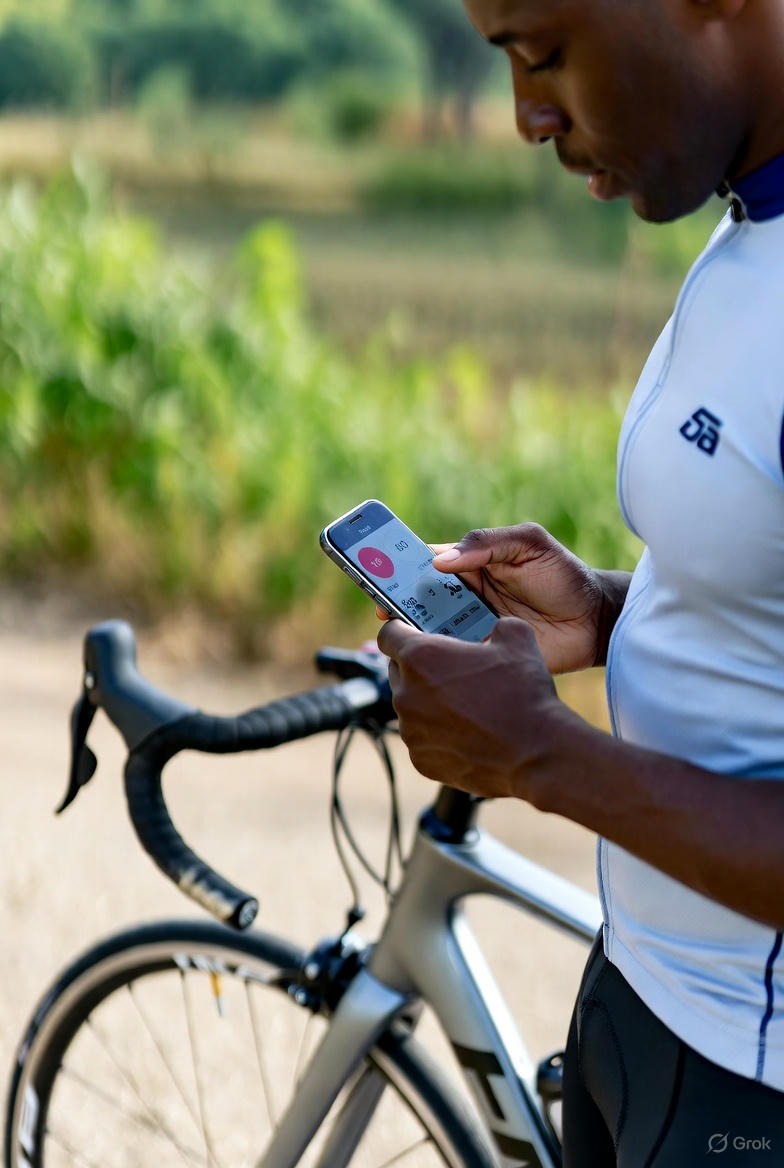
The human body is an integrated system. Nothing happens in isolation. The activity gaps your ring detects are not siloed data points; they are dynamic events that interact with every other aspect of your well-being. Advanced wellness platforms are now focusing on these correlations, revealing how the patterns of your day set the stage for your night and influence your resilience.
The Gap-Sleep Connection:
Your circadian rhythm is regulated not just by light, but also by activity and temperature patterns. A day punctuated by healthy movement and broken-up inactivity helps reinforce a strong circadian signal. Conversely, a day of long, unbroken sedentary periods can lead to a flatter physiological rhythm. You may find that on days with excessive gaps:
The Gap-Stress Axis:
Prolonged sitting is physically stressful on the body (postural strain, circulatory stress) and can be mentally monotonous, leading to cognitive fatigue. This low-grade stress can manifest in your biometrics. A long afternoon gap might be followed by an elevated nighttime skin temperature (a sign of sympathetic nervous system activation) or a depressed HRV reading during the evening wind-down period. The ring can show you that failing to manage your activity rhythm makes it harder for your nervous system to transition into recovery mode.
The Recovery Impact:
For the fitness-conscious, this is critical. An intense morning workout followed by 8 hours of continuous sitting can partially undermine the benefits of that workout. Muscle stiffness sets in, inflammation clearance is slowed, and the anabolic (building) signals can be blunted by prolonged inactivity. The ring helps you protect your investment in exercise by prompting you to engage in "active recovery" gaps throughout the day—light walking, stretching, and mobility work that enhances circulation and nutrient delivery to repairing muscles. Athletes can learn more about this critical interplay in our guide to deep sleep optimization for recovery.
By connecting these dots, your wellness ring provides a systems-thinking approach to health. It answers questions like: "Why did I sleep poorly last night?" with data from the previous day. "Why do I feel so drained?" by showing a timeline of physiological stagnation. It empowers you to see that a 2-minute walking break at 3 PM isn’t just about your metabolism at 3:05 PM; it’s an investment in your calm at 9 PM and your restorative sleep at 2 AM.
Knowledge is power, but only when applied. Now that you understand how your wellness ring detects activity gaps and why they matter, the critical question becomes: What do I do about it? Moving from insight to action requires a set of practical, sustainable strategies. This isn’t about adding more to your to-do list; it’s about creatively and efficiently restructuring the list you already have.
The goal is to shift from a reactive posture (responding to alerts) to a proactive one (designing your day to minimize problematic gaps). Your ring and its data become your co-pilot in this redesign. Here are actionable tiers of intervention, from simple to systematic.
Tier 1: The Micro-Break Arsenal (Reactive & Immediate)
These are your "first responders" to the ring’s haptic nudge. Have a mental menu of 60-120 second activities you can deploy anywhere, with no equipment.
Tier 2: The Environmental Hack (Proactive & Structural)
Modify your physical and digital workspace to make gap-breaking automatic.
Tier 3: The Habit Stacking Method (Proactive & Behavioral)
Link new gap-breaking behaviors to existing, habitual "anchors" in your day.
Tier 4: The Communication & Culture Strategy (Proactive & Social)
Normalize movement in your social and professional circles.
Your companion app is crucial here. Use it not just to review gaps, but to plan interventions. Many apps allow you to set goals like "Take 8 movement breaks today" or "Keep all sedentary periods under 45 minutes." Celebrate closing those rings just as you would a step goal. The data will show you which strategies are most effective for you in improving not just your gap metric, but your correlated sleep and stress scores. For more ideas on building healthier daily rituals, our FAQ section addresses common questions on integrating wellness tech into a busy life.
The current generation of wellness rings is brilliantly diagnostic. The next generation will be profoundly predictive and prescriptive. We are moving from a model of "You have been still for too long" to one of "Based on your current state and past patterns, you are likely to experience a cognitive slump in 25 minutes. Here’s how to prevent it."
This evolution is powered by advances in artificial intelligence and larger, more nuanced datasets. Here’s what’s on the horizon:
Predictive Energy Mapping:
By analyzing your historical data—your sleep from the night before, your morning activity, your heart rate trends, and even the specific timing and content of your previous gaps—algorithms will forecast your natural energy ebbs and flows throughout the coming day. The app might present you with a predicted "energy curve" each morning, highlighting high-focus windows and predicted slump zones. Instead of reacting to a gap, you could proactively schedule a walking meeting during your predicted post-lunch dip.
Biometric-Triggered, Personalized Interventions:
The ring will move beyond simple time-based thresholds. It will intervene based on a confluence of real-time biometrics. For example:
Integration with External Calendars & Context:
Future systems will sync with your digital calendar. Seeing a 90-minute "Budget Review" block on your schedule, the ring could send a pre-emptive suggestion: "You have a long meeting coming up. Consider taking a 3-minute movement break now to prime your focus." It could also learn that you consistently fall into a long gap after meetings that end at 4 PM, and automatically suggest a different, more engaging task for that time slot.
"Recovery Gap" Detection:
Just as we need to break up sedentary gaps, we also need to protect intentional, restorative gaps. Advanced algorithms will learn to distinguish between a harmful, stagnant sedentary period and a beneficial, recovery-focused rest period—like deliberate meditation, focused breathing, or simply lying down to recharge. It might then suppress notifications and later commend you for taking a "Mindful Recovery Break," adding a new, positive dimension to the gap-tracking paradigm.
Long-Term Risk Forecasting:
By modeling years of an individual’s activity gap data alongside broader health metrics, these devices could contribute to personalized risk assessments. They might provide insights like: "Your trend shows increasing average gap duration. Sustained patterns like this are associated with a higher risk profile for metabolic issues. Let's work on a plan to reverse this trend." This transforms the ring from a daily companion into a long-term health guardian.
This predictive future turns the wellness ring into a true anticipatory tool. It’s not just about understanding your past day; it’s about optimizing your present moment and shaping your future health trajectory. The journey to this future is at the heart of Oxyzen's story of innovation and user-centric design.
Adopting any new health technology comes with questions and hurdles. Integrating gap detection into your life is no different. Let’s address common scenarios and concerns to ensure you can harness this tool effectively, without frustration.
"The Alerts Are Driving Me Crazy!" – Managing Notification Fatigue
This is the most frequent issue. The solution is customization and reframing.
"My Job is Literally to Sit (Driver, Pilot, Editor). What Can I Do?"
For those in non-negotiable seated roles, creativity is key. The goal shifts from leaving your seat to activating your body within it.
"I'm Already Active! I Workout for an Hour Daily. Do I Really Need This?"
Absolutely. This is the crucial message: Exercise does not immunize you against the effects of prolonged sitting. You can be an "active couch potato"—meeting all formal exercise guidelines but still spending 10+ hours sedentary. The metabolic harms of those sedentary hours operate independently. Your ring helps you protect the massive investment you make in your workouts by ensuring the other 23 hours of the day support, rather than undermine, that effort. It’s the ultimate compliment to your training regimen.
"The Data is Overwhelming. How Do I Focus on What Matters?"
Start simple. For the first week, don’t try to change anything. Just observe. Look at your daily timeline each evening. Notice one pattern. Maybe it’s the massive gap after lunch. Commit to one tiny change for that pattern only. Once that feels automatic, look for another. Use the app’s correlation features to stay motivated: When you see that breaking up your afternoon gap leads to a higher HRV score that night, the data becomes empowering, not overwhelming.
"What About Accuracy? Does It Know If I'm Just Thinking Deeply vs. Zoning Out?"
This is where multi-sensor fusion shines. While it can’t read your thoughts, it can differentiate physiological states. "Deep thought" might be accompanied by slightly elevated heart rate or more variable HRV. "Zoning out" or passive screen-staring often correlates with a very stable, lower heart rate and decreased HRV. The ring is detecting the body’s state of passivity, which often, but not always, aligns with mental passivity. The goal is to reset the body, which invariably helps reset the mind. For a deeper dive into the capabilities and limitations of sensor technology, our article on what your device can and can't measure provides valuable context.

Technology is only as valuable as its human impact. Beyond the specs and algorithms, the true power of activity gap detection is revealed in the lived experiences of users. These stories from individuals using devices like the Oxyzen ring illustrate the tangible, often surprising, benefits of becoming aware of the spaces between.
Michael, 42, Software Engineer:
"My ring showed me a brutal truth: I was coding in 90-minute blocks of absolute stillness. I’d finish a sprint mentally exhausted and physically stiff. I thought that was just the job. The alerts annoyed me at first, but I set them to 45 minutes and promised myself I’d just stand and look out the window. Within a week, I noticed a huge difference. The afternoon brain fog lifted. I was solving problems faster after my mini-breaks. Now, I use a Pomodoro timer religiously, and my ring keeps me accountable. The best part? My chronic lower back tension, which I blamed on my chair, has almost vanished. I wasn't needing a better chair; I needed to use the one I had less continuously." Discover more user journeys like Michael’s in our testimonials section.
Priya, 38, Freelance Writer and New Parent:
"Between writing deadlines and caring for a toddler, my day was chaotic but also paradoxically sedentary—lots of sitting while nursing or typing. I felt perpetually drained. My ring data revealed my activity was a wild seesaw: short bursts of frantic movement (chasing a toddler) followed by long, crash-on-the-couch gaps. The insight wasn't to move more, but to move differently. During my baby's naps, instead of collapsing on the sofa with my phone, I'd do 10 minutes of gentle yoga. I started doing calf raises while washing bottles. I broke the 'all-or-nothing' exercise mindset. My energy is now more even, and my ring’s sleep tracking shows my deep sleep has improved, probably because I'm not wired and exhausted from a dysregulated day."
David & Elena, 60s, Retired:
"We got rings initially for sleep tracking. The activity gap feature was a revelation in our 'golden years.' We'd be active—gardening, a morning walk—but then spend the entire afternoon in recliners. The ring helped us see that pattern. We made a game of it: when one of our rings vibrates, we both get up and walk a lap around the house together, or put on one song and dance in the living room. It’s become a fun, connecting ritual. We feel less stiff, and our annual bloodwork showed improved triglycerides, which our doctor said could be linked to breaking up our sitting time. It’s given us a simple, shared tool to actively care for our health."
Sophia, 29, Graduate Student:
"My research involves long hours in the lab or at the library. I assumed my constant low-grade anxiety and focus issues were just grad school. My ring showed me my 'focus' was actually a 3-hour block of physiological stagnation. I learned that my increasing restlessness and inability to concentrate were my body screaming for movement. Now, I set a recurring 50-minute timer on my ring. When it goes off, I do a 5-minute 'library lap'—walking a predefined route through the stacks. It feels indulgent, but my reading comprehension and note-taking for the next 50-minute block are significantly sharper. The data proved to me that these breaks aren't stealing time; they're multiplying my effective intellectual time."
These stories underscore a universal theme: awareness precedes change. The ring provides an objective, non-judgmental mirror, reflecting patterns we are often too immersed in our daily lives to see. That reflection is the first, most critical step toward a healthier, more dynamic rhythm of life. For those considering integrating this technology, hearing real customer reviews can be the most convincing data point of all.
We have journeyed from the micro-sensors in a ring of metal to the macro-impact on a human life. The detection of activity gaps is more than a clever feature; it is a fundamental reorientation of how we conceptualize daily wellness. It moves us away from the compartmentalized view of health—where "exercise" is a separate event and "the rest" is neutral downtime—and toward a fluid, integrated understanding where every minute carries metabolic consequence.
This technology empowers a new, dynamic relationship with your own body. It turns you from a passenger into a pilot, with a sophisticated instrument panel on your finger. Here’s the synthesis of that empowerment:
1. It Democratizes Metabolic Health.
You don’t need an hour at the gym or a personal trainer to positively influence your blood sugar, circulation, and inflammation. The power is in the micro-choices—the decision to stand, stretch, or pace for two minutes every half-hour. Gap awareness makes high-impact, low-time-commitment health strategies accessible to everyone, regardless of fitness level or schedule.
2. It Bridges the Mind-Body Divide.
The ring provides physical data (heart rate, movement) that directly explains mental states (brain fog, anxiety, lack of focus). It tangibly shows that taking care of your body is not separate from taking care of your mind; it is the prerequisite. A body in motion fuels a mind in motion.
3. It Fosters Autonomy and Self-Knowledge.
This isn’t about following a generic prescription. It’s about using data to learn your personal patterns, triggers, and optimal rhythms. You become the expert on your own energy. You learn what time of day you need to guard against gaps most fiercely, and what kind of movement snack most effectively resets you. This deep self-knowledge is the foundation of sustainable, lifelong wellness.
4. It Reframes "Productivity."
In a culture that often equates sitting with working and movement with shirking, gap detection provides a science-backed counter-narrative. It proves that strategic movement breaks are a performance enhancer, not a distraction. Investing 5 minutes per hour in physical reset can yield 15-20 minutes of heightened cognitive clarity, making you more productive, not less.
5. It Creates a Positive Feedback Loop.
The system is elegantly reinforcing: You act on a gap alert, you feel an immediate benefit (less stiffness, clearer head), you see the positive data correlation in your app (improved HRV, better sleep), which motivates you to do it again. This virtuous cycle turns healthy behavior from a chore into a self-rewarding habit.
Your wellness ring, through the simple yet profound act of highlighting inactivity, becomes a catalyst for this holistic shift. It whispers a reminder that health isn’t built in a single daily session, but in the countless small moments of connection with your body throughout the day. It invites you to dance with your own physiology, to respect its need for rhythm and variation, and in doing so, to unlock a more vibrant, focused, and resilient version of yourself. The journey toward optimal well-being is continuous, and resources for the next steps are always available on the Oxyzen blog.
In the crowded landscape of wearables—from wrist-based fitness trackers and smartwatches to clip-on devices and smart clothing—the smart ring occupies a unique and increasingly authoritative niche. While each form factor has its strengths, the ring possesses distinct physiological and practical advantages for the specific task of detecting and mitigating activity gaps. Understanding this comparative edge helps clarify why this form factor is not just a novelty, but an optimal tool for holistic, 24/7 wellness monitoring.
The Anatomical Advantage: The Finger as a Rich Data Source
Your finger is a vascular gateway. It contains a dense network of capillaries close to the skin’s surface, making it an exceptionally reliable site for photoplethysmography (PPG) sensors to measure heart rate and, critically, heart rate variability (HRV). The wrist, by comparison, has more tendons, bones, and less consistent blood flow, especially during hand movements. This can lead to more signal noise, a phenomenon known as "motion artifact." For detecting the subtle physiological shifts of a sedentary state—a slight dip in heart rate, a stabilization of HRV—the cleaner signal from the finger provides higher fidelity data. This translates to more accurate state classification: the ring is better at distinguishing between true physiological rest and simple wrist stillness.
Unobtrusive 24/7 Wear: The Compliance Factor
The single greatest predictor of a wearable’s usefulness is whether you actually wear it. Smartwatches are often removed for charging, during certain types of work, for sports, or for sleep due to their bulk. A well-designed smart ring, like those offered at the Oxyzen shop, becomes a piece of jewelry—lightweight, unnoticeable, and safe for nearly all activities (sleep, typing, washing hands, most workouts). This near-perfect compliance means it captures a true 24-hour picture, not a fragmented one. Activity gap detection relies on continuous data; missing chunks of the day because you took the device off to charge or because it interfered with your keyboard creates blind spots that undermine the entire pattern-analysis premise.
The Haptic Nudge: A Discreet and Somatic Reminder
A vibration on the finger is a profoundly different experience than one on the wrist. It is more intimate, more somatic, and far less likely to be associated with a social notification (text, email, call). This distinction is crucial for behavior change. A wrist vibration often triggers a cognitive, "Who is contacting me?" response, pulling you out of flow. A finger vibration feels more like a gentle, internal tap from your own body—a physiological reminder rather than a digital interruption. This increases the likelihood you’ll respond to the nudge with the intended movement, not by checking your phone.
Focus on Core Biometrics Over Distraction:
Smartwatches are fantastic multifunctional tools, but that is also their weakness for focused wellness. Their screens invite interaction, turning them into hubs for notifications, apps, and quick replies. This can make the wellness data feel secondary, even adversarial ("You’ve been sitting for 50 minutes, but look at all these unread messages!"). A smart ring has no screen. Its interface is the gentle vibration and the companion app you open intentionally. This design philosophy creates a purer, less distracted relationship with your health data. It’s a tool for mindfulness about your body, not another source of digital noise.
Superior Sleep Tracking as a Correlative Foundation:
Since rings are worn seamlessly through the night, they excel at sleep tracking—providing detailed data on sleep stages, disturbances, and overnight HRV. As we’ve established, the quality of your night is inextricably linked to the patterns of your day. A device that masters both domains on the same platform, with the same sensor suite, provides unparalleled correlative power. Seeing that your deep sleep percentage drops on days with prolonged afternoon gaps is a more compelling insight than disjointed data from two different devices. For a comprehensive look at this foundational metric, our guide on sleep tracking for beginners is an excellent resource.
The Limitations: Where Other Devices Shine
It’s fair to acknowledge the ring’s trade-offs. Wrist-based devices, with their larger batteries and surfaces, can support more frequent GPS use for mapping outdoor workouts, larger displays for at-a-glance stats during a run, and more robust voice/phone functionalities. For the user whose primary focus is granular workout metrics and smartphone integration, a high-end smartwatch may still be preferable.
However, for the individual seeking a minimalist, always-on, biometric-focused companion dedicated to optimizing the entire 24-hour rhythm—from sleep architecture to activity distribution—the smart ring’s form factor is not just competitive; it is strategically superior. It prioritizes the biological signal over the digital interface, making it the ideal sentinel for the invisible, yet critical, activity gaps that define modern metabolic health.
Adopting a device that collects intimate, continuous physiological data naturally raises two valid concerns: skepticism about its utility ("Is this just another gadget?"), and apprehension about privacy ("What happens to my data?"). Addressing these head-on is essential for trusting and benefiting from the technology.
Addressing the Skeptic: Beyond the "Quantified Self" Hype
Skepticism often stems from wearable fatigue—the cycle of excitement, use, and eventual abandonment of gadgets that promised transformation but delivered only trivial notifications. The activity gap feature, however, represents a fundamental evolution.
The most powerful antidote to skepticism is personal experimentation. Use the ring for two weeks not as an oracle, but as a biofeedback device. Pay attention to the correlation between your gap patterns and your subjective energy, mood, and sleep. The data often validates what your body has been subtly telling you all along. For those weighing the investment, our honest analysis of whether sleep tracking is worth it provides a balanced framework that applies to 24/7 wellness tracking.
The Privacy Imperative: Owning Your Biometric Story
With great data comes great responsibility. Reputable wellness ring companies understand that biometric data is not just personal; it’s profoundly intimate. Here’s what you should look for and expect from an ethical provider:
A Philosophical Shift: From Surveillance to Self-Custody
It’s helpful to reframe the privacy conversation. This isn’t about a corporation surveilling you; it’s about you choosing to gather data on yourself for your own benefit. It is the ultimate expression of health self-custody. For generations, we’ve relied on annual snapshots from a doctor to tell us about our health. This technology puts a powerful, continuous monitoring tool in your own hands, allowing you to see trends and make interventions long before a clinical issue might arise. The goal is health sovereignty—and that requires a trusted partner in technology. At Oxyzen, this commitment to user trust and transparency is central to our company story and values.
By choosing a provider that prioritizes these principles, you can mitigate privacy risks and harness the technology as a tool for empowerment, not exposure. The conversation then shifts from fear of data collection to the excitement of self-discovery and proactive health management.
While the primary value of your wellness ring is intensely personal, there is a powerful secondary benefit that emerges when anonymized data is aggregated across thousands or millions of users. This creates a "community of data"—not a social network, but a vast, living dataset that can reveal population-level health patterns and drive broader scientific understanding. This is where personal wellness technology contributes to public health intelligence.
The Power of the Population Dataset:
Imagine being able to analyze the daily activity rhythms of 100,000 people across different ages, professions, and geographies, all measured with the same consistent device. The insights that emerge transcend what any individual can see.
Fueling Algorithmic Advancement:
Your anonymized data contributes directly to making the technology smarter for everyone. Machine learning models improve with more diverse, high-quality data. By opting in (always with clear consent) to contribute anonymized data for research and development, you help train algorithms to:
The Ethical Imperative of Anonymization:
This only works with an unwavering commitment to ethics. "Anonymized" must be rigorous—stripping away all personally identifiable information (PII) and using techniques like differential privacy to ensure that even in the dataset, an individual’s unique pattern cannot be re-identified. Participation must always be opt-in, transparent, and revocable. The purpose must be clear: to advance health understanding, not for commercial exploitation.
From Personal Insight to Collective Wisdom:
This creates a virtuous circle. You use the device for personal gain. Your anonymized data, pooled with others, helps scientists and engineers uncover new truths about human behavior and physiology. Those new truths are baked into improved algorithms and insights, which you then receive in your updated device and app. Your personal journey contributes to a collective elevation of health knowledge.
This model represents a new frontier in participatory health research. It moves beyond sporadic clinical trials and self-reported surveys to continuous, objective, real-world data. It empowers individuals to be not just consumers of health technology, but citizen-scientists contributing to a larger mission of human well-being. For those interested in the broader implications and research behind this technology, our about us page details our commitment to responsible innovation.
The ring is the data collector, but the companion app is the lens through which you interpret your world. A well-designed dashboard doesn’t just show numbers; it tells a story and guides action. Let’s explore the key metrics and views you’ll likely encounter, moving from the simple to the sophisticated, to become fluent in the language of your daily rhythm.
1. The Daily Timeline (The Foundational View):
This is the visualization we’ve discussed—a color-coded bar chart of your day, splitting time into Active, Light, and Sedentary blocks. Mastery Tip: Don’t just look at the red/orange sedentary blocks. Look at their edges. Are they sharp cliffs (sudden start/stop) or gradual slopes (a slow wind-down into inactivity)? Sharp cliffs might indicate enforced sitting (meetings, commute). Gradual slopes might indicate a slow loss of energy you could proactively address.
2. The Gap Score or Sedentary Index:
Many apps synthesize your gap data into a single score (e.g., 72/100). This score typically factors in the number of long gaps, their average duration, and the total sedentary time. Mastery Tip: Track the trend of this score, not the daily absolute. Is your 7-day average improving? A single bad day is noise; a downward trend over weeks is a signal to re-evaluate your routine.
3. The Correlation Hub (The "Aha!" Machine):
This is where advanced apps shine. It might be a simple matrix or a timeline with layered metrics.
4. The "Movement Break" Log:
Some apps will log each time you act on a gap alert or manually log activity. This turns your responses into data. Mastery Tip: Use this log to identify which types of breaks are most effective for you. Do you feel subjectively better after a walking break versus a stretching break? Does one type lead to a better correlated sleep score? This turns your own experience into a personal optimization experiment.
5. The Weekly/Monthly Heatmap:
This view compresses time, showing each day of the week or month as a cell, colored by your Gap Score or total sedentary time. Mastery Tip: This is perfect for spotting macro-patterns. Do you consistently see "red" (poor) cells on Tuesdays and Wednesdays? That’s a cue to examine what’s different about your schedule on those days. Do weekends look better or worse? This is your strategic planning view.
6. Personalized Goal Tracking:
Beyond the system defaults, set goals that matter to you.
Navigating the Data Deluge: A Simple Framework
To avoid overwhelm, adopt this weekly review routine:
The dashboard is not a report card; it’s a navigation chart. It shows you where you’ve been, highlights the rocks (gaps), and helps you plot a smoother, healthier course forward. For users seeking to optimize other correlated areas of health, our blog offers resources like 10 foods that increase deep sleep naturally.
The ultimate promise of activity gap awareness is not a better today, but a fundamentally better tomorrow. It shifts the focus from short-term fitness goals to the long-term project of extending health span—the number of years we live in good health, free from chronic disease. The science is clear: the cumulative metabolic insult of daily, prolonged sitting is a slow-acting toxin that erodes our physiological resilience over decades.
Connecting the Dots: Gaps, Metabolism, and Chronic Disease
The physiological mechanisms we outlined earlier—impaired glucose metabolism, suppressed lipoprotein lipase, vascular stagnation—are not just temporary states. When repeated daily over years, they become the foundational processes for:
Your wellness ring, therefore, is tracking a modifiable risk factor for these major age-related conditions. By managing your daily activity gaps, you are not just avoiding an afternoon slump; you are engaging in a form of continuous, low-dose preventive medicine.
Building Metabolic Resilience:
Think of each time you break a gap with movement as depositing a coin in your "metabolic resilience bank." You are:
Over time, these micro-deposits compound. A body that has spent 30 years with regularly interrupted sedentary patterns will enter its later decades with a fundamentally more robust and responsive metabolic system than one that has spent those same 30 years in long, unbroken bouts of stillness—even if both bodies exercised for the same 30 minutes per day.
Cognitive Reserve and Brain Health:
The benefits extend to the brain. Improved cerebral blood flow from regular movement breaks, reduced systemic inflammation, and better-regulated blood sugar all contribute to neuroprotection. This may help build cognitive reserve, potentially delaying the onset of age-related cognitive decline. The mental clarity you gain today from a walking break might be a small investment in the clarity of your mind decades from now.
The Paradigm of "Active Living" vs. "Exercise + Sitting":
This long-view perspective finally buries the outdated paradigm. The goal is no longer to cram "health" into a discrete workout block and then be sedentary the rest of the time. The goal is to cultivate a dynamic living pattern—a life rich in varied postures, movements, and physiological stimuli from morning until night. The wellness ring is the tool that makes this abstract ideal a measurable, manageable, daily practice.
In this light, the gentle vibration on your finger is more than a reminder to stand up. It is an invitation to actively participate in shaping your long-term health destiny. It is a call to invest, minute by minute, in the quality of your future years. This philosophy of proactive, data-informed self-care is what drives the team at Oxyzen to refine this technology, helping users write a healthier story for their lives, one gap at a time.
Your Trusted Sleep Advocate (Sleep Foundation — https://www.sleepfoundation.org/)
Discover a digital archive of scholarly articles (NIH — https://www.ncbi.nlm.nih.gov/
39 million citations for biomedical literature (PubMed — https://pubmed.ncbi.nlm.nih.gov/)
experts at Harvard Health Publishing covering a variety of health topics — https://www.health.harvard.edu/blog/)
Every life deserves world class care (Cleveland Clinic -
https://my.clevelandclinic.org/health)
Wearable technology and the future of predictive health monitoring. (MIT Technology Review — https://www.technologyreview.com/)
Dedicated to the well-being of all people and guided by science (World Health Organization — https://www.who.int/news-room/)
Psychological science and knowledge to benefit society and improve lives. (APA — https://www.apa.org/monitor/)
Cutting-edge insights on human longevity and peak performance
(Lifespan Research — https://www.lifespan.io/)
Global authority on exercise physiology, sports performance, and human recovery
(American College of Sports Medicine — https://www.acsm.org/)
Neuroscience-driven guidance for better focus, sleep, and mental clarity
(Stanford Human Performance Lab — https://humanperformance.stanford.edu/)
Evidence-based psychology and mind–body wellness resources
(Mayo Clinic — https://www.mayoclinic.org/healthy-lifestyle/)
Data-backed research on emotional wellbeing, stress biology, and resilience
(American Institute of Stress — https://www.stress.org/)


