


Understanding Body Recovery: The Role of Inflammation
Understanding inflammation's dual role as both a damage signal and healing agent.
Understanding inflammation's dual role as both a damage signal and healing agent.
%402x.svg)
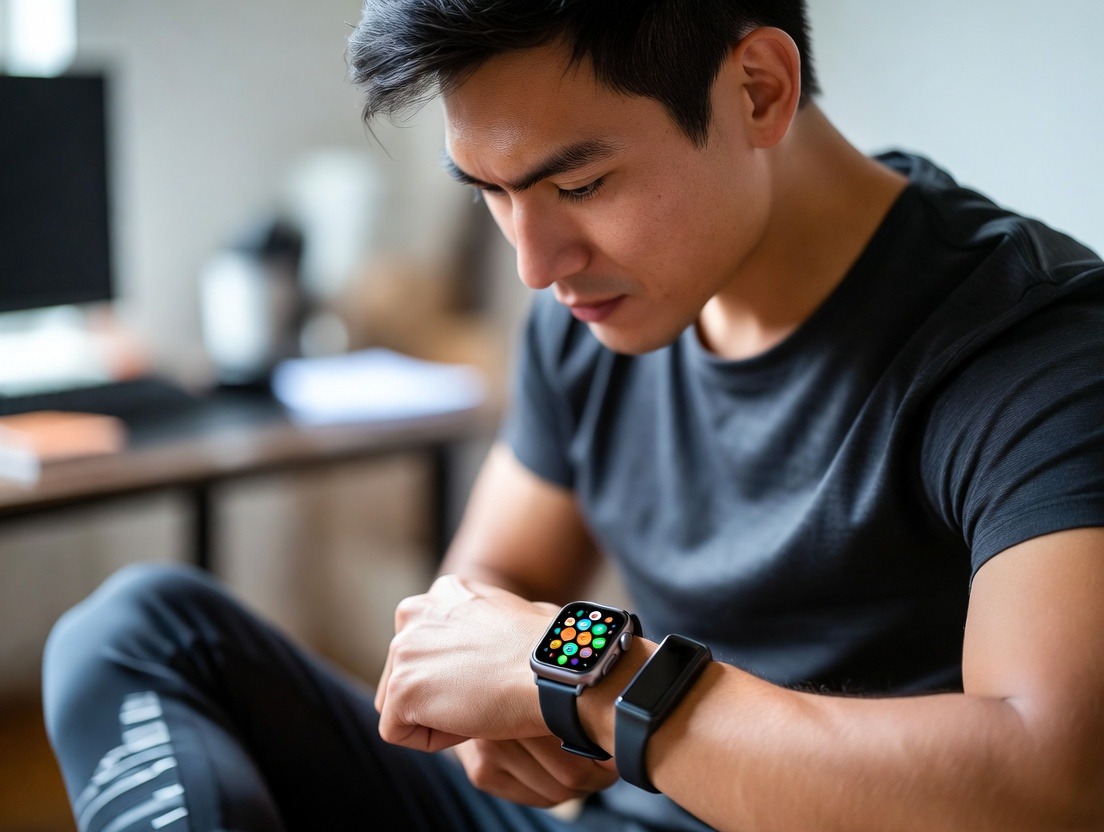
You push “stop” on your fitness tracker after a grueling workout, feeling that familiar mix of exhaustion and accomplishment. The data flashes on your screen: heart rate elevated, calories burned, a new personal best achieved. But beneath the skin, a far more complex and critical process has already been set in motion—one that your smartwatch can’t see, but that will ultimately determine whether you come back stronger, stay the same, or break down. This silent, internal orchestration is inflammation, the body's primordial and often misunderstood recovery engine.
For too long, inflammation has been vilified as a purely negative force, a specter of illness to be quelled with pills and avoided at all costs. Wellness magazines warn of its dangers, and supplement aisles are lined with products promising to “fight” it. Yet, this perspective misses a fundamental truth: without the acute, precise fire of inflammation, healing is impossible. It is the spark that ignites repair, the cleanup crew that arrives at the scene of injury, and the foreman that directs the rebuilding process. From the micro-tears in your muscle fibers after lifting weights to the scrape on your knee, inflammation is the non-negotiable first responder.
Modern wellness, however, is caught in a paradox. We chase performance and push our limits with unprecedented precision, thanks to wearables that track every step and heartbeat. Yet, we remain largely blind to this core biological response that dictates the outcome of all that effort. We optimize for the strain but misunderstand the strain’s essential aftermath. The key to unlocking true, sustainable recovery—and by extension, longevity, performance, and vitality—is not to wage war on inflammation, but to learn its language. To distinguish between the acute, beneficial flare that serves us and the chronic, smoldering blaze that harms us.
This is where the future of personalized health pivots. Imagine moving beyond simply counting outputs to intelligently monitoring the body’s internal inputs and responses. Emerging technology, like the advanced sensors in a smart wellness ring from Oxyzen, is beginning to bridge this gap. By providing continuous, nuanced data on physiological markers like heart rate variability (HRV), skin temperature, and blood oxygen—all of which are intimately influenced by inflammatory states—these devices offer a window into the recovery process previously reserved for clinical labs. They allow us to transition from guesswork to guided insight, to partner with our biology rather than fight against it.
In this deep exploration, we will dismantle the myth of inflammation as a mere villain and rebuild an understanding of it as the essential architect of recovery. We will journey from the cellular battlefields where inflammation begins to the systemic balance that defines long-term health. We’ll explore how modern tracking technology can help you interpret your body’s signals, optimize your recovery phases, and build resilience from the inside out. Welcome to a new understanding of recovery, where the goal is not to extinguish the flame, but to learn how to tend it wisely.
To master recovery, we must first become fluent in the two distinct dialects of inflammation. They share a common name and some overlapping mechanisms, but their outcomes are opposites: one is a life-saving ally, the other a slow-burning saboteur. Understanding this dichotomy is the foundational first step in taking control of your health.
Acute Inflammation: The Precision Fire of Healing
Imagine you’ve just sustained a small cut. Within seconds, a meticulously coordinated emergency response unfolds. Blood vessels at the site briefly constrict, then dilate to increase blood flow, causing the classic signs the Roman physician Celsus described millennia ago: rubor (redness), tumor (swelling), calor (heat), and dolor (pain). This is acute inflammation in its purest form.
This process is a targeted, short-term biological crisis response with a clear, productive goal:
In the context of exercise, the same process occurs on a microscopic level. Resistance training creates controlled damage in muscle fibers—this is the stimulus for growth. The subsequent acute inflammatory response delivers the nutrients and satellite cells needed to repair those fibers, making them thicker and stronger. This positive stress response, known as hormesis, is why we adapt and improve. The soreness you feel 24-48 hours later (Delayed Onset Muscle Soreness, or DOMS) is largely a byproduct of this essential inflammatory repair process.
Chronic Inflammation: The Silent, Smoldering Sabotage
Now, imagine that emergency alarm never turns off. The fire trucks remain at the scene for weeks, months, or even years, their sirens blaring endlessly, causing collateral damage to the surrounding neighborhood. This is chronic, or systemic, inflammation.
Unlike its acute counterpart, chronic inflammation is low-grade, diffuse, and persistent. It lacks a clear, localized target and instead creates a state of constant, body-wide alert. It’s not a healing response but a malfunctioning one. This simmering background noise is implicated as a root cause or major contributor to virtually every modern chronic disease:
Lifestyle factors are the primary drivers of this destructive state: a diet high in processed foods and sugars, chronic psychological stress, persistent lack of sleep, environmental toxins, and long-term sedentary behavior. Unlike the clear pain of a sprain, the symptoms of chronic inflammation can be insidious—persistent fatigue, brain fog, joint stiffness, skin issues, and a general feeling of being "unwell" without a clear cause.
The Critical Distinction for Recovery
The recovery athlete's primary mission is to promote productive acute inflammation from training and life stresses, while ruthlessly minimizing the drivers of chronic inflammation. This balance is everything. Too little acute response, and you don’t adapt or heal. Too much chronic background noise, and your body cannot effectively execute the acute healing process; it’s too busy fighting invisible fires everywhere.
This is where data becomes power. How do you know if your body is in a state of productive repair or destructive overwhelm? Subjective feelings can be misleading. Objective biomarkers are key. Devices like the Oxyzen smart ring track proxies for this balance. For instance, a consistently elevated resting heart rate and low Heart Rate Variability (HRV) can indicate your nervous system is stuck in "fight or flight" mode, a common companion to chronic inflammation. Nightly averages of your skin temperature can reveal subtle, persistent elevations signaling systemic immune activity. By monitoring these trends, you move from guessing to knowing, allowing you to tailor your training, nutrition, and rest to fan the right flames and douse the wrong ones. For a deeper dive into the sensors that make this possible, the science behind modern health tracking technology is fascinating reading.

To truly appreciate inflammation’s role in recovery, we must descend to the microscopic level and witness the elegant, chaotic ballet that unfolds after an injury—be it a torn ligament or a microscopic muscle tear. This process is not a simple reaction; it’s a multi-act drama with a precise cast of cellular characters.
Act I: The Alarm Sounds (The Vascular Response)
The moment tissue is damaged, resident immune cells called mast cells sound the alarm by releasing granules filled with histamine and other inflammatory mediators. This triggers the vascular response:
Act II: The First Responders Arrive (The Cellular Response)
Chemical signals act as homing beacons. The first immune cells on the scene are neutrophils, pouring out of the bloodstream. These are the rapid-action troops, phagocytosing (engulfing) bacteria and cellular debris. They are prolific but short-lived, creating pus when they die in large numbers. Following them are the more sophisticated macrophages ("big eaters"). These cells clean up the remaining debris, including dead neutrophils, and, crucially, begin releasing cytokines that orchestrate the next phase.
Act III: The Cleanup and Rebuilding Orders (The Resolution Phase)
This is where acute inflammation distinguishes itself from chronic. If the process is functioning correctly, a switch is flipped from "attack" to "repair." Macrophages shift their behavior from a pro-inflammatory (M1) state to an anti-inflammatory, pro-healing (M2) state. They begin releasing growth factors like VEGF (to grow new blood vessels) and TGF-beta (to stimulate connective tissue production).
The Key to Success: Timely Resolution
The single most important concept in healing is resolution. Acute inflammation must be self-limiting. Specialized molecules called resolvins and protectins, derived from omega-3 fatty acids, are actively produced to "turn off" the inflammatory response. They stop further immune cell recruitment, promote the clearance of debris, and encourage the transition to tissue repair. A failure in this resolution machinery is a primary gateway to chronic inflammation. Instead of a clean, contained operation, the site remains in a state of low-grade conflict, with ongoing tissue damage and fibrosis.
The Modern Lifestyle Disruption
Our daily habits can profoundly disrupt this ancient, precise script. Constant high stress floods the body with cortisol, which can initially suppress then later dysregulate immune function. A diet high in omega-6 fatty acids (from processed vegetable oils) and low in omega-3s (from fish, flax) creates a biochemical imbalance that favors pro-inflammatory signals over pro-resolution ones. Poor sleep disrupts the production of anti-inflammatory cytokines and growth hormone, essential for nightly repair. This lifestyle-induced noise makes it harder for the body to execute the clean, efficient inflammatory sequence it was designed for.
Monitoring tools provide a macro view of this micro battle. For example, after a hard training session, you might see a predictable, temporary dip in your HRV and a slight elevation in your resting heart rate and skin temperature—signs of that productive acute stress. If these metrics return to baseline within 24-48 hours, your resolution phase is likely working well. If they remain depressed or elevated for days, it’s a signal that your recovery systems are overwhelmed, perhaps because chronic background inflammation is hampering the process. This kind of insight is what turns a wearable from a step counter into a true recovery coach. To see how everyday users apply these insights, exploring real customer reviews and user experiences can be incredibly enlightening.
When we think of recovery, our minds often jump to sore muscles and athletic performance. But the inflammatory process is a whole-body event, and its systemic nature means that recovery is not compartmentalized. The inflammation from a tough workout interacts with the inflammation from a poor night's sleep, a stressful work deadline, or a processed meal. To optimize recovery, we must adopt a systems-thinking approach to our entire lifestyle.
The Domino Effect of Localized Inflammation
A significant local injury or intense workout doesn't just affect one area. It creates a systemic "echo." The immune cells activated at the injury site release cytokines into the bloodstream, which can travel and create body-wide effects. This is why you might feel generally fatigued, achy, or even run a slight fever after an extreme physical challenge you're not adapted to (like a first marathon). Your entire immune system is in a heightened state of alert. This is a normal, acute systemic response. However, if your body is already burdened by other sources of inflammation, this echo becomes a cacophony, drastically prolonging recovery time.
The Major Lifestyle Drivers of Systemic Inflammation
True recovery optimization means managing these pervasive sources of inflammatory load:
The Vicious Cycle
These drivers create a vicious, self-reinforcing cycle. Poor sleep increases stress and cravings for inflammatory foods. Chronic stress damages gut health and disrupts sleep. An inflammatory diet worsens gut permeability and stresses detox pathways. This cycle creates the chronic inflammatory background noise that sabotages your ability to recover from the acute, productive inflammation of training.
Breaking the Cycle with Connected Data
This is where a 360-degree view of your physiology becomes not just helpful, but transformative. A device that provides continuous, passive monitoring acts as an integrator of all these lifestyle inputs. It doesn't just see your workout; it sees how your body responds to that workout in the context of everything else.
By connecting these dots, you gain the power to make targeted interventions. You learn that for you, recovery isn't just about post-workout protein; it's about prioritizing sleep after a hard session, managing stress through breathwork on high-intensity weeks, or choosing anti-inflammatory foods when your data shows you're in a vulnerable state. This holistic approach is the cornerstone of modern, personalized wellness. For those looking to build these habits, our guide on how a wellness ring can help build healthy habits offers practical strategies.
You can’t manage what you don’t measure. While gold-standard inflammatory markers like CRP (C-Reactive Protein), IL-6, and TNF-alpha require a blood test, our bodies are constantly broadcasting proxy signals about our inflammatory state through our autonomic nervous system and other physiological systems. Modern wearable technology decodes these signals, offering a dynamic, real-time window into the fire within.
The Gold Standards: Clinical Inflammatory Markers
While invaluable, these are static snapshots. The true power for daily management lies in tracking the dynamic, downstream effects of inflammation that wearables can detect continuously.
Interpreting the Symphony of Data
The magic is not in one metric, but in their confluence. Here’s how to read the story:
From Data to Action: Personalizing Your Response
This actionable feedback loop is the core of tech-enabled recovery:
By learning this language, you move from following a rigid, pre-written training plan to following a dynamic, biologically tailored one written by your own body. This is the essence of personalized health. Understanding the accuracy and revolution in health tracking technology can give you further confidence in leveraging these data points.

Food is more than fuel; it is information. Every meal sends molecular instructions to your genes, directly influencing the inflammatory pathways we’ve been exploring. Your diet can either be the primary arsonist, pouring gasoline on the fires of chronic inflammation, or the skilled firefighter, equipped to control beneficial blazes and prevent destructive ones. For the recovery-focused individual, mastering this aspect is non-negotiable.
The Arsonists: Pro-Inflammatory Dietary Drivers
Certain food components are notorious for promoting systemic inflammation:
The Firefighters: Anti-Inflammatory Nutritional Allies
Conversely, a nutrient-dense, whole-foods diet provides the building blocks for healing and the compounds that actively resolve inflammation.
Practical Nutrition for Recovery Phases
You can use your wearable data to time your nutritional strategies:
Nutrition is the most direct daily intervention you have. By aligning your food choices with the inflammatory signals from your body, you move from generic diet advice to a truly personalized, therapeutic eating pattern. This synergy between data and diet is a powerful tool for lifelong wellness, a topic we explore in depth in our article on how health tracking enables personalized wellness.
If nutrition provides the building blocks for repair, sleep is the dedicated, uninterrupted construction shift. It is during deep, quality sleep that the body executes its most critical anti-inflammatory and recovery protocols. Neglecting sleep is like throwing a wrench into the finely tuned machinery of inflammation resolution.
The Nightly Anti-Inflammatory Regimen
Sleep is an active, hormonally-driven process that directly governs inflammatory balance:
The Vicious Cycle of Sleep Loss and Inflammation
The relationship is bidirectional and vicious. Lack of sleep causes inflammation, and inflammation disrupts sleep.
Using Data to Optimize the “Restorative Abyss”
This is where continuous monitoring shines. A smart ring doesn’t just tell you how long you slept; it reveals how well you slept and its impact on your inflammatory/recovery state.
Actionable Insights from Sleep Data:
By honoring and optimizing sleep, you are not just avoiding tiredness; you are actively programming your body’s most powerful anti-inflammatory and repair cycle. It is the foundation upon which all other recovery strategies are built. For a comprehensive look at how technology aids this, our piece on the evolution of health tracking technology traces the journey to this precise, nightly insight.
The mind is not a separate entity from the body's inflammatory processes; it is the conductor of the orchestra. The perception of psychological stress triggers a real, measurable biochemical cascade that directly ignites and sustains the fires of inflammation. Mastering recovery, therefore, is as much about training your mind and nervous system as it is about training your muscles.
The Stress-Inflammation Axis: The HPA and Sympathetic Connection
When you perceive a threat—be it a work deadline, a traffic jam, or a worrying thought—your hypothalamus activates a two-pronged response:
The Problem of Chronic Stress
This system is designed for acute, life-threatening dangers. Modern life, however, bombards us with chronic, non-life-threatening psychosocial stressors. Under chronic stress:
In essence, chronic stress tells your body it is perpetually injured or under attack, keeping inflammatory pathways switched on long after they are useful.
The Vagus Nerve: The Anti-Inflammatory Superhighway
Counterbalancing the SNS is the Parasympathetic Nervous System (PNS), the "rest and digest" system. Its main nerve, the vagus nerve, is a literal anti-inflammatory superhighway. When activated, it sends signals that:
Training Your Nervous System for Recovery
The goal is to reduce chronic sympathetic overdrive and increase vagal tone (PNS activity). This is where mind-body practices and biofeedback become potent anti-inflammatory tools.
Linking Nervous System Data to Inflammatory State
Your wearable is essentially a continuous nervous system monitor. HRV is the direct readout of your autonomic balance.
By tracking your HRV trends, you get an objective measure of your mind-body stress load. You can see:
This data empowers you to intervene in real-time. If your morning HRV reading is low, you know to prioritize calming practices, light movement instead of intense training, and anti-inflammatory foods that day. You learn which specific stressors are most impactful for you and which practices are most effective at bringing you back to balance.
Managing the mind-body inferno is not about eliminating stress—that’s impossible. It’s about building resilience through awareness and practice, using your physiological data as a guide. This turns the abstract concept of "stress management" into a tangible, measurable component of your recovery protocol. For those curious about how this integrates into broader health management, our article on how wellness rings enable preventive health monitoring delves deeper.

We stand at the frontier of a new era in personalized health. The current generation of wearables, with their ability to track HRV, temperature, and movement, has already democratized access to physiological insights. But the near future promises a deeper, more predictive, and profoundly more personalized understanding of inflammation and recovery through advanced biomarkers and artificial intelligence.
Beyond the Pulse: Emerging Biomarker Tracking
The next wave of wearable and at-home technology aims to non-invasively track markers that were previously confined to clinics:
The Role of Artificial Intelligence and Machine Learning
Raw data is overwhelming. AI is the translator. Machine learning algorithms can:
Ethical Considerations and the Human Element
This powerful future comes with responsibilities. Data privacy and security are paramount—your physiological data is deeply personal. It’s crucial to choose platforms, like Oxyzen, that prioritize data security and transparent privacy settings. Furthermore, technology should augment, not replace, human intuition and professional care. The goal is to provide you with better information to have more informed conversations with your coach, nutritionist, or doctor. The final decision-making power and the wisdom of listening to your subjective feelings must always remain with you.
This evolution turns the wearable from a tracking device into a true health companion—a system that learns you, predicts your needs, and guides you toward optimal recovery and resilience with unprecedented precision. To envision where this is all heading, explore our thoughts on health tracking technology in 2025 and what’s possible.
Our discussion thus far has largely centered on inflammation in the context of fitness and lifestyle. But the story of inflammation extends into the inevitable challenges of life: fighting acute illness and navigating the process of aging. Understanding its role here is critical for a complete picture of body recovery and long-term wellness.
Acute Illness: Inflammation’s All-Out War
When a pathogen like a virus or bacteria invades, the body initiates a massive, systemic inflammatory response. This is acute inflammation on a grand, life-saving scale.
Inflammaging: The Slow Burn of Time
“Inflammaging” is a portmanteau of inflammation and aging, describing the chronic, low-grade, sterile (non-infection-based) inflammation that characterizes the aging process. It is both a cause and a consequence of aging.
Combating Inflammaging: The Recovery Mindset for Longevity
The goal of healthy aging is not to stop time, but to slow the acceleration of inflammaging. The recovery strategies we’ve discussed are, in fact, longevity strategies:
The Role of Technology in Healthy Aging
For the aging individual, continuous monitoring transforms from a performance tool to a vital health security system. It can:
In both illness and aging, the principles remain the same: manage the inflammatory load, promote resolution, and listen to the data your body provides. This proactive, informed approach is the essence of modern preventive health. For a closer look at how this technology is being utilized in clinical settings, read about how health tracking technology is entering hospitals.
We have traversed the molecular, the systemic, the technological, and the practical. Now, let’s distill this vast knowledge into a cohesive, actionable philosophy and a clear starting point. Mastering inflammation for optimal recovery is not about a single hack; it’s about cultivating a mindset and a toolkit for lifelong resilience.
The Pillars of the Anti-Inflammatory, Pro-Recovery Lifestyle: A Summary
Your First 30-Day Recovery Optimization Challenge
Don’t try to change everything at once. Start here:
When to Seek Professional Guidance
Technology and self-knowledge are powerful, but they have limits. Consult a healthcare professional if:
The Ultimate Goal: Resilience
The end goal of managing inflammation is not to live in a sterile, zero-stress bubble. It is to build resilience—the ability to withstand challenges, adapt to stress, and bounce back stronger. A resilient body efficiently mounts an acute inflammatory response when needed and resolves it quickly. A resilient body maintains a calm, anti-inflammatory baseline from which it can meet life’s demands.
Your smart ring, your food choices, your bedtime, your breath—these are all levers you pull to build that resilience every single day. It is a continuous, compassionate practice of partnership with your own biology.
We began this exploration by challenging the simplistic notion of inflammation as a villain. We end it with a profound appreciation for its dual nature—the spark of life and the potential wildfire. In the context of body recovery, inflammation is the indispensable catalyst. It is the signal that repair is needed, the process that executes it, and the environment that determines its quality.
The modern pursuit of wellness has been plagued by a desire to eliminate discomfort, to sanitize the natural stresses of being human. But in seeking to extinguish all fire, we risk extinguishing life itself. True health and sustained performance come not from avoidance, but from intelligent engagement. It comes from learning to distinguish between the constructive heat of a forge, shaping us stronger, and the destructive blaze that consumes our foundations.
This new paradigm asks us to become students of our inner rhythms. It invites us to use every tool at our disposal—from the ancient wisdom of nutrition and sleep to the cutting-edge insights of wearable technology—to listen more closely to our bodies than ever before. A device like the Oxyzen smart ring is more than a piece of tech; it’s a translator for the silent, physiological language of recovery and inflammation. It empowers you to move from guesswork to grace, from pushing blindly to progressing wisely.
Understanding inflammation’s role redefines recovery. It is no longer the passive time between workouts, but the active, essential process that makes all growth possible. It is the dark soil where strength takes root. By embracing this complexity, by tending our internal flames with respect and intelligence, we unlock not just better athletic performance, but a deeper, more resilient, and vibrant state of being.
The journey to mastering your recovery is iterative and personal. It continues with every choice, every night’s sleep, every meal, and every mindful breath. We invite you to continue learning and refining your approach. For ongoing insights, deep dives into specific topics, and community stories, our blog is a constantly updated resource for your wellness journey.
We have built a comprehensive framework for understanding inflammation—from its cellular machinery to its systemic manifestations, and the lifestyle levers we can pull to master it. But knowledge, to be truly powerful, must withstand the test of real-world complexity. It must guide us through contradictions, gray areas, and the unique challenges of individual bodies. This final portion of our exploration addresses the nuanced questions, debunks pervasive myths, and provides a clear, integrative roadmap. Here, we move from theory to unshakable practice, equipping you to become the expert architect of your own recovery and resilience.
The wellness world is rife with oversimplifications and absolutism, especially around a topic as charged as inflammation. Let’s clear the air by confronting some of the most persistent myths head-on, replacing misinformation with evidence-based clarity.
Myth 1: “All Inflammation is Bad and Must Be Suppressed.”
This is the granddaddy of all inflammation myths, and we’ve spent this entire article dismantling it. The Truth: Acute, localized inflammation is a necessary, life-saving biological process. Suppressing it with anti-inflammatories (like NSAIDs) at the wrong time—immediately after an injury or a hard training session—can actually impair healing and muscle growth by blocking the very signals that initiate repair. The goal is to manage and resolve inflammation, not blanket-suppress it.
Myth 2: “Feeling Sore Means You Had a Good Workout.”
DOMS (Delayed Onset Muscle Soreness) is often worn as a badge of honor. The Truth: While soreness indicates you created a novel stimulus and triggered an acute inflammatory response, it is not a reliable metric of workout quality or effectiveness. Excessive soreness that impairs movement for days often signals excessive damage, poor recovery capacity, or doing exercises your body isn’t prepared for. With consistent training, DOMS lessens as your body becomes more efficient at repair. Using soreness as your primary guide can lead to overtraining. A better metric is performance: are you getting stronger, faster, or more enduring over time?
Myth 3: “Ice Baths and Anti-Inflammatory Foods Eliminate Post-Workout Inflammation.”
The “ice and ibuprofen” protocol is a classic. The Truth: This is a nuanced area. While extreme cold (cryotherapy) and NSAIDs can reduce pain and swelling, they may also blunt the adaptive inflammatory signals for muscle hypertrophy and strength gains. The current thinking in sports science is more strategic: Don’t routinely suppress the inflammatory response from training you want to adapt to. Save aggressive anti-inflammatory interventions for when pain or swelling is excessive or inhibiting movement, or during periods of acute injury. For general recovery, focus on promoting resolution (with omega-3s, sleep, mobility) rather than suppression.
Myth 4: “If You Have an Autoimmune Disease, You Should Avoid Exercise.”
This dangerous myth stems from the link between inflammation and autoimmune activity. The Truth: While acute flares require rest, regular, moderate exercise is one of the most potent tools for managing chronic autoimmune conditions. It improves mood, reduces fatigue, decreases systemic inflammation via myokine release, and builds functional strength. The key is pacing and listening to your body. Using a wearable to guide activity levels on a day-to-day basis—training on high-HRV days and prioritizing rest or gentle movement on low-HRV days—is an ideal strategy for autoimmune patients seeking to harness the anti-inflammatory benefits of movement safely.
Myth 5: “A ‘Clean’ Diet Alone is Enough to Control Chronic Inflammation.”
Nutrition is paramount, but it’s not a magic bullet operating in a vacuum. The Truth: You can eat the most pristine, organic, anti-inflammatory diet on the planet, but if you are chronically stressed, sleeping 5 hours a night, and living in a state of anxiety, you will likely still have elevated inflammatory markers. Inflammation is a whole-system response. Diet is a foundational pillar, but it must be supported by stress management, sleep, healthy relationships, and a sense of purpose. Recovery is integrative.
Myth 6: “Wearables Give You a Perfect, Clinical-Grade Diagnosis.”
This is a critical misunderstanding. The Truth: Consumer wearables provide trend data and physiological insights, not medical diagnoses. An elevated skin temperature reading suggests a physiological shift; it does not tell you if you have an infection. A low HRV suggests high stress or recovery debt; it does not diagnose adrenal fatigue. These devices are phenomenal for observing patterns, tracking the impact of lifestyle changes, and providing early indicators to investigate further, perhaps with a healthcare professional. They empower self-awareness, but they don’t replace medical expertise. For common questions on this topic, our FAQ page addresses many user inquiries.
By dispelling these myths, we clear the path for a more sophisticated, effective, and personalized approach to managing our internal environment for optimal recovery.
One of the most humbling and fascinating truths in physiology is the vast spectrum of individual variation. Two people can follow the same training program, eat the same diet, and get the same sleep, yet have wildly different recovery rates, performance outcomes, and inflammatory profiles. Your recovery protocol must be tailored to you. Here’s how to map your unique equation.
Genetic and Phenotypic Blueprints:
The Concept of “Allostatic Load”:
This is the cumulative burden of chronic stress and life events on your body. It’s the sum total of your physiological and psychological wear and tear. Your allostatic load directly determines your recovery capacity.
Your Personal Recovery Fingerprint:
Through consistent tracking, you will discover your unique fingerprints:
Building Your Protocol: The Iterative Process
This process never truly ends, as you and your life circumstances evolve. It’s a lifelong conversation with your body, facilitated by data. For inspiration on how others have personalized their approach, our testimonials page shares real user experiences.
Beyond nutrition, sleep, and stress management, several physical modalities are popular in the recovery world. Let’s examine the science behind them, specifically through the lens of inflammation modulation, to understand when and how to use them strategically.
Cold Therapy (Cryotherapy): Ice Baths, Cold Plunges, Cryo Chambers
Heat Therapy: Saunas, Hot Baths, Heat Packs
Compression Garments
The Verdict: Context is King
No modality is universally “good” or “bad” for inflammation. Their effect depends entirely on your goal:
Let your wearable guide you. If a modality consistently improves your sleep score and morning HRV, it’s a valuable tool for you. If it doesn’t move the needle, you can save your time and effort.
Ultimately, the intelligent management of inflammation and recovery is not about hitting a personal best next week. It’s about the long game: extending your healthspan—the number of years you live in good health, free from chronic disease and disability. The principles we’ve discussed are the very pillars of longevity science.
From Recovery to Resilience to Longevity
Each cycle of stress (exercise, life challenge) followed by successful recovery (inflammation and resolution) builds resilience. This resilience is your buffer against the accumulated damage of time—the inflammaging process. By consistently keeping chronic inflammation low, you:
The Role of Technology in Healthspan Extension
A smart wellness ring becomes a lifelong healthspan companion. Its value compounds over years:
This is the profound shift: from reactive healthcare (treating disease after it appears) to proactive, participatory wellness (managing your biology to prevent disease and optimize function). It’s about taking ownership of the one asset you truly can’t replace—your body—and using every available tool to care for it. To understand the philosophy behind creating tools for this very purpose, you can learn about our company mission and story.
Let’s synthesize everything into a single, actionable masterplan. This is your living document, to be revisited and revised as you learn more about your unique physiology.
Your Masterplan Framework
1. Foundational Philosophy:
2. Daily Non-Negotiables (The Pillars):
3. Your Assessment Protocol (The Feedback Loop):
4. Strategic Periodization (The Macro View):
5. Toolkit for Intervention (When Data Dips):
6. Quarterly Check-In & Evolution:
The story of inflammation and recovery is the story of life itself—a cycle of challenge, breakdown, repair, and growth. For too long, we have read this story as a passive audience, subject to the whims of our biology. The knowledge and tools available today allow us to step onto the stage and become active co-authors.
You now hold the understanding that the ache in your muscles is not merely pain, but the signature of repair. The fog of fatigue is not just an obstacle, but a signal to redirect resources inward. The data on your screen is not just numbers, but a translation of your body’s most fundamental language.
This journey requires patience, curiosity, and self-compassion. There will be days when the data is confusing, when your efforts seem to falter, when life overwhelms the best-laid plans. This is not failure; it is data. It is part of the process of learning your unique, ever-changing equation.
Start where you are. Use what you have. Do one thing better today than you did yesterday. Perhaps it’s drinking more water, or getting to bed 15 minutes earlier, or taking five deep breaths before a stressful meeting. Pair that small action with the intention to listen—to your body’s subtle cues and, if you choose, to the objective insights from a tool designed to amplify those cues.
By embracing the flame of inflammation—respecting its power, directing its energy, and learning its language—you do more than recover from a workout. You build a fortress of resilience that will support you in every endeavor, for all the years to come. You are not just recovering your body; you are reclaiming your vitality.
Your journey continues. Explore, experiment, and learn. For ongoing support, deeper dives, and a community focused on intelligent wellness, we invite you to visit our blog for the latest research and practical guides. The path to mastering your recovery is the path to unlocking your fullest potential.
Your Trusted Sleep Advocate (Sleep Foundation — https://www.sleepfoundation.org/)
Discover a digital archive of scholarly articles (NIH — https://www.ncbi.nlm.nih.gov/
39 million citations for biomedical literature (PubMed — https://pubmed.ncbi.nlm.nih.gov/)
experts at Harvard Health Publishing covering a variety of health topics — https://www.health.harvard.edu/blog/)
Every life deserves world class care (Cleveland Clinic -
https://my.clevelandclinic.org/health)
Wearable technology and the future of predictive health monitoring. (MIT Technology Review — https://www.technologyreview.com/)
Dedicated to the well-being of all people and guided by science (World Health Organization — https://www.who.int/news-room/)
Psychological science and knowledge to benefit society and improve lives. (APA — https://www.apa.org/monitor/)
Cutting-edge insights on human longevity and peak performance
(Lifespan Research — https://www.lifespan.io/)
Global authority on exercise physiology, sports performance, and human recovery
(American College of Sports Medicine — https://www.acsm.org/)
Neuroscience-driven guidance for better focus, sleep, and mental clarity
(Stanford Human Performance Lab — https://humanperformance.stanford.edu/)
Evidence-based psychology and mind–body wellness resources
(Mayo Clinic — https://www.mayoclinic.org/healthy-lifestyle/)
Data-backed research on emotional wellbeing, stress biology, and resilience
(American Institute of Stress — https://www.stress.org/)


