


The Preventive Wellness Metrics Everyone Should Monitor Daily
The key daily metrics for preventive monitoring.
The key daily metrics for preventive monitoring.
%402x.svg)
For decades, the story of our health has been written in sporadic chapters: the annual physical, the occasional lab test, the doctor’s visit prompted by a problem we can no longer ignore. This model is inherently reactive. It waits for the narrative to turn troubling before intervening. But what if you could read your body’s story as it’s written, line by line, day by day? What if you could spot the subtle, early plot twists that signal a shift in your wellbeing long before they escalate into a full-blown health crisis?
Welcome to the era of preventive, data-driven wellness. This is not about hypochondria or self-diagnosis; it’s about empowered awareness. Just as a dashboard gives a pilot real-time insight into the complex systems of an aircraft, a new generation of personal health technology provides us with a continuous stream of data about the intricate workings of our own bodies. This data transforms vague feelings of being "off" or "tired" into quantifiable, understandable metrics. It shifts the question from "How do I feel?" to "What is my body telling me?"
At the heart of this revolution is a simple yet profound shift: from managing illness to cultivating health. It’s the difference between waiting for a leak to flood your basement and installing a moisture sensor that alerts you at the first sign of dampness. The goal is resilience, optimization, and longevity. And it all starts with knowing what to measure.
This guide dives deep into the essential preventive wellness metrics that, when monitored consistently, create a powerful foundation for lifelong health. We’ll move beyond just counting steps and explore the interconnected biological signals that offer a true window into your cardiovascular fitness, metabolic efficiency, nervous system balance, and recovery capacity. This is the knowledge that turns you from a passive passenger in your health journey into an informed, proactive pilot.
And the tool making this daily monitoring effortless, continuous, and incredibly precise? The modern smart wellness ring. Unlike bulkier wrist-worn devices, a smart ring like those from Oxyzen offers a unique, clinically relevant vantage point. Worn on the finger, it has unparalleled access to the rich vascular beds just beneath the skin’s surface, enabling medical-grade tracking of the metrics that matter most, 24/7. It’s the perfect companion for this new proactive health paradigm, as explored in depth on our blog about how health tracking technology has changed preventive medicine.
The New Vital Signs: Moving Beyond the Doctor’s Office
For over a century, the "vital signs" have been the cornerstone of medical assessment: pulse, temperature, respiration rate, and blood pressure. Taken in a snapshot during a clinical visit, they provide a momentary glimpse of your state. But the human body is not a static entity; it’s a dynamic, flowing symphony of processes that ebb and flow with our sleep, stress, nutrition, and activity. The snapshot misses the movie.
The new vital signs are continuous, contextual, and personal. They are the rhythms of your biology that tell the story of your day-to-day life and its cumulative impact on your long-term health. Monitoring these metrics daily doesn’t just tell you if something is wrong; it helps you understand why and guides you toward tangible, data-backed actions to correct course.
This paradigm is built on a foundation of four core principles:
The technology enabling this, particularly the advanced sensors and algorithms in devices like the Oxyzen ring, represents a staggering leap forward. For a deep dive into how these tiny devices capture such powerful data, read our explainer on the science behind modern health tracking technology.
Embracing these new vital signs is the first step in taking true ownership of your wellbeing. Let’s explore the most critical ones, starting with the master metric that governs your body’s recovery and resilience.

If you could monitor only one metric for a holistic view of your nervous system health and recovery status, Heart Rate Variability (HRV) would be the prime candidate. Yet, for most people, it remains a mysterious acronym. Let's demystify it.
What It Is: Contrary to what you might assume, a healthy heart does not beat with the monotonous regularity of a metronome. The time interval between successive heartbeats varies, measured in milliseconds. This variation is HRV. It’s controlled by your autonomic nervous system (ANS), which has two primary branches: the sympathetic ("fight-or-flight") and the parasympathetic ("rest-and-digest"). High HRV generally indicates a strong, resilient parasympathetic response and a body that is well-recovered, adaptable, and managing stress effectively. Low HRV suggests a dominant sympathetic state—your body is under strain, fatigued, or potentially fighting illness.
Why You Should Monitor It Daily: HRV is your body’s most honest feedback system. It doesn’t care about your to-do list or your personal excuses; it reflects the total load—physical, mental, and emotional—on your system. Tracking it daily allows you to:
How to Use the Data:
Integrating HRV monitoring into your daily routine is like having a personal coach for your nervous system. It teaches you what truly drains you and what genuinely restores you. For those curious about the practicalities of getting started with this technology, our guide on wellness ring basics for beginners is an excellent resource.
While HRV measures the variation between beats, Resting Heart Rate (RHR) is the average number of times your heart beats per minute when you are completely at rest—typically during sleep or immediately upon waking. It’s a classic metric for a reason: it’s a profoundly simple indicator of your heart’s efficiency and overall cardiovascular health.
What It Is: Your RHR is determined by the need to pump oxygen-rich blood to your tissues. A stronger, more efficient heart muscle (the myocardium) can eject more blood with each contraction (stroke volume), meaning it doesn’t need to beat as often to meet the body’s demands. Therefore, a lower RHR generally correlates with better cardiovascular fitness and aerobic endurance. For the average adult, a RHR between 60-100 BPM is considered "normal," but for very fit individuals, a RHR in the 40s or 50s is common.
Why You Should Monitor It Daily: Your RHR is sensitive to nearly every aspect of your wellbeing. Tracking it daily reveals patterns and alerts you to deviations from your personal norm.
How to Use the Data:
Understanding the interplay between RHR and other metrics is key. A comprehensive platform like Oxyzen doesn’t just show you numbers in isolation; it weaves them into a coherent narrative about your readiness for the day ahead.
You know you need 7-9 hours of sleep. But not all sleep is created equal. Sleeping for eight hours and waking up tired is a common frustration rooted in poor sleep architecture—the cyclical structure of your night spent in light, deep, and REM (Rapid Eye Movement) sleep. Monitoring this architecture is arguably more important than just tracking duration.
What It Is: A healthy sleep cycle repeats every 90-120 minutes, moving through stages:
Why You Should Monitor It Daily: Simply put, the quality of your wakefulness is dictated by the quality of your sleep. Daily monitoring helps you:
How to Use the Data:
For a treasure trove of actionable advice on improving sleep as a cornerstone of healthy aging, explore our article on 50 healthy aging tips a smart ring helps implement daily.
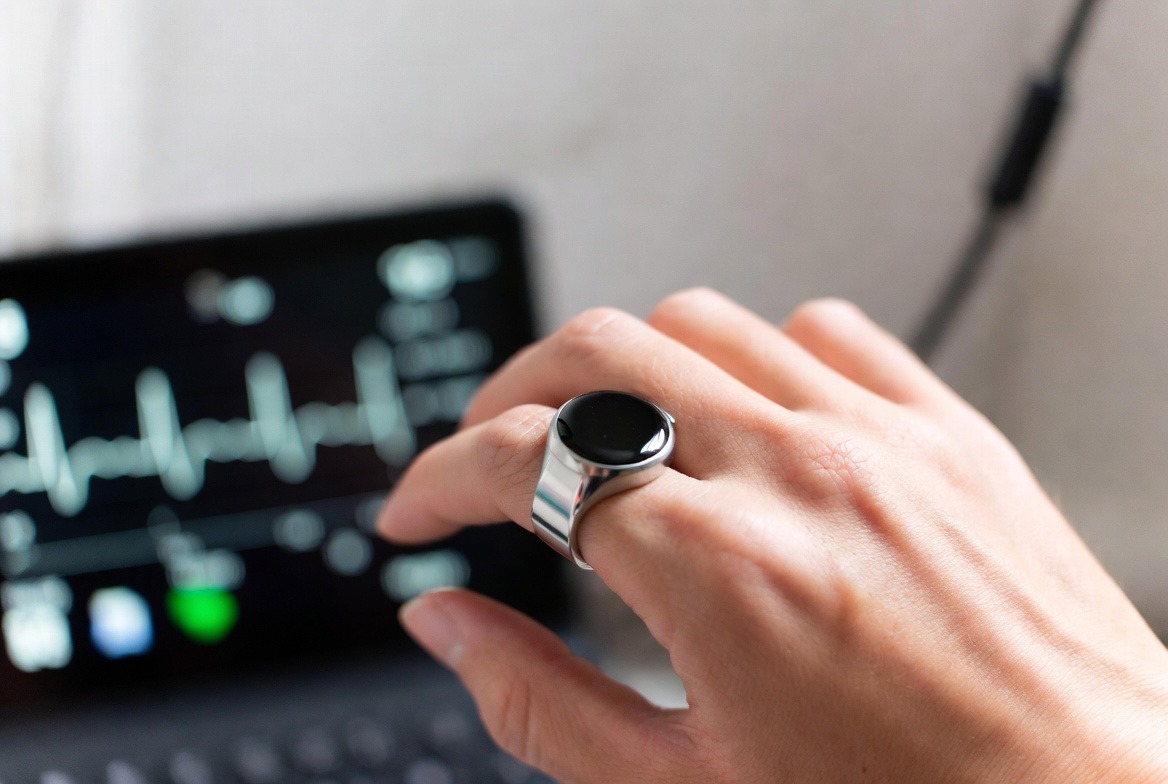
Often overlooked, your respiratory rate—the number of breaths you take per minute—is a vital sign gaining renewed attention in the wearable tech space. It’s a beautifully simple metric that speaks volumes about your metabolic state, emotional calm, and even pulmonary health.
What It Is: The normal respiratory rate for a healthy adult at rest is 12 to 20 breaths per minute. Like heart rate, it’s controlled by the autonomic nervous system. Efficient, slow breathing (often associated with diaphragmatic or "belly" breathing) is linked to parasympathetic ("rest-and-digest") dominance. Rapid, shallow, chest-based breathing is a hallmark of sympathetic ("fight-or-flight") arousal.
Why You Should Monitor It Daily: Respiratory rate is particularly valuable because it’s harder to consciously control over long periods than, say, your heart rate. This makes it a reliable indicator.
How to Use the Data:
The ability to track such a nuanced metric continuously is a testament to the accuracy revolution in health tracking technology. It turns a once-clinical measurement into a daily wellness tool.
Your body temperature is not a fixed 98.6°F (37°C). It oscillates in a predictable circadian rhythm, typically lowest in the early morning (around 4-6 AM) and highest in the late afternoon or early evening. This rhythm is a master regulator, influencing sleep-wake cycles, hormone release, metabolism, and even athletic performance. Monitoring its pattern is more insightful than a single spot check.
What It Is: Core body temperature is regulated by the hypothalamus in your brain. The gradual drop in temperature in the evening is a key signal that initiates sleepiness. The rise in the morning helps promote alertness. A flattened, erratic, or shifted temperature rhythm can disrupt sleep, energy, and metabolic health.
Why You Should Monitor It Daily: Wrist-based temperature sensing has made continuous, non-invasive tracking possible. This daily data is powerful because:
How to Use the Data:
This level of insight into your body’s fundamental rhythms exemplifies how health tracking technology enables personalized wellness. It’s customization at the biological level.
Blood Oxygen Saturation (SpO2) measures the percentage of hemoglobin in your blood that is carrying oxygen. At sea level, a healthy individual will typically have a waking SpO2 between 95-100%. While it’s stable during the day for most people, it’s during sleep that this metric becomes a critical window into respiratory health.
What It Is: It’s normal for SpO2 to dip slightly during sleep due to changes in breathing patterns. However, frequent or significant dips (generally below 90-92%) can indicate sleep-disordered breathing, such as sleep apnea, where breathing repeatedly stops and starts. These episodes deprive your brain and body of oxygen, triggering micro-awakenings that fragment sleep and strain the cardiovascular system.
Why You Should Monitor It Nightly: Because these events happen while you’re unconscious, you could be completely unaware of a problem. Nightly monitoring acts as a screening tool.
How to Use the Data:
For individuals concerned about how such personal health data is handled, it’s reassuring to know that reputable companies prioritize your privacy. Learn more about these considerations in our guide to wellness ring basics on privacy and data security.
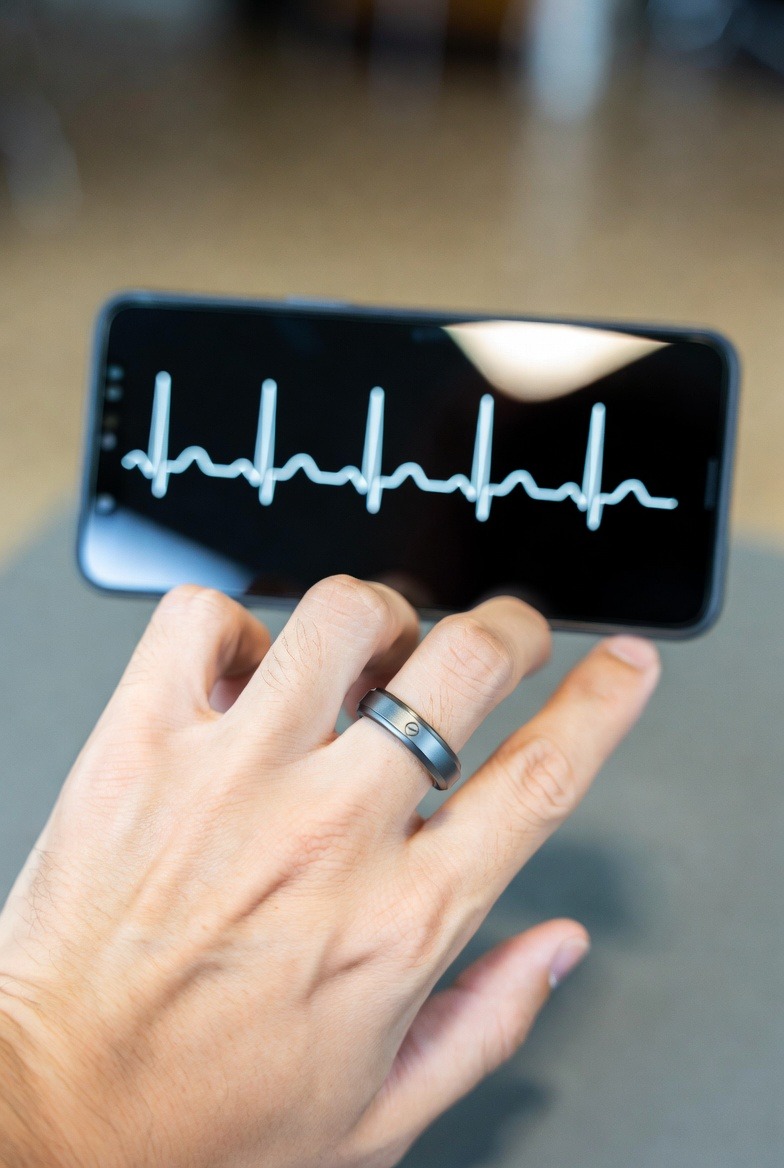
The humble "step count" democratized activity tracking, but it’s a crude measure. Ten thousand slow, meandering steps have a vastly different metabolic impact than a 30-minute high-intensity interval training (HIIT) session or a heavy strength workout. The next level of tracking focuses on Active Metabolic Burn—the calories you burn specifically from movement above your basal metabolic rate (BMR)—and the intensity of that movement.
What It Is: Modern devices use a combination of accelerometers, heart rate data, and advanced algorithms to estimate not just total calories burned, but how many of those calories came from deliberate activity. Furthermore, they categorize activity intensity into zones (often based on heart rate reserves): sedentary, light, moderate, and vigorous. Each zone triggers different beneficial physiological adaptations.
Why You Should Monitor It Daily: Moving beyond steps provides a more complete and motivating picture of your metabolic health.
How to Use the Data:
To see how this kind of detailed activity tracking is implemented in a user-friendly device, explore the features discussed in our primer on wellness ring basics for activity and movement tracking.
This is where modern technology truly shines. Individually, HRV, RHR, sleep, and temperature are powerful. But when synthesized by intelligent algorithms, they become greater than the sum of their parts. This synthesis is often presented as a Daily Readiness or Recovery Score and a Stress Score.
What It Is:
Why You Should Monitor Them Daily: These scores provide the ultimate shortcut to actionable insight. They do the heavy lifting of data interpretation for you.
How to Use the Data:
For a real-world look at how users integrate these scores into their daily decision-making, browse the authentic experiences shared in our customer testimonials.
This concludes the first third of our deep dive into the essential preventive wellness metrics. We’ve laid the foundation, exploring the core physiological signals that, when monitored daily, provide an unprecedented understanding of your body’s inner workings. We’ve moved from the nuanced nervous system feedback of HRV to the synthesized intelligence of readiness scores.
In the next portion of this guide, we will build upon this foundation. We will explore how to create actionable protocols from this data, delve into advanced metrics like glycemic variation and continuous glucose monitoring (CGM) integration, examine the critical role of hydration and nutrition logging, and discuss how to build a sustainable, data-informed wellness lifestyle that lasts a lifetime. We’ll also provide practical guidance on choosing the right tools, like a smart wellness ring, to make this journey seamless and effective.
The path to preventive health is a journey of self-knowledge. You’ve just taken the first, most important step: learning what to look for. The data is waiting to tell its story.
Your journey begins the moment the package arrives. The unboxing experience of a high-quality wellness ring is designed to be more than just opening a box; it’s the first step in a ritual of self-care. You’ll typically find a sleek case housing the ring itself, a compact charging dock or cable, and a guide to get you started. Take a moment to appreciate the design—this is a piece of jewelry meant to be worn always, so aesthetics matter. For a deep dive into what to expect and how to maximize your initial setup, our wellness ring mastery guide from unboxing to expert user covers every detail.
The first operational step is pairing the ring with its dedicated smartphone application. This process is usually seamless: enable Bluetooth, open the app, and follow the prompts. The app will become your primary interface, the canvas upon which your health data is painted. During setup, you’ll input basic biographical data—age, height, weight, gender—which helps the algorithms create more accurate initial estimations for metrics like calorie burn.
But the most crucial part of setup is often overlooked: setting your first wellness goals. The app will likely prompt you. Resist the temptation to select every ambitious target available. This is a marathon, not a sprint. Start simple and foundational. Examples of excellent starter goals include:
The choice of which finger to wear the ring on matters for accuracy. Most manufacturers recommend a finger on your non-dominant hand (e.g., your left hand if you are right-handed) to reduce motion artifacts from daily activities. The index, middle, or ring finger are typically ideal, as they have good blood flow. The ring should be snug but not tight; you should be able to rotate it with a little effort. A proper fit ensures the sensors on the inner band maintain consistent contact with your skin. If you’re unsure about fit or materials, especially for sensitive skin, our guide on wellness ring materials and hypoallergenic options is an essential read.
Finally, take an hour to explore the app’s settings. Familiarize yourself with where your data will live, how to navigate the dashboard, and how to set notifications. Configure alerts for low battery, successful syncs, or milestone achievements. This initial investment in understanding your tool pays exponential dividends in long-term engagement. Remember, this ring is a partner in your health. The setup is your first handshake.
Your wellness ring is a polyglot, fluent in the subtle languages of your physiology. To build an effective routine, you must learn the basic vocabulary. These are not just numbers; they are narratives about your energy, stress, recovery, and overall system state. Let’s translate the key metrics.
Resting Heart Rate (RHR): This is your heart’s idling speed, measured best during deep sleep or total rest. A lower RHR generally indicates better cardiovascular fitness and efficient heart function. More importantly, trends are key. A sustained elevation of 5-10 beats per minute above your personal baseline can be an early signal of oncoming illness, dehydration, excessive stress, or insufficient recovery. It’s your body’s first, faint flag of systemic strain.
Heart Rate Variability (HRV): Arguably the most powerful preventive metric, HRV measures the tiny, millisecond variations in time between each heartbeat. Contrary to intuition, higher HRV is better. It indicates a resilient, adaptable nervous system—a body that can smoothly shift between stress (sympathetic) and relaxation (parasympathetic) states. A declining HRV trend is a clear, objective sign that your body is under cumulative stress (physical, mental, or emotional) and needs more focus on recovery. It’s a direct readout of your autonomic nervous system balance.
Sleep Stages & Quality: Moving beyond just "hours in bed," your ring uses movement and heart rate patterns to estimate time spent in Light, Deep, and REM (Rapid Eye Movement) sleep. Each stage is crucial:
Body Temperature: Continuous wrist (or finger) temperature tracking can reveal your personal circadian rhythm and, for women, help map menstrual cycle phases. More critically, a sustained elevation in your baseline temperature is one of the most reliable early indicators of an oncoming infection or inflammatory response, often appearing a day or two before you feel overt symptoms.
Blood Oxygen Saturation (SpO2): This measures the percentage of oxygen-carrying hemoglobin in your blood. While consistently low levels require medical attention, nighttime tracking can reveal events of desaturation, which may be related to sleep apnea or breathing irregularities during sleep—a major preventive health insight.
Activity & Movement: This goes beyond step counting to include active minutes, calorie expenditure estimates, and periods of sedentary behavior. It provides the "energy output" side of the equation to balance against the "recovery input" data from sleep and HRV.
By learning to read these core biometrics together, you start to see a holistic picture. A high resting heart rate, low HRV, and disrupted sleep are not isolated data points; they are a coordinated chorus singing a song of overtraining or burnout. This integrated understanding is the true power of the technology, enabling a level of personalized wellness previously unimaginable.
From Data to Action: Building Your Personalized Preventive Protocol
The first step in any journey is understanding the landscape. Having explored the foundational preventive metrics—HRV, RHR, sleep architecture, respiratory rate, body temperature rhythm, nocturnal SpO2, and activity intensity—you now possess the map to your inner terrain. But a map is only useful if it guides you toward your destination. The true power of daily monitoring isn't in the observation; it's in the informed, personalized action it inspires.
This next phase is about building bridges between data points and daily decisions. It's about transforming numbers on a screen into tangible habits that enhance your energy, resilience, and long-term health. We move from being data collectors to becoming strategic architects of our own wellbeing, using feedback in real-time to optimize our lives. Let’s explore how to create a living, breathing preventive protocol tailored uniquely to you.
Before you can identify what’s abnormal, you must first define what’s normal—for you. Your personal baseline is not a textbook number; it’s the unique signature of your biology in its current state. Establishing this requires a dedicated period of observation without immediate intervention, a practice often called a "monitoring-only baseline week."
The Process: For 5-7 days, wear your tracking device consistently (especially overnight) and go about your typical routine. Don’t try to “be good” or change your habits. The goal is to capture an honest snapshot of your normal sleep, activity, and stress patterns. During this time, focus on logging not just your biometrics, but also simple notes on your subjective experience: energy levels (1-10), mood, diet, caffeine/alcohol intake, and workout intensity.
What You’ll Discover:
Why This Is Non-Negotiable: All future insights depend on this foundation. A HRV of 45 might be a fantastic, recovered day for one person and a sign of severe strain for another whose baseline is 75. Jumping to conclusions without your personal context leads to misinterpretation and unnecessary anxiety. As we discuss in our guide to personalizing your wellness ring experience, the technology is designed to learn and adapt to you, not the other way around.
Once your baseline is set, you can begin the exciting work of experimentation and optimization.
The most common mistake in data-driven wellness is changing too many things at once. If you start meditating, drinking more water, cutting out sugar, and going to bed earlier all in the same week, how will you know which change moved the needle? The key to actionable insight is the disciplined practice of the single-variable experiment.
How It Works: Choose one metric you want to improve (e.g., increase deep sleep percentage) and one lifestyle intervention to test (e.g., stop eating 3 hours before bedtime). Implement this change consistently for 7-14 days while holding all other major habits as constant as possible. Observe the trend in your target metric, as well as any correlated shifts in others (e.g., did your resting heart rate also drop?).
Examples of Powerful Experiments:
The Iterative Loop: This process creates a virtuous cycle: Data → Insight → Experiment → New Data → Refined Insight. Over months, you build a deeply personal library of knowledge about what your body needs to thrive. This is the essence of how modern health tracking enables personalized wellness. It moves you from generic advice (“get 8 hours of sleep”) to personalized prescription (“I need to be in bed by 10:15 PM with the room at 67°F to maximize my deep sleep”).
While the core metrics provide a phenomenal foundation, the frontier of personal health technology is expanding to include more advanced, yet increasingly accessible, biomarkers. Integrating these can provide a even more granular understanding of your metabolic and physiological health.
Glucose Response: The Energy & Metabolic Maestro
Blood glucose (blood sugar) is your body's primary fuel source. Maintaining stable levels is crucial for sustained energy, mood stability, cognitive function, and long-term metabolic health. While continuous glucose monitors (CGMs) were once exclusively medical devices, they are now available for personal wellness use, often integrating seamlessly with other health data platforms.
Why Monitor It? Even if you are not diabetic or pre-diabetic, understanding your personal glucose responses to food, stress, and exercise is revolutionary.
Actionable Insight: The goal isn't to achieve a perfectly flat line, but to avoid extreme peaks and valleys. Use the data to curate a personalized "best foods" list and understand your unique triggers. For a look at how cutting-edge devices are integrating this kind of multi-metric analysis, explore our vision for health tracking technology in 2025.
While direct hydration tracking via wearables is still evolving, your body's hydration status echoes loudly through nearly every other metric you monitor. Chronic, low-level dehydration is a common stealth drain on performance and health.
The Biometric Signs of Suboptimal Hydration:
Creating a Hydration Protocol: Use your biometrics as feedback. If you see a pattern of elevated RHR and low HRV without another obvious cause, make hydration your single-variable experiment.
The Menstrual Cycle as a Vital Sign (For All Genders to Understand)
For women, the menstrual cycle is not a nuisance; it's a vital sign and a powerful biological rhythm that influences every system in the body. Tracking it in concert with biometrics is transformative. For men and partners, understanding these rhythms fosters empathy and insight.
Phase-Based Biometric Patterns:
Actionable Insight: Syncing your lifestyle to your cycle—a practice called "cycle syncing"—can optimize energy and reduce struggle.
Smart rings that track skin temperature are exceptionally useful for predicting and confirming these phases, turning a subjective experience into an objective, manageable rhythm. Our blog delves into how this works in our article on wellness ring basics for enabling preventive health monitoring.

Perhaps the most powerful application of daily biometric monitoring is transforming your relationship with your healthcare provider. You move from a passive patient reporting symptoms to an active partner presenting data.
How to Prepare for a Data-Informed Visit:
The Benefits:
This collaborative approach represents the future of medicine, where continuous patient-generated health data complements traditional episodic care. Discover how this is already taking shape in our exploration of health tracking technology in hospitals.
For data to be actionable, it must be reviewed consistently but not obsessively. Creating simple, sustainable rituals around your data prevents overwhelm and fosters a constructive relationship with your metrics.
The 2-Minute Morning Check-In:
Upon waking, before checking email or social media, open your health app. Focus on just three things:
The 5-Minute Weekly Review:
Once a week (Sunday evening works well), take a slightly deeper dive.
This ritualistic approach turns data review into a form of self-care and strategic planning. It’s the practical application of the principles outlined in our resource on how wellness rings help build healthy habits.
With great data comes great responsibility. It's crucial to maintain a healthy psychological relationship with your metrics. The goal is empowerment, not enslavement.
The Key Principles:
The most effective wellness tools are designed to fade into the background, providing insights without intrusion. Learning to trust both the data and your own subjective feelings is the mark of a balanced, data-informed approach to health. For common questions on navigating this balance, our FAQ section offers valuable support.
This portion of our guide has equipped you with the frameworks to move from passive observation to active experimentation and integration. You now know how to establish a baseline, run clean experiments, explore advanced metrics, partner with healthcare providers, and build sustainable rituals.
In the final third of this comprehensive article, we will bring it all together. We will focus on the long-term: how to synthesize this knowledge into a resilient lifestyle that supports healthy aging, how to select the right tools (with a deep-dive into smart ring technology), and how to adapt your protocol as your life and goals evolve. We'll discuss the future of predictive health analytics and leave you with a practical, step-by-step plan to launch your own preventive wellness journey today. The path from data to wisdom is now clearly marked. Let's continue.
The Long-Term Vision: Synthesizing Data Into a Lifestyle of Resilient Health
We have navigated the landscape of preventive metrics and mastered the art of turning data into daily action. Now, we arrive at the culmination of this journey: integration. The ultimate goal is not to become a full-time data analyst of your own body, but to internalize these insights so deeply that they become second nature—a seamless, informed lifestyle that promotes resilience, vitality, and longevity. This final portion is about building a sustainable, adaptable system that supports you for decades, not just weeks. We'll explore the tools that make this effortless, the mindset that makes it stick, and the future that makes it essential.
In the quest for continuous, actionable health data, the choice of device is paramount. While wrist-worn trackers and smartwatches are ubiquitous, the smart wellness ring has emerged as the superior form factor for 24/7 preventive monitoring, and for scientifically compelling reasons.
Why the Finger? The Science of Superior Signal Acquisition:
The finger, particularly the base of the finger, is rich with capillary beds and smaller blood vessels (vasculature) close to the skin's surface. This provides a stronger, less noisy photoplethysmogram (PPG) signal—the optical measurement of blood volume changes used to derive heart rate, HRV, and SpO2. The wrist, by comparison, has larger arteries deeper beneath layers of tendon and bone, resulting in a signal more prone to motion artifact, especially during sleep. For a detailed comparison of how different wearables stack up, our comparison chart of top brands offers an unbiased look.
The Unobtrusive Advantage:
Key Features to Demand in a Premium Wellness Ring:
Selecting the right ring is an investment in your long-term health infrastructure. For guidance on making this decision, see our resource on making the purchase decision for a wellness ring.
Preventive wellness is not a 12-week challenge; it's a lifelong practice. Your protocol must be adaptable, resilient to life changes, and focused on compounding benefits. Here’s how to structure it for the long haul.
The Pillars of a Decadal Protocol:
1. The Foundational Layer (Non-Negotiables):
These are the daily and weekly habits that your data will consistently reinforce.
2. The Adaptive Layer (Quarterly Reviews & Adjustments):
Every 3-4 months, conduct a "Life & Data" review.
3. The Exploratory Layer (Annual "Wellness Projects"):
Each year, pick one area of deeper exploration based on your data trends or curiosity.
This layered approach ensures stability while allowing for growth and preventing stagnation. It aligns perfectly with the philosophy behind Oxyzen's mission to support enduring wellness journeys.
The cutting edge of personal health technology is moving beyond descriptive analytics ("this is what happened") and even diagnostic insights ("this is why") toward true predictive analytics ("this is what is likely to happen"). This is the frontier where AI and continuous biometrics merge to create a true health guardian.
What Predictive Wellness Looks Like:
The Ethical & Empowering Balance: This future requires immense trust in data security and algorithmic transparency. The goal is empowerment, not pre-diagnosis or anxiety. The human must always be in the loop, with predictive insights serving as gentle, highly informed suggestions, not commands. To understand how we think about this responsible future, you can explore our story and vision.
This predictive model represents the ultimate fulfillment of preventive wellness: intervening not at the first sign of disease, but at the first sign of vulnerability to disease.
Theory is essential, but action is everything. Here is a step-by-step, 30-day blueprint to launch your data-informed preventive wellness journey.
Week 1: Observe & Equip.
Week 2: Establish Baseline & One Micro-Habit.
Week 3: Connect Data & Life.
Week 4: Execute Your First Single-Variable Experiment.
By Day 30, you will have moved from a passive observer to an active participant in your health. You will have taken the first, most crucial steps on a path that leads to lifelong empowerment.
This comprehensive guide has taken you from the microscopic details of heart rate variability to the macroscopic vision of a predictive, personalized health future. The thread that ties it all together is a simple but profound idea: You are the only permanent resident of your body. Therefore, you are positioned to be its most knowledgeable custodian.
Modern technology, epitomized by the smart wellness ring, provides the tools. The scientific framework of preventive metrics provides the language. But the wisdom—the ability to synthesize data with intuition, to balance ambition with recovery, to view your body with curiosity rather than criticism—that is uniquely human.
This journey is not about achieving a perfect, static state of health. It is about building a resilient system—a body and mind that can adapt to stress, recover from challenge, and find vitality in every stage of life. It is about swapping fear of the unknown for the confidence of understanding.
The metrics are your dashboard. The daily habits are your steering inputs. The long-term vision is your destination. You now have the map, the vehicle, and the skills to navigate.
Start where you are. Use what you have. Do one thing today that your future self will thank you for measuring. Your data is waiting to tell the story of a healthier, more vibrant you. It’s time to begin writing it.
Ready to take the next step?
The era of guesswork is over. The era of informed, preventive wellness is here. Welcome.
Your Trusted Sleep Advocate (Sleep Foundation — https://www.sleepfoundation.org/)
Discover a digital archive of scholarly articles (NIH — https://www.ncbi.nlm.nih.gov/
39 million citations for biomedical literature (PubMed — https://pubmed.ncbi.nlm.nih.gov/)
experts at Harvard Health Publishing covering a variety of health topics — https://www.health.harvard.edu/blog/)
Every life deserves world class care (Cleveland Clinic -
https://my.clevelandclinic.org/health)
Wearable technology and the future of predictive health monitoring. (MIT Technology Review — https://www.technologyreview.com/)
Dedicated to the well-being of all people and guided by science (World Health Organization — https://www.who.int/news-room/)
Psychological science and knowledge to benefit society and improve lives. (APA — https://www.apa.org/monitor/)
Cutting-edge insights on human longevity and peak performance
(Lifespan Research — https://www.lifespan.io/)
Global authority on exercise physiology, sports performance, and human recovery
(American College of Sports Medicine — https://www.acsm.org/)
Neuroscience-driven guidance for better focus, sleep, and mental clarity
(Stanford Human Performance Lab — https://humanperformance.stanford.edu/)
Evidence-based psychology and mind–body wellness resources
(Mayo Clinic — https://www.mayoclinic.org/healthy-lifestyle/)
Data-backed research on emotional wellbeing, stress biology, and resilience
(American Institute of Stress — https://www.stress.org/)


