


Understanding Body Recovery: Why Sleep Is Non-Negotiable
Why sufficient, quality sleep is non-negotiable for physiological recovery.
Why sufficient, quality sleep is non-negotiable for physiological recovery.
%402x.svg)
You’ve crushed the workout. You’ve nailed the nutrition plan. You’re hydrated, you’re supplementing, you’re doing everything the fitness influencers and wellness gurus tell you to do. But you’re still dragging, your progress has plateaued, your muscles ache for days, and your mind feels perpetually foggy. There’s a silent, invisible pillar holding up the entire temple of your health, and if it crumbles, everything else comes tumbling down. That pillar is sleep. This isn't about getting "some" rest; this is about understanding why sleep is the single most potent, non-negotiable performance enhancer, recovery tool, and longevity elixir you have at your disposal—and why tracking it precisely, with modern tools like a smart ring from Oxyzen, is the key to unlocking its full power.
For decades, sleep was the neglected stepchild of wellness. Exercise and diet held the spotlight. But a revolution in sleep science has pulled back the curtain, revealing a realm of intricate biological processes that are as critical to life as breathing. Sleep is not a passive state of inactivity. It is a highly active, meticulously orchestrated period of restoration, repair, consolidation, and cleansing that impacts every cell, tissue, and system in your body. From cementing memories and flushing brain toxins to repairing microscopic muscle tears and regulating hormones that control hunger, metabolism, and stress, the work done while you slumber defines the quality of your waking life.
The modern world, however, is at war with sleep. Blue light pollution, endless scrolling, caffeine culture, and the glorification of “hustle” have created a global sleep deficit epidemic. We wear our sleep deprivation like a badge of honor, unaware that we are systematically degrading our health, shrinking our brains, and shortening our lives. It’s time to shift the narrative. This deep dive is your definitive guide to the science of sleep and recovery. We’ll move beyond vague advice like “get more sleep” and into the precise, data-driven understanding of how sleep works, what it repairs, and how you can measure its quality to truly optimize your body’s innate recovery engine.
Close your eyes, drift off, and a hidden city within you springs to life, working the night shift. This isn't a metaphorical construction site; it's a literal, biological frenzy of activity directed by your brain and nervous system. Understanding this process is the first step to respecting it.
Sleep architecture, the structure of your night’s rest, is composed of cycles lasting roughly 90 minutes each. Each cycle progresses through distinct stages: Light Sleep (Stages N1 & N2), Deep Sleep (N3, or Slow-Wave Sleep), and REM (Rapid Eye Movement) Sleep. Think of them as different departments in your body’s overnight restoration facility.
Deep Sleep: The Physical Restoration Depot. This is when your body enters its most anabolic, growth-promoting state. The pituitary gland releases a pulse of human growth hormone (HGH), the master repair chemical. Blood flow to your muscles increases, delivering oxygen and nutrients that facilitate the repair of microscopic damage caused by the day’s activities, especially exercise. Tissue growth and repair accelerate. Your immune system is recharged, producing and distributing critical cytokines, proteins that fight infection and inflammation. It’s during deep sleep that the body focuses on physical recovery, bone and muscle building, and cellular energy restoration. If you’ve ever woken up feeling physically restored after an injury or intense training, you have deep sleep to thank.
REM Sleep: The Mental and Emotional Workshop. While your body is largely paralyzed (to prevent you from acting out your dreams), your brain is electrified with activity nearly identical to being awake. This stage is the custodian of your cognitive and emotional health. REM sleep is crucial for memory consolidation—the process of transferring short-term memories from the hippocampus to the neocortex for long-term storage. It’s where skills you learned (a new language, a tennis swing) are solidified. Furthermore, REM sleep acts as an emotional thermostat, processing and integrating emotional experiences from the day, which is vital for mental resilience and psychological health. Deprive yourself of REM, and you compromise learning, creativity, and emotional stability.
Simultaneously, a recently discovered waste-clearance system, the glymphatic system, goes into overdrive during sleep, particularly during deep sleep. This system uses cerebrospinal fluid to flush away metabolic debris that accumulates between brain cells during the day, including toxic proteins like beta-amyloid, associated with Alzheimer’s disease. It’s essentially a power-wash for your brain. Without this nightly cleanse, cognitive function declines.
The symphony of these stages, repeated in cycles 4-6 times per night, is what constitutes true, restorative sleep. Cutting it short or fragmenting it is like stopping a construction crew halfway through rebuilding a foundation. The work remains incomplete. For a deeper look at how technology allows us to visualize this architecture, our article on the science behind modern health tracking technology explains the sensors that make this invisible world visible.
When you shortchange sleep, you don’t just feel tired. You initiate a domino effect of biological sabotage that directly undermines every aspect of physical and mental recovery. The concept of "catching up on the weekend" is a physiological fantasy; the damage is acute and cumulative.
Metabolic Mayhem. Just one night of poor sleep can induce a state of insulin resistance, making your cells less responsive to insulin. This causes elevated blood sugar levels, pushing your body toward fat storage and increasing the risk of Type 2 diabetes. Sleep deprivation also dysregulates the hormones leptin and ghrelin. Leptin (the "I'm full" hormone) decreases, while ghrelin (the "I'm hungry" hormone) increases. This powerful one-two punch drives cravings, particularly for high-calorie, carbohydrate-heavy foods, directly opposing dietary goals for recovery and body composition.
The Catabolic Cascade. Remember that surge of anabolic growth hormone during deep sleep? Miss that, and the hormonal balance tilts toward catabolism (breakdown). Cortisol, the primary stress hormone, remains elevated at night. While cortisol has important functions, chronically high levels at the wrong time break down muscle tissue for energy, inhibit protein synthesis, and promote inflammation. At the same time, testosterone levels, crucial for muscle repair and growth in all genders, can plummet with consistent sleep loss. You’re literally undoing your workout at a hormonal level.
Compromised Immunity and Rampant Inflammation. Sleep is the prime time for your immune system to produce and distribute T-cells, cytokines, and other infection-fighting soldiers. Skimping on sleep reduces the production of these protective cells and antibodies. Studies show that people sleeping less than seven hours are nearly three times more likely to catch a cold. Furthermore, sleep loss triggers systemic inflammation, the root driver of most chronic diseases and a major impediment to muscle recovery. This inflammatory state can delay healing, increase muscle soreness, and leave you perpetually feeling run-down.
The Cognitive and Performance Tax. On a practical level, sleep deprivation devastates athletic and daily performance. Reaction time, accuracy, endurance, and maximal strength all decline. The perceived effort of exercise increases—everything feels harder. Mentally, focus, decision-making, and motivation erode. This isn’t just about feeling groggy; it’s a measurable decrease in functional capacity that increases injury risk and guarantees suboptimal results from your training efforts. For athletes and active individuals, this is where objective data becomes crucial. Understanding your personal sleep patterns can help you avoid these pitfalls, a topic we explore in how health tracking technology enables personalized wellness.
The old adage of "8 hours a night" is a useful generalization, but it’s dangerously incomplete. You can be in bed for 9 hours and still have disastrously poor sleep. Quality and quantity are two sides of the same coin, and quality is determined by the architecture of your sleep—the integrity and distribution of those vital cycles.
Sleep Efficiency: This is the percentage of time you’re actually asleep while in bed. Tossing and turning for two hours before drifting off, or lying awake in the middle of the night, destroys efficiency. An efficiency of 85% or higher is considered good. Spending excessive time in bed trying to "get more hours" can ironically lower your efficiency and fragment your sleep further.
Sleep Latency: The time it takes you to fall asleep. While 15-20 minutes is normal, consistently taking over 30 minutes can indicate hyperarousal, poor sleep hygiene, or other issues. A very short latency (under 5 minutes) can be a sign of severe sleep deprivation.
Wake After Sleep Onset (WASO): This is the total time you spend awake after initially falling asleep. Frequent awakenings, often caused by environmental disturbances (noise, light, a partner), sleep apnea, or pain, fragment your sleep cycles. This fragmentation is particularly damaging because it prevents you from completing the full, restorative deep sleep and REM stages.
The Balance of Stages: The proportion of time spent in each sleep stage is critical. Adults typically need about 13-23% of their sleep in deep sleep and 20-25% in REM. An imbalance—such as insufficient deep sleep—means your physical repair is lacking. Too little REM impairs cognitive and emotional recovery. These stages are not evenly distributed; deep sleep dominates the first half of the night, while REM periods lengthen in the second half. This is why cutting your sleep short disproportionately robs you of REM sleep.
Heart Rate Variability (HRV) and Resting Heart Rate (RHR): These are two of the most powerful autonomic indicators of recovery quality, best measured during sleep. A lower-than-usual RHR and a higher-than-usual HRV during sleep are strong signals that your nervous system is in a relaxed, recovery-oriented (parasympathetic) state. Conversely, a spiked RHR and plummeting HRV overnight can be early warnings of impending illness, overtraining, or poor recovery—even if you slept a solid 8 hours. Tracking these metrics requires precise, overnight wearables, which is why devices designed for 24/7 wear, like those you can explore at Oxyzen, have become essential tools for the recovery-savvy.
Sleep does not exist in a vacuum. It is the keystone of the holy trinity of recovery: Sleep, Nutrition, and Exercise. Each one profoundly influences the others in a continuous feedback loop. Optimizing recovery means harmonizing all three.
Sleep and Nutrition: A Hormonal Dance. As outlined, poor sleep disrupts the hormones governing hunger and satiety, leading to poor food choices. The reverse is also true: nutrition impacts sleep quality. Heavy, rich meals before bed can cause discomfort and indigestion, impairing sleep onset. Conversely, certain nutrients can be sleep-supportive. Tryptophan (found in turkey, dairy), magnesium (leafy greens, nuts), and glycine (bone broth) have roles in promoting relaxation and sleep. Furthermore, muscle repair that begins during sleep requires amino acids from the protein you consumed throughout the day. Without adequate protein intake, the repair process is starved of its building blocks, making quality sleep less effective.
Sleep and Exercise: The Performance Amplifier. Exercise is a stressor—a beneficial one that breaks down tissue to be rebuilt stronger. Sleep is the primary period for that rebuilding process. Without sufficient sleep, the adaptation to exercise is blunted. You break down muscle but provide an inadequate anabolic environment for supercompensation. This leads to plateaus and overtraining syndrome. On the flip side, consistent, quality sleep enhances athletic performance, improves motor skill learning, and increases pain tolerance. It’s the ultimate legal performance-enhancing drug. Timing also matters; intense exercise too close to bedtime can raise core body temperature and stimulate the nervous system, potentially delaying sleep onset for some individuals.
The Synergistic Effect. When you align good sleep with proper nutrition and well-programmed exercise, you create a powerful positive feedback loop. Good sleep leads to better food choices and more effective workouts. Effective workouts, managed with proper recovery, promote deeper sleep. Proper nutrition fuels both the workouts and the overnight repair. This synergy is where true transformation happens—body composition improves, energy soars, and health markers optimize. Breaking the loop at any point—especially with chronic sleep loss—causes the entire system to falter. For those building their fitness regimen, understanding how to use a wellness ring to support different health goals can provide the data needed to balance this triad effectively.

Our biology is wired for sleep, but our environment is wired against it. To defend your sleep, you must first know your enemies. These saboteurs are often stealthy, ingrained in our daily habits.
Light: The Supreme Circadian Disruptor. Your brain uses light cues, especially blue wavelengths from the sun, to set its internal 24-hour clock, the circadian rhythm. The problem? We’ve brought the sun indoors. Screens (phones, tablets, TVs), LED lights, and energy-efficient bulbs blast our retinas with sleep-suppressing blue light after dark. This light suppresses the production of melatonin, the hormone that signals "nighttime" to your body, delaying sleepiness and shifting your entire rhythm later.
The "Mind on Fire": Psychological Hyperarousal. You finally lie down, and your brain decides it’s time to replay every awkward conversation from 2012, craft tomorrow’s to-do list, and solve world hunger. This cognitive and emotional arousal is a primary driver of insomnia. It’s often fueled by daytime stress that was never properly discharged, bringing the anxiety of the day into the night.
Temperature and Environment. Your core body temperature needs to drop by about 1-2 degrees Fahrenheit to initiate and maintain sleep. A bedroom that’s too warm disrupts this natural thermoregulation. Noise pollution and light pollution (streetlights, electronics) are other common environmental disruptors that can cause micro-awakenings, fragmenting your sleep even if you don’t consciously remember waking up.
Caffeine and Alcohol: The Deceptive Depressants. Caffeine has a half-life of 5-6 hours. That afternoon coffee means a significant amount is still in your system at 10 PM, antagonizing adenosine (the sleep-pressure chemical) receptors. Alcohol is a more complex villain. While it may induce initial drowsiness, it metabolizes into aldehydes that act as stimulants, leading to fragmented, shallow sleep in the second half of the night and severely suppressing REM sleep.
Irregular Schedule. Inconsistent bedtimes and wake-up times, especially across weekends ("social jetlag"), confuse your circadian rhythm. Your body thrives on predictability. An erratic schedule is like constantly changing time zones without leaving your home, forcing your internal clock to constantly play catch-up.
Building Your Sleep Sanctuary: Actionable Strategies for Deeper Recovery
Knowing the saboteurs allows you to build a fortress. Creating a sleep-conducive environment and ritual—often called "sleep hygiene"—is non-negotiable for serious recovery. This goes beyond a comfortable mattress.
Mastering Light Exposure. This is your most powerful lever. Seek bright, natural light (ideally sunlight) within 30-60 minutes of waking. This sets your circadian clock for the day, promoting alertness and an earlier melatonin release at night. In the evening, initiate a "digital sunset." At least 60-90 minutes before bed, dim overhead lights and use apps or device settings to eliminate blue light from screens. Consider amber-tinted glasses if screen use is unavoidable. Your bedroom should be pitch black. Use blackout curtains and cover or remove any light-emitting electronics (LEDs on chargers, air purifiers).
The Wind-Down Ritual. Your brain needs a bridge from the busyness of the day to the stillness of sleep. Create a consistent 30-60 minute buffer zone. This is not the time for work emails, intense exercise, or heated debates. Instead, adopt calming activities: reading a physical book (non-stimulating content), gentle stretching or yoga, meditation, taking a warm bath or shower (the subsequent drop in body temperature is sleep-inducing), or listening to calming music or a sleep story. The ritual itself becomes a conditioned signal for sleep.
Optimizing the Sleep Cave. Temperature: Aim for a cool room, around 65-68°F (18-20°C). Noise: Use earplugs or a white noise machine to mask disruptive sounds. Comfort: Invest in the best mattress, pillows, and bedding you can afford. Your bed should feel like a sanctuary.
Dietary Tactics. Finish large meals at least 2-3 hours before bed. If you need a snack, opt for something small and sleep-friendly, like a banana, a handful of almonds, or a cup of herbal tea (chamomile, valerian root). Limit caffeine to the morning and early afternoon, and be mindful of alcohol's true impact on sleep architecture.
The Power of Consistency. Go to bed and wake up at the same time every day, even on weekends. This regularity is the bedrock of a strong circadian rhythm. If you need to adjust your schedule, do it in 15-minute increments, not hour-long leaps.
For generations, we’ve judged sleep by how we felt in the morning—a subjective, flawed metric. You can feel "okay" after terrible sleep due to adrenaline, or groggy after good sleep due to sleep inertia. The modern revolution in recovery is the move from subjective feeling to objective data. Advanced wearables, particularly those worn on the finger, provide an unprecedented, personalized window into your nocturnal physiology.
Why the Finger? The Wrist vs. Ring Debate. While wrist-based trackers are common, the finger offers a superior vantage point for specific metrics. The vasculature in the finger is rich and closer to the skin’s surface, allowing for a stronger, more consistent photoplethysmography (PPG) signal—the optical method used to measure heart rate and its variability. This often translates to higher accuracy, especially during sleep when wrist movement is less of an issue but a poor fit or placement on the wrist can still cause signal loss.
Core Metrics for Recovery Tracking:
This data moves you from asking "Did I sleep well?" to answering precise questions: "Was my deep sleep sufficient for muscle repair last night?", "Is my nervous system showing signs of strain?", "Is my body fighting something off?" It transforms sleep from a black box into a transparent, manageable component of your health. To understand the full potential of these devices, our FAQ on wellness rings addresses many of the practical questions new users have.
Data is just noise without interpretation. The true value lies in spotting trends and deviations from your personal baseline, not in obsessing over single-night scores or comparing to others. Your optimal HRV is different from anyone else’s.
Establishing Your Baseline. Use the first few weeks (or a period when you feel well-rested and healthy) with a tracking device to establish your personal norms. What’s your average sleep duration? Your typical deep sleep percentage? Your normal nightly HRV range? This baseline is your unique fingerprint of recovery.
Reading the Trends. Look for patterns over days and weeks, not hours.
The "Readiness" or "Recovery" Score. Many platforms synthesize this data into a single daily score. Use this as a general guide, but don’t be a slave to it. If your score is low, investigate the contributing factors (which metric was off?) rather than just feeling discouraged. Let it guide your day’s intensity.
Actionable Corrections. Data should inform behavior change.
This feedback loop—measure, interpret, act, re-measure—is the core of biohacking your recovery. It turns you from a passenger into the pilot of your own health. For those interested in the long-term view, this kind of data tracking is foundational for proactive health management, a concept detailed in how to enable preventive health monitoring with a wellness ring.
Misinformation about sleep is rampant, often leading people to adopt habits that hinder, rather than help, their recovery. Let’s dismantle some of the most persistent myths.
Myth 1: "You can train yourself to need less sleep."
Reality: This is one of the most dangerous fallacies. While a tiny fraction of the population has a genetic short-sleep mutation, the overwhelming majority cannot reduce their sleep need without consequence. You may adapt to chronic sleep deprivation, meaning you subjectively feel less tired, but objective measures of cognitive performance, reaction time, and metabolic health continue to degrade. The brain’s sleep need is largely fixed.
Myth 2: "Alcohol helps you sleep better."
Reality: As covered, alcohol is a sedative, not a sleep aid. It induces unconsciousness but annihilates sleep quality. It suppresses REM sleep and leads to fragmented, shallow sleep in the latter half of the night. It also relaxes throat muscles, worsening sleep apnea. It is a net negative for recovery.
Myth 3: "Watching TV in bed helps me relax."
Reality: This habit is a perfect storm of sleep sabotage. The content (especially news, dramas) is often psychologically stimulating. The blue light from the screen suppresses melatonin. And it creates a terrible psychological association: your bed should be for sleep (and sex) only, not for entertainment or work. This weakens the powerful conditioned response you’re trying to build.
Myth 4: "If I can't sleep, I should just stay in bed and try harder."
Reality: This fuels anxiety and strengthens the association of your bed with wakefulness. The standard sleep hygiene advice is: if you haven’t fallen asleep after 20 minutes, get out of bed. Go to another dimly lit room and do a quiet, boring activity (read a dull book, listen to calm music) until you feel sleepy. Then return to bed. This preserves the bed-sleep connection.
Myth 5: "Snoring is harmless."
Reality: While common, loud, chronic snoring is a primary symptom of obstructive sleep apnea (OSA), a serious disorder where breathing repeatedly stops and starts during sleep. OSA fragments sleep, decimates deep sleep, spikes cortisol, and dramatically increases the risk of hypertension, heart disease, stroke, and diabetes. It is the antithesis of recovery and requires medical evaluation.
Myth 6: "Older adults need less sleep."
Reality: Sleep patterns change with age (lighter sleep, more awakenings, earlier bedtimes), but the need for 7-8 hours of sleep does not diminish. The challenge for older adults is often in maintaining consolidated sleep, making sleep hygiene and environment even more critical. For more insights on thriving at any age, our collection of healthy aging tips offers valuable guidance.
By dispelling these myths, we clear the path for evidence-based practices that truly support the body’s magnificent, non-negotiable recovery system. Sleep is not downtime. It is biological mandate. It is the foundation upon which all other wellness efforts are built. In the following portions of this comprehensive guide, we will delve deeper into advanced recovery strategies, the role of circadian rhythms beyond sleep, targeted protocols for athletes, and how to build a lifelong recovery-focused lifestyle. The journey to mastering your recovery starts with a single, fundamental truth: when you prioritize sleep, you prioritize every aspect of your being.
Sleep is not an isolated event. It is the most vital expression of a larger, 24-hour biological rhythm that governs nearly every function in your body: the circadian rhythm. This internal "master clock," located in the suprachiasmatic nucleus (SCN) of your brain, orchestrates the precise timing of hormonal releases, body temperature fluctuations, metabolism, and gene expression. True recovery optimization requires you to move beyond just sleeping well and into the realm of living in sync with this innate timing. This field, known as chronobiology, reveals that when you do things—eat, exercise, work, and even take medication—can be as important as what you do.
Your circadian rhythm is primarily set by light exposure, but it is fine-tuned by other consistent daily cues, known as "zeitgebers" (German for "time-givers"). These include meal timing, physical activity, and social interaction. When your external behaviors align with your internal clock, you experience circadian alignment, characterized by stable energy, sharp cognition, efficient metabolism, and, crucially, deep, restorative sleep. When they are misaligned—a state called circadian disruption—every system falters. This is the physiological reality of jet lag, but it’s also the chronic condition of the modern shift worker or the person who eats dinner at 10 PM and stares at a screen until midnight.
The implications for recovery are profound. Your body is primed for specific functions at specific times:
Ignoring this rhythm is like trying to run a factory night shift with the day shift's management plan. The work gets done, but it’s inefficient, error-prone, and costly. For instance, eating a large meal late at night when your digestive system is winding down can impair sleep quality and lead to poor metabolic processing of nutrients. Conversely, exposing yourself to bright light at night shifts your entire clock, delaying sleep and compromising the quality of your recovery phase. Leveraging technology to understand your personal rhythm is a game-changer; a device that tracks your round-the-clock readiness can help you identify your ideal windows for work and rest, a principle explored in our guide on continuous vs. periodic monitoring.
To appreciate sleep’s non-negotiable role, we must zoom in on the molecular and systemic changes that occur during optimal recovery. This is where the abstract concept of "rest" becomes a tangible, measurable cascade of biological events.
The Hormonal Symphony of Sleep. The nighttime hormonal milieu is a carefully balanced concert that shifts from catabolism (breakdown) to anabolism (building).
The Inflammation Seesaw. Acute, localized inflammation after a workout is a necessary signal for repair. However, systemic, chronic inflammation is a recovery killer, linked to persistent pain, slower healing, and chronic disease. Sleep is a powerful anti-inflammatory. During deep sleep, the body releases cytokines like interleukin-10 that reduce inflammation, while suppressing pro-inflammatory cytokines. Sleep deprivation flips this switch, creating a state of constant, low-grade systemic inflammation that impedes recovery from exercise and injury and stresses the immune system.
Autonomic Nervous System (ANS) Reset. The ANS has two main branches: the sympathetic (SNS "fight or flight") and the parasympathetic (PNS "rest and digest"). Waking life, especially stress and exercise, engages the SNS. Recovery is dominated by the PNS. Sleep, particularly deep sleep, is the ultimate PNS state. Here, heart rate and blood pressure drop, digestion is promoted, and energy is diverted to restoration. Heart Rate Variability (HRV) is the key metric here. High HRV indicates a flexible, resilient ANS that can switch strongly into the recovery-focused PNS mode. Low HRV indicates a stressed, SNS-dominant system stuck in a state of high alert, unable to fully engage in repair. Tracking your HRV overnight, as you can with a device from Oxyzen, gives you a direct, objective readout of your nervous system’s recovery status—far more revealing than how you "feel" in the morning.
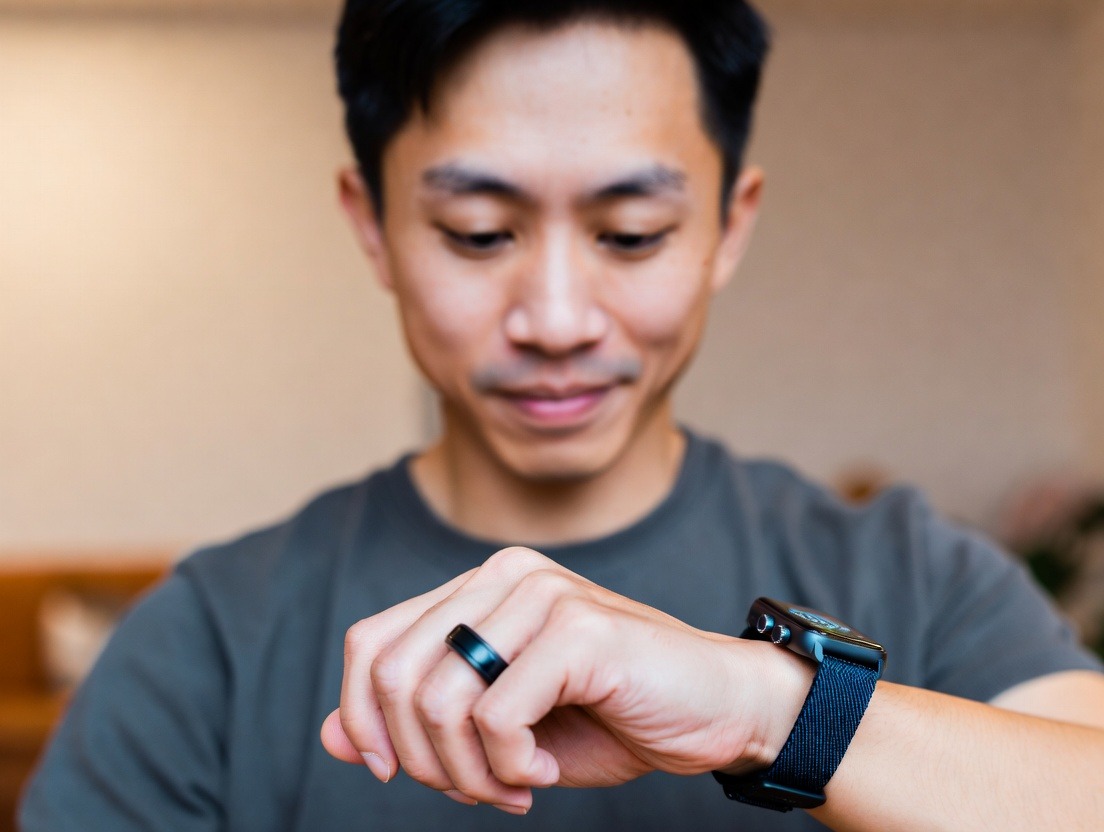
For some, the barrier to recovery isn't just poor habits; it's a clinical disorder that hijacks the sleep architecture itself. Recognizing the signs is the first step toward seeking help and reclaiming restorative sleep.
Insomnia: The most common sleep disorder, characterized by persistent difficulty falling asleep, staying asleep, or waking too early. It creates a vicious cycle of anxiety about sleep, further fueling hyperarousal. The resulting sleep deprivation has all the cascading negative effects on recovery discussed throughout this article. Cognitive Behavioral Therapy for Insomnia (CBT-I) is the gold-standard, first-line treatment, not medication.
Sleep Apnea (Obstructive and Central): A serious, under-diagnosed condition where breathing repeatedly stops and starts during sleep. Each apnea event causes a micro-arousal (often unnoticed by the sleeper) to restart breathing, fragmenting sleep and preventing deep and REM stages. The resulting oxygen desaturation also stresses the cardiovascular system and spikes cortisol. Symptoms include loud snoring, witnessed pauses in breathing, and excessive daytime fatigue despite adequate time in bed. Sleep apnea devastates recovery, promotes systemic inflammation, and significantly increases long-term health risks. Treatment (like CPAP therapy) can be life-changing.
Restless Legs Syndrome (RLS): An irresistible urge to move the legs, often accompanied by uncomfortable sensations, that worsens in the evening and at rest. It can severely delay sleep onset and cause frequent awakenings.
Circadian Rhythm Disorders: Conditions like Delayed Sleep-Wake Phase Disorder (night owls who cannot fall asleep until very late) or Shift Work Disorder occur when an individual's internal clock is permanently out of sync with societal demands. This creates chronic misalignment, with all its associated recovery deficits.
The critical takeaway is this: if you consistently practice excellent sleep hygiene but still suffer from unrefreshing sleep, daytime fatigue, or are told you snore loudly, a sleep disorder may be the culprit. Consulting a sleep specialist and undergoing a sleep study (often simplified with at-home kits now) can provide a diagnosis and a path to treatment. For individuals using health trackers, noticing persistent patterns of high resting heart rate, low HRV, and poor sleep scores despite good habits can be the data-driven nudge needed to seek professional help—a powerful example of how health tracking technology has changed preventive medicine.
You cannot repair a building without bricks and mortar. During sleep, your body requires specific nutrients to execute the physical and cognitive restoration processes. Strategic nutrition supports and amplifies the work of sleep.
The Role of Protein. Sleep is a fasting period. To prevent muscle protein breakdown and supply amino acids for overnight repair, consuming adequate protein throughout the day is essential. A dose of 20-40 grams of high-quality protein (whey, casein, lean meat, plant-based blends) within 2-3 hours before bed has been shown to stimulate muscle protein synthesis overnight, especially in active individuals. Casein protein, which is slowly digested, can provide a steady trickle of amino acids throughout the night.
Macronutrient Timing and Sleep Quality.
Micronutrients: The Sleep-Supporting Crew. Certain vitamins and minerals act as cofactors in the production of sleep-regulating neurotransmitters.
Hydration and Sleep. Dehydration can lead to nighttime cramps and dry mouth, disrupting sleep. However, drinking large volumes of fluid right before bed guarantees disruptive trips to the bathroom. The strategy is to stay consistently hydrated throughout the day and taper fluid intake in the last 1-2 hours before bed.
Foods and Compounds to Avoid. Caffeine and alcohol are the primary antagonists. Spicy or acidic foods can cause heartburn when lying down. Highly processed, sugary foods can cause blood sugar spikes and crashes that may awaken you.
The goal of recovery nutrition is to enter the sleep period in a well-nourished, fasted state—not starving, but not actively digesting a large meal. This allows energy to be directed toward repair, not digestion. Tracking how different evening meals or snacks affect your overnight HRV and sleep scores, a feature possible with detailed wellness tracking, is the ultimate personal experiment. It allows you to move from generic advice to a personalized wellness plan that works for your unique biology.
For those committed to maximizing performance and longevity, basic sleep stage tracking is just the entry point. The frontier of recovery optimization lies in the nuanced interpretation of autonomic nervous system (ANS) and physiological data. This is where wearables like smart rings, which provide clinical-grade sensor data in a continuous, unobtrusive package, become indispensable tools.
Heart Rate Variability (HRV): The North Star of Recovery. HRV measures the subtle variations in time between each heartbeat. A higher HRV indicates a heart that is responsive to the subtle signals from both branches of the ANS, signifying resilience, adaptability, and a strong parasympathetic (recovery) tone. A lower HRV suggests a heart under more uniform, SNS-dominant control, indicating stress, fatigue, or incomplete recovery.
Resting Heart Rate (RHR): The Simpler Signal. Your sleeping RHR is a clean metric. A low, stable RHR is generally a sign of good cardiovascular fitness and recovery. A RHR that is 5-10+ beats per minute above your personal baseline for several nights in a row is a reliable, early-warning sign of overreaching, dehydration, illness, or significant stress. It’s a less nuanced but highly valuable metric that often correlates with HRV.
Skin Temperature: The Circadian Compass. Your core body temperature follows a circadian rhythm, warming through the day and cooling at night to initiate sleep. Advanced wearables track peripheral skin temperature, which shows its own pattern. A notable deviation from your personal norm can be informative:
Respiratory Rate: The Silent Messenger. The number of breaths you take per minute during sleep is remarkably stable for a healthy individual. A sustained increase of 1-3 breaths per minute above your baseline can be one of the earliest signs of an impending infection, underlying cardio-respiratory issue, or sleep disorder like apnea. It’s a passive, powerful health metric.
Synthesizing the Data: The Readiness Score. The most advanced platforms don't just show you raw data; they use proprietary algorithms to synthesize HRV, RHR, temperature, sleep data, and sometimes activity into a single "Readiness" or "Recovery" score. This score is designed to answer the question: "Is my body prepared to take on strain today?" The key is to use this score as a guide, not a gospel. A low score should prompt you to look at the contributing factors and adjust your day accordingly—opting for recovery over intensity. This level of insight, once confined to sports labs, is now accessible to anyone serious about their health, representing the accuracy revolution in health tracking technology.
Recovery does not exist in a sterile vacuum. The stress you experience in your waking life—psychological, emotional, and social—directly dictates the quality of your sleep and your body’s ability to restore itself. Your brain does not distinguish between the stress of a deadline, a tough workout, or a difficult conversation; it all contributes to the allostatic load that must be managed and discharged.
Cognitive Labor and the Unwind Problem. The modern knowledge economy demands constant cognitive engagement. The problem is, you can't just "turn off" a thinking brain. The unresolved problems, unanswered emails, and mental to-do lists from the day create cognitive rumination that follows you into bed. This is why a wind-down ritual is non-negotiable; it provides a structured buffer to transition the brain from problem-solving mode to rest mode.
Emotional and Relational Stress. Conflict, anxiety, and worry are potent activators of the sympathetic nervous system and the HPA (hypothalamic-pituitary-adrenal) axis, elevating cortisol. Carrying this emotional activation into the night makes falling asleep difficult and keeps sleep light and fragmented. Conversely, positive, secure relationships and a sense of emotional safety are powerful promoters of PNS activity and restorative sleep.
The Performance Mindset vs. The Recovery Mindset. Our culture often glorifies the "grind," viewing rest as laziness. This creates a psychological barrier to truly surrendering to recovery. Adopting a recovery mindset is essential. This means reframing sleep and deliberate rest not as passive wastes of time, but as active, productive, and skilled processes that enable higher performance. It’s understanding that the rest is the work. Tracking your recovery data can powerfully reinforce this mindset shift, as you see tangible, physiological proof that rest improves your metrics.
Practical De-Stressing for Better Sleep:
Managing these lifestyle stressors is arguably more challenging than optimizing a diet or workout plan, but it is equally critical. Your sleep is the ledger where the stress of the day is settled. If the withdrawals are too great, the account goes into deficit. For many, seeing the direct impact of a stressful day on their HRV score the next morning is the motivation needed to build healthier daily habits and boundaries.
While consolidated nighttime sleep is irreplaceable, strategic use of other recovery tools can complement it, especially when life demands make a full night impossible.
The Power Nap: A Strategic Reset. A short nap of 10-20 minutes can provide a quick boost in alertness and cognitive performance without entering deep sleep, thus avoiding sleep inertia (the groggy feeling upon waking). It primarily boosts Stage 2 NREM sleep, which is involved in memory consolidation and skill learning. For athletes, a post-training nap may aid in physical recovery. The key is brevity and timing—early to mid-afternoon, aligned with the natural post-lunch dip in circadian alertness.
The Recovery Nap: For the severely sleep-deprived, a longer nap of 60-90 minutes allows a full sleep cycle, including deep sleep and REM. This can improve procedural memory and creativity. However, it can impact sleep drive for the following night, so it should be used judiciously.
Sleep Extension: Can You "Bank" Sleep? Research on "sleep banking"—getting extra sleep in anticipation of future deprivation—shows promise. For example, athletes or individuals facing a known stressful period who extend their sleep by an hour or more for several nights beforehand show improved cognitive and physical resilience during the subsequent challenging period. While you cannot fully "repay" a chronic sleep debt, proactive extension is a valid strategy for upcoming events.
Sleep Consolidation vs. Biphasic Sleep. The standard monophasic (one block) sleep pattern is cultural, not necessarily biological. Historical references suggest a more biphasic pattern—a "first" and "second" sleep with a period of wakefulness in between—may be natural for some. While forcing this isn't necessary, it’s comforting for those who wake at night to know it may not be a disorder, but a different rhythm. The priority should always be total quality sleep time in a 24-hour period.
Other Non-Sleep Recovery Tools:
It is vital to view these as adjuncts, not substitutes, for core nighttime sleep. They are tools in the toolkit for managing recovery in an imperfect world. The data from your wearable can help you experiment with these tools safely; for instance, you can see if an afternoon nap improves or harms your nighttime sleep score, or if an NSDR session boosts your afternoon HRV. This empirical approach turns recovery into a personalized science, which you can learn more about in our blog.

Knowledge is only power when applied. This final section of our first third provides a actionable framework to synthesize everything we’ve covered into a personalized, living recovery protocol. Your protocol will evolve with your life, goals, and data.
Step 1: Establish Your Baseline (The Audit).
For two weeks, focus on consistency without pressure. Go to bed and wake at the same time. Observe without judgment. Use a tracking device to collect objective data on:
Step 2: Optimize the Fundamentals (The Foundation).
Based on the science, implement non-negotiable hygiene:
Step 3: Measure and Iterate (The Feedback Loop).
After two weeks of consistent fundamentals, analyze your data.
This is where you move from generic advice to personalization. For example:
Step 4: Integrate Advanced Strategies (The Optimization).
Once fundamentals are solid, layer in advanced tools based on need:
Step 5: Maintain Flexibility and Self-Compassion (The Mindset).
Your protocol is a guide, not a prison. There will be late nights, celebrations, and stressful periods. The goal is resilience—the ability to deviate and return efficiently to your baseline. Use your data not for self-criticism ("my score is bad") but for curious self-awareness ("my score is low, I wonder if it's that stressful project or that extra glass of wine?").
By following this framework, you transform from being a passive recipient of your recovery (or lack thereof) to an active architect of it. The ultimate tool in this process is consistent, accurate feedback. A device that seamlessly gathers this data, like the smart rings featured at Oxyzen, provides the objective mirror you need to see the true impact of your choices and make smarter ones moving forward.
This concludes the first third of our comprehensive guide to understanding body recovery. We have laid the unshakable foundation: the profound, non-negotiable science of sleep and the core principles of circadian alignment. We've explored the physiology of repair, debunked myths, and introduced the power of data-driven tracking. In the next portions, we will build upon this foundation. We will delve into the specific recovery needs of athletes, the aging body, and those with chronic conditions. We will explore cutting-edge recovery technologies beyond tracking, from cryotherapy to photobiomodulation. We will examine the long-term view—how a lifetime of prioritizing recovery impacts healthspan and lifespan. The journey to mastering your recovery has just begun, and the most transformative insights are still ahead.
For the competitive athlete or dedicated fitness enthusiast, the quest for an edge is relentless. Marginal gains in nutrition, technique, and equipment are scrutinized. Yet, the single most powerful, legal, and accessible performance enhancer is not found in a supplement bottle or a shoe; it’s found in the silent hours of the night. While everyone needs sleep, the athlete’s body—subjected to deliberate, intense stress—has an amplified, non-negotiable demand for high-quality recovery. Sleep is where training adaptations are cemented, where the body converts effort into improvement.
The Physiology of Athletic Adaptation: Stress + Recovery = Supercompensation. Every workout is a controlled trauma. It creates microscopic tears in muscle fibers, depletes glycogen stores, increases inflammation, and elevates stress hormones. The performance improvement doesn’t happen during the workout itself; it happens afterward, during the recovery period, as the body repairs the damage and rebuilds itself slightly stronger to prepare for the next stressor. This is the principle of supercompensation. Without adequate recovery, the body cannot complete this adaptation cycle. You stagnate, or worse, you enter a state of overtraining where breakdown chronically outpaces repair.
Sleep’s Specific Roles in Athletic Performance:
Quantifying the Impact: Research is stark. Extending sleep to 9-10 hours per night in athletes has been shown to:
For the modern athlete, relying on intuition is insufficient. Data-driven recovery is now standard. This is where 24/7 health monitoring becomes indispensable. By tracking metrics like HRV, resting heart rate, and sleep stages, an athlete can answer critical questions: Did I recover fully from yesterday’s hard session? Is my nervous system ready for today’s planned intensity? Am I fighting off an illness? This allows for dynamic, intelligent training adjustments—pushing when the body is resilient, pulling back when it’s stressed. This precise approach to balancing strain and recovery is a core principle of using a wellness ring to support different health goals, from elite performance to general fitness.
The need for recovery is lifelong, but its nature, challenges, and optimal strategies evolve dramatically from adolescence through late adulthood. Understanding these shifts allows for age-appropriate expectations and interventions.
Adolescence and Young Adulthood: The Critical Foundation. Teenagers have a profound biological need for 8-10 hours of sleep, yet their circadian rhythm naturally shifts later, putting them in direct conflict with early school start times. This period is critical for brain development, hormonal maturation, and establishing peak bone and muscle mass. Chronic sleep deprivation in teens is linked to impaired academic performance, increased risk of mental health issues, and poor decision-making. For young athletes, sleep is the bedrock upon which their physical potential is built.
Mid-Adulthood (30s-50s): The Juggling Act. This stage is often marked by peak career demands, family responsibilities, and social pressures—all of which conspire against sleep. Sleep quality often begins to decline naturally, with more frequent nighttime awakenings and a reduction in deep sleep. Recovery becomes less automatic and more intentional. This is the life stage where the consequences of neglect—weight gain, hypertension, cognitive fog, and chronic inflammation—begin to manifest. Prioritizing sleep is no longer just about performance; it’s about preventing the onset of chronic disease. Implementing a consistent sleep protocol and using technology to guard against slippage becomes a form of health insurance.
The Menopausal Transition: For women, the perimenopausal and menopausal years bring unique sleep challenges driven by hormonal fluctuations. Declining estrogen can lead to hot flashes and night sweats that severely fragment sleep. Progesterone, which has a calming effect, also decreases. Sleep disturbances are one of the most commonly reported symptoms during this transition, creating a cascade effect on mood, energy, and metabolic health. Strategies like temperature regulation (cool room, moisture-wicking bedding) and stress management become paramount. Tracking can help differentiate between a "bad night" and a concerning trend, providing objective data to discuss with a healthcare provider.
Older Adulthood (65+): Preserving Healthspan. The myth that older adults need less sleep persists, but it is false. The ability to consolidate sleep often diminishes. Sleep becomes lighter, more fragmented, and earlier (phase-advanced). The prevalence of medical conditions and medications that interfere with sleep increases. However, the need for 7-8 hours for cognitive maintenance, immune function, and cellular repair remains. In this stage, sleep is a powerful tool for healthspan—maintaining vitality and independence. Focus shifts to:
Understanding these lifespan changes underscores that recovery is not a static protocol. It's a dynamic practice that must adapt to your biology. The tools that help a 25-year-old athlete optimize deep sleep are different from those that help a 60-year-old maintain sleep continuity. For a comprehensive look at thriving at every age, our resource on 50 healthy aging tips a smart ring can help implement offers actionable, data-supported strategies.

For individuals managing chronic health conditions—from autoimmune disorders and chronic pain to mental health challenges like depression and anxiety—sleep is not merely a pillar of wellness; it is a critical component of disease management and a barometer of overall health. The relationship is bidirectional: illness disrupts sleep, and poor sleep exacerbates illness.
The Vicious Cycle of Pain and Poor Sleep. Chronic pain conditions (e.g., fibromyalgia, arthritis, neuropathy) make it difficult to find a comfortable position, leading to frequent awakenings and unrefreshing sleep. The sleep fragmentation, in turn, lowers pain thresholds and amplifies the perception of pain. It also increases systemic inflammation, which can fuel the underlying condition. Breaking this cycle is a primary therapeutic goal, often involving sleep-focused cognitive behavioral therapy (CBT), mindfulness for pain, and careful medication timing.
Sleep and Mental Health: An Inseparable Link. Depression and anxiety are profoundly intertwined with sleep architecture. Insomnia is a core symptom of major depressive disorder and a significant risk factor for its development. Anxiety causes hyperarousal that prevents sleep onset. Conversely, sleep deprivation is a direct trigger for anxiety and low mood in susceptible individuals. REM sleep is particularly altered in depression. Treating sleep disturbances is often a first-line intervention in managing mental health; improving sleep can significantly alleviate symptoms of depression and anxiety.
Metabolic and Cardiovascular Disease. As previously detailed, sleep deprivation is a direct driver of insulin resistance, weight gain, and hypertension. For someone with Type 2 diabetes or heart disease, prioritizing sleep is as important as diet and medication adherence. It improves glucose control, helps regulate appetite hormones, and allows for better blood pressure dipping at night—a critical protective factor for heart health. Treating sleep disorders like apnea in cardiac patients can be life-saving.
Autoimmune and Inflammatory Disorders. Conditions like rheumatoid arthritis, lupus, and inflammatory bowel disease are driven by an overactive immune system. Since sleep is a potent anti-inflammatory, poor sleep can trigger flares and worsen symptoms. Ensuring restorative sleep is a way to modulate the immune system naturally, potentially reducing reliance on immunosuppressive medications and improving quality of life.
The Role of Tracking in Chronic Condition Management: For those with chronic illness, subjective feelings are often unreliable due to symptom fluctuation. Objective sleep and recovery data provide a clearer picture. It can help:
This empowerment through data represents a major shift in patient-led care. It allows individuals to become active participants in managing their health, using recovery as a foundational therapy. The technology enabling this, as discussed in our article on how health tracking technology enables personalized wellness, is revolutionizing chronic disease management.
The Future of Recovery Technology: Beyond Tracking to Intervention
The current generation of wearables has mastered the art of measurement. They tell us the "what" and the "when" of our physiology with astounding accuracy. The next frontier is intervention—devices that not only diagnose recovery states but also actively promote them. This is where recovery technology transitions from a passive observer to an active partner in your wellness.
Closed-Loop Sleep Optimization. Imagine a device that not only tracks your sleep stages but also interacts with your environment to improve them. Early prototypes and concepts include:
Neuromodulation and Sleep Wearables. The direct modulation of brain activity for recovery is an area of intense research.
Advanced Biomarker Integration. Future devices will move beyond optical heart rate sensors. Research is ongoing into:
AI-Powered Personalized Recovery Coaches. The true power of all this data lies in sophisticated artificial intelligence. Future platforms won't just show graphs; they will act as a proactive coach:
This future is not science fiction; elements of it are already in development. It represents a shift from reactive healthcare to truly proactive, personalized wellness. At Oxyzen, we are fascinated by this trajectory, and our vision is rooted in bringing this level of intelligent, holistic support to our community. You can read more about our perspective on this journey on our Our Story page. The goal is a seamless partnership where technology understands your body’s unique language of recovery and helps you speak it fluently.
Your recovery is not just an internal process; it is a dialogue with your environment. The spaces you inhabit—your bedroom, your home, your workplace—profoundly influence your nervous system and your ability to transition into restorative states. Mastering your environment means engineering it to work for, not against, your biology.
The Bedroom: A Sanctuary for Sleep. This should be a temple dedicated to a single purpose: unbroken, high-quality sleep.
The Home: A Recovery-Optimized Habitat. Your entire living space can support circadian health.
The Digital Environment: Your Virtual Ecosystem. Your screens are a primary portal to stress and circadian disruption.
By intentionally designing these layers of your environment, you reduce the daily cognitive load of making recovery-focused choices. The path of least resistance becomes the path to better sleep. It’s about making the healthy choice the easy, automatic choice. For those considering a wearable device, the material and design of the device itself are part of this environment; exploring hypoallergenic and comfortable options ensures it supports your wellness without causing irritation.
Recovery is often framed as a solitary, self-focused endeavor. But humans are social creatures, and our connections—or lack thereof—have a massive impact on our stress levels and, by extension, our ability to recover. Furthermore, our psychological relationship with rest itself can be a barrier or a bridge to true restoration.
Social Synchrony and Shared Rhythms. Living with others who have opposing schedules or disregard sleep hygiene can be a significant recovery challenge. Conversely, aligning with a partner or family on a shared wind-down routine can be powerfully supportive. The concept of "social jetlag"—where your social life forces a radically different schedule on weekends—is a major disruptor. Communicating the importance of your sleep schedule to loved ones and finding compromise is a critical, often overlooked, step in recovery optimization.
Loneliness and Hypervigilance. Loneliness and social isolation are profound psychological stressors. They can activate the brain's threat surveillance systems, leading to a state of hypervigilance that makes it difficult to relax into deep, restorative sleep. Prioritizing meaningful social connection, even in small doses, is a recovery activity. A feeling of safety and belonging is a prerequisite for the parasympathetic nervous system to take the reins.
The "Productivity Trap" and Rest Guilt. In a culture that valorizes busyness, rest can be framed as laziness, unproductive, or even selfish. This creates "rest guilt," where even during downtime, the mind races with thoughts of what you should be doing. This psychological barrier prevents true disengagement. Overcoming it requires a conscious reframing: Rest is not the opposite of productivity; it is an essential part of the cycle that enables sustainable high performance. It is a skilled practice, not a character flaw.
Building a Recovery Identity. For high achievers, identity is often tied to output. A powerful shift is to start incorporating "being a recoverer" into your self-concept. You are not just a runner; you are an athlete who masters recovery to run better. You are not just an executive; you are a leader who prioritizes deep sleep for clear decision-making. This identity shift makes the behaviors (early bedtime, saying no to late events) feel congruent, not like a sacrifice.
Practical Steps for the Social and Mindset Shift:
By addressing these social and psychological layers, you build a supportive ecosystem for your physiological recovery protocols. It ensures your external world and internal narrative are aligned with your goal of true restoration. For many, reading about real user experiences and transformations can provide the social proof and motivation to make these sometimes-challenging social shifts.
The ultimate argument for sleep is not about feeling better tomorrow; it's about living better for decades to come. The cumulative effect of nightly recovery—or the lack thereof—sculpts your health trajectory in a profound way. This is the concept of healthspan (the number of years you live in good health) versus just lifespan (total years lived). Prioritizing sleep is arguably the most powerful lever for extending your healthspan.
Sleep as a Neuroprotective Force. The brain’s nightly glymphatic cleanse, flushing out amyloid-beta and tau proteins, is a primary defense against neurodegenerative diseases like Alzheimer's and Parkinson's. Chronic sleep deprivation allows these toxic proteins to accumulate, accelerating cognitive decline. Furthermore, sleep consolidates memories and maintains neural plasticity—the brain's ability to adapt and learn—which is crucial for staying mentally sharp into old age.
Cardiovascular Resilience. The nightly dip in blood pressure and heart rate is a period of essential rest for the cardiovascular system. Sleep deprivation blunts this dip (non-dipping), a major risk factor for hypertension and heart disease. By consistently achieving restorative sleep, you protect the lining of your arteries, regulate blood pressure, and reduce systemic inflammation—all key factors in preventing heart attacks and strokes.
Metabolic Health and Weight Management. The hormonal regulation that occurs during sleep (leptin, ghrelin, insulin) has a lifelong impact on your metabolism. Habitual good sleep protects against insulin resistance, a precursor to Type 2 diabetes. It also helps regulate appetite, making it easier to maintain a healthy body composition over a lifetime. The link between chronic short sleep and obesity is one of the most robust in sleep epidemiology.
Immunological Memory and Cancer Surveillance. During sleep, your immune system doesn't just fight acute infections; it "remembers" pathogens and strengthens its long-term defenses. Furthermore, immune cells like natural killer (NK) cells, which patrol the body for cancerous and virus-infected cells, are highly active during sleep. Sustained sleep deprivation weakens this surveillance, potentially increasing long-term cancer risk.
Telomeres and Cellular Aging. Telomeres are the protective caps on the ends of your chromosomes; they shorten with each cell division and are a marker of cellular aging. Short sleep duration and poor sleep quality are associated with shorter telomere length—literally accelerating the aging process at a cellular level. Good sleep may help preserve telomere length, acting as a buffer against cellular senescence.
The Cumulative Dividend. Think of each night of good sleep as a deposit in your "healthspan bank." The interest compounds quietly over years. The person who averages 7-8 hours of quality sleep in their 30s, 40s, and 50s is not just avoiding afternoon crashes; they are building a reservoir of cognitive reserve, cardiovascular resilience, and metabolic efficiency that will pay dividends in their 60s, 70s, and beyond. They are more likely to enjoy those years with vitality, clarity, and independence.
This long-term perspective transforms sleep from a daily habit into a foundational life strategy. It is the ultimate in preventive healthcare—a daily, zero-cost intervention with unparalleled benefits. Investing in your sleep is investing in your future self. To explore more strategies for building a long, healthy life, we invite you to visit our blog for a wealth of resources on data-driven wellness.
Your Trusted Sleep Advocate (Sleep Foundation — https://www.sleepfoundation.org/)
Discover a digital archive of scholarly articles (NIH — https://www.ncbi.nlm.nih.gov/
39 million citations for biomedical literature (PubMed — https://pubmed.ncbi.nlm.nih.gov/)
experts at Harvard Health Publishing covering a variety of health topics — https://www.health.harvard.edu/blog/)
Every life deserves world class care (Cleveland Clinic -
https://my.clevelandclinic.org/health)
Wearable technology and the future of predictive health monitoring. (MIT Technology Review — https://www.technologyreview.com/)
Dedicated to the well-being of all people and guided by science (World Health Organization — https://www.who.int/news-room/)
Psychological science and knowledge to benefit society and improve lives. (APA — https://www.apa.org/monitor/)
Cutting-edge insights on human longevity and peak performance
(Lifespan Research — https://www.lifespan.io/)
Global authority on exercise physiology, sports performance, and human recovery
(American College of Sports Medicine — https://www.acsm.org/)
Neuroscience-driven guidance for better focus, sleep, and mental clarity
(Stanford Human Performance Lab — https://humanperformance.stanford.edu/)
Evidence-based psychology and mind–body wellness resources
(Mayo Clinic — https://www.mayoclinic.org/healthy-lifestyle/)
Data-backed research on emotional wellbeing, stress biology, and resilience
(American Institute of Stress — https://www.stress.org/)


