


How Wellness Ring Basics Changed Personal Health Tracking
Discusses the impact of wellness rings on making personal health tracking continuous, accessible, and data-driven.
Discusses the impact of wellness rings on making personal health tracking continuous, accessible, and data-driven.
%402x.svg)
We live in a world obsessed with quantification. We track our steps, count our calories, monitor our heart rates, and obsess over sleep scores. For years, this pursuit of self-knowledge was tethered to our wrists or confined to our pockets—clunky smartwatches that needed nightly charging, or phones that sat uselessly on nightstands while we slept. But a quiet revolution has been reshaping the landscape of personal health technology, moving from the wrist to the finger. The wellness ring, a sleek, unassuming piece of wearable tech, has fundamentally altered how we understand, engage with, and act upon our personal health data. This isn't just a shift in form factor; it’s a transformation in philosophy, accessibility, and insight.
The journey from the first pedometers to today's advanced biosensing rings is a story of miniaturization, smarter sensors, and a deeper understanding of what truly matters for long-term wellbeing. Wellness rings have democratized continuous health monitoring by removing the friction of bulky devices, offering 24/7 wearability that captures the body's most honest signals during sleep, stress, activity, and recovery. They have shifted the focus from mere fitness tracking to holistic wellness, providing a nuanced picture of how our lifestyle choices cascade through our nervous, cardiovascular, and metabolic systems.
This article will explore how the foundational principles—the "basics"—of the modern wellness ring have rewritten the rules of personal health tracking. We will delve into the technology that makes it possible, the metrics that matter most, and the profound behavioral changes this discreet form of monitoring can inspire. From unlocking the secrets of restorative sleep to providing a real-time window into your nervous system's response to daily life, the wellness ring has become a personal health oracle, whispering insights about your body that were once the sole domain of clinical labs. It represents a move from episodic checking to continuous understanding, from generic goals to personalized baselines, and from data overload to actionable wisdom. This is the story of how a ring changed everything.
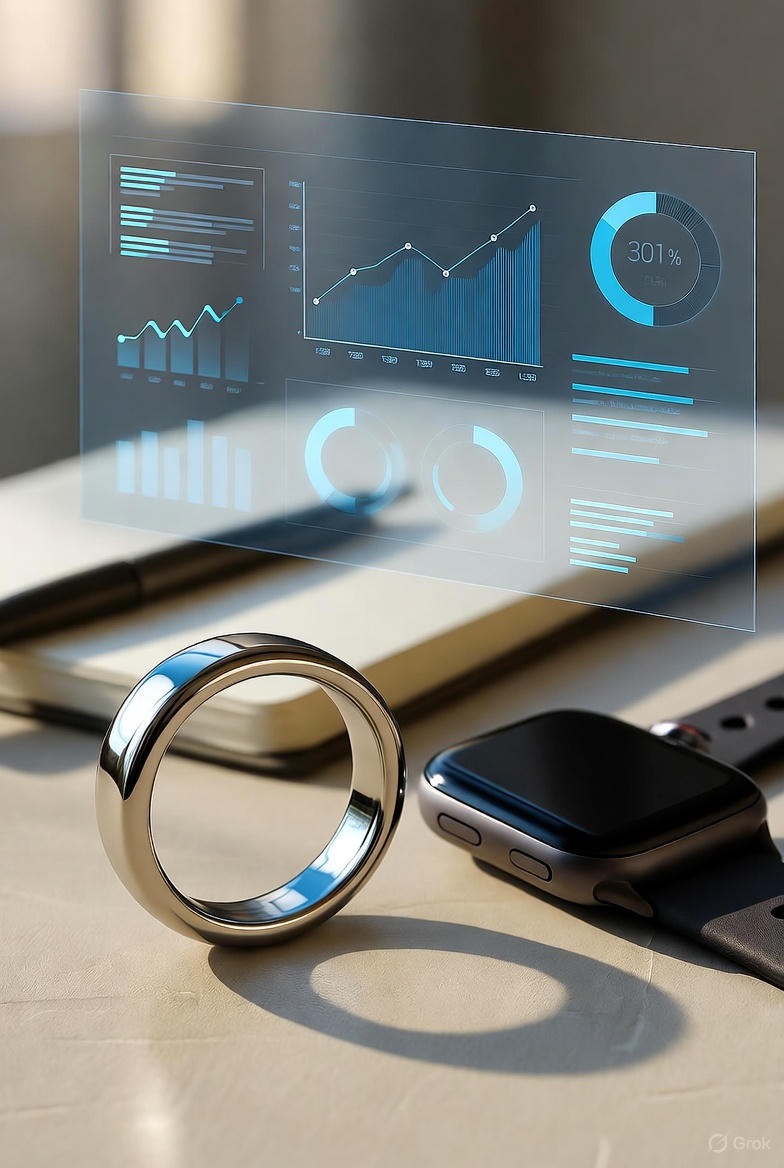
The path to the wellness ring was paved with good intentions and inconvenient hardware. The first wave of personal health trackers were simple pedometers, often worn on the hip, counting mechanical steps with a rudimentary pendulum. The explosion of the smartphone ushered in the second wave: the fitness tracker band. These devices, led by early pioneers, brought heart rate monitoring and sleep tracking to the masses, but they came with significant compromises. They were conspicuous, often clashed with personal style, and their placement on the wrist was problematic. Wrist-based optical heart rate sensors are highly susceptible to motion noise—the very thing you produce during exercise. This led to inaccuracies, especially during high-intensity intervals or strength training where wrist flexion is common.
More critically, for true 24/7 health monitoring, the wrist is a poor location. Many people find watches uncomfortable to sleep in, leading to inconsistent sleep data—the very data that is a cornerstone of metabolic health and recovery. The need for daily or near-daily charging created another data gap. Health is not a series of snapshots; it’s a continuous film. Gaps in data create blind spots, making it impossible to see the full narrative of how stress, diet, exercise, and sleep interact.
The wellness ring emerged as the elegant solution to these problems. The finger, specifically the base of the finger, offers a superior physiological vantage point. It hosts a rich capillary bed, allowing for a stronger and more consistent photoplethysmogram (PPG) signal—the optical measurement of blood volume changes used to determine heart rate, heart rate variability (HRV), and blood oxygen saturation (SpO2). The finger is also relatively motionless during sleep and much of daily activity, reducing noise and increasing the accuracy of autonomic nervous system measurements like HRV, a critical marker of stress and recovery.
This shift wasn't just technical; it was psychological and behavioral. A ring is familiar, personal, and often worn continuously. It doesn't look like a piece of tech; it looks like jewelry. This normalization removes the "device" feeling, increasing compliance and enabling truly longitudinal data collection. The extended battery life—often 5-7 days on a single charge—further minimizes data disruption. The evolution to the ring format solved the core triad of wearability problems: accuracy (better signal), continuity (24/7 wear), and compliance (discreet, comfortable design). It transformed health tracking from a conscious, often interruptive activity into a silent, background process that captured life as it is truly lived.
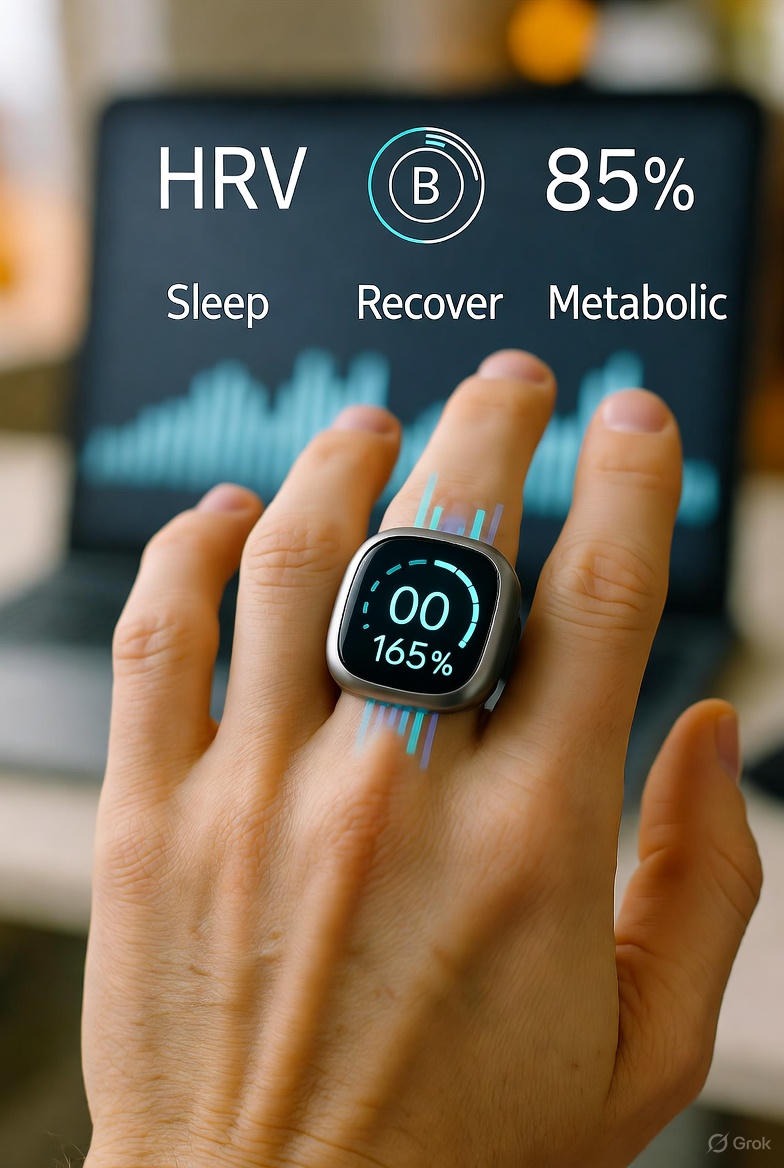
If one metric exemplifies the paradigm shift brought by wellness rings, it is Heart Rate Variability (HRV). While smartwatches have recently begun to include HRV, the wellness ring built its foundational philosophy around it from the start. HRV is not your heart rate. Rather, it is the measure of the subtle variations in time between each heartbeat. Contrary to what one might assume, a healthy heart is not a metronome; it is a dynamic, responsive system. These millisecond variations are controlled by the autonomic nervous system (ANS)—the balance between the sympathetic ("fight or flight") and parasympathetic ("rest and digest") branches.
A higher HRV generally indicates a resilient, adaptable nervous system, capable of handling stress and recovering effectively. A lower, less variable HRV can suggest a system under chronic stress, fatigue, or illness, stuck in a sympathetic-dominant state. Before continuous ring-based monitoring, HRV was a niche metric, typically measured in clinical settings or with chest straps during limited workout windows. It was a point-in-time measurement, missing the crucial context of how HRV ebbs and flows throughout the day and night.
Wellness rings changed this by making nocturnal HRV the gold standard. By measuring HRV during deep sleep, when external stimuli are minimized, the ring captures your body's most honest baseline of recovery and nervous system balance. This nightly reading becomes a powerful, personalized daily readiness score. It answers the critical question: "Is my body prepared for stress today, or does it need more rest?"
This focus on HRV represents a move from external output (steps, active minutes) to internal state (resilience, recovery). It empowers users to make informed decisions. A low HRV score in the morning might suggest skipping an intense workout in favor of gentle movement or meditation, thereby preventing overtraining and potential injury. It can highlight the delayed impact of a poor night's sleep, an stressful workday, or even the onset of illness days before symptoms appear.
By elevating HRV to a central, daily metric, wellness rings have educated a generation on the importance of listening to their body's subtle signals. They provide a scientific, quantifiable language for intuition. You don't just "feel rundown"; you can see your nervous system's capacity is depleted. This empowers proactive health management, shifting from pushing through fatigue to strategically supporting recovery. For a deeper understanding of how this nightly recovery metric interacts with other systems, consider how your sleep score reflects total body recovery.
Sleep has long been the black box of personal health. We spent a third of our lives in this state, yet until recently, detailed understanding required expensive and intrusive polysomnography in a lab. Wrist-based trackers brought sleep staging (light, deep, REM) into the home, but their accuracy was—and often remains—questionable due to the limitations of wrist movement and heart rate signal fidelity. The wellness ring, worn on the finger, provides a far more reliable platform for physiological sleep analysis.
The cornerstone of ring-based sleep tracking is the combination of actigraphy (movement) and physiological biomarkers. While movement data helps determine sleep onset and wake times, it is the continuous physiological signals that paint the true picture of sleep quality. The ring's PPG sensor tracks heart rate, HRV, and respiratory rate throughout the night. These metrics are crucial for distinguishing between sleep stages. For instance, deep sleep (slow-wave sleep) is characterized by a slow, steady heart rate and elevated HRV. REM sleep, in contrast, shows a more variable heart rate similar to waking state, but with muscle atonia (no movement).
This allows modern wellness rings to generate a multidimensional Sleep Score that goes far beyond simple duration. This score typically synthesizes:
This comprehensive score transforms abstract "I slept badly" feelings into actionable data. You can see if a late meal impacted your restfulness, if alcohol suppressed your REM sleep, or if a stressful day left you with elevated nighttime heart rate despite being "asleep." The ring becomes a personal sleep lab, night after night, building a baseline unique to you. This longitudinal view is key; a single night's poor score is less important than the trend. You can begin the sleep score journey of tracking improvement over months to see how lifestyle changes compound into better rest.
Furthermore, this 24/7 wearability captures daytime recovery and naps. A short, 20-minute power nap will show up as a period of decreased heart rate and increased HRV, quantifying its restorative value. Continuous wear reveals your body's natural circadian rhythms and how activities like caffeine intake or evening screen time disrupt them. By closing the data gap, the wellness ring provides the complete story of your energy expenditure and replenishment, making it an indispensable tool for anyone seeking to optimize performance, health, and longevity.
One of the most significant differentiators of advanced wellness rings is the inclusion of a continuous core body temperature sensor. This is a feature rarely found in smartwatches and represents a quantum leap in predictive health insight. Your body's internal temperature is not a static 98.6°F; it follows a precise circadian rhythm, typically lowest in the early morning hours and highest in the late afternoon. It also fluctuates with hormonal cycles, illness, metabolic health, and lifestyle factors.
Wellness rings, with their snug fit and internal sensors, measure peripheral temperature at the finger, which closely correlates with core temperature trends. Monitoring this circadian temperature rhythm provides profound insights:
By adding this continuous thermal data layer, wellness rings move beyond tracking what you do (sleep, exercise) to tracking what you are (your fundamental physiological state). It turns the ring into a diagnostic-grade tool for personal use, revealing the intimate, internal rhythms that govern health, fertility, and resilience. Understanding these rhythms is a core component of a holistic approach to wellbeing, akin to the principles of restful living for busy professionals seeking micro-recovery.
As wellness rings collected more data—HRV, sleep architecture, temperature, activity—a new challenge emerged: data overload. The average user doesn't want to be a biohacker, cross-referencing ten graphs every morning. The industry's brilliant response was the development of the Readiness Score (sometimes called Recovery Score, Energy Score, or Body Battery by different brands). This single, composite number is the pinnacle of the wellness ring's value proposition: it distills millions of data points into one actionable piece of advice.
The Readiness Score is an algorithmically generated metric that synthesizes the previous night's sleep data (quality, duration, restoration), your recent activity strain, and your acute recovery indicators (like morning HRV and temperature). It answers the fundamental question: "How prepared is my body to take on physical and mental stress today?"
A high score (e.g., 85-100) suggests full recovery. Your nervous system is resilient, your tissues are repaired, and your body is primed for a challenging workout, an important meeting, or a demanding social event. A moderate score (e.g., 70-84) suggests adequate recovery. A moderate workout or standard day is fine, but maybe don't attempt a personal record. A low score (below 70) is a clear signal from your body. It indicates incomplete recovery, potentially due to poor sleep, high recent strain, illness, or stress. The recommendation here is clear: prioritize rest, gentle movement like walking or yoga, hydration, and stress management.
This synthesis is revolutionary. It turns complex physiology into simple guidance, fostering a dialogue with your body rather than a dictatorship from your ego. It helps prevent the all-too-common cycle of overtraining and burnout by providing objective evidence for the need to rest. It validates the importance of a rest day, making it a strategic part of a fitness plan rather than a sign of weakness.
The Readiness Score embodies the core philosophy of modern wellness tracking: it's not about doing more; it's about doing what's right for your body today. It encourages periodization in daily life, balancing stress and recovery for sustainable performance. This aligns perfectly with a broader cultural shift towards the restful living philosophy of less hustle and more health.
Chronic, unmanaged stress is a silent epidemic, linked to a vast array of health issues from hypertension and anxiety to digestive problems and weakened immunity. Yet, for most of history, stress was a subjective feeling—hard to quantify, easy to dismiss or ignore. Wellness rings have brought the invisible into plain sight by providing objective, physiological markers of stress in real-time.
This is primarily achieved through two key metrics, now tracked continuously:
Advanced algorithms combine these metrics with activity and sleep data to generate a Stress Score or to tag periods of "high stress" on your daily timeline. This feature turns the ring into a biofeedback device. You can literally see the calming effect of a 5-minute breathing exercise as your HRV climbs and your heart rate settles on the app's graph.
This objective feedback is transformative for stress management. It moves stress from an abstract concept to a measurable, manageable variable. You can conduct personal experiments: Does my morning coffee spike my stress? Does a walk in nature lower it? How do different work tasks affect my nervous system?
Perhaps most importantly, it helps users recognize the cumulative nature of stress. A high-stress workday, followed by poor sleep, followed by a hard workout without adequate fuel creates a compounding debt that the ring will clearly show in suppressed HRV and elevated RHR. This awareness fosters better boundaries and the incorporation of deliberate recovery practices, which is essential for breaking the cycle of chronic stress as explored in how restful living reduces chronic stress and burnout.
The fitness tracker era was synonymous with the 10,000-step goal—a nice round number with marketing appeal but limited scientific basis for individual health. Wellness rings certainly track steps, but they have profoundly recontextualized activity within the fuller picture of health. The goal is no longer just to hit an arbitrary movement target; it's to balance activity with recovery for optimal metabolic health and longevity.
Wellness rings approach activity with a more nuanced, personalized lens:
This holistic view prevents the common pitfall of "compensatory" behavior, where people reward a hard workout with poor lifestyle choices, undermining their efforts. The ring shows the interconnectivity: that poor sleep will diminish tomorrow's workout quality, and that today's stressful day may mean you need a gentler evening. It promotes a sustainable, integrated approach to movement where activity serves overall wellness, not the other way around.
A critical flaw in early health tech was its one-size-fits-all approach. Generic goals and population-level "normal" ranges are often meaningless—and sometimes demotivating—for the individual. Your normal resting heart rate is unique. Your optimal sleep duration is personal. Your HRV range is influenced by age, genetics, and fitness.
Wellness rings have solved this through adaptive baselining. Instead of comparing you to a population average from day one, a quality wellness ring spends the first few weeks (often 1-2 full menstrual cycles for women) simply learning you. It establishes your normal range for:
This is a fundamental shift in power. The ring isn't telling you to chase a universal ideal; it's highlighting when you deviate from your own healthy norm. This makes the data profoundly more actionable and less anxiety-inducing. An elevated resting heart rate might be "normal" for someone else, but if it's 10 bpm above your baseline, it's a significant signal for you to heed.
This personalization extends to the algorithms themselves. Your daily Readiness Score is calculated based on how last night's sleep compared to your best sleep, and how recent activity compares to your typical load. For women, the best devices incorporate cycle syncing, adjusting baselines and expectations across the follicular and luteal phases, as hormones naturally affect temperature, RHR, and HRV.
This creates a powerful feedback loop of self-knowledge. You learn not just what the data says, but what it means for you. You might discover you need 8.5 hours of sleep, not 8, to score well. You might see that alcohol lowers your HRV for two nights, not one. This deep, personalized insight is the ultimate goal of health tracking: moving from external benchmarks to internal, embodied understanding. Cultivating this self-awareness is a key step in the restful living mindset of shifting from doing to being.
Collecting data is pointless unless it inspires positive change. The most successful wellness rings function not just as monitors, but as behavioral change engines. They use insights derived from data to deliver personalized nudges, suggest experiments, and help form sustainable habits.
This transforms the ring from a passive data logger into an active wellness partner. It provides the "why" behind the "what," creating a compelling narrative that motivates lasting change. For example, seeing a direct link between a stressful week and a plummeting Sleep Score provides a powerful incentive to adopt simple daily habits for deeper calm.
The ultimate promise of continuous health monitoring is predictive and preventive care. Wellness rings, with their rich, longitudinal datasets, are beginning to deliver on this promise at a personal level. By tracking trends over months and years, they shift the focus from acute daily feedback to long-term healthspan.
This longitudinal, trend-based view is the final piece of the puzzle. It answers the question, "Is what I'm doing actually working for my long-term health?" It provides the evidence that small, consistent positive habits compound into significant physiological improvement. This empowers users to become the CEOs of their own health, making informed decisions based on a deep, data-rich understanding of their unique biology. To understand the research-backed standards behind one of these key long-term metrics, you can explore what science says constitutes a healthy sleep score.
The initial adopters of advanced physiological monitoring were elite athletes and professional sports teams. They had access to expensive, clinical-grade equipment and sports scientists to interpret the data. The wellness ring has shattered that barrier, democratizing deep health insights and making them accessible, affordable, and understandable for the general public. This shift has changed the very nature of proactive health management, moving it from a reactive, symptom-based model to a proactive, data-informed lifestyle.
The ring’s form factor played a crucial role in this democratization. A chest strap is obtrusive; a ring is not. A clinical sleep study is inaccessible; a ring is purchased online. By integrating multiple clinical-grade sensors (PPG, temperature, accelerometer) into a consumer-friendly device, the wellness ring delivered a powerful suite of tools to anyone interested in their health. This has empowered individuals to become experts on their own bodies, fostering a new era of participatory health.
Consider the journey of a typical user now versus a decade ago. Then, they might have had a vague sense of fatigue. Today, they can open their app and see a chain of evidence: a lower Sleep Score due to suppressed deep sleep, a depressed morning HRV, and an elevated resting heart rate—all suggesting their body is fighting something or is deeply fatigued. This isn't just a feeling; it's a diagnostic-level insight they can act upon or even share with a healthcare provider. They can track how a new medication affects their sleep architecture or how a dietary change influences their resting heart rate trend.
This empowerment has profound implications. It reduces the "mystery" around chronic, vague issues like low energy, poor sleep, or persistent stress. It provides a common language between patient and doctor. Bringing a month of temperature data to a gynecologist or a year of HRV trends to a cardiologist provides objective context that subjective descriptions cannot. The wellness ring user is no longer a passive recipient of care but an active, informed partner in their health journey. This active partnership aligns with the principles of creating a supportive environment, as discussed in how to create a restful home environment room by room, where your surroundings actively contribute to your physiological data trends.
A key factor in the wellness ring’s impact is its refusal to be a data silo. The most powerful rings function as the central, always-on physiological data hub within a larger ecosystem of apps and devices. Through open APIs and strategic partnerships, ring data seamlessly integrates with other platforms, creating a unified, holistic health dashboard that is greater than the sum of its parts.
This integration happens across several critical axes:
This ecosystem approach breaks down the walls between different aspects of wellness. It acknowledges that sleep affects nutrition, which affects stress, which affects fitness. The ring’s continuous data becomes the connective tissue, the common variable that shows how a change in one area ripples through all others. It moves user understanding from isolated metrics to a systems-thinking model of their own body. Managing this interconnected system effectively requires balancing all inputs, a topic explored in how to balance productivity with restful living.
While the software insights are dazzling, the revolution is equally hardware-driven. The accuracy and comfort of a wellness ring are dictated by its physical design and material science. Unlike a watch that can be worn loosely, a ring must maintain consistent skin contact to function. This presented a unique set of engineering challenges that have been innovatively solved.
Material Innovation: Early rings were often made from titanium or cobalt chrome—durable, but rigid and heavy. The latest generation utilizes advanced, medical-grade resins and polymers. These materials are not only lightweight and hypoallergenic but can also be slightly flexible, allowing for a more forgiving and comfortable fit across knuckles and through finger size fluctuations due to temperature or hydration. Some feature a smooth, ceramic-like inner surface that is easy to clean and minimizes skin irritation.
Sensor Placement and Fit: The interior of the ring is a carefully engineered landscape. The PPG sensor array (usually multiple LEDs and photodiodes) must sit flush against the skin. Many designs now incorporate a slight internal curvature or a sensor "bump" to ensure consistent pressure and contact, even if the ring rotates slightly. The fit is paramount: too tight, and it restricts circulation, skewing data; too loose, and the signal is lost. The advent of sizing kits sent to users’ homes was a critical step in ensuring proper fit for accurate data collection.
Battery and Charging: Housing a battery powerful enough to last a week, along with all the sensors and electronics, in a ring-sized package is a feat of miniaturization. Wireless charging pucks have become standard, allowing for a fully sealed, waterproof design (often up to 100m). This waterproofing is essential, as it enables tracking of swim workouts and ensures data continuity through showers, sweat, and rain.
Thermal Conductivity: For temperature sensing, the material in contact with the skin must effectively conduct body heat to the internal sensor. Designers have to balance this with overall comfort, often using a thermally conductive material at the sensor point within a more comfortable overall band.
This relentless focus on design isn't about aesthetics alone (though that is a major adoption driver); it’s about data fidelity. A comfortable ring is a ring that’s worn 24/7. A well-fitted ring with a proper sensor interface captures a clean signal. The elegant, jewelry-like exterior belies the sophisticated biomechanical engineering inside, all working in concert to transform your finger into a high-fidelity data port for your body’s most vital signals. Wearing such a thoughtful device can itself become a reminder of the intention to live well, similar to how designing restful living spaces creates an environment that supports your wellness goals.
Wellness rings collect arguably the most intimate data possible: continuous, precise readings of your heart, your sleep, your temperature cycles, and your stress levels. This creates a significant and legitimate privacy imperative. How this data is handled, stored, and used separates reputable companies from mere gadget makers. The evolution of the wellness ring has forced a parallel evolution in consumer health data ethics.
Leading companies in this space typically adhere to several core principles:
This responsible approach builds the essential foundation of trust. For users to commit to wearing a device that tracks them through the most vulnerable parts of their day (sleep) and the most private aspects of their biology (reproductive cycles), they must have absolute confidence in the security and ethical handling of that data. This trust is the bedrock upon which the entire value proposition is built. Without it, the insights are not worth the risk. This need for a trusted, safe foundation extends beyond data to the physical and mental spaces we inhabit, underscoring the importance of cultivating the restful living evening rituals that prepare you for sleep in a secure, private environment.
A persistent question in the wearable tech space is accuracy: "Can I trust this data?" Early fitness trackers were rightly criticized for questionable heart rate and sleep stage accuracy. The wellness ring industry has taken a more rigorous path, actively seeking clinical validation to bridge the gap between consumer gadget and health tool.
This involves partnering with research institutions and hospitals to conduct studies comparing ring data against medical gold-standard equipment. For example:
Publishing these studies in peer-reviewed journals is a mark of credibility. It moves marketing claims from "advanced sensors" to "demonstrated agreement with clinical standards." This validation serves two purposes. First, it gives users confidence that the trends and changes they see are real and meaningful. Second, it begins to build a bridge to the medical community. When physicians see that a consumer device has been validated against the tools they trust, they are more likely to view patient-provided ring data as a useful adjunct to traditional care.
This is the frontier of the wellness ring’s impact: remote patient monitoring (RPM) and digital therapeutics. Imagine a cardiology patient being sent home with a ring to monitor post-operative recovery, or a therapist using a patient’s stress trend data to tailor cognitive behavioral therapy. The ring’s continuous, passive data collection is ideal for capturing real-world outcomes far beyond the clinic walls. By grounding its technology in science, the wellness ring industry is positioning itself not as a replacement for medicine, but as a powerful, complementary partner in a more continuous and personalized healthcare model. This scientific grounding mirrors the approach needed to understand our own habits, as shown in the science behind restful living and why downtime matters.
The sheer volume of data a wellness ring collects could be overwhelming. A major innovation has been in data visualization and narrative presentation. The best apps don't just show graphs; they tell a story about your day, your night, and your readiness.
This is achieved through several UX strategies:
This focus on experience transforms the user from a data analyst into the protagonist of their own health story. The app becomes a coach, a diary, and a mirror, reflecting not just numbers, but the complex, interconnected narrative of their wellbeing. This narrative understanding helps users identify and correct common pitfalls, such as those outlined in restful living mistakes that keep you wired and tired.
Amidst the promise, a responsible view requires acknowledging the limitations and ethical responsibilities of wellness ring technology. Uncritical adoption can lead to unintended negative consequences.
Limitations to Consider:
Ethical Responsibilities:
The most enlightened users and companies understand that the ring is a powerful tool for awareness, not an absolute authority. Its greatest value is in fostering a curious, compassionate, and responsive relationship with one's body, using data as a conversation starter, not a final verdict. This balanced, compassionate approach is the essence of sustainable wellbeing, much like the philosophy of restful living on a budget with zero-cost wellness tips, which emphasizes that true health doesn't require expensive gadgets but thoughtful, consistent practices.
Wellness rings have been a catalyst for a broader cultural shift in how we define fitness and wellness. For decades, the cultural ideal was narrowly focused on outward appearance and performance metrics: a faster mile, a heavier lift, a smaller dress size. The data from rings has helped pivot the conversation inward, toward resilience, recovery, and metabolic health.
The language is changing. In gyms and online communities, you’re now as likely to hear people discussing their "HRV trend" or "sleep balance" as their bench press PR. Recovery—once the boring counterpart to training—is now celebrated as the essential, active process where growth happens. “Listen to your body” is no longer a vague platitude; it’s an instruction you can follow with quantitative feedback.
This has legitimized practices that were previously seen as indulgent or unproductive. Taking a rest day, prioritizing sleep over an early workout, practicing meditation, or managing stress are now framed not as weaknesses, but as sophisticated, data-backed strategies for long-term performance and healthspan. The ring provides the "proof" that these soft practices have hard, measurable outcomes.
Furthermore, it has helped debunk the "grind" and "hustle" culture that equates busyness and burnout with success. When you can see on a graph that 80-hour workweeks are decimating your nervous system balance and sleep quality, the cultural narrative crumbles against biological reality. The ring becomes an ally for setting boundaries and valuing sustainability. This cultural realignment is at the heart of the movement towards 15 restful living habits that transform your energy, where energy management supersedes time management.
The wellness ring is not a static product. Its evolution is rapid, and the next frontier points toward even deeper integration, predictive power, and personalization.
Near-Future Advancements We Can Anticipate:
The trajectory is clear: the wellness ring is evolving from a tracker of what has happened to a predictor and guide for what should happen next. It aims to become an indispensable, AI-enhanced companion for navigating daily life in a way that optimizes long-term health, performance, and wellbeing. As this technology becomes more woven into the fabric of our lives, its foundational role in fostering a sustainable, healthy lifestyle will only become more pronounced, guiding us toward a future where technology doesn't distract us from our health, but seamlessly helps us cultivate it. This future is deeply connected to our innate human need for connection with the natural world, a principle explored in how nature supports restful living.
The initial landscape of physiological monitoring was a realm reserved for the privileged few: elite athletes monitored by sports scientists, astronauts under NASA’s watch, and patients in intensive care. The data was deep but inaccessible, interpreted by experts, and locked behind immense cost and complexity. The wellness ring, perhaps more than any other device, has spearheaded the democratization of this intimate bio-data, transferring the power of self-knowledge from the lab to the living room. This shift isn't merely about affordability; it’s about literacy, agency, and a fundamental reorientation from being a patient to being an active participant in one’s own health narrative.
For decades, the average person’s interaction with their own physiological data was episodic and doctor-mediated: a blood pressure reading at a pharmacy, an annual physical’s lab results, a snapshot ECG. The story these snapshots told was fragmented and lagging. The wellness ring provides a continuous, leading indicator narrative. It answers "why do I feel this way?" with data, not guesswork. A user no longer has to wonder if their fatigue is psychological or physiological; they can see a week of suppressed deep sleep and declining HRV, pointing clearly to a recovery deficit.
This empowerment fosters a profound shift in health identity. Individuals become the principal investigators of their own biology. They run experiments: "What happens if I cut caffeine after noon?" or "How does a 10-minute evening meditation impact my sleep graph?" The ring provides immediate, objective feedback, creating a tight, rewarding learning loop. This participatory model demystifies the body. It replaces fear of the unknown ("Why is my heart racing?") with curiosity and understanding ("My heart rate spiked during that work call—my body perceived that as a stressor").
Furthermore, this democratization is bridging a critical communication gap with healthcare providers. Bringing a PDF report of three months of sleep, resting heart rate, and temperature data to a doctor’s appointment transforms a subjective complaint ("I'm tired") into an objective case file. It can reveal patterns invisible in a 15-minute consultation, such as circadian rhythm disruptions or persistent low-grade inflammation signaled by elevated nighttime heart rate. The individual is no longer just reporting symptoms; they are presenting evidence. This cultivates a partnership model of care, where the patient is an informed stakeholder. This journey of becoming an expert on your own needs is parallel to cultivating a restful living mindset, shifting from doing to being, where observation and awareness precede action.
A device that operates in a silo has limited power. The transformative impact of the wellness ring is magnified exponentially by its role as a central data integrator. It functions not as a terminal endpoint, but as the always-on physiological data hub within a user's broader digital health ecosystem. Through APIs, partnerships, and platform connections, the ring’s stream of autonomic and metabolic data mingles with other digital breadcrumbs, creating a holistic health portrait of stunning clarity and utility.
This integration operates on multiple synergistic levels:
This interconnected ecosystem transforms the ring from a mere tracker into the conductor of your personal health orchestra. It shows how the sections—sleep, nutrition, fitness, stress—are meant to play in harmony, and it vividly reveals when one instrument is out of tune, affecting the entire symphony. Learning to manage this symphony often starts with fundamental habits, such as those found in a restful living morning routine to start your day right.
The unassuming elegance of a wellness ring belies a battlefield of engineering constraints. Designers and material scientists have performed a quiet miracle, packing clinical-grade sensors, a multi-day battery, and a processor into a form factor that must be worn 24/7 without complaint. This isn't just product design; it’s biomechanical interface design, where success is measured in consistent skin contact, user comfort, and signal purity.
The Anatomy of a Modern Wellness Ring:
This relentless focus on the physical interface is what enables the software magic. A comfortable, well-fitted ring disappears from consciousness, ensuring the data it collects is from a body in its natural state, uninfluenced by the discomfort of the device itself. It is a tool that honors the principle that the best technology fades into the background, serving your well-being without demand, much like the principles behind designing restful living spaces for calm and restoration.
If your smartphone holds your digital life, your wellness ring holds your biological blueprint. It knows the rhythm of your heart as you dream, the subtle fever of an impending cold, the quiet thermal shift of ovulation, and the timestamp of your deepest anxieties. This data is arguably more sensitive than a credit card number; it is the immutable signature of your living body. Consequently, the companies that build these devices bear a paramount ethical and legal responsibility. The evolution of wellness rings has been paralleled by an evolution in consumer health data ethics, setting a new standard for the industry.
Leading companies adhere to a framework built on several non-negotiable pillars:
This robust privacy architecture is not a feature; it is the foundation of trust. Without it, the value proposition collapses. For users to allow a device to monitor them in their most vulnerable states, they must have absolute confidence that this biological fingerprint is guarded with the highest duty of care. This need for a safe, trusted foundation extends to all aspects of a wellness journey, including the cultivation of restful living evening rituals that prepare you for sleep in a space that feels psychologically and digitally secure.
The shadow of the "quantified self" movement has always been the question of accuracy. Are these consumer gadgets generating meaningful clinical insight or just elegant graphs of garbage data? The wellness ring industry has taken this challenge head-on, embarking on a deliberate path of third-party clinical validation to earn credibility not just with consumers, but with the medical community.
This process involves collaborative studies with universities and research hospitals, pitting the ring’s sensors against medical gold-standard equipment in controlled settings. Examples include:
The publication of these studies in peer-reviewed journals (e.g., Sleep, Journal of Clinical Sleep Medicine, Nature partner journals) is the key. It moves claims from marketing copy to scientific discourse. For the user, this validation provides confidence that a 10-point drop in their Sleep Score reflects a real change in sleep physiology, not a sensor glitch.
More importantly, it builds a bridge to Healthcare Professionals (HCPs). When a cardiologist sees a validation study showing 99% correlation for heart rate detection, or a sleep specialist sees agreement on sleep-wake detection, their skepticism softens. The ring transitions from a "fitness toy" to a potential Remote Patient Monitoring (RPM) tool. This opens doors for applications in:
This journey toward medical acceptance is crucial. It positions the wellness ring not as a replacement for the doctor, but as a continuous data-gathering extension of the clinical encounter, providing context that a single office visit never could. This scientific, evidence-based approach is fundamental to understanding our own health, much like the science behind restful living explains why downtime matters.
A device that generates terabytes of complex physiological data is useless if it confounds its user. The true genius of leading wellness ring platforms lies in their User Experience (UX) and Data Visualization philosophy. They have mastered the art of progressive disclosure and narrative framing, turning a potential firehose of numbers into a comprehensible, actionable story about your day and your health.
Key UX Strategies That Drive Understanding and Action:
This thoughtful UX design transforms the experience from data surveillance to guided self-discovery. The user is not a passive subject being monitored but an active protagonist exploring the story of their own body, with the app as a knowledgeable guide. This narrative approach helps users identify patterns they can change, moving beyond common restful living mistakes that keep you wired and tired.
Enthusiasm for this technology must be tempered with a clear-eyed view of its limitations and the psychological risks it can inadvertently foster. An uncritical embrace can lead to "dataism"—the belief that only what is measured matters—and can paradoxically undermine the very wellness it seeks to promote.
Important Limitations to Acknowledge:
Ethical Responsibilities for Companies and Users:
The most enlightened use of a wellness ring is as a conversation starter with your own body, not the final word. It is a mirror, not a mandate. Its highest purpose is to foster attunement—a deeper, more responsive, and compassionate relationship with the self, using data as a guide for curiosity, not a whip for performance. This balanced, compassionate approach is the cornerstone of true wellbeing, exemplified by practices like restful living on a budget with zero-cost wellness tips, which remind us that health is multifaceted and often simple.
Wellness rings have not just changed individual habits; they have become a potent symbol and tool in a broader cultural reckoning with "hustle" and "grind" culture. For years, burnout was a badge of honor, sleep deprivation a sign of dedication, and ignoring the body's signals a mark of toughness. The data from rings provides an irrefutable, biological counter-narrative: that this approach systematically degrades the human system.
The ring makes the cost of grind culture visceral and personal. You can see the graph where your 80-hour workweek flatlines your HRV. You can see the direct correlation between consecutive nights of poor sleep and a collapse in cognitive performance or emotional resilience. This data-driven feedback is helping to redefine success not as relentless output, but as sustainable energy, resilience, and recovery capacity.
This is fostering a new language and set of values in workplaces, gyms, and social circles:
The ring, therefore, acts as a validator for a slower, more sustainable pace. It gives individuals permission to prioritize rest without guilt, because the data shows it’s necessary, not optional. It is helping to cultivate a culture where wellbeing is the foundation of performance, not its competitor. This cultural shift is powerfully supported by adopting 15 restful living habits that transform your energy.
The current capabilities of wellness rings are impressive, but they are merely the foundation. The trajectory of innovation points toward a future where the ring becomes an even more sophisticated, predictive, and integrated health guardian. Several frontiers are currently being explored in R&D labs:
The future wellness ring will be less about tracking and more about guiding and predicting. It will aim to not only tell you how you slept but predict how you will sleep and suggest interventions. It will not just measure stress but anticipate it and guide pre-emptive calming strategies. It will evolve from a dashboard into a true partner in navigating life in a way that optimizes for long-term healthspan and vitality. This future is deeply connected to our most fundamental human need—reconnection with the natural world, a powerful source of restoration explored in how nature supports restful living.
Your Trusted Sleep Advocate: Sleep Foundation — https://www.sleepfoundation.org
Discover a digital archive of scholarly articles: NIH — https://www.ncbi.nlm.nih.gov/
39 million citations for biomedical literature :PubMed — https://pubmed.ncbi.nlm.nih.gov/
Experts at Harvard Health Publishing covering a variety of health topics — https://www.health.harvard.edu/blog/
Every life deserves world class care :Cleveland Clinic - https://my.clevelandclinic.org/health
Wearable technology and the future of predictive health monitoring :MIT Technology Review — https://www.technologyreview.com/
Dedicated to the well-being of all people and guided by science :World Health Organization — https://www.who.int/news-room/
Psychological science and knowledge to benefit society and improve lives. :APA — https://www.apa.org/monitor/
Cutting-edge insights on human longevity and peak performance:
Lifespan Research — https://www.lifespan.io/
Global authority on exercise physiology, sports performance, and human recovery:
American College of Sports Medicine — https://www.acsm.org/
Neuroscience-driven guidance for better focus, sleep, and mental clarity:
Stanford Human Performance Lab — https://humanperformance.stanford.edu/
Evidence-based psychology and mind–body wellness resources:
Mayo Clinic — https://www.mayoclinic.org/healthy-lifestyle/
Data-backed research on emotional wellbeing, stress biology, and resilience:
American Institute of Stress — https://www.stress.org/


