


Wellness Ring Basics: What Makes Finger-Based Tracking Accurate
Discusses why the vascularity and placement on the finger can provide accurate and consistent readings for certain metrics.
Discusses why the vascularity and placement on the finger can provide accurate and consistent readings for certain metrics.
%402x.svg)
In an age where we quantify our steps, monitor our heartbeats, and analyze our sleep stages, the quest for personalized health data has moved from our wrists to our fingers. Enter the wellness ring: a discreet, elegant, and increasingly powerful device promising a revolution in biometric tracking. But a logical question arises for anyone accustomed to the wrist-worn dominance of fitness trackers and smartwatches: How can a ring possibly be as accurate?
The skepticism is understandable. We've been conditioned to believe the pulse points on our wrist are the gold standard for consumer-grade health monitoring. However, this new wave of finger-based technology isn'ttrying to compete on the same playing field—it's operating on a different, and in many ways superior, physiological principle. The secret doesn't lie in miniaturizing wrist technology, but in leveraging the unique vascular and anatomical advantages of the finger.
This article will dissect the compelling science and sophisticated engineering that make modern wellness rings not just viable, but exceptionally accurate for core health metrics. We'll journey beyond marketing claims to explore the rich arterial blood flow in your finger, the precision of medical-grade sensors now shrunk to ring size, and the complex algorithms that transform raw light signals into insights about your readiness, recovery, and overall well-being. We’ll demystify why your finger might be a more truthful narrator of your body’s story than your wrist, and how this seamless form factor is unlocking a new era of continuous, unintrusive health awareness.
Prepare to understand the hidden world of precision on your finger—where every heartbeat, every temperature shift, and every nightly cycle is captured with a new level of intimacy and fidelity.

To understand the accuracy of a wellness ring, we must first examine its primary point of comparison: the traditional wrist-based wearable. For over a decade, the wrist has been the default location for consumer health tech. It’s convenient, socially acceptable, and allows for a screen. But from a purely physiological perspective, is it the optimal location for gathering accurate biometric data? The answer, increasingly supported by research, is no—and the finger presents a compelling alternative.
The wrist is a bony, tendinous area with relatively superficial blood vessels. The radial and ulnar arteries are deep, and the blood flow signal that optical sensors on a smartwatch capture is often weaker and more susceptible to "noise." This noise comes from the constant motion of the hand and wrist, variations in skin contact due to the flat, bony surface, and the simple fact that the wrist is a prime location for everyday bumps and bends. This can lead to phenomena like "cadence lock" in heart rate tracking during exercise, where the sensor mistakenly tracks your step rhythm instead of your pulse, or significant gaps in sleep data if the device shifts during the night.
Now, consider the finger. It is a vascular powerhouse. The digital arteries run along each side of the finger, carrying a rich, voluminous flow of blood close to the surface. This provides a stronger, cleaner photoplethysmography (PPG) signal—the fundamental optical measurement of blood volume changes. The finger’s cylindrical shape also offers a natural, snug fit, ensuring consistent sensor contact without the need for uncomfortably tight bands. This consistent contact is critical for 24/7 monitoring, especially during sleep when we’re most likely to obtain undisturbed, clinically relevant data.
Furthermore, the finger is a primary site for peripheral temperature measurement, a key metric for tracking ovulation, illness onset, and metabolic changes. While a wrist device measures skin temperature affected heavily by outside air and bedding, a ring on the finger—an extremity with a high density of arteriovenous anastomoses (blood vessels that regulate heat loss)—provides a more sensitive and earlier indicator of core temperature shifts.
This isn't to say wrist wearables are obsolete. They excel at activity tracking, GPS, and notifications. But for the continuous, passive, and nuanced measurement of autonomic nervous system signals—heart rate variability (HRV), resting heart rate, core temperature trends, and blood oxygen saturation—the finger offers a superior biological vantage point. It’s the difference between listening to a concert from outside the hall (wrist) versus having a seat in the front row (finger). The signal is simply clearer and more detailed.
At the heart of most wearable health tracking—be it ring, watch, or chest strap—lies a technology called photoplethysmography, or PPG. While the term sounds complex, the principle is elegantly simple. It’s the science of using light to measure blood volume changes in the microvascular bed of tissue, and it’s the primary engine of accuracy for your wellness ring.
Imagine shining a tiny, harmless green or red LED light into the skin of your finger. This light penetrates the tissue and is absorbed by various components, most significantly by the hemoglobin in your red blood cells. A photodetector, positioned next to the LED, then measures the amount of light that is not absorbed—the light that is reflected or transmitted back. When your heart beats, a pulse of blood surges through your arteries and capillaries, momentarily increasing the blood volume in that tissue. This higher concentration of hemoglobin absorbs more light. Between beats, blood volume decreases, so less light is absorbed and more is reflected back to the sensor.
The sensor captures these minute, rhythmic oscillations in light intensity. Plot this signal over time, and you get a waveform—a PPG waveform—where each peak corresponds to a heartbeat. The distance between these peaks gives you your heart rate and, with high-enough fidelity, the tiny millisecond variations between beats known as Heart Rate Variability (HRV), a critical marker of nervous system balance and recovery.
Why does the finger excel for PPG? Two key reasons: Signal Strength and Signal-to-Noise Ratio. The dense capillary network and strong arterial pulse in the fingertip create a large, unambiguous change in blood volume with each heartbeat. This results in a tall, clear PPG waveform. On the wrist, the signal is often weaker and more susceptible to corruption from motion artifact (the "noise"). A ring’s snug, stable fit on the finger also minimizes motion noise, allowing for cleaner data during both activity and, crucially, sleep.
Modern wellness rings often employ multi-wavelength PPG. Green light (typically ~530nm) is excellent for surface-level heart rate tracking as it's highly absorbed by hemoglobin. Red and infrared light (~660nm & ~900nm) penetrate deeper and are better suited for measuring blood oxygen saturation (SpO2), as oxygenated and deoxygenated hemoglobin absorb these wavelengths differently. By leveraging multiple LEDs, a ring can capture a broader, more robust set of physiological data from its prime vascular location, forming the raw foundation for all its advanced metrics, including the insights that contribute to your overall sleep score and recovery analysis.

A wellness ring is far more than just a PPG sensor in a circular package. Its true accuracy emerges from a sophisticated orchestra of sensors working in concert—a process known as sensor fusion. While PPG provides the core cardiovascular rhythm, other sensors provide context, validation, and complementary data streams. By fusing these inputs with advanced algorithms, the ring transforms from a simple pulse reader into a comprehensive health observatory.
The most critical companion to the PPG sensor is the 3-axis accelerometer. This tiny motion detector is ubiquitous in electronics, but in a wellness ring, its role is pivotal. It answers a fundamental question: Is the change in the PPG signal due to a heartbeat, or due to the user moving their hand? By continuously tracking motion, the accelerometer allows the algorithms to identify and, to a large extent, subtract motion artifact from the heart rate data. This is especially important for tracking all-day stress or activity. Furthermore, the accelerometer is the primary tool for sleep stage detection—distinguishing between the subtle movements of REM sleep, the quiet of deep sleep, and the tosses-and-turns of light sleep. This movement data, correlated with heart rate and HRV patterns, creates a much more accurate picture of your sleep architecture than movement alone (like basic wrist trackers) or heart rate alone ever could.
Next is the temperature sensor. This isn't your ordinary thermometer. High-precision, medical-grade negative temperature coefficient (NTC) sensors can detect changes as fine as 0.1°C. Placed against the finger’s skin, it tracks your peripheral temperature continuously. This longitudinal data is gold. It reveals your body’s circadian temperature rhythm (cooling at night, warming toward morning), can signal the onset of illness with an elevated baseline, and, for those with menstrual cycles, can pinpoint the subtle post-ovulatory temperature rise with remarkable consistency. A ring’s stable position makes it ideal for this, as opposed to a wrist device exposed to ambient air.
Some advanced rings also incorporate a galvanic skin response (GSR) sensor, which measures tiny changes in the skin’s electrical conductivity caused by sweat. This is a direct indicator of sympathetic nervous system (“fight or flight”) activation, adding another layer to stress and recovery calculations.
Sensor fusion algorithms take these parallel data streams—light, movement, temperature, and sometimes conductivity—and intelligently weigh them against each other. For example, a spike in heart rate coinciding with high accelerometer readings is likely due to exercise. The same heart rate spike at 3 AM with no motion, but a rising skin temperature, might indicate a stress dream or the beginning of a fever. This multi-dimensional cross-referencing is what separates accurate, insightful health data from simple, and often misleading, numbers. It's the foundation for personalized feedback that helps you understand not just what your body is doing, but why it might be doing it, guiding you toward a more restful living philosophy.
Sensors collect data, but algorithms generate understanding. This is where the magic happens inside your wellness ring and its companion app. The raw PPG waveform, the gigabytes of motion data, and the millions of temperature points are meaningless to a user. The ring’s value is unlocked by complex, proprietary algorithms that clean, interpret, and contextualize this data into actionable health metrics. Think of the hardware as the senses and the algorithm as the brain.
The first and most critical algorithmic task is signal processing. The raw PPG signal is messy. It contains the primary pulse wave, but also noise from motion, pressure changes, and even ambient light leaks. Advanced digital filters (like bandpass and adaptive filters) are applied to isolate the true cardiac signal. The accelerometer data is used as a reference to identify and suppress periods of motion corruption. This "cleaned" signal is then analyzed for its key features: the precise timing of each heartbeat (R-R interval) for heart rate and HRV, the waveform shape for insights into vascular health, and the pulse amplitude.
Next comes biomarker calculation. From the processed signal, established physiological formulas are applied. Resting Heart Rate (RHR) isn’t just an average; it’s typically calculated during periods of confirmed sleep or deep rest. Heart Rate Variability (HRV) is derived using time-domain (SDNN, RMSSD) or frequency-domain analyses, requiring extremely precise R-R interval detection that only a clean PPG signal can provide. Respiratory rate can even be extracted from the subtle, low-frequency modulation of the heart rate or the PPG waveform itself—a process called derived respiration.
For sleep, sleep staging algorithms use a fusion model. They combine movement (from the accelerometer) with heart rate and HRV patterns. During deep sleep, heart rate is typically at its lowest and most steady, and movement is minimal. REM sleep is characterized by a heart rate that becomes more variable and speeds up toward wakeful levels, while the body is paralyzed (no major movement). Light sleep is a more active state for both. By training these algorithms on massive datasets of polysomnography (PSG)—the clinical gold standard for sleep studies—wellness rings can now achieve remarkably high agreement with lab-based results for identifying sleep stages and disruptions.
Finally, predictive and readiness algorithms synthesize these biomarkers into a single, understandable score, like a Readiness Score or a Sleep Score. These aren't arbitrary. They are based on physiological principles: a higher HRV and lower RHR suggest better recovery; a significant temperature deviation may indicate strain or illness; poor sleep efficiency lowers capacity. The algorithm weighs these inputs based on your own personal baselines, not population averages. This is the pinnacle of the ring’s intelligence: offering a daily, personalized interpretation of your body’s signals, helping you decide whether to push hard or prioritize recovery, and offering insights into how your daily habits cumulatively affect your wellbeing, as explored in depth in our analysis of the sleep score journey over months.
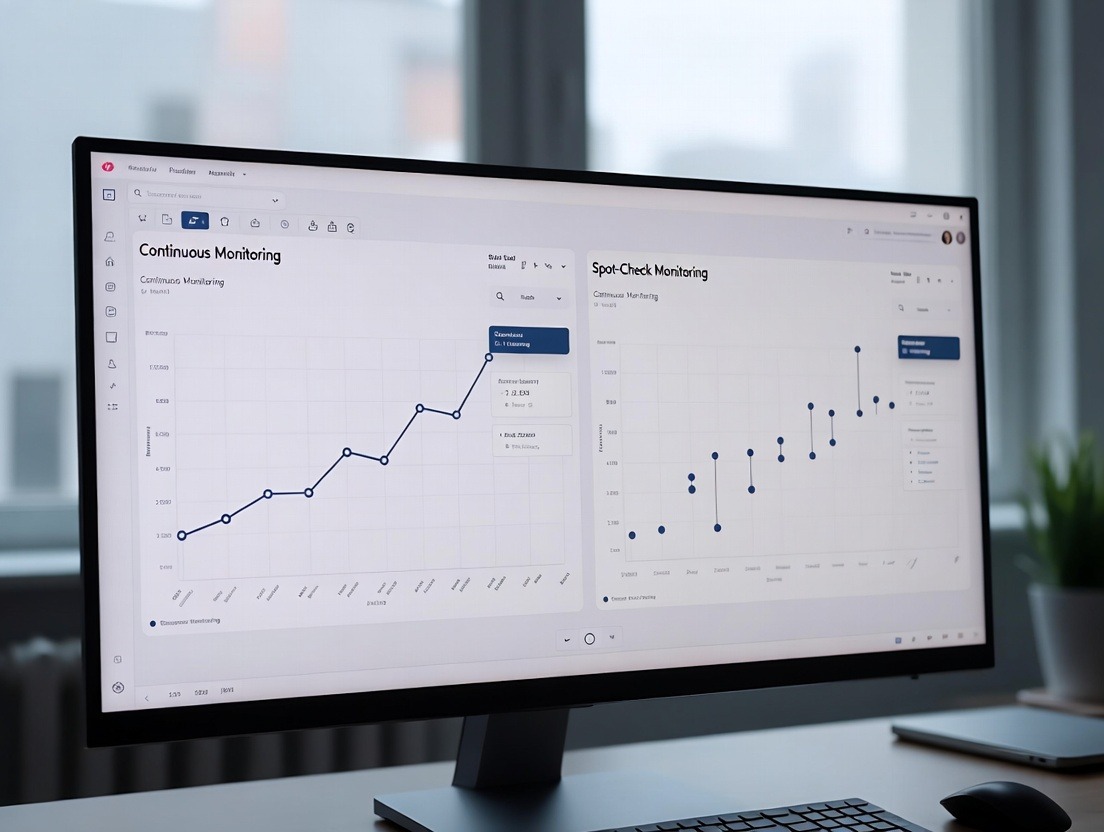
A fundamental paradigm shift offered by the wellness ring is the move from spot-check monitoring to true continuous monitoring. This distinction is not merely about frequency; it’s about the quality and utility of the data story being told. It’s the difference between taking a few photographs of a river and installing a live, 24/7 video feed. One gives you snapshots; the other reveals the currents, tides, and hidden patterns.
Wrist-based devices, especially smartwatches with bright screens, are often taken off for charging, during showers, or for formal events. Many users also find them uncomfortable to wear at night, creating a significant data gap during the most physiologically informative period: sleep. This leads to fragmented data. You might get a good heart rate reading during your workout and a sleep score based on a partial night, but you miss the complete narrative of how your body prepares for sleep, cycles through recovery phases, and wakes up.
A wellness ring, by design, aims for permanence. Its small, unobtrusive form factor, long battery life (often 5-7 days), and water resistance make it easy to wear 24/7. You shower with it, sleep with it, and work with it. This creates an unbroken timeline of biometric data. Why does this continuity matter so much for accuracy?
First, it allows for the establishment of a true personal baseline. Your body isn't a static machine; it's a dynamic system with daily, weekly, and monthly rhythms. An algorithm can only understand what’s "normal" for you by observing you consistently across all contexts—stressful workdays, relaxed weekends, after intense workouts, and during illness. With continuous data, your "resting" metrics are calculated from confirmed periods of actual rest, not from arbitrary daytime moments when you happen to be still. Your temperature baseline isn't a single morning reading; it's a smoothed, validated curve based on thousands of nighttime readings when you are thermally stable.
Second, continuous monitoring captures trends and transitions. The onset of illness is rarely a sudden spike at a 10 AM spot-check. It’s often a gradual elevation in nighttime resting heart rate and a deviation in skin temperature that begins hours before you feel symptoms. A state of accumulated stress might manifest as a slow, week-long creep in your resting heart rate and a suppression of your HRV, visible only on a continuous trend line. These subtle, early warnings are invisible to intermittent monitoring.
Finally, it provides context for spot measurements. A single high HRV reading is just a data point. But an HRV reading viewed in the context of your last 90 nights of sleep, your recent activity, and your temperature trend becomes a meaningful piece of a larger health puzzle. This continuous, intimate data stream is what empowers the ring to offer genuinely personalized feedback, moving you from simply tracking metrics to understanding your body’s unique language, a key step in the science behind intentional rest and downtime.
If there is one biometric that separates advanced health monitoring from basic fitness tracking, it’s Heart Rate Variability (HRV). Often misunderstood as the variation in heart rate (which would be arrhythmia), HRV is actually the subtle, millisecond variation in the time interval between consecutive heartbeats. It is a direct, non-invasive window into the autonomic nervous system (ANS)—the interplay between your sympathetic ("fight or flight") and parasympathetic ("rest and digest") branches. A higher HRV generally indicates a more resilient, adaptable, and recovered nervous system, while a lower HRV can signal stress, fatigue, or overtraining.
Measuring HRV accurately is notoriously difficult. It requires detecting the precise moment of each heartbeat with extreme fidelity. This is where the sensor location becomes paramount, and why the finger offers a significant advantage for consumer-grade devices.
The clinical gold standard for HRV is an electrocardiogram (ECG), which measures the heart’s electrical activity via electrodes on the chest. The peak of the electrical spike (the R-wave) is unmistakable. Optical PPG sensors, like those in rings and watches, must instead detect the pulse wave as it travels through the arteries—a wave that gets distorted, delayed, and dampened as it moves further from the heart. This phenomenon is called pulse wave velocity and pulse transit time.
By the time the pulse reaches the wrist, it has traveled a longer distance and passed through more branching, smaller arteries. The waveform can be less sharp, making the exact moment of the pulse peak harder to pinpoint. The finger, while also peripheral, has a stronger, sharper PPG signal due to its vascular richness. This results in a clearer definition of each pulse peak, allowing algorithms to determine the R-R interval with greater precision. More precise interval detection means a more accurate calculation of HRV metrics like RMSSD (the most common time-domain metric for fitness/recovery tracking).
Furthermore, motion is the enemy of HRV accuracy. Even slight wrist movements can distort the PPG signal. A ring on the finger, especially during sleep when HRV is most meaningfully assessed, is subject to far less disruptive motion than the wrist. The combination of a strong signal and a stable platform makes the ring an ideal form factor for reliable, longitudinal HRV tracking.
It’s crucial to understand that HRV is highly personal. Comparing your number to someone else’s is meaningless. The power lies in tracking your own baseline and trends over time. A wellness ring, with its continuous nocturnal monitoring, is perfect for establishing this baseline by measuring HRV during consistent, undisturbed periods like deep sleep. Seeing a sustained drop from your personal baseline is a far more powerful indicator of needing recovery than any single absolute number, providing a scientific basis for adjusting your training, managing stress, and embracing restful living habits that transform your daily energy.

When people think of body temperature, they think of a 98.6°F (37°C) benchmark and a fever thermometer. However, in the realm of continuous physiological monitoring, skin temperature—specifically its longitudinal trends—is a profoundly rich data stream for understanding metabolism, circadian rhythm, menstrual cycles, and overall health status. And for tracking these subtle trends, the placement and consistency of the sensor are everything.
Core body temperature (CBT) is regulated by the hypothalamus and varies in a predictable circadian rhythm, typically lowest in the early morning hours (around 4-6 AM) and highest in the late afternoon or evening. This rhythm is a master circadian signal, influencing sleep propensity, hormone release (like melatonin and cortisol), and cognitive function. While CBT is measured internally, peripheral skin temperature, especially in the hands and feet, exhibits an inverse rhythm. To dissipate heat and lower core temperature for sleep, the body increases blood flow to the extremities (vasodilation), warming the skin. As core temperature rises toward morning, the extremities vasoconstrict, cooling the skin.
A wellness ring, positioned on a finger—a key thermoregulatory site—is perfectly located to capture this nightly distal skin temperature rhythm with high sensitivity. Unlike a single under-the-tongue reading, the ring collects thousands of data points throughout the night, creating a smooth, accurate curve. Deviations from your personal baseline curve can be highly informative:
The accuracy of this tracking hinges on sensor placement consistency. A wrist device’s temperature reading is highly contaminated by ambient air and bedding because of its larger surface area and looser fit. A ring’s sensor is in constant, stable contact with a thermally sensitive part of the body, shielded from the environment. This allows it to detect changes as small as 0.1°C, turning a simple concept of "temperature" into a dynamic, diagnostic-grade trend line that informs your overall recovery and health picture, complementing the data that shapes your nightly sleep score based on established research standards.
Blood oxygen saturation, or SpO2, is the percentage of hemoglobin in your bloodstream that is carrying oxygen. It’s a vital sign, typically resting between 95-100% for healthy individuals at sea level. While its clinical use is often for detecting hypoxemia (low blood oxygen), in a consumer wellness device, its value lies in monitoring trends and detecting disturbances, particularly during sleep—a key indicator of sleep-related breathing issues.
Measuring SpO2 optically relies on a principle called pulse oximetry. It uses the multi-wavelength PPG capability mentioned earlier. Oxygenated hemoglobin (HbO2) and deoxygenated hemoglobin (Hb) absorb red and infrared light differently. HbO2 absorbs more infrared light and allows more red light to pass through. Hb does the opposite. By emitting both red and infrared LEDs and analyzing the ratio of absorbed light at each wavelength, the sensor can calculate the percentage of oxygenated hemoglobin.
The finger is, in fact, the standard clinical location for pulse oximetry, using finger-clip sensors in hospitals worldwide. This is because the finger provides a strong, pulsatile signal with good arterial perfusion. A wellness ring leverages this same medical-standard location. Its continuous wear allows it to perform SpO2 monitoring throughout the night, screening for episodes of nocturnal desaturation—drops in blood oxygen levels.
Why is nocturnal monitoring important? Temporary dips in SpO2 can occur during sleep, especially during apneas (pauses in breathing) or hypopneas (shallow breathing). Frequent or significant desaturations can be a sign of Sleep-Disordered Breathing (SDB), such as obstructive sleep apnea (OSA). While a ring is not a medical diagnostic device, it can serve as a powerful screening tool, identifying patterns (like recurring cyclical drops) that warrant a discussion with a healthcare professional.
Beyond simple SpO2 values, advanced algorithms can derive respiratory rate from the PPG signal itself. This is done by analyzing either the low-frequency modulation of the heart rate (which syncs with breathing—this is Respiratory Sinus Arrhythmia) or the subtle amplitude changes in the PPG waveform caused by chest movements affecting venous return. A stable respiratory rate during sleep is a sign of good autonomic regulation, while increased variability or trending upward can indicate stress on the system.
The ring’s stable finger position and high-quality PPG signal are critical for these respiratory-derived metrics. Motion severely degrades SpO2 and respiratory rate accuracy. By minimizing motion artifact, especially during the still periods of sleep, the ring can provide reliable, trend-based insights into your breathing health, adding another crucial layer to your understanding of sleep quality and overall vitality, which is intrinsically linked to creating a restful home environment conducive to deep restoration.
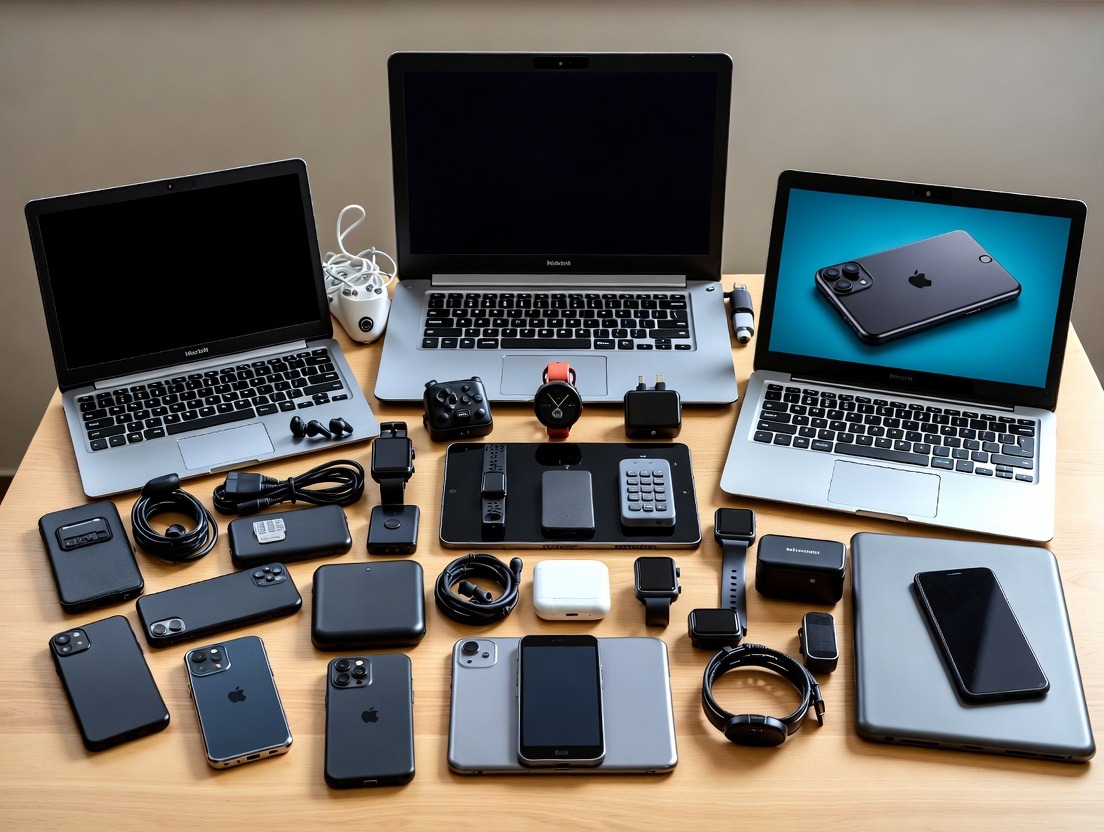
We’ve explored the advanced sensors and brilliant algorithms, but all that technological sophistication hinges on two surprisingly simple, physical factors: Form Factor and Fit. If the ring doesn’t sit correctly on the finger, everything else falls apart. This is the fundamental engineering and user-experience challenge that makes a wellness ring more than just a miniaturized watch. It’s also the source of its primary advantage.
The cylindrical form factor of a ring is biomechanically superior for consistent sensor contact compared to the flat back of a watch on a curved wrist. A wrist has bones, tendons, and a varying cross-section, making it hard for a rigid sensor module to maintain uniform pressure and alignment. A finger, while also tapering, is more uniformly cylindrical. A well-designed ring with a slightly contoured inner surface can achieve broad, even contact with the skin around the entire circumference. This consistent contact is vital for the PPG sensor to maintain a strong signal regardless of hand position.
Fit is paramount. The ring must be snug enough to not spin freely or slide along the finger, as this would change the sensor’s alignment with the blood vessels and introduce motion noise. However, it must not be so tight as to constrict blood flow (which would ironically ruin the PPG signal) or cause discomfort. Most manufacturers offer sizing kits with plastic replicas to find the perfect size, typically for the index, middle, or ring finger. The ideal fit feels secure but not tight, with just a slight resistance when twisting it off.
This perfect fit enables the "continuous" in continuous monitoring. Because it’s comfortable and secure, you forget it’s there. You don’t take it off to type, to sleep, or to wash your hands (given IP68 or similar water resistance). This leads to near-100% data coverage, which, as discussed, is necessary for establishing true baselines and detecting meaningful trends.
Furthermore, the ring’s passive, screenless nature works in its favor. Unlike a watch that buzzes and lights up with notifications—potentially disrupting sleep or causing you to remove it—the ring silently collects data. It operates in the background of your life, not the foreground. This elegant, unobtrusive design isn’t just an aesthetic choice; it’s a functional necessity that ensures the device fulfills its core purpose: to measure your body as it naturally is, not as it reacts to the device itself. This seamless integration supports the very goal of restful living for busy professionals, where monitoring shouldn’t add to cognitive load.
A device that is taken off to charge is a device that is not collecting data. For a tool whose value is built on continuous, longitudinal insight, battery life is not just a convenience spec—it is a direct determinant of data accuracy and user compliance. The engineering challenge for a wellness ring is monumental: pack multiple power-hungry sensors (LEDs are particularly draining), a Bluetooth transmitter, and a capable processor into a tiny ring-sized package, and still achieve 5-7 days of use on a single charge. This feat is accomplished through a combination of hardware efficiency and intelligent software management known as the duty cycle.
Unlike a smartwatch that may actively sample heart rate every few seconds all day, a wellness ring employs a sophisticated, adaptive sampling strategy to conserve power while capturing all necessary data. It doesn’t run all sensors at full power, 24/7. Instead, it operates on a dynamic duty cycle:
The ring’s small size actually aids thermal management, allowing efficient heat dissipation from its components. Furthermore, the use of low-energy Bluetooth (BLE) for syncing and efficient data compression ensures that communication with the phone uses minimal power.
The result is a device you can wear for a full week, including through multiple nights of sleep, workouts, and showers, before needing a brief 1-2 hour charge. This longevity is critical for user habit formation. The ring becomes a true part of you, like a wedding band, not a gadget you constantly manage. You don’t have to remember to put it on every night for sleep tracking—it’s already there.
This seamless, always-on experience ensures no gaps in your health timeline. You get complete sleep data every single night, uninterrupted temperature curves, and a full picture of your recovery from day to day. It allows the algorithms to work with a complete dataset, making their insights—from sleep scores to readiness metrics—far more accurate and personalized. This reliable, uninterrupted data flow empowers you to make consistent, informed choices that support a sustainable balance between productivity and essential rest.
The most significant leap from generic health tracking to personalized health intelligence is the concept of baselining. A number in isolation is just a data point. A number viewed in the context of your own personal normal range is a meaningful signal. This is the final, and perhaps most important, layer of accuracy a wellness ring provides: it learns you.
When you first put on a wellness ring and sync it with its app, the algorithms aren’t yet giving you deeply personalized feedback. They are collecting data to answer a fundamental question: What does "normal" look like for your body? This process typically takes 7-14 days of continuous wear, with some metrics like temperature baselines stabilizing over a full menstrual cycle for women.
During this period, the system is building your unique physiological profile:
Once this baseline is established, the magic happens. The daily metrics you see—your Readiness Score, your Sleep Score, your HRV balance—are not judged against a generic ideal. They are assessed as deviations from your own normal. A drop in your HRV is significant if it’s a drop from your baseline, even if the absolute number is still higher than someone else’s. A higher nighttime temperature is flagged because it’s higher than your typical pattern.
This personalization is what makes the data actionable. It helps you identify what positively or negatively impacts your system. Did that late-night meal cause a measurable elevation in your nighttime heart rate and a poorer sleep score? Did that intense workout two days ago still show up as suppressed HRV today, suggesting you need more recovery? Did a week of practicing restful living evening rituals gradually improve your deep sleep percentage?
The ring becomes a biofeedback loop. You make a lifestyle change, and you see how your body responds through objective data. This creates a powerful connection between action and outcome, fostering mindful living. It moves you from chasing arbitrary health goals to understanding and nurturing your body’s unique rhythms and needs. The accuracy of the ring, therefore, culminates not in a perfect number, but in a perfect understanding of your own imperfect, wonderfully unique human biology.
The leap from a chunky, hospital-grade pulse oximeter to a sleek, all-day wearable ring is a monumental feat of engineering. The core challenge of miniaturization isn't just about making components smaller; it's about shrinking them while preserving—or even enhancing—their accuracy, power efficiency, and thermal performance. This relentless pursuit of "lab-grade in a ring" is what separates modern wellness rings from novelties and positions them as serious health tools.
At the heart of this challenge are the optical components. In a clinical setting, a pulse oximeter uses relatively large, high-power LEDs and a spacious photodetector to ensure a strong signal. To fit this into a ring, engineers had to develop micro-LEDs and miniaturized photodiodes that consume a fraction of the power while maintaining precise light emission and sensitivity. The optical path—the distance and angle between the LED and the sensor—becomes critically important at this scale. A misalignment of a fraction of a millimeter can scatter light and ruin the signal. Advanced manufacturing techniques, often borrowed from the semiconductor industry, ensure these components are placed with microscopic precision on the ring’s inner curvature.
Then comes the issue of power density. A smaller ring means a smaller battery. To achieve multi-day battery life, every component must be ultra-efficient. This drove the development of application-specific integrated circuits (ASICs)—custom chips designed solely for the ring’s tasks of sensor management, data processing, and Bluetooth Low Energy transmission. These ASICs perform their duties with minimal wasted energy, unlike the general-purpose processors found in larger devices. Intelligent power management firmware dynamically controls the duty cycle of each sensor, as previously discussed, ensuring power is only used where and when it’s needed.
Thermal management is another hidden hurdle. Packing electronics into a tiny, sealed metal ring creates a potential for heat buildup, which can skew temperature sensor readings and degrade battery life. Engineers employ clever design tactics: using the ring’s own metal body as a heat sink, strategically placing components to avoid hotspots, and implementing software safeguards that throttle performance if abnormal heat is detected.
Finally, durability is a non-negotiable part of miniaturization. A ring is subject to impacts, water immersion, and constant skin contact (which involves sweat and pH variations). The sensors must be protected behind medical-grade, scratch-resistant sapphire glass or zirconia ceramic windows that maintain optical clarity. The housing itself is typically a robust alloy like titanium, providing strength without adding bulk. This rugged miniaturization ensures the delicate lab-grade technology inside can survive the real world, collecting reliable data whether you’re washing dishes, working out, or sleeping. It’s a testament to engineering that allows sophisticated health monitoring to vanish into the background of daily life, supporting a holistic approach to restful living on any budget.
Even with perfect sensors and placement, the path to an accurate biometric reading is littered with "noise." In signal processing, noise refers to any unwanted variation that obscures the true physiological signal. For a wellness ring, the three primary sources of noise are motion, pressure, and environmental factors. The device’s ability to identify and suppress this noise is a direct measure of its sophistication and a major contributor to its real-world accuracy.
Motion Artifact (MA) is the most significant corruptor of PPG signals. It occurs when movement between the ring and the skin changes the optical path. Bending your finger, gripping a steering wheel, or even typing can cause sudden shifts in the amount of light reflected back to the sensor, creating spikes in the data that can be mistaken for heartbeats. This is why early optical heart rate monitors failed during high-intensity exercise. Modern rings use a multi-pronged defense. The 3-axis accelerometer provides a real-time "noise reference." Advanced algorithms, such as adaptive noise cancellation, use this motion data to model and subtract the motion-induced component from the PPG signal in real-time. Furthermore, by prioritizing data from periods of minimal motion (like sleep) for critical metrics like HRV, the ring ensures its most important insights are derived from the cleanest possible signals.
Pressure Changes present a more subtle challenge. When you press your finger against a surface, you locally occlude blood flow, temporarily altering the PPG waveform. Even the natural variation in how tightly the ring fits from moment to moment can cause a low-frequency "drift" in the signal baseline. Algorithms are trained to recognize the signature of these pressure-induced changes—often a dampening or flattening of the pulse wave rather than its complete disappearance—and can flag these periods as lower quality or interpolate data from cleaner adjacent segments.
Environmental Interference includes both optical and thermal noise. Optical interference (ambient light leak) is mitigated by the ring’s physical design: a snug fit and often a raised bezel or lip around the sensor module that shields it from external light. The sensor itself also operates in a specific timed sequence, emitting its own light pulse and reading the reflection during a dark period, which helps it ignore constant ambient light. Thermal interference is a key concern for the temperature sensor. A ring left on a nightstand, or a hand pulled out from under the covers, will see a rapid skin temperature change due to ambient air, not physiology. To combat this, algorithms heavily weight data from periods of stable, prolonged wear (like the middle of the night) and apply smoothing filters to distinguish true physiological trends from environmental spikes.
By continuously battling these sources of noise, the ring works to present a clear picture of your internal state. This ongoing filtration process is what allows it to provide trustworthy data in the messy, unpredictable context of real life, turning a raw, chaotic signal into a stream of clear, actionable health intelligence that can guide everything from your workout intensity to your evening wind-down routine for better sleep.
While traditional algorithms filter noise and calculate standard metrics, the next frontier of accuracy and insight in wellness rings is driven by Machine Learning (ML) and Artificial Intelligence (AI). These technologies move beyond fixed formulas, enabling the ring to recognize complex patterns, make predictions, and offer hyper-personalized insights that evolve with you. This transforms the device from a reporter of the past into an intelligent guide for the future.
At its core, ML involves training a computational model on vast datasets to find patterns and relationships that are too complex for humans to program explicitly. For a wellness ring, this training data might consist of millions of hours of anonymized, multi-sensor data (PPG, accelerometer, temperature) paired with outcomes—like confirmed periods of deep sleep from polysomnography, self-reported stress events, or illness logs.
One powerful application is in sleep stage classification. While traditional algorithms use rule-based logic (low heart rate + no motion = deep sleep), ML models can analyze the entire, complex tapestry of data simultaneously. They can learn that the transition from light to REM sleep has a specific, nuanced signature in the heart rate variability waveform combined with a particular pattern of micro-motions that a rule-based system might miss. This leads to sleep staging that more closely aligns with clinical gold standards.
Another area is predictive analytics. By learning your unique patterns over time, ML models can identify precursors to certain states. For example, the model might learn that a specific combination of a slightly elevated resting heart rate, a suppressed HRV, and a rising skin temperature trend over 36 hours has, for you, a 70% correlation with the onset of a common cold. It could then provide an early "immune system stress" alert, suggesting you prioritize rest and hydration. This isn't diagnosis; it's pattern recognition and risk forecasting based on your personal history.
AI also enables habit correlation and personalized recommendations. The system can analyze your data to find statistically significant correlations between your behaviors and your biometric outcomes. It might surface insights like: "On days you finish eating 3 hours before bed, your deep sleep is 12% higher," or "Your HRV tends to drop the day after high-intensity afternoon workouts." These are personalized, data-driven nudges that help you experiment and learn what truly works for your body, moving you toward a more intuitive and restful living mindset focused on being rather than constant doing.
Furthermore, adaptive baselining is an AI superpower. Instead of a static baseline, ML models can dynamically adjust what’s "normal" for you as you age, change fitness levels, or alter your lifestyle. This ensures the system’s feedback remains relevant and accurate throughout your life’s chapters. The ring doesn’t just learn you once; it continues to learn with you, making its insights perpetually personalized and its accuracy enduring.
For consumers to trust the data on their fingertips, they need to know: How does this compare to what a doctor would measure? This is the realm of calibration and validation—the rigorous, often unpublished scientific work that separates reputable devices from marketing hype. Understanding this process is key to appreciating the genuine accuracy of a modern wellness ring.
Calibration refers to the process of configuring the device’s sensors and algorithms to produce accurate absolute measurements. For example, the SpO2 sensor must be calibrated against known oxygen saturation levels to ensure its light ratio calculations translate to the correct percentage. This is typically done in controlled lab environments using specialized equipment that can simulate various blood oxygen levels. Similarly, temperature sensors are calibrated against ultra-precise reference thermometers. High-end manufacturers often use medical-grade sensors that are pre-calibrated at the component level, providing a foundational level of accuracy before the ring is even assembled.
Validation is the critical next step: testing the entire, finished device against established gold-standard methods in real-world (or realistic) scenarios. This is where clinical studies come in. Reputable wellness ring companies invest in peer-reviewed research conducted with academic or medical institutions. These studies typically involve:
The results of such studies are telling. For example, validation research on leading rings has shown:
It’s vital to understand the intended use. A wellness ring is a "wellness" device, not a "medical" device in the regulatory sense. It is designed for trend analysis, lifestyle insight, and early detection of deviations—not for diagnosing disease. However, by undergoing and publishing rigorous validation, top-tier rings demonstrate that their data is of a quality that can inform meaningful health conversations with a professional and provide a reliable window into your physiology, supporting a proactive approach to health that aligns with the principles of restful living as a chronic stress antidote.
Even the most accurately engineered device is useless if it’s sitting in a drawer. User compliance—the act of consistently wearing and correctly using the device—is the most critical, and often overlooked, variable in the accuracy equation. All the lab validation in the world means nothing if the data stream is full of gaps. Here, the wellness ring’s form factor delivers perhaps its greatest advantage over other wearables, by seamlessly integrating into the user’s life.
The barriers to compliance for wrist-worn devices are significant:
The wellness ring, by design, dismantles these barriers:
This high compliance rate creates a complete and continuous dataset. For algorithms, this is priceless. Gaps in data force algorithms to guess or interpolate, reducing accuracy. A continuous stream allows for the detection of true trends, the establishment of rock-solid personal baselines, and the elimination of selection bias (where you only wear the device when you think you'll have "good" data, like on workout days).
Furthermore, correct usage is straightforward: wear it on the recommended finger (usually index, middle, or ring), ensure a proper fit, and keep it charged. There’s no need to tighten a band before a workout or remember to put it on at night. This simplicity removes user error from the equation. When the device is always on and always positioned correctly, the data it generates is a faithful, uninterrupted recording of your physiology, empowering you with the insights needed to craft a sustainable restful living morning routine that sets a calm tone for the entire day.
The current suite of sensors in a wellness ring—PPG, accelerometer, temperature—is just the opening chapter. The unique vascular and anatomical real estate of the finger, combined with relentless miniaturization, is paving the way for a new generation of capabilities that will deepen our understanding of health and blur the lines between consumer wellness and clinical monitoring.
One of the most anticipated frontiers is non-invasive and continuous blood glucose monitoring (CGM). While current CGMs require a subcutaneous filament, research into optical and spectroscopic methods is advancing rapidly. The finger, with its rich blood supply, is a prime candidate for such technology. Using advanced multi-wavelength or Raman spectroscopy, a future ring might shine specific light frequencies to detect the molecular "signature" of glucose, providing trend data that could be revolutionary for metabolic health management, even for non-diabetics interested in optimizing their energy and diet.
Blood Pressure Monitoring is another holy grail. While some wrist devices attempt this using pulse transit time (the speed of the pulse wave from heart to wrist), the calculations are complex and prone to error. A ring on the finger could employ a more direct approach, such as tonometry—using a tiny, precision actuator to apply pressure to the artery and optically detect the point of occlusion, similar to the principle of an inflatable cuff but on a micro-scale. Or, it could use highly refined PPG waveform analysis to estimate pressure changes.
Hydration and Electrolyte Balance sensing is also on the horizon. By analyzing the specific light absorption properties of tissue, or using bioimpedance at very specific frequencies, a sensor could estimate fluid volume shifts and electrolyte concentrations. This would be a game-changer for athletes, those in hot climates, or anyone managing conditions affected by hydration.
Advanced Biochemical Sensing through sweat is a natural fit for a ring, as the fingers have eccrine sweat glands. A tiny microfluidic channel and electrochemical sensor on the inner band could analyze sweat for markers like lactate (exercise intensity), cortisol (stress), or even electrolytes. This would provide real-time, dynamic feedback during activity or stressful periods.
Finally, improved neural and autonomic sensing is likely. More sensitive PPG and new sensor types could provide deeper insights into vascular stiffness, endothelial function (a marker of cardiovascular health), and even more nuanced divisions of the autonomic nervous system’s activity.
As these technologies mature, the wellness ring will evolve from a recovery and sleep tracker into a comprehensive, real-time health dashboard. It will offer a holistic view of your metabolic, cardiovascular, and nervous system health, all from a device you never take off. This future points toward truly preventative and personalized healthcare, where your ring serves as a constant guardian, providing insights that empower you to live not just longer, but with greater vitality and balance, fully embracing the art of restful living in our fast-paced world.
With all its technological sophistication, it is crucial to ground our understanding of wellness rings in reality. These are powerful tools, but they are not magic, nor are they medical devices. Setting realistic expectations is key to deriving true value from them and avoiding misinterpretation that could lead to unnecessary anxiety or overlooked medical issues.
What a Wellness Ring Is Exceptionally Good At:
The Important Limitations to Understand:
Using a wellness ring effectively means viewing it as a biofeedback partner, not an oracle. Its job is to give you an objective, external view of your internal state so you can make informed choices. It empowers self-knowledge, but that knowledge must be integrated with common sense, bodily awareness, and professional medical advice. This balanced approach is the essence of using technology to support, not dominate, your journey toward well-being, helping you avoid the common restful living mistakes that can keep you wired and tired.
With a growing market of options, selecting a wellness ring involves more than just comparing battery life and price. To ensure you’re getting a device capable of delivering on the promise of accurate, actionable data, you must look beyond marketing claims and examine the foundational elements of quality. Here are the key accuracy-focused considerations for choosing your ring.
1. Sensor Quality and Transparency:
Look for manufacturers that specify the grade of their components. Terms like "medical-grade PPG sensor" or "clinical-grade temperature sensor" indicate a higher standard of component calibration and performance. Transparency about the wavelengths of light used (e.g., green, red, infrared) is also a good sign. Beware of vague claims like "advanced bio-sensing" without technical details.
2. Published Validation Research:
This is the single most important factor for assessing real-world accuracy. Does the company invest in third-party, peer-reviewed clinical studies? Can you easily find white papers or research summaries on their website showing Bland-Altman plots and agreement statistics with gold-standard devices for sleep, HRV, and SpO2? A company that doesn’t publish its validation data is asking for blind trust.
3. Algorithmic Sophistication and Personalization:
Investigate how the ring establishes your baseline and provides scores. Does it have a clear onboarding period (e.g., 14 days) to learn you? Does it provide trend analysis and context for your daily numbers? Look for mentions of machine learning or adaptive algorithms, which suggest a more advanced, personalized system than simple, static calculations.
4. Form Factor and Fit Precision:
Accuracy depends on consistent sensor contact. Examine the company’s approach to sizing. Do they offer a free, detailed sizing kit (preferable), or do you guess your ring size? A good kit will have multiple half-sizes to ensure a perfect fit. Consider the ring’s inner contour—is it designed to hug the finger, or is it a simple flat band?
5. Data Ownership and Depth of Analysis:
Your data is only as useful as your access to it. Does the app allow you to export raw data (e.g., minute-by-minute heart rate, HRV, temperature)? Can you view long-term trends easily? A platform that offers deep dives into your data empowers you to do your own correlation analysis and share information meaningfully with a coach or doctor.
6. Ecosystem and Integrations:
Accuracy can be enhanced by context from other apps. Does the ring sync with popular fitness platforms (Strava, Apple Health, Google Fit) or health ecosystems? This allows you to correlate its recovery data with your workout logs, nutrition apps, or menstrual cycle trackers, creating a more complete picture.
7. Company Philosophy and Roadmap:
Look at the company’s mission. Are they focused on selling hardware, or are they invested in long-term health research and software updates? A company that views the ring as a platform for ongoing discovery, and regularly releases new algorithm-based features via firmware updates, is likely more committed to sustained accuracy and innovation.
By prioritizing these factors, you move from being a passive consumer to an informed user. You select a tool engineered for truth, not just convenience. This empowers you to build a reliable, long-term partnership with a device that will help you tune into your body’s signals, guiding you toward sustainable habits that foster genuine resilience and the deep, natural sleep quality that comes from a restful life.
Our exploration into the accuracy of finger-based tracking reveals a story not of a single breakthrough, but of a convergence of disciplines. It is a symphony where biology provides the perfect venue—the vascular, thermally sensitive finger. Physics and optics contribute the core methodology of photoplethysmography. Electrical engineering performs the miracle of radical miniaturization. Computer science develops the intelligent algorithms that filter noise and find meaning. Data science and machine learning add the layers of personalization and prediction. Finally, clinical validation provides the essential seal of trust, proving the whole system works in the real world.
The wellness ring’s accuracy, therefore, is not an accident or a marketing claim. It is the deliberate outcome of leveraging a superior physiological location with increasingly sophisticated technology. It capitalizes on the finger’s rich arterial blood flow for a strong, clean PPG signal. It uses the finger’s role in thermoregulation for sensitive temperature trends. Its form factor ensures compliance and consistent contact, turning continuous monitoring from an ideal into a reality.
This first portion of our deep dive has laid the foundational understanding: why the finger is a biologically astute choice, how the core sensors work, and the immense computational effort required to transform raw light and motion into health intelligence. We’ve seen how these devices are validated, how they learn your unique physiology, and the realistic expectations we should hold for them.
The result is a new kind of health tool: one that is intimate, unobtrusive, and profoundly personal. It shifts the focus from tracking isolated workouts to understanding your 24/7 readiness and recovery. It provides a objective mirror to reflect how your lifestyle choices—from your workout intensity to your evening wind-down ritual—resonate through your nervous system, your metabolism, and your sleep.
This knowledge empowers you to move beyond generic health advice and into the realm of personalized well-being. You are no longer guessing what "getting enough sleep" means for you; you can see its impact on your HRV and temperature. You’re not just working out; you’re learning how your body recovers from different types of strain. The ring becomes a guide to your own biology, helping you cultivate a life that is not just productive, but truly restorative, aligned with the fundamental need for restful living spaces that design our environment for calm and restoration.
The journey into wellness ring accuracy continues in the next portion, where we will delve into the practical application of this data: how to interpret your scores, build actionable habits, integrate ring data with other health metrics, and navigate the future of this transformative technology in everyday life. The science on your finger is just beginning to speak; learning its language is the key to unlocking its full potential.
Your Trusted Sleep Advocate: Sleep Foundation — https://www.sleepfoundation.org
Discover a digital archive of scholarly articles: NIH — https://www.ncbi.nlm.nih.gov/
39 million citations for biomedical literature :PubMed — https://pubmed.ncbi.nlm.nih.gov/
Experts at Harvard Health Publishing covering a variety of health topics — https://www.health.harvard.edu/blog/
Every life deserves world class care :Cleveland Clinic - https://my.clevelandclinic.org/health
Wearable technology and the future of predictive health monitoring :MIT Technology Review — https://www.technologyreview.com/
Dedicated to the well-being of all people and guided by science :World Health Organization — https://www.who.int/news-room/
Psychological science and knowledge to benefit society and improve lives. :APA — https://www.apa.org/monitor/
Cutting-edge insights on human longevity and peak performance:
Lifespan Research — https://www.lifespan.io/
Global authority on exercise physiology, sports performance, and human recovery:
American College of Sports Medicine — https://www.acsm.org/
Neuroscience-driven guidance for better focus, sleep, and mental clarity:
Stanford Human Performance Lab — https://humanperformance.stanford.edu/
Evidence-based psychology and mind–body wellness resources:
Mayo Clinic — https://www.mayoclinic.org/healthy-lifestyle/
Data-backed research on emotional wellbeing, stress biology, and resilience:
American Institute of Stress — https://www.stress.org/


