


Wellness Ring Basics: Price Points and What You Get
Compares different price ranges for wellness rings and the features typically included at each level.
Compares different price ranges for wellness rings and the features typically included at each level.
%402x.svg)
In an age where data is the new currency of health, a quiet revolution is happening not on our wrists, but on our fingers. The smart ring, once a niche gadget for tech enthusiasts, has blossomed into a sophisticated wellness companion, offering a window into our most intimate biological processes: sleep, recovery, stress, and readiness. Unlike the often bulky, screen-centric smartwatch, the wellness ring is minimalist, unobtrusive, and designed to be worn 24/7, capturing data from the very moment we slip it on. But with a market that now spans from under $100 to well over $400, navigating the world of wellness rings can feel overwhelming. What does your investment actually buy? Is a more expensive ring inherently better, or are you just paying for a brand name?
This comprehensive exploration will demystify the wellness ring landscape. We’ll move beyond marketing buzzwords and dive deep into the core components that define value. We’ll dissect the sensor technology that powers these devices, the algorithms that translate raw data into meaningful insights, and the all-important software experience that turns numbers into actionable health wisdom. We’ll explore how material, battery life, and even subscription models dramatically affect the true long-term cost. Whether you’re a biohacker seeking granular data, a fitness enthusiast tracking recovery, or someone simply looking to improve sleep and manage stress, understanding these basics is the first step to choosing a ring that doesn’t just sit on your finger, but actively contributes to a more balanced, restful life. The goal is not just to own a piece of tech, but to begin a journey of self-awareness and improved well-being.
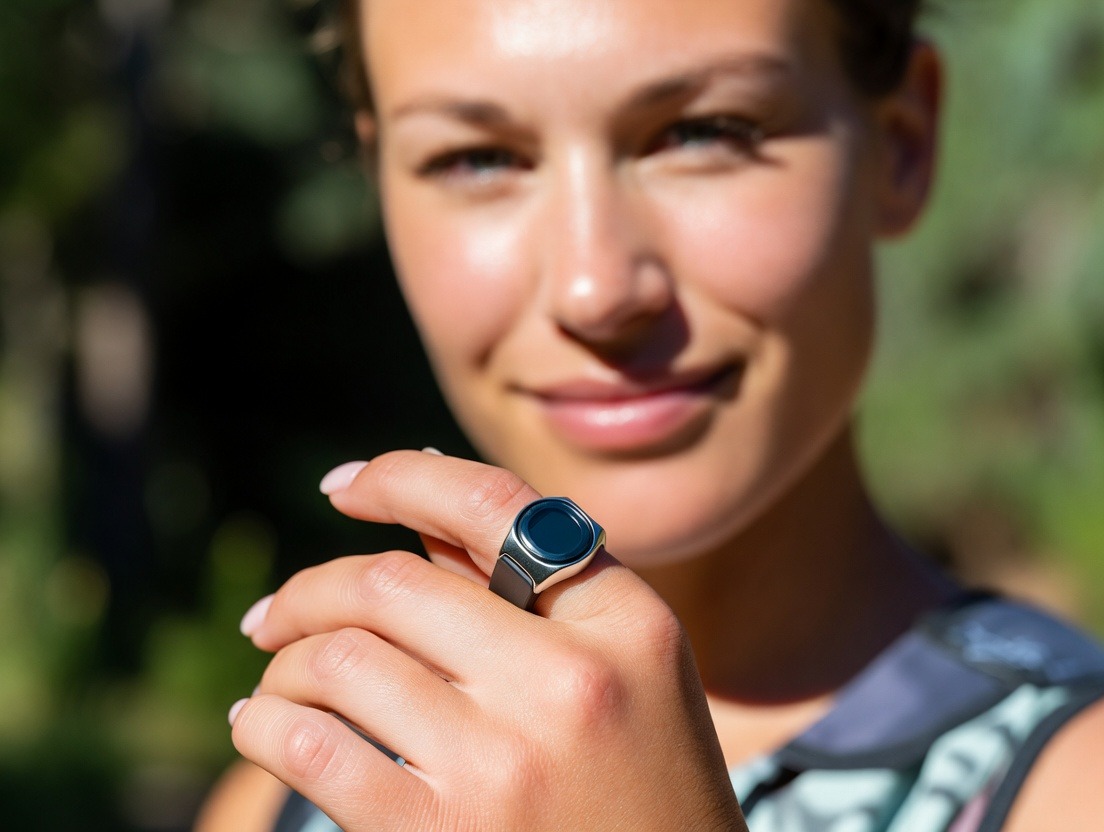
Forget everything you know about smartwatches. A wellness ring is not a notification center or a mini-smartphone. Its purpose is singular and profound: to be a continuous, passive biomonitor. Its discreet form factor is its superpower. While you sleep, work, exercise, and relax, it’s silently collecting a stream of physiological data from arteries and capillaries close to the skin’s surface on your finger—a surprisingly optimal location for certain types of measurements.
At its most fundamental, a wellness ring answers three primary questions about your body: How did you recover? How are you performing right now? And what is your underlying stress load? It does this primarily through advanced photoplethysmography (PPG) sensors, which use light to measure blood volume changes, and often a 3D accelerometer for motion. From these foundational data points, a universe of metrics is derived: heart rate, heart rate variability (HRV—a gold-standard indicator of your nervous system’s recovery status), skin temperature, blood oxygen saturation (SpO2), and respiratory rate.
But data alone is useless. The magic—and the major differentiator between a $100 ring and a $400 one—lies in the proprietary algorithms and the actionable insights. A basic ring might show you your nightly average HRV. An advanced system will analyze the nuances of your HRV throughout the night, combine it with your sleep stages, temperature fluctuations, and respiratory rate to calculate a “Readiness” or “Recovery” score. It will tell you not just that you slept poorly, but why it thinks you did—perhaps pinpointing a late meal, elevated stress, or the onset of illness.
This is where the true value proposition of a wellness ring shines. It moves you from reactive health management (“I feel tired”) to proactive, data-informed awareness (“My recovery score is low today, so I’ll prioritize a gentle yoga session over a high-intensity workout”). It externalizes your internal state, providing an objective check on your subjective feelings. This foundational understanding of your body’s rhythms is the first step toward restful living, where decisions are guided by internal cues rather than external pressure.
The wellness ring market naturally segments into three broad tiers: Budget (Under $150), Mid-Range ($150 - $300), and Premium ($300+). These aren’t just arbitrary price brackets; they represent significant leaps in technology, accuracy, material quality, and software intelligence.
The Budget Tier (Under $150): Rings in this category are typically made from lightweight plastics like polycarbonate or basic stainless steel. They focus on core, consumer-grade sensor suites—often a single PPG sensor for heart rate and pulse oximetry. The data you get is broad-strokes: sleep duration, basic sleep stage breakdown (Light, Deep, REM), resting heart rate, and SpO2. The algorithms are simpler, often relying on open-source or less refined models. The companion app is functional but may lack deep analysis, personalized guidance, or a polished user experience. Battery life can be a standout feature here, as less complex sensors and smaller batteries can sometimes mean longer intervals between charges. This tier is for the curious newcomer who wants a basic window into their sleep patterns without a major financial commitment.
The Mid-Range Tier ($150 - $300): This is the competitive heart of the market, where most flagship models from established brands reside. Here, you encounter higher-grade materials: titanium, ceramic, and durable coatings become standard. The sensor suite expands to include multiple LED wavelengths for more accurate PPG readings, a skin temperature sensor, and a better accelerometer. The algorithms are the crown jewels—proprietary, clinically validated, and constantly updated. You’ll see sophisticated scores for Recovery, Stress, and Sleep Quality, not just raw data. The apps are feature-rich, offering trends, correlations (e.g., “your sleep score drops when you have alcohol after 8 PM”), and basic guidance. For most people seeking serious wellness insights, this tier offers the best balance of advanced technology, durable construction, and actionable intelligence without the premium price tag.
The Premium Tier ($300+): At this apex, you are paying for one or more of the following: cutting-edge, medical-grade sensor technology (sometimes seeking FDA clearance); exotic, luxury materials like gold, platinum, or advanced composites; and/or a deeply integrated, subscription-based ecosystem of personalized coaching, advanced analytics, and health professional portals. The hardware is often indistinguishable from fine jewelry. The data accuracy aims for clinical relevance. The software might include features like on-demand EKG, advanced menstrual cycle tracking with temperature baselines, or hyper-personalized fitness recommendations powered by AI. This tier is for the individual who views their ring as a long-term health investment and desires the highest possible fidelity of data, coupled with a luxury experience and comprehensive support.
The value of any wellness ring is built upon the quality and capability of its sensors. Think of them as the ring’s senses. A more advanced sensor suite doesn’t just collect more data; it collects better, cleaner data, which is the essential fuel for accurate algorithms.
Photoplethysmography (PPG): The Heart of the Matter. This is the core sensor in every wellness ring. It works by shining light (usually green, red, and infrared LEDs) into the skin and measuring the amount of light reflected back. As blood volume in your capillaries pulses with each heartbeat, the light absorption changes. A basic PPG setup might use a single green LED, excellent for heart rate but less reliable for SpO2. Advanced rings use multi-wavelength PPG (green for HR/HRV, red and infrared for SpO2). The number of LEDs and photodiodes (the light receivers) matters—more channels can reduce motion noise and improve accuracy during sleep and light activity.
3-Axis Accelerometer: The Motion Detective. This sensor tracks movement. Its primary role is to distinguish sleep from wakefulness and identify periods of restlessness. It also enables basic activity tracking (steps) and workout detection. In sophisticated algorithms, motion data is fused with PPG data; for instance, a spike in heart rate without corresponding motion can indicate a stress response or a dream.
Skin Temperature Sensor: The Subtle Trend-Spotter. This isn’t a thermometer for telling you if you have a fever. It’s a highly sensitive sensor that tracks relative changes in your peripheral body temperature over time—often to a precision of 0.1°C. These minute fluctuations are incredibly informative. A sustained elevation can indicate the onset of illness, inflammation, or, for women, ovulation. A lower-than-baseline temperature upon waking might correlate with poor sleep quality. Tracking this over months reveals your personal circadian rhythm in a powerful way.
The Synergy of Data. The true power emerges when these sensors work in concert. For example, your ring detects a lowered heart rate variability (via PPG), elevated nocturnal heart rate (via PPG), and a slight rise in skin temperature (via the temp sensor). Individually, these could mean anything. Together, they form a high-probability signature that your body is fighting an infection or is under significant metabolic stress. This multi-parameter approach is what transforms a gadget into a credible wellness advisor. It’s also the foundation for understanding holistic metrics like your sleep score, which research shows is a composite of duration, consistency, stages, and physiological restoration.

If sensors are the senses, algorithms are the ring’s brain. They are the proprietary, complex mathematical models that take the raw, noisy sensor data and turn it into clean, meaningful metrics and, ultimately, actionable scores. This is arguably where 80% of a ring’s development cost and intellectual property resides, and it’s the largest differentiator between a cheap tracker and a powerful wellness tool.
Data Processing and Cleaning: The first job of the algorithm is to clean the signal. Finger movements, loose fits, and environmental factors create artifacts. Advanced algorithms use sensor fusion (combining PPG and accelerometer data) and machine learning models to identify and discard garbage data, ensuring the metrics you see are based on reliable readings.
Metric Derivation: Clean data is then processed into metrics. Calculating Heart Rate Variability (HRV), for instance, isn’t just averaging the time between beats. The algorithm must identify each pulse peak accurately (a challenge during movement), then apply a specific method (like rMSSD) to compute HRV, which is a key indicator of your autonomic nervous system balance. Similarly, sleep staging isn’t a simple guess; it’s a analysis of heart rate patterns, HRV, motion, and sometimes respiratory rate to classify each minute of sleep as Wake, Light, Deep, or REM sleep.
The Creation of Composite Scores: This is the user-facing magic. Brands develop their own branded scores—Readiness (Oura), Recovery (Whoop), Body Battery (Garmin via wearables)—to give you one simple number to assess your status. A Recovery Score might blend your nightly average HRV, your resting heart rate trend, your sleep duration/quality, and your temperature deviation. A Sleep Score typically combines sleep duration, efficiency (time asleep vs. time in bed), the balance of sleep stages, and restfulness (periods of wakefulness). As you track your sleep improvement over months, these scores provide a powerful narrative of your progress.
Personalized Baselines: A top-tier algorithm doesn’t just compare you to population averages. It learns you. Over a period of weeks, it establishes your personal baselines for HRV, resting heart rate, temperature, and sleep. This is critical because a “good” HRV for one person might be 40 ms, and for another, 100 ms. The ring assesses your daily metrics against your own baseline, making the insights genuinely personal. It can alert you that “your temperature is significantly elevated from your personal norm,” which is far more meaningful than just telling you your temperature.
The ring is just a data collector. The smartphone app is the portal to understanding. The quality, depth, and usability of this app are paramount to your long-term engagement and the ring’s value. A beautiful ring paired with a clunky, confusing app is a frustrating and wasted investment.
Dashboard Clarity and Hierarchy: Upon opening a best-in-class app, you should immediately see your key daily metrics—your Readiness/Recovery score, Sleep Score, and perhaps a Stress or Activity score—presented clearly. Tapping into each should reveal the contributing factors. For example, a lower Sleep Score should break down into “Duration: Good,” “Efficiency: Fair,” “Deep Sleep: Poor.” This teaches you the why behind the number.
Trends and Correlations: The real “aha!” moments happen in the trends section. A good app will show you weekly, monthly, and yearly graphs of your key metrics. Even more valuable are correlation features. The app might analyze your data and surface insights like: “On nights you finish eating within 3 hours of bedtime, your deep sleep is 12% lower,” or “Your resting heart rate tends to be lower on days after you do mindfulness sessions.” These data-driven nudges are what empower behavioral change. They help you see the direct impact of your lifestyle choices, a core principle of the restful living philosophy.
Guidance and Recommendations: Beyond showing data, the best apps offer gentle, personalized guidance. If your readiness score is low, it might suggest “Focus on recovery today: consider a walk instead of a strenuous workout, and aim for an early bedtime.” It may offer guided breathing exercises if it detects elevated daytime stress. This turns the ring from a passive monitor into an active coach.
Data Export and Integration: For data enthusiasts or those working with health professionals, the ability to export raw or processed data (via CSV or Apple Health/Google Fit integration) is a key feature. It allows for deeper personal analysis or sharing with a doctor or coach. A closed ecosystem that locks your data inside a basic app can be a significant long-term limitation.
Unlike a watch you can take off during a workout or at your desk, a wellness ring’s utility depends on you wearing it constantly. Therefore, its physical design—materials, comfort, size, and durability—is not an afterthought; it’s a primary feature that directly impacts data accuracy and user compliance.
Material Matters: The choice of material defines the ring’s look, feel, weight, and longevity.
The Critical Importance of Fit: A poorly fitting ring is a useless one. It must be snug enough that the sensors maintain consistent contact with the skin, especially during sleep when your fingers contract slightly in the cool. However, it should not be so tight as to cause discomfort or restrict circulation. Most companies provide detailed sizing kits (plastic or foam rings) that you must wear for 24+ hours, including a night’s sleep, to find your ideal size. A ring that spins loosely will generate motion noise and gaps in data. Remember, your finger size can fluctuate with temperature, hydration, and time of day, so a perfect fit accounts for this natural variance.
Profile and Comfort: The interior shape is crucial. A flat or gently rounded interior profile distributes pressure and is comfortable for long-term wear. A ring with a large, blocky sensor bump on the inside can become irritating. The thickness (or “profile”) of the ring also matters; a thinner, lower-profile ring is less likely to catch on gloves, pockets, or during activities.
Battery Hatch vs. Sealed Unit: Some rings have a small, removable hatch to access the charging ports, while others are fully sealed and charge via inductive pins or a wireless charging dock. A sealed unit typically offers better water and dust resistance but can be a total loss if the internal battery fails after several years. A removable hatch may have a slightly lower ingress protection rating but allows for potential battery replacement.
There are no power outlets on your finger. Therefore, a wellness ring’s battery life and charging logistics are fundamental to its seamless integration into your life. A ring that needs a charge every other day becomes a chore, potentially causing you to miss crucial overnight data.
Advertised vs. Real-World Battery Life: Manufacturers tout battery life (e.g., “up to 7 days”), but this is a best-case scenario with all default settings. Real-world factors drastically affect this: frequent use of the SpO2 sensor (which is power-hungry), active workout tracking, constant Bluetooth syncing, and colder ambient temperatures can all reduce battery life. A realistic expectation is often 20-30% less than advertised. For a “7-day” ring, planning to charge every 5-6 days is prudent.
The Charging Experience: How you charge the ring is almost as important as how often.
The Battery Life vs. Features Trade-off: This is a key engineering balance. Enabling continuous, high-frequency SpO2 monitoring or all-day stress sampling will drain the battery much faster. Many apps allow you to customize these settings. You might choose to have detailed SpO2 monitoring only during sleep, or turn off daytime HRV sampling to extend battery life. Understanding and managing these settings lets you tailor the ring’s power consumption to your personal priorities.
Long-Term Battery Health: Like all lithium-ion batteries, the ring’s battery will degrade over 2-3 years, holding less charge. A sealed ring with no user-serviceable battery has a built-in obsolescence factor. When evaluating cost, consider the ring as a 2-3 year device unless the company offers a battery replacement program.

This is the most critical and often misunderstood aspect of modern wellness ring pricing. The upfront cost of the hardware may only be part of the story. Many leading brands have adopted a hardware + software subscription model. You buy the ring, but to access the full depth of your data and personalized insights, you must pay a monthly or annual fee.
How Subscriptions Work: Without a subscription, the ring might only show you three basic metrics: sleep time, heart rate, and steps. Your sophisticated Recovery, Sleep, and Stress scores, historical trends, personalized insights, and advanced analytics are locked behind the paywall. The ring is effectively neutered.
Evaluating the Value of a Subscription: A subscription isn’t inherently bad. It funds continuous software development, algorithm updates, new features, and server costs for storing your long-term data. The question is: does the value provided justify the ongoing cost?
One-Time Purchase Models: Some reputable brands still sell their rings with a one-time purchase that includes lifetime access to all current and future software features without an additional fee. This model offers cost predictability and can be more appealing for users wary of recurring expenses.
Ecosystem Lock-in: Your data has value. Once you invest years of physiological data into a platform, switching to a competitor becomes difficult because you lose your historical trends and personal baselines. Choosing a platform is a long-term decision. Consider the company’s reputation, its commitment to data privacy, and its roadmap. Are they building a comprehensive ecosystem focused on restful living and recovery, or are they just selling hardware?
You are making health and lifestyle decisions based on this data. Its trustworthiness is non-negotiable. However, it’s vital to set the right expectations: A consumer wellness ring is not a medical device. It provides highly informative estimates and trends for wellness management, not diagnoses.
The Gold Standard vs. Practical Utility: In a clinical setting, sleep is measured by polysomnography (PSG) with EEG electrodes on the scalp. HRV is best measured with a medical-grade ECG. Consumer rings will never match this accuracy in a lab setting. Their goal is to provide a highly reliable proxy that is good enough to detect meaningful trends and changes in your personal biology over time. The question isn’t “Is it 100% accurate?” but “Is it consistent and sensitive enough to show me when something is changing?”
Seeking Validation: Reputable companies invest in clinical validation studies. They partner with research institutions to compare their ring’s metrics against gold-standard equipment. Look for published papers in peer-reviewed journals stating things like “our device demonstrated a 96% agreement with PSG in distinguishing sleep from wake” or “HRV measurements showed a correlation of r=0.9 with a reference ECG.” This scientific backing is a strong indicator of quality engineering.
Where Rings Excel and Where They Lag:
The most important principle is trend over absolute precision. If your ring consistently shows your HRV trending downward over a week, that’s a meaningful signal of accumulating stress or poor recovery, regardless of whether the exact number is off by a few milliseconds. This trend data is what allows you to see how your sleep score reflects total body recovery, guiding you to make smarter daily choices.
Investing in a wellness ring is not just a financial transaction; it’s an exchange. You trade a continuous stream of your most intimate biological data for insights. This makes the questions of data privacy, security, and long-term ownership paramount. A cheap ring from an unknown brand might be a data privacy black box, selling your anonymized (or worse, identifiable) sleep and heart patterns to third parties. Understanding a company’s data policy is as crucial as understanding its sensor specs.
The Privacy Policy Deep Dive: Before purchasing, locate and skim the company’s privacy policy. Key questions to answer: What data do they collect? How is it stored and encrypted? Who do they share it with? Do they sell or aggregate data for research? Reputable companies are transparent, offering clear opt-outs for data sharing and using enterprise-grade encryption (both in transit and at rest). They treat your biometric data not as a commodity, but as a sacred trust.
Ownership and Portability: You should own your data. The best companies affirm this and provide tools for you to access and export all your raw and processed data, typically via a CSV file or through integration with open data platforms like Apple Health Kit or Google Fit. This portability is your safety net. It prevents vendor lock-in at the data level, allowing you to take your multi-year health history with you if you ever switch platforms or want to analyze it with independent tools.
Long-Term Value and Company Viability: A wellness ring is a long-term companion. You’re buying into a company’s ecosystem. Is the company likely to be around in 5 years? Will it continue to update algorithms and software for your hardware model? A start-up with a brilliant ring but shaky finances might disappear, leaving you with a useless piece of jewelry. Established brands with a track record of supporting older devices offer more peace of mind. The long-term value of your purchase is intrinsically tied to the company’s commitment to its user base and its continuous innovation in the science of restful living and recovery.
To understand price points, one must understand the players. The market is no longer a one-horse race. Each major brand has carved out a distinct identity, target audience, and business model, which directly influences their pricing strategy and what you get for your money.
Oura Ring: Often considered the pioneer of the modern wellness ring, Oura is the benchmark for sleep and recovery focus. Its sleek, jewelry-like design (in titanium, brushed titanium, and gold) appeals to a style-conscious audience. Oura’s strengths lie in its extensive, clinically validated sleep staging, detailed temperature trend analysis (with a dedicated sensor), and its well-researched Readiness Score. It operates on a subscription model (monthly or annual fee required for full data access post a free trial). Its price point is firmly in the Premium tier, reflecting its design, research pedigree, and comprehensive app experience.
Whoop: While not a ring (it’s a wearable strap), Whoop is Oura’s direct competitor in the 24/7 recovery coaching space and is a crucial reference point. Whoop is the choice of elite athletes and data-driven performance enthusiasts. Its business model is unique: the hardware is "free" with a mandatory 12+ month subscription. It is relentlessly focused on Strain (activity) and Recovery, using its data to prescribe daily exertion levels. Its lack of a screen and focus on pure metrics via its app is a defining philosophy. Comparing Whoop’s subscription cost against a ring’s total cost of ownership is a vital exercise for serious athletes.
Circular Ring Slim: This contender positions itself as a feature-rich, accessible alternative. It offers a very slim profile, a vibrant OLED touch display on the ring itself for quick stats, and smart notifications (a rarity for rings). It provides all the standard recovery metrics at a Mid-Range price point with a lower-cost optional subscription for advanced features. It appeals to those who want a balance of wellness tracking and subtle smartwatch-like functionality without a massive upfront investment.
Ultrahuman Ring Air & Movano Ring: These represent the new wave of tech-forward and medically aspirational devices. The Ultrahuman Ring Air focuses on metabolic health tracking, integrating glucose monitor data (from separate devices like CGMs) to provide insights on food impacts. The Movano Ring has publicly stated its pursuit of FDA clearance for certain health measurements, aiming for a higher standard of clinical accuracy. These rings often price in the Upper Mid-Range to Premium bracket, banking on their specialized tech or medical validation as key differentiators.
Budget Market & Unknown Brands: Amazon and AliExpress are flooded with sub-$100 rings from brands you’ve never heard of. They often mimic the look of premium rings and promise similar metrics. The gamble here is extreme. You might get a basic, semi-accurate sleep tracker, or you might get a useless plastic bauble with a broken app. Sensor quality is poor, algorithms are primitive or stolen, data privacy is non-existent, and software support vanishes quickly. For a serious wellness journey, these are false economies.
With the landscape mapped, the final step is introspection. The "best" ring is the one that disappears into your life while providing the specific insights you need to reach your goals. Your choice should be a deliberate match between your budget, your primary use case, and your tolerance for ongoing costs.
Define Your "Why": Start with a clear intention.
The Decision Matrix: Weigh these factors against your budget:
For example, a sleep-focused user on a tight budget but open to a subscription might find a refurbished prior-generation Oura a great value. A data-obsessed athlete who hates subscriptions might prefer a one-time-purchase ring that feeds data into the Apple Health/Google Fit ecosystem where they can use other analysis apps. A design-conscious professional seeking holistic wellness might justify the Premium tier price of a sleek ring that motivates them to wear it every day, thus capturing consistent data.
Ultimately, the goal is transformation, not just transaction. The right wellness ring becomes a silent partner in a more conscious life. It helps you honor your body’s need for rest, recognize the signs of stress, and celebrate the gains from recovery. It turns abstract health concepts into tangible, daily feedback, paving the way from simply being informed to being truly empowered. This journey begins with a choice—a choice informed by understanding exactly what lies behind the price point and within the ring on your finger.
The wellness ring you buy today is a snapshot of a rapidly evolving field. What feels cutting-edge now will be foundational in a few years. Understanding the trajectory of this technology isn't just about future-proofing a purchase; it's about glimpsing the future of personalized, preventative health. The next generation of rings will move beyond monitoring and into the realms of advanced diagnostics, proactive intervention, and seamless ambient intelligence.
Multi-Modal Sensing and Medical-Grade Aspirations: The sensor suite will expand beyond PPG, accelerometer, and temperature. We are already seeing early integration of Electrodermal Activity (EDA) sensors to measure subtle changes in skin conductance, a direct indicator of sympathetic nervous system ("fight or flight") arousal. This provides a more direct and continuous measure of stress than heart rate variability alone. The next step is the miniaturization of biomedical spectroscopy. Imagine a ring using specific wavelengths of light to non-invasively track biomarkers like blood glucose trends, hydration levels, or even lactate during exercise. Companies like Movano are publicly targeting FDA clearance for metrics like SpO2 and heart rate, a move that would blur the line between wellness gadget and Class II medical device, offering unprecedented reliability for home health monitoring.
Artificial Intelligence and Hyper-Personalization: Today's algorithms establish baselines and spot correlations. Tomorrow's AI will become a predictive health coach. By analyzing your longitudinal data (sleep, activity, physiology) against massive population datasets, future rings could identify patterns predictive of illness, overtraining, or mental health dips before you feel symptoms. They might say: "Based on your rising resting heart rate and declining HRV trend, you have a 70% likelihood of catching a cold in 48 hours. Prioritize rest and hydration." This predictive capacity transforms the ring from a historical reporter to a proactive guardian, a core tenet of moving from reactive healthcare to a system built on restful living and prevention.
Integration and the "Digital Twin": The isolated ring app will become a node in a vast, interconnected health ecosystem. Your ring’s data will automatically sync and cross-reference with your smart scale, continuous glucose monitor, food logging app, smart home devices, and electronic medical records. This fusion creates a "digital twin"—a dynamic, data-rich model of your physiology. Your ring might notice poor sleep and see your smart fridge logged a late-night meal, while your smart lights recorded excess blue light exposure. The integrated system could then suggest a holistic protocol: a tailored restful living morning routine to combat sleep inertia, a meal timing adjustment, and an automatic "wind-down" lighting schedule for the following evening.
Ambient and Context-Aware Computing: Future rings will be less something you "check" and more something that quietly orchestrates your environment. Using location, time, and physiological state, your ring could signal your car to engage a calming, focused driving mode if it detects high stress during your commute. It could prompt your smart speaker to play a meditation when anxiety levels rise during work, or notify your family that you’re in a deep recovery phase and need quiet. The ring becomes an intelligent interface between your internal state and your external world, automating the creation of restful living spaces in real-time.
Sustainability and Circular Design: As the market matures, environmental impact will become a key differentiator. Future models will focus on modular design for easy repair, recycled and sustainable materials (e.g., titanium from recycled aerospace components, bio-ceramics), and robust battery replacement programs to extend device lifespan far beyond the typical 2-3 year cycle of sealed electronics. The premium price point will increasingly need to reflect not just luxury, but ethical and sustainable manufacturing.
This forward march means that today's purchase is an entry ticket to an evolving journey. Choosing a company with a clear R&D roadmap, a commitment to software updates for existing hardware, and a philosophy aligned with open, integrated health is crucial for ensuring your ring remains a valuable partner for years to come.
All the sensors, algorithms, and beautiful data visualizations are worthless if they don't lead to positive action. This is the ultimate challenge and promise of the wellness ring: to be a catalyst for sustainable behavioral change. However, the relationship between tracking and well-being is psychologically complex. Used wisely, a ring empowers; used poorly, it can fuel anxiety and obsession.
From Data to Action: The "So What?" Factor: The best rings excel at closing the loop between insight and action. It's not enough to show a low HRV. The app should offer a concise, personalized menu of evidence-based actions: "Try a 10-minute guided breathing session," "Consider a 30-minute light walk instead of your planned run," or "Aim for 8 hours in bed tonight." This transforms abstract data into a concrete, manageable to-do list. It guides users toward simple daily habits for deeper calm, making wellness feel achievable rather than abstract.
The Pitfalls of Quantification: Obsession and Anxiety: A phenomenon known as "orthosomnia" – an unhealthy preoccupation with achieving perfect sleep data – is a real risk. When the score becomes the goal, users can become stressed about their stress metrics, paradoxically undermining the restful state the ring is meant to promote. The relentless pursuit of a "perfect" 90 Sleep Score can lead to performance anxiety around sleep itself. It’s critical to use the ring as a compass, not a report card. The trends over weeks and months matter far more than any single day’s number. A healthy mindset views a low recovery score not as a failure, but as a valuable piece of information from your body, granting permission to rest—a key shift in the restful living mindset from doing to being.
Gamification and Sustainable Motivation: Well-designed apps use principles of positive reinforcement without triggering unhealthy fixation. Celebrating streaks of consistent sleep or periods of managed stress can build momentum. However, the "gamification" should reward the process (e.g., completing a wind-down routine) and consistency, not just the outcome (a high score). This encourages the building of rituals, which are the bedrock of lasting change.
The Role of Community and Coaching: For many, data alone is not motivating. This is where the ecosystem expands. Some platforms integrate community challenges or coaching services (human or AI-driven). Having a coach interpret your ring data and provide contextual, empathetic guidance can bridge the gap between knowing and doing. They can help you understand that a week of lower scores during a busy work project is normal, not catastrophic, and help you balance productivity with restful living in a sustainable way.
Ultimately, the most sophisticated technology in the world cannot force a human to change. The ring’s true job is to increase self-awareness and body literacy. It teaches you to recognize the physical sensation of a high HRV (calm, resilient energy) versus a low HRV (jittery, drained fatigue). Over time, the goal is to internalize the feedback—to where you can sense your need for recovery without checking the app. The ring then becomes a periodic validation tool, not a crutch. This journey from external quantification to internal wisdom is the pinnacle of its value.
Theory is one thing; daily life is another. The value of a wellness ring manifests uniquely depending on an individual’s circumstances, challenges, and goals. Examining specific personas illustrates how this technology adapts to serve diverse needs, from the executive to the parent to the shift worker.
The High-Performance Executive: For the leader facing constant decision fatigue and cross-time-zone travel, the ring is a biometric management tool. It provides an objective measure of stress load, helping to schedule critical meetings during predicted high-energy windows. It flags the physiological impact of travel (disrupted circadian rhythm shown in temperature and sleep data), allowing for proactive jet lag strategies. The recovery score dictates whether to power through a negotiation or delegate. For them, the ring is about optimizing cognitive bandwidth and preventing burnout, a tangible aid in managing chronic stress in a fast-paced world.
The New Parent: In the chaos of infancy, personal health metrics are often the first thing sacrificed. For a parent, the ring offers compassionate insight amidst the sleep deprivation. It objectively shows the fragmentation of sleep, helping normalize the experience and set realistic expectations. More importantly, it can help identify precious recovery opportunities. The app might highlight that the parent’s deep sleep is most consistent in the two hours after their first nighttime feed, guiding them to protect that subsequent sleep window fiercely. It teaches the art of finding micro-recoveries throughout an exhausting day, turning a 15-minute nap while the baby sleeps into a strategic recovery tool.
The Endurance Athlete: For the marathoner or triathlete, training is a precise balance of stress and adaptation. The ring is their daily gauge of that balance. A low recovery score following a hard interval session is expected and good—it signals effective training stress. A persistently low score, however, is a red flag for overreaching. The temperature trend is a powerful early indicator of overtraining syndrome. By correlating workout strain with physiological recovery, the athlete can periodize training with hyper-personalized precision, reducing injury risk and peaking at the right time. It moves training from a rigid plan to a dynamic conversation with the body.
The Individual Managing a Chronic Condition: For someone with insomnia, anxiety, or a metabolic condition like diabetes, the ring serves as a correlation detective. They can rigorously test interventions: Does mindfulness meditation at 5 PM improve that night’s deep sleep? How does a low-glycemic dinner affect nocturnal heart rate and morning glucose? The ring provides objective feedback that is often more reliable than subjective feeling. It empowers them to become the primary investigator of their own health, building a data-backed case for what works for their unique biology. This sense of agency is profoundly therapeutic and aligns with a holistic approach to restful living on any budget, focusing on behavior over expensive interventions.
The Wellness-Curious Beginner: For someone simply looking to "feel better," the ring acts as a friendly guide and motivator. It makes the invisible visible. Seeing a tangible sleep score improve after establishing a consistent bedtime is powerfully reinforcing. Noticing that days with a lunchtime walk show lower afternoon stress scores creates a positive feedback loop. It educates them on fundamental concepts like HRV and circadian rhythms, building a foundational literacy for lifelong health. It gently introduces the principles of restful living through personalized, data-driven nudges.
In each case, the ring’s value is not in the device itself, but in how it integrates into and improves the unique narrative of a person’s life. It provides a common language of physiology that can be applied to a vast spectrum of human experience.
We have journeyed from the microscopic details of sensor LEDs to the macroscopic view of behavioral psychology, from the upfront price tag to the long-term total cost of ownership, from today's market leaders to tomorrow's ambient companions. The world of wellness rings is rich, complex, and brimming with potential.
The central thesis remains clear: Price is a proxy for capability, but value is determined by alignment. A premium ring with medical-grade aspirations offers little value if you simply want a sleep tracker and chafe at a subscription. A budget ring is a poor value if its inaccurate data leads you to make misguided decisions about your health. The key is to match the tool’s capabilities to your mission.
Remember the foundational pillars of your decision:
Choosing your wellness ring is the first step in a more conscious relationship with your own body. It is an investment not in a piece of technology, but in self-knowledge. The data it provides is the starting point for a thousand small, positive choices: choosing to rest when needed, to move with purpose, to breathe deeply, and to create a life that supports sustained vitality. This journey from data to wisdom, from tracking to transformation, is the ultimate promise held within the sleek band on your finger. It is a tool for crafting not just better sleep scores, but a more restful, resilient, and empowered life.
Your informed journey begins now. Assess your needs, weigh the options, and choose the companion that will help you listen—truly listen—to the wisdom your body has been speaking all along.
To understand price points, one must understand the players. The market is no longer a one-horse race. Each major brand has carved out a distinct identity, target audience, and business model, which directly influences their pricing strategy and what you get for your money.
Oura Ring: Often considered the pioneer of the modern wellness ring, Oura is the benchmark for sleep and recovery focus. Its sleek, jewelry-like design (in titanium, brushed titanium, and gold) appeals to a style-conscious audience. Oura’s strengths lie in its extensive, clinically validated sleep staging, detailed temperature trend analysis (with a dedicated sensor), and its well-researched Readiness Score. It operates on a subscription model (monthly or annual fee required for full data access post a free trial). Its price point is firmly in the Premium tier, reflecting its design, research pedigree, and comprehensive app experience.
Whoop: While not a ring (it’s a wearable strap), Whoop is Oura’s direct competitor in the 24/7 recovery coaching space and is a crucial reference point. Whoop is the choice of elite athletes and data-driven performance enthusiasts. Its business model is unique: the hardware is "free" with a mandatory 12+ month subscription. It is relentlessly focused on Strain (activity) and Recovery, using its data to prescribe daily exertion levels. Its lack of a screen and focus on pure metrics via its app is a defining philosophy. Comparing Whoop’s subscription cost against a ring’s total cost of ownership is a vital exercise for serious athletes.
Circular Ring Slim: This contender positions itself as a feature-rich, accessible alternative. It offers a very slim profile, a vibrant OLED touch display on the ring itself for quick stats, and smart notifications (a rarity for rings). It provides all the standard recovery metrics at a Mid-Range price point with a lower-cost optional subscription for advanced features. It appeals to those who want a balance of wellness tracking and subtle smartwatch-like functionality without a massive upfront investment.
Ultrahuman Ring Air & Movano Ring: These represent the new wave of tech-forward and medically aspirational devices. The Ultrahuman Ring Air focuses on metabolic health tracking, integrating glucose monitor data (from separate devices like CGMs) to provide insights on food impacts. The Movano Ring has publicly stated its pursuit of FDA clearance for certain health measurements, aiming for a higher standard of clinical accuracy. These rings often price in the Upper Mid-Range to Premium bracket, banking on their specialized tech or medical validation as key differentiators.
Budget Market & Unknown Brands: Amazon and AliExpress are flooded with sub-$100 rings from brands you’ve never heard of. They often mimic the look of premium rings and promise similar metrics. The gamble here is extreme. You might get a basic, semi-accurate sleep tracker, or you might get a useless plastic bauble with a broken app. Sensor quality is poor, algorithms are primitive or stolen, data privacy is non-existent, and software support vanishes quickly. For a serious wellness journey, these are false economies.
With the landscape mapped, the final step is introspection. The "best" ring is the one that disappears into your life while providing the specific insights you need to reach your goals. Your choice should be a deliberate match between your budget, your primary use case, and your tolerance for ongoing costs.
Define Your "Why": Start with a clear intention.
The Decision Matrix: Weigh these factors against your budget:
For example, a sleep-focused user on a tight budget but open to a subscription might find a refurbished prior-generation Oura a great value. A data-obsessed athlete who hates subscriptions might prefer a one-time-purchase ring that feeds data into the Apple Health/Google Fit ecosystem where they can use other analysis apps. A design-conscious professional seeking holistic wellness might justify the Premium tier price of a sleek ring that motivates them to wear it every day, thus capturing consistent data.
Ultimately, the goal is transformation, not just transaction. The right wellness ring becomes a silent partner in a more conscious life. It helps you honor your body’s need for rest, recognize the signs of stress, and celebrate the gains from recovery. It turns abstract health concepts into tangible, daily feedback, paving the way from simply being informed to being truly empowered. This journey begins with a choice—a choice informed by understanding exactly what lies behind the price point and within the ring on your finger.
The wellness ring you buy today is a snapshot of a rapidly evolving field. What feels cutting-edge now will be foundational in a few years. Understanding the trajectory of this technology isn't just about future-proofing a purchase; it's about glimpsing the future of personalized, preventative health. The next generation of rings will move beyond monitoring and into the realms of advanced diagnostics, proactive intervention, and seamless ambient intelligence.
Multi-Modal Sensing and Medical-Grade Aspirations: The sensor suite will expand beyond PPG, accelerometer, and temperature. We are already seeing early integration of Electrodermal Activity (EDA) sensors to measure subtle changes in skin conductance, a direct indicator of sympathetic nervous system ("fight or flight") arousal. This provides a more direct and continuous measure of stress than heart rate variability alone. The next step is the miniaturization of biomedical spectroscopy. Imagine a ring using specific wavelengths of light to non-invasively track biomarkers like blood glucose trends, hydration levels, or even lactate during exercise. Companies like Movano are publicly targeting FDA clearance for metrics like SpO2 and heart rate, a move that would blur the line between wellness gadget and Class II medical device, offering unprecedented reliability for home health monitoring.
Artificial Intelligence and Hyper-Personalization: Today's algorithms establish baselines and spot correlations. Tomorrow's AI will become a predictive health coach. By analyzing your longitudinal data (sleep, activity, physiology) against massive population datasets, future rings could identify patterns predictive of illness, overtraining, or mental health dips before you feel symptoms. They might say: "Based on your rising resting heart rate and declining HRV trend, you have a 70% likelihood of catching a cold in 48 hours. Prioritize rest and hydration." This predictive capacity transforms the ring from a historical reporter to a proactive guardian, a core tenet of moving from reactive healthcare to a system built on restful living and prevention.
Integration and the "Digital Twin": The isolated ring app will become a node in a vast, interconnected health ecosystem. Your ring’s data will automatically sync and cross-reference with your smart scale, continuous glucose monitor, food logging app, smart home devices, and electronic medical records. This fusion creates a "digital twin"—a dynamic, data-rich model of your physiology. Your ring might notice poor sleep and see your smart fridge logged a late-night meal, while your smart lights recorded excess blue light exposure. The integrated system could then suggest a holistic protocol: a tailored restful living morning routine to combat sleep inertia, a meal timing adjustment, and an automatic "wind-down" lighting schedule for the following evening.
Ambient and Context-Aware Computing: Future rings will be less something you "check" and more something that quietly orchestrates your environment. Using location, time, and physiological state, your ring could signal your car to engage a calming, focused driving mode if it detects high stress during your commute. It could prompt your smart speaker to play a meditation when anxiety levels rise during work, or notify your family that you’re in a deep recovery phase and need quiet. The ring becomes an intelligent interface between your internal state and your external world, automating the creation of restful living spaces in real-time.
Sustainability and Circular Design: As the market matures, environmental impact will become a key differentiator. Future models will focus on modular design for easy repair, recycled and sustainable materials (e.g., titanium from recycled aerospace components, bio-ceramics), and robust battery replacement programs to extend device lifespan far beyond the typical 2-3 year cycle of sealed electronics. The premium price point will increasingly need to reflect not just luxury, but ethical and sustainable manufacturing.
This forward march means that today's purchase is an entry ticket to an evolving journey. Choosing a company with a clear R&D roadmap, a commitment to software updates for existing hardware, and a philosophy aligned with open, integrated health is crucial for ensuring your ring remains a valuable partner for years to come.
All the sensors, algorithms, and beautiful data visualizations are worthless if they don't lead to positive action. This is the ultimate challenge and promise of the wellness ring: to be a catalyst for sustainable behavioral change. However, the relationship between tracking and well-being is psychologically complex. Used wisely, a ring empowers; used poorly, it can fuel anxiety and obsession.
From Data to Action: The "So What?" Factor: The best rings excel at closing the loop between insight and action. It's not enough to show a low HRV. The app should offer a concise, personalized menu of evidence-based actions: "Try a 10-minute guided breathing session," "Consider a 30-minute light walk instead of your planned run," or "Aim for 8 hours in bed tonight." This transforms abstract data into a concrete, manageable to-do list. It guides users toward simple daily habits for deeper calm, making wellness feel achievable rather than abstract.
The Pitfalls of Quantification: Obsession and Anxiety: A phenomenon known as "orthosomnia" – an unhealthy preoccupation with achieving perfect sleep data – is a real risk. When the score becomes the goal, users can become stressed about their stress metrics, paradoxically undermining the restful state the ring is meant to promote. The relentless pursuit of a "perfect" 90 Sleep Score can lead to performance anxiety around sleep itself. It’s critical to use the ring as a compass, not a report card. The trends over weeks and months matter far more than any single day’s number. A healthy mindset views a low recovery score not as a failure, but as a valuable piece of information from your body, granting permission to rest—a key shift in the restful living mindset from doing to being.
Gamification and Sustainable Motivation: Well-designed apps use principles of positive reinforcement without triggering unhealthy fixation. Celebrating streaks of consistent sleep or periods of managed stress can build momentum. However, the "gamification" should reward the process (e.g., completing a wind-down routine) and consistency, not just the outcome (a high score). This encourages the building of rituals, which are the bedrock of lasting change.
The Role of Community and Coaching: For many, data alone is not motivating. This is where the ecosystem expands. Some platforms integrate community challenges or coaching services (human or AI-driven). Having a coach interpret your ring data and provide contextual, empathetic guidance can bridge the gap between knowing and doing. They can help you understand that a week of lower scores during a busy work project is normal, not catastrophic, and help you balance productivity with restful living in a sustainable way.
Ultimately, the most sophisticated technology in the world cannot force a human to change. The ring’s true job is to increase self-awareness and body literacy. It teaches you to recognize the physical sensation of a high HRV (calm, resilient energy) versus a low HRV (jittery, drained fatigue). Over time, the goal is to internalize the feedback—to where you can sense your need for recovery without checking the app. The ring then becomes a periodic validation tool, not a crutch. This journey from external quantification to internal wisdom is the pinnacle of its value.
Your Trusted Sleep Advocate: Sleep Foundation — https://www.sleepfoundation.org
Discover a digital archive of scholarly articles: NIH — https://www.ncbi.nlm.nih.gov/
39 million citations for biomedical literature :PubMed — https://pubmed.ncbi.nlm.nih.gov/
Experts at Harvard Health Publishing covering a variety of health topics — https://www.health.harvard.edu/blog/
Every life deserves world class care :Cleveland Clinic - https://my.clevelandclinic.org/health
Wearable technology and the future of predictive health monitoring :MIT Technology Review — https://www.technologyreview.com/
Dedicated to the well-being of all people and guided by science :World Health Organization — https://www.who.int/news-room/
Psychological science and knowledge to benefit society and improve lives. :APA — https://www.apa.org/monitor/
Cutting-edge insights on human longevity and peak performance:
Lifespan Research — https://www.lifespan.io/
Global authority on exercise physiology, sports performance, and human recovery:
American College of Sports Medicine — https://www.acsm.org/
Neuroscience-driven guidance for better focus, sleep, and mental clarity:
Stanford Human Performance Lab — https://humanperformance.stanford.edu/
Evidence-based psychology and mind–body wellness resources:
Mayo Clinic — https://www.mayoclinic.org/healthy-lifestyle/
Data-backed research on emotional wellbeing, stress biology, and resilience:
American Institute of Stress — https://www.stress.org/


