


The Activity-Energy Connection: What Your Wellness Ring Proves
It proves the direct connection between daily activity and sustained energy levels.
It proves the direct connection between daily activity and sustained energy levels.
%402x.svg)
For years, we've understood fitness as a simple equation: energy out versus energy in. We track steps, count calories, log workouts, and strive for that elusive 10,000-step goal, believing that more movement directly translates to better health and more vitality. It’s a linear, straightforward view of our physical lives.
But what if this framework is incomplete? What if the true secret to boundless energy and sustainable wellness isn't just about how much you move, but how your movement interacts with your body's deepest recovery systems? This is the hidden conversation happening inside you every single day—a dynamic, real-time dialogue between your activity and your energy. And for the first time in human history, you don't have to guess what's being said. You can listen in.
Welcome to the new paradigm of quantified vitality, powered by the silent sentinel on your finger: your wellness ring. This isn't just another step counter. It's a biometric oracle, translating the subtle whispers of your heart rate variability, skin temperature, blood oxygen, and nocturnal rhythms into a coherent story about your personal energy economy.
This article will decode that story. We will move beyond the simplistic metrics of steps and calories to explore the profound, bidirectional relationship between what you do and how you feel. You'll discover how your morning run doesn't just burn energy—it invests in your future capacity for it. You'll learn why a poor night's sleep can turn a routine day into an exhausting marathon, and how chronic stress can silently siphon your tank dry, no matter how many yoga classes you attend.
Your wellness ring is the proof. It provides the empirical, personalized data that connects the dots between your daily exertion and your underlying energy reserves. It reveals the hidden tax of poor recovery, the compounding dividends of quality sleep, and the optimal zones for training that build you up instead of breaking you down. We will delve into the science behind these connections, interpret the key metrics your ring provides, and provide actionable strategies to transform your activity from an energy drain into an energy generator.
The goal is no longer just to be active. It is to be energetically sustainable. To build a life where your movement fuels your vitality, and your vitality enables your movement. Let’s begin by understanding the foundational currency of this entire system: your body’s energy itself.
For decades, the fitness industry sold us a simple story: movement is a virtuous, one-way street. More is better. Push harder, go longer, burn more. Our tracking reflected this. Pedometers and early fitness trackers celebrated a single, triumphant number—steps—as the ultimate proxy for health. But this view was myopic. It measured the output while blissfully ignoring the cost and the context.
True wellness activity isn't a isolated event; it's a transaction within a complex biological system. Every step, every lifted weight, every sprint is a withdrawal from your body's energy bank. That bank's balance isn't just about calories; it's a blend of hormonal harmony, neurological readiness, metabolic flexibility, and cellular repair capacity. What we traditionally called "activity" is merely the visible tip of the iceberg. The submerged, massive base is your body's readiness to perform that activity and, more crucially, its ability to recover from it and grow stronger.
This is where modern wellness rings, like those pioneered by Oxyzen, fundamentally change the game. They shift the paradigm from external activity tracking to internal systems monitoring. Instead of just asking, "How much did I do?" they ask the more profound questions: "What was the cost?" and "Was my system ready for it?"
Consider two people who both complete a 5K run.
The external activity is identical: 5K run. But the internal transactions are worlds apart. For Person A, the run is a strategic investment. Their body efficiently manages the stress, repairs the micro-tears in muscle fibers effectively, and adapts, leading to increased fitness and energy capacity. For Person B, the same run may be an overdraft. Their stressed system struggles to cope, releasing more cortisol, prolonging inflammation, and depleting reserves further. Instead of building fitness, it risks injury, burnout, and chronic fatigue.
Your wellness ring proves this disconnect. It captures the data points that define your systemic readiness:
By synthesizing these metrics into readiness or recovery scores, your ring provides the context that raw step count utterly lacks. It tells you when your system is primed for a challenging workout and, perhaps more importantly, when it is pleading for a walk in nature, a yoga session, or a complete rest day. This transforms "activity" from a blind, prescriptive regimen into a responsive, conversational practice with your own biology. You're no longer just moving; you're engaging in a dialogue with your energy systems.
To master the activity-energy connection, you must first become fluent in the language your wellness ring speaks. Each core metric is a vital report on a different department of your internal energy corporation. Let's audit them.
Heart Rate Variability (HRV): The CEO of Resilience
If you only learn to interpret one advanced metric, make it HRV. Contrary to intuition, a healthy heart is not a metronome; it has subtle, moment-to-moment variations in the time interval between beats. This variability is governed by your autonomic nervous system (ANS)—the automatic control center regulating stress (sympathetic "fight or flight") and recovery (parasympathetic "rest and digest").
A high HRV indicates a strong, adaptive ANS. It means your body can swiftly switch gears: ramping up effectively for a challenge and then downshifting efficiently into recovery mode. It's a sign of resilience. A downward trend in your HRV, especially your nightly average, is a bright red flag. It suggests your system is under prolonged strain—from overtraining, emotional stress, poor sleep, or impending illness. Your ring proves that pushing through when HRV is low is a high-interest loan against your future energy.
Resting Heart Rate (RHR): The Engine's Idle
Your RHR is the number of times your heart beats per minute while you are completely at rest. It's a classic marker of cardiovascular fitness; as your heart muscle becomes stronger from aerobic exercise, it can pump more blood with each beat, requiring fewer beats per minute at rest.
But your wellness ring adds a dynamic, daily layer to this static number. A sudden spike in your morning RHR—5-10+ bpm above your personal baseline—can be an early warning system. It often signals that your body is working harder to maintain homeostasis because it's fighting something: dehydration, stress, insufficient recovery from yesterday's workout, or the onset of an infection. Tracking this daily allows you to connect the dots: "My RHR jumped 8 bpm today. Was it the late-night alcohol, the hard interval session yesterday, or am I coming down with something?"
Sleep: The Nightly Energy Refinery
Sleep is not a passive state of inactivity. It is the most critical, active recovery shift for your energy infrastructure. Your ring breaks sleep into its constituent stages, each with a specific restorative function:
Your ring proves the direct link between sleep quality and next-day energy. A night of fragmented, shallow sleep will show up as low readiness scores, higher RHR, and lower HRV—a triple warning that your energy tank is far from full. For a comprehensive look at how to decode these nightly numbers, explore our resource on deep sleep tracking and what your numbers should look like.
Body Temperature & Blood Oxygen (SpO2): The Environmental Sensors
Together, these metrics form a holistic dashboard. They move you from asking "How many calories did I burn?" to asking the transformative question: "What is the state of the system that is doing the burning?" This is the foundation of intelligent energy management.
Not all movement is created equal. A gentle walk, a heavy weightlifting session, a high-intensity interval workout, and a mentally taxing day of back-to-back meetings all make different kinds of withdrawals from your energy reserves. Your wellness ring helps you itemize the bill.
The High-Intensity Withdrawal: Metabolic and Neurological Stress
High-Intensity Interval Training (HIIT), heavy compound lifts, and competitive sports place a massive demand on your phosphagen and anaerobic glycolytic energy systems. The immediate cost is high: muscle glycogen depletion, microscopic tears in muscle fibers, and a significant spike in stress hormones like cortisol and adrenaline.
Your ring will show the proof of this cost for days. You'll likely see:
This is not "bad"—it's the necessary stress for adaptation. But the ring data underscores that this type of activity is a major investment. It requires ample "capital" (good baseline recovery) going in and a deliberate "repayment period" (focused nutrition and rest) afterward. Ignoring these signals and stacking high-intensity days back-to-back is a surefire path to the red zone of overtraining.
The Steady-State Withdrawal: Aerobic Endurance
Moderate, steady-state cardio like jogging, cycling, or swimming primarily taps into your aerobic system. The cost is more metabolic and cardiovascular. It depletes glycogen stores (though more slowly than HIIT) and creates fatigue in the muscular and cardiovascular systems.
The ring's report card for this activity is often less severe on the nervous system than HIIT. You might see a modest uptick in RHR and a smaller, shorter-lived impact on HRV. The recovery demand is often shorter, provided the duration isn't extreme. The ring helps you find your personal "green zone"—the pace and duration that build cardiovascular fitness without incurring a debilitating recovery debt.
The Low-Intensity Deposit: Active Recovery
Here's where the paradigm truly shifts. Activities like walking, gentle yoga, stretching, or foam rolling are often not withdrawals at all—they can be deposits into your energy bank when timed correctly. They promote blood flow, which aids in the removal of metabolic waste products. They gently stimulate the parasympathetic nervous system, enhancing recovery.
On a day when your ring shows low readiness—low HRV, high RHR, poor sleep score—engaging in this type of movement can actually improve your metrics. It's the physical equivalent of demonstrating to your nervous system that the coast is clear, that it's safe to stand down from a heightened state of alert. Your ring proves that "active recovery" isn't just a buzzword; it's a measurable, data-driven strategy to replenish energy.
The Invisible Tax: Non-Exercise Activity Thermogenesis (NEAT) & Mental Labor
Finally, your ring captures the energy cost of your entire life, not just your workouts. NEAT—the energy you burn fidgeting, walking to your car, doing chores—is a significant part of your daily expenditure. A day of running errands and housecleaning can have a higher total energy cost than a 30-minute gym session.
Most profoundly, your ring can also reflect the cost of cognitive and emotional labor. A stressful work deadline, an intense conversation, or prolonged concentration can trigger a sympathetic nervous response similar to a physical threat. You may see an elevated daytime heart rate, poorer sleep that night, and a depressed HRV the next morning—all without lifting a single weight. This data is incontrovertible proof that mental energy and physical energy are drawn from the same finite pool. Managing one is essential for preserving the other.
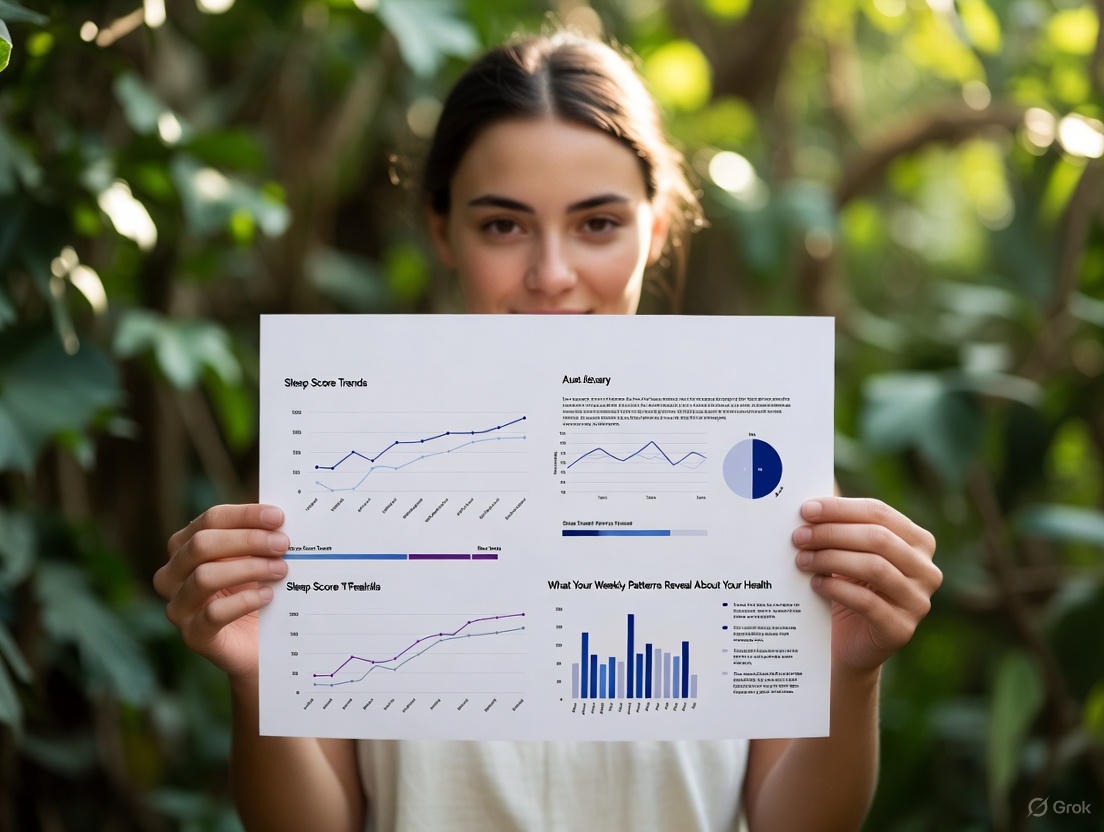
If activity is the withdrawal, then recovery is the deposit. And the most substantial, non-negotiable deposit you make each day is sleep. This isn't about laziness; it's about biological necessity. Your wellness ring quantifies this dividend with stark clarity, transforming sleep from an optional luxury into a measurable pillar of performance.
Deep Sleep: The Physical Restoration Windfall
During deep sleep, your body enters its most anabolic (building) state. The pituitary gland releases pulses of human growth hormone (HGH), which is essential for tissue repair, muscle growth, and bone building. This is when the micro-tears in your muscles from yesterday's workout are patched and reinforced, making them stronger. Cellular energy production (mitochondrial function) is optimized. The immune system releases cytokines, proteins that help fight inflammation and infection.
Your ring tracks your time in this precious stage. A night of abundant, uninterrupted deep sleep acts like a direct infusion into your physical energy reserves. You'll see the dividend paid out in the morning: higher HRV, a lower RHR, and a readiness score that screams "Go!" It's the foundation for turning activity from a drain into a gain. For those struggling to tap into this resource, our guide on how to get more deep sleep tonight with 7 proven strategies offers practical, immediate steps.
REM Sleep: The Cognitive and Emotional Dividend
While your body is relatively still in REM sleep, your brain is lit up like a metropolis. This stage is crucial for memory consolidation—transferring short-term memories to long-term storage—and for processing emotional experiences. It's where you solidify motor skills (like a new golf swing or piano piece) and work through the psychological stresses of the day.
The energy dividend here is mental and emotional. A night rich in REM sleep equips you with sharper focus, better problem-solving skills, greater creativity, and improved emotional regulation the following day. This is the energy that allows you to navigate complex tasks and interpersonal dynamics without feeling cognitively depleted. Your ring's sleep stage breakdown shows you whether you're investing sufficiently in this cognitive capital.
Sleep Consistency & The Circadian Bonus
Beyond stages, the timing and regularity of your sleep generate a compounding interest effect. Your ring tracks your sleep consistency—your bedtime and wake-time variability. Going to bed and waking up at roughly the same time every day, even on weekends, strengthens your circadian rhythm.
A strong circadian rhythm optimizes the release of hormones like cortisol (for morning alertness) and melatonin (for evening sleepiness). It improves the efficiency of your sleep cycles, meaning you get more restorative sleep in the same amount of time. This consistency is a force multiplier for all other recovery efforts. The data is clear: individuals with regular sleep schedules show more stable HRV, lower RHR, and higher overall readiness scores.
Wakeful Restoration: The Power of Downtime
Recovery isn't confined to the night. Periods of deliberate wakeful rest—meditation, mindful breathing, simply disconnecting—can trigger the parasympathetic nervous system. Your ring can capture this through real-time heart rate drops and improved heart rate coherence during these practices.
The lesson your ring proves is that recovery is not passive; it's an active process you can cultivate and measure. By prioritizing and optimizing sleep and rest based on your data, you're not just resting—you're performing the most critical work of all: rebuilding your energy capital for the days ahead. For a deeper exploration of the tools that make this possible, the technology behind these insights is explained in our article on how sleep trackers actually work.
We often compartmentalize "stress" as a mental phenomenon, separate from our physical fitness. Your wellness ring obliterates this artificial boundary. It provides live, physiological evidence that a taxing workday, an emotional conflict, or chronic anxiety can deplete your energy reserves as effectively as a hard gym session—sometimes more so.
The Shared Pathway: The Autonomic Nervous System
The link is your autonomic nervous system (ANS). The same sympathetic ("fight or flight") response that accelerates your heart rate and diverts blood to muscles during a sprint is activated when you receive a stressful email. The biochemical cascade—cortisol, adrenaline—is identical. When this response is chronically triggered by psychological stressors, it creates a persistent background drain on your systemic energy.
Your ring's metrics, particularly HRV and RHR, are direct readouts of your ANS balance. Chronic mental stress will manifest as:
This creates a vicious vortex: stress depletes energy → low energy reduces resilience to new stressors → which creates more stress. Your ring data makes this invisible vortex visible, allowing you to intercept it.
The Physical Cost of "Sitting and Worrying"
A day spent at your desk, mentally overwhelmed but physically sedentary, can yield ring data that looks surprisingly similar to a day after overtraining. You may burn fewer calories, but the metabolic and neurological cost is high. This proves that energy expenditure is not just about kinetic movement. The brain is an energy-hungry organ, and stressful thought patterns increase its glucose and oxygen consumption significantly.
Using Your Ring to Break the Cycle
The first step is awareness. Seeing a low HRV score paired with a high RHR after a mentally grueling day validates your feeling of exhaustion. It's not "all in your head"; it's in your physiology.
This awareness empowers action. Your ring can then become a tool for targeted stress management:
By quantifying the stress-energy drain, your wellness ring elevates stress management from a soft "wellness" tip to a non-negotiable component of energy budgeting. It proves that to have physical energy, you must tend to your mental and emotional landscape.
Armed with the knowledge of what each metric means and the costs of different activities, we arrive at the pinnacle of personalized wellness: letting your body's daily data guide your actions. This is readiness-based training—a dynamic, responsive approach that maximizes gains and minimizes burnout by respecting your internal rhythms.
What is a "Readiness" or "Recovery" Score?
Most advanced wellness rings synthesize your overnight data (HRV, RHR, sleep quality, temperature) into a single, easy-to-interpret score—often called a Readiness, Recovery, or Body Battery score. This isn't a random number; it's a algorithmically weighted summary of your systemic capacity for the day ahead.
The Proof in Performance
The athletes and high performers who use this method have a clear advantage. They don't follow a rigid Monday-Legs, Tuesday-Chest schedule. They follow a Green-Intense, Yellow-Moderate, Red-Rest schedule dictated by their ring. The results, validated by their data, are compelling:
Practical Application: A Week in the Data
This fluid approach, proven by your biometrics, leads to what experts call "positive biofeedback"—where your actions and your body's signals are in harmony, creating a virtuous cycle of energy generation. For those who are skeptical about the value of this detailed tracking, our honest analysis of the pros and cons of sleep tracking weighs the evidence.
Your formal workout is just one line item in your daily energy budget. The multitude of small, seemingly insignificant habits you perform from sunrise to sunset act as either micro-deposits or micro-withdrawals, compounding dramatically over time. Your wellness ring is the perfect auditor for these stealthy transactions.
Nutrition as Fuel Logistics
What and when you eat sends direct signals to your energy systems. Your ring can reveal these connections:
Caffeine & Stimulants: The Energy Loan
Caffeine is a classic adenosine receptor antagonist—it blocks the signals of fatigue. Your ring proves it doesn't eliminate fatigue; it merely masks it, often at a cost. Afternoon or evening caffeine can significantly delay your body's natural melatonin release and reduce sleep depth. The data will show longer sleep latency (time to fall asleep) and less deep sleep, creating a next-day energy deficit that prompts you to reach for another cup. It becomes a debt cycle.
Alcohol: The Recovery Saboteur
Alcohol is perhaps the most clearly visible saboteur in ring data. It is a sedative that suppresses REM sleep, leads to frequent nighttime awakenings, and dehydrates the body. A night with even moderate alcohol consumption will almost invariably show:
Sunlight & Circadian Timing: Exposure to bright morning sunlight is a master signal for your circadian clock. It helps regulate cortisol release and melatonin production. A consistent morning light habit can lead to more stable daytime energy and better sleep scores. Conversely, late-night exposure to blue light from screens can delay your circadian rhythm, showing up as later sleep onset and disrupted sleep architecture.
The Power of Micro-Habits
The cumulative effect is everything. Going to bed 30 minutes earlier for a week, drinking an extra liter of water daily, taking a 10-minute walk after lunch—these are not grand gestures. But over a week, your ring will likely show a positive trend in your baseline HRV, a lower average RHR, and improved sleep consistency. This is the compounding interest of positive daily habits. It proves that sustainable energy isn't built in 60-minute gym bursts alone; it's built in the 1,440 minutes of the day outside the gym, through conscious, data-informed choices.
Daily scores are invaluable for making tactical decisions, but the true transformative power of your wellness ring lies in longitudinal trend analysis. By observing patterns over weeks, months, and seasons, you move from reactive management to predictive optimization. You begin to see the story of your energy over time.
Identifying Your Baselines and Zones
The first step is establishing what "normal" looks like for you. Is your typical resting heart rate 58 or 68? Is your HRV usually 45 ms or 85 ms? These numbers are highly individual. Over a month of consistent wear, your ring and its app will define your personal ranges. This is critical because a "good" score for you might be a warning sign for someone else, and vice versa.
With baselines set, you can identify:
The Power of the Trend Line
A single low HRV reading is a data point. A downward trend in your 7-day average HRV is a narrative. It tells a story of accumulating strain that hasn't been resolved. This foresight is priceless. It allows you to proactively schedule a deload week, prioritize sleep, or manage stressors before you crash, get sick, or suffer an injury.
Seasonal and Lifecycle Patterns
Your energy is not static throughout the year or your life. You may notice:
Correlation is Power
The long-term data allows you to perform your own personal n=1 experiments and see real correlations.
This predictive capability is the ultimate goal. It allows you to craft a lifestyle that doesn't just respond to energy crises but systematically builds and protects your energy capital over a lifetime. It turns your wellness ring from a fitness gadget into a personal vitality oracle. For those inspired by the stories of others who have made this journey, real-world experiences can be found in our collection of user testimonials and reviews.
Collecting data is meaningless without translation into action. The final step in mastering the activity-energy connection is to synthesize your ring's insights into a living, breathing, personalized energy blueprint. This is your unique operating manual, informed by biometric proof.
Step 1: Conduct a Personal Energy Audit
Spend one week living normally while wearing your ring, but with heightened observational awareness. At the end of the week, review the data and ask:
Step 2: Design Your Ideal Energy Day
Using the audit, prototype a 24-hour cycle that supports your energy systems. Your blueprint should include:
Step 3: Implement a Readiness-Responsive Weekly Plan
Abandon the rigid weekly workout schedule. Instead, create a flexible plan with exercise "options."
Step 4: Establish Energy Guardrails
Set data-informed rules for yourself to prevent major overdrafts. For example:
Step 5: Review and Revise Quarterly
Your body and life are not static. Every 3 months, review your long-term trends. Has your baseline HRV improved? Has your average sleep duration changed? Use these insights to revise your blueprint. Perhaps you can handle more strain, or maybe you need to dial back and focus on foundational recovery.
This personalized blueprint, continuously informed by the proof on your finger, turns abstract wellness concepts into a concrete, dynamic system for living with sustained vitality. It empowers you to become the architect of your own energy, building a life where activity and recovery exist in a harmonious, generative loop. This is the ultimate promise of the modern wellness ring: not just to track your life, but to fundamentally enhance it.
To explore the technology that makes this deep self-knowledge possible, visit Oxyzen to learn more about how advanced biometric sensing is being reimagined for everyday life. And for a continuous stream of insights on optimizing every facet of your well-being, our comprehensive blog is your dedicated resource.

We've established that activity and recovery are two sides of the same coin. But the relationship is far more dynamic than a simple on/off switch. It operates on a spectrum of synergy, where the right kind of movement at the right time can actually enhance recovery, and quality recovery amplifies the benefits of your activity. Your wellness ring is the tool that maps this spectrum, showing you how to create a virtuous, self-reinforcing cycle of energy generation.
The Paradox of Movement for Recovery
Conventional wisdom says rest means stillness. But your ring data often reveals a different story: a day of complete inactivity following a tough workout can sometimes result in poorer recovery metrics—stiffness, lower HRV, fragmented sleep—compared to a day with gentle, blood-flow-promoting movement. This is the concept of "active recovery" made measurable.
Gentle movement like walking, swimming, or dynamic stretching increases circulation. This enhanced blood flow delivers oxygen and nutrients to fatigued muscles more efficiently, helping to clear metabolic byproducts like lactate. It also provides gentle proprioceptive input to the nervous system, signaling a state of safe, low-level engagement that can be more calming to the ANS than total stagnation. Your ring proves this when you see a slight improvement in your evening HRV or a lower next-morning RHR after a day of thoughtful, low-grade activity compared to a day on the couch.
The Two-Way Street Between Sleep and Exercise
This synergy is most powerful between sleep and exercise. It's not just that good sleep helps you recover from exercise. It's that consistent, appropriate exercise is one of the most potent, drug-free tools for improving sleep quality and architecture.
This creates a powerful positive feedback loop: Exercise improves sleep → Better sleep enables better exercise → Repeat. Your ring tracks both ends of this loop, allowing you to nurture it. For athletes looking to maximize this synergy, our guide on deep sleep optimization for recovery delves into the specifics.
The Mind-Body Movement Link
The synergy extends to mental well-being. Exercise is a proven modulator of mood, reducing symptoms of anxiety and depression. This psychological benefit has direct physiological correlates that your ring detects. A reduction in anxiety lowers background sympathetic tone, which should manifest as an increased HRV trend over weeks. The mood-stabilizing effects of exercise can also reduce nighttime rumination, leading to less sleep fragmentation.
Conversely, the mental clarity and stress resilience fostered by good sleep and recovery make it easier to choose to exercise. It breaks the "too tired to move, then sleep poorly because I didn't move" paradox. Your ring provides the objective nudge: even on a low-energy day, seeing that a 20-minute walk has historically improved your metrics can be the motivation you need to take that first step, literally and figuratively.
Finding Your Synergy Sweet Spot
The key is finding the right dose. Too much movement destroys recovery; too little can stunt it. Your personal synergy sweet spot is where your activity feels energizing, not depleting, and your recovery metrics consistently trend upward or remain stable over time.
Use your ring to conduct experiments:
By analyzing this data, you move from guessing to knowing. You can strategically use movement not just to build fitness, but as a tool to enhance your recovery capacity itself. This transforms your relationship with activity from a transactional cost-center into a strategic partner in your overall energy economy.
To truly harness the activity-energy connection, we must look beyond the surface metrics to the underlying systems they represent. Heart Rate Variability (HRV) is the Rosetta Stone here, but its translation goes far beyond "recovery." It is a window into your autonomic nervous system balance and, by extension, your metabolic flexibility and overall health resilience—factors that fundamentally dictate your daily energy availability.
HRV as a Proxy for Autonomic Tone
Recall that HRV is governed by the tug-of-war between your sympathetic (SNS) and parasympathetic (PNS) nervous systems. A high HRV indicates a strong, dominant PNS "brake" and a responsive SNS "accelerator." This balance, or "autonomic tone," is the foundation of your body's stress response system.
Why does this matter for energy? A body stuck in a sympathetic-dominant state, evidenced by chronically low HRV, is in a perpetual state of low-grade "fight or flight." This is metabolically expensive. It elevates resting heart rate, increases blood pressure, shunts blood flow in less optimal ways, and promotes catabolic (breaking-down) processes. It's like leaving your car engine running all night—it drains the battery. Your energy is constantly being diverted to emergency preparedness, leaving less for joy, creativity, and vitality.
The Metabolic Flexibility Connection
Metabolic flexibility is your body's ability to efficiently switch between burning different fuel sources—primarily carbohydrates and fats—based on availability and demand. It's a hallmark of metabolic health. Poor metabolic flexibility (often driven by chronic stress, poor diet, and inactivity) forces your body to rely heavily on glucose, leading to energy spikes and crashes.
The link to your nervous system is direct. Chronic SNS activation, signaled by low HRV, promotes insulin resistance and impairs your ability to burn fat efficiently. It tells your body to hold onto energy stores (fat) for the perceived emergency and rely on quick sugar. This creates a vicious cycle: low energy → cravings for quick carbs → blood sugar rollercoaster → more stress on the system → lower HRV.
Your ring can show you the contours of this cycle. Periods of high stress (low HRV) often correlate with subjective reports of low energy and cravings. As you implement habits that improve autonomic balance—consistent sleep, mindful breathing, regular moderate exercise, whole-foods nutrition—you may see your HRV baseline climb. Subjectively, this often coincides with reports of more stable, sustained energy throughout the day, fewer cravings, and better mood. The ring proves the physiological shift underlying the experiential one.
HRV Biofeedback: Training Your Nervous System for Energy
This is where your ring moves from a passive monitor to an active training device. HRV biofeedback is a clinically validated technique where you use real-time HRV data to learn to consciously influence your autonomic nervous system.
Here’s a simple practice using your ring’s live heart rate display:
By regularly practicing this, you are not just calming yourself in the moment; you are training your nervous system to default to a more balanced, resilient state. Over weeks and months, this can raise your baseline HRV. The result? A body that is primed for energy conservation and efficient utilization, not constant emergency expenditure. Your ring provides the immediate feedback that makes this training possible and proves its long-term efficacy through your trend lines.
Your body is not designed to have the same energy level at all hours. It operates on a roughly 24-hour internal timer known as your circadian rhythm. This master clock, located in the brain's suprachiasmatic nucleus, orchestrates the ebb and flow of nearly every physiological process—hormone release, body temperature, digestion, and, most pertinently, alertness and sleep propensity. Disregarding this rhythm is like paddling against a current; it expends tremendous energy to get nowhere. Honoring it lets the current carry you. Your wellness ring provides the data to see your personal circadian flow and align your activity with it.
Your Body’s Energy Waveform
A healthy, aligned circadian rhythm follows a predictable waveform:
How Your Ring Tracks Circadian Alignment
Your ring captures two primary circadian proxies:
The Energy Cost of Misalignment
When you work against your clock—pulling all-nighters, exercising intensely late at night, exposing yourself to bright light at midnight—you create circadian disruption. The cost is immense:
Your ring proves this cost. A week of late nights and irregular sleep will show flattened temperature rhythms, elevated nocturnal heart rates, and terrible sleep scores. Your daily energy will feel perpetually low.
Activity as a Circadian Anchor
You can use activity to reinforce your circadian rhythm, turning it into a powerful tool for energy stability.
By reviewing your ring's temperature and sleep data, you can diagnose misalignment and use strategically timed activity and light exposure to get back in sync. When your external habits are aligned with your internal clock, you expend far less energy just on basic biological regulation, freeing up massive reserves for everything else. Understanding how age affects these natural rhythms can also be crucial, as explored in our article on how age affects deep sleep and how to compensate.
Our culture's fixation on formal "exercise" obscures a massive component of our daily energy expenditure: Non-Exercise Activity Thermogenesis (NEAT). This encompasses all the energy you burn doing everything that isn't sleeping, eating, or sports-like exercise: fidgeting, typing, walking to the printer, gardening, cooking, even standing. For the average person, NEAT can account for 15-50% of total daily energy expenditure, dwarfing the contribution of a 30-minute gym session.
Your wellness ring, by tracking total daily calorie burn and heart rate throughout all hours, validates the colossal importance of NEAT. It proves that how you live the other 23 hours of the day may matter more for your metabolic health and daily energy flux than the one hour you spend "working out."
NEAT: The Unsung Hero of Metabolic Health
Individuals with high NEAT are more resistant to weight gain and often have better metabolic markers. Why? Because frequent, low-grade movement acts like a metabolic drip-feed. It helps maintain insulin sensitivity by regularly pulling glucose from the bloodstream into muscles for fuel. It promotes better circulation and lymphatic drainage. It prevents the physiological stagnation that comes from prolonged sitting, which has been dubbed "the new smoking" for its deleterious health effects.
Your ring shows you your NEAT in real-time. A day where you're up and about, doing chores, taking walking meetings, and pacing while on the phone will show a higher resting heart rate trend (not just a spike) and a significantly higher total calorie burn than a sedentary day, even if both days include the same 30-minute run. This data shatters the myth that you can "compensate" for 10 hours of sitting with one intense workout.
Spontaneous Movement and the Energy-Mood Loop
There's also a profound psychological component. Spontaneous movement—tapping your foot, gesturing while talking, stretching when you feel stiff—is often a subconscious expression of energy. Conversely, it can also generate energy. Your ring can reveal this fascinating loop.
Notice what happens on a day you feel upbeat and energetic. You likely fidget more, take the stairs, walk faster. Your ring captures this as increased calorie burn and more frequent, small heart rate elevations. Now, observe a day you feel lethargic. Movement is minimal, heart rate flatlines. The ring data objectively reflects your low energy state.
But here’s the key: you can use the loop in reverse. By consciously deciding to increase your NEAT—setting a timer to stand and stretch every 30 minutes, parking farther away, doing a set of bodyweight squats during a commercial break—you create small physiological stimuli. These stimuli increase blood flow, release joint tension, and can trigger subtle endorphin releases. This can, in turn, improve your subjective feeling of energy. Your ring provides the positive feedback; you see the calories burn tick up, and the act of seeing progress can further motivate you. It creates a virtuous, self-sustaining cycle of low-grade energy generation.
Optimizing Your 23-Hour Environment
Instead of obsessing over workout optimization, use your ring data to optimize your environment for higher NEAT:
By focusing on NEAT, you align your daily life with a more natural, hunter-gatherer activity pattern—one of frequent, varied, low-intensity movement. This pattern is far more congruent with our evolutionary biology than long periods of stillness punctuated by extreme exertion. The result, as validated by your ring's consistent data, is a more stable metabolic engine, less dramatic energy swings, and a higher baseline of vitality that makes formal exercise feel more like a choice and less like a chore. To see how others have integrated these principles into their lives, you can find inspiration in real user stories on our testimonials page.
The standard model of fitness and recovery often assumes a static, male-oriented hormonal landscape. But for anyone who experiences a menstrual cycle or is navigating perimenopause or menopause, this model is not just incomplete—it's often counterproductive. Hormones like estrogen and progesterone are powerful modulators of energy metabolism, nervous system function, recovery capacity, and injury risk. Your wellness ring, with its continuous temperature and HRV tracking, provides the personalized, cyclical data needed to tailor your activity to your unique hormonal rhythm, not fight against it.
Mapping Your Cycle with Biometric Data
While not a medical device, a wellness ring can become a powerful tool for cycle awareness. The primary signal is nocturnal basal body temperature (BBT).
By tracking these temperature shifts alongside your subjective energy and ring-generated readiness scores, you can create a powerful, personalized map of your monthly energy landscape.
Cycle-Synced Activity: Working With Your Physiology
Armed with this map, you can strategically align your activity to work in harmony with your hormones, optimizing both performance and well-being.
Your ring proves the logic of this approach. Attempting a high-intensity workout during the high-temperature luteal phase might result in a much larger HRV drop and longer recovery time than the same workout performed in the follicular phase. Syncing your activity reduces systemic stress and creates a more sustainable, enjoyable relationship with fitness.
Navigating Perimenopause and Menopause
The hormonal transitions of perimenopause and menopause bring new patterns. Estrogen and progesterone decline erratically and then remain low. This can lead to:
Here, the ring becomes essential for managing symptoms and adapting your strategy. It helps you correlate lifestyle factors (caffeine, alcohol, stress, evening exercise) with hot flash frequency and sleep quality. It emphasizes the non-negotiable importance of sleep hygiene and stress management. It can guide you to see how strength training and consistent NEAT improve your metabolic metrics and energy stability, even amidst the hormonal shifts.
For all individuals with cycles, the ring moves you from feeling betrayed by your body's changing energy to becoming a curious, empowered collaborator with it. It provides the objective data that says, "This low energy is not a character flaw; it's a physiological phase," allowing you to adapt with intelligence and compassion, ultimately conserving and generating more energy over your entire lifecycle.

Your body does not exist in a vacuum. The data on your wellness ring is a product of the complex interaction between your physiology and your environment. "Environment" here is broad: it includes the physical (altitude, pollution, allergens), the digital (blue light, EMFs), the social (relationships, isolation), and the chemical (diet, supplements, medications). Understanding these amplifiers is key to accurately interpreting your data and creating an ecosystem that supports, rather than sabotages, your energy.
The Physical Environment: Air, Altitude, and Allergens
The Digital Environment: Light and Information
The Social Environment: Connection and Conflict
Humans are social creatures. Our relationships have a direct biometric impact.
Chemical Inputs: Beyond Food
By becoming a detective of context, you can use your ring to identify hidden energy drains and powerful energy boosters in your life. The question shifts from "Why are my numbers bad?" to "What in my environment yesterday could have caused this?" This empowers you to make targeted changes—investing in an air purifier, instituting a digital sunset, prioritizing a difficult conversation, or adjusting supplement timing—that have a proven, data-backed impact on your core vitality. For more on how to structure your environment for optimal recovery, our blog offers extensive resources, such as this article on foods that increase deep sleep naturally.
In our quest for data-driven optimization, it's crucial to maintain perspective. A wellness ring is a remarkable tool, but it is not an omniscient oracle. It has specific limitations in what it can measure, how accurately it can measure it, and, most importantly, what the data means in the full context of your human experience. Understanding these boundaries prevents data obsession, reduces anxiety, and allows you to use the tool wisely rather than being used by it.
The Measurement Gap: Inferences, Not Direct Readings
It's vital to remember that most ring metrics are proxy measurements. The ring is on your finger, not in your heart, brain, or bloodstream.
The Context Deficit: The "Why" Behind the "What"
This is the most critical limitation. Your ring tells you what is happening, but rarely why. A low HRV reading is a fact. The cause could be:
The ring cannot diagnose. It provides clues, not conclusions. It is your job, as the human in the loop, to apply context and curiosity. This is where journaling a few notes in the app ("felt great," "big work deadline," "had drinks with friends") becomes invaluable to pair with the quantitative data.
The Holism Problem: Missing Pieces of the Wellness Puzzle
A ring does not measure everything critical to health and energy.
Avoiding Data Anxiety and Perfectionism
The constant stream of data can, for some, become a source of stress—a phenomenon sometimes called "orthosomnia" (an unhealthy preoccupation with perfect sleep data). Checking your sleep score the moment you wake up can set the tone for your day in a negative way if the number is poor. Becoming a slave to a readiness score can lead to an unhealthy avoidance of all stress, forgetting that some stress (eustress) is necessary for growth.
Using Your Ring as a Guide, Not a Judge
The healthiest relationship with your ring is as a guide and a feedback mechanism, not a judge or a scorekeeper.
By acknowledging these limits, you liberate yourself to use the ring's powerful insights without being imprisoned by them. It becomes one voice in the conversation about your health—a highly informed, objective voice—but not the only one. Your own lived experience, intuition, and joy are equally vital data points in the holistic project of your well-being. For a balanced look at the capabilities of this technology, our article on sleep tracking accuracy and what your device can and can't measure provides essential clarity.
Knowledge is only power when applied. This final section is a practical, actionable 14-day protocol designed to help you integrate everything we've discussed. Using your wellness ring as your guide, this protocol will help you move from theory to practice, from data to lived experience, and solidify your understanding of your personal activity-energy connection.
Phase 1: The Observation Week (Days 1-7) – Become a Biometric Journalist
The goal this week is to collect baseline data without judgment or intervention. Live your normal life.
Phase 2: The Experimentation Week (Days 8-14) – Test One Variable at a Time
Now, you will make small, deliberate changes to see their impact.
Key Metrics to Watch Throughout the Protocol:
Building Your Permanent Practice:
After the 14 days, take what worked and build it into your lifestyle.
By completing this protocol, you will have moved from being a passive wearer of technology to an active conductor of your own vitality. You will have seen the proof, in your own data, of how activity and energy dance together. You will have transformed your ring from a fancy pedometer into a true partner in crafting a more energized, resilient, and vibrant life.
This concludes the foundational exploration of the activity-energy connection. The journey continues as we delve deeper into advanced optimization, the intersection of technology and mindfulness, and the long-term future of personalized well-being. To continue exploring the science and stories behind optimal health, the full range of resources is available on the Oxyzen blog. And for those ready to begin their own journey of data-powered self-discovery, the path starts at the Oxyzen shop.
The rise of biometric tracking has sparked a debate: does constant measurement pull us out of our lived experience, making us overly analytical and disconnected from our body's innate wisdom? The most profound opportunity lies not in choosing between data and intuition, but in merging them. Your wellness ring provides the objective “outer” data; your mindful awareness provides the subjective “inner” data. Together, they create a complete picture—a dialogue between the quantified and the qualifiable that leads to true self-mastery.
The Gap Between Feeling and Fact
We’ve all experienced it: you wake up feeling exhausted, but your ring shows a sleep score of 85. Or conversely, you feel fantastic, but your readiness score is a dismal 45. This dissonance isn’t a failure of the technology or your perception; it’s a signal. It’s an invitation to investigate.
The Practice of Bio-Awareness Integration
This is a daily practice of checking in twice: once with your body, once with your data.
Using Data to Deepen Mindfulness, Not Replace It
Your ring can actually be a powerful anchor for traditional mindfulness practices.
The Dangers of Data Dogma and the "Perfect Score" Trap
It is crucial to avoid letting the data become a tyrant. The goal is not to achieve a perfect 100 readiness score every day. That is neither possible nor desirable. Life involves stress, late nights, celebration, and struggle—all of which will show up in your data. A life optimized solely for perfect biometrics would be a narrow, sheltered one.
The ring’s true value is in helping you navigate real life more resiliently. It's not about avoiding all dips; it's about understanding their cause, managing their depth, and improving your speed of recovery. Did a poor sleep score ruin your day, or did you use it as information to be extra kind to yourself, prioritize hydration, and get to bed early? The latter response—guided by data but governed by self-compassion—is the hallmark of a mindful quantifier.
Cultivating Your Internal Benchmark
Over time, as you consistently pair subjective feelings with objective data, you will start to internalize the benchmarks. You'll begin to know what "ready" feels like in your bones, not just on your screen. You'll recognize the specific flavor of fatigue that comes from poor sleep versus the fatigue from emotional labor. The ring trains your interoception—your sense of the internal state of your body. Eventually, you may find you can predict your readiness score before you look at it. This is the ultimate integration: the external technology has upgraded your internal sensing capability, making you more self-reliant, not less.
Human beings are fundamentally social creatures. Our connections—or lack thereof—are not just psychological phenomena; they are biological events with direct, measurable impacts on our nervous systems and, consequently, our energy. Your wellness ring, often viewed as a solitary self-tracking tool, can unexpectedly reveal the profound imprint of your social world on your physiology.
The Physiology of Connection: Co-regulation and Biomimicry
When we are in sync with others—through deep conversation, shared laughter, empathetic listening, or even synchronized movement like dancing or team sports—our physiological systems can entrain. This is called co-regulation. Studies show that during positive social interaction, heart rates and breathing patterns can synchronize. This state is typically parasympathetic-dominant, promoting calm and connection.
What might your ring show after deeply positive social engagement?
Conversely, social isolation and loneliness are chronic stressors. The brain perceives a lack of social safety as a threat, activating the sympathetic nervous system. Chronic loneliness has been linked to elevated inflammation markers, poor sleep, and higher rates of cardiovascular disease—all massive energy drains. Your ring may reflect this with a persistent, low-grade depression of your HRV baseline, elevated resting heart rate, and increased sleep fragmentation.
Conflict and Energy Drain: The Data of Discord
Interpersonal conflict is one of the most potent energy vampires. A heated argument or even passive-aggressive tension creates a sharp sympathetic spike. Your ring will capture this as a dramatic heart rate elevation that can take hours to subside. More insidiously, unresolved conflict or toxic relationship dynamics create a background of vigilant stress. You are literally, physiologically, "on guard."
This often manifests in two key metrics:
Your ring provides objective proof of a relational cost. It can be the catalyst for a necessary conversation: "I've noticed my sleep and recovery metrics are consistently poor, and it seems to correlate with our ongoing tension. This is affecting my health. Can we find a new way to address this?"
The "Social Jet Lag" of Extroversion vs. Introversion
Your social battery is also wired by your temperament. Extroverts often gain energy from social interaction; introverts expend energy in social settings and recharge in solitude. Your ring can help you honor your wiring.
There is no "right" pattern. The goal is to use the data to schedule your social life in a way that sustains, rather than depletes, your energy reserves. Plan quiet recovery time after big social events if you're introverted, or ensure regular connection if you're extroverted.
Community and Collective Energy: The Fitness Class Effect
There's a reason group fitness and team sports are so popular. The shared exertion and communal energy can elevate performance and increase pain tolerance—a phenomenon known as "social facilitation." Your ring might show that you can sustain a higher heart rate zone with lower perceived exertion in a group setting compared to working out alone. The positive social pressure and collective rhythm make the activity feel less costly.
Furthermore, being part of a community with shared health goals—whether a running club, a yoga studio, or an online group centered around data from devices like Oxyzen—provides accountability and positive reinforcement. Sharing and comparing non-competitive data (like sleep trends or consistency streaks) can be motivating and reduce the feeling that you're optimizing in a vacuum.
By paying attention to how your social interactions are reflected in your biometrics, you elevate the importance of relationships from a soft "wellness" tip to a core, non-negotiable component of your energy management strategy. It proves that cultivating a healthy social ecosystem is as critical for your vitality as nutrition or exercise. For stories of how community and technology intersect in personal wellness journeys, you can explore shared experiences on our about us page, which often reflects our community-driven values.
Once you have a handle on sleep and basic activity modulation, the world of advanced recovery tools beckons. Ice baths, saunas, compression boots, and pneumatic recovery systems have exploded in popularity. But do they work for you? And how do you use them optimally without overdoing it? Your wellness ring provides the personalized, physiological feedback to move beyond bro-science and celebrity endorsements, allowing you to test these modalities with the rigor of a personal scientist.
Cold Exposure (Cryotherapy, Ice Baths, Cold Showers): The Sympathetic Shock and Parasympathetic Rebound
The acute effect of cold immersion is a massive sympathetic nervous system jolt: heart rate spikes, blood pressure rises, vasoconstriction occurs. This is a stressor. The proposed benefits come from the adaptation to that stress and the powerful rebound effect afterward.
Heat Exposure (Sauna, Hot Baths): The Simulated Exercise Response
Heat exposure, particularly dry sauna, mimics many cardiovascular benefits of moderate exercise: it elevates heart rate, increases core temperature, and promotes sweating. This "passive cardio" can improve cardiovascular endurance, promote heat shock proteins (aiding cellular repair), and stimulate a deep relaxation response afterward.
Compression Therapy (Boots, Sleeves): The Circulation Enhancer
Pneumatic compression devices rhythmically squeeze limbs, aiming to enhance venous return and lymphatic drainage, theoretically flushing metabolic waste from muscles.
The Golden Rule: Modalities Are Stressors
The foundational principle your ring reinforces is that all these tools are forms of stress. They are not inherently "recovery"; they are interventions that ask your body to adapt. Their efficacy depends entirely on your capacity to handle that additional stress at that moment.
Your readiness score is your guide. A high readiness score suggests your system has the bandwidth to benefit from an additional hormetic stressor like cold or heat. A low readiness score screams that your number one recovery modality should be genuine rest—sleep, nutrition, hydration, and calm. Using an ice bath to "fix" a terrible recovery day is like using a sledgehammer to repair a watch.
By using your ring to measure the input (the modality) against the output (your recovery metrics), you can build a personalized, evidence-based recovery toolkit that actually works for your unique physiology, not just your Instagram feed.

Your wellness ring excels at measuring output and recovery, but energy generation starts with input: food. While it doesn't measure glucose or nutrients directly, it provides powerful indirect feedback on how your dietary habits affect your energy systems. By correlating your meal timing, composition, and hydration with your biometric data, you can move from generic diet advice to a personalized fueling strategy.
The Glycemic Rollercoaster and Autonomic Turbulence
Meals high in refined carbohydrates and sugar can cause rapid spikes and subsequent crashes in blood glucose. These swings are a metabolic stressor. Your sympathetic nervous system is engaged to manage the flood of glucose (via insulin release), and the subsequent crash can trigger cortisol release to stabilize levels.
How this shows up in your ring data:
Conversely, a balanced meal with protein, healthy fats, and fiber leads to a slower, more sustained release of energy. Your ring data post-meal will likely show more heart rate stability, and your evening metrics may benefit from the stable blood sugar supporting sleep architecture.
Meal Timing: The Circadian Rhythm of Digestion
Your body's ability to metabolize food follows a circadian rhythm. Insulin sensitivity is typically highest in the morning and decreases throughout the day. Eating a large meal late at night, when your metabolism is winding down, can be particularly disruptive.
Hydration: The Simplest Lever with the Biggest Impact
Dehydration, even mild (1-2% of body weight), increases plasma osmolality, which your body interprets as a stressor. It triggers the release of vasopressin and can activate the sympathetic nervous system.
Caffeine and Alcohol: The Classic Energy Loan Sharks
We've touched on these, but from a nutritional timing perspective:
Conducting Your N=1 Nutrition Experiments
Use your ring to become your own nutritionist.
By treating food as fuel data and your ring as the engine diagnostic tool, you can fine-tune your intake to support stable energy, optimal recovery, and sustained vitality, moving far beyond calorie counting into the realm of metabolic harmony.
Travel—whether for work or pleasure—is one of the greatest disruptors of our carefully cultivated energy routines. Jet lag, unfamiliar foods, changed schedules, and the stress of logistics can leave us feeling drained. Your wellness ring is the ultimate travel companion, providing an objective, real-time assessment of your body's state as it navigates disruption, and offering a roadmap back to equilibrium.
Conquering Jet Lag: Data-Driven Resynchronization
Jet lag is fundamentally a circadian rhythm problem. Your internal clock is out of sync with the external light-dark cycle of your new location. Your ring's temperature and sleep data are your primary tools for fixing this.
The Altitude Adjustment: Respecting the Hypoxic Stress
As mentioned, altitude is a major stressor due to lower oxygen partial pressure. Your SpO2 (blood oxygen) sensor becomes particularly valuable here.
The "Business Trip Burnout" Profile
Even without time zones, hectic work travel has a classic biometric signature:
Mitigation Strategy: Use your ring to enforce discipline.
By viewing travel through the lens of your biometric data, you shift from being a passive victim of disruption to an active manager of your adaptation. The ring provides the objective truth about your state, cutting through the "I should be fine" bravado and guiding you to make smarter choices that preserve your energy and allow you to actually enjoy the journey. For more foundational knowledge on how your device interprets these challenging nights, our article on how sleep trackers actually work provides useful context.
The fitness industry is obsessed with youth and peak performance. But true wellness is a marathon, not a sprint. As we age, our physiological priorities, recovery needs, and even the definition of "fitness" necessarily evolve. Your wellness ring is an invaluable companion for this lifelong journey, providing the data to adapt your strategies, celebrate different kinds of wins, and optimize for healthspan—the number of years we live in good health—not just lifespan.
The Shifting Baseline: Normalizing Change
In your 20s, a baseline HRV of 80ms and a RHR of 55 might be typical. In your 50s, a baseline HRV of 50ms and a RHR of 65 might be excellent and indicative of superb fitness for your age. Comparing your absolute numbers to others, especially younger individuals, is meaningless and discouraging. The power of the ring is in tracking your own trends over time.
The natural aging process involves:
The goal is not to fight these trends to maintain 25-year-old numbers, but to slow the rate of decline and maintain the highest possible function within your current decade.
Redefining "Performance" Metrics
For a 25-year-old, performance might be a 5K PR. For a 55-year-old, performance might be:
Your ring provides the data to track these "age-appropriate" performance metrics. A win is seeing your 7-day average HRV hold steady through a busy quarter at work, or your sleep score remaining high despite seasonal changes.
The Non-Negotiables Shift: Recovery is King
As we age, the tolerance for recovery debt shrinks. The "sleep when I'm dead" mentality literally accelerates aging. The ring makes this undeniably clear: a night of poor sleep or a single extra glass of wine has a much larger and longer-lasting negative impact on the metrics of a 50-year-old than a 25-year-old.
Using the Ring for Proactive Health Monitoring
Long-term data can reveal subtle shifts that may warrant a doctor's visit before symptoms become severe.
Your ring provides a longitudinal health record. Walking into a doctor's appointment with 6 months of data showing a creeping RHR is far more powerful than saying, "I feel a bit more tired lately."
Embracing the data across decades fosters a compassionate, strategic approach to aging. It moves the focus from external comparison to internal maintenance, from peak performance to sustained vitality. The ring becomes less about optimizing for today's workout and more about ensuring you have the energy and health to enjoy decades of active, engaged living ahead. For a deeper understanding of the most critical recovery component, the science is detailed in what happens to your body during deep sleep.
We stand at the frontier of a new era in personal wellness. The current generation of wellness rings provides remarkable snapshot data and trends. The next evolution, already beginning, involves closed-loop AI systems that don't just report data, but interpret it in a deeply personal context, provide predictive insights, and even suggest real-time interventions. This is where the activity-energy connection transitions from a manual analysis to an automated, intelligent partnership.
From Descriptive to Predictive Analytics
Today's rings are largely descriptive: "Your HRV was low last night." The near future is predictive: "Based on your declining HRV trend, elevated RHR, and last night's poor sleep, there is an 85% probability you will feel fatigued and be at higher injury risk if you attempt your planned high-intensity workout today. We suggest a zone 2 cardio session or a rest day."
This predictive capacity comes from machine learning algorithms trained on massive, anonymized datasets. By comparing your unique data patterns (your "biometric fingerprint") to patterns seen in millions of others, the AI can identify deviations that historically precede illness, burnout, or performance peaks. It moves you from reactive to proactive management.
Contextual AI: The System That Knows Your Life
The next leap is contextual integration. Imagine your ring's AI having permission to analyze your digital calendar (seeing a big presentation scheduled), your local weather (a heatwave is coming), and even your menstrual cycle tracking app.
This turns the ring into a true holistic health companion that understands the interplay between your biology and your life.
Closed-Loop Intervention Suggestions
Beyond prediction, the system could suggest micro-interventions.
The Ethical and Personal Frontier
This level of personalization raises important questions:
The most empowering future is a collaborative partnership. The AI handles pattern recognition across vast datasets you can't comprehend, offering insights and options. You, the human, provide the context, values, and final decision. "The algorithm suggests a rest day, but I feel great and this is my favorite weekly soccer game with friends. I choose to play, but I will heed the warning and be extra mindful of hydration and sleep afterward."
This future, where technology provides hyper-personalized, predictive insights while you remain the final author of your health story, is the ultimate realization of the activity-energy connection. It promises a world where we can navigate our lives with unprecedented support, not to achieve some external ideal, but to live with more resilience, vitality, and alignment with our personal goals. The journey to that future begins with understanding the fundamentals we've covered here, and choosing tools from companies that are thoughtful about this path, whose principles you can explore on pages like our story.
Your Trusted Sleep Advocate (Sleep Foundation — https://www.sleepfoundation.org/)
Discover a digital archive of scholarly articles (NIH — https://www.ncbi.nlm.nih.gov/
39 million citations for biomedical literature (PubMed — https://pubmed.ncbi.nlm.nih.gov/)
experts at Harvard Health Publishing covering a variety of health topics — https://www.health.harvard.edu/blog/)
Every life deserves world class care (Cleveland Clinic -
https://my.clevelandclinic.org/health)
Wearable technology and the future of predictive health monitoring. (MIT Technology Review — https://www.technologyreview.com/)
Dedicated to the well-being of all people and guided by science (World Health Organization — https://www.who.int/news-room/)
Psychological science and knowledge to benefit society and improve lives. (APA — https://www.apa.org/monitor/)
Cutting-edge insights on human longevity and peak performance
(Lifespan Research — https://www.lifespan.io/)
Global authority on exercise physiology, sports performance, and human recovery
(American College of Sports Medicine — https://www.acsm.org/)
Neuroscience-driven guidance for better focus, sleep, and mental clarity
(Stanford Human Performance Lab — https://humanperformance.stanford.edu/)
Evidence-based psychology and mind–body wellness resources
(Mayo Clinic — https://www.mayoclinic.org/healthy-lifestyle/)
Data-backed research on emotional wellbeing, stress biology, and resilience
(American Institute of Stress — https://www.stress.org/)


