


Wellness Ring Basics: Sleep, Activity, and Recovery Tracking
Focuses on the ring's core tracking capabilities for sleep quality, daily activity levels, and physiological recovery.
Focuses on the ring's core tracking capabilities for sleep quality, daily activity levels, and physiological recovery.
%402x.svg)
You slip it on, barely noticing its weight. Within hours, you forget it's there at all. Yet, on your finger, a revolution is quietly unfolding—a continuous, intimate dialogue between your body and technology. This is the promise of the modern wellness ring: an unassuming piece of wearables that moves beyond counting steps to become a holistic health companion. It’s not just about data; it's about translating the subtle whispers of your physiology—your heart's rhythm, your skin's temperature, your movement's ebb and flow—into a language of self-awareness.
For generations, quantifying health meant sporadic check-ups and reactive measures. Today, wellness is proactive, personalized, and powered by context. A smart ring operates where the most actionable data lives: at the source. Unlike wrist-worn devices that can be obtrusive and suffer from motion artifact, the finger provides a stable, vascular-rich location for sensors to capture clinical-grade biometrics with surprising accuracy, all night and all day. This article is your definitive guide to understanding how these sleek devices decode the three fundamental pillars of human vitality: sleep, activity, and recovery. We will move beyond the basics of what these metrics mean to explore how they intertwine, creating a living map of your wellbeing that empowers you to make lasting change, one data point—and one better night's rest—at a time.
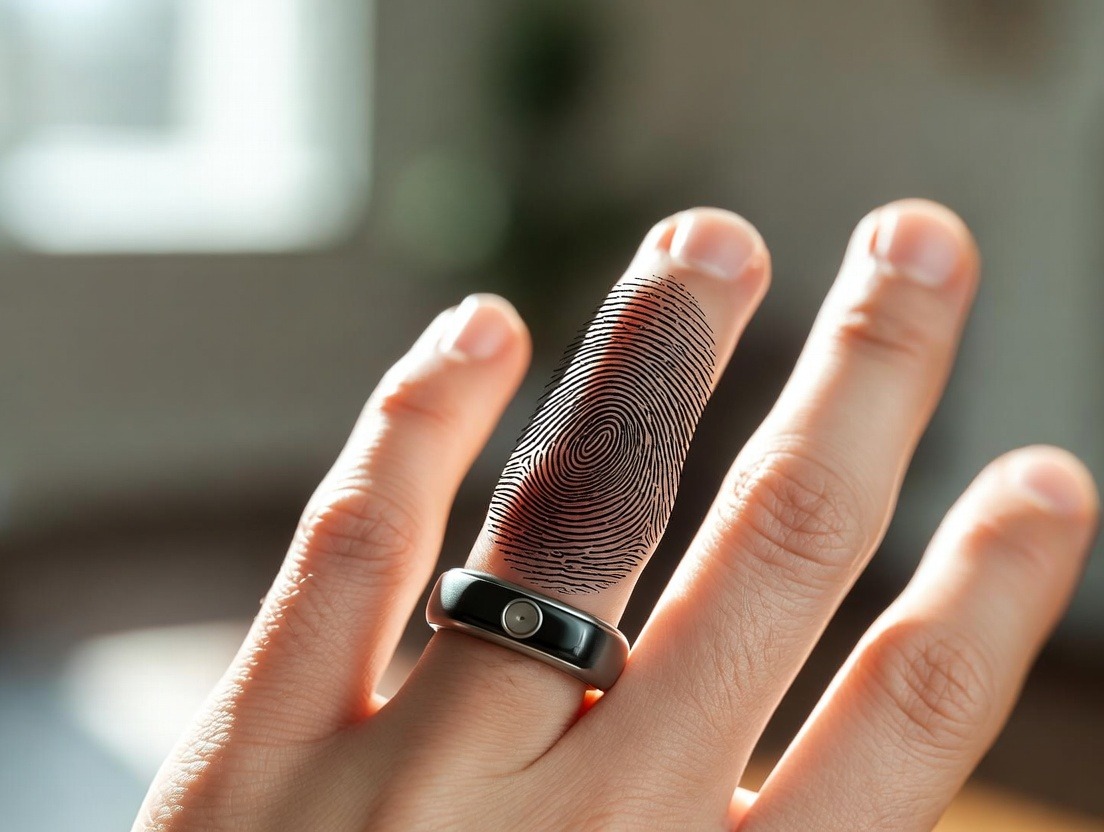
Before we delve into sleep scores and recovery rates, it's crucial to understand the silent observer on your finger. A wellness ring isn't magic; it's a marvel of miniaturized engineering, a condensed laboratory measuring your body's most vital signals. At its core are sensors that work in concert, 24/7, to build your unique biometric fingerprint.
The primary workhorse is the Photoplethysmography (PPG) sensor. This tiny green LED light shines into the capillaries in your finger, detecting minute changes in blood volume with each heartbeat. From this river of data, the ring derives your heart rate (HR) and, more importantly, your heart rate variability (HRV)—the millisecond variations between beats that are a profound indicator of your nervous system's state. A higher HRV typically suggests a resilient, adaptable body, while a lower HRV can signal stress, fatigue, or illness.
Complementing the PPG is a 3-axis accelerometer. This measures movement, orientation, and intensity. It’s what allows the ring to distinguish between a vigorous run and a gentle stroll, and critically, to detect the near-absolute stillness of deep sleep versus the subtle tosses and turns of lighter stages. A temperature sensor, often tracking to 0.1°C precision, monitors your skin temperature, a metric that follows a natural circadian rhythm and is also a key early indicator of illness, inflammation, or hormonal changes.
Finally, a pulse oximeter (SpO2) uses red and infrared light to measure the oxygen saturation in your blood. While its constant use is power-intensive, strategic overnight tracking provides invaluable insight into respiratory health and sleep quality.
All this raw data is meaningless without sophisticated algorithms. This is where the true intelligence resides. On-board and cloud-based algorithms sift through terabytes of biometric noise to find patterns. They correlate your heart rate dip with movement cessation to pinpoint sleep onset. They analyze the coupling of your HRV, temperature, and movement to assign a sleep stage. They learn your personal baselines over time, so your "normal" is the benchmark for your "exceptional" or "concerning." The ring doesn’t just collect data; it contextualizes it, transforming light and motion into a story of your day and your night. Understanding this foundation is key to interpreting the insights that follow, moving from seeing numbers to understanding their narrative about your health.
Sleep is not a monolithic state of unconsciousness. It is a dynamic, structured journey through distinct stages, each with its own physiological purpose. This architecture is what a wellness ring aims to map with precision, giving you far more insight than simply "hours slept." Your night is typically divided into cycles of approximately 90 minutes, each containing periods of Light Sleep, Deep Sleep, and REM (Rapid Eye Movement) Sleep.
Light Sleep (Stages N1 & N2) acts as the gateway between wakefulness and deeper slumber. It's a time of slowing heart rate and dropping body temperature. While often dismissed, it constitutes about 50-60% of the night and is crucial for memory consolidation and motor learning. Deep Sleep (Stage N3), often called "slow-wave sleep," is the most restorative phase. This is when your body undertakes physical repair: tissue growth, immune system strengthening, and energy restoration. Your heart rate and breathing are at their lowest, and you are hardest to awaken. REM Sleep is the stage of vivid dreams. Your brain is highly active, almost akin to being awake, but your body is in a state of paralysis (a protective mechanism). REM is essential for cognitive functions—memory processing, learning, creativity, and emotional regulation.
A wellness ring estimates your time in these stages by analyzing the symphony of biometrics: the absence of movement, the lowered and steady heart rate of deep sleep, the elevated heart rate and brain-wave-like patterns detectable via heart rate signatures during REM. By presenting this architecture, the ring answers the critical question: "Was my sleep quality as good as its quantity?" You may log 8 hours in bed, but if it's fragmented with minimal deep sleep, you won't wake up restored. This detailed breakdown is the first step toward targeted sleep improvement, moving from chasing more sleep to cultivating better sleep. For a deeper exploration of how these stages contribute to an overall assessment, our analysis of sleep score standards delves into the research behind what constitutes truly healthy sleep.
With an understanding of sleep architecture, we can now interpret the key metrics a wellness ring provides. These are the vital signs of your night, each a piece of the recovery puzzle.
Sleep Latency: This is the time it takes you to fall asleep after lights out. A typical latency of 10-20 minutes is considered healthy. Consistently short latencies (under 5 minutes) may indicate significant sleep deprivation, while long latencies (over 30 minutes) can point to sleep onset insomnia or poor sleep hygiene.
Sleep Efficiency: Perhaps one of the most telling metrics, this is the percentage of time you were actually asleep while in bed. It’s calculated as (Total Sleep Time / Time in Bed) x 100. An efficiency of 85% or higher is optimal. A low score reveals fragmentation—frequent awakenings or long periods of wakefulness after sleep onset—which can be more damaging to daytime function than short total sleep time.
Wake After Sleep Onset (WASO): This is the total minutes you spend awake after initially falling asleep. Some brief awakenings are normal, but excessive WASO fragments sleep architecture, robbing you of precious deep and REM cycles. Your ring can show you not just the total, but often when these awakenings occurred, helping you identify triggers (like noise, partner disturbance, or late-night bathroom trips).
Resting Heart Rate (RHR) During Sleep: Your heart rate naturally dips during sleep, reaching its lowest point (the "nightly nadir") typically during deep sleep. Tracking your sleeping RHR trend is powerful. A lower sleeping RHR generally indicates better cardiovascular fitness and efficient recovery. A trend of elevated sleeping RHR can be an early warning sign of overtraining, impending illness, or heightened stress.
HRV During Sleep: As mentioned, HRV is a window into your autonomic nervous system. During sleep, your body should shift strongly toward "rest and digest" (parasympathetic) dominance, reflected in a higher, more consistent HRV. Monitoring your nightly HRV average and its trend is arguably one of the most insightful metrics for overall recovery status and resilience. A sharp drop can signal that your body is fighting something or is under-recovered.
By learning to read this dashboard, you transition from knowing you "slept poorly" to understanding how it was poor. This empowers you to take specific action—whether it's adjusting your room temperature, managing stress, or evaluating your evening routine—to target the exact metric that needs support. Observing how these nightly details weave together to form a bigger picture is essential, and you can discover how your sleep score reflects total body recovery for a holistic view.

In the wellness trinity, activity and sleep are in a constant, intimate dance. It’s a powerful paradox: the better and more strategically you move, the better you sleep. And conversely, the better you sleep, the more energy and capacity you have for meaningful activity. A wellness ring helps you optimize this synergy by moving beyond simple step counts to measure the quality and impact of your movement.
Modern activity tracking is about context. Ten thousand steps in a relaxed, sunny park have a different physiological impact than the same number in a high-stress, busy work environment. Rings now track active minutes, calorie expenditure, and use movement intensity data to estimate your Activity Score or daily exertion. This helps ensure you're meeting personalized movement goals, not just arbitrary ones.
More critically, rings monitor your non-activity—your sedentary time. Prolonged sitting is now recognized as an independent health risk. Many rings provide inactivity alerts, nudging you to move after a certain period of stillness. This gentle guidance can help break up your day, improve circulation, and potentially reduce stiffness that might otherwise impact sleep.
The most advanced insight comes from understanding activity’s effect on recovery. A tough workout creates a controlled stress on the body. How well you recover from that stress determines your fitness adaptation and your readiness for the next day. Your ring analyzes the balance between your daytime exertion (activity load) and your nocturnal restoration (sleep metrics). Did that intense afternoon gym session lead to a deeper sleep and a higher HRV, or did it cause a elevated resting heart rate and fragmentation? This feedback is invaluable. It allows you to personalize your training regimen, perhaps learning that heavy workouts too close to bedtime are disruptive for you, or that you need a full 48 hours of lighter activity to fully recover from a long run.
This creates a virtuous cycle: intelligent activity fosters restorative sleep, which fuels capable activity. It breaks the old, detrimental patterns of chronic, unrecovered exertion that lead to burnout, injury, and insomnia. By quantifying this relationship, the ring helps you find your personal movement sweet spot.
If sleep is the foundation and activity is the stimulus, then recovery is the outcome—the essential process where adaptation and strengthening occur. In our achievement-oriented culture, recovery is often seen as passive or lazy. A wellness ring reframes it as an active, measurable, and non-negotiable component of health. It answers the most important question each morning: "Is my body ready for the day I have planned?"
This is often communicated through a Readiness or Recovery Score. This composite score is the culmination of all nocturnal data—sleep duration, quality, HRV, RHR, and temperature—synthesized into a single, actionable number. A high score suggests your body has repaired itself effectively; you have physiological reserves to tackle stress, workout hard, or be highly productive. A low score is a clear signal from your body that resources are depleted; it’s a recommendation to prioritize rest, opt for lighter movement, and manage stress deliberately.
Key to this is the trend analysis. One night of poor sleep might not crash your score, but a three-night trend of declining HRV and rising RHR is a robust indicator of accumulating fatigue. This early warning system is perhaps the ring's greatest superpower. It allows you to pivot before you get sick, injured, or hit a wall of exhaustion. You might decide to swap a scheduled high-intensity interval training (HIIT) session for yoga or a walk, or to enforce a strict digital sunset to protect your sleep.
Recovery isn't just physical. The same nervous system metrics (like HRV) are exquisitely sensitive to psychological and emotional stress. A difficult workday, an emotional conflict, or even excessive screen time can dampen your recovery score just as a hard workout can. This holistic view forces a necessary integration: you cannot compartmentalize "fitness" from "life stress." Your body experiences it all as stress. The ring's recovery metrics teach you to honor this connection, fostering a more integrated and sustainable approach to wellbeing. For those looking to integrate this philosophy into daily life, exploring the art of restful living in a fast-paced world offers practical strategies for weaving recovery into a busy schedule.

The raw numbers on your app—a Sleep Score of 82, an HRV of 45ms, a resting heart rate of 58 BPM—are meaningless in isolation. Their true power is unlocked through the establishment of your personal baselines. What's "good" for you is unique and can only be defined by observing your own body over time. A wellness ring is not meant to compare you to population averages, but to compare you to yourself.
The first month of wearing a ring is a discovery phase. The algorithm learns your rhythms: what your typical deep sleep percentage is, where your HRV naturally falls, how your temperature fluctuates nightly. After this period, you begin to see your "normal" range for each metric. This is revolutionary. Instead of aiming for a textbook "HRV of 60," you learn that your healthy range is 35-50ms. A reading of 30ms is then a significant 14% deviation from your norm, a much more sensitive and personal alert than falling below a generic threshold.
Establishing baselines allows you to detect meaningful deviations. Perhaps you notice your skin temperature rises slightly two days before you feel symptoms of a menstrual cycle or a common cold. Maybe you see that your sleep efficiency consistently drops by 10% after evening alcohol consumption, even if it's just one drink. Or you discover that a weekend camping trip, despite shorter sleep hours, sends your HRV soaring and your deep sleep percentage climbing.
This self-knowledge transforms the device from a tracker into a coach. It moves you from asking "Is this good?" to asking "What is this telling me about my body's response?" You become a detective of your own wellbeing, using data to connect lifestyle choices to physiological outcomes. This process of longitudinal tracking is where lasting change is forged, as you can follow the sleep score journey of tracking improvement over months to see the power of observing trends.
The quality of your day determines the quality of your night. A wellness ring makes this invisible connection starkly visible, creating a closed-loop feedback system. Every choice, from your morning coffee to your evening scroll, leaves a fingerprint on your sleep biometrics.
Nutrition and Timing: A large, heavy meal or excessive alcohol consumption close to bedtime can manifest as elevated resting heart rate, decreased HRV, and suppressed deep sleep. The ring provides objective evidence of these impacts, empowering you to experiment with earlier cut-off times or lighter evening meals.
Caffeine and Stimulants: The long half-life of caffeine means your 3 p.m. latte can still be affecting your sleep architecture at 11 p.m., potentially increasing sleep latency and reducing sleep efficiency. Correlating your caffeine log with your sleep data can help you find your personal "caffeine curfew."
Stress and Mental Load: An unresolved argument, a looming work deadline, or even engaging, stimulating content before bed can activate the sympathetic nervous system ("fight or flight"). This can directly oppose the parasympathetic state needed for sleep onset, leading to long sleep latency and elevated night-time heart rate. Seeing this data can be the motivation needed to adopt restful living evening rituals that prepare you for sleep, creating a buffer between the stress of the day and the sanctuary of the night.
Light and Screens: Evening exposure to blue light suppresses melatonin production, confusing your circadian rhythm. The result in your data? Delayed sleep onset and potentially less REM sleep. This objective feedback makes the abstract advice to "avoid screens" feel personally relevant and urgent.
Daytime Movement and Sunlight: Conversely, positive daily habits show up beautifully. Regular daytime physical activity, especially in natural light, is one of the most reliable promoters of deep sleep. You'll likely see the evidence in a quicker sleep onset, higher sleep efficiency, and a more pronounced dip in your overnight heart rate.
By revealing these cause-and-effect relationships, the ring turns sleep hygiene from a set of generic rules into a personalized experiment. You become the scientist, your life the variables, and your sleep data the unambiguous results.
Underlying all these metrics—your sleep, your temperature, your hormone fluctuations—is your circadian rhythm. This is your body's innate, roughly 24-hour master clock, regulating everything from alertness to digestion to cell repair. A wellness ring, through its continuous temperature and activity monitoring, is a powerful tool for observing and respecting this rhythm.
Your core body temperature follows a predictable cycle: it rises in the morning to promote wakefulness, peaks in the late afternoon, and then falls in the evening to initiate sleepiness. A ring’s skin temperature sensor, while not measuring core temperature directly, tracks a closely related pattern. By observing the timing of your temperature drop each night and rise each morning, you can identify your natural chronotype tendencies—are you an early bird whose temperature rises at 5 a.m., or a night owl whose drop doesn't happen until midnight?
The ring helps you see disruptions to this rhythm, known as "circadian misalignment." Jet lag, social jet lag (staying up late and sleeping in on weekends), and irregular shift work all force your internal clock out of sync with your environment. The data reveals this as erratic sleep timing, poor sleep efficiency even with adequate time in bed, and a flattened or shifted temperature rhythm.
Armed with this insight, you can take steps to entrain, or strengthen, your circadian rhythm. The most powerful lever is morning light exposure. Getting bright, ideally natural, light in your eyes soon after waking resets your clock for the day, promoting earlier melatonin release that night. Your ring can show you the positive effects: a more stable sleep schedule and a more robust temperature rhythm. Conversely, you can defend your evening wind-down by dimming lights and minimizing blue light, supporting that crucial temperature drop. Honoring this biological rhythm is a cornerstone of the restful living philosophy of less hustle and more health, aligning your lifestyle with your innate biology for sustainable energy.

Heart Rate Variability has earned its reputation as the "ultimate biomarker" for a reason. It is the most direct, non-invasive window we have into the balance of your autonomic nervous system (ANS)—the interplay between the stress-driven sympathetic branch and the calming, restorative parasympathetic branch. Your wellness ring's ability to track HRV, especially during sleep, provides a continuous narrative of your stress and resilience.
Think of your ANS as a seesaw. During the day, sympathetic activity naturally pushes it up and down in response to challenges—a work presentation, a hard workout, a difficult conversation. A healthy, resilient system allows for strong sympathetic responses when needed but can quickly return to a balanced, parasympathetic-dominant state afterward. This resilience is reflected in a higher HRV. A system under chronic stress, however, gets "stuck" in a sympathetic tilt. The seesaw is weighted down on the stress side, making it harder to relax, recover, and sleep. This manifests as a suppressed, lower HRV.
Your ring tracks this story. You might see your nightly HRV dip predictably after especially stressful days. You might also see it gradually climb during a relaxing vacation. More importantly, you can see your HRV baseline trend. A slowly rising baseline over months is a fantastic indicator of improving overall fitness and resilience, whether from consistent exercise, meditation, or better sleep. A steadily declining baseline is a red flag, suggesting accumulating, unmanaged stress that could lead to burnout or illness.
This makes HRV a tool not for avoidance of stress, but for intelligent management of it. It helps you answer: "Do I have the capacity to take this on right now?" and "How can I best recover from that challenge?" By paying attention to this metric, you learn to build resilience through recovery, creating a buffer against the inevitable stresses of life. To understand the mechanics behind this essential balance, the science behind restful living explains why downtime matters at a physiological level.
The true sophistication of a wellness ring lies not in its reporting of a single night's poor sleep, but in its ability to detect subtle, multi-day trends that whisper before your body starts to scream. These are the silent alarms—the early warning signs of overtraining, impending illness, or chronic stress buildup that you might otherwise rationalize or ignore.
The Overtraining Signal: For the active individual, this is crucial. Overtraining isn't about one brutal workout; it's a syndrome of imbalance where recovery cannot keep up with breakdown. The ring's signature for this is a consistent trend: a rising resting heart rate (especially your sleeping RHR) coupled with a falling HRV. You may also see an increase in wakefulness (WASO) and a decrease in deep sleep, as your body struggles to achieve deep restoration. Seeing this pattern allows you to proactively insert a deload week or extra rest days to avoid injury, illness, or performance plateau.
The Immunity Dashboard: Your body often knows it's fighting a pathogen before you feel symptoms. The early stages of a cold, flu, or even a mild infection trigger an inflammatory response. This can show up in your ring data as an unexplained elevation in skin temperature (a feverish trend), a spike in your resting heart rate, and a significant drop in HRV. Many users report seeing these red flags 24-48 hours before a sore throat or fatigue sets in. This advance notice can be a prompt to hydrate aggressively, prioritize sleep, reduce stress, and bolster your immune system, potentially mitigating the severity or duration of the illness.
The Stress Accumulation Pattern: Unlike acute stress, chronic stress seeps in slowly. Its signature is a gradual, week-over-week suppression of your HRV baseline, accompanied by perhaps a slight creep up in RHR and more frequent sleep disturbances. It's the biometric equivalent of the frog in slowly boiling water. Seeing this trend visualized can be the jolt needed to reassess workloads, implement stress-management techniques, and re-prioritize true recovery, helping you balance productivity with restful living before burnout occurs.
By learning to recognize these patterns, you shift from reactive healthcare to proactive self-care. The ring becomes a preventative tool, giving you the agency to intervene on your own behalf, based on your body's unique signals.

Collecting data is one thing; integrating it into a coherent, improved life is another. The final and most important step is to move from being a passive observer of graphs to an active architect of your wellbeing. This is where the wellness ring transitions from a "what" device to a "so what" partner.
The process is iterative and personal. It begins with correlation, not causation. Notice that on nights after you have a glass of wine with dinner, your deep sleep percentage drops by 15%. Observe that on days you take a 20-minute walk in the morning sunlight, your sleep latency decreases. See that your HRV is consistently highest on weekends when you engage in a hobby you love.
Next, move to experimentation. Use the ring to test hypotheses. "If I stop caffeine after 12 p.m., will my sleep efficiency improve?" Try it for a week and let the data be your judge. "Does a 10-minute meditation before bed lower my nighttime heart rate?" Implement it and observe the trend. This turns self-improvement into a personalized science project, removing guilt and guesswork.
Finally, focus on habit stacking and environmental design. Use your insights to design your days and nights for success. If you know screen time after 9 p.m. fragments your sleep, create a charging station outside your bedroom. If you see that consistent wake-up times stabilize your scores, make that a non-negotiable pillar. The goal is to build a lifestyle that naturally supports high-quality sleep, balanced activity, and robust recovery, making healthy choices the default, not the effort. For a comprehensive set of actionable ideas, exploring 15 restful living habits that transform your energy can provide a direct blueprint for this integration.
This journey of integration is the ultimate goal. The ring is merely the compass. The path—forged from sleep, paced by activity, and restored by recovery—is uniquely yours to walk. With each cycle of observation, experimentation, and adjustment, you build not just better data, but a more resilient, vibrant, and attuned life.
Having established the core metrics and their individual meanings, we now arrive at the synthesized intelligence of the wellness ring: your daily scores and long-term trends. These are the executive summaries, the distilled narratives that tell you at a glance how your body is faring. Interpreting them correctly is key to moving from data overload to clear, actionable insight.
Most advanced rings provide three primary composite scores: a Sleep Score, an Activity/Exertion Score, and a Readiness/Recovery Score. Think of them as your holistic dashboard. The Sleep Score evaluates the architecture and quality of your previous night. The Activity Score assesses your daytime movement, balancing intensity and volume. The Readiness Score is the crown jewel—a synthesis of how well you recovered from yesterday to face today. It primarily uses sleep data (especially HRV and RHR trends) but may also factor in recent activity load and acute stress indicators.
The magic isn't in any single day's score, but in the relationship between them. A high Activity Score followed by a high Sleep Score and a high Readiness Score the next morning indicates perfect harmony: you stressed the body appropriately and it responded with excellent recovery, leaving you ready for more. A high Activity Score followed by a mediocre Sleep Score and a low Readiness Score, however, tells a story of overreaching. Your body is signaling that the exertion was too much, and it hasn't been able to repair itself. The intelligent response isn't to push through for another high Activity Score, but to honor the Readiness signal with rest or light movement.
The trend lines over weeks and months are where profound self-knowledge emerges. They smooth out daily noise and reveal your true trajectory. Is your Sleep Score baseline slowly climbing as you've improved your evening habits? Is your average HRV on a gentle upward slope, indicating growing resilience? Or are you seeing a gradual decline in your Readiness Scores alongside a busy period at work, visually charting a path toward burnout? These trends provide undeniable, objective feedback on the net effect of your lifestyle. They turn abstract concepts like "I'm run down" into a clear, plotted graph. This longitudinal view is essential, as it allows you to track improvement over months and see the tangible results of your efforts, fostering motivation and commitment.
To wield this tool effectively, one must understand its boundaries. A wellness ring is a remarkable consumer health device, but it is not a medical-grade diagnostic instrument. Its power lies in tracking trends and relative changes for a single individual, not in providing absolute, clinical measurements. Appreciating its nuances prevents misinterpretation and builds realistic trust.
Strengths: Trend Tracking and Personal Baselines. The ring excels at measuring changes in your own biometrics over time. Whether it's a 10% drop in your HRV, a 5 BPM rise in your sleeping heart rate, or a 20-minute increase in your deep sleep, these relative deviations from your personal norm are highly reliable and meaningful. The consistency of sensor placement on the finger, coupled with 24/7 wear, creates an unparalleled dataset for observing your body's unique patterns and responses.
Considerations: Absolute Precision and Individual Variance. The algorithms that estimate sleep stages, for instance, are sophisticated models based on population data and sensor inputs. While they are very good at distinguishing wake from sleep and generally accurate at detecting deep sleep, the fine-grained breakdown between light and REM sleep can have more variance compared to a polysomnogram (the clinical gold standard). Similarly, while the PPG sensor is excellent for tracking heart rate trends, momentary readings during intense, gripping hand movements may be less accurate.
The Critical Factor: Consistent Wear. The single most important factor for accuracy and insight is consistent wear, especially during sleep. The data is only as good as the collection. A night without the ring is a missing piece in your health puzzle. For the algorithms to learn and for trends to be clear, regular use is paramount. This also means ensuring a proper fit—snug enough for consistent sensor contact but not so tight as to cause discomfort.
Understanding this empowers you. You don't need to fixate on whether your deep sleep was 1 hour 12 minutes or 1 hour 15 minutes on a given night. You need to notice that your average deep sleep has decreased from 1.5 hours to 1 hour over the last two weeks. That trend is the true signal. This grounded understanding allows you to use the ring for its greatest purpose: as a guide for lifestyle experimentation and a mirror reflecting your body's ongoing conversation with your life.
Armed with data and an understanding of trends, the ring becomes a laboratory for self-improvement. The most impactful way to use it is to conduct targeted, data-informed experiments. This turns abstract sleep hygiene advice into personalized, proven protocols. Here are practical experiments you can run, using your ring's metrics as the objective outcome measure.
Experiment 1: The Caffeine Curfew. For one week, maintain your normal caffeine intake. Note your average sleep latency, deep sleep percentage, and resting heart rate. The following week, institute a strict "no caffeine after 12 p.m." rule. Compare the weekly averages. The data will reveal your personal sensitivity, providing a concrete reason to stick to a cut-off time that works for your physiology.
Experiment 2: The Digital Sunset. For a baseline week, engage in your normal evening screen use. Then, for the intervention week, implement a strict digital sunset 60 minutes before bed. Use this time for reading a physical book, light stretching, or conversation. Track changes in your sleep latency and sleep efficiency. You may find the time to fall asleep decreases significantly, making the evening ritual instantly rewarding. This is a cornerstone practice for creating a restful home environment, particularly in the bedroom.
Experiment 3: Temperature Optimization. If your ring tracks skin temperature, use it to optimize your sleep environment. Try sleeping with your thermostat set to 65°F (18°C) one week and 70°F (21°C) the next. Observe which setting leads to less nighttime awakenings (WASO) and a more stable, downward temperature trend from your ring. Your body needs to drop its core temperature to initiate sleep; a cooler room facilitates this process.
Experiment 4: The Wind-Down Routine. Test the effect of a deliberate wind-down. For one week, spend the last 30 minutes before bed in active, mentally engaging tasks (like work emails or intense gaming). The next week, replace that with a passive, calming routine: listen to a podcast, practice gentle yoga, or journal. Look at the difference in your HRV during the first few hours of sleep and your overall sleep score. The data often validates the profound calming effect of a true transition period.
By framing changes as short-term experiments, they feel less like deprivation and more like curiosity-driven discovery. When the data shows a clear benefit, adherence to the new habit becomes internally motivated, powered by the visible evidence of how good it makes you feel and function.
The synergy between activity and recovery is where performance is built and health is sustained. Your wellness ring is the perfect tool to find your personal "Goldilocks Zone" for exercise—not too little, not too much, but just right to stimulate adaptation without overwhelming recovery capacity.
Use Readiness to Guide Intensity. Let your morning Readiness Score be your primary coach. On days with a high score (>85), your body is signaling it has the reserves for high-intensity training, heavy strength sessions, or long endurance work. On days with a moderate score (70-85), consider steady-state cardio, skill-based work, or moderate resistance training. On days with a low score (<70), it’s a clear prescription for active recovery (walking, gentle yoga, mobility) or complete rest. Honoring this feedback prevents digging a deeper recovery hole and reduces injury risk.
Monitor the Acute Response. The night after a hard workout is a data-rich event. A well-tolerated workout should result in a night featuring strong deep sleep (as the body repairs tissues) and a maintained or even slightly elevated HRV (showing successful parasympathetic rebound). A poorly tolerated or excessive workout may cause a elevated resting heart rate, decreased HRV, and more frequent awakenings. This is your body saying the dose was too high. Use this to adjust the volume or intensity of future similar sessions.
Balance Strain and Sustain. Look at the weekly trend. Are you able to string together several active days while maintaining or improving your Readiness and Sleep Scores? That's a sign of sustainable training. Are your scores on a steady decline throughout the week, only rebounding after a full rest day? That suggests your chronic training load is too high, and you may need to build in more daily recovery or deload your weekly volume.
Embrace Non-Exercise Activity Thermogenesis (NEAT). Your ring is also a fantastic motivator for increasing general daily movement. Set a goal for daily steps or active minutes. Use inactivity alerts to break up long sitting periods. This low-grade, consistent movement aids circulation, supports metabolic health, and can actually improve sleep quality without the systemic stress of a formal workout. For professionals, this is key to micro-recovery throughout the day, preventing energy crashes and maintaining steady vitality.
By using biometric feedback to guide your movement, you transition from following a rigid, impersonal plan to engaging in a dynamic conversation with your body. This fosters longevity in fitness, ensuring your activity regimen is a source of strength, not a path to burnout.
Because your ring’s recovery metrics, particularly HRV, are exquisitely sensitive to both physical and psychological stress, it becomes a powerful validator for stress-management techniques. You can empirically test which practices actually calm your nervous system and improve your physiological recovery.
Breathwork for Immediate Shifts. Practices like coherent breathing (inhaling for 5 seconds, exhaling for 5 seconds, repeated for several minutes) are designed to stimulate the vagus nerve and promote parasympathetic activity. Try a 10-minute session in the evening and observe its effect on your sleep-onset HRV and heart rate dip. Many users see a noticeable calming effect in their real-time heart rate during the practice and improved sleep metrics afterward.
Meditation and Mindfulness. Consistent meditation practice is associated with higher baseline HRV. Use your ring to track this long-term trend. You can also test acute effects: compare a night after a day where you meditated to a similar day without meditation. Does your sleep latency differ? The objective data can provide the motivation to stick with a practice whose benefits are often subtle and subjective in the short term.
Nature Immersion ("Forest Bathing"). There is robust research on the restorative effects of time in nature. With your ring, you can make it personal. After a 30-minute walk in a park or wooded area, check your real-time heart rate. Plan a weekend hike and observe your sleep and recovery scores that night and the next morning. The data often vividly illustrates the profound decompressive effect of natural environments, supporting the practice of how nature supports restful living.
Digital Detoxes. The cognitive load and blue light from constant connectivity are a modern stressor. Run an experiment: designate a 4-hour period on a weekend as a complete digital detox—phone in airplane mode, computer off. Engage in analog activities. Notice not just your subjective mental state, but also check your heart rate variability during that period and your sleep that night. The measurable calm can be startling.
The ring turns stress recovery from a soft, "nice-to-have" concept into a hard, quantifiable discipline. When you can see that 20 minutes of diaphragmatic breathing improves your nightly HRV by 8%, it transforms it from an abstract wellness tip into a non-negotiable performance tool. It helps you identify and double down on the practices that truly work for your nervous system.
What you consume doesn't just affect your scale or your waistline; it directly influences your sleep architecture, recovery capacity, and nervous system function. Your wellness ring can reveal these connections, helping you tailor your nutrition for better rest and resilience.
The Meal Timing Effect. A large, macronutrient-dense meal within 2-3 hours of bedtime forces your digestive system to work overnight. This can manifest as an elevated resting heart rate during sleep, more time in light sleep, and less time in deep sleep as energy is diverted to digestion. Experiment with finishing your last substantial meal earlier in the evening and observe if your deep sleep percentage and sleeping RHR improve.
Alcohol's Illusory Sedation. While alcohol may help you fall asleep faster, it reliably fragments the second half of the night. It suppresses REM sleep early on (leading to a REM rebound later, often with vivid dreams or nightmares) and increases wake-after-sleep onset (WASO). It also dehydrates you, which can raise your heart rate. Your ring will clearly show this: you may see a decent Sleep Score for the first half of the night, but a steep drop in the overall score due to frequent awakenings after the alcohol is metabolized. This objective feedback is often more persuasive than any general warning.
Hydration Status. Chronic mild dehydration is common and stressful to the body. It can increase heart rate and reduce blood volume, potentially affecting HRV. Notice if days where you diligently hit your water intake goals correlate with slightly better recovery scores or more stable heart rate patterns. Conversely, see if a day of poor hydration (lots of coffee, little water) coincides with a poorer sleep or recovery metric.
Caffeine's Long Shadow. As explored earlier, the experiment is key. Beyond sleep latency, caffeine can also reduce sleep spindle activity (associated with memory consolidation) and decrease overall sleep quality. Your ring's sleep score and breakdown provide the evidence of its impact on you, which may extend far beyond just "trouble falling asleep."
By using your biometrics as a guide, you can move away from dogmatic dietary rules and towards a personalized understanding of how fuel and fluid affect your restoration. This turns nutrition into a strategic tool for recovery, not just for physique or energy, but for the fundamental quality of your sleep and daily readiness.
Jet lag, shift work, and social disruptions are some of the greatest challenges to our circadian rhythm and recovery. A wellness ring provides a map through this disorientation, helping you measure the impact and adapt more effectively.
Quantifying Jet Lag. When you travel across time zones, your ring vividly charts the internal chaos. You’ll see your body temperature rhythm, sleep times, and heart rate patterns desperately trying to catch up to the new local time. The data shows you exactly how many days it takes for your sleep efficiency to return to normal and for your temperature minimum to align with the new night. This can help you plan important meetings or workouts for when you're likely to be more physiologically adapted.
Optimizing Light for Adaptation. You can use the ring to test jet lag strategies. On your next trip, be aggressively proactive with light exposure: seek bright morning light in the new time zone to advance your clock, and avoid evening light to help it shift. Compare the speed of your sleep score and temperature rhythm normalization to a previous trip where you didn't employ these tactics. The data will validate the effectiveness of light as your primary reset tool.
Managing Social Jet Lag. Even without travel, the weekend pattern of staying up late and sleeping in creates a mini jet lag every Monday. Your ring shows this as poor sleep efficiency on Sunday night (because you're trying to sleep at a time your body isn't ready for) and a low Readiness Score on Monday morning. Seeing this pattern can motivate you to keep your wake-up time more consistent, even on weekends, to protect your weekly rhythm. This is a foundational habit for starting your day right with a restful living morning routine, creating stability amidst life's variability.
Navigating Shift Work. For those on irregular schedules, the ring is invaluable for finding pockets of recovery. It can help you identify which sleep period (e.g., after a night shift) yields the best quality sleep, so you can protect that time. It can alert you to accumulating fatigue before it becomes dangerous, guiding you to request a schedule adjustment or prioritize recovery when possible.
In all disruptions, the ring provides objectivity. Instead of feeling "just tired," you can see the physiological reason why, and more importantly, track your progress back to baseline as you implement corrective strategies.
Our bodies are not static. They change with age, with seasons, and with life's phases. A wellness ring becomes a longitudinal diary of your physiology, capturing these slow, profound shifts that are otherwise easy to miss.
Aging Gracefully with Data. As we age, sleep architecture naturally changes: deep sleep tends to decrease, and sleep becomes more fragmented. Rather than worrying about a single night's poor deep sleep, you can observe your personal 5-year trend. Are you implementing habits that slow this natural decline? Seeing that your deep sleep has remained relatively stable thanks to consistent exercise and good sleep hygiene is incredibly empowering. It reframes aging from a passive decline to an active management process.
Seasonal Rhythms. Many people experience seasonal shifts in energy, mood, and sleep. With a ring, you can quantify them. You may find your average sleep duration increases by 30 minutes in the winter, or that your resting heart rate is naturally 3-4 BPM lower in the summer. Your HRV might show a seasonal pattern. This knowledge helps you adjust expectations and self-care with the seasons, practicing self-compassion rather than frustration when your body needs more rest in darker months.
Hormonal Cycles. For those who menstruate, the ring can be revolutionary for cycle awareness. The rise in basal body temperature after ovulation is clearly visible in the skin temperature data. More subtly, you may notice predictable patterns in resting heart rate (often rising in the luteal phase), HRV (which may dip premenstrually), and sleep quality. This turns a vague sense of "PMS" into a predictable, measurable pattern. You can see that your sleep is lighter in the days before your period, and your recovery score is naturally lower. This allows you to plan your month accordingly—scheduling demanding workouts and projects during your follicular phase when resilience is high, and granting yourself more grace and recovery during the luteal phase. This is a powerful application of restful living, finding peace in the chaos of hormonal fluctuations by working with your body, not against it.
Life Transitions. A new job, becoming a parent, moving house—these major life events leave a clear signature in your biometrics. The ring documents the stress and sleep disruption of the transition period, and then can show you as you slowly establish a new baseline. This historical record provides perspective, reminding you of your resilience and how far you've come.
This long-view transforms the ring from a daily performance tool into a lifelong health companion. It provides a concrete record of your body's journey, fostering a deeper, more nuanced relationship with your own physical being across the decades.
The current generation of wellness rings is already powerful, but the field is advancing rapidly. Understanding the trajectory of this technology helps contextualize its present value and future potential.
Respiratory Rate and Its Insights. Many rings now track respiratory rate (breaths per minute) during sleep. This is a critical vital sign. A consistently elevated sleeping respiratory rate can be a sign of sleep-disordered breathing, like sleep apnea, or of respiratory illness. A sudden, unexplained increase can be an early indicator of a problem. Tracking its trend provides another layer of insight into nocturnal health and recovery.
Blood Oxygen (SpO2) During Sleep. While continuous SpO2 monitoring is battery-intensive, nighttime spot-checking is becoming standard. This is crucial for identifying potential sleep apnea events, where breathing repeatedly stops or becomes shallow, causing blood oxygen levels to drop. Consistently low nocturnal SpO2 averages or frequent dips are a strong signal to seek a professional sleep evaluation.
Electrodermal Activity (EDA) and Stress. Some emerging devices are incorporating sensors to measure tiny changes in skin sweat, known as electrodermal activity. This is a direct correlate of sympathetic nervous system arousal. The potential is to not just measure the aftermath of stress via HRV, but to detect acute stress events throughout the day—a difficult conversation, a tense work moment—and prompt real-time breathing or mindfulness exercises. This moves the device from a retrospective reporter to a real-time stress intervention coach.
Temperature for Fertility and Health. The precision of temperature sensing is improving. Beyond circadian rhythm, this enables robust natural cycle tracking for fertility awareness. Furthermore, continuous temperature trends could provide even earlier and more sensitive detection of inflammation, infection, or metabolic changes.
Glucose and Metabolic Insight. The holy grail of non-invasive sensing is continuous glucose monitoring (CGM). While not yet in rings, research is fervent. The integration of metabolic data (how your body processes food) with activity and sleep data would create a complete picture of energy management, revolutionizing personalized nutrition.
As these metrics mature, the role of the ring will evolve from a recovery advisor to a comprehensive health guardian. The core principles, however, will remain: continuous, passive data collection, personalized baselines, and actionable insights to empower the user. The future lies in ever-more seamless integration of this data into proactive, preventative healthcare, guided by the unassuming sentinel on your finger. This evolution is part of a broader shift towards a more intentional, measured, and restful living mindset of shifting from doing to being, where technology serves not to accelerate our busyness, but to deepen our awareness and health.
Data is only as valuable as the change it inspires. Having traversed the landscape of metrics, trends, and experiments, we arrive at the synthesis: constructing a dynamic, personalized protocol that turns insight into tangible improvement. This isn't about creating a rigid set of rules, but about developing a flexible, responsive system guided by your biometric feedback.
Step 1: Establish Your Non-Negotiables (The Foundation). These are the habits that form the bedrock of your recovery, regardless of your daily scores. They are derived from your most consistent experimental findings. For example, if your data unequivocally shows that caffeine after 2 p.m. disrupts your sleep, then a "2 p.m. caffeine curfew" becomes a non-negotiable. If a 10-minute evening meditation reliably improves your sleep-onset HRV, it becomes a pillar. These are the habits you defend fiercely, the keystones of your daily architecture. This foundation is critical for avoiding the common restful living mistakes that keep you wired and tired, ensuring you're not undermining your own efforts.
Step 2: Create a "Readiness Response" Menu. This is your playbook for days when your scores deviate from your baseline. Categorize your responses based on the severity of the signal.
Step 3: Implement Weekly and Monthly Reviews. Once a week, spend 15 minutes reviewing your trends. Look at your average Sleep Score, your HRV trend line, and your Activity/Recovery balance. Ask: "What went well this week?" and "Where is there friction?" Once a month, do a deeper review. Are your baselines moving in the desired direction? Is your protocol working? This ritual turns random data points into a strategic review, ensuring your system evolves with you.
By building this protocol, you automate your response to your body's signals. The ring provides the alert; your personalized menu provides the immediate, effective action. This transforms recovery from a passive hope into an active, managed process.
A wellness ring is a powerful central hub, but its insights are magnified when integrated with other elements of your health ecosystem. This creates a multi-dimensional picture that is greater than the sum of its parts.
Fitness Apps and Wearables. Syncing your ring data with platforms like Strava, Apple Health, Google Fit, or training platforms like TrainingPeaks creates a powerful feedback loop. You can see exactly how a specific cycling workout or weightlifting session impacted your sleep HRV and next-day readiness. A training platform can use your readiness score to auto-adjust your daily workout prescription. This closes the loop between exertion and recovery in a seamless, automated way.
Nutrition and Food Logging. While manual, pairing a day's food log (using an app like MyFitnessPal or Cronometer) with your sleep and recovery data can reveal powerful correlations that go beyond caffeine and alcohol. You might discover that a higher carbohydrate dinner leads to better deep sleep, or that days with inadequate protein intake correlate with higher resting heart rates. This bio-individual insight is gold for tailoring your nutrition for performance and recovery.
Mindfulness and Meditation Apps. Apps like Calm, Headspace, or Whoop's guided journal can be used in concert with your ring. Perform a meditation session through the app and then observe the acute effect on your real-time heart rate and the subsequent impact on your sleep metrics. Some platforms are beginning to allow two-way integration, where a low readiness score could trigger a suggested meditation or breathing exercise within the mindfulness app.
The Power of the Journal. Never underestimate the qualitative layer. A simple daily note on stress, mood, energy levels, and menstrual cycle phase (if applicable) in a journal or note-taking app provides the crucial context that numbers can't. Seeing that a dip in HRV coincided with a stressful family event, or that your best sleep scores consistently happen after days spent in nature, adds a narrative layer that makes the data truly meaningful. This practice embodies the philosophy of restful living on a budget with zero-cost wellness tips, using simple self-reflection to enrich expensive technology.
The goal of integration is not to create a burdensome web of apps, but to allow data to flow to where it is most useful. Let your ring be the passive collector of physiological truth, and let your other tools help you interpret and act on that truth in your specific domains of fitness, nutrition, and mental wellbeing.
Humans are social creatures, and motivation often flourishes in community. The data from your wellness ring can be a powerful tool for connection, shared learning, and even healthy competition, moving health from a solitary pursuit to a shared journey.
Accountability Partnerships. Sharing your weekly trend summaries with a trusted friend, partner, or coach creates a layer of gentle accountability. They can help you notice patterns you might miss ("Your sleep scores always dip on Sundays—what's happening Saturday nights?") and offer encouragement when you're building a positive streak. This turns personal data into a conversation starter about wellbeing.
Family Health Dynamics. For families, rings can foster a collective focus on health. Parents can model good sleep habits for teenagers (and vice versa, as teens often have later natural chronotypes). Couples can sync their data to see how their sleep impacts each other—does one partner's restlessness affect the other's scores? This can lead to collaborative solutions, like using separate blankets or addressing snoring, improving the health of the entire household unit. It's a practical application of designing spaces for calm and restoration for everyone under one roof.
Community Challenges and Teams. Many ring platforms have team or community features where you can join groups—perhaps coworkers, running club members, or online communities—and participate in challenges. These aren't about who can get the highest Activity Score (which could promote overtraining), but often about consistency: who can meet their sleep goal most days, or who can show the most improvement in their recovery metrics over a month. This positive, health-focused competition can be incredibly motivating.
Data-Informed Conversations with Healthcare Providers. Perhaps the most important social dimension is with medical professionals. Bringing anonymized trend data to a doctor's appointment can be transformative. Instead of saying "I'm tired," you can say, "My average resting heart rate during sleep has increased by 8 BPM over the last three months, and my deep sleep has decreased by 20%, despite my habits remaining constant." This objective, longitudinal data can help guide investigations into issues like sleep apnea, thyroid dysfunction, or anemia far more efficiently than subjective description alone.
By thoughtfully integrating the social layer, you leverage the power of community to reinforce positive habits, gain new perspectives on your data, and normalize conversations about sleep, recovery, and holistic health.
With the market expanding, selecting the right wellness ring is a crucial decision. It's not just about specs; it's about which device and ecosystem best align with your goals, lifestyle, and philosophy of use. Here are the key considerations.
1. Core Metrics vs. Advanced Metrics. First, identify your "must-have" metrics. All serious rings track heart rate, HRV, sleep stages, and activity. But priorities diverge from there.
2. The App and Algorithm Ecosystem. The hardware collects data; the software delivers wisdom. The app experience is paramount.
3. Fit, Form, and Comfort. This is a device you'll wear 24/7.
4. Subscription Models and Data Ownership. Be aware of the business model. Some rings require a monthly subscription to access the full analytics and insights behind your data. Others are a one-time purchase. Ask: What happens to my historical data if I stop paying? Who owns the data? Read the terms of service carefully.
Choosing a ring is an investment in a long-term health partnership. Align your choice with the insights you've gained about what matters most to your wellbeing journey, ensuring the tool fits seamlessly into your pursuit of a more balanced, less frantic life.
Even with the best technology and intentions, you will encounter confusing data, plateaus, and moments of frustration. This is normal. Here’s how to troubleshoot common challenges.
"My scores are terrible, but I feel great." (The Feel-Good/Data-Bad Paradox). This is a classic sign to check your personal baselines. The algorithm may still be learning you (if you're new). More importantly, scores are relative. If you've just returned from an energizing vacation where you were active outdoors, your body might be in a state of "good stress" that temporarily elevates your resting heart rate as it builds fitness. Feeling great is a vital sign in itself. Use the data as a secondary check, not an absolute truth. Observe if the scores normalize in a few days while the good feeling persists.
"My scores are great, but I feel exhausted." (The Data-Good/Feel-Bad Paradox). This warrants more attention. First, rule out illness; sometimes the early stages can distort signals. Second, consider psychological or emotional stress that may not be fully captured by physiological metrics. You could be mentally drained or emotionally depleted. Your ring measures the body's stress, not the mind's burden. This is a signal to prioritize mental and emotional recovery through therapy, social connection, or creative outlets. It highlights the importance of that qualitative journal layer.
"I'm doing everything 'right,' but my HRV/deep sleep isn't improving." (The Plateau). Progress is rarely linear. Plateaus happen. This is a time to:
Inconsistent or Missing Data. This is almost always a fit or wear issue. Ensure the ring is snug, clean (dirt can block sensors), and worn consistently. If you take it off for sports like weightlifting where it could get damaged, note that you'll have a gap in your data. Accept that this is okay; the long-term trend is what matters.
When confused, return to the fundamentals: consistent wear, personal baselines, and the integration of subjective feeling. The ring is a guide, not a god. Its job is to inform your intuition, not replace it. Navigating these challenges is part of reducing chronic stress and burnout by developing a healthier, less anxious relationship with performance metrics themselves.
This is the most critical chapter of the wellness ring journey. Without mindfulness, the quest for optimization can become a source of anxiety, turning a tool for freedom into a cage of numbers. Cultivating a healthy relationship with your data is essential for long-term benefit.
The Tyranny of the Score. It’s easy to let a low Readiness Score dictate your mood for the day, or to feel like a "failure" because your Sleep Score was 75 instead of 85. This is counterproductive, creating performance anxiety around rest itself. Remember: these scores are simplified models of a vastly complex human system. They are indicators, not judgments.
Cultivating Data Mindfulness. Implement these practices:
The Big Picture Over the Daily Dip. Force yourself to zoom out. The weekly and monthly trend view is the antidote to daily score anxiety. A single red number in a sea of green over a month is a blip, not a crisis. This long-view fosters resilience and perspective.
Data as a Story, Not a Test. Reframe the purpose of the ring. It is not an exam you are trying to ace every day. It is a biographer, diligently recording the story of your body's interaction with your life. Some chapters are restful, some are stressful, some are growth-filled. All the data points are part of your unique narrative. This aligns perfectly with shifting from a 'doing' to a 'being' mindset, where the value is in awareness itself, not in achieving a perfect score.
By establishing these psychological boundaries, you ensure the ring remains a servant to your wellbeing, not its master. You use data to enhance your self-compassion and understanding, not to fuel a cycle of obsessive optimization and anxiety.
We conclude this portion by looking forward. What is the ultimate destination of this journey with a wellness ring? It is not a lifetime of staring at graphs. It is the cultivation of a deeply attuned, intuitive, and resilient way of living—where the ring eventually becomes less necessary because its teachings have been internalized.
The Graduation from External Validation. In the beginning, you need the ring to tell you you're tired. Over time, as you correlate the data with your subjective feelings, you become more accurate yourself. You start to feel the subtle signs of a high HRV day (calm focus, effortless energy) or a low recovery day (fragile patience, heavy limbs). The ring trains your interoception—your sense of the internal state of your body.
Informed Intuition. The goal is to reach a state of informed intuition. You use the data to build a robust model of your personal physiology. Once that model is ingrained, you can make choices from a place of deep self-knowledge. You might forgo a second drink not because your ring will show poor sleep, but because you know from past data how it affects you. You'll sense when you need a rest day, and your ring data will simply confirm your wise choice.
Preventative Health as a Lifestyle. This attunement shifts your health paradigm from reactive to profoundly preventative. You are no longer waiting for illness or burnout to force a change. You are constantly fine-tuning your system, catching small deviations before they become large problems. You are, in essence, practicing daily, personalized medicine.
The Ring as a Quiet Companion. In this future state, the ring doesn't disappear. It becomes a quiet companion, a check-in system. You wear it not out of anxiety, but for assurance and for catching the subtle patterns that still escape conscious detection—like the early signs of seasonal affective disorder or the impact of a new medication. It provides an objective record of your life's rhythms, a testament to the care you've invested in your one and only body.
This journey—from curiosity to data literacy, from experimentation to protocol, from obsession to mindful attunement—is the real promise of the wellness ring. It is a tool for awakening, a catalyst for a more conscious, intentional, and restful life where hustle gives way to health, and data serves humanity. The silent sentinel on your finger doesn't just track your life; it can help you reclaim it.
Your Trusted Sleep Advocate: Sleep Foundation — https://www.sleepfoundation.org
Discover a digital archive of scholarly articles: NIH — https://www.ncbi.nlm.nih.gov/
39 million citations for biomedical literature :PubMed — https://pubmed.ncbi.nlm.nih.gov/
Experts at Harvard Health Publishing covering a variety of health topics — https://www.health.harvard.edu/blog/
Every life deserves world class care :Cleveland Clinic - https://my.clevelandclinic.org/health
Wearable technology and the future of predictive health monitoring :MIT Technology Review — https://www.technologyreview.com/
Dedicated to the well-being of all people and guided by science :World Health Organization — https://www.who.int/news-room/
Psychological science and knowledge to benefit society and improve lives. :APA — https://www.apa.org/monitor/
Cutting-edge insights on human longevity and peak performance:
Lifespan Research — https://www.lifespan.io/
Global authority on exercise physiology, sports performance, and human recovery:
American College of Sports Medicine — https://www.acsm.org/
Neuroscience-driven guidance for better focus, sleep, and mental clarity:
Stanford Human Performance Lab — https://humanperformance.stanford.edu/
Evidence-based psychology and mind–body wellness resources:
Mayo Clinic — https://www.mayoclinic.org/healthy-lifestyle/
Data-backed research on emotional wellbeing, stress biology, and resilience:
American Institute of Stress — https://www.stress.org/


