


Wellness Ring Basics: How These Tiny Devices Track Your Health
Explains the miniaturized sensor technology that allows these rings to continuously monitor various health metrics.
Explains the miniaturized sensor technology that allows these rings to continuously monitor various health metrics.
%402x.svg)
Imagine a piece of jewelry so intelligent it can listen to the silent rhythms of your body, anticipate your needs before you feel them, and guide you toward a healthier life—all from your finger. This is not science fiction; it’s the reality of the modern wellness ring. In a world saturated with bulky smartwatches and intrusive health monitors, these sleek, minimalist bands represent a quiet revolution in personalized health technology. They promise a future where understanding your well-being is as effortless as wearing a ring.
Gone are the days when comprehensive health tracking required a lab coat and a hospital visit. Today, the convergence of miniaturized sensors, advanced algorithms, and a growing cultural focus on preventative health has birthed a new category of wearable. The wellness ring is its pinnacle: a device dedicated not to notifications and calls, but purely to the nuanced story of your physical and mental state. It moves with you from boardroom to bedroom, tracking everything from the deep, restorative waves of your sleep to the subtle, telling patterns of your daily stress, all while remaining an unobtrusive accessory.
This article is your foundational guide to this transformative technology. We will journey deep into the science and mechanics of how these tiny devices capture your health data, translate it into actionable insights, and ultimately, empower you to become the architect of your own well-being. From the photons of light that measure your blood flow to the complex algorithms that score your recovery, we will demystify the magic. We’ll explore the core metrics, separate marketing hype from clinical potential, and provide you with the knowledge to integrate a wellness ring seamlessly into your pursuit of a healthier, more balanced life. Welcome to the new frontier of personal health awareness.
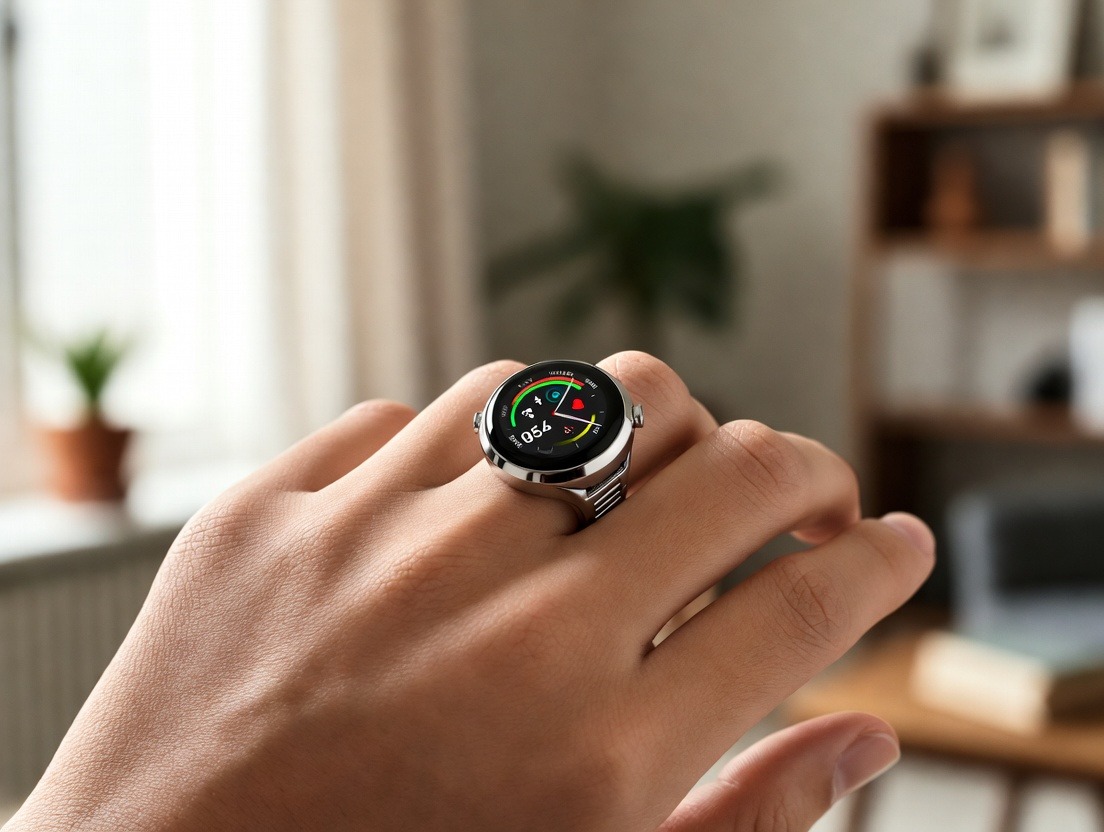
For over a decade, the smartwatch dominated the wearable health landscape. It was—and for many, still is—a marvel of connectivity, putting fitness tracking, notifications, and even phone calls on our wrists. But a quiet counter-movement began to grow among health enthusiasts, biohackers, and those simply seeking better sleep: the desire for a device that gave data without constantly demanding attention. The wellness ring emerged as the perfect answer, sparking an unobtrusive revolution in how we monitor our health.
The fundamental shift is one of philosophy. A smartwatch is an extension of your phone—a hub of interruption. Its primary interface is a screen designed to be looked at, touched, and interacted with frequently. Every buzz, beep, and flash pulls you out of your present moment. A wellness ring, in contrast, is designed to be forgotten. Its form factor—a smooth, continuous band—is inherently passive. There’s no screen to light up your face in a dark bedroom, no vibration to disrupt a focused work session. It collects data in the background, prioritizing the wearer’s peace and presence. This makes it uniquely suited for tracking the very states that devices of distraction can erode: deep sleep, sustained focus, and genuine relaxation.
This revolution was enabled by three key technological and cultural shifts. First, sensor miniaturization reached a tipping point. Components like photoplethysmogram (PPG) sensors, accelerometers, and temperature sensors became small and power-efficient enough to fit into a ring-sized package without sacrificing accuracy. Second, battery technology and low-power Bluetooth improved, allowing these tiny devices to operate for a week or more on a single charge. Third, and perhaps most importantly, the wellness conversation evolved. We moved beyond counting steps and tracking runs. The focus expanded to holistic health metrics like Sleep Score, Heart Rate Variability (HRV), and body temperature trends—metrics that require 24/7, uninterrupted monitoring to be meaningful. A device you can comfortably wear all night and every day became essential.
The result is a tool that aligns with the principles of restful living. It supports a lifestyle where technology serves your health without adding to digital noise. By choosing a form that disappears into your life, the wellness ring allows you to engage with your health data intentionally—during a morning review or an evening reflection—rather than reactively throughout the day. It marks a move from quantified fitness to quantified existence, providing a continuous, compassionate read on your body’s needs so you can make smarter decisions for long-term vitality.
Peer inside the unassuming band of a wellness ring, and you’ll discover a marvel of micro-engineering—a dense constellation of sophisticated hardware working in concert. This miniature laboratory is the foundation of every insight your ring provides. Unlike a single-purpose device, the wellness ring is a multi-modal sensor platform, each component capturing a different piece of your physiological puzzle. Understanding this hardware demystifies how a piece of jewelry can know so much about you.
At the heart of most wellness rings is the Photoplethysmogram (PPG) Sensor. This is the primary tool for measuring cardiovascular activity. It works by emitting green or red LED light into the skin and capillaries on the underside of your finger. As your heart beats, blood volume in these vessels changes slightly, modulating how much light is reflected back to a photodetector. This constant, precise measurement allows the ring to determine your heart rate (beats per minute) and, more importantly, the nuanced timing between each beat, known as Heart Rate Variability (HRV). The finger is an ideal location for this, often providing a stronger, less noisy signal than the wrist, which is prone to motion artifact.
Complementing the PPG is a 3-axis Accelerometer and Gyroscope. This inertial measurement unit is the ring’s motion detective. It tracks the speed, direction, and rotation of your movements. By day, it differentiates between sitting, walking, running, and typing. By night, it becomes crucial for sleep tracking, identifying periods of restlessness, wakefulness, and the characteristic lack of movement during deep sleep stages. When combined with heart rate data, it creates a highly accurate picture of your activity and rest cycles.
A third critical sensor is the Skin Temperature Thermistor. This tiny resistor measures the minute changes in the skin temperature of your finger. While not a measure of core body temperature, its nocturnal trend is incredibly informative. Your body’s core temperature naturally dips during sleep and begins to rise toward morning. The ring tracks this baseline drift. A significant deviation from your personal norm—a sustained elevated nighttime temperature—can be one of the earliest signals of oncoming illness, excessive inflammation, or, for women, ovulation in the menstrual cycle.
Additional hardware includes a Battery optimized for longevity and safety, often charged via a sleek docking station, and a low-energy Bluetooth chip for secure, periodic data syncing to your smartphone. All this is encased in a hypoallergenic material like titanium or resin, designed for continuous wear. It’s this fusion of biomedical sensing and consumer-grade durability that makes the ring not just a data collector, but a resilient companion for your 24/7 health journey, gathering the raw data that powers insights into your personal Sleep Score standards.
The hardware inside a wellness ring is a masterful data collector, but raw data—streams of light values, movement points, and temperature readings—is just noise without interpretation. This is where the true magic happens: in the sophisticated algorithms that transform billions of data points into coherent, actionable health insights. Think of the sensors as the senses of the device, and the algorithms as its brain, constantly learning, correlating, and contextualizing what it perceives.
The first layer of algorithmic processing involves signal cleaning and feature extraction. The PPG signal from your finger, for instance, is vulnerable to "noise" from sudden hand movements or a loose fit. Advanced algorithms use motion data from the accelerometer to identify and filter out these artifacts, isolating the clean cardiovascular signal. From this purified waveform, the algorithm can precisely pinpoint each heartbeat and calculate the inter-beat interval (IBI) to the millisecond, the foundation for heart rate and HRV.
Next comes state classification and pattern recognition. This is where the ring determines what you are doing and how your body is responding. Using the cleaned motion data, machine learning models classify your daily activities (sedentary, active, exercise) and, crucially, your sleep stages. By analyzing the combination of your movement (very low in deep sleep, periodic in REM), heart rate (slows in deep sleep, variable in REM), and HRV, the ring can estimate with remarkable accuracy when you are in light, deep, and REM sleep. This segmentation is what allows it to generate a composite Sleep Score that reflects total body recovery.
Perhaps the most powerful algorithmic work is longitudinal baselining and deviation analysis. Your ring isn’t just comparing you to a population average; it’s learning what is normal for you. Over weeks of wear, it establishes personalized baselines for your nighttime temperature, resting heart rate, HRV, and sleep architecture. The real value emerges when it detects meaningful deviations from these personal norms. An algorithm might flag that your HRV is 15% below your 30-day rolling average while your resting heart rate is elevated—a classic signature of heightened stress or insufficient recovery. This personalized alert system turns the ring from a historian into a advisor, helping you connect how yesterday’s intense workout, late meal, or stressful day is impacting your physiology today.
With the data collected and processed, your wellness ring presents you with a dashboard of key metrics. These are the vital signs of your modern life, moving beyond simple step counts to a deeper dialogue with your autonomic nervous system. Understanding what each metric represents—and what it doesn’t—is essential to using your ring effectively and avoiding misinterpretation.
Resting Heart Rate (RHR): This is your heart’s average beats per minute during periods of true rest, typically during sleep. A lower RHR generally indicates better cardiovascular fitness and efficient heart function. Your ring tracks your nightly RHR, providing a clean, consistent reading free from daytime activity. A sustained increase of 5-10 bpm above your baseline can signal overtraining, dehydration, stress, or the onset of illness.
Heart Rate Variability (HRV): HRV is the nuanced star of the wellness tracking world. It measures the slight, millisecond variations in time between each heartbeat. Contrary to intuition, a higher HRV is typically better. It indicates a resilient, adaptable autonomic nervous system—one that can smoothly shift between stress (sympathetic) and relaxation (parasympathetic) responses. A low or dropping HRV suggests your body is under strain, whether from physical, mental, or emotional stress. Tracking your HRV trend is one of the most powerful ways to gauge your overall readiness and recovery status.
Sleep Stages & Sleep Score: Your ring breaks your night into Light, Deep, and REM sleep, each critical for different restorative functions. The Sleep Score is a composite metric that synthesizes not just duration, but the quality and architecture of your sleep. It factors in total time, the balance of stages, disruptions, and timing relative to your circadian rhythm. A high score indicates a night of truly restorative rest. For a deeper dive into what constitutes healthy sleep, you can explore research on Sleep Score standards.
Respiratory Rate: This measures the number of breaths you take per minute, usually during sleep. It’s a remarkably stable metric for a healthy individual. Significant deviations from your personal norm can be an early indicator of respiratory issues, anxiety, or metabolic changes. Tracking its stability night-to-night offers a window into your autonomic calm.
Skin Temperature Trend: As discussed, the ring tracks the nocturnal trend of your finger’s skin temperature. A steady, predictable downward drift during sleep is ideal. A sustained elevation is a key biomarker often associated with inflammation, infection, or hormonal changes, making it a critical piece of the recovery puzzle.
Activity & Movement: While not its primary focus, the ring does track general activity levels and periods of intentional exercise. Its value here is in providing context—showing how your daily movement (or lack thereof) correlates with your sleep and recovery metrics the following night. This holistic view encourages a balance between activity and the essential restful living habits that transform your energy.
The most profound difference between a wellness ring and other health monitors—like taking a weekly blood pressure reading or manually logging sleep in an app—is continuity. A wellness ring provides a continuous data stream, a uninterrupted narrative of your body’s rhythms. This 24/7 wear is not a minor convenience; it is the fundamental feature that unlocks the most valuable insights, transforming snapshot guesses into patterned understanding.
Consider the challenge of measuring true resting heart rate. If you check your pulse upon waking, you’ve already been moving, thinking, and likely feeling some morning anxiety. That reading is compromised. Your ring, however, captures your lowest heart rate during the deepest part of your sleep, a purer measure of cardiovascular baseline. Similarly, HRV is highly dynamic, fluctuating throughout the day with stress, meals, and posture. A single daytime reading is almost meaningless. The ring’s ability to capture your nocturnal HRV—when you’re fasted, horizontal, and unconscious—provides a stable, comparable daily data point that truly reflects your recovery status.
Continuous wear also enables the detection of subtle, gradual trends that spot-checking would completely miss. The predictive power of skin temperature for illness isn’t in a single reading; it’s in seeing a 0.3-degree creep upward over three consecutive nights against your personal baseline. The impact of a new medication, a change in diet, or a period of emotional stress unfolds over days and weeks in these physiological trends. Without continuous data, these cause-and-effect relationships remain anecdotal. With it, you gain an empirical, personal logbook of how your lifestyle choices manifest in your biology.
This constant companionship also captures the interplay between different systems. It can show you how an afternoon coffee delayed your temperature drop and reduced deep sleep. It can reveal how a high-stress workday suppressed your HRV, which then correlated with middle-of-the-night awakenings. This systems-biology view is only possible with synchronous, round-the-clock tracking. It empowers you to make connections and fosters a more intuitive, responsive relationship with your body, moving you toward the kind of integrated awareness that defines the restful living philosophy: less hustle, more health.
While the night is a rich data mine for wellness rings, their utility extends powerfully into your waking hours. By leveraging the same continuous physiological stream, these devices offer profound insights into daytime stress, overall readiness for challenge, and the quality of your activity, helping you navigate your day with greater intelligence and balance.
Daytime Stress & Recovery Moments: Advanced rings use your HRV data in shorter time windows (e.g., 5-minute intervals) to estimate your autonomic nervous system state throughout the day. During a stressful meeting or focused work session, your HRV may dip (sympathetic dominance). The ring can identify these periods of strain. More importantly, it can highlight moments of spontaneous recovery—when you take a walk, practice deep breathing, or simply laugh with a colleague—by showing a rebound in HRV. This biofeedback makes the abstract concept of "stress" tangible and shows you, in real data, which micro-habits truly help you recover. This is the essence of restful living for busy professionals: micro-recovery throughout the day.
Readiness or Recovery Scores: Many rings synthesize last night’s sleep data (score, duration, disruptions), your morning HRV and RHR, and your temperature trend into a single "Readiness" or "Recovery" score. This is your body’s daily performance forecast. A high score suggests your systems are primed for intense training, important decisions, or demanding social engagements. A low score is not a failure; it’s a recommendation. It advises you to prioritize rest, choose lighter movement, and manage your cognitive load. Honoring this score can prevent overtraining, burnout, and illness by aligning your ambition with your actual physiological capacity.
Activity Monitoring and Productivity: Unlike a fitness tracker that pushes you to close arbitrary activity rings, a wellness ring contextualizes your movement. It can differentiate between non-exercise activity thermogenesis (NEAT—like pacing while on the phone) and dedicated exercise. Its primary goal is to show the relationship between your activity and your recovery. Did yesterday’s long run lead to superb deep sleep or a disrupted, restless night? Did a completely sedentary day actually harm your sleep quality? This feedback loop helps you find your personal Goldilocks zone for activity—enough to promote health, but not so much that it chronically impairs recovery. It encourages a shift from "more is better" to "smarter is better," aligning your efforts with the principles of how to balance productivity with restful living.
As with any transformative technology, it’s crucial to ground our enthusiasm in reality. Wellness rings are powerful tools, but they are not medical devices. Understanding their accuracy, their limitations, and the appropriate context for their data is key to using them effectively and avoiding unnecessary anxiety or misinterpretation.
The Gold Standard Comparison: For sleep staging, the clinical gold standard is polysomnography (PSG), conducted in a lab with electrodes measuring brain waves (EEG), eye movements, and muscle tone. No consumer wearable can match this direct neurological measurement. However, studies comparing ring-based sleep tracking against PSG show they are highly accurate at differentiating sleep from wake (often >90% accuracy) and reasonably accurate at estimating light, deep, and REM sleep—certainly precise enough for personal trend analysis. For heart rate and HRV, the ring’s PPG sensor is very accurate during rest and sleep. During intense, high-motion activity, a chest-strap ECG is more reliable, but rings are continually improving their motion-correction algorithms.
Key Limitations to Acknowledge:
Setting realistic expectations means viewing your ring as a supremely knowledgeable guide, not an oracle. Its data is a conversation starter with your own body. A low recovery score isn’t a verdict; it’s an invitation to ask, "What did I do yesterday? How can I support myself today?" This mindful approach prevents data obsession and turns tracking into a tool for self-compassion and intelligent experimentation, helping you avoid the common restful living mistakes that keep you wired and tired.
The market for wellness rings has expanded significantly, with options ranging from sleek, minimalist trackers to feature-rich powerhouses. Choosing the right one is a personal decision that hinges on your specific goals, lifestyle, and physical comfort. Navigating this choice requires looking beyond marketing claims to the practicalities of features, fit, and ecosystem.
Core Feature Checklist:
The Paramount Importance of Fit: This cannot be overstated. An ill-fitting ring will produce poor data and physical discomfort. Most companies provide detailed sizing kits with plastic replicas. Use it meticulously. Follow instructions: size your finger at the end of the day when it’s warm, and ensure the sizer slides over your knuckle with a snug but comfortable fit. Remember, fingers swell slightly in heat and during sleep. The ideal ring should feel secure, with no spinning, but should not leave a deep indentation or resist removal.
Material & Aesthetics: Rings are typically made from titanium (lightweight, durable, hypoallergenic), ceramic (scratch-resistant), or resin composites. Choose a material and finish (matte, glossy, brushed) that suits your style and daily activities. Aesthetics matter for a device meant to be worn always.
Privacy and Data Security: Investigate the company’s privacy policy. Where is your sensitive health data stored? How is it anonymized and used? Opt for companies that are transparent about data ownership and security practices. Your physiological data is intimate; trust in its stewardship is key.
Making an informed choice sets you up for a successful, long-term partnership with your device. It ensures the ring will function accurately, feel comfortable, and provide insights in a way that complements your life, rather than complicating it. This careful selection is the first practical step in building a tech-supported restful living environment, starting with the tool on your finger.
Owning a wellness ring and reviewing your data is merely step one. The transformative potential lies in the next stage: intentional integration. The goal is to move from passive observation to an active, iterative process of experimentation and behavior change. The ring’s data becomes the feedback mechanism in your personal health laboratory, guiding you toward what truly works for your unique biology.
Start with Morning Ritual Review: Instead of checking email or social media, begin your day with a 2-minute review of your readiness score and sleep data. This isn’t about judgment; it’s about awareness. A low score prompts self-inquiry: "Do I feel this way? What might have contributed?" A high score reinforces positive habits: "I feel great. What did I do right yesterday?" This practice builds a restful living morning routine that starts your day right with self-awareness rather than external noise.
Run Single-Variable Experiments: The most powerful use of continuous data is controlled experimentation. Isolate one variable at a time to see its impact. For one week, implement a strict digital sunset one hour before bed and note changes in your Sleep Score and deep sleep percentage. The next week, try adding a 10-minute afternoon walk and observe its effect on your daytime stress readings and evening HRV. Did drinking alcohol, even just one glass, depress your HRV and spike your resting heart rate? The ring provides objective feedback, moving you beyond guesswork.
Use Data for Pacing, Not Just Pushing: In our achievement-oriented culture, the default is to push harder. Wellness ring data teaches the superior skill of strategic recovery. If your readiness score is low, give yourself permission to swap the intense workout for yoga, a walk, or extra sleep. Use your historical data to plan your week—scheduling demanding tasks on days when your physiology is typically strong, and protecting time for recovery after known stressors. This is the art of living in sync with your body’s rhythms.
Correlate Sensations with Data: Develop your interoceptive awareness—your sense of the internal state of your body. When you feel frazzled, check your stress graph. Did it spike? When you feel exceptionally clear-headed, what was your deep sleep like the night before? Over time, this bridges the gap between subjective feeling and objective data, making you more intuitively attuned. You’ll begin to trust the data when it confirms your feelings, and trust your feelings when they explain the data, fostering a holistic self-understanding that is the ultimate goal of the restful living mindset: shifting from doing to being.
The rise of the wellness ring is more than a consumer electronics trend; it’s a tangible expression of a monumental shift in healthcare philosophy—from reactive, symptom-based treatment to proactive, preventative, and deeply personalized health optimization. These devices sit at the intersection of consumer technology, biotechnology, and data science, offering a glimpse into a future where each of us is the CEO of our own health, armed with continuous, actionable intelligence.
On a personal scale, wellness rings democratize access to biomarkers that were once the sole domain of sports labs or clinical studies. They empower individuals with knowledge, fostering a sense of agency. By making the invisible visible—showing how stress accumulates, how sleep repairs, how lifestyle choices manifest in physiology—they provide the motivation and validation needed to sustain healthy habits. This daily engagement creates a powerful feedback loop that can reduce the risk of chronic conditions linked to stress, poor sleep, and inactivity, fundamentally altering long-term health trajectories.
On a societal and clinical scale, the potential is vast. With proper privacy safeguards and user consent, aggregated, anonymized data from millions of users could reveal population-level health trends, identify early markers for disease outbreaks, and provide real-world evidence for the impact of lifestyle interventions. For healthcare providers, patient-generated health data from a trusted device could offer invaluable context between appointments, moving medicine toward a continuous care model. A physician could review a patient’s three-month sleep and HRV trend before discussing stress management, adding data-driven depth to the clinical conversation.
The future will see these rings becoming even more sophisticated, with the potential integration of new sensors (e.g., for blood glucose trends or hydration), more advanced AI that can provide personalized recommendations, and seamless integration with other smart systems in our homes and environments. However, the core promise will remain: to return attention and authority over health to the individual. The wellness ring is a tool for cultivating a deeper, more respectful relationship with the one body we have, guiding us not just toward longer life, but toward a more vital, balanced, and consciously lived life. It supports the foundational science behind restful living, proving why strategic downtime matters for peak human performance and well-being.
Your body does not operate on a simple 24-hour stopwatch; it follows a deep, ancient rhythm known as your circadian clock. This internal timekeeper, orchestrated by a master clock in the brain and peripheral clocks in every organ, regulates everything from hormone release and digestion to cognitive performance and sleep propensity. A core strength of the modern wellness ring is its ability to observe, map, and ultimately help you harmonize with these innate biological rhythms, moving beyond tracking isolated events to understanding the temporal patterns of your health.
The ring becomes a chronobiologist on your finger, primarily by tracking two key circadian outputs: body temperature and movement/rest cycles. Your core body temperature follows a predictable waveform: it dips to its lowest point in the early morning hours (around 4-5 a.m.), begins to rise before you wake (cortisol release), peaks in the late afternoon or early evening, and then declines again as you approach bedtime, facilitating sleep onset. The ring’s nocturnal skin temperature trend is a proxy for this core rhythm. A robust, well-timed decline indicates a healthy, synchronized circadian signal. A flattened, erratic, or phase-shifted temperature curve can signal circadian misalignment—think jet lag, shift work, or chronic late nights.
Similarly, your daily pattern of activity and rest, especially your exposure to light (inferred from activity) and your sleep/wake times, feeds the algorithm’s understanding of your circadian phase. The time you consistently fall asleep and wake up, known as your sleep midpoint, is a critical marker. By analyzing weeks of this behavioral data alongside physiological signals, the ring can identify if you have a strong, consistent rhythm or a weak, variable one. This insight is foundational, as circadian disruption is linked to increased risks for metabolic disorders, mood imbalances, and impaired immune function.
Armed with this understanding, the ring transitions from historian to guide. It can provide circadian-focused feedback. For instance, it might note that your sleep timing has drifted later over the weekend ("social jet lag") and predict a lower readiness score for Monday morning. It can highlight if your temperature rhythm is consistently out of sync with your sleep period. Most importantly, this data empowers you to take deliberate actions to strengthen your circadian health: seeking bright light exposure in the morning, dimming lights and screens in the evening, and striving for consistent sleep and meal times. In essence, the ring helps you see and respect the temporal architecture of your biology, a principle central to creating an environment conducive to restful living spaces designed for calm and restoration.
If the circadian rhythm is your body’s master clock, then your autonomic nervous system (ANS) is its real-time reaction engine. The ANS has two primary branches: the sympathetic ("fight or flight") system, which mobilizes energy and focus for challenge, and the parasympathetic ("rest and digest") system, which promotes recovery, digestion, and calm. A healthy, resilient life is not about eliminating sympathetic activation—we need it to perform and respond—but about having a flexible system that can activate powerfully when needed and then return swiftly to a parasympathetic baseline for repair. The wellness ring, primarily through Heart Rate Variability (HRV), provides an unprecedented window into this dynamic landscape.
HRV is the most direct, non-invasive measure of ANS balance and flexibility we have. A higher HRV indicates a system with a strong parasympathetic tone and the capacity to respond adaptively to stress. A low or declining HRV suggests sympathetic dominance or a system that is fatigued and less responsive. Your ring tracks this metric continuously, but its most valuable reading is your nocturnal HRV average—taken when external stimuli are minimized, offering a pure look at your underlying recovery state. This becomes your daily "readiness" bedrock.
But the ring’s analysis goes deeper than a single number. By examining the dynamic changes in HRV throughout the day, it can map your stress responses. A sharp, brief dip in HRV during a presentation is normal and healthy—it’s your body rising to the occasion. The concern arises if your HRV stays suppressed for hours afterward, indicating an inability to "come down." The ring’s algorithms can identify these prolonged stress signatures and even correlate them with specific times or inferred activities (like long periods of inactivity at a desk or high-motion periods).
This mapping allows for two powerful applications. First, it builds stress resilience through awareness. Seeing a tangible physiological correlate to a feeling of anxiety makes it more manageable. You learn which activities truly drain you and which restorative practices—like a brief walk, deep breathing, or even a few minutes of non-sleep deep rest—most effectively trigger a parasympathetic rebound visible in your HRV data. Second, it directly fuels your Readiness Score. A high score doesn’t just mean you slept well; it means your ANS is primed with high baseline HRV and low resting heart rate, indicating ample physiological bandwidth to handle stress. A low score is a warning that your nervous system’s reserves are depleted, advising you to prioritize activities that nurture the parasympathetic state, thereby actively working to reduce chronic stress and prevent burnout.
For nearly half the population, wellness rings offer a particularly transformative application: nuanced, cycle-aware health tracking. The female reproductive cycle is not a bug in the system; it’s a fundamental, rhythmic feature that influences core physiology—from basal body temperature and resting heart rate to HRV, sleep architecture, and even metabolism. General health trackers that ignore this cycle often provide confusing, contradictory data. Advanced wellness rings, however, can contextualize metrics within the distinct phases of the menstrual cycle, offering women unparalleled insight into their bodies.
The cornerstone of this tracking is continuous temperature monitoring. Following ovulation, the hormone progesterone causes a sustained rise in basal body temperature (BBT) of about 0.3–0.5°C (0.5–1.0°F) that lasts until the next menstruation. While traditional BBT tracking requires a precise measurement immediately upon waking, a ring’s all-night skin temperature trend captures this shift with superior ease and accuracy. It identifies the sustained temperature rise, allowing it to retrospectively confirm ovulation and map the luteal phase. Some algorithms can even predict ovulation in advance by analyzing the subtle pre-ovulatory temperature dip and other correlated signals like changes in resting heart rate.
But the insight extends far beyond fertility. By knowing which cycle phase you’re in, the ring can contextualize all other metrics. It’s common for resting heart rate to rise and HRV to dip slightly in the luteal phase after ovulation. Sleep may become more fragmented pre-menstrually. Exercise performance and recovery capacity often vary. Without cycle context, a woman might see a week of elevated RHR and think she’s getting sick or overtraining. With context, she understands it’s a normal hormonal response. This reframes the data from alarming to informative, reducing anxiety and enabling smarter planning.
This functionality supports a range of needs. For those trying to conceive or practicing natural family planning, it provides a powerful, passive confirmation of fertile windows. For athletes, it enables cycle-synced training, aligning intense workouts with the higher-energy follicular phase and prioritizing recovery during the luteal phase. For any woman, it fosters a deeper, more compassionate understanding of her monthly ebbs and flows, helping her anticipate days of high energy and days requiring more self-care. It validates the experience of cyclical living and empowers women to work with their biology, not against it, integrating this awareness into a holistic approach for finding peace and balance in the chaos of daily life.
Your physiology does not exist in a vacuum. It is in constant dialogue with your environment. The temperature of your bedroom, the light pollution seeping through your blinds, the noise from street traffic, even the emotional climate of your home—all these external factors imprint on your internal metrics. While a wellness ring doesn’t directly measure your room’s environment, its sophisticated data allows you to become a detective, correlating changes in your internal state with external conditions you log or observe, turning your life into a living lab for optimizing your surroundings.
The most direct environmental link is with sleep quality. Your ring’s detailed breakdown of sleep disruptions, time in deep sleep, and overall Sleep Score provides the objective outcome measure. You can then experiment with environmental modifications. For example:
Beyond sleep, daytime stress and recovery metrics can be linked to your psychosocial environment. Does your HRV consistently dip on days with back-to-back video calls? Do you see a physiological recovery signature after spending time in a quiet, natural setting? By pairing the ring’s data with simple journal notes about your day, you can identify environmental stressors and sanctuaries with concrete evidence.
This process empowers you to take control of your micro-environments. It moves home optimization from a matter of aesthetics to one of bio-hacking. You might be motivated to create a true wind-down sanctuary in your bedroom, free from work materials and blue light, because your data shows it improves your sleep onset latency. You might prioritize spending 20 minutes in a park because you see it boosts your afternoon HRV. This data-driven approach to crafting your surroundings is the ultimate application of designing a restful home environment room by room, using your own body’s feedback as the blueprint.
The fitness industry has long been obsessed with outputs: miles run, weight lifted, calories burned, steps taken. This "more is better" paradigm often leads to overtraining, burnout, and injury because it ignores the critical half of the equation: recovery. Wellness rings instigate a fundamental paradigm shift. They turn the spotlight onto the input side—the quality of rest, sleep, and nervous system regulation that determines your body’s ability to adapt, grow stronger, and perform. In doing so, they redefine what it means to be truly fit.
A fitness tracker tells you you’ve closed your activity ring. A wellness ring tells you whether your body was ready for that activity and how well it recovered from it. This is a game-changer. Your ring’s Readiness Score, based on HRV, RHR, and sleep, acts as a daily prescription. A high score gives you the green light for a strenuous workout. A low score advises you to choose gentle movement, mobility work, or complete rest. Honoring this feedback prevents the common pitfall of pushing through fatigue, which leads to diminishing returns and heightened injury risk.
Furthermore, rings provide the missing link between workout effort and physiological result. You can see precisely how last night’s heavy leg day impacted your deep sleep and morning HRV. You can experiment and discover that a post-workout cooldown walk or a magnesium supplement improves your sleep metrics and next-day recovery score. This transforms training from a blunt instrument into a precise dial. You learn that fitness is not built in the gym alone; it’s built in the recovery that follows, facilitated by sleep, nutrition, and stress management.
This shift fosters a more intelligent, sustainable, and holistic approach to physical well-being. It values the rest day as highly as the training day. It champions sleep as the ultimate performance enhancer. It teaches that listening to your body is not a sign of weakness, but of sophistication. By prioritizing recovery, you build a more resilient system capable of greater long-term output with less wear and tear. This balanced philosophy is the antidote to hustle culture and aligns perfectly with zero-cost wellness tips for restful living on a budget, where the most powerful recovery tools—sleep, breath, and nature—are freely available.
The daily Readiness Score and Sleep Score are invaluable for making immediate decisions, but the most profound wisdom from a wellness ring emerges over months and seasons. By compiling hundreds of nights of sleep and thousands of daily data points, the ring enables longitudinal trend analysis—the ability to see macro-patterns in your health that are invisible day-to-day. This is where you move from managing symptoms to understanding the underlying trajectory of your well-being.
Your ring’s app typically provides views of your key metrics over 30-day, 90-day, and yearly periods. Here’s what to look for:
This long-view perspective is incredibly motivating and grounding. A single bad night’s sleep becomes a meaningless blip on an upward trend. You can tangibly witness the compounding benefits of consistent good habits. It also provides early warning signs. A sustained, multi-week downturn in your HRV baseline, unrelated to an obvious cause like increased training, is a strong signal from your body to investigate deeper—perhaps it’s time to check for nutrient deficiencies, latent stress, or other health issues with a professional.
Engaging in this long-term analysis fosters a patient, compassionate relationship with your health journey. It’s about progress, not perfection. It allows you to track your personal sleep score journey and improvements over months, celebrating the gradual wins that lead to transformative change. This historical view transforms the ring from a daily advisor into a lifelong health historian and strategist.
The data collected by a wellness ring is arguably among the most personal information you can generate. It’s a continuous, intimate log of your body’s most private functions: the rhythm of your heart, the depth of your sleep, the patterns of your fertility, the map of your stress. As such, questions of data privacy, security, and ownership are not secondary concerns; they are paramount. Being an informed user means understanding how your data flows, where it lives, and who can access it.
Key Questions to Ask (of Yourself and the Company):
Practical Steps for Users:
Choosing a ring from a company that treats data privacy as a core feature, not an afterthought, is critical. It allows you to reap the benefits of this powerful technology with greater peace of mind, ensuring that your journey toward restful living and calm isn’t undermined by anxiety over where your most personal information might end up.
While the primary value of a wellness ring is deeply personal, the human desire for connection and context is powerful. Many ring platforms incorporate social or community features that allow users to share select data with friends, family, or like-minded groups. These features, when used thoughtfully, can transform a solitary pursuit of health into a supportive, motivating, and educational shared experience.
Positive Applications of Social Features:
Pitfalls to Avoid:
Used wisely, social features can provide a supportive scaffold for your health journey. They remind us that we are not alone in striving for better rest and resilience. The key is to let community supplement your personal insight, not replace it, keeping your own data and bodily awareness as the true north on your path to well-being, supported by the collective wisdom of others on a similar path.
Your body does not operate on a simple 24-hour stopwatch; it follows a deep, ancient rhythm known as your circadian clock. This internal timekeeper, orchestrated by a master clock in the brain and peripheral clocks in every organ, regulates everything from hormone release and digestion to cognitive performance and sleep propensity. A core strength of the modern wellness ring is its ability to observe, map, and ultimately help you harmonize with these innate biological rhythms, moving beyond tracking isolated events to understanding the temporal patterns of your health.
The ring becomes a chronobiologist on your finger, primarily by tracking two key circadian outputs: body temperature and movement/rest cycles. Your core body temperature follows a predictable waveform: it dips to its lowest point in the early morning hours (around 4-5 a.m.), begins to rise before you wake (cortisol release), peaks in the late afternoon or early evening, and then declines again as you approach bedtime, facilitating sleep onset. The ring’s nocturnal skin temperature trend is a proxy for this core rhythm. A robust, well-timed decline indicates a healthy, synchronized circadian signal. A flattened, erratic, or phase-shifted temperature curve can signal circadian misalignment—think jet lag, shift work, or chronic late nights.
Similarly, your daily pattern of activity and rest, especially your exposure to light (inferred from activity) and your sleep/wake times, feeds the algorithm’s understanding of your circadian phase. The time you consistently fall asleep and wake up, known as your sleep midpoint, is a critical marker. By analyzing weeks of this behavioral data alongside physiological signals, the ring can identify if you have a strong, consistent rhythm or a weak, variable one. This insight is foundational, as circadian disruption is linked to increased risks for metabolic disorders, mood imbalances, and impaired immune function.
Armed with this understanding, the ring transitions from historian to guide. It can provide circadian-focused feedback. For instance, it might note that your sleep timing has drifted later over the weekend ("social jet lag") and predict a lower readiness score for Monday morning. It can highlight if your temperature rhythm is consistently out of sync with your sleep period. Most importantly, this data empowers you to take deliberate actions to strengthen your circadian health: seeking bright light exposure in the morning, dimming lights and screens in the evening, and striving for consistent sleep and meal times. In essence, the ring helps you see and respect the temporal architecture of your biology, a principle central to creating an environment conducive to restful living spaces designed for calm and restoration.
If the circadian rhythm is your body’s master clock, then your autonomic nervous system (ANS) is its real-time reaction engine. The ANS has two primary branches: the sympathetic ("fight or flight") system, which mobilizes energy and focus for challenge, and the parasympathetic ("rest and digest") system, which promotes recovery, digestion, and calm. A healthy, resilient life is not about eliminating sympathetic activation—we need it to perform and respond—but about having a flexible system that can activate powerfully when needed and then return swiftly to a parasympathetic baseline for repair. The wellness ring, primarily through Heart Rate Variability (HRV), provides an unprecedented window into this dynamic landscape.
HRV is the most direct, non-invasive measure of ANS balance and flexibility we have. A higher HRV indicates a system with a strong parasympathetic tone and the capacity to respond adaptively to stress. A low or declining HRV suggests sympathetic dominance or a system that is fatigued and less responsive. Your ring tracks this metric continuously, but its most valuable reading is your nocturnal HRV average—taken when external stimuli are minimized, offering a pure look at your underlying recovery state. This becomes your daily "readiness" bedrock.
But the ring’s analysis goes deeper than a single number. By examining the dynamic changes in HRV throughout the day, it can map your stress responses. A sharp, brief dip in HRV during a presentation is normal and healthy—it’s your body rising to the occasion. The concern arises if your HRV stays suppressed for hours afterward, indicating an inability to "come down." The ring’s algorithms can identify these prolonged stress signatures and even correlate them with specific times or inferred activities (like long periods of inactivity at a desk or high-motion periods).
This mapping allows for two powerful applications. First, it builds stress resilience through awareness. Seeing a tangible physiological correlate to a feeling of anxiety makes it more manageable. You learn which activities truly drain you and which restorative practices—like a brief walk, deep breathing, or even a few minutes of non-sleep deep rest—most effectively trigger a parasympathetic rebound visible in your HRV data. Second, it directly fuels your Readiness Score. A high score doesn’t just mean you slept well; it means your ANS is primed with high baseline HRV and low resting heart rate, indicating ample physiological bandwidth to handle stress. A low score is a warning that your nervous system’s reserves are depleted, advising you to prioritize activities that nurture the parasympathetic state, thereby actively working to reduce chronic stress and prevent burnout.
For nearly half the population, wellness rings offer a particularly transformative application: nuanced, cycle-aware health tracking. The female reproductive cycle is not a bug in the system; it’s a fundamental, rhythmic feature that influences core physiology—from basal body temperature and resting heart rate to HRV, sleep architecture, and even metabolism. General health trackers that ignore this cycle often provide confusing, contradictory data. Advanced wellness rings, however, can contextualize metrics within the distinct phases of the menstrual cycle, offering women unparalleled insight into their bodies.
The cornerstone of this tracking is continuous temperature monitoring. Following ovulation, the hormone progesterone causes a sustained rise in basal body temperature (BBT) of about 0.3–0.5°C (0.5–1.0°F) that lasts until the next menstruation. While traditional BBT tracking requires a precise measurement immediately upon waking, a ring’s all-night skin temperature trend captures this shift with superior ease and accuracy. It identifies the sustained temperature rise, allowing it to retrospectively confirm ovulation and map the luteal phase. Some algorithms can even predict ovulation in advance by analyzing the subtle pre-ovulatory temperature dip and other correlated signals like changes in resting heart rate.
But the insight extends far beyond fertility. By knowing which cycle phase you’re in, the ring can contextualize all other metrics. It’s common for resting heart rate to rise and HRV to dip slightly in the luteal phase after ovulation. Sleep may become more fragmented pre-menstrually. Exercise performance and recovery capacity often vary. Without cycle context, a woman might see a week of elevated RHR and think she’s getting sick or overtraining. With context, she understands it’s a normal hormonal response. This reframes the data from alarming to informative, reducing anxiety and enabling smarter planning.
This functionality supports a range of needs. For those trying to conceive or practicing natural family planning, it provides a powerful, passive confirmation of fertile windows. For athletes, it enables cycle-synced training, aligning intense workouts with the higher-energy follicular phase and prioritizing recovery during the luteal phase. For any woman, it fosters a deeper, more compassionate understanding of her monthly ebbs and flows, helping her anticipate days of high energy and days requiring more self-care. It validates the experience of cyclical living and empowers women to work with their biology, not against it, integrating this awareness into a holistic approach for finding peace and balance in the chaos of daily life.
Your physiology does not exist in a vacuum. It is in constant dialogue with your environment. The temperature of your bedroom, the light pollution seeping through your blinds, the noise from street traffic, even the emotional climate of your home—all these external factors imprint on your internal metrics. While a wellness ring doesn’t directly measure your room’s environment, its sophisticated data allows you to become a detective, correlating changes in your internal state with external conditions you log or observe, turning your life into a living lab for optimizing your surroundings.
The most direct environmental link is with sleep quality. Your ring’s detailed breakdown of sleep disruptions, time in deep sleep, and overall Sleep Score provides the objective outcome measure. You can then experiment with environmental modifications. For example:
Beyond sleep, daytime stress and recovery metrics can be linked to your psychosocial environment. Does your HRV consistently dip on days with back-to-back video calls? Do you see a physiological recovery signature after spending time in a quiet, natural setting? By pairing the ring’s data with simple journal notes about your day, you can identify environmental stressors and sanctuaries with concrete evidence.
This process empowers you to take control of your micro-environments. It moves home optimization from a matter of aesthetics to one of bio-hacking. You might be motivated to create a true wind-down sanctuary in your bedroom, free from work materials and blue light, because your data shows it improves your sleep onset latency. You might prioritize spending 20 minutes in a park because you see it boosts your afternoon HRV. This data-driven approach to crafting your surroundings is the ultimate application of designing a restful home environment room by room, using your own body’s feedback as the blueprint.
The fitness industry has long been obsessed with outputs: miles run, weight lifted, calories burned, steps taken. This "more is better" paradigm often leads to overtraining, burnout, and injury because it ignores the critical half of the equation: recovery. Wellness rings instigate a fundamental paradigm shift. They turn the spotlight onto the input side—the quality of rest, sleep, and nervous system regulation that determines your body’s ability to adapt, grow stronger, and perform. In doing so, they redefine what it means to be truly fit.
A fitness tracker tells you you’ve closed your activity ring. A wellness ring tells you whether your body was ready for that activity and how well it recovered from it. This is a game-changer. Your ring’s Readiness Score, based on HRV, RHR, and sleep, acts as a daily prescription. A high score gives you the green light for a strenuous workout. A low score advises you to choose gentle movement, mobility work, or complete rest. Honoring this feedback prevents the common pitfall of pushing through fatigue, which leads to diminishing returns and heightened injury risk.
Furthermore, rings provide the missing link between workout effort and physiological result. You can see precisely how last night’s heavy leg day impacted your deep sleep and morning HRV. You can experiment and discover that a post-workout cooldown walk or a magnesium supplement improves your sleep metrics and next-day recovery score. This transforms training from a blunt instrument into a precise dial. You learn that fitness is not built in the gym alone; it’s built in the recovery that follows, facilitated by sleep, nutrition, and stress management.
This shift fosters a more intelligent, sustainable, and holistic approach to physical well-being. It values the rest day as highly as the training day. It champions sleep as the ultimate performance enhancer. It teaches that listening to your body is not a sign of weakness, but of sophistication. By prioritizing recovery, you build a more resilient system capable of greater long-term output with less wear and tear. This balanced philosophy is the antidote to hustle culture and aligns perfectly with zero-cost wellness tips for restful living on a budget, where the most powerful recovery tools—sleep, breath, and nature—are freely available.
The daily Readiness Score and Sleep Score are invaluable for making immediate decisions, but the most profound wisdom from a wellness ring emerges over months and seasons. By compiling hundreds of nights of sleep and thousands of daily data points, the ring enables longitudinal trend analysis—the ability to see macro-patterns in your health that are invisible day-to-day. This is where you move from managing symptoms to understanding the underlying trajectory of your well-being.
Your ring’s app typically provides views of your key metrics over 30-day, 90-day, and yearly periods. Here’s what to look for:
This long-view perspective is incredibly motivating and grounding. A single bad night’s sleep becomes a meaningless blip on an upward trend. You can tangibly witness the compounding benefits of consistent good habits. It also provides early warning signs. A sustained, multi-week downturn in your HRV baseline, unrelated to an obvious cause like increased training, is a strong signal from your body to investigate deeper—perhaps it’s time to check for nutrient deficiencies, latent stress, or other health issues with a professional.
Engaging in this long-term analysis fosters a patient, compassionate relationship with your health journey. It’s about progress, not perfection. It allows you to track your personal sleep score journey and improvements over months, celebrating the gradual wins that lead to transformative change. This historical view transforms the ring from a daily advisor into a lifelong health historian and strategist.
The data collected by a wellness ring is arguably among the most personal information you can generate. It’s a continuous, intimate log of your body’s most private functions: the rhythm of your heart, the depth of your sleep, the patterns of your fertility, the map of your stress. As such, questions of data privacy, security, and ownership are not secondary concerns; they are paramount. Being an informed user means understanding how your data flows, where it lives, and who can access it.
Key Questions to Ask (of Yourself and the Company):
Practical Steps for Users:
Choosing a ring from a company that treats data privacy as a core feature, not an afterthought, is critical. It allows you to reap the benefits of this powerful technology with greater peace of mind, ensuring that your journey toward restful living and calm isn’t undermined by anxiety over where your most personal information might end up.
While the primary value of a wellness ring is deeply personal, the human desire for connection and context is powerful. Many ring platforms incorporate social or community features that allow users to share select data with friends, family, or like-minded groups. These features, when used thoughtfully, can transform a solitary pursuit of health into a supportive, motivating, and educational shared experience.
Positive Applications of Social Features:
Pitfalls to Avoid:
Used wisely, social features can provide a supportive scaffold for your health journey. They remind us that we are not alone in striving for better rest and resilience. The key is to let community supplement your personal insight, not replace it, keeping your own data and bodily awareness as the true north on your path to well-being, supported by the collective wisdom of others on a similar path.
Your Trusted Sleep Advocate: Sleep Foundation — https://www.sleepfoundation.org
Discover a digital archive of scholarly articles: NIH — https://www.ncbi.nlm.nih.gov/
39 million citations for biomedical literature :PubMed — https://pubmed.ncbi.nlm.nih.gov/
Experts at Harvard Health Publishing covering a variety of health topics — https://www.health.harvard.edu/blog/
Every life deserves world class care :Cleveland Clinic - https://my.clevelandclinic.org/health
Wearable technology and the future of predictive health monitoring :MIT Technology Review — https://www.technologyreview.com/
Dedicated to the well-being of all people and guided by science :World Health Organization — https://www.who.int/news-room/
Psychological science and knowledge to benefit society and improve lives. :APA — https://www.apa.org/monitor/
Cutting-edge insights on human longevity and peak performance:
Lifespan Research — https://www.lifespan.io/
Global authority on exercise physiology, sports performance, and human recovery:
American College of Sports Medicine — https://www.acsm.org/
Neuroscience-driven guidance for better focus, sleep, and mental clarity:
Stanford Human Performance Lab — https://humanperformance.stanford.edu/
Evidence-based psychology and mind–body wellness resources:
Mayo Clinic — https://www.mayoclinic.org/healthy-lifestyle/
Data-backed research on emotional wellbeing, stress biology, and resilience:
American Institute of Stress — https://www.stress.org/


