


Wellness Ring Basics: Understanding Your Readiness Score
Decodes what a "Readiness" or "Recovery" score means, how it's calculated, and how to use it daily.
Decodes what a "Readiness" or "Recovery" score means, how it's calculated, and how to use it daily.
%402x.svg)
For generations, we’ve gauged our readiness for the day with crude, subjective tools: the groggy slap of a snooze button, the foggy stare into a coffee cup, the heavy sigh before a morning meeting. We operate on instinct, pushing through fatigue or dialing back ambition based on a gut feeling. But what if your gut feeling could be quantified? What if you had a daily, objective report card on your body’s true capacity—not just how you feel, but how you actually are?
Enter the modern wellness ring and its cornerstone metric: the Readiness Score. This isn't another step count to ignore or a sleep duration to guilt-trip over. It’s a sophisticated, personalized synthesis of your body’s nocturnal whispers, translating complex physiological data into a single, actionable number. It answers the fundamental question we all ask ourselves each morning: “Do I have the physical and mental resources to tackle what today demands, or do I need to prioritize recovery?”
This guide is your deep dive into the science, strategy, and soul of your Readiness Score. We’ll move beyond the app’s surface and excavate the layers of meaning beneath the number. You’ll learn not just what the score is, but how it’s born from the silent language of your heart, your body’s temperature rhythms, and the delicate architecture of your sleep. We’ll explore how to interpret its fluctuations, respond to its guidance, and ultimately, forge a partnership with your own biology. This is about moving from passive tracking to active listening, from data to wisdom, and from guesswork to grounded confidence in how you navigate your life.
Let’s begin by unraveling the very first thread: what, precisely, are we talking about when we say "Readiness"?

At its core, a Readiness Score is a composite metric generated by advanced wearable devices, like smart rings, that aims to objectively measure your body’s preparedness for physical and mental strain. Think of it as your biological weather forecast. A weather forecast doesn’t change the atmosphere; it interprets complex data—barometric pressure, humidity, wind patterns—to predict conditions so you can dress appropriately. Your Readiness Score does the same for your internal landscape. It interprets physiological signals to predict your functional capacity, advising you whether to “put on a raincoat” (prioritize rest and recovery) or “plan for sunshine” (go for a personal best).
But this is no simple calculation. The magic—and the science—lies in the synthesis. Your score isn't derived from one data point but from a confluence of them, each a pillar of your recovery:
The algorithm behind your Readiness Score takes these pillars, compares them against your own established personal baselines (not population averages), and outputs a number, often on a scale of 1-100. A high score (e.g., 85-100) is a green light: your body is resilient, recovered, and primed for performance. A moderate score (e.g., 70-84) is a yellow light: proceed, but with awareness; perhaps opt for a steady-state workout instead of high-intensity intervals. A low score (e.g., <70) is a red light: your body is signaling a deficit. The optimal response isn’t to push through, but to pull back and invest in recovery—this is where true progress is cemented.
This score transforms wellness from a retrospective diary (“I felt tired yesterday”) into a prospective strategy (“My body says to prioritize calm today”). It empowers you to align your actions with your actual capacity, reducing the risk of burnout, injury, and underperformance. It’s the cornerstone of what we call The Restful Living Philosophy: Less Hustle, More Health, a data-informed approach to sustainable achievement.
To truly trust and act on your Readiness Score, you must understand the language of its sources. These physiological pillars are the raw data from which the score’s narrative is written. Let’s decode them.
Heart Rate Variability (HRV): Your Nervous System's Microphone
If you listen closely to your heartbeat, you’ll find it’s not a metronomic thump-thump-thump. The intervals between beats are constantly fluctuating, often by mere milliseconds. This is Heart Rate Variability, and it’s a direct window into your autonomic nervous system (ANS). Your ANS has two main branches: the sympathetic (“fight-or-flight”) and the parasympathetic (“rest-and-digest”). High HRV indicates a strong, responsive parasympathetic tone and a healthy balance between the two systems—your body can ramp up for a challenge and then efficiently dial back down to calm. It’s a sign of resilience. Low HRV suggests your sympathetic system is dominant, your body is under stress (physical, mental, or emotional), and your recovery resources are depleted. Your wellness ring typically measures HRV during sleep, providing a clean, stable reading of your system’s baseline state.
Resting Heart Rate (RHR): The Engine's Idle Speed
Your Resting Heart Rate is the minimum number of times your heart needs to beat per minute to supply your body with oxygen while at complete rest. A well-conditioned cardiovascular system operates efficiently, requiring fewer beats. Therefore, a lower RHR (especially one that trends downward over time with fitness) is a positive marker. More importantly, your ring tracks deviations from your normal. A consistent elevation of 5-10 BPM above your baseline can be one of the earliest harbingers of illness, overtraining, or chronic stress. It’s your body’s silent alarm bell.
Sleep Architecture: The Foundation of Recovery
Sleep is not a monolithic state. It’s a dynamically orchestrated cycle of Light, Deep, and REM (Rapid Eye Movement) stages. Each plays a non-negotiable role in recovery:
Nocturnal Temperature & Respiratory Rate: The Silent Signals
Advanced sensors can track subtle shifts in your skin temperature and breathing rate throughout the night. A disrupted circadian rhythm often shows up as an abnormal temperature curve. The very early stages of an immune response might cause a slight, detectable temperature elevation long before you feel feverish. Similarly, an elevated respiratory rate during sleep can be a sign of systemic stress or cardiopulmonary strain. These metrics add fine-grained detail to the recovery picture, helping the algorithm distinguish between different types of fatigue.
When these pillars are strong and stable, they create a symphony of recovery, resulting in a high Readiness Score. When one or more are compromised, the score reflects the dissonance, providing you with the insight to address it. This holistic view is what makes the score so powerful—it connects the dots between separate biological systems to give you a unified status report.
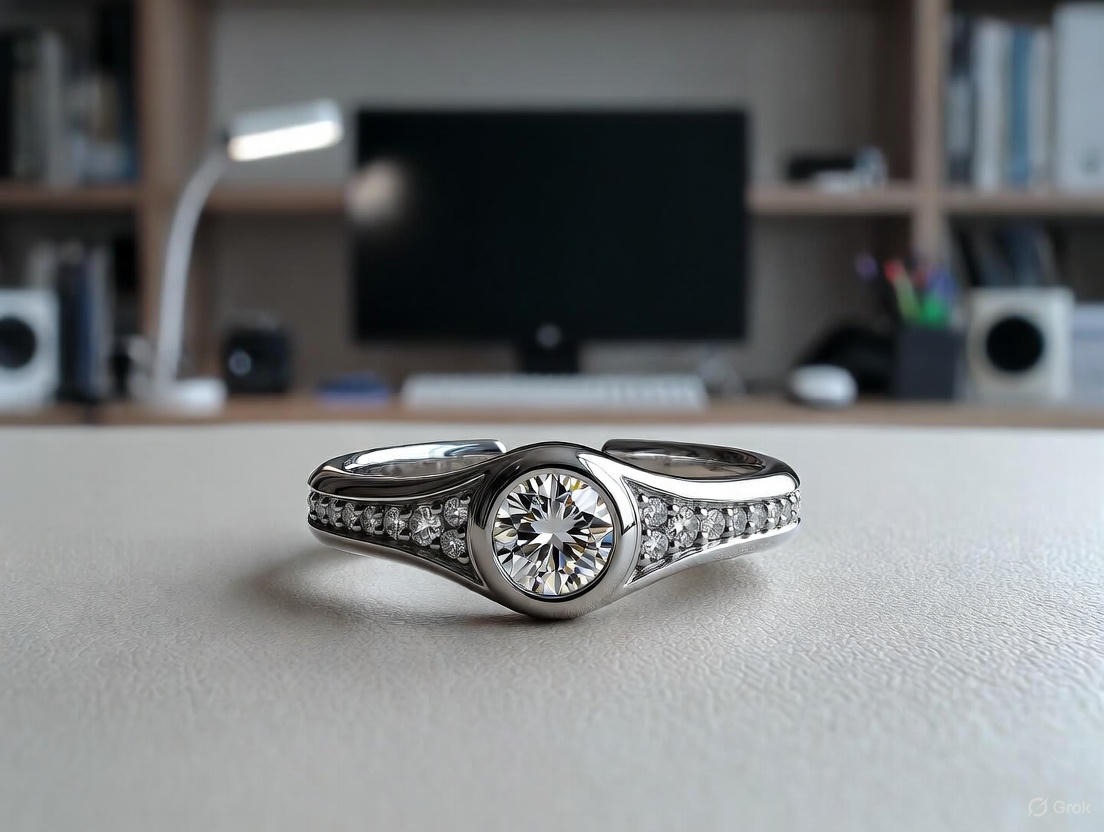
You might wonder: how can a small, sleek ring on your finger possibly gather such intimate physiological data? The answer lies in a miniaturized marvel of sensor technology and signal processing, making the finger an ideal—and often superior—location for this kind of biometric monitoring.
The primary technology at work is Photoplethysmography (PPG). It’s a complex word for a relatively simple concept: measuring blood volume changes using light. The ring contains tiny LED lights that shine green, red, or infrared light into the capillaries on the underside of your finger. A photodetector then measures the amount of light that is reflected back. As your heart beats, blood pulses through these capillaries, absorbing more light. Between beats, blood volume decreases, so more light is reflected. By capturing these subtle, rhythmic changes in light absorption hundreds of times per second, the ring can construct a precise waveform of your pulse. From this PPG signal, a world of data is extracted:
But the ring doesn’t stop at PPG. It is also equipped with a 3-axis accelerometer. This tiny motion sensor detects movement, which is crucial for:
Finally, a skin temperature sensor continuously monitors the thermal flux from your finger. While not a direct measure of core temperature, the nocturnal trend is highly informative for tracking circadian rhythm and detecting anomalies.
The finger offers unique advantages over the wrist for these measurements. The capillaries are rich and close to the surface, providing a strong, “clean” PPG signal. The ring form factor also minimizes a common problem with wrist-worn devices: motion artifact. During sleep, your hands move far less than your wrists, leading to more stable and accurate data, especially for critical metrics like HRV. This technological synergy, worn on an ideal location, is what allows a discreet piece of jewelry to become a powerful window into your autonomic nervous system and recovery state, forming the reliable data stream that makes your daily Readiness Score meaningful.
So, you open your app each morning and see your score: an 82. A 94. A 63. What now? The number alone is meaningless without interpretation and context. Here’s how to move from seeing a digit to understanding a story.
The Spectrum of Readiness:
Context is King: The Trends and the Tags.
The single daily score is a snapshot. The real power is in the time-lapse video—the trend line over days, weeks, and months. A one-day dip to 72 after an intense workout is normal and expected. A steady, week-long decline from 88 to 65, however, tells a story of accumulating strain that needs addressing. Always view your score in the context of:
Your Readiness Score is a conversation starter with your body, not the final word. It provides the objective data; you provide the subjective context. Together, they form a complete picture that guides smarter daily decisions. To see how this plays out over the long term, observing the sleep score journey over months can provide a parallel understanding of how consistent tracking reveals powerful trends.
If Readiness is the destination, sleep is the vehicle that gets you there. The relationship is not just strong; it’s causal and foundational. While the Readiness Score incorporates multiple inputs, for most people, sleep quality is the single heaviest weighting factor. Understanding this link transforms sleep from a passive state into an active performance tool.
During sleep, especially Deep Sleep (N3), your body executes its most vital restorative work. Growth hormone secretion peaks, driving muscle repair and tissue growth. Your brain’s glymphatic system, a waste-clearance network, kicks into high gear, flushing out metabolic debris like beta-amyloid proteins (associated with cognitive decline). Energy stores in the form of adenosine triphosphate (ATP) are replenished. This is physical recovery in its purest form. Without sufficient deep sleep, your body literally cannot repair the micro-tears from yesterday’s workout or the cellular wear and tear from daily stress. Your readiness for new physical demands is fundamentally compromised.
REM Sleep, on the other hand, is the theater of the mind. It’s where memories are consolidated, sorted, and integrated—moving from short-term hippocampal storage to long-term cortical filing. It’s where emotional experiences are processed and disarmed. It fuels creativity, problem-solving, and cognitive flexibility. Skimp on REM, and you may wake with a low readiness for mental acuity, emotional regulation, and complex decision-making, even if your body feels physically rested.
But it’s not just the stages—it’s the structure and continuity. A fragmented sleep, riddled with awakenings you may not even remember, disrupts the natural progression of these cycles. It’s like trying to rebuild a house with constant power outages; the work never gets completed efficiently. Your Readiness Score captures this. Two people might both sleep 7.5 hours, but the one with higher sleep efficiency (more time asleep while in bed), balanced stages, and minimal disturbances will almost always receive a significantly higher readiness rating.
Furthermore, sleep is the prime time for your autonomic nervous system to rebalance. During deep sleep, parasympathetic (“rest-and-digest”) activity dominates, which is essential for lowering heart rate, increasing HRV, and reducing systemic inflammation. Poor sleep traps you in a sympathetic-dominant state, leaving you with a higher resting heart rate and lower HRV come morning—two direct drivers of a low Readiness Score.
In essence, your sleep is the nightly reset button for your physiology. A high-quality reset leads to high readiness. A poor reset leaves you starting the new day with yesterday’s—or last week’s—fatigue still running in the background. To truly master your readiness, you must first master the art of restorative sleep, a concept explored in depth in our article on how restful living improves sleep quality naturally. The ring makes this cause-and-effect undeniable, providing the motivation to protect your sleep as the non-negotiable investment it truly is.
While sleep provides the opportunity for recovery, Heart Rate Variability (HRV) is arguably the purest real-time measure of whether that recovery is actually happening. It is the single most sensitive and direct biometric fed into your Readiness Score, acting as the North Star for your nervous system health.
Imagine your autonomic nervous system as a skilled driver on a winding mountain road. The sympathetic branch is the accelerator (stress response), and the parasympathetic branch is the brake (calm and recovery). A good driver smoothly uses both to navigate the terrain efficiently. HRV reflects this skill. High HRV means the driver has a fine touch—they can apply the brake and accelerator deftly in response to each curve, indicating flexibility, resilience, and a healthy balance. Low HRV suggests a driver who is either riding the brake (chronically fatigued, burned out) or stuck on the accelerator (chronically stressed, anxious), resulting in a rigid, inefficient, and stressful ride.
Why is HRV so powerful for readiness?
How to Use Your HRV Data:
By learning to read your HRV, you gain a profound level of self-awareness. You can start to answer questions like: “How did that meditation session affect my nervous system?” or “How long does it take me to truly recover from a heavy training day?” This knowledge is empowering, moving you from being a passenger in your body to becoming its informed co-pilot, navigating toward sustained readiness and away from burnout.
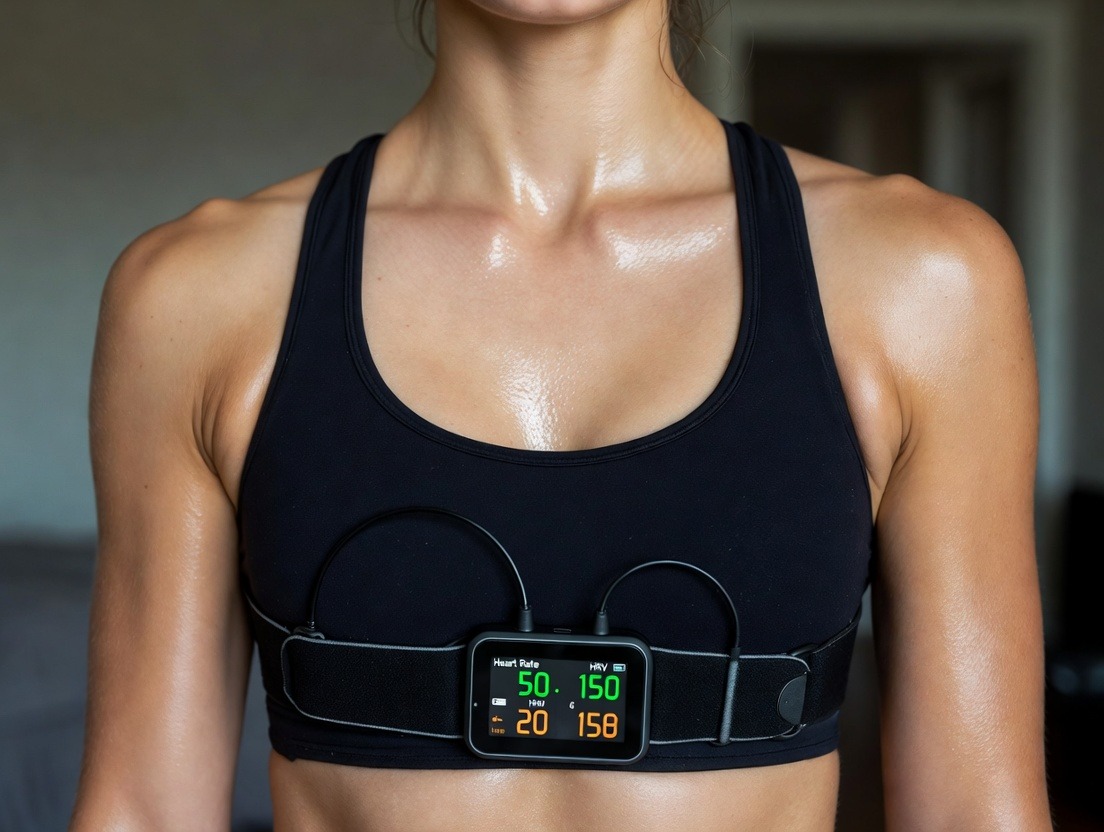
While HRV gets much of the spotlight for its dynamic insights, Resting Heart Rate (RHR) and body temperature serve as crucial, stable sentinels—background metrics whose shifts can signal significant changes in your health and readiness state.
Resting Heart Rate: The Tachometer of Your System
Think of your heart as your body’s engine. Your RHR is its idle speed. A well-tuned, efficient engine (a fit cardiovascular system) can idle low. Regular aerobic exercise strengthens the heart muscle, allowing it to pump more blood with each beat (increased stroke volume), thus requiring fewer beats per minute at rest. Therefore, a general downward trend in your RHR over months is a classic marker of improving fitness.
However, for daily readiness, acute changes are more informative than the absolute number. Your ring tracks your personal baseline. When your RHR spikes 5-10 beats per minute above this baseline for a night or two, it’s your body raising a flag. This elevation requires energy, indicating your system is working harder than usual. Common causes include:
Body Temperature: The Rhythm of Your Inner Clock
Your core body temperature isn’t constant; it follows a circadian rhythm, typically peaking in the late afternoon and reaching its nadir in the early morning hours, promoting deep sleep. A wellness ring’s skin temperature sensor tracks this rhythmic pattern.
Deviations from your personal norm are telling:
Together, RHR and temperature are the steady, vigilant guards. They may not be as flashy as HRV, but their consistent monitoring provides the stable background against which the more variable metrics are understood, leading to a more robust and accurate Readiness Score. They remind us that readiness isn’t just about what you did yesterday, but about the fundamental, rhythmic health of your underlying biological systems.
Your body operates on a simple, profound principle: balance. For every period of exertion (stress), there must be a commensurate period of recovery (adaptation). Your Readiness Score is the arbiter of this balance, and a key part of its calculus is looking backward at your recent activity and strain to forecast your capacity for more.
This is the concept of “stress + rest = growth.” When you exercise, tackle a mental challenge, or endure psychological stress, you create a controlled disturbance in your system—a strain. This strain depletes energy stores, creates micro-tears in muscle, elevates stress hormones, and challenges homeostasis. During the subsequent rest period, provided it is sufficient, your body doesn’t just return to baseline; it overcompensates, rebuilding stronger, more resilient, and more capable. This is adaptation. This is progress.
However, if you apply new strain before recovery is complete, you start from a deficit. This is how stagnation, overtraining, injury, and burnout occur. Your Readiness Score is designed to prevent this by quantifying the “rest” side of the equation in response to the “stress” it measures or you log.
How the Ring Measures Strain:
The Mental and Emotional Strain Factor.
Crucially, your body’s stress response system does not differentiate between physical and psychological stress. A brutal workout, a crushing work deadline, and a heated argument all activate the hypothalamic-pituitary-adrenal (HPA) axis, releasing cortisol and demanding recovery resources. This is why you can be physically rested but emotionally drained and still see a low Readiness Score. Many apps now allow you to manually log subjective stress or mood, which can help the algorithm—and you—connect these dots.
The Takeaway: Respect the Feedback Loop.
A low Readiness Score after a day of high activity is not a failure; it’s the expected, healthy response. It confirms the training stimulus was effective. The “win” in that scenario is honoring the low score by choosing active recovery, not ignoring it and piling on more strain. Conversely, a consistently high score might be an invitation to safely, gradually increase your challenge to drive further adaptation. The score turns the abstract principle of balance into a daily, personalized dialogue, helping you walk the fine line between productive stress and destructive overload, a theme central to learning how to balance productivity with restful living.
While sleep is paramount, your Readiness Score is a holistic reflection of your lifestyle. Many factors can drain your biological battery, leading to a lower score even with a solid eight hours in bed. Recognizing these “readiness vampires” is key to comprehensive recovery management.
1. Nutritional Inputs:
2. Psychological and Emotional Load:
3. Environmental & Behavioral Factors:
4. Covert Physical Stressors:
By using your Readiness Score as a biofeedback tool, you can run personal experiments. Notice the score after a night with alcohol versus without. See the impact of a stressful workday or a late dinner. This awareness turns the score into a powerful accountability partner, guiding you toward the daily habits that truly build resilience and away from those that silently drain it. Avoiding common pitfalls is just as important as adopting positive habits; be mindful of the restful living mistakes that keep you wired and tired.
A low Readiness Score can feel like a disappointment. It’s a red number on a screen telling you your body isn’t at its best. But this perspective is a fundamental misunderstanding of the score’s purpose. A low score is not a judgment; it’s information. It’s one of the most valuable pieces of feedback your wearable can give you because it’s a proactive signal to course-correct before you experience burnout, injury, or illness. The goal isn’t to have a perfect 100 every day—that’s neither realistic nor indicative of a challenging, fulfilling life. The goal is to learn how to respond wisely to the low scores, transforming them from setbacks into strategic recovery days.
Step 1: The Mindset Shift – From Defeat to Data.
First, reframe the low score in your mind. See it as your body’s most loyal friend whispering, “Hey, I’m struggling a bit. Let’s take it easy today so we can crush it tomorrow.” This is biofeedback at its finest. Instead of ignoring it and pushing through (which often leads to a multi-day slump), gratitude for the warning is the appropriate response.
Step 2: The Triage – Identify the Likely Cause.
Before you act, investigate. Your app will typically show which metrics contributed most to the low score. Use this to triage:
Step 3: The Action Plan – The “Green Day” Protocol.
On a low-readiness day, adopt what some athletes call a “Green Day” protocol—all systems are focused on restoration. Your schedule might include:
What NOT to Do:
By systematically responding to low scores with intelligent recovery, you accomplish two things: you give your body what it needs to repair and strengthen, and you build trust in the data. You’ll likely find that a single, well-executed recovery day often leads to a significantly higher score the next morning, proving that sometimes, the most productive thing you can do is absolutely nothing that looks like productivity on the surface. It’s the essence of strategic rest.
A high Readiness Score is your biological green light. It’s an invitation to engage fully, to challenge yourself, and to invest your abundant energy into growth. But a high score isn’t just permission to go hard—it’s an opportunity to be strategic. Wasting a high-readiness day on trivial tasks or mindless activity is a missed opportunity. Here’s how to leverage these peaks for maximum performance and personal progress.
Align Your Challenge with Your Capacity.
Your high score indicates a surplus of adaptive energy. This is the ideal time to apply a positive stressor that will lead to growth. The key is to match the type of challenge to your goals and the specific nature of your readiness.
The Principle of “Dig the Well Before You’re Thirsty.”
A high-readiness day is also the perfect time to invest in future readiness. This means engaging in practices that build your resilience bank account for the more challenging days ahead.
Avoid the Pitfall of Overpacing.
A common mistake is seeing a 95 and trying to cram every possible challenging thing into one day—a brutal workout, 10 hours of deep work, and a late social event. This is a recipe for turning tomorrow’s 95 into a 55. The goal is targeted, high-quality stress, not chaotic, total-life exhaustion. Plan one or two key “A-list” challenges for the day, and keep the rest supportive.
Listen for Nuance: Not All High Scores Are Equal.
A 92 after a rest day feels different than a 92 after a hard training block. The former is “fresh” readiness; the latter is “earned” readiness, indicating great recovery. This nuance matters. “Fresh” readiness might be best for learning something completely new, while “earned” readiness might be perfect for hitting a physical performance milestone. Pair the number with your subjective feeling and recent history for the best decision.
By consciously leveraging your high-readiness days, you create a powerful positive feedback loop. You perform better, which is satisfying and motivating. That successful performance, followed by appropriate recovery, teaches your body to be even more resilient, potentially leading to more frequent and higher peaks. You stop leaving your potential on the table and start actively collaborating with your physiology to achieve it. It turns the abstract concept of “listening to your body” into a precise, performance-enhancing protocol.
This is the most critical lesson in understanding your Readiness Score: You cannot compare your numbers to anyone else’s. The 65 that is a “low” day for you could be an exceptional “high” day for someone else, and vice versa. The absolute value is almost meaningless without the context of your personal baseline. Your baseline is your body’s unique signature—the normal, healthy range within which your biometrics fluctuate. Establishing and understanding this is what transforms raw data into personal insight.
How Your Ring Establishes Your Baseline.
When you first start wearing a wellness ring, it enters a learning phase, typically lasting 2-4 weeks. During this time, it’s not just collecting data; it’s building a statistical model of you. It learns:
It calculates rolling averages and standard deviations for these metrics. Your daily Readiness Score is then generated by comparing today’s data against your own personal history, not a population average. A “good” HRV for you is one that is at or above your own average. A “high” RHR is one that is significantly above your normal.
Why Personal Baselines Are Non-Negotiable.
Ignoring this principle leads to frustration and poor decisions. Consider two individuals:
If Person B looks at Person A’s 120ms and feels discouraged by their 50ms, they’ve missed the point entirely. For Person B, a drop to 35ms is a major warning sign, while a rise to 65ms is a fantastic indicator of improved resilience. For Person A, 120ms is normal, but a drop to 80ms is their equivalent red flag. The trend within your own range is everything.
Resetting and Evolving Baselines.
Your baseline isn’t set in stone. It should evolve as you do.
How to Work With Your Baseline:
By anchoring your interpretation to your personal baseline, you free yourself from comparison and unlock truly personalized guidance. Your Readiness Score becomes a dialogue about your body’s response to your life, making it an irreplaceable tool for self-optimization on your own terms. This longitudinal self-knowledge is what makes the journey meaningful, as you can track how your sleep score reflects total body recovery over weeks and months, seeing the direct correlation between your daily habits and your physiological foundation.
A single day’s Readiness Score is a data point. A week’s worth is a pattern. A month or year’s worth is a story—the story of your life’s impact on your biology. Learning the art of trend analysis is where you graduate from being a passive data collector to an active health detective. The trends reveal cause-and-effect relationships that are invisible in the daily noise, empowering you to make lasting changes.
Key Trends to Watch and Interpret:
1. The Readiness Trend Line:
2. The Relationship Between Strain and Readiness:
Plot your daily activity/exertion (strain) against your next-morning Readiness Score. The ideal pattern is a clear inverse relationship: a high-strain day is followed by a dip in readiness, which then recovers as you rest. If you see a decoupling—where high strain no longer causes a readiness dip—it could mean you’re not training hard enough to elicit an adaptation signal. Conversely, if low-strain days keep producing low readiness, it points to non-exercise stressors (sleep, diet, mental health) as the primary culprits.
3. Correlating Lifestyle Tags with Dips:
This is perhaps the most powerful personal insight tool. When you consistently tag “Alcohol” or “Late Dinner” and see a corresponding dip in your score 1-2 days later, you have objective, personal evidence of its impact. You might tag “Big Presentation” and see a readiness drop from the psychological stress, or “Weekend Camping” and see a rise from disconnecting and being in nature. Over time, these correlations build your personal handbook for what truly fuels or drains you.
4. Circadian and Cycle-Based Trends:
How to Conduct Your Trend Analysis:
By engaging in regular trend analysis, you move from reactive to predictive. You start to anticipate how certain events will affect you and can plan accordingly. You celebrate the upward slopes and respectfully investigate the downward ones. This macro view provides the context that makes each daily score meaningful, weaving the individual threads of data into the rich tapestry of your ongoing health narrative. It’s the practice that turns tracking into true self-knowledge, a core component of the restful living mindset: shifting from doing to being.
Understanding your Readiness Score is the first step. The transformative power, however, lies in integrating this insight into the fabric of your daily life—using it to dynamically guide your decisions about work, movement, social engagement, and nourishment. This is where biohacking meets practical living. The score becomes not just a number to observe, but a compass to navigate by.
The Morning Ritual: Setting the Tone with Your Score.
Your morning check-in should be a moment of non-judgmental assessment, not anxiety. Make it part of a holistic restful living morning routine. Before the noise of the day begins, open your app. See the number and the contributing factors. Then, ask a simple, strategic question: "Given this score, what does my body need most from me today to either capitalize on high readiness or recover from low readiness?"
This question immediately shifts you from passive to active. Based on the answer, you can make micro-adjustments to your planned day:
Dynamic Workout Planning: Autoregulating Your Training.
The era of blindly following a pre-written training plan regardless of how you feel is over. Your Readiness Score enables autoregulation—adjusting your training in real-time based on your body's readiness.
Cognitive and Emotional Alignment.
Your brain's capacity is just as tied to readiness as your muscles.
Nutritional Leverage: Fueling for Your State.
Let your score inform your nutritional focus.
The Social and Environmental Edit.
Your social calendar should not be immune to this logic.
By making these micro-adjustments, you stop fighting your physiology and start flowing with it. You reduce wasted effort on days your body can't support it and maximize output on days it can. This creates a sustainable, graceful rhythm to life that prevents burnout and amplifies success. It turns wellness from a separate project into an integrated operating system.
As powerful as the Readiness Score is, its value can be undermined by misconceptions. To use it wisely, it’s equally important to understand what it is not. Clarifying these pitfalls will prevent frustration and ensure you maintain a healthy, productive relationship with your data.
1. It is NOT a Grade or a Measure of Self-Worth.
This is the most critical mental trap to avoid. A 62 is not an "F" on your life report card. It is a neutral, objective measurement of your physiological state, similar to a thermometer reading 100.4°F. You wouldn’t feel ashamed of a fever; you’d respond to it. Detach your ego from the number. Your value as a person, your discipline, or your toughness is not reflected in a morning biometric. Seeing it as a grade leads to unhealthy behaviors like pushing through low scores to "prove" something, which directly contradicts the tool's purpose.
2. It is NOT a Standalone Diagnostic Tool.
While a sustained low score can indicate underlying issues, it is not a substitute for medical advice. It can suggest you might be fighting an infection, experiencing hormonal imbalances, or suffering from unaddressed stress, but it cannot tell you which infection or what imbalance. If you have persistent, unexplainable low readiness alongside concerning symptoms, consult a healthcare professional. The score is a fantastic conversation starter with your doctor, providing concrete longitudinal data, but it is not the doctor.
3. It is NOT Meant to Create Anxiety or Orthosomnia.
"Orthosomnia" is a modern term for an unhealthy preoccupation with perfecting sleep data. This can easily extend to readiness data. Checking your app incessantly, worrying about a 2-point drop, or becoming so rigid that you cancel all life events to protect a hypothetical score is counterproductive. The anxiety itself will lower your HRV and readiness. The tool should reduce stress by providing clarity, not become a new source of it. Use it as a guide, not a gospel.
4. It is NOT Static or Inflexible.
Your optimal response to a score of 75 might change over time. Early in your fitness journey, a 75 might warrant a full rest day. Years later, with a higher fitness baseline, a 75 might be fine for a moderate workout. The score provides a snapshot; you provide the context of your experience, goals, and the day's non-negotiables. Sometimes, life requires you to perform even with a moderate score—the key is to do so consciously, knowing you’ll need to prioritize recovery afterward, rather than ignorantly.
5. It Does NOT Replace Subjective Feeling (Interoception).
The goal of biofeedback tools is to enhance your interoception—your ability to perceive the internal state of your body—not replace it. Always do a "body scan." If your score is an 85 but you feel groggy and achey, trust that feeling. The discrepancy is data in itself—perhaps you're mentally exhausted or dehydrated. Conversely, if you feel amazing but the score is a 70, it could indicate you're in a "digestion phase" of recovery where the body is actively repairing, which can feel sluggish. The most powerful approach is the marriage of objective data and subjective wisdom.
6. It is NOT an Excuse for Inaction.
While a low score advises against intense strain, it is not a license for total, passive collapse (unless you are truly ill). "Active recovery" is the key concept. Gentle movement, hydration, nutritious food, and stress management are actions that actively aid recovery. Using a low score as an excuse to be sedentary, eat poorly, and scroll stressfully on your phone is a misuse of the data. The score guides you toward smarter action, not no action.
By sidestepping these misconceptions, you preserve the score's utility as a gentle, objective guide. It becomes a partner in your well-being, not a tyrant or a critic. This balanced perspective is essential for restful living for parents finding peace in the chaos, where rigid perfection is impossible, but intelligent adaptation is everything.
While the daily Readiness Score is a tool for immediate decision-making, its long-term trends and the data behind it can serve as a powerful proxy for broader health and longevity. The same physiological pillars that determine readiness—HRV, RHR, sleep quality—are, in the scientific literature, strongly correlated with systemic health outcomes. By optimizing for daily readiness, you are, in effect, investing in your long-term health portfolio.
Readiness as a Marker for Systemic Inflammation.
Chronic, low-grade inflammation is a silent driver of nearly every major age-related disease, from cardiovascular issues to cognitive decline. The metrics in your Readiness Score are sensitive to inflammation.
Cardiovascular Resilience and Metabolic Health.
Your heart’s behavior at rest is a window into its functional capacity.
Neurological and Cognitive Reserve.
The brain is perhaps the greatest beneficiary of high readiness. Deep sleep is when the glymphatic system cleanses metabolic waste from the brain. REM sleep consolidates memory and fosters neural plasticity. A high HRV is associated with better prefrontal cortex function—the area responsible for executive function, decision-making, and emotional regulation.
Hormonal Balance and Endocrine Health.
Your circadian rhythm, so clearly visible in your temperature and sleep data, governs the timing of nearly every hormone release—cortisol, melatonin, growth hormone, thyroid hormones, and sex hormones.
The Longevity Connection: Allostatic Load.
Scientists use the term "allostatic load" to describe the cumulative wear and tear on the body from chronic stress. It’s the physiological cost of adaptation. High allostatic load is a predictor of accelerated aging and disease.
In this light, your wellness ring becomes more than a daily coach; it’s a long-term health sentinel. The pursuit of readiness transforms from a performance hack into a foundational health strategy. You’re not just deciding whether to work out today; you’re gathering data that reflects the very underpinnings of your vitality for decades to come. This profound connection underscores why the science behind restful living is so critical—it’s not indulgence, but essential maintenance for the human organism.
The raw physiological data from your ring is powerful, but its true potential is unlocked when you combine it with the context of your life. What you eat, how you move beyond formal exercise, your stress levels, and your daily habits all feed into the readiness equation. Manually logging this context—or syncing with other apps—creates a rich, multi-dimensional map that allows you to see clear cause-and-effect relationships. This is where personalized, lasting behavior change happens.
The Power of Manual Tagging.
Most wellness apps allow you to add tags or notes to your daily timeline. This simple act is a form of quantified self-journaling. Consistently tag:
Syncing with Complementary Ecosystems.
For a holistic view, sync your ring data with other platforms:
Creating Your Personal "If/Then" Rules.
With enough correlated data, you can create intelligent, personal heuristics—simple rules that guide your behavior.
The Habit-Readiness Feedback Loop.
This integration creates a virtuous cycle. You use readiness data to identify a habit that needs changing (e.g., late-night snacking). You implement a new habit (e.g., a kitchen curfew). You then use your readiness score to reinforce that habit. When you see your score improve after adhering to the new habit, you get a powerful dopamine hit of positive reinforcement—not from an abstract goal, but from your own biology rewarding you. This makes behavior change sticky and self-perpetuating.
By looking beyond the ring and connecting its data to your lived experience, you become the author of your own wellness narrative. You stop guessing and start knowing what works for you. This integrated approach is the cornerstone of sustainable, intelligent self-care, moving you closer to the philosophy of restful living on a budget, where the most impactful changes are often behavioral, not expensive.
Your Trusted Sleep Advocate: Sleep Foundation — https://www.sleepfoundation.org
Discover a digital archive of scholarly articles: NIH — https://www.ncbi.nlm.nih.gov/
39 million citations for biomedical literature :PubMed — https://pubmed.ncbi.nlm.nih.gov/
Experts at Harvard Health Publishing covering a variety of health topics — https://www.health.harvard.edu/blog/
Every life deserves world class care :Cleveland Clinic - https://my.clevelandclinic.org/health
Wearable technology and the future of predictive health monitoring :MIT Technology Review — https://www.technologyreview.com/
Dedicated to the well-being of all people and guided by science :World Health Organization — https://www.who.int/news-room/
Psychological science and knowledge to benefit society and improve lives. :APA — https://www.apa.org/monitor/
Cutting-edge insights on human longevity and peak performance:
Lifespan Research — https://www.lifespan.io/
Global authority on exercise physiology, sports performance, and human recovery:
American College of Sports Medicine — https://www.acsm.org/
Neuroscience-driven guidance for better focus, sleep, and mental clarity:
Stanford Human Performance Lab — https://humanperformance.stanford.edu/
Evidence-based psychology and mind–body wellness resources:
Mayo Clinic — https://www.mayoclinic.org/healthy-lifestyle/
Data-backed research on emotional wellbeing, stress biology, and resilience:
American Institute of Stress — https://www.stress.org/


