


Daily Activity Insights: Why Evening Movement Matters for Sleep
Evening movement patterns are shown to have a significant impact on your ability to fall and stay asleep.
Evening movement patterns are shown to have a significant impact on your ability to fall and stay asleep.
%402x.svg)
For generations, the pursuit of a perfect night’s sleep has been framed as a quest for stillness. We’re told to create cool, dark, and silent sanctuaries. We learn about sleep hygiene, avoid screens, and perhaps sip herbal tea. But what if a critical, often overlooked, piece of the sleep-optimization puzzle isn’t about what happens in the stillness of the bedroom, but in the dynamic hours that precede it? What if the secret to deeper, more restorative sleep isn't just in winding down, but in how we move throughout our entire day—and, crucially, in the evening?
This is not about exhaustive, late-night workouts that leave you wired. This is a more nuanced understanding of our circadian biology, metabolic cycles, and the direct, data-driven link between our daily activity patterns and the architecture of our sleep. Modern wearable technology, particularly advanced devices like the Oxyzen smart ring, has lifted the veil on this relationship. By tracking metrics like heart rate variability (HRV), body temperature, and movement with 24/7 precision, we can now see with startling clarity how a sedentary day sets the stage for fragmented sleep, and how strategic evening movement can act as a powerful, natural sleep aid.
In this deep exploration, we will dismantle the myth that you must cease all activity after sundown to sleep well. Instead, we will journey through the science of thermoregulation, stress dissipation, and circadian alignment to reveal why—and how—intelligently timed movement in the evening hours can be your most potent tool for unlocking better sleep. This is more than a simple wellness tip; it’s a paradigm shift in how we view the day-night cycle, informed by the personal biometrics that devices like Oxyzen smart rings capture. This insight empowers you to transform your evening routine from a passive shutdown into an active, deliberate preparation for the most restorative sleep of your life.
We live in an age of unprecedented convenience and equally unprecedented stillness. For many, the daily pattern involves sitting during a commute, sitting at a desk for eight or more hours, sitting during meals, and then sitting on the couch to "relax" before bed. This sedentary lifestyle is a well-documented villain for cardiovascular health and metabolic function, but its insidious impact on sleep is often underappreciated.
At a physiological level, our bodies are engineered for rhythm—cycles of exertion and recovery, alertness and rest. When we deprive the body of the exertion phase, the recovery phase (sleep) becomes dysregulated. Think of a child who has been indoors all day; they often struggle to settle at night because they haven't expended their natural energy. Adults are not so different. The physical fatigue from healthy activity is a primary driver for sleep pressure, the homeostatic need for sleep that builds throughout the day.
Without sufficient movement, this sleep pressure doesn't build adequately. The result can be that frustrating feeling of being "tired but wired" at bedtime. Your mind is fatigued from cognitive work and stress, but your body hasn't received the clear physiological signal that it's time for deep restoration. This mismatch can lead to prolonged sleep onset—lying awake for long periods—and lighter, less restorative sleep overall.
Furthermore, inactivity is closely tied to elevated baseline stress. A sedentary lifestyle often correlates with higher circulating levels of cortisol, the body's primary stress hormone, which naturally should dip in the evening. It also suppresses the production of mood-regulating neurotransmitters like serotonin, a precursor to the sleep hormone melatonin. When you finally lie down, your nervous system may still be humming with unspent physical tension and chemical stress signals, making the transition into sleep difficult.
This is where data becomes transformative. Without tracking, you might only know you slept poorly. With a device that monitors your activity and sleep, like the one detailed in our guide on how sleep trackers actually work, you can see the direct correlation. You can observe how days with fewer than 2,000 steps correlate with lower sleep scores, reduced deep sleep duration, and more frequent awakenings. This objective feedback moves the concept from an abstract idea ("I should move more") to a personal, quantifiable truth ("On my sedentary days, my deep sleep drops by 30%").
Breaking this trap requires a conscious effort to reintegrate movement into the fabric of our day. But as we'll see, not all movement is created equal, and timing is everything. The goal isn't just to be less sedentary; it's to use activity, especially in the evening, as a deliberate tool to prime your biology for sleep.
Your body is a sophisticated communication system, constantly sending signals about its state and needs. In the hours before sleep, it broadcasts a series of physiological cues that indicate readiness for rest. Learning to decode these signals—or, better yet, using technology to measure them—is key to understanding why evening movement can be so effective.
One of the most critical signals is core body temperature. Our circadian rhythm dictates a subtle, yet vital, temperature cycle: we are warmest in the late afternoon and coolest in the early morning hours before dawn. The initiation of sleep is tightly coupled to a drop in core body temperature. This drop signals to the brain that it's time to shift into sleep mode. A body that is too warm, whether from a hot environment, a heavy meal, or poor internal regulation, will struggle to initiate this cooling process and, consequently, sleep.
Evening movement, particularly of the right kind and intensity, directly influences this process. When you exercise, your core temperature rises sharply. In response, your body activates its cooling mechanisms—increased blood flow to the skin and sweating—more aggressively. After you finish, this cooling effect overshoots, leading to a more pronounced drop in core temperature than would occur passively. This post-exercise temperature decline is a powerful biological cue for sleep onset.
Another pre-sleep signal is a shift in autonomic nervous system (ANS) balance. The ANS has two main branches: the sympathetic (fight-or-flight) and the parasympathetic (rest-and-digest). For quality sleep, we need a strong parasympathetic dominance to calm the heart, lower blood pressure, and promote relaxation. Many of us live in a state of chronic low-grade sympathetic arousal due to stress. The right kind of evening activity can help facilitate this shift by providing a controlled, acute stressor (the exercise) that, once completed, allows the parasympathetic system to rebound powerfully, a phenomenon sometimes called the "rebound relaxation effect."
This is precisely what devices like the Oxyzen ring measure through Heart Rate Variability (HRV). A rising HRV after an evening activity is a brilliant indicator that your body is successfully making that parasympathetic shift. You can learn more about how these metrics are captured in our article on sleep tracking accuracy.
Finally, there is the signal of physical fatigue. Muscles that have been engaged send feedback to the brain, not just in the form of mild tiredness, but via a cascade of cytokines and other signaling molecules that promote recovery processes, many of which are optimized during sleep. This is a direct request from your body for deep, restorative sleep to repair and rebuild.
Ignoring these signals is like pressing the snooze button on your body's most important recovery meeting. By understanding that a slight evening temperature drop, a calm nervous system, and gentle physical fatigue are the intended pre-sleep state, we can start to use movement not as a disruption, but as a way to amplify these very signals.
To truly harness evening movement for sleep, we must view it through the lens of chronobiology—the study of our body's natural timekeeping. At the center of this is the circadian rhythm, your internal 24-hour master clock that regulates everything from hormone release and digestion to cell regeneration and, most importantly, sleep-wake cycles.
This rhythm is primarily set by light exposure but is fine-tuned by other "zeitgebers" (German for "time givers"), and physical activity is one of the most powerful non-photic zeitgebers we have. When you move consistently at certain times of day, you reinforce the timing signals to your peripheral clocks in your organs, muscles, and tissues, telling them what phase of the 24-hour cycle it is.
Here’s the crucial insight: there appears to be an evening "sweet spot" where movement can have the most beneficial effect on sleep without disrupting the circadian rhythm. This window typically falls 2 to 4 hours before your expected bedtime. Activity during this time capitalizes on several circadian features:
Disrupting this rhythm with late-night, high-intensity work or erratic activity schedules sends conflicting signals. Your body doesn't know if it should be preparing for peak performance or deep recovery. Consistency is key. A regular pattern of evening movement—even if it's just a daily walk after dinner—trains your body to anticipate the subsequent wind-down, making the transition into sleep smoother and more predictable.
For those tracking their sleep with a device like Oxyzen, observing the correlation between consistent daily activity patterns and high sleep consistency scores is profound evidence of this alignment. You can dive deeper into the mechanics of these cycles in our resource on the science of deep sleep. By syncing your movement with your circadian biology, you move from fighting your natural rhythms to working in concert with them.
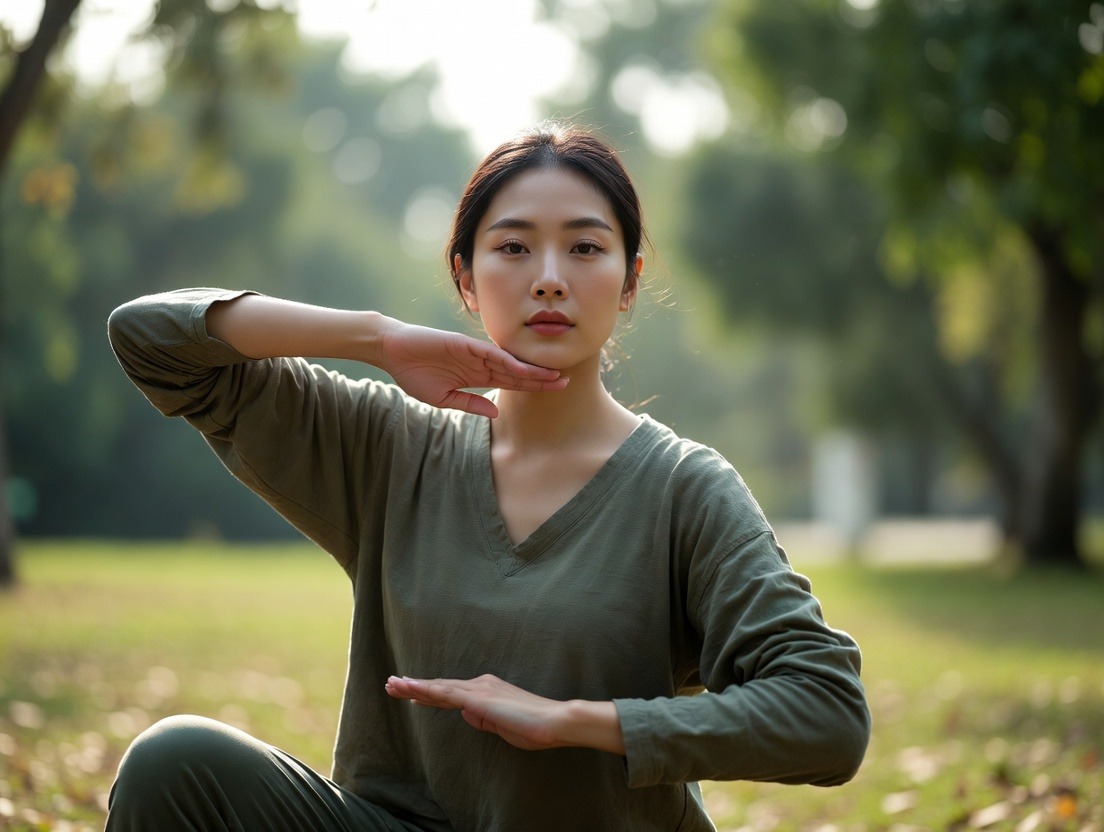
When we say "evening movement," the immediate image is often a leisurely walk. While an after-dinner walk is a fantastic and accessible starting point, the universe of sleep-promoting activity is far richer and more varied. The best type of movement for you depends on your day, your stress levels, your fitness, and your personal biology—which is why biometric tracking is so valuable.
Let's explore the spectrum:
The Gentle Regulators (Low-Intensity, Mind-Body):
The Moderate Sweet Spot (The Goldilocks Zone):
The Cautionary Zone (High-Intensity & Competitive):
The takeaway is not to avoid certain activities, but to be strategic about their timing. A lunchtime HIIT session or afternoon strength workout can build superb sleep pressure for the night ahead. Saving the gentle or moderate movement for the evening then acts as the perfect bridge, releasing any residual tension from the day and from the earlier workout.
By experimenting across this spectrum and using a device to monitor the outcome—tracking how different activities affect your sleep score, deep sleep duration, and resting heart rate—you can build a personalized "movement menu" for the evening. This data-driven approach, supported by insights from the Oxyzen blog, moves you beyond generic advice into the realm of truly personalized sleep optimization.
We've touched on body temperature, but this mechanism is so central to the evening movement equation that it deserves its own deep dive. The relationship between thermoregulation and sleep is one of the most robust in sleep physiology, and it provides a clear blueprint for how to use movement as a tool.
The human sleep cycle is exquisitely sensitive to temperature. The brain's sleep-initiation region, the ventrolateral preoptic nucleus (VLPO), is inhibited by heat and activated by coolness. For sleep to begin, heat must dissipate from the body's core to the periphery (hands and feet). This is why you might have cold hands and feet when you're trying to fall asleep—it's a sign that your body is efficiently dumping heat.
Here’s the step-by-step process of how evening movement engineers this effect:
This science also explains why a hot bath or shower 1-2 hours before bed is so sleep-promoting. It's the same principle: you artificially raise your core temperature in a relaxing way, and the subsequent cool-down facilitates sleep. Movement achieves this naturally, with the added benefits of metabolic regulation and stress relief.
Smart rings like Oxyzen provide a fascinating window into this process. By tracking your nightly skin temperature trends, you can actually see this cooling curve. On nights where you've engaged in well-timed evening movement, you might observe a more pronounced and steady temperature decline as you fall asleep. On sedentary or stressful nights, the curve might be flatter or more erratic. Understanding your personal deep sleep tracking numbers in the context of this temperature data turns abstract science into a personal sleep optimization dashboard.
In our high-pressure world, one of the biggest barriers to sleep is a mind—and a nervous system—that refuses to quiet down. We carry the tensions of the day to bed with us in the form of psychological worry and, more importantly, physical tension. This is where movement transcends its physical benefits and becomes a form of kinetic therapy for the nervous system.
Stress, whether from a work deadline or an emotional conflict, creates a physiological state: muscles tense, breath becomes shallow, heart rate increases, and stress hormones like cortisol and adrenaline circulate. This is the sympathetic nervous system in action. If this state persists into the evening, it directly antagonizes sleep.
Evening movement acts as a "channeler" for this stress energy. Here’s how:
The data from a comprehensive wellness tracker makes this transformation visible. You might see that after an evening yoga session, your pre-sleep heart rate is significantly lower than on sedentary days. Your HRV, a key metric of nervous system resilience tracked by devices like Oxyzen, may show a more positive trend, indicating a stronger parasympathetic shift. Reading about real user experiences can illustrate how others have used this data to manage stress and sleep.
The goal of evening movement, from a nervous system perspective, is not to exhaust yourself but to complete the stress cycle. It’s about providing the physical resolution that our modern, cognitively demanding but physically passive lives often lack. By doing so, you arrive at your pillow not just physically tired, but physiologically calm—a state primed for deep, uninterrupted sleep.
Until recently, the connection between evening activity and sleep quality was largely anecdotal or based on generalized population studies. The advent of advanced personal wearables, particularly sleek, always-on smart rings, has revolutionized this. Now, you can conduct a personalized, longitudinal study on your own biology. Devices like the Oxyzen ring move you from guessing to knowing.
So, what does this data-driven evening look like? How can you use the metrics to guide your behavior?
Key Metrics to Watch:
By reviewing this data consistently, you stop following generic rules ("don't exercise within 3 hours of bed") and start following your body's unique rules. You become the scientist of your own sleep. The Oxyzen platform is designed to surface these correlations and insights, helping you build a personalized evening routine that your data confirms is working. It turns abstract wellness concepts into a tangible, optimized daily practice.
Armed with the science and the tools to track it, the final step is practical application. Creating an effective evening movement ritual is less about rigid rules and more about crafting a flexible, enjoyable practice that signals to your body and mind that the day is transitioning to rest. Here is a framework to build your own.
Step 1: The Evening Audit (The "Why")
Before you plan movement, assess your starting point. Use your smart ring data or simply journal for a week. Ask:
Step 2: Choose Your Activity Based on Need (The "What")
Step 3: Master the Timing (The "When")
Using your data as a guide, start with this framework and adjust:
Step 4: Integrate with Your Wind-Down (The "How")
Your movement ritual should flow seamlessly into the rest of your pre-sleep routine. The transition is key.
Step 5: Iterate with Data (The "Refinement")
This is the ongoing process. Check your sleep data the next morning. Did you fall asleep faster? Did your deep sleep increase? Was your HRV higher? If an activity at a certain time disrupted your sleep, don't discard it—just adjust its timing or intensity. Your ritual is a living practice, refined by the continuous feedback loop between your actions and your biometrics. For ongoing inspiration and new ideas, resources like the Oxyzen blog on sleep are invaluable.

As we embrace the power of evening movement, it’s equally important to clear the fog of misinformation and common pitfalls. Well-intentioned efforts can backfire if based on outdated or oversimplified ideas. Let's debunk some pervasive myths.
Myth 1: "Any exercise before bed is bad for sleep."
This is the most common and damaging blanket statement. As we've detailed, the relationship is nuanced. The Truth: Gentle to moderate exercise finishing 1-2 hours before bed is not only not bad but can be significantly beneficial for most people. It's high-intensity, competitive, or unfamiliar exercise done too late that poses the highest risk of disruption.
Myth 2: "If I'm tired, I should just go to bed. Movement will wake me up."
This confuses mental fatigue with physical sleep pressure. The Truth: That "tired but wired" feeling often indicates built-up mental stress and tension without corresponding physical fatigue. A 20-minute gentle walk or stretching session can be the perfect intervention to resolve the physical tension, clear mental clutter, and build the missing sleep pressure, making you genuinely ready for sleep.
Myth 3: "More is always better. If a 30-minute walk helps, a 60-minute run will help more."
This ignores the dose-response curve and the principle of hormesis (a beneficial response to a mild stressor). The Truth: There is a "Goldilocks Zone" of intensity and duration. For evening movement, moderation is typically the most reliable path. An excessive dose becomes a significant stressor, raising cortisol and core temperature too much, too late, overriding the sleep-promoting effects. The goal is a stimulus, not a stress test.
Myth 4: "I don't have time for a dedicated 'workout,' so evening movement isn't for me."
This equates movement with formal exercise. The Truth: Evening movement can be seamlessly integrated. It's playing with your kids or dog in the yard. It's parking farther away when you run an evening errand and walking briskly. It's doing 10 minutes of stretching while watching TV. It’s taking the stairs. Consistency with small, non-intimidating actions trumps sporadic, grandiose workouts.
Mistake 1: Ignoring the Wind-Down Afterward.
Finishing a brisk walk and immediately jumping onto your laptop or into a heated discussion negates much of the benefit. The Fix: Build a deliberate 15-minute buffer after your movement to cool down physically and mentally. Let the parasympathetic shift happen undisturbed.
Mistake 2: Not Hydrating (or Hydrating Too Late).
Movement requires hydration, but drinking large volumes right before bed can cause disruptive nighttime trips to the bathroom. The Fix: Hydrate well during and immediately after your activity, then taper off your fluid intake in the last 60 minutes before bed.
Mistake 3: Being Inconsistent.
Your circadian rhythm thrives on predictability. Doing evening movement sporadically sends confusing signals. The Fix: Aim for consistency, even if the duration or intensity varies. A daily 7 p.m. walk, even if only 15 minutes on busy days, is more powerful than a single weekly hour-long session.
By sidestepping these myths and mistakes, you ensure your efforts are effective and sustainable. Your journey becomes one of intelligent experimentation, guided by your personal data and a nuanced understanding of sleep science. For answers to specific, common questions about using technology in this journey, our FAQ page is a great resource.
Understanding the theory is one thing; living the results is another. To bridge this gap, let’s translate everything into a practical, two-week experiential journey. This 14-day challenge is designed to help you systematically explore different types of evening movement and observe their direct impact on your sleep, ideally using a smart ring like Oxyzen to capture the objective data. The goal isn’t perfection, but discovery and the formation of new, intentional habits.
The Challenge Framework:
The 14-Day Plan:
Days 1-3: Foundation with Intentional Walking.
Days 4-6: Introduction to Nervous System Downtuning.
Days 7-9: Exploring Moderate Circulation.
Day 10: The Rest Day Audit.
Days 11-13: Personalization & Integration.
Day 14: Reflection and Ritual Lock-In.
This challenge moves you from a passive consumer of sleep tips to an active architect of your own sleep hygiene. The data you collect—whether subjective feelings or hard numbers from your ring—provides the conviction needed to make this ritual a permanent, non-negotiable part of your life. For ongoing ideas and community inspiration, exploring stories on our story page can connect you to the broader mission of data-empowered wellness.
Evening movement is a powerful lever, but it doesn’t operate in a vacuum. Its effectiveness is multiplied when combined with other foundational pillars of sleep hygiene. Think of these habits as a synergistic stack, where each one supports and amplifies the others.
1. Movement + Light Management:
Your circadian rhythm is set by light. Evening movement outdoors during sunset can be doubly beneficial: you get the activity while also exposing your eyes to the diminishing natural blue light, which is a strong signal for melatonin production to begin. Conversely, if you move indoors, be vigilant about avoiding bright, blue-heavy screens after your movement. The post-movement wind-down should be in dim, warm light. This one-two punch—natural light decline during activity, followed by artificial light avoidance—creates a powerful circadian alignment.
2. Movement + Nutrition Timing:
What and when you eat plays a huge role in sleep. A large, heavy, or spicy meal right before bed can raise core temperature and disrupt digestion, working against the cooling effect of evening movement. The ideal synergy is to have your last major meal 2-3 hours before bedtime. Your evening movement can then occur in the gap between dinner and bed, helping to regulate blood sugar from the meal and prime the temperature drop. Some find a small, sleep-promoting snack after movement, like a handful of almonds or a banana, can be helpful. Discover more on this in our guide to foods that increase deep sleep.
3. Movement + Temperature Optimization:
We’ve covered how movement induces a temperature drop. You can supercharge this by managing your sleep environment. After your evening movement and a warm shower, aim to keep your bedroom cool—around 65-68°F (18-20°C). This external coolness supports the internal cooling process. Using breathable bedding and sleepwear further prevents overheating. Your movement starts the engine of cooling, and your sleep environment allows it to cruise all night.
4. Movement + Cognitive Wind-Down:
Physical movement helps release bodily tension, but mental tension needs its own release valve. Pairing your physical ritual with a cognitive wind-down creates comprehensive relaxation. After your movement and shower, engage in a consistent, non-stimulating pre-sleep routine. This could be 10 minutes of journaling to "download" the day's worries, reading a physical book (not an e-reader), or practicing a short gratitude meditation. The movement prepares your body for stillness, and the cognitive wind-down prepares your mind. For a deeper understanding of the brain’s needs, explore the connection between deep sleep and memory.
5. Movement + Consistency:
The most important synergy is with time. Going to bed and waking up at roughly the same time every day—even on weekends—is arguably the single most effective sleep habit. When you anchor your evening movement ritual to a consistent bedtime, you create a cascade of predictable biological events. Your body learns the sequence: movement -> temperature drop -> dim light -> cognitive quiet -> sleep. This predictability reduces the energy required to fall asleep and increases sleep efficiency.
By stacking these habits, you build a robust, fault-tolerant sleep system. On a night where you might have eaten a bit later, the evening movement can help mitigate the impact. On a stressful day, the movement + journaling combo becomes a potent reset button. This holistic approach is what transforms sleep from a fragile occurrence into a resilient pillar of health.
Theory and personal experimentation are compelling, but there’s undeniable power in seeing how these principles play out in the lives of others. By examining anonymized, aggregated patterns from smart ring users, as well as shared testimonials, we can see the tangible impact of evening movement on sleep architecture. Here are a few illustrative "case studies" based on common patterns observed in the Oxyzen community testimonials.
Case Study A: "The Desk-Bound Professional"
Case Study B: "The Stressed Caregiver"
Case Study C: "The Misguided Fitness Enthusiast"
These cases highlight that the "right" evening movement is highly individual. For Sarah, it was about building missing physical fatigue. For David, it was about nervous system regulation. For Marcus, it was about avoiding the wrong kind of stimulus at the wrong time. The common thread was using data to move from guessing to knowing, and finding an activity that served as a deliberate psychological and physiological transition into the rest state. This is the core of the philosophy behind Oxyzen's approach: empowering personalized insight for better living.
Despite the strong science and positive anecdotes, you may try evening movement and not see the benefits you expected—or you might even feel it’s making things worse. This doesn't mean the principle is flawed; it means your unique biology or circumstances require finer tuning. Here is a troubleshooting guide based on common issues.
Problem 1: "Movement makes me feel more alert and awake, not sleepy."
Problem 2: "I'm too tired in the evening to even think about moving."
Problem 3: "I do it, but I see no change in my sleep data."
Problem 4: "I get pain or discomfort when I move in the evening."
Remember, the path to optimal sleep is iterative. Use a problem-solving mindset. Treat each "failure" as a data point that brings you closer to your personal formula. For persistent questions, resources like the Oxyzen FAQ can provide additional support and clarity.
When we frame evening movement solely as a "sleep hack," we sell short its profound and compounding long-term benefits. This daily ritual is far more than a sleep aid; it is a foundational investment in lifelong physiological and psychological resilience. By consistently aligning your activity with your circadian rhythm, you are not just sleeping better tonight—you are programming your body for healthier aging.
1. Metabolic Health and Longevity:
Regular evening movement helps regulate blood sugar levels after the day's final meal. This improves insulin sensitivity over time, a critical factor in preventing metabolic syndrome, type 2 diabetes, and obesity. Furthermore, the improvement in sleep quality driven by this movement directly enhances growth hormone secretion (primarily released during deep sleep) and cellular repair processes. This nightly cycle of repair is fundamental to slowing age-related decline. The synergistic effect of good sleep and daily activity is one of the most powerful longevity levers we have.
2. Cardiovascular Fortification:
The combination of activity and subsequent deep sleep creates a powerful one-two punch for heart health. The movement strengthens the heart muscle and improves circulation. The deep sleep that follows allows for a sustained period of lowered blood pressure and heart rate, giving the cardiovascular system a prolonged, profound rest. This daily pattern of stress (exercise) followed by deep recovery (sleep) trains the cardiovascular system to be more resilient. Over decades, this can significantly reduce the risk of hypertension, heart attack, and stroke.
3. Cognitive Preservation and Emotional Resilience:
The brain clears metabolic waste during deep sleep via the glymphatic system. By using evening movement to enhance deep sleep, you are literally facilitating a better nightly "brain wash," which is thought to be protective against neurodegenerative diseases like Alzheimer's. Furthermore, the stress-buffering effect of the ritual—using movement to metabolize the day's anxieties—protects the hippocampus (the memory center) from the damaging effects of chronic cortisol. This leads to better emotional regulation, reduced anxiety and depression risk, and preserved cognitive function as you age. This is explored in detail in our article on how age affects deep sleep.
4. The Habitual Keystone:
Perhaps the most underrated long-term benefit is that a consistent evening movement ritual often acts as a "keystone habit." As Charles Duhigg outlined in The Power of Habit, keystone habits are small changes that unintentionally drive other positive changes. Sticking to an evening walk often makes people more conscious of their evening nutrition. Feeling better from improved sleep often increases motivation for morning exercise. The discipline and self-efficacy gained from maintaining this daily ritual spill over into other areas of life, creating a positive feedback loop of health and well-being.
Viewing your evening walk, yoga session, or stretch routine through this long-term lens transforms it from a chore into a profound act of self-care. It is a daily deposit into your health savings account, with compound interest paid out in vitality, clarity, and resilience for years to come. It aligns with the core vision of holistic wellness that drives innovation at companies like Oxyzen, whose founding story is rooted in empowering this kind of sustainable, data-informed health.
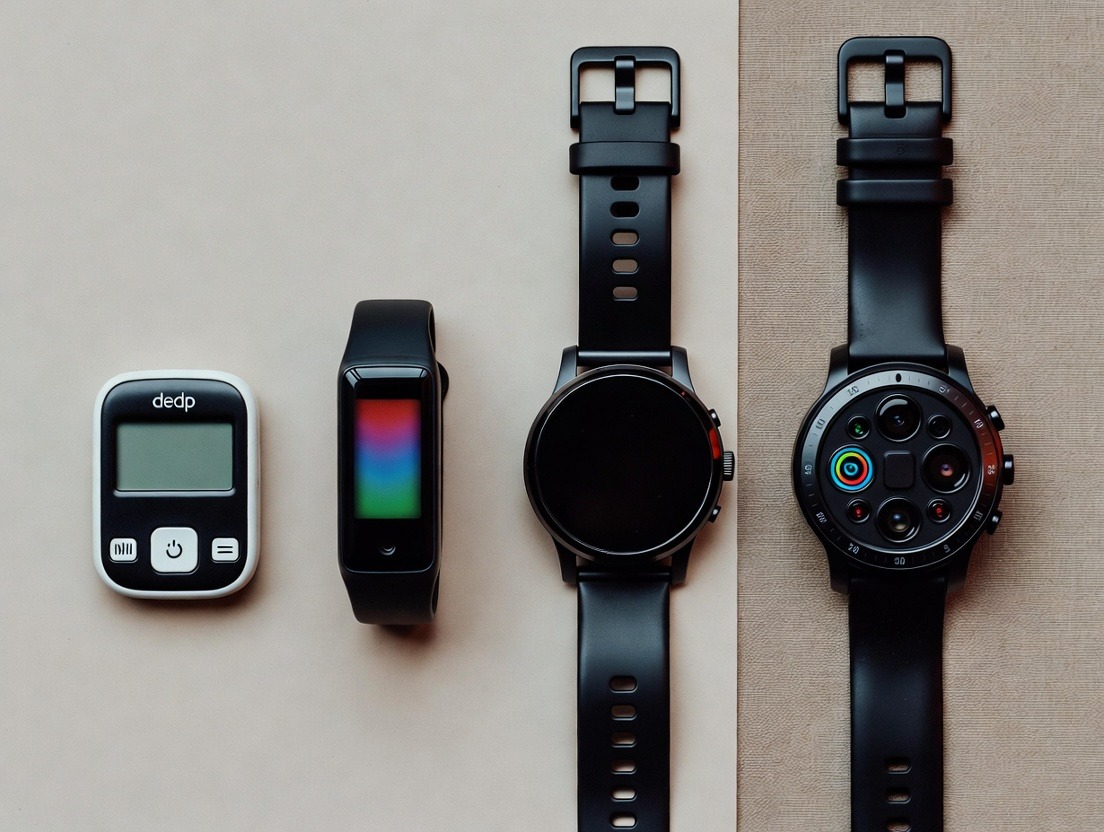
Knowledge is power, but action is transformation. This section serves as your practical toolkit, offering specific, adaptable exercises and routines you can implement tonight. Whether you have 5 minutes or 50, are a seasoned athlete or just starting out, these sequences are designed to harness the principles we’ve discussed: promoting the temperature drop, facilitating the nervous system shift, and releasing physical tension.
Ideal when you feel mentally tangled or physically stiff after a long day of sitting. Do this as soon as you finish work or after dinner to signal a transition.
This balanced routine combines mobility, gentle strength, and relaxation. Perform it 60-90 minutes before bed.
Part A: Warm & Mobilize (7 minutes)
Part B: Gentle Strength & Circulation (8 minutes)
Part C: Cool Down & Prepare for Rest (5 minutes)
When your thoughts are racing, this nervous-system-focused routine is key.
Adaptation is Key:
Remember, the goal is not to achieve a fitness milestone but to send the right physiological signals. Consistency with a manageable routine trumps occasional perfection. For more structured guidance on pairing habits for optimal sleep, our deep sleep formula guide offers a complementary framework.
In this journey, technology is not a crutch but a compass and a confidant. A sophisticated wellness wearable, particularly a smart ring worn 24/7 like Oxyzen, transitions your evening movement ritual from a shot in the dark to a precision-guided practice. It provides the objective feedback loop that turns effort into insight. Here’s how specific features directly augment your routine.
1. Activity Tracking as a Behavioral Nudge:
Modern rings don’t just count steps; they measure active minutes, calorie expenditure, and movement patterns throughout the entire day. Seeing a visual representation of a sedentary day can be the motivational nudge you need to commit to your evening session. Conversely, seeing a high-activity day might prompt you to choose a gentler, recovery-focused routine. It brings awareness to your overall daily movement pattern, of which your evening ritual is the concluding, intentional chapter.
2. Heart Rate Variability (HRV) – The Ultimate Feedback Signal:
HRV is the most direct, non-invasive window into your autonomic nervous system balance. After your evening movement, observing a rising or stable HRV trend in the hours before bed is a clear, scientific confirmation that your body is successfully making the parasympathetic shift. If your HRV dips sharply after a certain type of evening activity, it’s a data-driven alert that the intensity or timing was too stressful for your system that day. This allows for real-time, intelligent adjustment. You can learn more about interpreting this critical metric in our article on what your deep sleep numbers should look like, as HRV is intimately connected to sleep quality.
3. Temperature Trends – Visualizing the Biological Catalyst:
The core body temperature drop is the central mechanism we’re trying to influence. Advanced smart rings with continuous temperature sensing allow you to see this curve. On a night following well-timed evening movement, you can often observe a smoother, more pronounced decline in your skin temperature as you fall asleep. This tangible evidence reinforces the value of your ritual. It also helps you troubleshoot environmental factors—if your temperature rises mid-sleep, your room might be too warm.
4. Sleep Stage Analysis – Measuring the Ultimate Outcome:
This is the report card. All your efforts culminate here. By tracking your sleep architecture—specifically the duration and proportion of deep (slow-wave) sleep and REM sleep—you get an unambiguous grade on your evening routine’s effectiveness. You can run A/B tests: compare your sleep data on nights you performed your ritual versus "control" nights you didn’t. The objective improvement in deep sleep duration or sleep consistency provides the reinforcement needed to make the habit stick. Understanding the difference and importance of each stage is crucial, which we detail in deep sleep vs. REM sleep.
5. Readiness Scores – Connecting Evening to Morning:
Many platforms synthesize last night’s sleep data, recovery metrics (like HRV), and recent activity into a single “Readiness” or “Recovery” score each morning. This holistic metric answers the question: “Is my body ready to perform today?” A successful evening movement ritual that leads to great sleep and recovery will be reflected in a high readiness score. This creates a beautiful, positive cycle: a good evening ritual leads to good sleep, which leads to high readiness, which fuels a productive day, making you more likely to engage in the ritual again.
The Oxyzen ring and its accompanying platform are designed to be this central hub of insight. By correlating your self-reported activities (like tagging an “Evening Walk”) with this rich biometric data, you move beyond generic advice. You discover your perfect activity type, your ideal duration, and your optimal timing. It transforms wellness from a one-size-fits-all prescription into a personalized, evolving journey of discovery, a philosophy at the heart of Oxyzen's mission.
While the focus so far has been intensely personal, our habits do not exist in a vacuum. The environment we shape and the people we share our lives with can dramatically support or hinder our evening movement ritual. Leveraging these social and environmental dimensions can be the key to long-term adherence and shared benefit.
Creating an Enabling Environment:
The Power of Social Rituals:
Navigating Shared Living Spaces:
The Ripple Effect: When you prioritize your evening wind-down, you inadvertently improve the environment for others. You become calmer, more present, and less reactive. This positive shift in your mood and energy can improve household dynamics. Your commitment can inspire those around you to examine their own habits. Ultimately, by optimizing your own sleep and recovery, you increase your capacity to be a supportive partner, parent, friend, and colleague. The personal ritual thus becomes a social good.
In this way, evening movement transcends mere self-care. It becomes a practice of crafting an environment and cultivating relationships that sustain well-being—a small, daily investment in a healthier, more connected life for yourself and your circle.

Our understanding of sleep and its intricate dance with daily activity is not static; it is accelerating. The frontier of sleep science and biometric technology promises even more personalized and powerful ways to harness evening movement. Looking ahead, we can anticipate a future where our rituals are dynamically guided by real-time physiological data and AI-driven insights.
1. Hyper-Personalized Activity Prescriptions:
Future wellness platforms will move beyond tracking to prescribing. Imagine your smart ring analyzing your day’s stress load (via HRV and cortisol proxies), your previous night’s sleep deficit, and your current body temperature. An hour before your optimal wind-down time, it could send a notification: *“Based on your high cognitive stress today, a 25-minute mindful walk is recommended. Your sleep forecast predicts this will increase your deep sleep probability by 35%.”* The recommendation might change daily: one day it’s yoga, another day it’s light cycling, another it’s simply guided breathing.
2. Real-Time Biometric Feedback During Movement:
Future wearables could provide live feedback during your evening routine. Your glasses or earbuds might gently cue you: “Your heart rate has reached the optimal zone for sleep preparation, maintain this pace for 10 more minutes,” or “Your nervous system is still elevated, let’s shift to diaphragmatic breathing for the remainder of your session.” This turns the ritual into an interactive biofeedback session, ensuring you stay within your unique “Goldilocks zone.”
3. Integration with the Smart Home Ecosystem:
Your evening movement will seamlessly trigger your home environment. Finishing your scheduled walk could automatically begin your “Sleep Mode”: dimming the lights to a warm hue, lowering the thermostat to initiate the cooldown, and perhaps starting a soundscape of gentle rain. The line between self-directed ritual and ambient, supportive technology will blur, creating a holistic sleep-conducive ecosystem.
4. Advanced Biomarkers and Predictive Health:
Research is delving into ever-deeper biomarkers. Future devices may track subtle inflammatory markers, glycogen levels, or specific neurotransmitter precursors linked to sleep drive. By correlating these with evening activity types, we could identify movement that not only aids sleep but also directly addresses underlying metabolic or inflammatory conditions that disrupt rest. The evening ritual could become a targeted therapeutic intervention.
5. The Expansion of “Movement” to Include “Recovery Modalities”:
The definition of “evening movement” will broaden to include high-tech recovery tools. A post-activity session with a smart percussive massage device that targets specific muscle groups based on your day’s activity data, or using a localized cooling device to enhance the temperature drop in key areas, could become standard. The goal remains the same—prime the body for sleep—but the toolkit becomes more sophisticated.
This future is not about replacing human intuition or the simple joy of a sunset walk. It’s about augmenting our natural instincts with profound, personalized insight. Companies at the forefront of this space, like Oxyzen, are investing in the research and development to make this hyper-personalized future a reality, a vision you can explore in their company story. The core principle will endure: aligning our active days with our restorative nights is fundamental to human health. The tools will simply become more elegant, precise, and seamlessly integrated into our pursuit of well-lived days and deeply restorative nights.
Your Trusted Sleep Advocate (Sleep Foundation — https://www.sleepfoundation.org/)
Discover a digital archive of scholarly articles (NIH — https://www.ncbi.nlm.nih.gov/
39 million citations for biomedical literature (PubMed — https://pubmed.ncbi.nlm.nih.gov/)
experts at Harvard Health Publishing covering a variety of health topics — https://www.health.harvard.edu/blog/)
Every life deserves world class care (Cleveland Clinic -
https://my.clevelandclinic.org/health)
Wearable technology and the future of predictive health monitoring. (MIT Technology Review — https://www.technologyreview.com/)
Dedicated to the well-being of all people and guided by science (World Health Organization — https://www.who.int/news-room/)
Psychological science and knowledge to benefit society and improve lives. (APA — https://www.apa.org/monitor/)
Cutting-edge insights on human longevity and peak performance
(Lifespan Research — https://www.lifespan.io/)
Global authority on exercise physiology, sports performance, and human recovery
(American College of Sports Medicine — https://www.acsm.org/)
Neuroscience-driven guidance for better focus, sleep, and mental clarity
(Stanford Human Performance Lab — https://humanperformance.stanford.edu/)
Evidence-based psychology and mind–body wellness resources
(Mayo Clinic — https://www.mayoclinic.org/healthy-lifestyle/)
Data-backed research on emotional wellbeing, stress biology, and resilience
(American Institute of Stress — https://www.stress.org/)


