


How Wellness Rings Work: The Basics of Sensor Technology
Breaks down the basic technology, such as photoplethysmography (PPG), that rings use to collect health data from the finger.
Breaks down the basic technology, such as photoplethysmography (PPG), that rings use to collect health data from the finger.
%402x.svg)
Imagine wearing a piece of jewelry that not only complements your style but also serves as a personal health guardian, whispering insights about your body’s most intimate rhythms. This is the promise of the modern wellness ring—a sleek, unassuming band packed with enough microscopic technology to rival a medical lab. From tracking the silent symphony of your sleep to sensing the subtle drum of your heart, these devices translate the analog language of your body into digital data you can understand and act upon.
But how does this miniaturized marvel actually work? The magic lies not in sorcery, but in sophisticated sensor technology. Beneath that polished titanium or ceramic surface, a constellation of tiny sensors works in concert, employing principles of optics, electrical measurement, and motion physics to paint a comprehensive picture of your well-being. This article will demystify that process. We will delve deep into the core technologies—photoplethysmography (PPG), accelerometry, and temperature sensing—that empower your ring to become a window into your health. We'll explore how raw data becomes meaningful insights, address the critical questions of accuracy and limitations, and glimpse into the future of what these powerful devices might soon be capable of. Whether you're a data-driven biohacker or simply someone seeking a deeper connection to your own health, understanding the basics of sensor technology is the first step to unlocking the full potential of your wearable.
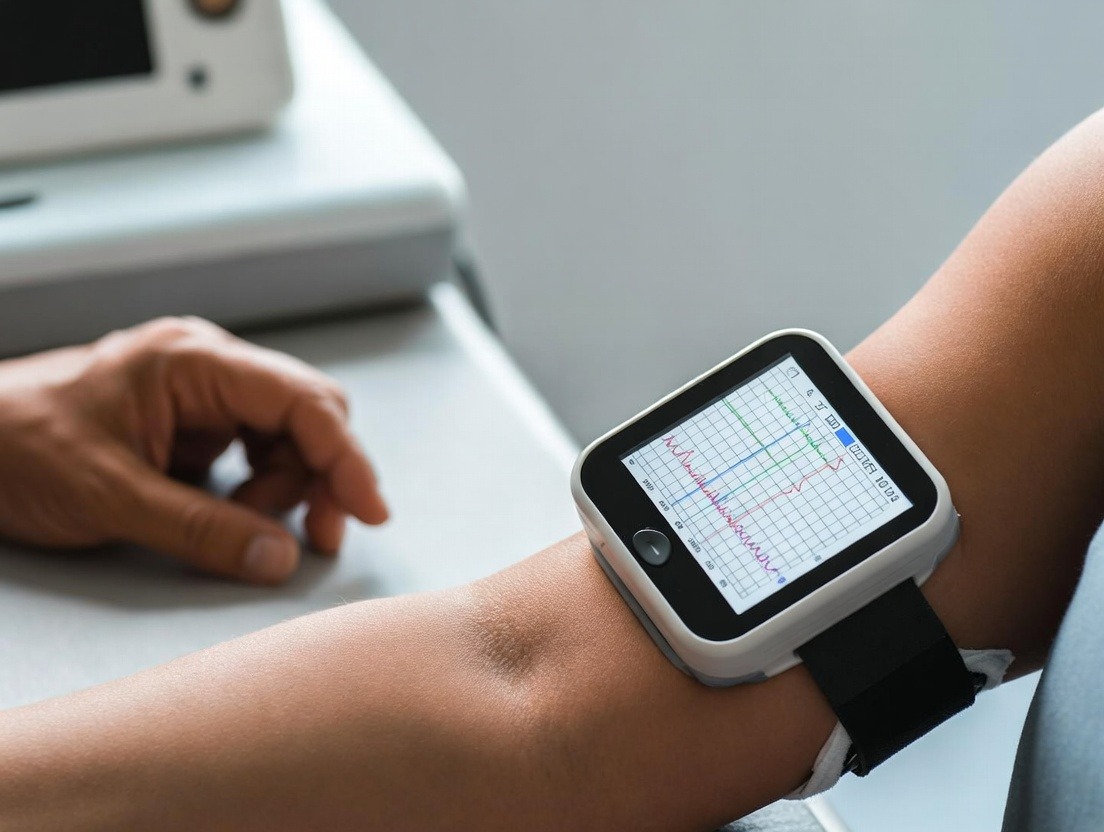
At the core of nearly every wellness ring’s biometric tracking is a technology called photoplethysmography, or PPG. While the term sounds complex, the principle is elegantly simple: using light to measure blood volume changes. The ring contains miniature light-emitting diodes (LEDs)—typically green, and sometimes red or infrared—that shine light into the skin on the underside of your finger. A corresponding photodetector, positioned right next to the LEDs, then measures the amount of light that is reflected back.
Here’s the crucial part: blood absorbs light. When your heart beats and pumps a pulse of blood through the capillaries in your finger, the volume of blood in that tissue momentarily increases. This absorbs more of the LED light, resulting in less light reflected back to the sensor. Between beats, blood volume decreases, so more light is reflected. The photodetector captures these rhythmic, minuscule fluctuations in light absorption, creating a waveform called a photoplethysmogram. This waveform is the fundamental data stream from which a treasure trove of metrics is derived.
The primary and most direct metric is your heart rate. Each major peak in the PPG waveform corresponds to a heartbeat, allowing the ring’s algorithms to calculate beats per minute in real time. But the richness of the PPG signal goes far beyond simple pulse counting. The shape, timing, and amplitude of the waveform contain hidden information. For instance, the speed of the upstroke and downstroke can provide insights into vascular stiffness and blood flow. More importantly, the time interval between successive heartbeats is not perfectly uniform; it varies slightly. This variation is known as Heart Rate Variability (HRV), a powerful, non-invasive marker of your autonomic nervous system balance and recovery status. By analyzing the precise millisecond differences between beats from the PPG signal, the ring can calculate your HRV, offering a window into your stress levels and overall physiological resilience.
The choice of LED color is a deliberate engineering decision. Green light (around 530nm) is most commonly used in wearables because it is absorbed well by red blood cells and penetrates skin tissue sufficiently while being less susceptible to motion artifacts than other wavelengths. Red and infrared LEDs can penetrate deeper and are sometimes used in conjunction with green lights for more advanced measurements, like blood oxygen saturation (SpO2), by comparing absorption across different wavelengths.
In essence, PPG transforms your finger into a living optical chamber. Each pulse of light and its reflected signal tells a story about your cardiovascular system, laying the groundwork for the sophisticated health analytics that define the modern wellness ring.
If PPG is the ring’s heart and vascular specialist, the accelerometer is its neurologist and movement scientist. This sensor, often no larger than a grain of sand, is what makes your ring "smart" in terms of physical activity and context. A 3-axis accelerometer measures proper acceleration—the rate of change of velocity—along three perpendicular spatial dimensions: X (side-to-side), Y (forward-backward), and Z (up-down). In simpler terms, it detects every tilt, swing, rotation, and step you take.
The most apparent use of this data is step counting. By identifying the unique acceleration pattern of a walking or running gait, algorithms can filter out random hand movements and count purposeful steps. But modern wellness rings leverage accelerometer data for far more nuanced purposes than basic pedometry.
One of its most critical roles is in activity classification and intensity measurement. The amplitude and frequency of acceleration signals help distinguish between sitting, walking, running, cycling, and even specific workouts. This allows the ring to not just count steps, but to categorize your day into periods of sedentary behavior, light activity, and moderate-to-vigorous exercise, painting a much fuller picture of your daily energy expenditure.
Perhaps its most sophisticated application is in sleep staging. While PPG provides heart rate and HRV data critical for sleep analysis, the accelerometer adds the essential layer of movement. During different sleep stages, your body exhibits characteristic motility. In deep sleep (slow-wave sleep), the body is largely immobile. In REM sleep, while the brain is highly active, the body experiences muscle atonia (paralysis), but small twitches, especially in the fingers and face, can occur. Light sleep features more frequent position shifts. By correlating the near-absence of movement (from the accelerometer) with slowed, steady heart rate and high HRV (from the PPG), the ring can more confidently identify deep sleep. Conversely, an active brain state indicated by elevated heart rate coupled with physical stillness can signal REM sleep. This sensor fusion is key to generating the detailed sleep architecture reports—breaking down your night into light, deep, REM, and awake periods—that users rely on.
Furthermore, the accelerometer provides crucial motion context for cleaning PPG data. The PPG signal is notoriously vulnerable to corruption from motion artifacts—if you gesture wildly while talking, the light path is disrupted. The accelerometer acts as a reference, allowing algorithms to identify periods of high motion and either discard that PPG data or apply advanced filters to correct for it, ensuring more accurate heart rate and HRV readings.
Finally, it enables features like automatic exercise detection, fall detection (in some advanced models), and even specific gesture controls. The humble accelerometer ensures the ring understands not just what’s happening inside your body, but also what your body is doing in the world.

While your heart pounds and your body moves, a quieter, more subtle physiological process is constantly unfolding: the regulation of your core body temperature. Wellness rings incorporate a precision skin temperature sensor, usually a thermistor or an infrared sensor, to monitor this vital sign from the periphery. Tracking the temperature on the underside of your finger provides a surprisingly informative proxy for your body’s internal thermal dynamics and circadian rhythms.
It’s important to clarify that a ring measures skin temperature, not core temperature (like an oral or rectal thermometer). Skin temperature is influenced by core temperature but is also affected by peripheral blood flow and the external environment. However, by taking continuous, high-frequency measurements throughout the day and night, the ring establishes a personalized baseline. It’s the meaningful deviations from this baseline that offer powerful insights.
One of the most well-established applications is in ovulation prediction and menstrual cycle tracking. During a menstrual cycle, a woman’s basal body temperature (BBT) shows a biphasic pattern: it is relatively lower in the follicular phase (before ovulation) and rises noticeably (by about 0.3 to 0.5°C) after ovulation due to the thermogenic effect of progesterone. While traditional BBT requires a measurement immediately upon waking, a ring’s all-night tracking can detect this shift with great precision by identifying the lowest temperature point during sleep. This makes it an invaluable tool for fertility awareness and understanding cyclical health patterns.
For all users, nocturnal skin temperature is a cornerstone of sleep quality analysis. To initiate and maintain sleep, your body needs to drop its core temperature slightly, a process facilitated by increased blood flow to the extremities (like your hands and feet) to dissipate heat. A ring can detect this distal vasodilation as a rise in finger skin temperature as you fall asleep. A night of poor sleep, often caused by factors like alcohol consumption, late meals, or a too-warm room, can be characterized by an abnormal temperature profile, showing insufficient cooling or erratic fluctuations.
Furthermore, a sustained elevation in your nightly baseline temperature is one of the earliest and most reliable biomarkers of onsetting illness or systemic inflammation. Before you feel a sore throat or fatigue, your body may already be mounting an immune response, which often includes a fever. The ring’s algorithm, noticing that your temperature has been trending above your personal norm for several nights, can serve as an early warning system, prompting you to prioritize rest and hydration. This proactive insight is a prime example of how continuous monitoring transcends simple tracking to become a genuine health tool.
By listening to the silent story told by your skin’s warmth, the wellness ring adds a deep, circadian layer to your health profile, connecting dots between hormonal cycles, sleep physiology, and immune function.
A wellness ring with individual sensors is like an orchestra where each musician plays alone. The true harmony—the actionable health intelligence—emerges only through sensor fusion. This is the advanced process of integrating and synthesizing data from PPG, accelerometer, temperature sensor, and sometimes others (like a galvanic skin response sensor) in real-time. The raw signals from these sensors are messy, incomplete, and often contradictory when viewed in isolation. Fusion algorithms are the master conductors that resolve these conflicts, fill in gaps, and extract meaning that no single sensor could provide.
The process begins with noise filtering and signal cleaning. The accelerometer data is used to tag moments of high motion, allowing the system to downgrade or correct the PPG heart rate data from those periods. The temperature data provides context; for example, a spike in heart rate during a period of rising skin temperature (like during a workout) is physiological, while the same spike during sleep (when temperature should be stable or dropping) could indicate a stress response or disrupted sleep stage.
Next comes contextual labeling. Is the user asleep or awake? The accelerometer shows prolonged stillness, the heart rate from PPG begins to dip and stabilize, and the skin temperature starts its characteristic nocturnal rise. The fusion of these three signals allows the algorithm to declare "sleep onset" with high confidence. Similarly, during the day, the fusion of specific motion patterns from the accelerometer with elevated heart rate and increased temperature confirms an "active workout" session, differentiating it from a non-exercise stress response.
The most sophisticated stage is predictive analytics and insight generation. This is where machine learning models come into play. These models are trained on vast, anonymized datasets where sensor data is correlated with known health outcomes or states. For instance, a model might learn that a specific pattern—characterized by low nocturnal HRV, elevated resting heart rate, and a higher-than-usual sleep temperature—frequently precedes self-reported illness or stress. When it sees this pattern emerging in your data, it can generate an alert about elevated "stress" or "recovery needs."
This fusion is what transforms numbers into narratives. It’s not just "heart rate = 55 BPM"; it’s "resting heart rate is 3 BPM lower than your 7-day average, coinciding with high sleep consistency and strong HRV, indicating excellent recovery." It’s not just "temperature = 34.1°C"; it’s "nocturnal temperature baseline has risen for two consecutive nights, suggesting a possible physiological disturbance; consider prioritizing rest." The algorithm weighs the evidence from all sensors to tell a cohesive story about your readiness, stress, sleep quality, and overall vitality.
The quality of a wellness ring’s insights is therefore less about any single, best-in-class sensor and more about the sophistication of its sensor fusion algorithms and the proprietary health models they feed. This software layer is the true intellectual property and the defining factor between a simple data tracker and an intelligent health companion.
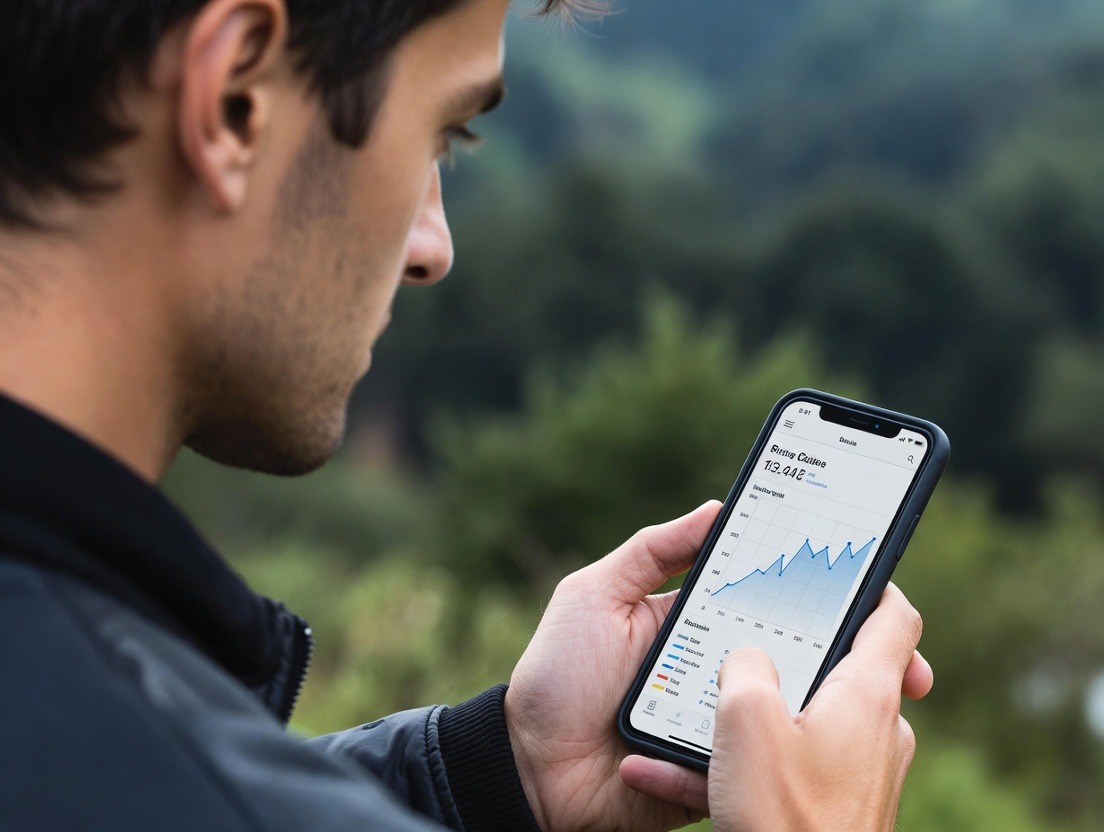
The journey of your health data from your finger to the insightful graphs on your smartphone is a marvel of modern engineering, involving seamless hardware and software integration. It begins with the on-board processing within the ring itself. Due to extreme power and size constraints, the ring’s microchip must perform initial, low-level processing. This includes filtering raw sensor signals, detecting heartbeats from the PPG waveform, calculating basic step counts from accelerometer data, and packaging this pre-processed data efficiently. This step is critical for battery life—sending raw, continuous data would drain power in hours.
This processed data packet is then transmitted wirelessly to your smartphone via Bluetooth Low Energy (BLE), a protocol designed specifically for intermittent, small-data transfers with minimal power consumption. The ring doesn’t maintain a constant connection; it typically wakes up, syncs its stored data in a burst, and then returns to a low-power sleep mode. This sync can be triggered by opening the companion app or can happen automatically at intervals throughout the day when your phone is in proximity.
Once the data reaches your phone, the companion app takes over the heavy lifting. Here, more complex algorithms that were too resource-intensive for the ring’s tiny processor are applied. This is where detailed sleep staging occurs, where HRV is calculated using advanced time-domain or frequency-domain analysis, and where sensor fusion truly comes to life. The app correlates data from all streams over time, comparing your daily metrics to your personal baselines and long-term trends.
The final stage is visualization and insight delivery. Clean, intuitive dashboards present your data: a sleep score breaking down your night’s architecture, a readiness score summarizing your recovery, daily heart rate and HRV trends, and activity summaries. The best apps don't just show data; they interpret it. They might highlight that your low sleep score was due to insufficient deep sleep, as indicated by the fusion of high movement and elevated heart rate in the first half of the night. They may note that your elevated resting heart rate this morning, combined with a lower-than-average HRV, suggests you may not be fully recovered from yesterday’s intense workout.
This end-to-end pipeline—capture, process, transmit, analyze, visualize—happens continuously and autonomously. The result is that you, the user, are presented not with complex waveforms and raw acceleration figures, but with distilled, actionable health intelligence. You can explore the science behind these scores further in our analysis of sleep score standards and what research says is truly healthy. This seamless journey is what makes the technology accessible, turning the sophisticated sensor technology on your finger into a practical tool for everyday wellness.
The symphony of sensor fusion produces a suite of key metrics that form the language of modern bio-tracking. Understanding what each metric represents—and the technology behind it—is essential for interpreting your data.
Heart Rate (HR): The most fundamental metric, derived directly from the peaks of the PPG waveform. It’s tracked continuously to show resting heart rate (a lower RHR generally indicates better cardiovascular fitness), exercise heart rate (for intensity zoning), and sleeping heart rate (which typically dips to its lowest point during deep sleep).
Heart Rate Variability (HRV): This is not your heart rate, but the variation in time between successive heartbeats, measured in milliseconds. Calculated from the precise intervals between PPG pulse peaks, a higher HRV generally indicates a robust, adaptable autonomic nervous system—meaning your body can switch efficiently between stress (sympathetic) and relaxation (parasympathetic) states. It is a cornerstone metric for recovery and stress tracking. Tracking its trends, especially your nightly average, is more informative than any single reading.
Blood Oxygen Saturation (SpO2): This measures the percentage of hemoglobin in your blood that is carrying oxygen. It’s estimated by using PPG with at least two LED wavelengths (typically red and infrared), as oxygenated and deoxygenated blood absorb light differently. While clinical-grade accuracy requires stringent conditions, ring-based SpO2 monitoring is excellent for tracking trends, such as detecting significant overnight dips that might be associated with sleep-disordered breathing.
Skin Temperature: As discussed, this is a continuous trend metric from the thermistor. It’s used to establish a personal baseline and detect deviations for ovulation tracking, sleep quality assessment, and early signs of illness or inflammation.
Sleep Stages (Light, Deep, REM): This is a synthesized metric, the result of fusing PPG (heart rate, HRV), accelerometer (movement), and temperature data. The algorithm classifies each 30-second or 1-minute epoch of the night into a sleep stage, providing the architecture of your sleep. The balance and duration of these stages are critical for physical restoration (deep sleep) and cognitive/emotional processing (REM sleep). You can observe how these stages evolve and impact your overall restoration by following the sleep score journey over months of tracking.
Activity & Calories: Primarily driven by the accelerometer, which classifies movement type and intensity. This data, sometimes combined with heart rate to improve accuracy, is used to estimate active energy expenditure. Steps, active minutes, and estimated calorie burn fall into this category.
Respiratory Rate: An advanced metric extracted from the PPG signal. With each breath, subtle changes in intrathoracic pressure affect blood flow, creating a slow, wave-like modulation on top of the heart rate pulse signal. Advanced signal processing can isolate this "respiratory wave" to estimate breaths per minute, often tracked during sleep.
Together, these metrics create a multi-system dashboard. They answer questions like: Is my nervous system recovered (HRV)? Did I get restorative sleep (Sleep Stages, HR)? Is my body fighting something (Temperature, RHR)? This holistic view is what separates a wellness ring from a simple fitness tracker.
A critical question for any user investing in their health data is: "Can I trust these numbers?" The accuracy of wellness ring sensors is a nuanced topic, existing on a spectrum between clinical-grade medical devices and general consumer electronics. Understanding their strengths and limitations is key to setting realistic expectations.
First, it’s vital to distinguish between precision (repeatability of measurements) and accuracy (closeness to the true value). Wellness rings excel at precision—tracking changes and trends over time for an individual user with high consistency. Your ring is exceptionally good at telling you that your HRV was 10% higher last night than the night before, or that your resting heart rate has been trending down over the past month. This longitudinal, personalized data is where their greatest value lies.
Absolute accuracy, when compared to gold-standard medical equipment, varies by metric and measurement condition:
Factors that degrade accuracy include poor fit (too loose, allowing light in), placement on a knuckle instead of the finger base, very cold hands (which reduces peripheral blood flow), and excessive motion. User technique—ensuring a proper fit, wearing it consistently, and charging it regularly—is part of the system's accuracy.
In summary, wellness rings are powerful trend-tracking and awareness tools. They are not, and are not intended to be, diagnostic medical devices. Their data is best used to observe patterns, understand the impact of lifestyle choices, and motivate positive behavior change. The insights into how your body recovers are profound, as explored in depth in our article on how your sleep score reflects total body recovery. For any specific medical concerns, a healthcare professional and clinical tools are always required.

The most advanced sensor array is useless if the device is uncomfortable, obtrusive, or runs out of battery by midday. Therefore, the industrial design, materials science, and power management of a wellness ring are as critical as its chips and algorithms. Engineering for 24/7 wearability presents a unique set of challenges that have driven significant innovation.
Form Factor and Comfort: The ring must be unobtrusive enough to be forgotten during sleep, workouts, and daily tasks. This demands a low-profile, rounded design with no sharp edges. Interior surfaces are carefully contoured to sit snugly against the finger base without creating pressure points. The choice of material is crucial: lightweight titanium is common for its strength, hypoallergenic properties, and corrosion resistance; ceramic is prized for its scratch resistance and sleek feel; and composites or plastics can offer flexibility and lower cost. The interior sensor bump must be small enough not to irritate but prominent enough to maintain consistent skin contact.
Battery Life and Power Management: This is the ultimate constraint. Designers must balance battery capacity (physical size), sensor sampling frequency, processing load, and wireless transmission. Key strategies include:
Sensor Window and Fit: The "sensor window"—the area housing the LEDs and photodetector—is a critical design element. It must be flush with the inner band to maintain consistent skin contact but may use a slightly different material (like durable medical-grade resin or glass) that is transparent to the specific light wavelengths used. A proper fit is paramount; the ring should be snug enough to not spin easily and to prevent external light from entering the sensor window ("light leak"), which corrupts PPG data, but not so tight as to restrict circulation. Most companies provide detailed sizing kits for this reason.
Durability and Water Resistance: To be a true lifestyle device, a ring must withstand the rigors of daily life. Most are rated to at least IP68 or equivalent, meaning they can be submerged in water (for swimming or showering) and are dust-tight. The exterior materials are chosen for hardness to resist scratches from keys, weights, and daily objects.
This relentless focus on wearability is what transforms the ring from a tech gadget into a seamless part of you. It ensures the data stream is continuous and consistent, which is the foundation for generating meaningful, long-term health insights. The goal is for the technology to fade into the background, allowing you to live your life while it quietly gathers the data needed to support a more restful and healthy existence, a principle central to the philosophy of restful living.
The current generation of wellness rings provides a remarkably comprehensive health snapshot, but the frontier of sensor technology is rapidly advancing. Researchers and developers are working to integrate new sensing modalities that will deepen our understanding of the body’s biochemistry and physiology, moving from tracking patterns to detecting markers.
Electrodermal Activity (EDA) / Galvanic Skin Response (GSR): This sensor measures minute changes in the skin’s electrical conductivity, which is influenced by sweat gland activity controlled by the sympathetic nervous system. It is a direct, physiological correlate of emotional arousal and stress. A ring with EDA could detect subtle, subconscious stress responses throughout the day—during a tense meeting, while watching an intense movie, or even during sleep (nightmares). This would add a powerful, objective layer to stress management, helping users identify and mitigate hidden stressors. You can learn more about managing daily stress through intentional habits in our guide to simple daily habits for deeper calm.
Continuous Glucose Monitoring (CGM) Integration: While not yet miniaturized into a ring form factor, the holy grail of metabolic health tracking is non-invasive, continuous glucose monitoring. Some rings are exploring integration with external CGM patches via Bluetooth, allowing glucose data to be fused with activity, sleep, and HRV data in the app. This would enable users to see how specific foods, exercise timing, and sleep quality directly impact their blood sugar stability, offering profound insights for metabolic health, energy management, and diabetes prevention.
Advanced Biometric Authentication: The unique pattern of veins in your finger, or your continuous cardiac rhythm (an "electrocardiographic signature"), could be used as a highly secure, always-on biometric for authenticating payments, unlocking devices, or securing sensitive data. This turns the ring into a key for your digital and physical life.
Non-Invasive Blood Pressure (NIBP) Monitoring: Estimating blood pressure from a PPG signal is an active area of research, often referred to as Pulse Wave Analysis (PWA). By analyzing the shape and timing of the PPG waveform, algorithms can estimate systolic and diastolic pressure trends. While not yet as accurate as a cuff, this could enable convenient, all-day tracking of BP trends in response to lifestyle, providing invaluable data for hypertension management.
Environmental Sensors: Future rings might include tiny sensors for ambient factors like ambient temperature, humidity, UV exposure, or even air quality (VOCs). This would allow the ring’s algorithms to contextualize your body’s responses: Was your poor sleep due to a hot room? Is your elevated resting heart rate correlated with poor air quality?
These advanced sensors promise to make the wellness ring an even more holistic health dashboard. The challenge, as always, will be to integrate them without compromising the core tenets of wearability, battery life, and form factor that make the ring so appealing in the first place. The future points toward a device that is less of a tracker and more of a continuous, AI-powered health coach living on your finger.
The true power of a wellness ring lies not in collecting data, but in interpreting it—translating numbers and graphs into actionable wisdom about your body. Each metric is a piece of a larger puzzle, and their interrelationships tell the complete story of your daily readiness, stress, and recovery. Learning to read this story transforms the ring from a passive tracker into an active health compass.
The Recovery-Ready State: This is the ideal physiological baseline you want to identify. It is characterized by a low resting heart rate (relative to your personal norm), a high or rising HRV, stable and optimal nocturnal skin temperature, and a sleep score that shows sufficient deep and REM sleep. When these metrics align, your body is signaling that it has repaired itself from previous stress (physical, mental, or emotional) and is primed for performance, learning, and handling new challenges. It’s the state you might aim for before an important presentation, a heavy training day, or a busy social period. Seeing this pattern consistently is a strong indicator of a sustainable, healthy lifestyle.
The Stress or Strain Signature: Conversely, your ring can clearly flag when your body is under excessive load or struggling to recover. Key signs include:
When these markers appear together, it’s your body’s plea for rest. It’s a signal to prioritize sleep, dial back intense exercise in favor of gentle movement, manage stress through breathing or meditation, and nourish yourself properly. This is the core of listening to your body—using objective data to override a potentially misleading "I feel fine" mindset and prevent burnout or illness. This principle is a cornerstone of sustainable wellness, aligning with the philosophy of balancing productivity with restful living.
Context is Everything: A single night of poor data is rarely cause for concern. The magic is in the trend. Is your HRV trending downward over a week? Has your resting heart rate been creeping up for three days? These multi-day trends are far more significant than any single data point. Furthermore, the ring’s data must be interpreted through the lens of your life. The app might ask for tags like "strenuous workout," "late alcohol," "stressful day," or "sick." This user-provided context allows you to become a researcher of your own body, connecting cause and effect: "Ah, my deep sleep plummeted and my resting heart rate spiked on the night I had two glasses of wine after 9 PM."
By learning this language of biomarkers, you move from being a passive recipient of data to an empowered participant in your health. The ring doesn’t tell you what to do; it provides the evidence you need to make smarter, more attuned decisions for your own well-being.
For all their sophistication, wellness rings are not omniscient health oracles. A clear understanding of their inherent limitations is crucial for using them effectively and avoiding misinterpretation or data anxiety.
Not a Medical Diagnostic Device: This is the most important limitation. Rings are classified as "general wellness" products under FDA guidelines, not medical devices. They are designed for health awareness and lifestyle improvement, not for diagnosis, treatment, or monitoring of medical conditions. While trends in SpO2 might hint at sleep apnea, or a temperature rise might suggest a fever, they cannot replace a sleep study, a doctor’s diagnosis, or a clinical thermometer. They are excellent tools for informing a conversation with your healthcare provider by bringing longitudinal data about your daily life into the clinic.
The "Finger Gap" Problem: Measuring from the finger has advantages (consistent placement, good vascular access), but also creates blind spots. The most notable is the lack of direct electrodermal activity (EDA) or sweat measurement from the palm, which is a richer site for stress response than a single finger. Furthermore, the finger’s temperature is more variable than core temperature. Some physiological events that cause a central vasoconstriction (like certain stages of sleep or stress) might actually lead to a drop in finger temperature, which algorithms must correctly interpret.
Susceptibility to Environmental and User Error: Sensor accuracy can be compromised by factors outside the ring's control. A very cold environment can cause peripheral vasoconstriction, weakening the PPG signal. A ring that is too loose will let in ambient light ("optical noise"), corrupting heart rate and SpO2 readings. Hand dominance matters—a ring on your dominant hand will generally show more movement artifacts. Even the natural thickening of skin (calluses) on certain fingers can affect light penetration.
Algorithmic "Black Box" and Proprietary Scores: While we understand the sensor inputs, the exact algorithms that generate a "Readiness Score" or "Sleep Score" are proprietary. Different companies weight metrics differently. One might prioritize HRV heavily for its recovery score, while another might balance it more with sleep and temperature. It’s essential to understand what philosophy drives your ring’s insights rather than taking a single number as absolute gospel.
The Risk of Orthosomnia: A term coined by sleep researchers, "orthosomnia" refers to an unhealthy preoccupation with perfecting wearable sleep data. It can lead to increased anxiety about sleep, which ironically worsens sleep. If a user becomes so fixated on achieving a "perfect" sleep score of 90 that they lie in bed stressed about their deep sleep percentage, the tool has become counterproductive. The data should be a guide, not a goal in itself. The aim is overall well-being, not optimizing a dashboard.
Acknowledging these limitations is a sign of sophisticated use. The savvy user appreciates the ring for its unparalleled ability to show personalized trends and correlations, using it as one of several tools—alongside subjective feelings, medical advice, and common sense—to navigate their health journey. This balanced approach is key to a sustainable practice, much like creating a supportive environment as discussed in designing restful living spaces for calm and restoration.
With a growing market of options, selecting a wellness ring can be daunting. Moving beyond marketing claims and aesthetics, the decision should hinge on a few key technological and philosophical differentiators that directly impact the quality and utility of your data.
1. Sensor Array and Chipset: The foundation. Look for the basics: a multi-wavelength PPG sensor (green for HR/HRV, red/infrared for SpO2), a 3-axis accelerometer, and a skin temperature sensor. The next tier includes an EDA sensor for direct stress measurement. Investigate the chipset manufacturer (e.g., Nordic Semiconductor, Dialog) as it dictates processing power and efficiency. A more powerful chip can run better algorithms on-device, leading to cleaner data before it’s even synced.
2. Battery Life and Charging System: This dictates practicality. Battery life typically ranges from 4 to 7 days. Consider your tolerance for charging. Does the ring have a proprietary charger that’s easy to lose, or does it charge via a standard pad? Some come with portable charging cases that can extend total time between wall plugs to 2-3 weeks, a major advantage for travelers.
3. The Algorithmic Philosophy (The "Secret Sauce"): This is the most critical differentiator. How does the company interpret the data? Do they provide a single, simple "score," or do they offer granular access to underlying metrics (raw HRV, sleep-stage timings)? Research the background of the scientific team. Companies with strong ties to academic sleep or sports physiology research often have more validated and nuanced algorithms. Read their white papers to understand how they derive their scores.
4. App Experience and Data Ownership: The app is your portal to understanding. Is it intuitive? Does it provide useful insights and education, or just pretty graphs? Crucially, what is the company’s data policy? Do they sell or share your anonymized health data? Can you export your raw data (e.g., as CSV files) for your own analysis or to share with a healthcare provider? Ownership and privacy of your intimate health data are non-negotiable considerations.
5. Fit, Sizing, and Durability: A perfect sensor is useless with a bad fit. Assess the sizing process: do they send a physical kit with multiple sizes, or rely on paper/printable sizers? Physical kits are far more accurate. For durability, look at the material (titanium, ceramic), the hardness rating, and the water resistance rating (IPX8 for swimming is ideal).
6. Openness vs. Walled Garden: Some rings operate in a more "open" ecosystem, allowing third-party app integrations (like with Apple Health, Google Fit, Strava, or training platforms). Others keep you within their own app experience. Your preference depends on whether you want all your health data in a centralized hub or are satisfied with a single, dedicated platform.
By prioritizing these technological and philosophical factors over superficial design alone, you invest in a tool that will provide reliable, meaningful, and actionable health intelligence for years to come. It becomes less of a consumer purchase and more of a long-term partnership in your wellness journey, supporting foundational habits like those found in a restful living morning routine to start your day right.
The trajectory of wellness ring technology points toward a future where the boundary between wearable electronics and integrative health tools dissolves entirely. We are moving from descriptive analytics ("what happened") to prescriptive and predictive intelligence ("what to do about it" and "what might happen"). This evolution will be driven by several converging advancements.
AI-Powered Hyper-Personalization: Current algorithms are largely based on population-level data and fixed models. The next generation will leverage on-device artificial intelligence (AI) that learns your unique physiology in exquisite detail. It will understand your personal response patterns: your specific heart rate signature before a migraine, your exact temperature curve when you’re fighting a virus versus when you’ve simply overtrained, your ideal sleep window based on circadian rhythm predictions. The ring will move from a one-size-fits-all insight engine to a truly personalized health model, offering guidance tailored exclusively to you.
Non-Invasive Multi-Biomarker Sensing: Research is exploding into ways to detect biochemical markers from interstitial fluid or sweat via optical spectroscopy or electrochemical sensors. Future rings might be able to estimate levels of cortisol (the stress hormone), lactate (for fitness fatigue), electrolytes (for hydration status), or even inflammatory markers like C-reactive protein (CRP). This would provide a real-time, molecular-level dashboard of your metabolic and endocrine state.
Proactive Health Intervention and Coaching: The ring will evolve from a reporter to a coach. Imagine it detecting a physiological stress response via EDA and HRV during your workday, and then vibrating gently to prompt a one-minute breathing exercise it guides you through. Or, based on poor recovery scores, it could automatically reschedule high-intensity workouts on your connected calendar and suggest a yoga session instead. It could integrate with smart home systems to gradually dim your lights as your temperature drop indicates sleep onset is nearing. This seamless, context-aware intervention is the logical end point of continuous monitoring.
Deeper Clinical Integration and Remote Patient Monitoring (RPM): As validation studies grow, rings are poised to become powerful tools in clinical care. Doctors could prescribe them to patients with hypertension to monitor trends, to cardiac rehab patients to track safe activity levels, or to psychiatric patients to objectively measure anxiety and sleep patterns. Continuous, real-world data streaming to a secure clinician portal could enable earlier interventions and more personalized treatment plans, moving healthcare from reactive to proactive.
True Form Factor Invisibility: The ultimate goal is for the technology to vanish. This means batteries that last for months or are charged by body heat or kinetic energy, sensors embedded directly into hypoallergenic, jewelry-grade materials with no visible bump, and designs indistinguishable from high-end fashion rings. When the technology becomes completely invisible, adoption will become universal.
The future wellness ring will be less of a "device" and more of an always-on, AI-driven health guardian. It will not only understand the basics of your sensor technology but will synthesize that data into a dynamic, living blueprint of your health, offering guidance that helps you live not just longer, but with greater vitality and resilience. It will be a key tool in a holistic lifestyle, supporting broader wellness goals like those encapsulated in the 15 restful living habits that can transform your daily energy.
Collecting data is the first step; creating lasting behavior change is the ultimate goal. The true test of a wellness ring’s value is not in the sophistication of its sensors, but in its ability to seamlessly and effectively guide you toward better daily choices. This integration requires moving beyond passive observation to active experimentation and habit formation, using the ring as a biofeedback tool and an objective accountability partner.
The Biofeedback Loop: The most powerful application is real-time biofeedback. For example, many rings now offer guided breathing sessions that use your live heart rate as feedback. You watch your heart rate dip on the screen as you follow the paced breathing, creating a direct, visceral connection between your conscious action (breathing slowly) and a physiological outcome (calming your nervous system). This trains your body’s self-regulation. Similarly, noticing that your resting heart rate is elevated after a poor night’s sleep can be the nudge you need to choose a walking meeting over a high-intensity workout, actively using data to align your activity with your body’s readiness.
Lifestyle Experimentation: Your ring turns you into a scientist of your own life. The method is simple: change one variable, observe the outcome in your data. This is often called an "N-of-1" experiment.
These experiments create personal, evidence-based beliefs. You no longer have to guess if caffeine after 2 PM affects you; your sleep stage data will show you. This process builds intrinsic motivation because the feedback is about your body, not a generic health tip.
Establishing Personal Baselines and Setting Realistic Goals: A universal target like "10,000 steps" or "8 hours of sleep" is meaningless without context. Your ring helps you establish what is normal and optimal for you. Your baseline resting heart rate might be 58, while another athlete’s is 48—neither is "better" in a vacuum. The goal is to work from your own baseline. Instead of aiming for an arbitrary sleep score of 90, a more effective goal might be: "Increase my average weekly deep sleep by 5% by maintaining a consistent bedtime." This personalized, data-informed goal-setting leads to sustainable progress without fostering unhealthy fixation.
Creating Data-Triggered Routines: You can build daily and weekly rituals around reviewing your data. A morning routine might involve checking your readiness score to decide on your workout intensity for the day. An evening ritual could include a glance at your activity summary and a moment of reflection, perhaps tying it to a gratitude or wind-down practice. This consistent engagement turns health awareness into a habit, seamlessly weaving the technology’s insights into the fabric of your day. For inspiration on building such calming rituals, explore our guide to restful living evening rituals that prepare you for sleep.
The goal is for the ring to eventually foster such intuitive body awareness that you rely less on the device and more on your own attuned senses. The data acts as a teacher, helping you recognize the subtle internal signals of fatigue, stress, and recovery until that knowledge becomes second nature.
A wellness ring is a powerful lens, but it focuses on a specific slice of the health spectrum: quantifiable, physiological biomarkers. True well-being exists at the intersection of this physical data and the less-measurable domains of mental, emotional, and social health. The most enlightened use of this technology is as one instrument in a larger orchestra of holistic self-care, ensuring the numbers serve a balanced life rather than dominate it.
Complementing, Not Replacing, Subjective Feelings: Your subjective sense of wellness—your mood, your energy, your sense of connection—is paramount. The ring's data should be a cross-reference, not the final authority. There will be days your readiness score is low but you feel energized and optimistic. Listen to that feeling. Conversely, there will be days the data says you’re "recovered" but you feel drained. Honor that fatigue. The ring provides the "what," but you must provide the "why" and the "so what." This balanced perspective is at the heart of the restful living mindset: shifting from doing to being.
Integrating with Other Wellness Practices: The ring’s data can validate and enhance other modalities. For instance:
Avoiding Reductionism: Human health cannot be fully reduced to a set of numbers. Vitality encompasses joy, creativity, purpose, and love—none of which a sensor can quantify. The risk of over-reliance on wearables is a reductionist view of health, where the goal becomes optimizing metrics rather than cultivating a rich, fulfilling life. It’s crucial to periodically ask: "Is my pursuit of a better sleep score making me anxious about sleep? Is my focus on my step count preventing me from sitting still to read a book or have a deep conversation?"
The Synergy of Data and Wisdom: The ideal approach is a synergy. The ring offers objective, physiological wisdom about your body’s needs. You bring the conscious, qualitative wisdom about your mind and spirit’s needs. Together, they inform decisions that honor your whole self. You might see suppressed HRV (objective data) and also feel emotionally drained (subjective data), leading you to a definitive decision to cancel plans and take a restorative night for yourself. This is holistic health in action—using technology not as a master, but as a trusted advisor in your own sovereign well-being journey.
When you wear a wellness ring, you are entrusting a company with the most intimate dataset possible: a continuous, 24/7 stream of your body’s inner workings. Your heart’s rhythm, your sleep habits, your stress responses, and your temperature patterns form a profoundly personal biometric fingerprint. Therefore, understanding and scrutinizing a company’s data privacy and security practices is not a secondary concern—it is a primary ethical and personal safety imperative.
What Data is Collected and How It’s Used: You must look beyond the marketing and read the privacy policy. Key questions to answer:
Security Infrastructure: The company’s servers are a treasure trove for hackers. Inquire about their security posture. They should employ state-of-the-art encryption both for data in transit (to your phone) and at rest (on their servers). Look for certifications like SOC 2 Type II, which indicates rigorous internal security controls have been audited by a third party.
The "De-Identification" Myth: Companies often claim data is "de-identified." However, research has shown that rich biometric datasets can sometimes be re-identified when combined with other data points. Your unique combination of sleep, activity, and heart rate patterns over time could potentially act as an identifier. A truly ethical stance is for the company to treat all biometric data as personally identifiable information (PII) by default, protecting it with the highest possible safeguards.
Local Processing vs. Cloud Reliance: A growing differentiator is where the data is processed. Some companies send all raw data to the cloud for analysis. Others perform more processing locally on your smartphone, sending only minimal, encrypted insights to the cloud. Local processing minimizes the data footprint on servers, inherently reducing privacy risk. It’s a more privacy-preserving architecture that discerning users should favor.
Your Role in Data Stewardship: You are the guardian of your data. Use strong, unique passwords for your account. Enable two-factor authentication if offered. Be mindful of which third-party apps you grant access to your ring’s data (e.g., Strava, Apple Health). Regularly review your privacy settings within the app.
Choosing a wellness ring is, in part, a vote for a company’s data ethics. By supporting companies that prioritize privacy-by-design and transparent practices, you advocate for a future where technological advancement does not come at the cost of personal sovereignty. This peace of mind is itself a contributor to a less anxious, more restful living philosophy of less hustle and more health.
Understanding a wellness ring's potential is one thing; trusting its output is another. The bridge between raw sensor data and trustworthy insight is built through rigorous calibration, scientific validation, and a transparent acknowledgment of real-world performance gaps. This deep dive into the science of measurement separates credible devices from mere gadgets.
Factory Calibration and Individual Variability: Every sensor chip that comes off the production line has minute manufacturing variances. Before assembly, PPG LEDs and photodetectors undergo spectral and intensity calibration to ensure they emit and capture light within strict tolerances. The accelerometer is tested against known gravitational forces. However, this factory calibration is generic. The most critical calibration happens with you. Over the first week or two of continuous wear, the ring’s algorithms establish your personal baselines. What is your normal resting heart rate range? What is your typical nocturnal temperature minimum? This adaptive personalization is crucial because physiology varies wildly. The ring isn’t measuring you against a population average in those early days; it’s learning what "normal" means for your unique biology.
The Gold Standard of Validation: Peer-Reviewed Studies: Claims of accuracy must be backed by evidence. Reputable companies invest in validation studies, where their device’s output is compared against gold-standard clinical equipment in controlled settings. For sleep, this means polysomnography (PSG) in a lab. For heart rate and HRV, it’s an electrocardiogram (ECG). For SpO2, it’s a medical-grade pulse oximeter. Look for studies published in peer-reviewed journals (e.g., Sleep, Journal of Clinical Sleep Medicine, Frontiers in Physiology). These studies provide key statistics:
No consumer device will achieve 100% agreement, but high correlation (>0.8) and acceptable limits of agreement in Bland-Altman analyses indicate strong performance for a non-medical tool.
Real-World Performance vs. Lab Conditions: It’s essential to distinguish between validity (accuracy in a controlled lab) and reliability (consistency in the real world). A ring may show excellent agreement with PSG in a quiet, dark sleep lab. But your bedroom is not a lab. You have a partner, you get up to use the bathroom, you might sleep with a pet. Real-world reliability is about consistent performance amidst this noise. This is where advanced algorithms for motion artifact rejection and environmental compensation prove their worth. A ring’s true value is in its ability to provide a reliable trend in your messy, everyday life—accurately capturing the direction and magnitude of changes, even if absolute values have a slight margin of error.
Understanding Error Margins and Confidence Intervals: Every measurement has uncertainty. A good app or company will be transparent about this. For instance, they might state that sleep stage detection has an accuracy of ~80% compared to PSG, with the highest confidence in distinguishing deep sleep from wake, and the lowest confidence in differentiating light sleep from REM. Knowing that REM sleep is the "noisiest" estimate helps you interpret your data wisely—you focus on the multi-night trend of REM duration, not the exact minutes from a single night.
User-Dependent Factors in Accuracy: The device is only part of the system; you are the other. Key factors under your control:
By appreciating the intricate work of calibration and validation, you can set scientifically-grounded expectations. You learn to view your data as a highly informed estimate—a powerful, personalized trend line that, when combined with your subjective experience, creates an unparalleled map of your health landscape. This nuanced understanding helps you use the data to support, not undermine, your pursuit of a balanced life, avoiding common pitfalls like those outlined in restful living mistakes that keep you wired and tired.
While the immediate value of a wellness ring is personal, its aggregate, anonymized data holds revolutionary potential for public health and medical research. When thousands or millions of users contribute their continuous physiological data to secure research platforms, we move from snapshot epidemiology—relying on infrequent surveys and clinic visits—to a dynamic, real-time understanding of human health at scale.
The Power of Massive, Longitudinal Datasets: Traditional health studies are expensive, slow, and involve small cohorts observed for limited periods. Consumer wearables create an opportunity for large-scale observational studies that track people for years, across seasons, and through life events. Researchers can ask questions that were previously impossible: How do sleep patterns naturally evolve in a population over a decade? What are the real-world physiological precursors to seasonal affective disorder? How does heart rate variability correlate with long-term resilience to stress across different demographics?
Identifying Early Biomarkers for Disease: By applying machine learning to these vast datasets, researchers can hunt for subtle physiological patterns that precede clinical diagnosis. For example, could a gradual, year-long increase in resting heart rate combined with specific sleep fragmentation patterns serve as an early warning signal for cardiovascular risk long before symptoms appear? Could nocturnal temperature variability predict autoimmune flares? Rings provide the dense, continuous data needed to discover these digital biomarkers, paving the way for preventative healthcare.
Real-World Effectiveness of Interventions: Research can move from the lab to life. Instead of just testing if a sleep therapy works in a controlled trial, we can measure how well it works "in the wild" by looking at adoption and outcomes across a large user base. Do people who use a specific meditation feature actually show improved HRV over six months? Which behavioral nudges from the app are most effective at increasing consistent sleep time? This creates a feedback loop where research directly improves product efficacy and user outcomes.
Health Equity and Diverse Representation: A critical challenge in medical research is the lack of diversity in study populations, leading to therapies and norms that don't serve everyone. With broad consumer adoption, wearable data has the potential to include more diverse age, racial, ethnic, and socioeconomic groups than typical clinical trials—if access and inclusivity are prioritized. This could help uncover health disparities rooted in physiology and lead to more equitable health insights.
Ethical Imperatives and Informed Consent: This powerful potential comes with profound responsibility. Participating in research must be opt-in, explicit, and revocable at any time. Users should be clearly informed about the goals of each study, how their anonymized data will be used, and who will have access. Companies must implement Data Governance Committees with external ethics experts to oversee research protocols. The principle of beneficence must guide this work: the primary goal is to generate knowledge that improves human health, not just to create proprietary algorithms for commercial gain.
The humble wellness ring, en masse, is becoming a foundational tool for a new era of participatory, longitudinal, and truly personalized public health science. By choosing to contribute your data to ethical research, you become part of a collective effort to map the vast, unexplored terrain of human health in daily life. This contribution to a greater understanding is a profound extension of self-care, resonating with the principle that personal well-being is interconnected with broader societal health, a concept supported by exploring how nature supports restful living and connection.
Navigating the market requires moving beyond brand loyalty to a technical evaluation. While design and app aesthetics are subjective, the underlying technological approaches and scientific philosophies of leading players reveal distinct paths to wellness insight. Here, we compare the core technical differentiators of major contenders.
Oura Ring (Gen 3): The incumbent pioneer, Oura’s strength lies in its sleep and recovery-focused algorithm, born from extensive research partnerships. It uses a three-LED PPG system (green, red, infrared) for heart rate, HRV, and SpO2, a 3D accelerometer, and an NTC temperature sensor. Its "Readiness Score" is famously weighted toward nocturnal recovery metrics (HRV, resting HR, sleep balance, temperature). It recently added a daytime "Moments" feature for on-demand breathing sessions. Its ecosystem is relatively closed, with limited third-party integrations, emphasizing a curated, holistic dashboard. Its scientific validation library is the most extensive in the consumer ring space.
Circular Ring Slim: This contender differentiates with a modular, reusable core (the "Kernel") inside interchangeable outer shells, addressing sustainability and style. Technically, it packs a similar sensor suite (PPG, accelerometer, temperature) but heavily promotes its AI assistant, "Circular Coach." This feature aims to provide hyper-personalized, actionable advice throughout the day based on live data, moving closer to a proactive coach model. It also offers a unique "Smart Alarm" that vibrates to wake you at an optimal sleep stage within a set window. Its app design is highly graphical and focuses on immediate, digestible feedback.
Ultrahuman Ring Air: Coming from the fitness tech space, Ultrahuman positions its ring as a "metabolic fitness platform." Its sensor suite is comprehensive, including PPG, accelerometer, and temperature. Its key differentiator is its deep integration with continuous glucose monitoring (CGM) data. For users wearing a CGM patch (like Dexcom or Abbott Libre), the Ring Air app fuses glucose responses with activity, sleep, and HRV to provide insights on metabolic health. Even without a CGM, its algorithms are tuned to infer "MRA" (Metabolic Rate of Activity) and recovery with a metabolic lens. It appeals to biohackers and those focused on energy optimization.
Whoop Strap (Bonus Non-Ring Comparison): While a bracelet, Whoop is a direct competitor in the 24/7 recovery analytics space. It uses a similar multi-wavelength PPG sensor but placed on the wrist. Its Strain & Recovery coach is its hallmark, explicitly guiding daily exertion ("Strain") based on your nightly "Recovery" score. Its model is intensely performance-oriented, popular with elite athletes. The wrist location allows for more robust activity tracking during certain workouts (e.g., weightlifting where fingers are gripped) but may be slightly less optimal for precise nocturnal HRV measurement than the finger's vascular stability.
Apple Watch (Bonus Smartwatch Comparison): The ubiquitous smartwatch is a Swiss Army knife. Its PPG and accelerometer are excellent, and it adds ECG and blood oxygen sensing. However, its focus is broad: notifications, fitness tracking, and health monitoring. Its "Sleep" focus is less sophisticated than dedicated rings, and it lacks continuous temperature sensing (as of current models). Its battery life (~1 day) prevents the seamless, forget-about-it continuous wear that rings enable. It’s a powerful generalist, while rings are dedicated specialists in recovery and sleep physiology.
Choosing Your Specialist: Your choice hinges on your primary goal:
The "best" ring is the one whose technological strengths and algorithmic philosophy most closely align with your personal health optimization language. This alignment ensures the device becomes a seamless part of your journey, much like choosing the right elements for creating a restful home environment room by room to support your specific needs.
Your Trusted Sleep Advocate: Sleep Foundation — https://www.sleepfoundation.org
Discover a digital archive of scholarly articles: NIH — https://www.ncbi.nlm.nih.gov/
39 million citations for biomedical literature :PubMed — https://pubmed.ncbi.nlm.nih.gov/
Experts at Harvard Health Publishing covering a variety of health topics — https://www.health.harvard.edu/blog/
Every life deserves world class care :Cleveland Clinic - https://my.clevelandclinic.org/health
Wearable technology and the future of predictive health monitoring :MIT Technology Review — https://www.technologyreview.com/
Dedicated to the well-being of all people and guided by science :World Health Organization — https://www.who.int/news-room/
Psychological science and knowledge to benefit society and improve lives. :APA — https://www.apa.org/monitor/
Cutting-edge insights on human longevity and peak performance:
Lifespan Research — https://www.lifespan.io/
Global authority on exercise physiology, sports performance, and human recovery:
American College of Sports Medicine — https://www.acsm.org/
Neuroscience-driven guidance for better focus, sleep, and mental clarity:
Stanford Human Performance Lab — https://humanperformance.stanford.edu/
Evidence-based psychology and mind–body wellness resources:
Mayo Clinic — https://www.mayoclinic.org/healthy-lifestyle/
Data-backed research on emotional wellbeing, stress biology, and resilience:
American Institute of Stress — https://www.stress.org/


