


What Doctors Think About Consumer Health Tracking Devices
What healthcare professionals think about consumer tracking devices.
What healthcare professionals think about consumer tracking devices.
%402x.svg)
For a moment, picture a routine doctor’s visit. You sit on the crinkly paper, describing how you’ve been feeling. Then, you pull out your phone. “Actually, Doctor,” you say, “my device shows my average resting heart rate has climbed 8 beats per minute over the last two weeks, my heart rate variability has been trending down, and my sleep stages indicate I’m getting almost no deep sleep. What does that mean?”
This scenario is playing out in examination rooms worldwide. The age of passive patienthood is over, replaced by a new era of data-driven self-awareness, powered by devices we wear on our wrists, fingers, and even in our clothing. From the humble pedometer to the sophisticated smart ring that measures blood oxygen and skin temperature, consumer health tech has moved from the fringes of fitness into the very heart of personal healthcare.
But what do the gatekeepers of medical expertise truly think about this influx of patient-generated data? Are doctors rolling their eyes at another gadget-fueled anxiety, or are they leaning in, seeing a powerful new tool for preventive medicine and chronic disease management? The answer is as complex and nuanced as the human body itself.
This deep dive explores the shifting landscape of modern medicine through the lens of wearable technology. We’ll move beyond marketing hype and unpack the genuine, sometimes divided, perspectives of medical professionals. We’ll explore where this data shines, where it falls dangerously short, and how the most forward-thinking doctors and patients are forging a new partnership—one where continuous, everyday metrics meet clinical expertise to paint a fuller picture of health than ever before.
The Digital Stethoscope: How Wearables are Reshaping the Patient-Doctor Dialogue
The traditional medical model is episodic. A patient experiences a problem, schedules an appointment, and in a brief clinical encounter, recounts their symptoms from memory. The doctor, in turn, relies on a snapshot of vital signs taken in that often-anxious moment and a battery of scheduled tests. It’s a system built on fragments and recall, which are notoriously unreliable.
Enter the wearable device. A smart ring, worn continuously, doesn’t rely on memory. It provides a longitudinal narrative of the body’s rhythms. It’s the difference between judging the climate of a region by checking the weather on a single, possibly stormy, day versus reviewing seasonal patterns over a year.
“A patient comes in complaining of fatigue,” says Dr. Anya Sharma, a cardiologist at a large urban hospital. “In the past, I’d order tests, which might come back normal, and we’d be left with a symptom and no objective data. Now, a patient might show me months of sleep data from their Oxyzen ring revealing consistent sleep fragmentation and elevated nighttime heart rate. Suddenly, we’re not talking about a vague ‘tiredness’; we’re investigating why their nervous system isn’t recovering at night. It directs the conversation with precision.”
This shift turns the patient from a passive historian into an active data collaborator. The device becomes a digital stethoscope for the patient’s daily life, listening to the subtle whispers of physiology that were previously inaudible. Doctors report that patients equipped with their own data are often more engaged, ask better questions, and adhere more closely to treatment plans because they can see the direct impact on their metrics.
However, this new dialogue requires a new language. Patients often arrive with raw, uncurated data streams—heart rate spikes, sleep score dips, calorie burn estimates. The physician’s role is evolving to include translating this “life data” into clinical insight. It’s not about the absolute number on a given Tuesday; it’s about trends, correlations, and deviations from a personal baseline.
For instance, a gradual, sustained increase in resting heart rate can be an early sign of overtraining, impending illness, or a reaction to medication. A drop in heart rate variability can signal mounting stress or poor recovery. These subtle trends, visible over weeks on a wellness tracker, are invisible in a once-a-year physical. As explored in our article on how health tracking technology changed preventive medicine, this ability to detect subclinical changes is potentially revolutionary.
Yet, this promising new dialogue is not without its static. The initial enthusiasm many doctors feel is often tempered by significant caveats, concerns, and challenges, which form the next critical layer of this conversation.
The journey of medical acceptance for consumer wearables has been a slow climb from deep skepticism to a now-prevailing cautious optimism. Understanding this evolution is key to appreciating the current landscape.
The Age of Skepticism (The Early 2010s): When fitness trackers first hit the mainstream, the medical community’s response was largely dismissive. Devices were seen as glorified pedometers—unreliable, unregulated toys for the “worried well.” The data (often just step counts and crude sleep estimates) seemed irrelevant to clinical practice. Concerns about accuracy were paramount. Why would a busy physician pay attention to a wrist-worn gadget when they had FDA-cleared, calibrated hospital equipment?
The Tipping Point (The Rise of Medical-Grade Insights): The paradigm began to shift with the introduction of more advanced sensors: continuous optical heart rate monitoring, pulse oximetry (SpO2), and single-lead ECG capabilities. The game-changer, however, was the aggregation of this data by sophisticated algorithms. Doctors started seeing patterns, not just numbers. Research began emerging, some of it sponsored by the tech companies themselves, showing correlations between wearable data and clinical conditions like atrial fibrillation, sleep apnea, and Lyme disease.
The Current State: Cautious Optimism: Today, the dominant physician mindset is one of engaged, but critical, interest. The skepticism hasn’t vanished; it has matured. Doctors are no longer asking, “Is this data useless?” They are asking more nuanced questions: “Under what conditions is this data reliable?” “How can I efficiently integrate this data stream into my workflow?” and “What actionable clinical insights can I responsibly derive from it?”
This optimism is fueled by several factors:
Dr. Marcus Chen, a primary care physician, summarizes the modern stance: “I’m not using a consumer smart ring to diagnose a heart arrhythmia. But I am using it to identify a pattern that indicates someone needs a diagnostic Holter monitor. It’s a powerful triage and screening tool. It helps me decide who needs to jump the queue for more advanced testing.”
This cautious optimism, however, rests on a foundation of critical understanding. The bridge between consumer data and clinical utility is built on one non-negotiable pillar: accuracy. And it is here that the doctor’s scrutiny is most intense.
This is the most frequent and critical question from physicians: “Can I trust the numbers?” The distinction between clinical-grade and consumer-grade data is the fundamental fault line in the wearables discussion.
Clinical-Grade Data is captured in controlled settings with medical devices that undergo rigorous FDA clearance or approval processes. These devices are validated against gold-standard measures in specific populations for specific intended uses. A hospital pulse oximeter is calibrated and tested to provide accurate SpO2 readings for diagnostic purposes. The context is everything: a patient at rest, proper placement, controlled conditions.
Consumer-Grade Data, from devices like smart rings and fitness bands, is designed for wellness and fitness tracking. Their regulatory path is typically as a general wellness product. Their accuracy is “good enough” for trend analysis and lifestyle insight for the general population, but not for definitive diagnosis.
So, where does the trust issue arise? Let’s break down key metrics:
The consensus among informed doctors is this: Treat consumer wearable data as a highly sensitive, personalized trend line, not a diagnostic instrument. A single data point is noise. A two-week trend is a signal. It’s the difference between a weather vane and a satellite weather system. One gives you the wind right now; the other shows you the storm forming over the ocean.
For a deeper exploration of the sensors and science that make this possible, our breakdown of the science behind modern health tracking technology provides a comprehensive look.
This leads us directly to the most significant, and often dangerous, pitfall of the self-tracking revolution: data misinterpretation and the rise of “cyberchondria.”
If the first major concern for doctors is accuracy, the second is almost certainly patient anxiety. The term “cyberchondria” – health anxiety fueled by online searches – has a powerful new ally: a constant stream of biometric data on one’s own wrist.
The human body is not a machine that operates at perfect, constant parameters. It is a dynamic, adaptive system. Heart rate fluctuates. Sleep varies. HRV responds to stress, diet, and alcohol. For a data-engaged but medically untrained individual, these normal variations can become sources of profound distress.
“I’ve had patients come in frantic because their smart ring gave them a ‘poor’ recovery score for three days in a row,” shares Dr. Linda Park, a sports medicine specialist. “They’re convinced something is terribly wrong. Often, after talking, we discover they had a big work project, drank two glasses of wine, and didn’t hydrate properly. The device was accurately reflecting their lifestyle stress, but they misinterpreted the data as a sign of disease.”
This is the double-edged sword of accessibility. The same data that can empower can also enslave. Doctors report spending increasing amounts of consultation time “de-prescribing” anxiety, teaching patients how to interpret their data with context.
Common scenarios include:
The physician’s role here is crucial: to be a data interpreter and a calm guide. The best outcomes occur when patients learn to use their devices not for daily self-diagnosis, but for observing patterns and bringing those patterns—not every blip—to their doctor for discussion. As we note in our guide on how wellness rings help build healthy habits, the goal is sustainable behavior change, not daily data obsession.
Managing this anxiety is the first step toward turning raw data into true clinical gold. The next step is understanding which specific data points have earned the most credibility in the eyes of medical professionals.
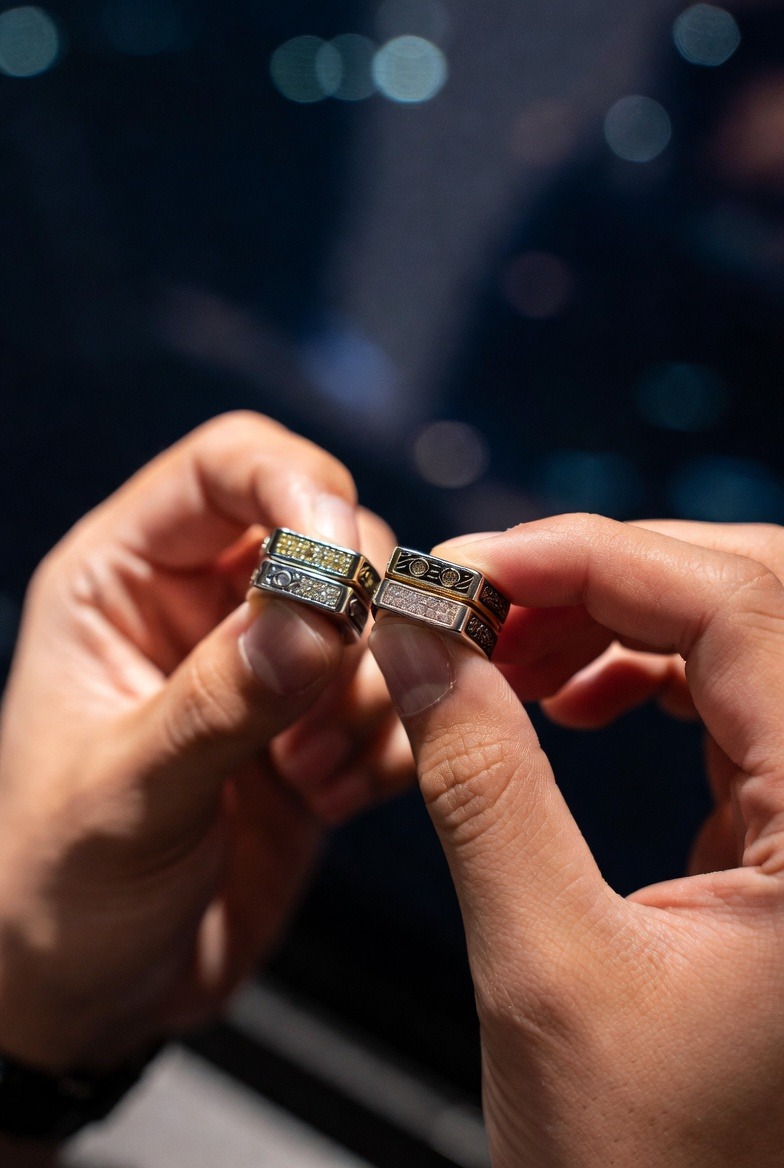
Amidst the flood of metrics—steps, calories, floors climbed—certain data streams have risen to the top for their clinical relevance and reliability. When doctors are asked what they find genuinely useful from consumer wearables, a consistent trio emerges.
1. Resting Heart Rate (RHR) Trends:
While a single in-office RHR is standard, its longitudinal tracking is revolutionary. A rising trend in RHR can be an early, non-specific sign of various issues: dehydration, overtraining, systemic inflammation, poor recovery, or the onset of an infection. “I had a patient, an avid runner, whose RHR gradually crept up by 12 bpm over three weeks,” says Dr. Sharma. “She felt ‘off’ but couldn’t pinpoint it. The data prompted us to run tests that revealed a mild thyroiditis. We caught it much earlier than we would have based on symptoms alone.” It’s a vital sign that now has a history.
2. Heart Rate Variability (HRV): The Stress & Recovery Barometer
Once a metric known only to researchers and elite athletes, HRV has become a cornerstone of the wearable data suite. For doctors, it’s not the nightly number that matters, but the trend line. A consistently suppressed HRV is a strong indicator that the autonomic nervous system is stuck in “fight or flight” (sympathetic) mode, with inadequate “rest and digest” (parasympathetic) recovery.
This is invaluable for:
3. Objective Sleep Patterns:
“I sleep poorly” is subjective. Data showing 5.5 hours of fragmented sleep with 45 minutes of deep sleep over 90 days is objective. For physicians, this moves sleep from a anecdote to a quantifiable vital sign.
Key patterns they look for:
The Power of Correlation: The real magic happens when these metrics are viewed together. For example, a patient presents with new-onset hypertension. Their wearable data shows a period of plummeting sleep quality and HRV coinciding with the RHR increase, all starting two months prior during a stressful work period. This tells a cohesive story of stress-induced dysregulation, powerfully informing both diagnosis and treatment (e.g., focusing on stress management alongside medication).
These actionable data streams form the core of a productive patient-doctor collaboration. They provide the “why” behind the “what.” But to move from insight to action, this data must land in the right place: the patient’s official health record.
A patient’s wearable data lives on their phone, in a sleek app. A doctor’s world revolves around the Electronic Health Record (EHR)—a system often criticized for being cumbersome and siloed. This is the great technological disconnect of modern digital health: two parallel streams of vital health information that rarely meet.
For all its promise, wearable data is often inaccessible, unstructured, and inefficient for a busy clinician. A doctor does not have time to scroll through weeks of graphs on a patient’s phone during a 15-minute appointment. For this data to become truly clinically operational, it must be integrated into the workflow.
The Current, Clunky Reality: Today, integration is mostly manual and ad hoc. Patients may print PDF summaries, show screenshots, or describe trends. Some forward-thinking clinics have dedicated staff to help patients upload data, or use third-party platforms that can aggregate data from various wearables into a clinician-friendly dashboard. But this is the exception, not the rule.
The Ideal Future: The vision is seamless, bidirectional integration. Imagine a future where:
The Hurdles: This future faces significant obstacles:
Despite these hurdles, the direction is clear. The value of longitudinal, real-world data is too great to ignore. The systems will eventually adapt. The question is how quickly. In the interim, the most successful patients are those who learn to curate and present their data effectively—a topic we will cover in a dedicated section later.
This challenge of integration is closely tied to another critical concern for the medical community: privacy and data security in an unregulated space.
Privacy, Security, and the Unregulated Wild West
When a patient gets an MRI, the resulting images and data are protected by a formidable fortress of laws: HIPAA (Health Insurance Portability and Accountability Act) in the US, GDPR in Europe, and other regulations worldwide. These laws govern how that data can be stored, shared, and used. They give patients rights over their information.
When that same patient straps on a consumer smart ring, they enter a different world—one often described by doctors and ethicists as a “regulatory wild west.”
This is a primary and profound concern for physicians who advise patients on health matters. The data from your wearable—your sleep habits, heart rate patterns, activity levels, and location—is not automatically protected as medical data. It is typically governed by the company’s Terms of Service and Privacy Policy, documents few users read in full.
Key Physician Concerns:
Doctors are increasingly adding a new question to their intake conversations: “Are you using any health tracking devices?” This is followed by a crucial discussion about informed consent. They encourage patients to:
The call from the medical community is growing louder for clearer regulations that extend stronger protections to this new category of highly sensitive biometric data. Until then, caveat emptor—let the buyer beware—is the prevailing wisdom. Patients must be their own first line of defense, a responsibility that requires digital health literacy.
This landscape of promise and peril sets the stage for where the rubber meets the road: the specific clinical specialties that are finding the greatest utility in wearable data.
While all doctors are encountering patients with wearable data, certain specialties are at the forefront of integrating it into clinical practice. Their experiences offer a blueprint for the future of data-augmented care.
Cardiology: The Early Adopters
Cardiologists were among the first to take consumer wearables seriously, thanks largely to atrial fibrillation (AFib) detection. The ability of some smartwatches and rings to perform on-demand or passive pulse rhythm analysis has created a new pathway to diagnosis.
“We’re seeing a surge in referrals for ‘smartwatch-detected irregular rhythm,’” says Dr. Robert Jansen, an electrophysiologist. “While it creates new diagnostic work, it’s also catching AFib in asymptomatic individuals—a huge win for stroke prevention. The key is education: we teach patients that a device notification is a prompt to seek medical evaluation, not a confirmation of disease.” Beyond AFib, the longitudinal trends in RHR and HRV provide invaluable context for managing heart failure, assessing fitness, and monitoring recovery post-procedure.
Sleep Medicine: From Subjective to Objective
For sleep specialists, consumer wearables are a revolutionary screening and monitoring tool. While they cannot replace a polysomnogram for diagnosing sleep apnea or narcolepsy, they are exceptional for assessing sleep hygiene and treatment efficacy.
“I ask every new patient to share at least two weeks of wearable sleep data if they have it,” says Dr. Elena Vargas, a sleep specialist. “Seeing a pattern of late, inconsistent bedtimes and high nighttime heart rate tells me where to start before we even consider a lab study. Later, if we prescribe a CPAP for apnea, I can have them use their wearable to track improvements in sleep continuity and overnight SpO2 trends at home, giving us real-world feedback on treatment adherence and effectiveness.” The insights from wearables are perfectly aligned with the principles of preventive health monitoring.
Endocrinology & Metabolic Health: The Daily Dashboard
Managing diabetes, thyroid disorders, and obesity is about daily choices. Wearables provide the feedback loop that was previously missing.
These specialties demonstrate that when wearable data is applied to the right clinical question, its value is immense. It transforms care from a reactive, episodic model to a collaborative, continuous one. This model is now expanding beyond specialty clinics and into the hands of the individuals who have the most stake in their own health: patients managing chronic conditions.

Perhaps the most profound impact of consumer health tracking is occurring outside the clinic walls, in the daily lives of the millions managing chronic conditions like hypertension, Type 2 diabetes, heart failure, and anxiety. Here, the wearable is not just a tracker; it becomes a personal health guardian and a conduit for Remote Patient Monitoring (RPM).
Shifting the Locus of Control: Chronic disease management is a 24/7 job, but traditional medicine only checks in during brief, sporadic appointments. Wearables fill this gap, giving patients tangible feedback on how their behaviors affect their physiology. A patient with hypertension can see their RHR dip after a week of consistent meditation. A person with diabetes can observe how a brisk walk after a meal moderates their glucose trend. This creates a powerful sense of agency.
The Formalization of RPM: Healthcare systems are now formally reimbursing for RPM programs for specific conditions. In these programs, patients are provided with FDA-cleared devices (which are increasingly resembling advanced consumer wearables) that automatically transmit data like weight, blood pressure, blood oxygen, and heart rhythm to a care team. Clinicians monitor a dashboard and intervene if readings fall outside safe parameters.
The Consumer-Device Bridge: While formal RPM uses prescribed devices, informed patients are using their own consumer wearables to create informal RPM systems. They share trend data with their doctors via patient portals, facilitating more informed check-ins. This is the democratization of health monitoring. Understanding how this technology enables personalized wellness is key for patients navigating this path.
The Challenge of Equity: This exciting frontier brings a serious concern: the digital divide. The patients who could benefit most from RPM—the elderly, those with lower socioeconomic status, and those in rural areas—may have the least access to the required technology and digital literacy. Doctors and healthcare systems must be mindful not to let this tool exacerbate existing health disparities. Solutions may include subsidized device programs and digital health coaching.
The story of the empowered, digitally-equipped patient is still being written. Its success hinges not just on technology, but on the final, and perhaps most important, piece of the puzzle: effective collaboration and communication between the patient and their physician.
The Path to Partnership: How to Talk to Your Doctor About Your Data
The promise of wearable health data is only unlocked when it facilitates a better conversation between you and your doctor. Walking into an appointment, waving your phone, and declaring, "My ring says I'm stressed!" is less effective than a structured, collaborative approach. The most successful patients are those who become curators of their own data, transforming raw streams into a coherent clinical narrative.
This requires a shift from data dumping to data storytelling. Here’s how medical professionals advise patients to prepare:
1. Don't Bring the Firehose, Bring the Highlights.
Your doctor has 15-20 minutes. Scrolling through 90 days of minute-by-minute heart rate data is not a viable use of that time. Instead, look for patterns and anomalies yourself first. Use your app’s weekly or monthly summary views. Identify 2-3 key trends or events you want to discuss.
2. Correlate Data with Life Events.
Data in a vacuum is confusing. Data with context is insightful. Before your appointment, annotate your trends.
This turns data points into a detective story where you provide the crucial clues. For example, as highlighted in our article on what doctors find most useful, a trend correlated with a life event is exponentially more valuable than an isolated number.
3. Frame Your Questions Around the "So What?"
Move from observation to inquiry. Instead of just stating a fact, ask what it might mean in the context of your health.
4. Know Your Device's Limits (And Your Doctor's Workflow).
A little knowledge goes a long way. Understanding that your ring's SpO2 is for trend analysis, not diagnosis, allows for a more informed conversation. Furthermore, ask your doctor's office beforehand if there's a preferred way to share data. Can you upload a PDF summary to the patient portal prior to the visit? This allows the doctor or a nurse to review it in advance, making your face-to-face time far more productive.
5. Focus on Shared Goals.
Position the data as a tool to achieve the health goals you and your doctor have set together. "We talked about improving my metabolic health. Here’s three months of activity and sleep data. Can we look at what patterns might be supporting or hindering our goal?" This frames you as a team member, not just a data source.
Mastering this collaborative communication is the keystone for building a new, more dynamic patient-doctor relationship. It paves the way for the most exciting frontier of all: the truly data-informed, personalized, and predictive future of medicine.
We are on the cusp of a monumental shift in healthcare: moving from reactive and diagnostic medicine to predictive and preventive care. Wearable technology, supercharged by artificial intelligence (AI), is the engine of this change. The goal is no longer just to track what has happened, but to forecast what might happen, allowing for interventions before a crisis occurs.
This future is built on the foundation of continuous, multi-parameter data. A smart ring or watch doesn't just measure one thing; it measures heart rate, HRV, skin temperature, movement, blood oxygen, and more—all simultaneously, all day long. When these disparate data streams are fused and analyzed by sophisticated machine learning algorithms, they can reveal complex, previously invisible physiological signatures.
The Early Warning System:
Imagine an algorithm trained on data from thousands of individuals. It learns that a specific, subtle pattern—a gradual increase in resting heart rate combined with a slight elevation in nocturnal skin temperature and a decrease in HRV—often precedes the onset of a symptomatic respiratory infection by 48 hours. Your device, recognizing this pattern in your data, could send you a discreet alert: "Your body is showing early signs of stress. Consider rest, hydration, and monitoring symptoms."
This is not science fiction. Early research from entities like the Stanford Wearable Health Lab and others has shown the feasibility of predicting illnesses like the flu or Lyme disease from wearable data before clear symptoms emerge. For a deeper dive into what's on the horizon, explore our analysis of health tracking technology in 2025 and what's possible.
Personalized Baselines and Dynamic Thresholds:
Future devices won't just compare you to population averages. They will build a deeply personalized baseline—your normal—over months and years. Alerts and insights will be based on deviations from your baseline, not a generic one. This eliminates the "cyberchondria" triggered by being in the "yellow zone" compared to others, when that zone is actually normal for you.
The Integration with Digital Therapeutics:
Predictive data will feed directly into personalized interventions. If your data indicates rising stress and poor recovery, your app might automatically adjust your meditation app's program, suggest an earlier bedtime, or prompt you to schedule a recovery walk. It becomes a closed-loop system: measure, analyze, recommend, act, re-measure.
The Clinical Trial Revolution:
The future of medical research will also be transformed. Instead of sparse data points collected during clinic visits for a trial, researchers can access continuous, real-world data from thousands of participants. This will dramatically improve our understanding of how diseases progress and how treatments work in daily life, accelerating drug development and personalized medicine.
Of course, this predictive future comes with profound ethical questions about algorithm bias, over-medicalization of life, and the psychological impact of "health forecasts." But the potential to shift healthcare's focus from treating advanced disease to preserving wellness is arguably the most important application of this technology. To see how this evolution began, our piece on the evolution from manual tracking to smart rings provides essential context.
As this future unfolds, the distinction between consumer electronics and medical devices will continue to blur, leading us to our next critical consideration: the regulatory landscape that must evolve to keep pace.

The current regulatory environment is struggling to categorize and manage the hybrid nature of advanced health wearables. They are sold as consumer wellness products, yet they generate data that looks and feels increasingly medical. This creates a "regulatory tightrope" that companies, doctors, and patients are all walking.
The FDA's Evolving Stance:
The U.S. Food and Drug Administration (FDA) draws a clear, if sometimes blurry in practice, line between a medical device and a general wellness product.
The tension arises when a wellness product's data is used for a medical purpose by a patient or doctor. The ring company isn't diagnosing, but the cardiologist might use the trend data to inform a diagnosis. This has prompted the FDA to adopt a more flexible, digital-health-friendly approach in recent years, with programs like the Digital Health Pre-Certification (Pre-Cert) Program, aimed at streamlining oversight for trusted, software-driven health technologies.
The "Wellness" Loophole and Doctor Concerns:
Many physicians express concern about the "wellness" classification. It allows powerful sensors to bypass the stringent validation required for medical devices, potentially putting inaccurate data into the hands of patients who may act on it. A doctor's plea is often for transparency: companies should be upfront about the intended use, limitations, and validation studies of their devices, even if they are not medical grade. Resources like our FAQ are crucial for companies to provide this clarity directly to consumers.
The Call for a New Category:
There is a growing consensus among healthcare professionals, ethicists, and some industry leaders that a new regulatory category is needed—something between a "wellness product" and a "diagnostic device." Perhaps a "Clinical Decision Support Tool" or "Patient-Generated Health Data Device" category, with requirements for:
This framework would protect consumers while fostering innovation. It would give doctors more confidence in the data's provenance and meaning, enabling them to use it more effectively within their clinical practice. Until such a framework exists, the onus is on the physician to critically appraise the data and on the patient to be an informed user.
As we look at this complex interplay of technology, medicine, and regulation, it's vital to ground our understanding in the real-world experiences of those at the center of it all. What are the tangible benefits and pitfalls for the individuals wearing these devices every day?
For the millions who purchase a smart ring or fitness tracker, the journey is deeply personal. The marketing promises empowerment, insight, and better health. Does reality match the hype? Based on aggregated user experiences and clinical observations, the answer is a qualified "yes," with clear areas where expectations need tempering.
Tangible Benefits Users Actually Experience:
The Sobering Limitations and Frustrations:
The key takeaway for the average user is intentionality. The device is a tool, not an oracle. Its value is not automatic; it is extracted by the user who engages with it thoughtfully, questions it critically, and uses it to foster a better dialogue with their own body and their healthcare provider. For a balanced look at making this technology work for you, our guide on making the purchase decision for a wellness ring covers these practical considerations.
This nuanced user experience is the raw material from which the future of this industry will be forged. The final piece of our exploration looks ahead at the trends, innovations, and ethical crossroads that will define the next generation of health wearables.
The Road Ahead: Ethical Dilemmas, AI Integration, and the Next Generation of Wearables
The trajectory of consumer health technology is not just a line toward more sensors and slimmer designs. It is a branching path laden with profound ethical questions, transformative AI integration, and hardware that will blur the line between device and body.
The Looming Ethical Crossroads:
AI: The Invisible, Indispensable Coach:
The hardware is plateauing in its sensing capabilities; the future is in the software. Next-generation AI will move beyond spotting trends to providing contextual, hyper-personalized coaching.
The Next Generation of Hardware:
As this technology becomes more powerful and intimate, the role of companies shifts from gadget-makers to health stewards. Their responsibility extends beyond shipping a product to fostering ethical data practices, providing clinical-grade transparency, and designing for holistic well-being, not just engagement metrics. The vision and values of a company, like those detailed in Oxyzen's story, will become a primary consideration for informed consumers.

We have journeyed through the complex, often contradictory landscape of consumer health tracking from the physician's perspective. We've seen the cautious optimism replacing skepticism, the valuable trends of heart rate and sleep, and the very real dangers of anxiety and data overload. We've explored the promise of predictive health and the regulatory tightrope that must be walked.
The overwhelming consensus from the medical community is clear: Consumer health tracking devices are a profoundly powerful tool, but they are not a testament to your health.
They are a companion, not a clinician. A compass, not a map. They provide the "what"—the data streams of your daily life. But they cannot provide the "why" or the "so what." That requires human context, clinical expertise, and the irreplaceable nuance of a conversation.
The ideal future is not one where algorithms replace doctors, but where algorithms empower partnerships. It is a future where the continuous, intimate data from our lives flows seamlessly to our healthcare teams, enriching their understanding and enabling care that is preventative, personalized, and participatory.
For you, the individual, the path forward is one of informed engagement. Choose your device with an eye toward transparency and privacy. Use it to learn the unique language of your body—your personal baselines and rhythms. Become a curator of your data, looking for meaningful patterns over time. And most importantly, bring that curated insight, with thoughtful questions, into the sacred space of your doctor's office.
The technology is here. The data is flowing. The opportunity to build a healthier future, together, is now in our hands—and on our wrists, and on our fingers.
For the modern physician, wearable data is no longer a curiosity—it's a clinical stream that must be managed. The most forward-thinking practices are developing formal and informal strategies to harness this data efficiently without letting it overwhelm their workflow. This section provides a practical "toolbox" for clinicians and, by extension, informs patients about how their data can be most professionally received.
Triage Protocols for Wearable-Generated Concerns:
Progressive clinics are establishing clear internal pathways for handling patient-initiated data queries. This prevents ad-hoc, time-consuming evaluations and ensures appropriate follow-up.
The "Data-Informed History": A New Component of the SOAP Note:
The Subjective, Objective, Assessment, Plan (SOAP) note is adapting. The "Subjective" section now often includes a subsection: "Patient-Generated Health Data (PGHD) Context."
Example: "S: Reports increased fatigue over past 3 weeks. PGHD: Patient shares trend from personal wearable showing average resting heart rate increased from 62 to 72 bpm, and HRV decreased by 25% over same period, despite stable activity. Correlates onset with new work project."
This formalizes the data's role, making it part of the permanent medical reasoning record.
Efficient Data Review Techniques:
Doctors cannot review raw streams. They teach patients and staff to generate specific views:
Resources that help patients understand this, like a guide on how to personalize your wellness ring data for your body, become indirect tools for the doctor, creating more prepared patients.
Liability and Documentation Nuances:
A critical part of the toolbox is legal and ethical awareness. Best practices include:
By adopting such structured approaches, doctors transform wearable data from a nuisance into a scalable asset. This professional integration sets the stage for the next evolution: the consumer's journey in selecting the right tool for this new partnership.
With a myriad of smart rings, watches, and bands on the market, selecting a device can be paralyzing. The choice should not be about marketing or aesthetics alone, but about aligning the device's capabilities with your specific health goals and your doctor's potential needs. This guide reframes the selection criteria through a clinically-informed lens.
Step 1: Define Your Primary "Why" (The Clinical Question):
Your goal dictates the sensor priority. This moves you beyond "getting healthier" to a targeted query.
Step 2: Interrogate the Ecosystem, Not Just the Hardware.
The device is a sensor. The value is in the app and the company behind it.
Step 3: The Fit and Form Factor Litmus Test.
The most accurate sensor is useless if you don't wear it.
Step 4: The Long-Term Partnership View.
Consider the company as a long-term health partner.
The right device feels like a seamless extension of your health curiosity, not a chore. Once chosen, the real work—and the real reward—begins: establishing your personal baseline.
The first three months with a new wearable are not about achieving perfect scores. They are a discovery phase. Your primary objective is to answer one question: What is normal for me? This phase turns generic data into personal insight and is the most critical step to avoid misinterpretation and anxiety.
Phase 1: Observe, Don't Judge (Days 1-30).
Wear the device consistently and live your normal life. Resist the urge to immediately "optimize" based on scores. The goal is to capture your authentic, unaltered baseline.
Phase 2: Correlate and Explore (Days 31-60).
Now, start looking for connections. Use the data to understand your body's unique responses.
Phase 3: Define Your Personal Zones (Days 61-90).
With two months of context-rich data, you can now define what deviations are meaningful for you.
The Doctor's Perspective on Baselines: Physicians emphasize that this 90-day baseline is the single most valuable thing a patient can bring them. "A patient who says 'my normal HRV range is 45-65, and it's been below 40 for 10 days' gives me a powerful, specific signal," says Dr. Chen. "It's clinical-grade insight from consumer-grade hardware."
This deep self-knowledge prepares you for advanced applications, whether you're an elite athlete fine-tuning performance or someone managing a chronic condition.
The public perception of wearables often stops at fitness tracking. However, the most innovative and impactful applications are happening at the extremes: in the pursuit of peak performance and in the daily management of chronic disease.
The Elite Athlete: From Performance to Precision Recovery.
For professional and serious amateur athletes, wearables have shifted the focus from simply measuring output (pace, power) to optimizing the input: the body's readiness to perform.
Chronic Condition Management: The 24/7 Health Partner.
For individuals with conditions like hypertension, diabetes, anxiety, or Long COVID, wearables provide a continuous feedback loop that clinic visits cannot.
The Common Thread: Data-Informed Agency.
In both the athlete and the chronic condition patient, the wearable transforms the user from a passive recipient of instructions (from a coach or doctor) to an active, informed collaborator. They have data to discuss, patterns to explore, and a tangible sense of control over their own body's narrative. This is the essence of modern, participatory healthcare. For those managing aging, this principle is powerfully applied in our guide on 50 healthy aging tips a smart ring helps implement daily.
As these use cases demonstrate, the potential is vast. But what do the doctors on the front lines actually say? Their candid stories provide the most compelling evidence of both the promise and the pitfalls.
To move beyond theory, we collected anonymous accounts from physicians across specialties. These case studies illustrate the transformative potential and the very real challenges of integrating wearable data into real-world care.
Case Study 1: The Prevented Crisis (Cardiology)
"A man in his early 50s, fit and healthy, came for a routine physical. He mentioned his smartwatch had given him a few 'irregular rhythm' notifications over the past month, but he felt fine. He dismissed them as glitches. Because he had the data logs, we could see the episodes lasted 4-7 minutes. I wouldn't have ordered a 30-day monitor based on a vague story. But with this data, I sent him for a loop recorder. It confirmed paroxysmal AFib. We started anticoagulation. He had a CHA₂DS₂-VASc score of 3 due to age and hypertension. That wearable notification, and his decision to mention it, may have prevented a stroke. It was the perfect screening tool." – Cardiologist, Northeast US
Case Study 2: The Anxiety Amplifier (Primary Care)
"A young woman came in nearly in tears, convinced she had a heart condition. She showed me her smart ring data: her heart rate would 'spike' to 110-120 bpm while sitting at her desk. She had pages of screenshots. After a calm discussion and examination, her heart was fine. I asked about the timing. The spikes coincided exactly with her daily 10 AM and 2 PM meetings with a notoriously difficult manager. We did a simple experiment: she wore a chest strap ECG during a meeting. The 'spike' was sinus tachycardia—a normal heart rate increase from acute stress. The wearable was accurate, but she lacked the context to interpret it. Our visit was spent treating health anxiety, not a heart condition." – Primary Care Physician, Midwest US
Case Study 3: The Diagnostic Clue (Endocrinology)
"A patient with well-controlled hypothyroidism on a stable dose of levothyroxine started reporting subtle fatigue and feeling 'wired but tired.' Her standard thyroid panel was smack in the middle of the normal range. However, she shared her wearable data, which showed a clear, gradual 3-week uptrend in her resting heart rate from 68 to 78 and a drop in her body temperature readings. This classic pattern of rising RHR with low-normal temps raised my suspicion of relative hyperthyroidism at her current dose. We made a tiny medication adjustment. A month later, her symptoms resolved, and her RHR trend returned to her baseline. The lab was static; her physiology was talking." – Endocrinologist, West Coast US
Case Study 4: The Remote Monitor (Pulmonology/Sleep Medicine)
"I have a patient with severe sleep apnea who was inconsistent with his CPAP. He felt fine without it, so he'd skip nights. We got him a ring with SpO2 tracking. At his follow-up, the data was undeniable: on nights without CPAP, his blood oxygen dipped below 88% for over an hour total. On nights with it, his graph was a flat, healthy line. He said, 'I can argue with you, Doc, but I can't argue with my own data.' His adherence is now near-perfect. The wearable provided the objective proof he needed to convince himself." – Pulmonologist, Southwest US
These stories highlight the dual reality: wearables as powerful diagnostic adjuvants and as potent sources of misunderstanding. The difference lies in the context and the conversation that surrounds the data.
This grounded understanding from the clinic leads us to the final, integrative model: a step-by-step framework for building the ideal collaborative relationship between you, your data, and your doctor.
Achieving the promise of wearable health data requires moving from ad-hoc encounters to a structured partnership. This blueprint outlines a phased approach for patients and doctors to co-create a data-informed health strategy.
Phase 1: The Foundational Partnership Visit (Months 1-3)
Phase 2: The Data-Enabled Action Plan (Ongoing)
Phase 3: The Iterative Review & Adjustment (Quarterly/Annually)
Tools for Success:
This blueprint formalizes the collaboration, making wearable data a structured component of care rather than an interruption. It builds a relationship where both parties are informed, engaged, and working toward defined, measurable outcomes.
In this second portion of our exploration, we moved from the宏观 landscape to the micro-level practices that make wearable data work. We equipped clinicians with a toolbox for integration and provided patients with a clear path from device selection to establishing a personal baseline. We witnessed the profound applications in elite performance and chronic disease management and heard the unfiltered voices of physicians navigating this new reality.
The central theme that has emerged is that the value of a consumer health device is not determined when you unbox it. Its value is created through a process:
The device is the catalyst, but the chemical reaction happens in the partnership between an informed patient and an engaged doctor. We are moving beyond the era of the annual physical—a single snapshot—and toward a model of continuous health relationships, punctuated by data-informed conversations.
The journey is not complete. In the final portion of this definitive guide, we will tackle the cutting edge: a detailed comparison of the leading smart ring and watch platforms through a doctor's lens. We will explore the burgeoning world of "digital phenotyping" and mental health. We will confront the hard questions of accessibility and the digital divide. And we will look at the ultimate horizon: how this constant stream of life data is fundamentally rewriting our very definition of "health" and "disease."
The future of medicine is not just in the clinic or the lab. It is on your wrist, on your finger, and in the daily dialogue it inspires.
Your Trusted Sleep Advocate (Sleep Foundation — https://www.sleepfoundation.org/)
Discover a digital archive of scholarly articles (NIH — https://www.ncbi.nlm.nih.gov/
39 million citations for biomedical literature (PubMed — https://pubmed.ncbi.nlm.nih.gov/)
experts at Harvard Health Publishing covering a variety of health topics — https://www.health.harvard.edu/blog/)
Every life deserves world class care (Cleveland Clinic -
https://my.clevelandclinic.org/health)
Wearable technology and the future of predictive health monitoring. (MIT Technology Review — https://www.technologyreview.com/)
Dedicated to the well-being of all people and guided by science (World Health Organization — https://www.who.int/news-room/)
Psychological science and knowledge to benefit society and improve lives. (APA — https://www.apa.org/monitor/)
Cutting-edge insights on human longevity and peak performance
(Lifespan Research — https://www.lifespan.io/)
Global authority on exercise physiology, sports performance, and human recovery
(American College of Sports Medicine — https://www.acsm.org/)
Neuroscience-driven guidance for better focus, sleep, and mental clarity
(Stanford Human Performance Lab — https://humanperformance.stanford.edu/)
Evidence-based psychology and mind–body wellness resources
(Mayo Clinic — https://www.mayoclinic.org/healthy-lifestyle/)
Data-backed research on emotional wellbeing, stress biology, and resilience
(American Institute of Stress — https://www.stress.org/)


