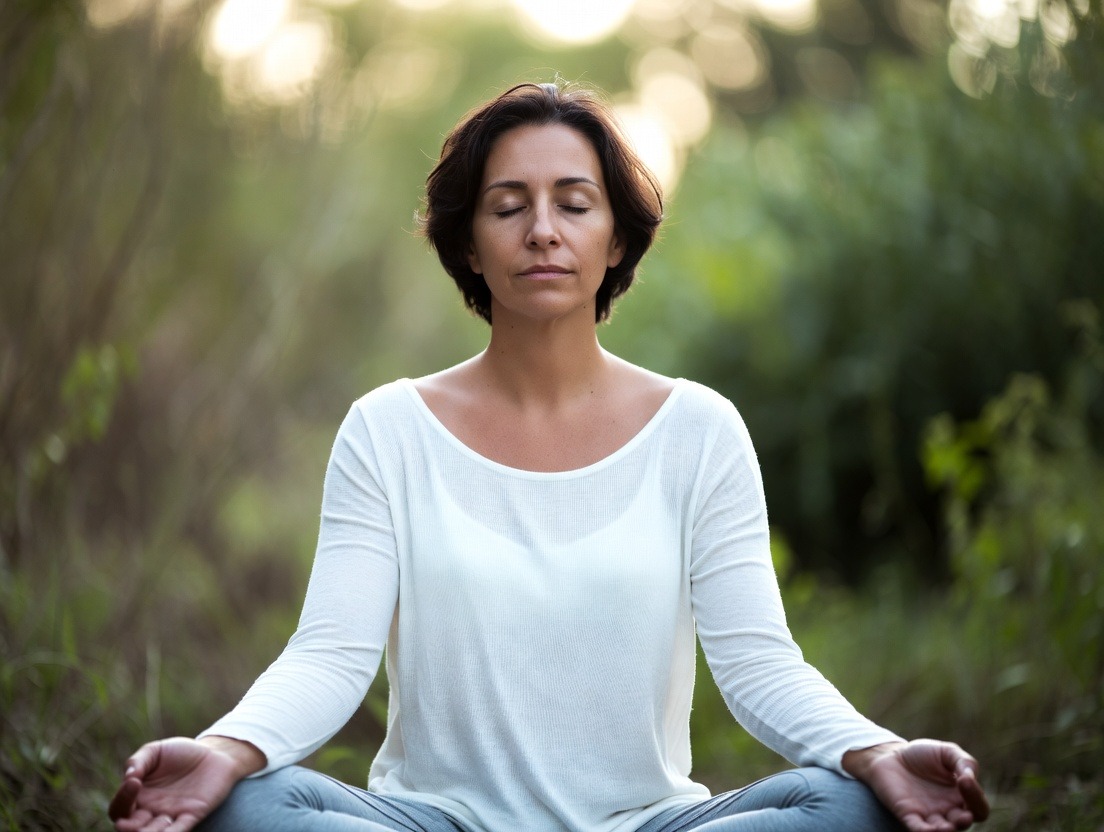
10 Evening Wellness Rituals That Optimize Your Smart Ring's Overnight Metrics
Ten specific rituals can optimize the overnight data your ring collects.
10 Evening Wellness Rituals That Optimize Your Smart Ring's Overnight Metrics
In the quiet hours of the evening, a subtle competition unfolds. It's not for likes or attention, but for something far more valuable: the perfect night of restorative sleep. For the growing legion of smart ring users, the morning ritual has shifted. Before coffee, before checking the news, we glance at our smartphones to see the nightly verdict: a score, a graph, a breakdown of our time spent in the sacred stages of deep sleep, REM, and light sleep. This data, gleaned from the silent sentinel on our finger, tells a story of our body's overnight repair processes, our nervous system's resilience, and our readiness to face the day.
Yet, too many of us approach this data as passive observers. We accept a poor sleep score as an inevitability of modern life, a badge of busyness. But what if you could become an active architect of your overnight recovery? What if your evening routine could be precisely calibrated to not just help you feel more relaxed, but to objectively optimize the very biometrics your smart ring is tracking?
This is the new frontier of personalized wellness. Your smart ring is not just a reporter; it's a coach. The metrics it provides—Heart Rate Variability (HRV), resting heart rate (RHR), respiratory rate, skin temperature, and sleep stage distribution—are the direct, physiological outcomes of your daily, and especially your evening, choices. They are the language your body uses to communicate its state of recovery or stress.
The following guide presents ten powerful evening wellness rituals, each designed to directly and measurably influence one or more of these critical overnight metrics. This isn't about generic sleep hygiene tips. This is a deep, evidence-based exploration of how specific pre-sleep behaviors send deliberate signals to your autonomic nervous system, priming it for a night of profound physiological optimization. We'll move beyond hoping for a good sleep score to strategically engineering one. Let's transform your evenings from a time of wind-down into a deliberate, data-enhancing performance.
The Symphony of Sleep: Understanding What Your Smart Ring Actually Measures
Before we can conduct the orchestra of our evening, we must understand the instruments. Your smart ring’s overnight report is a symphony of interconnected data points, each telling a part of your body’s recovery story. To optimize them, we must first comprehend what they are and why they matter.
Heart Rate Variability (HRV): The Maestro of Recovery HRV is arguably the most important metric for assessing your nervous system’s balance and resilience. Contrary to what the name might imply, it doesn't refer to an irregular heartbeat. Instead, HRV measures the subtle, millisecond variations in the time intervals between consecutive heartbeats. A higher HRV generally indicates a more resilient, adaptable, and recovered state. It means your body is in "rest and digest" (parasympathetic) mode, ready to repair and restore. A lower HRV suggests your body is in "fight or flight" (sympathetic) mode, dealing with stress, inflammation, or fatigue. Your evening rituals have a profound impact on tipping this balance. By engaging in calming practices, you can directly signal to your nervous system to increase parasympathetic tone, setting the stage for a higher HRV reading by morning.
Resting Heart Rate (RHR): The Baseline of Calm Your resting heart rate is exactly that—the number of times your heart beats per minute while you are fully at rest. A lower RHR typically indicates better cardiovascular fitness and a more efficient heart muscle. During deep, restorative sleep, your RHR should dip to its lowest point of the 24-hour cycle. An elevated overnight RHR, or a failure to see that characteristic dip, can be a telltale sign of physical stress, illness, excessive caffeine or alcohol intake, or psychological anxiety. Optimizing your evening routine helps ensure your cardiovascular system can truly settle into its most restful state.
Sleep Stages: The Architecture of Restoration Sleep is not a monolithic state. Your smart ring uses movement, heart rate, and sometimes temperature data to estimate your time in Light, Deep, and REM (Rapid Eye Movement) sleep. Each stage serves a unique purpose:
Light Sleep: Acts as a gateway between wakefulness and deeper sleep, crucial for memory consolidation and metabolic health.
Deep Sleep (Slow-Wave Sleep): The physically restorative phase. This is when tissue growth and repair occur, energy is restored, and crucial hormones for growth and development are released. This is the stage where your body does its heaviest lifting in terms of physical recovery.
REM Sleep: The mentally restorative phase. Associated with dreaming, REM sleep is essential for cognitive functions, memory processing, learning, and emotional regulation.
A healthy sleep cycle involves cycling through these stages multiple times per night. An imbalance—such as insufficient deep or REM sleep—can leave you feeling physically exhausted or mentally foggy, regardless of total sleep time.
Skin Temperature & Respiratory Rate: The Subtle Clues Less discussed but equally important are trends in skin temperature and respiratory rate. A natural drop in core body temperature is a key signal that initiates sleep. Your smart ring tracks the subtle changes in your peripheral skin temperature, which mirrors this process. A disrupted temperature rhythm can mean difficulty falling or staying asleep. Similarly, a slow, steady respiratory rate (typically 12-20 breaths per minute while awake, dropping during sleep) is a hallmark of parasympathetic dominance. A high or erratic overnight respiratory rate is a clear sign of physical or mental stress.
Understanding this symphony is the first step. Now, we will learn how to conduct it. Each of the following rituals is a deliberate baton stroke, designed to tune these instruments for a flawless overnight performance.
Ritual 1: The 90-Minute Digital Sunset – Reclaiming Your Circadian Rhythm
We begin with the most challenging yet impactful ritual for the modern individual: the deliberate disconnection from artificial light. The invention of the electric light bulb was a marvel, but the proliferation of LEDs in our screens has created a perpetual, circadian-disrupting twilight in our homes. The blue-wavelength light emitted by smartphones, tablets, computers, and TVs is uniquely potent at suppressing the production of melatonin, the hormone that cues your brain for sleep.
The Science of the Signal: Your body’s master clock, the suprachiasmatic nucleus (SCN) in your brain, uses light (and darkness) as its primary timekeeper. When specialized cells in your eyes detect blue light—especially after sunset—they send a direct signal to the SCN to halt melatonin production. The message is clear: "It's daytime. Stay alert." This hormonal blockade delays sleep onset, compresses valuable deep sleep, and can lead to a fragmented, shallow sleep architecture—all of which your smart ring will meticulously record as reduced sleep efficiency and poor stage distribution.
Implementing the 90-Minute Sunset: This ritual is not about checking your phone until you turn off the light. It’s about creating a deliberate, gradual transition from the stimulating digital day to the calm analog night.
Set a Firm Alarm: 90 minutes before your target bedtime, an alarm should remind you to begin the sunset. This is non-negotiable.
The Active Shutdown: Don't just put devices down; engage in a conscious shutdown sequence. Close browser tabs, file documents, send final messages stating you're offline. This mental closure is as important as the physical one.
Environment Engineering: Replace screen time with low-light, non-stimulating activities. This is the perfect window for the rituals that follow: reading a physical book under warm lamp light, gentle stretching, conversation, or listening to music or a podcast (from a device with the screen covered or off).
The Amber Advantage: If complete disconnection is impossible, implement aggressive blue-light filters. Use night-shift modes at their warmest setting, but better yet, invest in quality blue-light blocking glasses with amber or red lenses. These physically block the problematic wavelengths, offering a more reliable protection than software filters.
The Smart Ring Payoff: Adhering to a digital sunset directly targets multiple overnight metrics. You should observe:
Improved Sleep Latency: A shorter time to fall asleep (as measured by your ring’s "time awake" metric at the start of the night).
Increased Deep Sleep: By allowing melatonin to rise naturally, you facilitate a stronger, earlier first deep sleep cycle, which is often the longest and most restorative.
Higher HRV: Removing the cognitive and emotional stimulation of digital content lowers sympathetic nervous system activation, creating the calm necessary for high HRV.
Stable Skin Temperature: By respecting your natural light-dark cycle, you support the body’s innate thermoregulation process, enabling the proper core temperature drop needed for sleep initiation.
This ritual lays the foundational hormonal groundwork for everything that follows. It’s the single most effective step you can take to tell your body, in a language it understands perfectly, that the day is done.
Ritual 2: The Thermal Tango – Mastering Temperature for Optimal Sleep
While light is the primary signal for sleep timing, temperature is the primary signal for sleep initiation. Your body doesn't simply fall asleep; it is actively cooled into sleep through a sophisticated process known as distal vasodilation. To optimize your smart ring's skin temperature and sleep data, you must become a maestro of this thermal tango.
The Physiology of the Sleep Drop: In the evening, as part of your circadian rhythm, your core body temperature naturally begins to drop. To facilitate this, your body increases blood flow to your extremities—your hands and feet—releasing heat into the environment. This is why you might have cold hands and feet before bed; it’s a sign your body is trying to dump heat. A faster, more efficient drop in core temperature is strongly correlated with faster sleep onset and more consolidated deep sleep. Your smart ring’s skin temperature sensor, typically on the finger, is uniquely positioned to detect this crucial process. A disrupted or blunted temperature drop often mirrors a restless night.
Strategic Cooling: The Evening Protocol Your goal is to assist, not fight, this natural cooling process.
Warm Bath, Cool Bed: The "warm bath paradox" is a powerful tool. A warm bath or shower (about 100-102.5°F) taken 60-90 minutes before bed, while counterintuitive, is incredibly effective. The warm water draws blood to the surface of your skin. When you step out, the rapid evaporation and radiation of this heat into the cooler bedroom environment mimics and amplifies the body's natural cooling mechanism, triggering a steeper temperature decline. It’s like giving your body’s thermostat a helpful nudge.
Bedroom Climate Control: The ideal sleeping environment is cool, between 60-67°F (15-19°C). This ambient coolness provides the necessary gradient for your body to release heat. Experiment within this range—your perfect temperature is personal and can be discovered by correlating your room temperature with your ring’s sleep score and skin temperature graph.
Breathable Bedding: Synthetic materials can trap heat. Opt for natural, breathable fibers like cotton, linen, or bamboo for sheets and pajamas. Consider a wool or breathable down alternative comforter that regulates temperature.
The Weighted Advantage: For some, the gentle, even pressure of a weighted blanket can be profoundly calming for the nervous system, which can indirectly support thermoregulation by reducing anxiety-driven temperature fluctuations. You can learn more about the science behind this in our guide to the weighted blanket effect and deep pressure therapy for stress.
The Smart Ring Payoff: By mastering your thermal environment, you directly influence:
Skin Temperature Rhythm: You should see a clearer, more defined downward trend in your skin temperature graph in the first half of the night, aligning with your first deep sleep cycle.
Sleep Efficiency: Faster sleep onset and fewer mid-night awakenings (often caused by being too warm) will boost your overall sleep efficiency score.
Deep Sleep Optimization: A cool core is a prerequisite for sustained deep sleep. Optimizing temperature is one of the most reliable ways to increase your deep sleep duration.
Calm Respiratory Rate: A comfortable, cool body is a relaxed body, which supports a slow, steady overnight breathing pattern.
This ritual moves you from being a passive occupant of your bedroom to an active engineer of your sleep climate, using temperature as a precise tool for biometric enhancement.
Ritual 3: The Caffeine Curfew & Hydration Horizon
What you consume in the evening acts as a series of chemical instructions for your body. Two of the most powerful levers you control are caffeine and hydration. Mis-managing them is like pouring sand into the gears of your recovery engine, and your smart ring’s heart rate and sleep data will reflect the grinding.
The Long Shadow of Caffeine: Caffeine is an adenosine receptor antagonist. Adenosine is a neuromodulator that accumulates in your brain throughout the day, creating "sleep pressure." Caffeine blocks the receptors that detect adenosine, making you feel alert. The problem is caffeine’s half-life—the time it takes for your body to eliminate half of it—is typically 5-6 hours. A coffee at 3 PM means at 9 PM, 50% of that caffeine is still active in your system. For many with slower metabolism (influenced by genetics, liver function, and hormone levels), it can be much longer. This residual caffeine artificially suppresses sleep pressure, increases resting heart rate, reduces HRV, and fragments sleep, particularly in the second half of the night as it finally clears your system.
Implementing the Caffeine Curfew:
The 10-Hour Rule: Establish a firm caffeine curfew at least 10 hours before your bedtime. If you sleep at 10:30 PM, your last caffeinated beverage should be no later than 12:30 PM. This conservative window accounts for variability in metabolism and ensures near-complete clearance.
Broaden Your Definition: Remember, caffeine isn't just in coffee. It’s in black and green tea, dark chocolate, many sodas, and even some decaffeinated coffees and pain relievers. Be mindful of these hidden sources in the afternoon.
The Decaf Transition: After your curfew, switch to truly caffeine-free herbal teas like chamomile, lemon balm, or passionflower, which may have mild relaxing properties, or simply warm water with lemon.
The Hydration Horizon: While staying hydrated is critical for daytime function, the timing of fluid intake is crucial for uninterrupted sleep. The goal is to be adequately hydrated before the evening so you’re not playing catch-up right before bed, which guarantees disruptive trips to the bathroom (nocturia).
Front-Load Your Fluids: Aim to consume the majority of your daily water intake by late afternoon.
The 60-Minute Pause: Slow and stop significant fluid intake 60-90 minutes before bed. Small sips for medication or to quench thirst are fine, but avoid large glasses of water.
Mind Electrolytes: Sometimes, evening thirst is a sign of electrolyte imbalance, not just water lack. If you’ve exercised or sweated heavily, consider an electrolyte supplement earlier in the day to promote cellular hydration without excess fluid volume.
The Smart Ring Payoff: Adhering to these nutritional guardrails leads to direct, measurable improvements:
Lower Resting Heart Rate: Without caffeine’s stimulatory effect, your cardiovascular system can fully relax, allowing your overnight RHR to reach its natural, healthy nadir.
Higher, More Stable HRV: Removing a chemical stressor (caffeine) allows your parasympathetic nervous system to dominate, reflected in a higher HRV.
Improved Sleep Continuity: Fewer awakenings due to thirst or, more commonly, bathroom trips, will show up as increased sleep efficiency and fewer periods of "awake" or "restless" time on your graph.
Deeper Sleep Cycles: Uninterrupted sleep is a prerequisite for completing full, 90-minute sleep cycles rich in deep and REM sleep.
This ritual is about chemical clarity. It ensures the biochemical environment within your body is primed for recovery, not artificially stimulated or hydraulically disrupted.
Ritual 4: The Parasympathetic Portal – A 20-Minute Breathwork & Meditation Sequence
If your smart ring could highlight one metric as the ultimate indicator of your evening ritual's success, it would likely be Heart Rate Variability (HRV). This ritual is a direct, potent intervention designed to manually switch your nervous system from "fight or flight" (sympathetic) to "rest and digest" (parasympathetic) dominance, creating the ideal internal conditions for high-HRV sleep.
The Direct Line: Breath to Brainstem Your breath is the remote control for your autonomic nervous system. Unlike your heartbeat or digestion, you can control it voluntarily, yet it directly influences involuntary functions. Slow, deep, diaphragmatic breathing—especially with an extended exhalation—stimulates the vagus nerve, the main conduit of the parasympathetic system. This sends a direct signal to your brain to lower heart rate, blood pressure, and stress hormones like cortisol. Research shows that just 10-20 minutes of deliberate breathwork can significantly increase HRV, both acutely and throughout the following night.
The 20-Minute Evening Sequence: This is not a vague "just meditate" suggestion. It's a structured protocol.
Environment (5 mins): Sit or lie comfortably in a dimly lit, quiet space. Place a hand on your belly to ensure diaphragmatic breathing.
Coherent Breathing (10 mins): The goal is to achieve a respiratory rate of 5-6 breaths per minute (5 seconds inhale, 5 seconds exhale). This pace has been shown to create ideal resonance between heart rate, blood pressure, and breathing, maximizing HRV. Use a gentle timer or app with visual pacer if needed. Focus solely on the rhythm and sensation of breath.
Body Scan Meditation (5 mins): Without changing your breath, slowly bring your attention to different parts of your body, starting at your toes and moving up to your scalp. Simply notice sensations without judgment—tingling, warmth, tension, lightness. The goal is awareness, not change. This practice fosters a mind-body connection and releases subtle areas of held tension.
Transition: Gently open your eyes. Move slowly into your next activity, carrying this calm with you.
Variations for Different Needs: Not all stress is the same. If your day was mentally frantic, a focus-based meditation might help. If it was emotionally charged, a loving-kindness meditation could be better. For a deep dive into how different breath patterns target different stress states, explore our resource on how breathwork variations target different stress types.
The Smart Ring Payoff: This ritual is arguably the most direct intervention for your most important recovery metric. Expect to see:
Acute HRV Increase: You may see a noticeable rise in your live HRV (if your ring displays it) during and immediately after this practice.
Elevated Overnight HRV: The parasympathetic tone you cultivate directly translates into a higher average and peak HRV during sleep.
Lower Resting Heart Rate: A calm nervous system allows your heart to beat slower and more efficiently.
Improved Sleep Onset: The mental quieting makes the transition into sleep seamless, reducing sleep latency.
Balanced Respiratory Rate: You train your body into a slower breathing rhythm that carries into the night.
Think of this ritual as a daily systems check and reset. You are manually installing the software update—calm, balance, resilience—that your body will run on overnight.
Ritual 5: The Gratitude Audit – Rewiring Neural Pathways Before Bed
The mind you take to bed is the mind that influences your sleep. A brain buzzing with worries, replaying conflicts, or scrolling through a mental to-do list is a brain in sympathetic overdrive. This ritual uses the potent tool of gratitude not as a fluffy self-help concept, but as a neuroscientific intervention to deliberately shift cognitive and emotional patterns, directly impacting stress hormones and nervous system balance.
The Neurochemistry of Gratitude: Practicing gratitude isn't just positive thinking; it provokes a measurable physiological response. Studies using fMRI scans show that gratitude practice activates brain regions associated with dopamine and serotonin production—our "feel-good" neurotransmitters. Concurrently, it can downregulate activity in the amygdala, the brain's fear and stress center. This shift has downstream hormonal effects, including measurable reductions in cortisol, the primary stress hormone that is antagonistic to deep sleep and high HRV. By conducting a gratitude audit, you are essentially performing emotional sanitation, clearing out the cognitive debris of the day to make space for restoration.
Executing the Five-Minute Gratitude Audit: This is a structured writing exercise, not just a mental list. The physical act of writing engages the brain more deeply.
The Tools: A dedicated notebook and pen. Keep it by your bed.
The Prompt: Write down 3-5 specific things from the past 24 hours for which you are genuinely grateful. The key is specificity. Instead of "my family," write "the way my partner made tea for me while I was on a work call." Instead of "my health," write "the feeling of strength in my legs during my afternoon walk."
The Sensory Detail: For one item, expand. Describe it using your senses. What did you see, hear, or feel? This deepens the neural encoding.
The "Even This" Reframe (Optional but Powerful): Challenge yourself to find one small, potentially frustrating element of your day and reframe it. "I'm grateful for the long line at the grocery store because it gave me three minutes of forced stillness and people-watching."
Close the Book: Literally and metaphorically. The act of closing the notebook signifies that this audit is complete. The day's accounts are settled.
Beyond the Surface: This practice is a cornerstone of building what we call emotional balance. It moves you from being at the mercy of daily events to actively shaping your emotional narrative. For nights when anxiety is particularly high, this ritual can be combined with cognitive techniques explored in our guide on the cognitive reframing method for changing stress perception.
The Smart Ring Payoff: This cognitive ritual manifests in distinctly physical overnight data:
Lower Nighttime Cortisol: By reducing cognitive stress, you help prevent the cortisol spikes that can pull you out of deep sleep in the early morning hours.
Higher HRV: A quieter, more positive mental state is reflected in greater autonomic nervous system balance.
Improved Sleep Maintenance: Fewer anxiety-induced awakenings lead to better sleep continuity scores.
More REM Sleep: Since REM is linked to emotional processing, entering sleep with a processed, positive emotional landscape may support healthier REM function. The measurable impact of gratitude on stress is profound, as detailed in our analysis of how gratitude practices reduce stress hormones measurably.
This ritual proves that the most advanced biohack for your smart ring's metrics might not be a gadget, but a simple notebook and a deliberate, grateful perspective.
Ritual 6: The Neuromuscular Reset – A 15-Minute Pre-Sleep Stretch Sequence
Physical tension is the body's way of holding onto the day's stress. Tight shoulders from hunching at a desk, a clenched jaw from concentration, or stiff hips from prolonged sitting all send low-grade stress signals to the nervous system. This ritual uses gentle, deliberate stretching not as a workout, but as a systematic signal to the brain that the work of the day is over and the body has permission to fully release.
The Mind-Body Feedback Loop: Muscle tension and nervous system arousal exist in a feedback loop. Anxiety (a brain state) can cause muscle tightness, and muscle tightness (a body state) can perpetuate feelings of anxiety by sending "tension" signals back to the brain. By physically elongating muscles and releasing myofascial tension, you interrupt this loop. Gentle stretching also promotes blood flow and stimulates proprioceptors (sensory receptors), which have a calming effect on the central nervous system. This moves the body toward a state conducive to the temperature drop and parasympathetic activation needed for sleep.
The 15-Minute Floor Sequence: Perform this on a yoga mat or carpet, in low light. Hold each stretch for 1-2 minutes, focusing on deep, slow breaths. The goal is sensation, not strain.
Child’s Pose: Kneel, sit back on your heels, and fold forward, resting your forehead on the ground. Arms can be extended or by your sides. This gently releases the back, shoulders, and hips.
Supine Twist: Lie on your back. Hug your right knee into your chest, then guide it across your body to the left. Extend your right arm out, look gently to the right. Feel the stretch in your spine and glutes. Repeat on the other side. This releases spinal rotation and lower back tension.
Figure-Four Stretch: Still on your back, cross your right ankle over your left thigh, creating a "figure four." Reach through and pull your left thigh toward you. Feel the deep stretch in your right hip and glute. Repeat on the other side. This targets the piriformis and hip flexors, common areas of tension.
Legs-Up-The-Wall: Scoot your hips close to a wall and extend your legs straight up it. Rest your arms by your sides, palms up. This gentle inversion promotes venous drainage, calms the nervous system, and is deeply restorative. (If getting on the floor is difficult, a similar effect can be achieved lying on your bed with legs propped on pillows).
Final Relaxation: End by simply lying on your back in "Savasana" (Corpse Pose) for 2-3 minutes. Allow your body to fully absorb the release.
The Smart Ring Payoff: Releasing physical tension has direct correlates in your overnight biometrics:
Lower Resting Heart Rate: A physically relaxed body doesn't require as much cardiovascular effort to maintain.
Reduced Movement/Better Sleep Scores: Less physical restlessness from aching muscles leads to fewer registered movements and a higher "sleep stability" score.
Faster Sleep Onset: The physical act of relaxation makes it easier for the mind to follow suit into sleep.
Support for Temperature Drop: Improved circulation from gentle stretching can facilitate the distal vasodilation process critical for cooling.
This ritual ensures your body is not just mentally, but physically prepared to be a receptive vessel for deep, restorative sleep.
Ritual 7: The Ambient Soundscape – Using Audio to Entrain Brainwaves
Silence is golden, but for many in urban environments or with active minds, true silence is either unavailable or anxiety-inducing. The wrong sounds (a siren, a ticking clock, a partner's snoring) are sleep kryptonite, triggering micro-arousals that fragment sleep architecture. This ritual uses sound proactively—not as a distraction, but as a tool to mask disruptive noise and gently guide your brain into the slower frequency states of sleep.
The Science of Sonic Entrainment: Our brains operate at different frequencies, measured in Hertz (Hz). When awake and alert, we are in Beta (13-30 Hz). As we relax and close our eyes, we shift into Alpha (8-12 Hz), the gateway to sleep. Sleep itself is characterized by Theta (4-7 Hz) and Delta (0.5-4 Hz) waves. Certain sounds, particularly consistent, low-frequency noise, can promote this shift through a phenomenon called "frequency following response." The brain naturally tends to synchronize its dominant frequency with a persistent external rhythm. Furthermore, steady ambient sound creates an "audio blanket" that masks variable, unpredictable noises that would otherwise trigger a stress response and wake you up.
Crafting Your Overnight Soundscape: Not all sounds are created equal. The goal is consistency and lack of melodic or lyrical engagement.
White, Pink, & Brown Noise: White noise contains all audible frequencies at equal intensity (like a static TV). Pink noise emphasizes lower frequencies (like steady rain) and is particularly studied for its potential to increase deep sleep and improve memory consolidation. Brown noise is even deeper, resembling a strong waterfall or rumbling thunder. Experiment to see which your ring data correlates with better deep sleep.
Nature Soundscapes: The sound of ocean waves, a forest stream, or gentle, distant thunder. The key is that the sound should be looped seamlessly without sudden changes or animal cries. The rhythmic pattern of waves is naturally soothing.
Binaural Beats (Use with Caution): This involves playing two slightly different frequencies in each ear. The brain perceives a third, "phantom" beat at the difference between the two. While some swear by them for sleep induction, quality and individual response vary greatly. If using, choose a track specifically for sleep (Delta range, e.g., 1-4 Hz) and start it only as you lie down, as they are designed for entrainment, not all-night masking.
Simple Implementation: Use a smartphone app, a dedicated white noise machine, or a smart speaker. Place the source at least a few feet from your bed and set the volume just loud enough to mask disruptive sounds, but not so loud as to be intrusive (typically similar to a soft shower).
The Smart Ring Payoff: A consistent soundscape is an environmental optimization that shows up clearly in your data:
Improved Sleep Efficiency: By masking disruptive noises, you reduce the number of micro-awakenings and full arousals, leading to a higher percentage of time actually spent asleep.
Increased Deep Sleep: Studies on pink noise, in particular, suggest a potential to enhance the amplitude of slow brain waves, which may translate to more or more stable deep sleep.
Lower Nighttime Heart Rate: A less reactive sleep environment means fewer sympathetic nervous system spikes in response to sound, promoting a lower, calmer overnight RHR.
Faster Return to Sleep: If you do wake up, the consistent soundscape provides an anchor, making it easier to drift back off without full alertness.
This ritual transforms your auditory environment from a potential source of stress into a protective, sleep-conducive cocoon.
Ritual 8: The Aromatic Anchoring – Harnessing Scents for Nervous System Calm
Of all our senses, smell has the most direct pathway to the brain's emotional and memory centers. Unlike other sensory data, olfactory signals bypass the thalamus and go straight to the amygdala and hippocampus. This ritual uses essential oils and aromatherapy not as mere fragrance, but as a targeted, physiological tool to cue relaxation, reduce sleep latency, and improve sleep quality—effects that can be tracked through your smart ring's metrics.
The Olfactory-Neural Highway: When you inhale an aroma, scent molecules bind to receptors in your nasal cavity, sending signals directly to the limbic system. This ancient brain region governs emotion, memory, and arousal. Calming scents like lavender have been shown in clinical studies to decrease heart rate and blood pressure, increase HRV, and promote feelings of calm. They can also raise levels of relaxing neurotransmitters like GABA. By consistently pairing a specific scent with your pre-sleep routine, you create a powerful Pavlovian response: the smell alone begins to trigger a physiological relaxation cascade.
Building Your Evening Aromatic Protocol: Safety and consistency are key. Always dilute essential oils and ensure good ventilation.
Top Calming Scents for Sleep:
Lavender (Lavandula angustifolia): The most researched. Proven to reduce anxiety and improve sleep quality.
Cedarwood: Rich in sesquiterpenes that have a sedative, grounding effect.
Bergamot (FCF variant): Unlike the photosensitizing regular bergamot, the FCF type is safe and provides a unique citrus-calm without stimulation.
Roman Chamomile: Gentle, soothing, and excellent for quieting a racing mind.
Vetiver: A deeply earthy, grounding scent used for calming hyperactivity.
Delivery Methods:
Diffuser: An ultrasonic diffuser disperses a fine mist of oil and water into the air. Run it for 30-60 minutes in your bedroom before sleep, then turn it off or to an intermittent setting overnight if desired. Never diffuse continuously in a closed room.
Personal Inhaler: A small, portable stick you can sniff directly. Useful for a quick, direct calming signal while reading in bed.
Topical Application (Diluted): Mix 1-2 drops of essential oil with a tablespoon of a carrier oil (like jojoba or almond oil) and apply to the soles of your feet, wrists, or chest. The skin absorbs it slowly.
Pillow Mist: Mix a few drops of oil with water in a small spray bottle and mist your pillow lightly. Always patch test fabric first.
The Smart Ring Payoff: The physiological relaxation induced by aromatherapy translates into tangible data:
Reduced Sleep Latency: The calming cue helps disengage the waking mind, shortening the time it takes to fall asleep.
Increased HRV: The direct impact on the limbic system and autonomic nervous system promotes parasympathetic activity.
Lower Overnight RHR: A calmer physiological state allows the heart to rest more fully.
Subjective & Objective Alignment: You may notice a stronger correlation between feeling subjectively calm and your ring's high recovery score. For more on creating a personalized suite of calming techniques, our guide to building a personal stress relief toolkit offers complementary strategies.
This ritual engages your most primal sense to send a simple, powerful message directly to the emotional core of your brain: It is safe to rest.
While Ritual 6 (stretching) addresses general muscular tightness, this ritual is a specific, systematic neuromuscular technique designed to expose and release residual tension you may not even be aware you're holding. Developed by physician Edmund Jacobson in the 1920s, Progressive Muscle Relaxation (PMR) is based on a simple premise: to deeply understand relaxation, you must first consciously create tension. This practice trains your body to recognize the difference, leading to profound physical and mental calm.
The Principle of Contrast: When we are chronically stressed, we often live in a state of low-grade, subconscious muscle contraction. PMR works by deliberately tensing a specific muscle group tightly (but not to the point of strain) for 5-10 seconds, then suddenly releasing it, focusing on the wave of relaxation that follows for 20-30 seconds. This contrast teaches the nervous system what true release feels like. The practice also forces mindful attention to individual body parts, pulling focus away from anxious thoughts and into physical sensation.
The Evening PMR Sequence: Lie in bed in a comfortable position, arms and legs uncrossed. The routine typically moves from the feet upward or the head downward.
The Pattern: For each muscle group: Inhale and tense/squeeze the muscles as tightly as possible. Hold the tension for 5-7 seconds, focusing on the feeling of tightness. Exhale quickly and completely release all tension at once. Rest for 20-30 seconds, noticing the sensation of warmth, heaviness, and relaxation. Breathe naturally.
Sample Progression (Feet to Head):
Right foot & toes → Left foot & toes.
Right calf → Left calf.
Right thigh → Left thigh.
Buttocks and hips.
Abdomen.
Chest and shoulders.
Right hand and forearm → Left hand and forearm.
Right upper arm → Left upper arm.
Neck and throat (gently).
Jaw, mouth, and tongue.
Eyes and forehead.
The Full-Body Scan: After completing all groups, take a few minutes to scan your body from head to toe. If you find any remaining tension, apply the tense-release cycle to that area one more time. Finish by imagining a wave of heaviness and warmth flowing from your head down to your toes.
The Smart Ring Payoff: PMR is a direct training protocol for your nervous system, with clear overnight implications:
Significantly Lower Resting Heart Rate: The deep physical relaxation directly reduces the workload on the heart.
Enhanced HRV: By systematically reducing neuromuscular "noise," you allow the parasympathetic system to operate with less interference.
Drastic Reduction in Sleep Latency: It's common to fall asleep before even finishing the full sequence. The practice is a powerful bridge into sleep.
Decreased Nighttime Movement: A body that has been systematically relaxed is less likely to toss and turn, improving sleep stability scores.
Mental Quietude: The intense focus on physical sensation acts as a form of meditation, clearing the mental slate. This connects to the broader concept of achieving emotional balance in a world of constant stimulation.
This ritual is like running a detailed diagnostic and optimization program on your body's tension systems every single night, ensuring you enter sleep in a state of maximum physical repose.
Ritual 10: The Evening Hydration Hack – Strategic Electrolyte Replenishment
We addressed the timing of fluids in Ritual 3. Now, we address the composition. Pure water is essential, but for optimal cellular function and nervous system stability overnight, the balance of electrolytes is critical. An imbalance can lead to muscle cramps, restless legs, nighttime thirst, and even disrupted sleep architecture. This ritual focuses on strategic, early-evening electrolyte replenishment to support cellular hydration and neuromuscular calm.
Electrolytes: The Body's Electrical Conductors Electrolytes—primarily sodium, potassium, magnesium, and calcium—are minerals that carry an electrical charge when dissolved in bodily fluids. They are responsible for:
Regulating nerve and muscle function (including your heart muscle).
Balancing fluid levels inside and outside cells.
Maintaining stable blood pressure.
Supporting the intricate biochemical processes of sleep and recovery.
A deficiency or imbalance, often caused by exercise, sweating, stress, or diuretics like caffeine and alcohol, can lead to hyper-excitability in nerves and muscles. This can manifest as twitching, cramping (like nocturnal leg cramps), or the uncomfortable "restless legs" sensation that directly sabotages sleep continuity.
The Strategic Replenishment Protocol: The goal is not to chug a sports drink before bed. It's to correct imbalances before the sleep period begins.
The Magnesium Advantage: Magnesium is a superstar for sleep. It acts as a natural NMDA receptor antagonist and GABA agonist, promoting nervous system calm and muscle relaxation. Many people are mildly deficient. An early evening dose (300-400 mg, as citrate, glycinate, or threonate) can significantly improve sleep quality and reduce restless legs. Consult your doctor before starting any new supplement.
The Sodium-Potassium Partnership: These two work in a delicate balance to manage fluid distribution. Consuming a small amount of high-quality salt (like Himalayan pink or sea salt) and potassium-rich foods (like a banana, avocado, or spinach) with your dinner can support this balance.
The Practical "Night Cap": 60-90 minutes before bed, consider one of these instead of plain water:
A small glass of coconut water (natural source of potassium and magnesium).
A pinch of high-quality salt in a glass of water.
A non-caffeinated herbal tea made with minerals, like nettle leaf.
A dedicated, sugar-free electrolyte powder mixed with water, consumed well before your hydration horizon.
Monitor and Adjust: Pay attention to your body. If you experience frequent nighttime leg cramps or restless sensations, electrolyte balance is a prime suspect. Track changes after implementing this protocol alongside your smart ring data.
The Smart Ring Payoff: Optimizing your mineral balance supports recovery from the cellular level up:
Reduced Nighttime Awakenings: By preventing cramps and restless legs, you maintain continuous sleep, boosting efficiency and deep sleep duration.
Improved HRV: Stable electrolyte levels support optimal cardiac nerve function, which is reflected in HRV.
Lower Resting Heart Rate: Proper mineral balance allows for more efficient myocardial (heart muscle) function.
Support for Overall Nervous System Regulation: Magnesium, in particular, is a cofactor in hundreds of enzymatic processes related to stress and sleep. This connects to understanding the broader hormonal influences on emotional balance beyond just cortisol.
This final ritual underscores a critical principle: the most advanced wearable data is meaningless without addressing the fundamental biochemical foundations of health. You are not just tracking sleep; you are nourishing the system that creates it.
Ritual 11: The Sleep Sanctuary Audit – Optimizing Your Environment for the Perfect Score
Your bedroom is not just a room with a bed; it is the controlled laboratory where your body conducts its most critical restorative work. Every element of this environment—from the photons of light to the molecules in the air—sends sensory input to your brain, influencing its decision to stay vigilant or dive deep into recovery. This ritual is a systematic, periodic audit of your sleep sanctuary, ensuring every variable is fine-tuned to broadcast one message: safety, darkness, quiet, and coolness.
The Multi-Sensory Checklist: Conduct this audit once a month or whenever your sleep scores inexplicably dip.
Sight (The Darkness Imperative):
Pitch-Black Test: At night, with all lights off, hold your hand up in front of your face. If you can see its outline, your room is too bright. Even tiny amounts of light from LEDs (power strips, electronics, digital clocks) or streetlights can disrupt melatonin and sleep architecture.
Solutions: Blackout curtains or shades are non-negotiable for most. Cover or remove all LED indicators with electrical tape or dedicated light blockers. Consider a sleep mask as a personal backup, but address the room first.
Sound (The Consistency Imperative):
The Silence Test: Lie in bed at your normal time and just listen. Note intermittent sounds: a refrigerator cycling, a ticking clock, traffic, pipes, a partner's breathing. Which are variable and disruptive?
Solutions: As per Ritual 7, a white/pink noise machine or fan is the primary tool to mask variable sounds. For low-frequency noise (traffic, snoring), brown noise or a dedicated "sound conditioner" may be more effective. Ensure your chosen sound is consistent all night.
Touch (The Comfort & Association Imperative):
The Bed Audit: Is your mattress supportive and comfortable? Do you wake with aches? Are your pillows the right height and firmness? Is your bedding clean, breathable, and inviting?
The "Bed is for Sleep" Rule: Strengthen the mental association. Is your bed also your office, dining table, or entertainment center? Remove work materials, laptops, and tablets. The bed should signal sleep (and intimacy) to your brain, nothing else.
Smell (The Clean Air Imperative):
Ventilation & Allergens: Stale air or allergens (dust mites, pet dander) can disrupt breathing and sleep quality. Ensure good airflow during the day.
Solutions: Use an air purifier with a HEPA filter, especially if you have allergies. As explored in Ritual 8, consider a diffuser with calming scents for part of the evening. Keep bedding clean and wash sheets weekly in hot water.
The Smart Ring Payoff: A meticulously optimized environment removes external obstacles to recovery, allowing your innate sleep physiology to operate at its peak. You will see:
Maximized Sleep Efficiency: Fewer unexplained awakenings lead to a score consistently in the high 90s.
Optimal Sleep Stage Distribution: With darkness, quiet, and comfort secured, your sleep cycles can unfold naturally, maximizing deep and REM sleep.
Stable Overnight Metrics: Your heart rate, HRV, and respiratory rate graphs will show smoother, more predictable patterns, free from spikes caused by environmental disturbances.
Faster Sleep Onset: A powerfully conditioned "sleep sanctuary" triggers an almost immediate relaxation response the moment you enter it. This principle of environmental control is a cornerstone of stress management, as detailed in our article on stress relief through organization and environmental control.
This ritual turns you from a passive sleeper into a master environmental designer. You are no longer at the mercy of your surroundings; you have deliberately crafted them to be the ultimate cocoon for biometric excellence.
Ritual 12: The Mental Compartmentalization – The "Brain Dump" & Next-Day Preview
One of the most common saboteurs of sleep onset is the "racing mind"—a torrent of unresolved tasks, looming deadlines, and social obligations. This mental chatter activates the prefrontal cortex, the brain's executive center, and triggers low-grade anxiety, keeping the sympathetic nervous system subtly engaged. This ritual, often called a "brain dump," is a cognitive closure technique. Its goal is not to solve problems, but to offload them from the finite working memory of your conscious mind onto an infinite, trustworthy external system (paper), thereby signaling to your brain that it can stand down.
The Cognitive Science of Closure: The Zeigarnik Effect is a psychological principle stating that people remember uncompleted or interrupted tasks better than completed ones. Your brain keeps these "open loops" active in the background, consuming attentional resources and generating background anxiety. The act of writing them down effectively "closes the loop" for your conscious mind. It transfers the task from your biological memory (which feels urgent) to a storage system (which feels safe). Following this with a brief preview of the next day reduces the uncertainty and anticipatory stress about what's to come.
The Two-Part Evening Protocol: Perform this 60-90 minutes before bed, after your digital sunset.
The Brain Dump (5-7 minutes):
Take a notebook (distinct from your gratitude journal) and write "Open Loops" at the top.
Set a timer for 5 minutes. Without judgment or organization, write down every single thought, task, worry, idea, or errand that pops into your head. From "email client back" to "why did I say that in 2019?" to "buy toothpaste." The format is irrelevant—just a relentless transfer of data from mind to page.
When the timer goes off, look at the list. If any items are actionable and quick (<2 minutes), do them immediately if possible (e.g., send a quick text, add toothpaste to a digital shopping list). For the rest, assign them to a future date/time in your calendar or task manager. The physical act of drawing an arrow from the item to a future date on your calendar is a powerful closure signal.
The Next-Day Preview (3 minutes):
On a new page, write tomorrow's date.
List your 3 Most Important Tasks (MITs) for the next day. Not your 30 tasks—your 3 critical ones.
Briefly note any appointments, calls, or potential stressors. Visualize them going smoothly.
Finally, write one intention for the day, such as "Move with patience" or "Listen fully." This sets a tone, not just a schedule.
The Smart Ring Payoff: This cognitive ritual has a direct, calming effect on the nervous system:
Reduced Sleep Latency: By quieting the prefrontal cortex and associated anxiety, you remove a major mental barrier to falling asleep.
Higher HRV: Lower cognitive load and reduced anticipatory stress allow for greater parasympathetic dominance.
Fewer Midnight Awakenings: With open loops closed, your brain is less likely to jolt you awake at 3 AM with a "Eureka!" or a "Oh no, I forgot!"
Improved Subjective Calm: The feeling of mental "tidiness" translates into physical relaxation, supporting all other metrics. For those in high-pressure professions, this kind of structured mental management is critical, as explored in our guide to stress relief techniques for high-pressure professions.
This ritual proves that the best tool for sleep optimization might sometimes be a notebook and a pen, acting as an external hard drive for your worried mind.
Ritual 13: The Gentle Somatic Release – Vagal Nerve Toning Through Humming and Gentle Movement
Beyond structured stretching (Ritual 6) and systematic tension release (Ritual 9), there exists a category of gentle, almost instinctive movements and vibrations that can directly soothe the nervous system at its root. This ritual focuses on stimulating the vagus nerve—the central highway of the parasympathetic nervous system—through simple, accessible somatic practices. These are the things humans have done naturally for millennia to self-soothe: humming, rocking, gentle swaying.
The Vagus Nerve: Your Body's Calm Switch The vagus nerve is the longest cranial nerve, connecting your brainstem to your heart, lungs, gut, and other major organs. Its tone—its level of activity—is a key determinant of your HRV and overall resilience. "Vagal tone" can be strengthened through specific practices. Humming, chanting, and gargling create vibrations in the larynx and pharynx, which directly stimulate vagal fibers located there. Similarly, gentle, rhythmic rocking motions have been shown to have a profoundly calming effect on the nervous system, likely linked to primal memories of being rocked as an infant.
The Evening Somatic Sequence (10 minutes): This is less a workout and more a gentle massage for your nervous system.
Humming Breath (3 minutes): Sit or lie comfortably. Inhale deeply through your nose. As you exhale slowly, produce a steady, low-pitched "HMMMMMMMM" sound, feeling the vibration in your chest, throat, and sinuses. Try to make the exhalation and hum last at least 10 seconds. Repeat 5-7 times. This practice, a form of Bhramari pranayama, has been shown to instantly increase HRV and calm the mind. For a deeper dive, see our exploration of the humming and chanting method for vagal nerve stimulation.
Gentle Rocking or Swaying (3 minutes): Standing or seated, begin to sway your body gently from side to side, or rock slowly forward and back. Let the movement be small, slow, and rhythmic. Close your eyes if comfortable. Imagine you are a tree swaying in a soft breeze. This activates the vestibular system in a gentle way, promoting a sense of safety and grounding.
Self-Holding or "Havening" Touch (4 minutes): Cross your arms over your chest, placing your hands on your upper arms or shoulders. Apply gentle, warm pressure. Slowly stroke your arms from shoulders to elbows, repeating this self-soothing touch. Alternatively, place one hand on your heart and the other on your belly. Breathe deeply into your hands. This gentle, caring self-touch releases oxytocin and signals safety to the amygdala.
The Smart Ring Payoff: Direct vagal stimulation offers some of the most immediate feedback in your biometrics:
Acute HRV Spike: You may see a noticeable rise in your real-time HRV during and immediately after the humming exercise.
Lower Evening Resting Heart Rate: The combined effect of these practices should bring your pre-sleep RHR down noticeably.
Smoother Transition into Sleep: The activated parasympathetic system makes the shift from wakefulness to sleep feel more natural and effortless.
Reduced Physical Restlessness: The gentle movement and self-touch can resolve subtle, unacknowledged agitation in the body. This connects to more dynamic somatic release methods, such as the body shaking method for releasing trapped stress energy.
This ritual returns you to the wisdom of the body, using simple, vibration-based tools to dial down stress at its physiological source.
Ritual 14: The Peripheral Nervous System Reset – A Guided Feet & Hands Warming Practice
Cold hands and feet are a common complaint and a major barrier to sleep onset. As discussed in Ritual 2, this is often part of the body's natural cooling process. However, when it's excessive or accompanied by a feeling of stress, it can indicate poor peripheral circulation due to sympathetic nervous system constriction of blood vessels. This ritual is an active, mindful practice to reverse that process, using visualization and breath to deliberately send warmth and blood flow to the extremities, completing the body's thermal preparation for sleep.
The Biofeedback Loop: You cannot directly command your blood vessels to dilate, but you can create the internal conditions for it to happen. By combining deep diaphragmatic breathing (which triggers vasodilation) with focused mental imagery of warmth, you engage a powerful mind-body biofeedback loop. This practice is a form of autogenic training, a self-regulatory technique that teaches the body to respond to verbal commands.
The Guided Warming Practice (12-15 minutes): Lie comfortably in bed, arms and legs uncrossed, with light covers.
Foundation Breath (2 minutes): Begin with slow, deep Coherent Breathing (5 seconds in, 5 seconds out). Establish a rhythm.
Progressive Heaviness & Warmth: Silently repeat the following phrases, pausing for 30 seconds between each to feel the sensation. Focus on the body part mentioned.
"My right arm is very heavy... and warm." (Repeat 3x)
"My left arm is very heavy... and warm." (Repeat 3x)
"My right leg is very heavy... and warm." (Repeat 3x)
"My left leg is very heavy... and warm." (Repeat 3x)
Focus on the Extremities: Now, bring all your attention to your hands and feet.
Visualize dipping them into a basin of perfectly warm water.
With each inhale, imagine drawing warm, red, oxygen-rich blood down from your core to your fingers and toes.
With each exhale, imagine releasing any residual cold or tension out through your fingertips and toes.
Silently repeat: "My hands are warm. My feet are warm. Warmth is flowing to my extremities."
Heart & Breath Focus: Place a hand on your heart. Feel its steady beat. Silently repeat: "My heartbeat is calm and steady. My breath is free and easy."
Integration: Rest for a minute, simply noticing the sensations of heaviness and warmth spreading through your body. Drift into sleep from this state.
The Smart Ring Payoff: This deliberate warming practice directly supports the body's own processes:
Supports the Core Temperature Drop: By warming the extremities, you actively assist the body in offloading heat, facilitating the crucial core temperature decline.
Reduces Sleep Latency: The profound physical relaxation and removal of the "cold discomfort" barrier allows sleep to arrive much faster.
Improves Peripheral Sensor Data: For rings that use finger temperature and blood flow for metrics, a well-circulated hand can provide a cleaner, more reliable signal.
Deepens Initial Sleep: The state of deep relaxation achieved often leads to a quicker and deeper entry into the first slow-wave sleep cycle. This kind of nervous system training contributes to the goal of building permanent stress adaptations beyond temporary relief.
This ritual transforms a common physical discomfort into an opportunity for mindful engagement, actively partnering with your body to create the ideal conditions for sleep.
Ritual 15: The Narrative Reframe – Transforming Daytime Stress with a "Third-Person" Review
We process our days through story. The narrative you construct about events—the "why" behind what happened—profoundly impacts your emotional residue and physiological stress load. Rumination, where you replay events from a victimized or self-critical first-person perspective, is a surefire way to elevate evening cortisol and sabotage sleep. This ritual employs a powerful psychological technique called "self-distancing"—reviewing the day's stresses from a detached, third-person, or even a compassionate observer's perspective. This reframe can dramatically reduce emotional reactivity.
The Power of Psychological Distance: Research by psychologist Ethan Kross shows that using your own name or third-person pronouns (e.g., "Why did Alex feel that way?") when reflecting on stressful events creates psychological distance. This small linguistic shift allows you to access wisdom and calm similar to how you'd advise a friend, rather than being immersed in the emotional heat of the experience. It engages parts of the brain associated with cognitive control and emotional regulation, dampening amygdala activity.
The Evening Narrative Reframe Exercise (8-10 minutes): Do this after your brain dump, creating emotional closure to match your task closure.
Identify the Peak Stress: Think back on your day. What was the single most challenging, frustrating, or stressful moment? Choose one.
The Third-Person Re-telling: In your journal, write 3-4 sentences describing that event, but write it as if you are a neutral, kind, and wise observer narrating a story about " [Your Name] ."
Example: Instead of: "I was so angry when my meeting got cancelled last minute." Write: "Alex felt frustration when the meeting was cancelled. From the outside, one could see Alex had prepared thoroughly, so the frustration was understandable. The cancellation was likely due to factors outside of anyone's control."
The Compassionate Query: Ask, in writing, two questions from this observer's perspective:
"What was [Your Name] needing in that moment?" (e.g., predictability, respect for time, communication).
"What's one thing [Your Name] did well in handling that situation?" (e.g., took a breath, sent a polite email, shifted focus to another task).
The Lesson & Release: Write one sentence that encapsulates a neutral lesson or simply acknowledges the event is over. "Today contained a frustrating cancellation, and now that chapter is closed. Tomorrow offers a new page."
The Smart Ring Payoff: This cognitive-emotional ritual prevents daytime stress from becoming nighttime physiological arousal:
Lowers Emotional Cortisol: By disengaging from ruminative thought patterns, you prevent a secondary cortisol spike in the evening.
Improves HRV: Reduced emotional agitation allows for greater autonomic balance.
Prevents Stress-Related Awakenings: Processed emotions are less likely to surface explosively in dreams or cause nighttime anxiety.
This ritual ensures you are not taking the raw, unprocessed emotional data of the day to bed with you. You are curating the story, finding the learning, and closing the book.
Ritual 16: The Sensory Grounding – The "5-4-3-2-1" Method for Acute Evening Anxiety
Sometimes, despite our best routines, a wave of anxiety or racing thoughts can hit just as we're trying to fall asleep. This is not the time for long journaling or complex breathwork sequences. You need a rapid, effective cognitive anchor. The 5-4-3-2-1 grounding technique is a sensory-based tool that forcefully pulls your awareness out of its internal panic loop and into the immediate, safe, physical present. It works by engaging your senses sequentially, which requires prefrontal cortex resources that would otherwise be spent on worrying.
Why Sensory Grounding Works: Anxiety is future-oriented—it's about "what if." Your senses are present-oriented—they are about "what is." By demanding that your brain identify specific sensory details, you temporarily hijack its processing power away from catastrophic thinking and into simple observation. This interrupts the anxiety feedback loop and activates the parasympathetic nervous system by confirming, through sensory evidence, that you are not in immediate physical danger.
The 5-4-3-2-1 Protocol (3-5 minutes): Do this lying in bed with the lights off. Go slowly and deliberately, really searching for each item.
5 – SEE: Acknowledge 5 things you can see. Look around slowly. "I see the faint outline of the curtain. I see the red glow of the alarm clock. I see the texture of the blanket. I see my hand on the sheet. I see the shadow on the wall."
4 – FEEL: Acknowledge 4 things you can feel (tactile sensations). "I feel the soft cotton of the pillowcase. I feel the weight of the blanket on my legs. I feel the cool side of the pillow. I feel my ring on my finger."
3 – HEAR: Acknowledge 3 things you can hear. Listen carefully. "I hear the hum of the white noise machine. I hear the distant sound of a car. I hear my own breath entering and leaving my body."
2 – SMELL: Acknowledge 2 things you can smell. You may need to move slightly. "I smell the clean scent of my laundry detergent. I smell the faint, lingering aroma of lavender from my diffuser."
1 – TASTE: Acknowledge 1 thing you can taste. Run your tongue over your teeth. "I taste the mint of my toothpaste" or "I taste the neutral taste of my mouth."
The Smart Ring Payoff: This emergency brake for anxiety has immediate downstream effects:
Aborts Pre-Sleep Sympathetic Surges: Prevents a late-evening spike in heart rate and cortisol that would wreck your sleep onset metrics.
Reduces Toss-and-Turn Time: By breaking the mental anxiety cycle, it allows your body to become still much faster.
This ritual is your panic button. It’s simple, always available, and scientifically validated to bring you back to the safety of the present moment.
Ritual 17: The Orienting Response – A Simple Practice to Release Hypervigilance
In our modern world, our nervous systems are often stuck in a state of low-grade hypervigilance—a constant, subconscious scanning for threats (emails, notifications, social slights, news). This state, a hallmark of sympathetic nervous system activation, can persist into the evening, making true relaxation feel elusive. You may feel "on edge" for no clear reason. This ritual uses a simple, neurobiological practice called "orienting" to manually reset this threat-detection system and signal to your brain that your environment is safe.
The Neuroscience of Safety: The orienting response is a primal reflex. When you hear a novel sound, you instinctively turn your head to look. This action, when done slowly and deliberately, completes a biological circuit: perception → curiosity → orientation → assessment. By consciously and slowly orienting to the corners of your safe space, you are demonstrating to your amygdala (the fear center) that you are in control of scanning your environment, and that the scan reveals no threats. This promotes a switch from defensive hypervigilance to open, relaxed awareness.
The Evening Orienting Sequence (5 minutes): Stand or sit comfortably in your bedroom or pre-sleep space.
Soft Gaze & Breath: Let your gaze become soft, not focused on anything in particular. Take a few deep, slow breaths.
Slow, Deliberate Scanning: Very slowly, begin to turn your head to look over your right shoulder. Move as if you're moving through honey. Notice what's in the periphery, then the full view. Silently note, "This is my space. It is safe." Slowly bring your head back to center.
Repeat in All Directions: Perform the same slow, mindful turn to look over your left shoulder. Return to center. Then slowly look upward toward the ceiling, and down toward the floor.
360-Degree "Pan": Finally, perform an impossibly slow, continuous 360-degree turn of your head, as if you are a security camera in slow motion, taking in your entire environment. Let your eyes rest softly on objects without staring.
Integration: Close your eyes. Take three more deep breaths. Notice any shift in the feeling of your body in the space. Do you feel more "here" and less "on guard"?
The Smart Ring Payoff: Releasing hypervigilance is like turning off a background app that was draining your battery:
Lowers Baseline Arousal: This practice can lead to a noticeable drop in your pre-sleep resting heart rate.
Improves HRV: A nervous system that feels safe can more fully engage the restorative parasympathetic branch.
Facilitates "Letting Go": It physically and mentally enacts the process of releasing surveillance, making it easier to surrender to sleep.
Enhances Environmental Connection: It deepens your felt sense of your sleep sanctuary as a true haven. This practice is a form of creating stress relief through routine and predictability in your sensory world.
This ritual is a powerful, non-verbal way to communicate safety to the most ancient parts of your brain, telling them the watch is over.
Ritual 18: The Compassionate Body Dialogue – Scanning for and Releasing Judgment
We often go to bed not only with mental stress but with physical judgments. A subtle narrative of dissatisfaction—"my shoulders are too tight," "my stomach feels bloated," "I'm so tired"—can create a low-grade adversarial relationship with our own body. This judgment is a form of internal stress. This ritual, drawn from mindfulness and compassion-based therapies, replaces judgment with curious, neutral, or even kind attention. It prepares the body for sleep not by fixing it, but by accepting it.
From Fixing to Befriending: When you scan your body with a goal to "fix" tension, you inadvertently maintain a state of subtle striving and control (sympathetic). When you scan with curiosity and kindness, you cultivate acceptance and allowance (parasympathetic). This shift in attitude is itself relaxing. The practice involves noticing sensations without labeling them as "good" or "bad," or if judgment arises, meeting it with a phrase of kindness.
The Evening Body Dialogue Practice (10 minutes): Lie in bed in a comfortable position.
Intention Setting: Silently set an intention: "For the next few minutes, I will simply listen to my body with curiosity, as I would listen to a friend."
Neutral Scan: Bring your attention slowly from the crown of your head down to your toes. For each area, instead of noting "tense neck," simply note the raw sensation: "pressure here," "tingling," "warmth," "the feeling of contact with the sheet."
Meeting Judgment: When you inevitably find an area that draws a judgment ("Ugh, my hips are so stiff"), don't fight the judgment. Acknowledge it, then gently shift. You might say internally, "Ah, there's judgment. Hello. And this is the sensation it's attached to: a feeling of tightness in the hip. Can I feel just the tightness, without the story?"
Breathing Into: On an inhale, imagine your breath gently flowing toward that area. On the exhale, imagine you are not forcing relaxation, but simply creating space around the sensation. "Breathing in... breathing out... allowing."
Closing with Kindness: Finish by placing a hand on your heart or belly. Silently offer a simple phrase of kindness to your body: "Thank you for carrying me today. You may rest now." Or, "It's okay to feel exactly as you do."
The Smart Ring Payoff: Cultivating internal peace has measurable external effects:
Reduces Stress-Related Inflammation: Self-criticism and judgment are linked to pro-inflammatory cytokine release. Compassion practices can have the opposite effect.
Improves Heart Rate Coherence: A kind, accepting internal state fosters a smoother, more coherent heart rhythm.
Deepens Relaxation: The act of "allowing" rather than "forcing" often leads to a more profound and natural physical release than active stretching.
Supports Holistic Recovery: This ritual fosters the critical difference between emotional balance and emotional suppression. It allows you to process physical sensations without layering mental stress on top of them.
This final inward-looking ritual ensures you are not just optimizing a biological machine, but caring for the conscious being inhabiting it. You prepare for sleep not as a technician, but as a compassionate guardian of your own well-being.



%402x.svg)