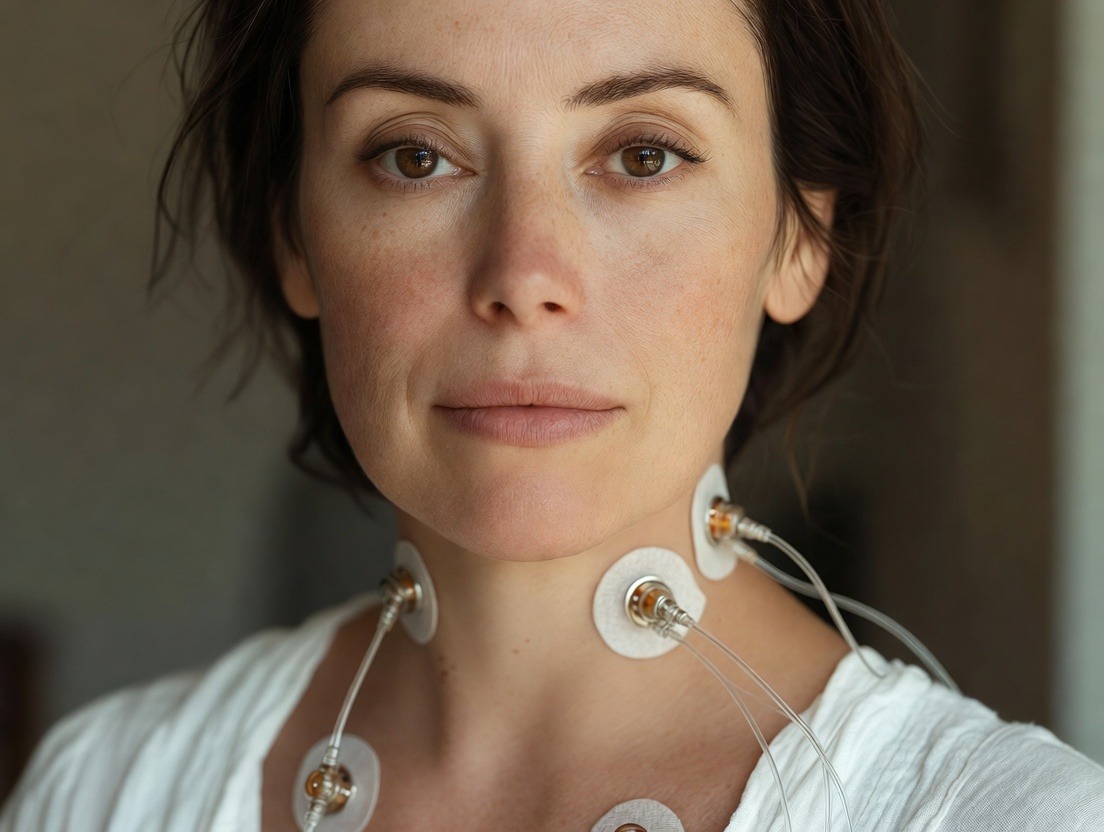
7 Restoration Wellness Tips to Reverse Daily Wear and Tear
Seven tips to restore wellness and reverse the effects of daily stress and strain.
7 Restoration Wellness Tips to Reverse Daily Wear and Tear
We live in an age of constant stimulation, relentless demands, and 24/7 connectivity. The quiet hum of chronic stress, the physical strain of poor posture, the mental fog from poor sleep—these aren't just inconveniences. They are forms of daily wear and tear, a slow, incremental depletion of our foundational health that accumulates like rust on a machine. We often ignore the subtle signals until they become a shout in the form of burnout, chronic pain, or illness.
But what if you could reverse that process? What if you could not just manage symptoms, but actively restore, rebuild, and replenish your body and mind each day? Welcome to the paradigm of Restoration Wellness. This isn't about drastic overhauls or punishing routines. It’s a strategic, science-backed, and compassionate approach to identifying the key areas of depletion in your life and applying targeted, restorative practices to heal from the inside out.
Enter the era of the smart wellness ring, a technology that shifts health monitoring from a reactive chore to a proactive, personalized dialogue with your own body. Devices like the Oxyzen smart ring move beyond simple step counting, offering profound insights into your nervous system, sleep quality, and recovery capacity—the very metrics that define wear and tear. To understand how deeply this technology can transform your approach, explore our blog on how health tracking technology has changed preventive medicine.
This article presents seven foundational restoration wellness tips. Each one is a pillar designed to counteract a specific form of daily attrition. We will move from the cellular level of sleep to the energetic level of social connection, providing actionable strategies that you can integrate seamlessly. These are supported not by anecdote alone, but by emerging science and the precise, personal data that modern wearables provide. Whether you’re a busy professional, a dedicated parent, or an athlete, these principles will help you shift from merely surviving your days to truly thriving within them.
Let’s begin the journey of turning wear and tear into repair and care.
Reclaim Deep, Restorative Sleep: Your Non-Negotiable Foundation
You cannot restore what you do not rest. Sleep is the cornerstone of restoration wellness, the time when your body performs critical repair work: clearing metabolic waste from the brain, repairing muscle tissue, consolidating memories, and regulating hormones like cortisol and growth hormone. Viewing sleep as merely "downtime" is a catastrophic mistake for long-term health. It is an active, essential, and productive state of being.
Yet, in our productivity-obsessed culture, sleep is often the first sacrifice. We wear our sleep deprivation like a badge of honor, unaware that we are accelerating every form of wear and tear. The consequences are vast: impaired cognitive function, a weakened immune system, increased inflammation, dysregulated appetite, and a heightened stress response. Chronic poor sleep doesn't just make you tired; it systematically breaks down your health.
The Modern Sleep Saboteurs & The Restoration Solution
The enemies of deep sleep are well-known but often unaddressed:
Blue Light Bombardment: Screens emit light that suppresses melatonin, the hormone that signals sleep onset.
Mental Clutter & Stress: An anxious, racing mind prevents the nervous system from shifting into the "rest and digest" parasympathetic state required for sleep.
Inconsistent Schedule: Erratic bed and wake times confuse your circadian rhythm, your body's internal clock.
Poor Sleep Environment: A room that's too warm, too bright, or too noisy disrupts sleep architecture.
Restoration Tip #1 is about moving from passive sleeping to active sleep hygiene. This begins with ritual.
Crafting Your Sleep Sanctuary Ritual:
Digital Sunset: Implement a strict 60-minute screen-free buffer before bed. This is non-negotiable. Replace scrolling with a physical book, gentle stretching, or listening to calming music or a podcast.
Temperature Tuning: The optimal temperature for sleep is between 60-67°F (15-19°C). A cool room facilitates the core body temperature drop necessary for sleep initiation.
Embrace Total Darkness: Invest in blackout curtains and eliminate all sources of light, however small. Consider a comfortable sleep mask.
The Wind-Down Hour: This is a conscious transition period. It could include:
Gentle Mobility: 10 minutes of light yoga or foam rolling.
Gratitude Journaling: Write down three things you are grateful for. This shifts mental focus from anxiety to appreciation.
Breathing Techniques: Practice the 4-7-8 method (inhale for 4, hold for 7, exhale for 8) to activate the parasympathetic nervous system.
How a Wellness Ring Transforms Sleep from Mystery to Mastery
This is where intuition meets data. You might think you slept poorly, but what does your physiology say? A smart wellness ring like Oxyzen provides an objective, granular analysis of your sleep that no subjective feeling can match.
Sleep Stages Breakdown: It tracks the duration and proportion of light, deep, and REM sleep. Are you getting enough deep sleep for physical restoration? Enough REM for cognitive and emotional processing?
Sleep Latency: How long does it actually take you to fall asleep? This data directly reflects the effectiveness of your wind-down ritual.
Restlessness & Awakenings: How many times did you wake up, even if you don't remember? This can point to environmental disruptions, diet, or stress.
Sleep Consistency: The ring tracks your bedtime and wake-time consistency, showing you a visual representation of your circadian rhythm stability.
By correlating your daily habits (e.g., "I had coffee after 2 PM" or "I did my wind-down ritual") with this sleep data, you move from guessing to knowing. You can see, in hard numbers, how your evening choices directly impact your restoration. This creates a powerful feedback loop that motivates positive change. For a deeper dive into how this technology personalizes your approach, read about how health tracking enables personalized wellness.
Sleep is the bedrock. With it solid, every other restoration effort becomes exponentially more effective.
Master Your Stress Response: From Reactive to Resilient
If sleep is the foundation of restoration, then chronic stress is the jackhammer relentlessly chipping away at it. Stress itself isn't the enemy—it's a primal, adaptive biological response. The problem is chronic activation. Our modern world of constant notifications, information overload, and perceived pressures keeps our sympathetic nervous system (the "fight or flight" system) idling in the high zone. This state floods the body with cortisol and adrenaline, which, over time, leads to systemic wear and tear: increased blood pressure, suppressed immunity, digestive issues, anxiety, and accelerated cellular aging.
Restoration Wellness Tip #2 isn't about eliminating stress—an impossible goal—but about fundamentally changing your relationship with it. The goal is to build stress resilience: the capacity to experience stress, respond effectively, and then efficiently return to a state of calm and recovery. It's about shortening the stress cycle.
The Physiology of the Stress Cycle & Completing It
A stress response is meant to be a cycle: Trigger → Reaction → Resolution → Restoration. We get stuck in the reaction phase. The key to resilience is to consciously facilitate resolution. This can be done through physical actions that signal safety to your ancient brain:
Physical Exertion: A brisk walk, a set of push-ups, dancing to a song. This utilizes the energy mobilized by the stress response.
Deep, Social Connection: A genuine hug, a heartfelt conversation with a friend. Connection releases oxytocin, a buffer against stress.
Creative Expression: Doodling, writing, playing an instrument. This provides an outlet for emotional energy.
Controlled Breathing: As mentioned, deep, slow breaths are a direct line to dialing down the sympathetic nervous system.
Building Your Daily Resilience Rituals
Resilience is a capacity built by daily practice, not summoned in a crisis. Integrate these micro-practices:
Morning Intention Setting: Before checking your phone, take 5 minutes to breathe and set a calm, positive intention for the day. This primes your nervous system for stability.
Scheduled "Worry Time": If anxious thoughts spiral, contain them. Schedule 15 minutes in the afternoon to write down all your worries and potential solutions. When they pop up at other times, remind yourself, "I have a time for that."
Nature Micro-Doses: Multiple studies show that even brief exposure to nature (a walk in a park, tending plants) lowers cortisol. Aim for 20 minutes daily.
The Power of the Pause: Before reacting to a stressful email or demand, institute a mandatory 60-second pause. Breathe. This simple gap disrupts the automatic stress reaction.
Quantifying Calm: Using Your Ring to Measure Recovery
This is perhaps the most revolutionary application of a wellness ring. Devices like Oxyzen track Heart Rate Variability (HRV)—the holy grail metric for stress and recovery.
HRV measures the subtle variations in time between each heartbeat. A higher, less variable HRV generally indicates a strong, resilient nervous system that can adapt flexibly to stress. A low, stagnant HRV suggests a nervous system stuck in a stressed or fatigued state.
By monitoring your HRV trends, you can:
Identify Hidden Stressors: See a dip in HRV after a difficult meeting, a poor night's sleep, or even a certain food, revealing triggers you weren't consciously aware of.
Gauge Recovery Readiness: Your HRV score in the morning is a fantastic indicator of whether your body has recovered and is ready for physical or mental challenge, or if it needs a gentler, more restorative day.
Validate Your Practices: See your HRV improve as you consistently meditate, practice breathing, or spend time in nature. This turns abstract wellness concepts into concrete, motivating data.
Understanding the science behind this can be fascinating; learn about the sensors and AI that make this possible. By pairing the subjective experience of stress with the objective data of HRV, you gain unparalleled insight into your inner landscape, allowing you to intervene with precision and build true, measurable resilience.
Optimize Movement for Recovery, Not Just Burnout
The fitness industry often glorifies "no pain, no gain" and celebrates maximum exertion. But in the context of daily wear and tear, more is not always better. In fact, chronic, intense exercise without adequate recovery is a primary source of physical wear and tear. It creates systemic inflammation, taxes the adrenal system, and can lead to injury and burnout.
Restoration Wellness Tip #3 reframes movement. Its primary goal is to support circulation, lymphatic drainage, joint health, and nervous system regulation—not just to burn calories or build muscle. It’s about integrating movement that repairs the body.
The Pillars of Restorative Movement:
Non-Exercise Activity Thermogenesis (NEAT): This is the energy you burn from everything that isn't sleeping, eating, or sports-like exercise. It includes walking, standing, gardening, and fidgeting. High NEAT is powerfully correlated with longevity and metabolic health. Counteract sedentary wear and tear by aiming for 250+ steps per hour during waking hours and taking 5-minute "movement snacks" every 90 minutes.
Mobility & Myofascial Release: This addresses the physical stiffness and "knots" that accumulate from sitting and repetitive stress. It involves:
Dynamic Stretching: Gentle, movement-based stretches to warm up the body (e.g., cat-cow, leg swings).
Foam Rolling & Self-Massage: Applying pressure to tender areas (trigger points) in muscles to release tension and improve tissue quality.
Low-Intensity Steady State (LISS) Cardio: Activities like brisk walking, easy cycling, or swimming that elevate your heart rate to a level where you can comfortably hold a conversation. This type of movement boosts circulation and recovery without the inflammatory stress of high-intensity work.
Functional Strength Training: Focus on movements that mirror real-life patterns (squatting, hinging, pushing, pulling, carrying) with a focus on control and joint integrity, not maximum load.
Listen to Your Body: The Art of Adaptive Training
A rigid workout schedule ignores your body's daily fluctuations in energy, recovery, and stress. A restoration-focused approach is adaptive.
High-Readiness Days: (Indicated by good sleep, high HRV, high energy) → Engage in more intense or challenging workouts.
Low-Readiness Days: (Indicated by poor sleep, low HRV, fatigue) → Prioritize LISS cardio, mobility, gentle yoga, or complete rest.
Your Ring as a Recovery Coach
A smart wellness ring provides the data you need to practice adaptive movement intelligently.
Activity & Readiness Scores: By synthesizing data from sleep, HRV, and previous activity, the ring provides a daily "Readiness" or "Recovery" score. This is your objective guide for how hard to push. Ignoring a low score and pushing through is a recipe for accelerated wear and tear.
Resting Heart Rate (RHR) Trends: Your RHR typically drops as your cardiovascular fitness improves. A sustained elevation in your RHR can be an early sign of overtraining, illness, or excessive stress, signaling a need for more recovery-focused movement.
Active Zone Minutes: The ring can track how much time you spend in different heart rate zones. This helps ensure you're getting enough gentle, restorative zone 2 work alongside any higher-intensity efforts.
This data-driven approach prevents you from flying blind. Instead of following a generic plan, you follow a plan written in real-time by your own physiology. For those new to this concept, our guide on how a wellness ring helps build healthy habits is an essential read. Movement should be a tool for repair. By aligning your activity with your body's true needs, you transform exercise from a source of strain into a pillar of restoration.
Nourish for Cellular Repair: Food as Information
Every bite of food is more than calories; it's information that instructs your cells, modulates inflammation, and builds—or breaks down—your physical structure. The standard modern diet, high in processed foods, refined sugars, and industrial seed oils, is pro-inflammatory. It sends signals of stress and danger, contributing directly to cellular wear and tear, oxidative damage, and gut dysfunction.
Restoration Wellness Tip #4 shifts the focus from restrictive dieting to strategic nourishment. The goal is to provide the raw materials your body needs to repair tissues, produce energy efficiently, and quell inflammation.
The Principles of Restorative Nutrition:
Prioritize Protein: Protein provides the amino acids that are the literal building blocks for repairing muscle, skin, enzymes, and hormones. Aim for a consistent, adequate intake throughout the day (target ~0.7-1g per pound of ideal body weight, spread across meals).
Embrace Antioxidant-Rich Plants: Colorful vegetables and fruits are packed with phytonutrients and antioxidants that combat oxidative stress—a key driver of cellular aging. Think of each color representing a different family of protective compounds.
Choose High-Quality Fats: Your brain and cell membranes are made of fat. Prioritize anti-inflammatory fats like those in avocados, olive oil, nuts, seeds, and fatty fish (rich in omega-3s EPA and DHA). Reduce intake of processed vegetable oils (soybean, corn, canola).
Feed Your Microbiome: The gut is ground zero for immune function and inflammation. Nourish your beneficial gut bacteria with prebiotic fibers (found in onions, garlic, asparagus, oats) and probiotic fermented foods (like yogurt, kefir, sauerkraut, kimchi).
Time Your Fuel: Consider aligning your eating pattern with your circadian rhythm. This often means a larger, nutrient-dense breakfast and lunch, and a lighter, earlier dinner to allow for proper digestion before sleep.
Hydration: The Overlooked Elixir of Repair
Water is the medium in which every cellular repair process occurs. Chronic, low-grade dehydration impairs cognitive function, reduces physical performance, makes joints ache, and can be mistaken for hunger. The goal is consistent, clear, pale-yellow urine.
Start Your Day: Drink 16-20 oz of water upon waking to rehydrate after a night of fasting and breathing.
Sip Consistently: Carry a water bottle and sip throughout the day. Don't wait until you're thirsty.
Electrolyte Balance: If you sweat a lot or drink excessive amounts of plain water, add a pinch of high-quality salt to your water or use an electrolyte supplement to maintain proper mineral balance.
Using Your Ring to Decode Your Body's Nutritional Signals
Your body's response to food is unique. A wellness ring provides subtle feedback on how your nutrition choices are affecting your internal state.
Sleep Quality Correlation: Did that late, heavy meal or glass of wine disrupt your deep sleep? The ring's sleep data can reveal these patterns, encouraging you to experiment with earlier or lighter dinners.
HRV & RHR Response: Notice how your HRV and Resting Heart Rate look the morning after a day of clean, whole-food eating versus a day of processed foods. Often, the difference is stark and motivating.
Energy Level Tracking: While subjective, you can note your perceived energy in the app and correlate it with your food log. Do you crash after a high-sugar lunch? Does a balanced protein/fat/veg meal give you sustained focus?
This biofeedback turns nutrition from a set of abstract rules into a personal experiment in optimization. You become the scientist, your body the lab, and the ring provides the data. For more on how this integrated approach works, see our article on wellness ring basics for supporting different health goals. By eating to reduce inflammation and provide repair materials, you use food as your most powerful daily medicine.
Cultivate Mindful Awareness: The Antidote to Mental Fragmentation
Our minds are under a unique form of wear and tear in the digital age: cognitive overload and attentional fragmentation. The constant switching between tasks, the barrage of notifications, and the pressure to be "always on" erode our capacity for deep focus, increase mental fatigue, and make us reactive rather than responsive. This state, sometimes called "monkey mind," is inherently stressful and prevents the mental clarity needed for true restoration.
Restoration Wellness Tip #5 is about training your attention. Mindful awareness is the practice of purposely focusing your attention on the present moment—without judgment. It’s a mental reprieve from the chaos, a way to defragment your mind and strengthen your "attention muscle." This isn't about emptying your mind, but about observing your thoughts and feelings from a slight distance, reducing their power to hijack your nervous system.
The Science of a Present Mind
Regular mindfulness practice has been shown to:
Reduce activity in the amygdala, the brain's fear center, lowering baseline anxiety.
Increase gray matter density in the prefrontal cortex, the area responsible for executive function, decision-making, and emotional regulation.
Lower cortisol levels and systemic inflammation.
Improve focus and working memory capacity.
Practical Pathways to Presence (Beyond Meditation Cushion)
While formal meditation is powerful, mindfulness can be woven into the fabric of your day.
Micro-Meditations: Set 3-5 alarms throughout the day. When one goes off, stop for 60 seconds. Notice your breath. Feel your feet on the floor. Observe your surroundings with fresh eyes. This is a system reset.
Single-Tasking: Choose one routine activity per day to do with full attention. It could be washing dishes, drinking your coffee, or taking a shower. Engage all your senses. When your mind wanders (it will), gently guide it back to the sensations of the task.
Mindful Walking: Leave your phone behind. Walk at a natural pace. Feel the rhythm of your steps, the air on your skin, the sights and sounds around you. It's a moving meditation.
The Pause Between Stimulus and Response: This is the essence of emotional restoration. When a triggering event occurs, before you react, create a conscious pause. In that pause, take one deep breath. This tiny space is where your freedom and choice reside.
Measuring the Unmeasurable? How Technology Supports Mindfulness
You might wonder: can a ring track mindfulness? Not directly. But it can track the profound physiological correlates of a calm, present mind.
HRV as a Mindfulness Meter: As you cultivate a more present, less reactive state, you will likely see a positive trend in your HRV. A regular meditation practice is one of the most reliable ways to increase HRV over time.
Stress Score Trends: Many rings compile data (like heart rate, sleep, activity) into a daily "Stress" score. As you integrate mindful practices, watch for a decrease in your average daily stress score and more time spent in "rest" states.
Sleep Onset Latency: A racing mind is the enemy of sleep. If your mindfulness practice is effective, you may see a reduction in the time it takes you to fall asleep, as measured by your ring.
The ring provides the tangible, physiological proof that your mental practice is creating real, systemic change. It closes the loop, showing you that calming your mind truly calms your body. To explore how this holistic data comes together, our blog on the science behind modern health tracking offers a detailed explanation. By training your attention, you repair the mental fragmentation of modern life and build a foundation of inner calm.
Foster Meaningful Connection: Healing the Loneliness Epidemic
Human beings are wired for connection. Our nervous systems co-regulate—meaning a calm, present person can help soothe an anxious one simply through proximity and attunement. Conversely, chronic loneliness and social isolation are not just feelings; they are significant health risks, linked to increased inflammation, higher rates of heart disease, cognitive decline, and a mortality risk comparable to smoking. In our hyper-connected online world, we are experiencing a pandemic of disconnection, a profound form of social and emotional wear and tear.
Restoration Wellness Tip #6 addresses this directly. It’s about prioritizing high-quality, nourishing social connections that provide a sense of safety, belonging, and mutual support. This is biohacking at its most primal: using relationship as a tool for nervous system regulation and healing.
The Anatomy of a Restorative Connection
Not all social interaction is equal. A draining obligatory party is not restorative. Seek and cultivate connections that feature:
Authenticity & Vulnerability: The ability to be your true self, share struggles, and feel accepted.
Active, Empathic Listening: Conversations where you feel truly heard and seen, not just waiting for your turn to talk.
Physical Touch (When Welcome & Appropriate): A hug, a pat on the back, or simply sitting close. Positive touch releases oxytocin and lowers cortisol.
Intentional Practices for Deeper Connection:
Quality Over Quantity: It's better to have one or two deeply fulfilling conversations per week than dozens of superficial ones. Schedule "connection appointments" with important people in your life.
Digital Boundaries for Real-World Connection: Designate phone-free zones and times (e.g., meals, the first hour after work) to be fully available to those physically with you.
Practice Gratitude for People: Tell people what you appreciate about them. Be specific. This strengthens bonds and shifts your own focus to positivity.
Join a Tribe: Find a group aligned with an interest, hobby, or value you hold dear—a book club, a running group, a volunteer organization, or a class. Shared purpose fosters powerful bonds.
The Physiological Impact: Can You Measure Connection?
While a ring can't track your conversations, it can, remarkably, track the downstream effects of healthy social bonds on your biology.
Improved Sleep Metrics: Feeling safe and socially supported is one of the most powerful promoters of deep, restorative sleep. You may see improvements in sleep efficiency and deep sleep duration after positive social engagements.
HRV Enhancement: Just as stress lowers HRV, feelings of safety, love, and connection can elevate it. Observe your daily HRV and see if it trends higher on days with meaningful positive interaction.
Lowered Resting Heart Rate: Chronic loneliness can keep your nervous system on alert, elevating your RHR. Consistent, quality social support can contribute to a lower, healthier resting heart rate.
Your wellness data can serve as a powerful reminder to prioritize your social health. If you see a period of declining recovery metrics and realize you've been isolated, it's a data-driven prompt to reach out and connect. For stories of how others have integrated technology into their holistic health journey, you can find inspiration in real customer reviews and testimonials. Relationships are not a luxury; they are a biological necessity for complete restoration.
Embrace Strategic Rest: The Power of Doing Nothing
Our final tip confronts the deepest cultural programming of all: the glorification of busyness. We have been conditioned to believe that our worth is tied to our productivity, that every moment must be optimized. This leads to a profound neglect of deliberate, guilt-free rest. We confuse laziness with strategic recovery. But just as intense training breaks down muscle, intense cognitive and emotional work breaks down your mental and energetic reserves. Without planned rest, you operate on a deficit.
Restoration Wellness Tip #7 is the conscious, scheduled practice of doing nothing with purpose. This isn't passive collapse from exhaustion (which is a sign you've gone too far). It's the proactive integration of restful periods into your life to prevent exhaustion and enhance creativity, clarity, and overall performance.
The Spectrum of Strategic Rest (Beyond Sleep):
Sensory Rest: Reducing sensory input. This can be quiet time in a dim room, a walk in nature without headphones, or a digital detox.
Mental Rest: Allowing your default mode network (the "daydreaming" network) to activate. This is when your brain makes novel connections and solves problems subconsciously. Activities include staring out a window, doodling, or taking a shower.
Emotional Rest: The freedom to be authentic without performing or managing others' emotions. This might mean time alone where you don't have to "be on," or time with a truly accepting friend.
Social Rest: Time away from people, especially if you're an introvert or in a caregiving role. Solitude is restorative for the nervous system.
Physical Rest: This includes both passive rest (sleep, napping) and active rest (gentle stretching, yoga nidra, massage).
Implementing a Rest Ritual:
Schedule "White Space": Literally block out non-negotiable, unstructured time in your calendar. Guard it as fiercely as you would an important meeting.
The Power of the Micro-Break: Every 90 minutes during focused work, take a 5-10 minute break. Get away from your screen. Look at something distant, stretch, make a tea. This prevents cognitive fatigue buildup.
Designate a "Sabbath": Whether for a full day or a half-day each week, commit to a period where you do no "productive" work. Engage in activities that are purely for joy, connection, or relaxation.
Learn the Art of the Nap: A 10-20 minute power nap (before 3 PM) can dramatically improve alertness and performance without causing sleep inertia.
Letting Your Data Guide You to Rest
A wellness ring is the ultimate tool for validating and guiding your rest practice. It provides objective evidence that rest is working.
The Readiness Score is Your Permission Slip: A low readiness score isn't a failure; it's an instruction manual. It's your body's data-driven request for a rest-focused day. Heeding it is the practice of strategic rest.
Tracking the Impact of Rest Days: After a true day of strategic rest (not just inactivity, but deliberate relaxation), observe your sleep data and next-morning readiness score. You will often see a significant "rebound" effect, proving the value of the down day.
Monitoring Stress During Rest: Even on your rest day, check your stress score. Are you truly relaxed, or is your mind still racing? This feedback can help you refine what "rest" actually means for you.
In a world that pulls you toward constant doing, strategic rest is a rebellious act of self-preservation and optimization. It is the final, critical step in the restoration cycle, allowing all the other practices to integrate and bear fruit. To see how the future of wearables will further enhance this personalized recovery insight, take a look at our thoughts on health tracking technology in 2025 and what's possible. By mastering rest, you complete the circle of restoration, ensuring you are not just refilling your cup, but deepening the cup itself.
Having established the seven foundational pillars of Restoration Wellness, we now turn to the art and science of integration. Knowledge alone is not power; applied knowledge is. The true transformation occurs when these discrete tips merge into a synergistic daily practice, a personalized rhythm that becomes as natural as breathing. This next section is dedicated to building your unique Restoration Protocol, moving from theory to sustainable, graceful execution.
We will explore how to sequence your day for optimal energy, how to listen to and interpret the subtle language of your body's data, and how to navigate the inevitable obstacles that life presents. Furthermore, we will examine the critical role of environment design and the long-term vision of restorative aging. The goal is to equip you not with a rigid checklist, but with a flexible, intelligent framework for lifelong repair and vitality.
Designing Your Personal Restoration Protocol: The Daily Blueprint
A protocol is more than a routine; it's a thoughtfully architected sequence of actions designed to produce a specific outcome—in this case, daily restoration. Without structure, even the best intentions get lost in the chaos of the day. Your Restoration Protocol acts as a scaffolding, ensuring your foundational habits are honored. It is built around your unique chronotype, responsibilities, and energy patterns, not against them.
The Three-Act Structure: Aligning with Your Biology
Human biology follows natural rhythms, most importantly the circadian rhythm. An effective protocol aligns your activities with these ebbs and flows.
Act I: The Restoration Morning (6 AM - 12 PM) – For Foundation & Focus This act is about setting the tone for the day from a place of calm and intention, not reaction.
Upon Waking: Do not check your phone for at least 30 minutes. This is your most sacred rule. Begin with hydration (16-20 oz of water), then step outside for 2-5 minutes of natural morning light. This light exposure is the most powerful signal to reset your circadian clock, boosting mood and alertness.
Check Your Data: Now, consult your wellness ring's app. Review your Sleep Score, HRV, and Readiness Score. This isn't a judgment; it's information. Let it guide your day. A high readiness score means it's a day for challenge and focused work. A low score signals a need for gentleness and recovery-focused activities.
Mindful Movement & Nourishment: Engage in 10-20 minutes of movement based on your readiness. This could be dynamic stretching, a brisk walk, or, if your data supports it, more intense training. Follow with a breakfast rich in protein, healthy fats, and fiber to provide stable energy.
Deep Work Block: Schedule your most cognitively demanding tasks for the late morning, when most people's focus and willpower are at their peak.
Act II: The Sustained Afternoon (12 PM - 6 PM) – For Connection & Reset This act navigates the natural post-lunch dip in energy and maintains momentum.
Strategic Nutrition: Opt for a lunch that balances protein, complex carbs, and vegetables to avoid a massive energy crash. Consider a shorter, lighter lunch than breakfast.
The Movement Snack & Digital Reset: Combat the 2-3 PM slump with a 10-minute "movement snack"—a walk, some light stretches, or foam rolling. This is also an ideal time for a digital micro-detox: close all tabs and apps not essential for your next task. It clears mental clutter.
Social or Collaborative Work: Schedule meetings, collaborative sessions, or meaningful social connections for the afternoon. Social interaction can provide an energy lift during this lower-focus period.
Wind-Down Transition: Begin the shift into evening restoration 60-90 minutes before your workday officially ends. Tidy your workspace, plan the next day, and finish with a ritual like a brief meditation or reviewing your wins for the day.
Act III: The Restorative Evening (6 PM - 10 PM) – For Recovery & Replenishment This act is dedicated to decelerating and priming the body for deep restoration.
Digital Sunset & Light Management: As outlined in Tip #1, this is non-negotiable. Use blue-light blocking features on devices and dim overhead lights. Candlelight or salt lamps are excellent for evening ambiance.
Nourishing, Lighter Dinner: Aim to finish eating 2-3 hours before bed. Focus on easily digestible foods: lean proteins, cooked vegetables, maybe some complex carbs if you have an early workout planned for the next morning.
Connection & Unwinding: Spend quality, device-free time with loved ones, or enjoy a solo relaxing hobby. This is the time for Tip #6 (Meaningful Connection) and Tip #7 (Strategic Rest).
The Sleep Sanctuary Ritual: Execute your personalized wind-down sequence—whether it's reading, gentle yoga, gratitude journaling, or a warm bath. Consistency here is what trains your brain to release melatonin.
Your Ring as the Protocol Conductor
A smart ring isn't just a data source; it's the feedback mechanism that allows your protocol to be dynamic. Use its trends to answer key questions:
Is my morning light exposure sufficient? Look for improvements in sleep timing and morning alertness.
Does my workout timing affect my sleep? Compare nights after evening workouts to nights without.
Is my wind-down ritual long enough? Monitor your sleep onset latency.
By following this three-act structure and using your data for weekly reviews, you create a self-reinforcing cycle of wellness. For a practical guide on getting started with such a device, our resource on wellness ring basics for beginners is an excellent starting point.
Interpreting Your Body's Data: From Numbers to Narrative
The data from a wellness ring—HRV, RHR, sleep stages, readiness scores—can initially feel like a foreign language. The mastery of Restoration Wellness involves becoming fluent in this language, translating cold numbers into a coherent story about your body's state. This skill transforms you from a passive data collector to an active participant in your health.
Key Metrics and Their Deeper Meaning:
Heart Rate Variability (HRV): The Whisper of Your Nervous System
The Number: A higher HRV (within your personal baseline range) generally indicates good recovery, adaptability, and resilience. A lower HRV suggests stress, fatigue, or incomplete recovery.
The Narrative: Think of HRV as your body's "buffer zone" against stress. A high HRV means you have a wide, flexible lane to handle life's stressors without crashing. A low HRV means your lane is narrow; even a small stressor can push you into the guardrail. The trend is more important than any single day's number. Is your 7-day average climbing? That's a story of improving resilience. Is it steadily dropping? That's a story of accumulating strain, prompting you to investigate your sleep, stress, or training load.
Resting Heart Rate (RHR): The Idle Speed of Your Engine
The Number: A lower RHR (typically 50-70 bpm for healthy adults) often indicates good cardiovascular fitness and efficient autonomic function. A sudden, sustained increase of 5-10 bpm above your baseline can be a red flag.
The Narrative: Your RHR is like the background hum of your system. A steady, low hum is efficient. A raised hum suggests your engine is working harder just to keep idle—often due to dehydration, illness, overtraining, or high stress. Monitoring RHR alongside HRV gives a fuller picture: low HRV + high RHR is a classic sign your body is shouting for rest.
Sleep Stages: The Architecture of Restoration
The Numbers: The duration and percentage of Light, Deep, and REM sleep.
The Narrative:
Deep Sleep (Slow-Wave Sleep): This is your physical restoration phase. If this is consistently low, your body isn't getting enough time for tissue repair, growth hormone release, and immune system strengthening. Look at factors like evening alcohol consumption, late eating, or an inconsistent schedule.
REM Sleep: This is your mental and emotional restoration phase, crucial for memory consolidation and emotional processing. Low REM can correlate with high stress, certain medications, or sleep fragmentation.
The Balance: A good night's story shows adequate time in both deep and REM, with a normal amount of light sleep bridging the cycles.
Creating Your Personal Baseline & Spotting Meaningful Deviations
The most critical step is to establish your normal. Wear your ring consistently for 2-4 weeks without overly changing your habits. This establishes your unique baseline for HRV, RHR, and sleep.
Once you have a baseline, you can spot meaningful deviations. The rule of thumb is to look for sustained changes (3+ days) or extreme single-day outliers that correlate with life events.
Example Narrative: *"My HRV dropped 15% and my RHR spiked by 8 bpm for three days. I see that this coincided with that stressful work deadline. My sleep deep sleep was also lower. This confirms the project was a significant systemic stressor, and I now know I need 2-3 days of deliberate recovery afterwards."*
This process of creating narratives empowers you. For a deeper understanding of the technology that makes this precision possible, explain the accuracy revolution in health tracking. Data stops being confusing and starts being your most trusted advisor, guiding your daily decisions in the Restoration Protocol.
Navigating Obstacles & Maintaining Consistency: The Real-World Guide
Even with the perfect protocol and data fluency, life happens. Travel, illness, social events, and work crises will disrupt your plans. The mark of a sustainable practice is not perfection, but resilience—the ability to adapt and return to center without self-recrimination. This section provides strategies for navigating common derailers.
Obstacle 1: Travel & Time Zone Changes
Strategy: Use your ring's data to manage jet lag proactively.
Pre-Travel: In the days before an eastward trip, try to go to bed and wake up 30-60 minutes earlier each day.
Light as Medicine: Upon arrival, seek morning sunlight to reset your clock. If you've flown west, seek afternoon light.
Hydration & Movement: Prioritize water over alcohol and caffeine on the flight. Do gentle mobility exercises and walk frequently.
Be Patient: Let your ring data show you when your body has truly adjusted. Don't expect to perform at your peak for the first 1-3 days.
Obstacle 2: Social Events & Late Nights
Strategy: Apply the 80/20 rule and strategic buffering.
The 80/20 Mindset: If you are consistent 80% of the time, the 20% for social enjoyment will have minimal negative impact. Enjoy the event fully, without guilt.
Buffer Days: Before and after a big event, consciously make your other protocol pillars stronger. Prioritize sleep, nutrition, and hydration on the surrounding days. This "buffers" the stress of the deviation.
Smart Choices At the Event: Alternate alcoholic drinks with glasses of water. Prioritize protein and veggie options from the menu. You can still connect and have fun without completely abandoning nourishment.
Obstacle 3: Illness or Injury
Strategy: Listen acutely and shift your protocol's goal from "performance" to "healing."
Your Data is Your Guide: A significant drop in HRV and rise in RHR is often the first sign of an oncoming illness, even before symptoms. Heed this warning and pull back immediately.
Rest is the Protocol: When sick or injured, strategic rest (Tip #7) becomes your entire job. Sleep, hydrate, and nourish with simple, anti-inflammatory foods.
Mindful Movement: Replace workouts with extreme gentleness—perhaps only breathing exercises or very short, easy walks if your body allows. The goal is circulation, not exertion.
Obstacle 4: Motivation Dips & "Falling Off the Wagon"
Strategy: Redefine consistency and use your data for motivation.
The "Non-Zero Day" Principle: A non-zero day is any day where you do something, however small, toward your restoration. Did you only have time for 5 minutes of deep breathing instead of a 20-minute meditation? That's a win. Did you at least get your morning sunlight? That's a win. This prevents the "all-or-nothing" collapse.
Data as a Motivational Spark: Look back at your trends from when you were consistent. See how good your sleep scores were? How high your HRV climbed? That visual proof of feeling better can be a powerful pull to re-engage.
Simplify: When motivation is low, return to the absolute basics: Morning Light, Hydration, 7+ Hours in Bed, and a Protein-Rich Breakfast. Nail these four, and you've covered 80% of the foundation.
Remember, the path of restoration is a spiral, not a straight line. You will circle back to challenges, but from a higher level of understanding each time. For support and answers during these times, our comprehensive FAQ page is a valuable resource. Consistency is built on self-compassion and intelligent adaptation, not rigid perfection.
Optimizing Your Environment for Automatic Restoration
Your willpower is a finite resource. The most effective way to maintain your Restoration Protocol is to design your environment so that the healthy choice is the easy choice, and the depleting choice requires conscious effort. This is the concept of choice architecture, and it applies powerfully to your physical and digital spaces.
Your Physical Home & Workspace:
For Sleep: Make your bedroom a cave. Install blackout curtains, remove or cover all electronic lights, and use a white noise machine if needed. Your bed should be for sleep and intimacy only—not work or scrolling.
For Nutrition: Practice "out of sight, out of mind" in reverse. Keep a fruit bowl on the counter. Pre-cut vegetables and store them at eye level in the fridge. Keep unhealthy snacks in an opaque container in a hard-to-reach cupboard, or don't buy them at all.
For Movement: Place exercise equipment (yoga mat, resistance bands, dumbbells) where you will literally trip over them. Set up a standing or walking desk option if possible. Have comfortable walking shoes by the door.
For Relaxation: Create a "rest nook"—a specific chair with a cozy blanket and a stack of real books, away from the TV. This physically anchors your strategic rest practice.
Your Digital Environment:
Notifications: Turn off all non-essential notifications. Your phone should not be a slot machine. Batch-check email and messages at designated times, not as they arrive.
App Layout: Move time-sinking social media and entertainment apps off your home screen and into folders. Move useful apps like your meditation timer, hydration tracker, and your wellness ring app front and center.
Browser Hygiene: Use browser extensions that block distracting sites during your deep work blocks. Keep your desktop and browser tabs clean and organized to reduce cognitive clutter.
Charging Station: Do not charge your phone in your bedroom. Charge it in the kitchen or living room. This single change fortifies your digital sunset and improves sleep hygiene dramatically.
Your Social Environment:
Communicate Your Needs: Gently let key people in your life know about your new priorities. "I'm trying to be better about my sleep, so I won't be responding to texts after 9 PM." Or, "I'd love to catch up—how about a walk instead of coffee and pastries?"
Curate Your Inputs: Unfollow social media accounts that make you feel anxious, inadequate, or restless. Follow accounts that inspire your wellness journey, share science, or promote calm. Your digital feed is part of your mental diet.
By shaping your environment, you reduce the daily decision fatigue associated with healthy living. Your surroundings become silent allies in your restoration journey. To see how the design of the technology itself can support this seamless integration, learn about the materials and hypoallergenic options available in modern wellness rings.
The Long Game: Restoration as a Strategy for Healthy Aging
Ultimately, Restoration Wellness is not a 30-day challenge. It is a lifelong philosophy, a proactive strategy for what experts now call "healthspan"—the number of years we live in good health, free from chronic disease and disability. The daily wear and tear we have discussed is, at a cellular level, the driver of aging. By actively countering it each day, we are not just improving our present quality of life; we are investing directly in our future vitality.
The Science of Slowing Cellular Aging:
The practices embedded in our seven tips directly influence the hallmarks of aging:
Sleep & Stress Management: Reduce chronic inflammation and support DNA repair mechanisms.
Nutrition & Movement: Improve mitochondrial function (the energy powerhouses of your cells) and stimulate autophagy, the cellular "clean-up" process that removes damaged components.
Mindfulness & Connection: Buffer against telomere shortening (the protective caps on chromosomes that erode with age and stress).
Your Wellness Ring as a Longitudinal Health Diary
This is where the true power of continuous monitoring shines. A wellness ring becomes a multi-year diary of your physiology.
Establishing a Health Baseline: Your data in your 30s, 40s, or 50s becomes a priceless baseline for comparison in later years.
Early Detection of Deviations: Long-term trends are more valuable to you and your doctor than a single annual check-up. A gradual, sustained creep in your resting heart rate or a decline in your deep sleep percentage over months could be an early indicator of a developing issue, allowing for proactive intervention.
Motivation Through Macro-Trends: Watching your HRV trend upward over a year, or seeing your sleep remain stable despite life's stresses, provides profound motivation. It's concrete evidence that your daily practices are compounding into long-term health capital.
Shifting from Crisis Care to Continuous Care
The traditional healthcare model is reactive: you feel sick, you go to the doctor. Restoration Wellness, empowered by personal data, fosters a model of continuous care. You are constantly gathering information, making small adjustments, and partnering with healthcare providers from a place of knowledge. You can bring graphs of your sleep data or HRV trends to appointments, providing context no questionnaire can match. To see how this is changing the landscape, read about how doctors are finding this data useful.
Playing the long game means celebrating consistency over intensity. It means recognizing that a single poor night's sleep or a stressful week is a blip in a decades-long chart of overall well-being. Your focus shifts from daily weight fluctuations to yearly improvements in recovery metrics and sustained energy. For a comprehensive look at this long-term approach, our article on 50 healthy aging tips a smart ring helps implement daily is a perfect companion to this philosophy.
By embracing restoration as a lifelong practice, you redefine aging not as a passive process of decline, but as an active journey of sustained vitality and resilience.
We have journeyed from understanding the seven core pillars of restoration to building a practical, adaptable protocol for daily life. Now, we arrive at the summit: the integration of mastery. This final section is about transcending the checklist and embodying Restoration Wellness as a living philosophy. We will explore the nuanced dance between data-driven insight and innate bodily intuition, the power of community in sustaining change, and a vision for a fully realized lifestyle where repair and vitality are not tasks, but the default state of being.
This is where knowledge crystallizes into wisdom, and practice becomes second nature.
The Synergy of Data and Intuition: Becoming Your Own Best Expert
In our data-rich world, there’s a temptation to outsource our health awareness entirely to devices. The true mastery of Restoration Wellness lies not in slavishly following metrics, but in cultivating a dialogue between the objective numbers and your subjective, lived experience—your intuition. Your smart ring provides the "what"; your cultivated awareness provides the "why." Together, they form an unbeatable partnership.
Listening to Your Body's Language (Beyond the Dashboard)
Your body is constantly communicating through sensations, often before a metric noticeably shifts. Learning this language is key.
Energy: Is it a steady, calm energy or a jittery, caffeine-like buzz? The latter might show a decent HRV but indicates sympathetic nervous system overload.
Mood & Mental State: Do you feel irritable, anxious, or mentally foggy? This subjective feeling can be a precursor to a dip in recovery metrics.
Physical Sensations: Are your muscles peculiarly heavy or sore? Do you feel a slight scratch in your throat? This bodily "whisper" often precedes the "shout" of a plummeting HRV or spiking RHR.
Cravings: Are you craving salt, sugar, or stimulants? This can be a signal of adrenal fatigue, poor sleep, or dehydration, not just a lack of willpower.
The Art of Cross-Referencing
The expert practitioner constantly cross-references:
Check the Data: You wake up feeling inexplicably drained. You check your Oxyzen app and see your deep sleep was severely fragmented and your HRV is 25% below your baseline.
Consult Your Intuition: You reflect: "I also felt a bit anxious yesterday afternoon and had a tight jaw. I pushed through a hard workout even though I felt hesitant."
Form the Narrative: The data confirms your intuition. The story isn't "I'm lazy today," but "My system is under-recovered from combined mental and physical stress."
Take Informed Action: Instead of forcing a workout, you swap it for a gentle walk, prioritize hydration, and schedule an earlier wind-down. You respond to the true need.
When Data and Intuition Seem to Conflict
This is where deep learning occurs.
Scenario: Your readiness score is high, but you feel fatigued and low-energy.
Investigation: Did you sleep well but are emotionally drained from a difficult conversation? Is your nutrition on point but you're dehydrated? The high score might reflect good physical recovery, but your intuition is picking up on a separate emotional or psychological depletion. The action is still to honor the fatigue, perhaps with mindful rest or connection, not intense exercise.
Scenario: You feel great, energetic, and strong, but your HRV is lower than usual.
Investigation: Are you coming down with a minor bug your body is fighting off invisibly? Did you have alcohol, which can artificially depress HRV even if you feel fine? The data here is a precautionary signal to maybe take the workout a notch easier than your feelings suggest, to avoid pushing into illness or overtraining.
This dialogue fosters self-trust. You are no longer a passenger in your body, but a skilled pilot using both the instrument panel and the view out the windshield. For those interested in the future of this human-tech partnership, our exploration of the future of wearable health tech offers a compelling vision.
Building a Restoration-Focused Community: The Power of Shared Intent
While the journey is personal, it need not be solitary. We are profoundly influenced by the people around us. Building or finding a community oriented around restoration creates a powerful ecosystem of support, accountability, and shared learning. This amplifies the impact of Tip #6 (Meaningful Connection) and turns individual practice into a collective culture.
The Benefits of a "Restoration Tribe":
Normalization: It normalizes prioritizing sleep, managing stress, and setting boundaries. When your friends suggest a morning hike instead of a late-night bar crawl, the healthy choice becomes the social choice.
Accountability with Compassion: Sharing your goals with a like-minded group creates gentle accountability. A simple "How did your wind-down ritual work last night?" from a friend is more motivating than any app notification.
Knowledge Sharing: Communities are hubs of shared tips, recipes, book recommendations, and insights. Someone might share a breathing technique or a way to interpret a specific data trend that you hadn't considered.
Collective Motivation: Seeing others make positive changes inspires you to stay the course. Celebrating each other's milestones—like a consistent sleep streak or improved HRV trend—reinforces positive behavior.
How to Find or Foster Your Tribe:
Leverage Existing Interests: Join a running club, a yoga studio, a meditation group, or a healthy cooking class. The shared activity is the entry point for deeper connections around wellness.
Go Digital (Intentionally): Seek out niche online communities focused on biohacking, functional health, or specific wellness philosophies. Look for groups that are moderated, science-positive, and supportive rather than dogmatic or fear-based.
Initiate Gently: Within your existing social circle, be the catalyst. Invite friends for a "walk and talk" instead of coffee. Host a dinner party with a focus on wholesome, delicious food. Share an interesting article from a source like the Oxyzen blog that resonates with you.
Consider a "Protocol Buddy": Partner with one friend who is also on a similar path. Check in weekly to share your data trends, challenges, and wins. This creates a micro-community of two with deep accountability.
Technology as a Community Connector
Modern wellness technology can facilitate this community building. Some platforms allow you to anonymously share trend data with a coach, a trusted friend, or a group. You're not sharing raw numbers competitively, but rather sharing the journey of improvement. This can lead to powerful conversations: "My stress score was really high this week too, what did you find helpful?" It transforms personal data into a tool for empathetic connection.
A community provides the social reinforcement that makes individual changes stick. It reminds us that restoration is not a solitary retreat from the world, but a more engaged and vibrant way of being within it. To hear how others have experienced this journey, the stories in our testimonials section can be a source of connection and inspiration.
The Integrated Restoration Lifestyle: A Vision of Your Vital Future
Let us now paint a holistic picture of what life looks and feels like when Restoration Wellness is fully woven into your existence. This is not a life of restriction, but of expansion—characterized by resilience, presence, and sustained energy.
A Day in the Life of a Restoration Master:
You wake up feeling refreshed, before your alarm, because your circadian rhythm is strong. You glance at your ring’s morning report not with anxiety, but with curiosity, using it as a guidepost, not a grade.
Your decisions are proactive, not reactive. You choose foods that make you feel clear and energized because you’ve learned their effects through data and sensation. You move your body in ways that feel nourishing, alternating between challenge and recovery with intelligent timing.
Stress happens, but it doesn’t derail you. You feel the rise of tension and have a toolkit—a breathing technique, a quick walk, a moment of reframing—to complete the stress cycle efficiently. Your nervous system is resilient.
You are present. In conversations, you listen deeply. At work, you enter states of flow more easily because you’ve protected your focus and cognitive resources. You enjoy simple pleasures without distraction.
You set boundaries gracefully. You can say "no" to late-night events or unnecessary commitments because you have a non-negotiable commitment to your morning vitality and sleep. People respect your clarity.
You view your body with kindness and partnership. You don’t fight against it; you work with it. A low-energy day is met with curiosity and restorative practice, not frustration and force.
You age differently. While chronological time passes, your biological age—as suggested by your metrics like HRV, RHR, and sleep quality—becomes the more relevant number. You maintain vitality, strength, and cognitive clarity deep into your later years.
The Role of Technology in This Lifestyle:
In this vision, your wellness ring is like a trusted advisor or a compass. It’s not the destination. It’s the tool that helps you stay on your chosen path, especially when life’s weather gets foggy. You wear it consistently, not obsessively. You review its insights during weekly check-ins, not hourly. It provides the objective feedback that keeps you honest and guides refinement, allowing your intuition to grow sharper within a framework of facts.
This lifestyle is the ultimate reversal of daily wear and tear. You are no longer accumulating damage; you are in a constant, graceful cycle of stress + recovery → growth. The wear and tear of ordinary life becomes the stimulus for becoming stronger, wiser, and more resilient. For a comprehensive look at the tools that enable this, our guide on making the perfect purchase decision for a wellness ring can help you select the right partner for this journey.
Conclusion: Your Invitation to Begin the Cycle of Repair
The journey through these seven Restoration Wellness tips is a map out of the cycle of depletion and into the cycle of renewal. We have moved from:
Understanding the Pillars (Sleep, Stress, Movement, Nutrition, Mindfulness, Connection, Rest).
Building Your Protocol (The Daily Blueprint, Data Interpretation, Overcoming Obstacles).
Achieving Mastery (Synergizing Data & Intuition, Building Community, Living the Lifestyle).
This is not a linear path with a fixed endpoint, but an upward spiral. Each time you practice, you deepen your understanding. Each time you listen and respond to your body’s needs, you strengthen the neural and physiological pathways of resilience.
Your First Step Forward:
If this feels expansive, remember the core principle: start small, start simple, and be consistent.
Pick ONE tip. Perhaps it’s establishing a digital sunset for better sleep (Tip #1). Or maybe it’s incorporating a daily 10-minute walk (Tip #3). Master that single habit for two weeks.
Observe the effect. How do you feel? If you have a tool like the Oxyzen ring, what does the data show? Notice even subtle improvements in mood or energy.
Add another pillar. When the first habit feels automatic, layer in a second, like mindful breathing during your afternoon slump (Tip #5).
Cultivate curiosity, not judgment. Approach your body and your data with the mindset of a compassionate scientist. There are no failures, only learning experiments.
The Lasting Promise of Restoration
The promise of this work is not an endless fountain of youth or a life devoid of challenge. The promise is agency. It is the power to influence how you experience your days and your years. It is the ability to meet life’s inevitable stresses with a system that can withstand, recover, and even grow from them. It is the profound satisfaction of being an active participant in your own well-being, equipped with both ancient wisdom and modern insight.
Daily wear and tear is not your fate. It is a process you can now see, understand, and systematically reverse. Your journey of restoration begins with your very next choice—to prioritize repair, to honor your need for recovery, and to invest in the one body and mind that will carry you through this incredible life.
To continue exploring and building upon this foundation, we invite you to dive deeper into our library of resources on the Oxyzen blog, where you’ll find detailed guides, scientific breakdowns, and user stories to support every step of your path. For those ready to explore the technology that can illuminate this path, your journey can begin at the Oxyzen shop.
Remember: Restoration is not a destination you reach, but a way you travel. May your path be one of growing vitality, deepened awareness, and enduring resilience.



%402x.svg)