


Active Living Basics for Sedentary People: Starting From Zero
It offers a starting point for sedentary individuals to begin building activity from zero.
It offers a starting point for sedentary individuals to begin building activity from zero.
%402x.svg)
You know the feeling. It’s that late-afternoon slump that feels like a lead blanket has been draped over your shoulders. It’s the slight breathlessness taking the stairs you usually avoid. It’s the quiet, persistent voice in the back of your mind that whispers, “You should move more,” followed immediately by the crushing wave of how? The gap between your current sedentary reality and the vibrant, active person you imagine can feel like a canyon—impossible to cross.
But what if that canyon is an illusion? What if the journey from “zero” to “active” isn’t about a monumental leap, but about discovering a series of small, solid stepping stones you’ve overlooked? This isn’t about training for a marathon next month or transforming into a gym rat. This is a fundamental reset—a rewiring of your daily life to seamlessly integrate movement, not as a punishing chore, but as a natural, rewarding part of who you are.
Welcome to Active Living Basics for Sedentary People: Starting From Zero. This is your map out of the sedentary loop. We’re throwing out the all-or-nothing playbooks and the intimidating fitness jargon. Instead, we’ll focus on the foundational principles of human movement, the psychology of habit formation, and the gentle, sustainable strategies that build momentum from a standstill. Consider this your comprehensive guide to rebuilding a relationship with your body that’s based on kindness, curiosity, and consistent, tiny wins.
And in this modern age, we have a powerful ally: personalized data. Imagine having a gentle, objective coach on your finger, one that doesn’t judge but illuminates. A smart ring like Oxyzen isn’t just a piece of technology; it’s a lens to see the invisible. It can show you how your body truly responds to those first steps—tracking not just steps, but heart rate variability, sleep quality, and stress levels, giving you a holistic picture of your progress beyond the scale. As we explore these basics, we’ll see how tools from Oxyzen.shop can provide the clarity and motivation to turn intention into lasting action.
Let’s begin where you are. Let’s build your active life, one understandable, achievable step at a time.
We often think of a sedentary lifestyle as simply "not exercising." But it’s far more insidious and physiologically profound than that. It’s a state of chronic, low-energy expenditure that has become the default setting for modern life. From the eight-hour workday at a desk to the evening spent scrolling on the couch, our bodies are stuck in a prolonged state of rest they were never designed to maintain.
The Physiology of Stillness
When you sit for extended periods, a cascade of negative effects begins. Your large postural muscles, particularly in your legs and back, switch off. Your metabolism slows, reducing your body's ability to process fats and sugars. Circulation becomes sluggish, and enzyme activity responsible for burning fat drops by nearly 90%. This isn't just about calories; it's about fundamental biological signaling. Your body starts to adapt to this state of non-movement, down-regulating systems meant for vitality and up-regulating those associated with storage and stagnation.
“Sitting is the new smoking,” while a dramatic phrase, highlights a critical truth: prolonged inactivity is an independent risk factor for chronic disease, separate from whether you hit the gym for an hour after work.
The signs are often subtle at first, masquerading as the normal wear and tear of modern life:
Shifting the Mindset: From Obligation to Opportunity
The first, and most critical, step off the sedentary path is a mental one. For many, "exercise" is loaded with baggage: memories of gym class humiliation, feelings of inadequacy, or the perception that it's a separate, unpleasant task to be checked off. To start from zero, we must dismantle this.
Reframe "exercise" as "movement" and "physical activity." The goal is not to suffer for the sake of fitness; the goal is to reintroduce joyful, functional movement into your day. It’s about parking a bit farther away and enjoying the walk. It’s about stretching your arms overhead when you feel stiff. It’s about taking five minutes to dance to your favorite song. This isn't a lesser form of exercise; it's the essential foundation upon which all fitness is built. It’s the language your body has been waiting to speak again.
Recognizing these silent pleas from your body is the catalyst. The next step is learning to listen to them with more precision and kindness, which is where modern tools can offer extraordinary support. For a deeper dive into how technology can illuminate your personal wellness patterns, the team at Oxyzen shares their philosophy on about-us.
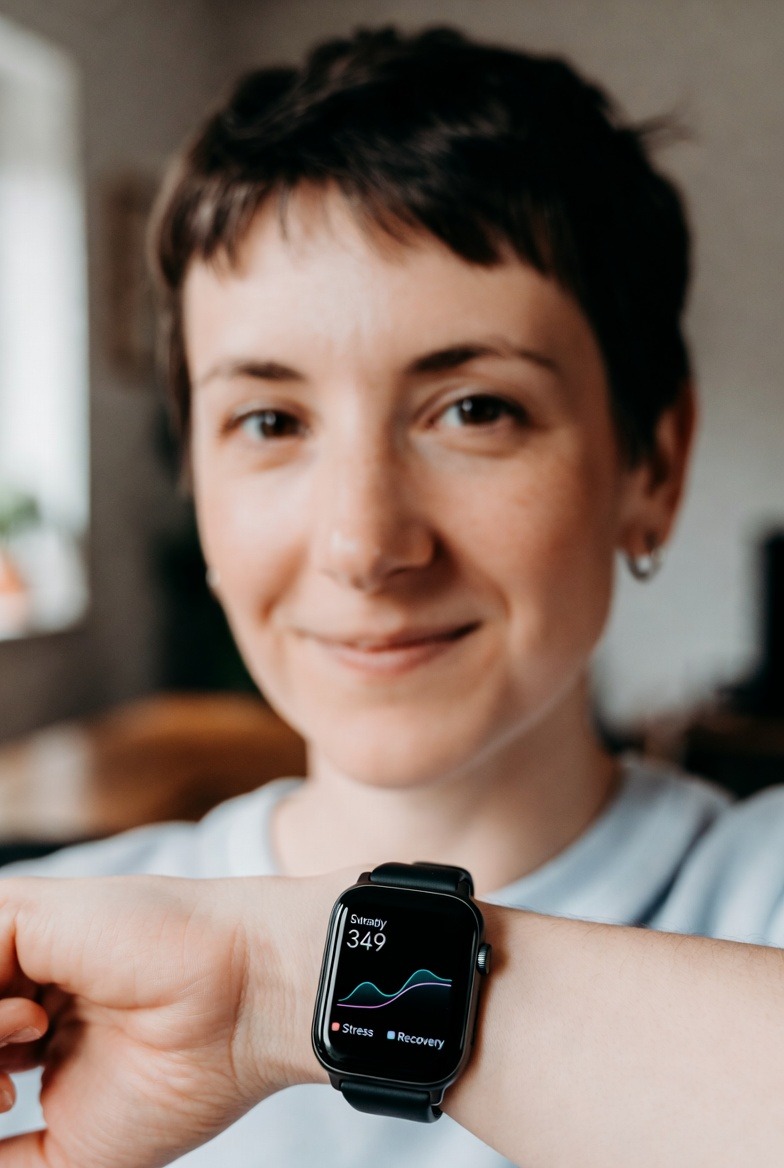
Forget the sculpted influencers and the complex workout splits flooding social media. For someone starting from zero, true fitness has nothing to do with aesthetics or performance metrics. It is built upon four simple, accessible pillars that anyone can cultivate, regardless of current ability, age, or available equipment.
1. Daily Non-Exercise Activity Thermogenesis (NEAT)
This is your secret weapon. NEAT is the energy you expend for everything that is not sleeping, eating, or sports-like exercise. It includes walking, typing, gardening, fidgeting, and standing. For the sedentary person, increasing NEAT is the single most effective and sustainable lever to pull.
2. Functional Mobility and Flexibility
This pillar is about reclaiming your body's natural range of motion. Sedentary life tightens some muscles (hips, chest) and weakens others (back, glutes), leading to poor posture and pain.
3. Basal Strength
You don't need to lift heavy weights. Basal strength is about re-awakening and teaching your major muscle groups to fire properly again. It’s the strength needed to stand up from a chair without using your arms, to carry groceries, or to pick up a child.
4. Cardiovascular Baseline
This isn't about running. It's about gently stressing your heart and lungs so they become more efficient at delivering oxygen. A healthy cardiovascular baseline reduces everyday breathlessness and boosts energy.
Tracking your progress in these foundational areas can be incredibly motivating. A device like the Oxyzen smart ring can move this from the abstract to the concrete. By monitoring your heart rate during a brisk walk, you can see your cardiovascular fitness improve as your heart works less hard at the same pace. It can also track your overall daily activity, giving you credit for all that increased NEAT, which a simple step counter might miss. To understand the full scope of what a modern wellness tracker can do, many find it helpful to read an honest breakdown of the pros and cons of sleep tracking, which applies broadly to activity tracking as well.
Motivation is a fickle flame; it flickers and dies. Discipline, for someone starting from zero, feels like a mountain. The bridge between intention and action is built not of giant beams of willpower, but of tiny, unbreakable strands of habit. This is the domain of the micro-habit: a behavior so small it's impossible to fail, yet so consistent it compounds into monumental change.
The Science of Tiny Gains
When you attempt a massive change ("I will workout for an hour every day"), you trigger a resistance response in your brain. The perceived effort and threat to your current routine are too high. A micro-habit ("I will put on my walking shoes after I pour my morning coffee") is so trivial it bypasses this resistance. Completing it provides a small hit of dopamine—the brain's reward chemical—which reinforces the behavior and makes you slightly more likely to do it again. Over time, this neural pathway is strengthened, and the behavior becomes automatic.
Designing Your First Movement Micro-Habits
The key is to anchor your new, tiny behavior to an existing, rock-solid habit in your daily routine (a concept known as "habit stacking").
The "Two-Minute Rule" and Celebration
The rule is simple: any new habit should take less than two minutes to do. The goal is not the outcome in the moment (e.g., getting fit from a 2-minute stretch), but the ritual of practicing the habit. You are training the behavior pattern. And here’s the non-negotiable part: You must celebrate immediately. A quiet "yes!", a fist pump, a smile—this conscious positive reinforcement wires the habit into your brain. Consistency is not about never missing a day; it's about defaulting back to the pattern so quickly that a miss becomes a rare outlier.
Technology can serve as a powerful anchor and celebratory tool. Setting a gentle vibration reminder on your smart ring to stand up, or seeing a congratulatory notification on your phone when you hit a tiny daily movement goal, provides that external cue and reinforcement. As you build these habits, you’ll naturally become more curious about optimizing other areas of your health, such as understanding the science of deep sleep and its profound impact on recovery and motivation.
One of the greatest fears when starting from zero is injury. This fear often paralyzes people before they even begin. The solution is to cultivate a new skill: interoception, or the ability to perceive the internal sensations of your body. Learning to distinguish between the constructive stress of growth and the warning signal of harm is crucial.
The Vital Difference: Good Hurt vs. Bad Hurt
The Non-Negotiable: Recovery as Progress
For the sedentary body, rest is not laziness; it is the essential process of adaptation. When you introduce new movement, you create microscopic stress in your muscles and systems. It is during rest—especially sleep—that your body repairs this stress, making you slightly stronger and more resilient. Ignoring recovery is like building a house without letting the cement dry between layers.
Practical Recovery for Beginners:
A tool like the Oxyzen ring becomes an extension of your interoceptive sense. By tracking your Heart Rate Variability (HRV)—a key metric of your nervous system's readiness and recovery status—it can provide objective data to support your subjective feelings. A lower-than-normal HRV might suggest you need a gentler day, even if you feel mentally ready to go. This feedback loop helps you respect your body's needs and avoid the boom-bust cycle that derails so many beginners. For more on how athletes (and beginners are athletes of daily life) use this data, the principles in deep sleep optimization for athletes are directly applicable.
Theory is essential, but action is everything. Here is a practical, flexible blueprint for your first seven days. This plan prioritizes consistency and positive experience over intensity. Every element can be done in your home, in regular clothes, with zero special equipment.
The Core Daily Non-Negotiables:
The Seven-Day Movement Sequence:
This plan is a starting template, not a rigid doctrine. The goal is to prove to yourself that you can do it. For hundreds of others who have started this journey, seeing the data from their efforts—like improved sleep scores or resting heart rate—has been a key motivator. You can read some of their real-world experiences in our testimonials section.
Your willpower is a limited resource. Your environment, however, exerts a constant, passive influence. Instead of fighting against a world designed for sitting, you can make subtle "edits" to your physical and digital spaces that make movement the easier, default choice. This is about working with human nature, not against it.
The Physical Space Edit:
The Digital Environment Edit:
The Social Environment Edit:
Creating an environment that supports your goals turns active living from a task into a natural outflow of your daily design. And just as you design your physical space, you can design your data environment. A well-designed wellness device integrates seamlessly, providing insights without being intrusive. To see how one company has approached this philosophy of seamless integration, you can explore our story and the vision behind creating a tool that fits into your life, not the other way around.
As you begin to move more, your relationship with food will naturally begin to shift. This is not about dieting or restriction. It’s about viewing food as the foundational fuel and building material that supports your new, more active life. The goal is energy stability—avoiding the crashes and brain fog that can derail your best movement intentions.
The Beginner's Nutrition Principles:
Practical Eating for Your First Active Weeks:
Nutrition also plays a profound, and often overlooked, role in your recovery, particularly your sleep quality. What you eat can significantly impact your ability to fall asleep and achieve restorative deep sleep. For those looking to optimize this critical pillar of recovery, exploring foods that increase deep sleep naturally can be a game-changer. For more holistic wellness strategies that complement an active lifestyle, a wealth of information awaits on the Oxyzen blog.
The path from sedentary to active is not a straight, upward line. It is a winding road with mental switchbacks that can feel more challenging than any physical effort. Preparing for these psychological hurdles is just as important as learning the exercises.
The Comparison Trap
In the age of social media, it's easy to compare your Day 1 to someone else's Day 1,000. This is a recipe for instant discouragement.
The "All-or-Nothing" Mindset
This is the belief that if you can't do the "perfect" 30-minute workout, you might as well do nothing. It’s the enemy of consistency.
The Inevitable Plateau
Progress is rarely linear. There will be weeks where you feel you've stalled, where the walk feels just as hard, or you miss several days in a row.
When these mental hurdles arise, objective data can be a grounding force. Instead of feeling like you're failing subjectively, you can look at trends on your wellness tracker. Perhaps your resting heart rate has dropped steadily over the last month, or your sleep scores are improving—signs of progress that are invisible to the naked eye but profoundly meaningful. This data provides a narrative of success that counteracts the negative self-talk. For answers to common questions about how this technology supports the journey, our comprehensive FAQ is a great resource.
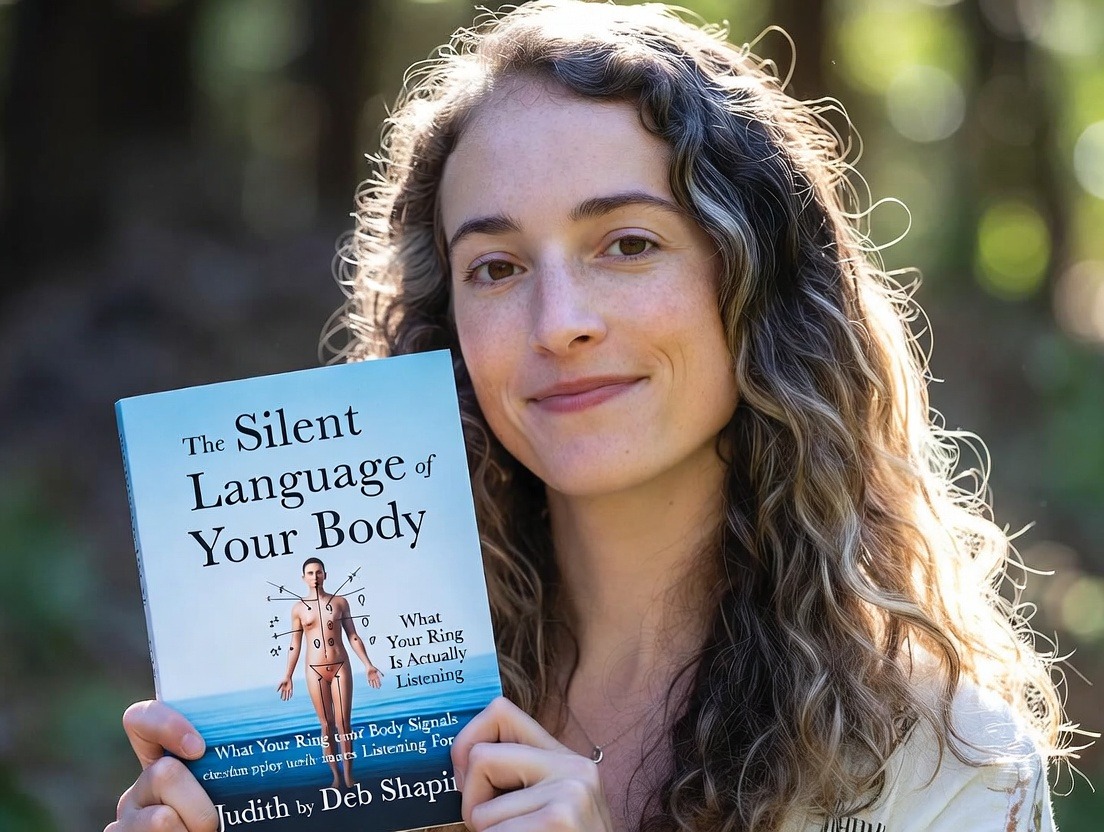
In our quest for active living, technology is a double-edged sword. It can be a source of endless distraction and comparison, or it can be a powerful compass, offering personalized insights that were once only available in elite labs. The key is intentionality—using tech as a servant to your goals, not a master of your attention.
The Smart Ring Advantage: Unobtrusive Insight
For the person starting from zero, the most significant barrier to tracking is often compliance. Wrist-based devices can be bulky, uncomfortable to sleep in, or easy to forget. A smart ring like Oxyzen solves this. It's worn 24/7, passively collecting a rich dataset while you live your life. This provides a holistic picture, showing you the interconnectedness of your activity, sleep, and stress.
Key Metrics for the Beginner:
Using Data with a Beginner's Mind
The data is not a report card; it's a conversation with your body. The goal is not to obsess over every decimal point, but to spot trends and learn patterns. Ask curious questions:
This approach turns technology into a teacher of body awareness. It helps you move from generic advice to personalized understanding. To fully appreciate the potential of this kind of guidance, you can learn more about Oxyzen and its approach to personalized wellness intelligence.
As we close this foundational portion of our guide, remember that you have now laid the critical groundwork. You've understood the sedentary predicament, redefined fitness on your terms, built micro-habits, learned to listen to your body, executed a practical first week, designed a supportive environment, fueled your shifts, and equipped yourself with mental and technological tools. This comprehensive start is your launchpad. The journey ahead is about deepening these practices, exploring new movements, and building a resilient, active life that is uniquely and sustainably yours.
Walking is the perfect gateway drug to an active life. But to build a resilient, capable body that resists injury and defies the frailties of sedentary aging, you must eventually introduce a new language: strength training. For the beginner, this phrase can conjure images of grunting bodybuilders and clanging iron. Let's translate it. Strength training is simply the practice of making your muscles work against a force—and that force can be your own body weight, a resistance band, or a light dumbbell. It's the ultimate "use it or lose it" principle in action.
Why Strength is Non-Negotiable, Especially as We Age
Muscle mass and bone density naturally decline from our 30s onward—a process called sarcopenia. A sedentary lifestyle accelerates this decline dramatically, leading to weakness, poor balance, and a higher risk of fractures. Strength training is the only proven intervention to not just slow this decline, but reverse it.
The Foundational Movement Patterns
All human movement boils down to a handful of fundamental patterns. Mastering these with bodyweight first is your primary goal.
Programming Your First Strength Sessions
Start with just one or two short sessions per week, separate from your daily walking.
Rest for 60-90 seconds between sets. Focus on controlled movement and full breaths. This minimal dose will trigger significant adaptive changes in a beginner's body. As you incorporate this new stress, tracking your body's response becomes even more valuable. A smart ring can show you how your body handles this new stimulus—does it lead to an increase in deep sleep for recovery, or do you see a dip in HRV indicating you need more rest? This feedback is gold.
If movement is the stimulus for change, sleep is the workshop where the repair and growth actually happen. You cannot out-move poor sleep. For the sedentary person beginning an active journey, prioritizing sleep is the force multiplier that makes every other effort more effective and sustainable. It’s the difference between feeling energized for your morning walk and hitting snooze eight times.
Sleep as a Performance-Enhancing Drug
During sleep, particularly during deep sleep (Slow-Wave Sleep) and REM sleep, your body undertakes critical work:
When you start moving more, your sleep need may actually increase slightly. Ignoring this need leads to a state of chronic, low-grade recovery debt, where you’re constantly adding stress without adequate repair—a direct path to burnout, injury, and quitting.
Actionable Sleep Hygiene for Active Beginners
Using Data to Connect the Dots
This is where a holistic tracker shines. You can move from guessing to knowing. Did your 20-minute strength session last night correlate with an increase in deep sleep duration? Did a poor night’s sleep (maybe you struggled to understand the difference between deep and REM sleep) lead to a higher resting heart rate and a failed morning workout? This biofeedback loop allows you to experiment. You might find that a magnesium-rich snack, part of those foods that increase deep sleep naturally, before bed improves your sleep scores, which in turn gives you more energy for movement. It turns wellness into a personal science experiment.
Goals are destinations. "Lose 20 pounds." "Run a 5K." They can be useful for direction, but they are brittle. When you focus solely on a distant outcome, every setback feels like a failure. The secret to lasting motivation is to fall in love with the system—the daily and weekly processes that make the goal inevitable.
Building Your Irresistible System
A system is your set of habits, routines, and environments we've been building. Your goal might be "get fit," but your system is:
You don't have to feel motivated to execute your system. You just have to trust it. On days you feel zero motivation, the victory is simply following the system. This shifts your identity from "someone trying to get fit" to "someone who moves their body daily." That identity is resilient.
Reconnecting with Your Deep "Why"
Beneath every surface goal ("lose weight," "get toned") lies a deeper, emotional driver. This is your true fuel. To find it, ask "why" repeatedly.
The Role of Technology in a Systems-Based Approach
A smart wellness device is the ultimate systems tool. It provides objective feedback on the process, not just the outcome. It answers:
This shifts your focus from the scale (an outcome) to daily behaviors (the system). Celebrating a week of high activity consistency or improved sleep stability is a victory for your system, reinforcing the identity of a person who takes care of themselves. For inspiration on how others have used this systems-based approach with technology, the real-world experiences shared in our testimonials can be powerful.

Humans are social creatures, and our behaviors are deeply influenced by those around us. Navigating your social environment is a critical, often overlooked, skill in building an active life. You have two primary paths: cultivating a supportive tribe or mastering the art of the sustainable solo journey.
Option 1: Curating Your Supportive Tribe
This isn't about finding a hardcore workout buddy on day one. It's about subtly surrounding yourself with influences that pull you forward.
Option 2: The Empowered Solo Path
For many, the social pressure of a buddy system adds anxiety, not accountability. If you're an introvert or simply prefer to go at your own pace, this path is perfectly valid—and powerful.
Managing Unsupportive Influences
You may encounter friends or family who, consciously or not, undermine your efforts. They might dismiss your small changes, pressure you to skip your routine for unhealthy habits, or make jokes. This often stems from their own discomfort with change.
Whether you choose a social or solo path, having a central resource for knowledge can provide a sense of guidance. The Oxyzen blog is continually updated with evidence-based articles on everything from the technology behind sleep trackers to advanced recovery strategies, offering support regardless of your social preferences.
The fear of injury is a major roadblock. The paradoxical truth is that intelligent movement prevents injury, while continued sedentarism makes you frail and more prone to harm. Your goal is not to move so cautiously that you make no progress, but to move so wisely that you build a body resistant to common strains and pains.
The Big Three: Form, Fatigue, and Frequency
Most beginner injuries stem from errors in these three areas.
Prehabilitation: Proactive Strength for Problem Areas
Instead of waiting for a problem, fortify the areas most vulnerable in a sedentary body.
What to Do When Something Hurts
If you feel pain (remember the "bad hurt"), employ the S.T.O.P. method:
Tracking your daily readiness can help you practice proactive prevention. A consistently low HRV score might be your body's signal to choose a gentle yoga session over a heavy strength day, thereby avoiding a form-breaking, injury-prone workout. It's about working with your body's signals, not bulldozing over them. For more on how to interpret your body's readiness signals, our detailed FAQ addresses many common questions on data interpretation.
The scale is a seductive but ultimately flawed and demoralizing master. Weight fluctuates daily due to water, glycogen, food volume, and hormones. For someone building muscle through new strength training, the scale might not budge, or even creep up, while your body composition is improving dramatically. To stay motivated and accurately track your transformation, you must cultivate an eye for Non-Scale Victories (NSVs).
The Categories of Non-Scale Victory
Document these. They are the real story of your progress.
Quantifiable, Non-Scale Metrics
For the data-inclined, these are powerful alternatives to body weight:
By shifting your focus to these NSVs and biomarker trends, you align your motivation with health and capability, not just aesthetics. You begin to see your body as a dynamic, responsive system that you are learning to optimize. This is the mindset of lifelong active living. To see how others have celebrated their unique journeys and NSVs, the stories collected in our story section reflect this broader philosophy of wellness.
Every journey has flat sections. The plateau is not a sign of failure; it's a sign that your body has successfully adapted to your current routine. It's a signal to intelligently adjust your stimulus. This is where you graduate from a beginner following a generic plan to a student of your own body.
Diagnosing Your Plateau
First, ask three questions:
Intelligent Pivots for the Graduating Beginner
Choose one variable to adjust at a time, for 2-4 weeks, and observe.
The Deload or Active Rest Week
Sometimes, the best pivot is a step back. Every 6-8 weeks, schedule a "deload" week. Reduce your strength session volume by 50% (do half the sets) and keep weight light. Make your walks purely leisurely. This planned recovery allows your nervous system and connective tissues to fully super-compensate, often leading to a performance leap the following week.
Using Data to Guide Your Pivot
This is strategy in action. Your wellness data tells you why you might be plateauing and how to pivot.
Embracing plateaus as learning opportunities transforms your journey from a rigid plan to a dynamic dialogue with your body. For more insights on adapting your approach based on your body's feedback, the wealth of articles on the Oxyzen blog serves as an ever-present resource.
Physical activity isn't just a mechanical process. It's an opportunity to reconnect your conscious mind with your physical vessel—a connection that a sedentary life often severs. Mindfulness, the practice of paying purposeful, non-judgmental attention to the present moment, can be woven into your movement to deepen its benefits and enhance adherence.
Movement as Moving Meditation
You don't need to sit on a cushion to practice mindfulness. Any activity can become meditative when you anchor your attention to the sensations of the movement.
Breath: The Bridge Between Mind and Body
Your breath is a direct control lever for your nervous system. Sedentary, stressful living often leads to shallow, chest-only breathing.
The Power of a Post-Activity Check-In
After you finish your movement, take 60 seconds. Sit or stand quietly. Scan your body. How do you feel? Energized? Calm? Strong? Acknowledge the feeling without judgment. This simple act solidifies the positive neuro-association with movement. It rewires your brain to see activity not as a depletion, but as a source of vitality and calm.
Technology and Mindful Awareness
Paradoxically, technology can aid mindfulness by quantifying its effects. After a mindful walk, check your stress metric or heart rate on your smart ring. Did it drop? After a focused strength session, did your subsequent sleep show more restorative deep sleep? This data validates the mind-body connection, showing you tangibly that a calm, focused approach has measurable physiological benefits. It can even help you identify the activities that bring you the most holistic payoff, guiding you to do more of what truly serves you.
This deep integration of mindfulness marks the evolution from simply "working out" to holistic "training"—engaging your entire being in the process of becoming more alive, resilient, and present. It’s the final piece that ensures your active living journey is not just about adding years to your life, but life to your years.

You've built the foundation. Daily movement is now a non-negotiable part of your life, your body feels more capable, and you understand the basics of recovery. Now, the natural progression is to introduce more structured exercise. This doesn't mean life becomes a grueling regimen; it means applying the principle of "progressive overload" intelligently to continue challenging your body and unlocking new levels of vitality and strength. This stage is about moving from general activity to purposeful training, even if that "training" is just for the sport of daily life.
From "Movement Snacks" to "Movement Meals"
Think of your initial micro-habits and NEAT increases as healthy snacks that kept you going. Now, you're ready for a few more substantial, planned "meals." This involves scheduling slightly longer, more focused sessions 2-3 times per week, dedicated to either cardiovascular conditioning or strength development. The key is that these sessions have a clear intent.
Designing Your First Simple Split
A "split" simply refers to how you organize your training focus. For a beginner progressing from zero, a full-body approach, done 2-3 times per week, remains ideal. Here’s a sample framework for a weekly structure:
The Concept of "RPE" (Rate of Perceived Exertion)
Forget complex heart rate zones for now. Learn to use the RPE scale, a 1-10 measure of how hard an effort feels.
Using RPE allows you to auto-regulate based on daily energy. Some days an RPE 6 feels like yesterday's 8, so you dial it back. This is intelligent training.
How Technology Supports Structured Training
As your workouts become more structured, your smart ring transitions from a general activity tracker to a training log and recovery analyst.
As the volume and intensity of your movement increase, your nutritional needs evolve from simply supporting a shift away from sedentarism to actively fueling performance and optimizing recovery. This isn't about complicated diets; it's about strategic timing and quality to ensure your body has the raw materials it needs to thrive.
The Three Nutritional Levers for Active People
Practical Nutrition for Your New Routine
Hydration: The Often-Forgotten Performance Enhancer
Dehydration as small as 2% of body weight can significantly impair performance, increase perceived effort, and hinder recovery.
The Sleep-Nutrition Connection
What you eat profoundly impacts how you sleep, which in turn dictates your recovery and next-day performance. Heavy, fatty meals close to bedtime can disrupt sleep. Conversely, certain nutrients can promote the sleep stages essential for recovery. For instance, incorporating elements from a deep sleep formula focusing on temperature, timing, and habits can include dietary choices like a small magnesium-rich snack (e.g., almonds, pumpkin seeds) in the evening.
Using your wellness data, you can start to see these connections. Notice how a day of poor hydration correlates with a higher resting heart rate. Observe if a post-workout meal high in processed foods leads to a more restless sleep score compared to a whole-foods meal. This turns nutrition into an experiential learning process.
The initial motivation wave has crested. The novelty has worn off. This is where the real work—and the most rewarding growth—happens. Building mental toughness isn't about gritting your teeth through pain; it's about cultivating the resilience to show up for yourself consistently, especially when you don't feel like it. It's the armor against life's inevitable disruptions.
Redefining "Toughness" as Discipline
Mental toughness for the everyday person is simply discipline—the ability to follow through on the commitments you've made to yourself, regardless of fleeting emotions. It's the decision to go for your walk even though it's drizzling, because you know you'll feel better after. It's choosing to prepare a healthy lunch because it fuels your afternoon energy.
Strategies to Fortify Your Discipline
The Power of a "Why" Revisited
When discipline wanes, return to your deep, emotional "why." Visualize the person you are becoming—the parent who plays, the professional with sustained energy, the retiree who travels actively. Connect your present action (this walk, this strength session) directly to that future self. This creates meaning, which is a far stronger driver than vanity.
Using Data as an Objective Coach
Emotions lie; data tells a kinder, more objective story. On a day you feel like you've made no progress, you can look at your wellness trends:
This data is a testament to your discipline. It's proof that your small, consistent actions are compounding. It's the antidote to the "I've done nothing" feeling. It validates the effort on the days it felt hardest. For a deeper look at how this long-term tracking can reveal profound health insights, our article on how age affects deep sleep and how to compensate is a perfect example of using data for lifelong strategy.
While the solo journey is valid, humans are wired for connection. At this stage, finding or creating a community of like-minded individuals can provide a powerful new source of energy, ideas, and accountability. This isn't about competition; it's about shared experience and mutual support.
Levels of Community Engagement
You can engage at a level that suits your personality:
The Science of Shared Goals
When you share a goal with a group, you tap into powerful psychological forces:
How Technology Facilitates Community
Modern wellness platforms often have social features. You might choose to connect with a few trusted friends to share general trends (not intimate data). Seeing a friend hit their movement goal can be a nudge to finish yours. Some find motivation in sharing non-scale victories in dedicated groups, discussing how their improved sleep from using tools like Oxyzen has changed their game. Reading others' journeys on platforms like the Oxyzen blog can also foster a sense of being part of a larger community pursuing similar goals.
Guarding Against Negative Comparison
The key to a healthy community is a culture of support, not competition. If a group makes you feel inadequate for not lifting enough, running fast enough, or having a certain body type, leave it. Your community should celebrate starting lines, not just finish lines.
"Periodization" sounds like a complex concept for elite athletes, but it's simply the planned manipulation of training variables (volume, intensity, frequency) over time to maximize results and prevent burnout. For the lifelong active person, it's the master framework that ensures you don't get bored, hit perpetual plateaus, or overtrain. It’s the blueprint for sustainable progress over years, not just weeks.
The Annual Cycle for an Active Life
Think of your year in broad seasons, each with a different focus.
Listening to Life's Natural Periods
Your training should also ebb and flow with life's demands. A stressful work project, a family holiday, or an illness is a natural "transition phase." Forcing yourself to stick rigidly to a progressive plan during these times leads to frustration. Have the wisdom to dial it back and protect your routine's core (e.g., maintain your 10-minute daily walk) while letting the edges soften.
Using Biomarkers to Guide Your Phases
This is where a holistic tracker becomes an essential strategic partner. Your body's data tells you which phase you're actually in, regardless of your calendar.
By planning variation and respecting your body's signals, you turn active living into a sustainable, lifelong practice that adapts with you. For insights into how recovery needs and capabilities shift over a lifetime, influencing these phases, the exploration of deep sleep and aging provides critical context.
Your commitment will be tested. A business trip, a cold, or the December holiday frenzy can seem like kryptonite to your new routine. This is not where you fail; this is where you learn the art of flexibility and resilience. The goal is not perfection, but navigation—emerging on the other side without having to restart from zero.
Strategy 1: Maintenance Mode for Travel
Travel disrupts everything: schedule, food, environment, equipment.
Strategy 2: The Smart Return from Illness
Pushing through illness is counterproductive and dangerous.
Strategy 3: Surviving (and Thriving) Through Busy Seasons
When work or family demands explode, your routine must become minimalist and non-negotiable.
In all these scenarios, your wellness data provides compassionate context. After travel, you can see how your sleep and readiness metrics normalize. After illness, you can watch your HRV climb back to baseline, telling you it's safe to ramp up. It turns obstacles from derailments into data points in your long-term story. For more support on troubleshooting life's disruptions, our FAQ covers many common situational questions.
This is the final, fundamental shift. You are no longer "a sedentary person trying to be active." You are becoming "an active person." This is an identity-level change, where movement is no longer a task on your to-do list, but an intrinsic part of who you are and how you move through the world. It's the point where the habits are so ingrained that not moving feels stranger than moving.
Signs Your Identity is Shifting
Cultivating an Athlete's Mindset (For Life)
Adopt the mindset of an athlete training for the sport of longevity. This means:
The Role of Technology in an Active Identity
For the modern active person, technology like a smart ring becomes a seamless part of this identity—like a watch. You check your readiness in the morning not out of obsession, but out of curiosity and planning. You review your sleep data to understand your recovery, not to judge yourself. It becomes a tool for self-knowledge and optimization, integrated into your daily rhythm. It helps you answer the question, "How can I feel my best today?" To see this philosophy in action, from product design to user experience, you can explore the vision behind it at Oxyzen.shop.
Passing It On
A powerful reinforcement of your new identity is to gently inspire others. Not by preaching, but by embodying the vitality, energy, and joy that comes with an active life. When someone asks, "How do you have so much energy?" you have a real, lived answer. You become a quiet testament to the possibility of change, starting from zero.
This journey from a sedentary baseline to an active identity is the most rewarding project you will ever undertake. It pays dividends in every facet of your life: physical health, mental clarity, emotional resilience, and profound self-confidence. You are rebuilding not just your body, but your relationship with it. You are learning its language, respecting its needs, and celebrating its capabilities. This is the essence of true, sustainable wellness.
Your Trusted Sleep Advocate (Sleep Foundation — https://www.sleepfoundation.org/)
Discover a digital archive of scholarly articles (NIH — https://www.ncbi.nlm.nih.gov/
39 million citations for biomedical literature (PubMed — https://pubmed.ncbi.nlm.nih.gov/)
experts at Harvard Health Publishing covering a variety of health topics — https://www.health.harvard.edu/blog/)
Every life deserves world class care (Cleveland Clinic -
https://my.clevelandclinic.org/health)
Wearable technology and the future of predictive health monitoring. (MIT Technology Review — https://www.technologyreview.com/)
Dedicated to the well-being of all people and guided by science (World Health Organization — https://www.who.int/news-room/)
Psychological science and knowledge to benefit society and improve lives. (APA — https://www.apa.org/monitor/)
Cutting-edge insights on human longevity and peak performance
(Lifespan Research — https://www.lifespan.io/)
Global authority on exercise physiology, sports performance, and human recovery
(American College of Sports Medicine — https://www.acsm.org/)
Neuroscience-driven guidance for better focus, sleep, and mental clarity
(Stanford Human Performance Lab — https://humanperformance.stanford.edu/)
Evidence-based psychology and mind–body wellness resources
(Mayo Clinic — https://www.mayoclinic.org/healthy-lifestyle/)
Data-backed research on emotional wellbeing, stress biology, and resilience
(American Institute of Stress — https://www.stress.org/)


